
We are a neuroscience lab interested in understanding the synaptic and circuit mechanisms of sensory perception and experience-dependent plasticity
Joined January 2021
- Tweets 26
- Following 102
- Followers 117
- Likes 52
2 Photos and videos
AuerbachLab retweeted

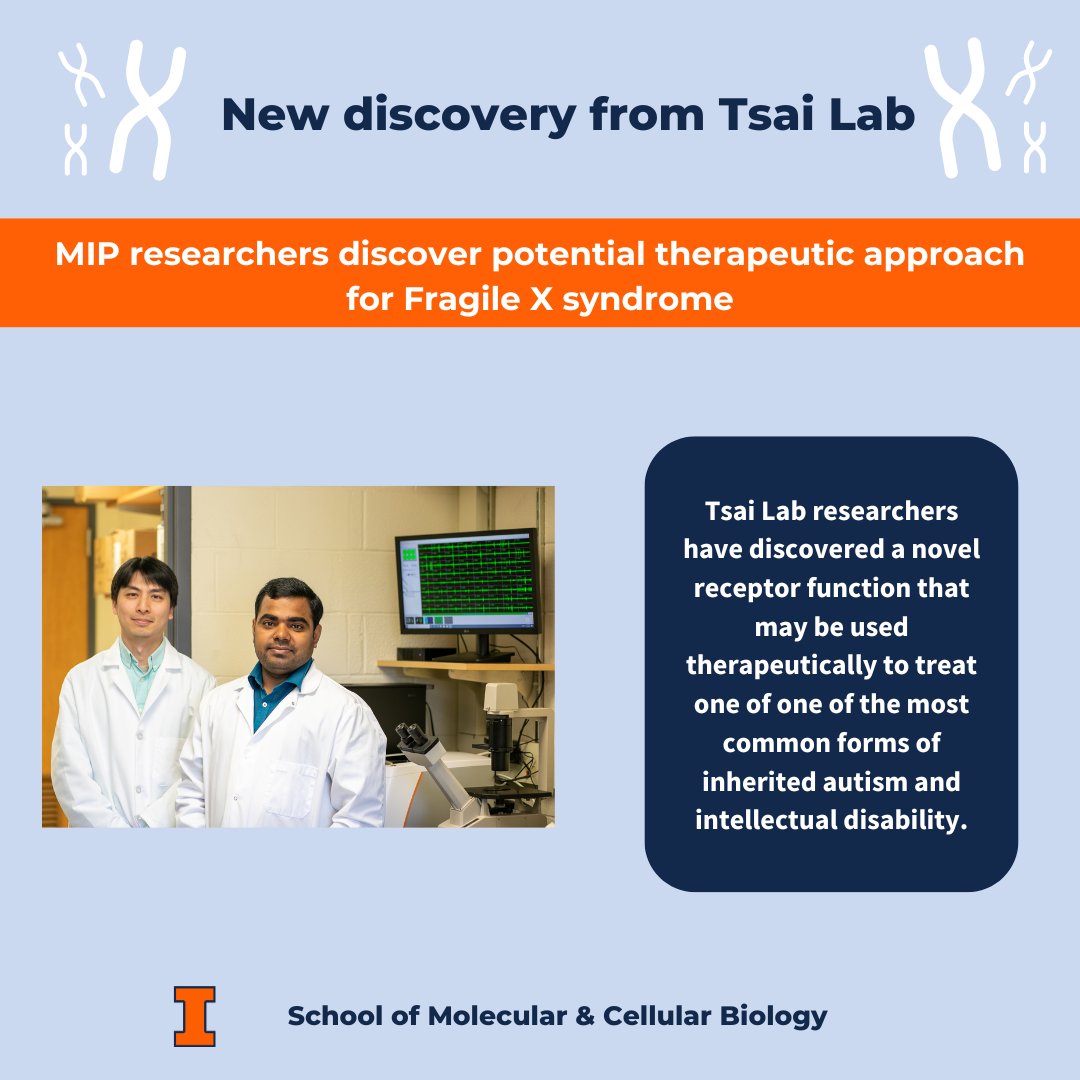
Fragile X syndrome is a commonly inherited form of autism with no treatment. But a team of researchers from the University of Illinois has discovered a novel receptor function that may be used in a therapeutic approach to treatment.
go.mcb.illinois.edu/tsai305
7
18
1,269
AuerbachLab retweeted

4 Mar 2024
"Turning a page sounds like a bomb going off. Music sounds like a ice pick to the eardrum; a siren is like a rocket being launched." Read more about the cruel reality of pain #hyperacusis in the Daily Mail: dailymail.co.uk/health/artic…
7
15
900
AuerbachLab retweeted

28 Feb 2024
The Auerbach Lab is examining how different genes associated with autism spectrum disorders may similarly impact our brain’s neurons, resulting in heightened sensitivity to sounds.
Their work is supported by a $2 million R01 grant from the @NIH▶️bit.ly/3uSPvqU
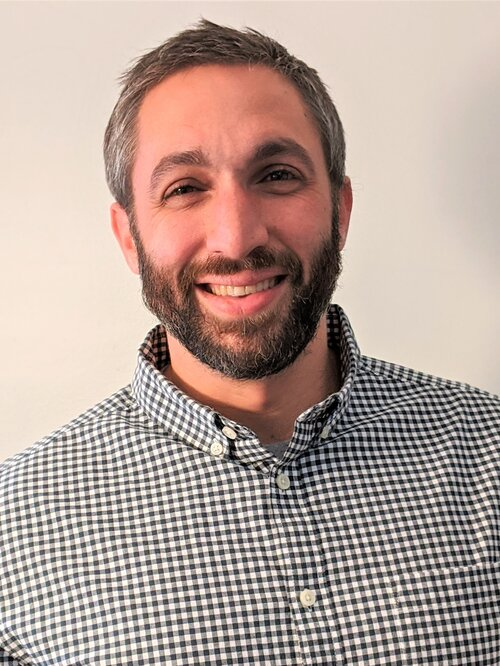
ALT Benjamin Auerbach.
6
12
1,879
AuerbachLab retweeted
Learn more about the @LlanoLaboratory and Schantz Lab's research into how fetal exposure to PCBs affects hearing health later in life. Their findings are now out in @SfNJournals.

Early exposure to PCBs made it more difficult for mice to recover from noise-related trauma later in life, according to a recent Beckman study.
The researchers chose to study noise and PCBs together — a unique combination in the field of toxicology▶️bit.ly/3CcvQ5b
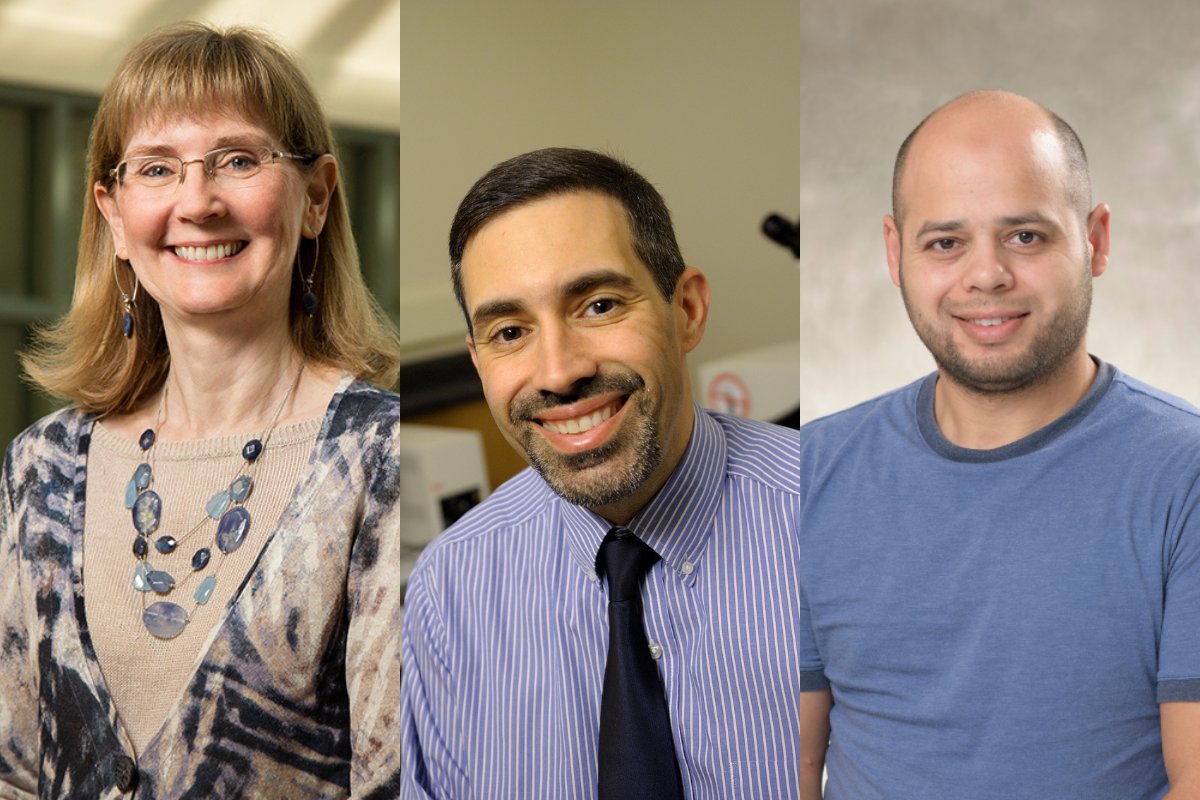
ALT Side-by-side headshots of the researchers involved in this study: Susan Schantz, Dan Llano, and Baher Ibrahim.
5
13
2,086
AuerbachLab retweeted

18 May 2023
Gail Pollard, the mother of Bryan Pollard (the founder of Hyperacusis Research), has started a fundraiser for Hyperacusis Research in his memory.
We encourage everyone to donate to support more research on pain hyperacusis. Thank you! 🙏
facebook.com/donate/18877052…
2
4
518
AuerbachLab retweeted

If you are a parent of a child 2-11yr old with hyperacusis (sensitivity to sound) researchers @UoNHearSci need your help to:
-discuss your child’s experiences
-test a questionnaire
Blog: bit.ly/3H6qtGz
Info: bit.ly/3JabL42
Email: iskra.potgieter@nottingham.ac.uk
6
8
619

28 Apr 2023
Big congrats to our fantastic undergrad researcher Liz Soellner on her Beckman fellowship! Liz will be looking at audiogenic seizure susceptibility in a rat model of Fragile X Syndrome over the summer, excited to see what she finds!
28 Apr 2023
Congratulations to the 12 #ILLINOIS students who received Beckman Institute fellowships and awards this spring! 👏🥳
The awards will fund #interdisciplinary summer research projects ▶️ bit.ly/44dA1uo
Winners' names in the thread.👇
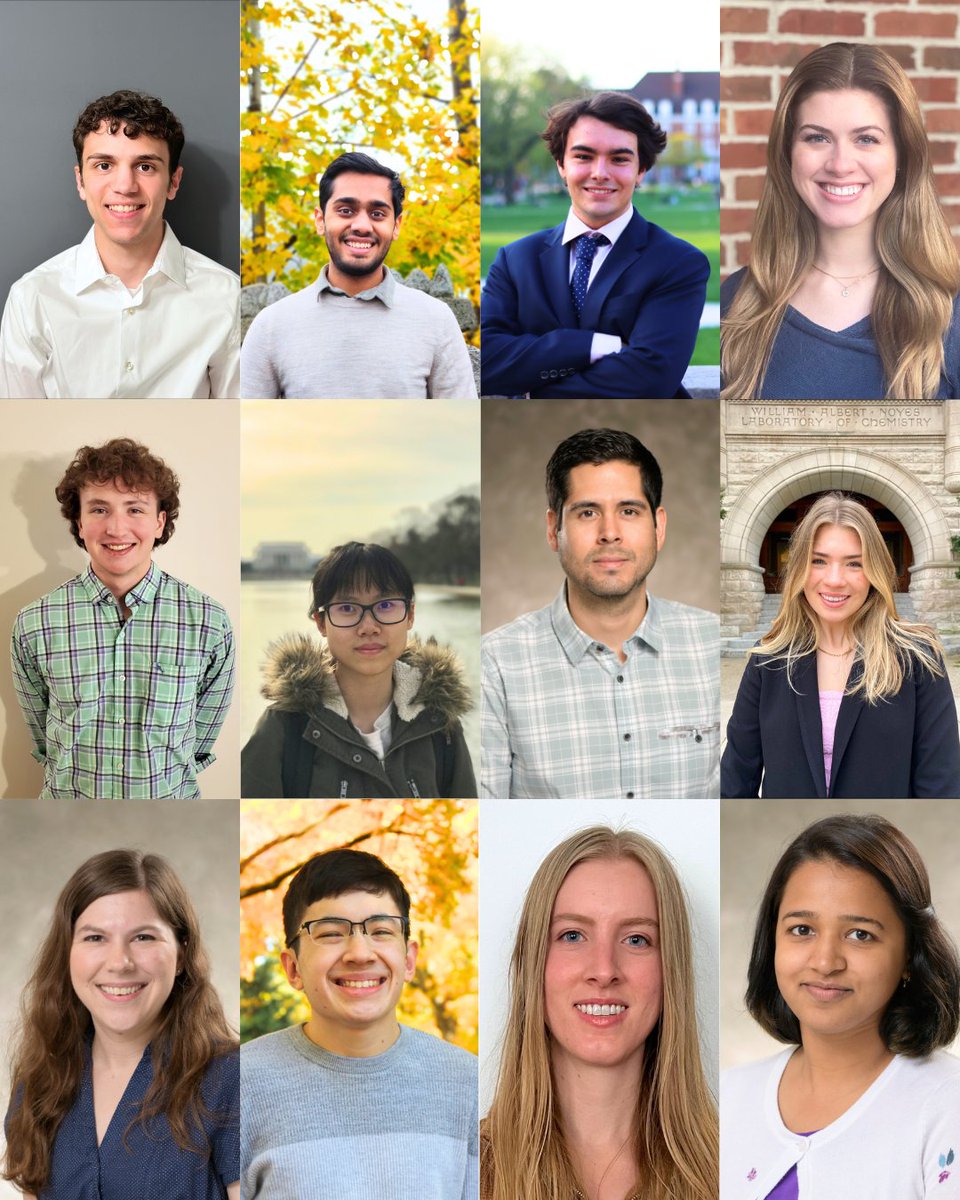
ALT Photo collage of the winning students' headshots.
1
8
781
AuerbachLab retweeted
14 Apr 2023
Read David's story in the @HearingHealthFn's magazine. #hyperacusis #tinnitus. David had to give up the life he loved because of severe noise-induced pain. view.publitas.com/p222-4764/…

1
7
15
2,067
1 Apr 2023
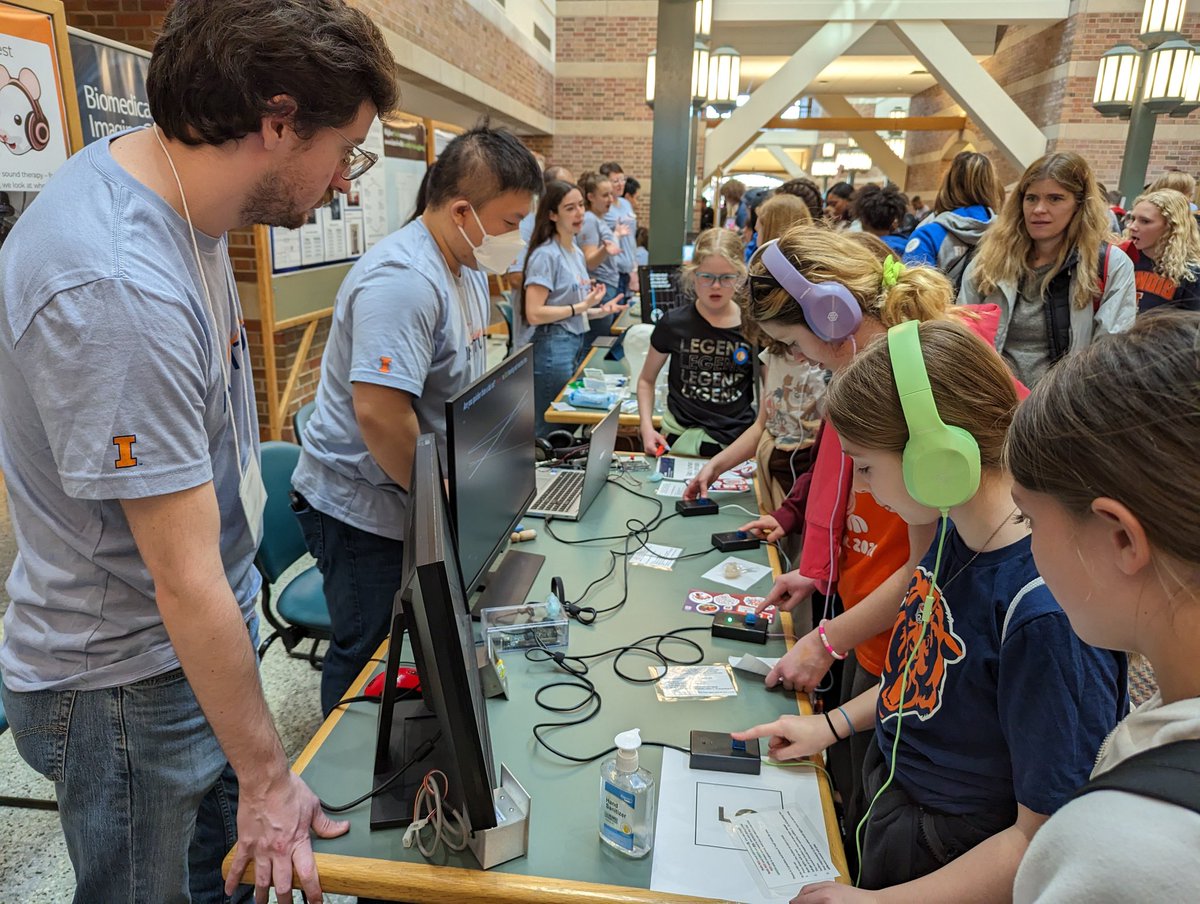
It's not too late to test your hearing against our rats @BeckmanInst open house today from 9am-4pm. The rats are in the lead but we humans can still make a comeback! #BIOH23
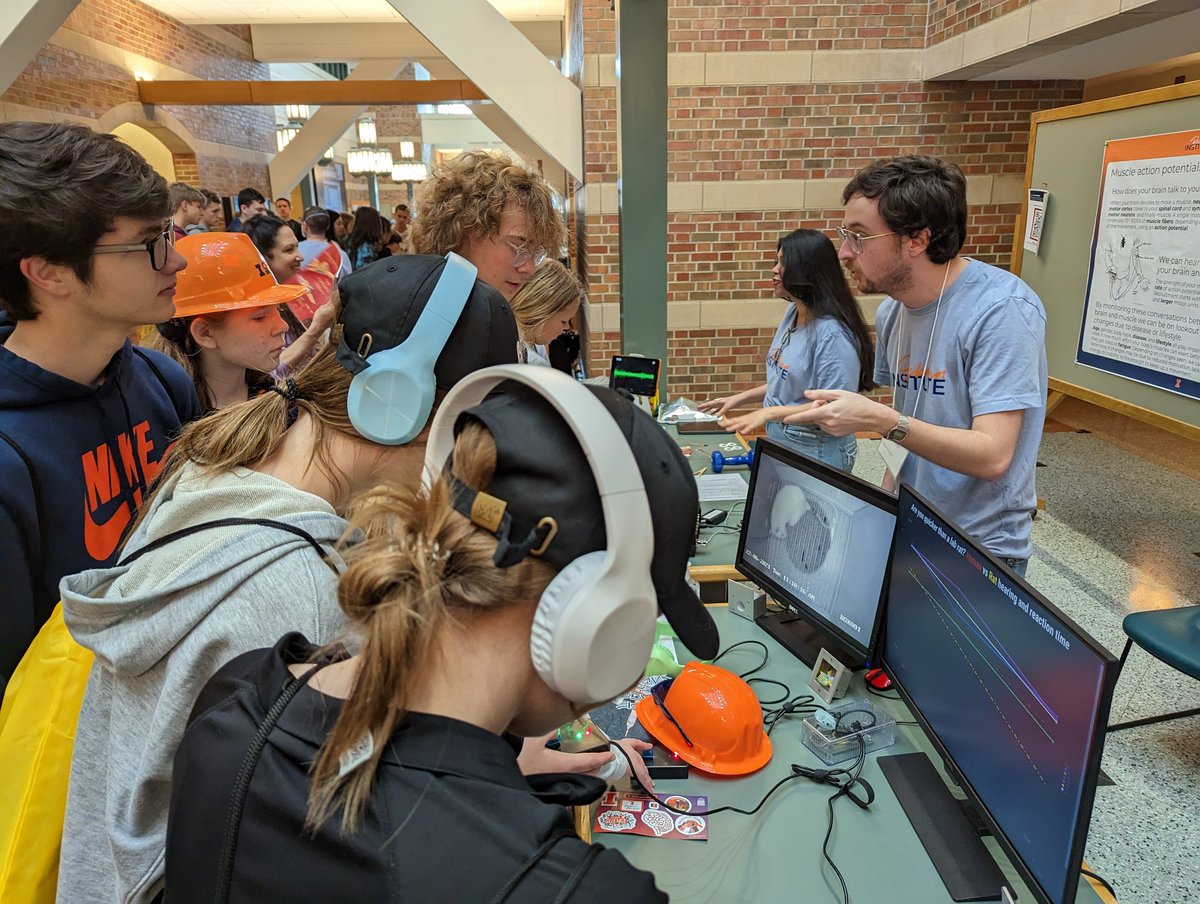
1
3
13
879
14 Feb 2023
We have a fantastic line up of speakers for our #ARO2023 symposium tomorrow morning (8-10am) discussing recent advances in hyperacusis research and advocacy efforts from @HyperacusisCure. Come check it out!
1
5
8
1,274
22 Sep 2022
Very excited to be participating in the @MIT_Picower 20th Anniversary symposium today. So much amazing work over the last two decades!
1 Aug 2022

After 20 years of neuroscience research at MIT, what have we learned? We’ve compiled highlights from 39 areas of inquiry and discovery in our labs here at The Picower Institute. Take a look! picower.mit.edu/research/dis… #neuroscience #brains

3
12 Feb 2022
Excited to share this new collaborative review paper from @AuerbachLab and Gritton lab on bottom-up/top-down adaptions for listening in complex environments and the effects of hearing loss:
frontiersin.org/articles/10.…
@BeckmanInst @MCB_Illinois @VetMedIllinois
1
4
6 Jan 2022
Check out this new review on hyperexcitability and homeostasis in Fragile X Syndrome from our lab @MCB_Illinois @BeckmanInst in collaboration with @TsaiNien and @vipendra89!
frontiersin.org/articles/10.…
2
3
11
AuerbachLab retweeted
New research from the Chung lab & collaborators found that mice with a genetic mutation associated w/ epileptic encephalopathy exhibit not only the seizure & behavioral symptoms of the disorder, but also neural degeneration and inflammation in the brain.
bit.ly/3q3a8tX
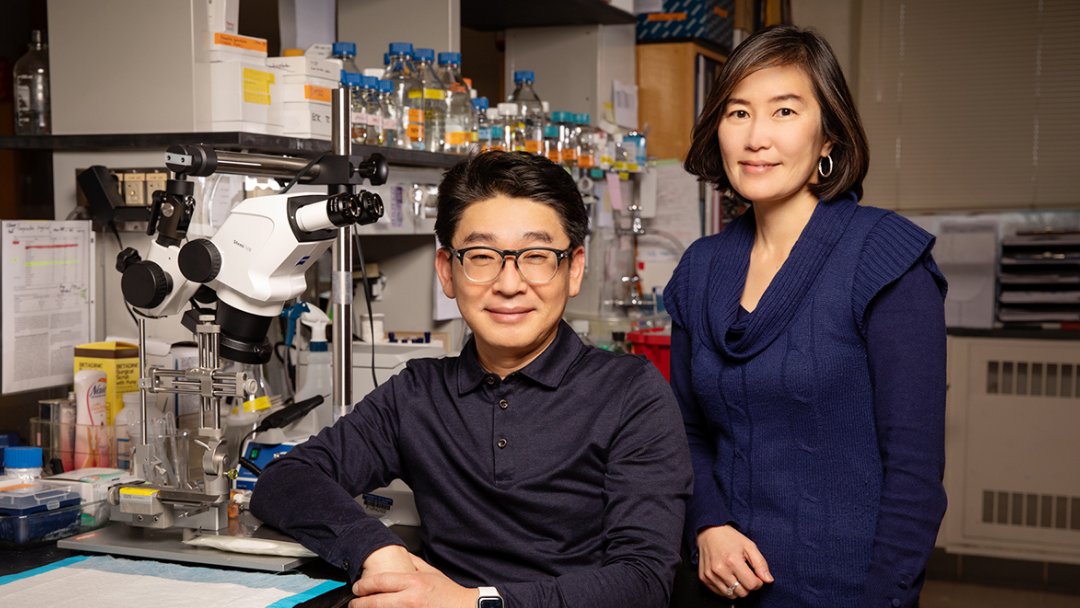
ALT A study led by Illinois postdoctoral researcher Eung Chang Kim and professor Hee Jung Chung found that mice with a genetic mutation associated with epileptic encephalopathy exhibit not only the seizure and behavioral symptoms of the disorder, but also neural degeneration and inflammation in the brain. Photo credit: L. Brian Stauffer, University of Illinois
3
5

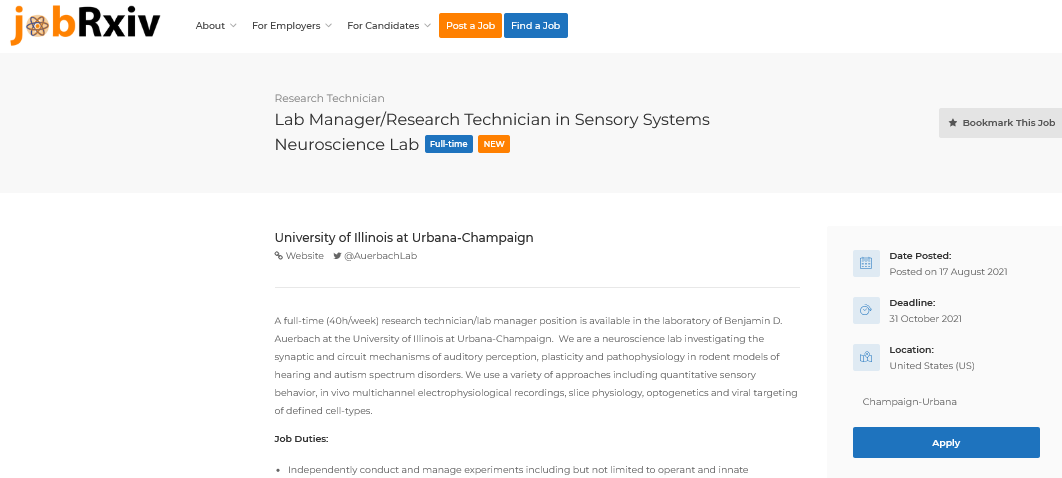
Lab Manager/Research Technician in Sensory Systems Neuroscience Lab with @AuerbachLab
@MCB_Illinois, University of Illinois at Urbana-Champaign, USA
jobrxiv.org/job/university-o…
#ScienceJobs @BeckmanInst
5
1
AuerbachLab retweeted

4 Jul 2021
1. Cortical sensory processing is multimodal: visual cortex responds to auditory stimuli, auditory cortex to somatosensory stimuli, and so on. Is there a difference in how cortical populations encode their primary modality vs. other modalities? doi.org/10.1101/2021.07.01.4…
7
79
297
16 Jun 2021
On a somewhat related note...we are hiring! The Auerbach Lab @MCB_Illinois @BeckmanInst has an opening for a full-time research technician available immediately. Come join us and study auditory perception in rodent models of autism and hearing disorders.
1
4
3
16 Jun 2021
For more details, look here: mcb.illinois.edu/employment/
If interested, please send resume and brief statement of interest to: auerbachlabuiuc@gmail.com
1