
Dad | Polymath | Immunologist | Academic | Nurse Scientist #Immunology #Oncology #Microbiology #Pathology #Panomics #Immunochemistry #MedSurg #PublicHealth
Joined December 2009
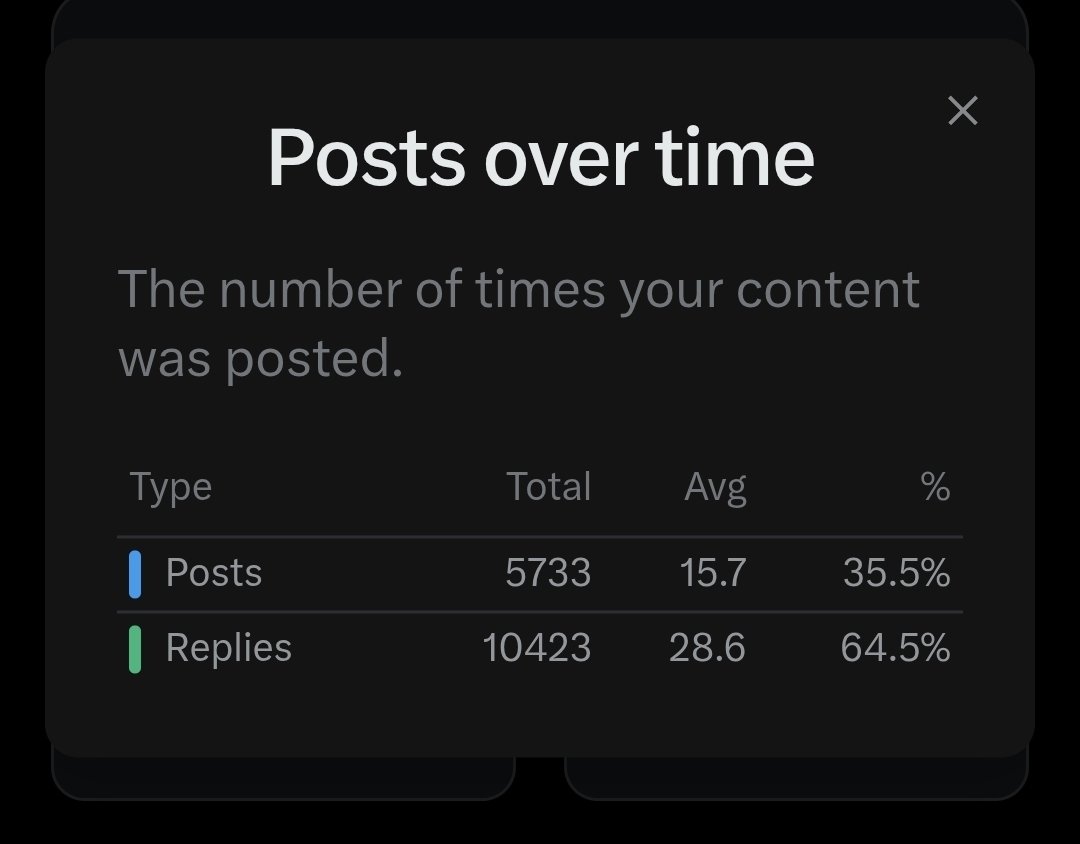
- Tweets 66,931
- Following 13,019
- Followers 16,717
- Likes 87,723
1,753 Photos and videos









Pinned Tweet

LXIII: The Chronicles of Professor Tsugua Senob and the Infection That Was Defeated Twice
The lecture hall was unusually lively.
Fatima had just returned from a clinical posting.
“I don't understand something,” she said.
“What?”
Chinedu looked up from his notes.
“A patient recovered from chickenpox years ago. Yet the virus wasn't completely gone.”
Several students nodded.
Musa frowned.
“Then was he really cured?”
The debate was still underway when Professor Tsugua entered.
He listened for a moment before walking to the board.
Without a word, he wrote:
Sterilizing Immunity
Protective Immunity
The room fell silent.
“Most people,” Tsugua began, “assume these are the same thing.”
He turned.
“They are not.”
Aisha was already writing.
“Sterilizing immunity,” Tsugua continued, “prevents infection entirely. The pathogen cannot establish itself in the host.”
He drew a simple timeline.
Exposure → No Infection
“This is the ideal outcome. The pathogen is stopped before replication begins.”
“Like some vaccines?” Fatima asked.
“Yes.”
“But sterilizing immunity is relatively uncommon.”
He pointed to the second phrase.
“Protective immunity is different.”
Another timeline appeared.
Exposure → Infection → Control
“The pathogen enters.”
“It may even replicate.”
“But disease is prevented or significantly reduced because memory responses act quickly.”
Musa looked puzzled.
“So a person can become infected and still be protected?”
“Absolutely.”
The room became attentive.
“In fact, this is how many successful immune responses work.”
Tsugua paced slowly.
“Memory B cells rapidly produce antibodies.”
“Memory T cells expand.”
“Effector mechanisms activate sooner than they did during the first encounter.”
“The pathogen gains a foothold.”
“But not control.”
Aisha nodded.
“The immune system wins faster.”
“Exactly.”
Sadiq raised his hand.
“And chickenpox?”
“An excellent example.”
Tsugua wrote:
Varicella-Zoster Virus
“After primary infection, the virus is not eradicated.”
“It establishes latency in sensory ganglia.”
The room became quiet.
“Years later it may reactivate as shingles.”
Chinedu frowned.
“So immunity did not fail.”
“No.”
Tsugua shook his head.
“Immunity controlled the initial disease, limited viral spread, and often suppresses reactivation for decades.”
He paused.
“Control is not always the same as elimination.”
Fatima looked thoughtful.
“Are there other examples?”
“Many.”
Tsugua began listing them.
Tuberculosis
Herpes Simplex Virus
Epstein–Barr Virus
Cytomegalovirus
“These organisms have evolved strategies that allow persistence despite immune pressure.”
Musa smiled.
“So the immune system isn't trying to create a sterile universe.”
A few students laughed.
“Correct.”
Tsugua nodded.
“Biology is rarely absolute.”
He wrote another phrase.
Pathogen Clearance ≠ Disease Prevention
“Sometimes the immune system eliminates the pathogen.”
“Sometimes it contains it.”
“Sometimes it establishes a long-term equilibrium.”
The room fell silent.
“Many people think immunity means destroying every invading organism.”
He looked around.
“Yet some of the most successful immune responses are those that prevent disease while tolerating persistence.”
Aisha rested her pen.
“So victory doesn't always mean eradication.”
“Exactly.”
Tsugua smiled faintly.
“Medicine often speaks the language of cure.”
“Immunology frequently speaks the language of control.”
The students sat quietly.
The distinction was sinking in.
Tsugua closed his folder.
“The immune system is not judged by whether a pathogen enters.”
He paused.
“It is judged by whether the pathogen takes over.”
The fire alarm sounded briefly in the corridor.
No one moved.
The alarm stopped.
Tsugua glanced toward the door.
“The strongest defenses,” he said quietly, “do not always keep danger out. They prevent it from gaining control.”
Class ended.
#TalesOfTsuguaSenob #ImmunoTutes
Jun 7

LXII: The Chronicles of Professor Tsugua Senob and the Tumor the Immune System Saw but Ignored
The lecture began before Professor Tsugua arrived.
Musa was scrolling through his phone.
“How does someone become a professor of oncology and immunology and still not cure cancer?” he asked.
A few students laughed.
“Because cancer is complicated,” Aisha replied.
“Complicated how?” Musa pressed. “If the immune system can detect viruses, bacteria, parasites, and even transplanted organs, why can't it eliminate cancer?”
That was when Professor Tsugua entered.
He heard the question, walked to the board, and wrote:
If cancer is foreign, immunity should destroy it.
If cancer is self, immunity should tolerate it.
The room fell silent.
“The tragedy of cancer,” he said, turning to face them, “is that both statements are partly true.”
He paused.
“Cancer begins as self.”
“A normal epithelial cell. A normal lymphocyte. A normal melanocyte.”
“It carries your DNA and many of your proteins.”
Sadiq nodded.
“So tolerance becomes a problem.”
“Exactly.”
Tsugua wrote:
Immune Surveillance
“The immune system continuously detects and removes abnormal cells. We know this because immunodeficient individuals have a higher risk of certain cancers, particularly lymphomas and virus-associated malignancies.”
Musa frowned.
“If the immune system sees cancer, why doesn't it always win?”
Tsugua wrote three words beneath the first heading.
Elimination
Equilibrium
Escape
“The Three Es of Cancer Immunoediting.”
He pointed to the first.
“During elimination, cytotoxic T cells, NK cells, macrophages, and interferons destroy transformed cells before they become clinically apparent.”
Then the second.
“Equilibrium is a stalemate. The immune system contains the tumor, but does not eradicate it.”
Kunle looked up.
“So some cancers may be held in check for years?”
“Possibly.”
Tsugua tapped the final word.
“Escape.”
“The surviving tumor cells are often the ones least visible to the immune system. Over time, selection favors cells that evade detection or suppress immune responses.”
Aisha nodded.
“The immune system is selecting for better escape mechanisms.”
“Precisely.”
He wrote:
PD-L1
“Some tumors express inhibitory molecules such as PD-L1, which bind PD-1 on T cells and suppress their activity.”
Musa blinked.
“So the tumor tells the immune system to stand down.”
“In effect, yes.”
“Others reduce MHC expression, recruit regulatory T cells, or create immunosuppressive microenvironments.”
Fatima looked thoughtful.
“So the immune system isn't necessarily blind to cancer.”
“Often it is not.”
Chinedu raised a hand.
“Then why don't more cancers develop?”
Tsugua looked around the room.
“Because most are eliminated before we ever know they existed.”
The room became quiet.
He wrote one final phrase.
Checkpoint Inhibition
“One of the great breakthroughs in oncology came from realizing that, in many patients, the immune system was present but restrained.”
“Checkpoint inhibitors targeting PD-1 or CTLA-4 release those brakes and restore antitumor activity.”
Aisha smiled.
“So immunotherapy doesn't always teach the immune system what cancer is.”
“Correct.”
“It often reminds the immune system what it already recognized.”
Tsugua closed his folder.
“The greatest challenge in immunology is not recognizing what is foreign.”
He paused.
“It is deciding what to do when the threat looks almost exactly like self.”
The fire alarm sounded.
Sharp.
Brief.
The class looked up.
The alarm stopped.
Tsugua glanced toward the ceiling.
“The most dangerous enemies,” he said quietly, “are often the ones that learned how to look familiar.”
Class ended.
#TalesOfTsuguaSenob
1
1
220
I love this tread. Will show it to my daughter. 📌
Jun 12

Hi women, can you post pictures or talk about your academic achievements? I need some motivation this month.
If you see this tweet, share it so women can see it.
Hi y'all can you post pictures or talk about your academic achievements? Help those that need some motivation this month.
If you see this tweet, share it so Everyone can see it. ✌️
Jun 12
Hi women, can you post pictures or talk about your academic achievements? I need some motivation this month.
If you see this tweet, share it so women can see it.
1
1

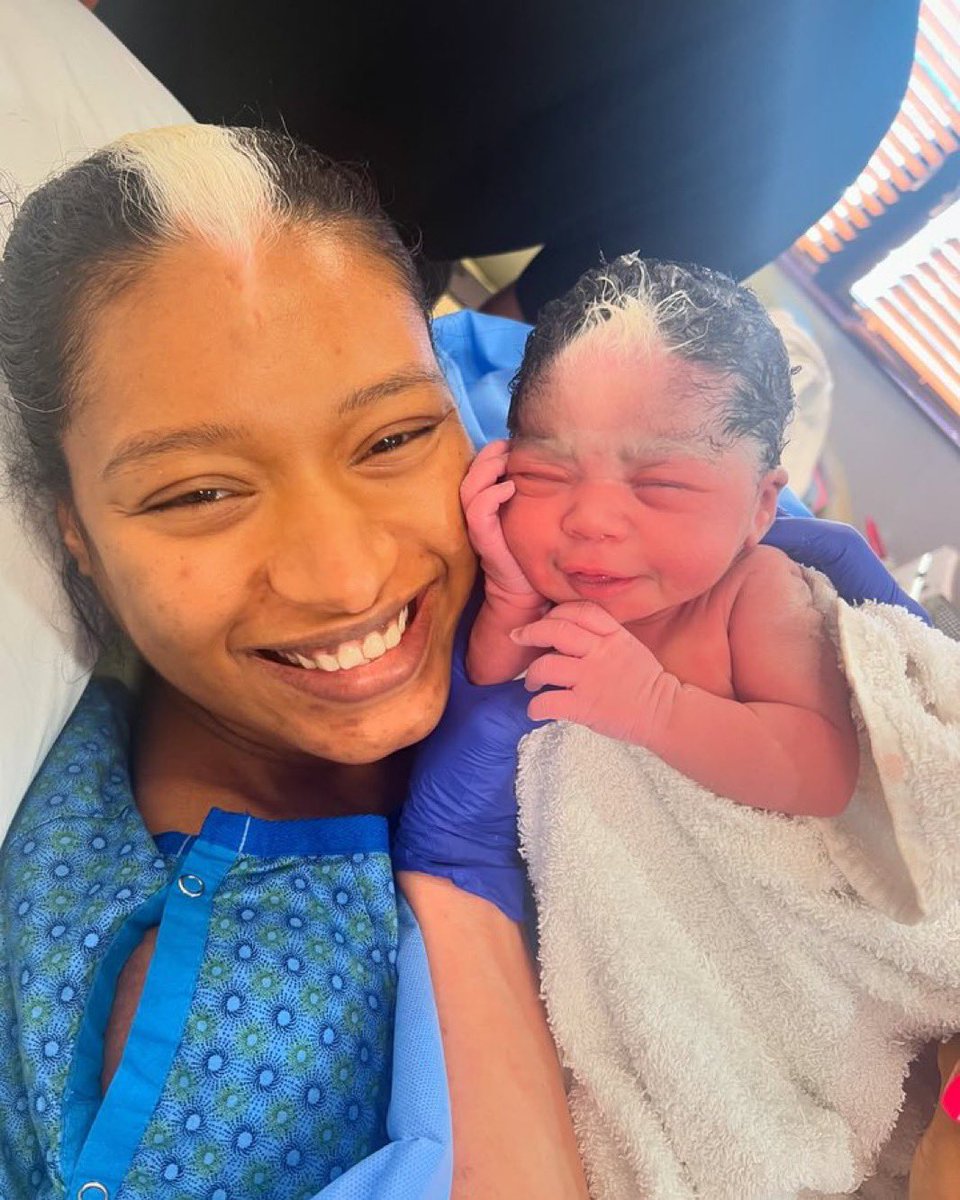
Piebaldism
Piebaldism is a rare autosomal dominant disorder caused most commonly by mutations in the KIT gene, resulting in defective melanocyte migration during embryogenesis. It presents at birth with a white forelock (poliosis) and sharply demarcated, symmetric depigmented patches that remain stable throughout life. Islands of normal or hyperpigmented skin within the white patches are characteristic. Unlike Vitiligo, piebaldism is congenital and non-progressive. The main differential diagnosis is Waardenburg syndrome, which is associated with hearing loss, heterochromia iridis, and dystopia canthorum.
White forelock congenital stable depigmented patches = Piebaldism.

1
4
65
Classical Poliosis
1
2
40
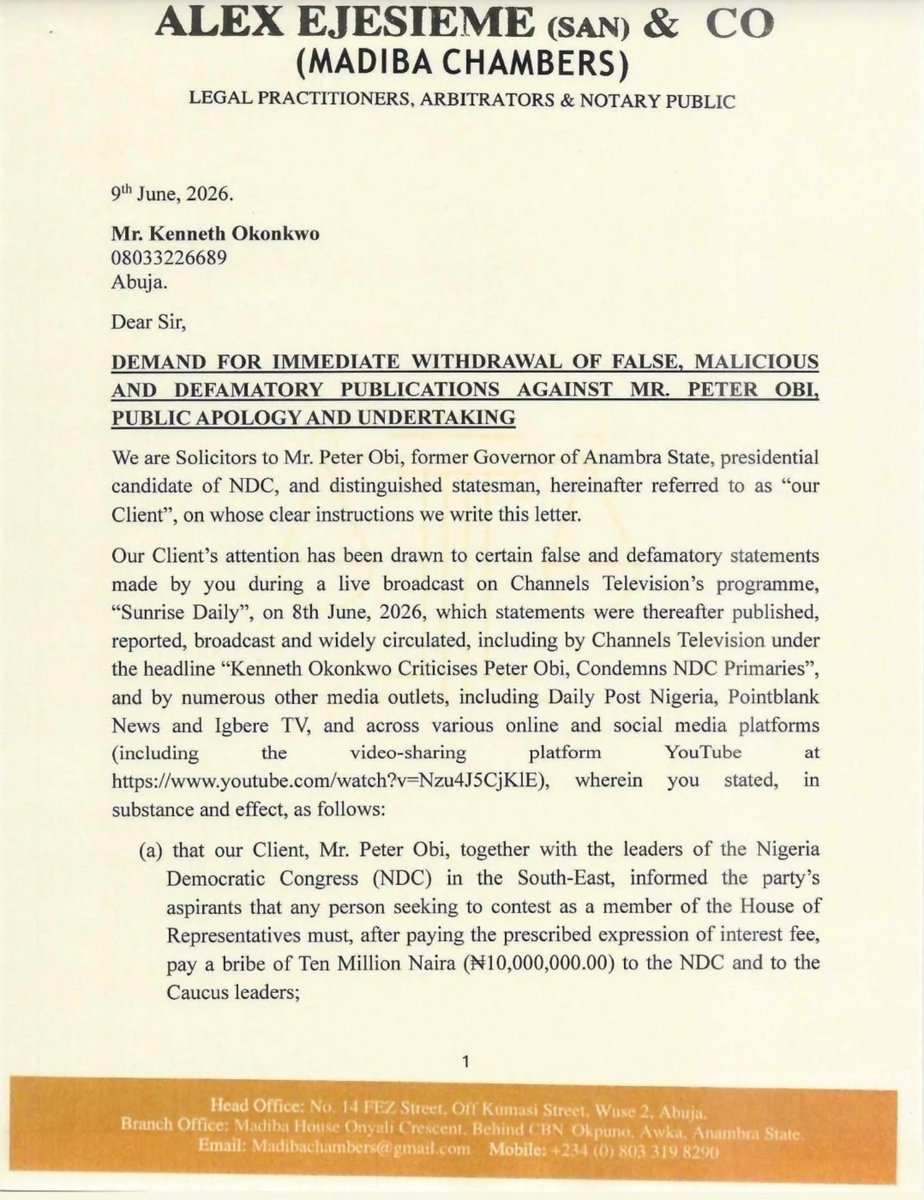
If it were possible, I would prefer that these lawsuits also include the TV stations that continue to platform these characters and amplify their harmful rhetoric.
12h

BREAKING NEWS:
Former Imo State Governor, Chief Achike Udenwa, has slammed a lawsuit against Kenneth Okonkwo, demanding a retraction, a public apology, and ₦5 billion in damages over alleged defamatory remarks made during his recent interview on June 8, 2026.

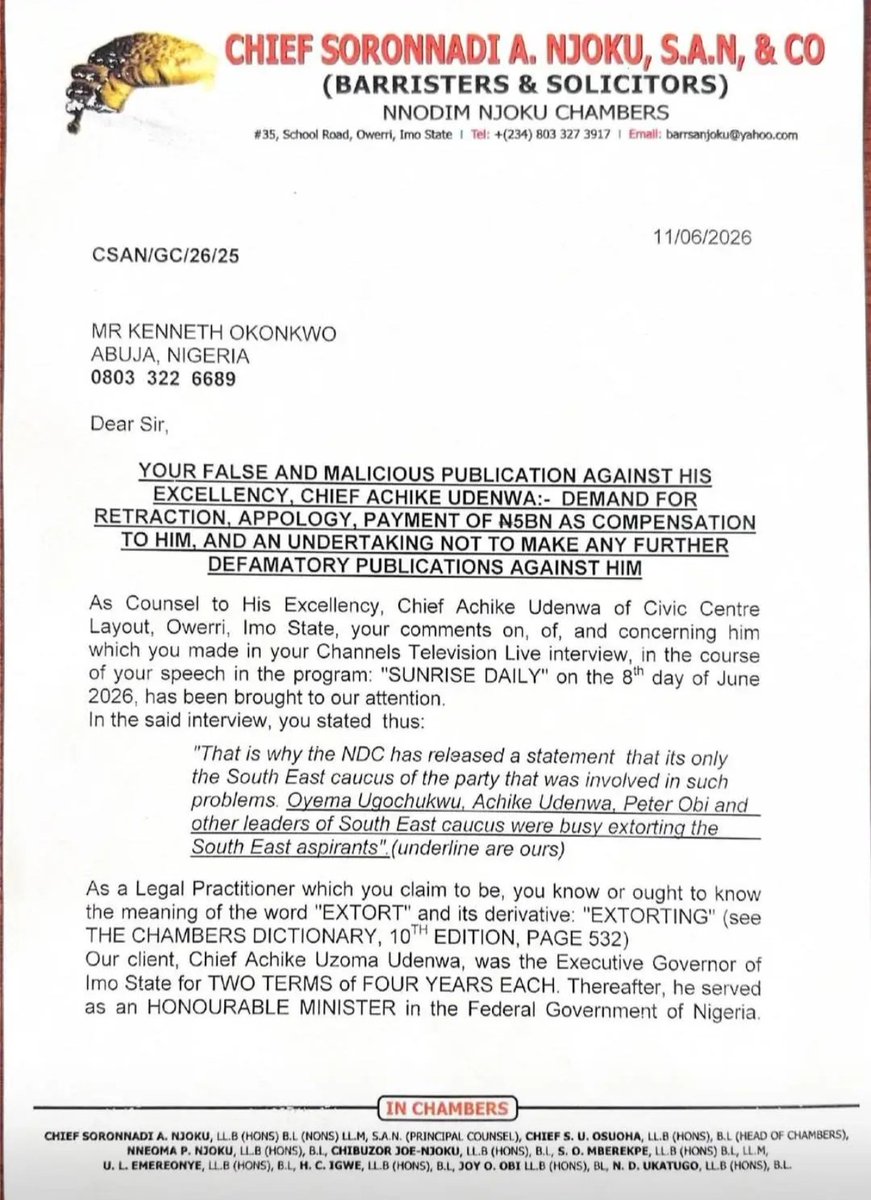
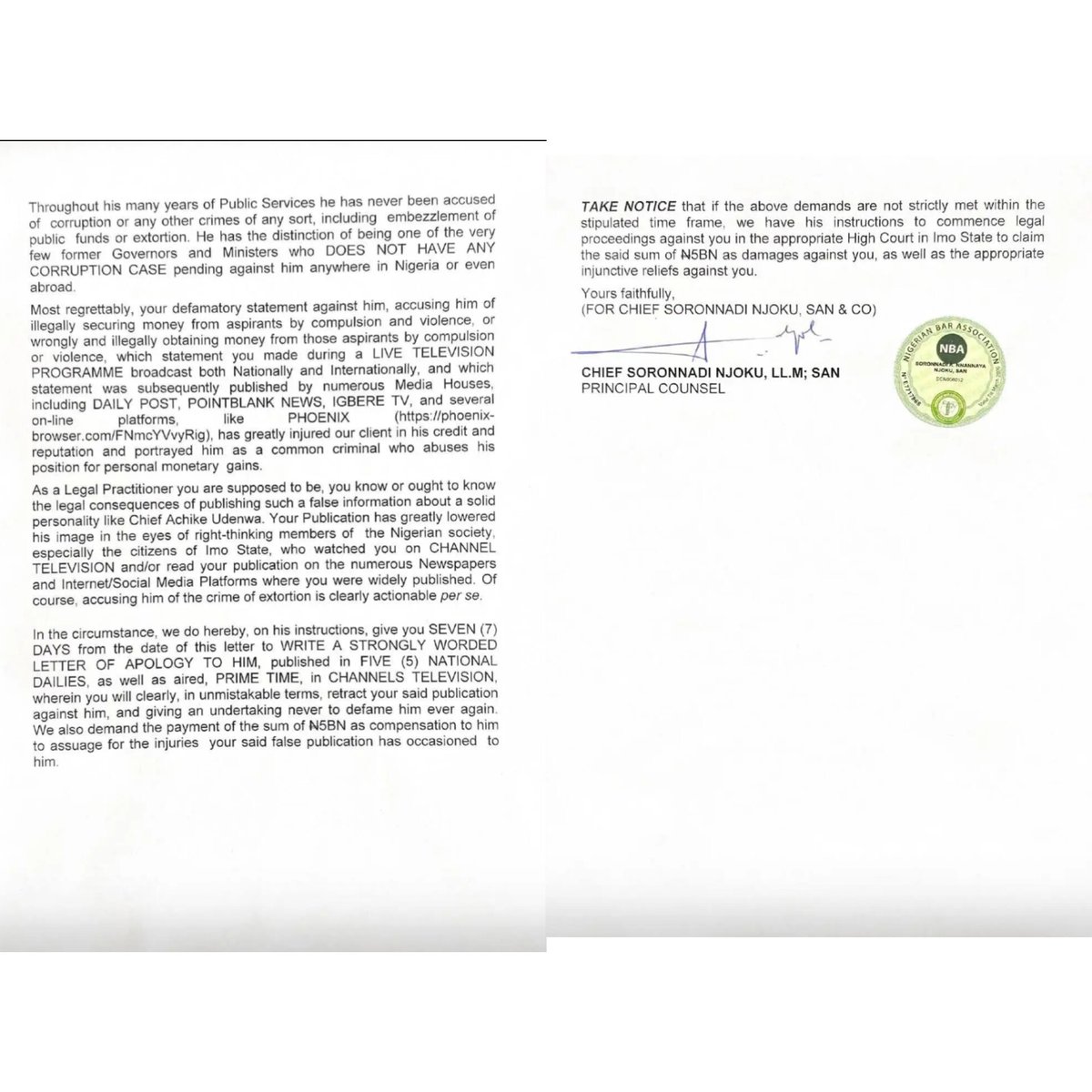
15
Dr. August Bones retweeted

We want to urge the MILITARY not to panic as we the bloody CIVILIANS are doing our best to ensure that everything is under control. We seriously condemn this act and would ensure the perpetrators are brought to book.
May the soul of our General rest in perfect peace.
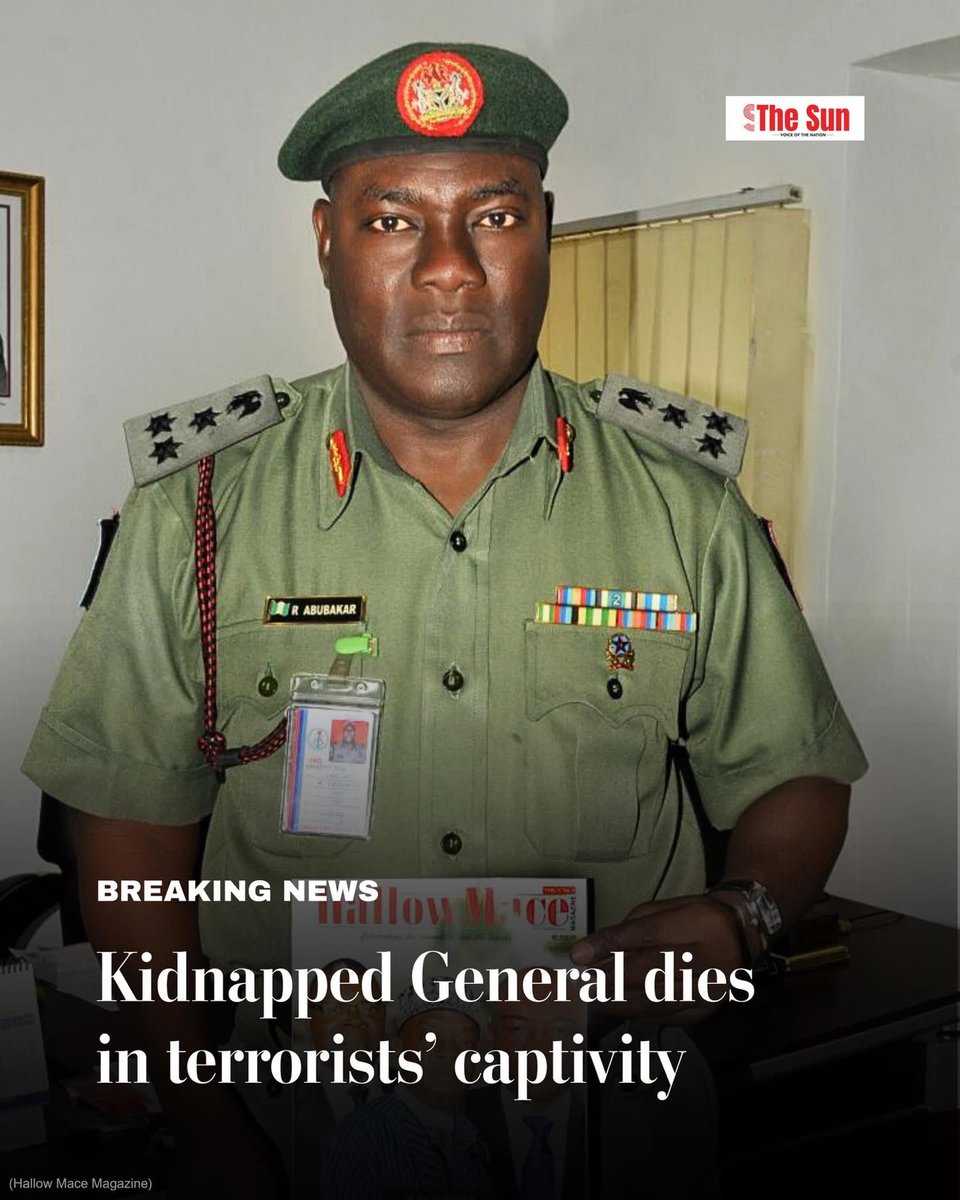
344
2,842
6,357
159,152
God let this cup go away. 🙏

BREAKING NEWS: IMF asks Federal Government to impose fuel and telecom taxes in Nigeria as part of broader measures to increase government revenue

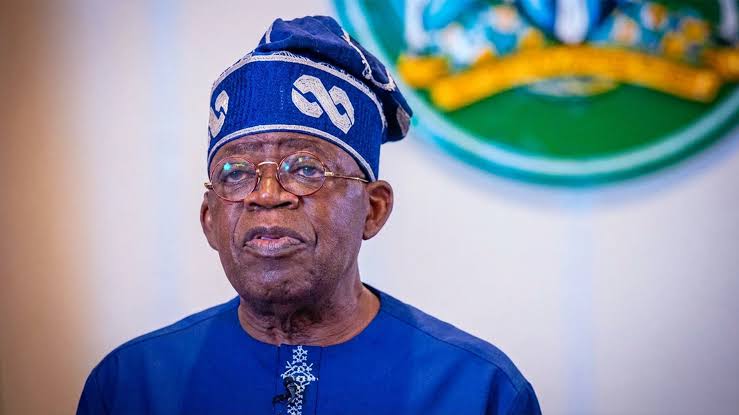
1
105
👇🏼
18
How important are the Dendritic cells? 👇🏼
Jun 3
LVIb: The Chronicles of Professor Tsugua Senob and the Cell That Taught the Immune System What to Fear (continued from LVIa)
...The room was unusually quiet now.
Tsugua walked slowly toward the window.
“For many years, immunologists thought lymphocytes were the stars of immunity.”
He turned back.
“Then we realized something important.”
He pointed to the board.
“The most powerful soldiers are useless without intelligence.”
Several students stopped writing.
“The dendritic cell decides which threats become wars.”
Nobody spoke.
Even Musa looked impressed.
Tsugua closed his folder.
“In immunology, the most important decision is often not how strongly to respond.”
He looked around the room.
“It is whether to respond at all.”
The fire alarm sounded sharply in the corridor.
A few students looked up.
No one moved.
The alarm stopped.
Tsugua nodded once.
“A signal,” he said quietly, “changes history only when the right system is listening.”
Class ended.
#TalesOfTsuguaSenob
23
Dr. August Bones retweeted
LXIII: The Chronicles of Professor Tsugua Senob and the Infection That Was Defeated Twice
The lecture hall was unusually lively.
Fatima had just returned from a clinical posting.
“I don't understand something,” she said.
“What?”
Chinedu looked up from his notes.
“A patient recovered from chickenpox years ago. Yet the virus wasn't completely gone.”
Several students nodded.
Musa frowned.
“Then was he really cured?”
The debate was still underway when Professor Tsugua entered.
He listened for a moment before walking to the board.
Without a word, he wrote:
Sterilizing Immunity
Protective Immunity
The room fell silent.
“Most people,” Tsugua began, “assume these are the same thing.”
He turned.
“They are not.”
Aisha was already writing.
“Sterilizing immunity,” Tsugua continued, “prevents infection entirely. The pathogen cannot establish itself in the host.”
He drew a simple timeline.
Exposure → No Infection
“This is the ideal outcome. The pathogen is stopped before replication begins.”
“Like some vaccines?” Fatima asked.
“Yes.”
“But sterilizing immunity is relatively uncommon.”
He pointed to the second phrase.
“Protective immunity is different.”
Another timeline appeared.
Exposure → Infection → Control
“The pathogen enters.”
“It may even replicate.”
“But disease is prevented or significantly reduced because memory responses act quickly.”
Musa looked puzzled.
“So a person can become infected and still be protected?”
“Absolutely.”
The room became attentive.
“In fact, this is how many successful immune responses work.”
Tsugua paced slowly.
“Memory B cells rapidly produce antibodies.”
“Memory T cells expand.”
“Effector mechanisms activate sooner than they did during the first encounter.”
“The pathogen gains a foothold.”
“But not control.”
Aisha nodded.
“The immune system wins faster.”
“Exactly.”
Sadiq raised his hand.
“And chickenpox?”
“An excellent example.”
Tsugua wrote:
Varicella-Zoster Virus
“After primary infection, the virus is not eradicated.”
“It establishes latency in sensory ganglia.”
The room became quiet.
“Years later it may reactivate as shingles.”
Chinedu frowned.
“So immunity did not fail.”
“No.”
Tsugua shook his head.
“Immunity controlled the initial disease, limited viral spread, and often suppresses reactivation for decades.”
He paused.
“Control is not always the same as elimination.”
Fatima looked thoughtful.
“Are there other examples?”
“Many.”
Tsugua began listing them.
Tuberculosis
Herpes Simplex Virus
Epstein–Barr Virus
Cytomegalovirus
“These organisms have evolved strategies that allow persistence despite immune pressure.”
Musa smiled.
“So the immune system isn't trying to create a sterile universe.”
A few students laughed.
“Correct.”
Tsugua nodded.
“Biology is rarely absolute.”
He wrote another phrase.
Pathogen Clearance ≠ Disease Prevention
“Sometimes the immune system eliminates the pathogen.”
“Sometimes it contains it.”
“Sometimes it establishes a long-term equilibrium.”
The room fell silent.
“Many people think immunity means destroying every invading organism.”
He looked around.
“Yet some of the most successful immune responses are those that prevent disease while tolerating persistence.”
Aisha rested her pen.
“So victory doesn't always mean eradication.”
“Exactly.”
Tsugua smiled faintly.
“Medicine often speaks the language of cure.”
“Immunology frequently speaks the language of control.”
The students sat quietly.
The distinction was sinking in.
Tsugua closed his folder.
“The immune system is not judged by whether a pathogen enters.”
He paused.
“It is judged by whether the pathogen takes over.”
The fire alarm sounded briefly in the corridor.
No one moved.
The alarm stopped.
Tsugua glanced toward the door.
“The strongest defenses,” he said quietly, “do not always keep danger out. They prevent it from gaining control.”
Class ended.
#TalesOfTsuguaSenob #ImmunoTutes
Jun 7
LXII: The Chronicles of Professor Tsugua Senob and the Tumor the Immune System Saw but Ignored
The lecture began before Professor Tsugua arrived.
Musa was scrolling through his phone.
“How does someone become a professor of oncology and immunology and still not cure cancer?” he asked.
A few students laughed.
“Because cancer is complicated,” Aisha replied.
“Complicated how?” Musa pressed. “If the immune system can detect viruses, bacteria, parasites, and even transplanted organs, why can't it eliminate cancer?”
That was when Professor Tsugua entered.
He heard the question, walked to the board, and wrote:
If cancer is foreign, immunity should destroy it.
If cancer is self, immunity should tolerate it.
The room fell silent.
“The tragedy of cancer,” he said, turning to face them, “is that both statements are partly true.”
He paused.
“Cancer begins as self.”
“A normal epithelial cell. A normal lymphocyte. A normal melanocyte.”
“It carries your DNA and many of your proteins.”
Sadiq nodded.
“So tolerance becomes a problem.”
“Exactly.”
Tsugua wrote:
Immune Surveillance
“The immune system continuously detects and removes abnormal cells. We know this because immunodeficient individuals have a higher risk of certain cancers, particularly lymphomas and virus-associated malignancies.”
Musa frowned.
“If the immune system sees cancer, why doesn't it always win?”
Tsugua wrote three words beneath the first heading.
Elimination
Equilibrium
Escape
“The Three Es of Cancer Immunoediting.”
He pointed to the first.
“During elimination, cytotoxic T cells, NK cells, macrophages, and interferons destroy transformed cells before they become clinically apparent.”
Then the second.
“Equilibrium is a stalemate. The immune system contains the tumor, but does not eradicate it.”
Kunle looked up.
“So some cancers may be held in check for years?”
“Possibly.”
Tsugua tapped the final word.
“Escape.”
“The surviving tumor cells are often the ones least visible to the immune system. Over time, selection favors cells that evade detection or suppress immune responses.”
Aisha nodded.
“The immune system is selecting for better escape mechanisms.”
“Precisely.”
He wrote:
PD-L1
“Some tumors express inhibitory molecules such as PD-L1, which bind PD-1 on T cells and suppress their activity.”
Musa blinked.
“So the tumor tells the immune system to stand down.”
“In effect, yes.”
“Others reduce MHC expression, recruit regulatory T cells, or create immunosuppressive microenvironments.”
Fatima looked thoughtful.
“So the immune system isn't necessarily blind to cancer.”
“Often it is not.”
Chinedu raised a hand.
“Then why don't more cancers develop?”
Tsugua looked around the room.
“Because most are eliminated before we ever know they existed.”
The room became quiet.
He wrote one final phrase.
Checkpoint Inhibition
“One of the great breakthroughs in oncology came from realizing that, in many patients, the immune system was present but restrained.”
“Checkpoint inhibitors targeting PD-1 or CTLA-4 release those brakes and restore antitumor activity.”
Aisha smiled.
“So immunotherapy doesn't always teach the immune system what cancer is.”
“Correct.”
“It often reminds the immune system what it already recognized.”
Tsugua closed his folder.
“The greatest challenge in immunology is not recognizing what is foreign.”
He paused.
“It is deciding what to do when the threat looks almost exactly like self.”
The fire alarm sounded.
Sharp.
Brief.
The class looked up.
The alarm stopped.
Tsugua glanced toward the ceiling.
“The most dangerous enemies,” he said quietly, “are often the ones that learned how to look familiar.”
Class ended.
#TalesOfTsuguaSenob
1
1
220
Dr. August Bones retweeted
A previously healthy young man dies suddenly. Autopsy reveals a massively enlarged spleen weighing over 2 kg. Family members insist he had only complained of fatigue for a few months. What occult pathological process could explain such a catastrophic outcome from what appeared to be a minor symptom?
1
1
3
346
Dr. August Bones retweeted
A patient survives a myocardial infarction and initially improves. Five days later, he suddenly develops chest pain, profound hypotension, and dies within minutes. What pathological event may have occurred during the period when recovery seemed most likely?
1
1
10
864
Dr. August Bones retweeted
A patient suffers a head injury and briefly loses consciousness. He then appears completely normal, jokes with family members, and insists on going home. Hours later, he becomes unresponsive. What pathological process can create this deceptive lucid interval?
2
2
3
314
Dr. August Bones retweeted
An elderly patient undergoes surgery and is discharged in good condition. Two weeks later, he returns with shortness of breath and collapses. Autopsy reveals a large pulmonary embolus. The surgery was successful. The wound healed. What pathological process was silently evolving the entire time?
1
1
112
Dr. August Bones retweeted
A patient has severe bilateral kidney disease. Imaging shows that more than 80% of renal tissue has been destroyed. Yet serum creatinine is only mildly elevated and the patient feels well. Which property of the kidney explains this clinical-pathological mismatch?
2
4
7
1,165
Dr. August Bones retweeted

This is RENAL RESERVE which allows for up to 75-80% of functional loss before biochemical and clinical features set in
A more representative functional test is that of MAG3
1
3
80