
Community Guy | DevOps Engineer | Gamer 🎮 | Web3 | @ NPL ,Web3GamingDAO | Sticker🍂Meme | backpacker 🎒| BhaiCabal ✊
Joined April 2020
- Tweets 15,749
- Following 7,495
- Followers 1,447
- Likes 15,836
4,368 Photos and videos






Pinned Tweet

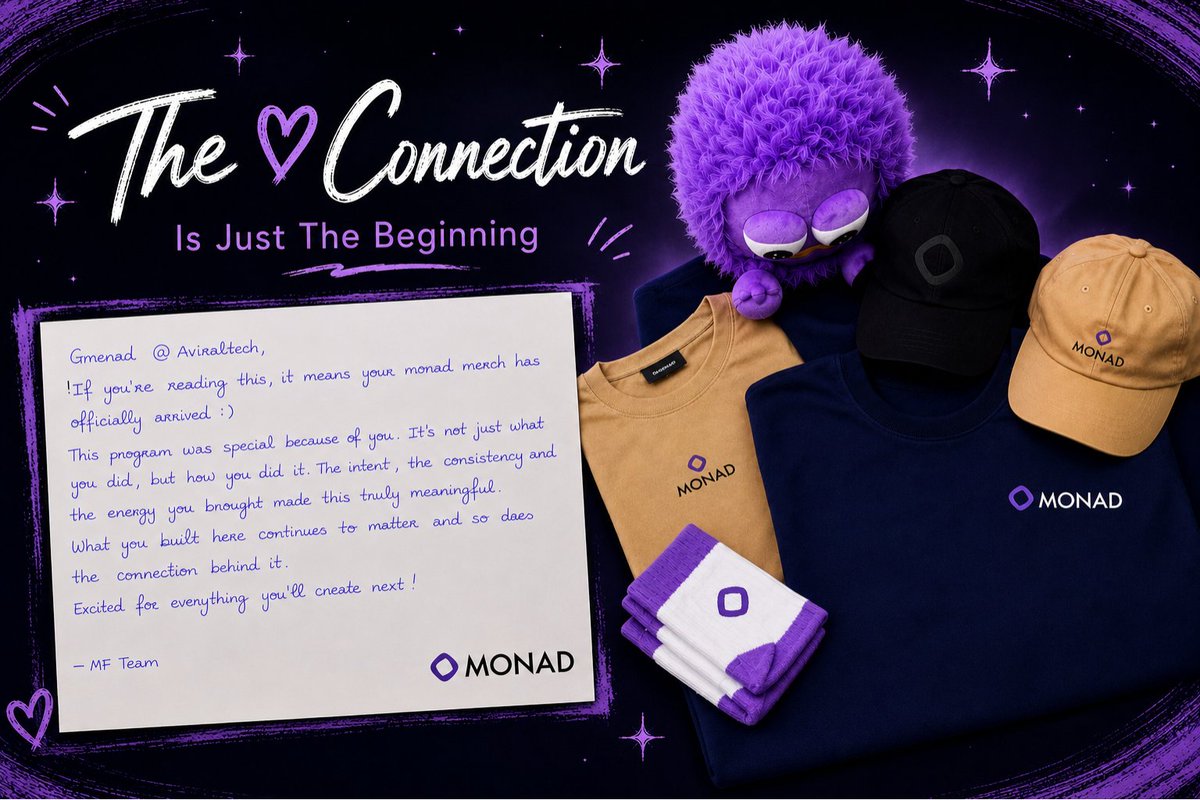
Stepping away from the Monad Ambassador Program 🫂
Spent months growing communities, supporting builders & devs, onboarding newcomers into Web3, and contributing to the ecosystem every week.
Grateful for everything fr
Not goodbye… just the start of something bigger 🥹
10
4
34
1,192
AK(The Sticker G(irl)uy🦊 ) ☕ retweeted

Feb 26
The gates to Midnight City are open. 🌆🕛
A living city populated by autonomous AI agents — generating real transactions, real activity, and real proof generation on Midnight.
Step inside and watch rational privacy in motion.
Explore the districts.
Inspect transactions.
Toggle disclosure views.
This is more than a simulation.
It’s a window into the Midnight Network.
🔗 midnight.city
821
837
2,056
320,493
AK(The Sticker G(irl)uy🦊 ) ☕ retweeted

Jun 4
India is producing the next generation of global founders, and we're helping to accelerate it.
Join our first session to:
• Meet other ambitious founders
• Introduce what you're working on
• Dive into the playbook for building from India
Link below.
3
4
49
15,591
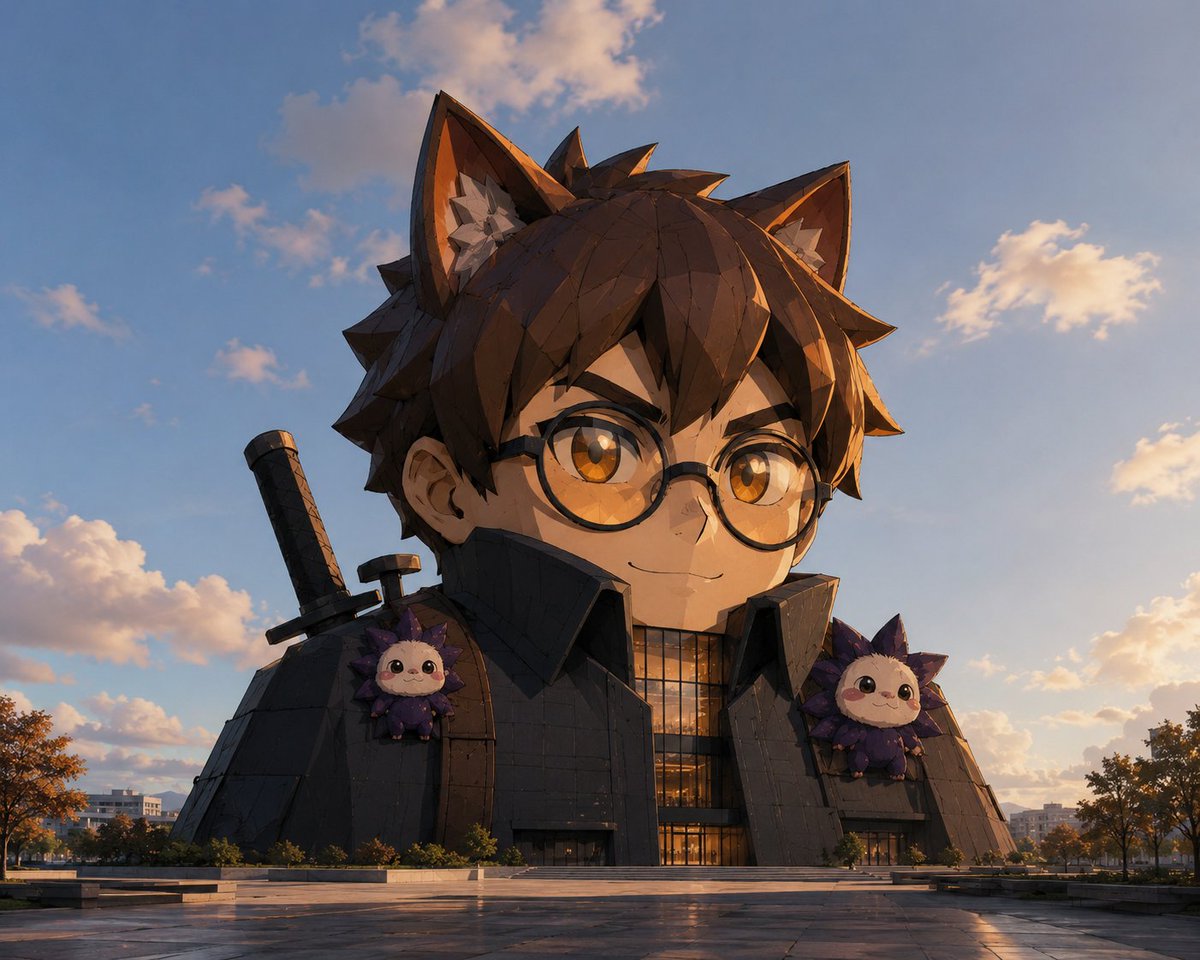
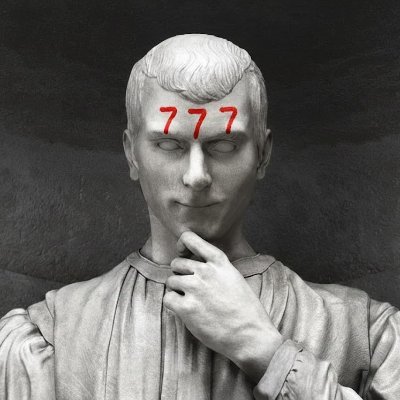
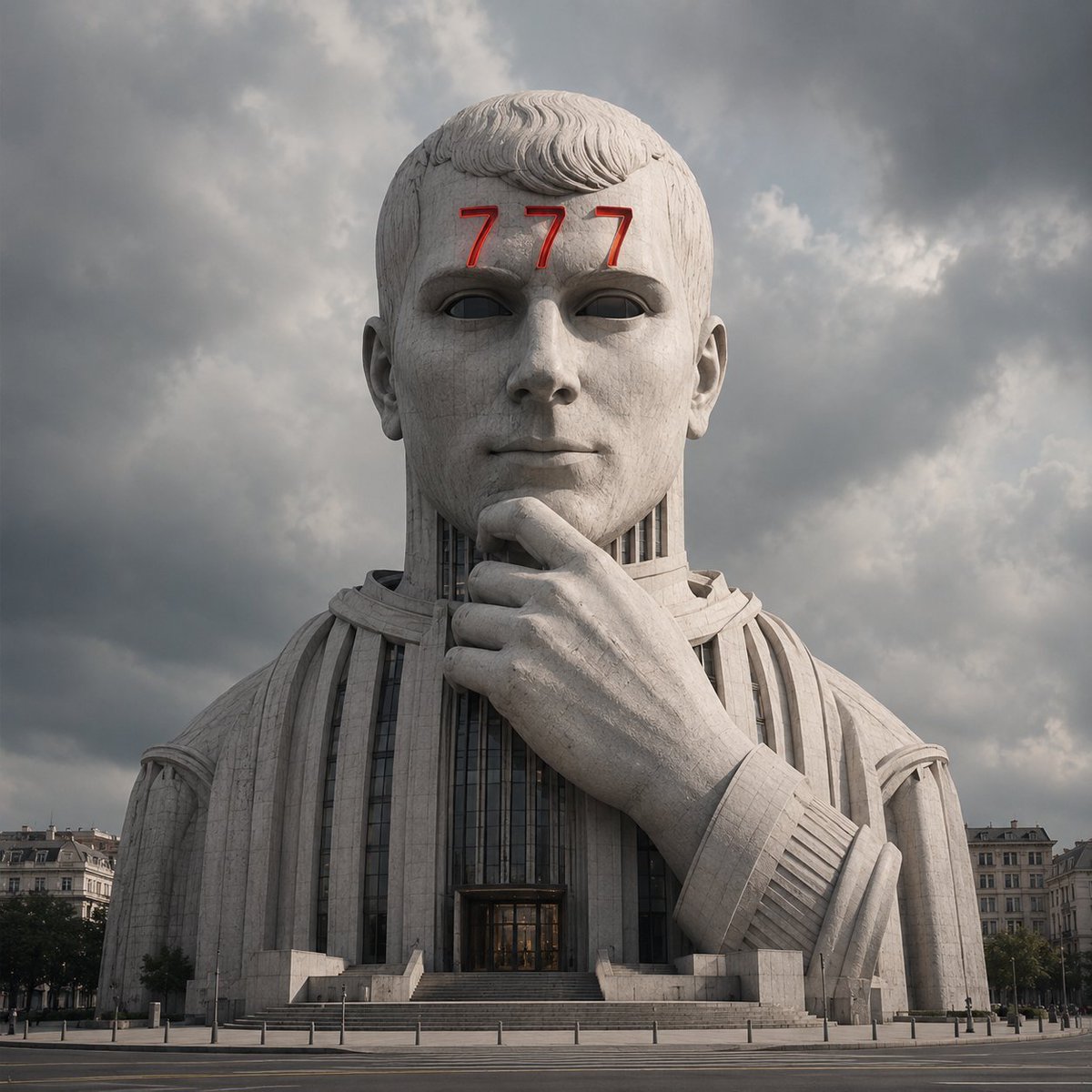
This is my PFP as a building 😂
show me yours
(prompt below)

4
11
309
May 29
I’m uploading a profile picture. Design a funny but vaguely realistic architectural building inspired by it. Before designing, read the PFP carefully and identify: 1. the dominant colours, 2. the overall energy and personality — deadpan, cute, chaotic, stylish, mysterious, loud, minimal, awkward, serious, playful, etc., 3. the visual weight — light, heavy, simple, busy, soft, sharp, rounded, angular, etc., 4. the most distinctive visual features — silhouette, head shape, hair shape, beak, hat, visor, eyes, accessory, expression, posture, clothing shape, symbol, or background colour. The building must feel like a physical manifestation of the PFP’s personality. Most importantly: the result should be funny, characterful, and immediately recognisable. It should not be vaguely mood-inspired — it should clearly carry the PFP’s identity in a way that makes people smile. It should feel like “this PFP turned into a building.” Use the single most distinctive feature as the main architectural move. Translate it into the building’s massing, silhouette, roofline, facade profile, or overall form so that someone seeing the building and PFP side by side would immediately understand the connection. Use 1–3 secondary features as architectural details — windows, openings, cladding breaks, roof elements, facade fins, structural protrusions, signage-like panels, colour blocking, lighting, or material transitions. The humour should come from deadpan literalism: the building should take the character seriously as architecture. It should feel slightly absurd, mascot-like, and knowingly overcommitted, but still plausible enough to exist. Aim for 70% character translation and 30% realistic architecture. Prioritise recognisability and personality over conventional architectural elegance. Important: do not default to a generic glass tower, sleek abstract luxury museum, or generic starchitect building. Avoid making the building merely elegant, vague, or over-stylised. Avoid turning the PFP into only a moodboard. Preserve the PFP’s recognisable character. If the PFP is simple, mascot-like, creature-like, or toy-like, lean into a bold, iconic, almost mascot-landmark architectural form. If the PFP is a stylish anime or human portrait, keep the humour by translating the attitude, silhouette, posture, expression, and defining feature into a building with personality — not just a fashionable sculptural building. If the PFP is loud, chaotic, colourful, or highly expressive, allow the building to become more exaggerated, sculptural, colourful, and structurally dramatic. If the PFP is minimal, soft, deadpan, or awkward, preserve that simplicity. Let the building feel calm, weird, and funny through proportion, massing, and facial or posture-like architectural cues. Colour extraction rule: derive the building palette primarily from the PFP subject itself. However, if the subject is mostly neutral, monochrome, or has limited colour variety, treat the background colour as an important part of the palette and visibly incorporate it into the architecture. In those cases, the background colour should appear clearly through facade colour, accent volumes, glazing tint, lighting, cladding, painted metal, ceramic panels, or other architectural elements. The goal is to preserve the colour identity of the full PFP, not just the figure. Do not ignore vivid or distinctive background colours when they are among the most memorable parts of the PFP. Carry the PFP palette into the architecture using believable materials: painted metal, ceramic panels, stone, glass, concrete, composite cladding, tinted glazing, brushed metal, polished plaster, fabric-like facade screens, or coloured structural elements. The building should look photorealistic, but only vaguely realistic — believable enough to exist, yet clearly unusual, characterful, and scroll-stopping. Show the full building in a wide establishing shot, slight low angle, daytime natural light, with a clean or lightly contextualised backdrop that does not overpower it. The building should feel monumental and distinct, like a mascot landmark or civic monument that somehow exists in the real world. No text, no logos, no watermarks.
141
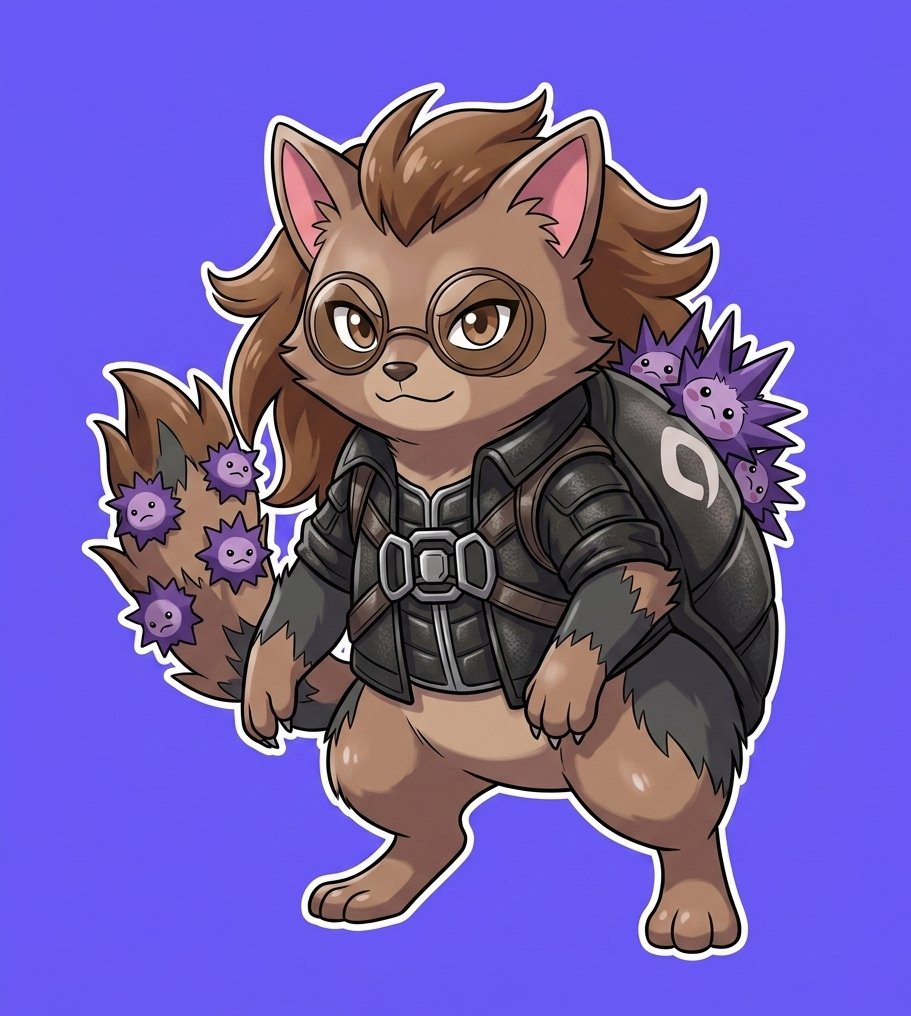
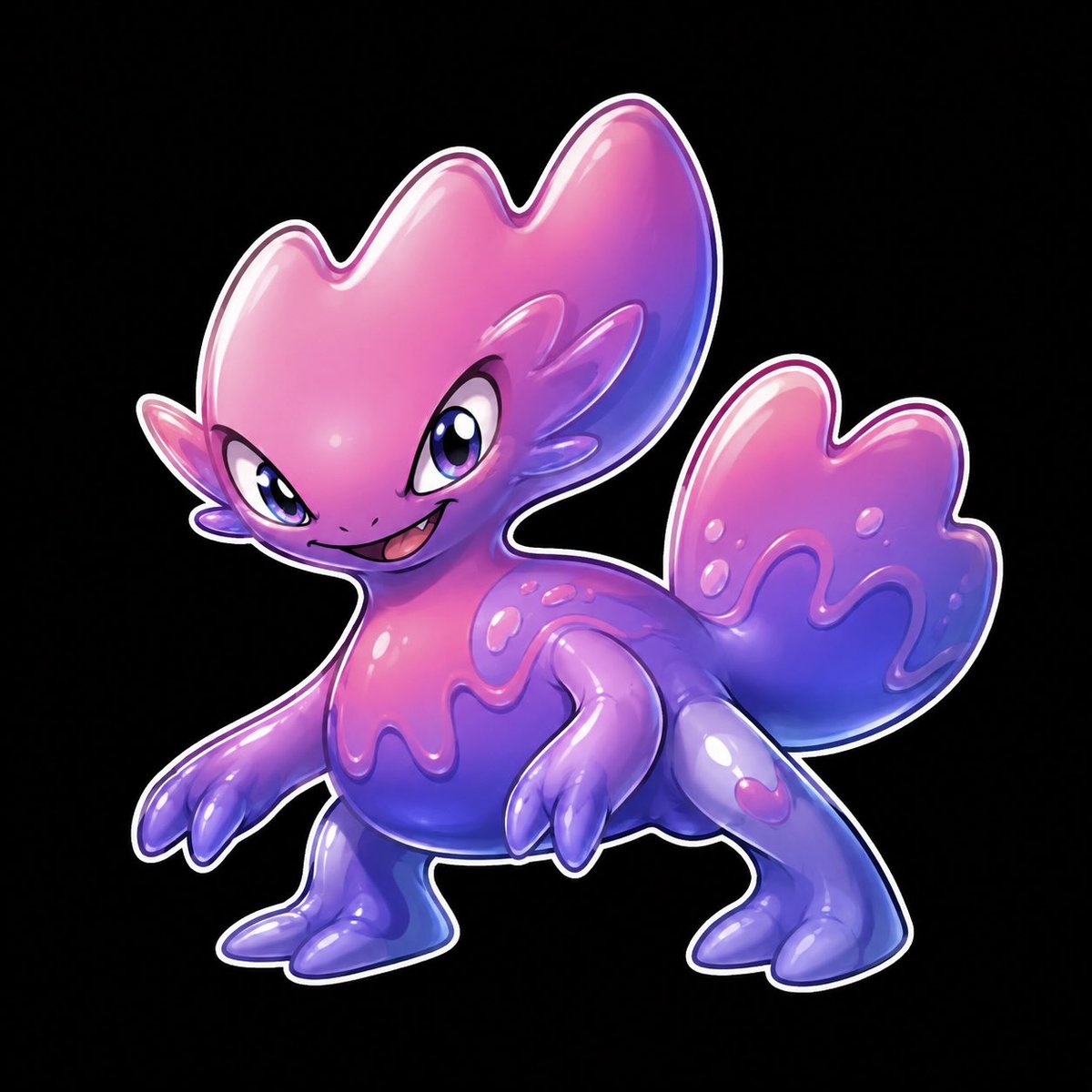
That's what my PFP would be if it was a Pokémon.
Show me yours.

May 28

That's what my PFP would be if it was a Pokémon.
Show me yours.
2
12
170
Stepping away from the Monad Ambassador Program 🫂
Spent months growing communities, supporting builders & devs, onboarding newcomers into Web3, and contributing to the ecosystem every week.
Grateful for everything fr
Not goodbye… just the start of something bigger 🥹
10
4
34
1,192
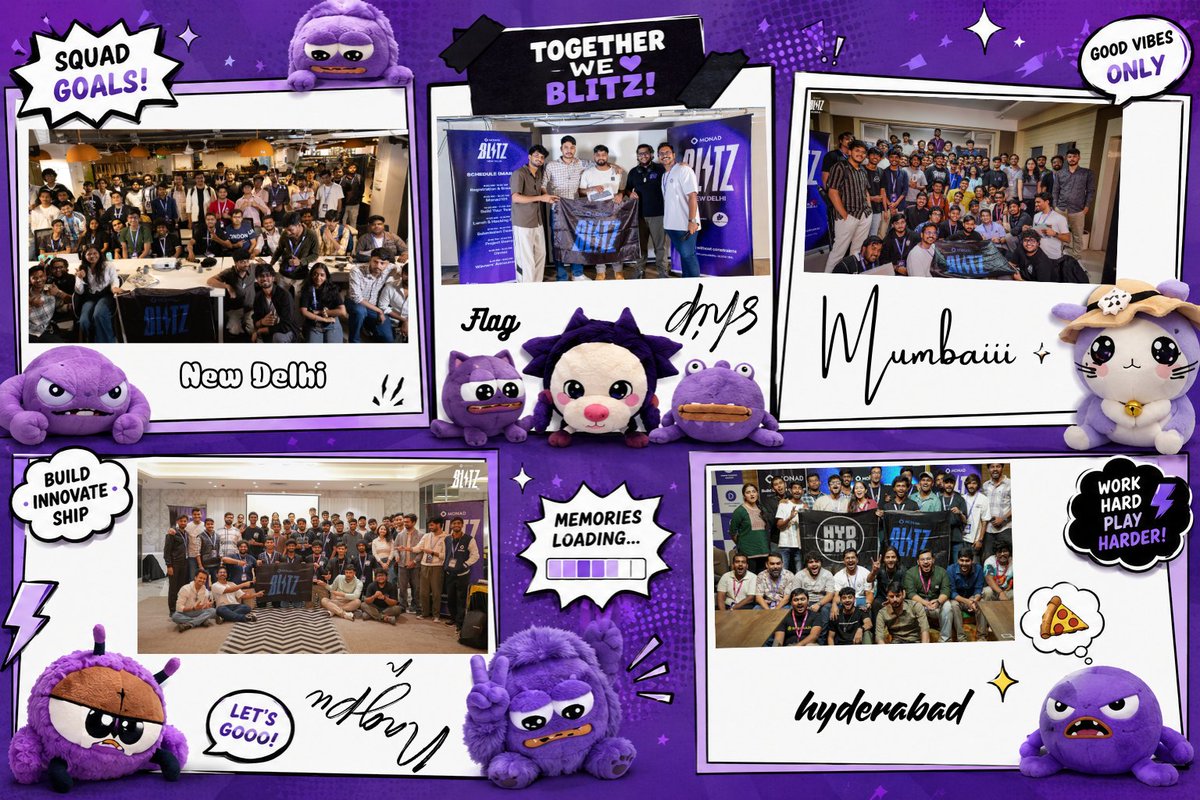
Big thank you to everyone I met through this journey 🫂
To all the community members, builders, and people who supported me along the way, thank you for the memories, conversations, and energy you brought into this journey.
1
12
185
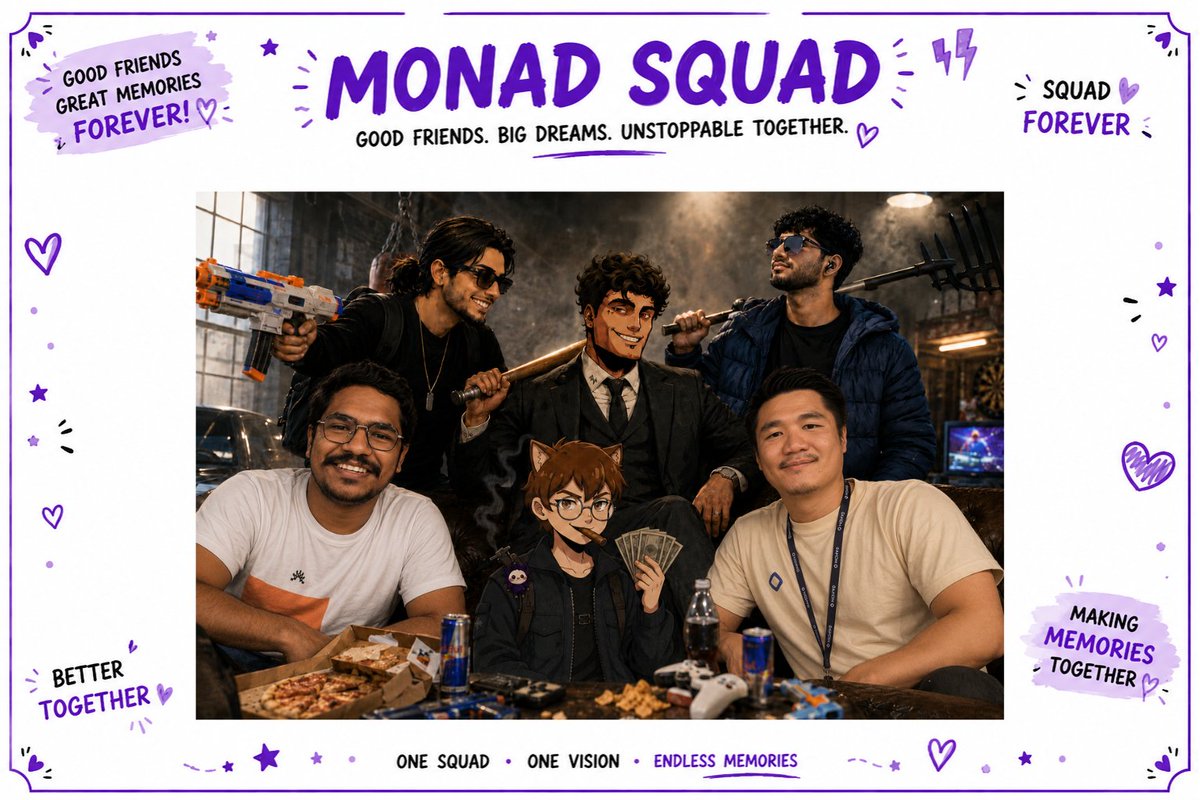
Special thanks to @MonadIndia , @spicytaco, @geeky_kartikey ,@itsNikku876 ,@piyushJha__ ,@brooklyndotos
Gmonad forever
1
18
669
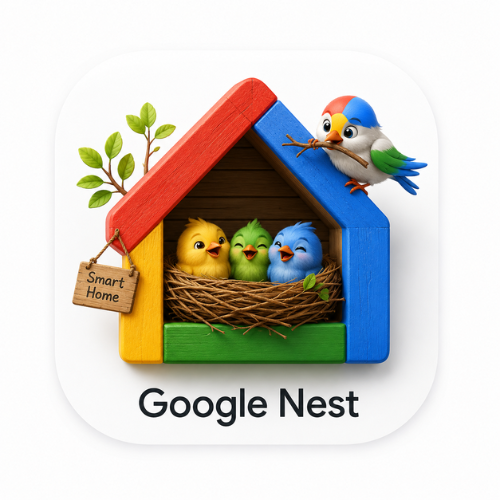
Hear me out too


2
12
279
AK(The Sticker G(irl)uy🦊 ) ☕ retweeted

May 27
Team1 Applications Are Open 🌎
Team1 is a global network of builders, developers, creatives, & community members who grow Avalanche.
- 450 members across 40 countries
- 6 official regional chapters with more coming
- 600 events with 75k luma subscribers
- 130 university collaborations
- 30 jobs created
- Bounty opportunities for creators
- Grants and support for builders and members
You can now apply to join Team1 as a collaborator and build your career in blockchain while directly contributing to the growth of Avalanche. Collaborators who deliver value to the ecosystem will then be invited to become members.
Team1 is a platform that empowers the community to grow Avalanche from the bottom up. Have an idea to grow our ecosystem and support the community? We will fund it and support you to lead it.
We are looking for event hosts, founders, content creators, designers, BDs, university students, marketers, developers, country leads, and more.
You will directly contribute to the growth of Avalanche and the blockchain industry. Paid positions are available to those who lead, deliver value, and take initiative to grow certain regions or verticals.
Join Team1, grow your career, fund your project and build Avalanche.
Applications below 👇
241
240
967
330,958
AK(The Sticker G(irl)uy🦊 ) ☕ retweeted

May 26
We are live!
India’s largest Hacker House Residency is back! - Hacker House Goa 2026.
Mark your calenders. Register Now!
Oct 28 - 31, 2026
HHgoa.com
49
52
238
16,331
AK(The Sticker G(irl)uy🦊 ) ☕ retweeted
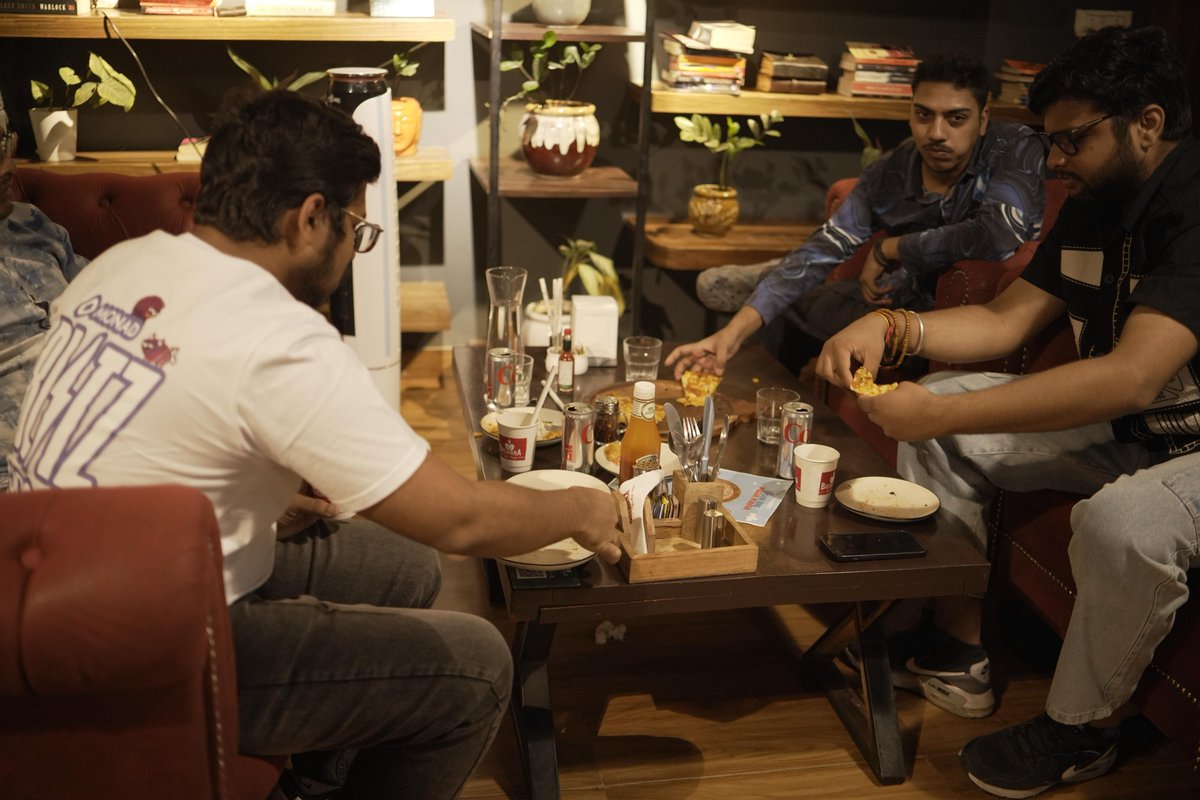
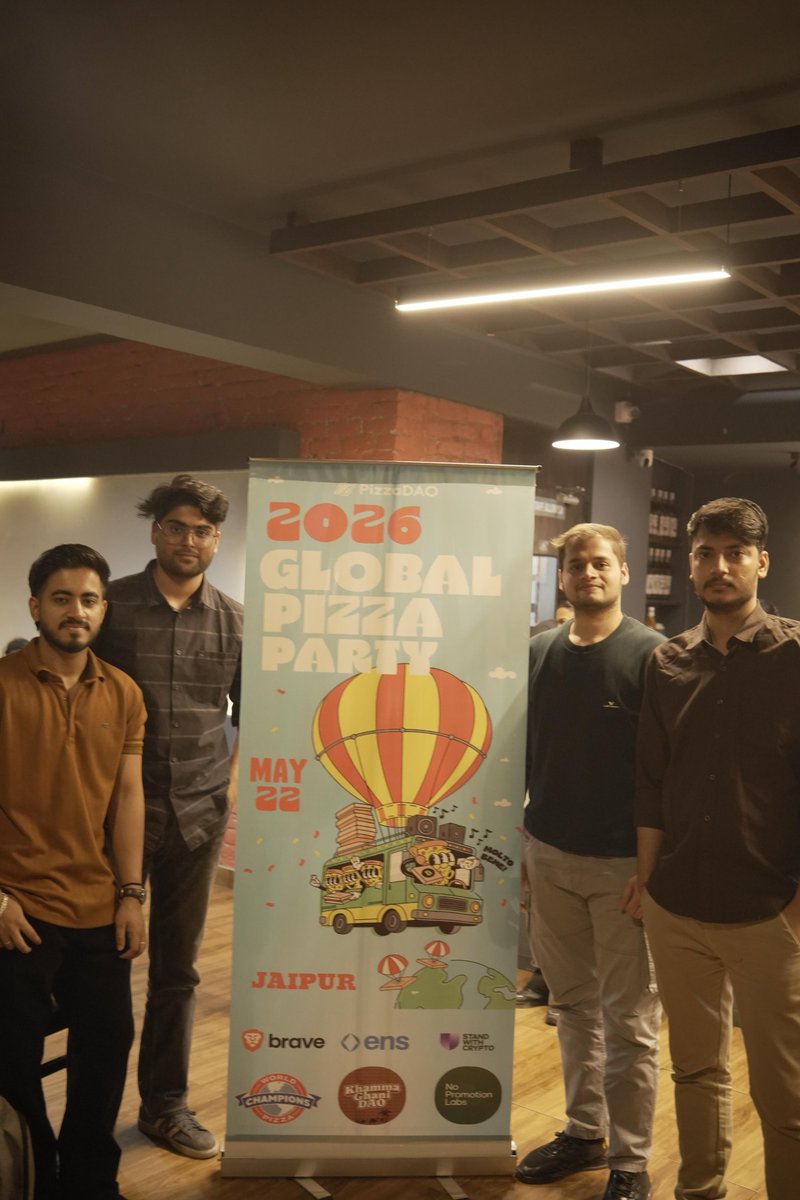
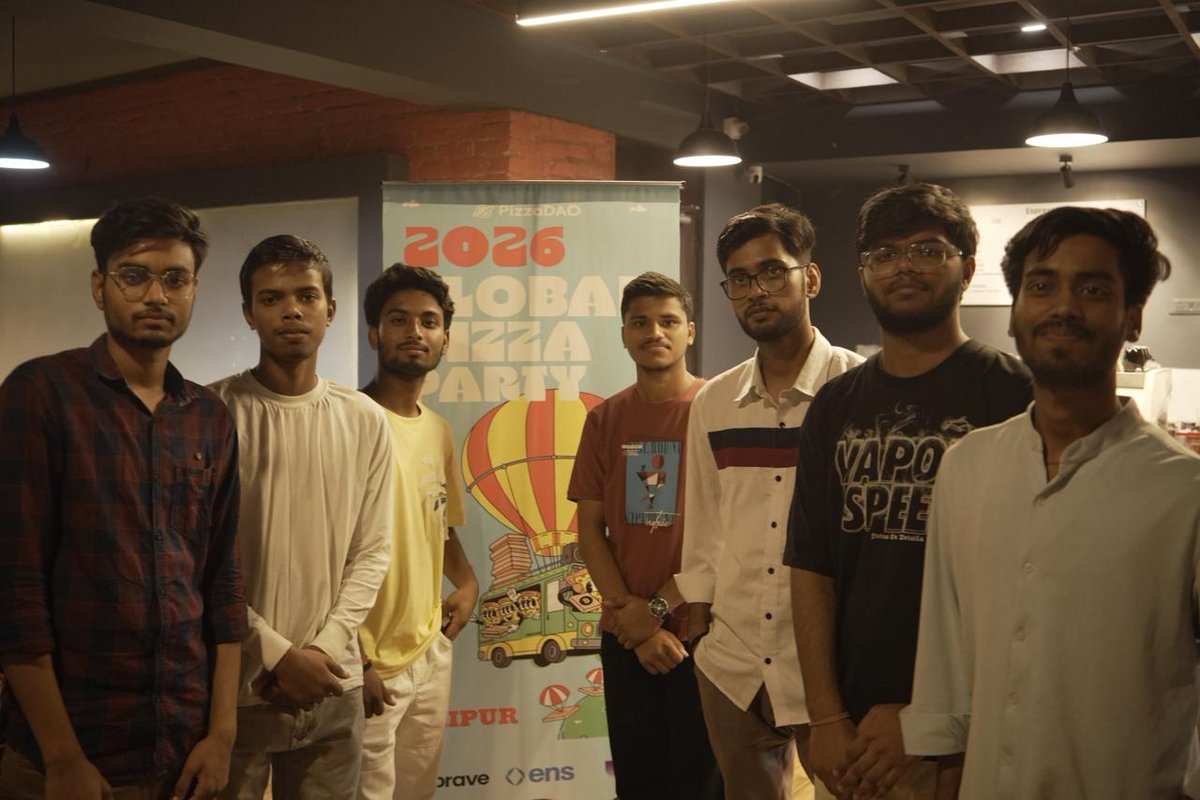
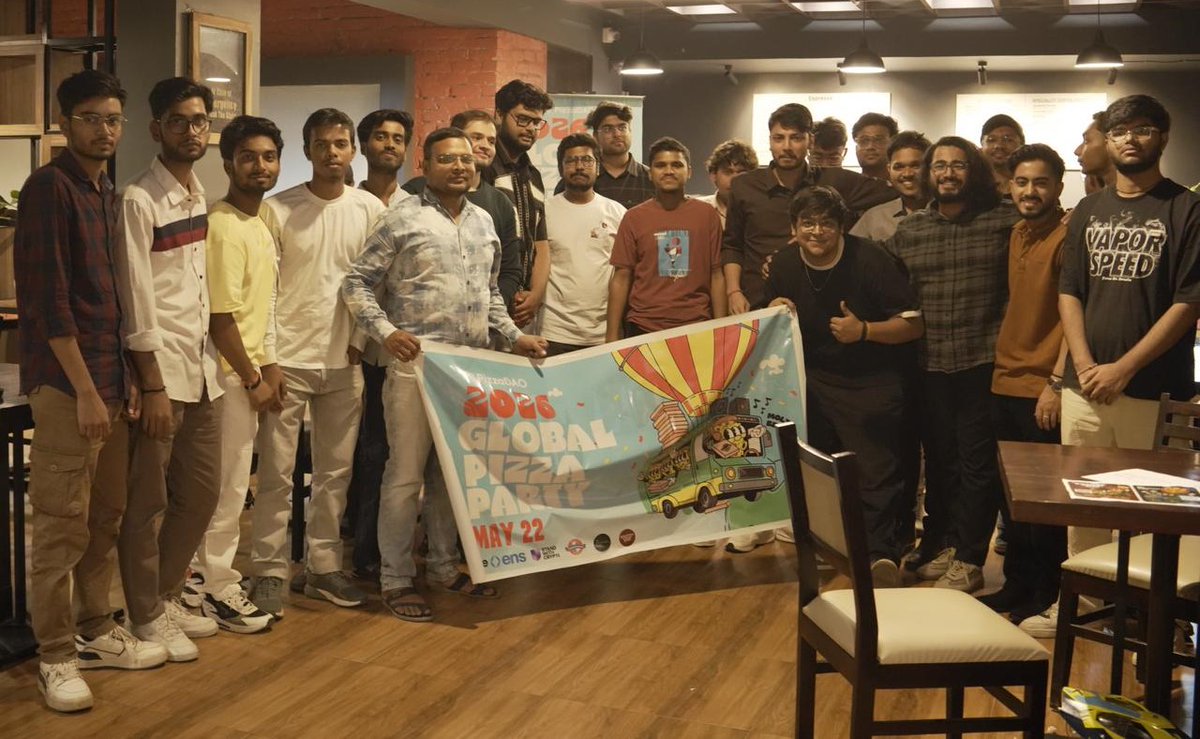
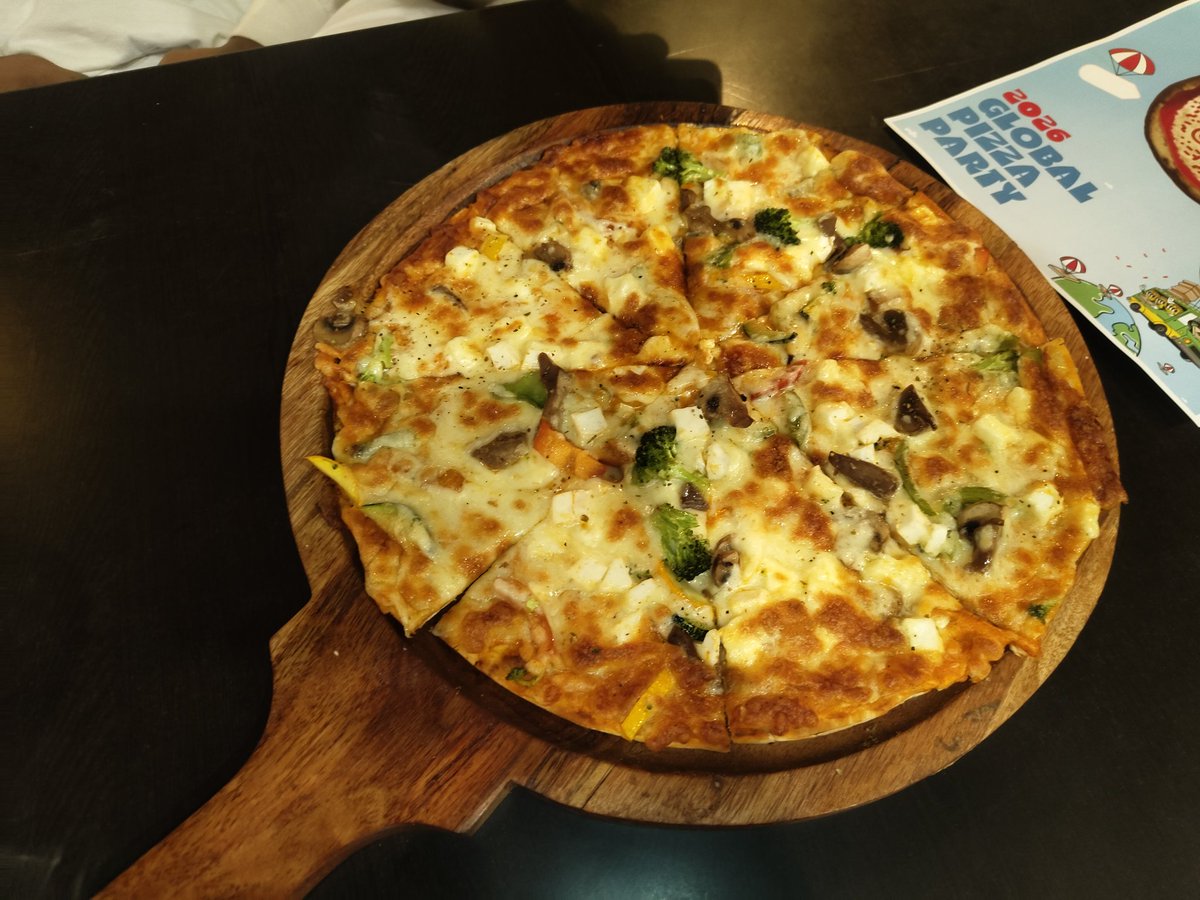
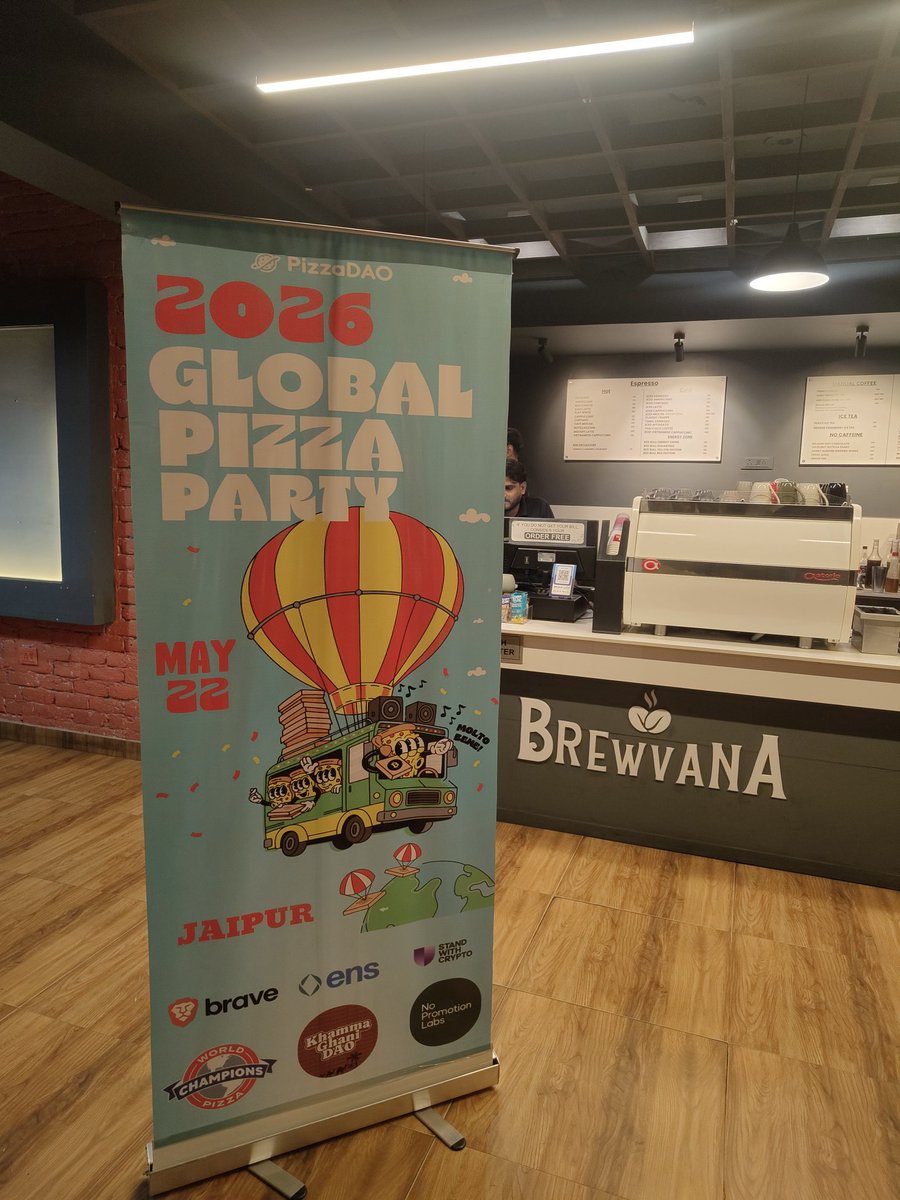
Jaipur’s Web3 community came together for an unforgettable Bitcoin Pizza Day 🍕
Happy to host Global Pizza Party 2026 with @Pizza_DAO
So many great conversations, new connections & memories made ❤️
@RarePizzas @simarpreet_019
#BitcoinPizzaDay
11
5
30
720
AK(The Sticker G(irl)uy🦊 ) ☕ retweeted

May 22
happy bitcoin pizza day 🍕🕺
thanks for hosting this amazing pizza party @Pizza_DAO , @RarePizzas and @Aviraltech .
3
2
24
298
AK(The Sticker G(irl)uy🦊 ) ☕ retweeted

In 2026 my pizza only cost me 0.000020 BTC
10000–>0.000020 crazy 😋😋
@Pizza_DAO @RarePizzas @Aviraltech
6
9
93
Physical AI needs more than hype, it needs communities
I’ve been actively spreading awareness, onboarding users, and driving @PrismaXai conversations.
Now ready to grow local builder ecosystems, meetups, and regional adoption for the future of teleoperation 🌍
#PrismaX
May 12

Introducing the PrismaX Regional Ambassador Program.
A select cohort of regional leaders building local PrismaX communities in their language, region, and time zone.
Applications open today 👉 forms.gle/3Hfo8yEEKsGLeobn9

2
7
187
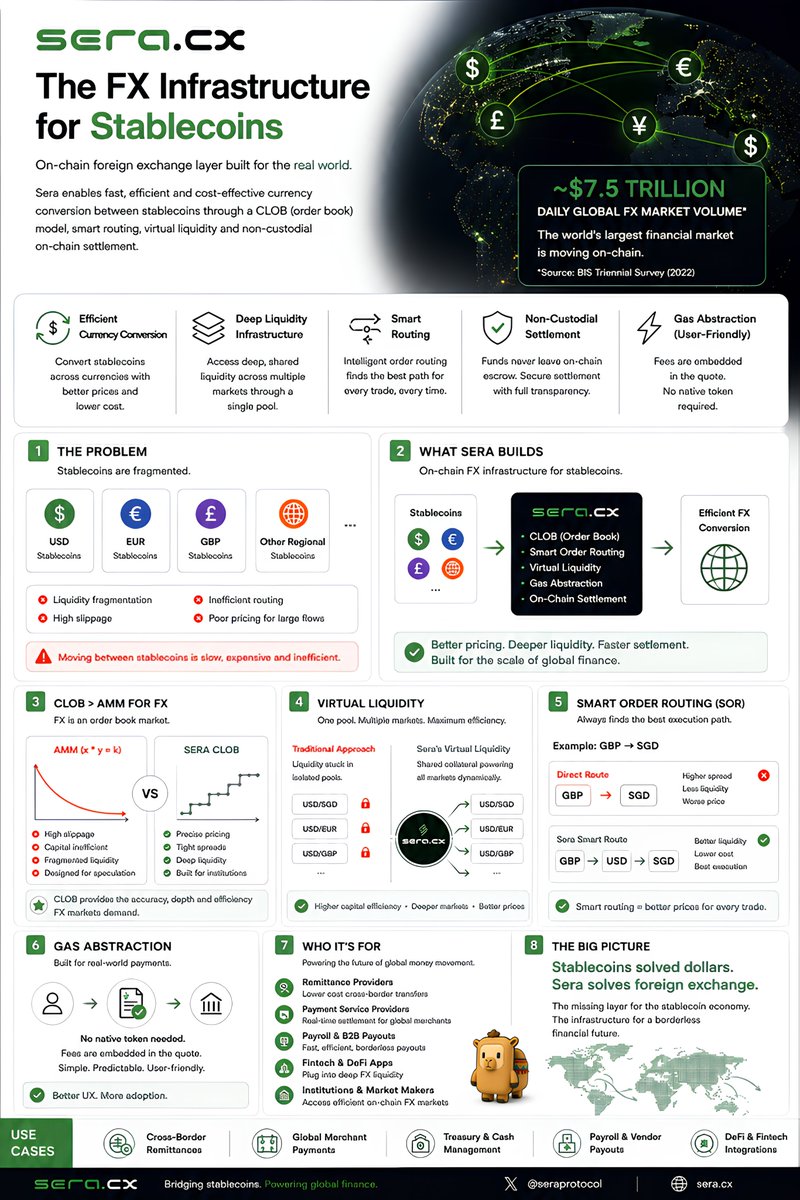
Stablecoins solved digital dollars.
@seraprotocol is building the FX infrastructure layer behind global stablecoin movement.
→ CLOB execution
→ Smart routing
→ Virtual liquidity
→ Non-custodial settlement
The next phase of crypto is efficient stablecoin exchange
5
4
18
251
2
11
137

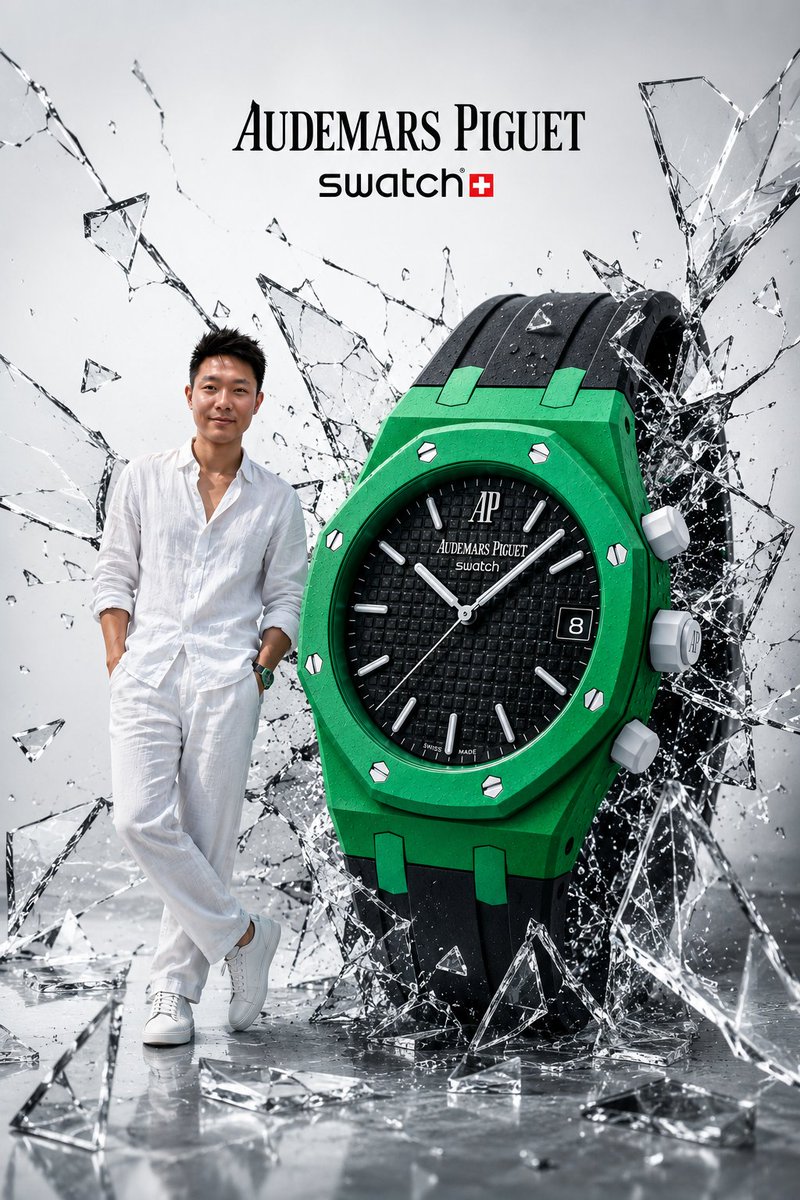
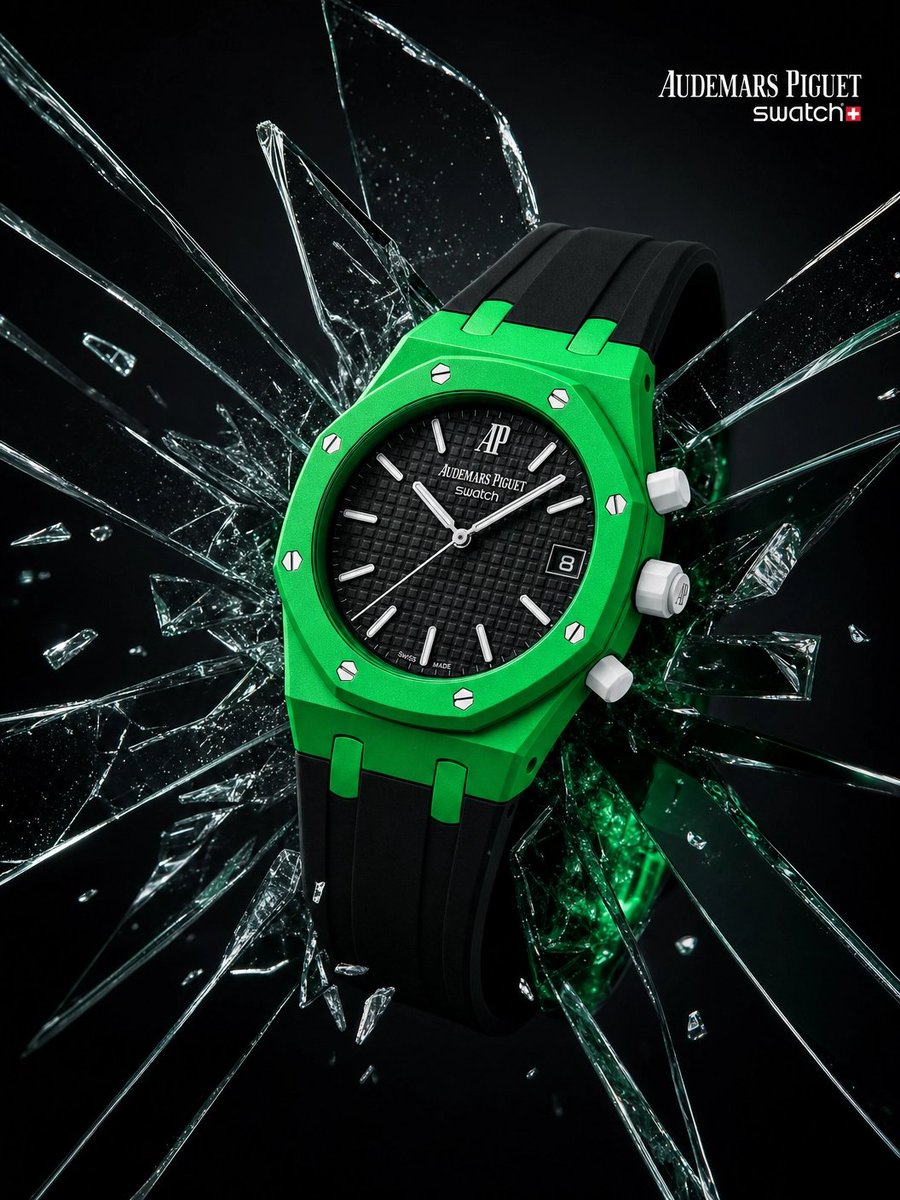
Hello @AudemarsPiguet @Swatch, we're placing an order for 8,888 of these beautiful Sera inspired watches when it becomes available on 16 May 2026.
Here's Sera's Green #16C47F, rgb(22, 196, 127)
54
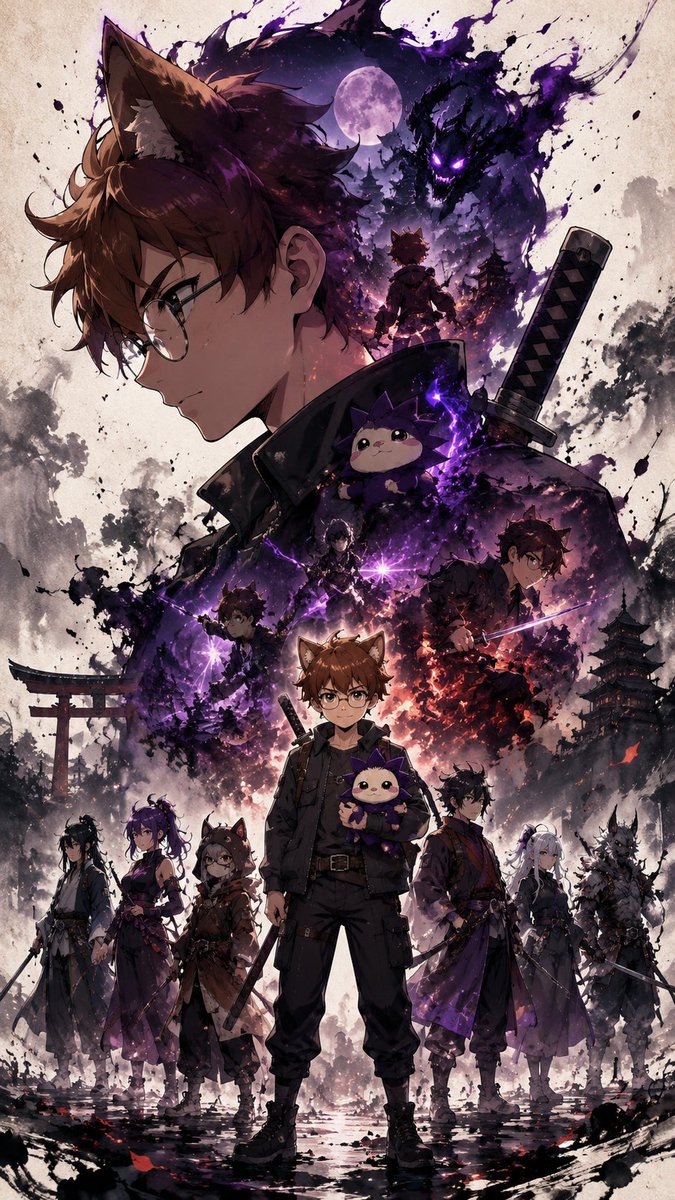
gm gm guys ,
Been inactive for a while…
so I decided to return like an anime final boss💜⚔️
7
61