Award-winning illustrator represented internationally by Illozoo | Clients: Washington Post, LA Times, POLITICO Europe, WIRED Middle East,The New Statesman.
Joined March 2010
- Tweets 2,247
- Following 3,749
- Followers 934
- Likes 108,271
450 Photos and videos


Pinned Tweet

4 Jun 2025
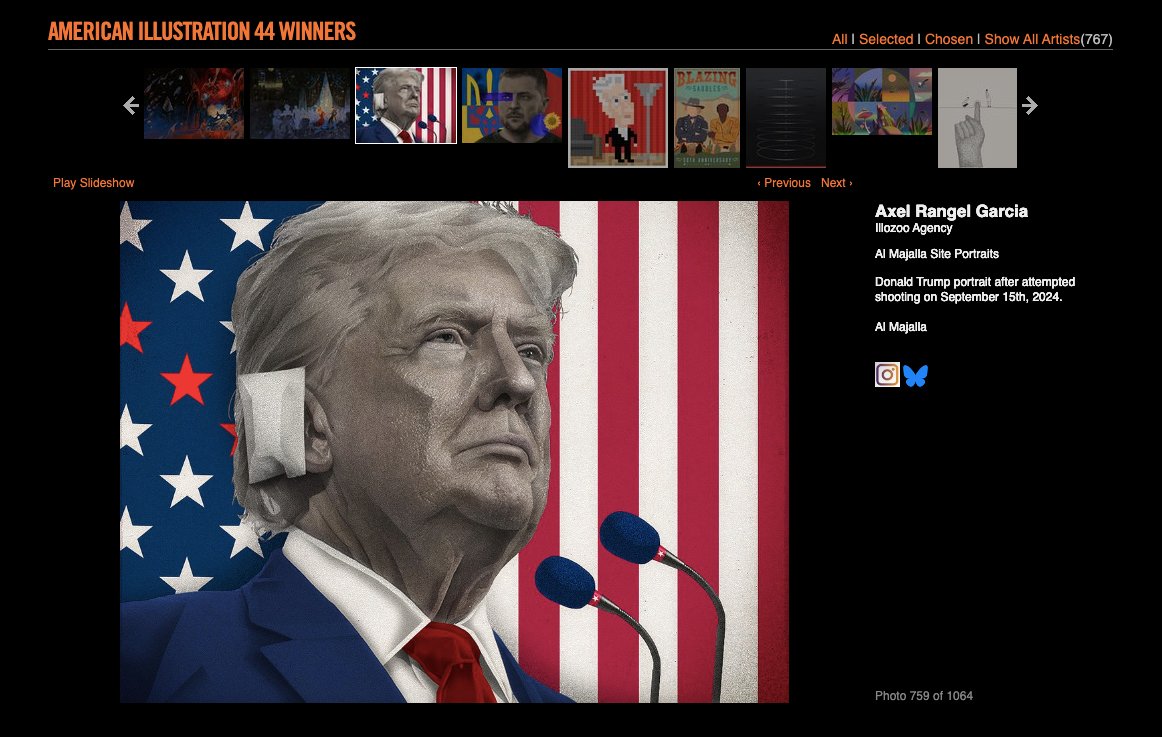
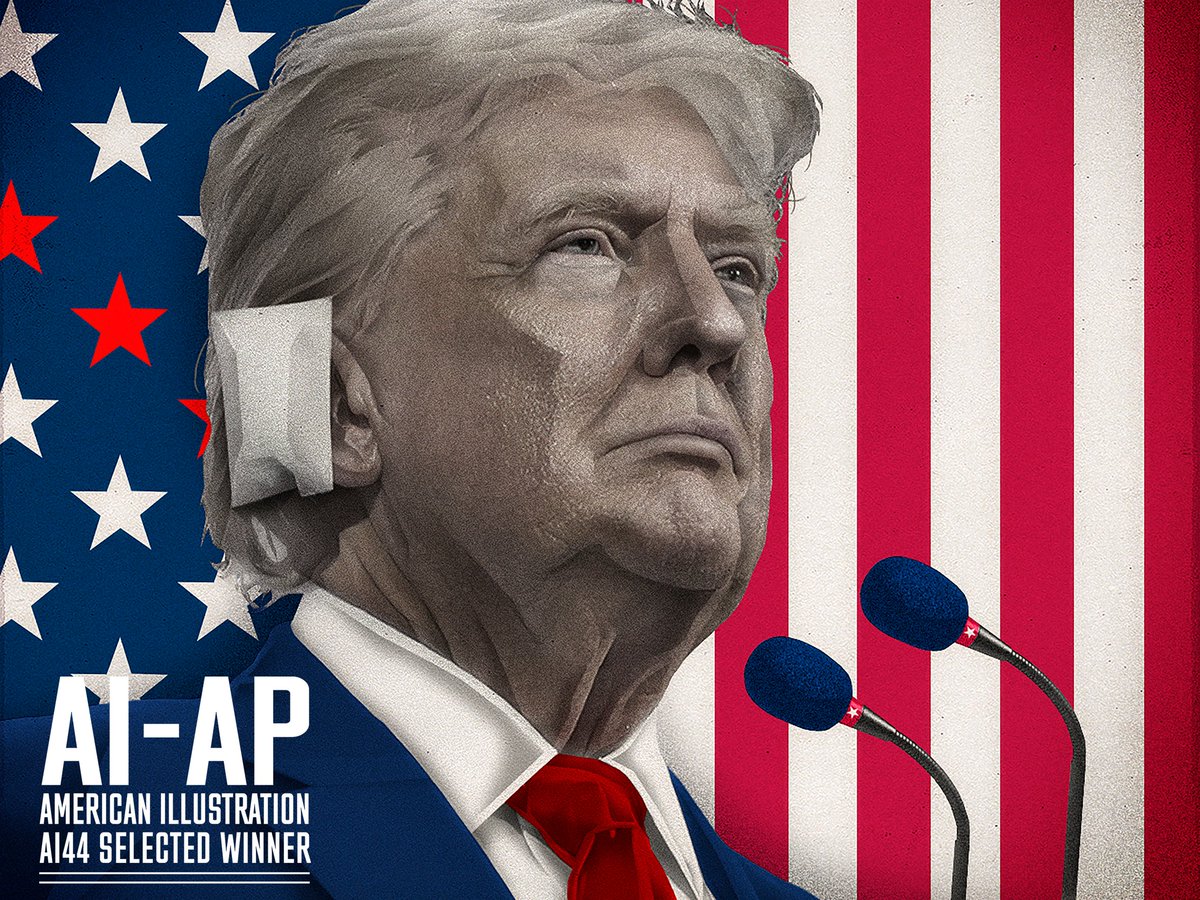
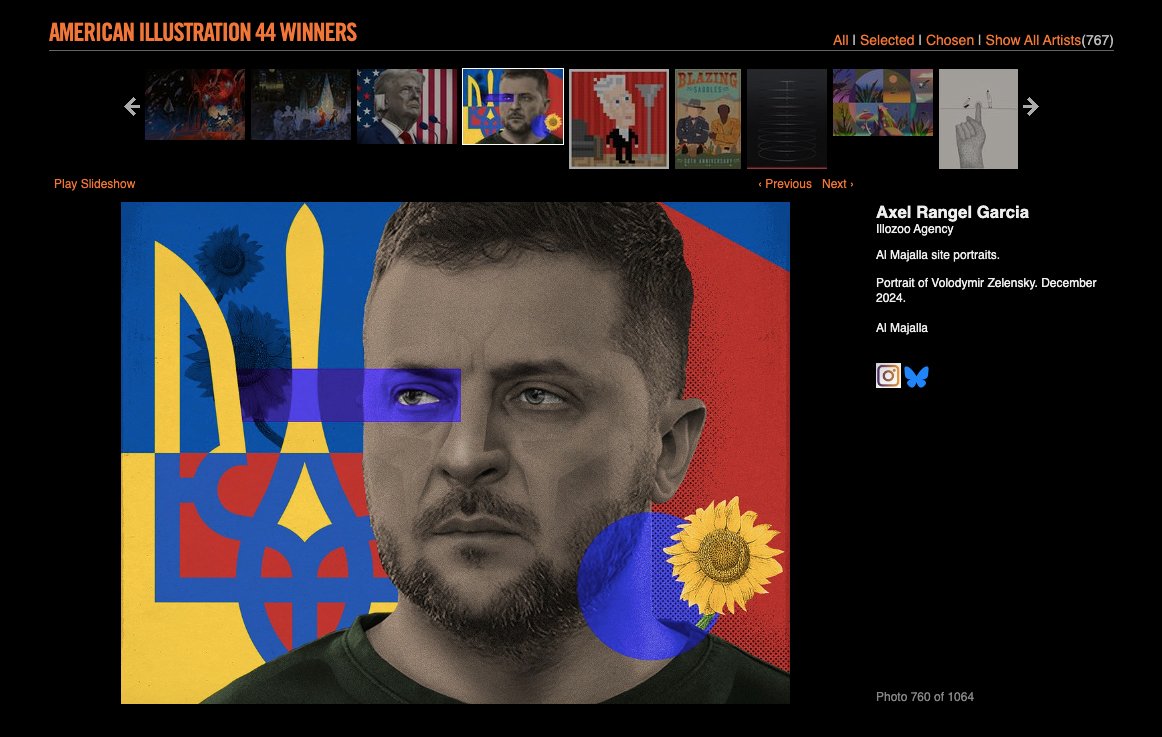
@AmericanIllust 44 online gallery is on!!
Thanks to the jury, Sara Loane and the @AlMajallaAR @AlMajallaEN team for the trust!!
#illustration #magazine
1
2
302
Axel Rangel García retweeted

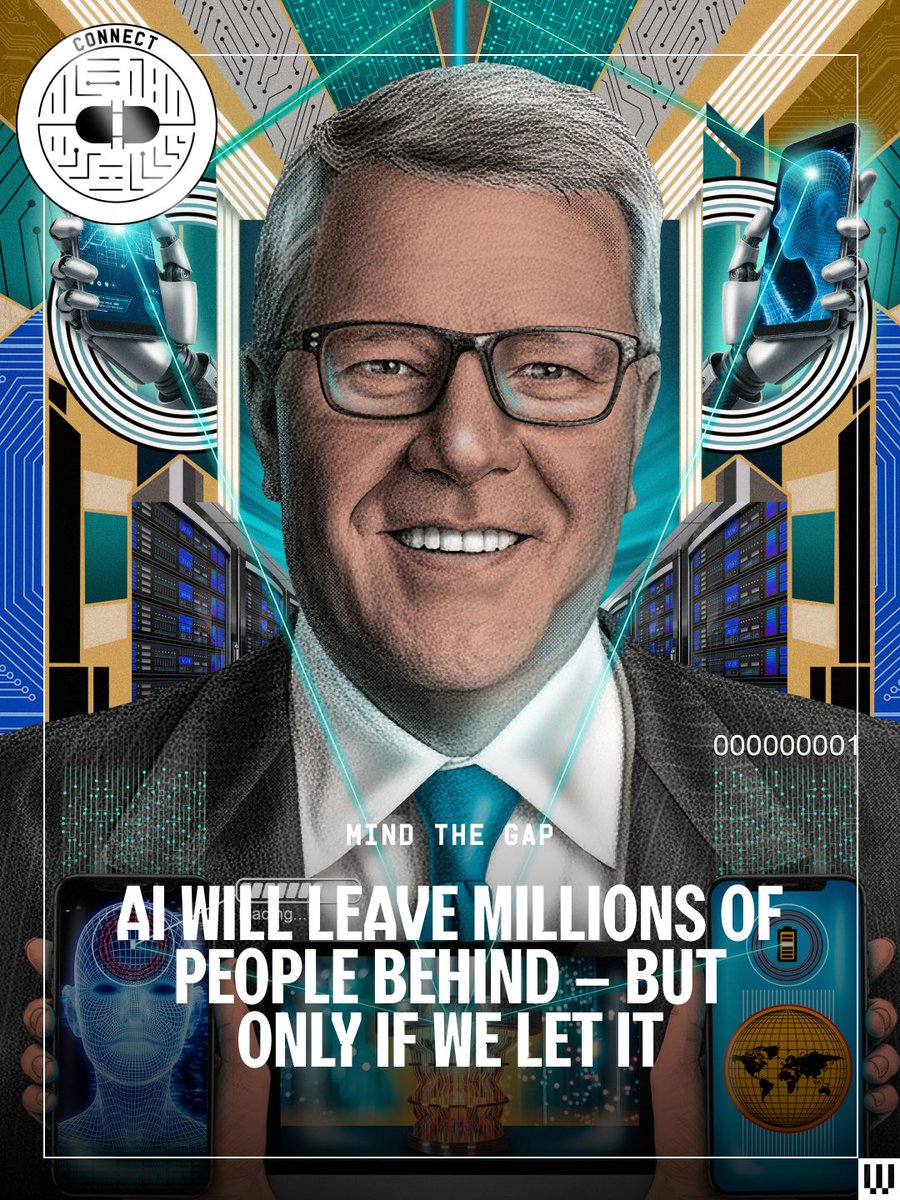
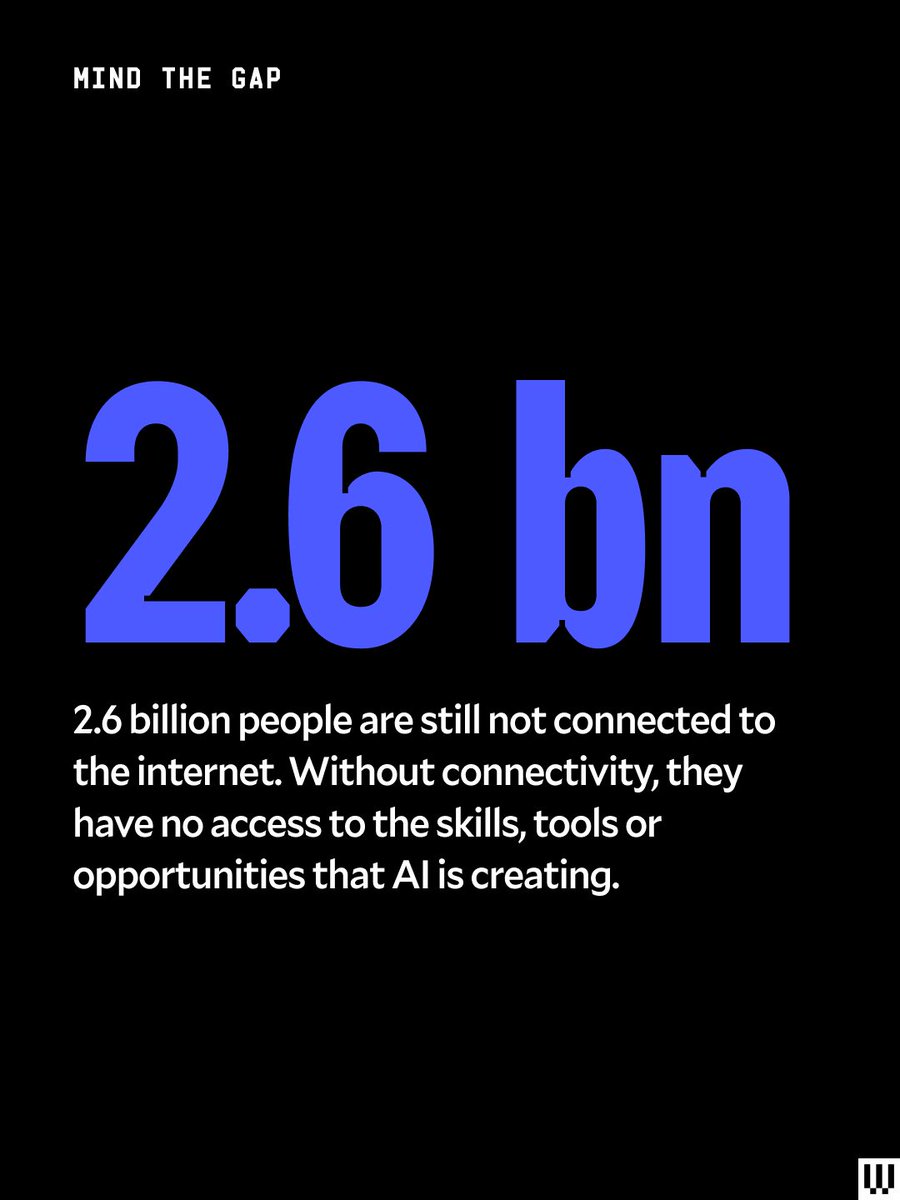
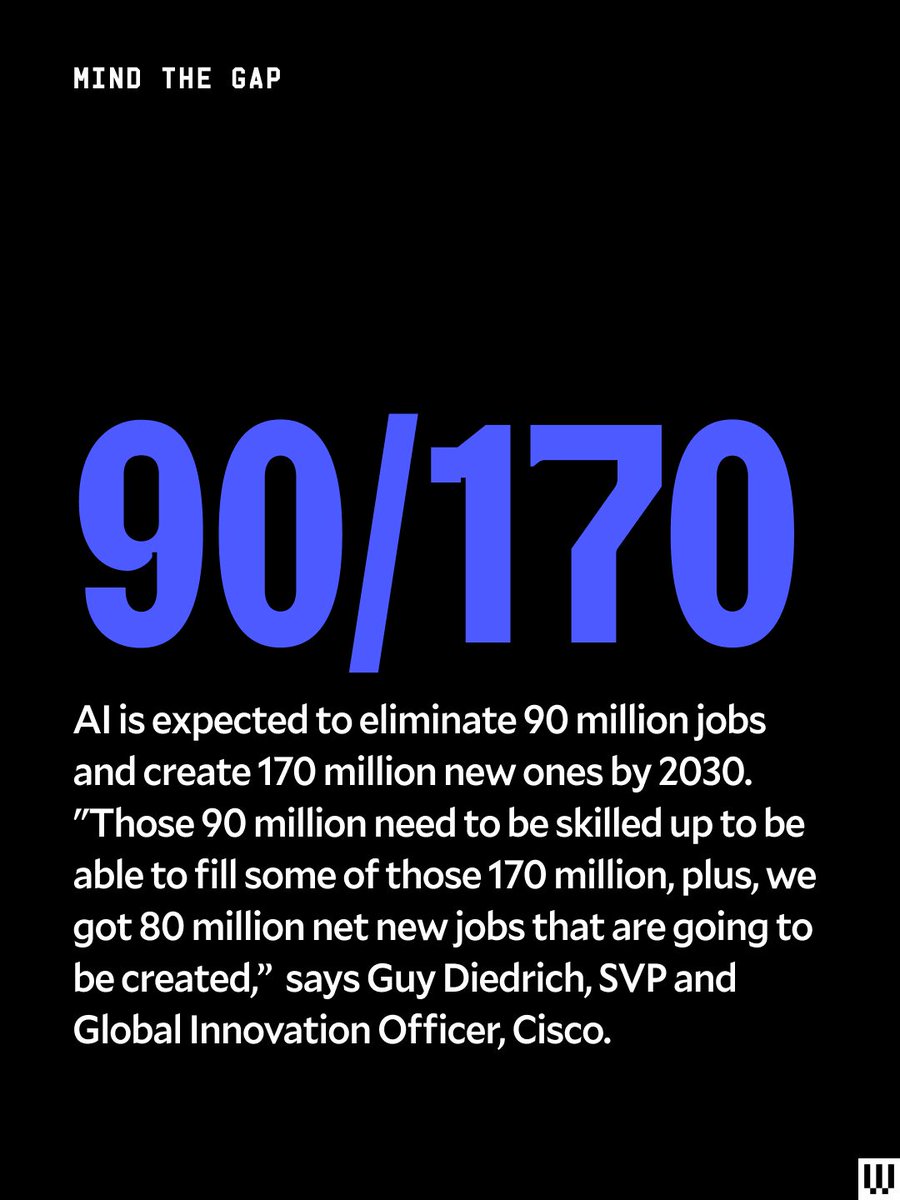
Guy Diedrich, Global Innovation Officer at Cisco, has spent enough time on both sides of the technological divide to be sceptical of AI hype.
As the technology moves from promise to results, he keeps returning to the same point: the most consequential issue facing AI right now is not whether the technology works. It does. The real question is who gets to benefit from it.
In the Middle East, 61 per cent of organisations have a roadmap for AI. Only 16 per cent are prepared to act on it.
He says skilling is the gap between knowing where you want to go and actually getting there.
Read the full interview: wired.me/story/you-cannot-tr…
Words: @sertintea
Visuals: @axelrngl

1
1
56
Axel Rangel García retweeted
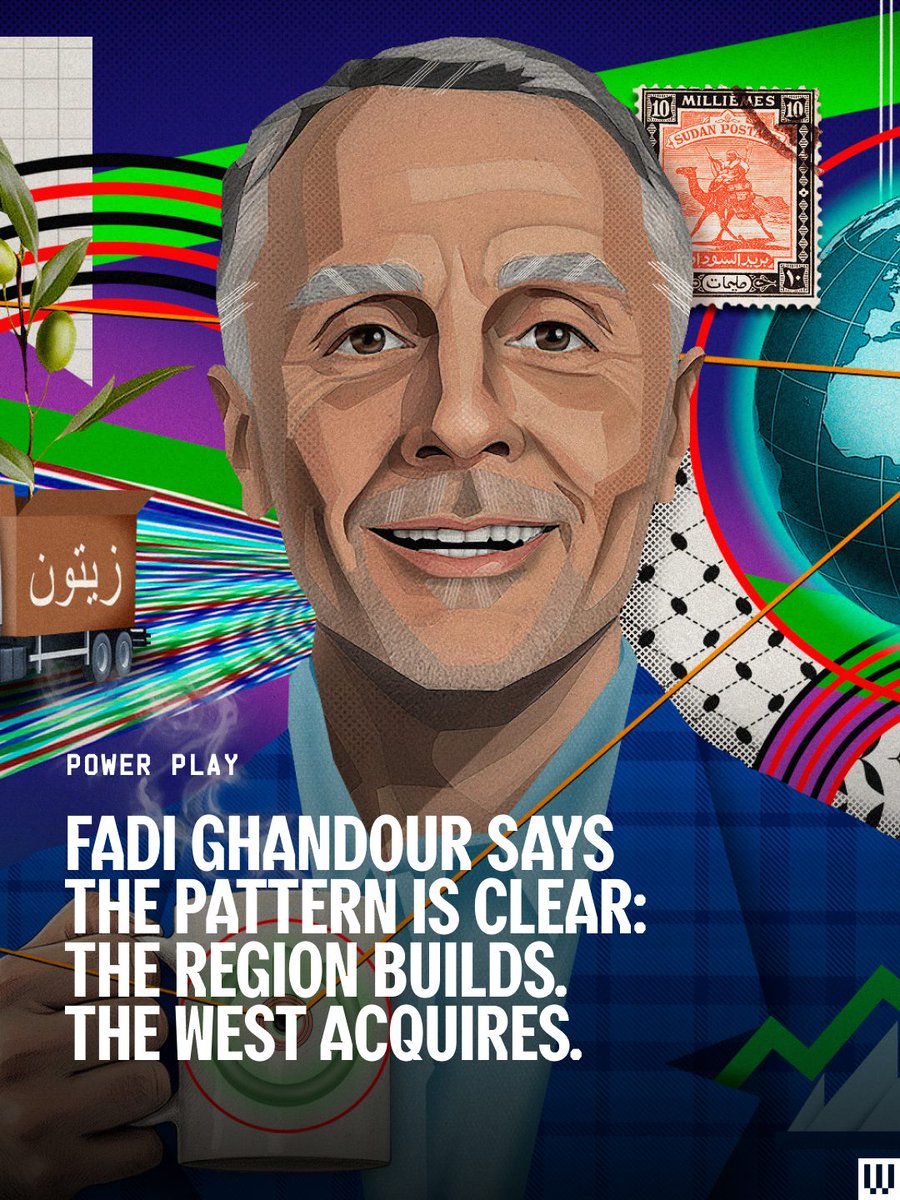
Fadi Ghandour on big tech buying the region: “I would call it western dominance”
From AI infrastructure to sovereign wealth and “Western dominance”, the Aramex founder outlines how capital – and influence – are being redefined.
Read the full interview by Dana Alomar: wired.me/story/fadi-ghandour…
Visuals: Axel Rangel
1
1
93
Axel Rangel García retweeted

Así es como se siente haberse llevado tres Oscar por Frankenstein. #oscars #PremiosOscar

8
450
5,505
50,859
Axel Rangel García retweeted

Mar 10
The planned US troop withdrawal from Syria raises concerns about security cooperation, Kurdish integration, and the continued fight against the Islamic State.
Read James Jeffrey's analysis in #AlMajalla. en.majalla.com/node/329975
1
121
Axel Rangel García retweeted
Mar 15
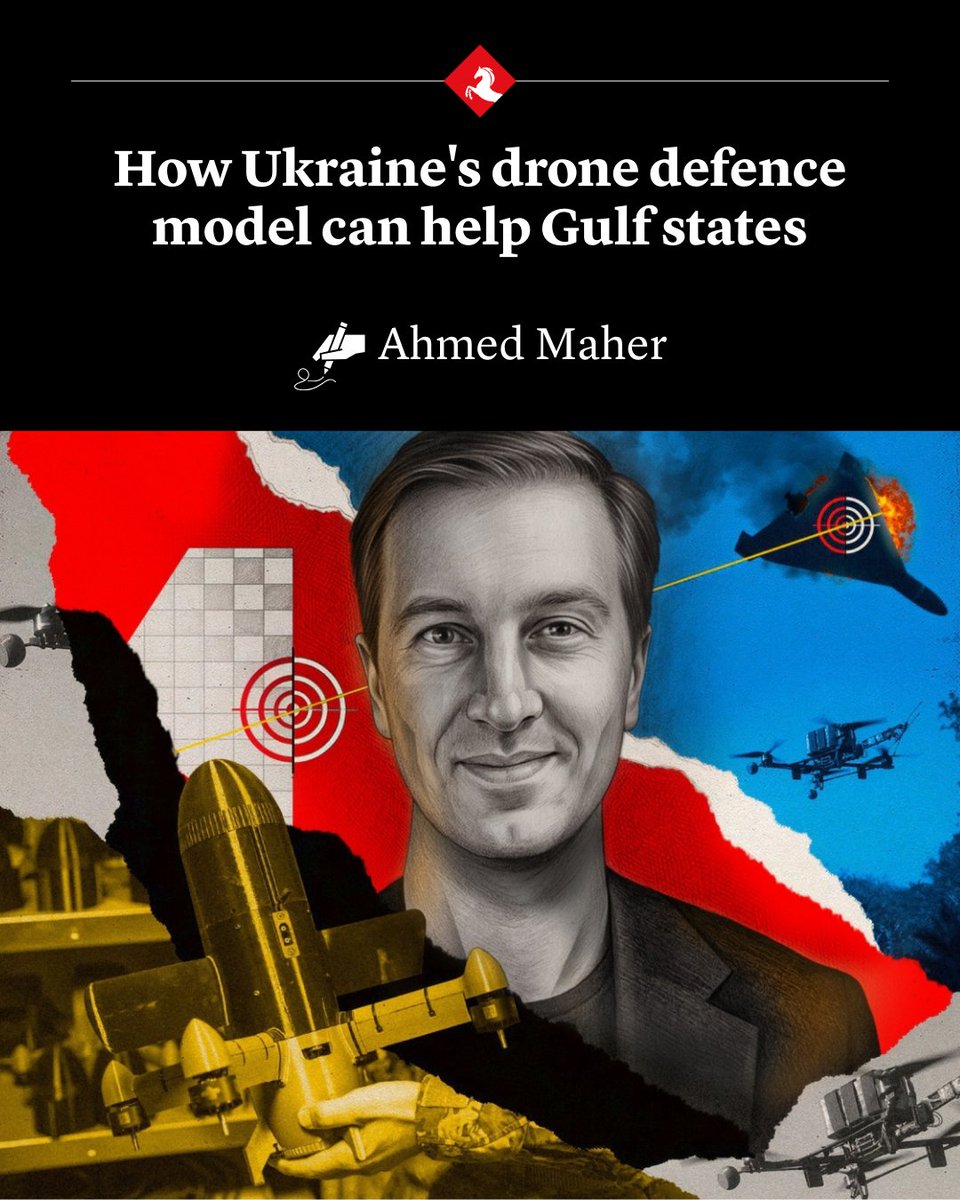
How Ukraine's drone defence model can help Gulf states
en.majalla.com/node/330093
♦️ Iranian-made Shahed drone have been widely used in conflicts, prompting Gulf states to look at Ukraine’s experience in countering them.
♦️ Since October 2022, Russia has used Shahed drones to attack Ukrainian cities, launching about 55,000 drones in 2025 alone, forcing Ukraine to adapt its defence systems.
♦️ Ukraine initially relied on MIM-104 Patriot missiles to intercept the drones, but the extremely high cost and limited production made this unsustainable.
♦️ Ukrainian engineers developed low-cost interceptor drones capable of bringing down enemy drones at a cost of $2,500–$5,000, compared with about $4 million per Patriot missile.
♦️ These interceptor drones, such as PS-1, Sting, Sakura, and Octopus, can reach speeds of up to 300 km/h and are designed to strike the rear engine section of incoming drones.
♦️ According to Ukraine’s military command, about 70% of Shahed drones targeting Kyiv were destroyed by Sting interceptor drones, supported by electronic warfare and mobile fire teams.
♦️ A potential partnership could involve Gulf investment in Ukrainian manufacturing, allowing large-scale production of interceptor drones while Gulf states develop their own domestic production lines.
♦️ Experts warn that airpower alone cannot achieve strategic objectives, highlighting that Iran’s strategy includes targeting tankers, oil fields, and refineries to pressure Gulf states and the global economy.
Article by Ahmed Maher in #AlMajalla ✍️
@amaherYAH
1
1
1
126
Axel Rangel García retweeted
Feb 20
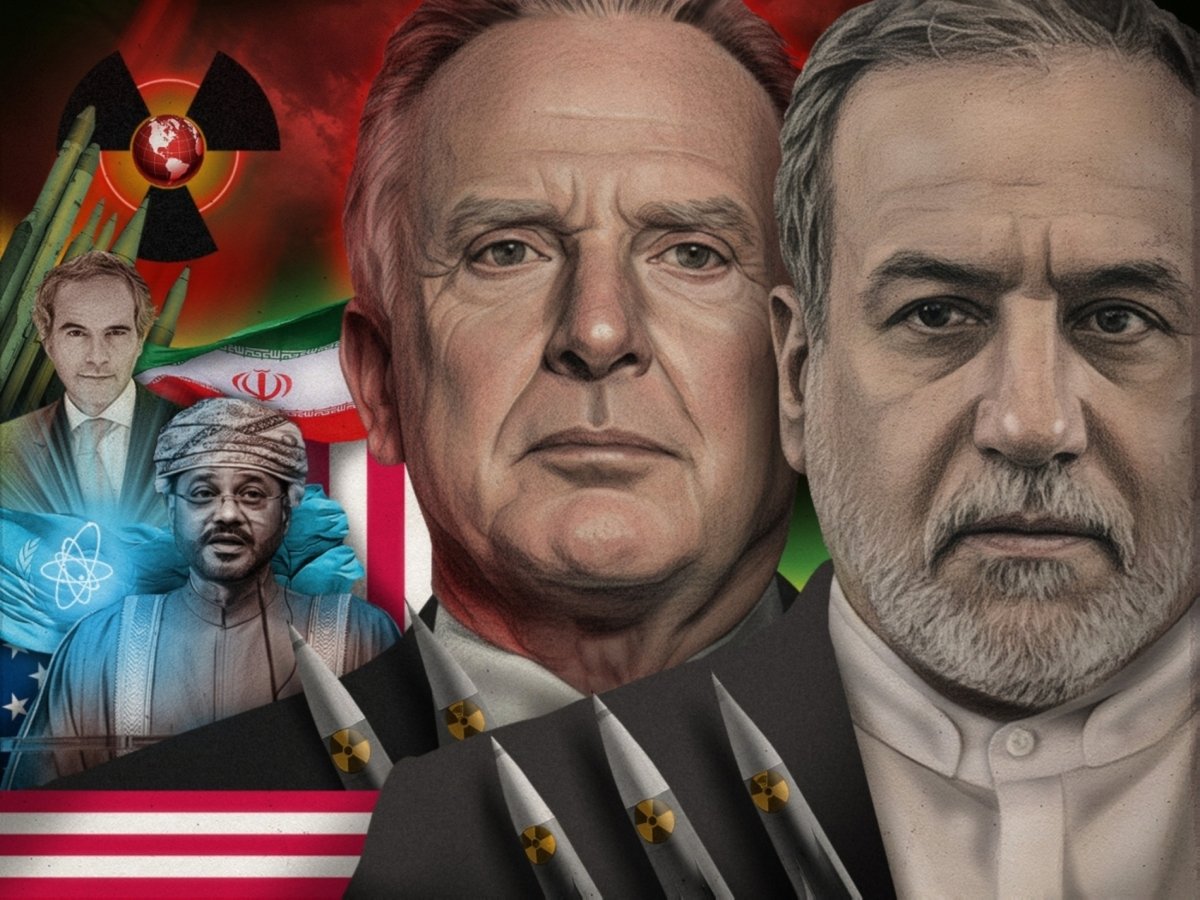
Finding an economic off-ramp to avert a US-Iran war
♦️Economic considerations appear to be taking over political and security calculations in the #US approach to Iran, particularly as negotiations between the two sides gather pace. Beneath the visible choreography of diplomacy lies a steady American preoccupation with energy access—an undercurrent increasingly taking centre stage in negotiations.
♦️Only days before the second round of indirect nuclear talks between the US and Iran commenced in #Geneva, Iran’s Deputy Foreign Minister for Economic Diplomacy Hamid Qanbari declared that Tehran seeks a nuclear agreement with the US capable of yielding tangible economic benefits for both parties.
♦️Against this backdrop, negotiations have broached the topic of prospective cooperation in oil and gas fields, investment in mining, and even the purchase of aircraft. Initial sessions proceeded without American nuclear specialists in attendance, while figures such as Steve Witkoff, the US’s special envoy to the Middle East, and Jared Kushner, the son-in-law of US President Donald #Trump, known for their economic and strategic advisory roles, were front and centre.
♦️Iran ranks 15th worldwide in mineral reserves, estimated at approximately 60 billion tonnes, according to the Iranian Mines and Mining Industries Development and Renovation Organisation (IMIDRO). The country hosts more than 10,000 active mines and possesses over 68 minerals, including extensive deposits of iron ore, copper, zinc, and rare materials essential to advanced industries.
♦️If Trump finds a way to draw Iran away from #China and #Russia, he could very well sell this as a win to his base and leverage this as an off-ramp to avert war.
♦️Iran holds an estimated 3.8 billion metric tonnes of iron ore, equivalent to around 1.9% of global reserves, according to the United States Geological Survey. Data from the IMIDRO indicate that the country also possesses 2.6 billion metric tonnes of copper reserves, accounting for approximately 5% of the world's total, alongside substantial zinc reserves estimated at about 15 million tonnes, which is a significant deposit in the global zinc market.
♦️Iran also has confirmed deposits of cobalt and nickel in the provinces of Zanjan and Kerman—minerals that underpin modern technological and defence industries, including aircraft production, advanced weapons systems, semiconductor manufacturing, automotive batteries, construction materials, and medical applications. Iran also has abundant coal, ferrous metals, sand, gravel, chemical minerals, and salt.
♦️Additionally, Iran's geographical position endows it with exceptional strategic weight. At the crossroads of West Asia, it borders #Afghanistan and #Pakistan to the east; #Iraq and #Türkiye to the west; Azerbaijan, Armenia, and Turkmenistan to the north; and the Arabian Gulf and the Sea of Oman to the south, with access to the Indian Ocean.
♦️For its part, Iran understands the economic lens through which Trump sees the world and therefore will utilise it to its advantage in negotiations with the US. It will be seeking significant sanctions relief, and will not surrender its economic leverage so easily unless it secures said relief.
Explore the full article by Thuraya Shahin in #AlMajalla👇
en.majalla.com/node/329721/
1
1
135
Axel Rangel García retweeted
Feb 22
As Washington moves beyond decades of caution, a doctrine of pre-emptive force is reshaping US leadership. In #AlMajalla, Abdullah F. Alrebh explores this decisive strategic shift.
@AbdullahAlrebh
en.majalla.com/node/329644
2
2
171
Axel Rangel García retweeted
Feb 25
Economic cooperation is emerging as a potential pathway to ease US–Iran tensions. In #AlMajalla, Thuraya Shahin examines how Iran’s resource wealth is shaping negotiations and offering a possible off-ramp from war. en.majalla.com/node/329721/b…
1
88

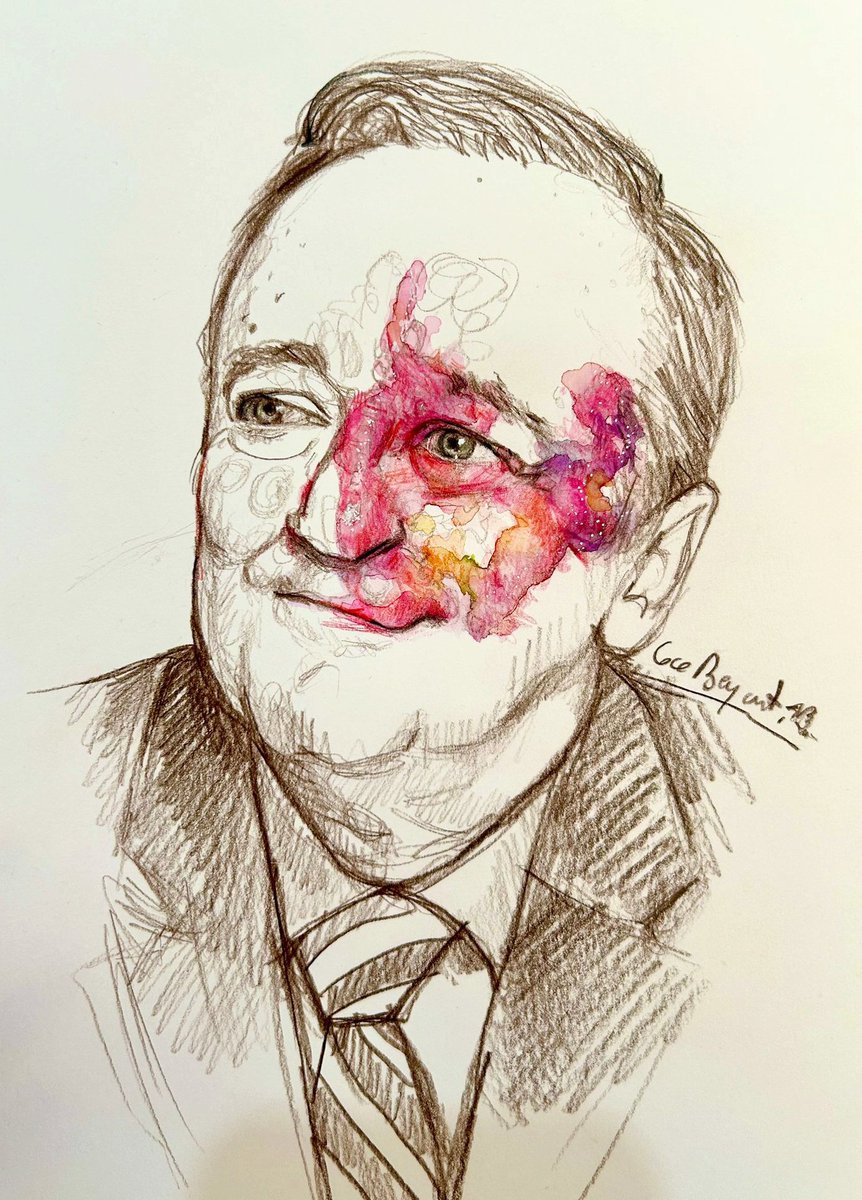
Este es Mariano Barbacid, él y su equipo han conseguido eliminar por completo el cáncer de páncreas en ratones. Y después de una semana de noticias nefastas y discusiones salvajes, esto es lo que merece ser destacado, la esperanza. Es de colorinchis, y aquí va mi arte para él.❤️
1,372
43,563
303,825
3,971,722
Axel Rangel García retweeted

Jan 29
Gevlucht naar Nederland vanwege Trump. ‘Amerika is niet meer het land waar iedereen zichzelf kan zijn’ nd.nl/nieuws/amerika/1303673… #NDnl
2
2
1
377
Axel Rangel García retweeted

31 Dec 2025
Happy New Year 2026.
100 years of Bauhaus.
Form. Colour. Movement.
Discover Bauhaus Dessau → bauhaus-experience.com/dessa…
Animation inspired by Wassily Kandinsky
© Daryl Kim
#Bauhaus2026 #Bauhaus100 #BauhausDessau #Kandinsky #BauhausExperience #Modernism
23
808
2,954
105,526

Axel Rangel García retweeted

14 Oct 2025
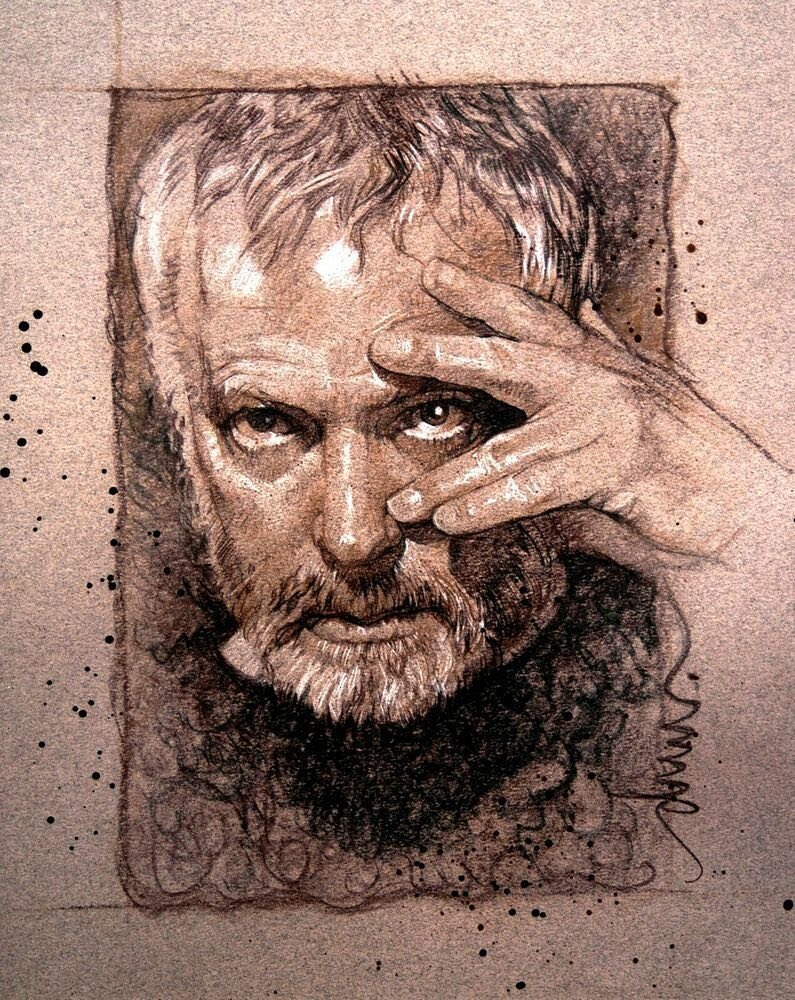
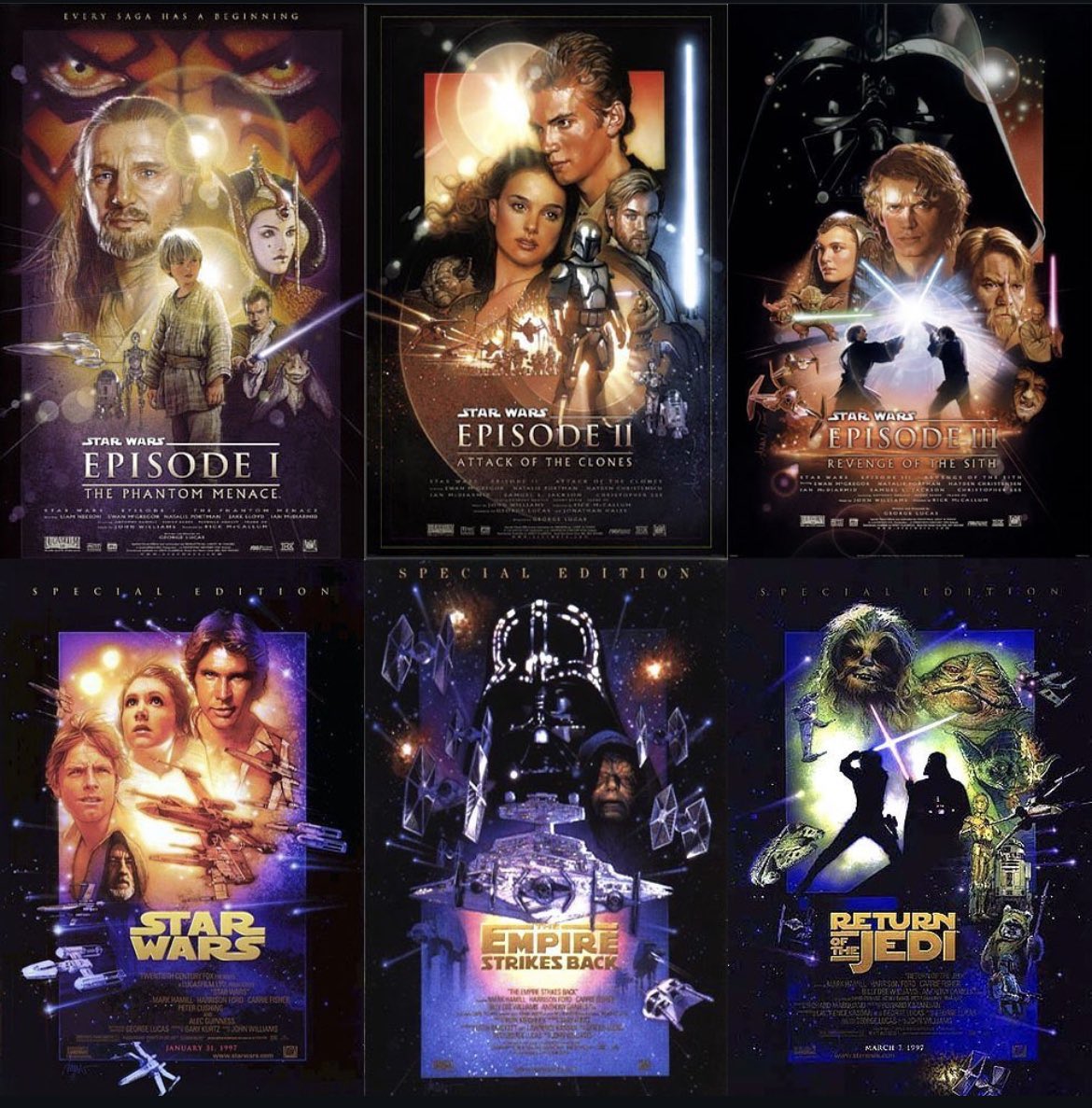
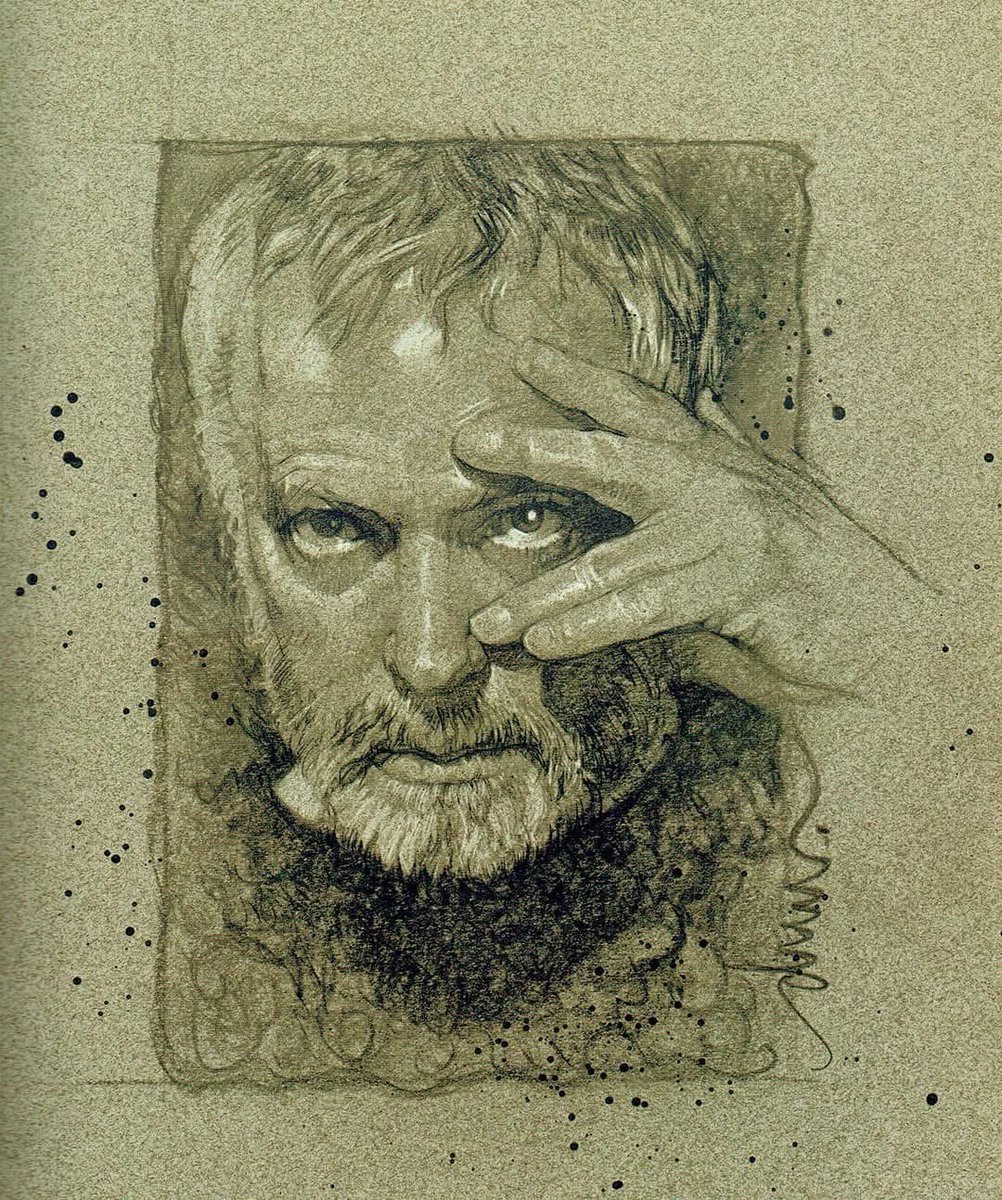
Drew Struzan has sadly passed away at the age of 78.
He was the legendary artist that worked on posters for the original 6 ‘Star Wars’ films, ‘Back to the Future’, ‘Indiana Jones’, ‘The Thing’ & much more.
564
19,175
156,201
4,563,698
Axel Rangel García retweeted

14 Oct 2025
Rest easy, Mr. Struzan.
The best to ever do it.
12
534
3,997
90,421
Axel Rangel García retweeted

11 Oct 2025
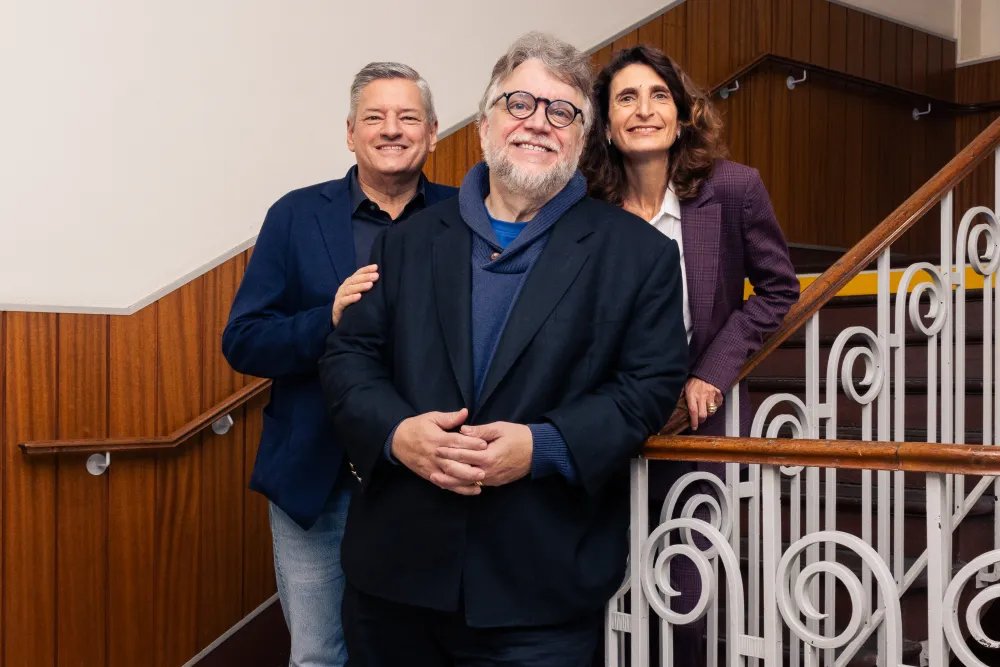
Ese estudio/laboratorio estara credo con talento Mexicano y Latinoamericano para vincular ambos paises. Y ofrecera por una decada estudios sin costo a un animador Mexicano por ciclo escolar.
10 Oct 2025

Guillermo del Toro, Netflix & Gobelins are creating a stop-motion studio-lab in France 🎬 — a new hub for training, research & the future of the craft.
Read more: stopmotionmagazine.com/guill…
#StopMotion #Animation #GuillermoDelToro #Netflix #Gobelins
84
1,096
10,348
306,833
Axel Rangel García retweeted

27 Sep 2025
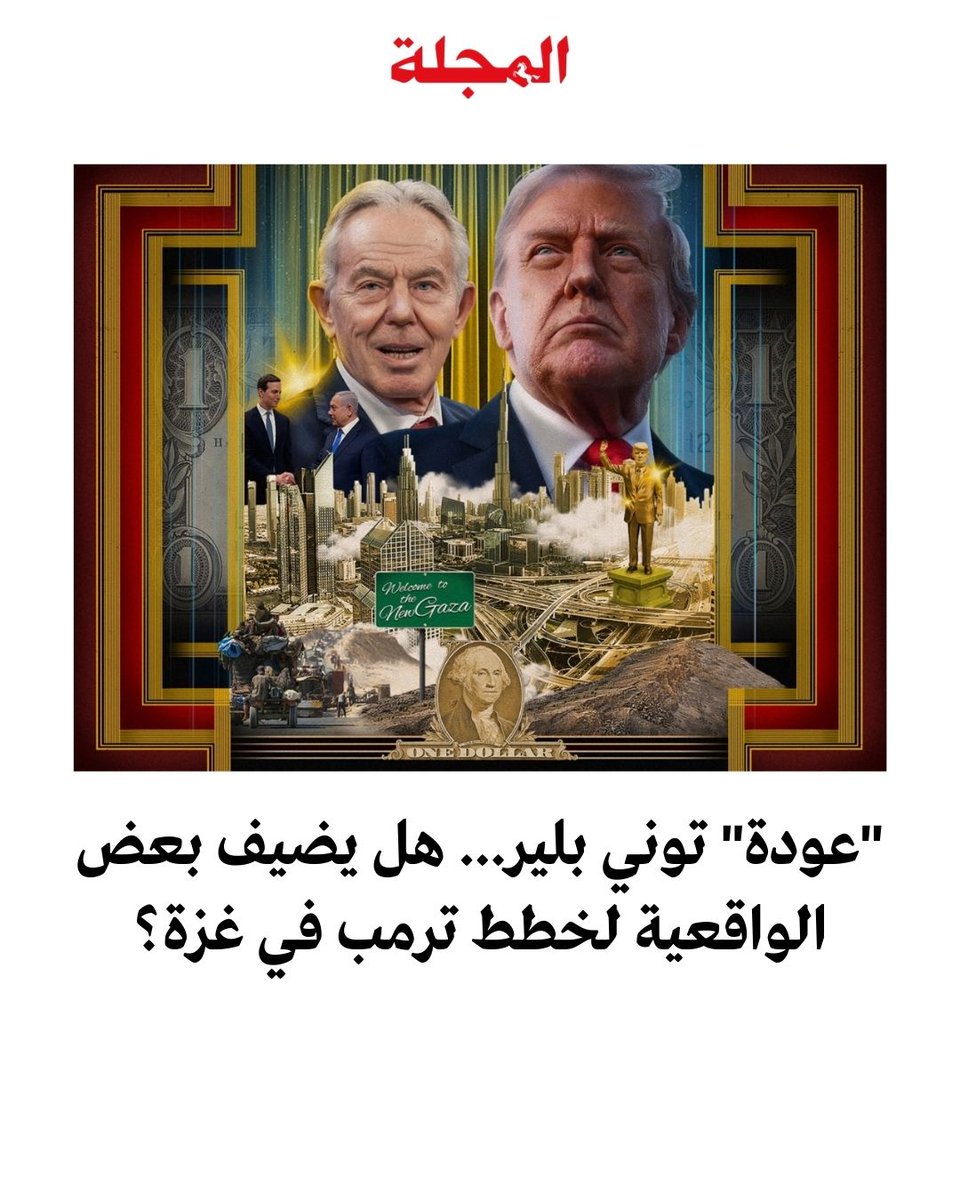
لم تكن عودة توني بلير إلى عناوين أخبار الحرب في #غزة مستغربة، لكن يختلف الجميع حول اختياره المحتمل، فهناك من يعترض عليه بسبب سجله في حرب العراق، وهناك من يؤيد ترشيحه.
✍️ مقال برين هاورث في #المجلة
majalla.com/node/327546/
1
2
683
Axel Rangel García retweeted
25 Sep 2025
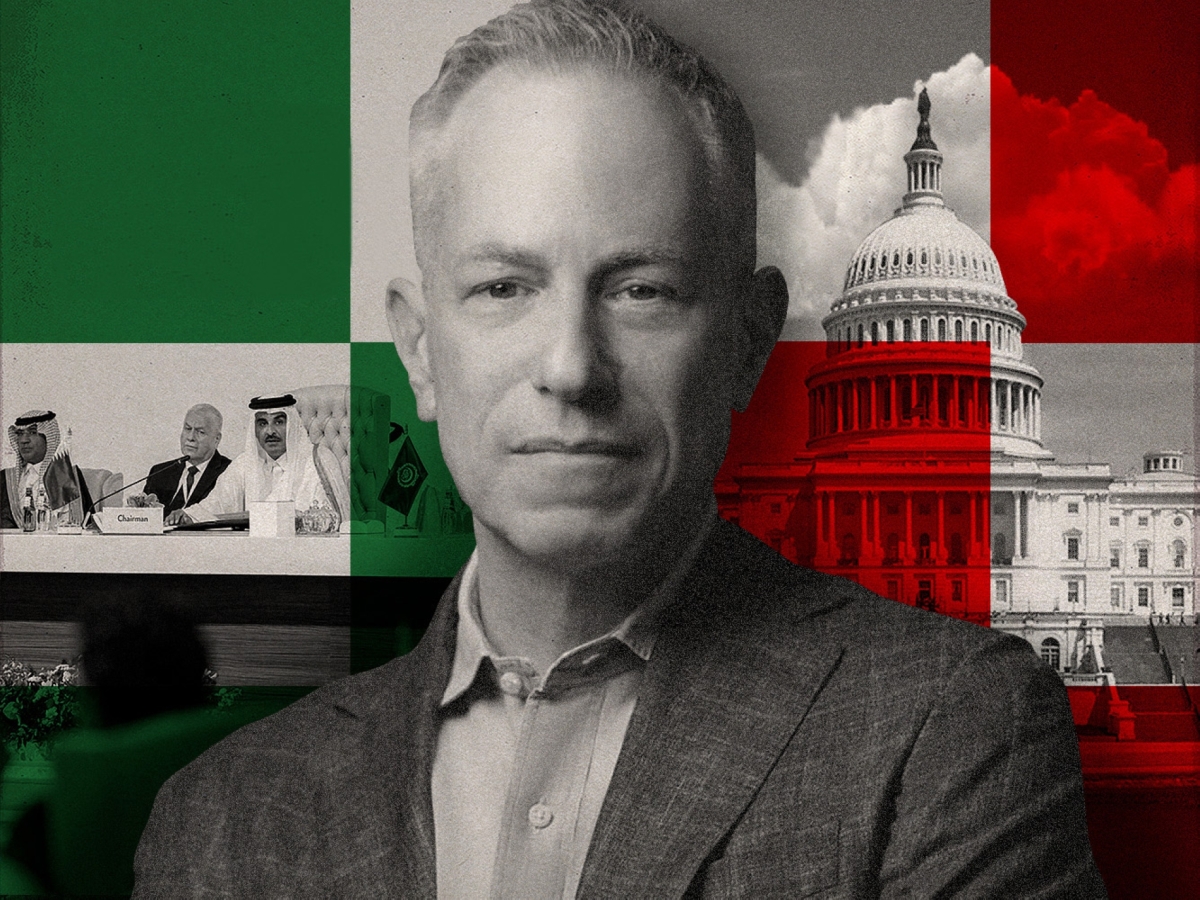
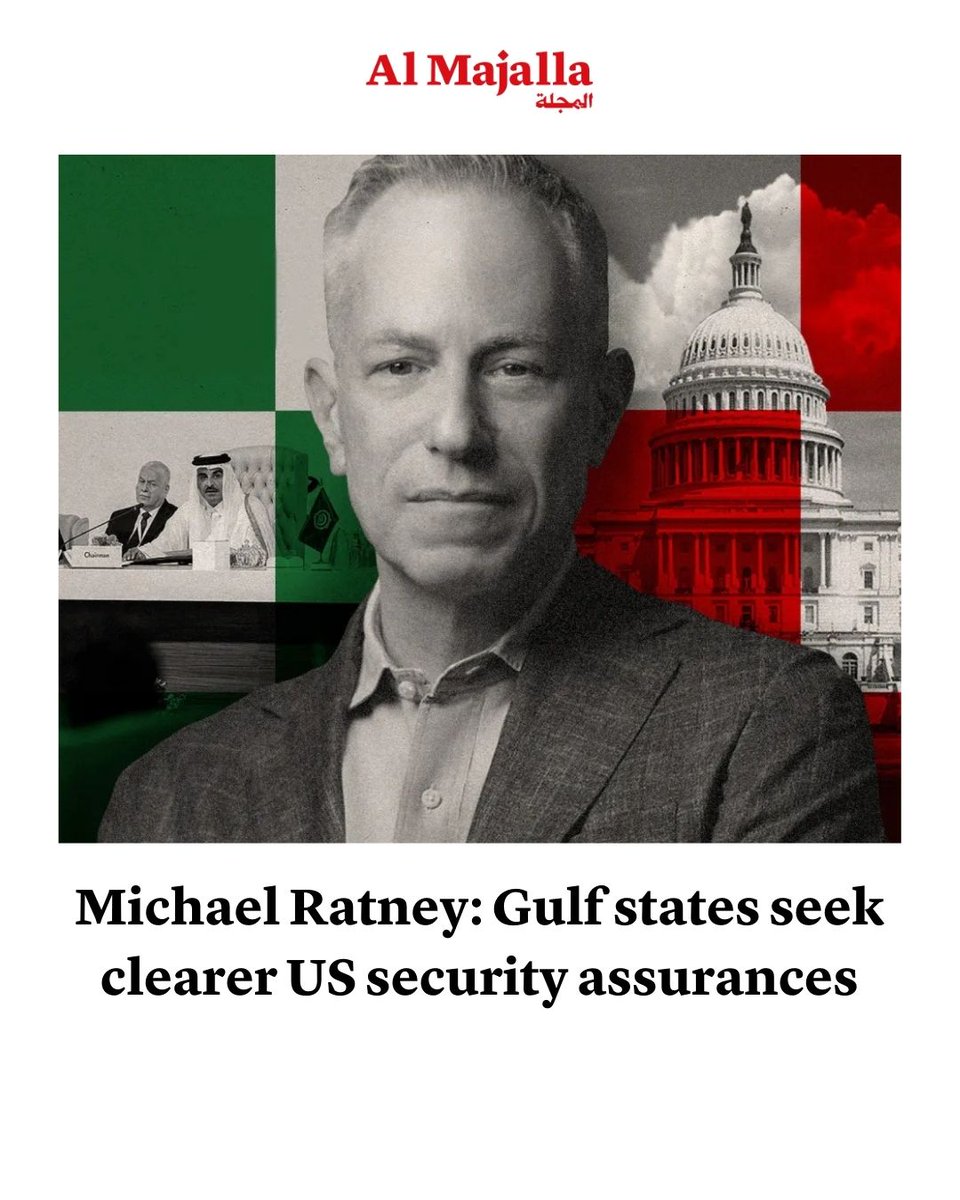
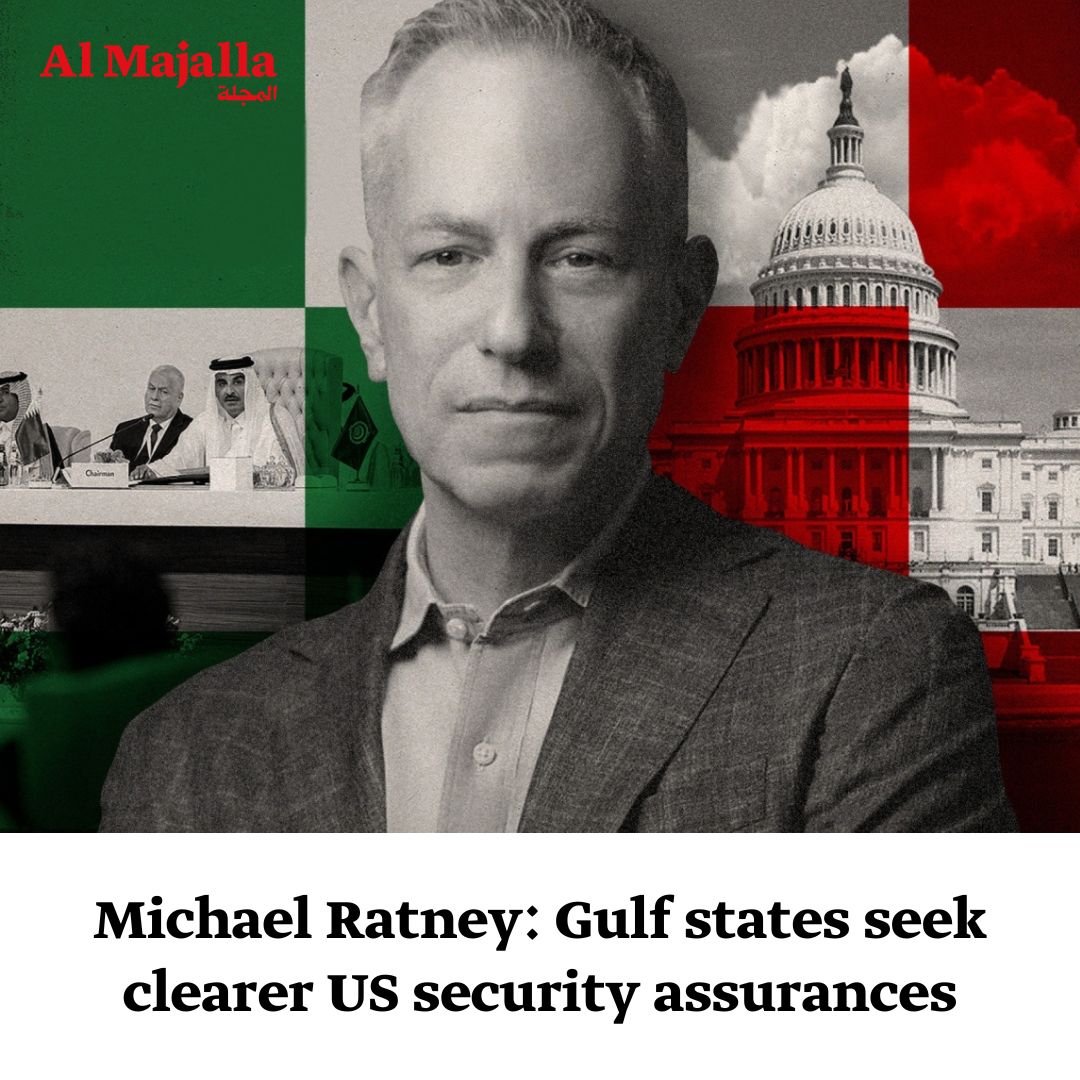
Interview with Michael Ratney: Gulf states seek clearer US security assurances
♦️ #Gulf countries will continue security cooperation with the #US, even as they seek clearer security assurances amid significant regional threats, former US Ambassador to #Saudi_Arabia #Michael_Ratney told Al Majalla. In a region where alliances are constantly tested and geopolitical landscapes are rapidly shifting, he shared his insights on the implications of Israel's strike on #Qatar—a US ally—and the delicate balance of power in the Middle East.
♦️ ”We should remember that security cooperation between the US military and the militaries of #GCC countries dates back literally decades. This involves defence sales, exercises, training, and consultations.”
♦️ ”Although we don't have a formal treaty relationship with any of our GCC allies, it is something that we were discussing.”
♦️ ”I think Gulf countries have important relationships with many countries around the world. When you think about it, they're sort of at the centre of the world geographically, and around them are Europe and the United States, Asia, China, and India.”
♦️ “I could imagine Gulf countries trying to up their cooperation with China and Russia. We saw recently Saudi Arabia and Pakistan sign a defence pact, but I don't think any of those countries are going to offer security assurances in the event of an attack by Iran.”
♦️ “President #Trump has said very clearly that he wants an end the war in #Gaza. He publicly expressed his frustration with #Israel about its attack in Doha, so I don't know whether I would characterise [the attack in Doha] as a failure, but I do think it's something that has deeply frustrated the United States.”
♦️ “I think the principal reaction right now among Israel's traditional partners—which includes the United States, European countries and others—is one of extraordinary frustration. President Trump has expressed this himself. The recognition of Palestine by France, the UK, Canada, Australia, and other Western states is a demonstration of their frustration with Netanyahu.”
Read Michael Ratney's full interview with Ahmed Maher in #AlMajalla and find out his insights on USA-GCC relations in the wake of Israel’s attack on Doha👇
en.majalla.com/node/327503/
1
1
162
Axel Rangel García retweeted
24 Sep 2025
In an interview with #AlMajalla, the former #US ambassador to #Saudi_Arabia discusses the implications of #Israel's strike on #Qatar and why he thinks Gulf states will continue to be solid #US allies.
✍️ interviewed by Ahmed Maher
en.majalla.com/node/327503/
@amaherYAH
1
2
165
Axel Rangel García retweeted
25 Sep 2025
In an interview with #AlMajalla, the former #US ambassador to #SaudiArabia discusses the implications of #Israel's strike on #Qatar and why he thinks Gulf states will continue to be solid US allies.
Find out more in Ahmed Maher's article in #AlMajalla 👇
en.majalla.com/node/327503/
1
1
133