
Axum is an Afrocentric impact firm dedicated to fostering climate-positive and inclusive growth across Africa and Middle East regions.
Joined October 2023
- Tweets 225
- Following 17
- Followers 191
- Likes 84
101 Photos and videos



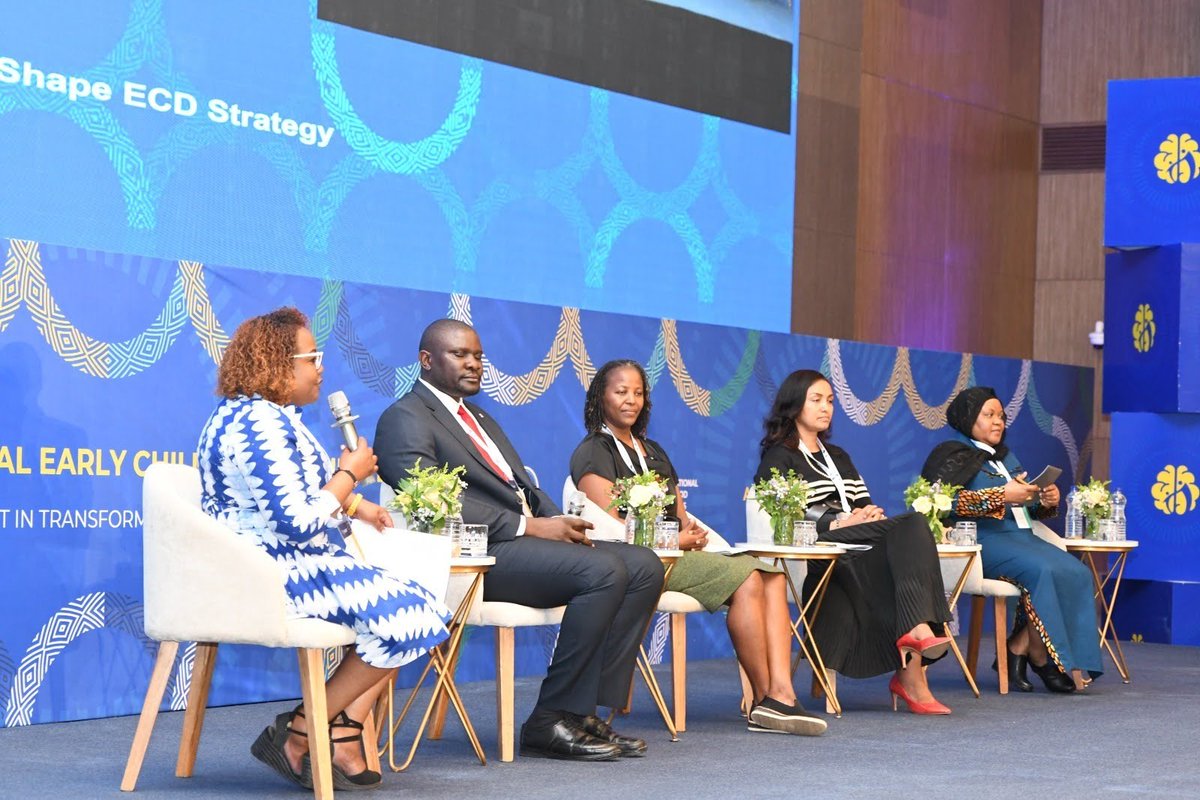




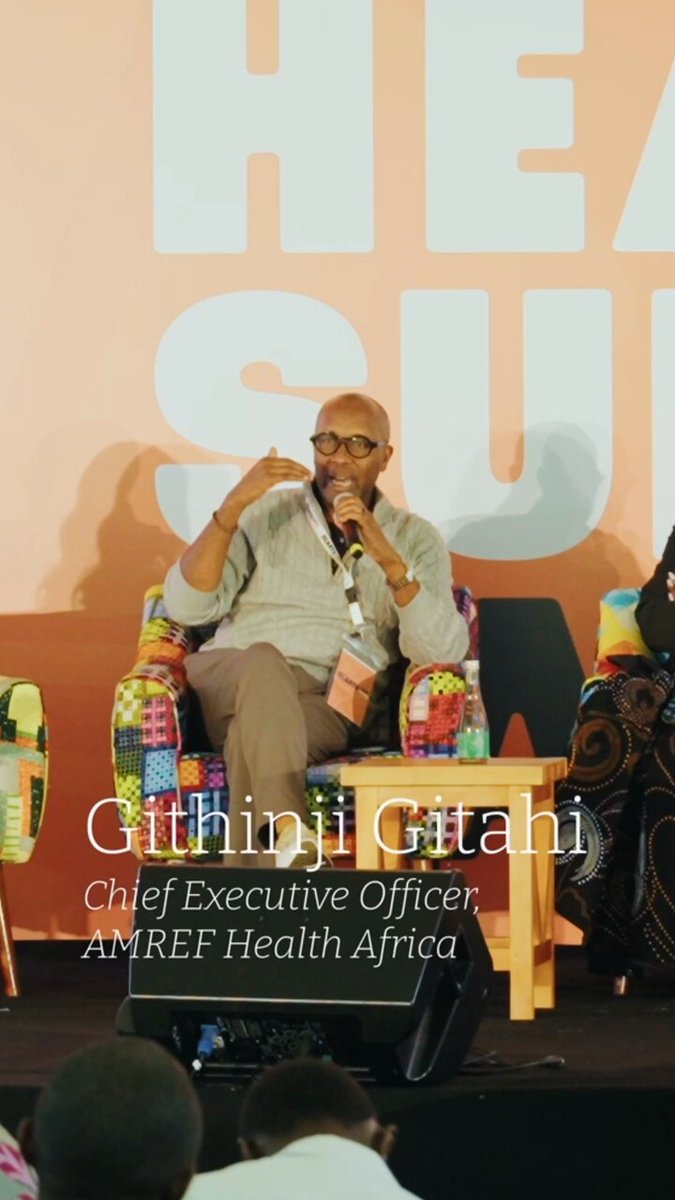



It’s an age-old truth: It takes a village to raise a child but one of our loudest realizations from the Addis International Early Childhood Conference 2026 was that it takes an entire ecosystem to support that village.
1
8
Real, sustainable change only happens when we build active bridges between policy makers, researchers, ground-level implementers, and financing partners.The future of our children depends on how well we collaborate today.
1
3
A special shoutout to the African Center For Early Childhood Development, Winnie Wambugu and Gathoni Kang’ethe for anchoring these vital insights and pushing the conversation forward.
What do you think is the most critical missing link in our current ECD ecosystem?
3

Jun 12
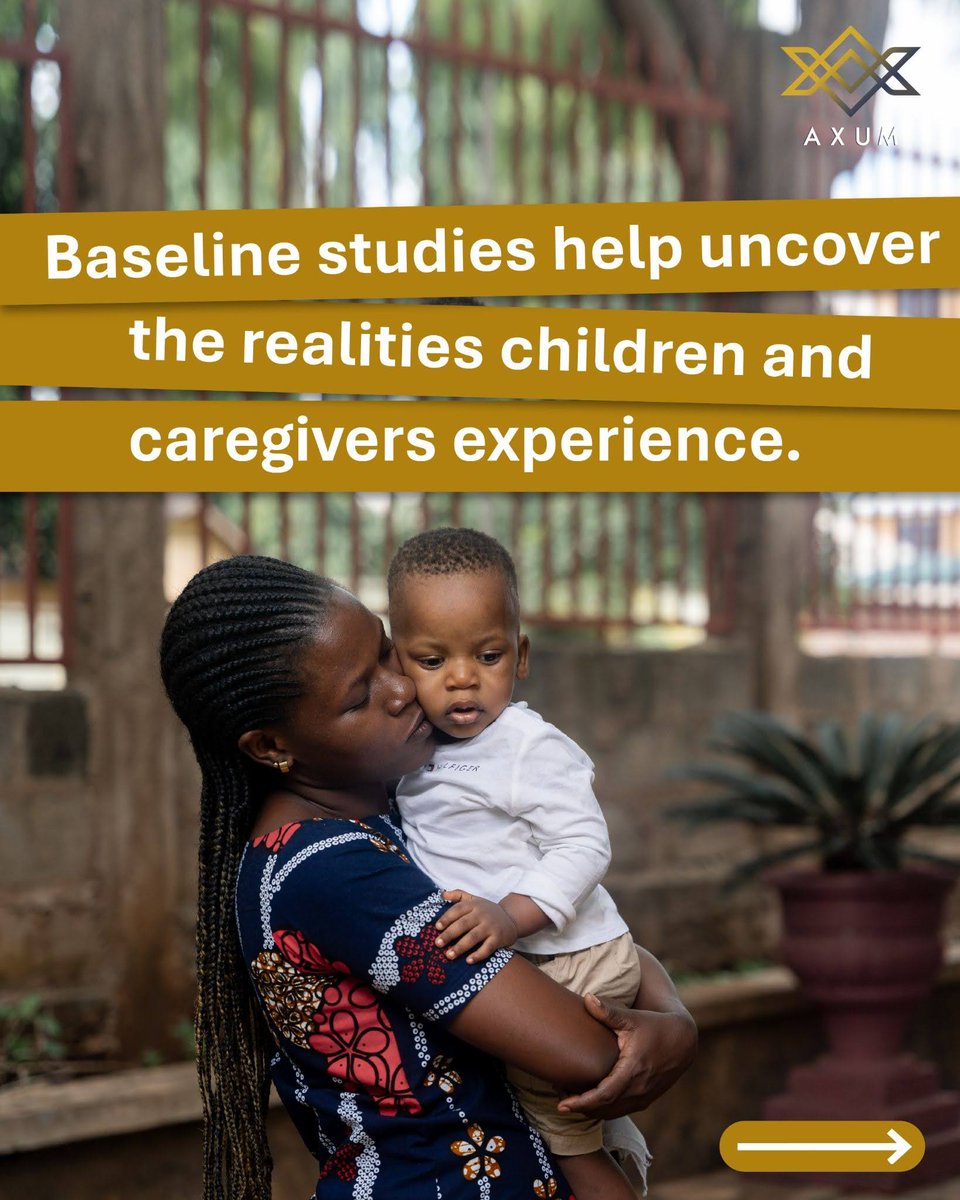
What happens after a baseline study is completed?
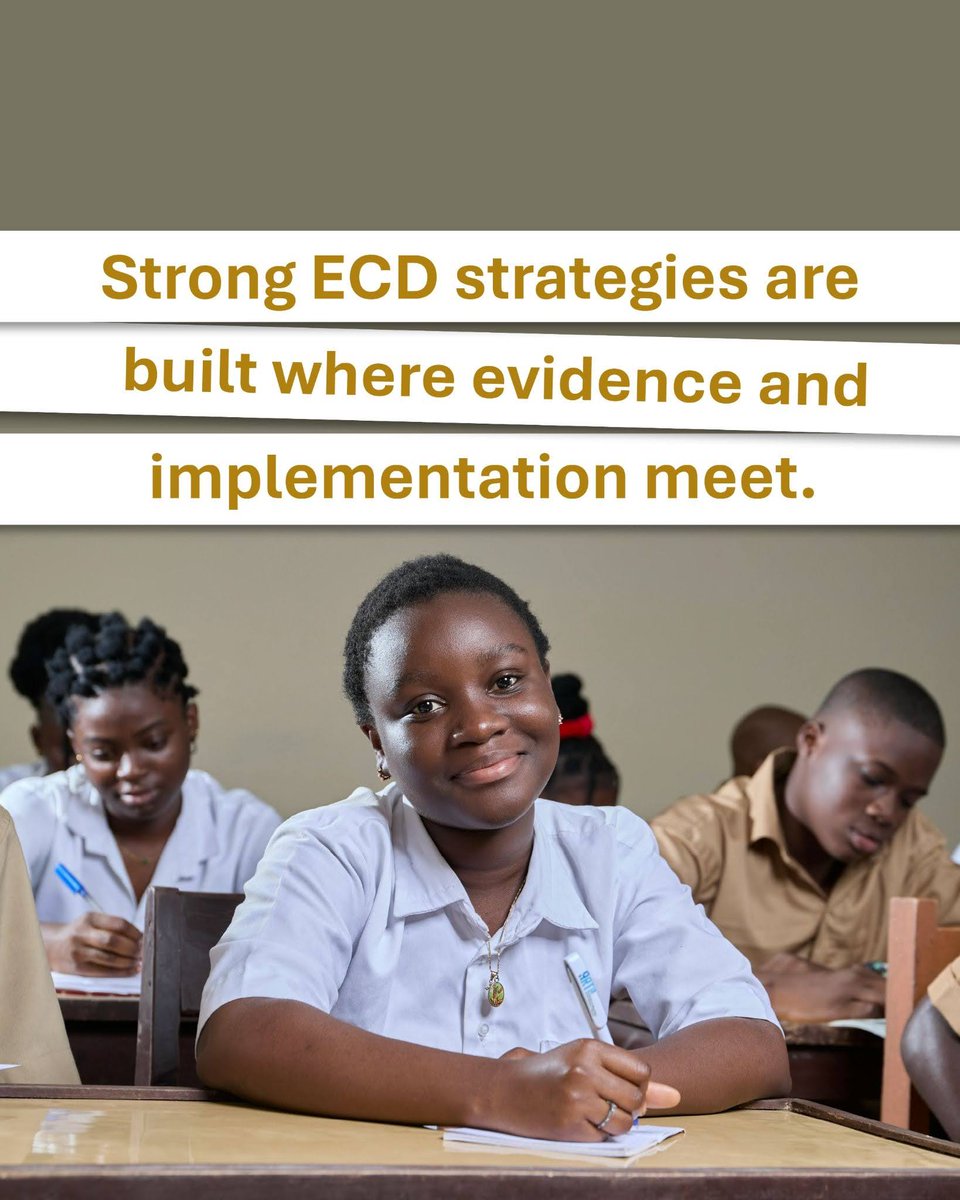
At the Addis International Early Childhood Conference 2026, speakers explored how evidence can move beyond reports and become a practical tool for shaping ECD priorities, informing investments, and improving implementation.
1
16
Jun 12
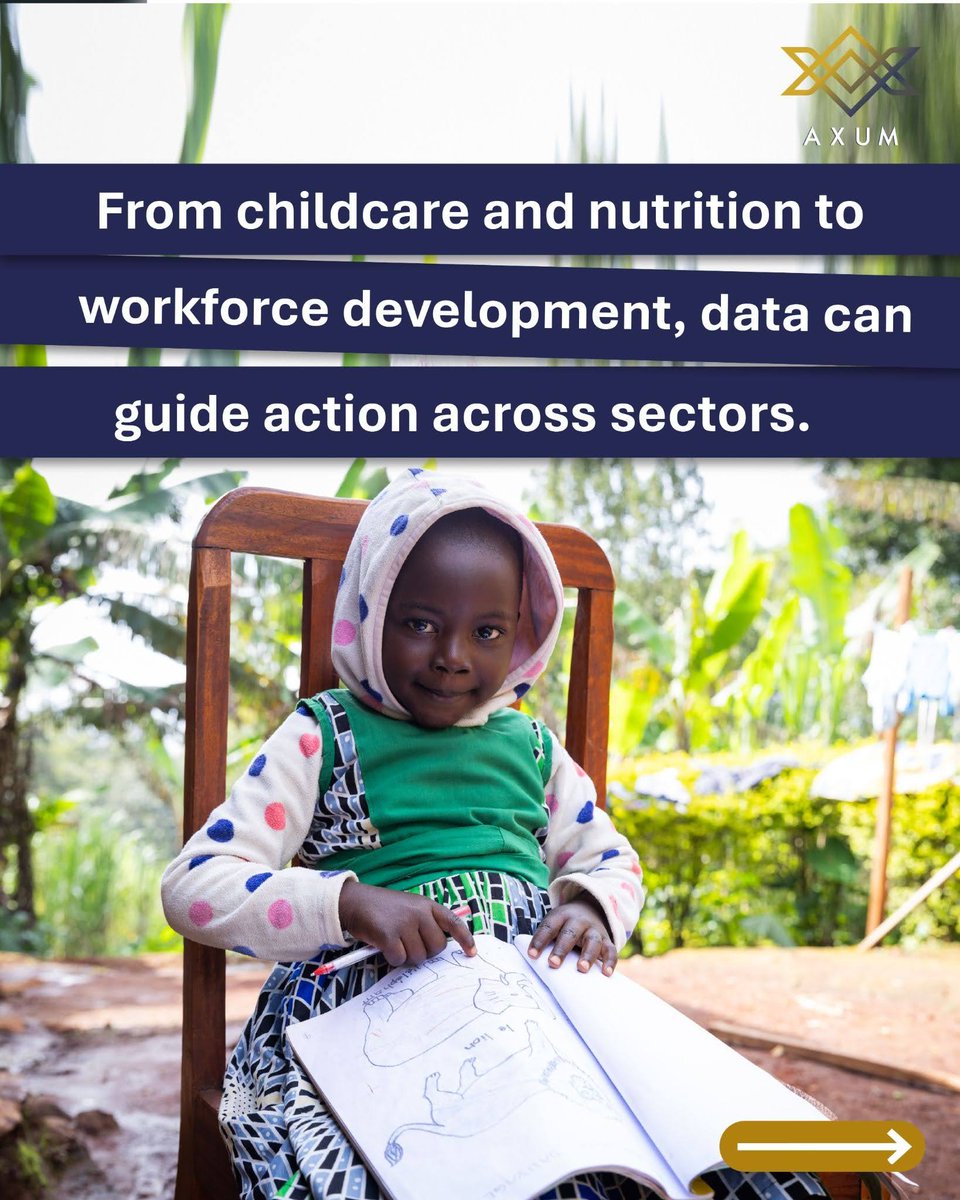
From childcare regulation and workforce development to nutrition and service delivery, the discussion highlighted how data can help decision-makers focus resources where they are needed most.
1
12
Jun 12
Here are some of the key lessons from the conversation.
African Center For Early Childhood Development
#ECD #EarlyChildhoodDevelopment #Childcare #SystemsChange #Africa
9
Jun 10
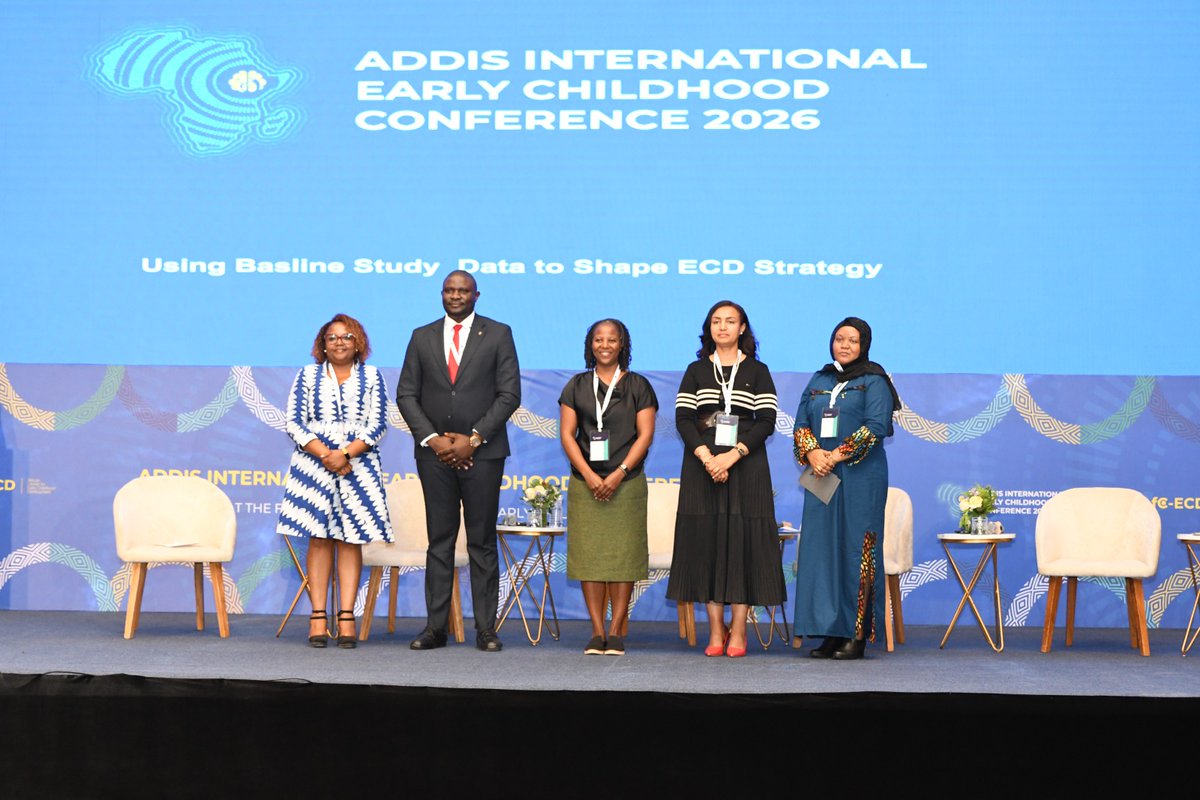
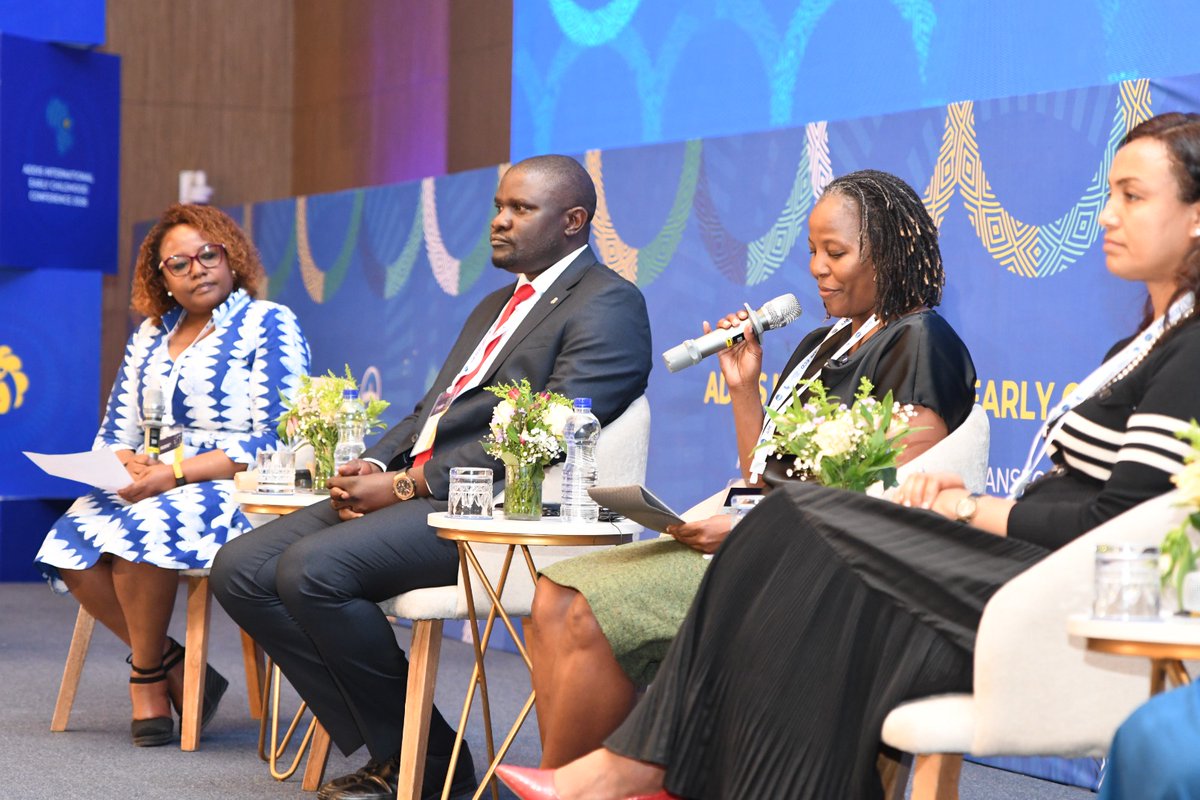
Still on the Addis International Early Childhood Conference 2026, our Co-Founder and Partner, Winnie Wambugu, moderated a panel discussion on Using Baseline Study Data to Shape ECD Strategy.
1
30
Jun 10
The session opened with insights from Waziri Brian Mulama on Nairobi City's baseline study findings, followed by reflections from Prof. Amina Abubakar, Dr. Meseret Zelalem, and Elaine Wacuka on using evidence to strengthen ECD planning and implementation.
1
47
Jun 10
The discussion reinforced the importance of grounding ECD priorities in data while ensuring they remain responsive to local realities.
African Center For Early Childhood Development
#ECD #EarlyChildhoodDevelopment #Childcare #SystemsChange #Africa
18
Jun 8
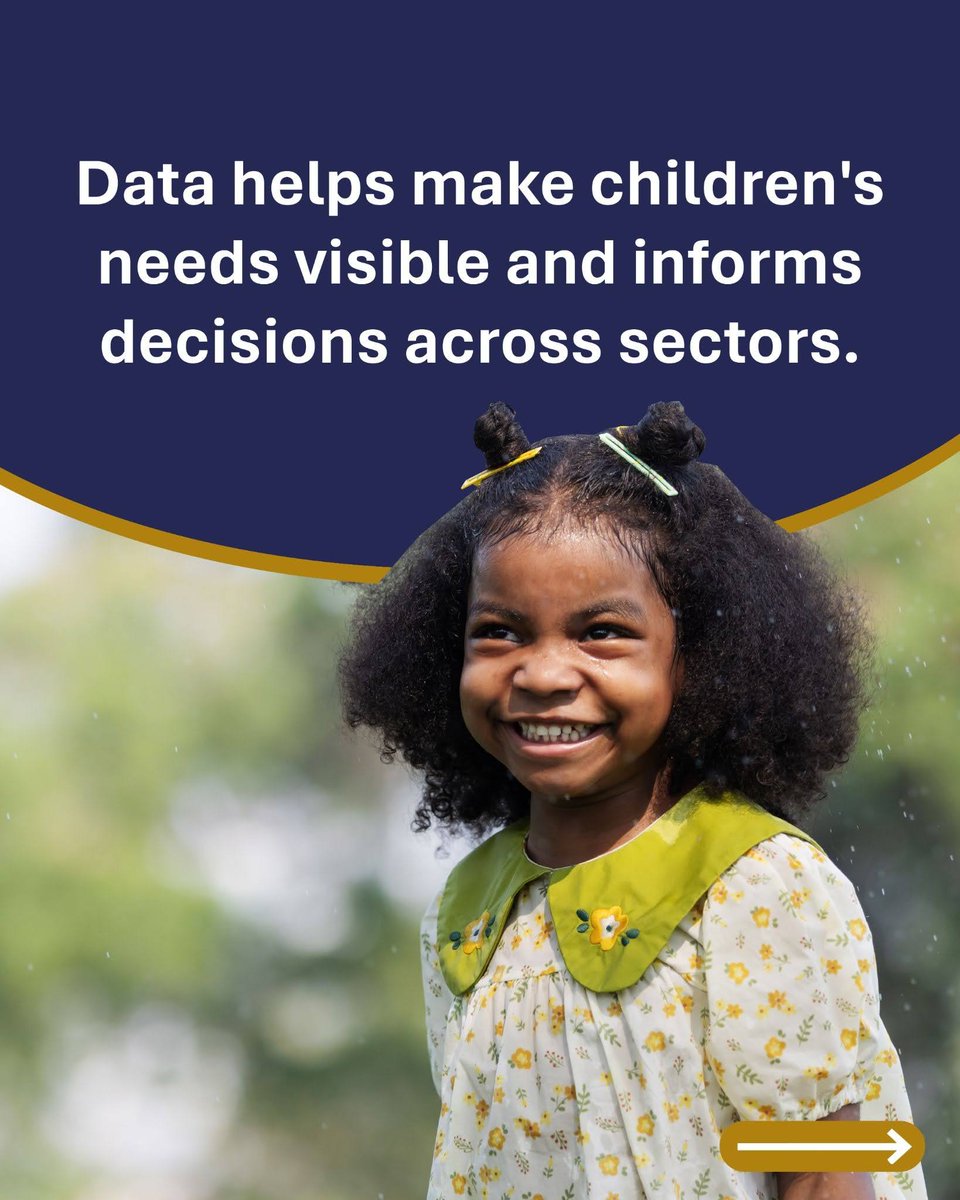
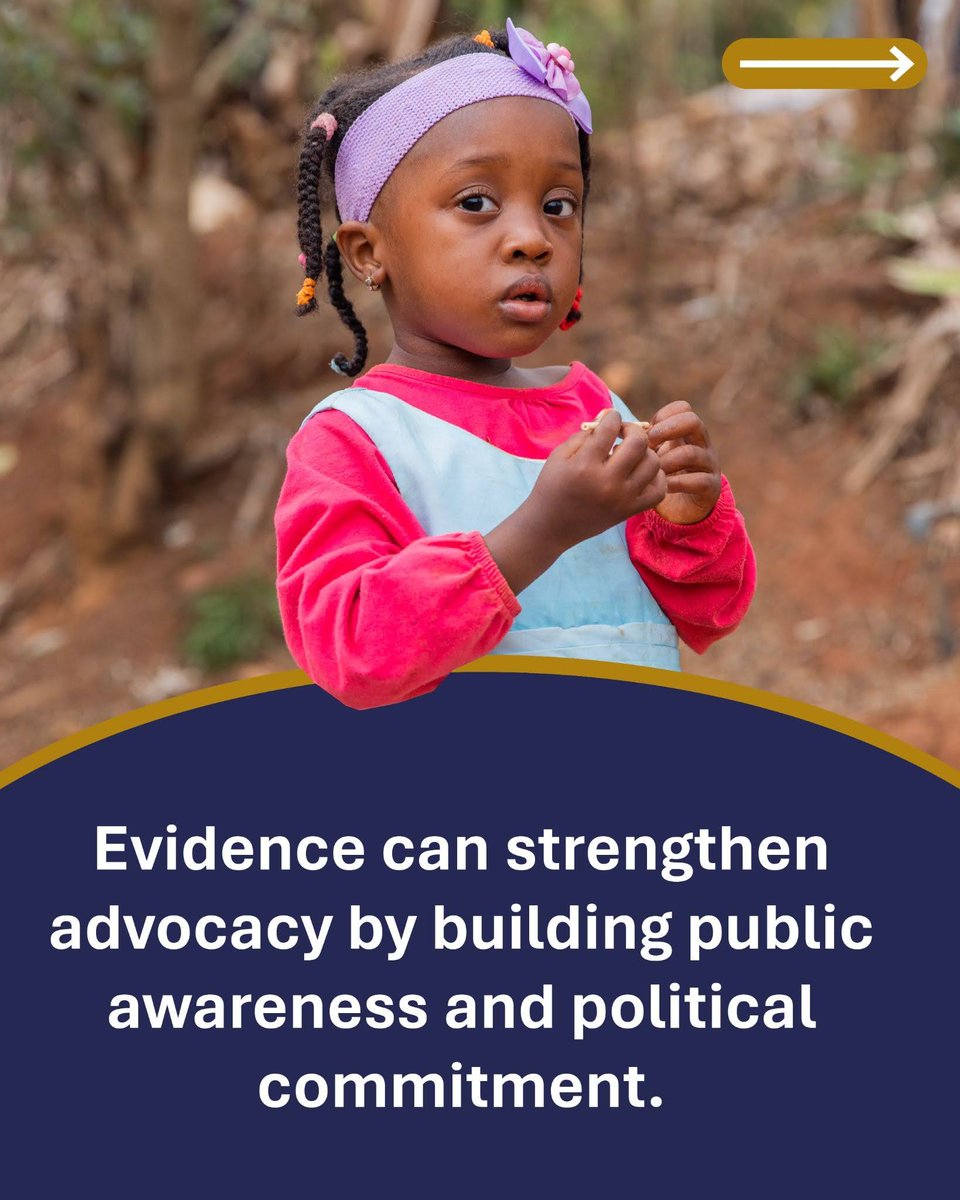
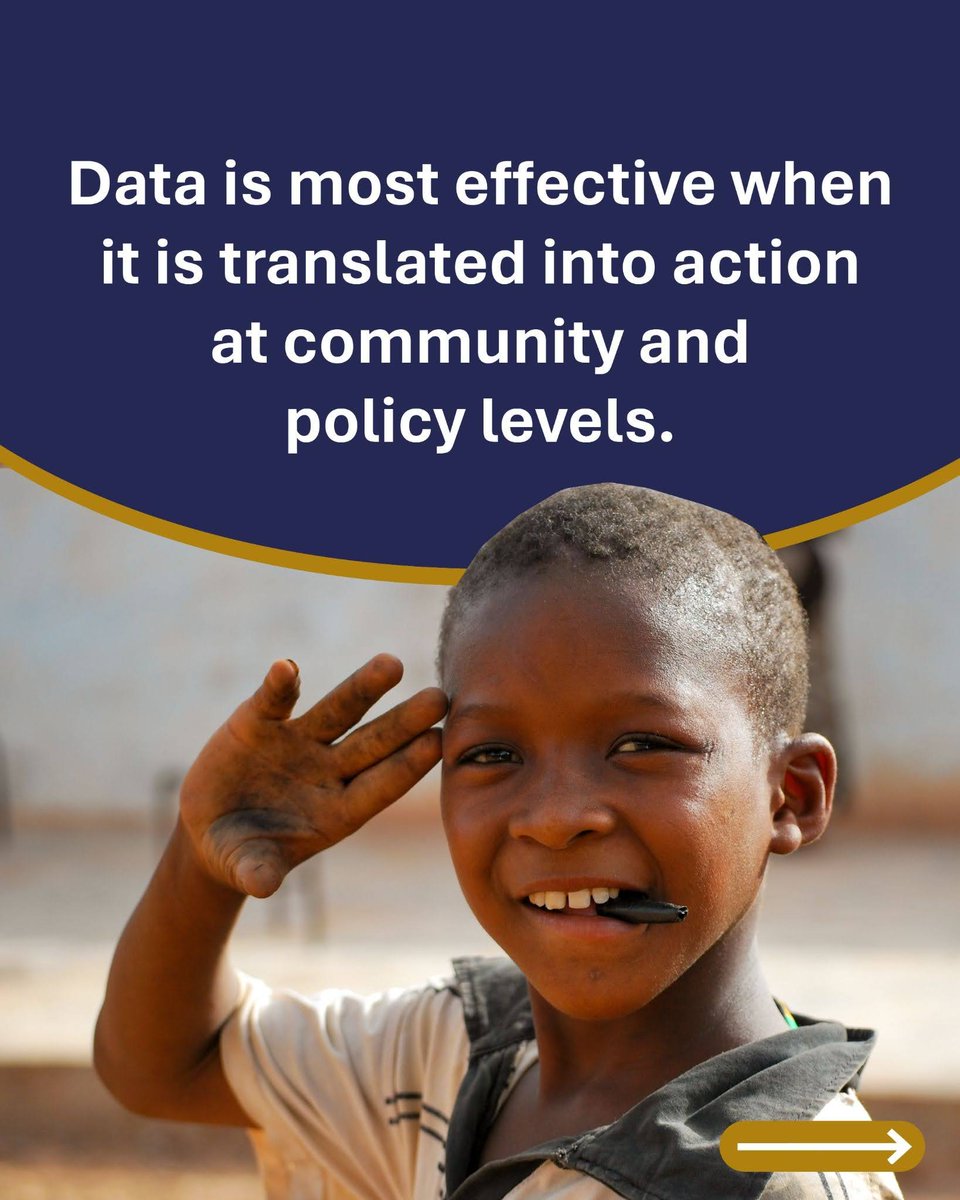
At the Addis International Early Childhood Conference 2026, speakers shared examples from Zanzibar, South Africa, Ethiopia and Kenya on how evidence can strengthen ECD systems, influence decision-making & support coordinated action.
1
47
Jun 8
Here are some of the key reflections from the discussion.
African Center For Early Childhood Development
#ECD #EarlyChildhoodDevelopment #Childcare #SystemsChange #Africa
14
Jun 3
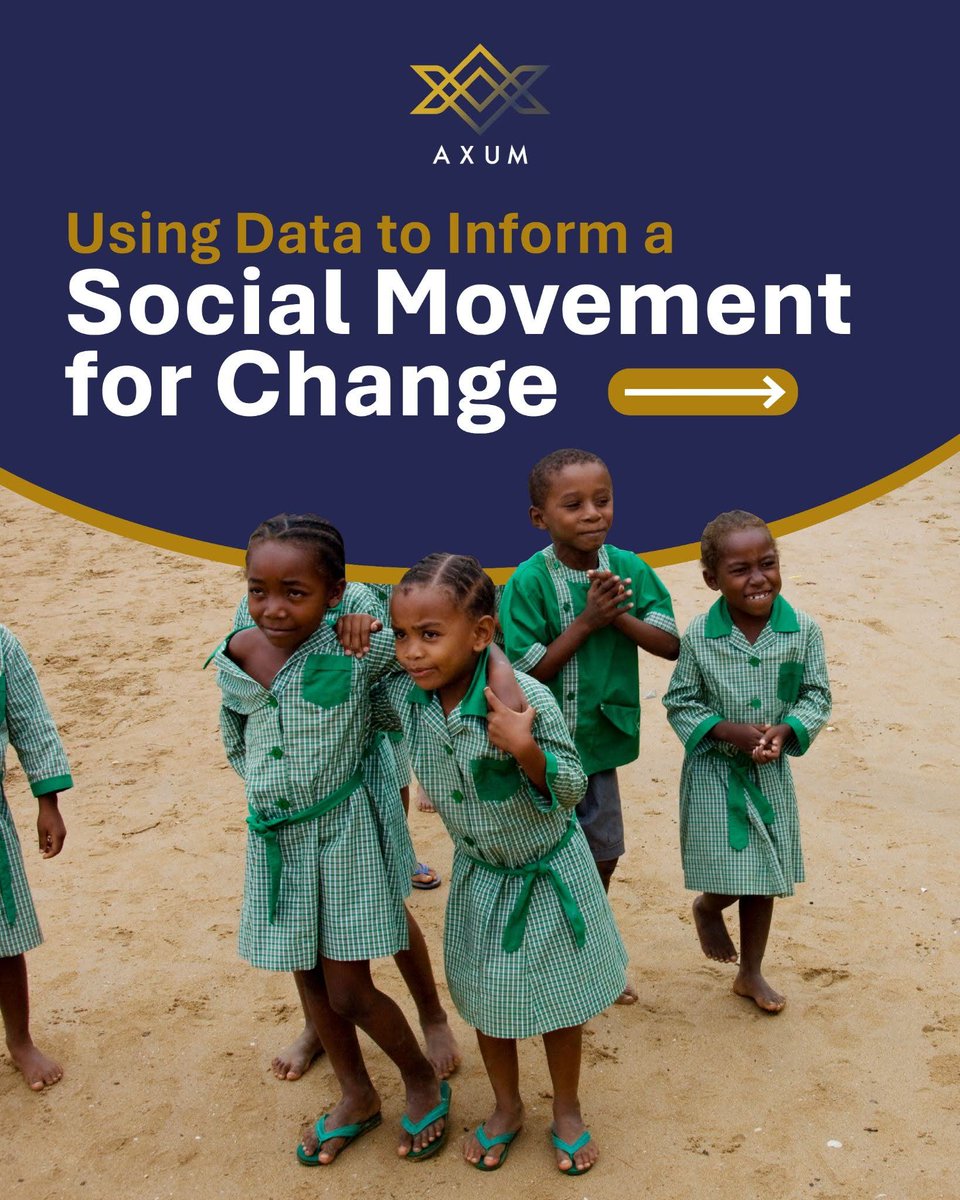
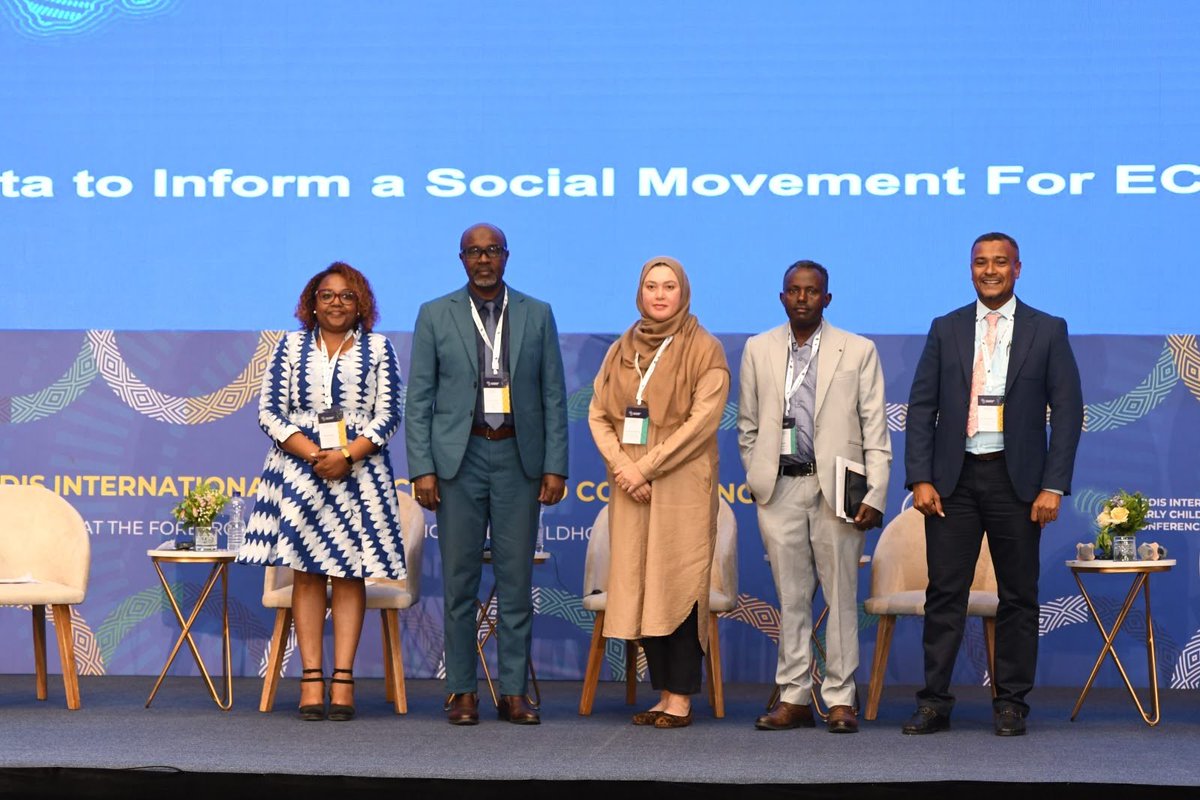
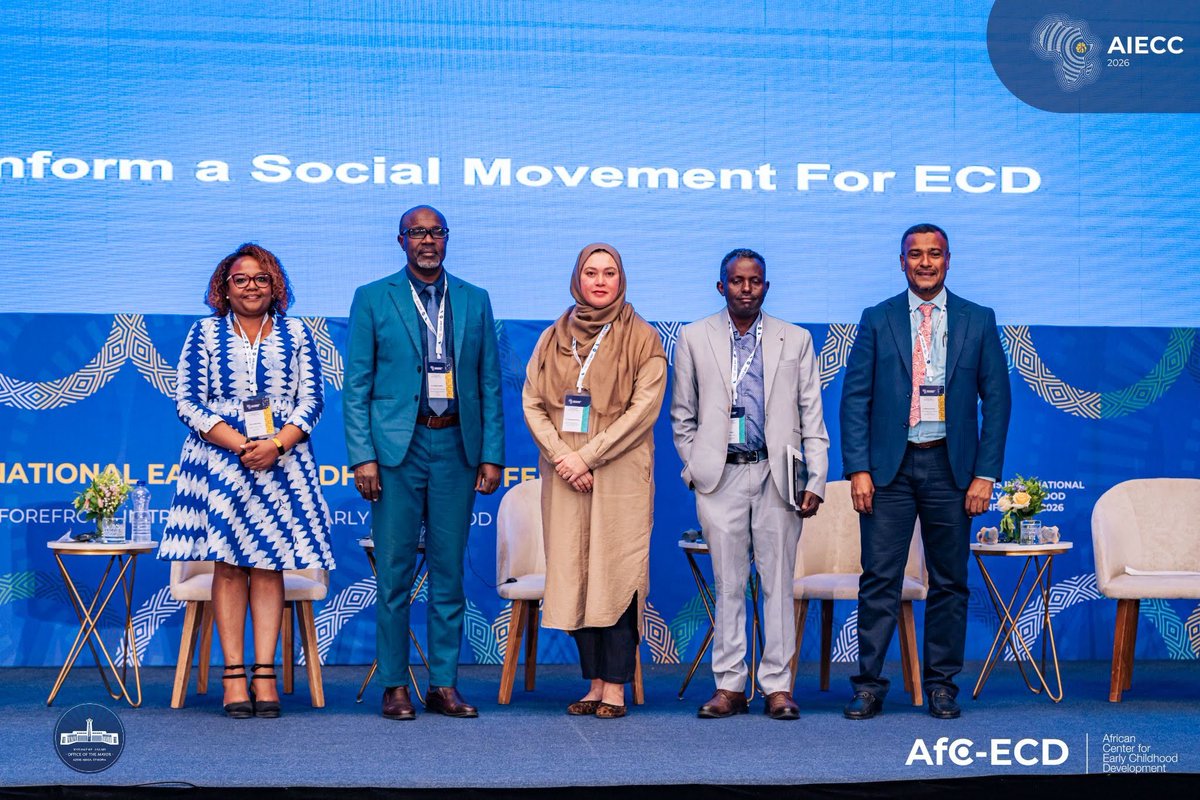
At the Addis International Early Childhood Conference 2026, our Co-Founder and Partner, Winnie Wambugu, moderated a panel discussion on Using Data to Inform a Social Movement for Change.
1
38
Jun 3
The session featured insights from Dr. Ibrahim Kabole on Zanzibar's multisectoral ECD programme, followed by reflections from Dr. Wiedaad Slemming, Mr. Hundie Tilahun Bogale, and Dr. Mbwarali Kame on experiences from South Africa, Ethiopia and Kenya.
1
42
Jun 3
A key theme throughout the discussion was the growing role of data in strengthening ECD systems and supporting more coordinated action across sectors.
African Center For Early Childhood Development
#ECD #EarlyChildhoodDevelopment #Childcare #SystemsChange #Africa
28
Jun 1
This Madaraka Day, we celebrate the spirit of self-determination and the ongoing work of building a more inclusive, resilient and prosperous future for all.
Happy Madaraka Day.
#MadarakaDay #Axum
68
May 29
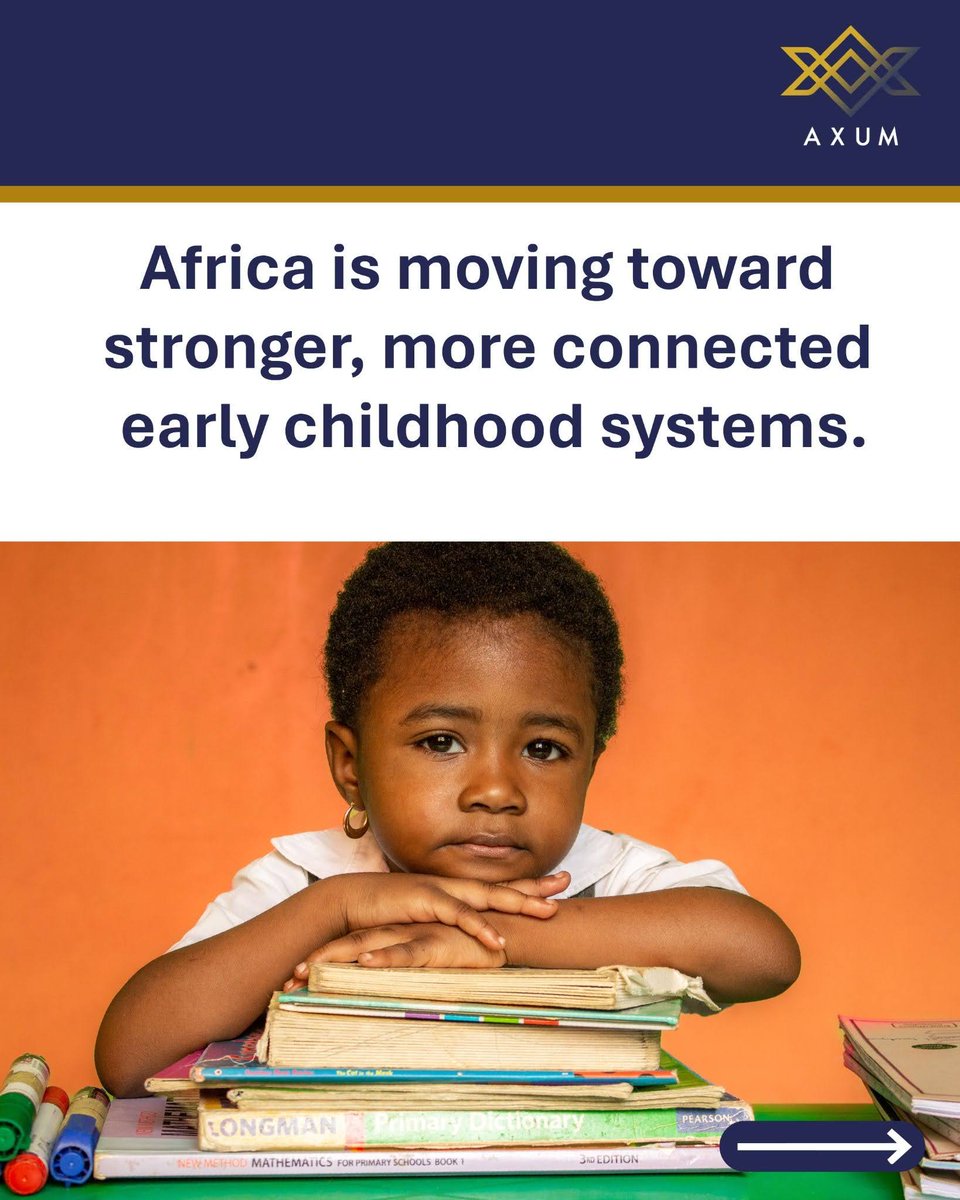
One of the biggest takeaways from the Addis International Early Childhood Conference 2026 was the growing commitment across the continent to strengthen early childhood systems through approaches that are coordinated, evidence-driven, government-led, and scalable.
1
26
May 29
From conversations on financing and governance to the role of data and implementation, the convening highlighted both the urgency and the opportunity of investing in young children and caregivers across Africa.


31
May 28
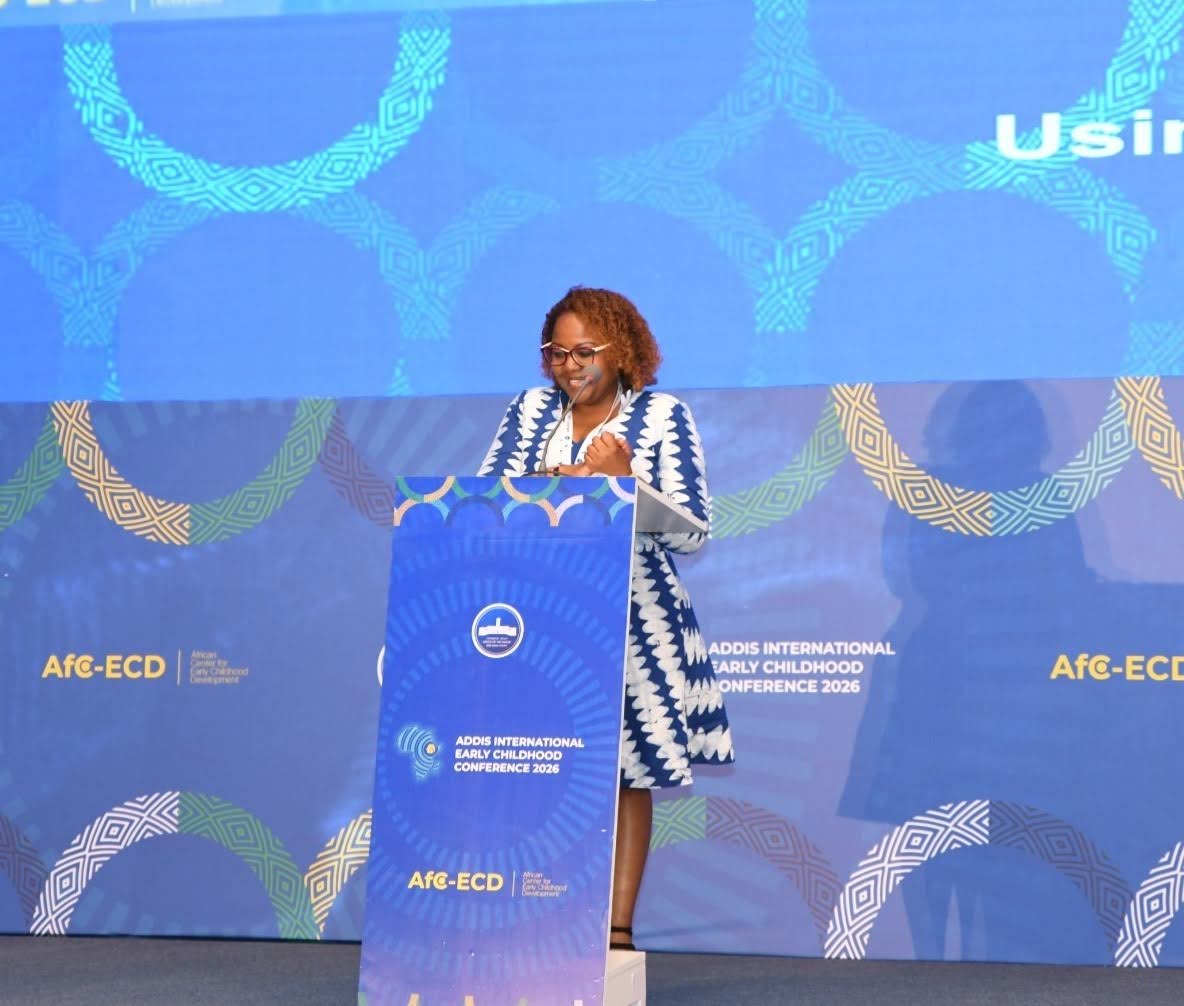
From May 11th–13th part of the our team attended the Addis International Early Childhood Conference 2026 in Addis Ababa joining governments funders, practitioners, researchers and ecosystem leaders from across the continent working to strengthen early childhood systems in Africa
2
1
46
May 28
Using Data to Inform a Social Movement for Change Using Baseline Study Data to Shape ECD Strategy
Thank you to the African Center for Early Childhood Development and all partners involved in convening this important gathering

37
May 28
We were especially glad to contribute to the conversations through two panel discussions moderated by our Co-Founder & Partner, Winnie Wambugu:
21