Clean energy consultant, outdoors adventurer, yogi, singer/song writer, award-winning nature photographer and mama bear ormondgroupllc.com
Joined January 2010
- Tweets 927
- Following 392
- Followers 354
- Likes 1,867
86 Photos and videos





Amanda Ormond retweeted

Jun 10
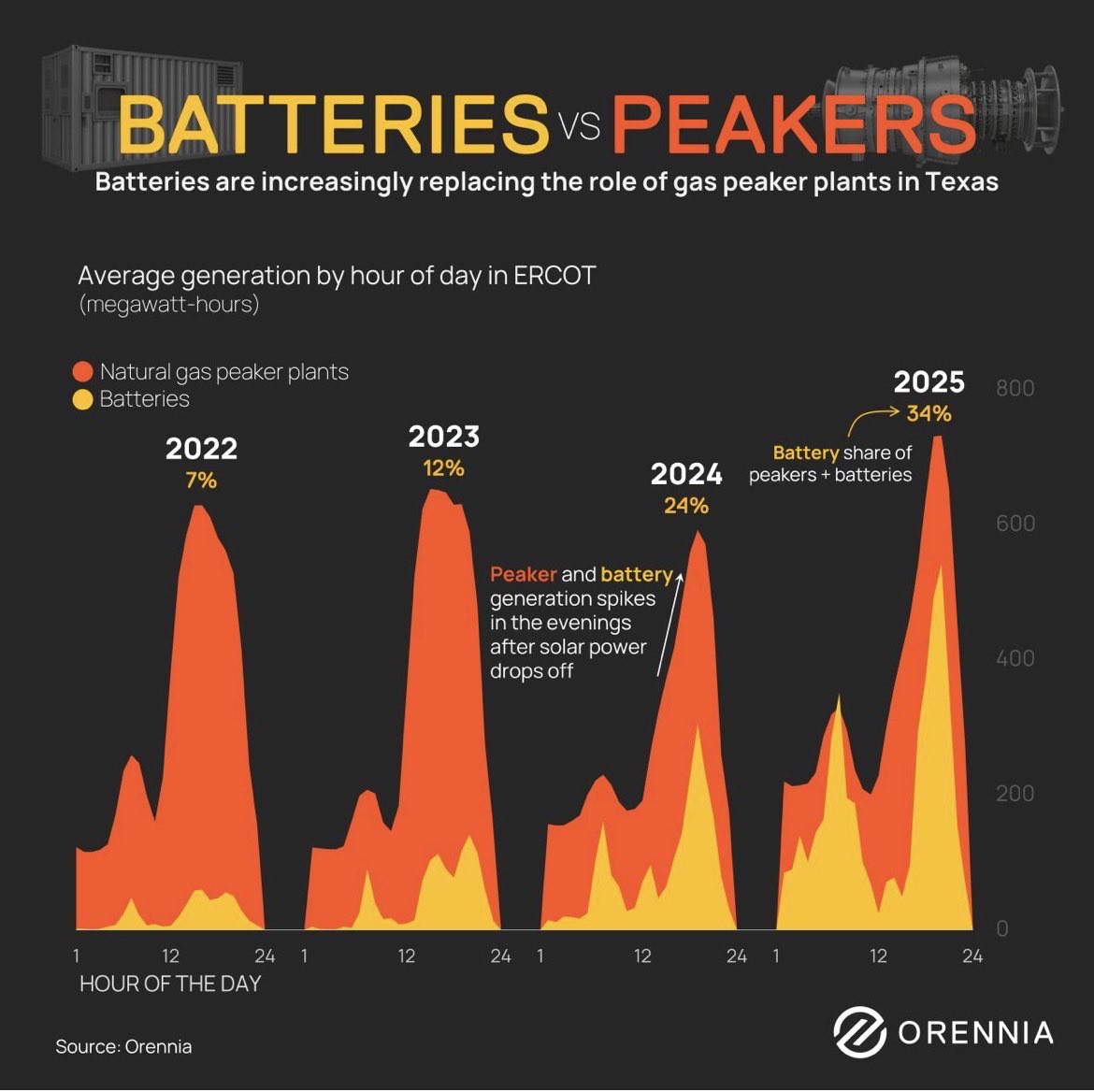
Conversations about a permitting/grid omnibus are heating up, and I have a modest contribution: The United States has hundreds of thousands of battery storage systems and backup generators on the electric distribution system. They could add GWs of capacity immediately, but they are reserved for private use and basically invisible to grid planners. Already installed and operational, they should be configured in the market.
FERC Order 2222 was supposed to fix this problem. The first PJM auction where these resources will be allowed to participate is for the 2028/29 capacity season – 8 years after 2222. (DYK? That’s how FERC orders work: you add up the digits and that’s their implementation timeline! Kidding!!)
The underwhelming implementation of Ord 2222 was a result of RTO rules that create a vague landscape of metering/telemetry rules, “double counting” prohibitions where the burden is on customers to explain how a utility isn’t otherwise compensating them, and other arcane hang-ups that, while well intentioned, has basically created a dead letter for an otherwise promising reform.
At the same time, demand for home batteries and backup power is soaring. Many localities have not kept pace. It isn’t unlike the permitting regime that greeted the telecom revolution, where every community had its own bespoke view of what 4G permitting should look like. That didn’t work, and that’s why Congress passed laws like the ’96 Telecomm Act, which has become an emblem of cooperative federalism.
As Congress is considering a permitting reform, it should consider the twin issues of market access and local barriers on storage and backup power generation permitting. It’s great to see that these items are possibly in the hopper for consideration!
5
8
52
8,457

Jun 11
And here in AZ regulators are supporting gas expansion with absolutely no analysis or comparisons.

Last week, the Colorado PUC declined to approve much of Xcel Energy’s Gas Infrastructure Plan. The PUC agreed with environmental groups that Xcel must consider alternatives that better promote affordability and meet Colorado’s clean energy goals. READ: swenergy.org/colorado-regula…
29
Jun 11
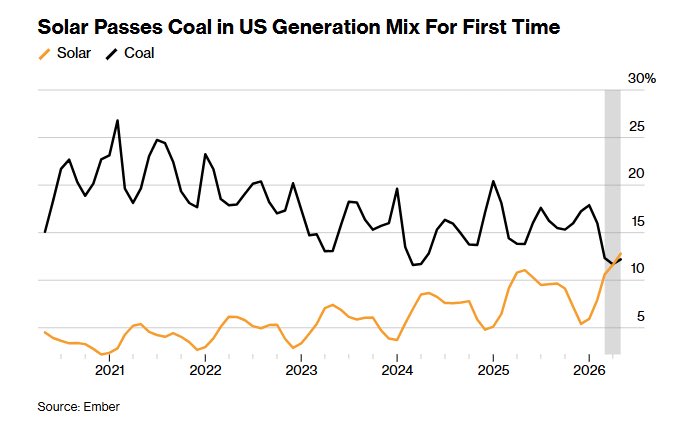
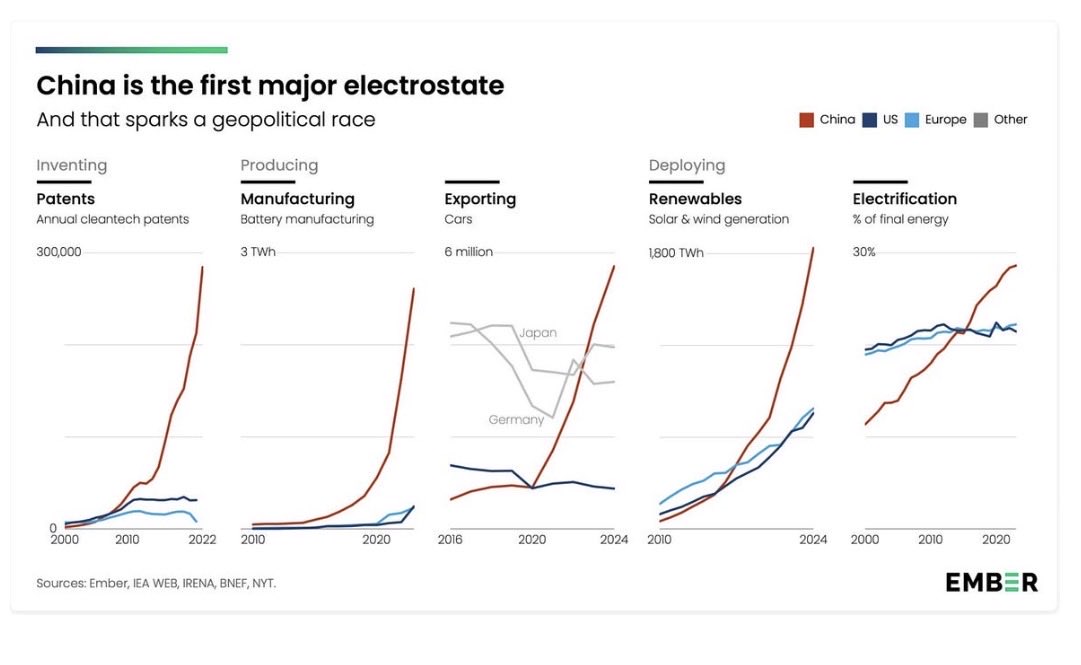
In May EMBER reports that solar surpassed coal. Yup. Expected that.
1
18
Amanda Ormond retweeted

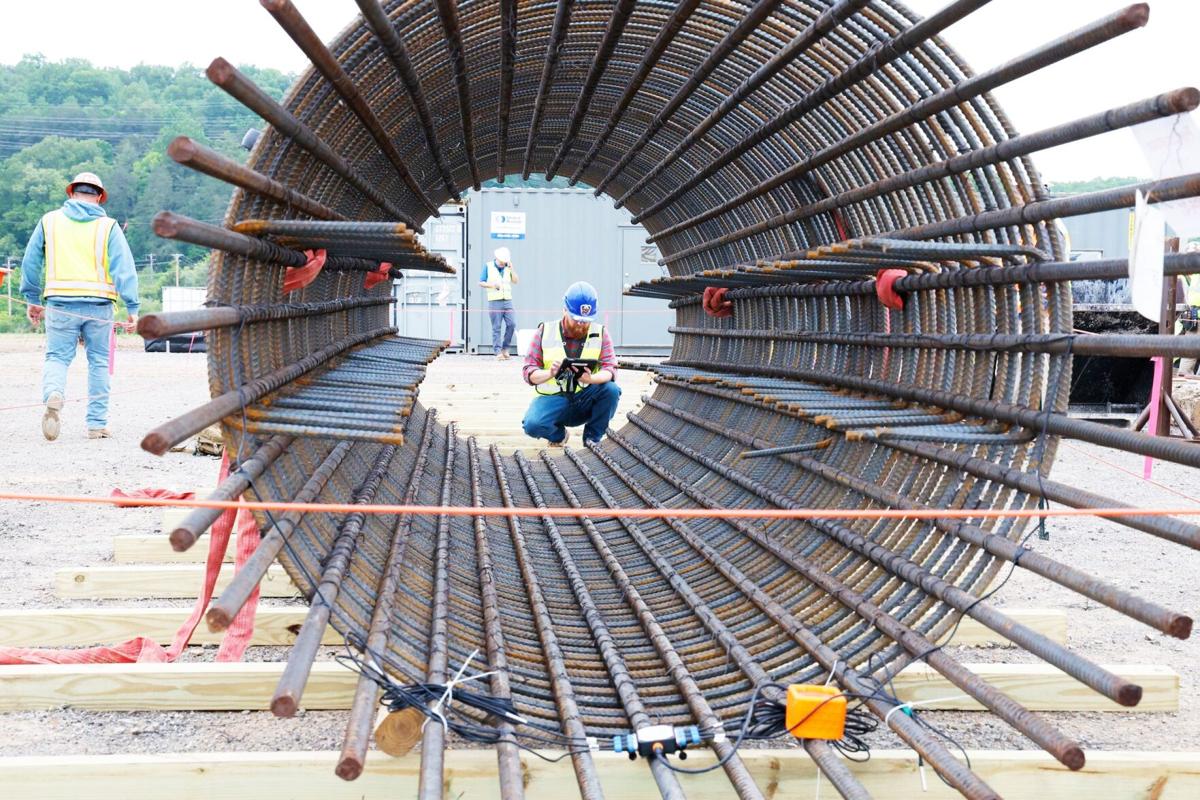
Lawmakers moving to strip supervisors in rural AZ counties of their ability to say "no" to modular nuclear reactors if they are being placed near a high energy user -- think data centers. tucson.com/news/state-region…
5
7
7
1,051
Amanda Ormond retweeted

Jun 9
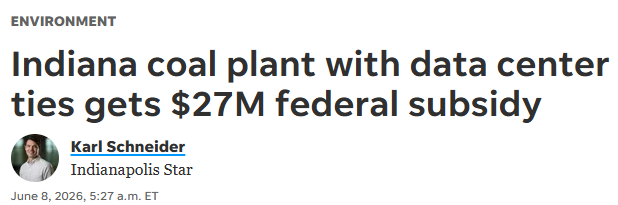
The federal government is handing out $27 million in subsidies to an Indiana coal plant. 🏭
The kicker? It's the coal plant that is going to be used to power Google & Amazon data centers.
Big Tech gets subsidies for its energy💰. You pay higher bills for yours.📈
14
202
367
6,263
Amanda Ormond retweeted

An Arizona electric cooperative will receive federal funding to modernize a coal-fired turbine at the Apache Generating Station in Cochise County, President Donald Trump announced Thursday.
pro.stateaffairs.com/az/yell…
2
5
514
The Trump administration is planning on making available ~20 metric tons of surplus-weapons-grade PLUTONIUM to PRIVATE COMPANIES. Five companies to have been selected for ‘advanced negations.’ This is insanity.
12
Amanda Ormond retweeted

Fact as of Jan 1, 2026. My SRP's monthly service charge went from $20 a month to $30 a month. A 50% increase! That's an extra $120 a year it is now costing me.
1
1
62
Amanda Ormond retweeted

May 30
The Corporation Commission sets utility rates and has been Republican-dominated for decades, all while accepting dark money campaign funding coordinated by APS. The governor has zero to do with electric rates while bills signed by Ducey reduced incentives for consumer solar.
1
1
59
May 31
APS says in one breath that customers will not pay for data center growth and with the next breath that formula rates are needed so there is no sticker shock from increasing rates, which is mostly driven by data centers. Can’t have it both ways.

⚡️ APS & TEP want “formula rates” allowing yearly bill increases with less oversight. Critics warn consumers could pay the price.
🔗: shorturl.at/ZvCsL
1
21
Amanda Ormond retweeted

May 30
4 more weeks of the APS rate case. We are a little behind and the utility and the ACC are applying a lot of pressure to ask less, move faster. But the thing is, we are talking about hundreds of millions of dollars from customers, a huge rate increase many people can’t afford, and disastrous environmental decisions. So, I believe the record should be thorough and APS should have to meet its burden to prove its case. Due process takes time. 🤷♀️ #energy #aps #acc
1
1
2
262
May 30
30 minutes to question rate case filing that run hundreds of pages??? Absurd.
Remember, next APS wants formula rates to limit questions about the utilities finances and expenses even more.
I have never seen anything so aggressive in the past 20 years.

Advocacy groups lambasted Arizona Public Service for attempting to limit opportunities to question witnesses in the company’s rate case in order to save time, a move opponents say threatens due process.
pro.stateaffairs.com/az/yell…
1
33
May 30
Right. Utilities say they don’t want customers to pay for data center costs but is there a tariff or policy in place to ensure customers don’t foot the bill?
May 28

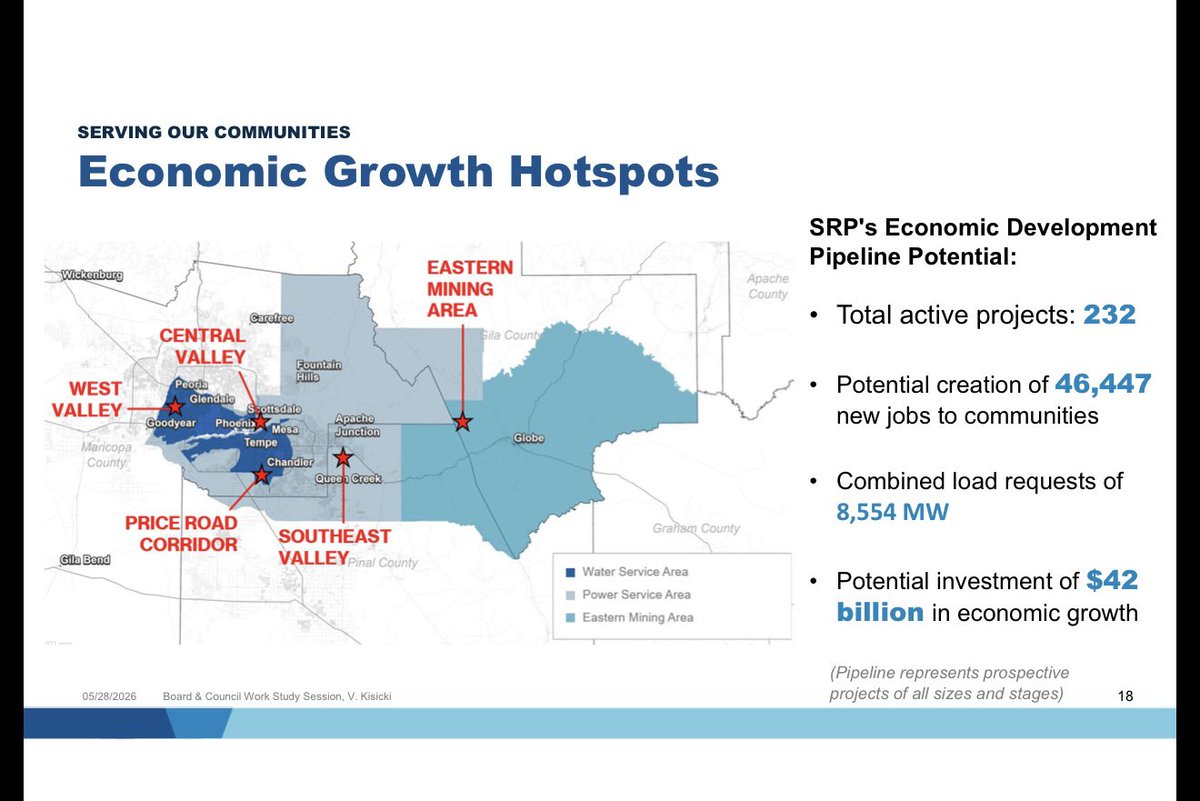
We are having a robust data center convo in the SRP board work session. SRP currently has ~22 data centers. They expect that only ~20% of requested projects are plausible. No one wants residential customers to pay for all the added generation to serve data centers. #energy #srp
1
37
Amanda Ormond retweeted

May 14
Arizona school voucher program has serious oversight problems azcentral.com/story/news/loc… via @azcentral
55
41
84
8,729
May 15
John ward ESA director should be fired and Superintended Tom Horne should be recalled. How much more proof do we need of the massive fraud in this program??
The Arizona Department of Education has failed to properly audit, report conflicts of interest and investigate misspending in the state’s $1 billion Empowerment Scholarship Account program, according to a new report from the auditor general.
pro.stateaffairs.com/az/yell…
39
Amanda Ormond retweeted
The ACC and the utilities lost again on formula rates today. The AZ Supreme Court refused to hear their appeal, leaving in place the Court of Appeals decision that said the ACC is subject to the Administrative Procedures Act (of course it is). Now the case heads back to the trial court to determine if the ACC needed to go through a rulemaking process instead of a policy statement. #energy #acc #formularates
1
3
192

Maryland homeowners will pay an extra $1.6 billion on their electric bills over the next decade to subsidize grid costs to feed data centers, according to a state agency bloomberg.com/news/articles/…
135
908
1,241
274,588
Amanda Ormond retweeted

I am deeply honored to receive the endorsement of Secretary of State Adrian Fontes, a tireless defender of our democracy who has been on the front lines fighting for the truth and ensuring our elections remain free and fair. I am proud to have his trust in this campaign and, in Congress, I will bring that same fearless commitment to accountability and leadership to ensure we are delivering real results for Arizona families and standing up to extremism. @Adrian_Fontes

132
32
109
5,378