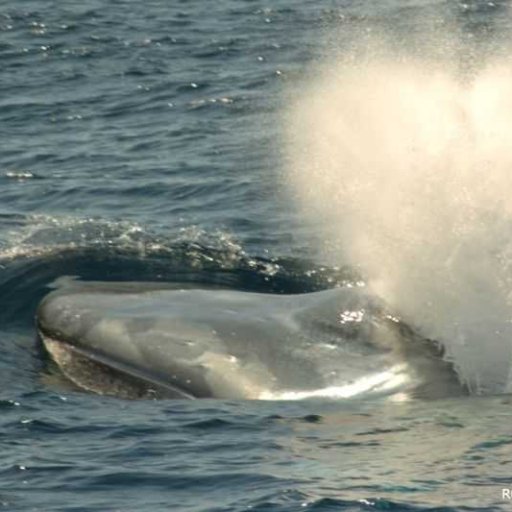
Twitter feed of the Azores Whale Lab - Cetacean Ecology Group, headed by Dr. Mónica A. Silva. Cetacean research in the North Atlantic for over 20 years.
Joined October 2017
- Tweets 415
- Following 182
- Followers 1,018
- Likes 297
130 Photos and videos

This is the last post of @AzWhaleLab. In science, as in life, we follow strict ethics principles: honesty, integrity, respect, fairness, objectivity, responsibility, collaboration. This platform no longer follows or defends these principles. Find us on @azwhlab.bsky.social
1
100
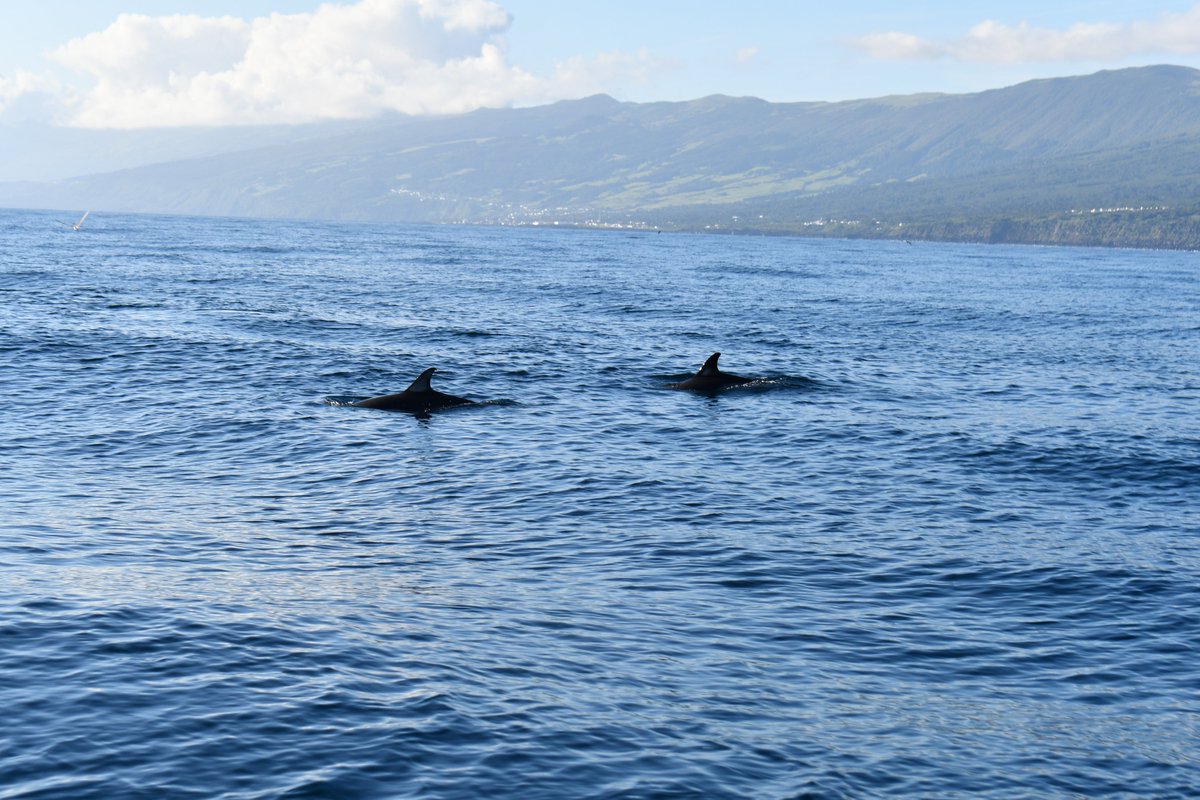
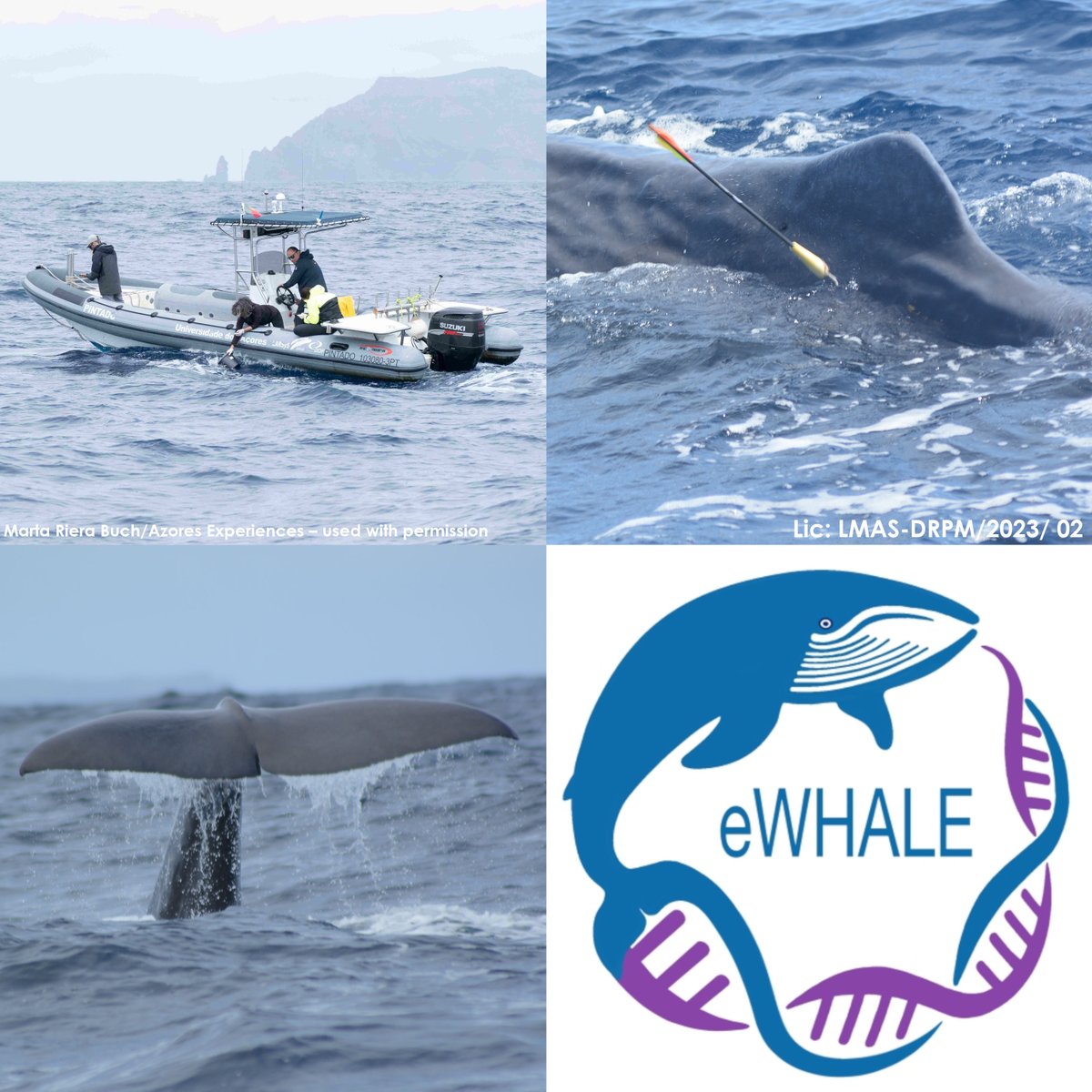
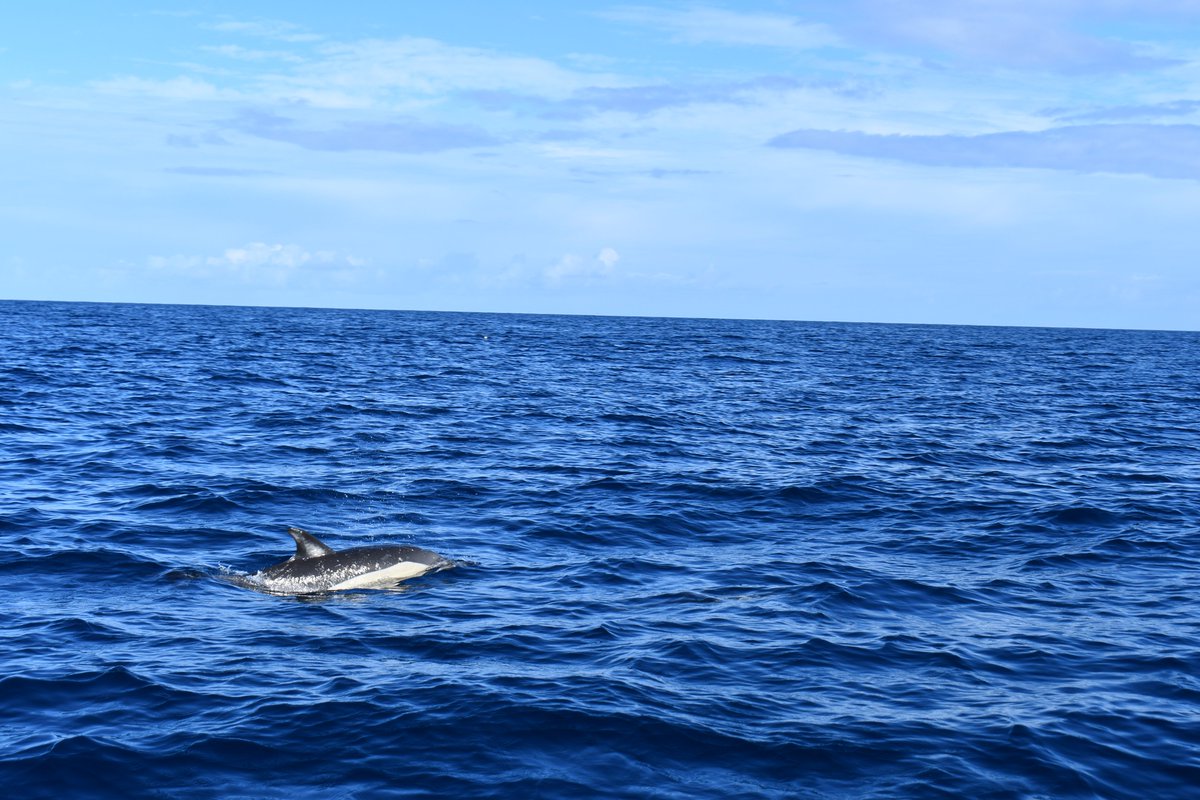
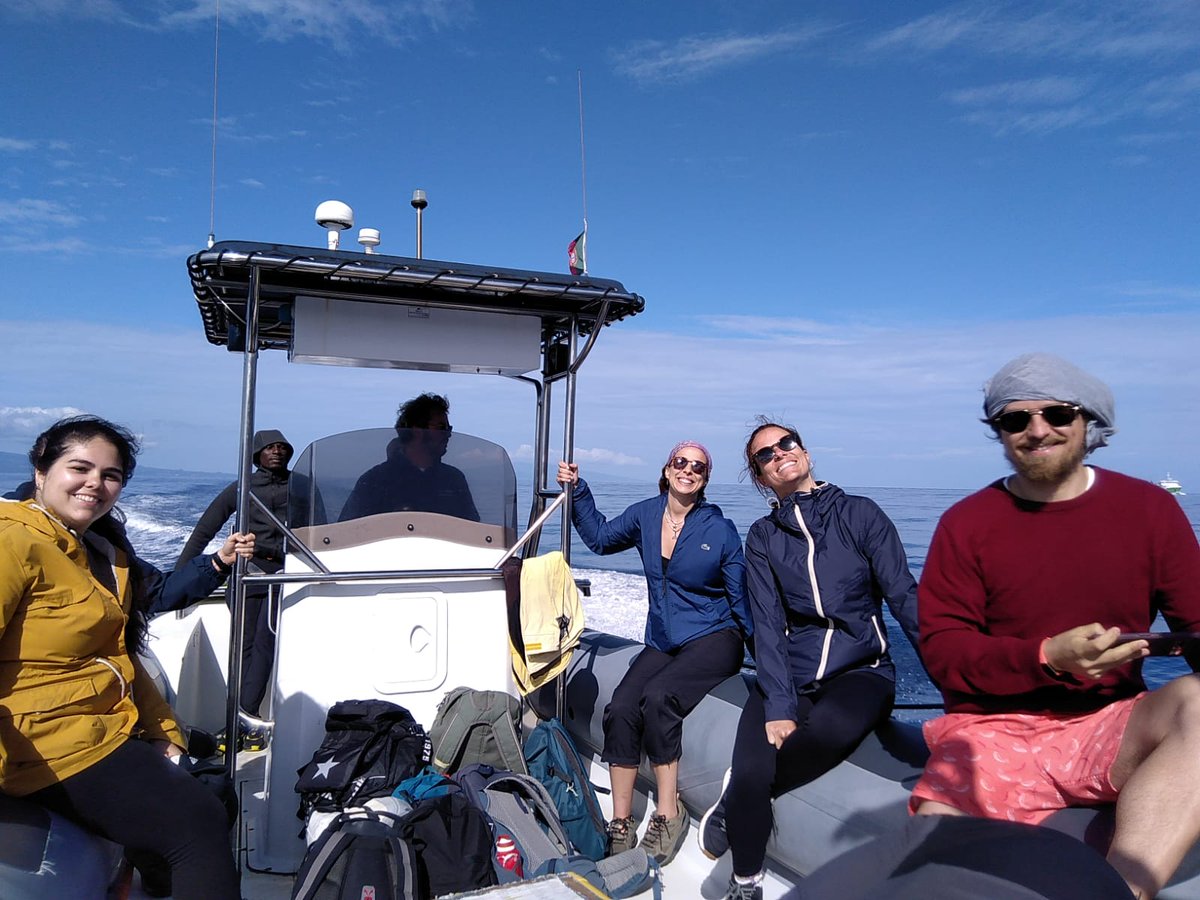
On the 7th June, the Azores Whale Lab provided practical exercises on photo-id and bioacoustics to the Master’ students (University of the Azores). They had the opportunity to collect photo-id pictures of common dolphins and to acoustically detect and locate sperm whales
3
372
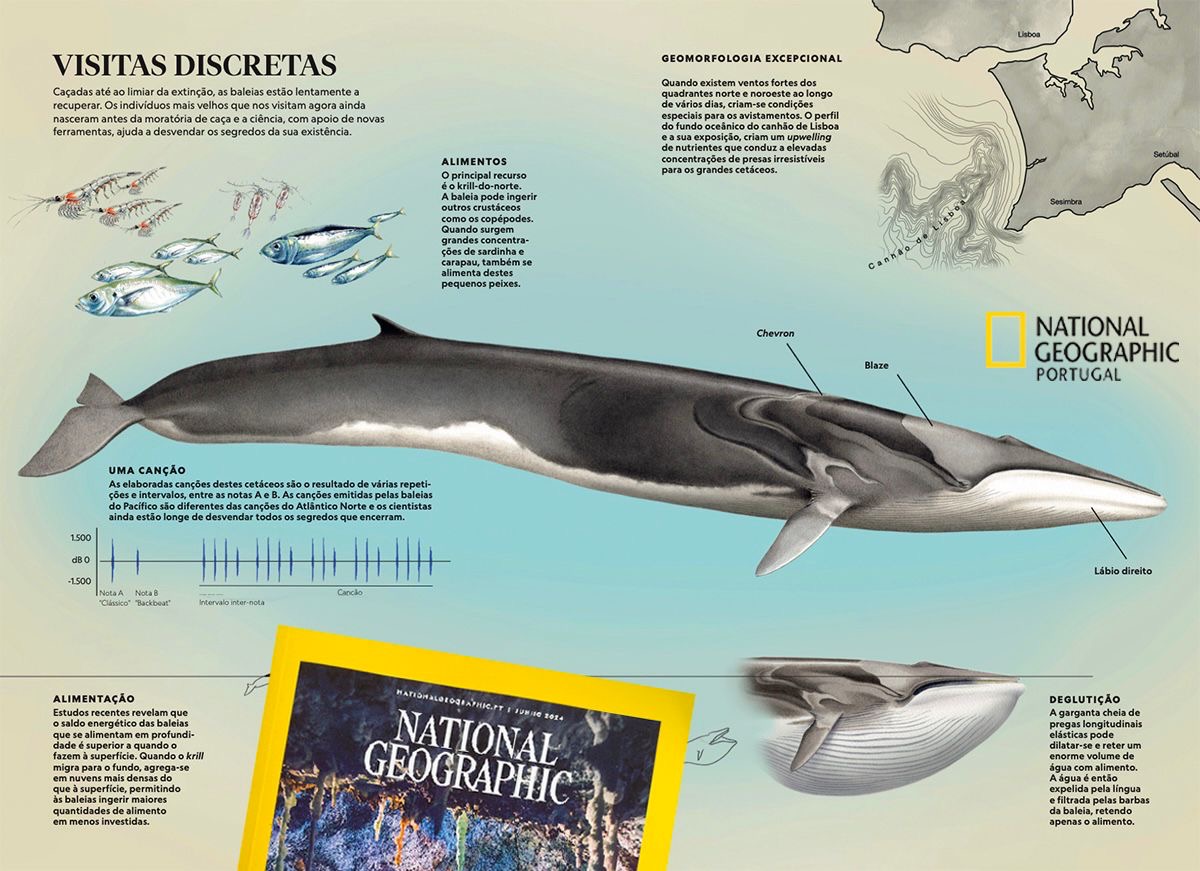
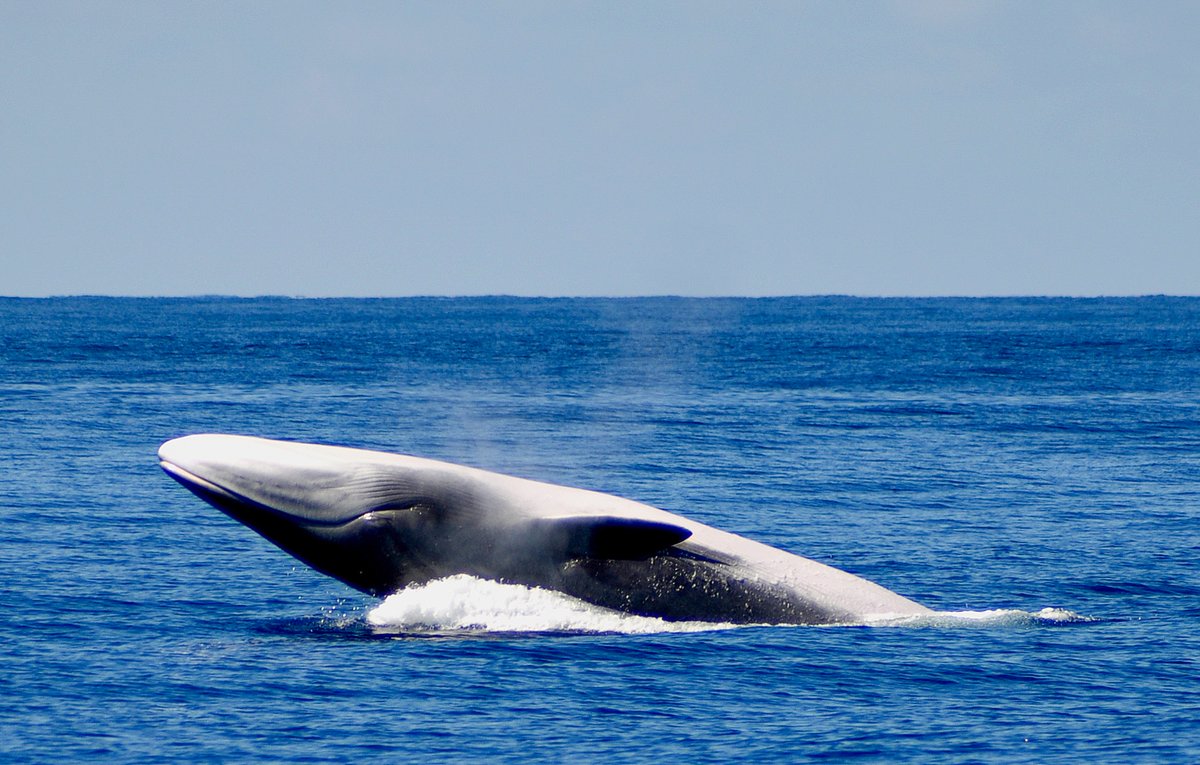
Our study on fin whale food talk is mentioned in this month's National Geographic portuguese edition, on an interesting article about fin whales seen off the coast of Portugal royalsocietypublishing.org/d… @MiriamRomagosa @OkeanosUac
6
22
1,142
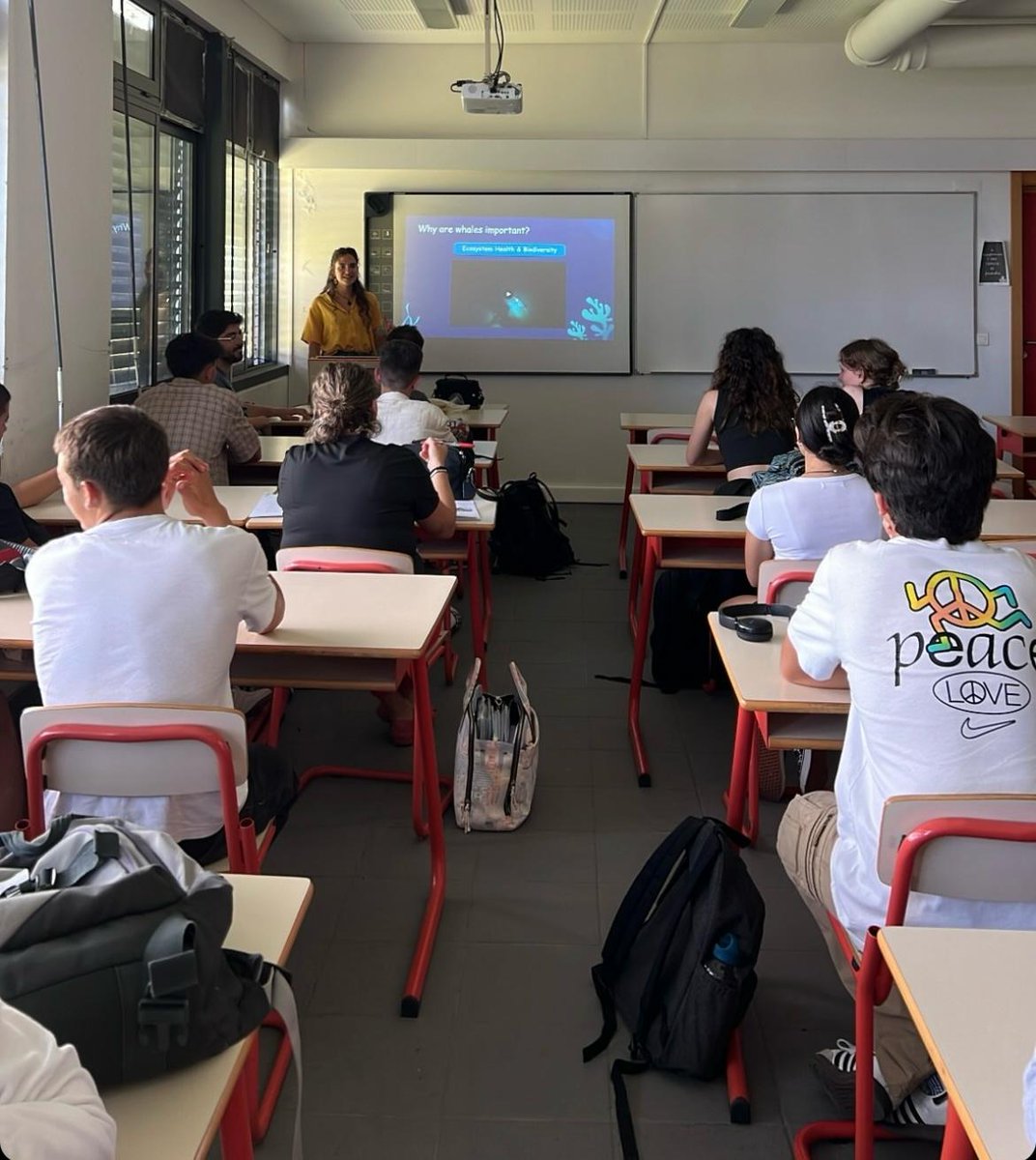
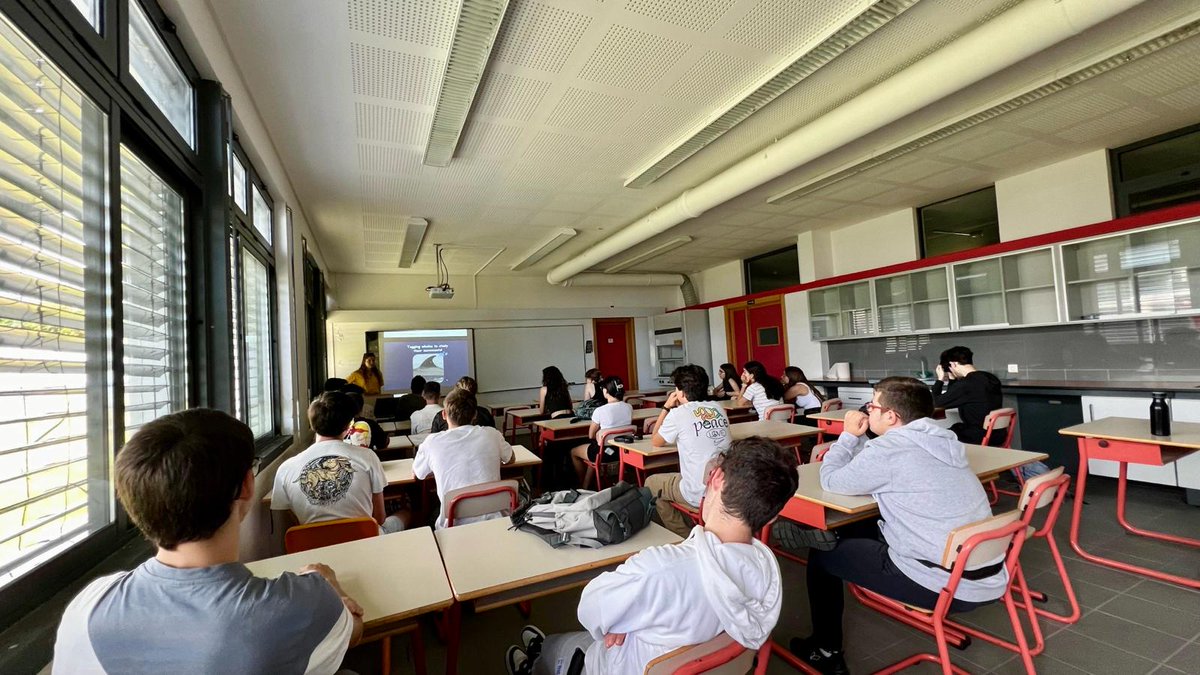
In the afternoon (11th of June), the @AzWhaleLab headed to the high school “Escuela Secundaria Manuel de Arriaga” to present our work on understanding and protecting whales in the region, led by our colleague Daviana Berkowitz-Sklar @Daviberkos @sergiperezjorge @OkeanosUac
2
2
535
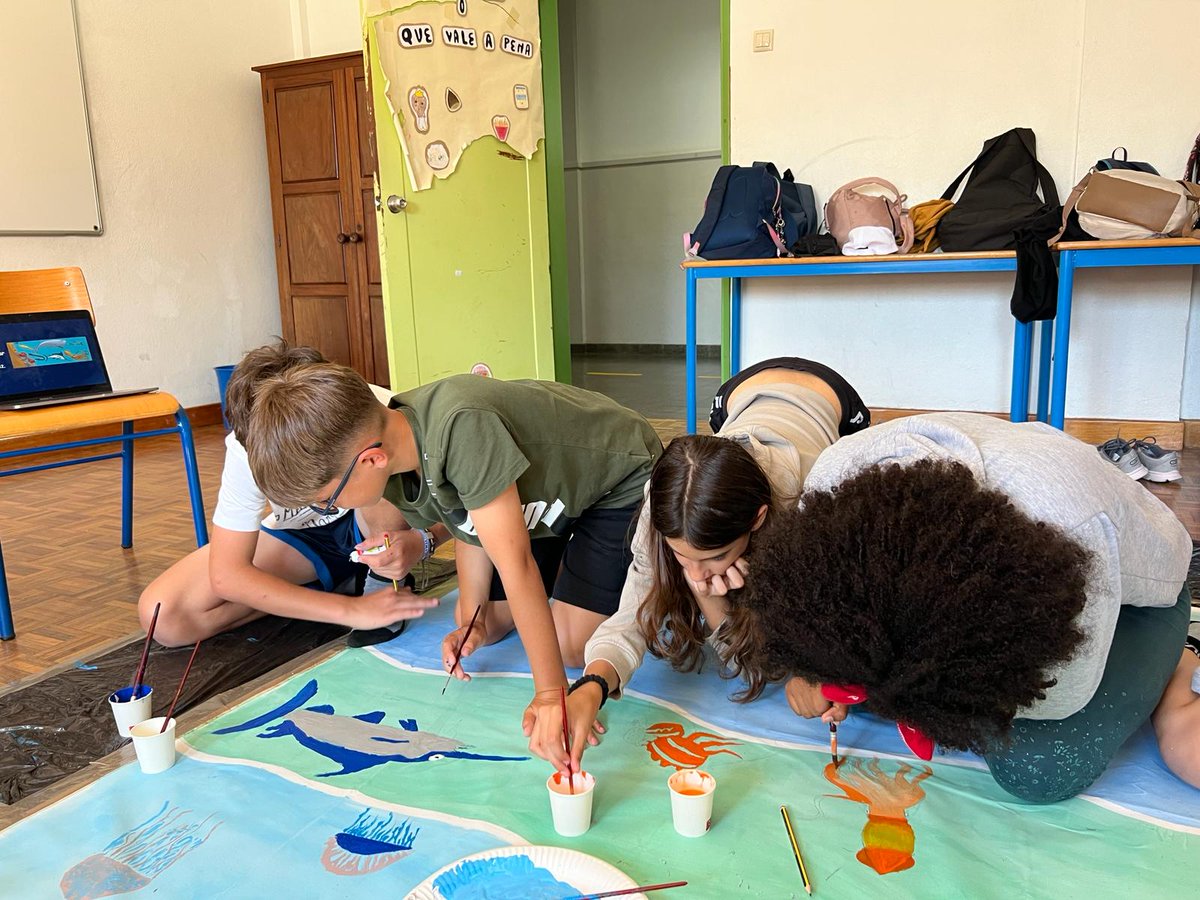
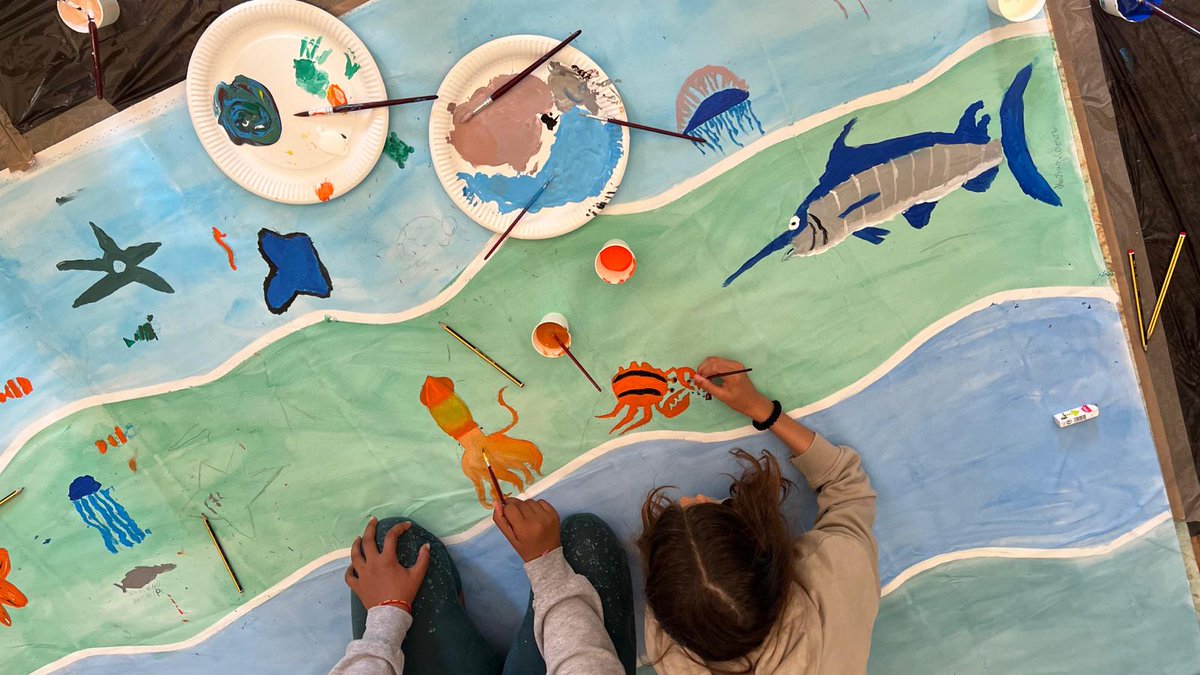
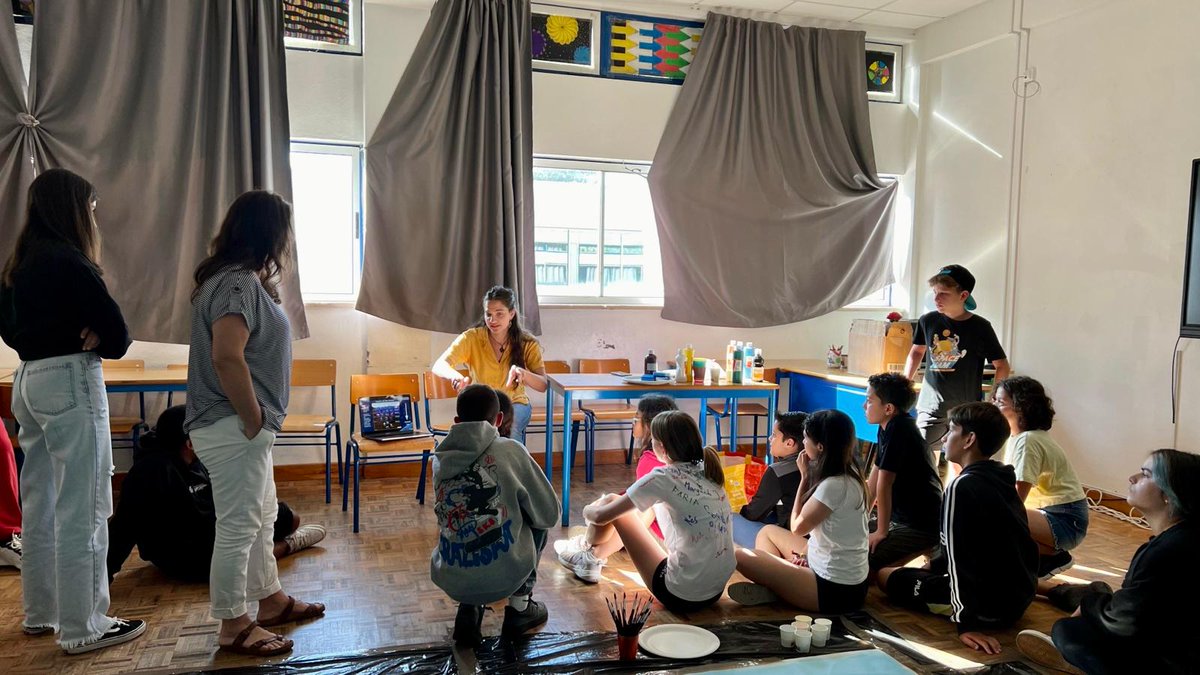
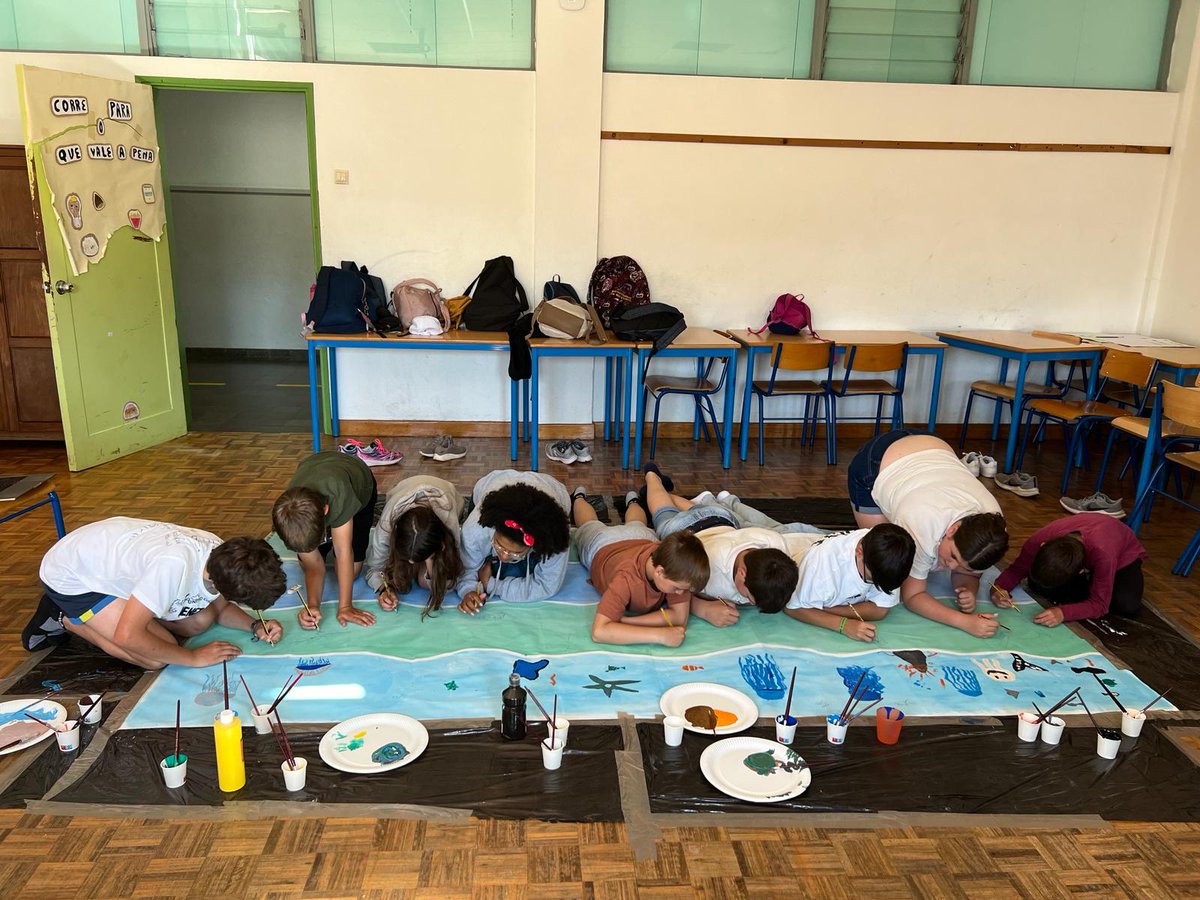
On Tuesday morning (11th of June), the @AzWhaleLab joined the Eco-Encontros event at elementary school “Escola Básica Integrada da Horta (Faial)” for a fun and educational marine life art activity. @OkeanosUac @Daviberkos
1
2
443
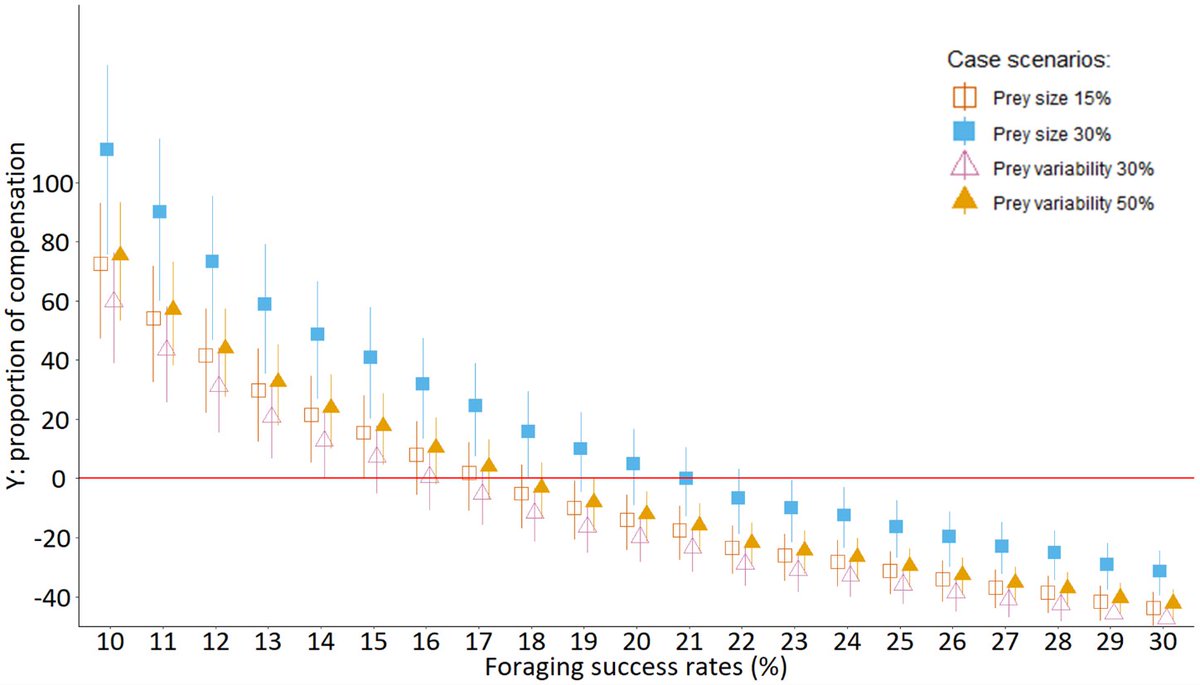
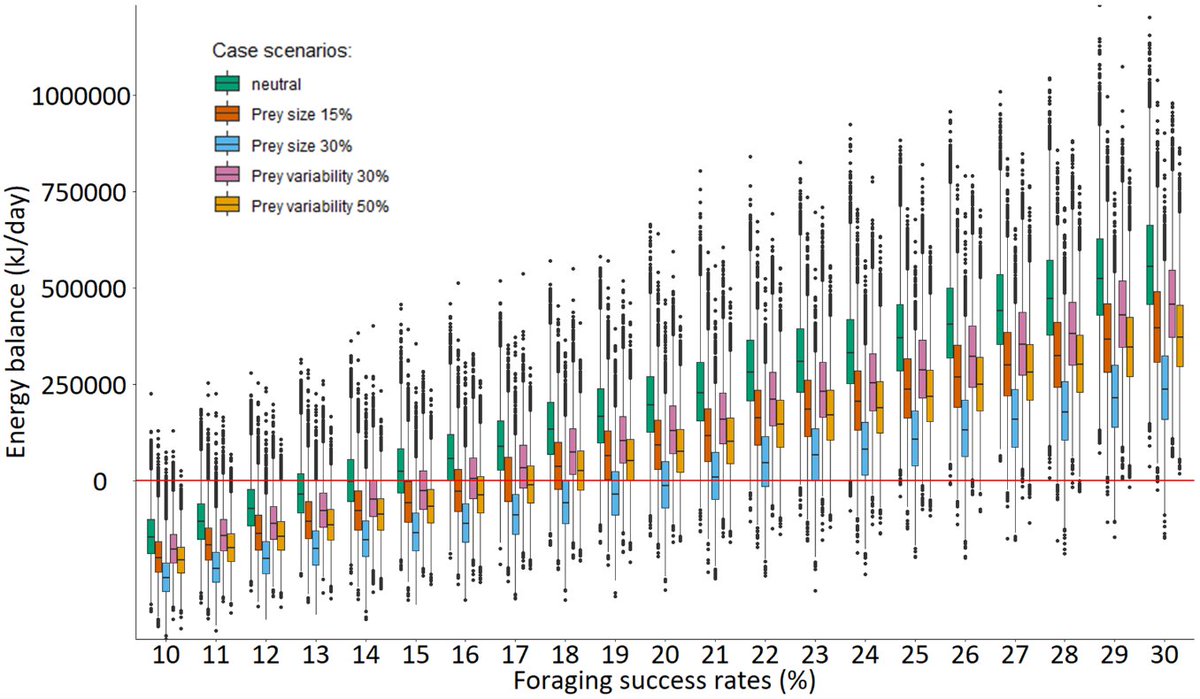
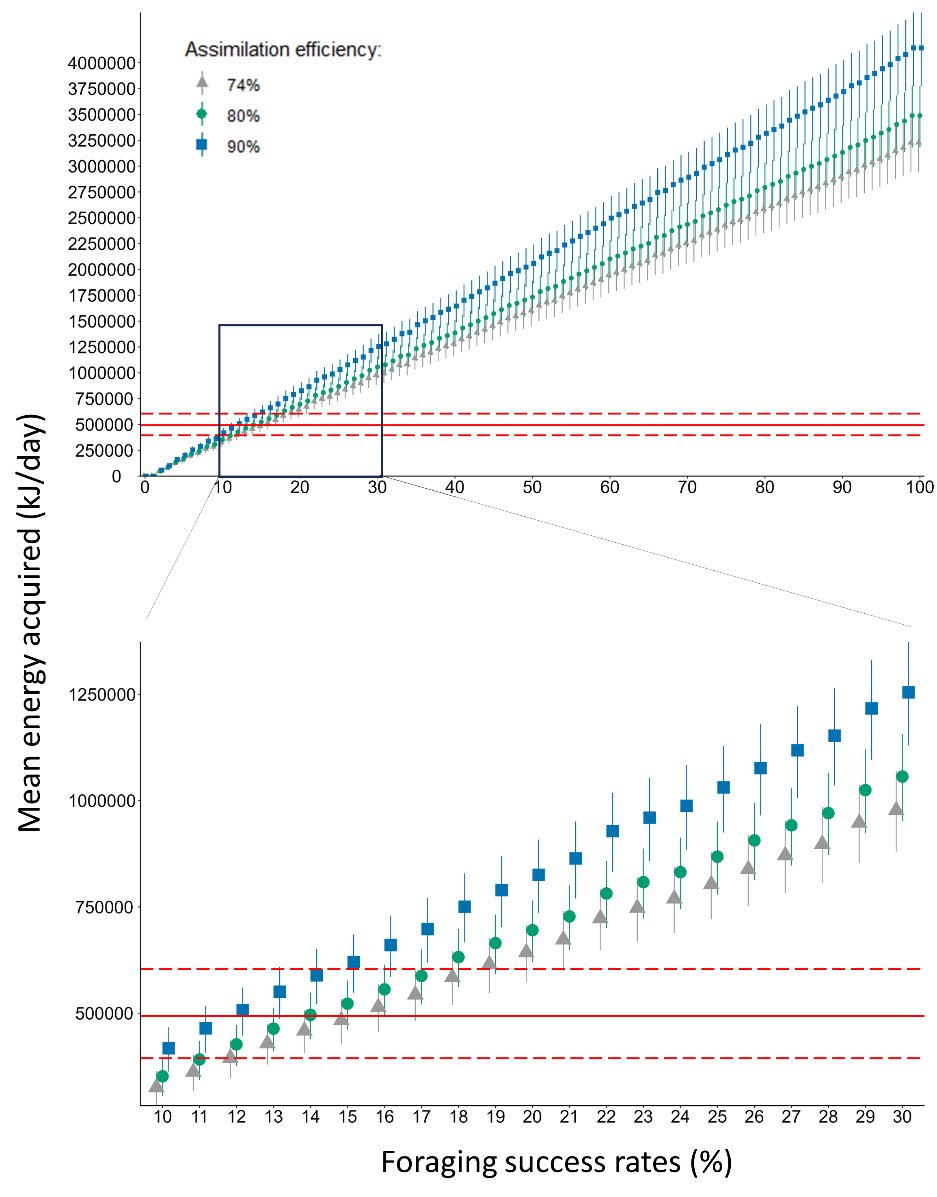
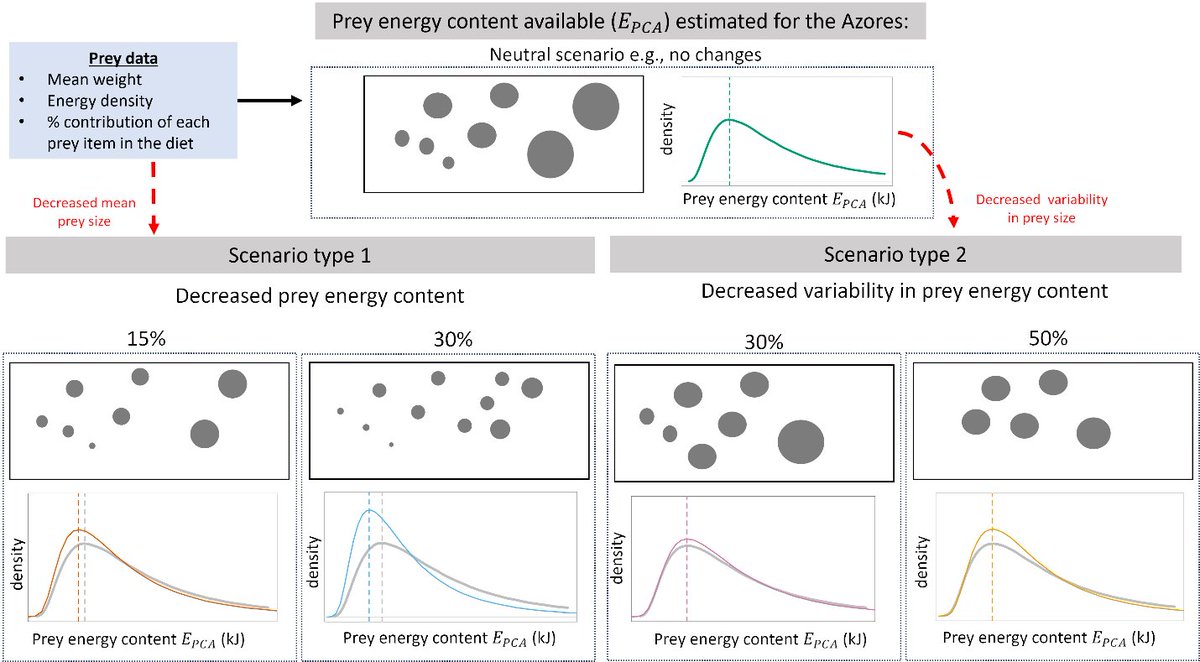
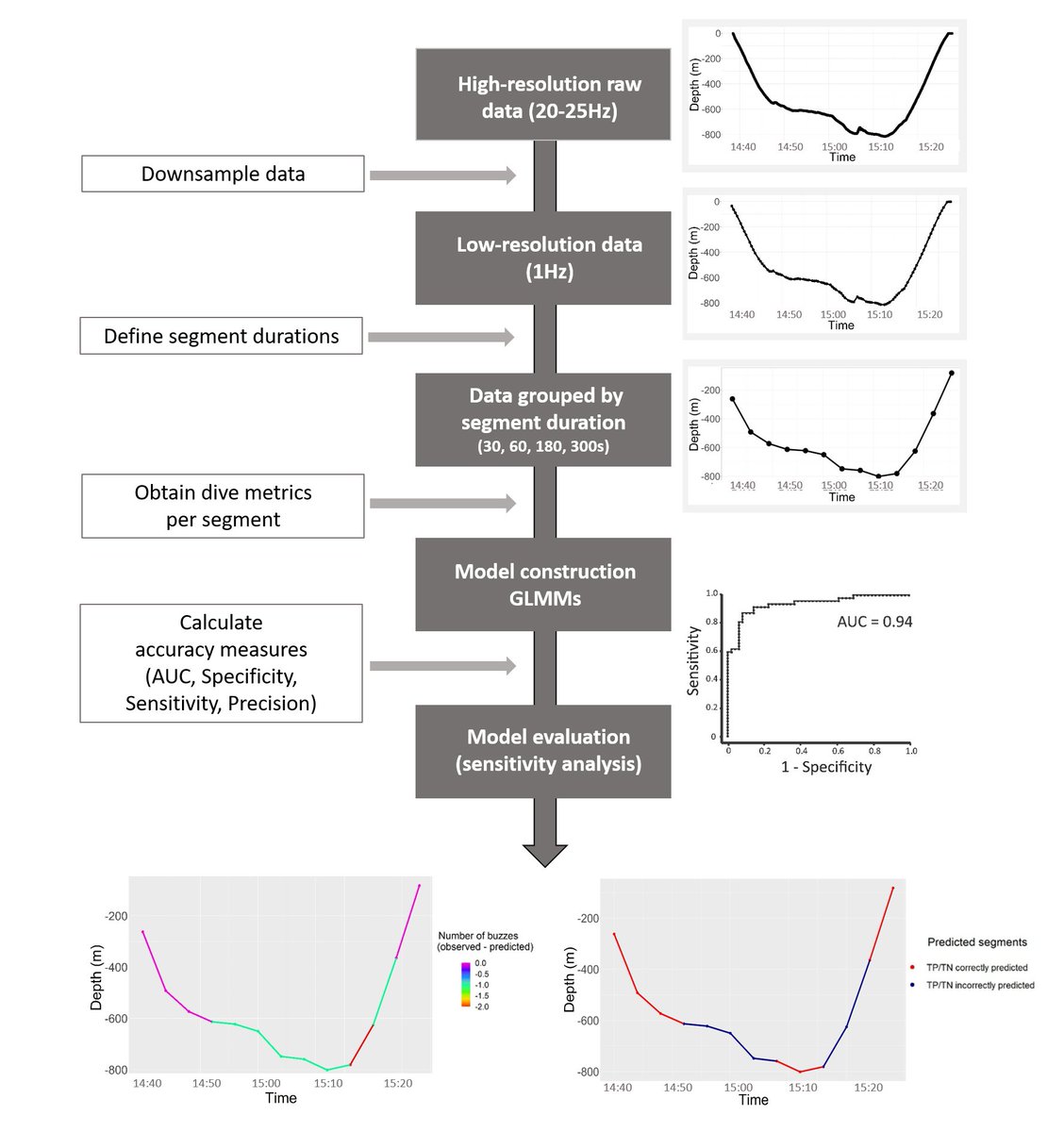
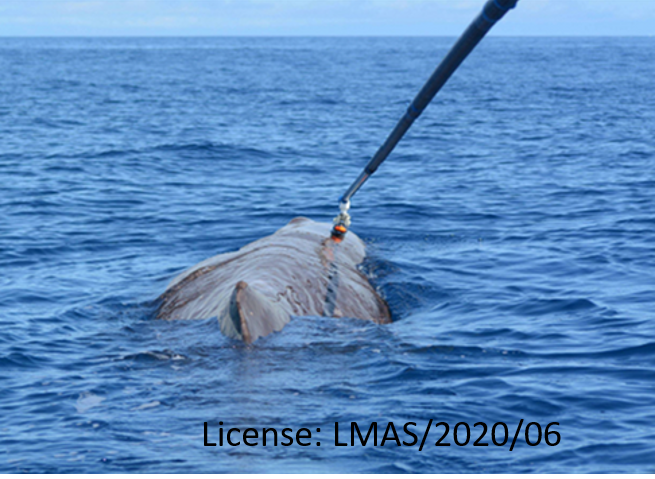
New paper on sperm whale reponses to changes in prey structure. In-situ foraging data was used to determine daily energy acquisition and to identify the minimum required foraging success rate and explore potential responses to environmental changes. Check the thread 🧵
1
5
20
1,221
The highest impact was on the decrease in prey size than on a reduction on prey size variability implying that foraging success rates are more sensitive to changes in average energy intake, than variability in energy intake.
1
136
A reduction of prey size would require greater compensation to reach whales’ average daily metabolic requirements
120
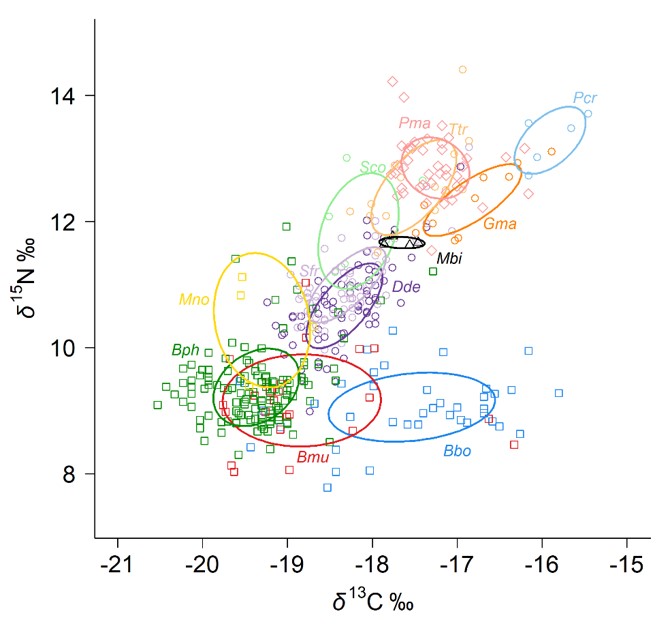
Niche overlaps occur mainly between species within the same guild, indicating some potential for trophic redundancy in the community.
1
114
Species showed some spatial or temporal partitioning, suggesting that species coexistence could play a key role in structuring the cetacean community in the region and in its ecological role. Thanks to @AzWhaleLab, Jérôme Spitz and Yann Planque at #Pelagis (@CNRS)
138
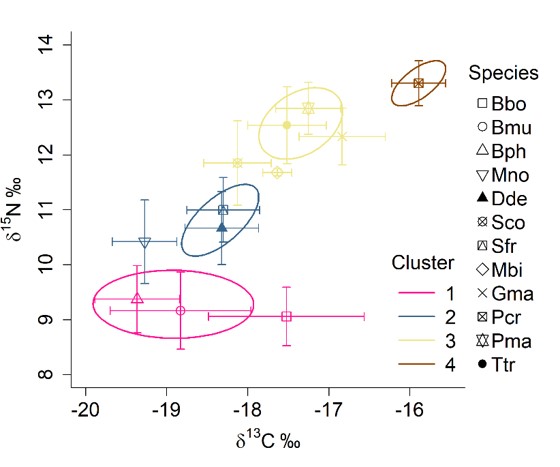
Stable isotopes from 12 cetacean species were analysed. Isotopic niches are very diverse and suggest the use of diverse habitats and resources among species.
1
1
134
Species were grouped into four trophic guilds, segregated mainly by trophic position (TP): low-TP guild with three zooplanktivore baleen whales, mid-TP guild with micronektivores, high-TP guild with micronekton and nekton consumers, and a cluster with false killer whales only.
1
1
97
The @AzWhaleLab is happy to present the first description of the trophic structure of the cetacean community in the Azores, as revealed by their isotopic niches. Find the full study published in Frontiers in Marine Science here (Lebon et al., 2024): doi.org/10.3389/fmars.2024.1…
1
2
17
524
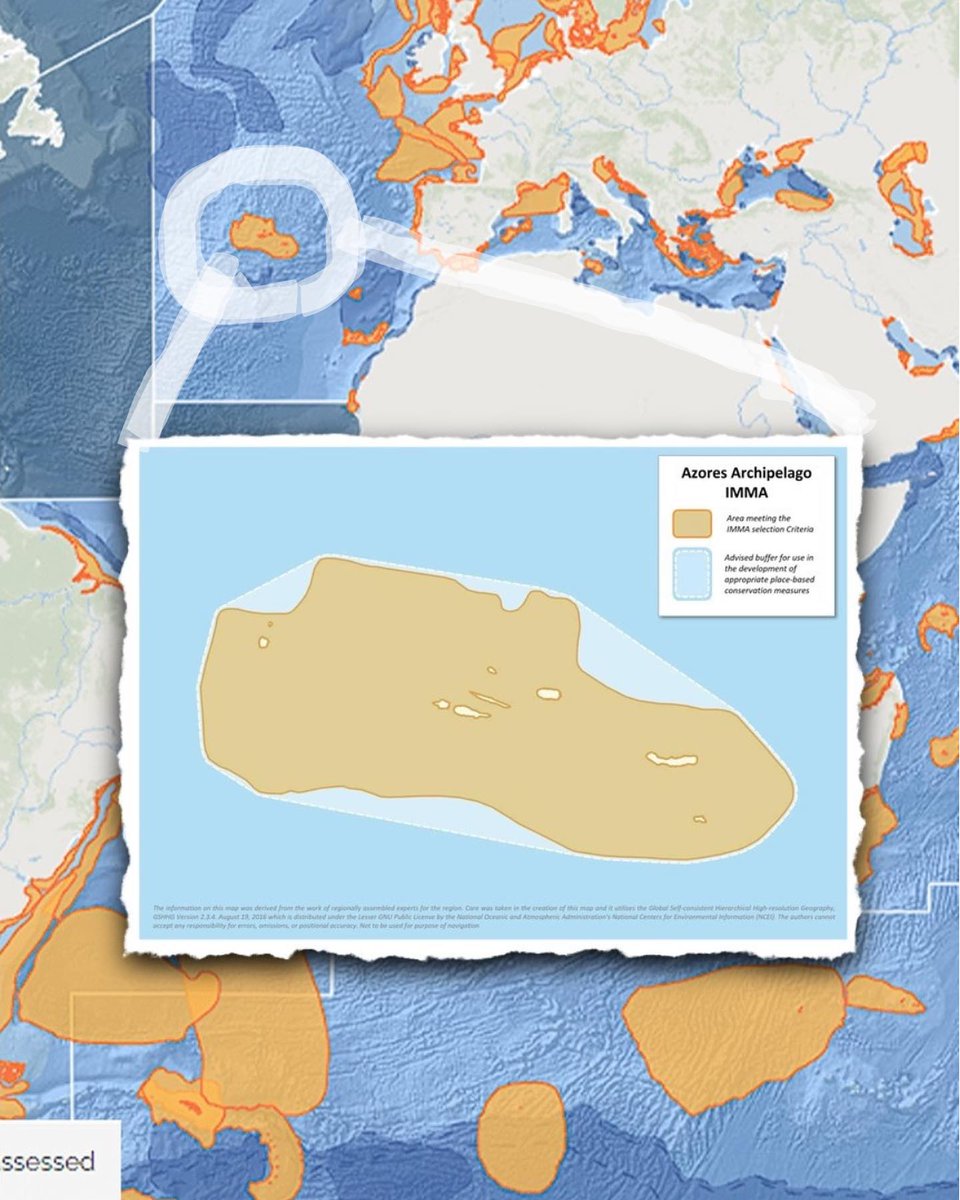
The @AzWhaleLab contributes to the creation of an Important Marine Mammal Area (IMMA) for the Azores encompass within an initiative that has created 33 new IMMAs in the North East Atlantic Ocean and Baltic Sea and was led by the @IUCN Marine Mammal Protected Areas Task Force
1
1
12
341
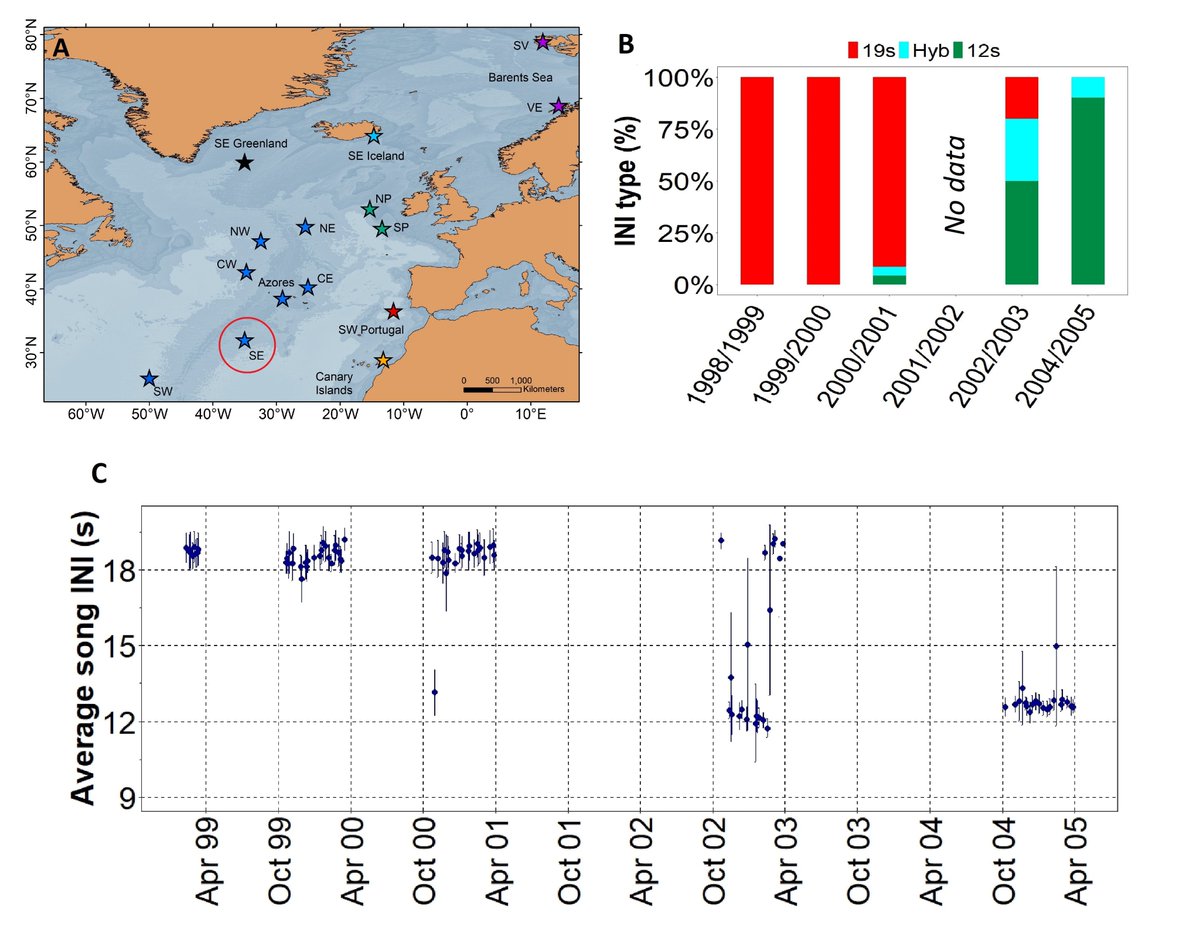
The @AzWhaleLab is happy to announce a recent paper on the evolution of fin whale songs in the North Atlantic published in @eLife @MiriamRomagosa: Romagosa et al., 2024: doi.org/10.7554/eLife.83750). @OkeanosUac
8
30
1,587
We just finished a mission to test the acoustic system boing developed by project OCEAN. @NavAwareness. Check out the official video of the mission: youtu.be/PpdyFc-oLoI

3
11
690