117 Photos and videos








Finally made an instagram guys, follow instagram.com/azr_csgo as I'll be active on there! 😊
6
2
189
AZR retweeted

Jun 5
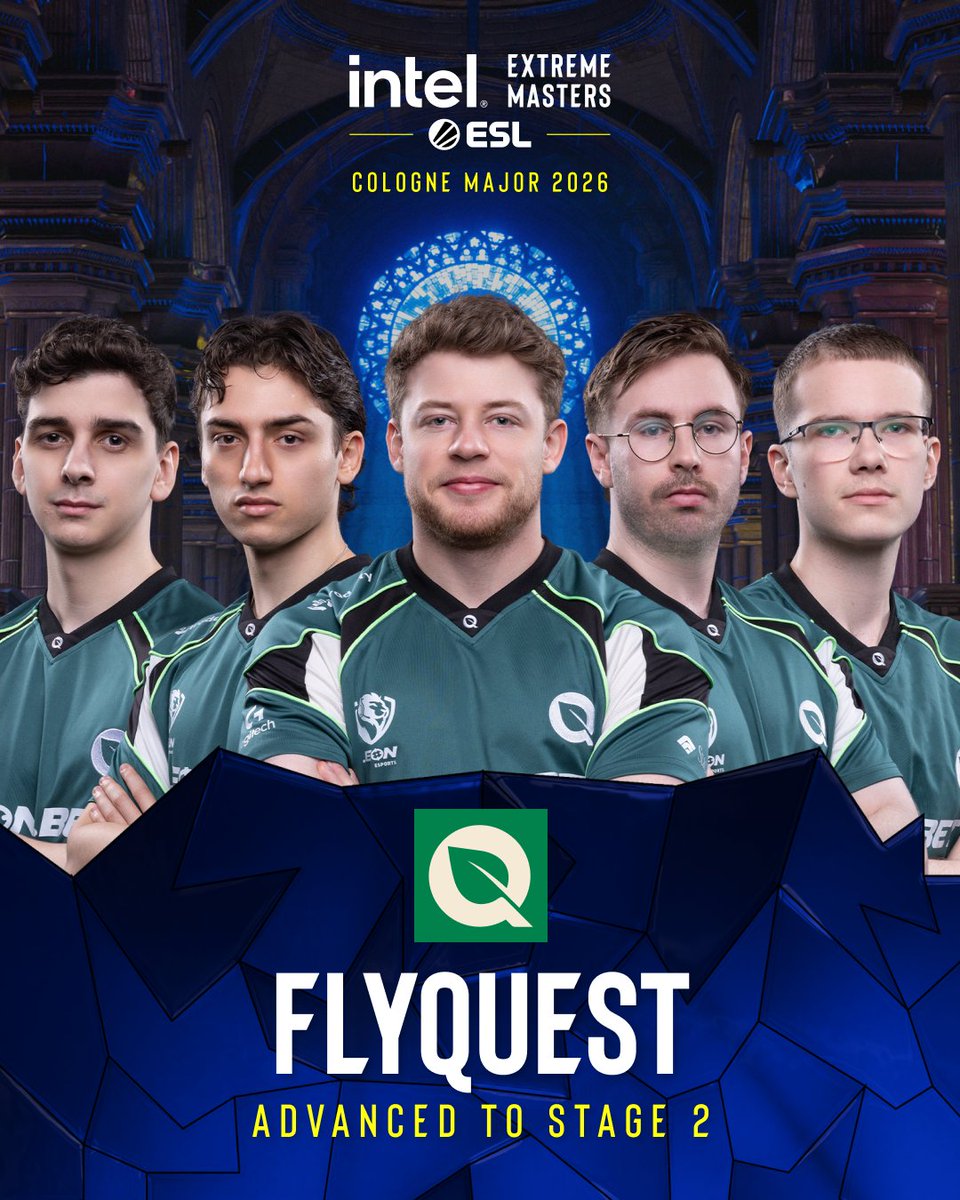
YEAH THE BOYS 🇦🇺🇦🇺🇦🇺🇳🇿🇵🇹
@FlyQuestCS are in Stage 2 of the #IEM Cologne Major!! 🥳🎉
8
32
557
40,193
AZR retweeted

Jun 1
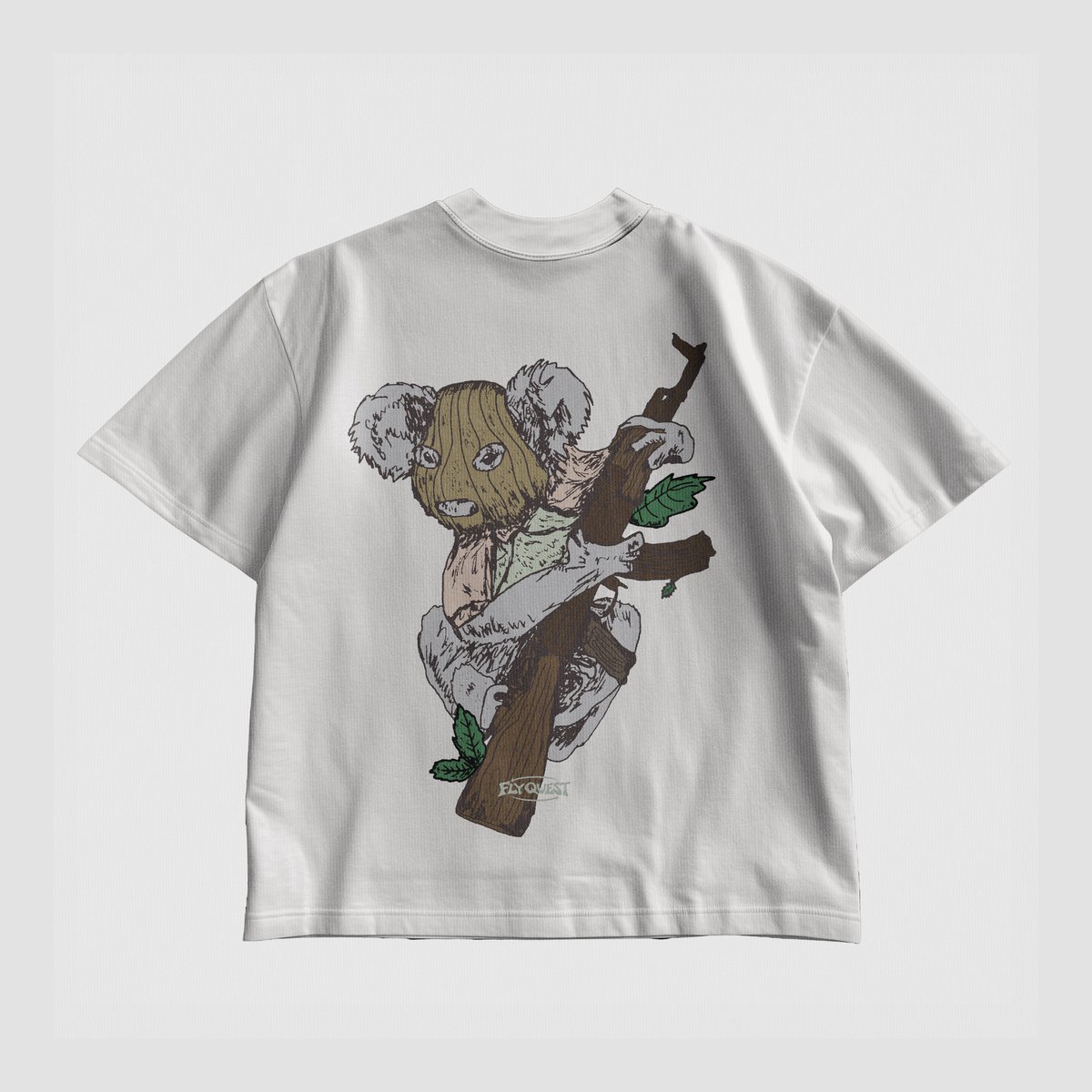
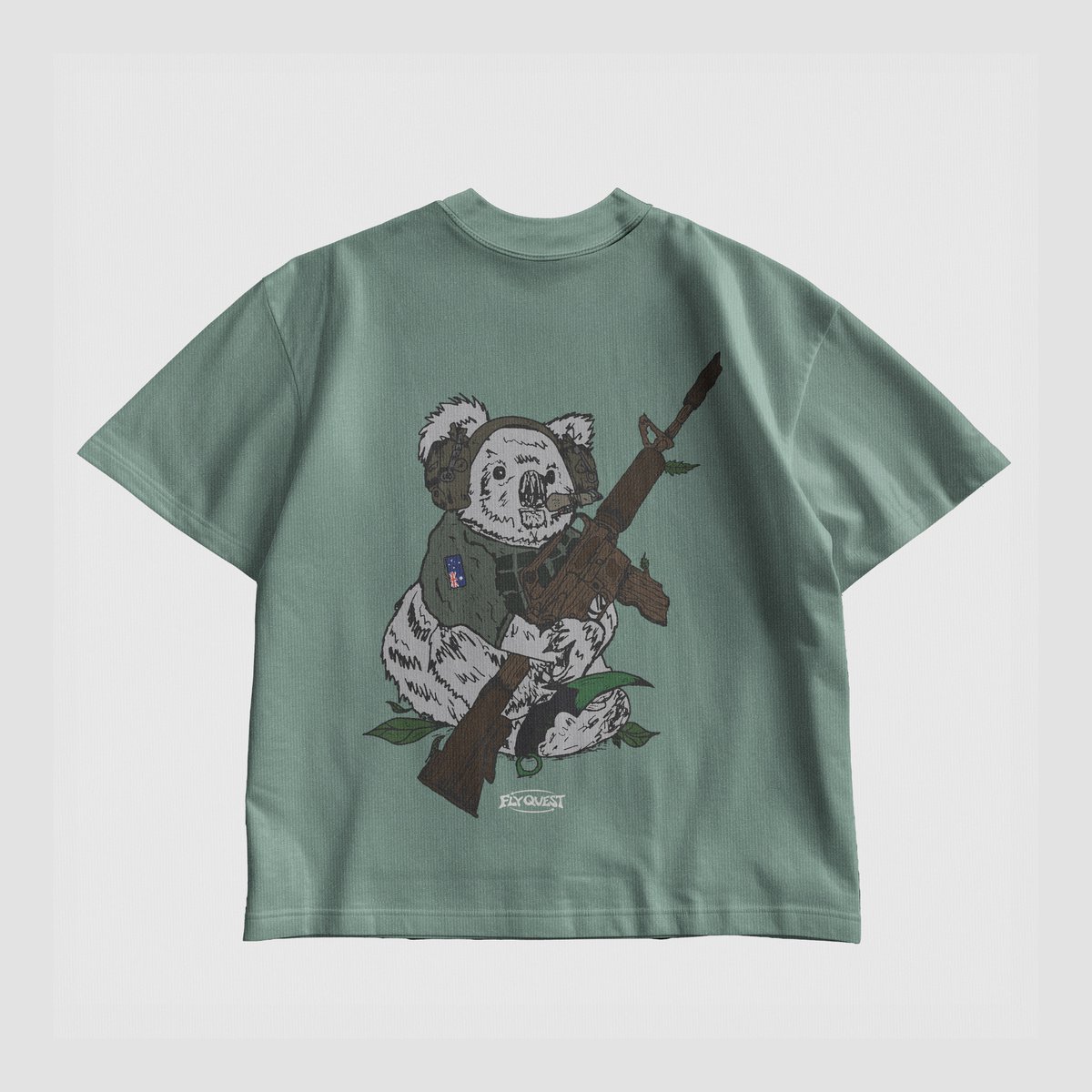
Project Koalafication returns for the @IEM Cologne Major 🐨
For every:
🇦🇺 Aussie map win
🔫 FlyQuest pistol round win
🐝 @TeamVitalityCS map loss
We’ll be saving koalas throughout the Major!
13
40
434
51,676

Announcing: Project Grassroots!
Tier 2 esports and grassroots projects are the lifeblood of this industry. They need help now more than ever. Project Grassroots is about supporting up-and-coming teams and games that need an extra boost to achieve their dreams in competitive esports.
If you see a team in need, @ us!
244
165
1,195
236,843
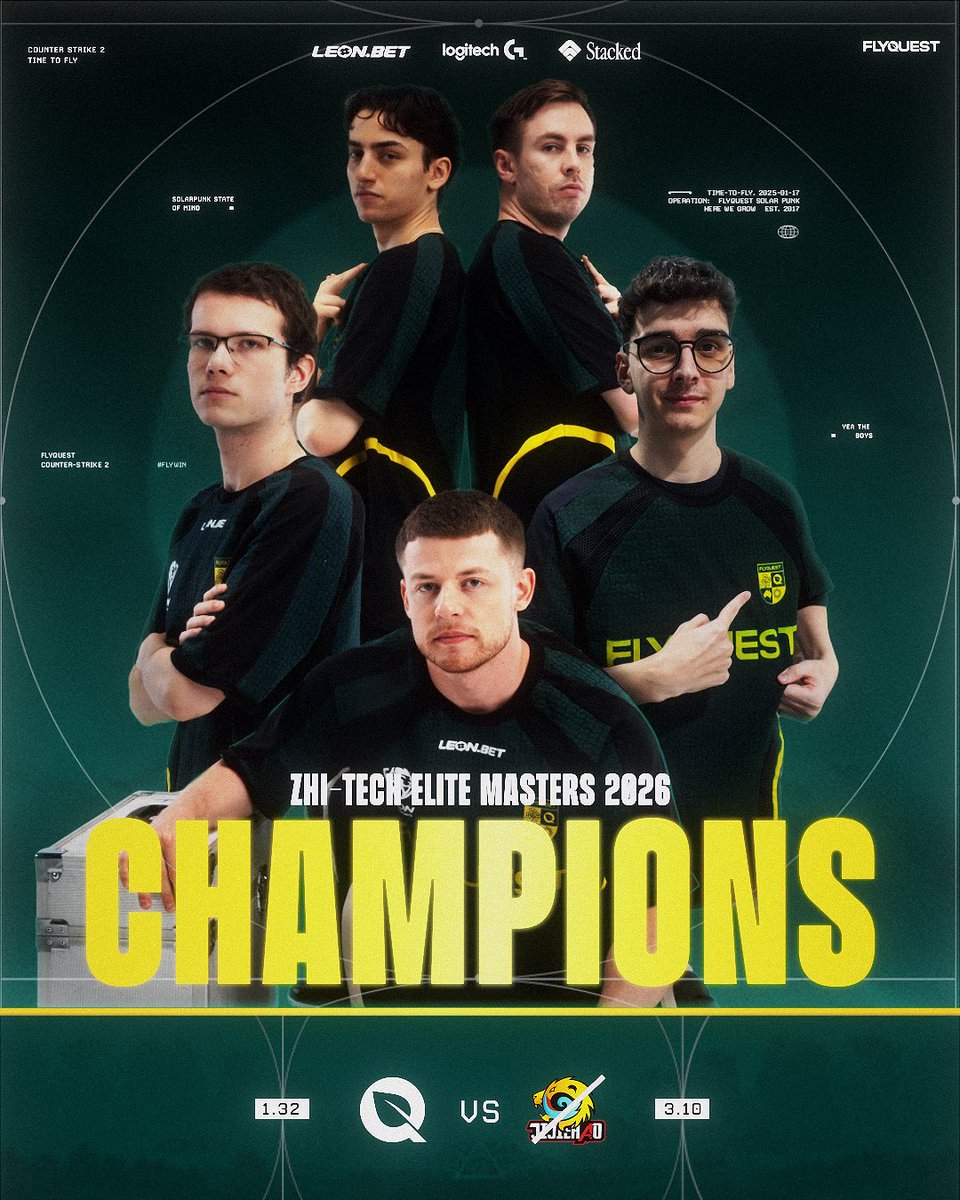
Important points and confidence heading into the start of the season. Story is integrating into the the team nicely and looking forward to what we can build.
Thanks to the fans and especially @WangKoekje for the hospitality shown to us while we were in Beijing!

5
114
15,525

The result exists. Agreement is optional.
Competition doesn't negotiate with intention or effort. It simply reveals what holds when both sides are trying equally hard.
Two teams can grind the same hours. The same VODs. The same amount of scrims. Only one of them wins the match.
If effort were the separator, overtime would be the norm... but it isn't. The server produces a result, even when the difference feels microscopic. That raises the harder question. What actually separates teams when preparation looks identical?
When preparation converges, the difference stops being visible in routines and starts showing up under stress. The call that comes out clean at 11-11. The trade that happens instantly instead of late. The discipline to not overpeek when adrenaline spikes. The ability to reset after a throw instead of compounding it.
Pressure exposes things scrims never do. Mid-round decisions with imperfect info. Micro-hesitations on trades. Comms discipline when the plan collapses. Pattern recognition to dance with the opponent when they adapt faster than expected. Those moments are uneven, even among teams that worked equally hard.
This is why I believe teams get what they deserve in competition. That belief cuts both ways, for both wins and losses. Clean 13-5s and ugly 13-11s. A big clutch isn't something to dismiss, and a throw isn't something to write off as variance.
The result still counts on off days. Bad comms. Missed shots. Wrong reads. Momentum swings. Those are not excuses, they are part of the game. Handling them is the skill. Even when the outcome genuinely feels unlucky, treating it as deserved is still the most useful posture. It keeps accountability local. It keeps the feedback loop honest, and it keeps improvement possible.
The server doesn't care how much you wanted it. It only records what you were ready for. The result doesn't ask to be understood. As Marcus Aurelius said, "What stands in the way becomes the way." Every outcome is already yours-- respond accordingly.
5
28
481
73,197
AZR retweeted
23 Nov 2025
16
29
346
31,843
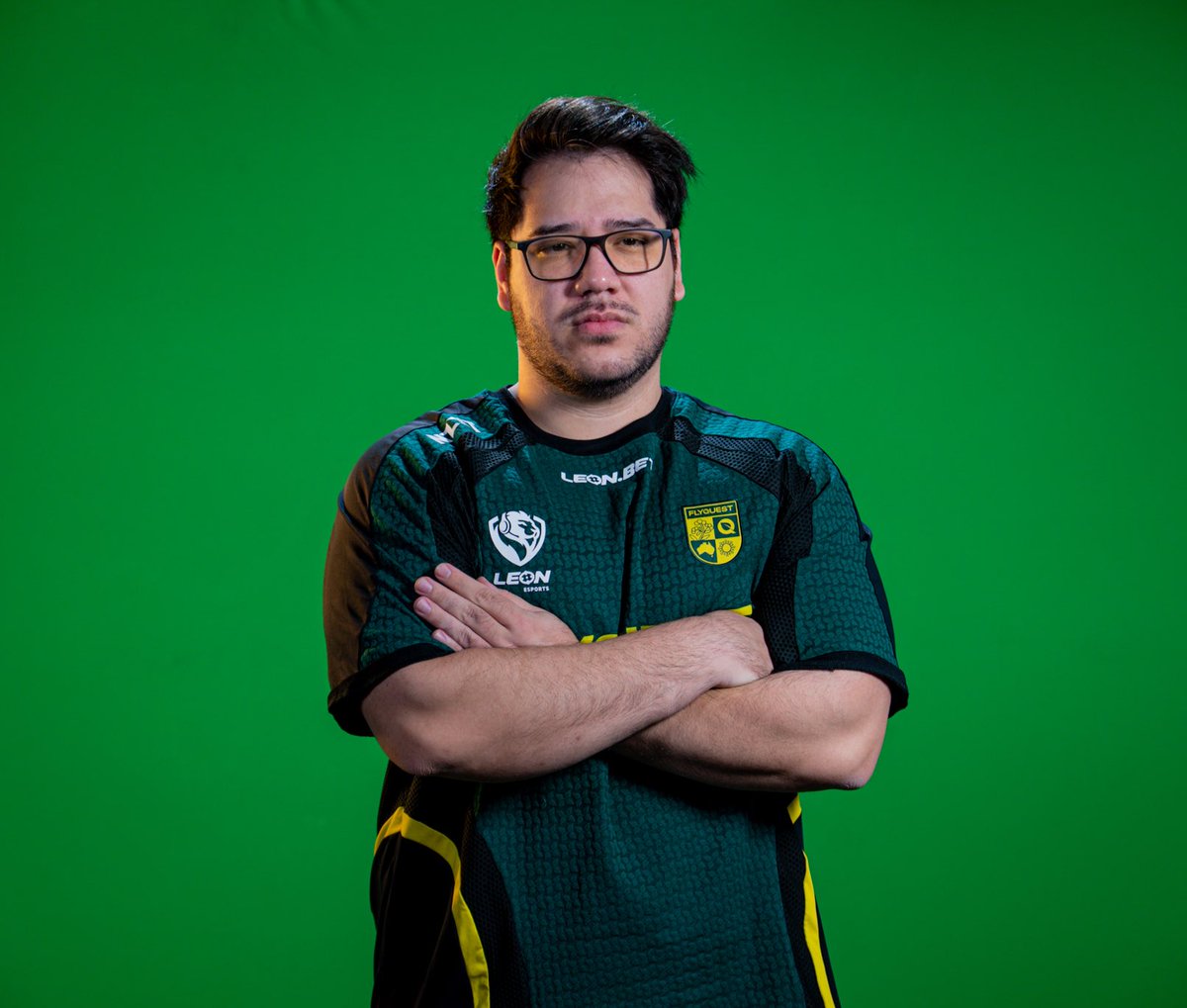
I'm excited to be joining Flyquest now officially. Joining with familiar faces and new faces, so far, the lads have been very welcoming 💪. Looking forward to building with the team and have a good coach-igl relationship with josh. Still alot to learn!
Cheers
26 Oct 2025
Cheeky announcement before we play today!
We’re excited to welcome @Azr as our new coach 🇦🇺
10
2
359
32,581
AZR retweeted

22 Oct 2024
Wanna level up your setup?
We're giving away a Razer BlackShark V2 Pro and a Razer DeathAdder V3 Pro!
To enter:
✅Follow @TALON_esports and @TeamRazer
❤️Like & Repost
⬇️Reply with your favourite Razer gear!
🏆Winner will be picked on 10.29!
#ForThePro

838
768
987
79,890


AZR retweeted

4 Sep 2024
We at @TALON_ESPORTS are looking for an analyst for our preparations for the upcoming Shanghai Asia RMR - if you feel like you are up to the task, send me an email at djltalon@gmail.com with your previous work!
21
27
134
28,407
TALON will be at the RMR! Super proud of everyone and the effort everyone has put in the last month.
GGS to all the teams and see you in Shanghai 🇨🇳
#SOARWITHTALON
15
6
338
16,242
AZR retweeted

9 Aug 2024
Eliminated from @hellcasecup after a loss against @B8esportsGG. Happy with the performance considering we had no expectations other than getting some officials in.
Now we prepare for the RMR qualifiers! 🦘
@TALON_ESPORTS
1
4
33
4,858
Happy to be back representing @TALON_ESPORTS.
Looking forward to building and grinding as a team 💪
2 Aug 2024

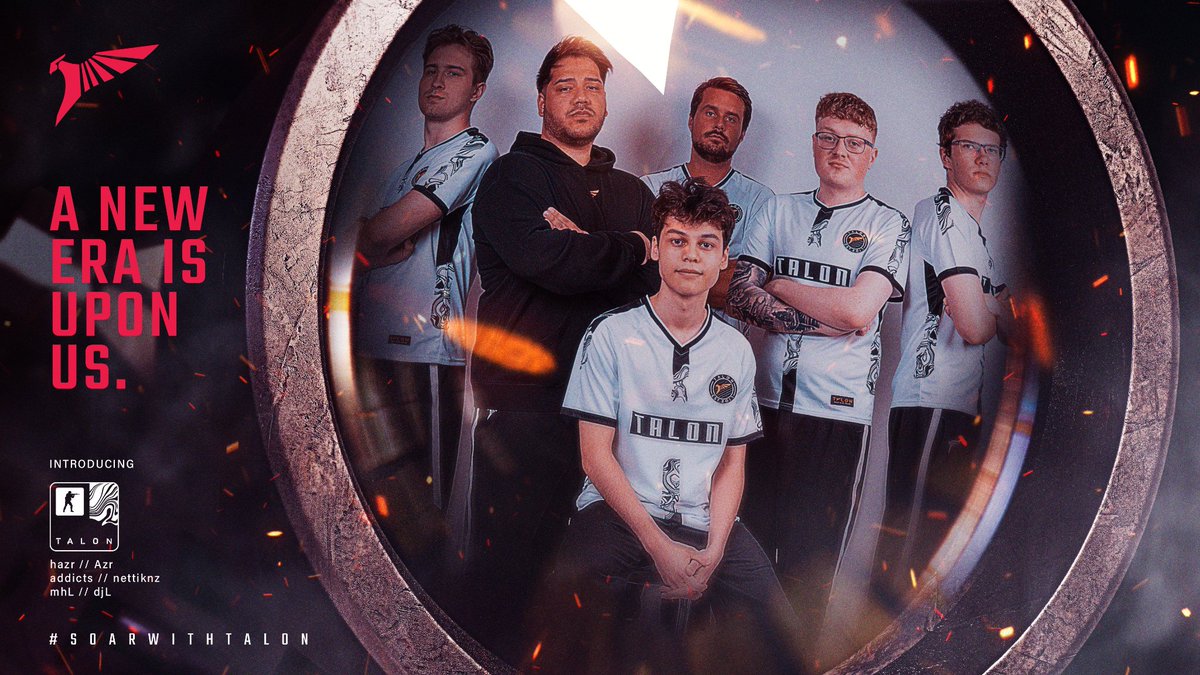
AUSSIE AUSSIE AUSSIE? OI OI OI!
We're heading down under for our new era!
Today we begin our journey in @COUNTERSTRIKE.
Welcome to the new players:
@hazr_cs
@Azr
@addicts_csgo
@nettiknz
@mhLCSGO
Coach:
@djLCSGO
#SOARWITHTALON #CS2
12
6
176
9,191