
Joined May 2012
- Tweets 3,624
- Following 107
- Followers 81
- Likes 2,365
1,052 Photos and videos








Jun 8
Sparkling water / Soda water
Jun 7

People who cut out soda entirely, what did you start drinking instead?
9
Previous Leon retweeted

May 28
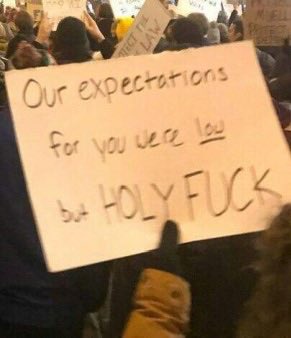
Every single day in this country
3
849
2,037
19,280
Previous Leon retweeted

When you hear politicians suddenly uniting to tell you who the “enemy” is, pause and ask yourself one question:
Who benefits when citizens are divided and distracted?
Too often, the political class closes ranks not to defend the people, but to defend the system that feeds them. They want Kenyans fighting each other while corruption, impunity, unemployment, and economic injustice continue unchecked.
The moment someone begins questioning the structure of exploitation, the wardens of the prison quickly unite and point at a new “enemy” to keep the prisoners distracted.
Kenyans must stop worshipping political camps and start defending principles. Accountability is not tribal. Justice is not regional. Truth is not partisan.
The real struggle is not between ordinary citizens. The real struggle is between a corrupt system and the people paying the price for it every day.
81
2,672
4,850
67,130
Previous Leon retweeted

May 14
Kenya, let's pause and reflect for a moment.
Every month, 1.5% is quietly taken from your salary not for your pension, not for your healthcare, but for the affordable housing programme. Your employer adds another 1.5% on top. That's 3% of your household income, every single month, gone before you even see it.
And now the government says it needs Sh400 billion every year just to keep that same programme running.
Here's what makes it worth reflecting on the last housing programme (2017–2022) promised 500,000 homes. After 5 years and billions spent, 13,529 were delivered. Less than 3% of the target.
We didn't stop. We didn't ask questions. We just rebranded and restarted.
Brazil once believed in a programme just like this. They poured everything into it. A decade later, the houses were far from jobs, built poorly, captured by the wrong people and the economy was in recession.
The housing crisis in Kenya is real. No one is disputing that. But 3% of every Kenyan worker's salary, feeding into a fund the High Court itself once called unconstitutional, through a system with no clear accountability, deserves more than our silence.
It deserves our questions.
Who is actually getting these houses? Who is accountable when the targets aren't met again? What happens to the billions already collected?
You are not just a taxpayer in this story. You are the funder, the target beneficiary, and the one left holding the debt. All at once.
Reflection isn't opposition. It's responsibility.
We owe it to ourselves and to the Kenyans genuinely waiting for a home to demand this is done right, not just done loudly.
Dismas wa Tabu. Dreaming in installments. Billed in full.
10
124
190
9,298
Previous Leon retweeted
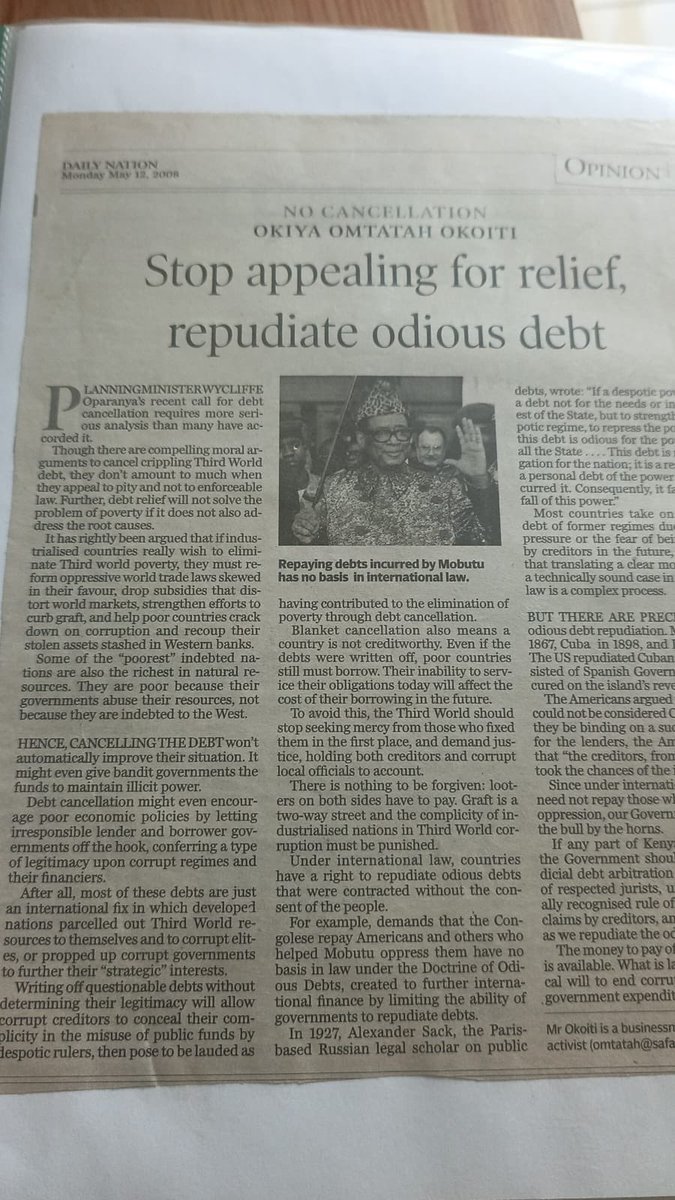
On this day, 18 years ago, on 12 May 2008, I published my first article in the @NationAfrica challenging the injustice of odious debt.
I argued then, as I do now, that debts incurred against the interests of the people cannot morally or legally be imposed on generations that never consented to them.
Africa must stop begging for relief from debts designed to enrich a few and impoverish millions. We must audit, question, repudiate, and prosecute where necessary.
Odious debt is not development. It is economic capture. The struggle continues.
#DeniBandia #ReKe #OdiousDebtKe
59
2,258
3,639
45,605
Previous Leon retweeted

May 8
Affordable housing locations really kill me. You can be driving in the middle of nowhere and look to your right, deep in bushes, right next to maize shambas there is a cluster of 6 10-storey buildings, closely packed together with only a slither of carbro separating them
54
797
3,050
81,625
Previous Leon retweeted
Harry Truman once said: “The only thing new in the world is the history you do not know.”
Fellow Kenyans, our crisis did not begin yesterday.
The looting. The illegal debt. The betrayal of the Constitution. The collapse of public services. The silence of career politicians. These are old scripts repeated by leaders who believe Kenyans forget quickly.
They believe another scandal will trend. Another distraction will come. Another funeral, another handshake, another coalition, another slogan.
Meanwhile, you pay more taxes for debts you never approved and never benefited from.
Between 2014 and 2024, Kenya borrowed Sh9.11 trillion. Only Sh2.57 trillion received proper parliamentary approval. The remaining Sh6.54 trillion is odious debt, unconstitutional borrowing forced onto the backs of struggling citizens.
This is why food prices rise while wages stagnate. This is why hospitals lack medicine while billions disappear. This is why schools decline while politicians grow richer. This is why young people graduate into hopelessness.
And while Kenya bleeds, legacy politicians remain silent. Many are not fighting to fix the system. They are fighting to inherit it.
They criminalize protesters. They weaponize police. They reward political loyalists with advisory jobs funded by taxpayers. They protect corruption networks while ordinary Kenyans suffer.
We go to court because the Constitution is the last line of defense between the people and organized state plunder.
From the struggle for independence in 1963, to Saba Saba, to the 2010 Constitution, every generation of Kenyans has been called to defend freedom against greed and impunity. History is watching us now.
If we remain silent while our country is looted, future generations will remember us as the people who watched Kenya collapse and did nothing.
Read history. Defend the Constitution. Reject fear. Reject silence. Reject thieves disguised as leaders.
We must be a nation that reads, remembers, and refuses to be misled by the same old tricks. Know your history, defend your rights, and let us not be "newly" surprised by what we should have already learned.
Kenya istahili heshima
#OdiousDebt
#ReKe
#Constitutionalism
122
3,223
5,191
71,914
Previous Leon retweeted

May 6
I don’t understand why it’s so difficult for people to distinguish short term victory from long term transformation. A united opposition may indeed remove Ruto, and politically, that is attractive. But once in power, many of the same actors will likely reproduce the same culture, incentives, and failures we have seen before. History does not repeat, but it often rhymes. What then appears to be change becomes little more than a rotation of elites and an illusion of progress.
The harder path is to pause, think deeply, and design a sustainable future for Kenya beyond personalities, tribal arithmetic, and coalitions of convenience. It may not be as simple as uniting a few politically connected thieves with ethnic voting blocs, but it is the only path capable of fundamentally changing the trajectory of the country.
If we choose that route, future generations will not just remember that we removed a president. They will remember that we altered the course of Kenya’s history and perhaps inspired a new political imagination across Africa.
@edwinsifuna hope you think about this more.
140
266
794
31,014
Previous Leon retweeted
They've engineered the silence because they fear you more than they fear any judge. An informed public is their worst nightmare. So read the filings. Track the hearings. Ask the hard questions. The @IMFAfrica @KeTreasury, @NAssemblyKE, and every pen that signed these loans must answer.
Some politicians waiting in the wings will not speak because they hope to inherit the same broken system. To those seeking office: this is a test of principle. You cannot inherit a system you refuse to question.
We don't need their headlines to know our rights. The Constitution didn't give us a voice to whisper. The front page isn't theirs to give. It's ours to demand. Stay loud. Stay informed. The law is on our side
#OdiousDebtKenya #PeoplePower #DeniBandia

It’s actually crazy that Okiya’s odious debt case is not major headline news. Should be on the front page!!!
110
6,335
9,743
163,931
Previous Leon retweeted
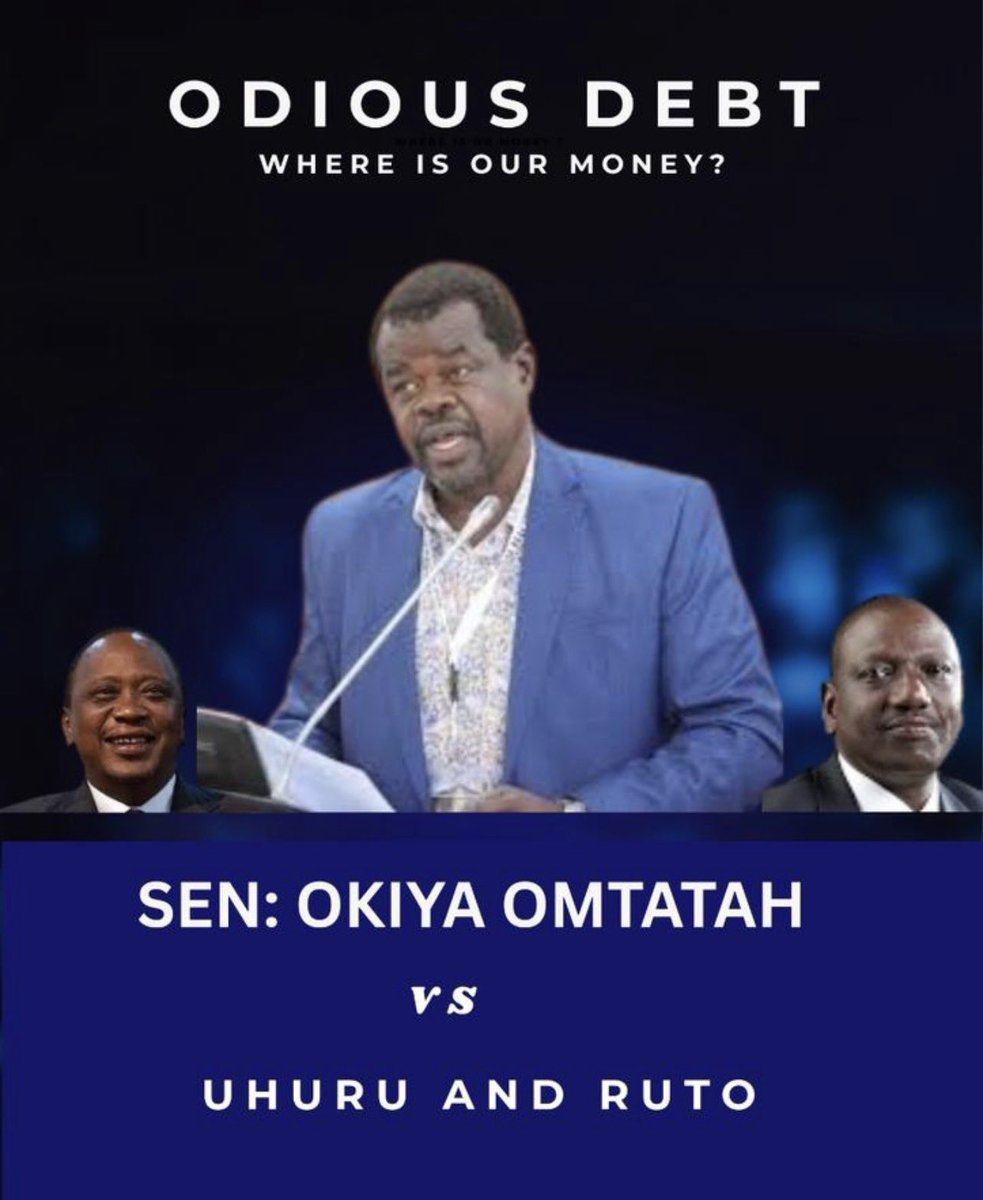
Odious Debt case comes up tomorrow, 28 April 2026 at 11:00 a.m. before a three judge bench at Milimani High Court, Courtroom 31.
This case goes to the core of accountability in public borrowing.
Join virtually: shorturl.at/demt3
#DeniBandia #OdiousDebt
150
3,599
6,486
89,898

We cannot have sustainable energy because it threatens the oil industry. We cannot have healthcare because it threatens insurance. We cannot have peace because it threatens the weapons industry. Capitalism built a system where doing the right thing is treated like bad business.
306
23,426
84,138
747,862
Previous Leon retweeted

Apr 14
How does a product whose landing cist is less than 50 Kshs get sold at 206 Kshs? Meaning hatununui mafuta ata tunanunuanga taxes 🤔🤔?
Taxes =156 Kshs
Actual landing cost = 50 Kshs
As it that isn't enough, this rogue, corrupt, and demonic government will go ahead and plunder all those taxes led by the Saprano guy that uses 8M Kshs daily to fuel choppers which his boss Ruto owned and has leased to his government. See how crazy that sounds huh?
30
709
1,450
39,467
Previous Leon retweeted
When you listen to both the Head of State and the so-called united opposition, it feels like they are detached from the reality Kenyans face every day. That is the real tragedy.
30
862
1,839
21,295
Previous Leon retweeted

Mar 29
This time hakuna cha lesser evil.
Ni good vs bad.
Tujikomboe ama tuendelee kuteseka.
19
1,567
4,046
31,505
Previous Leon retweeted

Mar 29
April fools is canceled this year. there's no joke bigger than this Kenyan government
8
1,633
5,020
48,989
Previous Leon retweeted
Odious debt is not development. It is theft signed into law.
Kenyans should not repay loans they never approved, never benefited from, and were used against their interests.
Audit it. Expose it. Reject it.
Leadership is accountability, not secrecy.
#DeniBandia #TukoKadi #ReKe
33
1,476
2,361
21,035