
Beaver Creek Reserve is an environmental education nature facility that is open year-round. The Reserve's mission is connecting people with nature.
Joined June 2012
- Tweets 1,395
- Following 121
- Followers 328
- Likes 84
527 Photos and videos

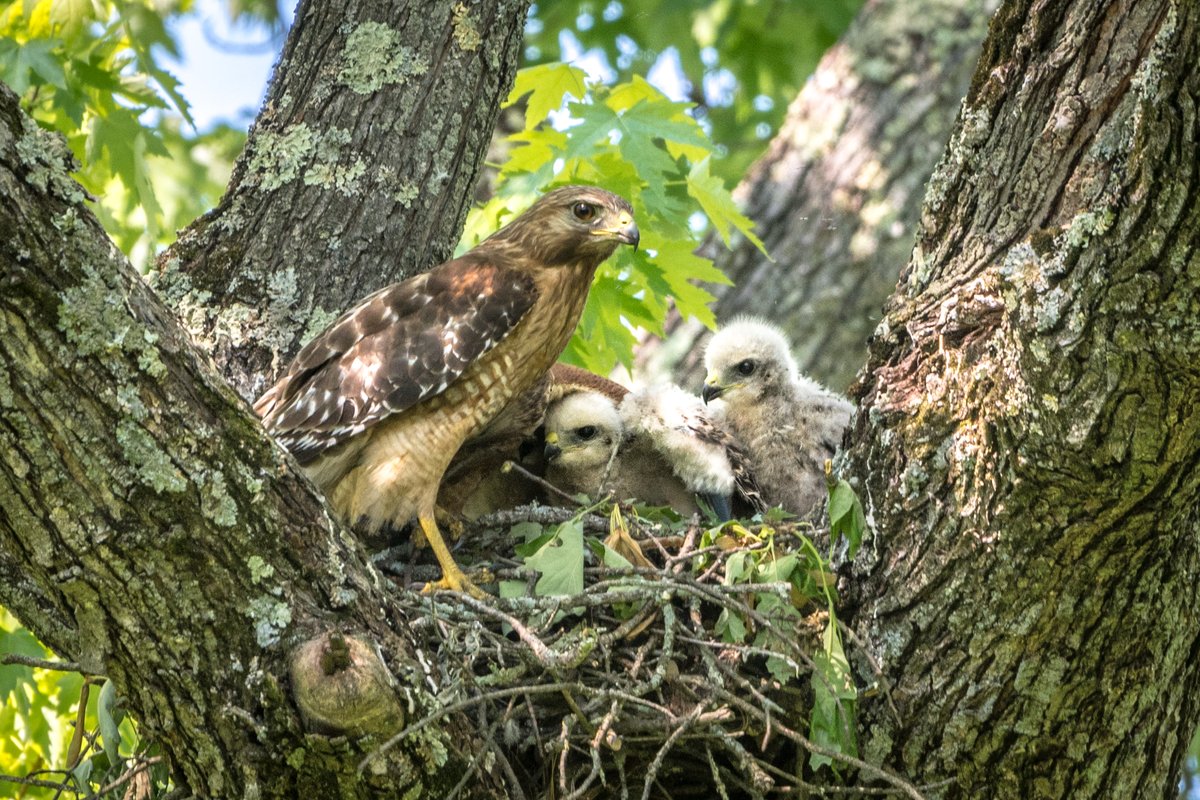


15 Jan 2021
Fun fact, Black Bears birth a litter of 1 to 3 cubs, are born at 7 to 9 oz while their mother sleeps. No other northern mammal gives birth during such harsh cold weather. #FunFactFriday
12 Jan 2021
Ready to take down the Ready to take down the Christmas tree? Christmas trees make great cover near birdfeeders, consider leaving yours outside for wintering birds!
1
30 Nov 2020
Vote for Beaver Creek Reserve! It should only takes a few seconds, and the top 10 organizations will each receive $5,000. Your support will help us continue to connect people with nature and make a difference in the lives of those who visit us. Vote now: markquartgivesback.com/vote
7 Aug 2020
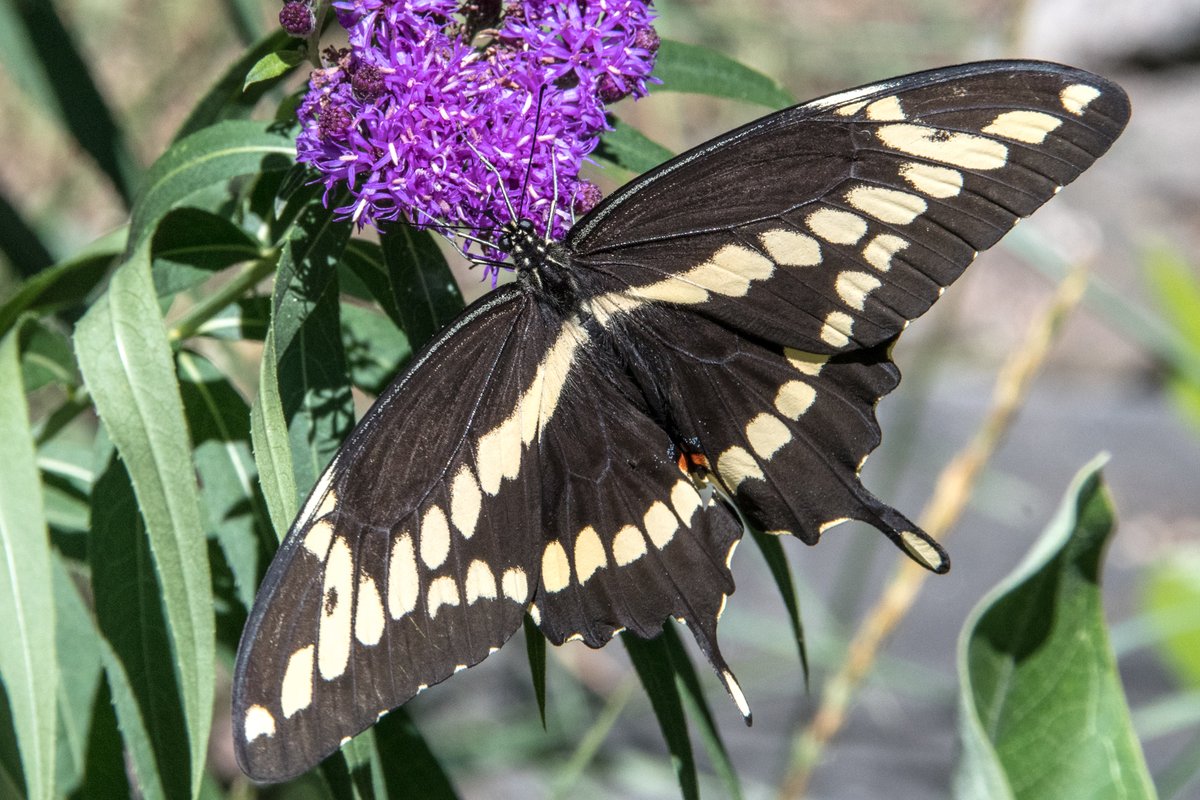
Wisconsin's largest butterfly, with a wingspan of almost six inches, the Giant Swallowtail is most common in the southern US but often wanders into Wisconsin. It's typically seen in late July as native plants like ironweed and joe-pye weed begin to bloom. (photo Ruth Forsgren)
2 Aug 2020
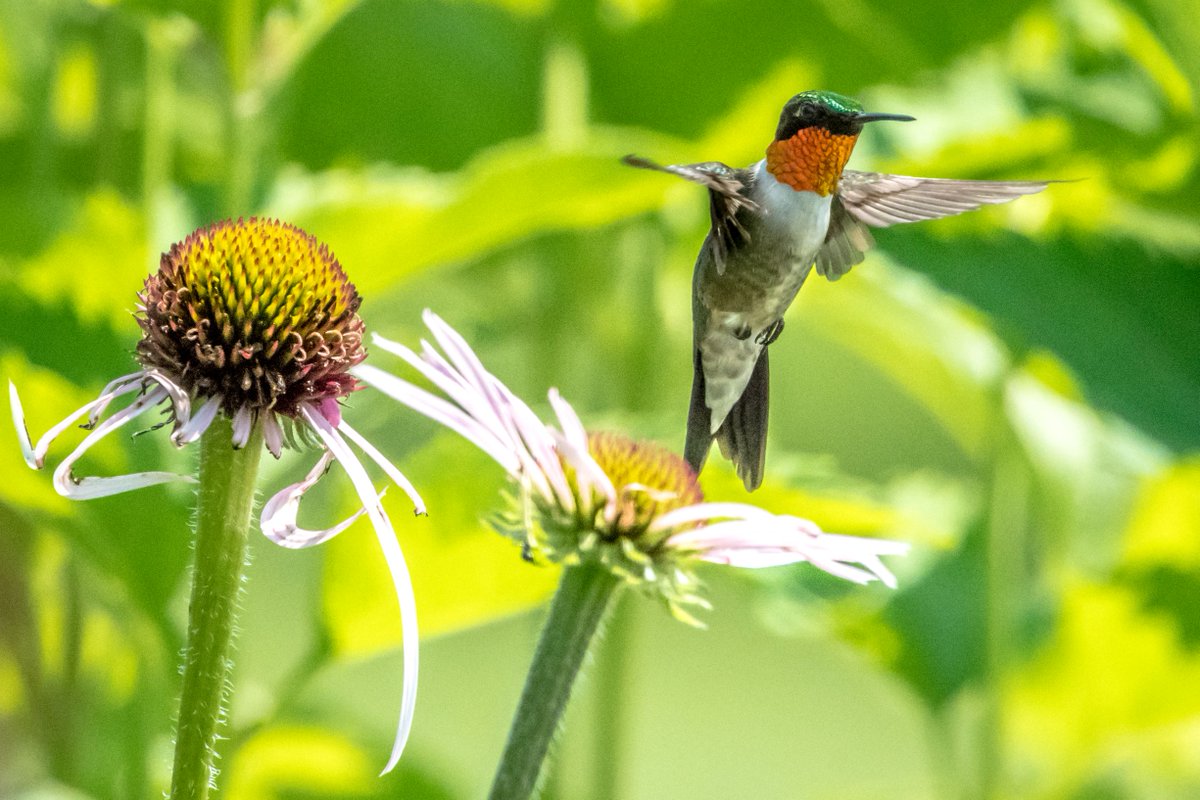
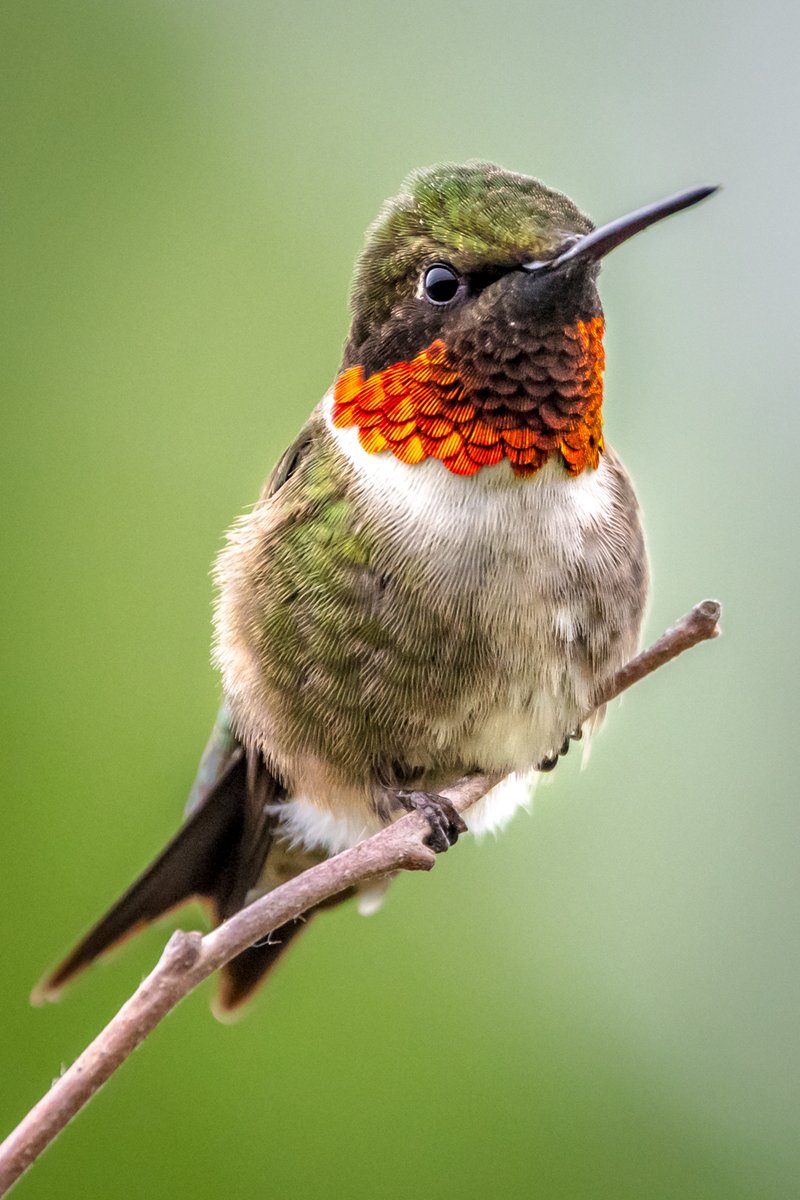
While vibrant against the rest of their bodies, the neck feathers of the male ruby-throated hummingbird aren't really red. They're designed to interact with light and produce the iridescent red flash the birds are known for. (photo credits Ruth Forsgren)
1
30 Jul 2020
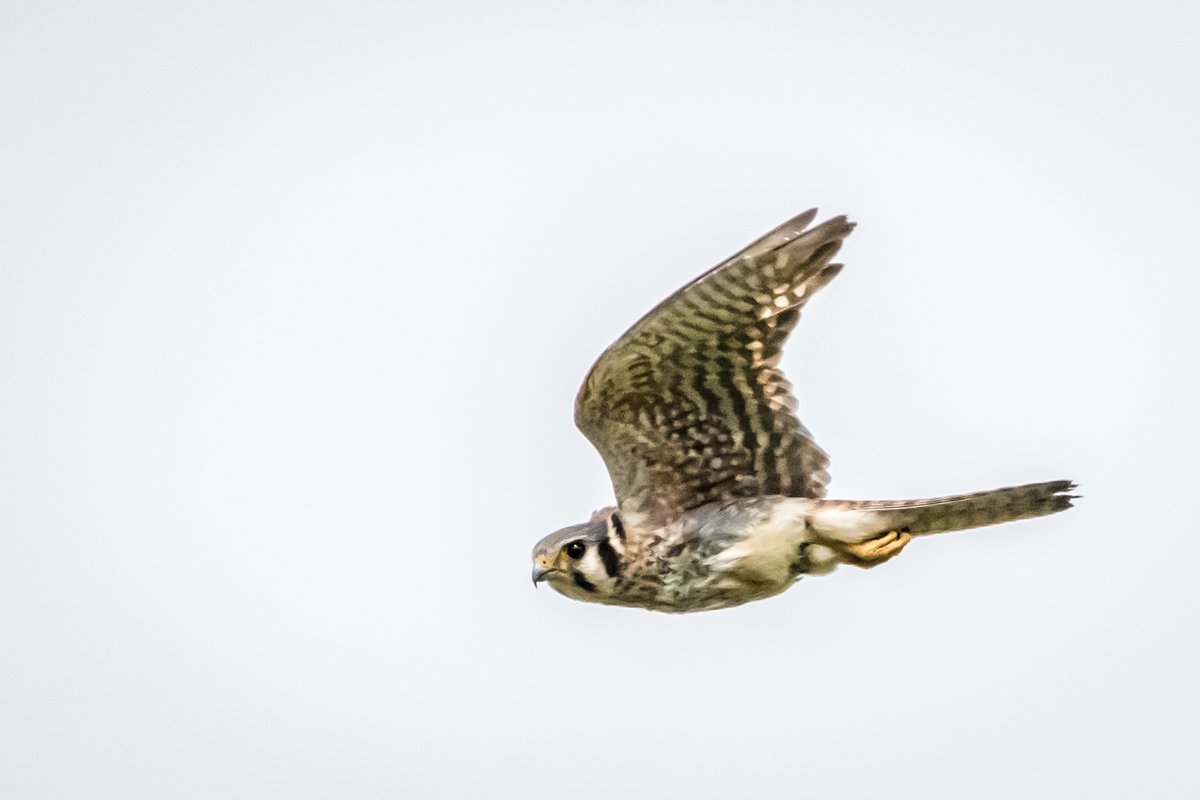
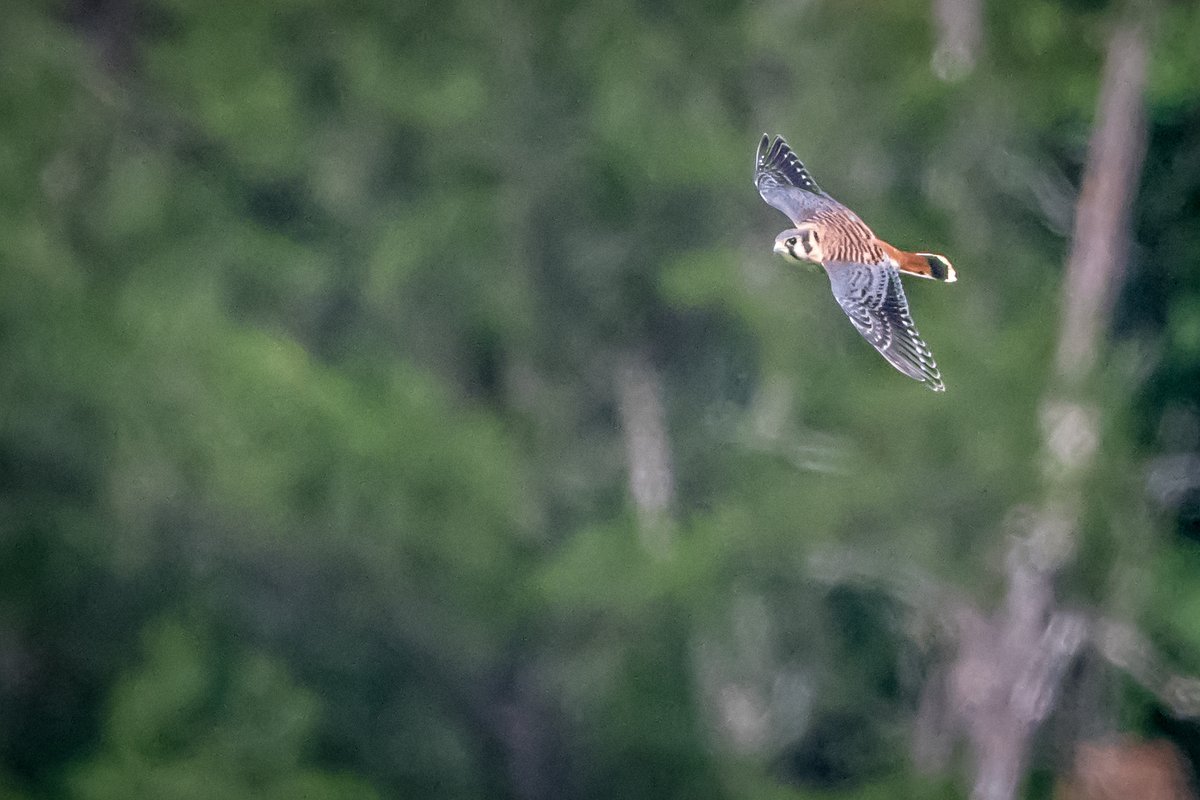
American Kestrels are North America's smallest falcon. Like all falcons they are built for speed. Living in open areas, Kestrels diet includes lots of insects, small rodents, small birds and snakes. (photo credit Ruth Forsgren)
27 Jul 2020
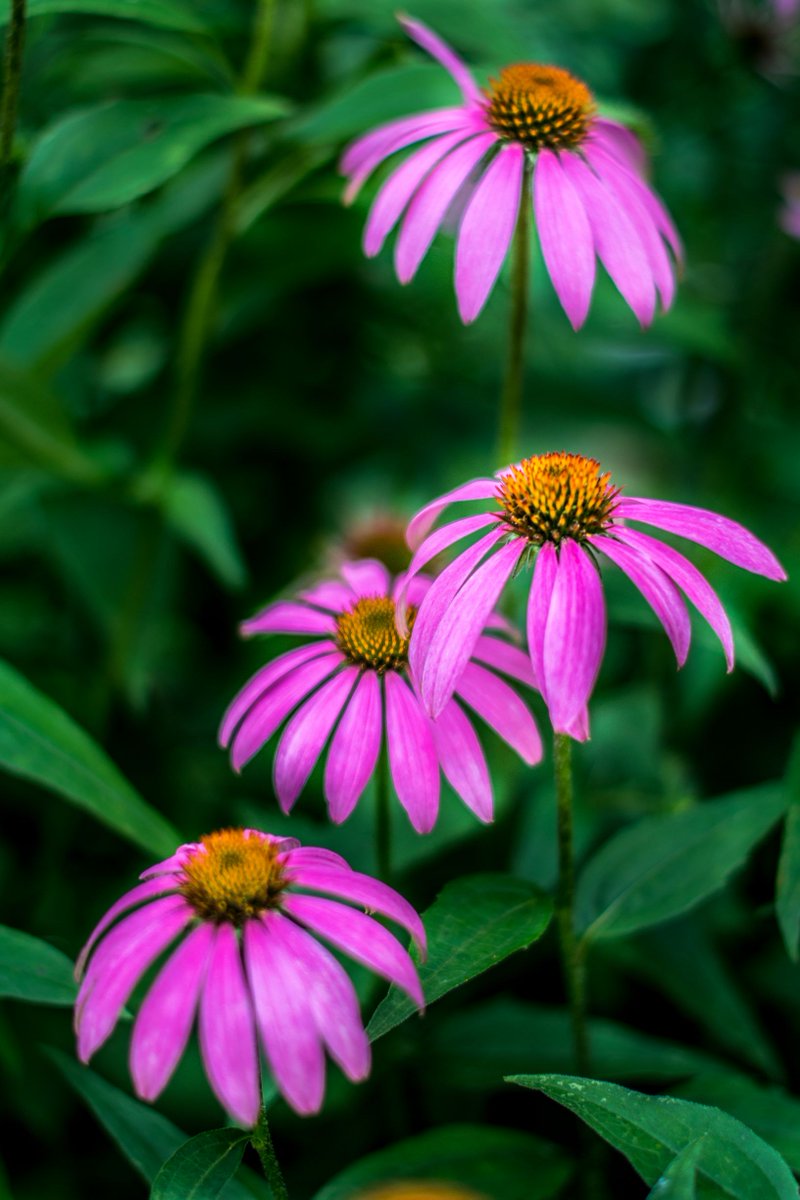
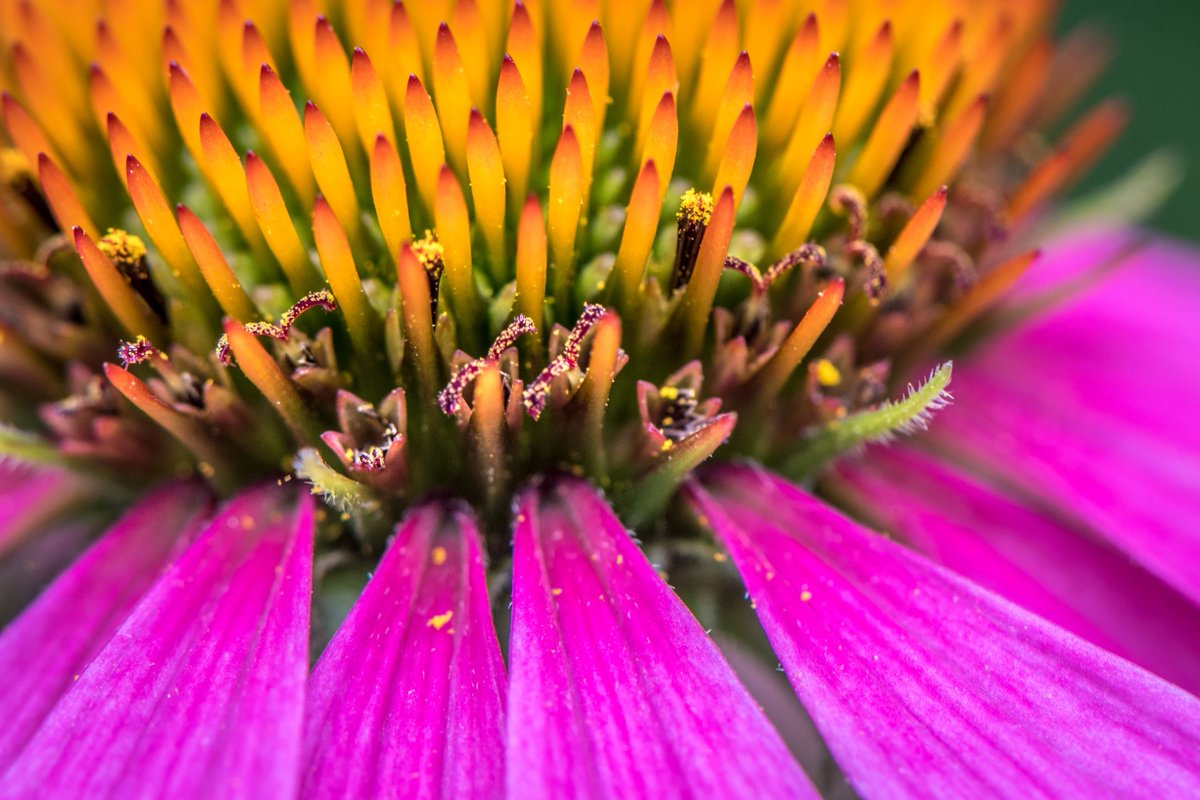
Flowers like purple coneflower aren't one flower but a group of many flowers. What we refer to as the petals are known as a ray flower and the center is a grouping of disc flowers. Look carefully, you can see the tiny flowers within the head of the coneflower. Photo Ruth Forsgren
2
23 Jul 2020
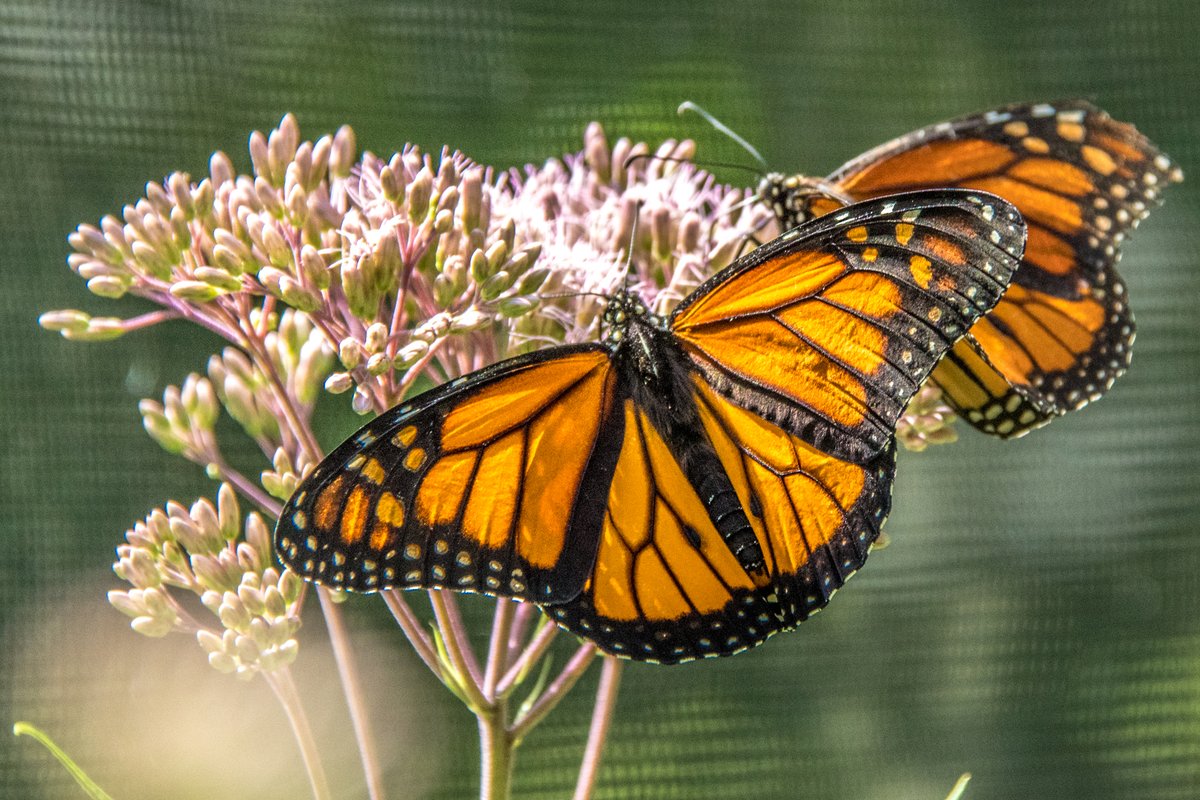
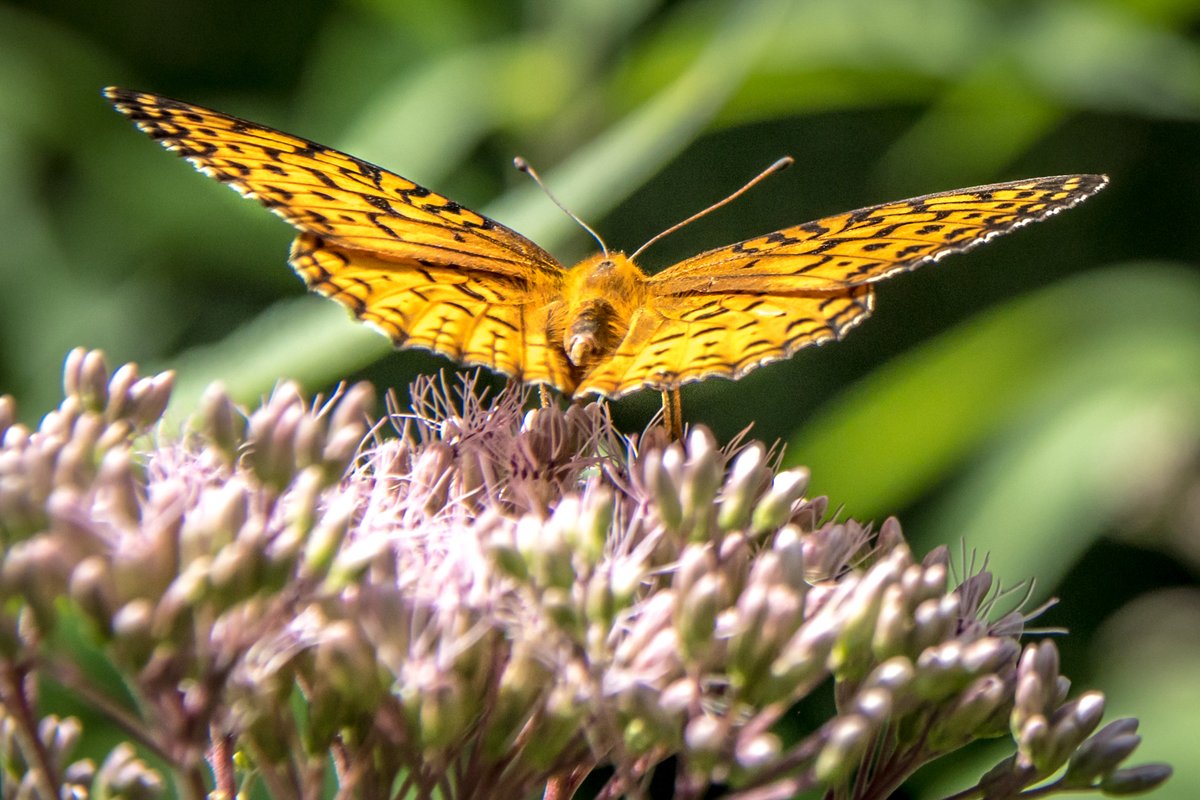
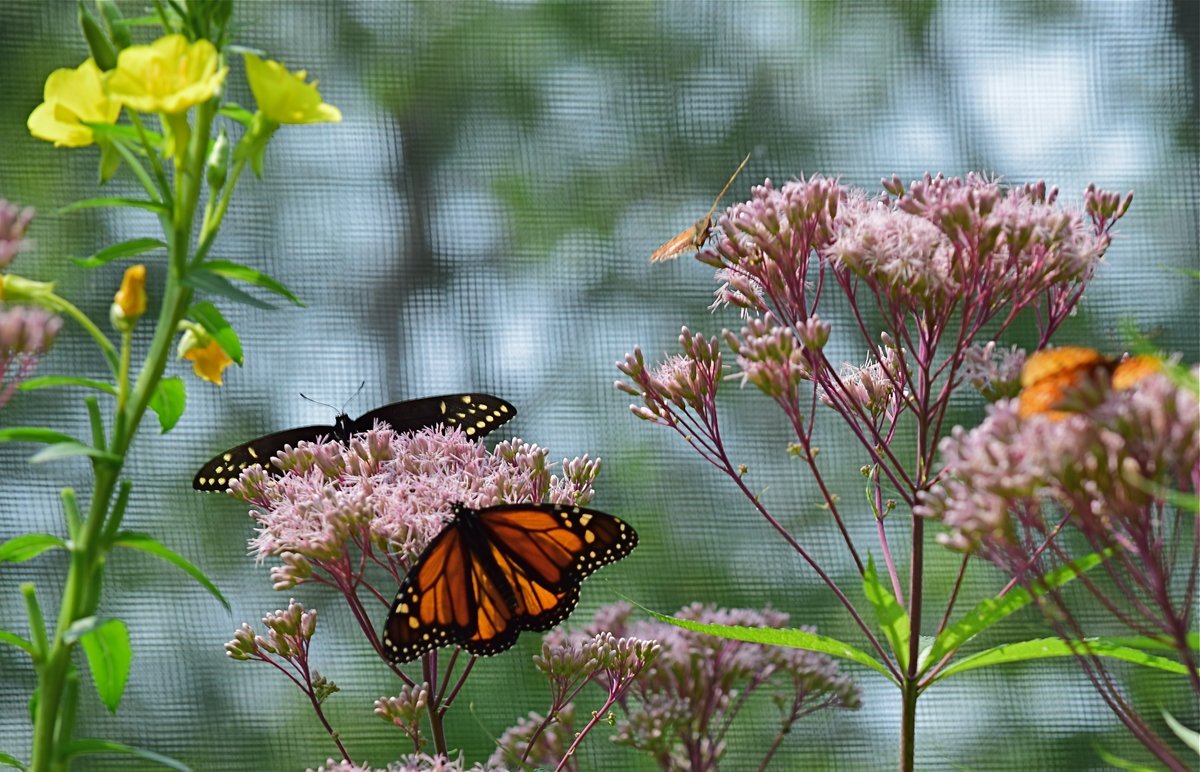
Check for blooming joe-pye on your walks, it attracts several kinds of butterflies!
1
21 Jul 2020
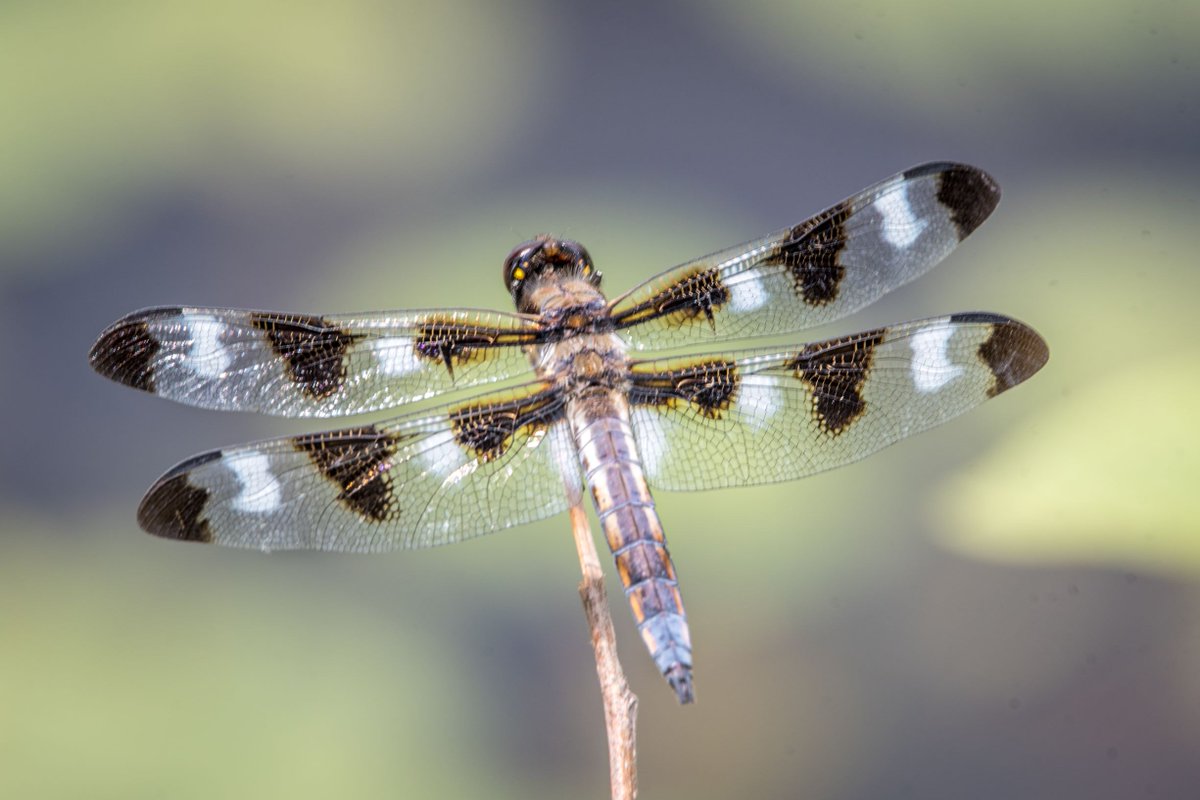
Both dragonflies and damselflies are beneficial insects, eating pests like mosquitoes. This Twelve-spotted Skimmer will land with their wings out to the side while damselflies will hold their wings together above their back. (photo credit Ruth Forsgren)
20 Jul 2020
Hey, did you know Beaver Creek Reserve has a YouTube channel? And we have two weekly series going right now? Sounds like a great time to check out Trailside Treasures with Ruth and Butterfly House Tours with Megan!
youtube.com/channel/UCv5PN4I…
19 Jul 2020
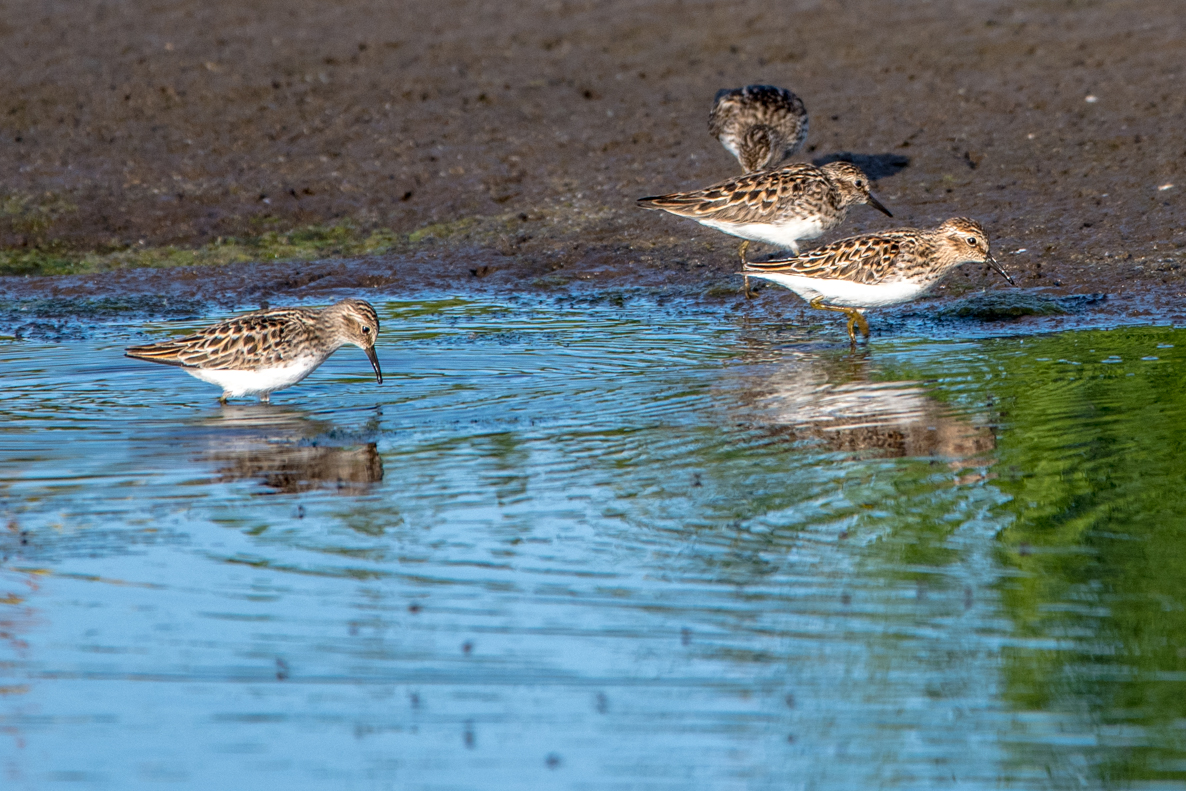
It's hard to believe it, but by mid-July some migrating birds begin returning to their wintering grounds. Birds like these Least Sandpipers nest in the far northern boreal forest up to the tundra and winter in the southern United States and Central America. (photo Ruth Forsgren)
1
15 Jul 2020
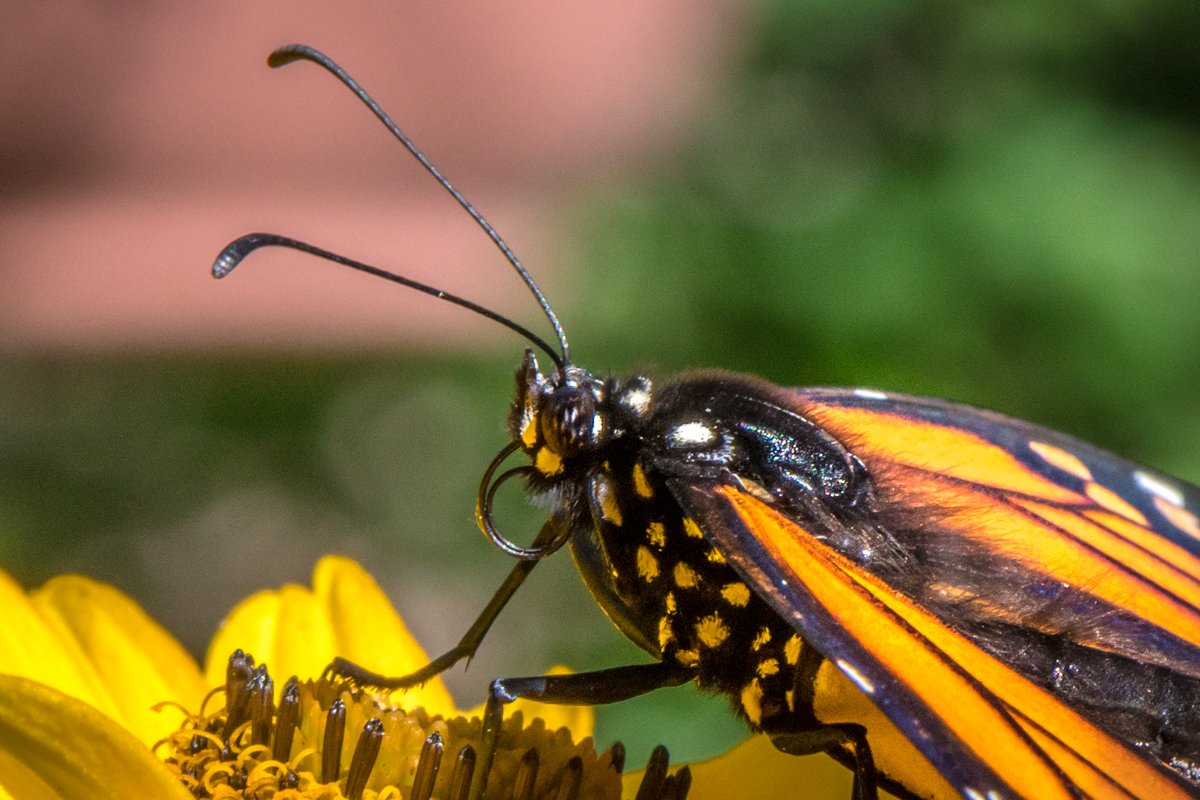
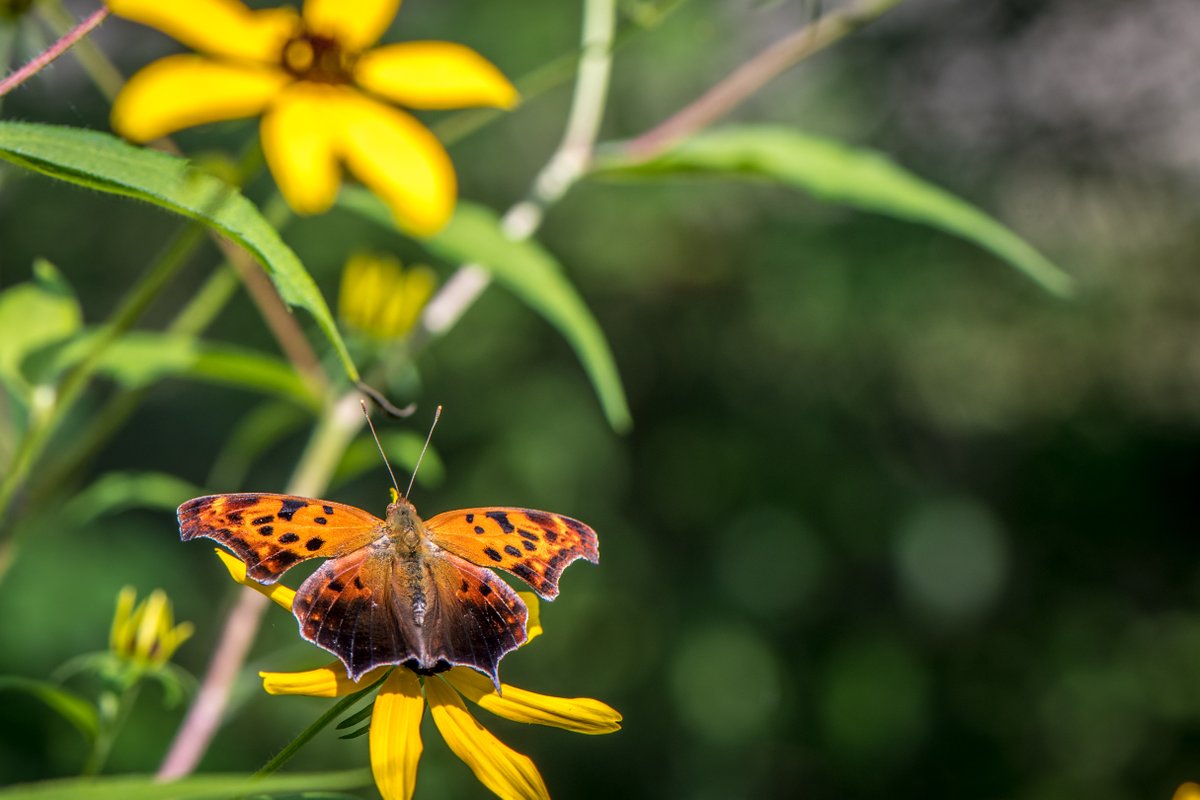
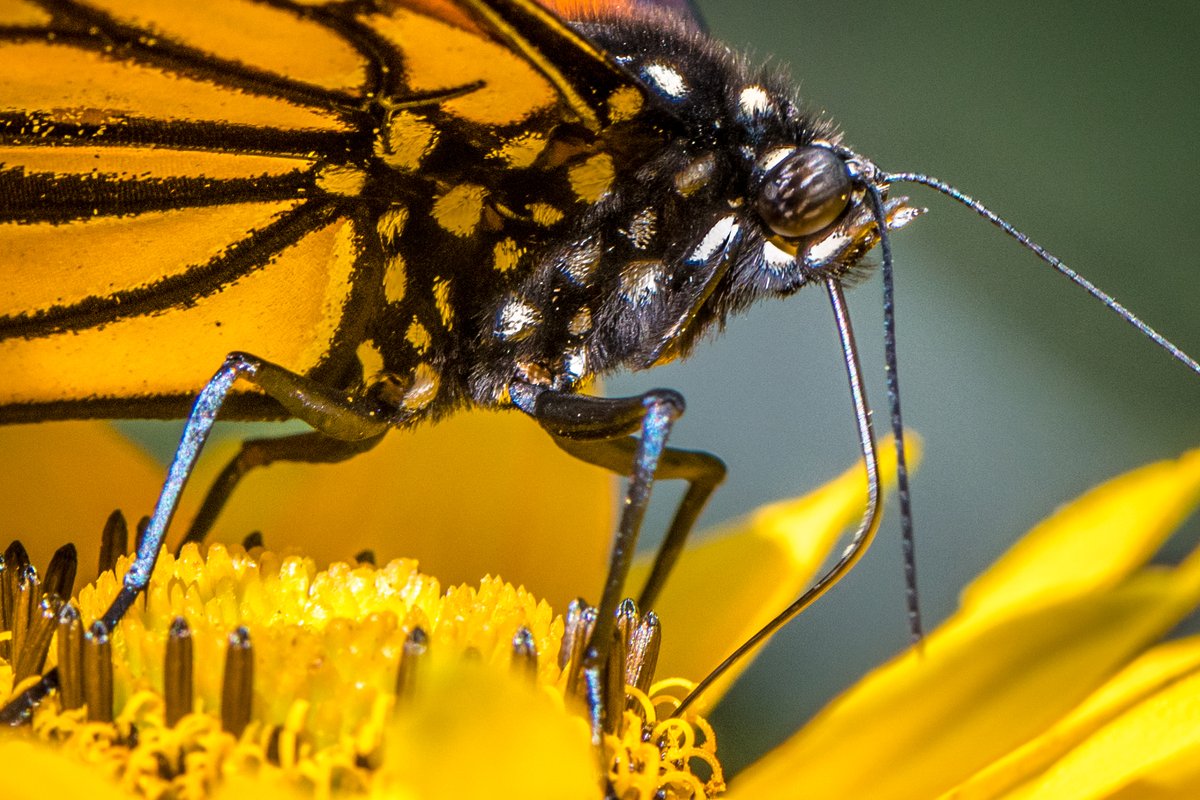
Butterflies don't have mouths but a proboscis that when not in use is curled up. When they eat nectar it unrolls and is dipped into the flower. The proboscis doesn't work like a drinking straw but more like a paper towel absorbing the nectar into its cells. (photos Ruth Forsgren)
2
30 Jun 2020
Did you know our Butterfly House opens for the season in just five days? If you didn't, now you do! See you on July 5th!
27 Jun 2020
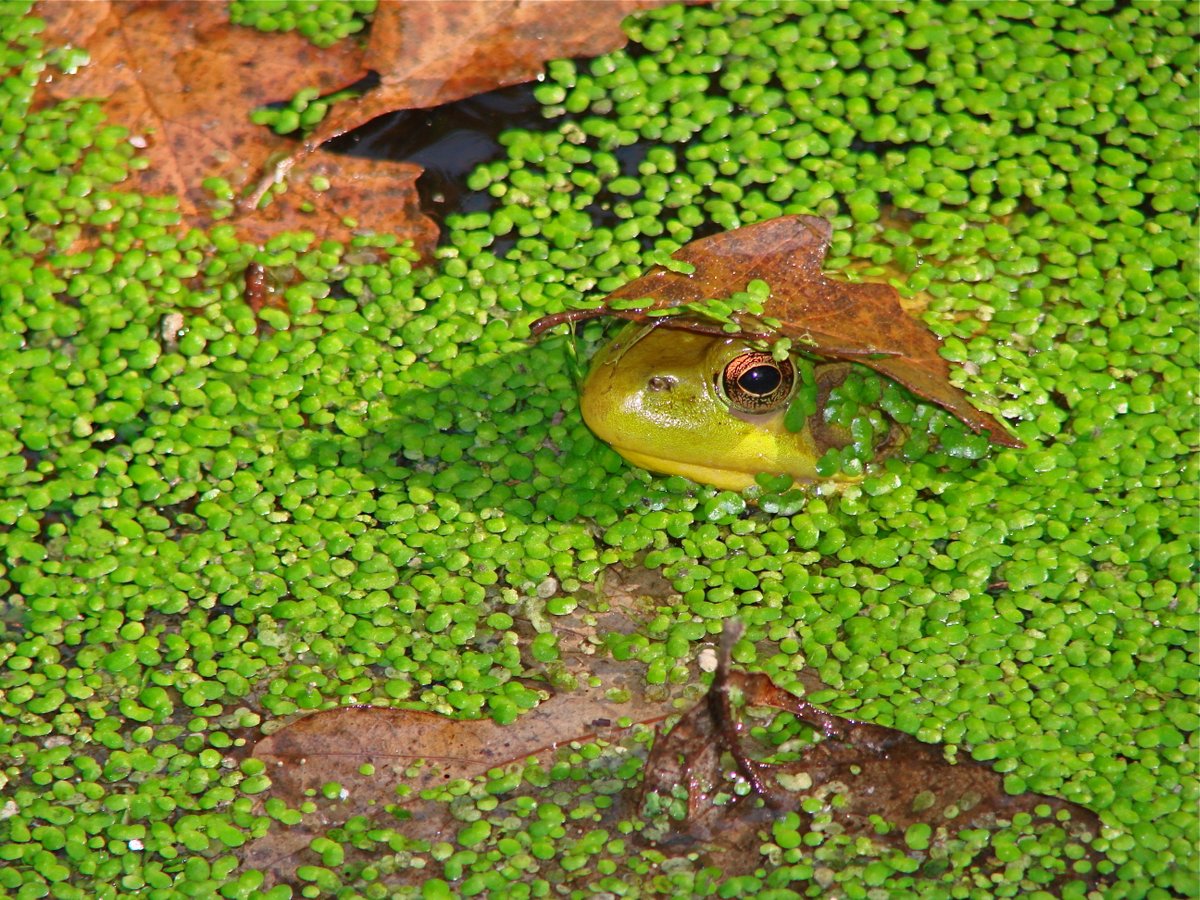
Listen for the plucking of a banjo string when you're out, you might just hear a Green Frog calling out.
26 Jun 2020
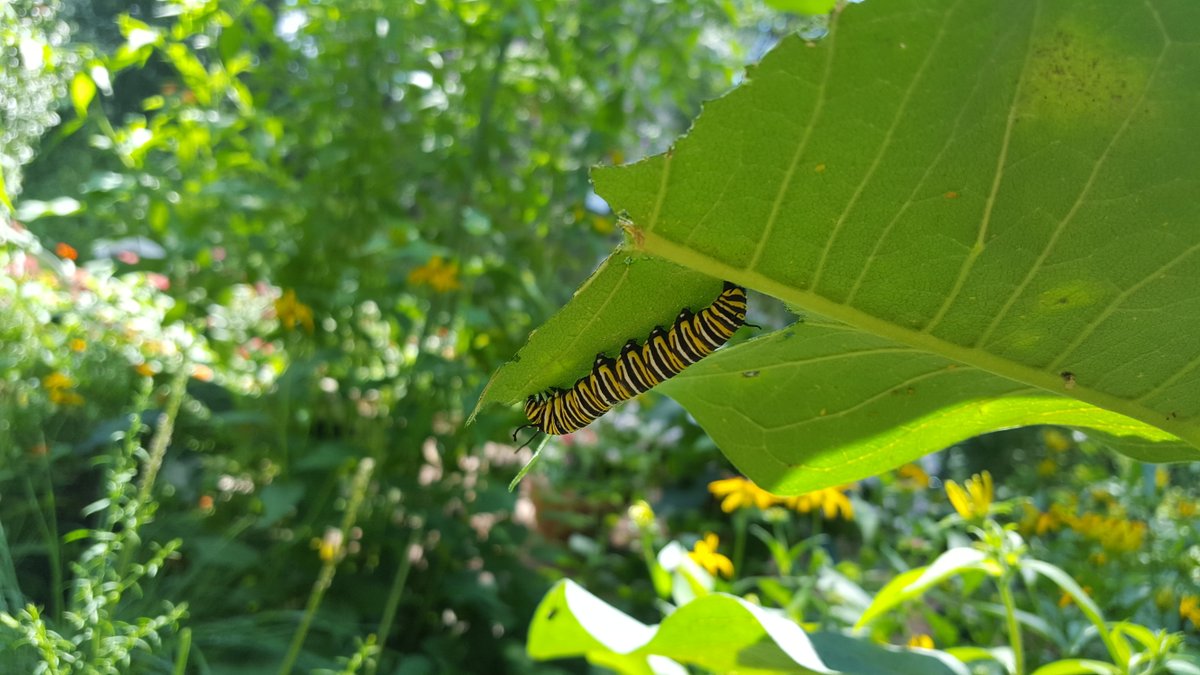
Don't forget to check your milkweed, you'll probably find some Monarch caterpillars enjoying their host plant before chrysalis.
1
23 Jun 2020
Did you know that we stream our bird feeders at the Wise Nature Center 24/7? Take a look! youtube.com/watch?v=KJvjaIpe…
23 Jun 2020
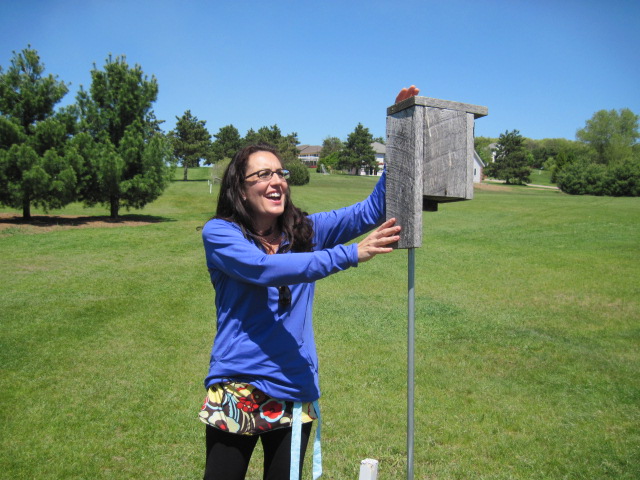
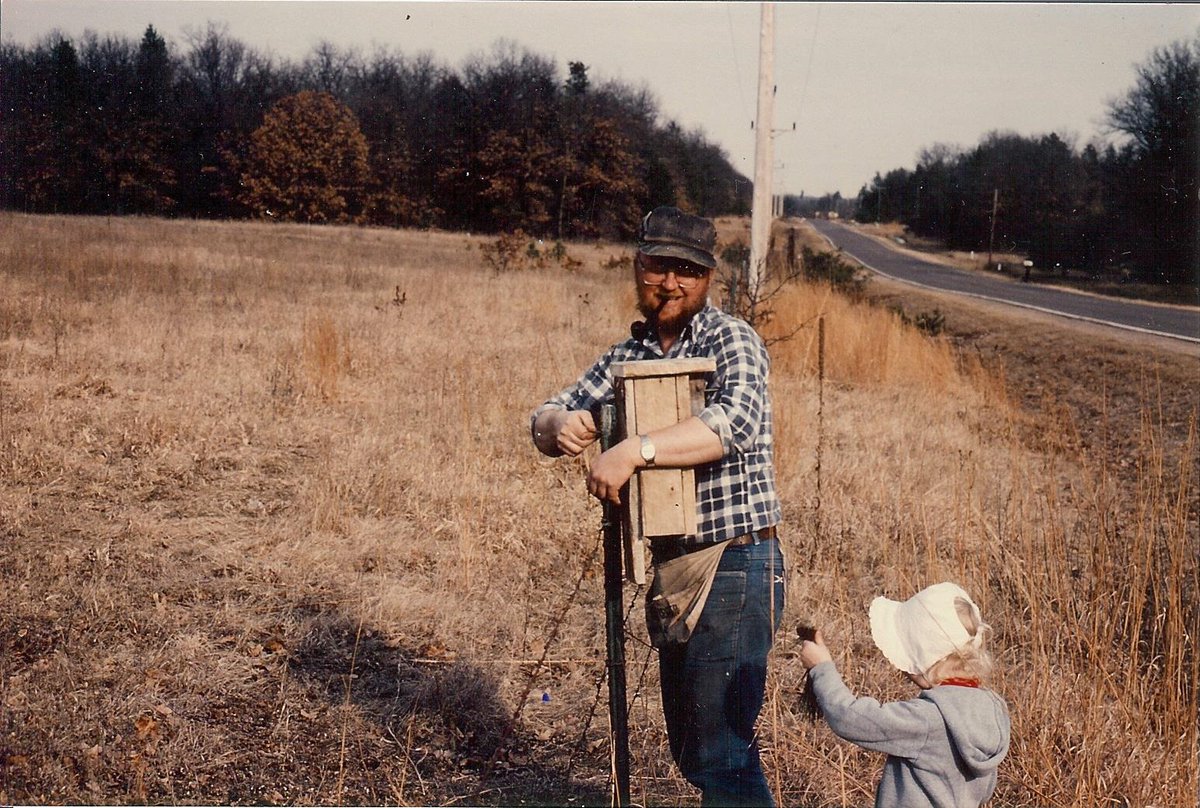
Spring cleaning isn't just for your house, don't forget to check and clean out your Bluebird boxes too!
21 Jun 2020
Nature is full of great fathers, don't forget to thank yours today! Happy Father's Day from you friends at Beaver Creek Reserve!
1
20 Jun 2020
Today is the summer solstice, the first official day of summer! Make sure to get out and enjoy the longest day of the year!
2
20 Jun 2020
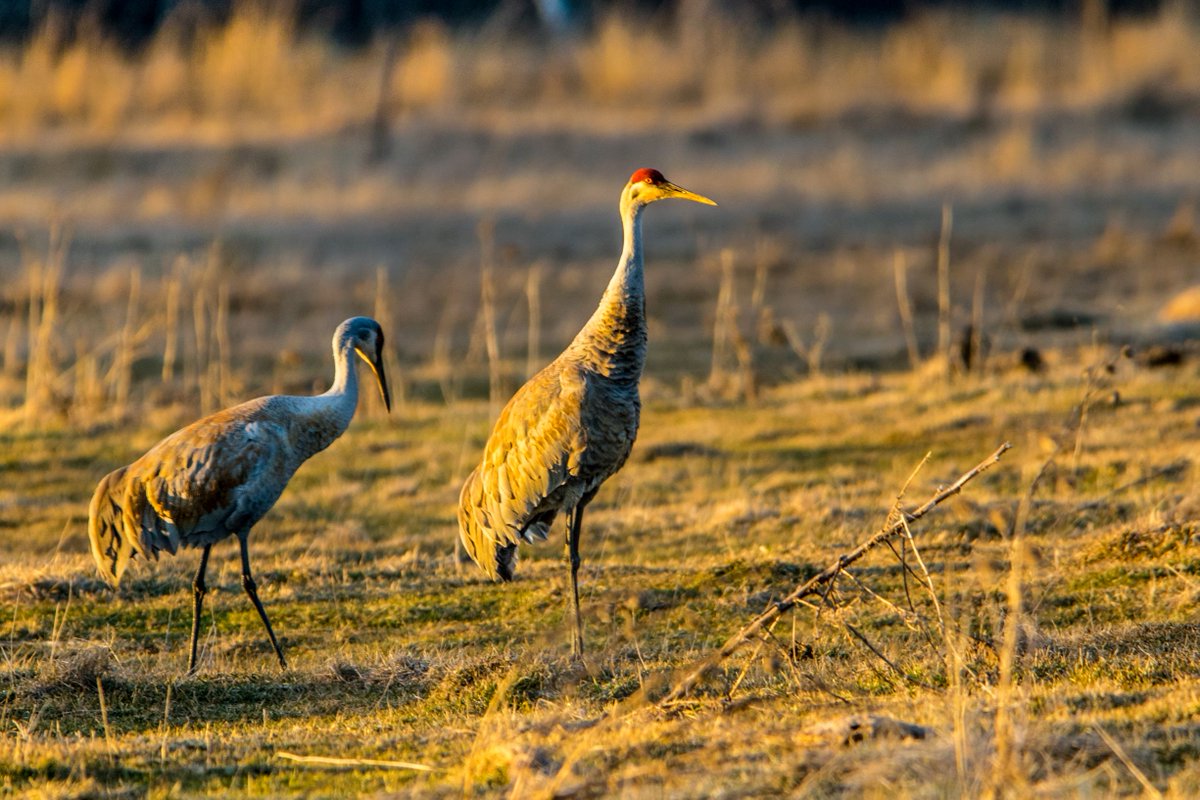
Watch for little, fuzzy Sandhill Crane colts walking between parents!
2