
Travel and event marketer with an appetite for disruption. What separates the innovators from everyone else is the courage to act and learn fast from setbacks.
Joined January 2009
- Tweets 2,835
- Following 104
- Followers 1,405
- Likes 2,190
110 Photos and videos


Feb 23
Thank-you to @AmericanAir LHR check-in crew member Aisha for her incredible service today. She delivered a high standard of customer care.
1
1
616
Feb 23
Big shout-out to @British_Airways crew member Brad on today’s BA349 for the great inflight service and the advice on navigating our connection at LHR.
3
3
5,135
19 Dec 2025
Big holiday thank-you to @AmericanAir YVR station crew who checked us in at the very last second from a late connection to AA1415 on Monday.
1
1
633
9 Jun 2024
BIG shoutout to @AmericanAir check-in agent crew at @yvrairport who cleared up a documentation issue with poorly trained security person. Walked down in person to straighten out security person. They totally got you covered. Thank-you.
6
3
135
17 Dec 2023
Truer words were never said.
17 Dec 2023

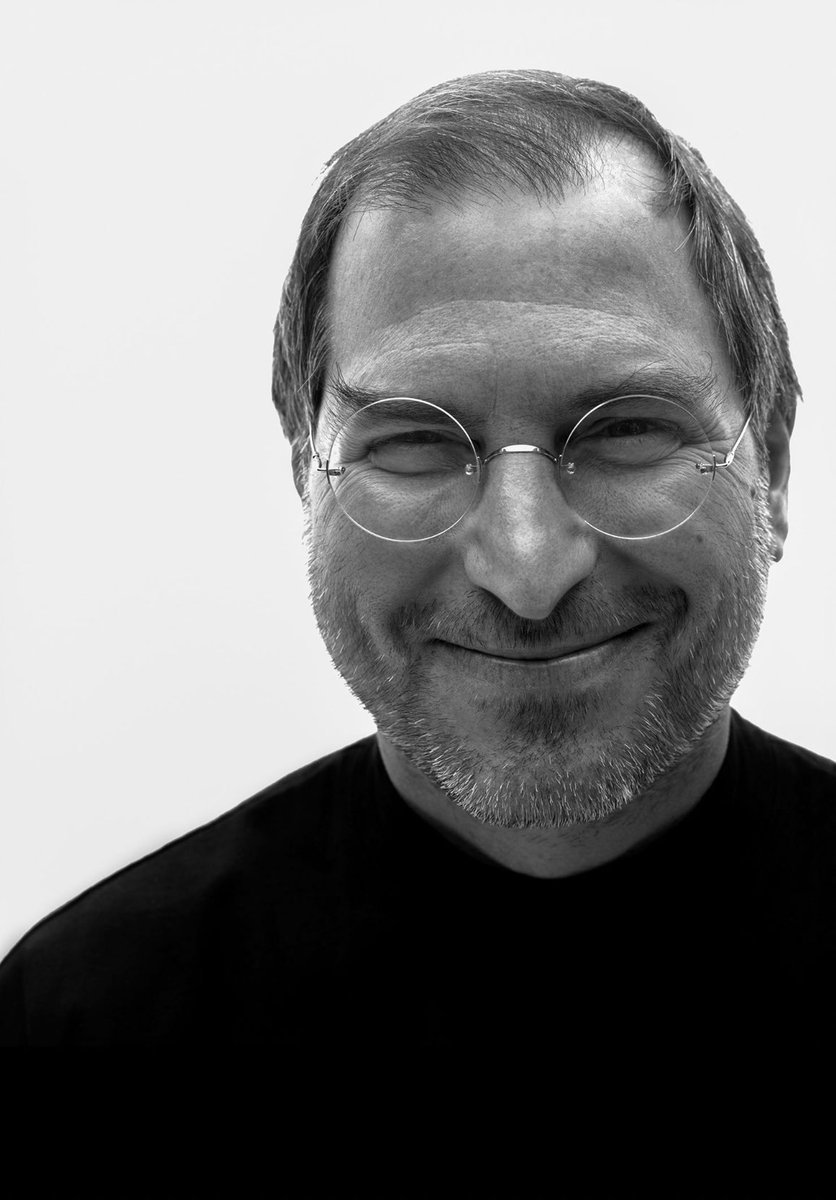
Steve Jobs on avoiding “the bozo explosion”
(companies fill up with second-rate talent as they grow)
"For most things in life, the range between best and average is 30% or so.
The best airplane flight, the best meal, they may be 30% better than your average one.
What I saw with Woz was somebody who was fifty times better than the average engineer.
He could have meetings in his head.
The Mac team was an attempt to build a whole team like that, A players.
People said they wouldn't get along, they'd hate working with each other.
But I realized that *A players like to work with A players, they just didn't like working with C players.*
At Pixar, it was a whole company of A players. When I got back to Apple, that's what I decided to try to do.
You need to have a collaborative hiring process.
When we hire someone, even if they're going to be in marketing, I will have them talk to the design folks and the engineers.
My role model was J. Robert Oppenheimer. I read about the type of people he sought for the atom bomb project.
I wasn't nearly as good as he was, but that's what I aspired to do."
3
94
Bruce MacMillan retweeted

27 Nov 2023
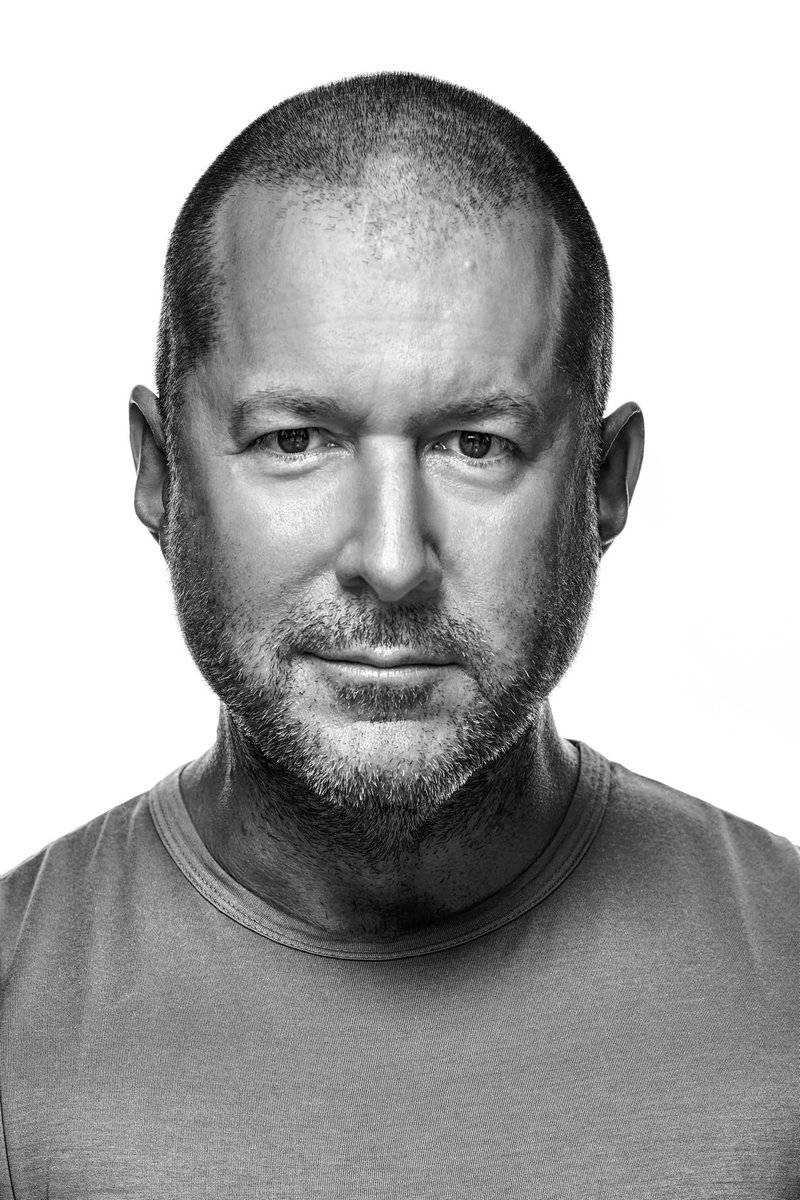
Jony Ive on what Steve Jobs taught him about focus:
“This sounds really simplistic but it still shocks me how few people actually practice this.
It’s a struggle to practice this.
Steve was the most remarkably focused person I ever met in my life.
Focus is not something you aspire to.
You don’t decide on Monday “I’m going to be focused.”
It’s an every minute “Why are we talking about that?”
*This* is what we are working on.
You can achieve so much when you truly focus.
One of the things Steve would say [to me] because he was worried I wasn’t focused — he would say how many things have you said no to?
I would tell him I said no to this. And I said no to that.
But he knew I wasn’t interested in doing those things.
There was no *sacrifice* in saying no.
What focus means is saying no to something that with every bone in your body you think is a phenomenal idea, you wake up thinking about it, but you say no to it because you are focusing on something else.”
You can achieve so much when you truly focus.
107
1,037
7,400
3,466,885
Bruce MacMillan retweeted

2 Oct 2023
The GODFATHER of Advertising:
David Ogilvy.
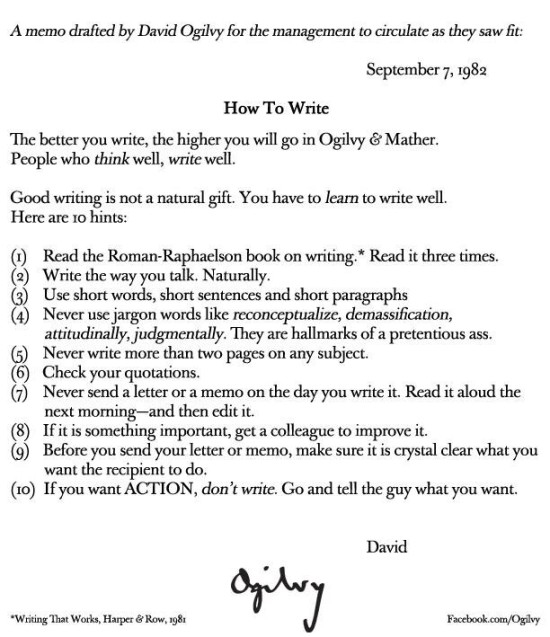
Back in 1982, David wrote an internal memo to the employees of his advertising agency titled "How to write."
And in just 10 bullets he put together a masterclass in effective writing.
Here's a breakdown of each one
—
The memo starts with a clear *why*
"The better you write, the higher you will go in Ogilvy & Mather.
People who think well, write well.
Good writing is not a natural gift. You have to learn to write well."
Replace "Ogilvy & Mather" with any company and this holds true.
Now, onto the bullets.
1. Read the Roman-Raphelson book on writing. Read it three times.
Every company on Earth would be a better place if this book was required reading before email permissions were given.
If you are still sending emails with Walls of Text, order this.
2. Write the way you talk. Naturally.
"Finding your writing voice" is a waste of time.
You already have your voice - the one you use every day.
How to start using it in your writing?
• Choose a topic
• Record yourself talking about it
Then, transcribe it and start there.
3. Use short words, short sentences, and short paragraphs.
This one takes practice.
But the easiest way to find when you're being too wordy?
Read everything aloud before you publish it.
When you find yourself getting caught up, it's a sign you need to simplify.
4. Never use jargon words like "reconceptualizes, demassification, attitudinally, judgementally."
Here's how to think about jargon;
When you see someone using it, they're hiding their lack of understanding.
An easy solution: pretend you are writing to an 8th grader.
5. Never write more than two pages on any subject.
99% of books should be blog posts. And 99% of blog posts should be tweets.
I would preface this by saying: never *publish* more than two pages on any subject.
If it can't fit in two pages, it should be simpler.
6. Check your quotations.
This one is simple enough. Misquotes are unforced errors.
7. Never send a letter or memo on the day you write it. Read it aloud the next morning, then edit it.
This is the number one piece of writing advice I can give people.
If you are publishing something important, always, always, give it room to breathe.
And always read it aloud.
8. If it is important, get a colleague to improve it.
This pairs nicely with point number 7. If it's something really important, write it, give it a day, edit it, and then send it to a colleague.
9. Before you send your letter or memo, make sure it is crystal clear what you want the recipient to do.
So simple, but easy to forget.
Put yourself in the reader's shoes and identify exactly the next step they should take after reading.
Then, articulate those steps for them.
10. If you want ACTION, don't write. Go and tell the guy what you want.
Last and most importantly, writing is never a replacement for a targeted conversation.
In fact, most emails and messages should be direct conversations, especially ones that require action.
To summarize these 10 points:
• Never use jargon
• Use shorter words
• Write how you talk
• Check your quotations
• Read "Writing That Works"
• Give your writing time to breathe
• Get edits on important messages
• Never write more than two pages
Staple these on your desktop.
--
Boom—that's it.
Which tip was your favorite?
Hit reply and leave a comment to let me know!
And if you found this post helpful, could you like, bookmark, and share it so others can find it as well? I appreciate it!
--
PS...
If you're looking to start writing online, check the first link in the replies to this tweet for a free 13,000-word Ultimate Guide with everything you need to get started.
64
553
3,330
754,899
14 Aug 2023
Future of tourism: Bridging the labor gap; enhancing customer experience mck.co/43XRTYZ via @McKinsey
Sent from McKinsey Insights, available in App Store: itunes.apple.com/us/app/mcki… and Play Store: play.google.com/store/apps/d…
1
55
18 Jun 2023
via @nytopinion It’s time for a moment of humility before we create our own Greek tragedy. @NickKristof nytimes.com/2023/06/17/opini…
38
29 May 2023
These guys are good!
29 May 2023

Winterstellar Studios is an animation studio specializing in stylized 3D animation.
View our portfolio site: winterstellarstudios.com/
1
64
Bruce MacMillan retweeted

23 May 2023
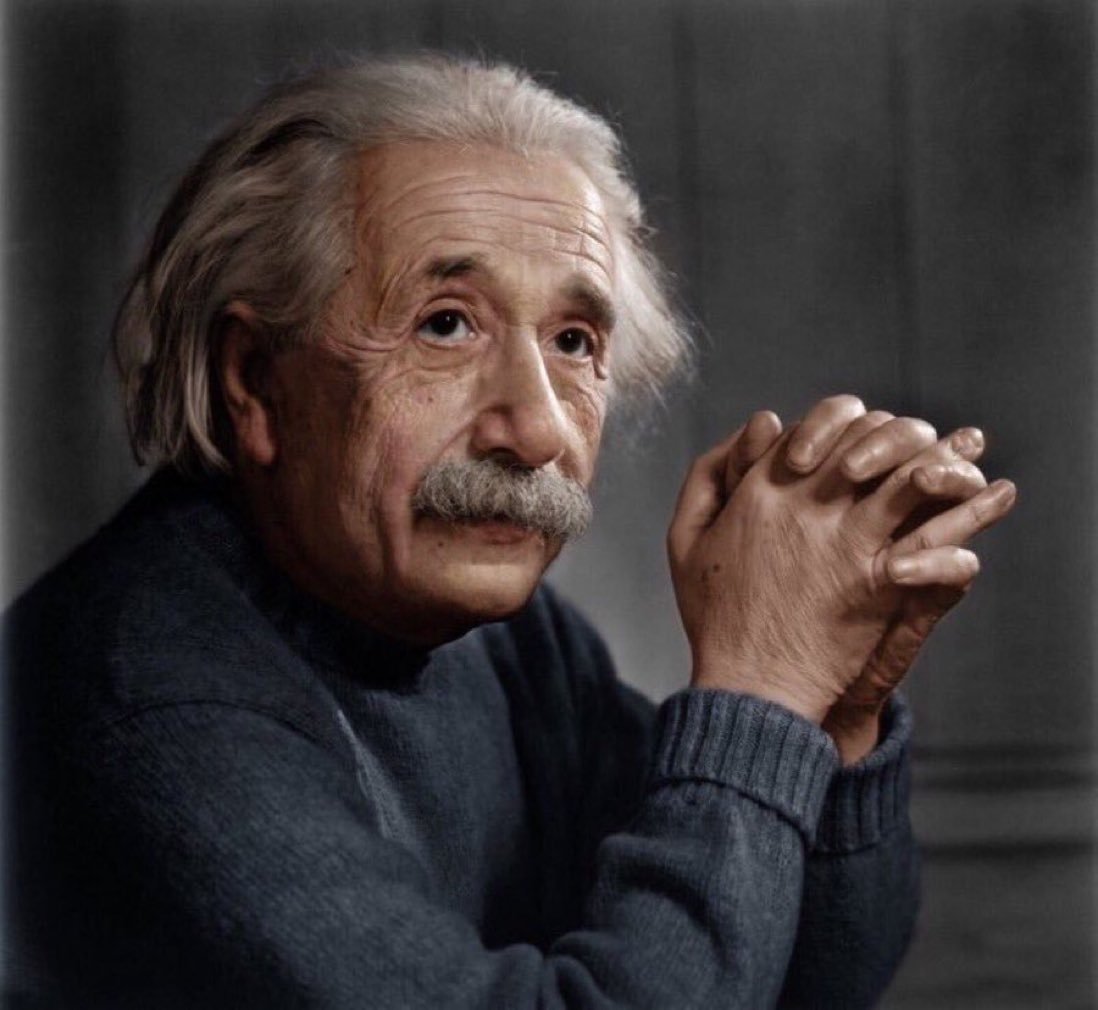
We cannot solve our problems with the same thinking we used when we created them.
—Albert Einstein
6
180
702
70,293

BREAKING NEWS from @IMEX_Group Frankfurt! AI is here. Today, PCMA unveils Project SPARK, an AI education and development initiative for the business events industry. Join the Project SPARK waiting list now to shape the future of events. pcma.co/3ID3Uv4 #PCMA #IMEX23
4
5
541
AI will change the way we work. We can fear it. We can ignore it. But we cannot run from it. We prefer to run towards it. At IMEX we'll share with you where we are going.
#IMEX23 #EventProfs #IMEXperience #IMEXcited #PCMA
5
10
590
20 May 2023
The #Texas film industry knows that the best story always wins when it comes to advocacy. #GoodforTexas Sorry #Oklahoma. youtu.be/CFBuaQkR0oU
2
1
89
17 May 2023
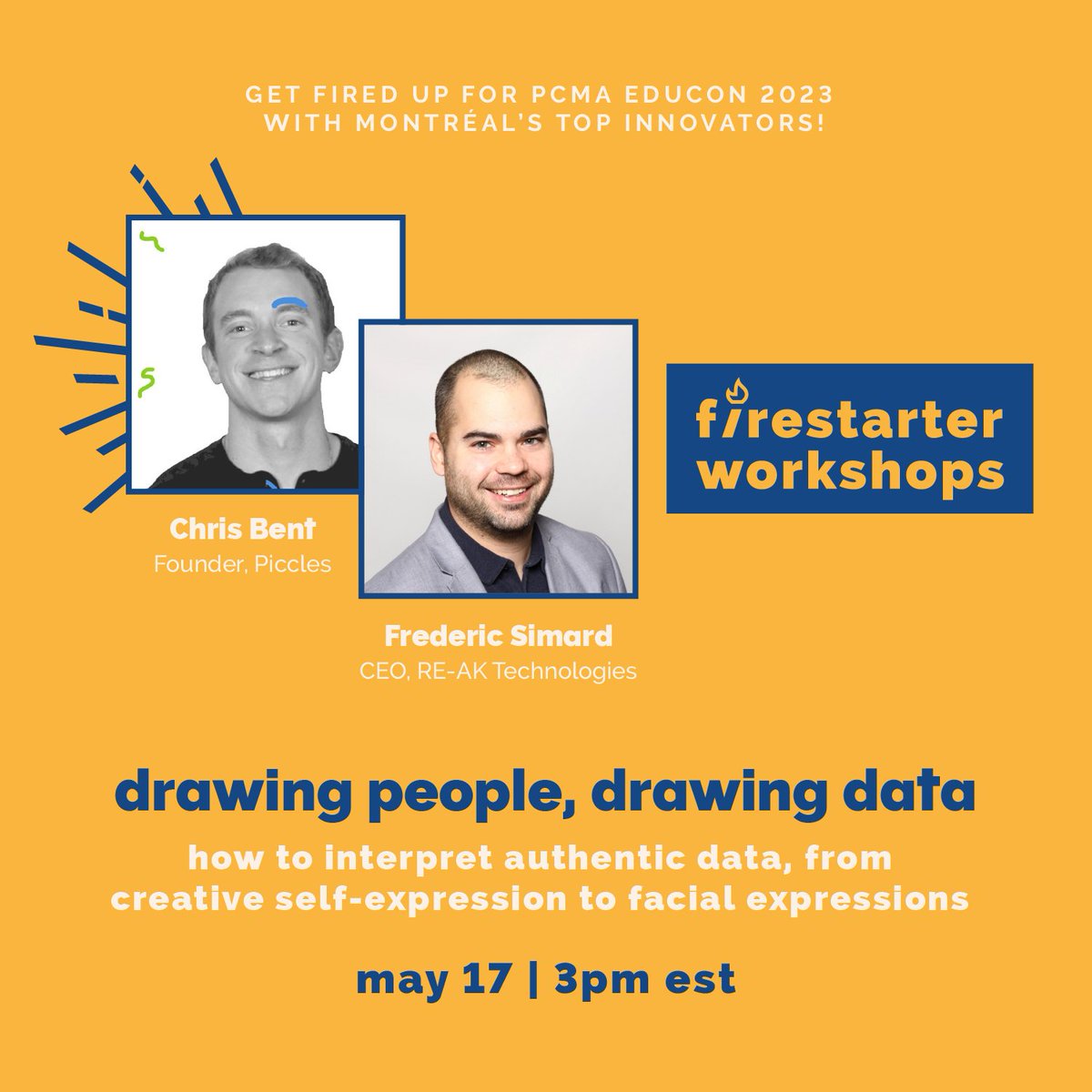
So this is happening today at 3ET/2CT. We're going to light you up with some cool and creative audience insights as we get closer to #PCMAEC pcmaeducon.org/schedule/fire…
1
1
149
9 May 2023
AI or not, the best story always wins.
8 May 2023

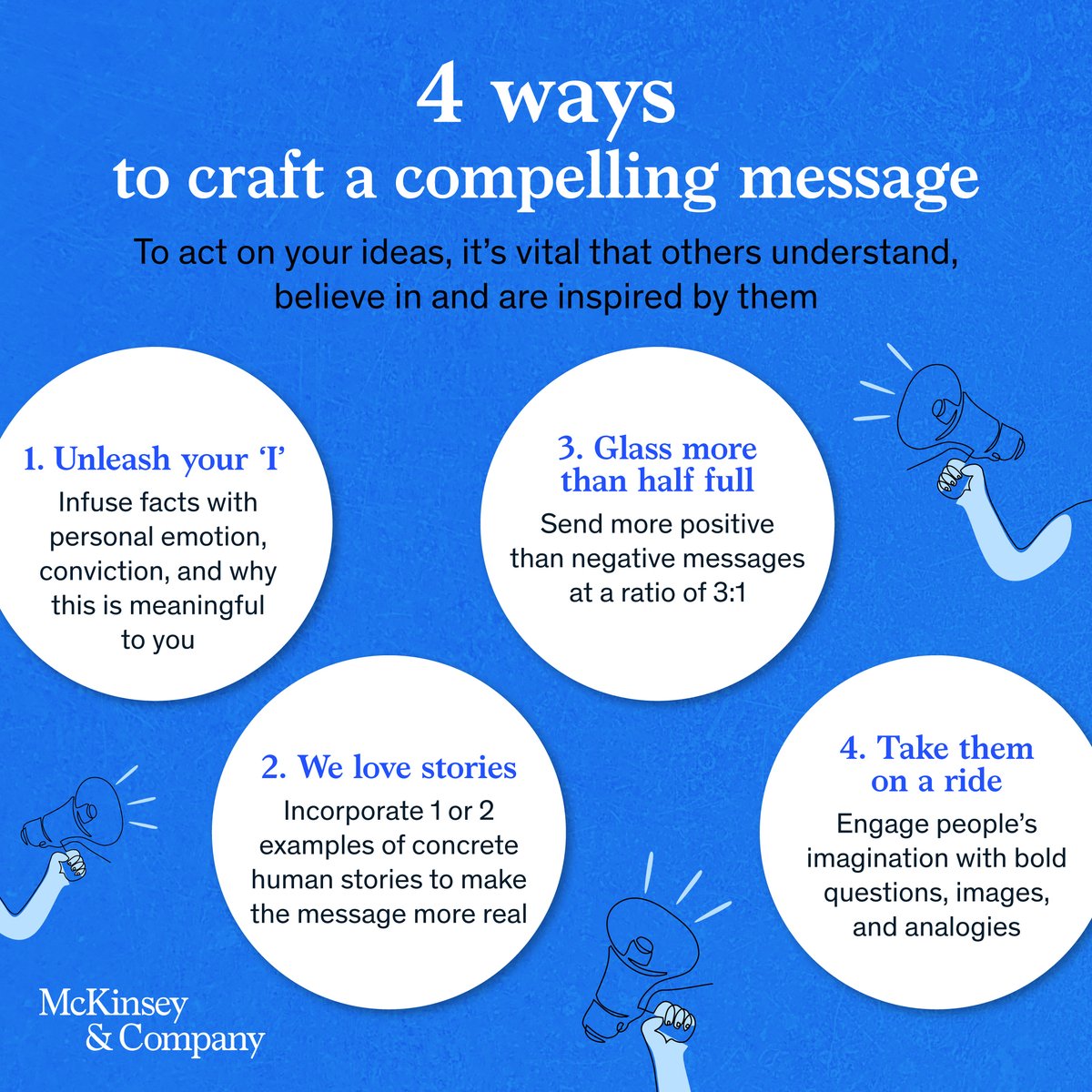
Being intentional when crafting your messages is vital 💎 Use these four tips to inspire your audience to take action - and supercharge your work⬇
64
Bruce MacMillan retweeted
30 Apr 2023
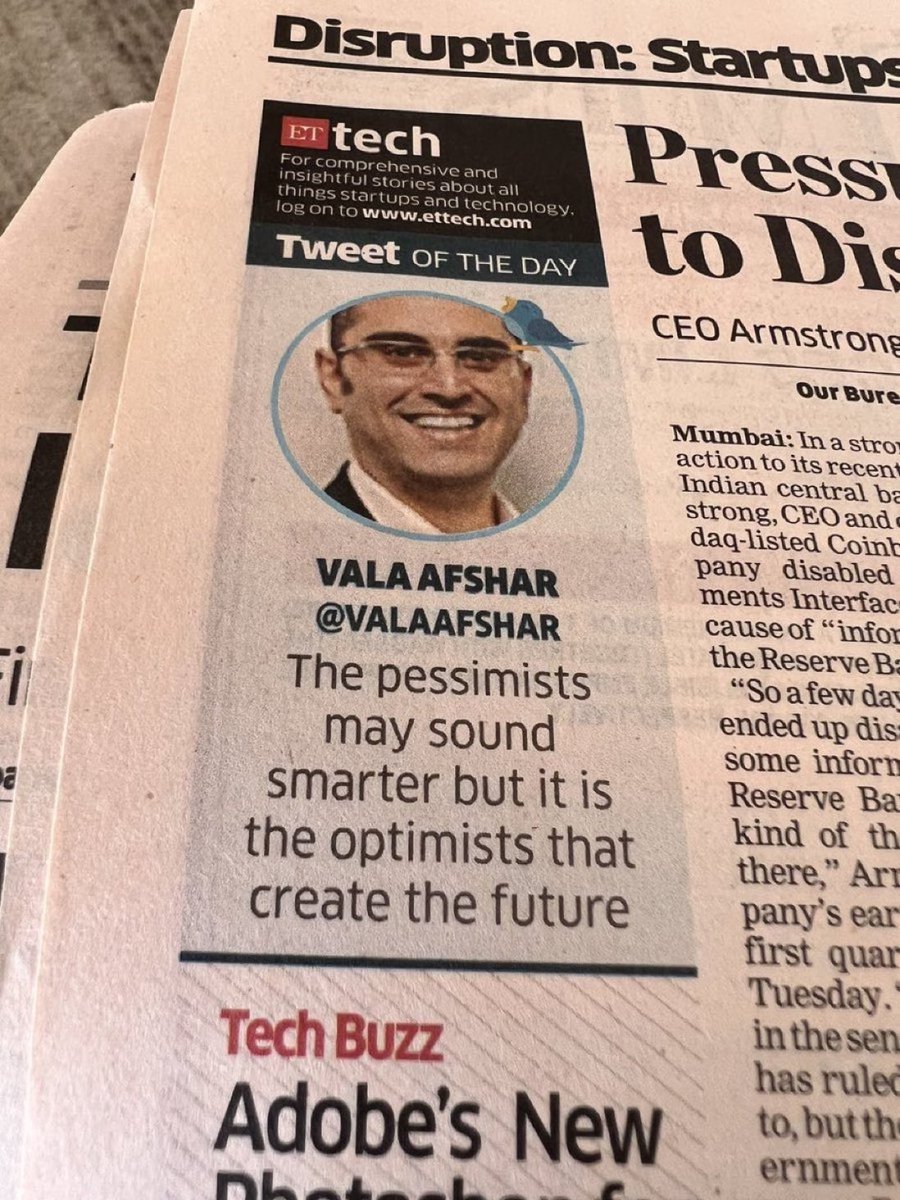
The pessimists may sound smarter, but it is the optimists that create the future.
31
254
1,874
194,712
Bruce MacMillan retweeted

15 Mar 2023
Disruptive technologies like #AI & #chatgpt4 cause employment instability for only short periods. The market crisply reorganizes itself around the innovation, and job growth increases from there. #nomercynomalice
profgalloway.com/luddites/
2
18
90
25,773
Exciting opportunity for seasoned industry leaders: PCMA has 10 open positions for the Nominating Committee. To view qualifications and apply: pcma.co/3ERNsoT
Deadline to submit applications: Friday, March 10, 2023 at 5:00 pm CST
#PCMA
3
3
382