Joined May 2022
- Tweets 10,718
- Following 880
- Followers 1,235
- Likes 35,159
2,337 Photos and videos















❤️ BMAotC 🐉🦉 retweeted

Jun 7
Take flight on a bold new adventure.
Spyro: A Realm Beyond, coming Spring 2027.
2,024
15,463
71,293
4,794,467
❤️ BMAotC 🐉🦉 retweeted

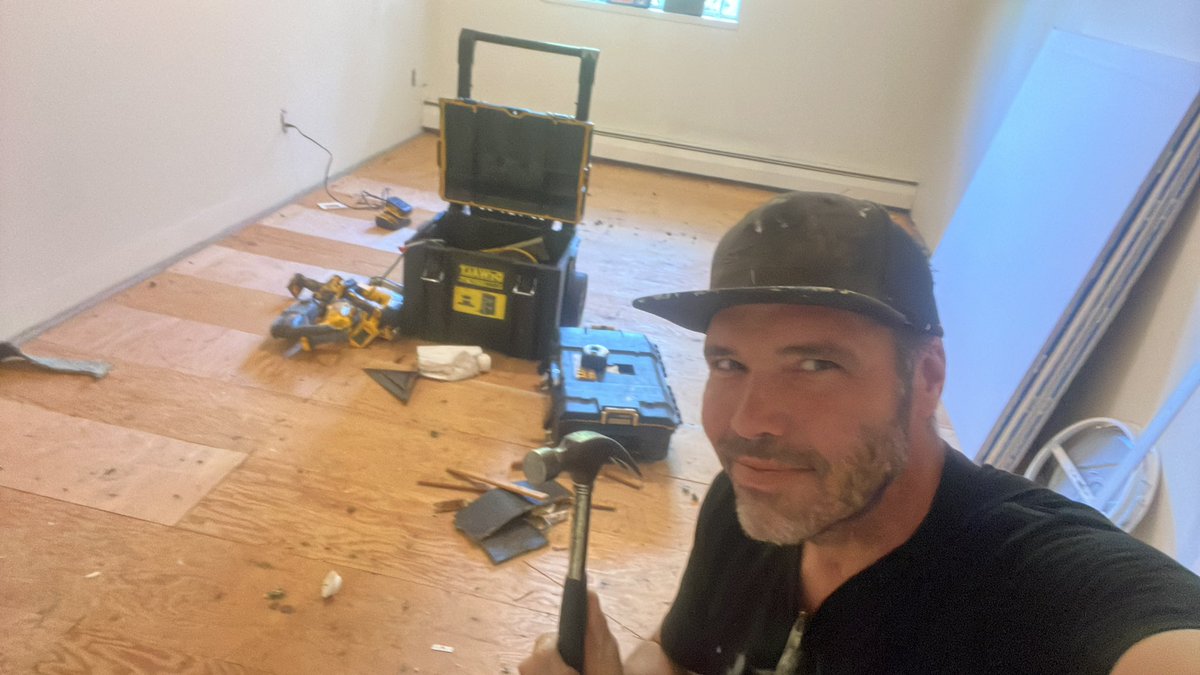
Day 250 loading.
Demoing out a condo unit today.
Nice change of pace, but may be a little louder than our typical quiet streams 😅
Live in 5 😎

Day 249 loading.
Happy Sunday to those who celebrate.
We keep working every single day 😎
Live in 5
1
1
6
226

May 31
Seems like the @crudeborne website has undergone some changes again🔥
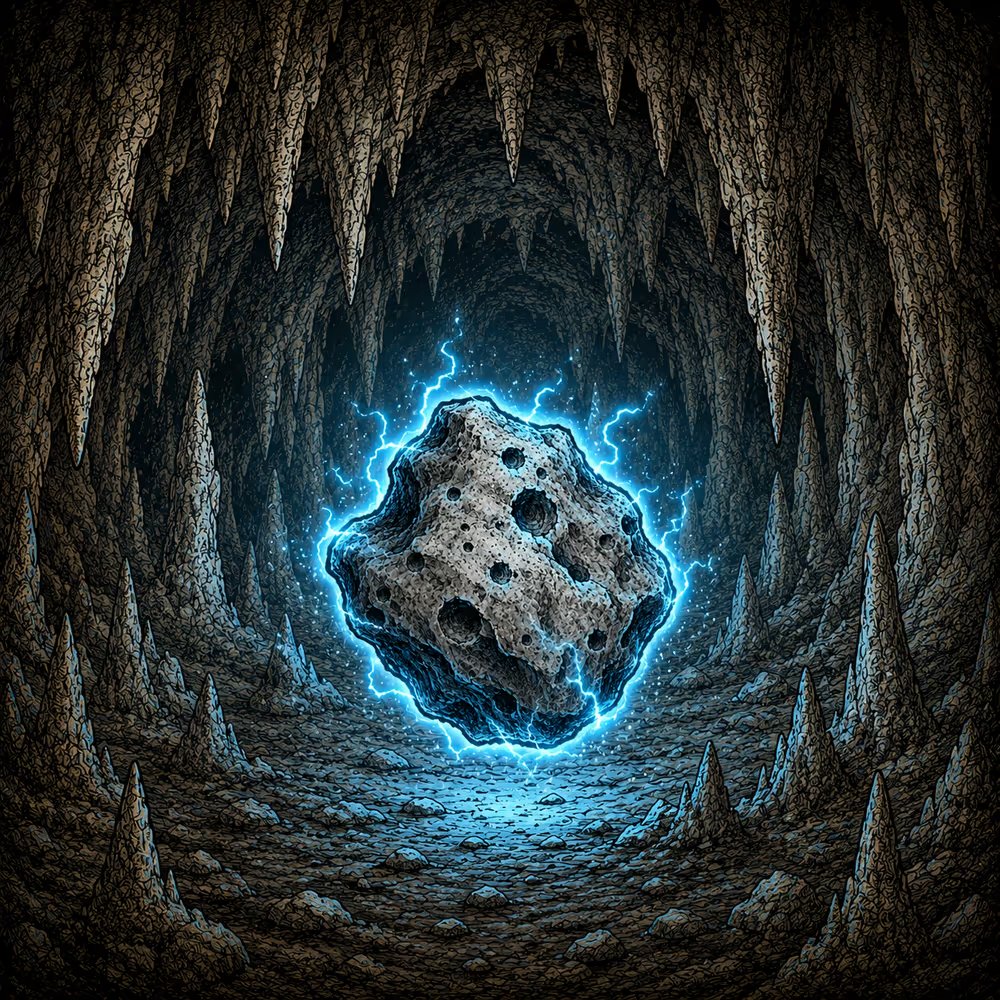
Managed to claim my Moon Roks👀🪨
Also saw a new icon at the bottom left, would highly recommend clicking it!🤫🔥

2
6
11
693
May 31
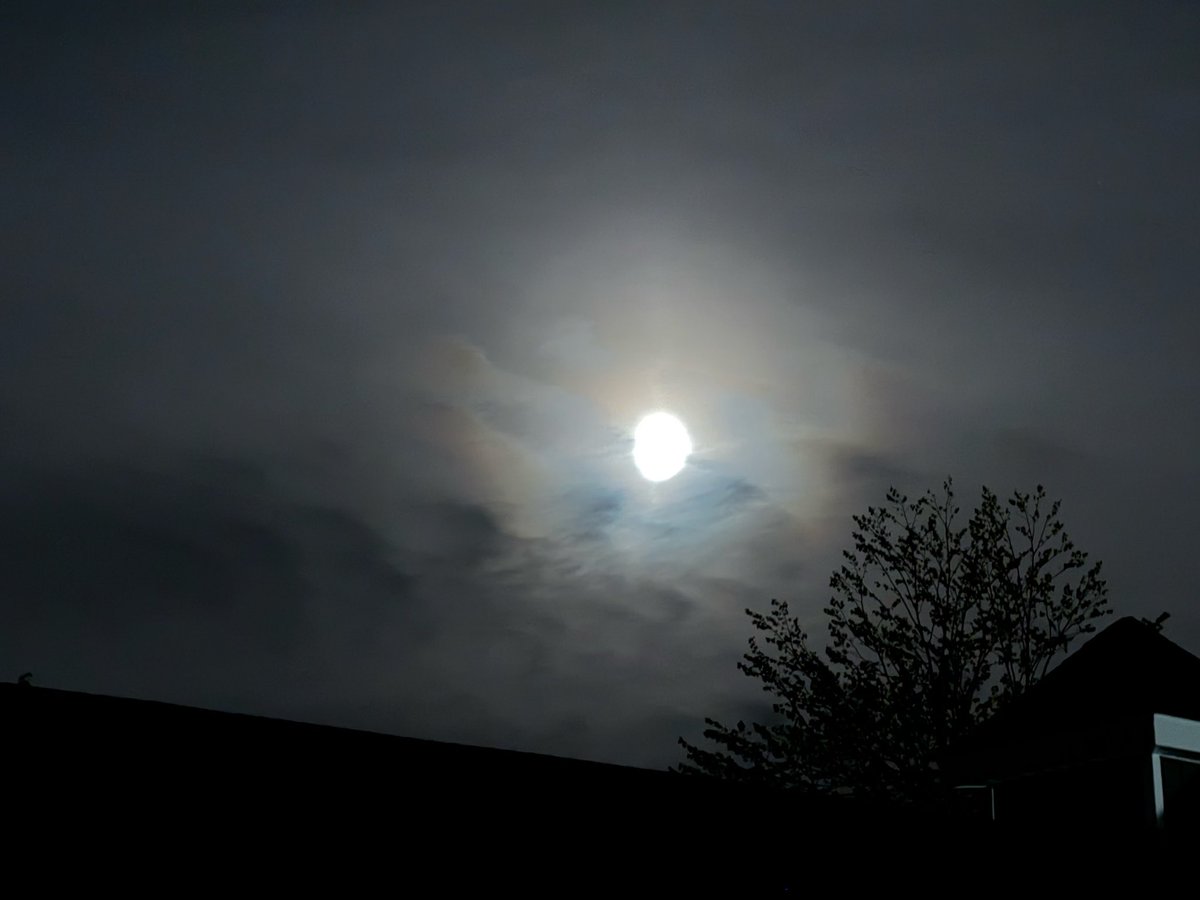
Under a R.O.K👁️

1
5
9
997
May 29
It's 36 degrees Celsius in the Netherlands at the moment
We're not built for this weather😭🤣
47
May 21
I wonder if @BetterBen33 could make this fit as an overlay on the @crudeborne map🥹
Could be nothing, but I can't get this outta my head🤣
May 8

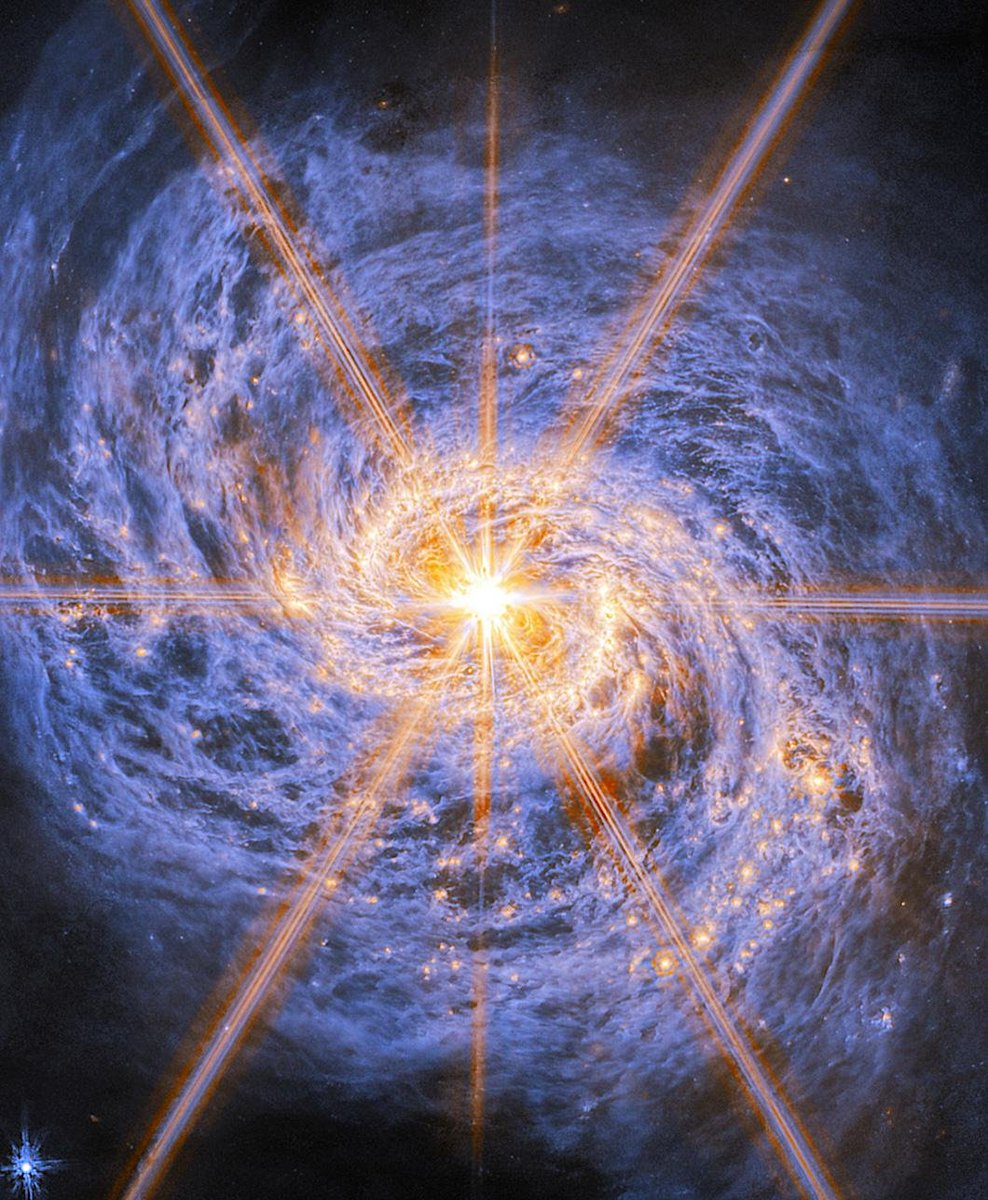
JWST new image shows the heart of galaxy M77
A spiral galaxy shown in mid-infrared light. The image is dominated by an extremely bright glow from the galaxy’s nucleus. Six large and two smaller rays of light emit from the centre, which are diffraction spikes created by the telescope’s optics.
The galaxy’s spiral arms are visible by two lines of glowing orange bubbles which whirl out into the disc. Swirling blue clouds of dust make up the rest of the galaxy.
Credit: ESA/Webb, NASA & CSA, A. Leroy
2
2
6
385
❤️ BMAotC 🐉🦉 retweeted

May 19

May 19
0x8a465b1ff25b4bd87589fed3db5af296fd355c10
1
1
1
96
❤️ BMAotC 🐉🦉 retweeted
May 19
💧 reply below with your 0x for a free mint drop
first reply gets 13 💀
8
5
6
278
May 16

82
May 16
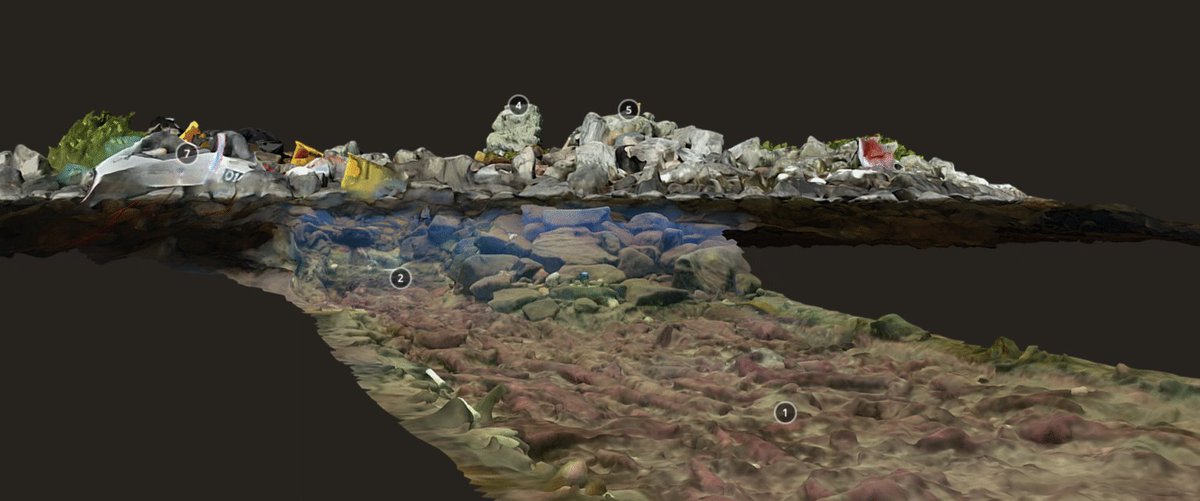
This article even has a 3d map you can scroll through
sciencealert.com/archaeologi…
May 16

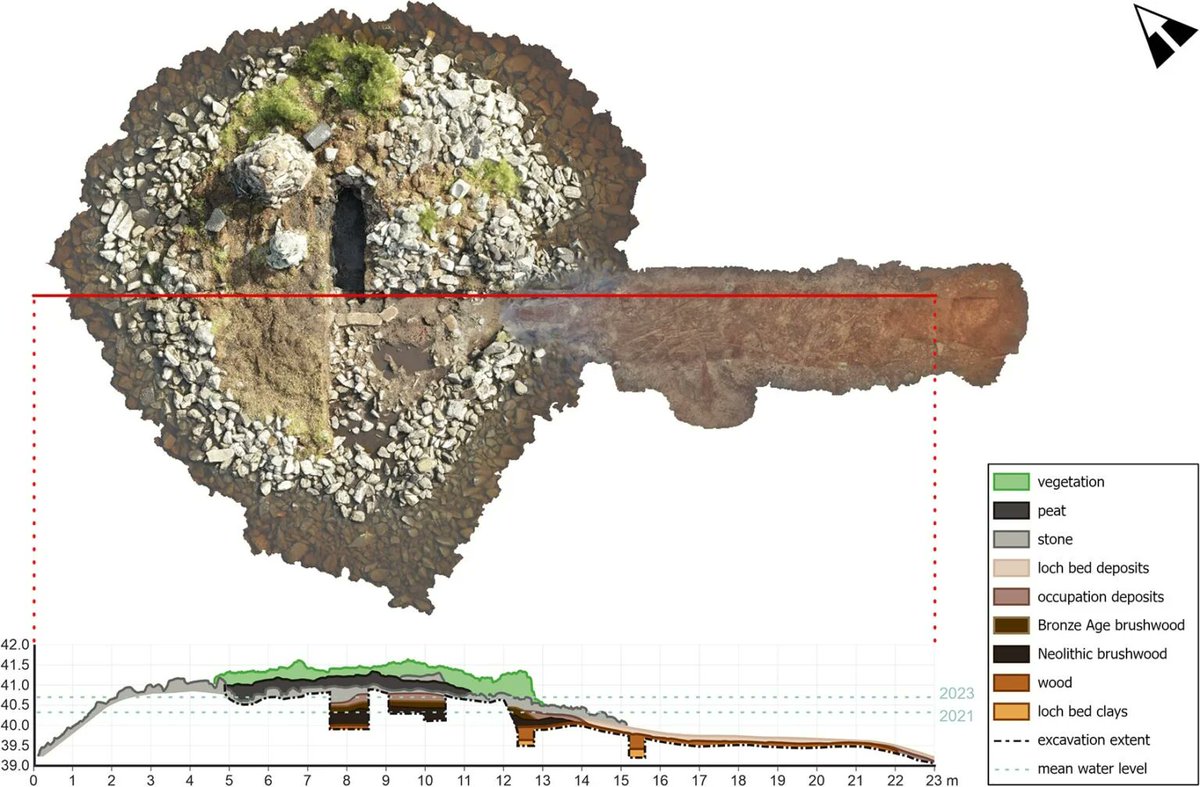
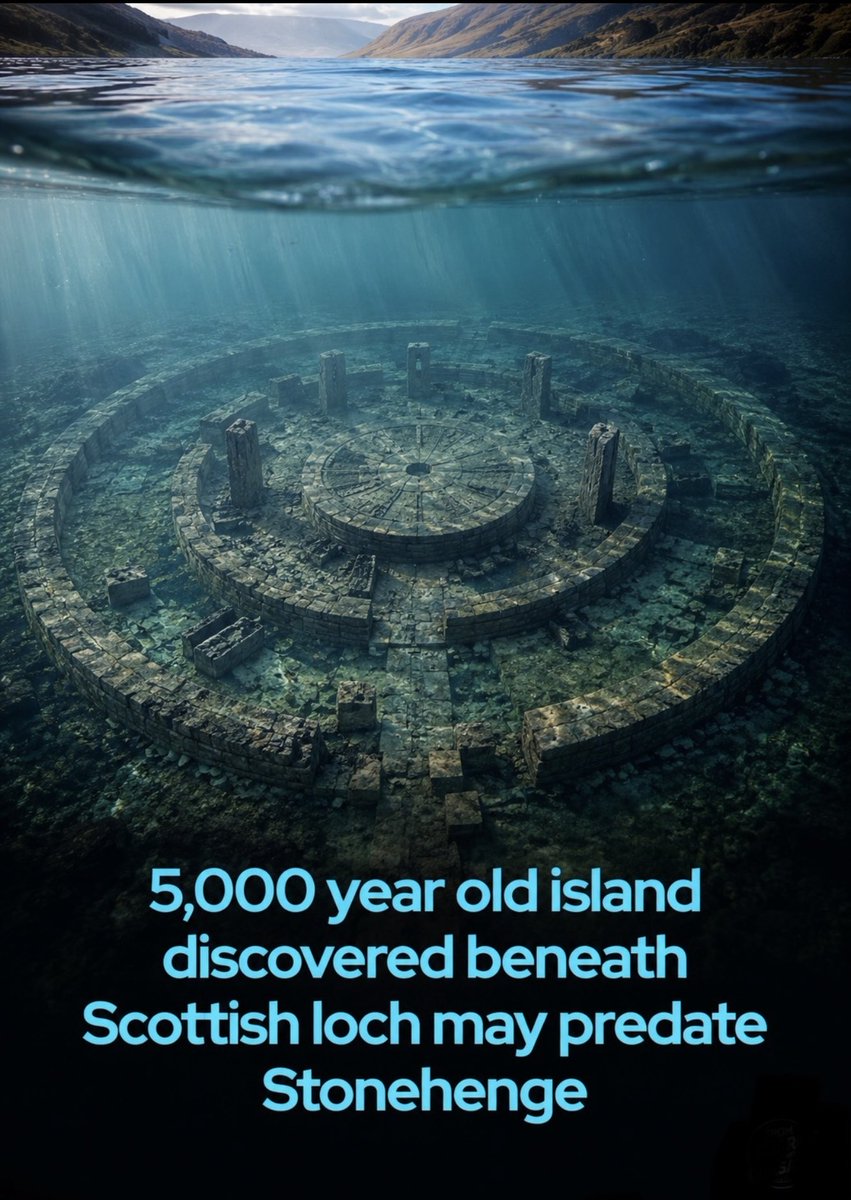
Archaeologists working at Loch Bhorgastail on the Isle of Lewis in Scotland have uncovered an ancient man-made island, known as a crannog, that is far older than expected.
Rather than dating to the Iron Age, as previously believed for structures like this, the site appears to be over 5,000 years old and belongs to the Neolithic period. It was built gradually over time using layers of timber, brushwood, and stone, showing clear evidence of long-term communal effort.
Finds such as a stone causeway and a large collection of pottery fragments, some containing traces of ancient food, suggest the site was a focal point for gatherings. People may have met there for shared meals, ceremonies, or other social activities, which challenges earlier ideas about how organised prehistoric communities in Britain were.
The discovery was made possible through modern underwater archaeology techniques. The shallow edges of lochs are difficult to study because they are too deep for land-based surveys but too shallow for traditional sonar methods. By combining underwater photography from divers with aerial drone imaging, researchers were able to create detailed 3D models that connect what lies beneath the water with the surrounding landscape.
This approach is now revealing a much richer prehistoric landscape than previously known and could lead to the discovery of many more hidden Neolithic sites across Scotland.
1
5
161
❤️ BMAotC 🐉🦉 retweeted
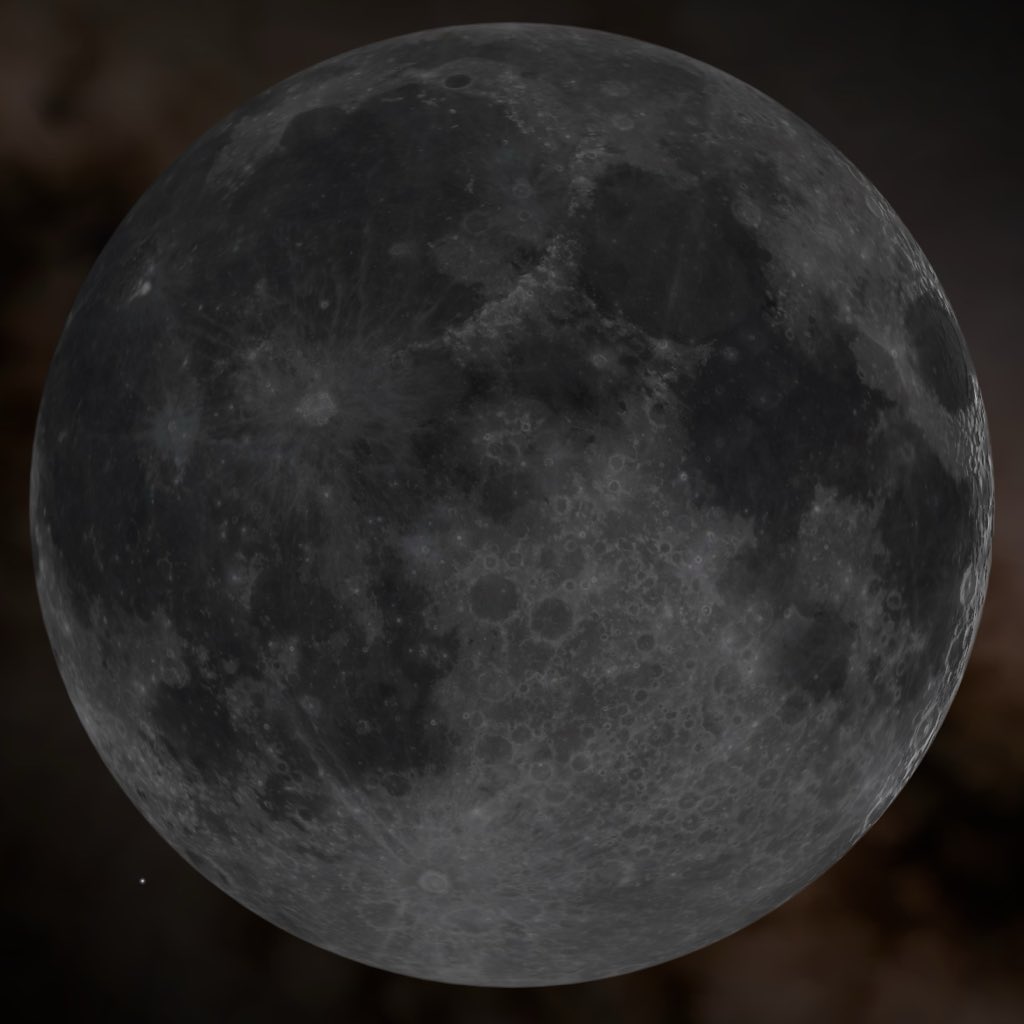
Happy new moon to those who are watching 👁️
1
2
3
95
May 11
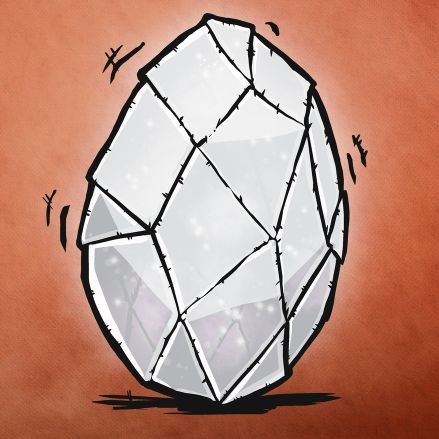
👀🥚?!
May 11
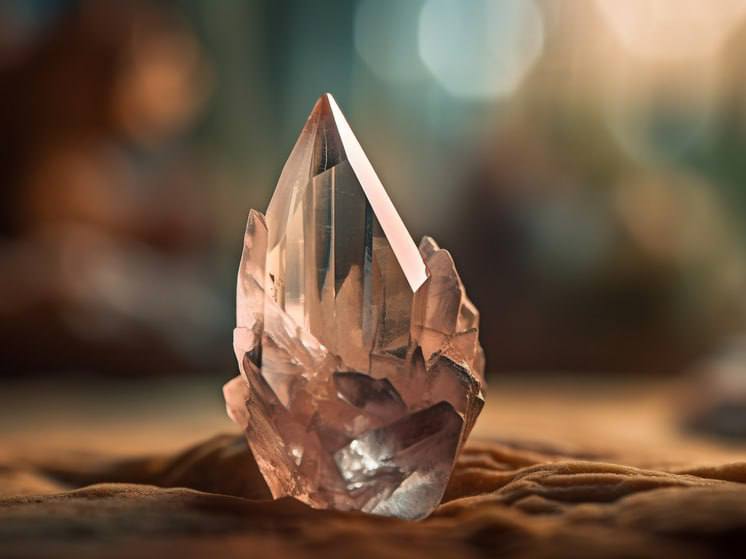
Rare Crystal with Potential Fuel Found on the Moon
Scientists have discovered a crystal containing helium-3 on the Moon. This rare isotope could be the basis for pure nuclear fusion. The sample was returned to Earth during a 2020 Chinese mission that collected 1.7 kg of lunar soil.
The mineral formed 1.2 billion years ago during volcanic activity. Its structure helped scientists confirm that helium-3 could indeed accumulate in lunar rocks.
This isotope is an ideal fuel for fusion reactors because it produces no radioactive waste during the reaction. Helium-3 is almost absent on Earth, but the Moon could become its primary source.
1
56
❤️ BMAotC 🐉🦉 retweeted

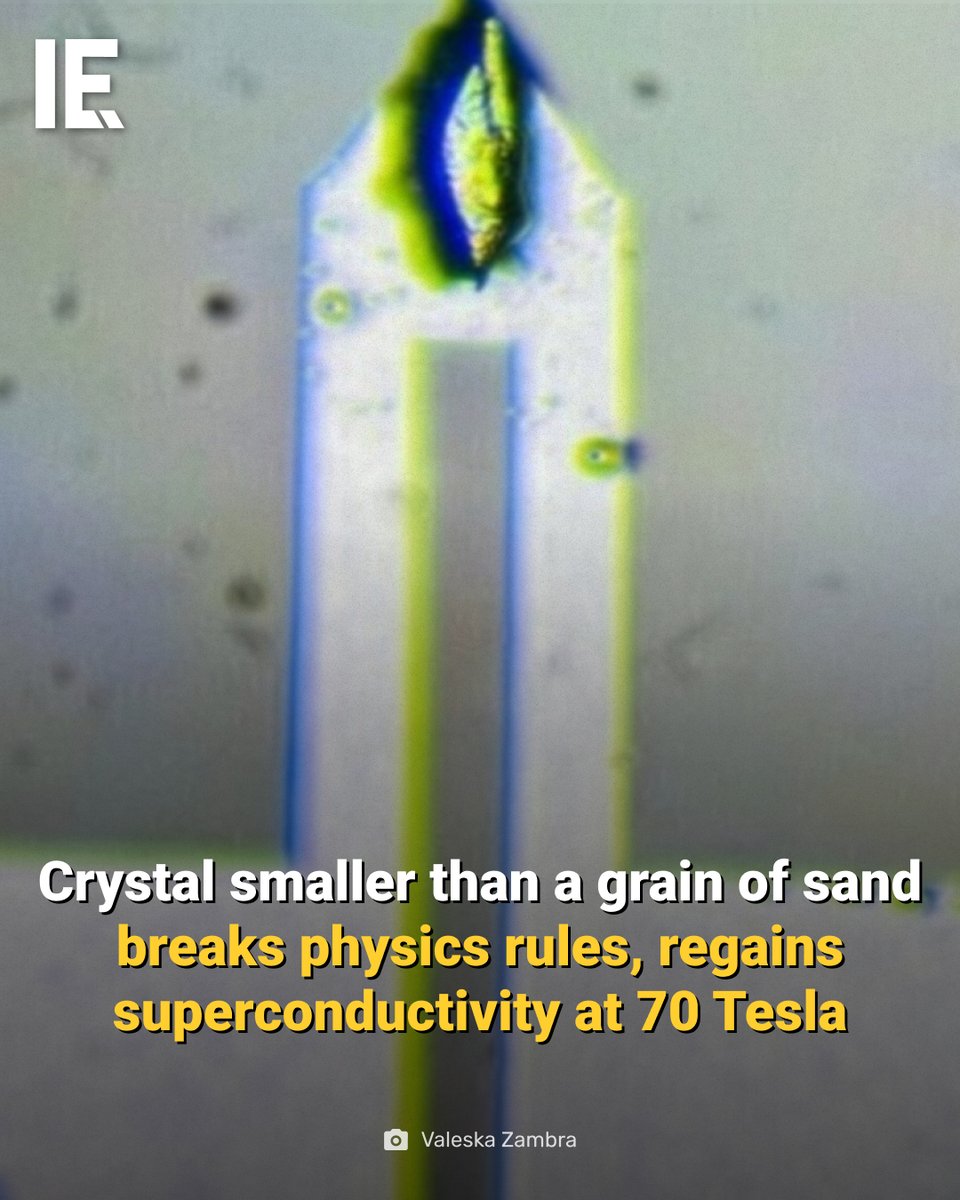
This crystal loses superconductivity, and then mysteriously regains it under extreme magnetic fields.
bit.ly/42loIk6
#Superconductivity #QuantumPhysics #MaterialsScience
10
22
3,742
May 5
1/3
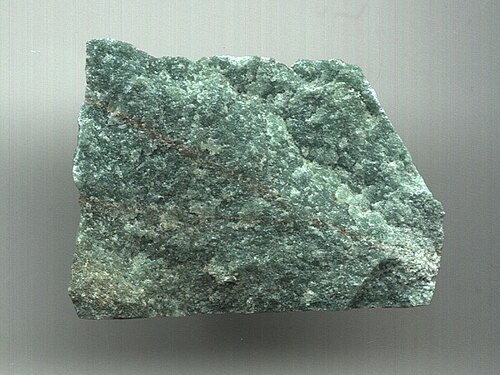
Was just wondering if there's some correlation between us now having Moon Flowers, and the fact that only the Green Crystal Egg is animated at the moment.
Stumbled upon Green Aventurine👀

2
1
7
178
May 5
2/3
Aventurine is a form of quartzite, characterised by its translucency and the presence of platy mineral inclusions.
Green Aventurine is commonly used during the "Flower Moon" (full moon in May) to harness energy for growth, renewal, and manifesting new opportunities.
2
4
105
May 5
3/3
Moonflowers represent the unfolding of night-blooming beauty, green crystals support this blossoming.
Guess I'll be checking out other green crystals as well, see if there's more interesting stuff to find👀🔥
3
50
May 5
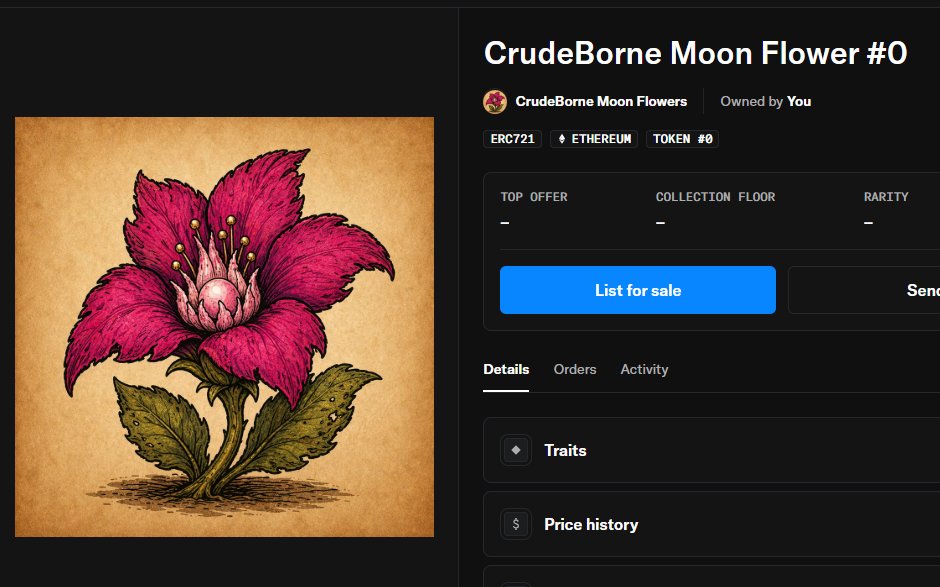
Minted my @crudeborne Moon Flowers from the website as well👀
That new music is so soothing lol😌
Love that we're potentially getting more parts to the puzzle, get stuff rolling again like with the spaces <3
#WCYC
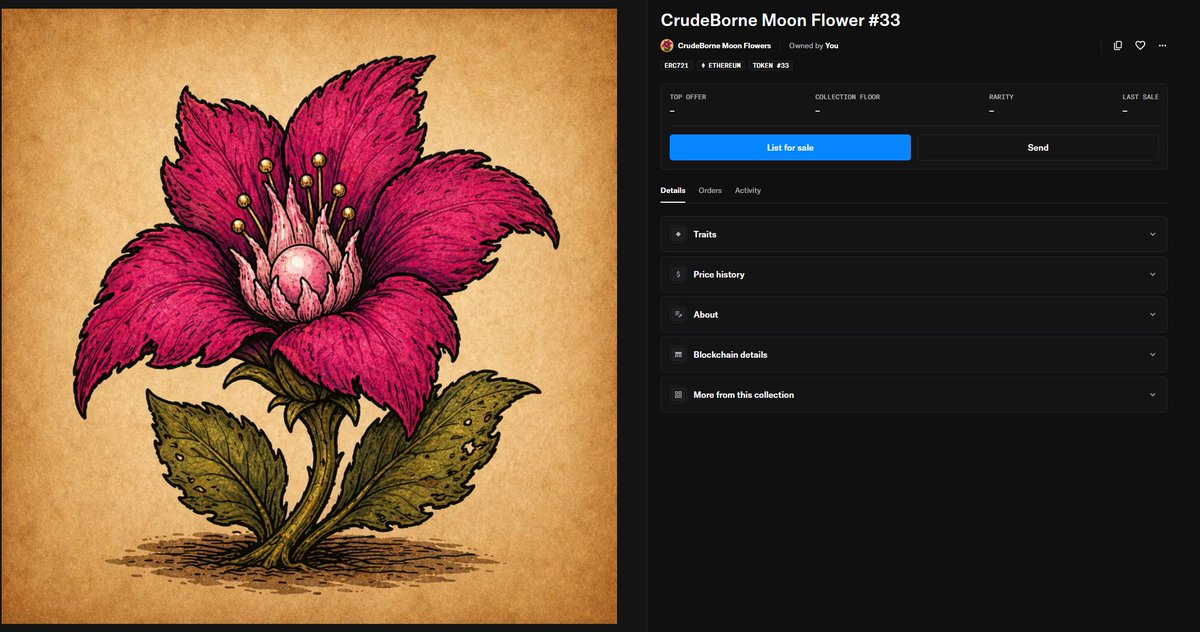
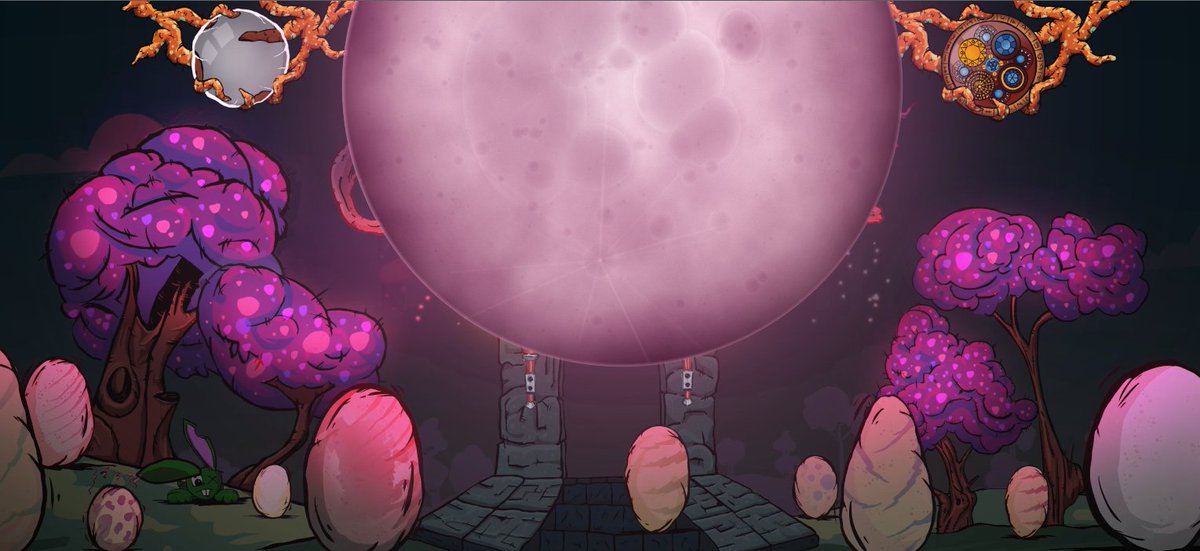
A few days ago I noticed the @crudeborne sites moon changed from red to pink on the full moon.
It also now has what looks like the moons projection onto the background...
And I'm pretty sure I just planted my eggs, and got a flower.
Excited is an understatment🥰👁️
We are Crudeborne
1
4
78
May 4
June 29th 2026, the Large Hadron Collider will be turned off for 4 years.
Will there be no Mandela effects anymore? Will our timeline stabilize? Or will life continue on as normal?
Full interview with the director general of CERN in the reply, interesting stuff👌🏻🫶🏻
2
2
8
196
❤️ BMAotC 🐉🦉 retweeted
A few days ago I noticed the @crudeborne sites moon changed from red to pink on the full moon.
It also now has what looks like the moons projection onto the background...
And I'm pretty sure I just planted my eggs, and got a flower.
Excited is an understatment🥰👁️
We are Crudeborne
3
6
18
664