Nurses working in the field of atopic disease. Patient advocates. Working with global organisations, other health care professionals to improve allergy care.
Joined March 2014
- Tweets 1,083
- Following 135
- Followers 637
- Likes 347
17 Photos and videos




13 Nov 2024
The Challenges of Oral Tolerance Induction in a Diverse Population Advised to Introduce Allergens Early: Insights From the EarlyNuts Study
shorturl.at/vkuL5
#earlyintroduction #foodallergy @BDA_Dietitians @ARNS_UK
1
53
BSACInurses retweeted

30 Oct 2024
Share Your Voice and complete the National Allergy Strategy Group survey by 15th November 2024 surveymonkey.com/r/LML5GZK @AllergyCampaign
3
2
239
BSACInurses retweeted

16 Oct 2024
No evidence nut allergens spread via aircraft ventilation systems, study finds theguardian.com/society/2024…
7
8
20
1,564
BSACInurses retweeted

17 Oct 2024
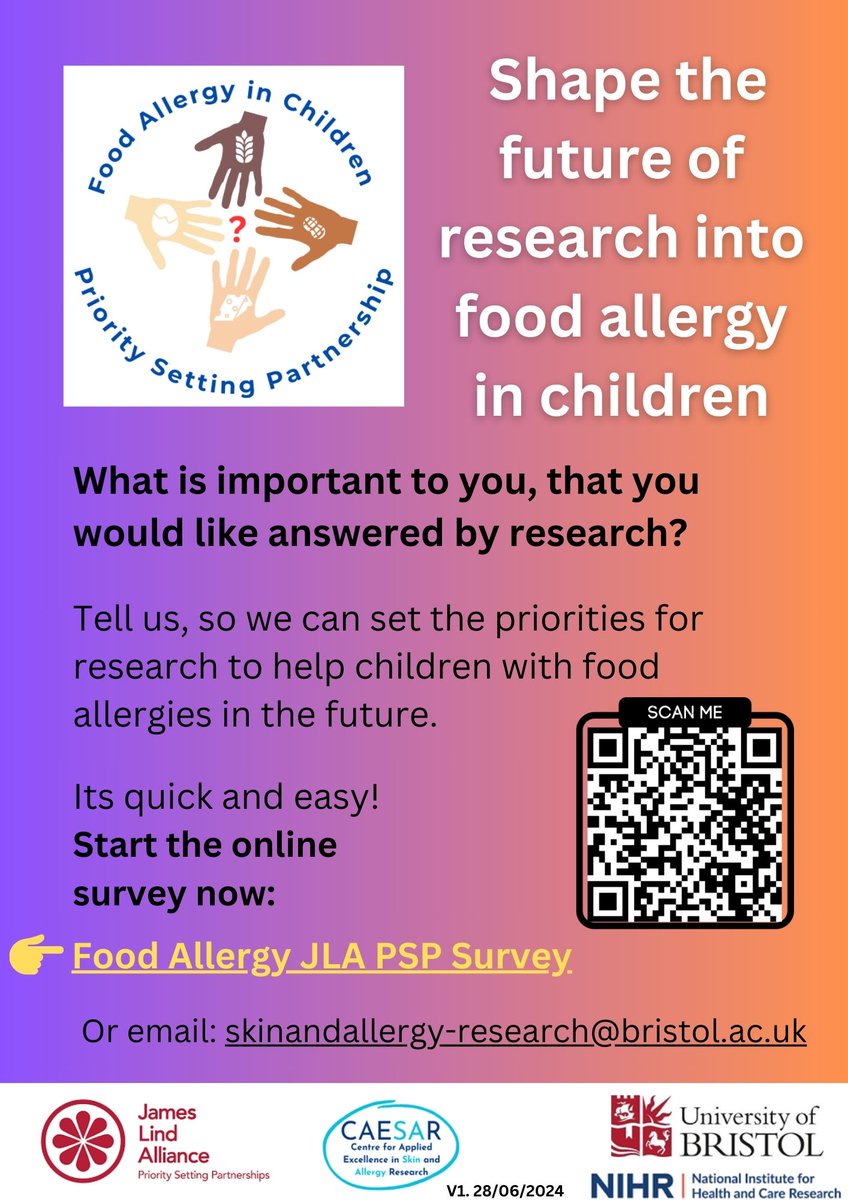
We are looking for input from young people living with food allergy, their parents and healthcare professionals. What things don't we understand about food allergy? What are the research priorities? Please find the survey at: app.onlinesurveys.jisc.ac.uk…. @riddmj
1
23
22
1,974
BSACInurses retweeted
14 Oct 2024
Complete the National Allergy Strategy Group survey by 15th November 2024 surveymonkey.com/r/LML5GZK View Professor Adam Fox speaking about @AllergyCampaign on BBC1 Breakfast News youtube.com/watch?v=W6RPbzxz…
2
1
282
15 Oct 2024
The BSACI Nurses in Allergy Committee have updated the standard operating procedure for paediatric skin prick testing shorturl.at/0ajim #allergy #foodallergy #SPT
1
1
81
4 Oct 2024
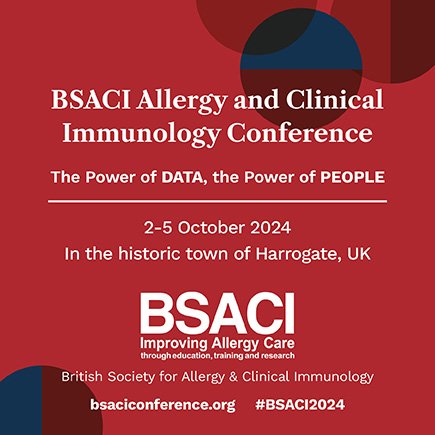
#BSACI2024 Join us for workshops at BSACI today- Heather Sharp will be talking about #eczema and treatment, outside Queens Suite.
Katherine Knight will be talking about clinic models, Hall D.
118
2 Oct 2024
#BSACI2024
We look forward to seeing you at Harrogate- the bsaci 2024 meeting starts today.
All nurses welcome at the AGM this afternoon- Queens suite, 1600-1700.
114
21 Sep 2024
Urgent Allergy Alert for patients with an allergy to peanuts. Avoid foods that contain/ may contain mustard. More info can be found @foodgov
#peanutallergy #allergy #anaphylaxis @BDA_Dietitians @WeSchoolNurses @_BDNG @RespNprang @ARNS_UK @eczemasociety
20 Sep 2024

Urgent Allergy Alert. People who have a peanut allergy to avoid consuming foods or drinks that contain or may contain mustard, mustard powder or mustard flour as it may have been contaminated with peanuts. Read our news story: food.gov.uk/news-alerts/news… food.gov.uk/news-alerts/news…
3
2
479
14 Sep 2024
Less than 3 weeks until the 2024 BSACI meeting in Harrogate- it’s not too late to register. Take a look at the programme bsaciconference.org/wp-conte…
@RespNprang @ARNS_UK @BDA_Dietitians @_BDNG @WeNurses #allergy
90
2 Sep 2024
New research has been published showing
- Increase in the number of people with food allergies
- Low % of patients that have previously had anaphylaxis being prescribed AAI
- High % of patients are managed in primary care.
#allergy @RespNprang @ARNS_UK
29 Aug 2024

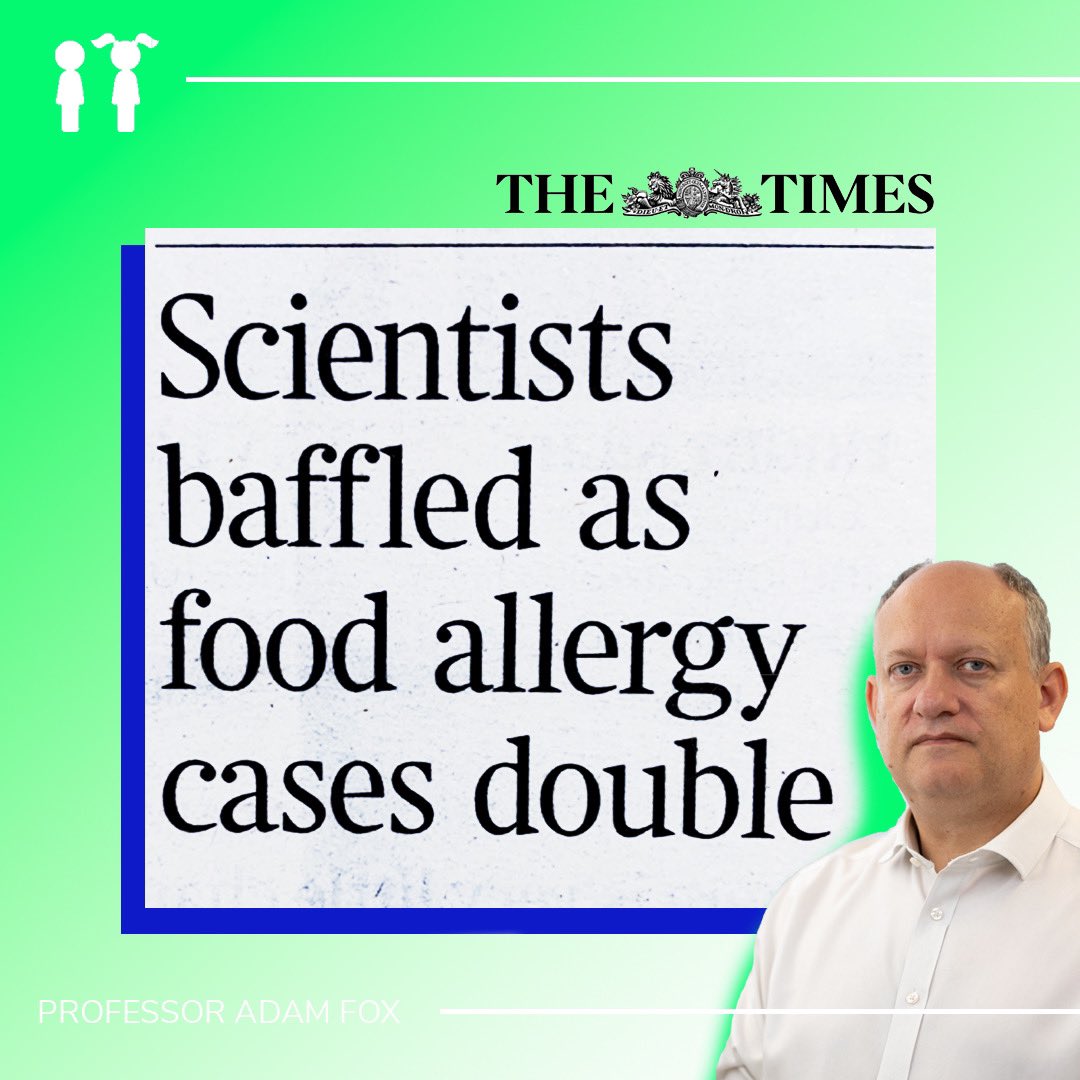
This important research has been published by colleagues at Imperial College in London, using huge primary care databases to look at the changes in rates of #foodallergy in the 10 year period from 2008 to 2018.
Allergy London’s Professor @DrAdamFox talks about this further and shares:
“We already know from previous work from this group, looking at the same period, that it saw a very significant increase in the number of severe allergic reactions presenting to A&E departments.
This new data reveals some remarkable findings...
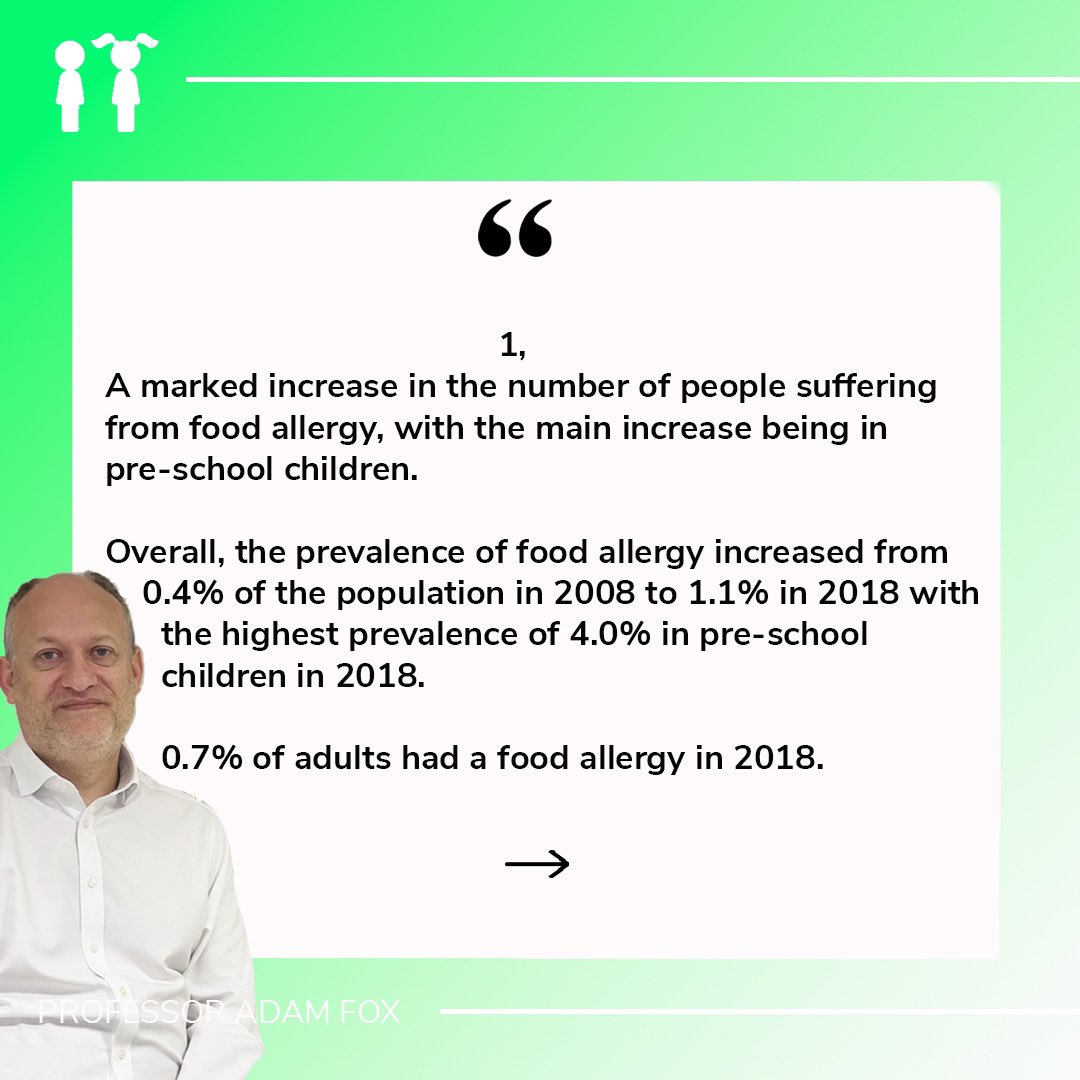
1️⃣A marked increase in the number of people suffering from food allergy, with the main increase being in pre-school children. Overall, the prevalence of food allergy increased from 0.4% of the population in 2008 to 1.1% in 2018 with the highest prevalence of 4.0% in pre-school children in 2018. 0.7% of adults had a food allergy in 2018.
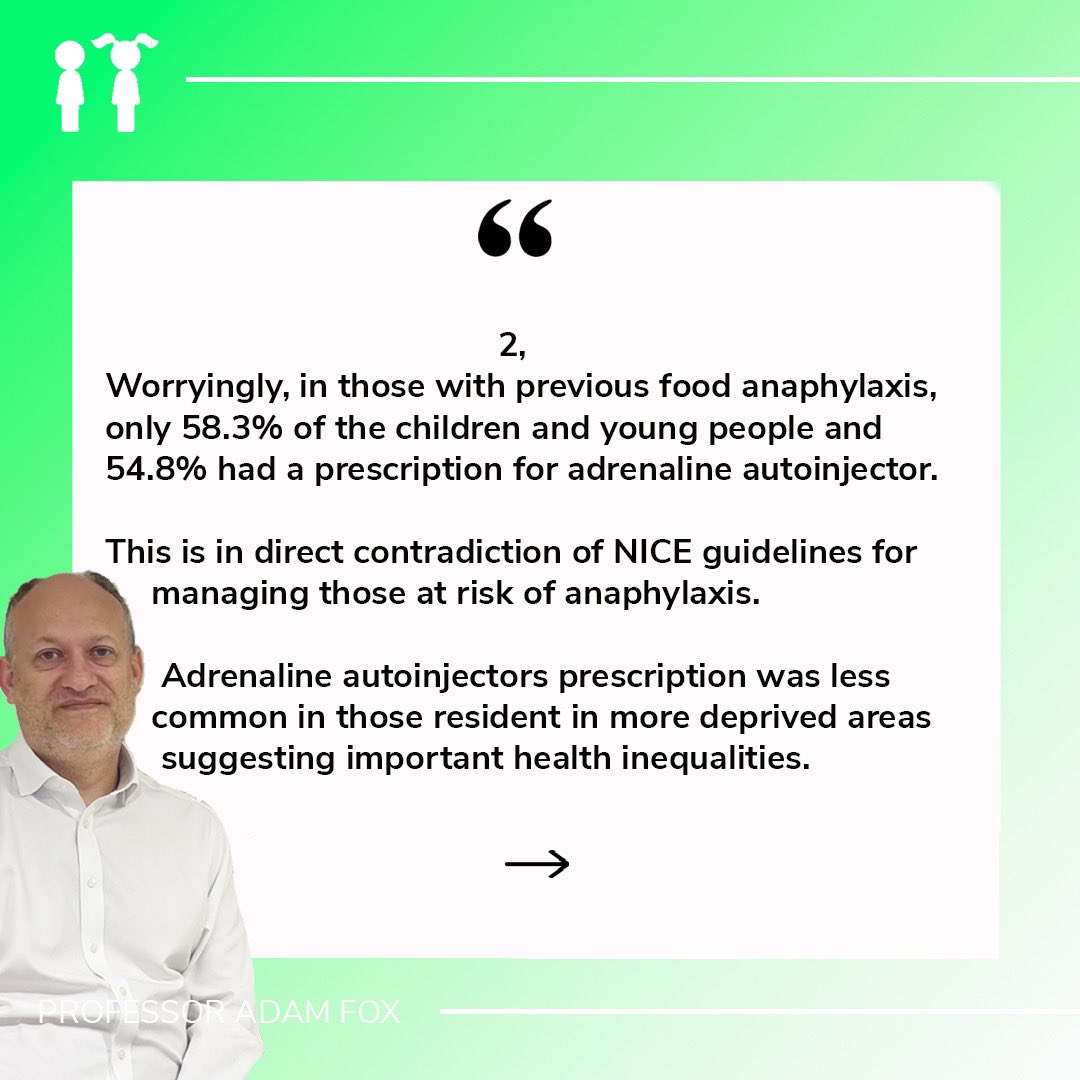
2️⃣Worryingly, in those with previous food anaphylaxis, only 58.3% of the children and young people and 54.8% had a prescription for adrenaline autoinjector. This is in direct contradiction of NICE guidelines for managing those at risk of anaphylaxis. Adrenaline autoinjectors prescription was less common in those resident in more deprived areas suggesting important health inequalities.
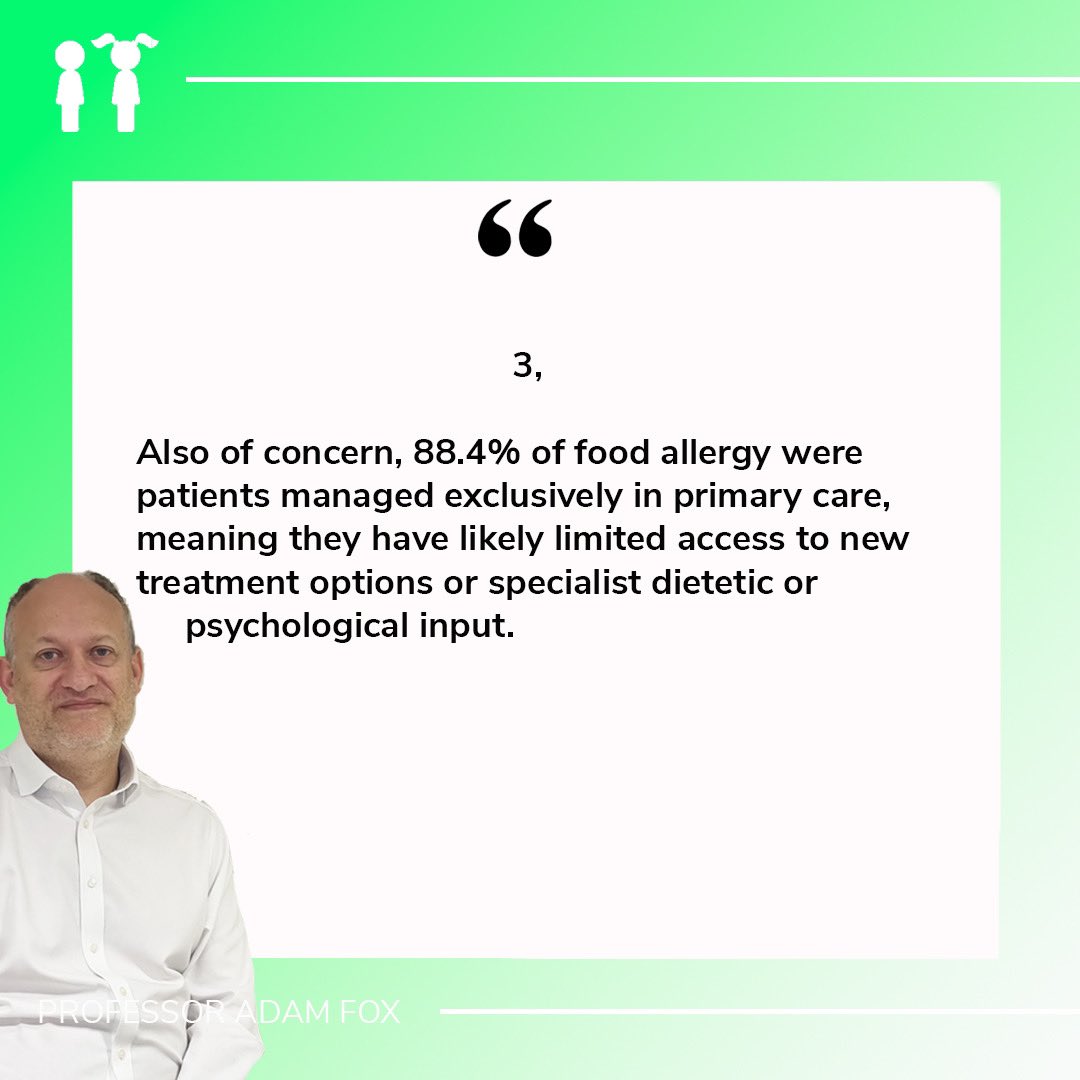
3️⃣Also of concern, 88.4% of food allergy were patients managed exclusively in primary care, meaning they have likely limited access to new treatment options or specialist dietetic or psychological input.”
1
1
148
20 Aug 2024
A tragic death. Lessons must be learnt to improve the quality of life for those with food allergies and to prevent any further unnecessary deaths.
16 Aug 2024
A comment from Allergy London’s Professor @DrAdamFox following the inquest into the tragic death of Hannah Jacobs.
“This statement from the mother of Hannah Jacobs, who tragically died from anaphylaxis to milk was desperately sad but incredibly important. Frustratingly, it highlighted the same key messages that have come from so many other such inquests and with each one, our failure to act on the findings becomes increasingly difficult to accept. The key messages relate to failings in food retail where training is still seen as a tick box exercise but not translated into the careful allergen management that is needed as well as a need for better awareness around identifying and managing severe reactions with ready access to and prompt use of adrenaline.
We look forward to hearing more detail and the coroner's Prevention of Future Deaths report.”
#foodallergy #foodallergyawareness #aai #epipen #jext #kidswithfoodallergies#anaphylaxis
88
20 Aug 2024
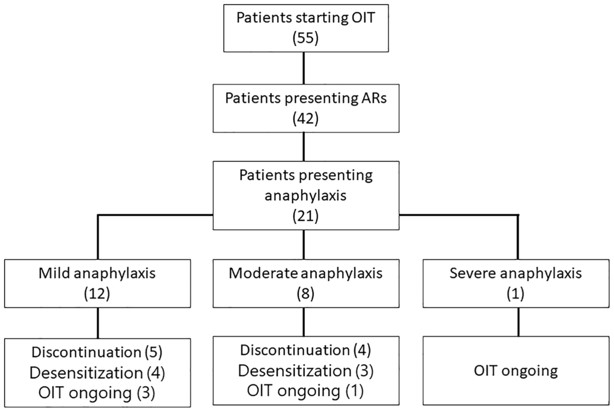
With more people looking to start oral immunotherapy, here are some interesting statistics.
#allergy #anaphylaxis #cowsmilkallergy #eggallergy #OIT
18 Aug 2024

One more #letter published in the #PAI_Journal in the July issue entitled “Anaphylaxis during #OIT and its impact on #treatmentadherence: A #retrospectivestudy”
You can read it here: 🔗 doi.org/10.1111/pai.14200
#Anaphylaxis #OralImmunotherapy #foodallergy #oralAllergySyndrome
86
12 Aug 2024
#Neffy, a needle free way to administer adrenaline has been approved by the U.S FDA. Although not yet available in the UK, this is very exciting. #allergy #anaphylaxis @RespNprang @ARNS_UK
10 Aug 2024
It was very encouraging to see that just yesterday, the U.S. Food and Drug Administration approved #Neffy, a nasal epinephrine device, which allows for adrenaline to be administered by simply squirting it up the nose (in the event of a severe allergic reaction). This device appears to offer the same effectiveness as delivering an intramuscular injection with an auto-injector (with UK brands being EpiPen or Jext).
Allergy London’s Professor @DrAdamFox talks more about this in this video.
Some further key points from Prof. Adam Fox:
1️⃣Managing anaphylaxis is challenging because many people carry EpiPens or Jext but are often hesitant to use them, especially if they have a fear of needles.
2️⃣The European Medicines Agency had already approved this nasal device in July, which is positive news for the UK.
3️⃣The nasal Neffy (epinephrine) device still requires approval from the UK's MHRA, with potential availability in early to mid-next year.
4️⃣The new device offers a longer shelf life compared to current adrenaline auto-injectors and will provide an additional option for managing anaphylaxis in medical practice.
127

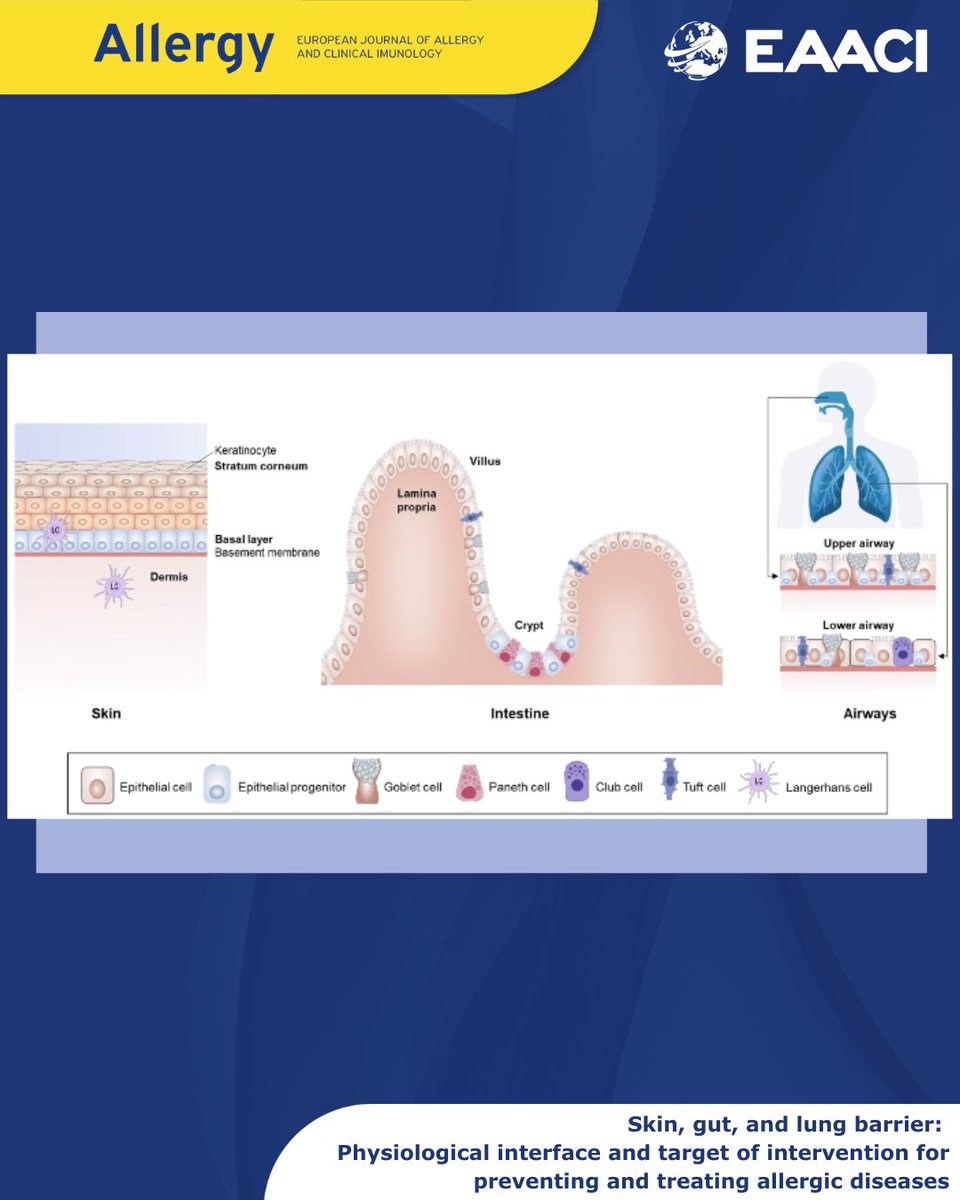
Epithelial barriers in the skin, gut, and airways are vital for immune responses. This review explores their role in allergies and inflammation, the impact of exposome and microbiome, and treatments. Discover the latest understandings! #AllergyEaaci
doi.org/10.1111/all.16092
1
6
11
756
6 Aug 2024
3 Aug 2024

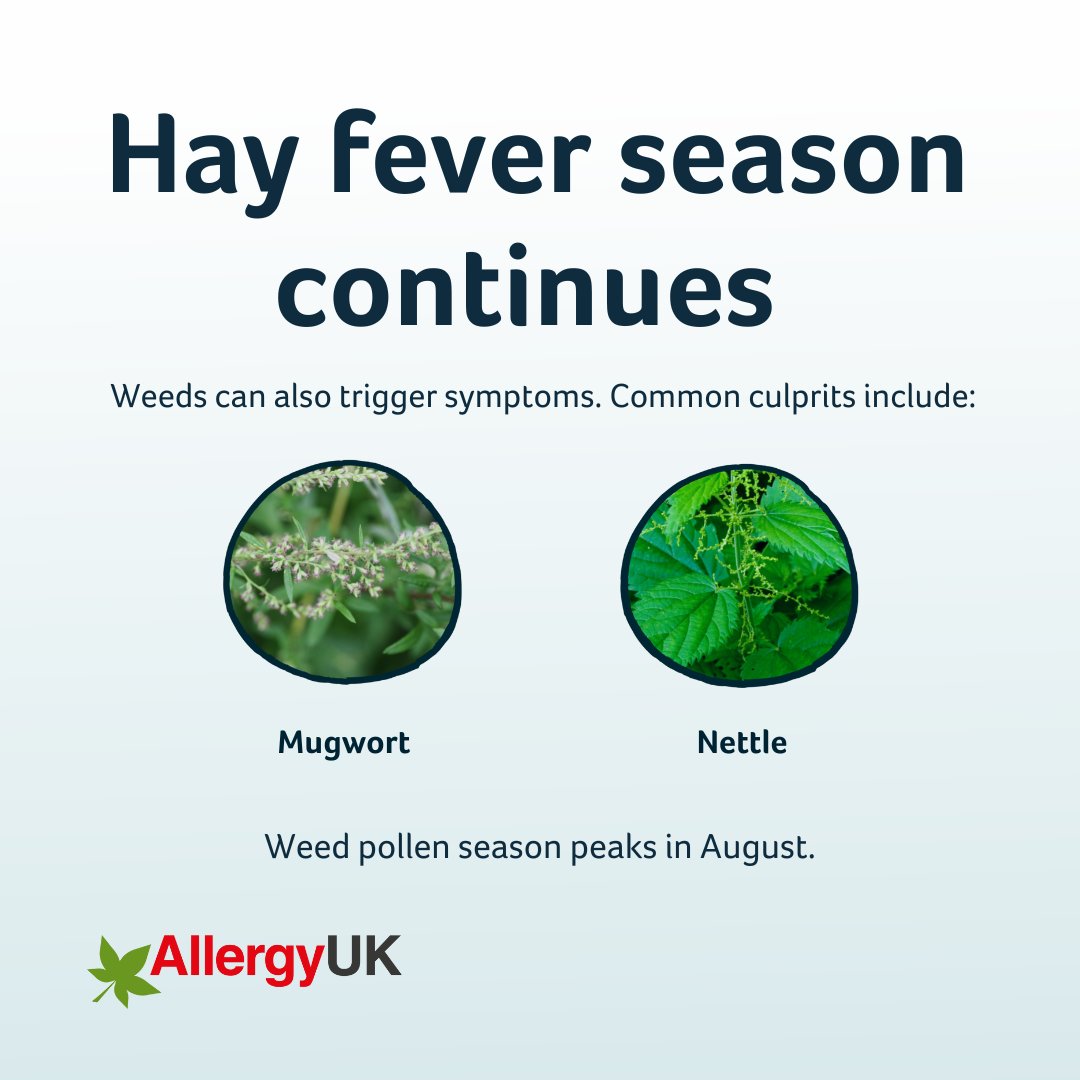
Grass and tree pollens are not the only cause of #hayfever symptoms: weeds are also common culprits! For more information on mugwort and nettle allergy, along with ways to reduce exposure to #pollen 👉bit.ly/3AcWLy0 #weedpollen
1
119
23 Jul 2024
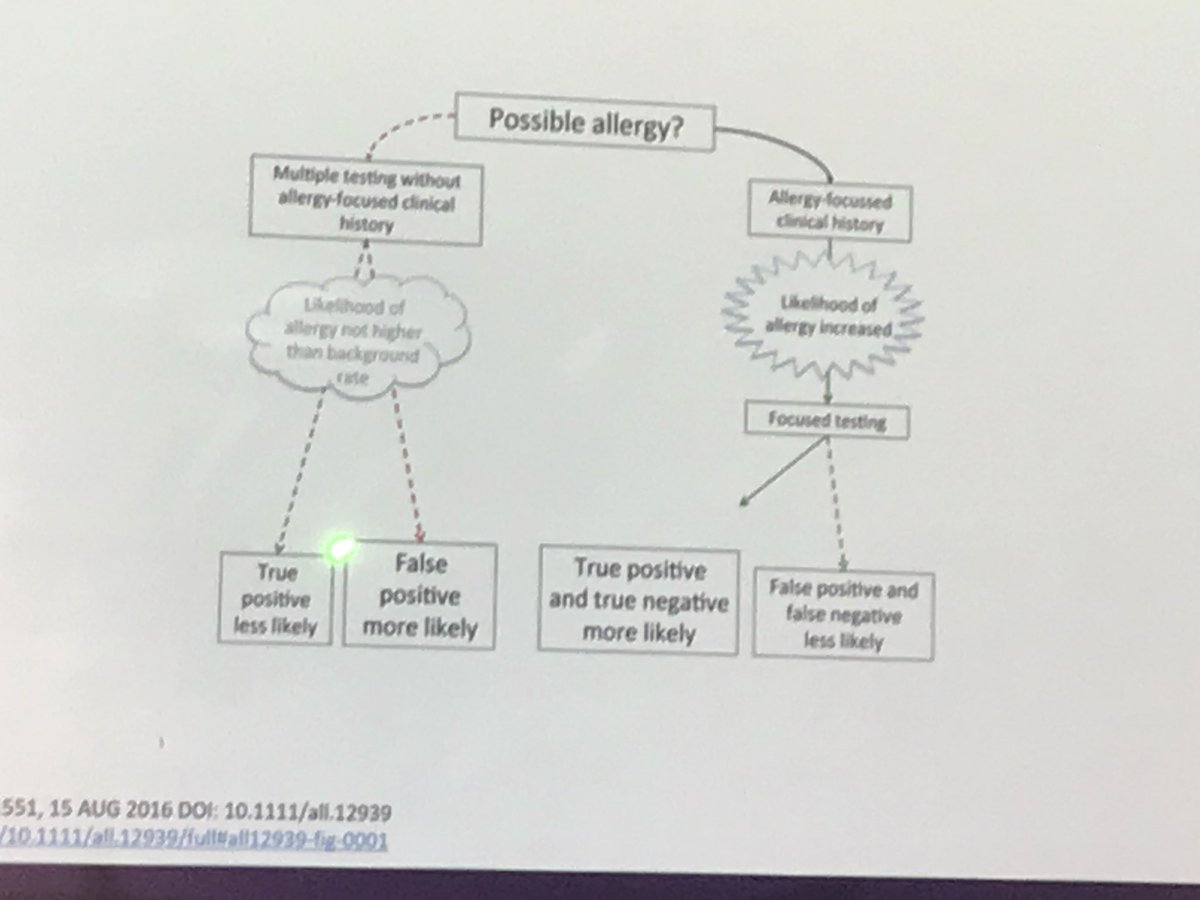
Why it's important an allergy focussed history is taken by a health professional who is able to interpret the results. This ensures patients aren't unnecessarily avoiding foods. If there's any doubt, this is when an oral food challenge may be useful. #allergy
22 Jul 2024

This is a good time to remind ourselves that while suggestive of allergy, the presence of allergy (IgE) antibodies does not prove the clinical diagnosis of allergy. Reacting to a food or drug is more diagnostic than a “positive” allergy test alone.
1
3
401
23 Jul 2024
Attending the BSACI conference is a great way to increase your knowledge in all things #allergy. Also an opportunity to meet like minded professionals. #allergynetwork
@RespNprang @ARNS_UK @BDA_Dietitians @WeNurses @WeStudentNurse
22 Jul 2024

#BSACI2024: Just 1 week to register at the earlybird discounted rate. Read the programme and register by 29th July. Book your tickets for the Welcome Reception, Gala Dinner, and the 5K Fun Run at the same time. bsaciconference.org
1
113