
Severely allergic to BS, including my own if the case. Echo chambers not my thing. Children are humanity's greatest treasure.
Joined May 2021
- Tweets 3,495
- Following 338
- Followers 70
- Likes 6,260
596 Photos and videos

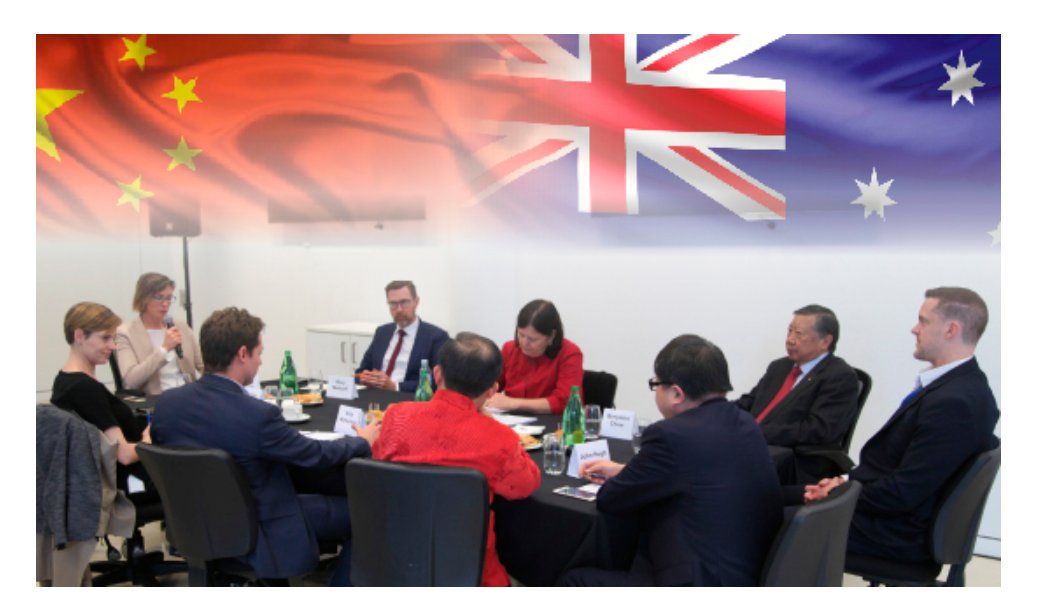


UTS ACRI once again fulfilling its (paid) role of propagating CCP narratives.

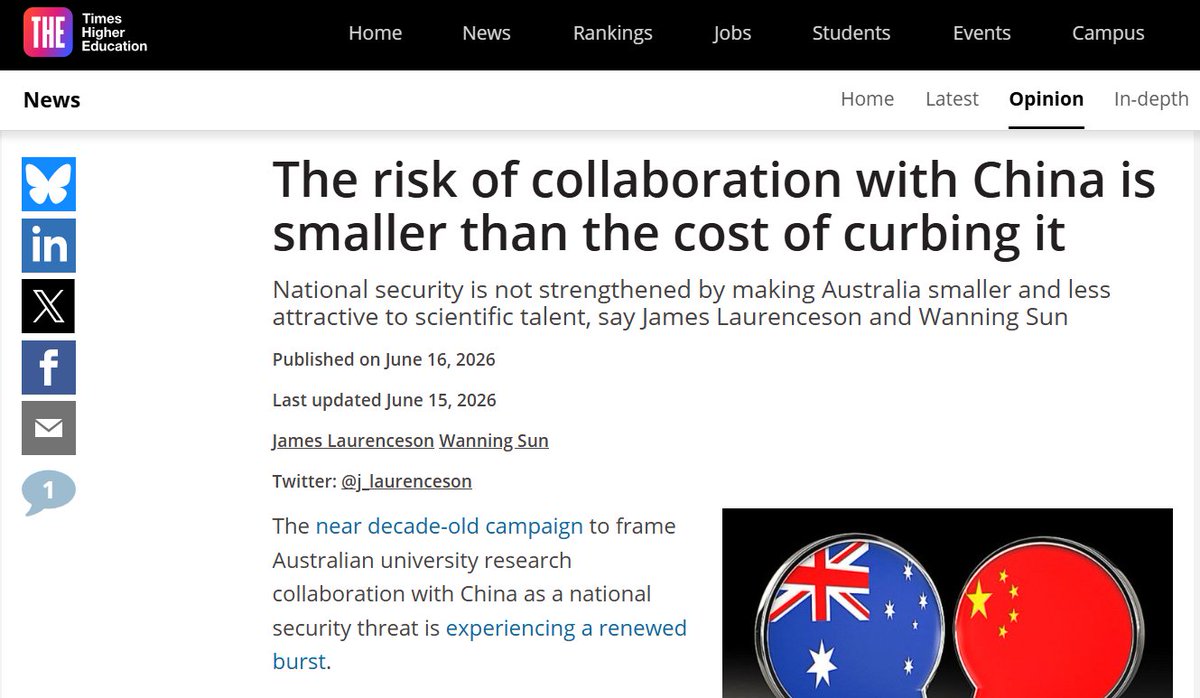
A campaign is underway in Australia to frame research collaboration with China as a national security risk. In @timeshighered, Wanning Sun & I argue this is not only weakly evidenced based but counterproductive. 👇@GroupOfEight @ATNUnis @uniaus
uts.edu.au/news/2026/06/the-…
41
BS check 🇦🇺 🇺🇦 retweeted

Jun 15
EU’s Kaja Kallas on China:
From distorting subsidies, growing trade imbalances, and a near monopoly of critical raw materials — the list of issues remains long.
Reducing dependencies with China won't be easy or cheap, but it's necessary and urgent.
We have now verified reports that the Chinese military has been training Russian military personnel to fight in Ukraine.
We are carefully assessing the implications.
113
68
207
35,195

Jun 15
China's ability to hit Australia with missiles 'real and growing', Lowy Institute says
abc.net.au/news/2026-06-15/l…
30
Jun 15
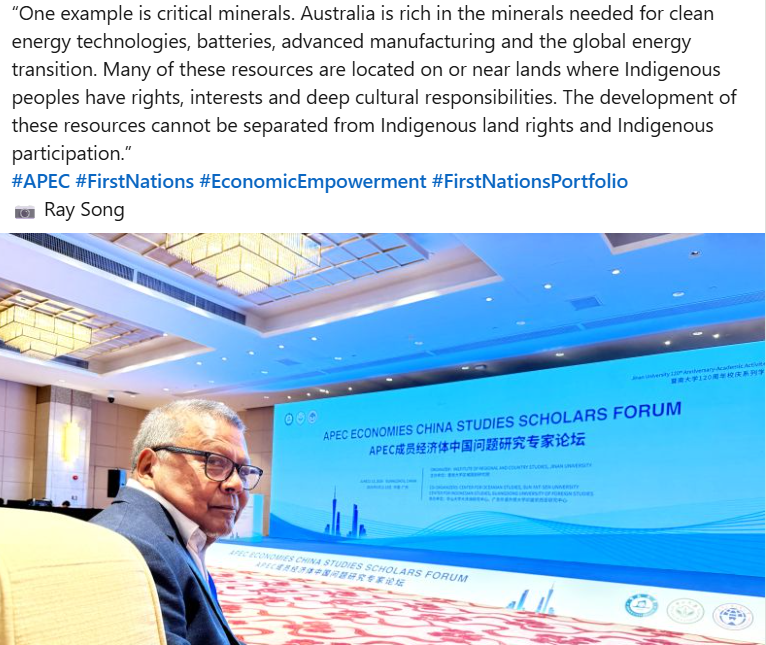
At the APEC Economies China Studies Forum in Guangzhou, Peter YU dangerously refers to critical minerals in Australia's Indigenous lands, which is what China is absolutely after.
linkedin.com/posts/first-nat…
Jun 14

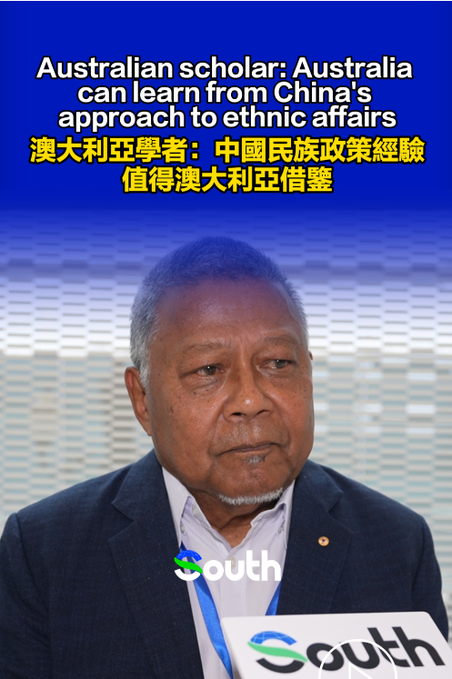
In Guangzhou, Australian scholar [Professor Peter Yu, Vice-President (First Nations) at ANU] said: "Australia can learn from China's approach to ethnic affairs" newsgd.com/node_d36b0ef83f/7….
1
61
Jun 14
Here's in hope that @dfat Foreign Arrangement Scheme team will shred this agreement to bits.
Also @ASIOGovAu may wish to keep an eye on it, as this activity by Max LU is being carefully orchestrated.
Jun 14
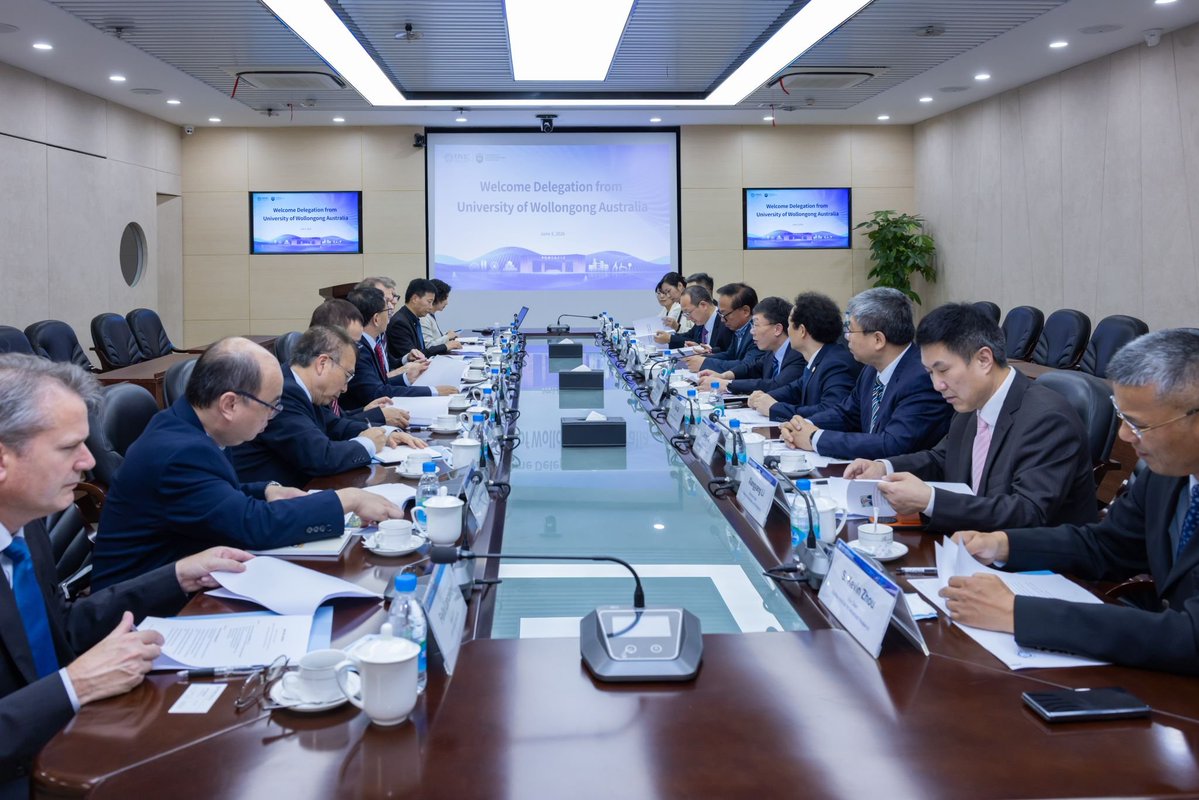
Australia: On June 3, a delegation led by Max LU 逯高清, VC of the University of Wollongong, visited the University of Science and Technology of China 中国科学技术大学, and signed a joint doctoral training agreement.
news.ustc.edu.cn/info/1055/9…
1
54
Jun 5
Someone whose sole interest is to remind everyone every second sentence that he was awarded a Nobel prize, and to be always surrounded by a cohort of adoring sycophants.
Took the quickest way out ahead of schedule before the shit hit the fan.
That's all one needs to know.
Jun 4

At last his incompetence called out!!
"The report noted that between 2020 and 2024, a time when Brian Schmidt was vice-chancellor, significant financial pressure had built up as a result of "optimistic revenue assumptions and limited spending control".
abc.net.au/news/2026-06-04/a…
1
74
Jun 4
At last his incompetence called out!!
"The report noted that between 2020 and 2024, a time when Brian Schmidt was vice-chancellor, significant financial pressure had built up as a result of "optimistic revenue assumptions and limited spending control".
abc.net.au/news/2026-06-04/a…
1
121
BS check 🇦🇺 🇺🇦 retweeted

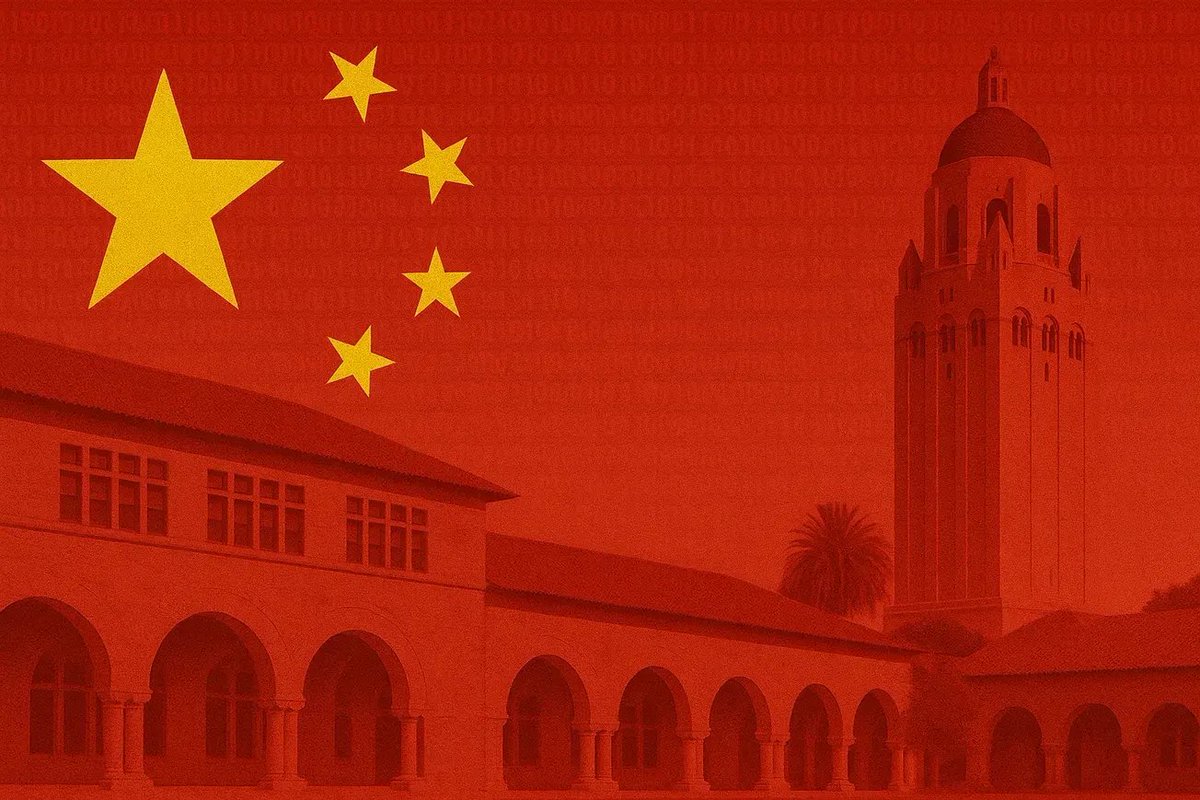
INVESTIGATION: A whistleblower has leaked Stanford's private foreign-funding records to the Review, revealing millions in funding from Chinese state-linked entities and CCP donors.
178
1,659
3,560
454,500
BS check 🇦🇺 🇺🇦 retweeted

May 28
Jensen Huang, Tsinghua, and the Bigger China Question
As a former honorary trustee of Tsinghua, I have a reasonable understanding of how this system works — and why American corporate elites should think carefully before lending their prestige to it.
Tsinghua is widely known as China’s premier engineering university. But it is not merely an academic institution. Since around 2004, under the guidance of then Party Secretary Chen Xi — later a Politburo member and head of the CCP’s Organization Department under Xi Jinping — Tsinghua has actively promoted a 16-character employment slogan for its graduates:
“Set great ambitions, enter the mainstream, step onto the big stage, and undertake great causes.”
立大志、入主流、上大舞台、干大事业
The slogan can be traced back to around 2004–2005, when Tsinghua began encouraging graduates to work in areas aligned with national strategic priorities.
Its meaning is fairly clear.
“Set great ambitions” means tying one’s personal aspirations to the so-called “great rejuvenation of the Chinese nation.”
“Enter the mainstream” means moving into the key sectors, industries, and frontline institutions of state development.
“Step onto the big stage” means going wherever the Party-state needs talent — including defense science, western regions, and grassroots towns.
“Undertake great causes” means subordinating personal ambition to national and political goals, and measuring success by contribution to the Party-state’s agenda.
I know for a fact that Tsinghua has sent many graduates into China’s nuclear program. That is not an accident. It is part of the design.
As for the business school advisory board, a few points are worth making.
First, anyone who looks at the size of the board can see that it has little real operational role in the business school. A body that large is not designed to run anything.
Second, like many advisory boards around the world, it functions as a pre-qualified club for influential people to meet, network, and signal that they belong to the right circles.
Third, in China, this function carries an additional political layer. It is also a platform for the Party-state to impress, cultivate, and court foreign dignitaries — the classic “wow and woo” operation. Given the calibre of people involved, it would be naive to assume the CCP’s United Front system and intelligence agencies are not involved.
So the Tsinghua setup should not be viewed simply as an educational structure. It is part university, part talent pipeline, part elite networking platform, and part political instrument of the CCP state.
The issue is not whether Jensen Huang attended a meeting or sat on a board. The issue is why so many American corporate leaders still treat China’s Party-state institutions as harmless prestige platforms. In today’s geopolitical environment, lending your name is not neutral. It is a form of endorsement — and Beijing understands that perfectly well.
May 28

A little confused here about why a U.S. Senator-- I think i should spare him the name--would be looking into Jensen Huang joining the advisory board of a major Chinese educational institution (PCAST). The senator would be advised to also look into Elon Musk, Satya Nadella, Tim Cook, Mark Zuckerberg, Michael Dell, Mary Barra, David Solomon, Steve Schwarzman and James Quincey, among a lot of other American greats
11
51
159
27,876
BS check 🇦🇺 🇺🇦 retweeted

May 26
Former Ferrari chairman Montezemolo tears the new electric Ferrari “Luce” apart:
“I cannot say what I really think: I would harm Ferrari. We risk the destruction of a legend. So sorry. Take the Prancing Horse off. At least the Chinese won’t copy this car”
902
5,535
52,338
5,072,221
May 27
By this time next year, Covid will have never happened!

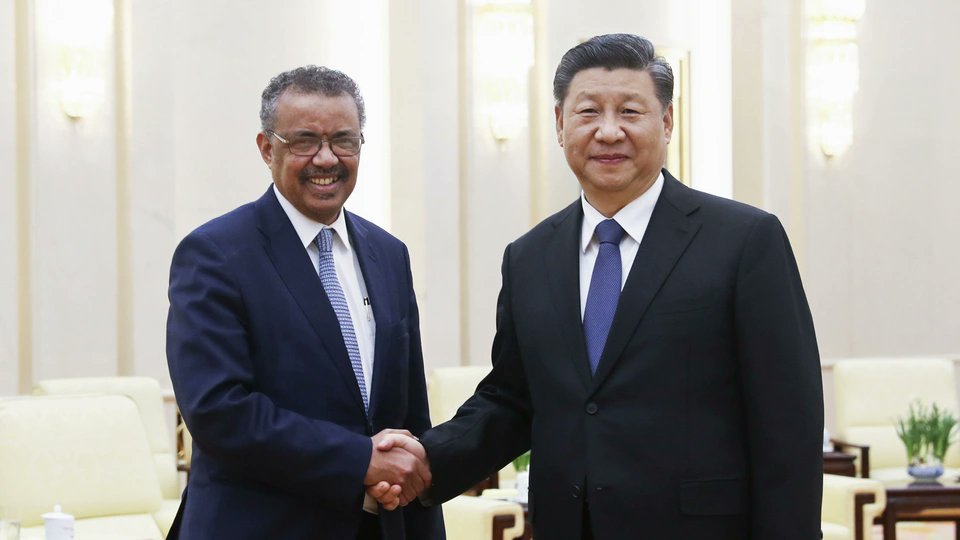
NO JOKE: 🇨🇳 China, which oppresses 1.5 billion people and gave the world the Coronavirus, has just been elected to the @WHO Executive Board, empowering Xi Jinping to shape global health policy.
22
BS check 🇦🇺 🇺🇦 retweeted

May 26
Many international organizations are controlled by China, this one is deeply concerning. During the pandemic the WHO repeated CCP disinformation and never held them to account for their reckless response.
Western democracies need to rebuild these compromised institutions.
NO JOKE: 🇨🇳 China, which oppresses 1.5 billion people and gave the world the Coronavirus, has just been elected to the @WHO Executive Board, empowering Xi Jinping to shape global health policy.
33
124
299
8,740
BS check 🇦🇺 🇺🇦 retweeted

May 23
'She made her position a platform for promoting distortions and undermining public confidence in the very institutions she’d sworn an oath to lead"
From @shaneharris, on Tulsi Gabbard
theatlantic.com/national-sec…
39
693
2,054
274,694
BS check 🇦🇺 🇺🇦 retweeted

May 23
Yeah, take it from a 1980s-born political hatchetman and ex-UFC comms director, Mike Pompeo (top of his class at West Point, Harvard Law grad, House Intel, ex-CIA director, ex-SecState) is clueless about Iran.
May 23

Mike Pompeo has no idea what the fuck he’s talking about. He should shut his stupid mouth and leave the real work to the professionals. He’s not read into anything that’s happening, so how would he know.
483
432
3,339
939,574
BS check 🇦🇺 🇺🇦 retweeted

May 21
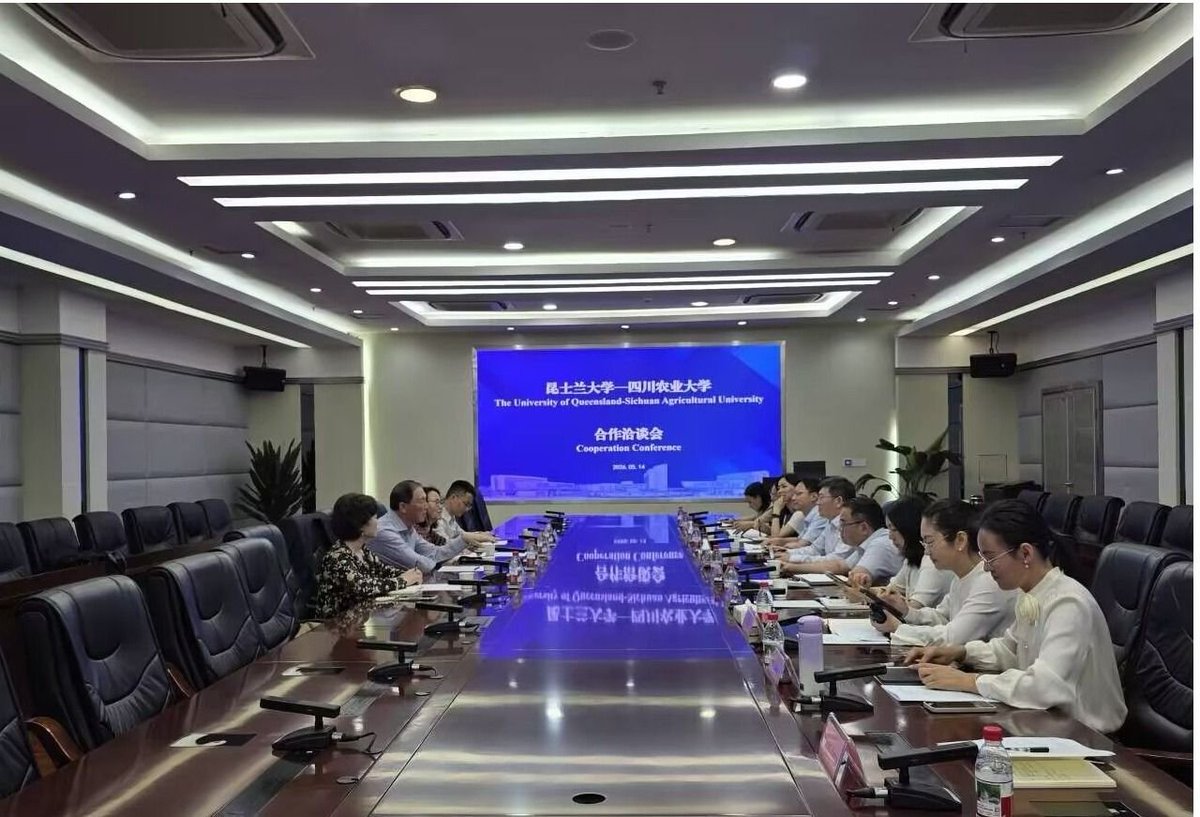
Australia: University of Queensland delegation led by Li Rongyu 李荣誉, DVC (Global Engagement), visits Sichuan Agricultural University 四川农业大学. Li reportedly suggests jointly building an open joint research platform 共建开放式联合科研平台
news.sicau.edu.cn/info/1078/…
1
1
4
790
May 21
In the places that matter (luckily) this guy is universally known as an academic quack and a CCP puppet. Connect the two, and you have this piece written by his handlers.
Must be in the ACRI conditions of funding that he must expose and embarrass himself at every opportunity.
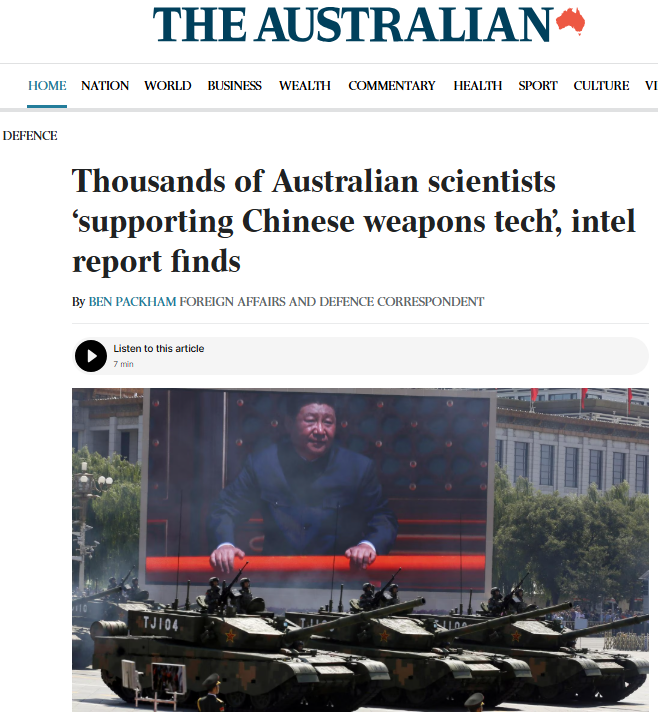
Earlier this week a US "AI-led intelligence company" gave @australian an "Exclusive", generating the headline that "thousands of Australian scientists" were supporting the People's Liberation Army. But is it true? TLDR? The analysis is deeply flawed 👉 jameslaurenceson.substack.co…
2
44
May 19
THIS!!!!!!!!!!!!

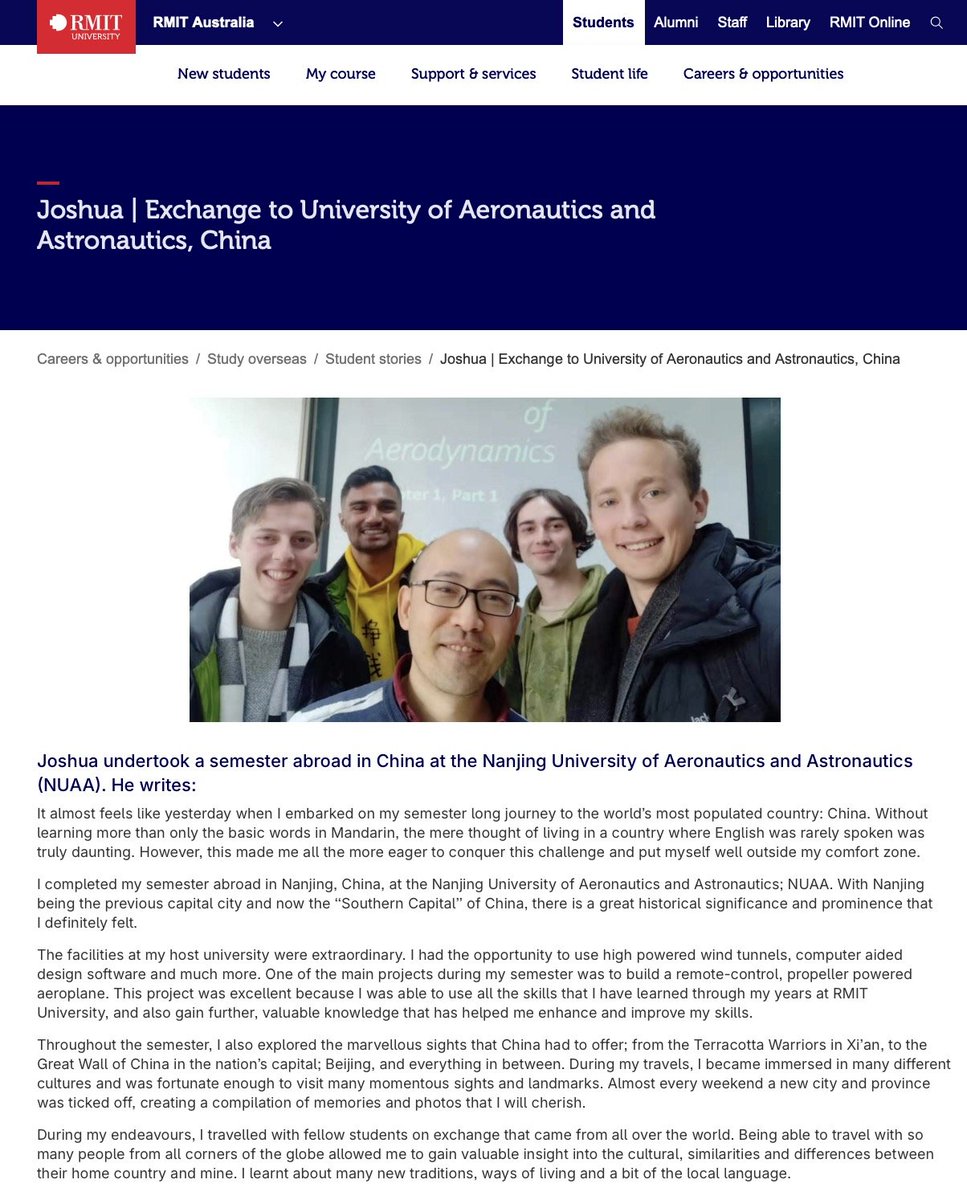
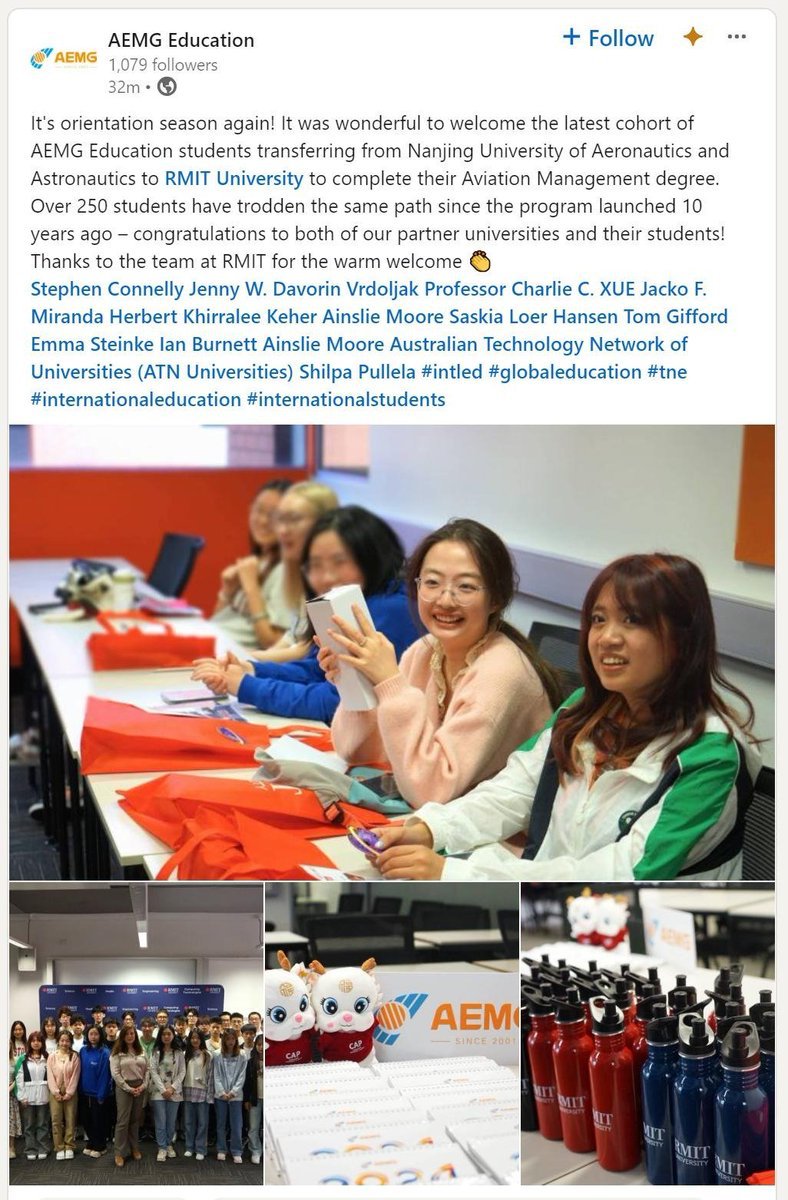
And this is just research security. Teaching and learning security hasn't even begun to be addressed. e.g. RMIT and one of the Seven Sons of National Defence, NJUAA and countless others.
2
56

BS check 🇦🇺 🇺🇦 retweeted

May 15
The funny thing is, even the foreigners who rave about China the most would not want to become Chinese citizens. No one wants to live under that level of censorship and surveillance, and be subjected to a government that wields unaccountable power.
196
69
344
42,647