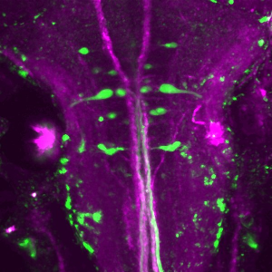
How do individual animals and animal collectives process and evaluate sensory information to give rise to behavior? We are investigating this and much more.

Joined October 2021
60 Photos and videos
25 Aug 2025
How do brains make decisions when faced with multiple, potentially conflicting cues? In our latest preprint, we show how #zebrafish use an additive strategy and process multiple visual features through anatomically distinct parallel pathways tinyurl.com/mvkn8em9 Thread 👇
7
13
28
1,289
25 Aug 2025
This work would not have been possible without the support of @UniKonstanz, @CBehav, @MPI_animalbehav, @zukunftskolleg, @ERC_Research, @Boehringer, NIH U19, and the #DFG. (7/7)
1
3
202
25 Aug 2025
A big thanks to our co-authors Sophie Aimon, @_maxcapelle, @flofightscience, Heike Naumann, Herwig Baier, @KrasimirSlanch1, as well as our colleagues in the Neurobiology department, and scientific support structures of the @UniKonstanz. (6/7)
1
2
159
25 Aug 2025
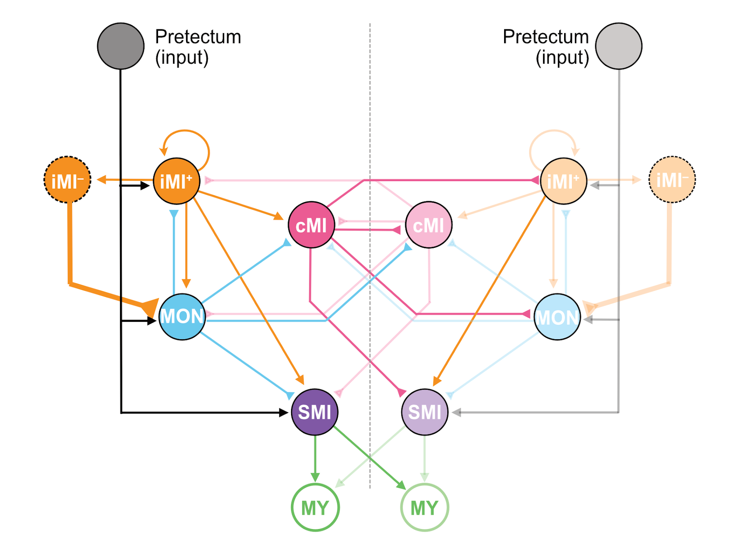
These results demonstrate how distinct visual features are extracted, processed in parallel, and eventually integrated to guide behavior. This modular and parallel circuit architecture provides a context-flexible solution for transforming sensory input into action. (5/7)
1
2
181
25 Aug 2025
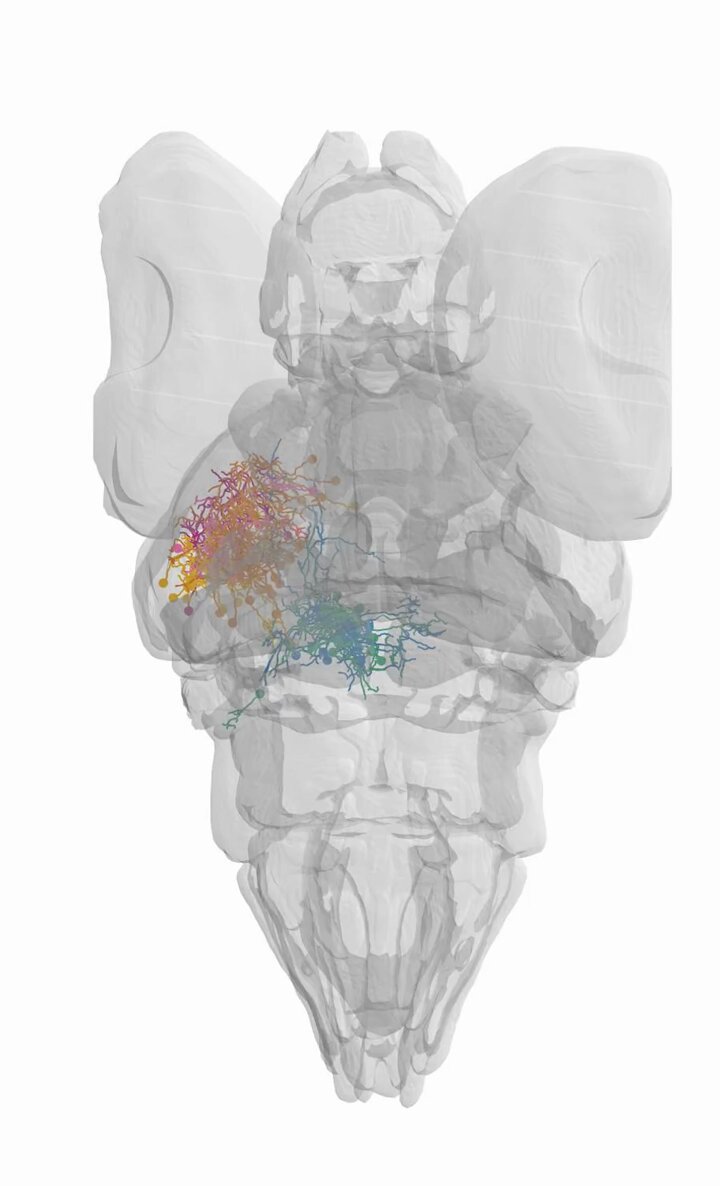
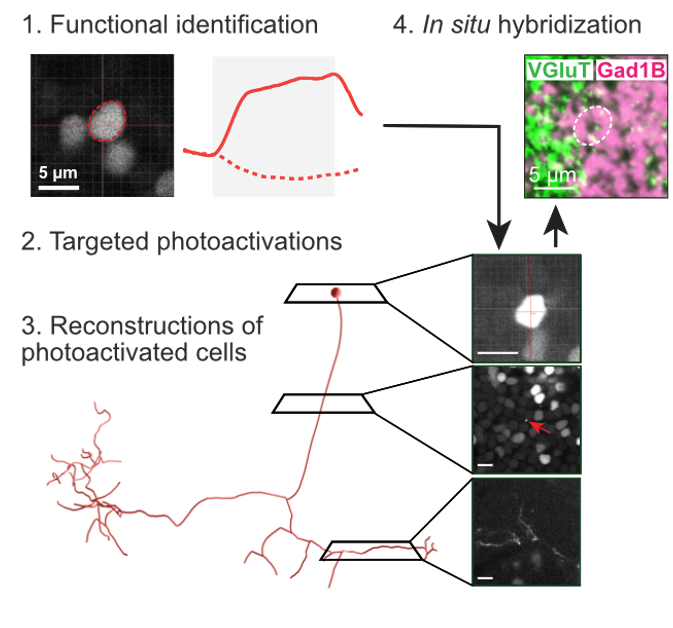
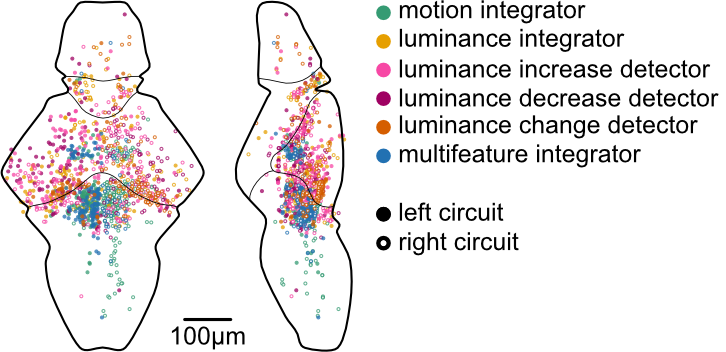
We investigated the morphology and neurotransmitters of functionally identified neurons and show how the identified pathways converge in the anterior hindbrain. (4/7)
1
2
124
25 Aug 2025
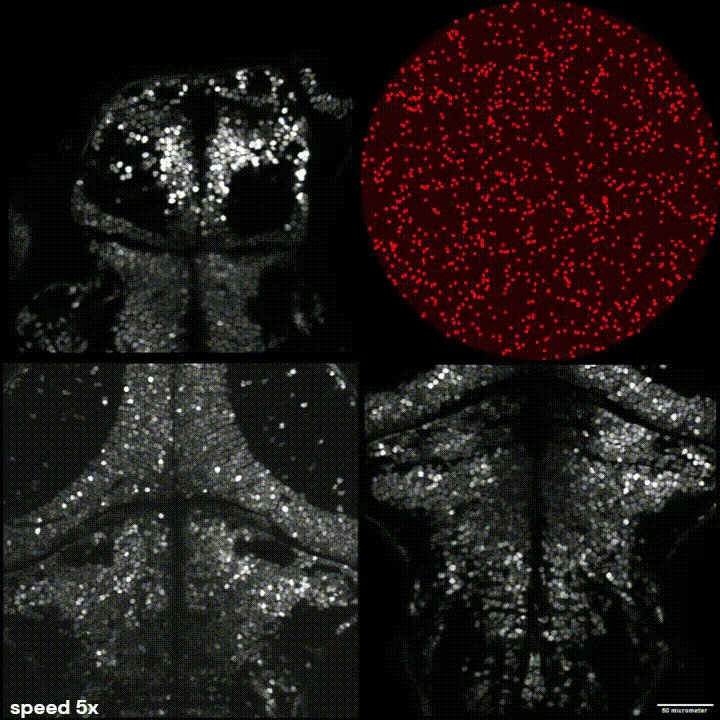
Through brain-wide 2P calcium imaging, we identify neurons whose activity matches our model components. (3/7)
2
5
189
25 Aug 2025
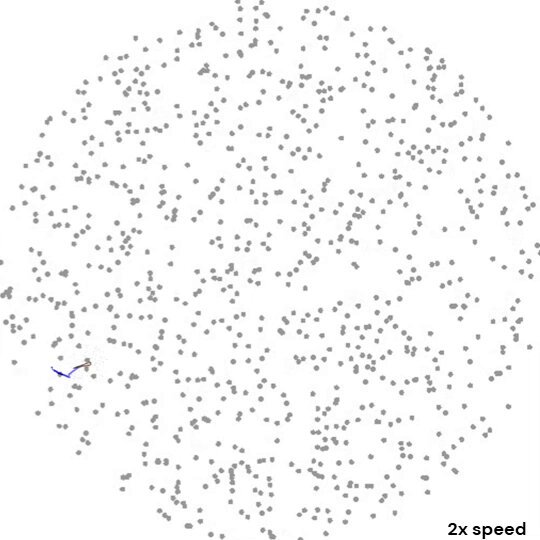
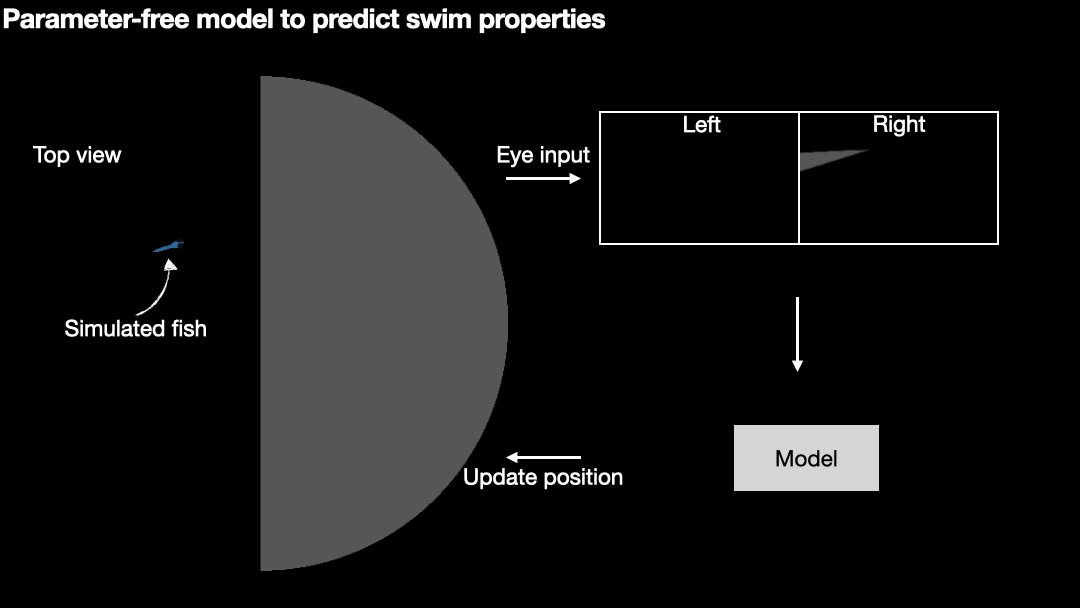
We find that zebrafish compute three visual features–motion, luminance level, and changes in luminance–and simply add cues to choose swim direction. Our model captures behavior and predicts potential computations in the brain. (2/7)
1
2
134
25 Aug 2025
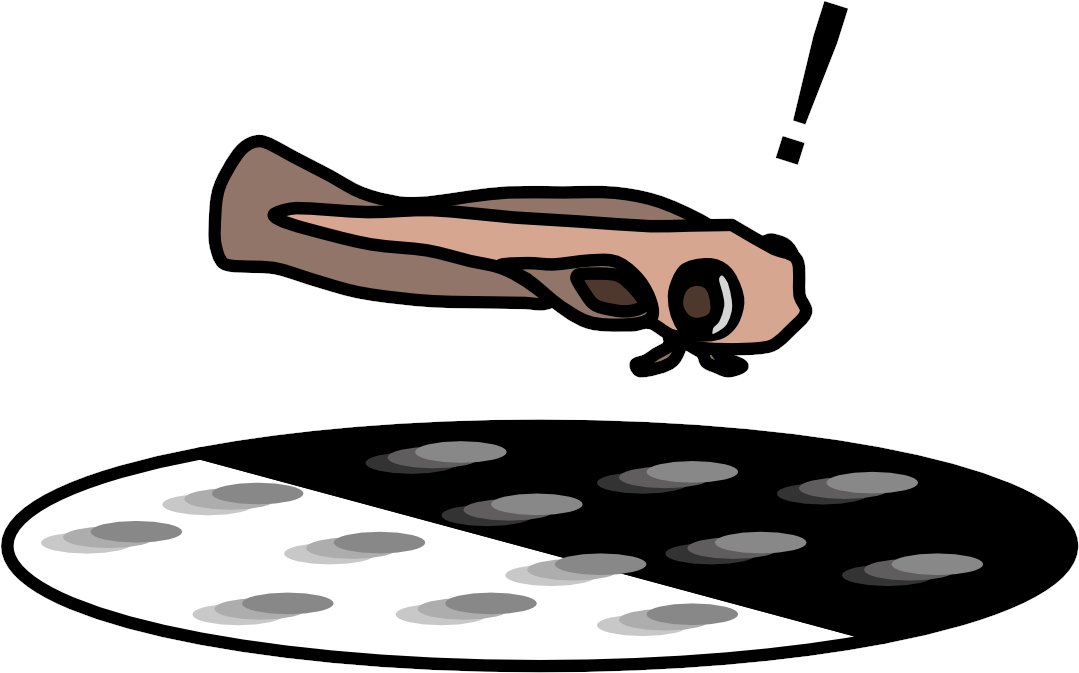
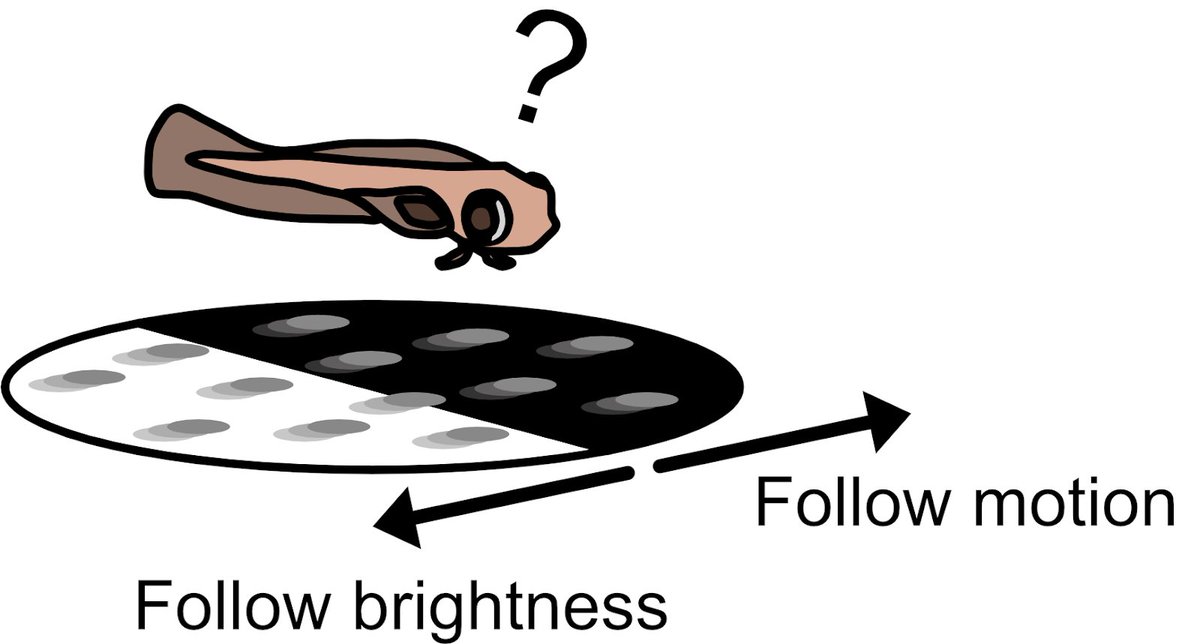
Larval zebrafish follow the direction of whole-field motion #OMR and prefer to swim towards brighter areas #phototaxis. But what happens in the brain when motion goes left, and there is brightness on the right? (1/7)
1
3
173
23 Jun 2025
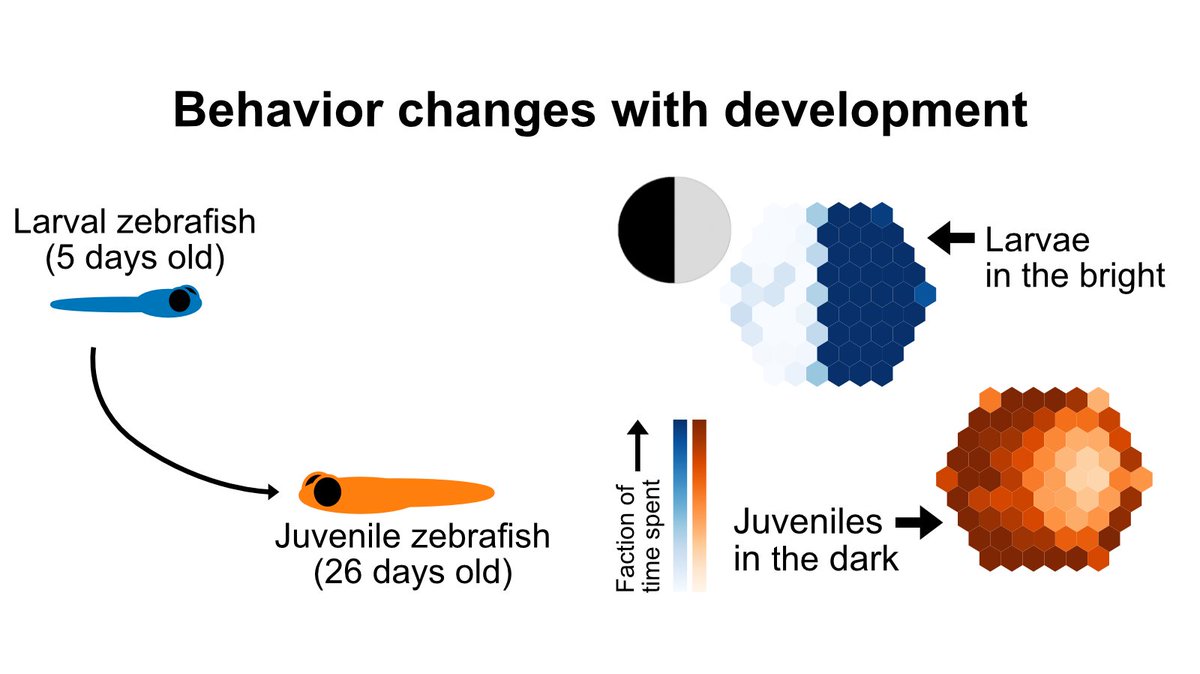
We are proud to have @_maxcapelle's paper out on bioRxiv! He found that phototactic behavior in #zebrafish switches during #ontogeny🐟🔆Through elegant behavioral dissections, he identifies the navigational strategies related to this transition. biorxiv.org/content/10.1101/… Thread 👇
10
10
22
1,269
23 Jun 2025
This work would not have been possible without the support of @UniKonstanz, @CBehav, @MPI_animalbehav, @zukunftskolleg, @ERC_Research, @Boehringer, and the #DFG. (10/10)
2
140
23 Jun 2025
We suggest that zebrafish phototaxis is regulated via parallel processing streams, which could be a universal implementation to change strategies depending on developmental stage, context, or internal state, making behavior flexible and goal-oriented. (9/10)
2
141
23 Jun 2025
Model-based extraction of latent cognitive variables points towards potential neural correlates of the observed behavioral inversion and illustrates a novel way to explore the mechanisms of vertebrate ontogeny. (8/10)
1
103
23 Jun 2025
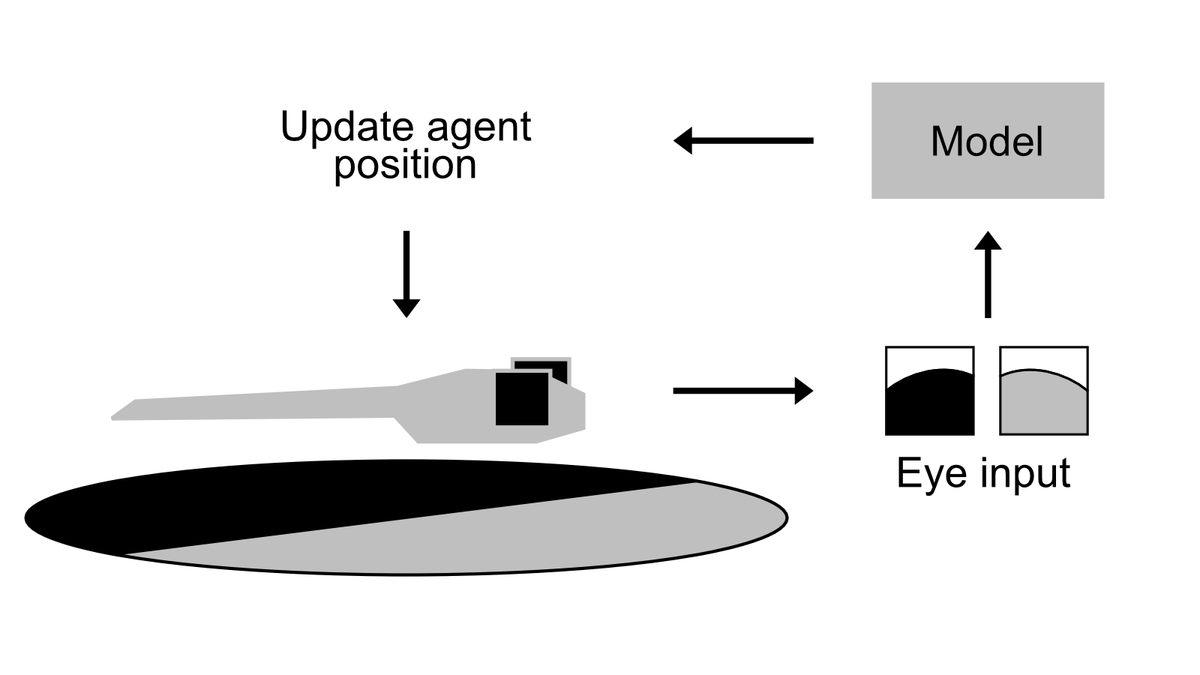
We ran simulations with virtual fish to test the model’s prediction for brightness navigation. Our model is able to qualitatively reproduce the behavior of the real fish. (7/10)
1
79
23 Jun 2025
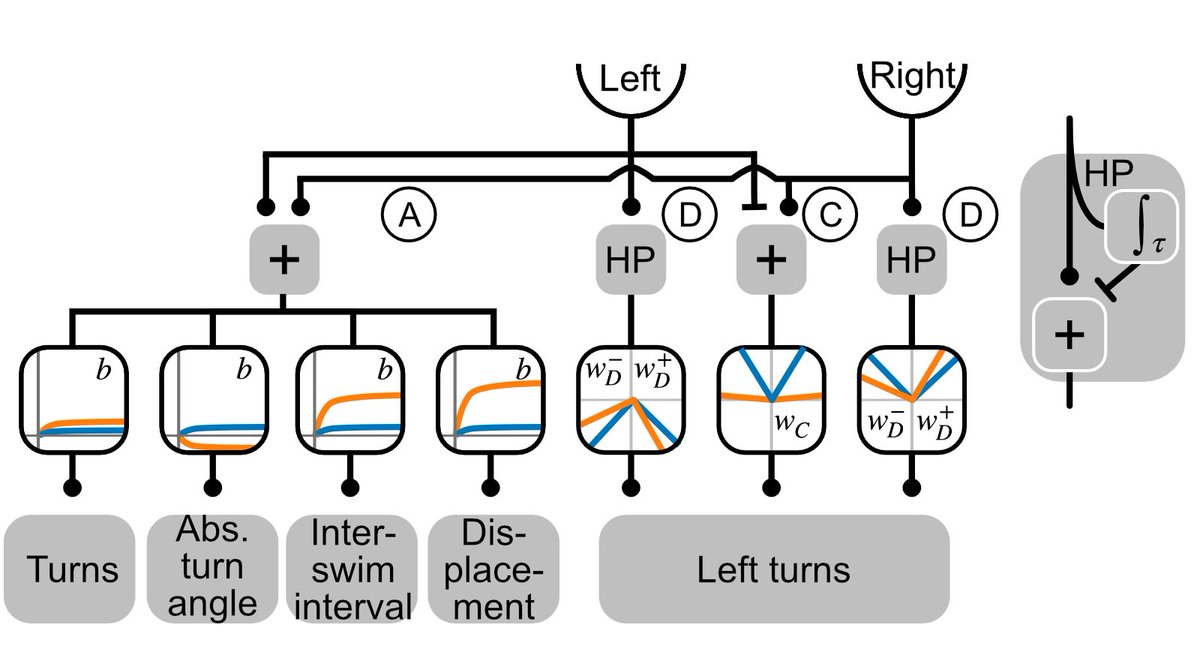
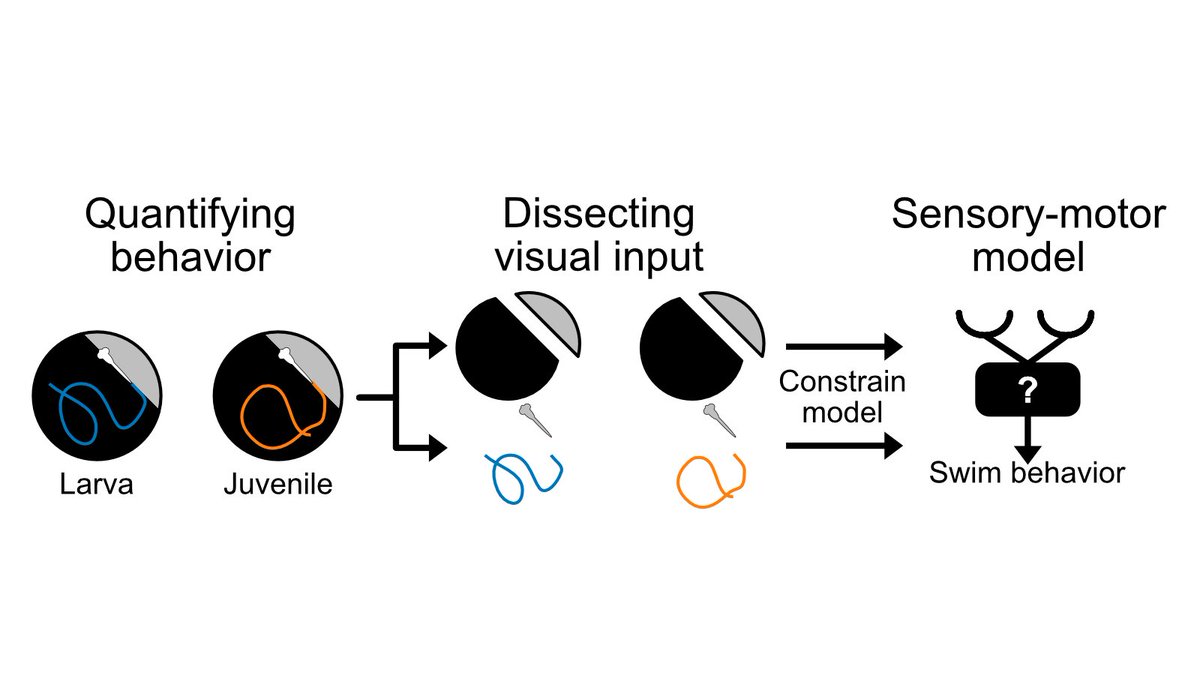
Using these pathways, we build a library of agent-based models to predict animal behavior across stimulation conditions and in more complex environments. (6/10)
1
120
23 Jun 2025
We identify three parallel pathways: averaging whole-field luminance levels (A), comparing the contrast of light levels across eyes (C), and computing eye-specific temporal derivatives (D). (5/10)
1
140
23 Jun 2025
Next, we quantified the turning behavior using a lateral brightness stimulus that is locked to the position of the fish. (4/10)
1
62
23 Jun 2025
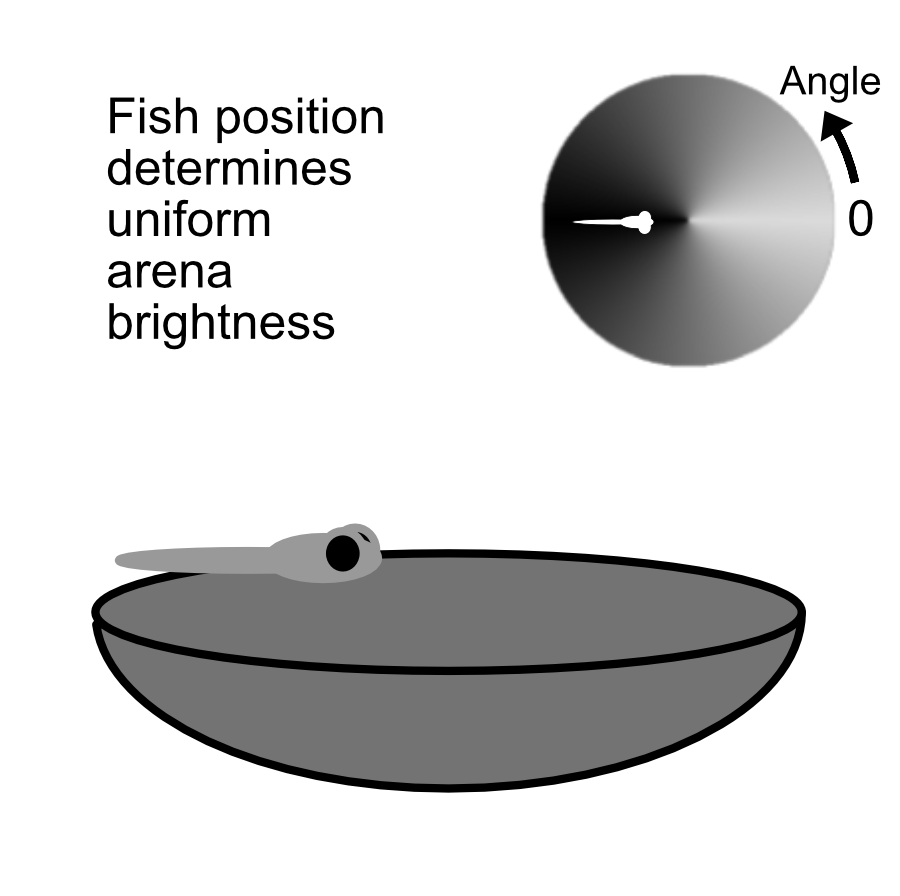
To test behavioral responses to whole-field brightness levels, we created a virtual circular gradient in which the brightness of the arena depends on the position of the fish. (3/10)
1
111
23 Jun 2025
We apply a combination of modeling and complementary phototaxis assays in virtual reality to dissect the algorithmic basis of this transition. (2/10)
1
110
23 Jun 2025
Larval zebrafish spend more time in the light, whereas juvenile zebrafish tend to approach darker regions. (1/10)
1
150
25 Mar 2025
Sledding from the Bahl lab retreat into #NWG2025! Come check out our posters and talks over the next few days. See you there!
1
11
348