
Joined January 2015
- Tweets 1,101
- Following 588
- Followers 672
- Likes 2,664
47 Photos and videos

In case you missed it, check out the video of my talk on OMol25, where I discuss how we built the dataset how MLIPs trained on OMol25 are revolutionizing computational chemistry!
youtube.com/watch?v=ROajuR5p…
2
8
56
4,717
David Balcells retweeted

16 Jul 2025
🧪🔬 Synthesis experts!
Our team at Google DeepMind is hiring a scientist to establish and lead an AI-driven laboratory for materials discovery.
The team is working to combine our AI capabilities with automated experimentation to discover novel functional materials. 1/
3
28
133
34,595

9 Jul 2025
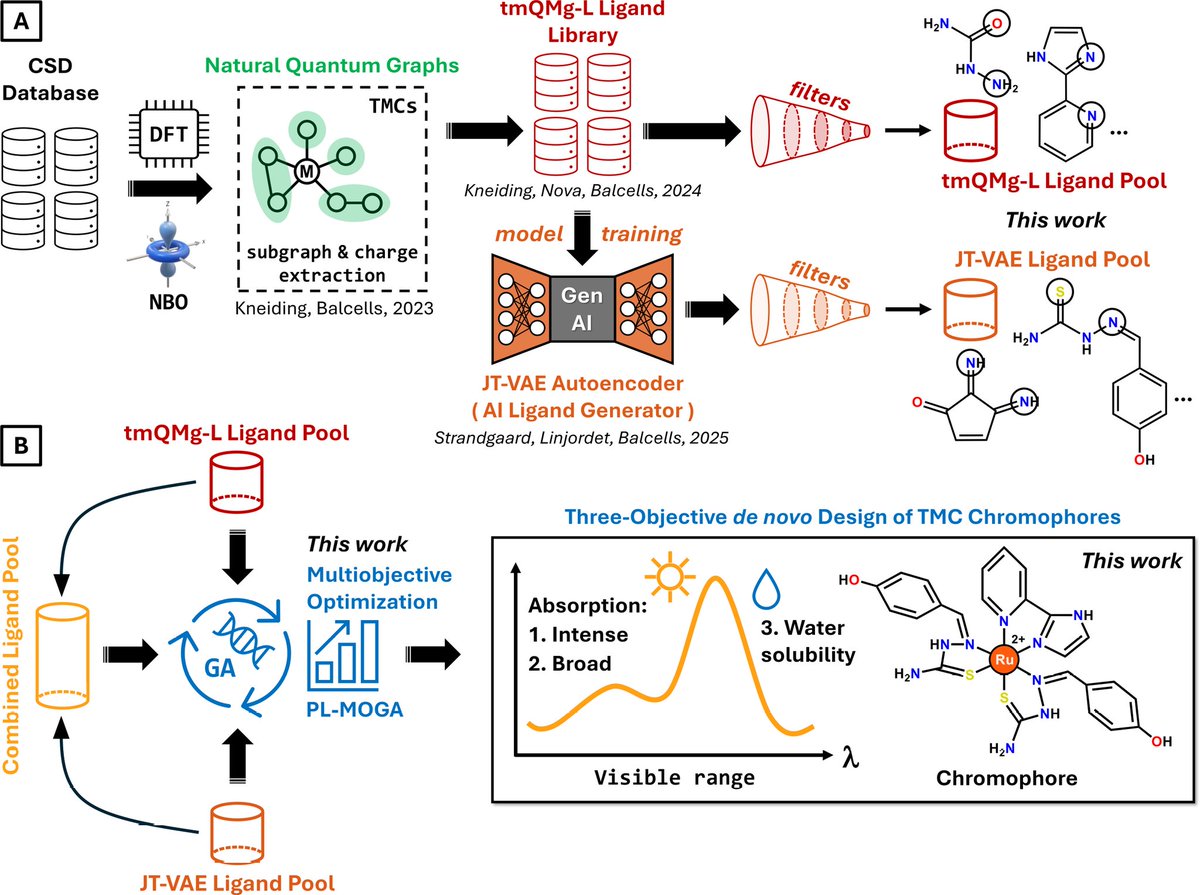
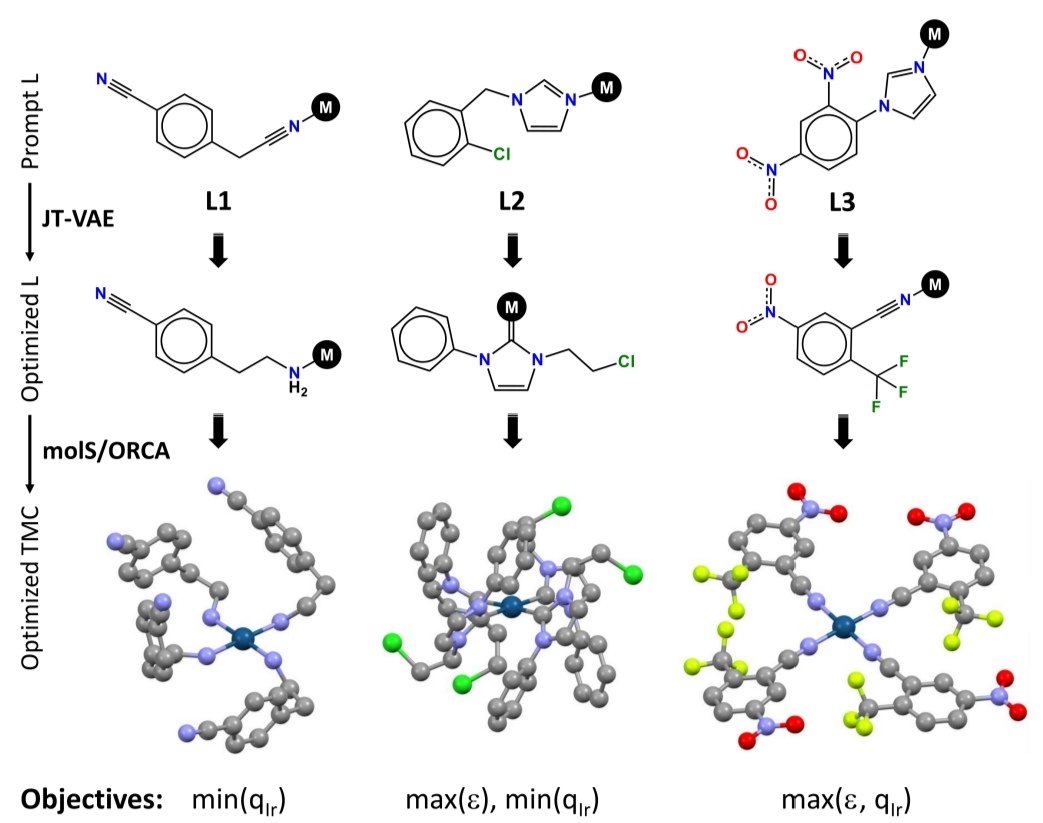
Evolving Light Harvesting Metal Complexes with AI-Made Ligands! Now preprinted in the ChemRxiv 👉 go.shr.lc/4eEd498
2
17
718
David Balcells retweeted

4 Jul 2025
Three PhD student positions available in my group: aalto.fi/en/open-positions/t…
13
28
3,772
David Balcells retweeted

1 Jul 2025
🚀Exciting news! We are releasing new UMA-1.1 models (Small and Medium) today and the UMA paper is now on arxiv!
UMA represents a step-change in what’s possible with a single machine learning interatomic potential (short overview in the post below). The goal was to make a model that works out-of-the-box for materials, molecules, catalysts, and beyond, while remaining fast enough for general-purpose use. ⚡🔬
The new 1.1 models fix a bug related to size extensivity. 🛠️✅
🧵 1/
3
26
124
23,684
23 Jun 2025
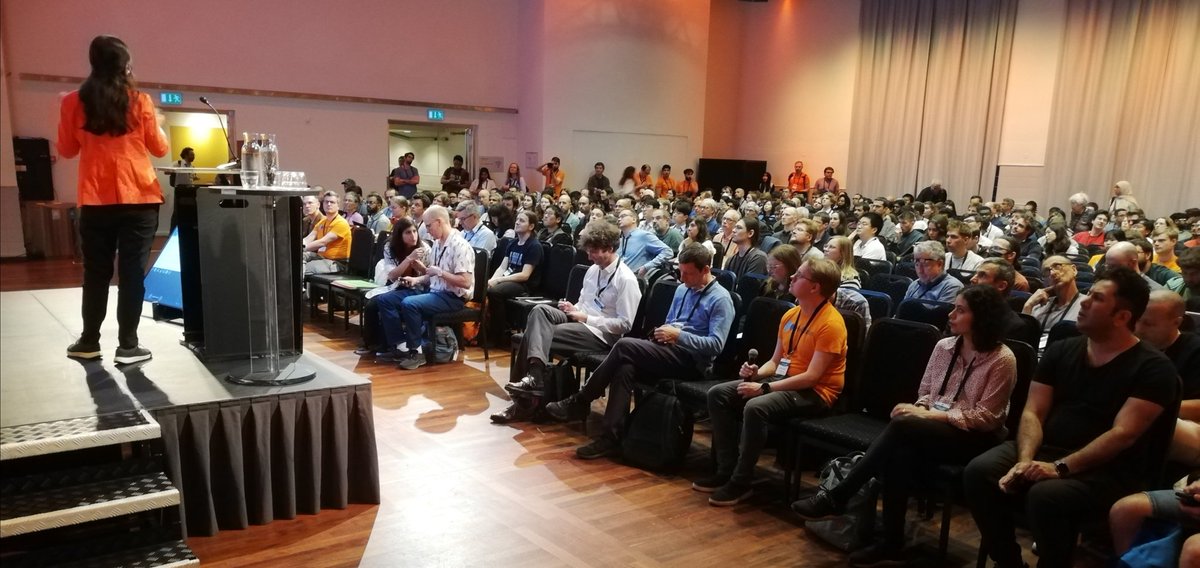
Nearly full room with Fernanda Duarte – ML session in WATOC Oslo 2025 🚀
8
512
23 Jun 2025
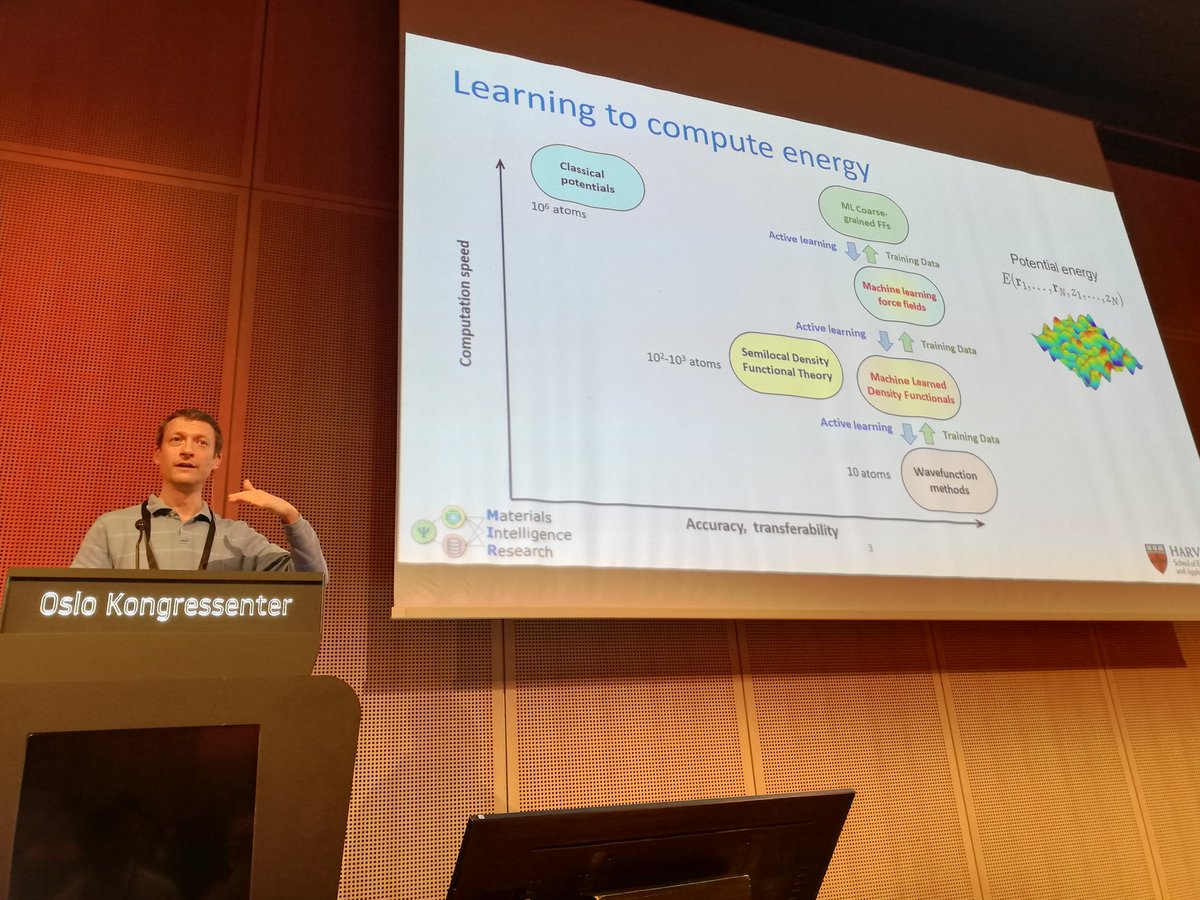
Boris Kozinsk on stage now in WATOC 2025 Oslo – MLIPs for catalysis!
9
466
17 Jun 2025
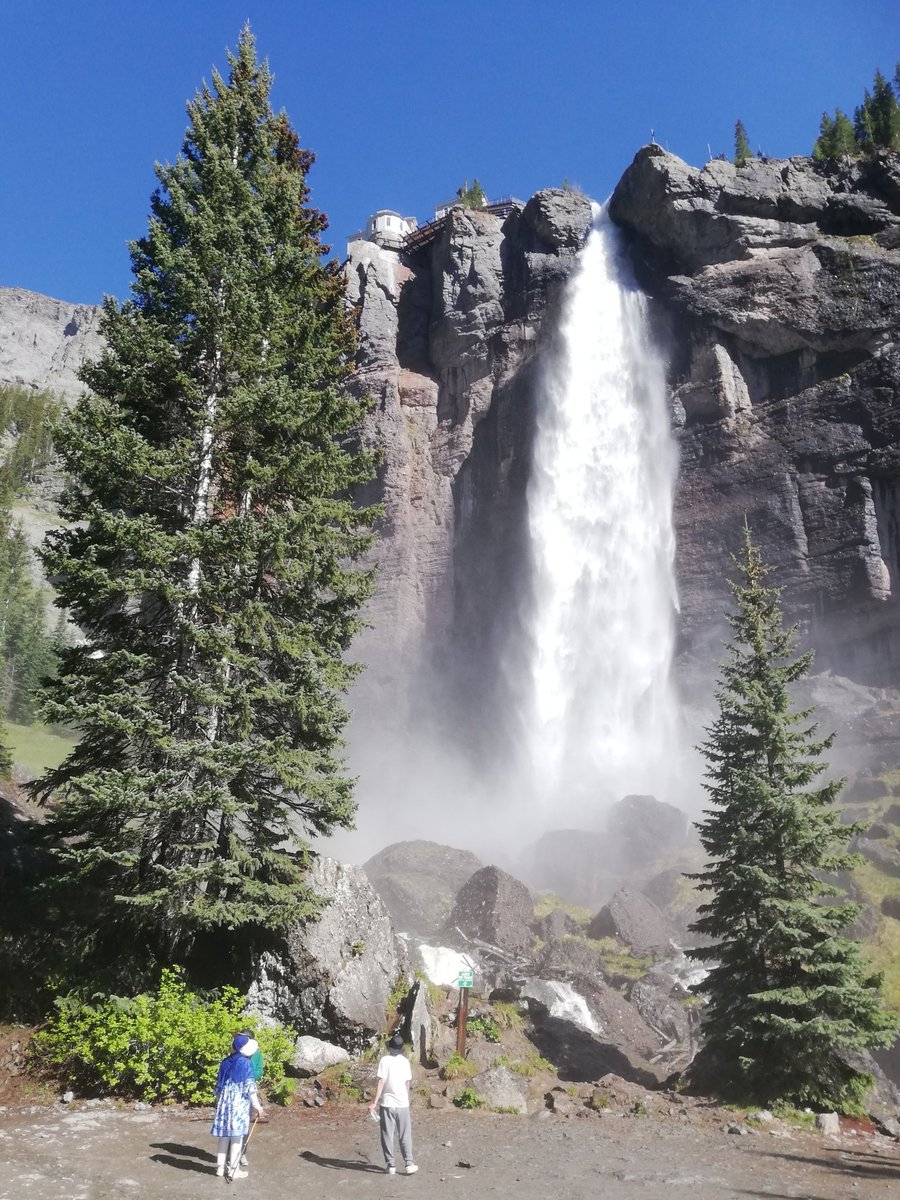
Back to Telluride, enjoying amazing science at high altitude!
1
8
258
David Balcells retweeted

14 Jun 2025
The time evolution of chemical space: pubs.acs.org/doi/full/10.102…
Now out in @JCIM_JCTC!
1
10
53
3,147
5 Jun 2025
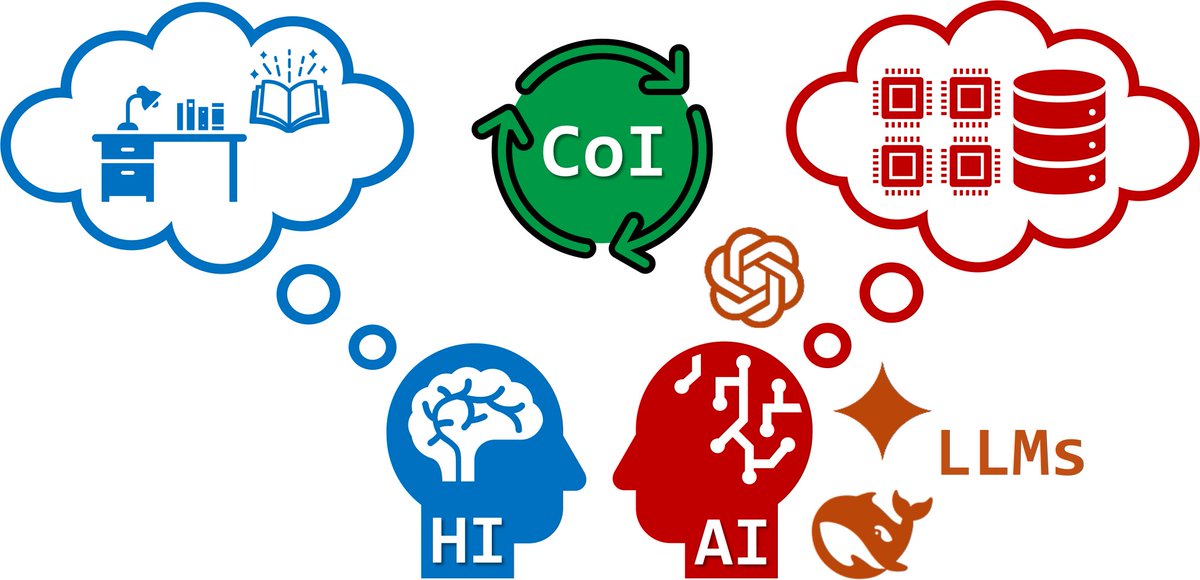
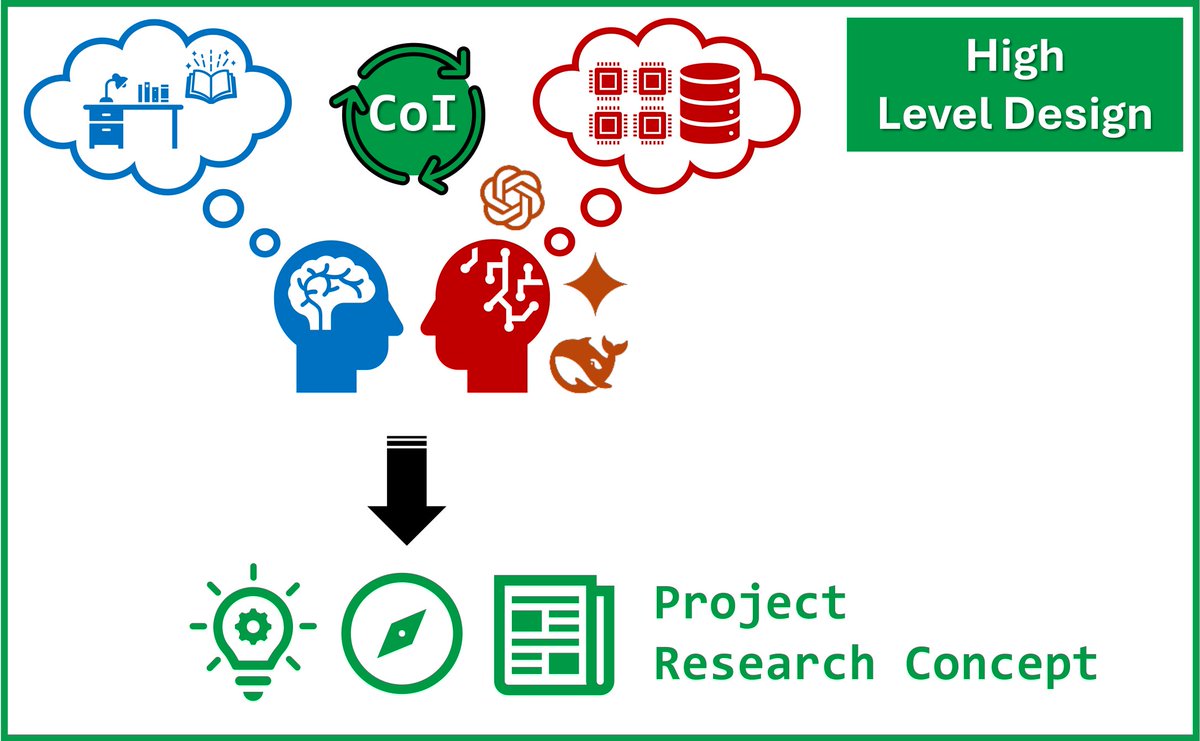
Inspired by @emollick's co-intelligence (CoI) concept, I explored CoI in the design of chemistry research with an example in computational catalysis. Trying to find some middle-ground between AI hype & denial, if such a place exists...👇
doi.org/10.26434/chemrxiv-20…
Feedback welcome!
1
6
281
30 May 2025
Very interesting work on ML representations for molecules
30 May 2025

I’m thrilled to share our latest publication in Nature Machine Intelligence: “Advancing molecular machine learning representations with stereoelectronics-infused molecular graphs”
Led by @daniil_boiko, our work introduces stereoelectronics-infused molecular graphs (SIMGs),
1
204
David Balcells retweeted

26 May 2025
Last week to apply to this position in my group.
13 May 2025

We are recruiting a PhD student in machine learning for photocatalysis! In this project, we will collaborate with the group of Frank Glorius @GloriusGroup to develop predictive tools for energy-transfer-catalyzed photocycloadditions.
Reposts appreciated!
jobs.ethz.ch/job/view/JOPG_e…
5
15
3,150
David Balcells retweeted

19 May 2025
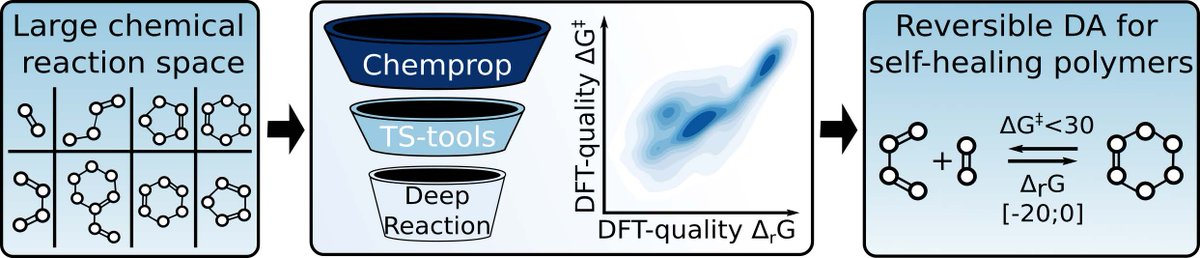
New preprint from our group: Screening Diels-Alder reaction space to identify candidate reactions for self-healing polymer applications (1/5)
chemrxiv.org/engage/chemrxiv…
1
4
25
1,831
15 May 2025
Check out Lucía's @Lmoranglez Perspective now out in @ACSCatalysis on AI on homogeneous catalysis, with Arron, Ainara, and I. Awesome work already done, with many future exciting challenges!
15 May 2025

🚀 From mechanistic insights to inverse catalyst design, our new Perspective maps the breakthroughs — and the hurdles ahead — in AI for homogeneous catalysis with transition metal complexes. Take a peek! 👀 @BalcellsD @hylleraas pubs.acs.org/doi/10.1021/acs…
1
13
773
David Balcells retweeted

15 May 2025
🚀 From mechanistic insights to inverse catalyst design, our new Perspective maps the breakthroughs — and the hurdles ahead — in AI for homogeneous catalysis with transition metal complexes. Take a peek! 👀 @BalcellsD @hylleraas pubs.acs.org/doi/10.1021/acs…
7
34
1,951
14 May 2025
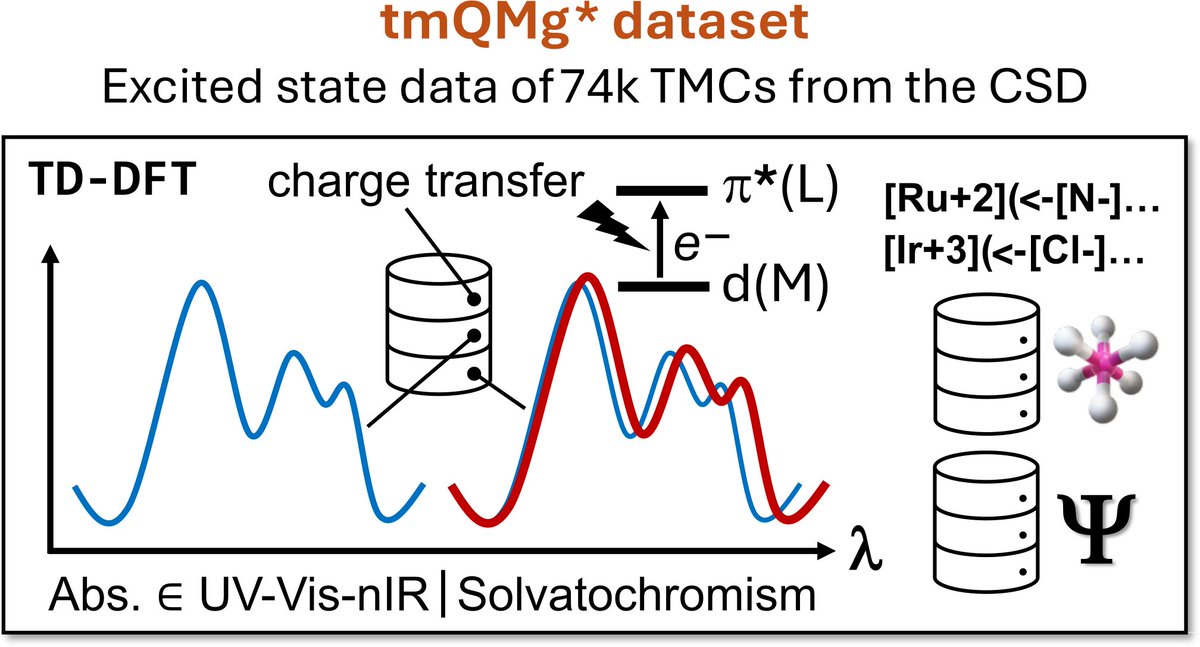
Want to see an estimate of the average UV-Vis spectrum of the known metal-organic chemical space? Here you have it for 74,281 transition metal complexes, including wavelengths & intensities, charge transfers, and solvatochromic effects. All ready for your ML projects. Have fun!
3
11
67
3,520
David Balcells retweeted

8 May 2025
For any who are interested in working on machine-learning driven simulations of battery electrolyes using path-integral techniques, I am opening a new postdoctoral position in my group. The Interfolio application site is here: apply.interfolio.com/167480
14
57
4,845
David Balcells retweeted

1 May 2025
Really happy to announce this today! We're launching a free platform and API to use our scientific agents for discovery 🔥
1 May 2025

Today, we are launching the first publicly available AI Scientist, via the FutureHouse Platform.
Our AI Scientist agents can perform a wide variety of scientific tasks better than humans. By chaining them together, we've already started to discover new biology really fast. With the platform, we are bringing these capabilities to the wider community. Watch our long-form video, in the comments below, to learn more about how the platform works and how you can use it to make new discoveries, and go to our website or see the comments below to access the platform.
We are releasing three superhuman AI Scientist agents today, each with their own specialization:
A general-purpose agent (Crow);
An agent to automate literature reviews (Falcon); and
An agent to answer the question “Has anyone done X before” (Owl).
We are also releasing an experimental agent, Phoenix, that has access to a wide variety of tools for planning experiments in chemistry. More on that below.
The three literature search agents (Crow, Falcon, and Owl) have benchmarked superhuman performance. They also have access to a large corpus of full scientific texts, which means that you can ask them more detailed questions about experimental protocols and study limitations that general-purpose web search agents, which usually only have access to abstracts, might miss. Our agents also use a variety of factors to distinguish source quality, so that they don’t end up relying on low-quality papers or pop-science sources. Finally, and critically, we have an API, which is intended to allow researchers to integrate our agents into their workflows.
Phoenix is an experimental project we put together recently just to demonstrate what can happen if you give the agents access to lots of scientific tools. It is not better than humans at planning experiments yet, and it makes a lot more mistakes than Crow, Falcon, or Owl. We want to see all the ways you can break it!
The agents we are releasing today cannot yet do all (or even most!) aspects of scientific research autonomously. However, as we show in the video, you can already use them to generate and evaluate new hypotheses and plan new experiments way faster than before. Internally, we also have dedicated agents for data analysis, hypothesis generation, protein engineering, and more, and we plan to launch these on the platform in the coming months as well. Within a year or two, it is easy to imagine that the vast majority of desk work that scientists do today will be accelerated with the help of AI agents like the ones we are releasing today.
The platform is currently free-to-use. Over time, depending on how people use it, we may implement pricing plans. If you want higher rate limits, especially for research projects, get in touch. @m_skarlinski, @andrewwhite01, @_tnadolski, Remo Storni, @semajazarb, @ludomitch, @MichaelaThinks, as well as @jasonjoyride and his team for making such fantastic videos of us!
8
19
124
8,878
David Balcells retweeted

29 Apr 2025
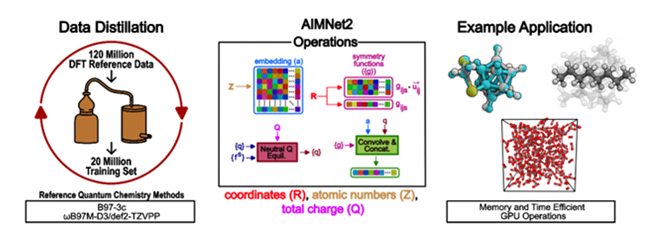
Long & windy road of academic publishing! Few journal rejections and two years (!!!) after preprint, AIMNet2 paper was just published @ChemicalScience ! With 69 citations to it as of now, it's immediately part of 2025 HOT🌶️ Article collection. #compchem pubs.rsc.org/en/content/arti…
4
13
97
5,664