
Joined May 2021
- Tweets 12,362
- Following 577
- Followers 35,548
- Likes 27,774
3,149 Photos and videos



Ballgame 👨🏻⚕️ retweeted

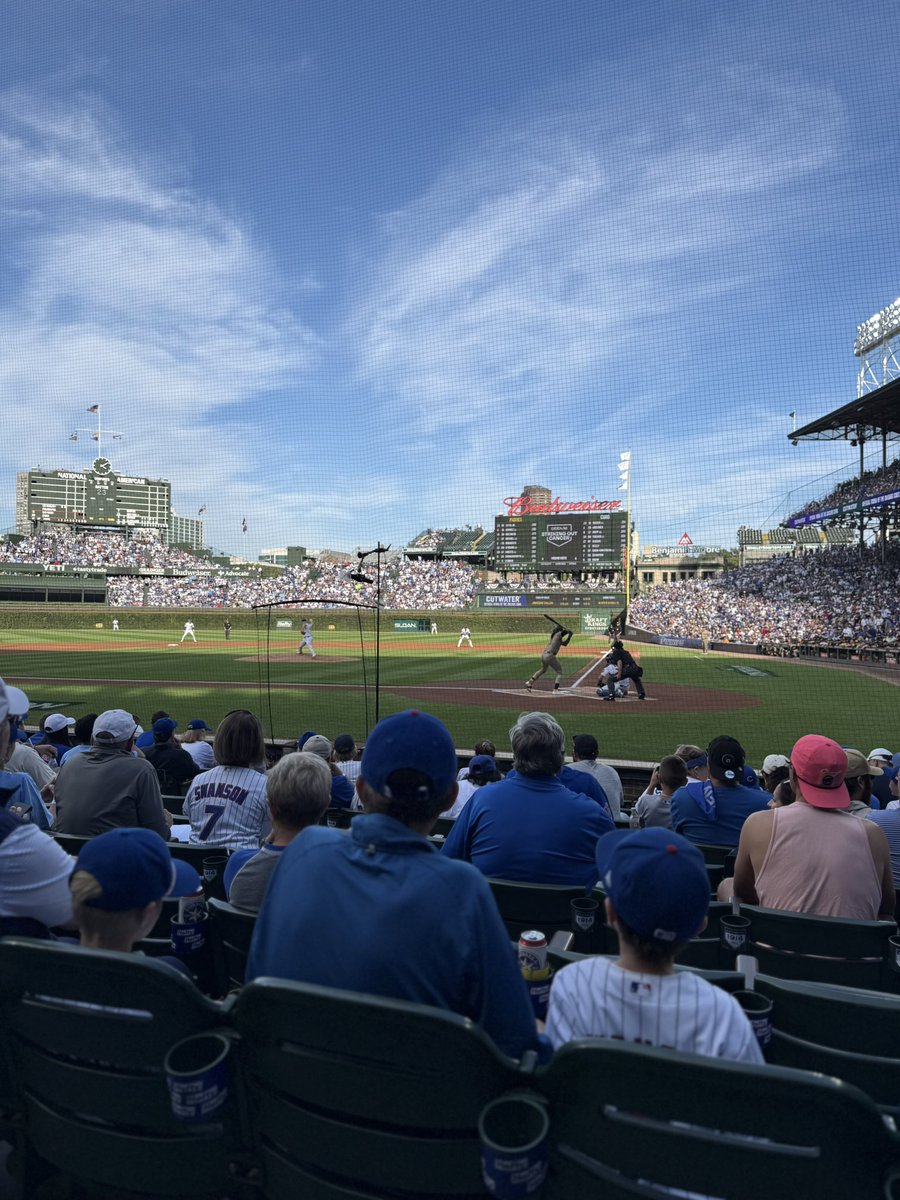
Couple of radio calls for ya…
1. Absolutely vintage Pat Hughes on Pete Crow-Armstrong’s game-tying home run in the ninth inning.
2. Pat’s call of Michael Busch’s hit and the sequence that let Dansby Swanson score the game-winning run.
Cubs win, 3-2.
(@thescorechicago)
18
141
1,687
64,549
Ballgame 👨🏻⚕️ retweeted

May 23
Wonderful by @nishikoripicks
Losers think deterministic (0/1 mindset).
Winners think probabilistic.
Try to detach yourself emotionally from your bets, i.e. don‘t watch the games, etc. - that helps to avoid the 0/1 mindset.
You can have a brilliant bet, even if it loses.
May 23

This week in my Wednesday newsletter I said that Mannarino’s odds vs Collignon in Geneva of almost 9.0 were a gift, even though he had lost the match. And I received this reply from someone called William:
"Odds are never a gift if you lost lol."
And this is precisely the mistake many bettors like William make.
They see betting as something deterministic, as if the result was already written, and as if only winning bets were good bets, while losing bets were bad bets.
I think most of you reading this already know that things don’t work like that.
This is about probabilities.
If Mannarino wins 1 out of every 5, 6, or even 7 or 8 matches in those exact pre-match circumstances, then the bet was good.
Of course you never know it, but you know what I mean, this must be your thinking.
By the way, you will notice that I almost never talk about my winning bets after the event. I find that quite embarrassing. I usually only talk about the ones I lose.
Back to the point, in this world, I see a very strong relationship between the narrative and the result.
One piece of advice I received years ago, and which helped me a lot, is this:
Once you have obviously analysed all the variables that may affect the outcome of a match, try to see the odds as a kind of odds supermarket.
You pick the prices that you believe are very interesting given the context, without worrying too much about the short-term results.
I know it is almost impossible not to care about short-term results. But ideally, that is how it should be.
You analyse carefully, you buy prices, and a few months later you check how you did.
Because hasn’t this happened to you before?
You start analysing a match. You look at the pros and cons of betting on a certain player. You get too focused on the narrative, the variables, the context… and in the end you decide not to bet.
Then later you realise you probably should have, because the price was just too good.
For example, you think: “Yes, this player is top 10, but he hasn’t been playing well on clay this season.”
So you decide not to take 2.70 because of that supposed poor form.
And then, after thinking about it again, you say to yourself:
“Damn, but the price was very high. That was probably already more than priced in.”
Those of us who bet without a machine learning model telling us where to bet still have to fight against this way of thinking.
It's the price, it's the price, it's the fckn price.
The focus should be on the price.
Of course, you have to take all those factors into account. But you should not let them distract you from the most important thing: the price.
Anyway, today I just wanted to talk about this. A bit of betting philosophy.
1
2
11
5,421
Ballgame 👨🏻⚕️ retweeted

May 13
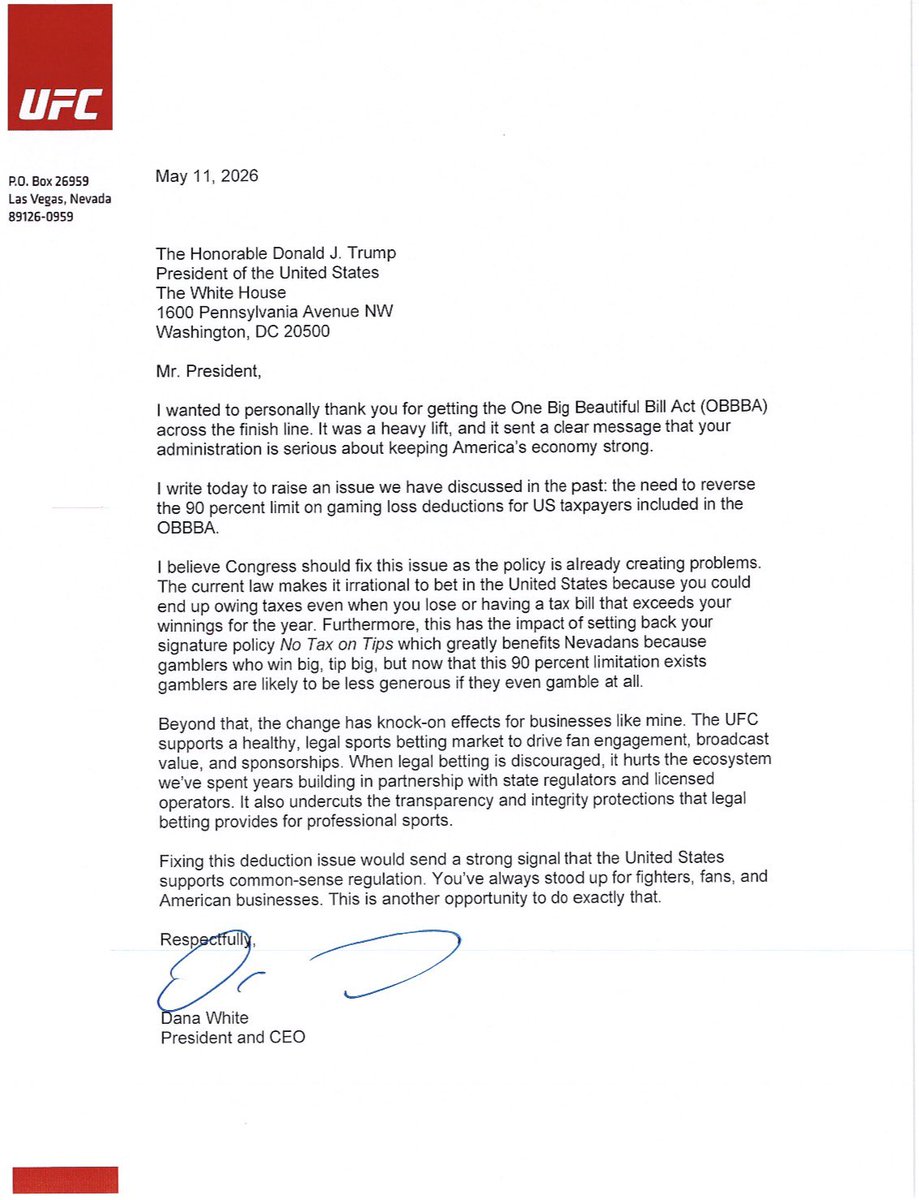
New: UFC President Dana White has sent a letter to President Donald Trump asking him to help reverse the 90 percent limit on gambling loss deductions for US taxpayers that became law last year.
The issue has been a concern for both bettors and the gambling industry itself.
256
472
4,589
2,228,824
Ballgame 👨🏻⚕️ retweeted

May 8
Nobody does it like #PAOFans. PERIOD. ☘️
BEST FANS IN THE WORLD 💚
#WeTheGreens #paobcaktor #Club1908
57
111
1,017
81,913

Ballgame 👨🏻⚕️ retweeted

Apr 30
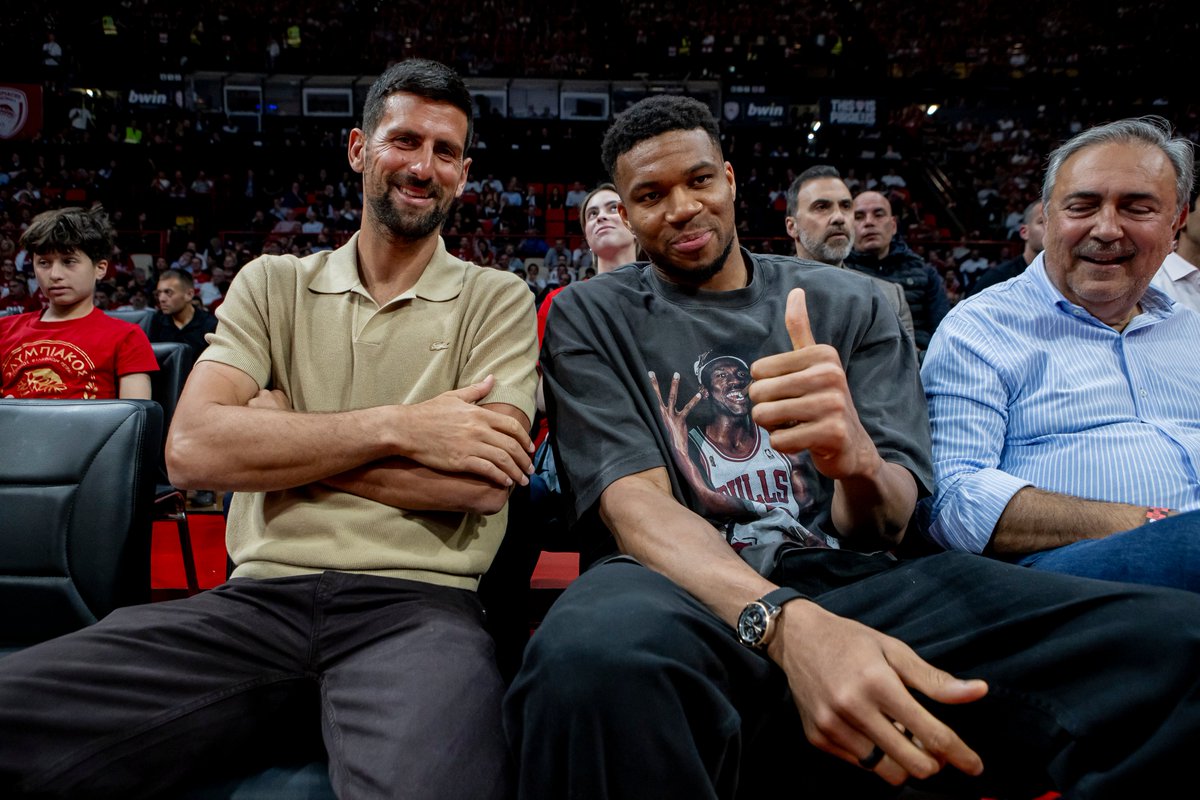
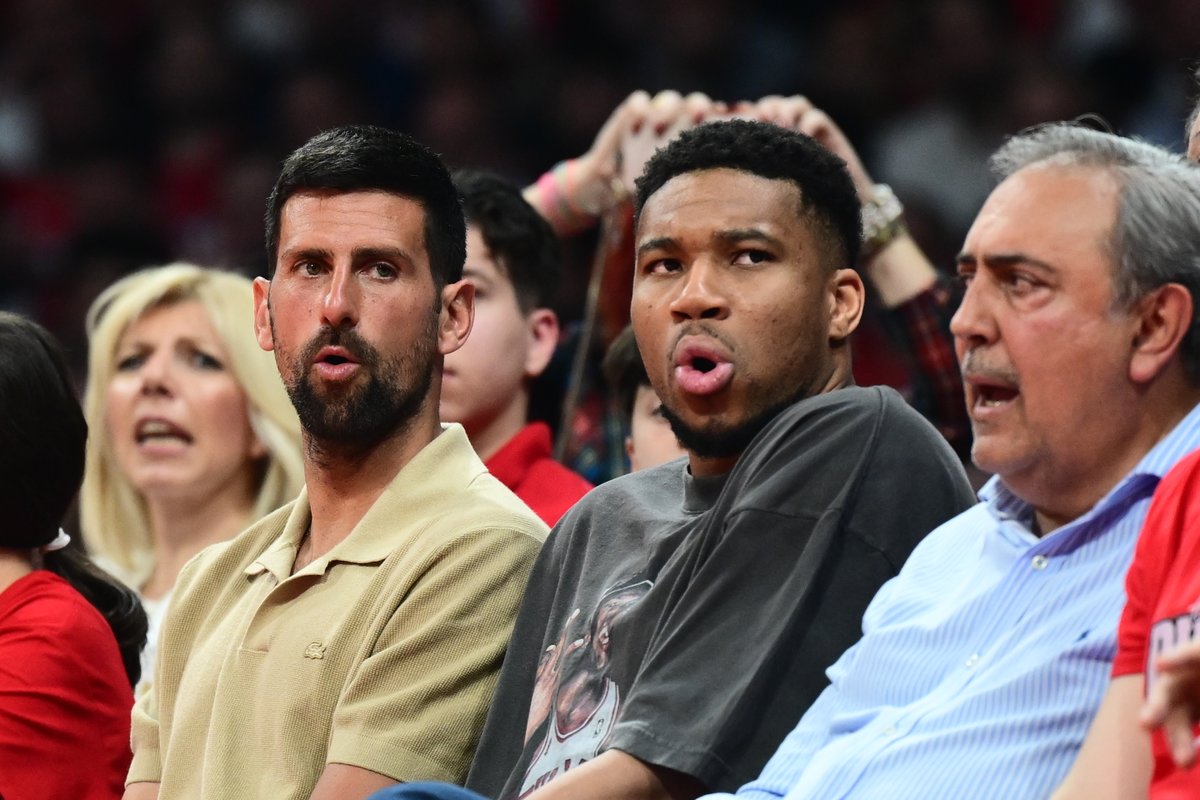
THRYLOS welcomed legends @Giannis_An34 and @DjokerNole at Game 2! 🔴🔥
#OlympiacosBC #WeAreOlympiacos #TogetherWeFight #OLYASM
15
194
2,329
49,742
Ballgame 👨🏻⚕️ retweeted

Apr 28
THE TALEN TRAIN HAS ARRIVED!
🚂😤
@Thortontucker | @FBBasketbol
1
1
11
2,407
Ballgame 👨🏻⚕️ retweeted

Apr 5
Christ is risen from the dead, and with him, we too rise to new life! This Easter proclamation embraces the mystery of our lives and the destiny of history, reaching us even in the depths of death. #Easter
1,034
16,876
114,947
1,868,869
Ballgame 👨🏻⚕️ retweeted

Mar 15
OH MY GOD!!! TJ POWER TIES THE GAME AT 75 WITH ONE SECOND LEFT!! A MIRACLE FOR PENN!!
40 POINTS FOR POWER!!
WE ARE GOING TO OVERTIME IN ITHACA!!!
Penn 75, Yale 75
1
9
59
13,533
Ballgame 👨🏻⚕️ retweeted

Mar 12
A HUGE BUCKET by Matthew Strazel gave AS Monaco the W over Olympiacos 🔥
1
13
2,982
Ballgame 👨🏻⚕️ retweeted

Mar 12
Fernando Tatis Jr. joins the DR homer party
27
113
1,115
72,905
Ballgame 👨🏻⚕️ retweeted

Mar 7
209
1,400
8,923
5,062,112
Ballgame 👨🏻⚕️ retweeted
Mar 6
SHOHEI OHTANI GRAND SLAM
45
370
3,174
215,685
Ballgame 👨🏻⚕️ retweeted

Feb 12
My FAIR BET Act has been sitting in @WaysMeansCmte for eight months, despite commitments from @HouseGOP to restore the full gambling loss deduction.
I am now filing a discharge petition to bring it to the House floor for a vote.
Both high-stakes and hobby gamblers are struggling, and local economies like #OnlyInDistrictOne that depend on gaming revenue are hurting. We need 218 signatures to bring this commonsense fix to the floor. Call your representatives and tell them to sign on.
clerk.house.gov/DischargePet…
27
88
398
44,855
Ballgame 👨🏻⚕️ retweeted

Feb 9
Enough @Kalshi , Cardi B YES is a win. Get these graded
13
9
68
33,319
Ballgame 👨🏻⚕️ retweeted

Feb 5
La que le ha hecho Jean Montero a Micic en la prórroga
@valenciabasket x.com/cemberici/status/20195…
16
159
1,331
74,090