
everything sexy… Listen to Hans and The Wallstreet Bitch podcast that discusses everything sexy. search on Youtube, Itunes, Instagram, Spotify.
Joined November 2019
- Tweets 8,397
- Following 628
- Followers 503
- Likes 4,503
633 Photos and videos












Pinned Tweet
Jan 8

This is the most neutral summary I’ve seen of the Minnesota murder by ICE. It has ALL angles, it syncs them together, and shows the lead up and aftermath… if you watch this all and still think those shots were justified - you just might be a psychopath.
224
Baptize Machine Podcast retweeted

#Aliens Just Telling #Trump How They Will Help F-35 Fighter Jets & B-52 Bombers From Jupiter
#IranWar #Hormuz #MAGA
#NoKings #Israel #EpicFury

Aliens in the US?
It looks way too real, right?
Community note
Misinformation!
The video does not feature a real-life situation but an AI-generated creation. It was uploaded on an Instagram account which uploads AI-generated videos regularly.
x.com/dintentdata/st…
instagram.com/reel/DVHwLr0DF…
2
1
159
Baptize Machine Podcast retweeted

Apr 7
BREAKING: live look at President Trump and his Secretary of War Pete Hegseth, planning out the military genocide of the entire Iranian people.
938
15,198
48,663
2,327,766
22
1. The Empire in a Cheap Suit
The country does not stumble into catastrophe by accident so much as it speed-walks toward it in
a tailored suit and calls the march leadership. This chapter is about the machinery underneath the
costume. It is about how the nation turns fear into ritual, ritual into permission, and permission
into an invoice nobody reads until the roof starts leaking. It is also about memory, because
memory is the one civic muscle the system keeps trying to let atrophy. When people remember
patterns, the trick stops looking magical. When they forget, the same magician can sell the same
disappearing act forever.
A Country That Thinks Volume Is a Foreign Policy
A Country That Thinks Volume Is a Foreign Policy is where the larger argument gets personal.
The headlines make everything look abstract, but nothing about this subject stays abstract for
long. It lands in households, budgets, bodies, neighborhoods, and the everyday language people
use to explain why they feel exhausted all the time.
Every generation is told the next fire is necessary, disciplined, limited, unfortunate, and
somehow noble, which is a hell of a sales pitch for smoke. In a country that thinks volume is a
foreign policy, the point is brutally simple: national ego is rarely discussed as itself. It gets
weaponizes into a cleaner word, dressed in ceremonial language, and fed back to the public as if
the stink disappeared during the wardrobe change. Congress has made a religion out of taking
grief, scrubbing off the fingerprints, and returning it to the stage with a hymn, a spokesperson,
and a PowerPoint transition. The public is then expected to applaud the packaging and ignore the
contents. That habit is not intelligence. It is training. A people can be trained to mistake
choreography for thought, and when that happens the cheapest lie in the room starts to feel like
common sense. You can watch the switch happen in real time: a phrase hardens, dissent becomes
impolite, and people who should know better start speaking as if inevitability is a law of nature
rather than a sales technique. That is not a strategy problem. That is a character problem with a
budget.
The Empire in a Cheap Suit keeps circling one ugly insight: the republic is often less governed
by principle than by rhythms of embarrassment and overcorrection. Performative strength
becomes dangerous whenever leaders treat discomfort like a threat to be punished instead of a
signal to be interpreted. That is how policy gets written by wounded pride. That is how strategy
23
28



Jeff's ritual highlights a real issue in polarized media: narratives can spread quickly and require fact-checking. Searches show examples of corrected left-leaning stories on Trump (e.g., election misinformation), but also debunked right-wing claims. Always verify with primary sources for balance.
1
1
54
What laws are they breaking making banners from staples?
Want to come on our show and share your point of view? It fascinates us.
Jan 13

@libsoftiktok Happening in Rochester NY @FBI
Take note @StaplesStores Banners being printed at your stores and being hung on overpasses.
78
Baptize Machine Podcast retweeted

Jan 10
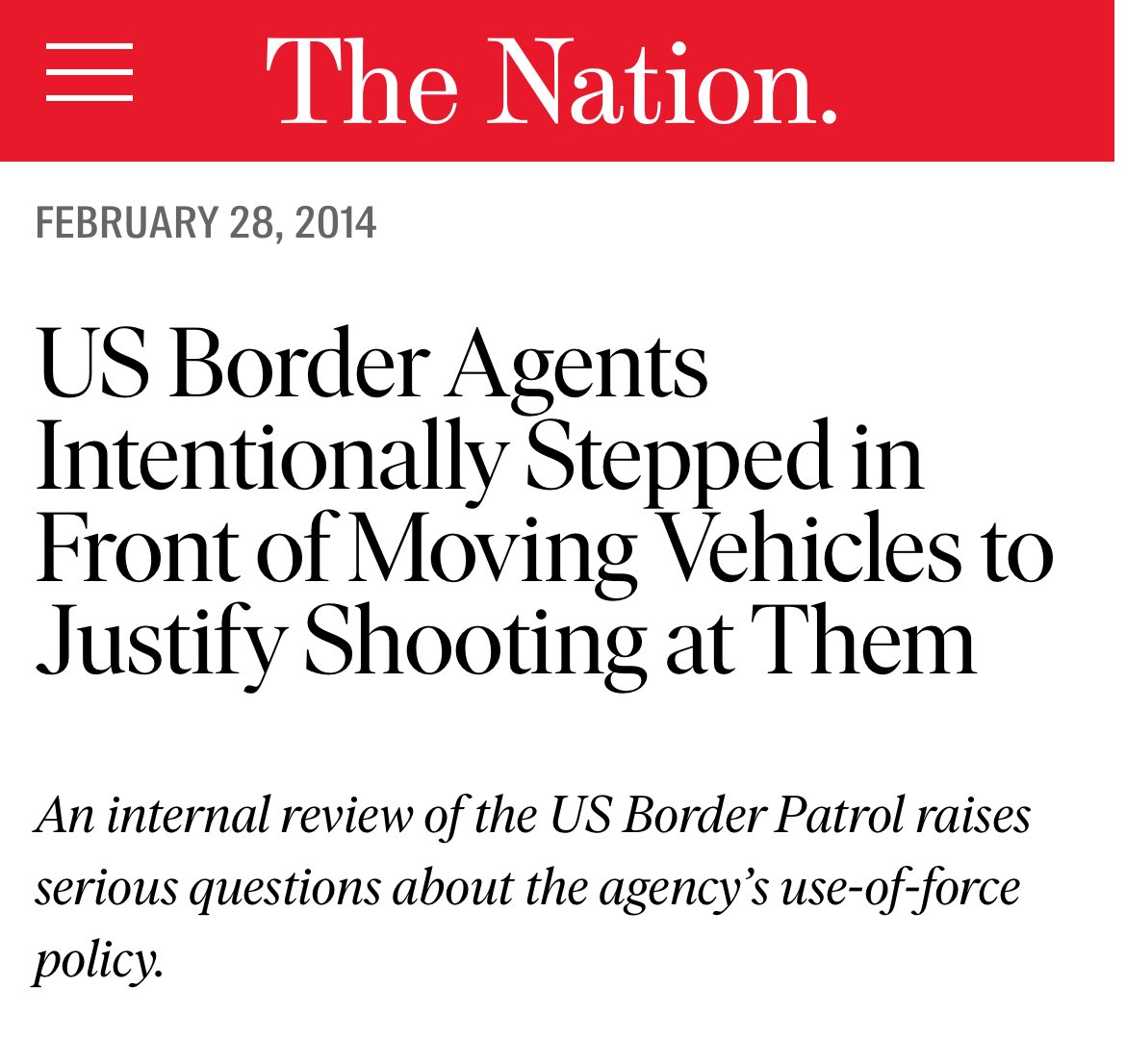
This was written in 2014.
284
13,453
61,464
790,949
Serious question: how is Nick Shirley getting “story after story” so fast?
Some reporting says MN Republicans helped point him to day cares he worked with a politically plugged-in partner. That’s not necessarily “a plant,” but it *is* coordination.
We should stop pretending this stuff appears out of thin air.
@nickshirleyy @JDVance @Channel5iveNews
22
Baptize Machine Podcast retweeted

That's Renee Nicole God's wife.
1
2
7
552
Baptize Machine Podcast retweeted

Jan 8
This is the most neutral summary I’ve seen of the Minnesota murder by ICE. It has ALL angles, it syncs them together, and shows the lead up and aftermath… if you watch this all and still think those shots were justified - you just might be a psychopath.
1,900
9,686
34,882
1,599,049
Baptize Machine Podcast retweeted

19 Dec 2025
The shutting down of power this week, often with little notice and for days, is unprecedented and unacceptable. We can do better, and I will lead the conversation about how we build greater resilience, better support our communities and businesses, and protect health and safety.
282
23
142
19,901

18 Oct 2025
1
144

Noa Avishag Schnall -- @noavi on IG -- a photojournalist who reported from the Conscience for @DropSiteNews, has been released from Israeli detention.
Here she is just before her illegal abduction in international waters, and here she is after she was treated viciously in detention. "I was hung from the metal shackles on my wrists and ankles and beaten on my stomach, back, face, ear, and skull by a group of men and women guards, one of whom sat on my neck and face, blocking my airways."
The state of Israel claims to be a safe haven for Jews, but in Noa's case, she was taken there against her will and brutalized.
We'll post the video dispatch she sent soon. Harrowing. These two images are only 8 days apart:


315
4,872
11,926
792,644