Professor of Marine Biogeochemistry working on blue carbon and submarine groundwater discharge. Editor-in-Chief Global Biogeochemical Cycles (he/him).
Joined August 2018
- Tweets 864
- Following 831
- Followers 1,637
- Likes 2,111
222 Photos and videos
Prof Isaac Santos retweeted

29 Nov 2024
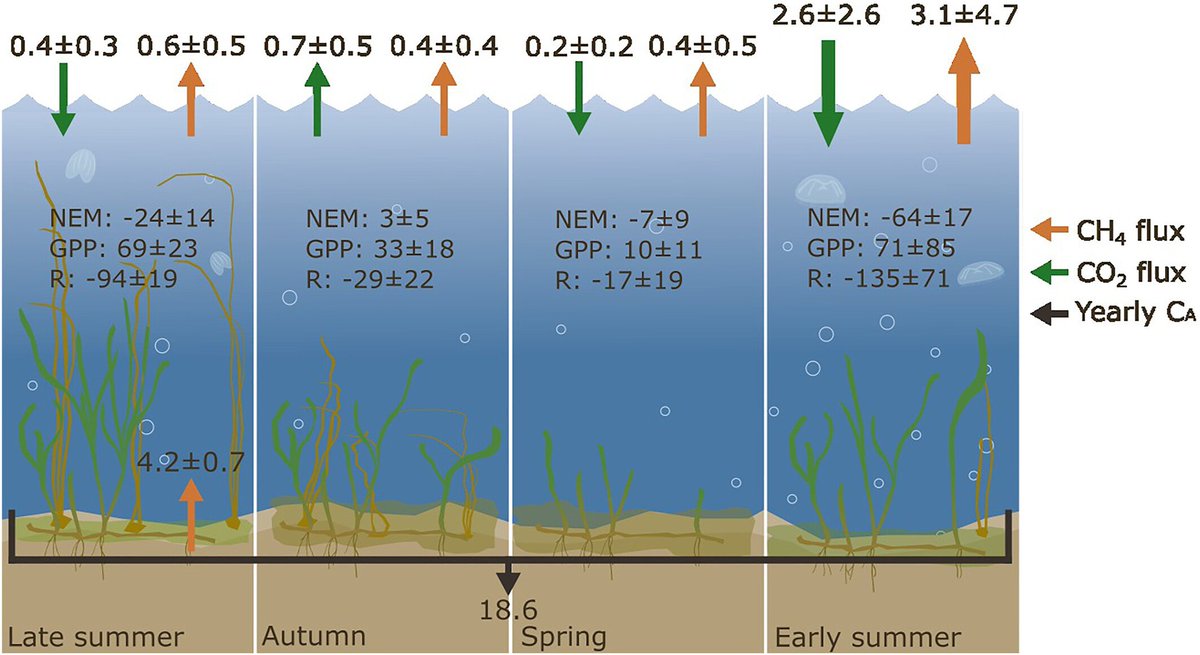
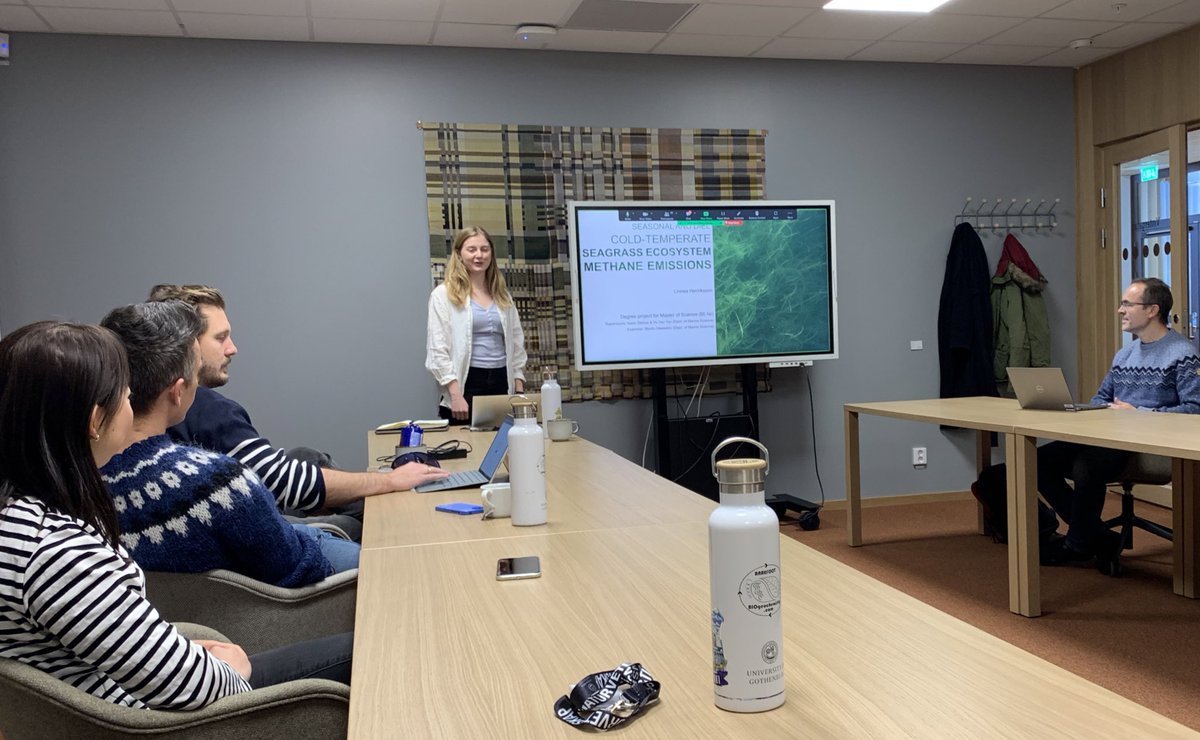
Safe to say that seagrass meadows are great carbon sinks, at least in cold-temperate systems! CH4 emissions counteracts very small fractions 🫧
I feel honoured to work with such a wonderful team @Barefoot_Lab
25 Nov 2024

@diLinnex first paper just out in @JGRBiogeo
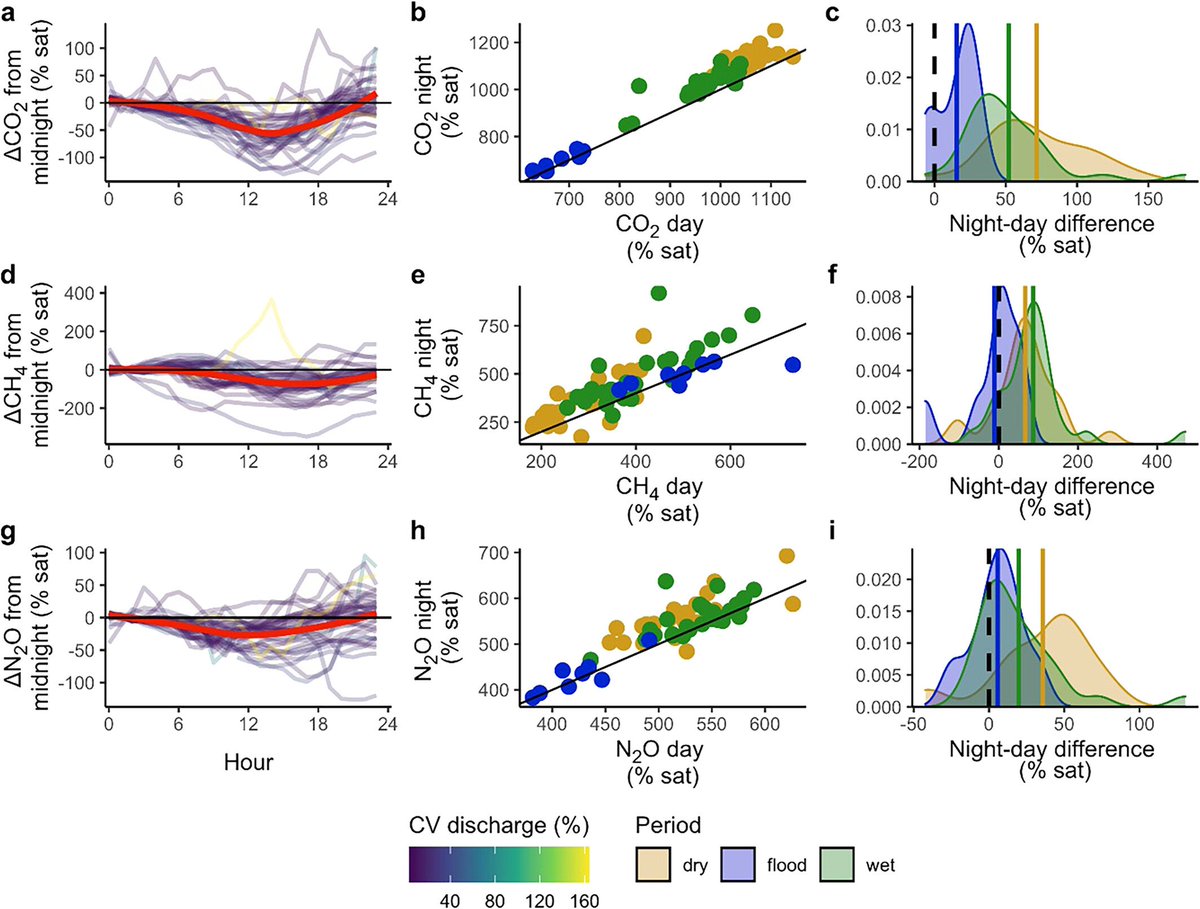
Drivers of Seasonal and Diel #Methane Emissions From a #Seagrass Ecosystem
CO2-equivalent CH4 emissions counteracted only ~6% of the CO2 uptake over a seagrass meadow, and ~1% of sediment carbon sequestration
doi.org/10.1029/2024JG008079
1
6
870

28 Nov 2024
We are hosting two seminars today @Naturvetenskap
3.15 pm Sweden time
Zoom gu-se.zoom.us/j/65702490997
@EeroAsmala
Carbon burial in boreal lakes: linking sediment records to nutrient enrichment
Claire Treat
Regional methane emissions from small to very large
All welcome!
1
3
522
26 Nov 2024
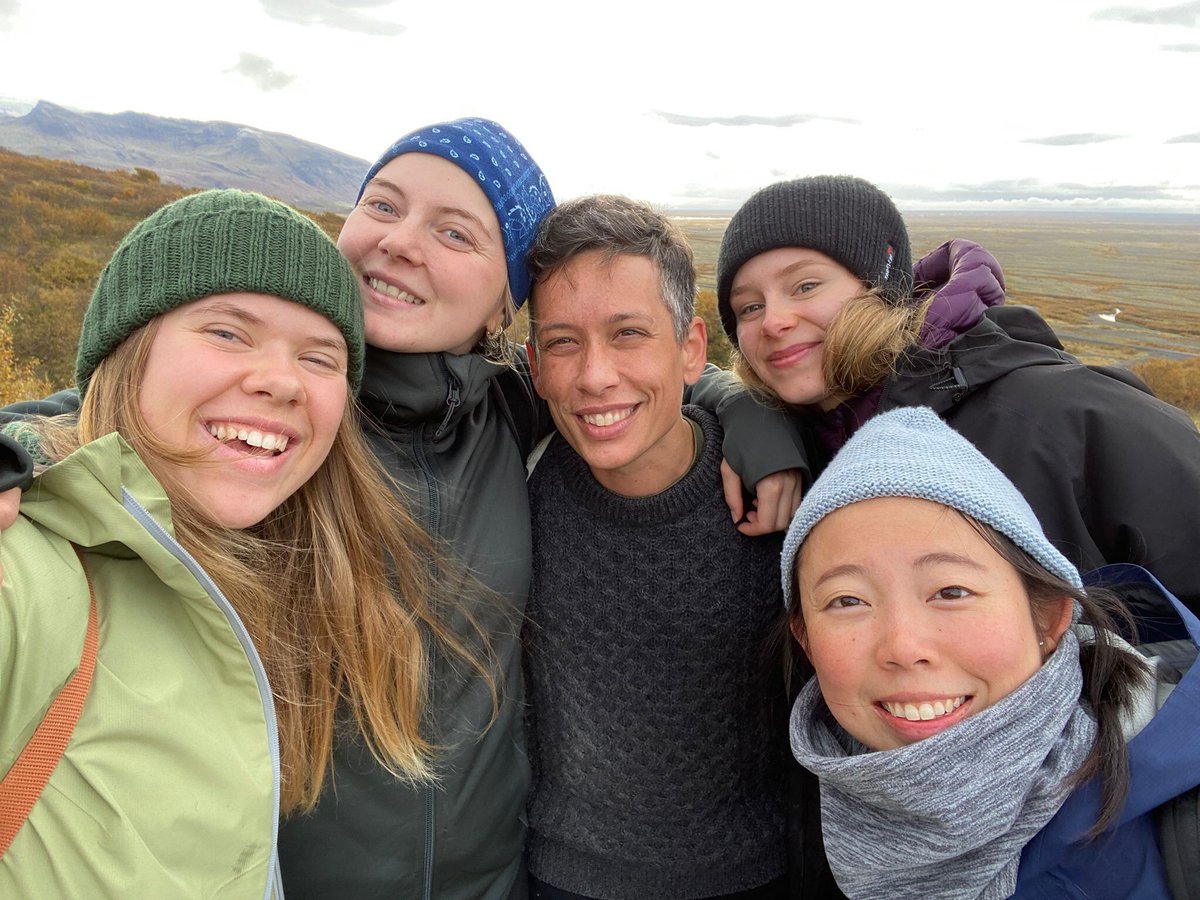
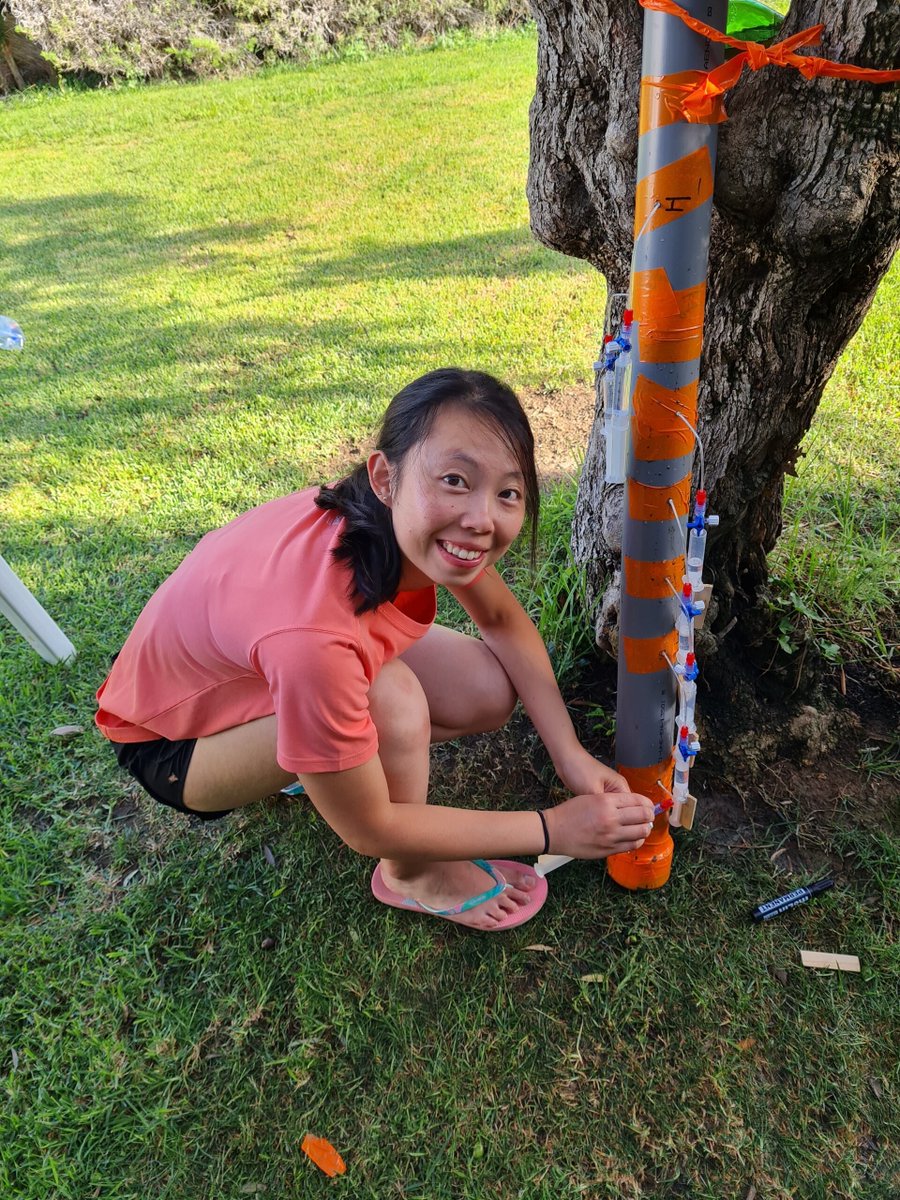
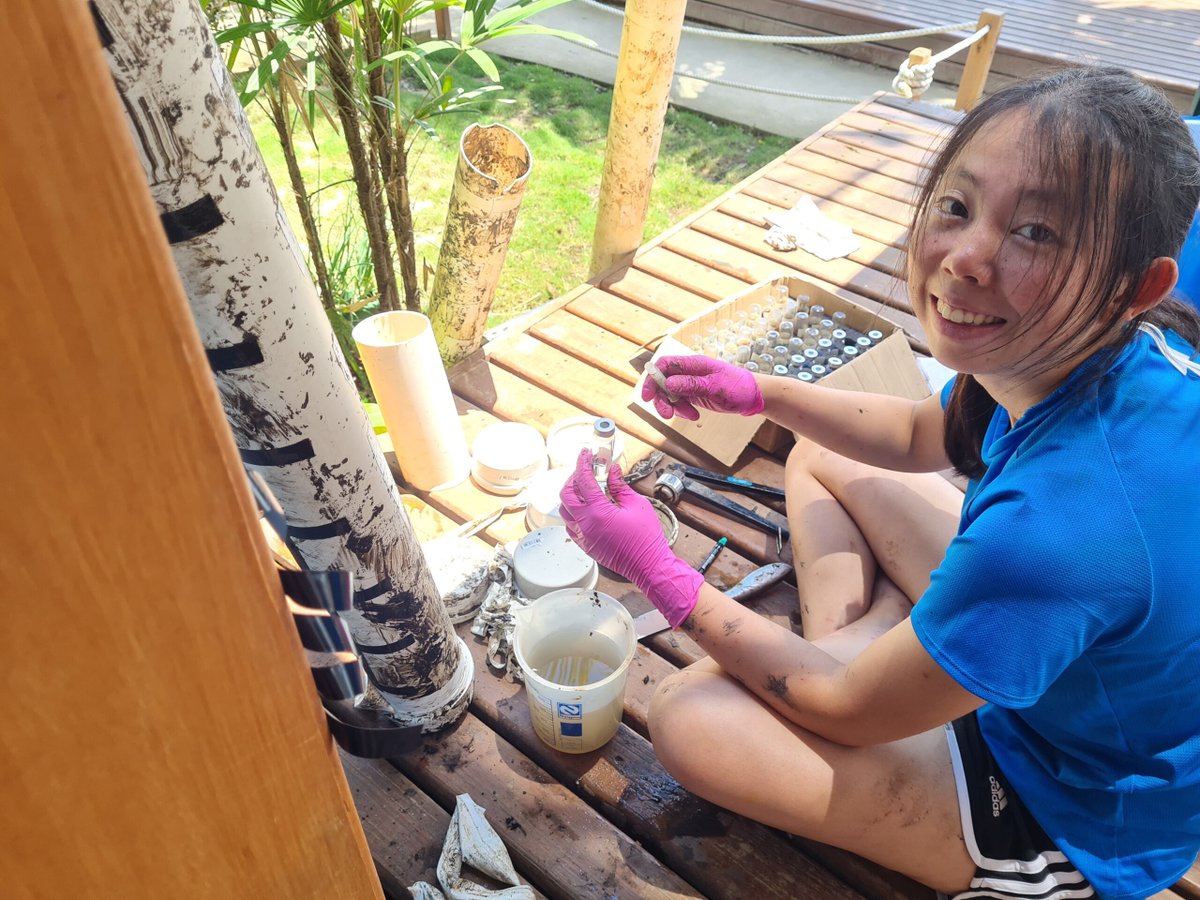
All welcome to Yvonne Yau @yyyyvonne PhD defense @Naturvetenskap .
”Methane offsets to carbon sequestration in coastal ecosystems”
Friday 26 Nov 1 pm Sweden time.
Details and zoom link below.
gu.se/en/event/yu-yan-yau-me…
2
15
1,444
24 Nov 2024
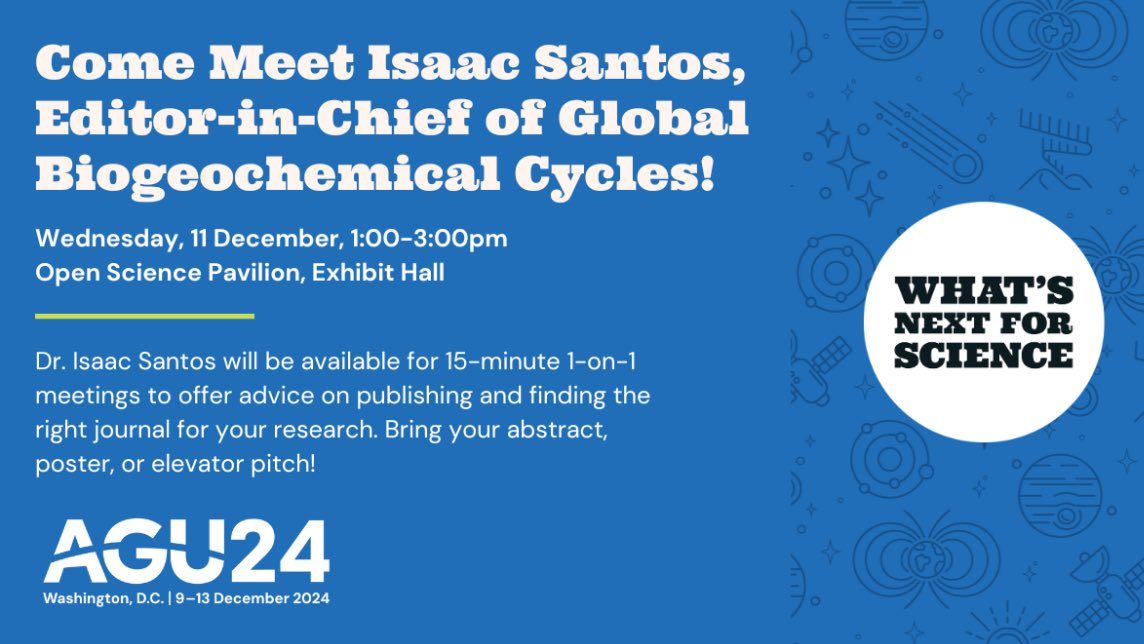
Thinking about publishing your work with AGU? Let’s connect at #AGU24!
Sign up for a 15-minute, in-person 1-on-1 meeting with me to explore publishing options with AGU journals.
Editor Rapid Review sessions at the Open Science Pavilion.
🔗 lite.spr.ly/6007DXph
#AGUPubs
1
9
641
Prof Isaac Santos retweeted

Barnes et al. (2024) highlights persistent disparities in biogeosciences: while early career gender parity is improving, gender bias persists in publishing, and significant barriers remain for scientists of color
🔗doi.org/10.1029/2023JG007777
#DiversityInSTEM #AGUPubs
1
3
4
691
14 Nov 2024
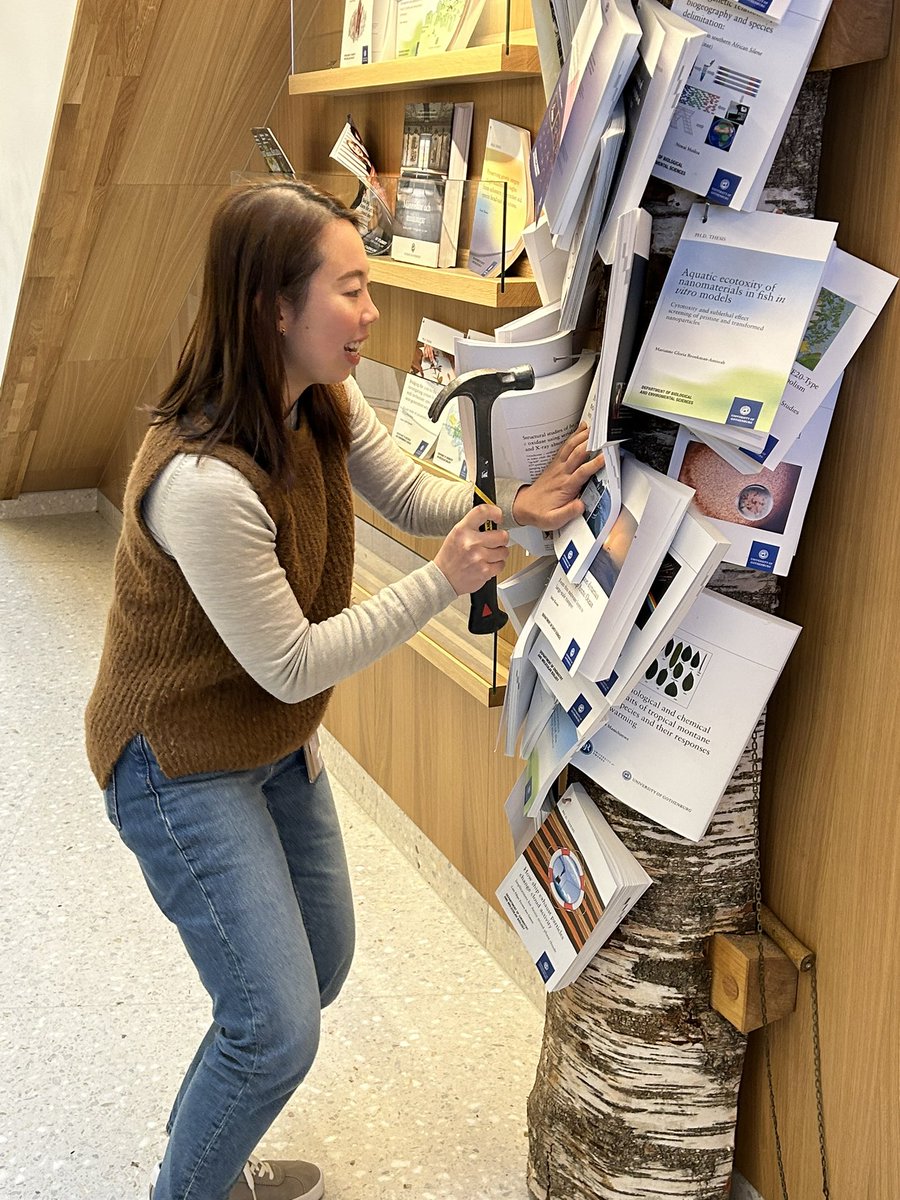
Yvonne Yau @yyyyvonne nails her PhD thesis on methane emissions from coastal ecosystems starting the Swedish ritual for graduation. @Naturvetenskap
1
2
49
1,668
Prof Isaac Santos retweeted

29 Oct 2024
Permafrost Region Greenhouse Gas Budgets Suggest a Weak CO2 Sink and CH4 and N2O Sources, But Magnitudes Differ Between Top‐Down and Bottom‐Up Methods - Hugelius - 2024 - Global Biogeochemical Cycles - agupubs.onlinelibrary.wiley.…
4
11
914
Prof Isaac Santos retweeted

4 Oct 2024
🚨🚨new paper alert 🚨🚨
“The Global Biogeochemical Cycle of Rhenium” is OUT!
If you’ve ever wondered what element 75 is all about, this is the paper for you!
dx.doi.org/10.1029/2024GB008…
2
6
38
4,648
Prof Isaac Santos retweeted

30 Sep 2024
Simultaneous Hot and Dry Extreme-Events Increase Wetland Methane Emissions: An Assessment of Compound Extreme-Event Impacts Using Ameriflux and FLUXNET-CH4 Site Data Sets agupubs.onlinelibrary.wiley.…
5
6
613
24 Sep 2024
Webnário em português organizado pelo Programa de Geoquimica da UFF
“Dicas para publicar em revistas da AGU”
27 de Setembro, 10:00-12:00 horário de Brasília
Prof. Isaac Santos, Editor Chefe da Global Biogeochemical Cycles
Link: meet.google.com/snm-anof-pcy
@theAGU
1
2
1
1,198
Prof Isaac Santos retweeted

18 Sep 2024
I am happy to share our new research on #alkalinity enhancement in #MariginalSeas, with the #BalticSea as an example. The rates of #alkalinityenhancement are high during last 30 years, with implications for #CO2 budget and #acidification.
@aslo_org
aslopubs.onlinelibrary.wiley…
2
11
829


Europe’s new greenhouse gas budget is here! The recently published accounting highlights the carbon sources and sinks from the continent’s past decade.
eos.org/research-spotlights/…
1
3
702
5 Sep 2024
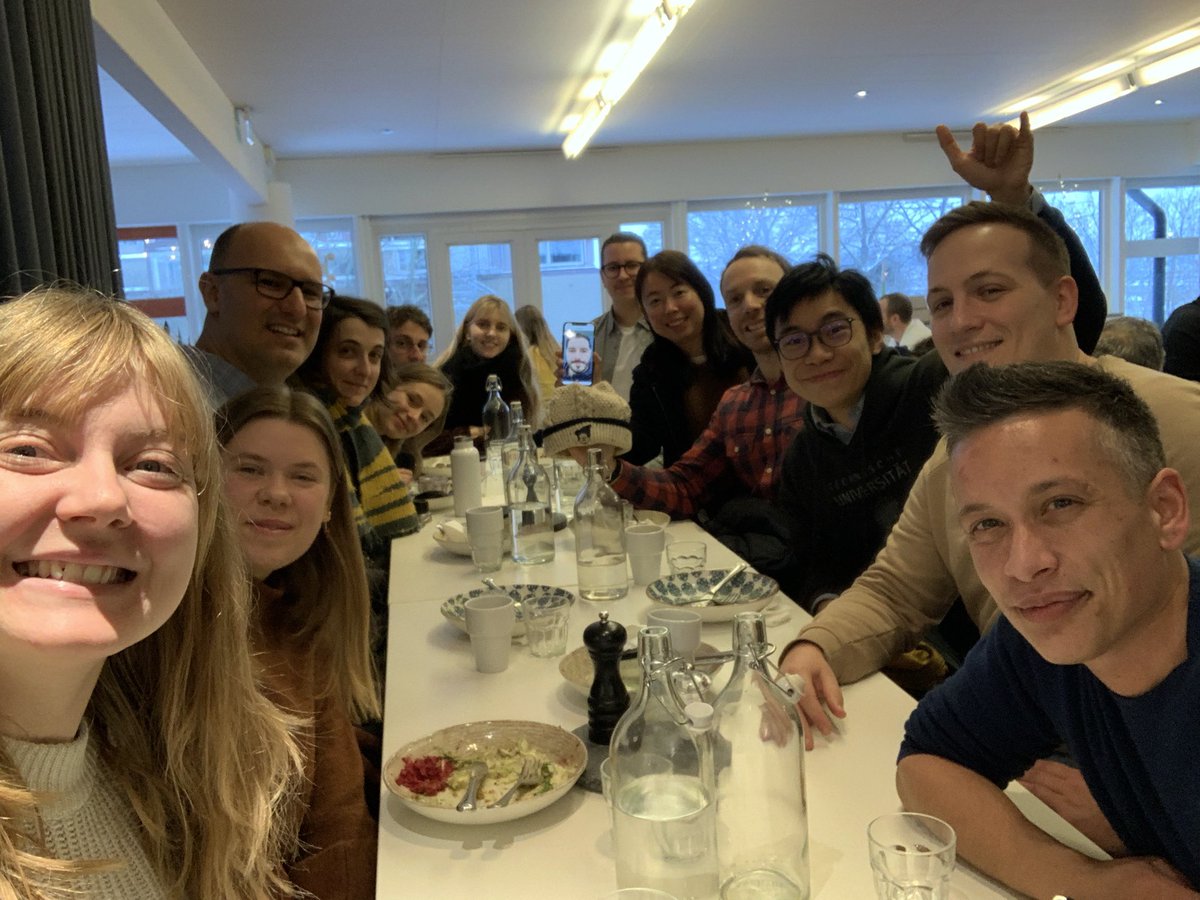
What a privilege to host awesome blue carbon colleagues @ArianeArias @AndreRovai @HolmerMarianne et al.!
15
833
5 Sep 2024
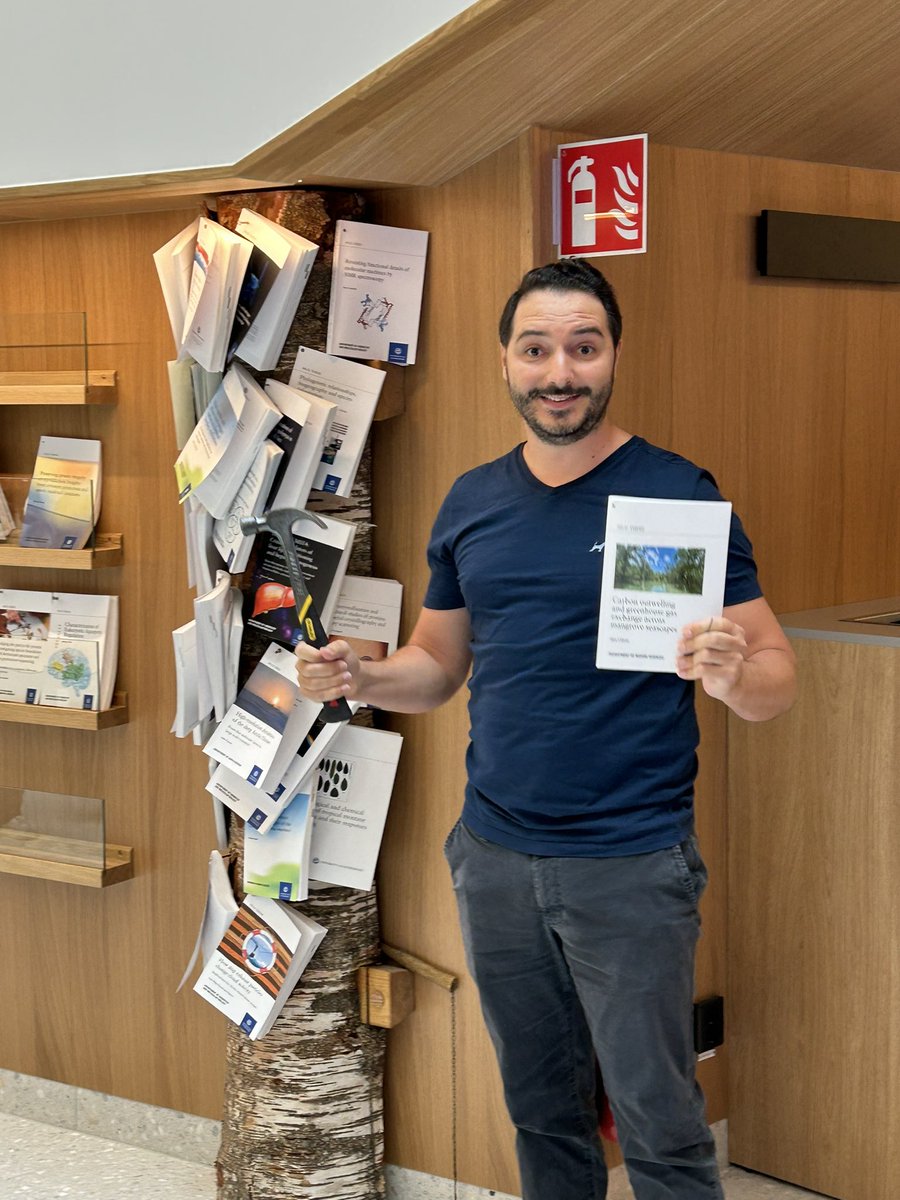
All welcome to Alex Cabral @alexcabralds PhD defense tomorrow Friday 1 pm Sweden time.
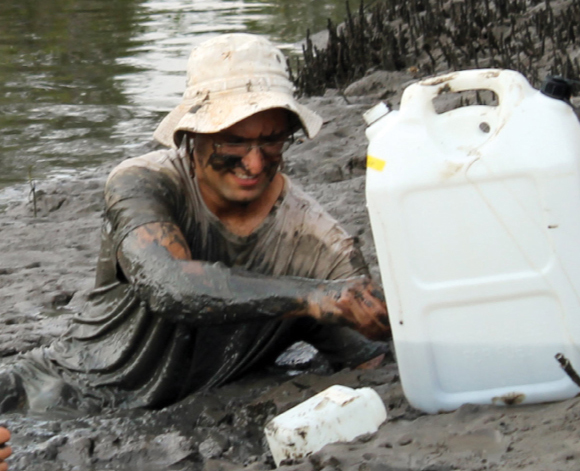
”Carbon outwelling and greenhouse gas exchange across mangrove seascapes”
Public zoom link: gu-se.zoom.us/j/66479712805?…
Short story about his journey:
gu.se/en/news/mangroves-more…
1
4
30
2,227
Prof Isaac Santos retweeted

31 Aug 2024
🌿Mangrove outwelling is a major carbon sequestration pathway, driving bicarbonate storage in the ocean. 🌊
Using radium isotopes, we resolved carbon outwelling from mangrove porewater to the continental shelf across seascapes in Brazil. 🌎
Open access: doi.org/10.1029/2024JC021319
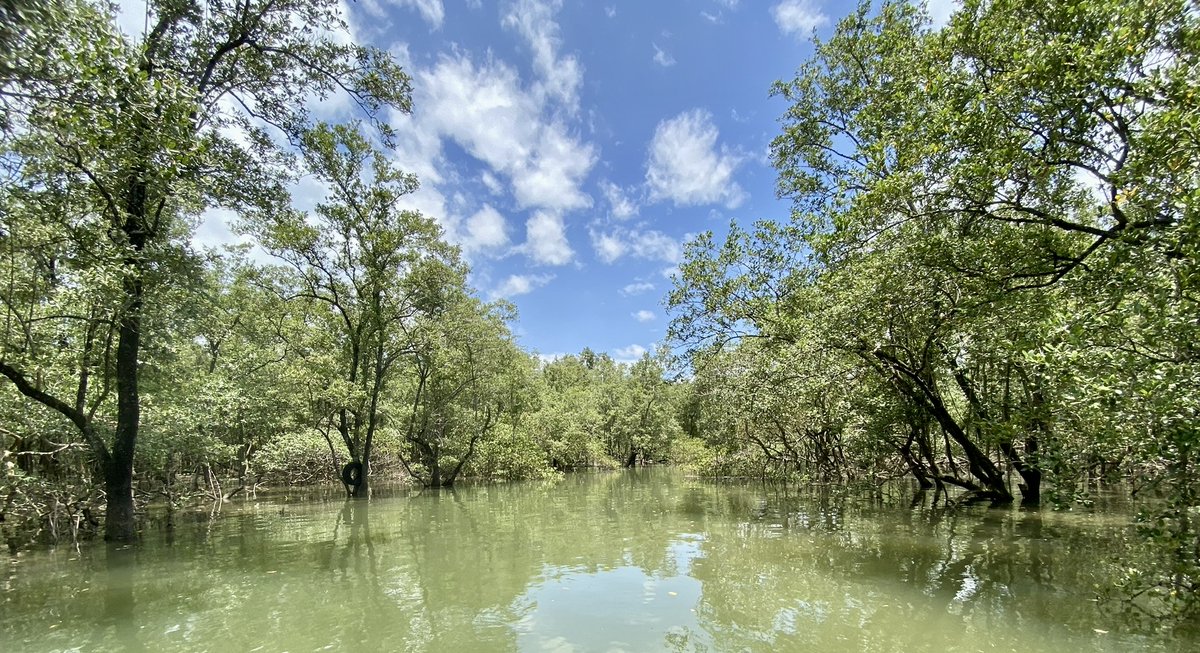
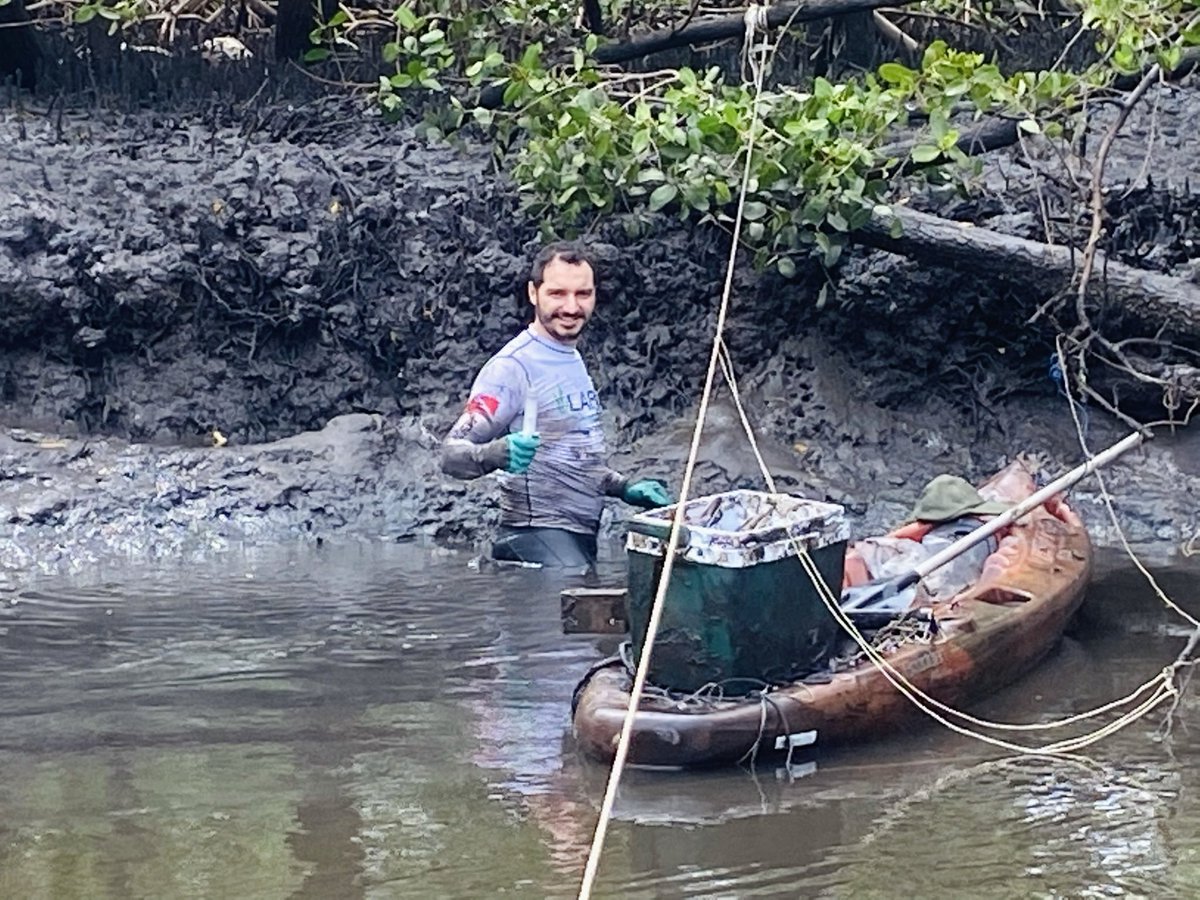
ALT Mangrove tidal creek in Florianópolis.
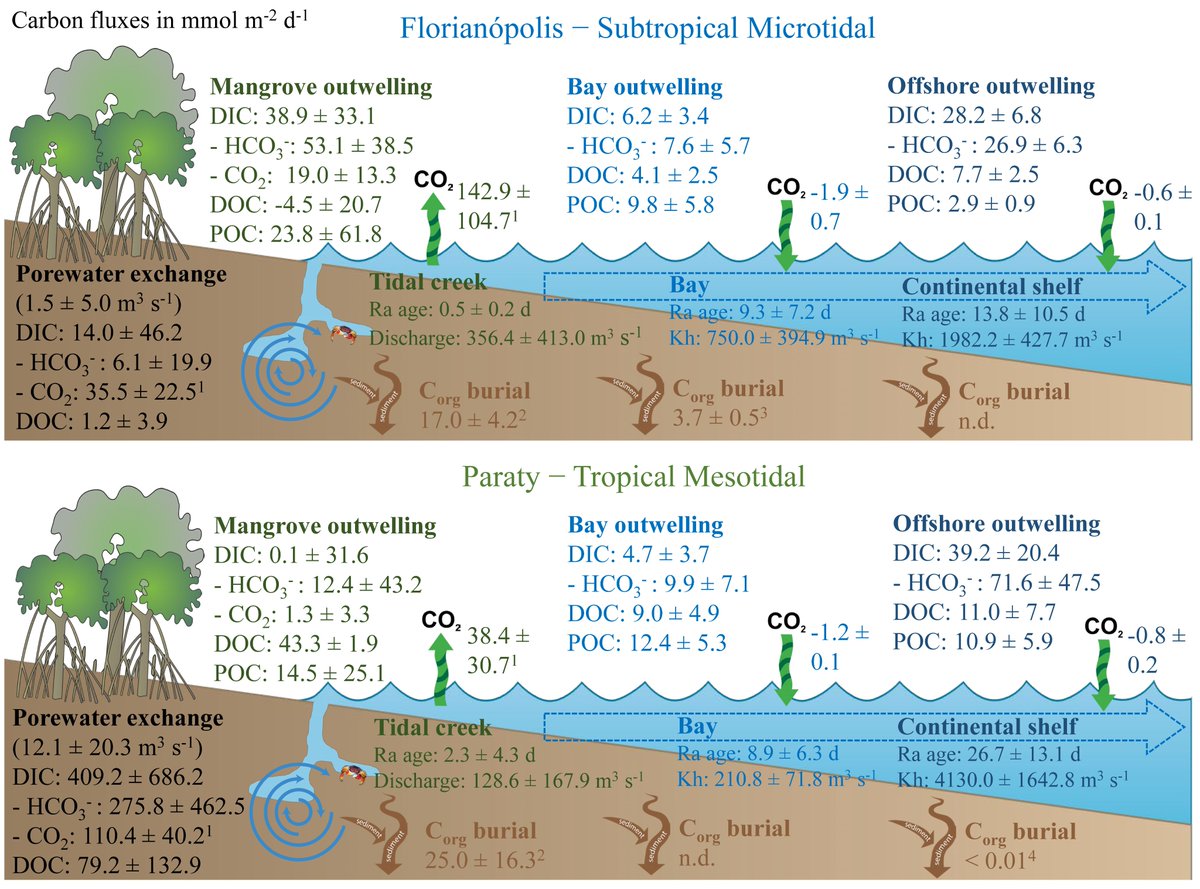
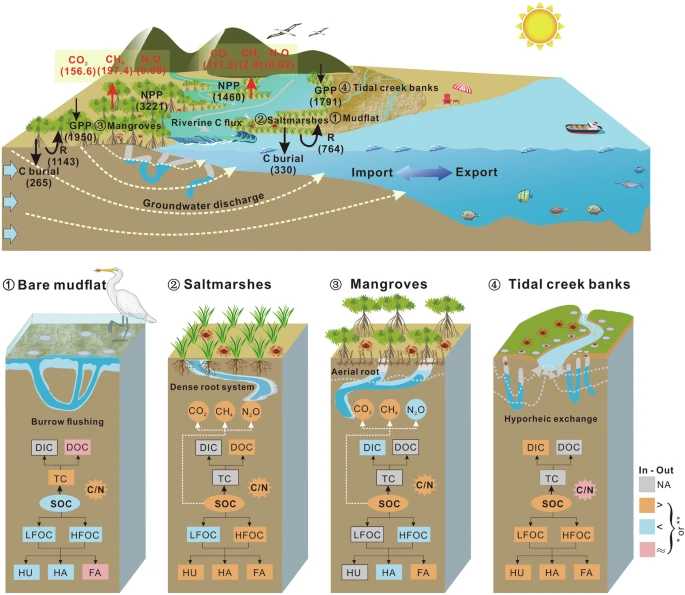
ALT Conceptual model showing carbon mangrove outwelling fluxes at porewaters, tidal creeks, bays, and continental shelves scales in Florianópolis and Paraty.
2
32
78
6,331
Prof Isaac Santos retweeted

30 Aug 2024
Great to see the GCP-RECCAP2 regional GHG budgets being published.
This August
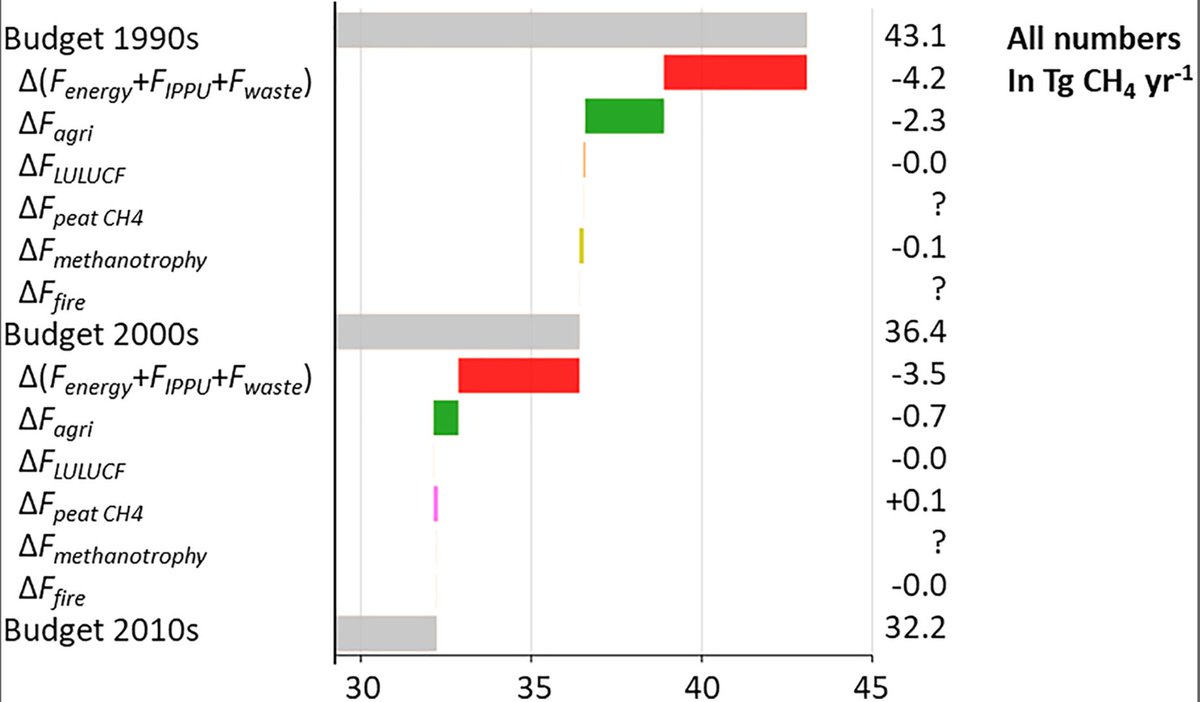
Carbon and Greenhouse Gas Budgets of Europe: Trends, Interannual and Spatial Variability, and Their Drivers
Europe, net GHG (CO2,CH4,N2O) source of 3.9 Pg CO2e yr, 2010–2019
agupubs.onlinelibrary.wiley.…
3
6
931
Prof Isaac Santos retweeted

29 Aug 2024
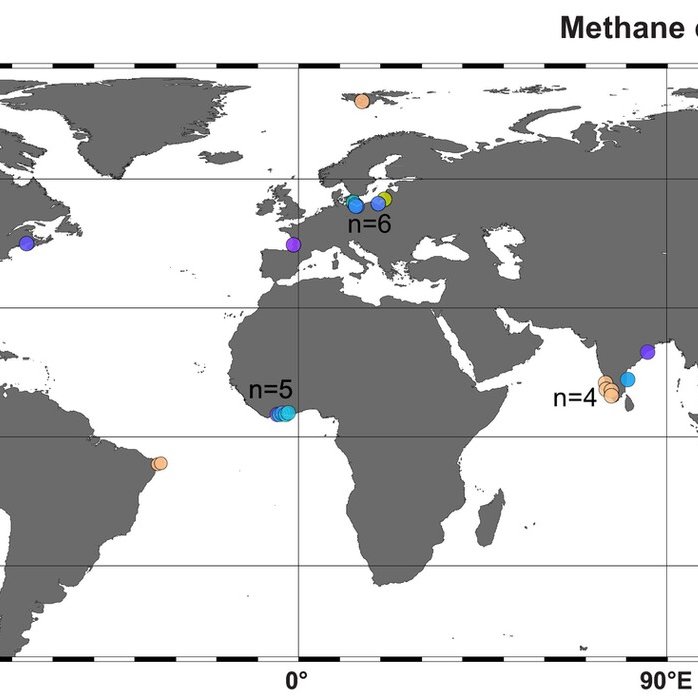
Coastal #lagoons are stronger #methane emitters than previously thought....
🌊🌍🫧🫧🌍🌊
...and this is due to expanding #eutrophication and #urbanization
🏘️🚮🏘️
Check out our latest research #ASLO_Letters @aslo_org #OpenAccess:
👉doi.org/10.1002/lol2.10430
1
23
55
5,527
28 Aug 2024
Another awesome #ASLO_LO paper showing how #wetlands impact carbon outwelling and emissions with observations across an Australian climatic gradient.
#mangroves and #saltmarshes cover <1% of catchments but can contribute about 46-67% of all carbon exported to the ocean.
28 Aug 2024

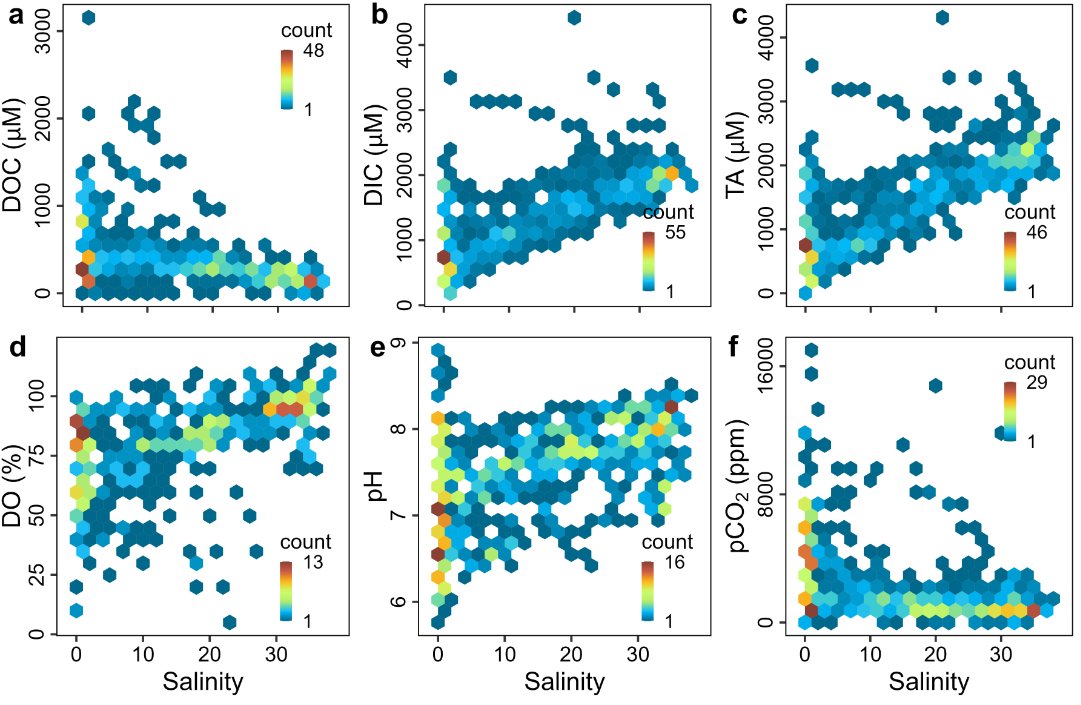
Our new paper about estuarine carbon fluxes was published in L&O today.
doi.org/10.1002/lno.12660
8
46
2,938
22 Aug 2024
Do you have a favorite chemical element? Interested in biogeochemistry?
Write a review paper for @theAGU Global Biogeochemical Cycles Special Collection The Elements.
Details here:
agupubs.onlinelibrary.wiley.…
2
10
33
3,239