Joined April 2025
- Tweets 588
- Following 170
- Followers 142
- Likes 290
33 Photos and videos
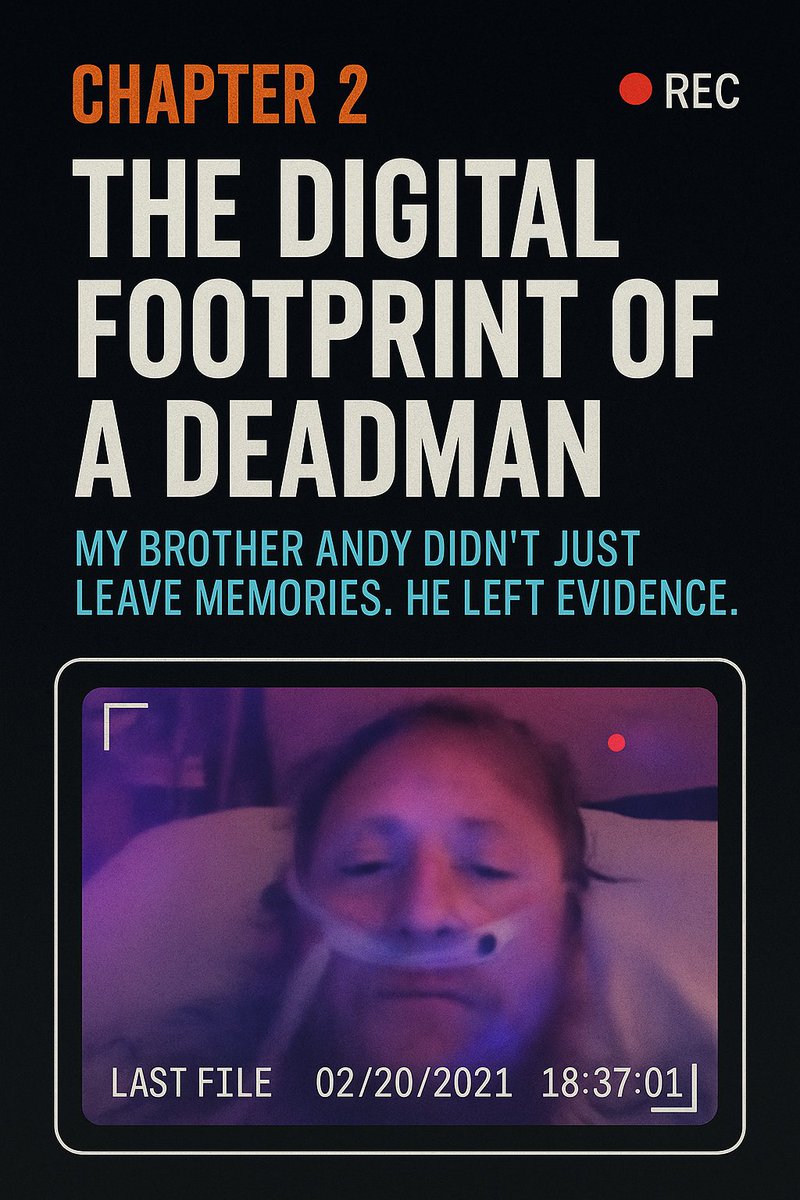
Ellie|Dead Serious Kinda Not retweeted

May 29
May 29

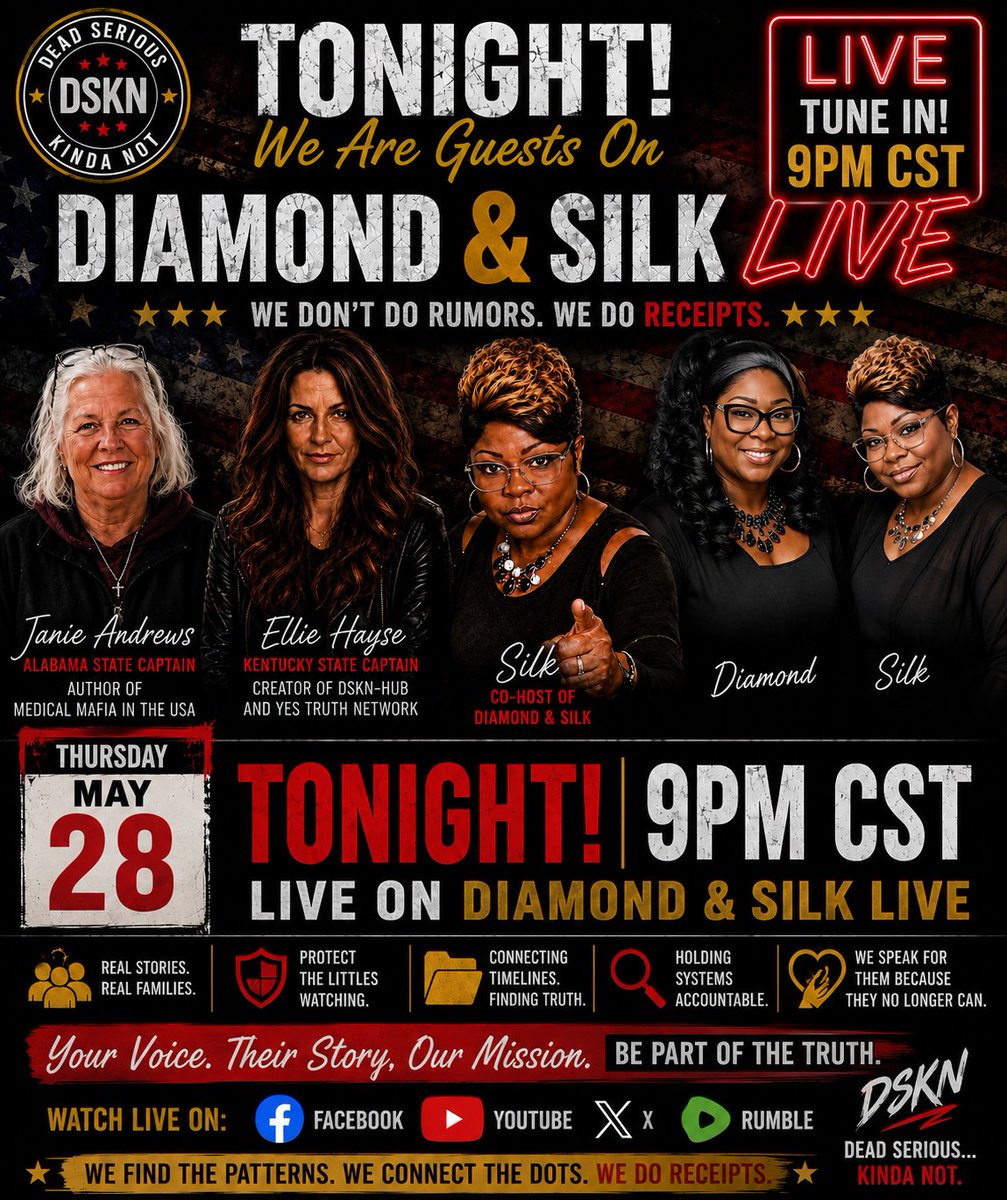
"Dead Serious, Kinda Not" Ellie Hayse and Janie Andrews join the show to discuss the loss of their Brother and Husband. Tonight at 10pm ET on Lindell TV. x.com/i/broadcasts/1oKMvvdQn…
2
3
9,075
Ellie|Dead Serious Kinda Not retweeted

Thanks to all who took a moment to hear a little bit about Andy and Larry. Make sure to stay tuned. There are more of us... Are you one? #wecallhimandy #wecallhimlarry
1
2
36
Ellie|Dead Serious Kinda Not retweeted
May 29
"Dead Serious, Kinda Not" Ellie Hayse and Janie Andrews join the show to discuss the loss of their Brother and Husband. Tonight at 10pm ET on Lindell TV. x.com/i/broadcasts/1oKMvvdQn…
7
12
38
54,223
Ellie|Dead Serious Kinda Not retweeted
May 29
May 29
"Dead Serious, Kinda Not" Ellie Hayse and Janie Andrews join the show to discuss the loss of their Brother and Husband. Tonight at 10pm ET on Lindell TV. x.com/i/broadcasts/1oKMvvdQn…
1
1
4
5,296
Ellie|Dead Serious Kinda Not retweeted
Tonight 👇 join the conversation with us tonight
@ali_hopper @DeniseFritter @madigan_maddog @JMarie2U
2
4
7
144
Ellie|Dead Serious Kinda Not retweeted
The Andy Effect: Truth, Faith, and Hospital Deception rumble.com/v70t2qo-the-andy-… #wecallhimandy #Godwins #Bombshell @madigan_maddog @RobertKennedyJr @RandPaul
3
5
101
Tonight 👇 join the conversation with us tonight
@ali_hopper @DeniseFritter @madigan_maddog @JMarie2U
2
4
7
144
12
2
11
Join us now

17
Ellie|Dead Serious Kinda Not retweeted
2
2
2
66
Ellie|Dead Serious Kinda Not retweeted

May 20
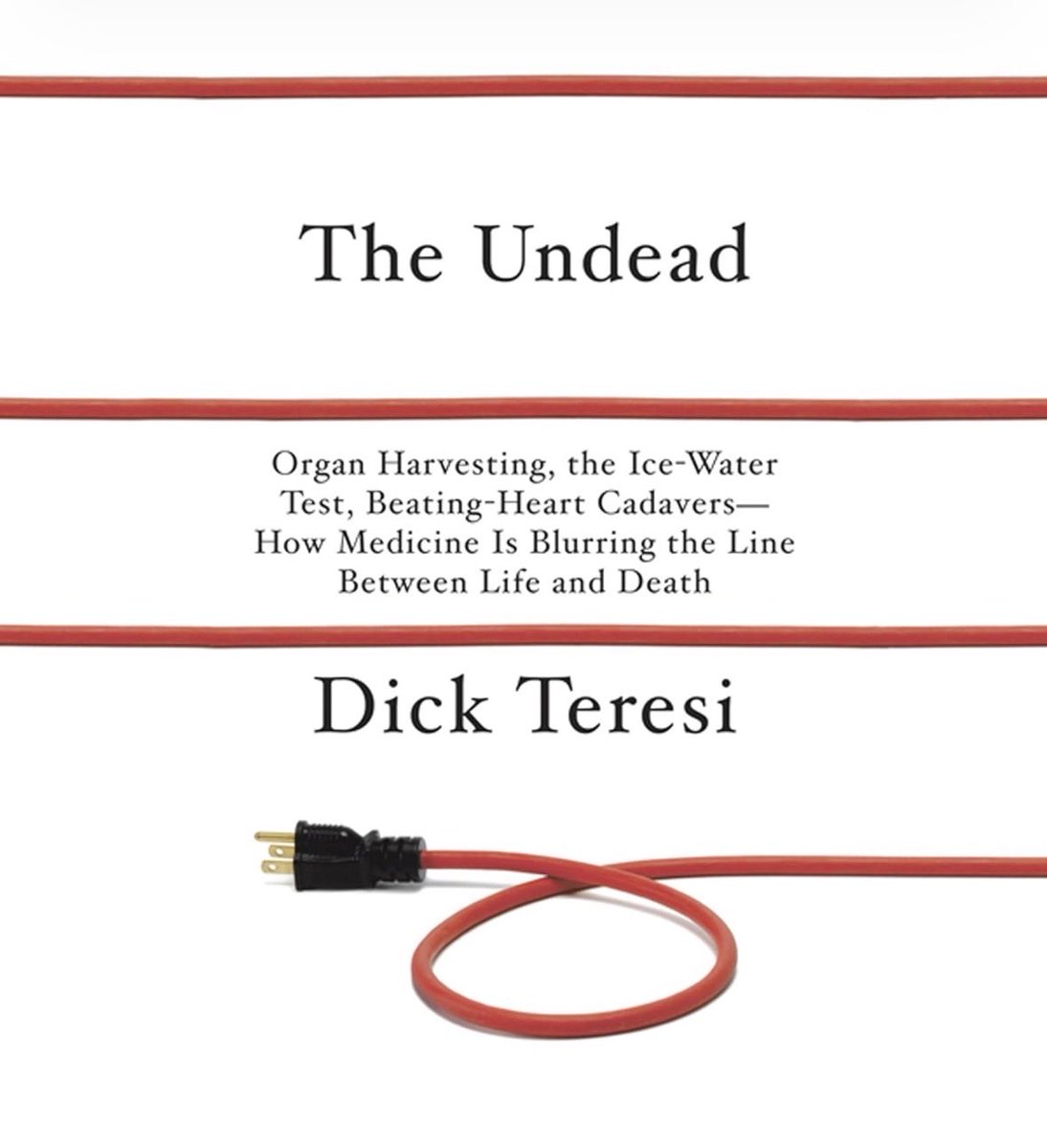
In his book “The Undead,” science writer Dick Teresi exposed the fact that brain death is not death.
Here’s how he answered an interviewer’s question about whether better protocols would fix this:
“Not really. It’s true that as much as 65 percent of brain death exams are done incorrectly, and many doctors could not list the criteria for brain death correctly.
Doctors I talked to said not to worry about patients moving about on the table or their blood pressure or heart rate spiking during harvest. These were just post-death reflexes, not an indication of pain or awareness. And yet the Harvard Criteria, the ur-text of brain death published in 1968, specifically state that there should be no reflexes and no movement.
But the bigger problem is that brain death as death per se is a fiction. There is no scientific purpose for brain death. It’s a serious, serious kind of coma, but not death. It was made death for practical reasons. The heart of a brain-dead person still beats, and circulates blood to the organs, keeping them fresh for their future owners.
And though the 1981 UDDA (Uniform Determination of Death Act) states that the “whole brain” must be dead, the whole brain is rarely tested. Usually, only activity in the brain stem is tested, not the cortex or higher structures of the brain, where consciousness, pain, and pleasure are interpreted.”
When asked whether this was a conspiracy between the transplant community and those who determine when a patient is dead, Teresi answered:
“Conspiracy is such a harsh word. Let’s say there’s a happy confluence of coincidences that results in $27 billion of revenue per year (in 2012) for the transplant business and incomes unheard of in other medical specialties.”
14
123
271
14,801
Ellie|Dead Serious Kinda Not retweeted

May 18
5/18/26: LIVE W/ LAURIE MADIGAN/ THE DANGER OF REMDESIVIR AND C-19 PROTOCOLS x.com/i/broadcasts/1NGaragMe…
7
13
479
Ellie|Dead Serious Kinda Not retweeted

May 8
Yes, I didn't take a breath and realize we (the family fighting for real remedies) were being played as well, we were victims too. took a long time to really realize this, for me
1
3
24
Ellie|Dead Serious Kinda Not retweeted

May 10
@SecKennedy
If you or someone you know lost a loved one or friend in a hospital & they were treated for Covid, do you ever wonder, "How did they die"? "What was happening in the hospital"? "Is it possible they were neglected"?
Listen to the stories on the podcast. Understand what can be found in the medical records of your loved one.
Ellie Hayse (@Beingandy1982 ), Janie Matthews Spencer (@JMarie2U) & Laurie Charron Madigan (@madigan_maddog ) joined Nurse Kimberly Overton (@Kimberly_NFN ) on her program, "The Nurses Report" on America Out Loud.
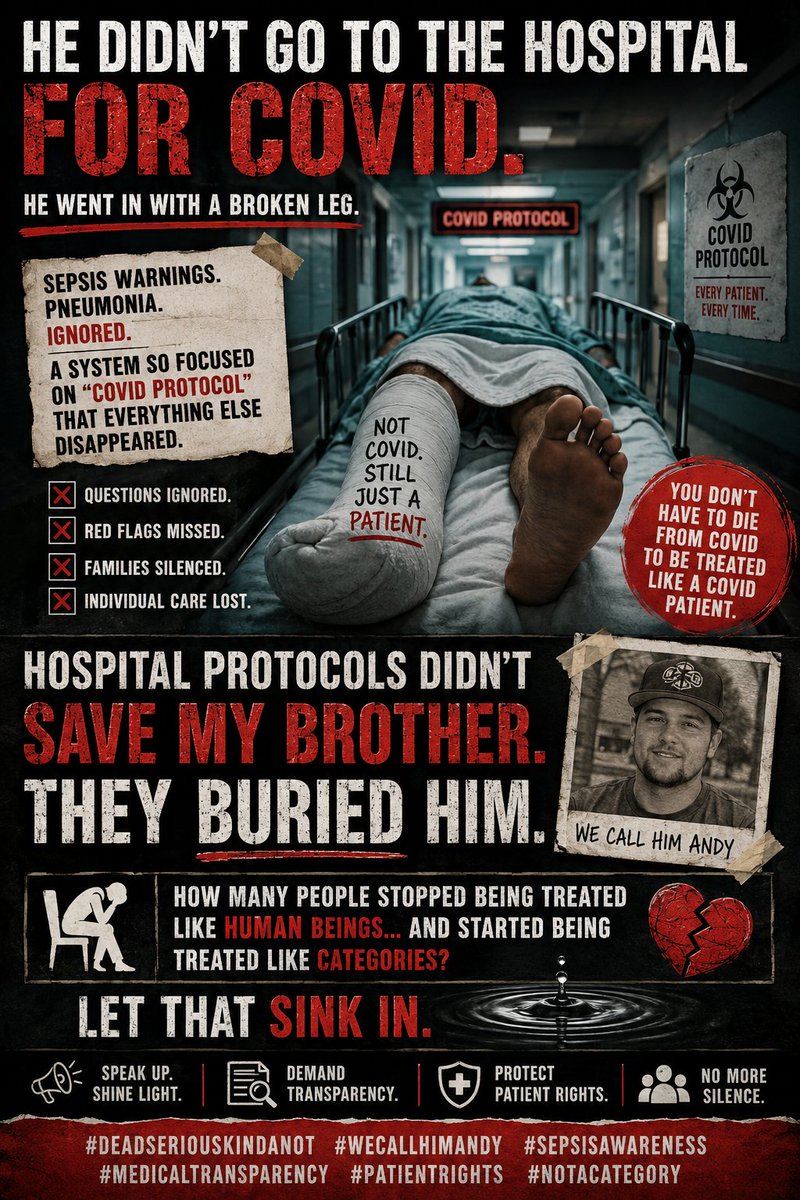
Ellie's brother Andy, Janie's husband, Larry & Laurie's husband, Jim, all slowly tortured to death in the name of Covid, without positive test results.
Kimberly's insights as a Covid ICU nurse are invaluable. The validation that she offers to these three women, ( 42:15 minute mark), that no, they weren't crazy, this did happen.
It's past time to know the unknown, while the records are still available. In this day & age of hacking & digital damage, don't run the risk those medical records get lost.
Today is May 9, 2026, it's been 1671 days since I lost my husband & my country all at one time. This government believes we will "Move On" from the torture of our loved ones. Covid wasn't deadly enough, so the HHS/FDA/CDC/NIH/CMS weaponized the hospitals. Thus ushering in the coerced gene therapy bioweapon.
If you experienced Covid #CrimesAgainstHumanity, like the Hospital Protocols or the gene therapy injection harms, please submit your story at CHBMP.org.
americaoutloud.news/?powerpr…

3
5
10
129
🚨 TONIGHT WE SPEAK FOR THE ONES WHO NEVER MADE IT HOME. 🚨
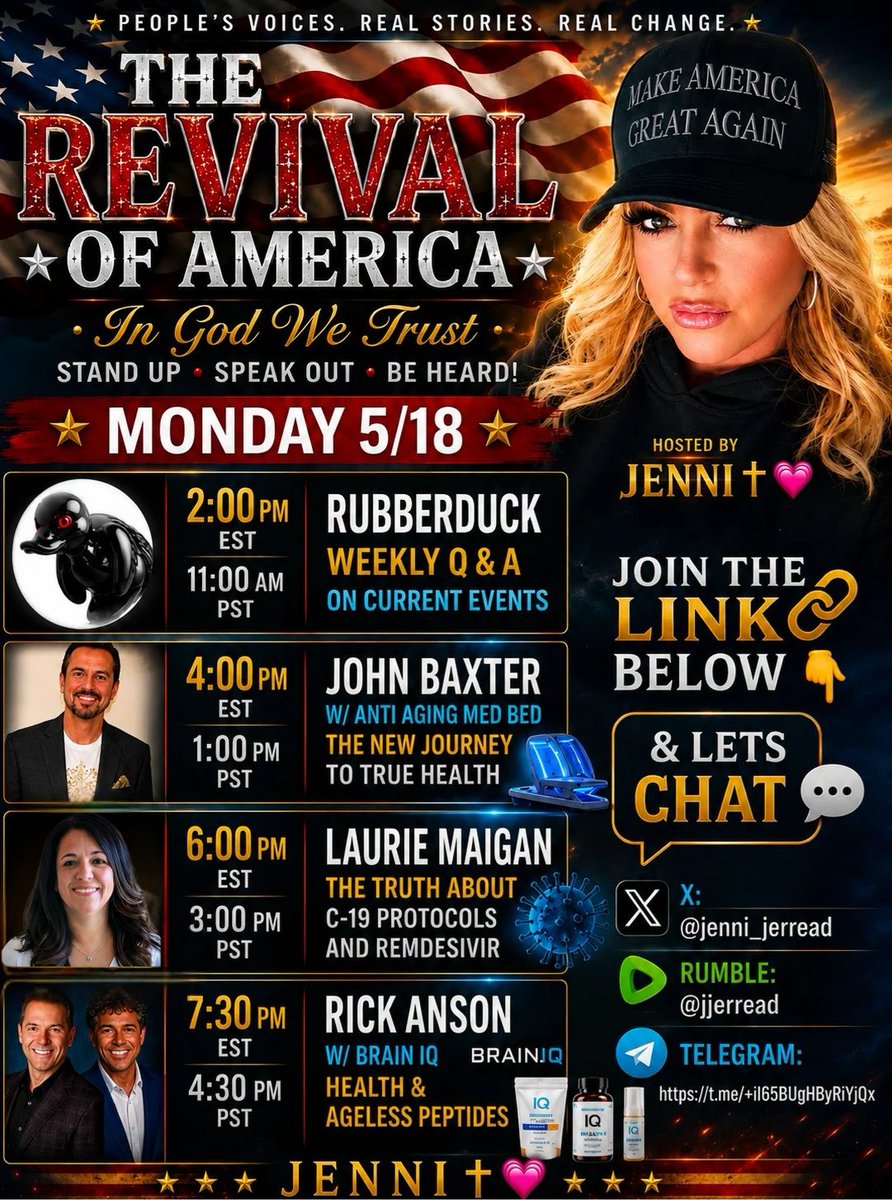
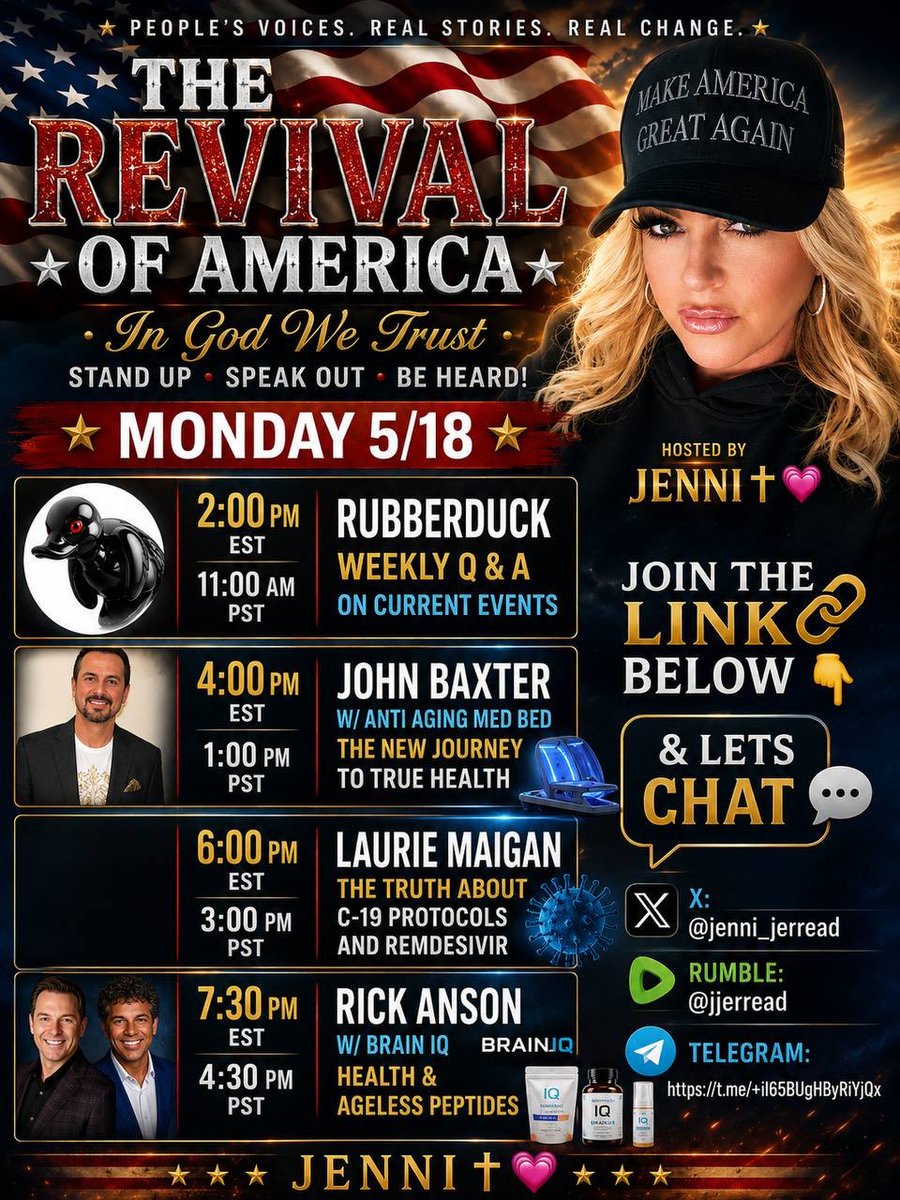
At 6PM ET, our very own Laurie Madigan goes LIVE on The Revival of America with Jenni Jerread to talk about what too many families lived through in silence.
This is more than a podcast.
This is testimony.
This is truth people tried to bury.
While the world was told to “trust the system,” families like ours were watching loved ones decline behind closed hospital doors with questions nobody wanted answered. We are done whispering. 👇
💥 Join the conversation.
💥 Ask questions.
💥 Share the stream.
💥 Help us make enough noise that America can’t look away anymore.
Because the families remember.
The records remember.
And the truth has a way of surviving.
🎙️ Laurie Madigan
📍 LIVE at 6PM ET
📺 The Revival of America with Jenni Jerread
#DeadSeriousKindaNot
#MADDOGSTRONG
#MedicalFraud
#MedicalMafia
#Remdesivir
#Protocols
#TheNewMainstream
#SpeakOut
#WeThePeople
#TruthTellers
2
4
57
Ellie|Dead Serious Kinda Not retweeted

Check out this episode of The Revival of America with @jenni_jerread on May 18th at 6pm. It’s live!! #maddogstrong
#protocolskill #Remdesivir #medicalfraud
May 17

‼️SHOW LINE UP FOR THIS WEEK‼️
One day of shows due to graduations and promotions I will be attending ✝️💞😁
Links 🔗
X: @jenni_jerread
RUMBLE: @jjerread
Telegram. t.me/ iI65BUgHByRiYjQx
2
3
4
203