“The idea of wilderness needs no defense, only defenders.” ~ Edward Abbey (Views are my own)
Joined April 2010
- Tweets 39,791
- Following 7,038
- Followers 154,542
- Likes 83,973
2,103 Photos and videos
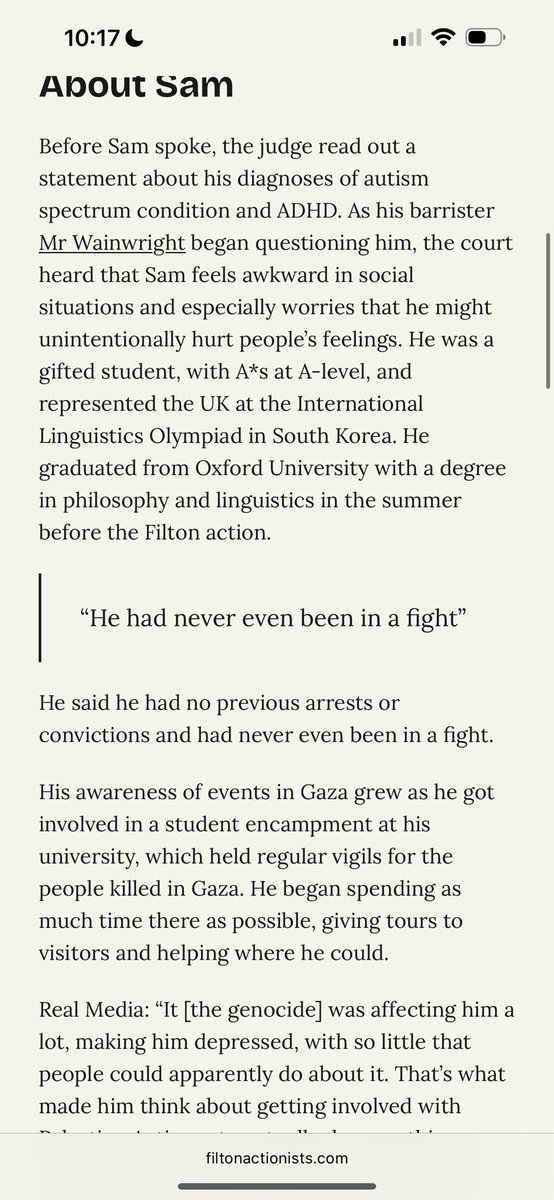
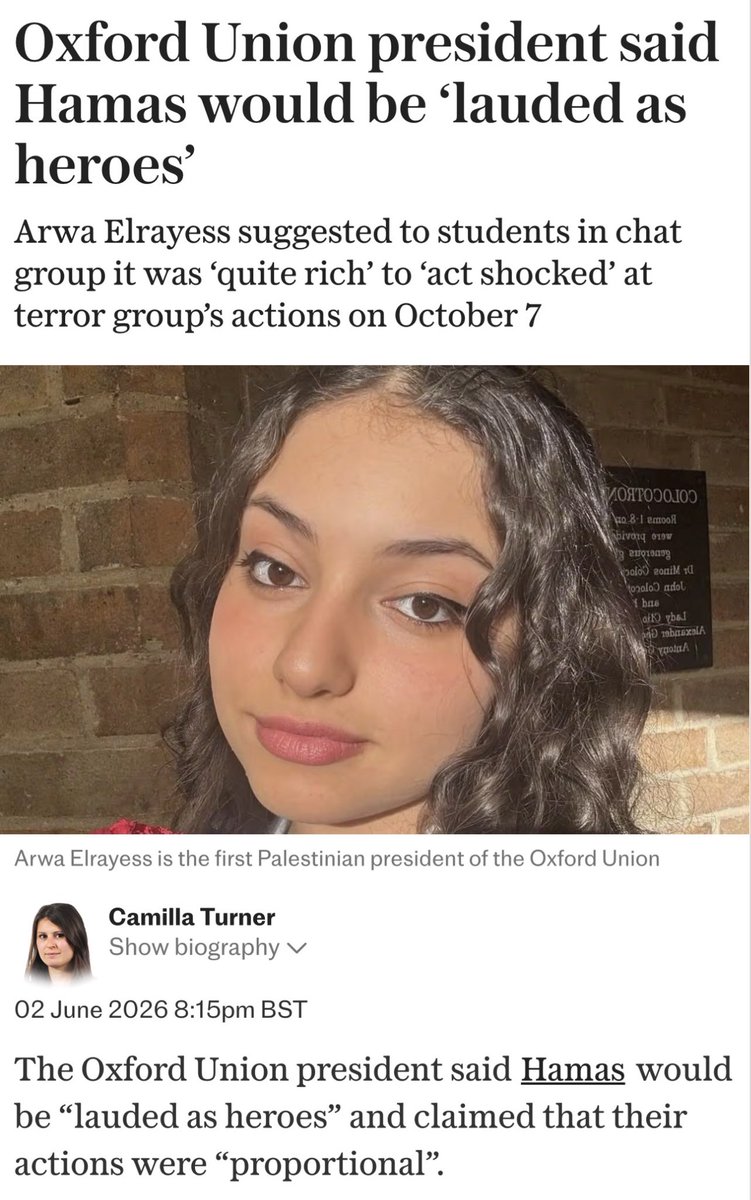
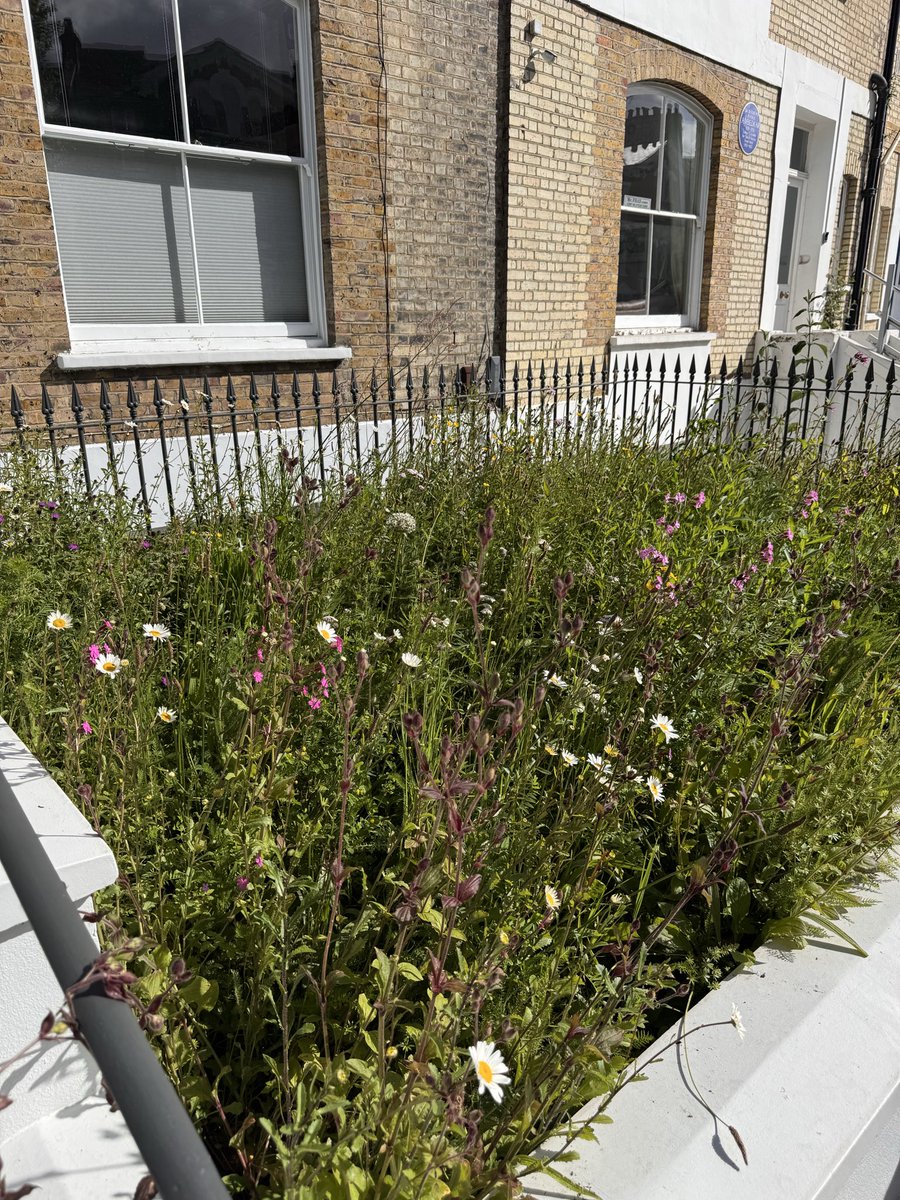
The lives of these young Palestine Action activists have been ruined by university. They were radicalised to the point of madness on campus and now they’re facing years in jail. The whole thing is an utter tragedy and a scary indictment of our universities.
Jun 12

Palestine Action activists jailed over factory raid bbc.in/4utQuGz
18
23
92
4,501
Ben Goldsmith retweeted

Jun 13
Thanks to socialism, the average Zimbabwean became a trillionaire before @elonmusk 💪

365
3,221
19,944
320,143
Torturing wildlife is a way of life for many people in the American West.
Jun 12

The Wyoming Game and Fish Department is investigating a graphic video where an alleged Wyoming man tortures a seemingly wounded coyote. The video shows a man grabbing the coyote by its tail and then tossing, kicking, stabbing, and taunting the animal.
tinyurl.com/y7v4etm9
2
8
27
924
Ben Goldsmith retweeted

Jun 12
The difference in production costs between a dozen cage-free eggs and a dozen normal eggs is 19 cents. But the cage-free eggs can cost nearly $2 more.
Big supermarkets use cage-free as a price discrimination tool - targeting them to richer customers who are willing to pay more.
Poorer customers, even if they care a lot about animal welfare, end up buying the normal eggs.
But when states pass laws banning caged eggs, the markup disappears.
37
146
1,251
104,506
Congrats @Kaulofthewilduk 🙌💚
Jun 13

I'm deeply honoured to receive a British Empire Medal (BEM) in the King’s Birthday Honours List, for my work to support Nature.
To be honest, the news is still sinking in!
I’m incredibly grateful for your continued encouragement, support and wisdom.
kabirkaul.wordpress.com/2026…
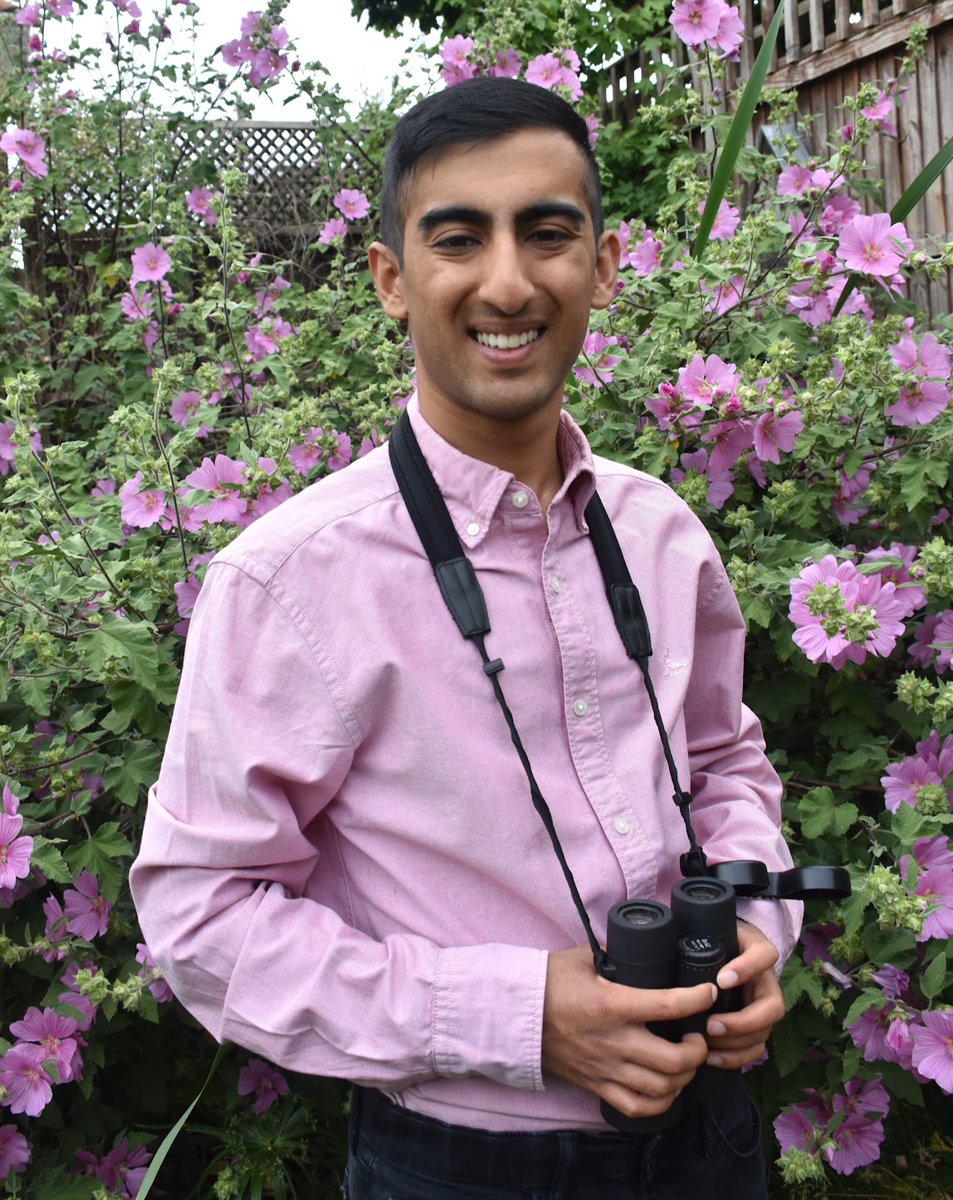
ALT Photo: Aryan Kaul
2
31
1,647
Ben Goldsmith retweeted

Jun 12
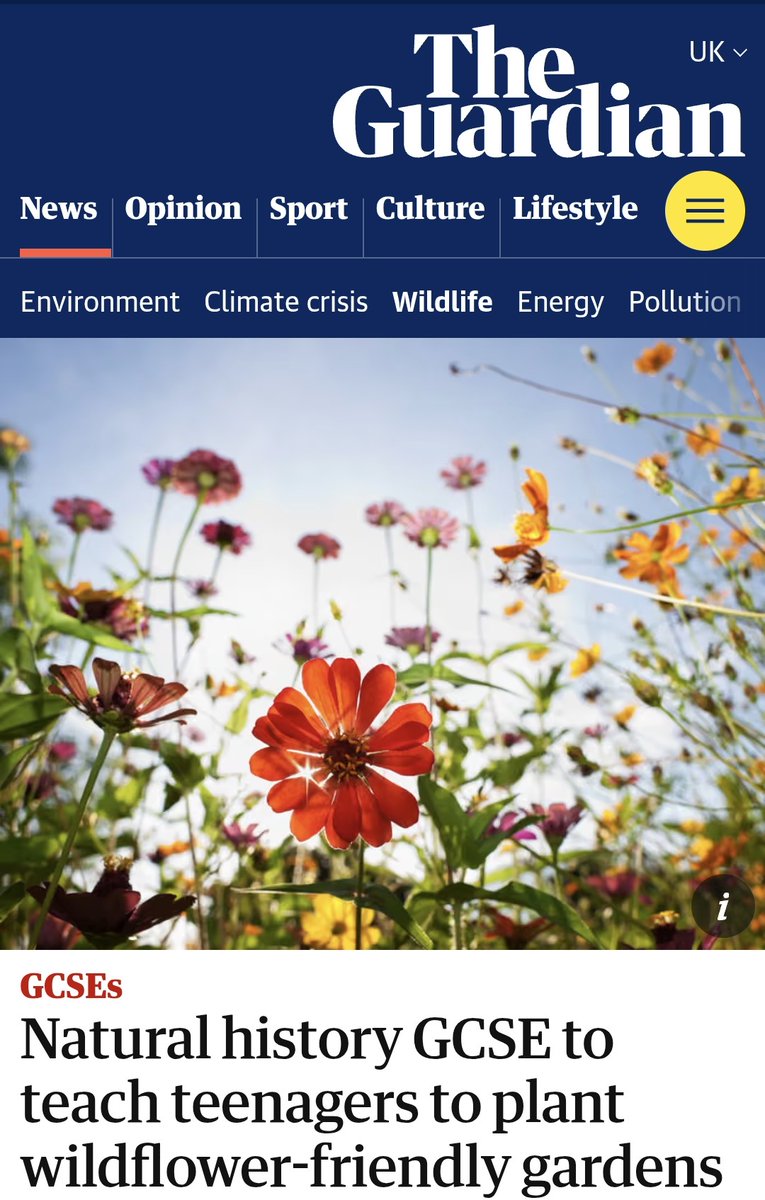
A big sigh of relief - after much uncertainty, the Natural History GCSE has finally been given the green light by the Government.
It is arguably *the* most impactful opportunity we have to teach my generation how to protect, restore and reconnect our ecosystems for the future.
9
99
388
5,948
Ben Goldsmith retweeted

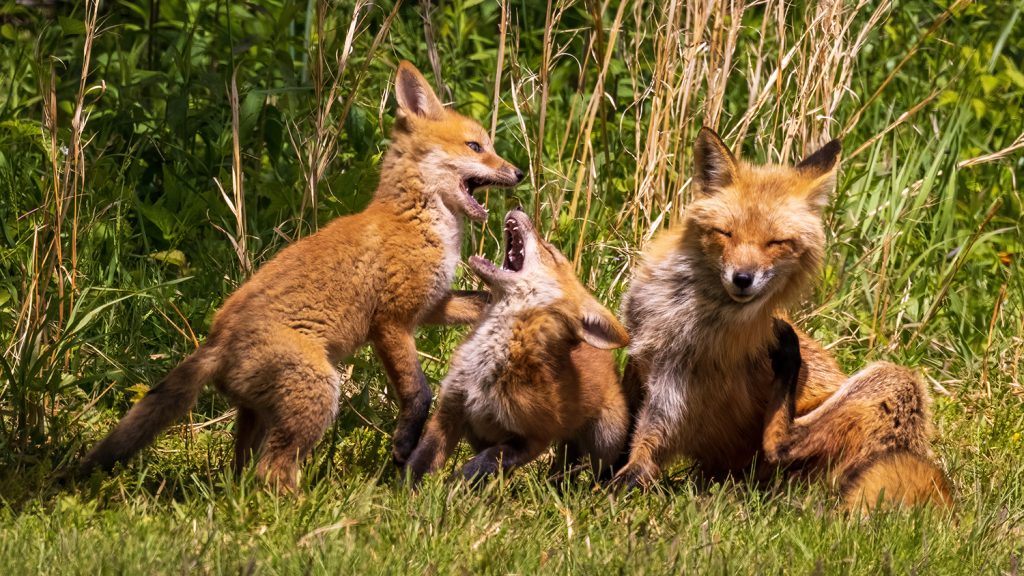
"Foxes killed my chickens" isn't an argument against foxes. It's an argument against your coop. A fox being a fox isn't a moral failing. A faulty coop is the problem.
66
602
3,685
31,902

Jun 12
It’s great to see shady factory pig farming interests and their political sponsors in Denmark starting to feel the heat from the Danish electorate. Voters everywhere tend not to approve of extreme, prolonged animal cruelty, even for slightly cheaper meat.

🔴 NEW: Denmark’s ‘Pig Election’ Prompts Drinking Water Crackdown. Will Europe Follow Suit?
desmog.com/2026/06/12/denmar…
2
18
63
2,562
Ben Goldsmith retweeted
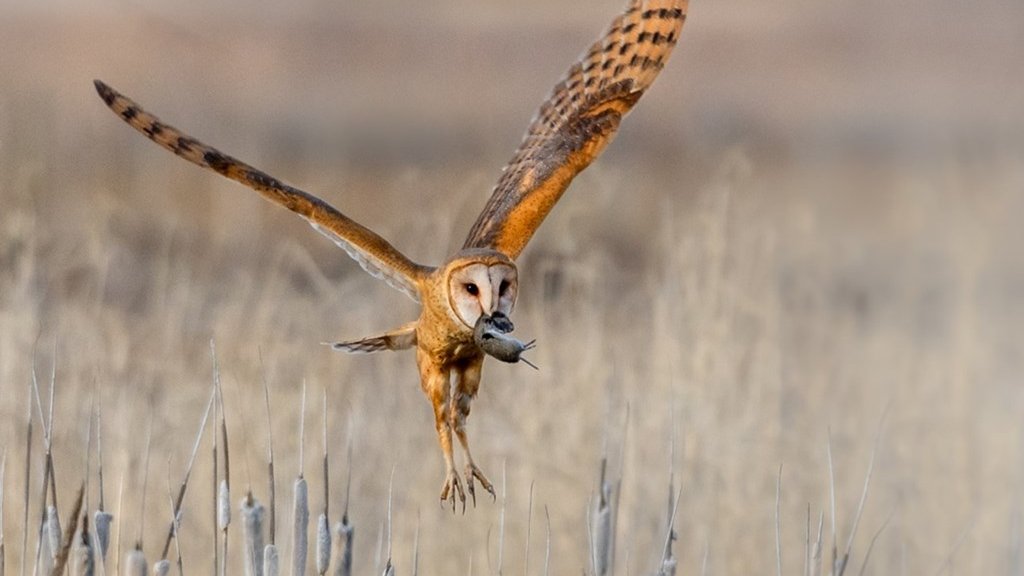
A family of barn owls eats around 1,000 rodents a year, some studies say up to 3,000. When we put out rodent poison, the owls eat the poisoned mice, and they die too. Without the predators, the mice come back worse. Skip the rat poison, put up an owl box.
18
763
2,170
19,587
Jun 12
I really enjoyed this conversation with Craig Bennett, CEO of the Royal Society of Wildlife Trusts. We spoke about the future of nature in Britain, the progress being made, and why there’s still plenty of reason for hope.
Out now wherever you get your podcasts.
@WildlifeTrusts
2
10
31
1,198
Jun 12
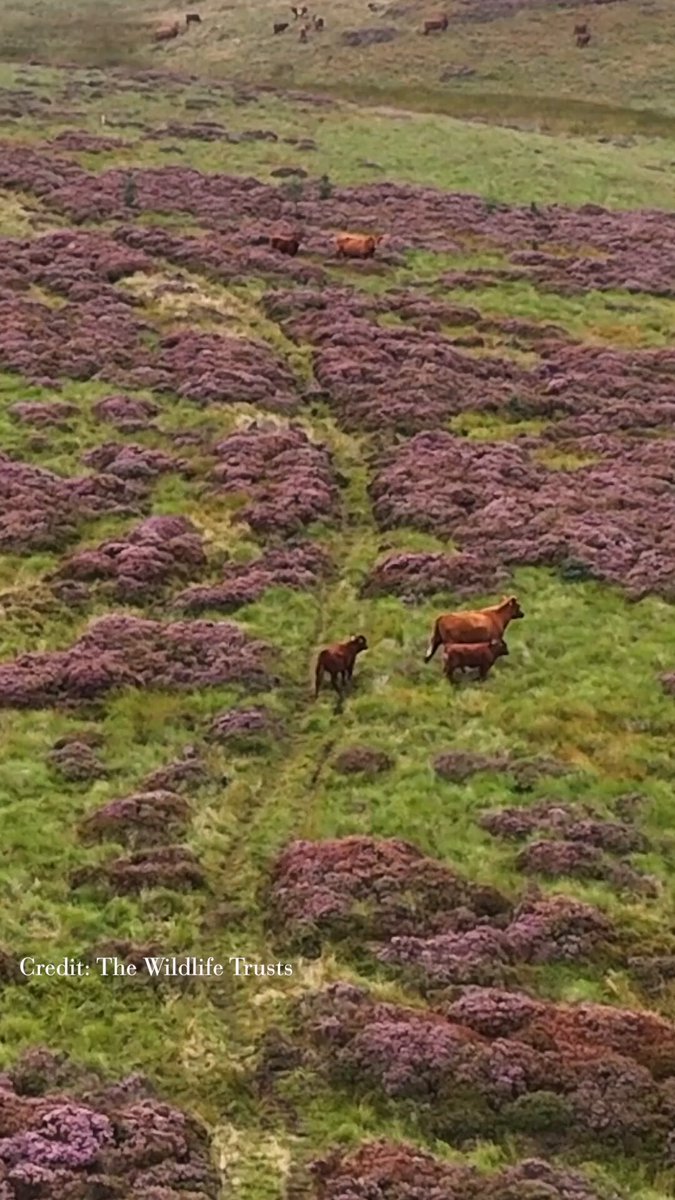
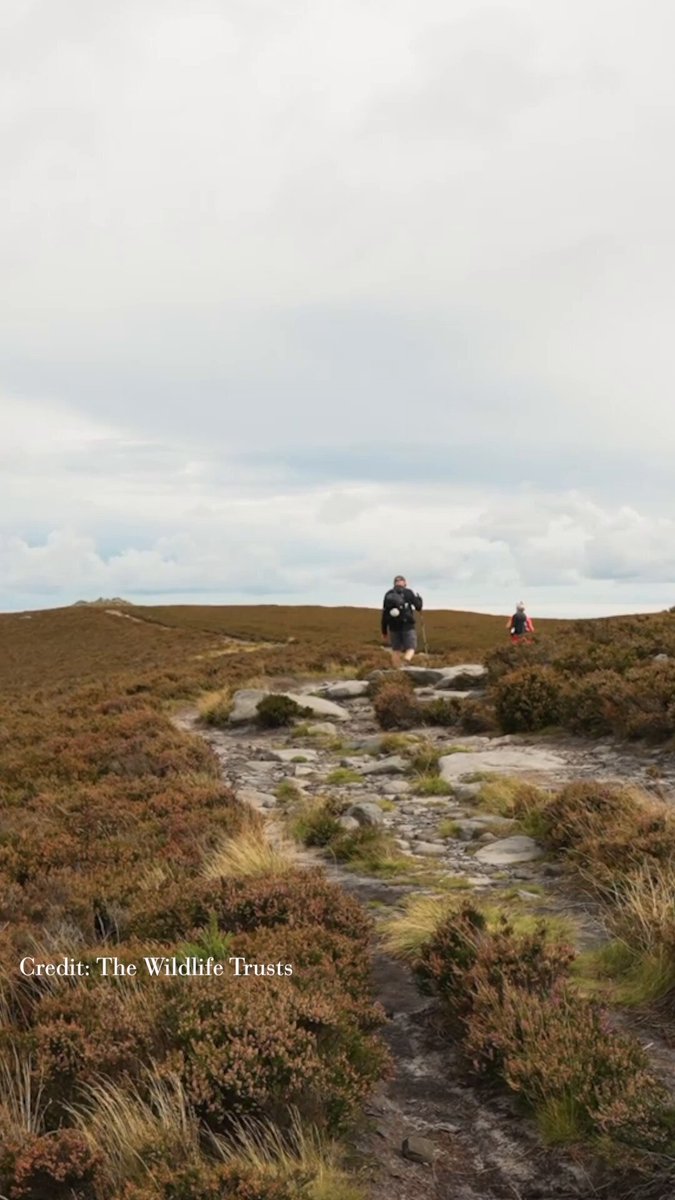
'It is so impressive in scope it almost defies description': The bold, 200-year vision to repair the harm that man has inflicted on the Scottish Highlands’ countrylife.co.uk/travel/bri…
1
6
27
1,197
Jun 12
South Africa is well on the way to eradicating cheetahs outside of protected areas.
Jun 11

New census of free-roaming cheetahs in South Africa reveals the population outside protected areas has plummeted, down 70% from previous estimates. Just 83 mature adults and 36 cubs remain across vast farmlands. In the four years of the study, 20% of the adults (17 individuals) were lost to shooting, snaring and vehicle collisions. Zero successful prosecutions. iol.co.za/weekend-argus/news…
2
26
53
2,415
Ben Goldsmith retweeted
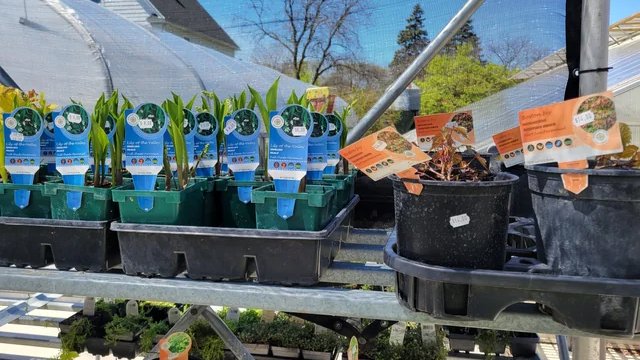
I get asked a lot: why are garden centers allowed to sell invasive plants?
You read that some shrub or vine is an ecological wrecking ball, then you walk into a garden center and there it is for sale, with a cheerful little plant tag. How is that legal?
Most of the time, it just is. A recent study found that 61% of the plants identified as invasive in the US are still sold through the plant trade. That includes plants on state regulated lists, and even 20% of the federal noxious weeds that are illegal to sell anywhere in the country.
So why is it still legal? There's no blanket federal ban on invasives. Federal law only covers plants crossing state lines, so anything grown and sold inside a state is that state's call, which leaves a checkerboard: banned on one side of a state line, stocked on the other. State lists tend to be outdated, aimed at farm weeds instead of the ornamentals that wreck forests, and are barely enforced.
Underneath all of it is a profitable industry, and states don't like banning a profitable product. Even when a state does crack down, it cushions the growers. Indiana's invasive-plant rule gave nurseries a full extra year to keep selling their existing stock of banned plants, on purpose, to soften the economic hit. The plant's a known menace, but the inventory is worth money, so the register keeps ringing.
Which unfortunately means it falls to us. Three things actually move the needle:
1. Tell your state and local officials you want these plants banned, because those lists are political and what constituents say matters.
2. Ask your garden center to stop stocking them, because retailers drop plants when enough customers push.
3. Stop buying non-native ornamentals in the first place. Plant natives instead. A plant nobody buys is a plant they stop growing.
33
229
955
25,322
Ben Goldsmith retweeted

Jun 10
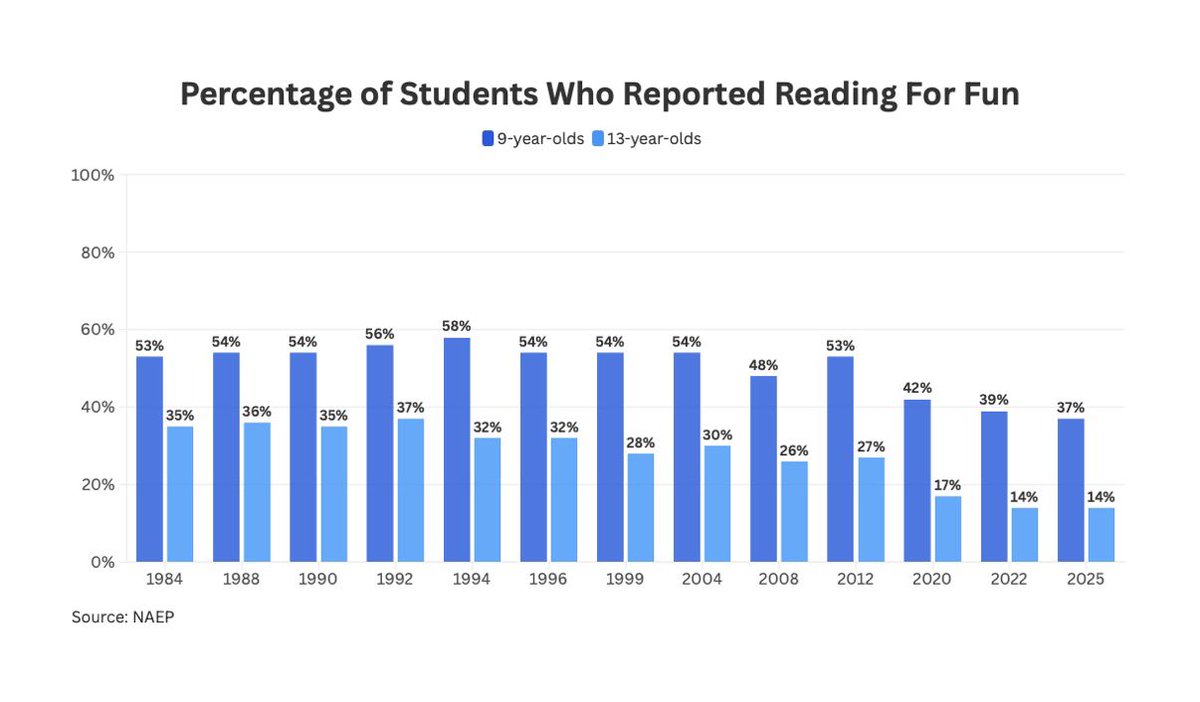
You think politics is bad now, just wait until the median voter has never read a book

The percentage of 9 year olds who read for fun reaches a new low
Source: NAEP
79
1,825
20,299
431,600
Ben Goldsmith retweeted

This is supposed to make you hate white-tailed eagles..
6
99
237
5,148
Jun 10
How is this in any way tolerable?

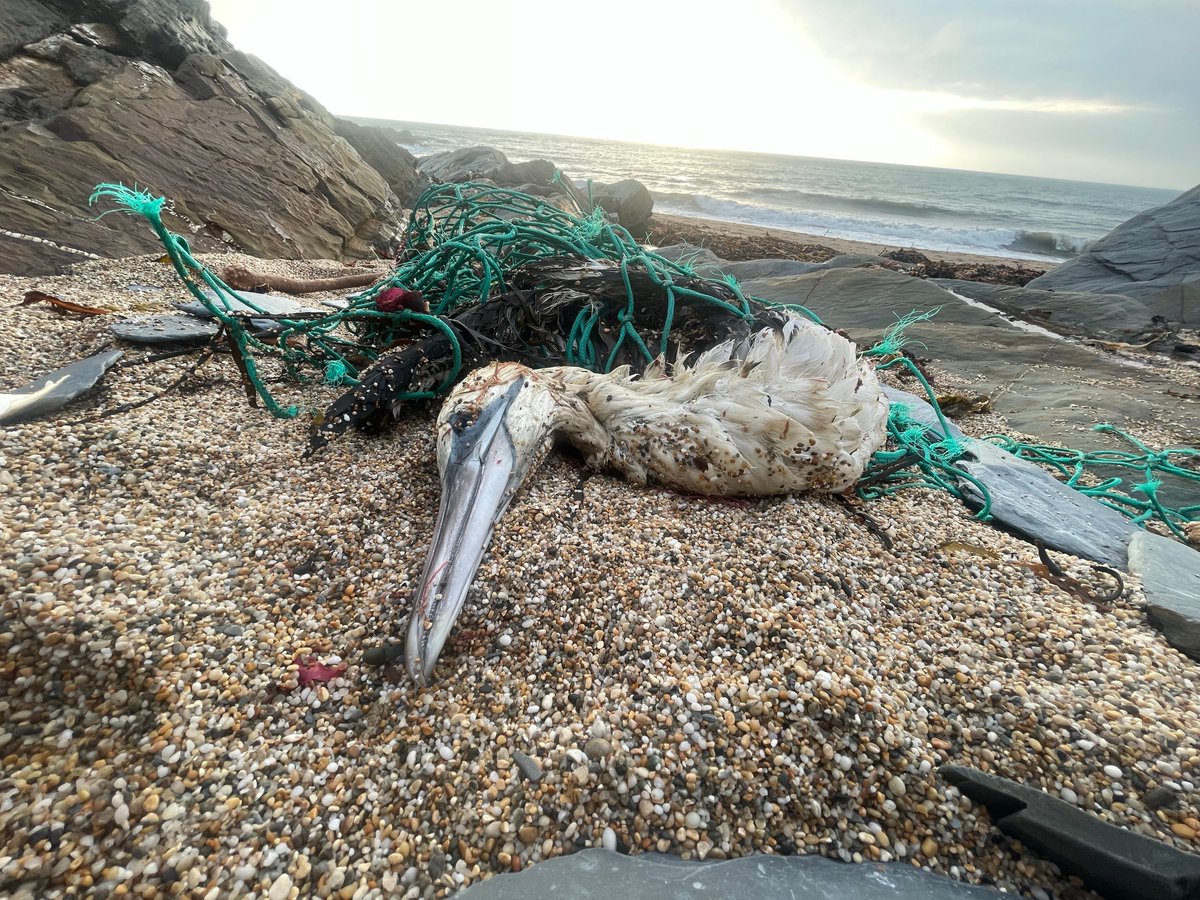
🚨 THOUSANDS of animals are being killed as a result of getting accidentally caught in fishing gear, such as trawling nets - new research shows
Each year industrial vessels in the UK are catching:
🪶 10,000 seabirds
🐋 1,000 porpoises, dolphins & whales
🦭 500 seals 1/2 🔽
4
36
164
4,246
Jun 10
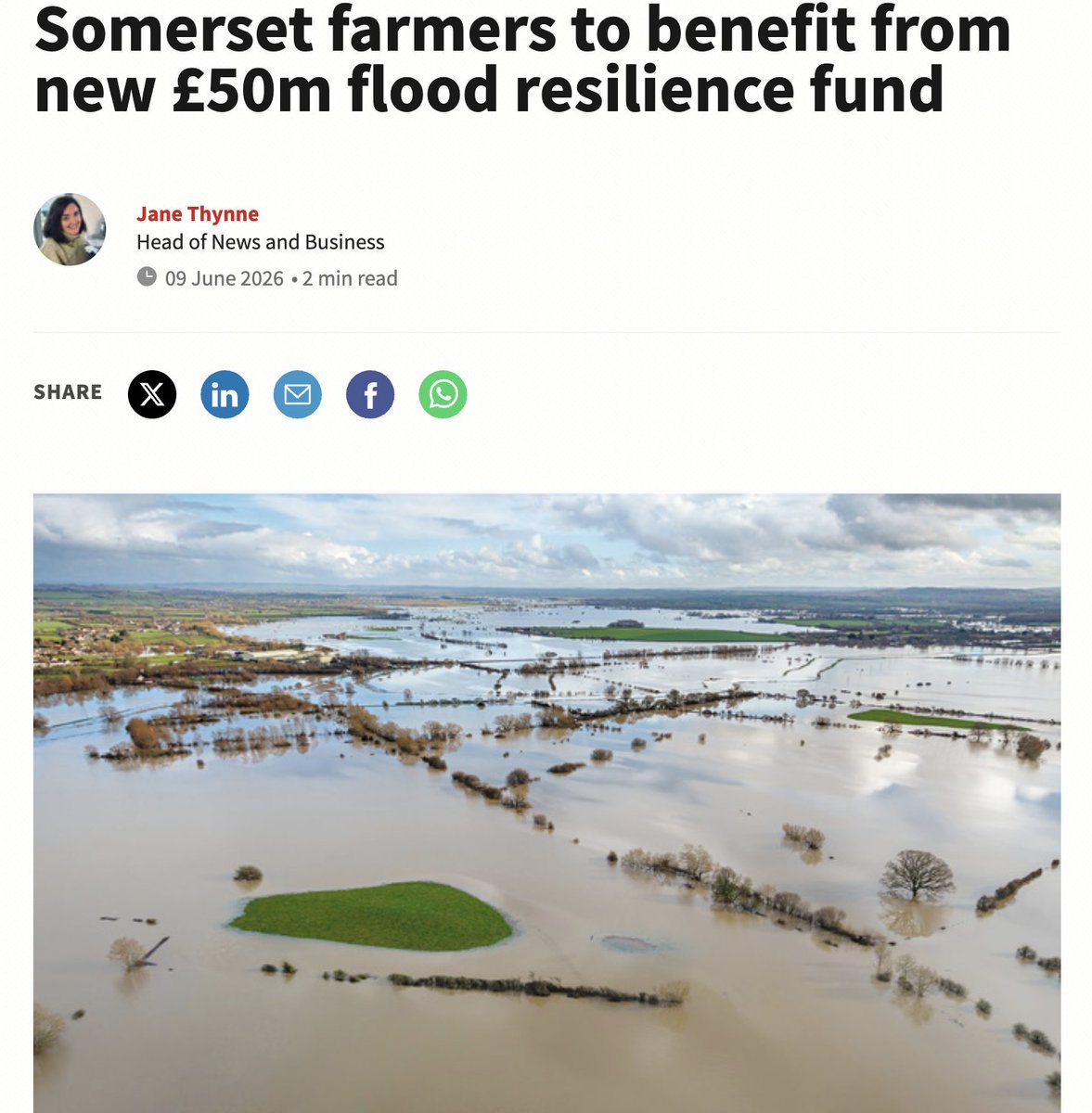
'Somerset farmers to benefit from new £50 million flood resilience fund'
Translation, an additional £50 million of *your* money will spent keeping water out of what should be England's most extraordinary wetland.
King Canute, anyone?
farmersguardian.com/news/453…
19
37
115
3,578
Jun 10
A good little charity to support, if you want to help turn the tide on this nonsense, is Somerset Wildlands.
somersetwildlands.org/
2
10
558
Ben Goldsmith retweeted

Jun 10
Not even the worst part of that story.
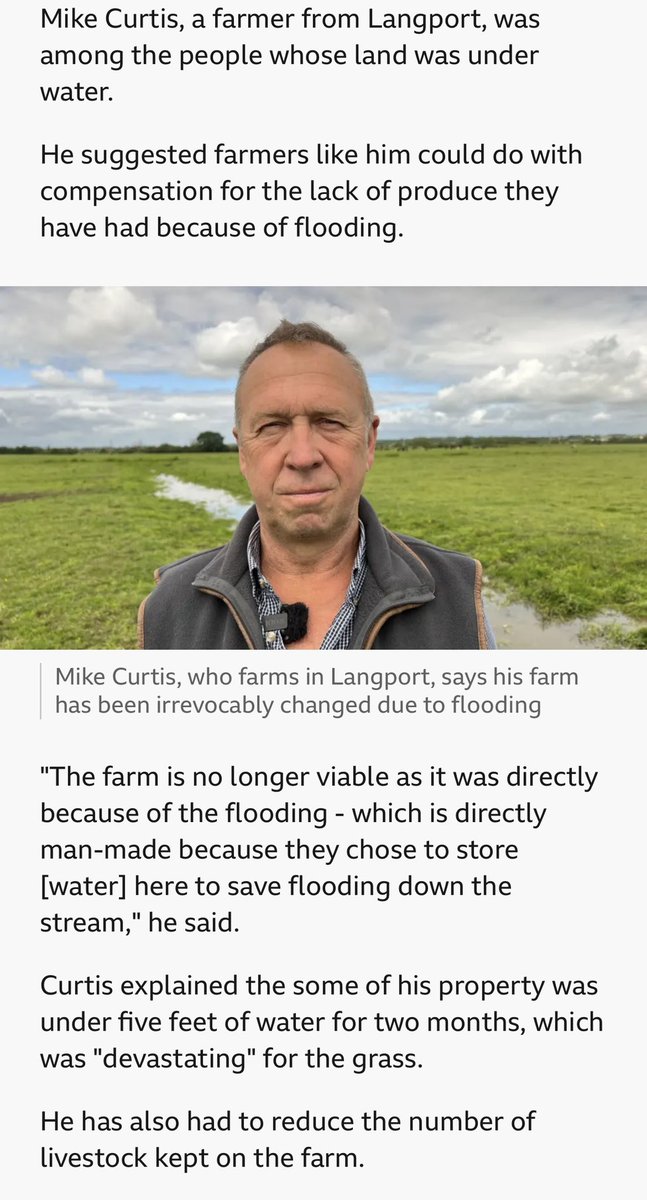
This farmer wants compo (ie other taxpayers’ money) because he’s trying to farm in the middle of one of Europe’s largest wetlands… & it’s too wet.
4
8
28
1,611