
Luceo non uro.
Joined June 2009
- Tweets 2,248
- Following 292
- Followers 432
- Likes 1,629
36 Photos and videos




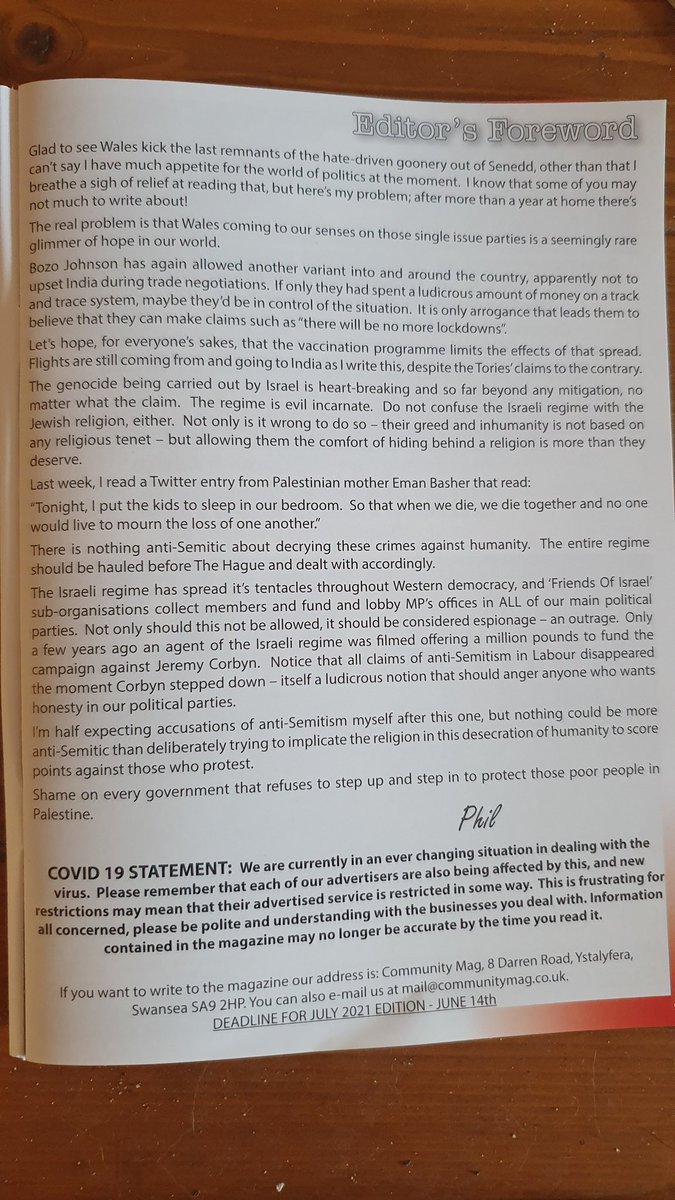


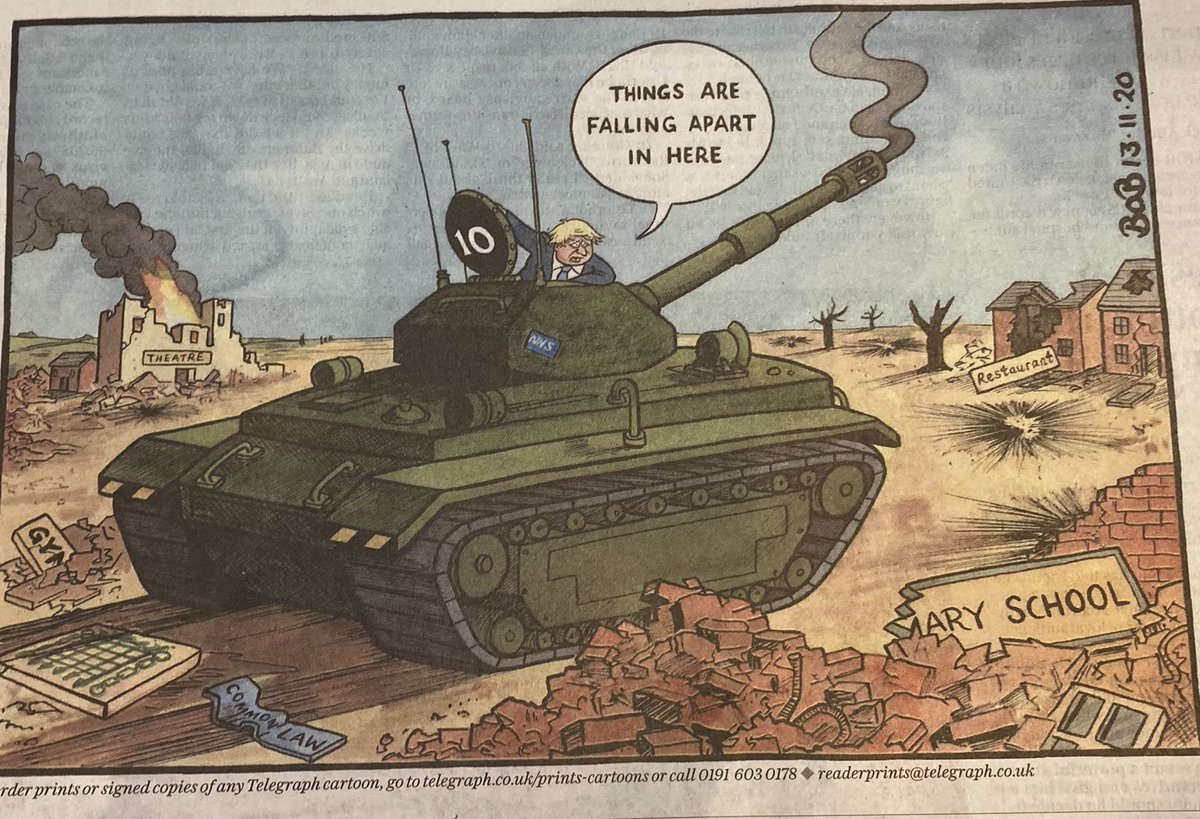
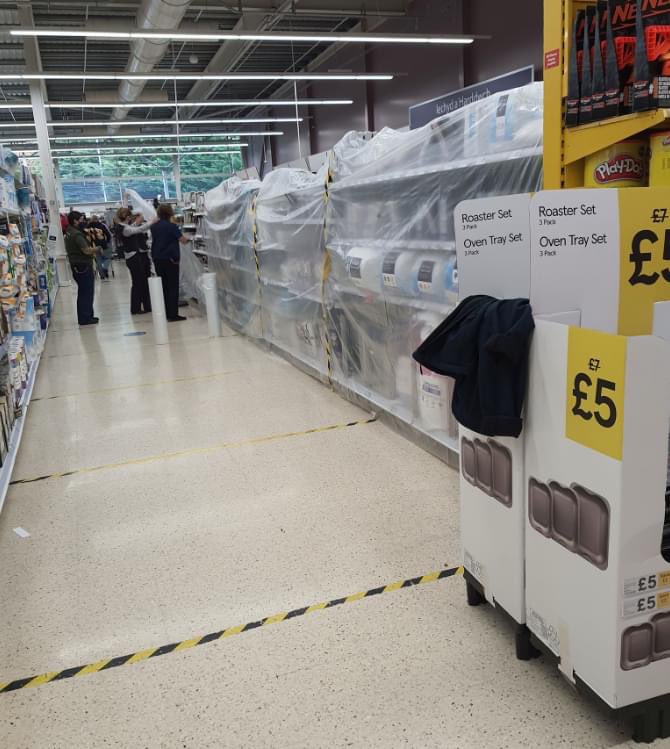

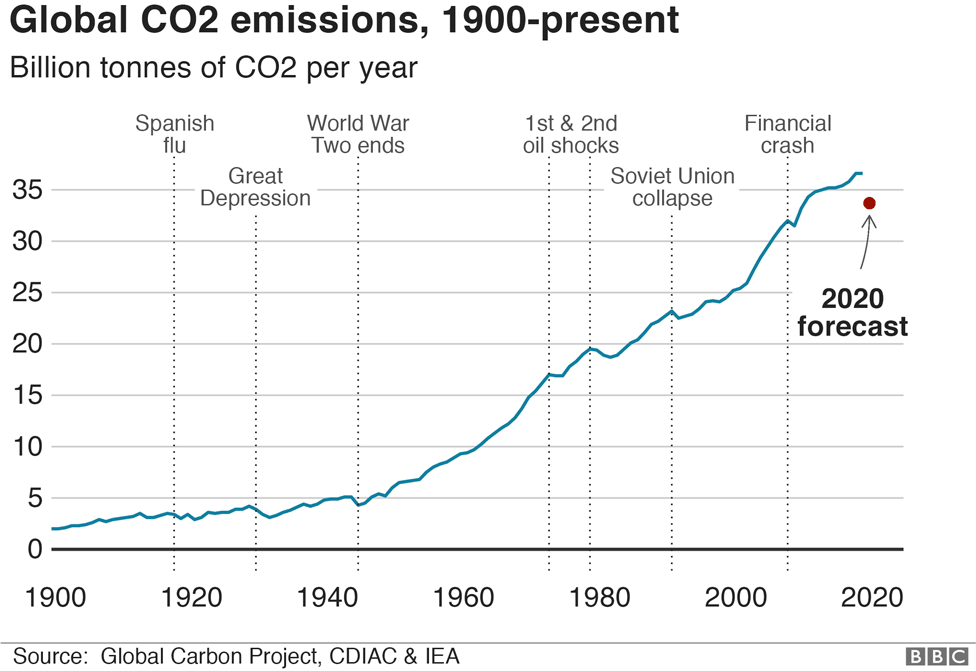

@Uber_Support Bump. Still waiting.. need a phone number I can actually use please.
52
Benjamin Mackenzie retweeted
"Aristotle argues that happiness requires good habits, and habits must be acquired early if they are to be acquired at all. Virtues are not mere habits, since they involve rational choice and the attempt to do right. But, like vices, they are acquired by habit. A vice is not like a facial tic or a stoop, since it is a way of intending things – intending against reason, so to speak, and planning to thwart our better plans. Virtues, too, are expressed in intentional action. The courageous man is not the one who runs angry and oblivious into battle: for rashness is as much a vice as cowardice, and one that jeopardizes every rational enterprise. Courage is the settled disposition to do what is right, whether or not anger or fear counsel some other course of action. It involves the whole self, and is shaped by the rational choices that it also shapes. No person's courage is exactly like another's and each forms a strand in the thing called character, which is the very moral heart and selfhood of the person, the object of love and hate, of friendship and enmity."
2
13
37
2,242

21 Mar 2025
This is precisely why the Senedd is pushing for fake recall.
Phoney outrage in an attempt to scupper someone using stitched up procedure.
The attempt to link Andrew to Nazism is just plain moronic from Wales' most delicate and insecure class; Nationalists.
21 Mar 2025

Former Welsh Conservative Senedd leader Andrew RT Davies has been reported to the Standards Commissioner after using Nazi-inspired terminology to describe Plaid Cymru activists ✍️@ShiptonMartin wp.me/p8Mk4U-WYm
1
1
24
1,137
Benjamin Mackenzie retweeted

17 Mar 2025
A must watch. This video is over 30 years old.
42
381
1,301
82,530
12 Mar 2025
This is a power-grab by the institution masquerading as a democratic process.
They set the rules and they determine whether the rule-breaking is "serious enough" to warrant a recall.
The "vote" is a rubber-stamping exercise.
REAL recall is voter initiated.
12 Mar 2025

Voters to be able to eject misbehaving politicians bbc.in/3DENhzI
1
2
4
2,430
12 Mar 2025
Thanks to the new closed-list system, political parties will be able to decide who your next representative will be.
The faceless bureaucrats and political parties working in cahoots to deprive the public of real electoral power.
1
78
12 Mar 2025
Minimum Unit Pricing has failed entirely on its own terms and yet doesn't get a mention here.
This follows a report that highlighted how people are switching to stronger alcohol to save themselves some money.
Nanny was wrong, yet again.


58
7 Mar 2025
Highly suspicious timing for the allegations against @RupertLowe10 makes me suspicious of a hit-job.
Rupert has been by far Reform's strongest performer in Parliament and is a massive asset to the party in his own right.
Perhaps that's the real problem.
1
34
Benjamin Mackenzie retweeted

6 Mar 2025
From a 2008 article The Defense of the West: How to Respond to the Islamist Challenge. catholiceducation.org/en/cul…
4
11
1,475
28 Feb 2025
Don't be fooled by the "nationalise water" brigade following the huge increase in water bills this year.
- Welsh Water (state-owned) has announced an average 27% rise in bills.
- Chief Executive "I am aware that our bills are amongst the highest in the sector".
[1/2]
1
158
28 Feb 2025
- More than half of the £4 Billion "investment" (which will make up 54% of Welsh Water bills this year) is going on "protecting and improving the environment."
- Perhaps something to do with the decade Welsh Water spent illegally dumping sewage, as discovered by BBC.
[3/2]
1
64
28 Feb 2025
Just don't be fooled by lazy arguments that "Dividend payments" or "privatisation" are responsible for ridiculous bill rises.
Both private & state owned water providers are fleecing their customers.
The water market is clearly broken, but not the way we think it is.
[End]
51
24 Feb 2025
This is the failure of proportional elections; you don't get to vote for governments, that responsibility is handed over to politicians who invariably produce a government that nobody voted for.
24 Feb 2025

So the SPD, which bears much responsibility for Germany’s current plight, is almost certain to play a role in the next government, while AfD, which won more seats, is shut out. Whatever your view of AfD, it's no wonder so many people think democracy across the West is rigged.
3
154
19 Feb 2025
The authoritarian mindset that prevails in the Senedd strikes again. The entire institution has become a vehicle for limiting people's freedom.
Certainly not a great example of a vibrant democracy.
18 Feb 2025

I welcome the news that greyhound racing is to be banned in Wales.
This is long overdue and will be a relief to everyone seeking to protect these special animals.
Where Wales has led, hopefully the rest of the UK will now follow. #CutTheChase

1
54
14 Feb 2025
I spoke to the Reform candidate last week. He and his team put in a lot of effort and ran a pretty sophisticated campaign on the ground.
They were "quietly confident" of a result but appear to have underestimated themselves.
Reform on the up in Wales, big time.
14 Feb 2025

❗ Reform GAIN from Labour
Trevethin and Penygarn (Torfaen) council by-election result:
REF: 47.0% ( 47.0)
LAB: 26.6% (-49.2)
IND: 12.0% ( 12.0)
IND: 11.7% ( 11.7)
GRN: 2.6% ( 2.6)
No Con (-24.1) as prev.
/- 2022
3
174
13 Feb 2025
Seriously, is Tice really this obnoxious, or are his staff having a bad day?
Not a single one of Reforms 4 headline energy policies will reduce bills.
Calling everyone who notices that names from some superficial high horse isn't going to change that.
13 Feb 2025

Oh dear Daniel
Lower costs, by stopping the renewable rip off, more money in people’s pockets, growing more food, protecting our countryside, stopping dangerous batteries
Are you economically illiterate, just tribal Tory or both?
Embarrassing for you
1
57
13 Feb 2025
I have some sympathy for the Reform cause, but I don't see how any of this reduces energy bills.
Surely, it would have been much better to abolish renewable subsidies (which would end the industry anyway) & actually allow more fossil fuel production?
12 Feb 2025

We are putting the renewables industry on notice. We will lower energy bills for working people.
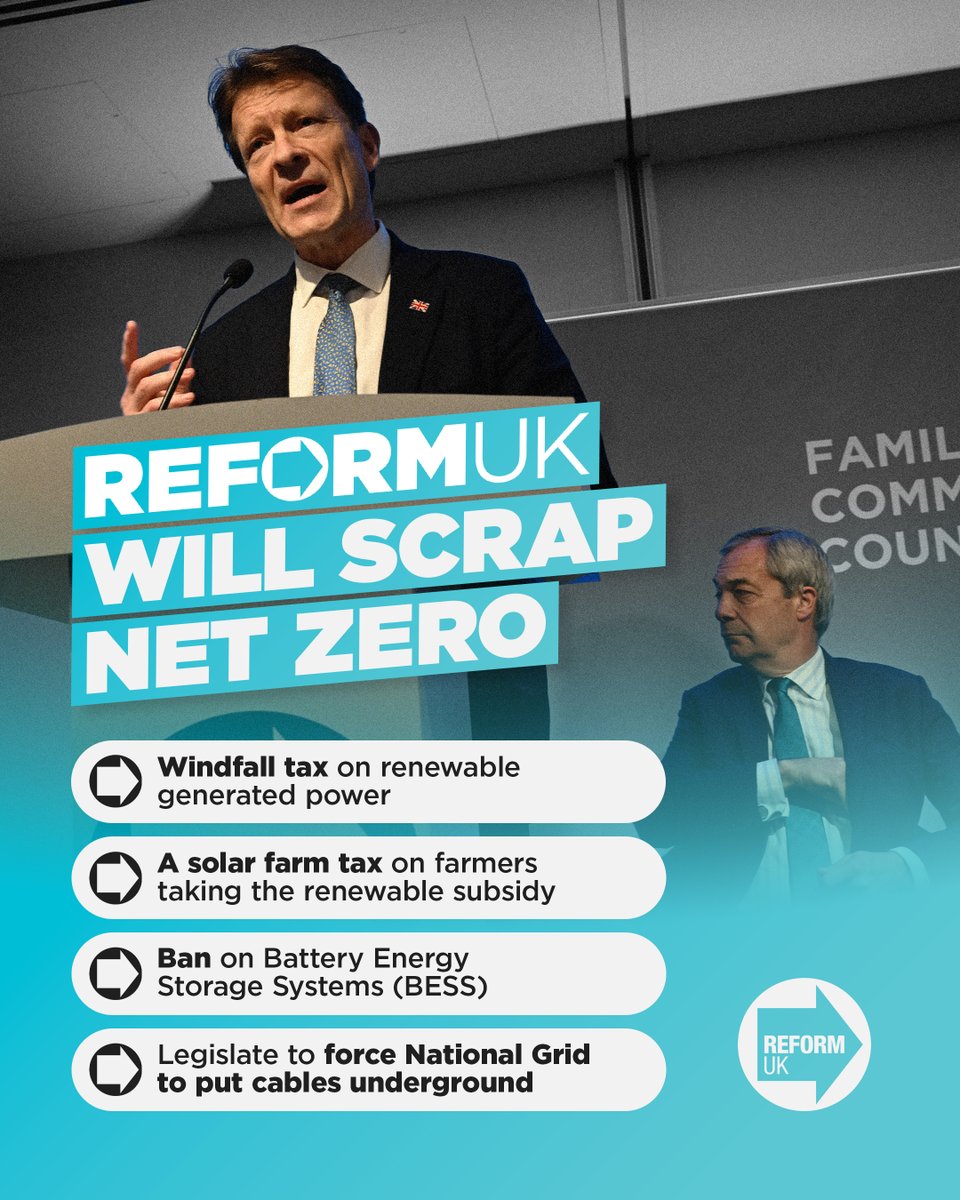
49
Benjamin Mackenzie retweeted

6 Feb 2025
692
3,880
16,086
758,933
Benjamin Mackenzie retweeted

4 Feb 2025
Don’t let your suffering make you evil.
1,461
5,122
38,349
1,436,967