#Explorer / #Researcher/ #Filmmaker Ph.D @PlymUni #humanfactor expert @iafastro analog #astronaut International Fellow @ExplorersClub #Anthropology #Space
Joined September 2011
- Tweets 3,823
- Following 1,333
- Followers 588
- Likes 2,935
780 Photos and videos




Pinned Tweet

1 Jul 2016
1
29
27 Oct 2024
L’Agence spatiale européenne ouvre une réplique de terrain lunaire pour préparer les futures missions theconversation.com/lagence-… via @FR_Conversation
1
32

🌎 @BenjaminPothier connaît l'espace sans aller au-delà de la stratosphère. Ses destinations de prédilections ? Un ancien bunker nucléaire en Pologne ou les volcans de l'Islande où il participe à des missions "analogues" qui simulent les conditions extrêmes de travail là-haut.
1
5
645

Later this year, the @ARIESanthro team is hosting the 3rd Ethnographies of Outer Space conference in Krakow! 🇵🇱
📢 The call for papers is now open!
⏰ Deadline: 31 May 2024

1
31
86
6,576
Benjamin Pothier, Ph.D retweeted

9 Feb 2024
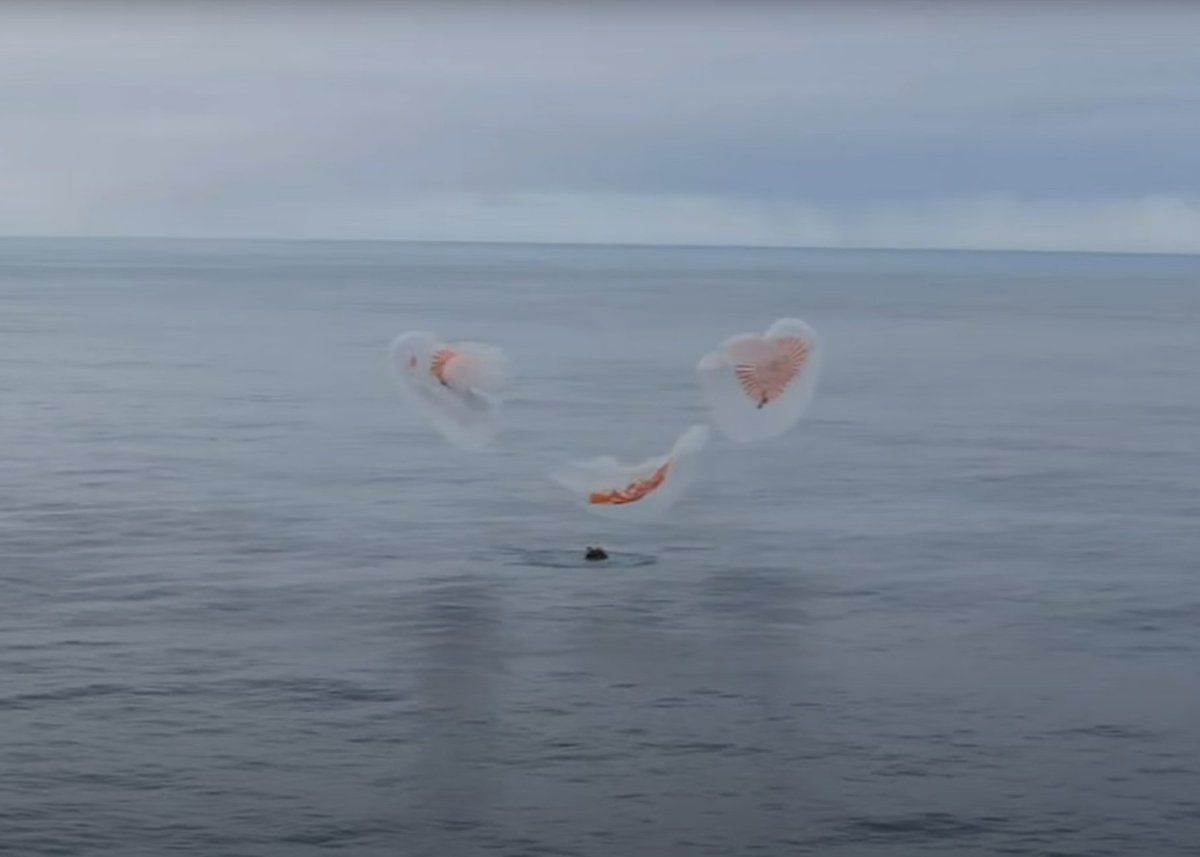
ESA project astronaut Marcus Wandt returns to Earth after his first spaceflight to the International @Space_Station.
The #Muninn mission is complete: esa.int/Science_Exploration/…
Congratulations, @astro_marcus! 🤩
2
15
65
3,551
25 Jan 2024
"Global Exploration Summit Packing List" my latest article for @Carryology about my participation to @ExplorersClub GLEX summit last year in the Azores @RichardGarriott @AliceBromage #GLEX #Exploration #EDC #gear #bag #techwear carryology.com/travel/global…
3
129
Benjamin Pothier, Ph.D retweeted

11 Jan 2024
Derik M. was on the McMurdo Station in Antarctica as a US Coast Guard in 2017, when he spotted a family of penguins. Suddenly, a piece of the ice broke and the clip turned out to be one of the most thrilling ever filmed
79
527
4,084
365,835
Benjamin Pothier, Ph.D retweeted

4 Jan 2024
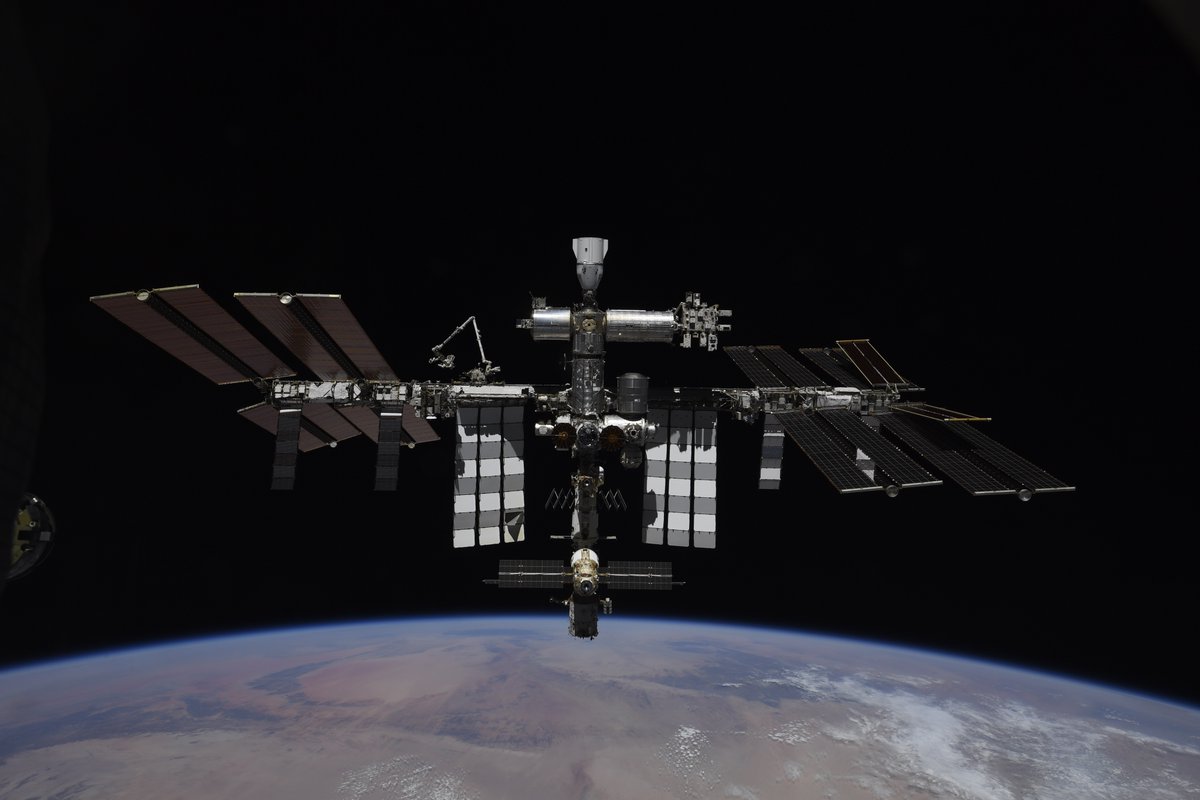
We didn’t. The latest one just happens to be in space, where very few people can see it.
68
329
3,575
308,843

17 Dec 2023
Qui est Enzo Bleze, ce génie de l’astronautique qui pourrait devenir le prochain Elon Musk français ? Ma récente interview pour @USBEKetRICA usbeketrica.com/fr/article/q…
#Espace #Aérospatial #Futur #prospective #spatial #Space #Innovation #Interview #futurism #entretien
63
Benjamin Pothier, Ph.D retweeted
17 Dec 2023
Arthur C. Clarke on BBC's Horizon in 1964, when he gave some astonishing predictions about the future.
twitter.com/BBCArchive/statu…
216
3,742
12,706
1,706,801
Benjamin Pothier, Ph.D retweeted

13 Nov 2023
To All Explorers Around The World,
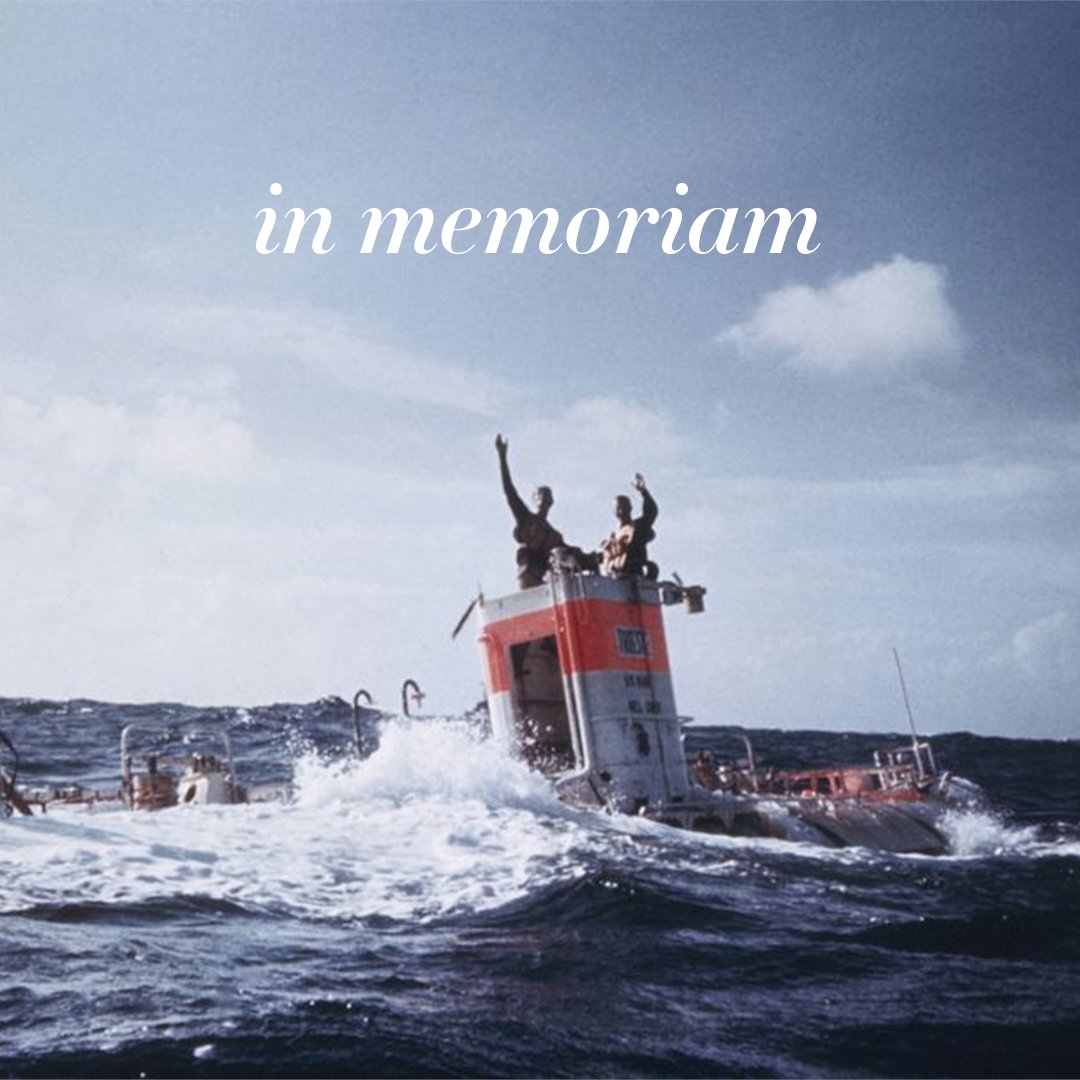
I have the sad duty to announce the passing of Explorers Club Medalist Captain Don Walsh MED’61, who alongside Jacques Piccard was the first human to the bottom of the deepest point in the ocean, the 10,916 meter Challenger Deep.
The Challenger Deep expedition is part of the foundational bedrock of the story of The Explorers Club.
One of our five Famous Firsts - Don quite literally set the standard by which we measure ourselves as explorers.
First to the Poles, First to Everest, First to the Moon — when we walk on Mars, that accomplishment will be in no small part due to the runway laid by Don, and an indomitable generation of trailblazers like him who have made this Club what it is today."
Read President Richard Garriott's full obituary of Captain Don Walsh here: bit.ly/3QEOSb6
6
63
194
31,140
Benjamin Pothier, Ph.D retweeted

10 Nov 2023
25 years in orbit.
Hear from some of the people whose work on the space station makes history every day! See the accomplishments of the team that has made 25 years of space station possible, leading up to the anniversary of the start of in-orbit operations.
70
389
1,870
2,232,666

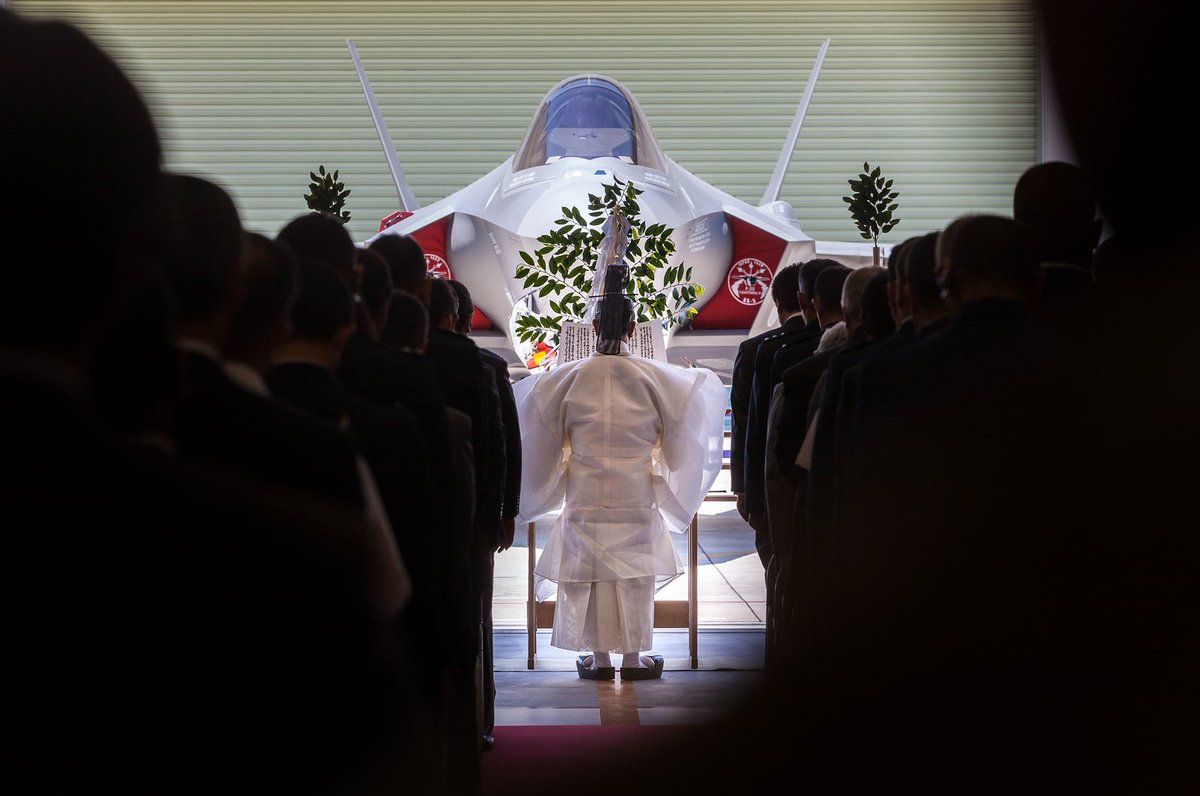
Benjamin Pothier, Ph.D retweeted

22 Oct 2023
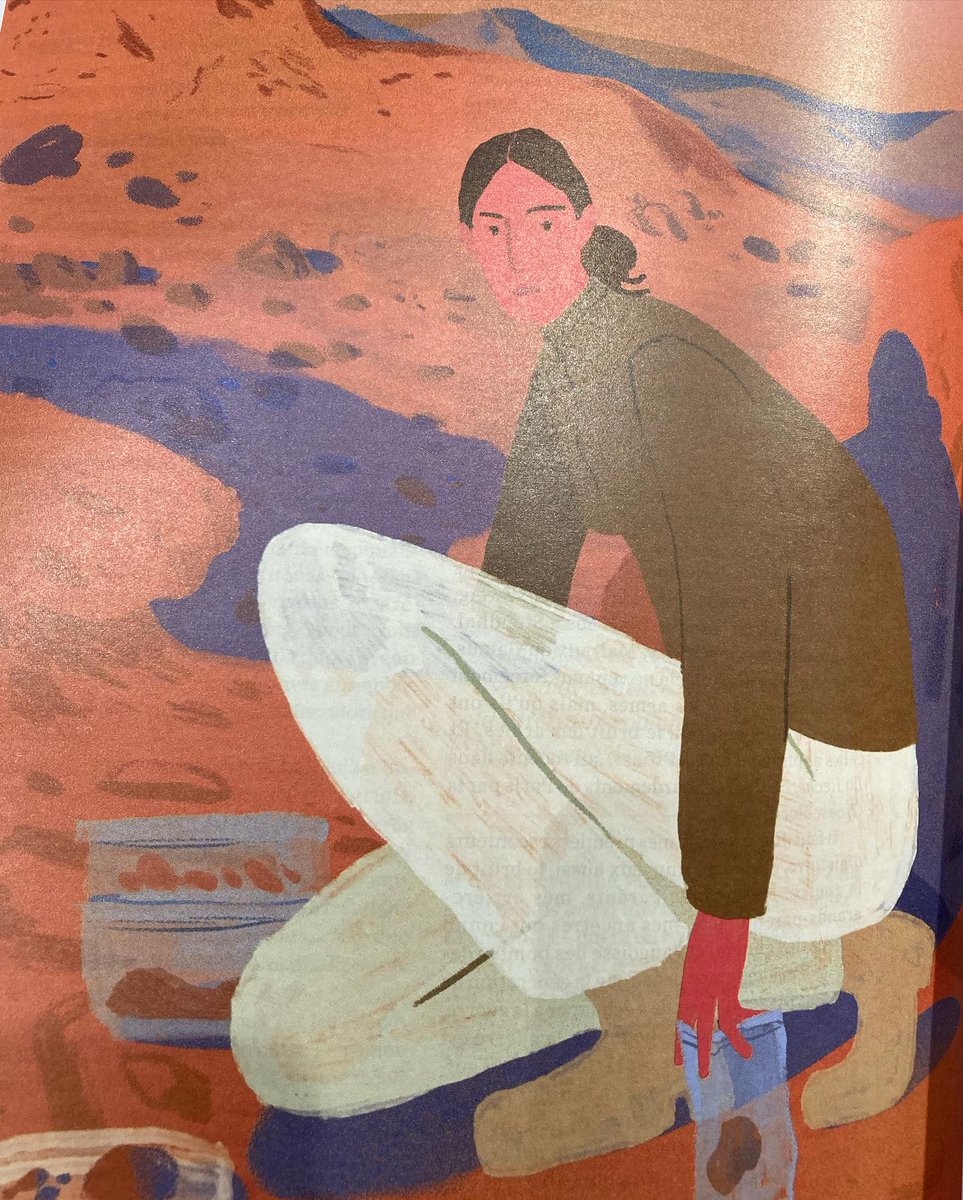
Illustration de Thit Thyrring.
🖇 « Mars needs women », un récit de @BenjaminPothier à découvrir dans Bastille Magazine nº21, disponible en kiosque et en ligne.
Profitez de notre offre 3 mois pour 1€ depuis bastillemagazine.com/abonnem… !

1
65
Benjamin Pothier, Ph.D retweeted
22 Oct 2023
« Nous ne sommes pas sur une lointaine planète mais bien sur Terre. Plus précisément à presque 1 000 kilomètres au nord du cercle polaire arctique, sur la petite île Devon. Un désert froid – qui s’en étonnerait ? – sec et donc venteux. » @BenjaminPothier bastillemagazine.com/2023/09…
1
1
56
19 Oct 2023
University of Oxford partners with Breakthrough Prize Foundation in search for life beyond Earth
ox.ac.uk/news/2023-10-18-uni…
32
Benjamin Pothier, Ph.D retweeted
18 Oct 2023
On April 5, 2008, the Japanese spacecraft Kaguya captured this full Earth-rise over the Moon limb in high resolution
[📹 JAXA]
501
3,513
20,919
2,747,795
Benjamin Pothier, Ph.D retweeted

18 Oct 2023

ALT http://ronaldcmerchant.tumblr.com/post/157567485606
13
331
2,478
337,517
Benjamin Pothier, Ph.D retweeted

11 Oct 2023
Prenons de la hauteur !
Voici la Terre vue depuis une sonde en orbite autour de la Lune.
© agence spatiale japonaise (JAXA)
75
597
3,029
284,304

More carbon than expected and an abundance of water were found in the 4.5-billion-year-old asteroid sample returned to Earth by #OSIRISREx. The two combined could mean that the building blocks for life on Earth might be locked in these rocks: go.nasa.gov/45sL5TQ
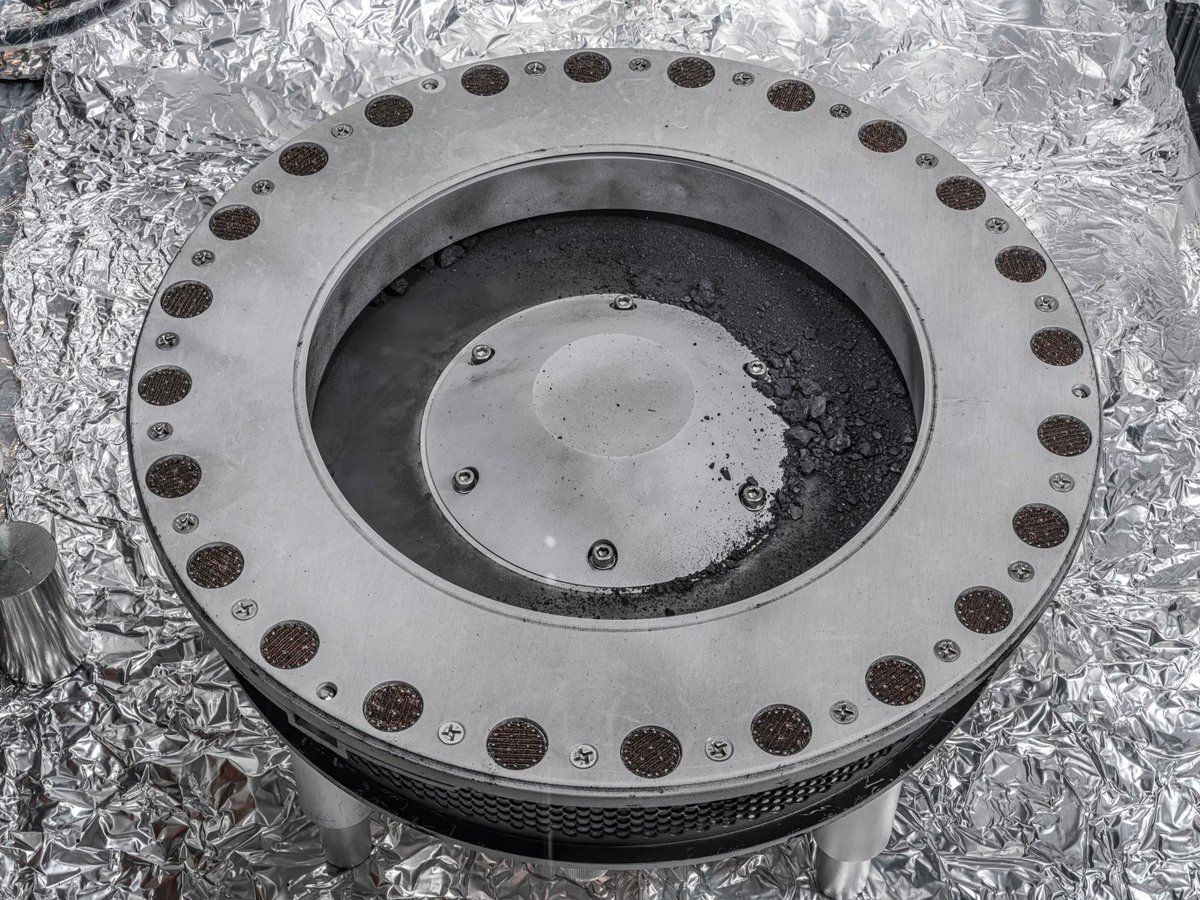
ALT Circular metallic instrument of concentric circles on aluminum foil, the TAGSAM head from the OSIRIS-REx spacecraft. The outer ring contains many small circles containing small particles of black dust. The inner circle contains small rocks. Credit: NASA/Erika Blumenfeld & Joseph Aebersold
270
1,697
8,086
1,760,788