
Fndr @OPWH_Official | Assoc. Mbr @OrthoSocietyUg | Rotaractor @rctkongelukuli | Kopite @ug_kop | Patriotic | Health Visionary | Christian | Philanthropist
Joined February 2022
- Tweets 1,604
- Following 215
- Followers 960
- Likes 9,694
69 Photos and videos


Pinned Tweet

23 Nov 2025
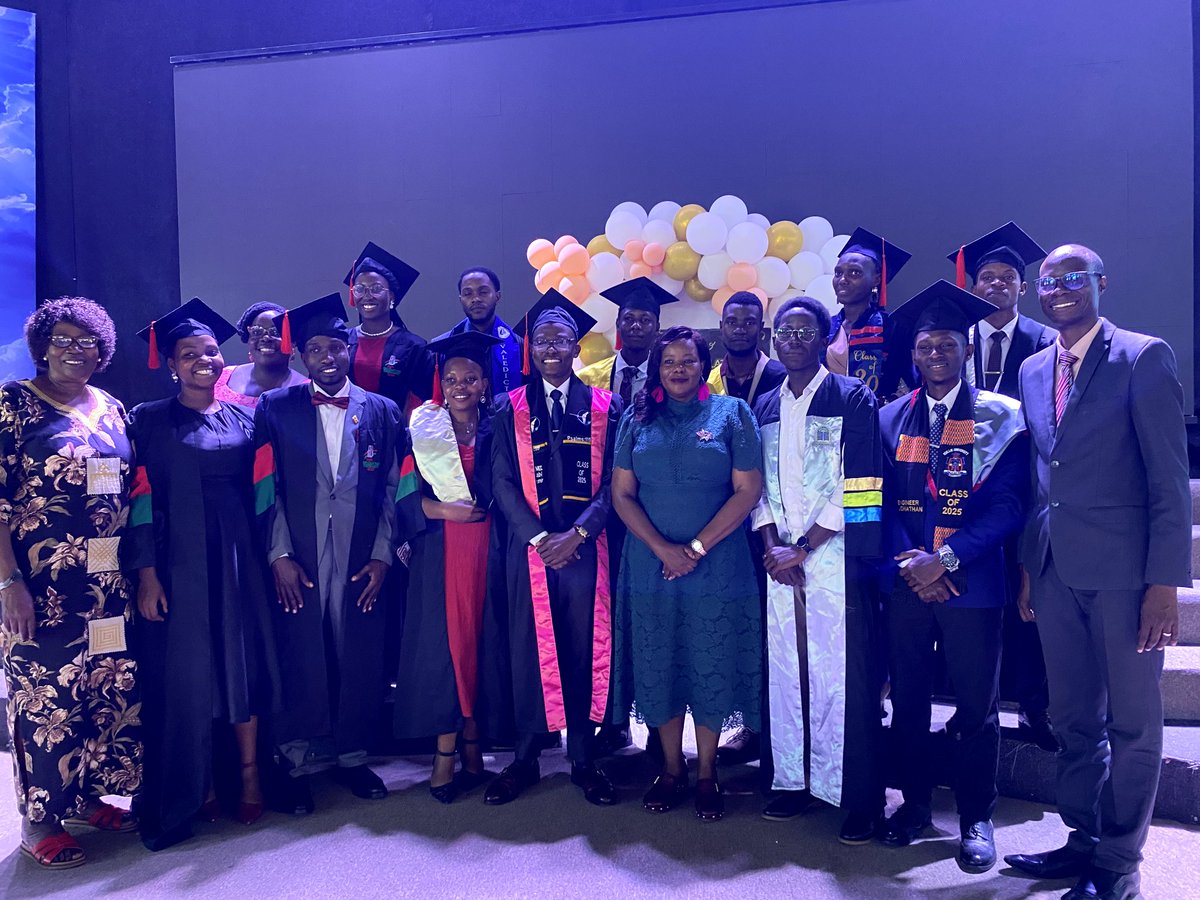
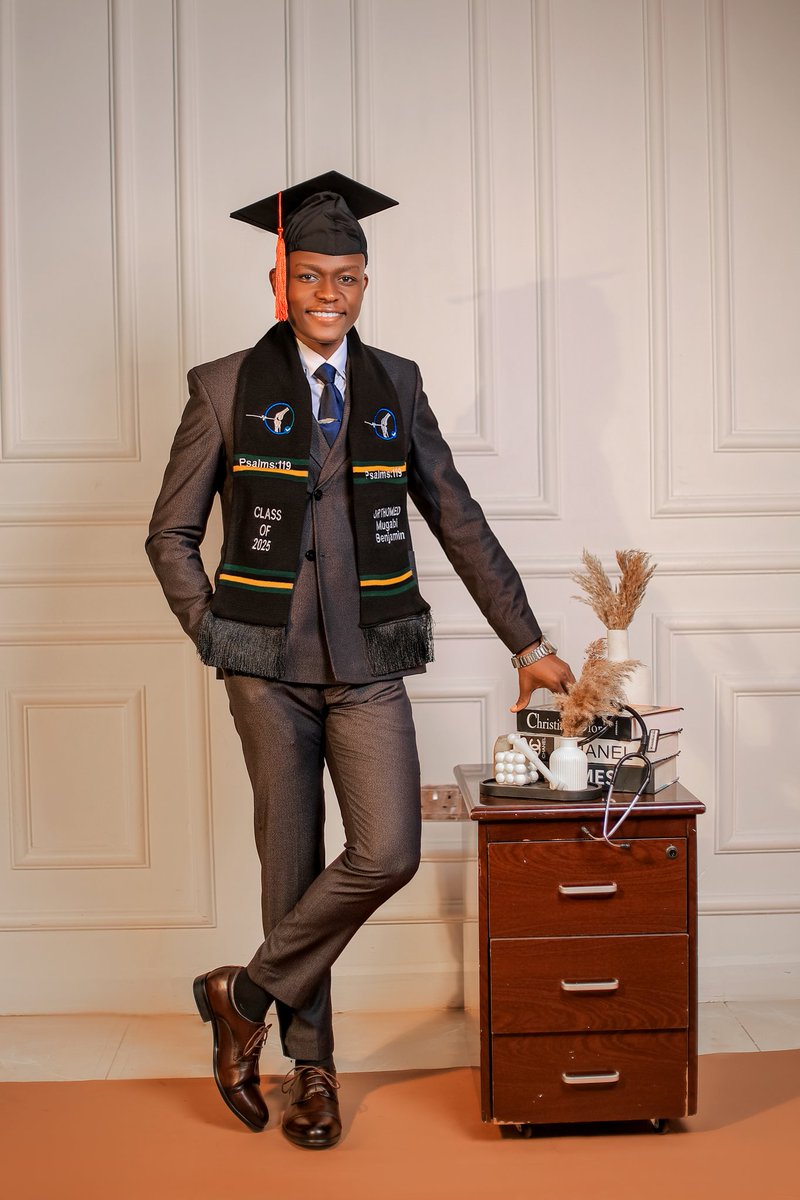
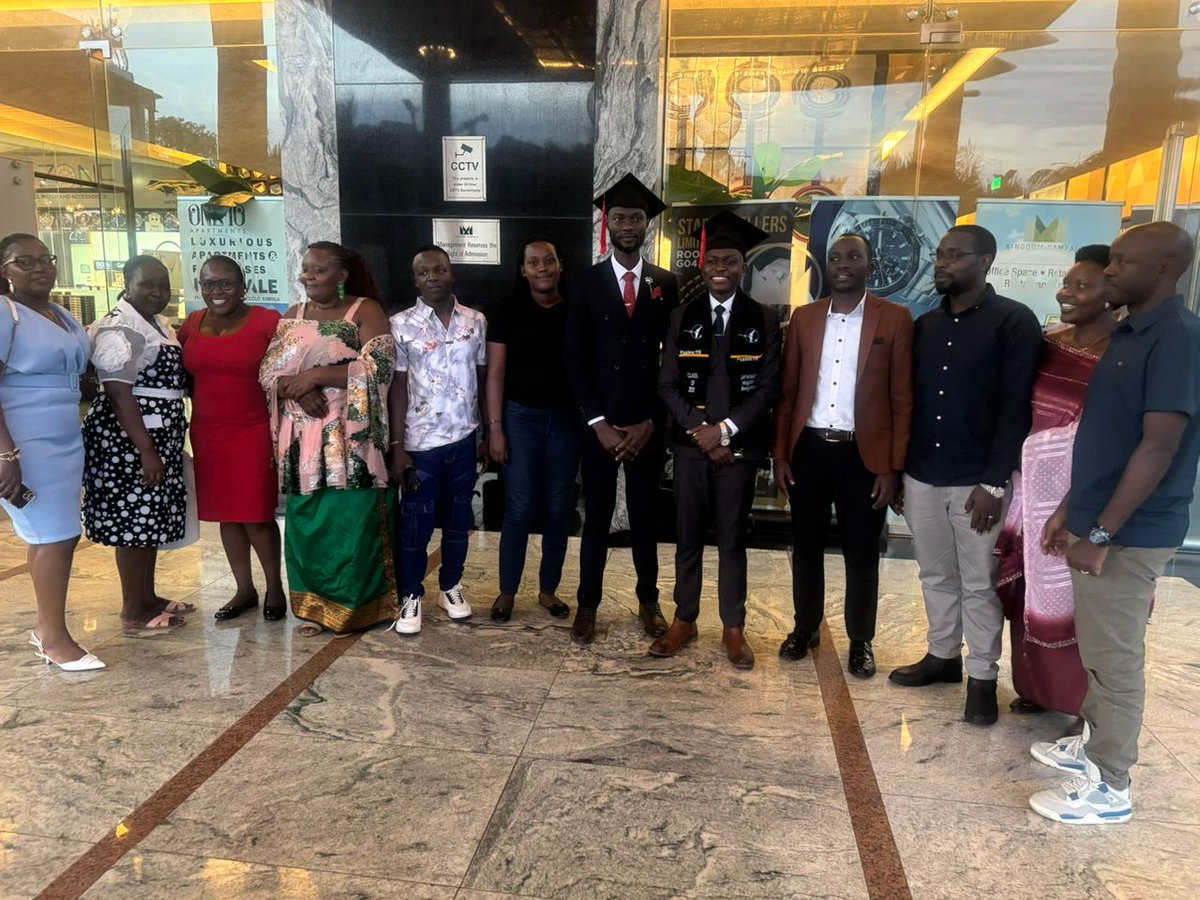
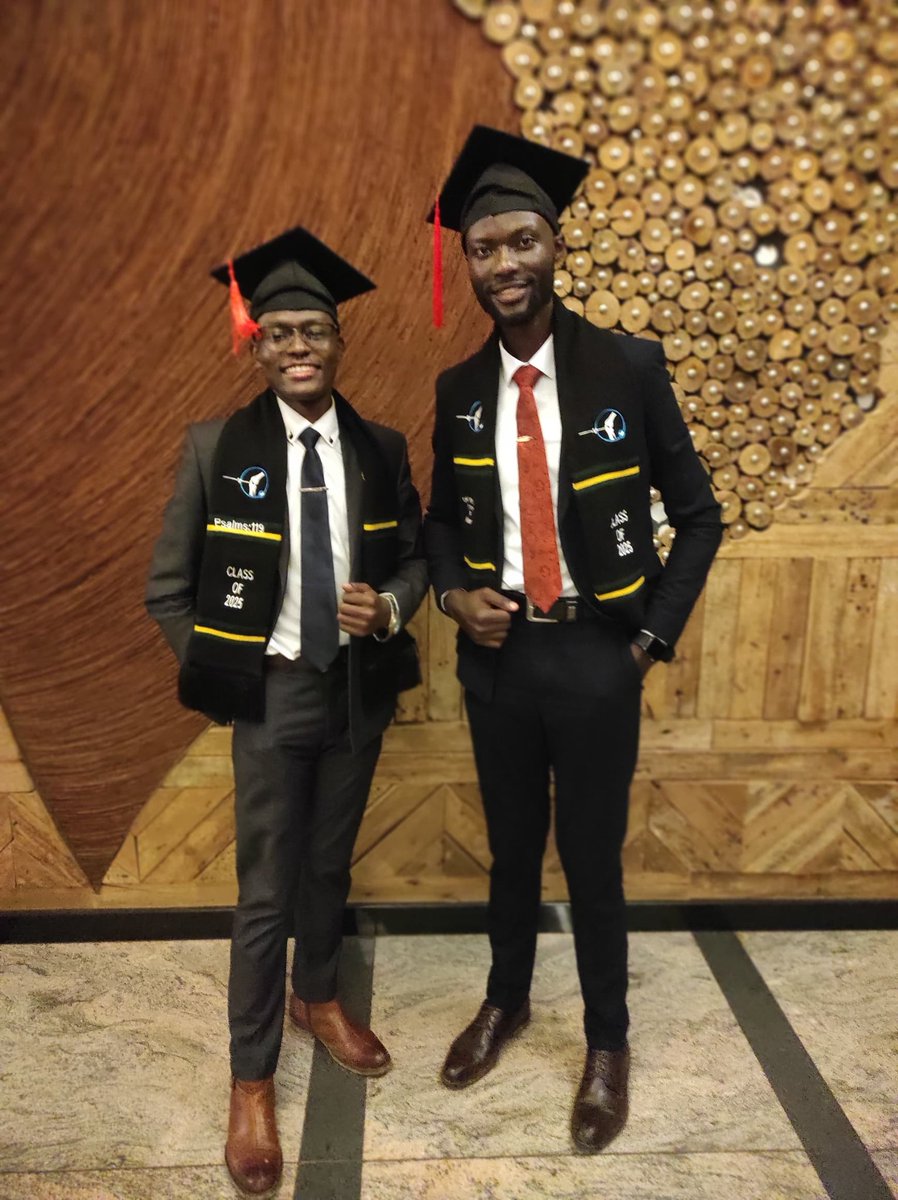
God's grace, mercy and faithfulness have been the soil in which this dream sprouted. Today I stand clothed and honored in the discipline of Orthopedic Medicine that will be laid at the feet of service. Thank you Lord!❤️
#ClassOf2025
#HealthcareHeros
#UgandaProud
#ToGodBeTheGlory
4
5
17
962
🇺🇬BenjiPro | OrthoMed🦴 retweeted

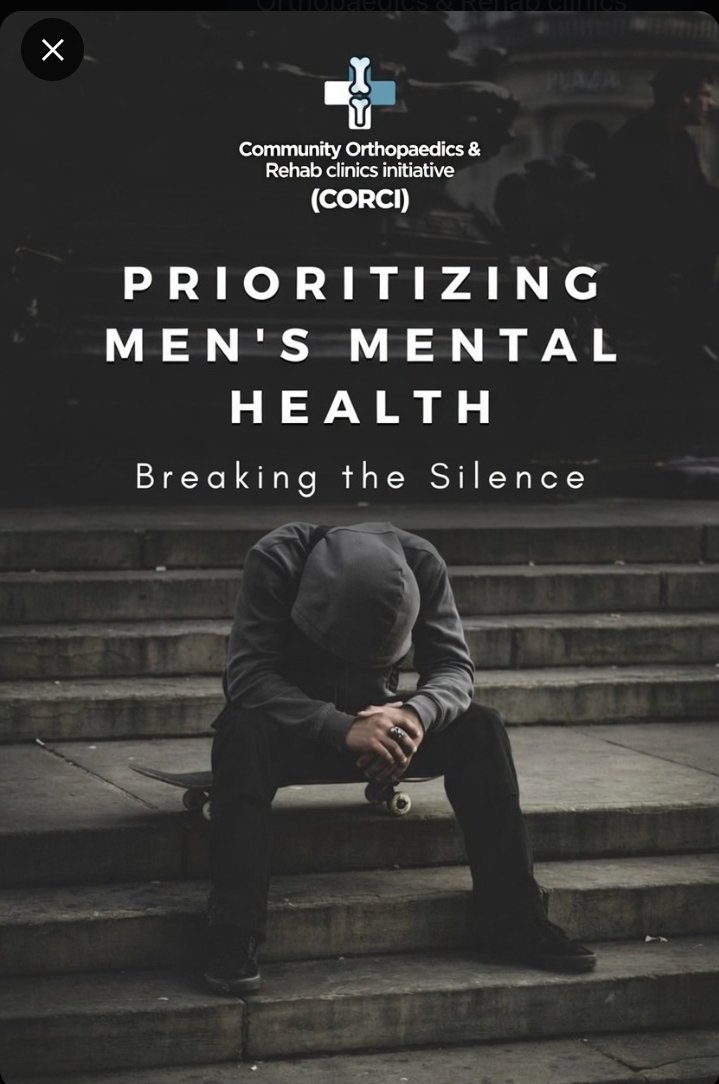
Men’s Mental Health in Uganda: The Silent Crisis Behind Closed Doors
An in-depth look at prevalence, causes, barriers, and solutions – 2026 BY NIWANDINDA PREMAS AJAMU (MENTAL HEALTH ACTIVIST)
Introduction
In Uganda, conversations about mental health often center on women, children, or refugees. But behind those headlines is another group suffering quietly: men. Across Kampala’s boda stages, farms in Gulu, and offices in Nakawa, millions of Ugandan men are navigating stress, depression, substance use, and suicidal thoughts with little support.
Mental illness is no longer “just a health issue” — the Ministry of Health now calls it a development challenge affecting education, family stability, workforce productivity, and economic growth. Yet for men, stigma, cultural expectations, and service gaps make the burden heavier and the help harder to find.
This article breaks down what the data shows, why men struggle more in silence, and what Uganda can do next.
1. How Big is the Problem? Key Statistics for Ugandan Men
1.1 General prevalence
- Nearly 1 in 4 Ugandans is affected by a mental health condition.
- Mental health cases increased by >70% between 2021 and 2024.
- Only 15% of Ugandans with mental illness access any formal treatment. For men, that number is likely lower due to help-seeking barriers.
1.2 Depression & anxiety
- A systematic review found ∼20% of the general population had depression between 2010-2017, rising to 27% among outpatients.
- In central Uganda communities, 6.8–32% screened positive for disorders including major depressive disorder and generalized anxiety.
- Among adolescents with HIV in Teso, 35.2% had mental health problems, with suicidal tendencies the most common at 31%.
1 .3 Suicide – the deadliest outcome
Globally, men die by suicide at higher rates than women. In Uganda, exact male-only rates are under-reported due to stigma and illegal status. But signals are alarming:
- 40% of refugee children/adolescents in Nakivale reported suicidal ideation; 19% of those with a plan had attempted suicide in the prior 2 weeks.
- In 2024, 14 more deaths by suicide were recorded in refugee settlements vs 2023, driven by family disagreements, financial problems, lack of basic needs, domestic violence, and previous mental illness.
- Among young women in Kampala slums, 46% reported suicidality. Men’s rates are expected to be comparable or higher, given global patterns where male suicide deaths are ∼2x female deaths.
1.4 Alcohol & substance use
Men in Uganda have one of the highest alcohol per capita consumption levels in sub-Saharan Africa: 16 litres of pure alcohol per year.
- Alcohol Use Disorder prevalence: 12.4% in Uganda
- Alcohol dependence among males: 4.2%
Alcohol dependency is listed by the Ministry of Health as a main cause of psychiatric morbidity. Unaddressed mental disorders in men worsen substance abuse, domestic violence, and suicide risk.
1.5 Workforce & access gap
Uganda has only 53 psychiatrists nationwide = 1 per 1 million people. As of 2025, the number rose to 80 psychiatrists , but the ratio is still 1:600,000 vs the international standard of 1:30,000.
There are <1 psychiatric nurse per 100,000 people Over 60% of psychiatric beds are near Kampala, yet 83% of Ugandans live in rural areas.
Less than 1 in 10 people who need mental health care can access appropriate services. For men in rural areas, the gap is wider.
2. Why Men Struggle More: Cultural & Social Drivers
2.1 “Masculinity = Strength”
In many Ugandan communities, men are expected to be providers, protectors, and problem-solvers. Expressing sadness, fear, or anxiety is seen as weakness. This “reluctance of men to seek mental health services” creates severe consequences for families and communities. When men suffer silently, it ripples into relationships, productivity, and wellbeing.
2.2 Economic pressure
Unemployment, food insecurity, and debt are top triggers for male depression and suicide..... continued
2
3
6
123
🇺🇬BenjiPro | OrthoMed🦴 retweeted

May 31
"When we come to the end of ourselves, we come to the beginning of God." —Billy Graham
50
630
3,660
36,433
🇺🇬BenjiPro | OrthoMed🦴 retweeted

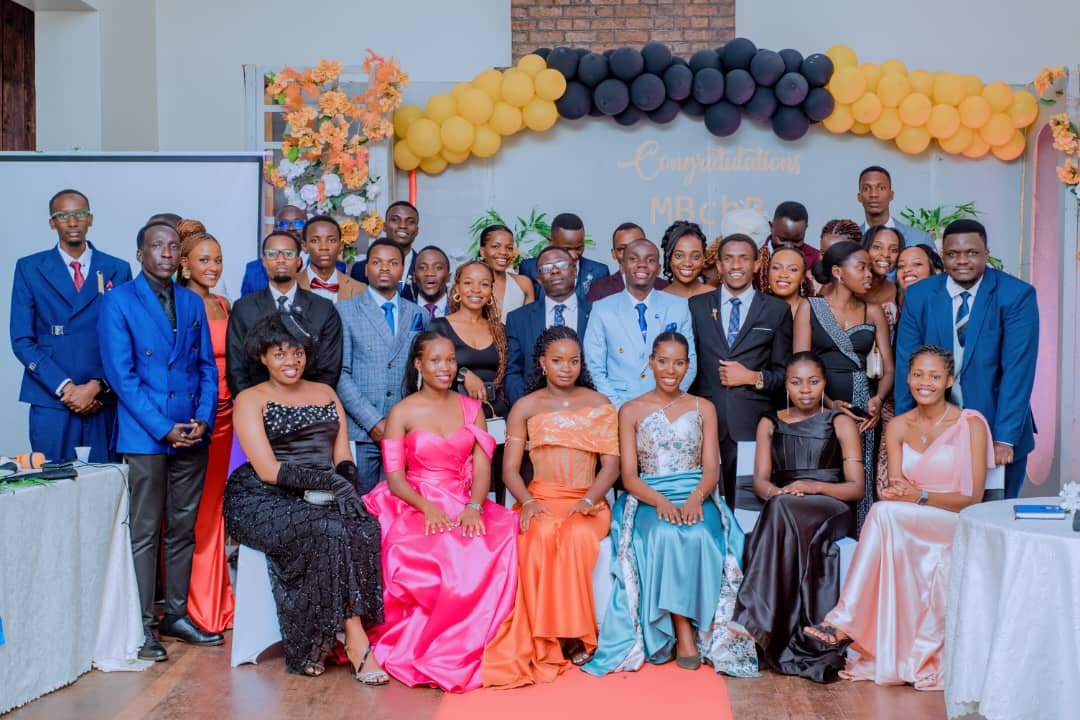
A journey completed . A Calling Begins
4
6
57
1,647
🇺🇬BenjiPro | OrthoMed🦴 retweeted

Jun 4
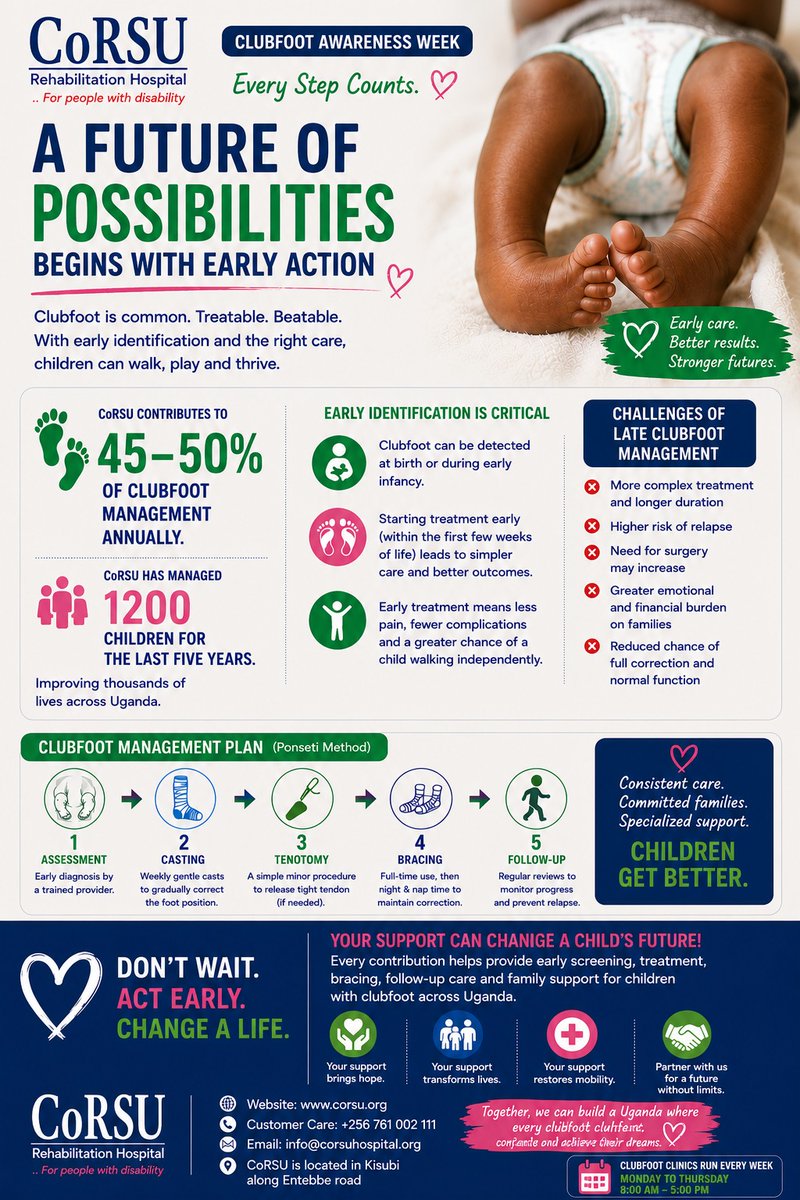
CLUB FOOT: Every Step Counts.👣
Clubfoot is treatable! 😊
And with early diagnosis & care, children can walk, run, and thrive.
At CoRSU Hospital, we support nearly 45–50% of clubfoot care in Uganda & have helped 1,200 children in 5 years take their first steps toward a brighter future.
This Clubfoot Awareness Week, let’s prioritize early detection, referral, & treatment. Together, we can ensure no child is left behind. 💙
#Clubfoot #EveryStepCounts #ChildHealth #disability #rehabilitation
8
9
279
🇺🇬BenjiPro | OrthoMed🦴 retweeted

Jun 10
Sex won’t satisfy you.
Fame won’t satisfy you.
Drugs won’t satisfy you.
Money won’t satisfy you.
Alcohol won’t satisfy you.
Success won’t satisfy you.
Life is empty without God. He is the only one who can satisfy your heart.
314
1,602
13,409
1,079,769
🇺🇬BenjiPro | OrthoMed🦴 retweeted

Jun 10
Government can, and should find money to pay medical interns!
#KeepingTheGovtInCheck
198
858
4,229
67,317
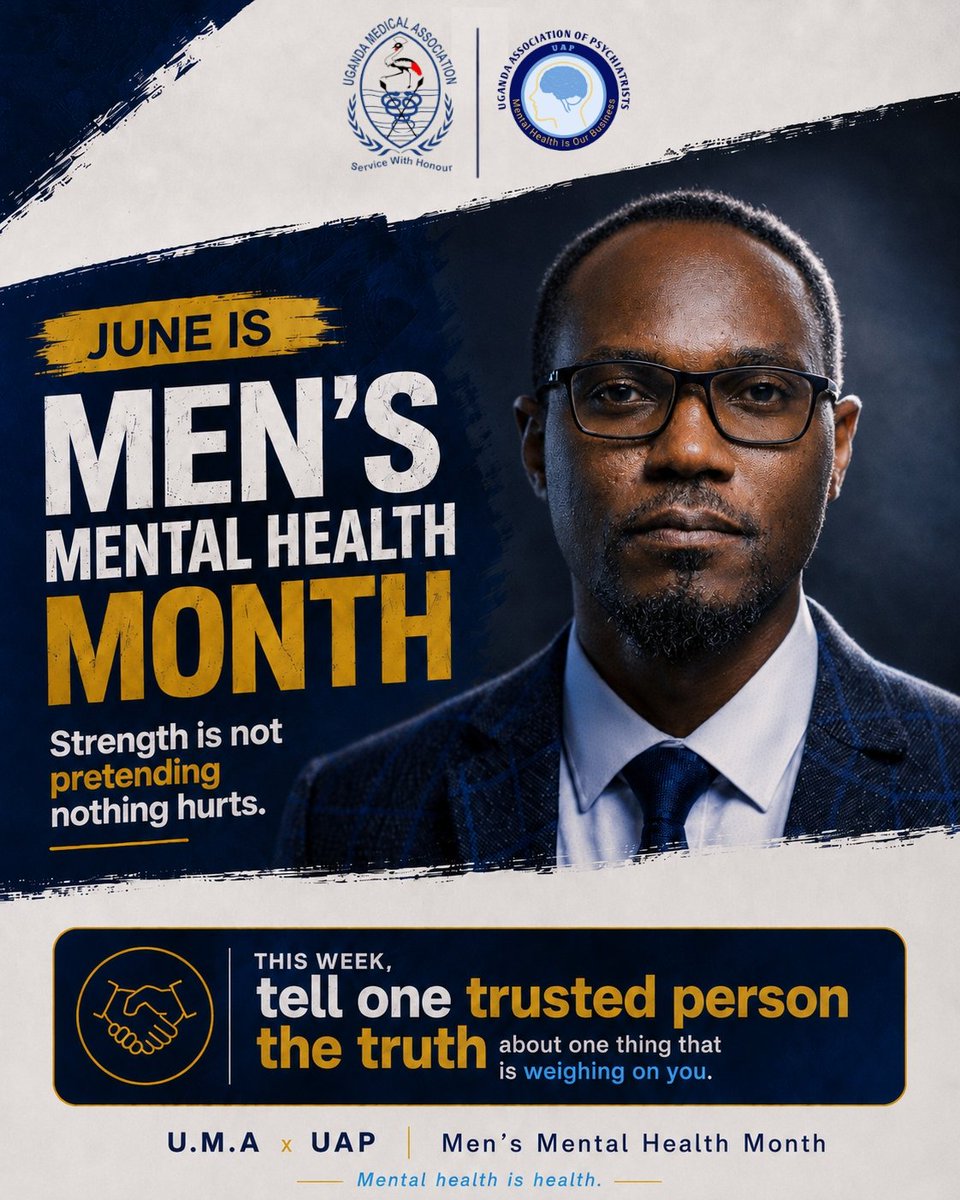
One of the most damaging myths society has taught men is that they must carry every burden alone. Whether it's talking to a friend, a family member, a mentor, a partner, or a counselor, reaching out is an act of strength, NOT weakness.
#MensMentalHealthAwareness
#ItsOkayToTalk

Many men are not silent because they are fine. Some are silent because they were taught to carry pain without complaint.
This Men’s Mental Health Month, remember that strength is not pretending nothing hurts.
Speak early. Speak honestly. Speak to one trusted person before the weight becomes too much.
Mental health is health.
1
1
39
The truth is that asking for help requires more courage than suffering in silence.
18
🇺🇬BenjiPro | OrthoMed🦴 retweeted

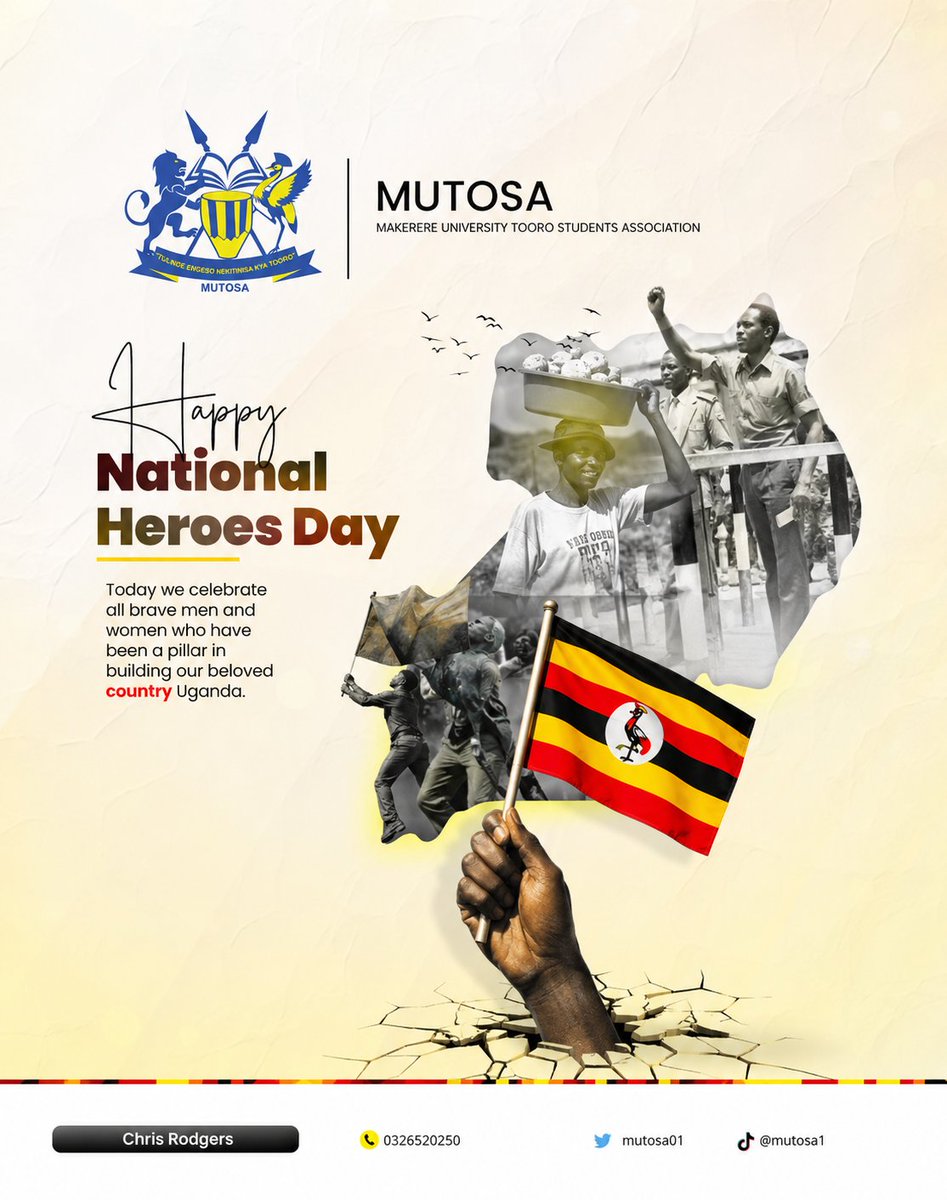
🇺🇬 Happy National Heroes Day 🇺🇬
Today, we honor and celebrate the brave men and women whose courage, sacrifice, and dedication shaped our beloved Uganda. Their legacy continues to inspire generations to stand for unity, freedom, and progress.
Happy heroes day all🇺🇬
2
5
38
🇺🇬BenjiPro | OrthoMed🦴 retweeted

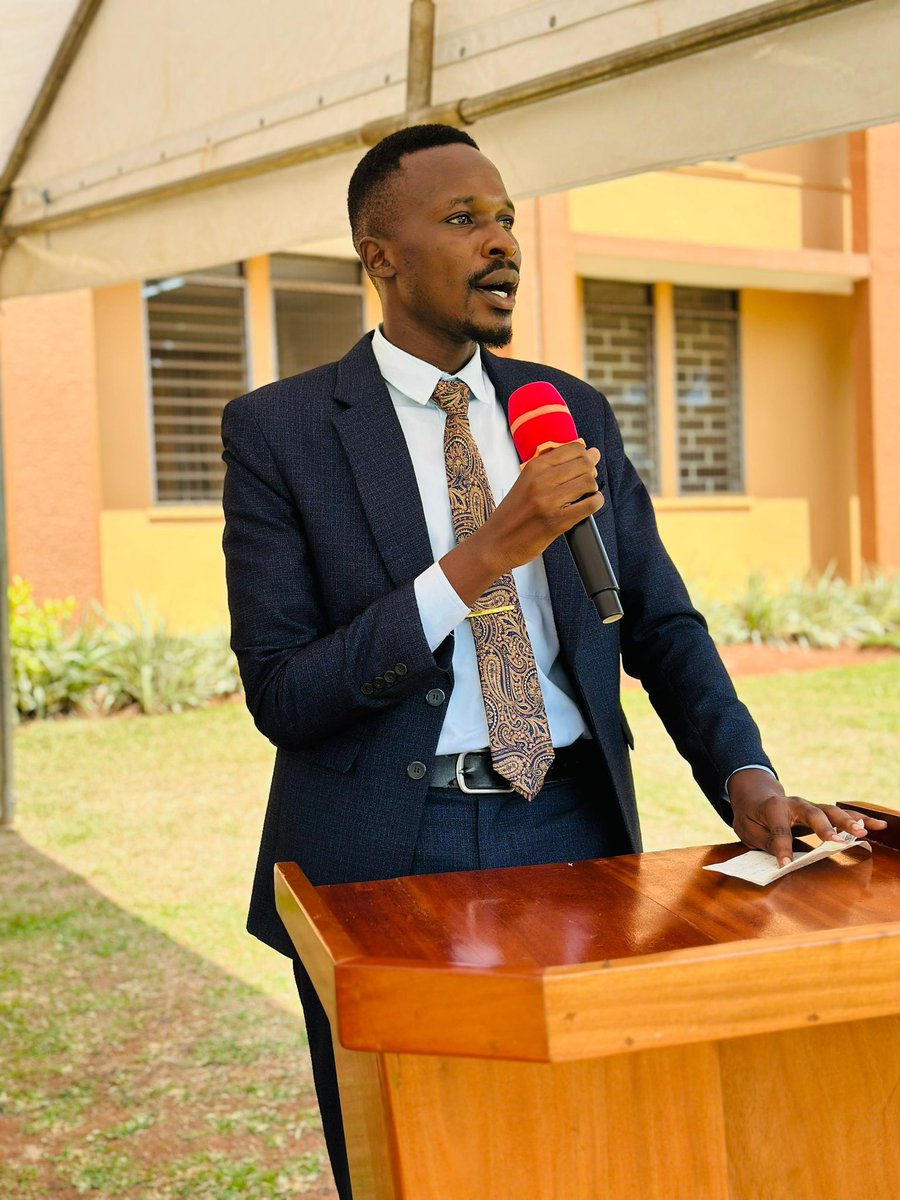
We spend years learning how to do the job, but often very little time learning how to navigate people, pressure and purpose.
Grateful for the opportunity to speak at today’s soft skills training at #UIAHMS Dental Gardens.
“Character is the ultimate credential”
3
9
17
1,027
🗣️✍🏾

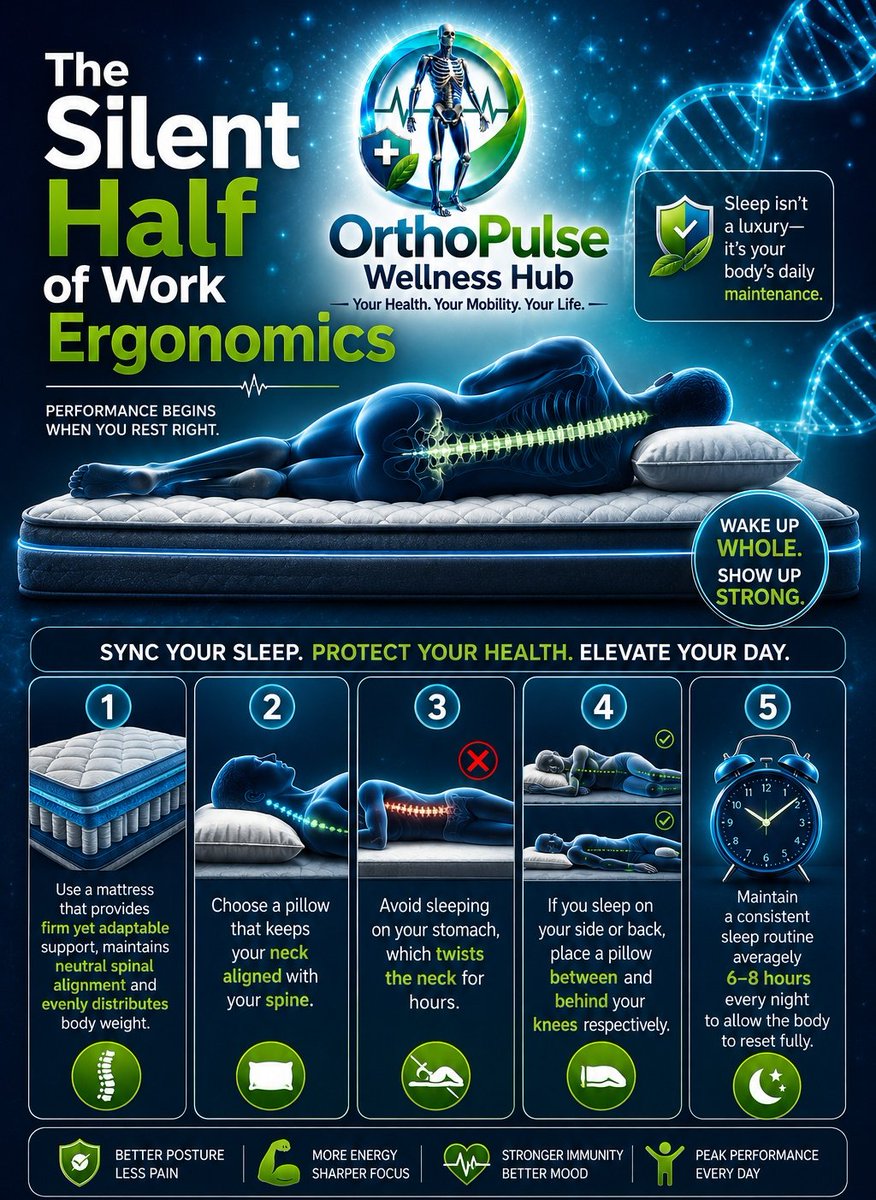
📌Sleep isn't simply rest—it's Recovery!
@WHOUganda @MoWT_Uganda @UgandaMediaCent @NutritionistKD @Kumiorthopod @InitiativeCorci @HillaryOby @karothk256 @Esau_Matsiko @Solo_MDofficial @NewtonAllan6 @drkasenene @eddympuuga @MulagoReferral @ntvuganda @unsaugofficial @UUSOXofficial
2
14
🇺🇬BenjiPro | OrthoMed🦴 retweeted

💼Usually after 8–12 hours of tasked duty, many focus less on how they rest their bodies yet in reality, #sleep is one of the longest "postures" our body holds every day.
🛌A poor mattress, unsuitable pillow, or awkward positioning can lead to a deficit in the overnight recovery.
1
4
286
🇺🇬BenjiPro | OrthoMed🦴 retweeted

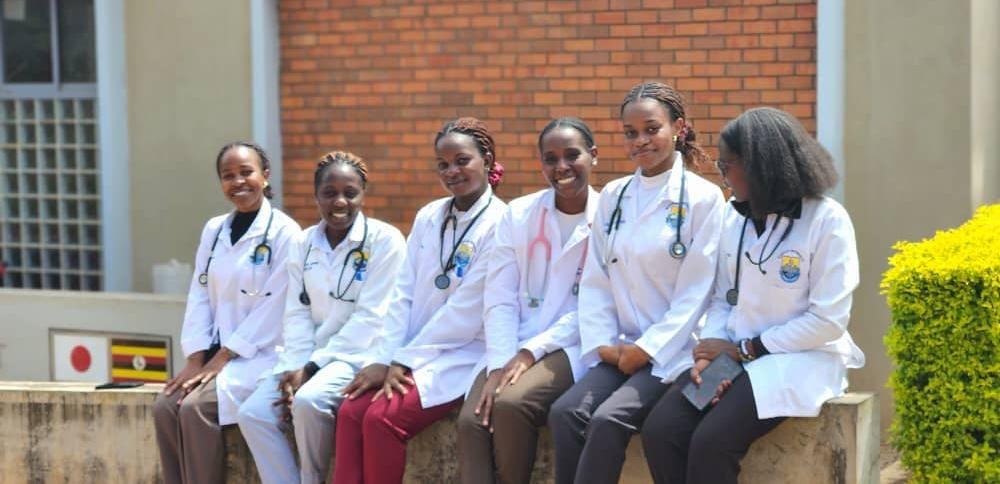
It has been a long ride!!!... But all glory to the Almighty.

3
2
7
379
🇺🇬BenjiPro | OrthoMed🦴 retweeted
🤲🏾These sights leave one undoubtedly in support to revise the new drocanain policy❌
#ReviseTheNewHealthPolicy
#MedicalInternsDeservePay
#InternsNotSlaves
1
1
48
🇺🇬BenjiPro | OrthoMed🦴 retweeted

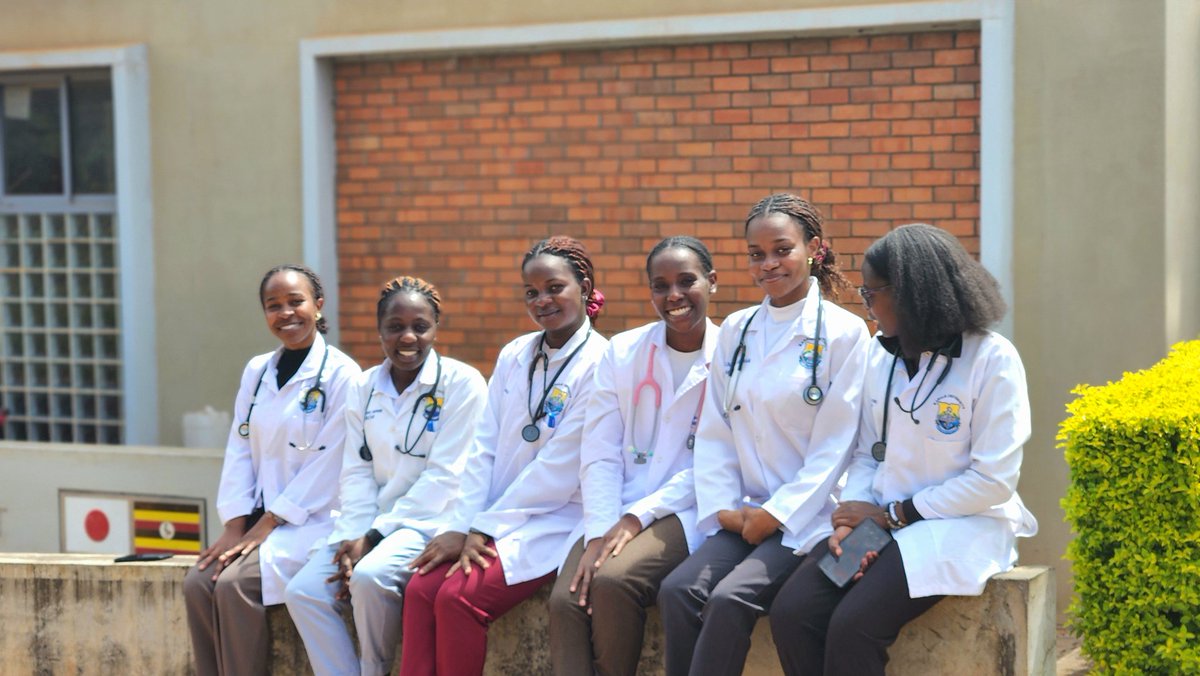
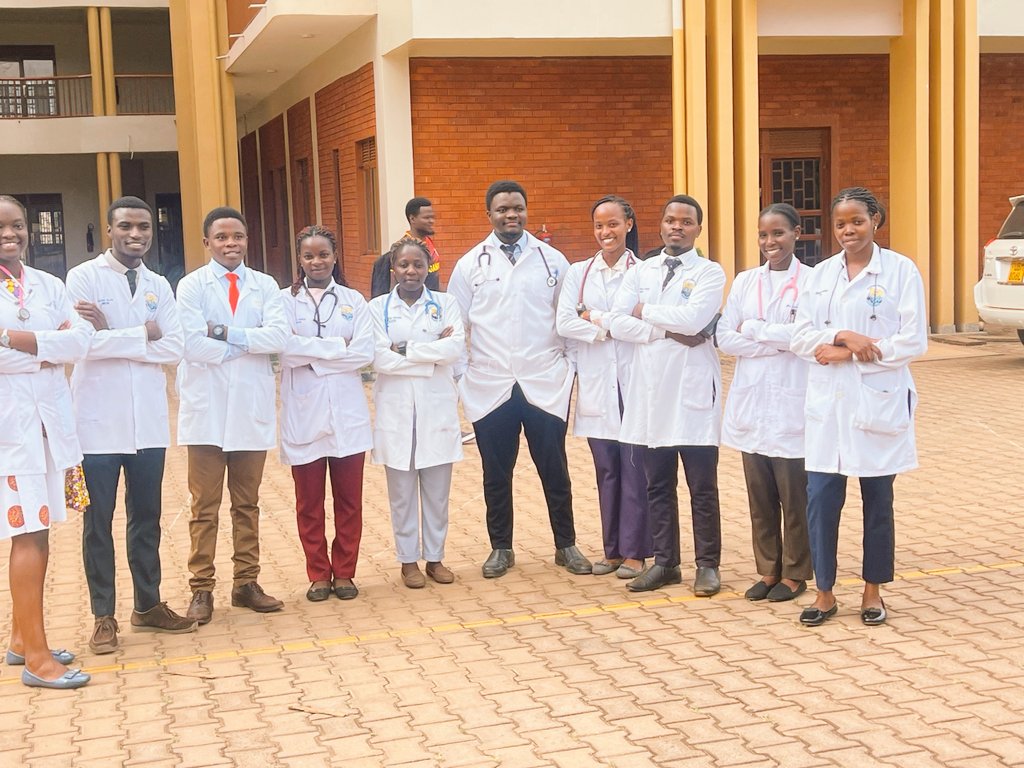
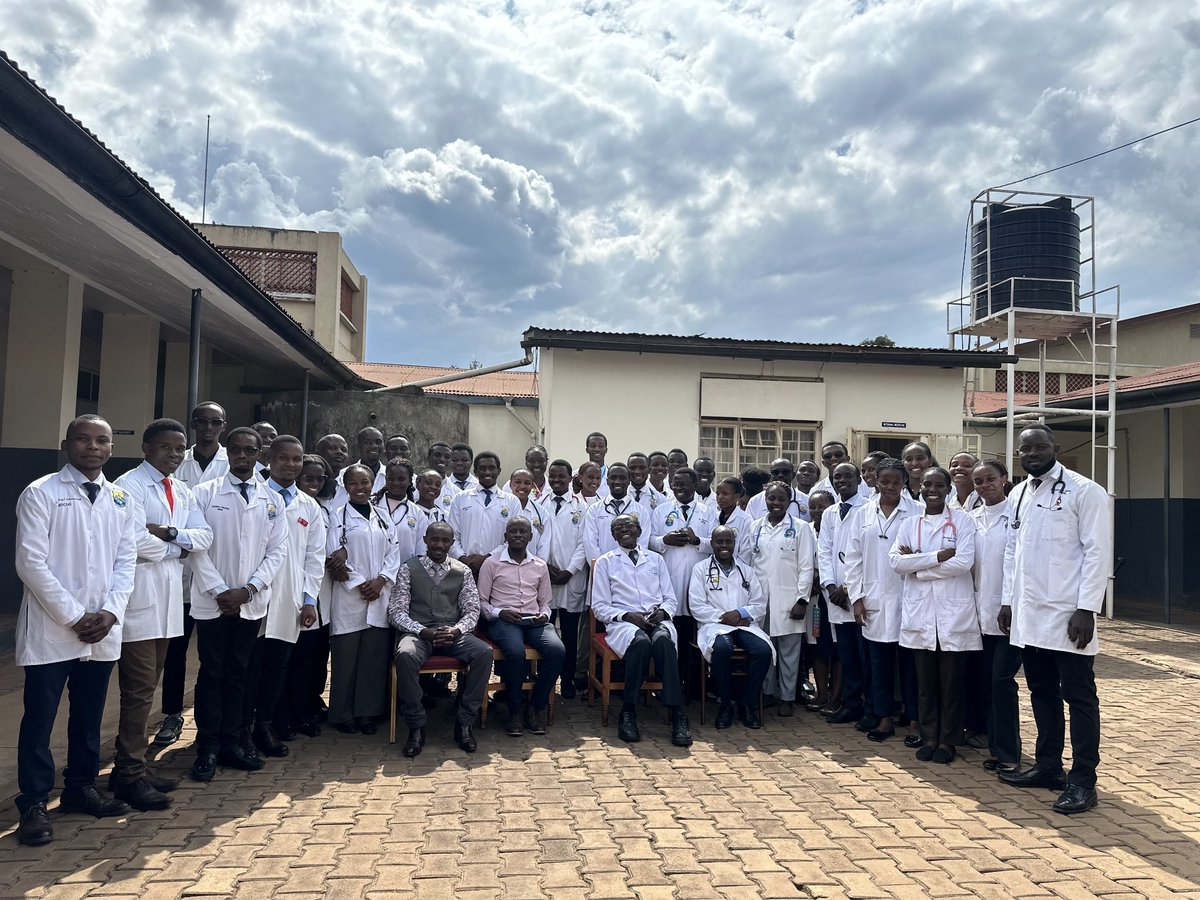
Yesterday, my colleagues and I did our final exam in medical school. We are officially doctors !
Congratulations are on order. Officially Dr. Tusingwire 💯
61
40
449
41,413
🇺🇬BenjiPro | OrthoMed🦴 retweeted
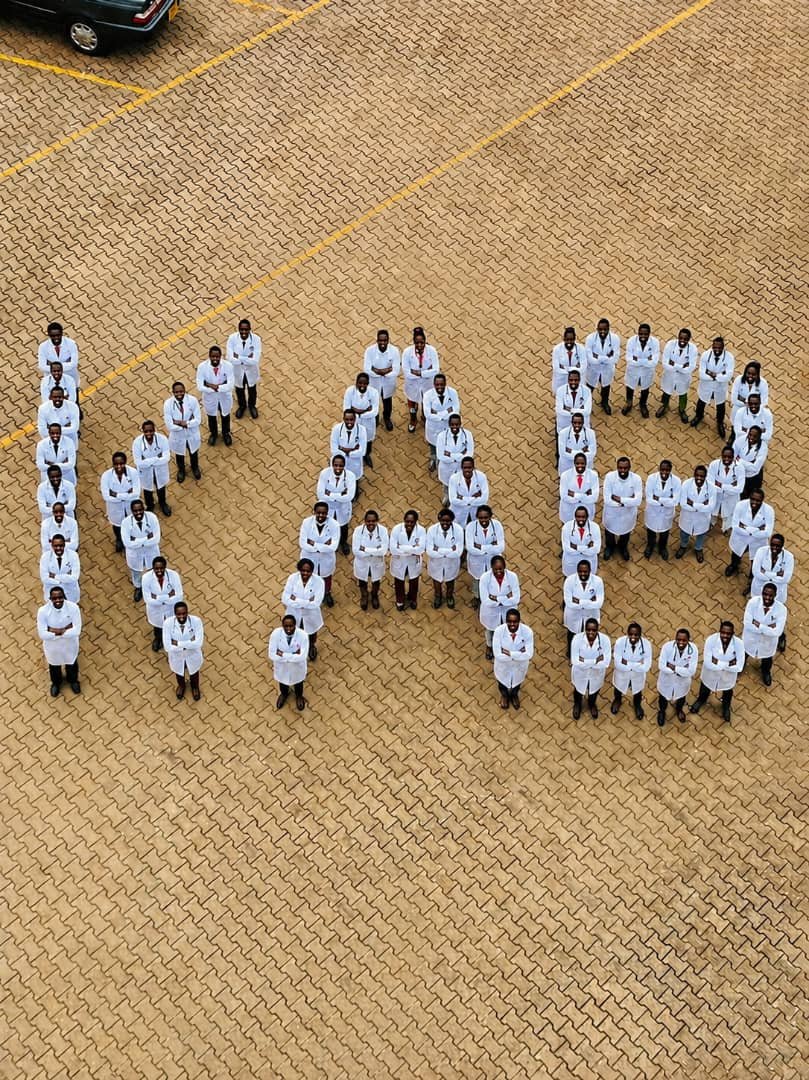
Congulations upon completing your medical school. What a journey it has been!!😩filled with challenges ,growth and countless lessons🫡but your hardwork ,resilience ,sacrifice and determination have finally paid off. KUMSA is incredibly proud of you. @kabuniversity
19
28
230
4,128

🇺🇬BenjiPro | OrthoMed🦴 retweeted

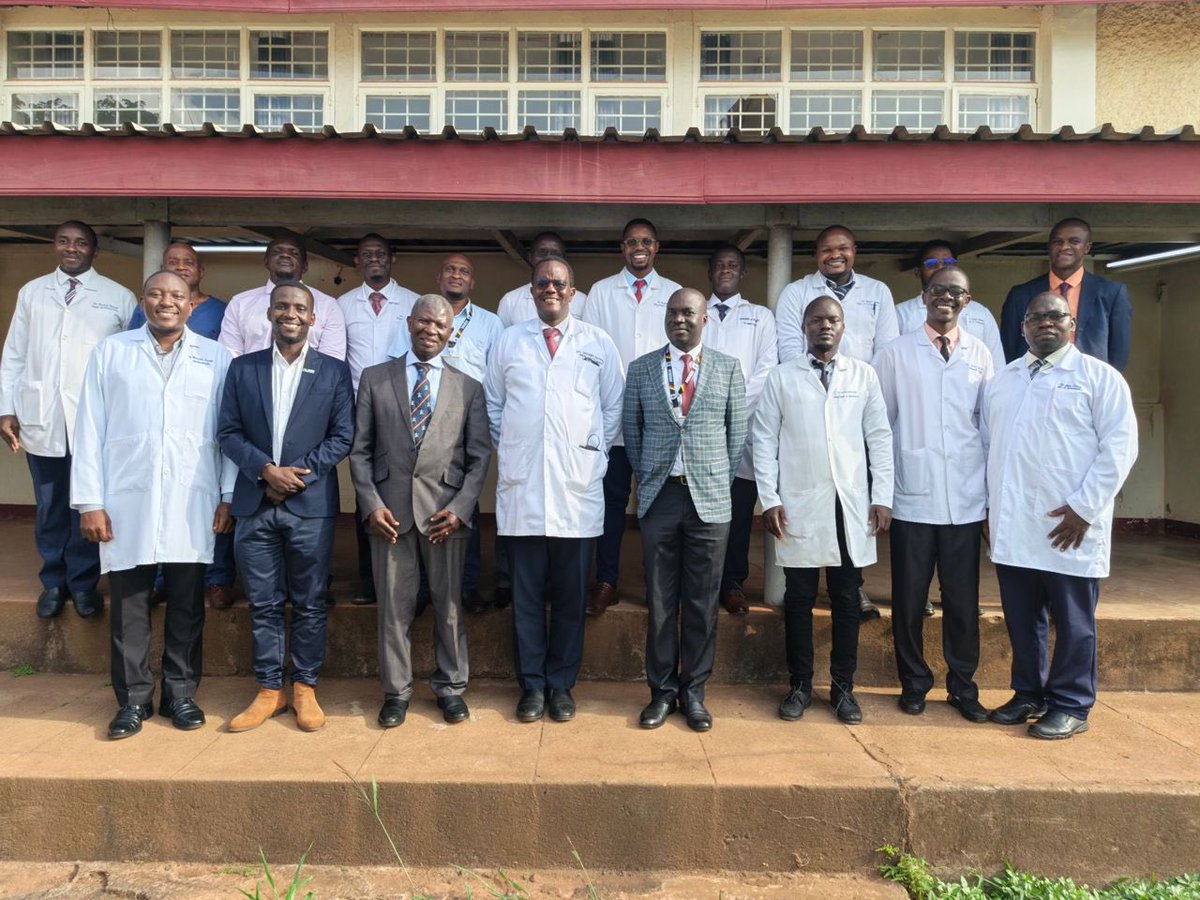
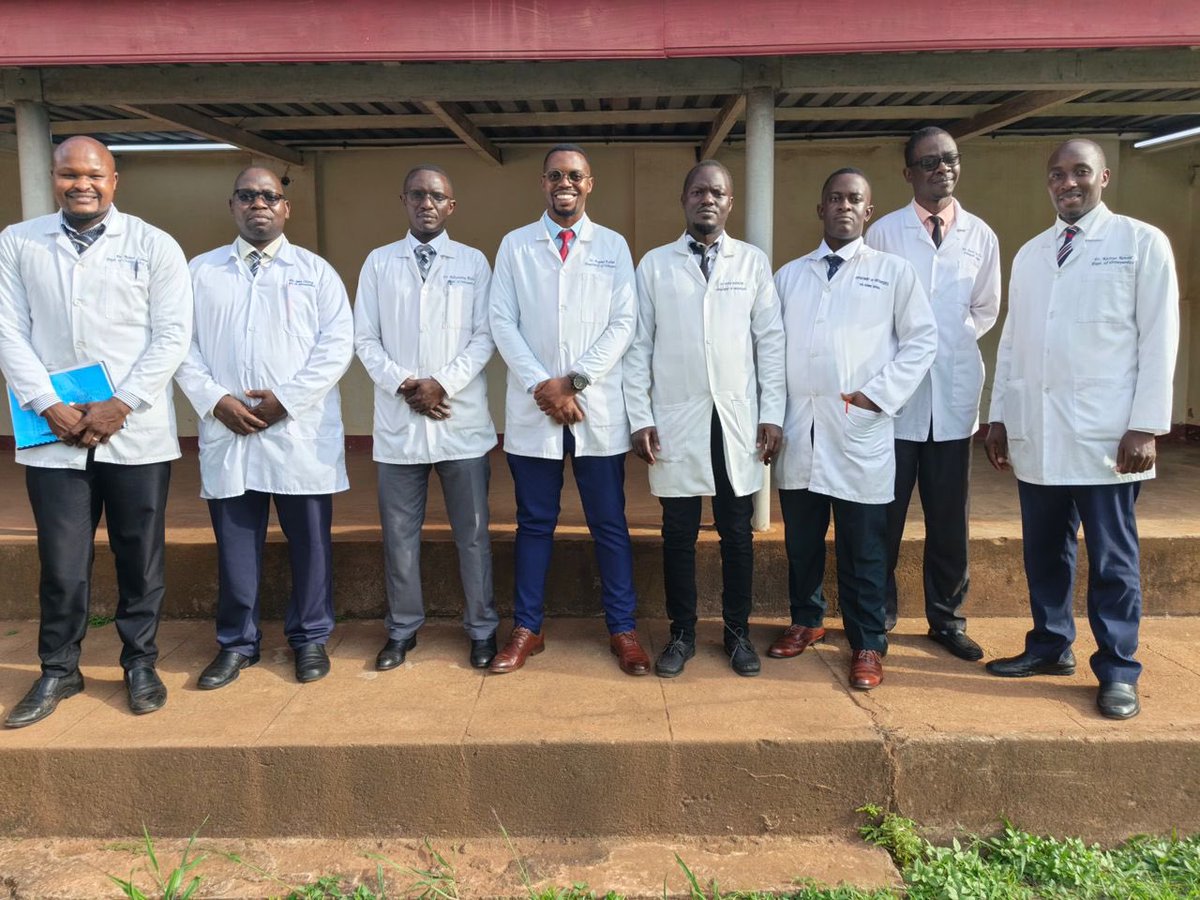
Congratulations to our 9 Orthopaedic Surgery finalists on successfully defending their research and completing the final academic requirement of their training.
We celebrate this achievement and wish them the very best as they look forward to graduation.
#OSU #Orthopaedics
35
54
389
36,667
🇺🇬BenjiPro | OrthoMed🦴 retweeted
🗣️Find more of the discussion here👉🏾: whatsapp.com/channel/0029VbB…
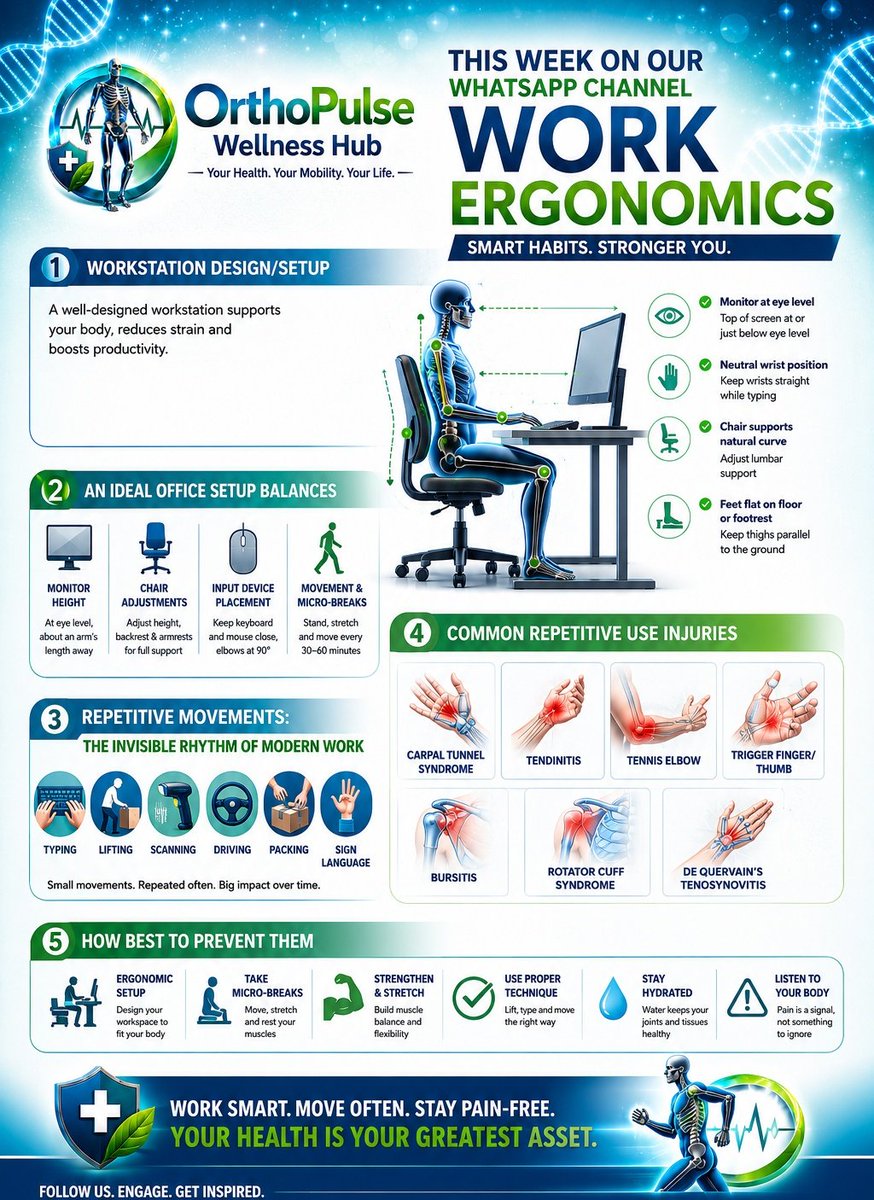
This #June our talk continues with practical tips for an ideal station design and RSI prevention at work.
Whether you're an office worker, driver, teacher, factory laborer or sign language interpreter; this conversation is tailored for YOU!
#WorkstationDesign | #InjuryPrevention
2
3
6
139
🇺🇬BenjiPro | OrthoMed🦴 retweeted

Jun 3
Liverpool Football Club celebrates its 134th birthday today 🎈
The club officially came into existence on June 3, 1892, after founder John Houlding set about creating a new team on Merseyside that year 🔴
A special story was underway... ✨
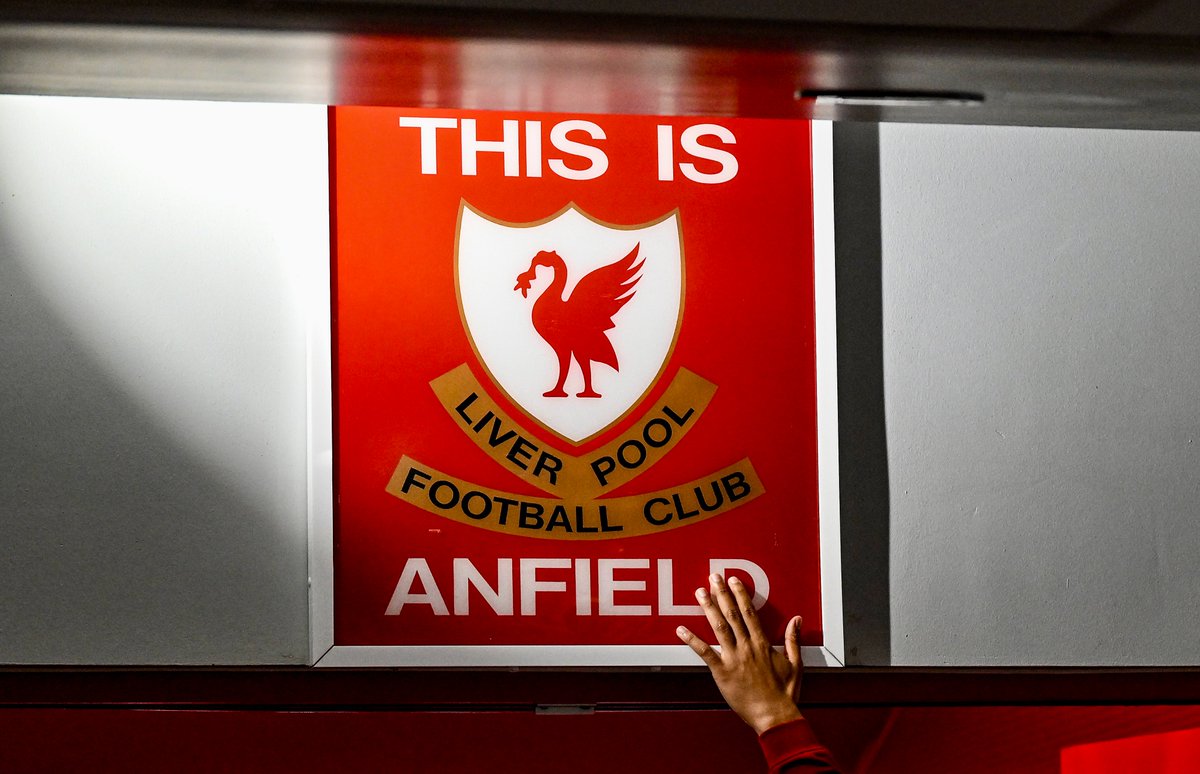
ALT A Liverpool player touches the iconic 'This Is Anfield' sign on the way out to the pitch.
803
7,276
36,777
721,983