Europe's mission to Mercury, in cooperation with Japan. Arriving 2026 at the smallest and least explored terrestrial planet in our Solar System.
- Tweets 912
- Following 55
- Followers 27,024
- Likes 545


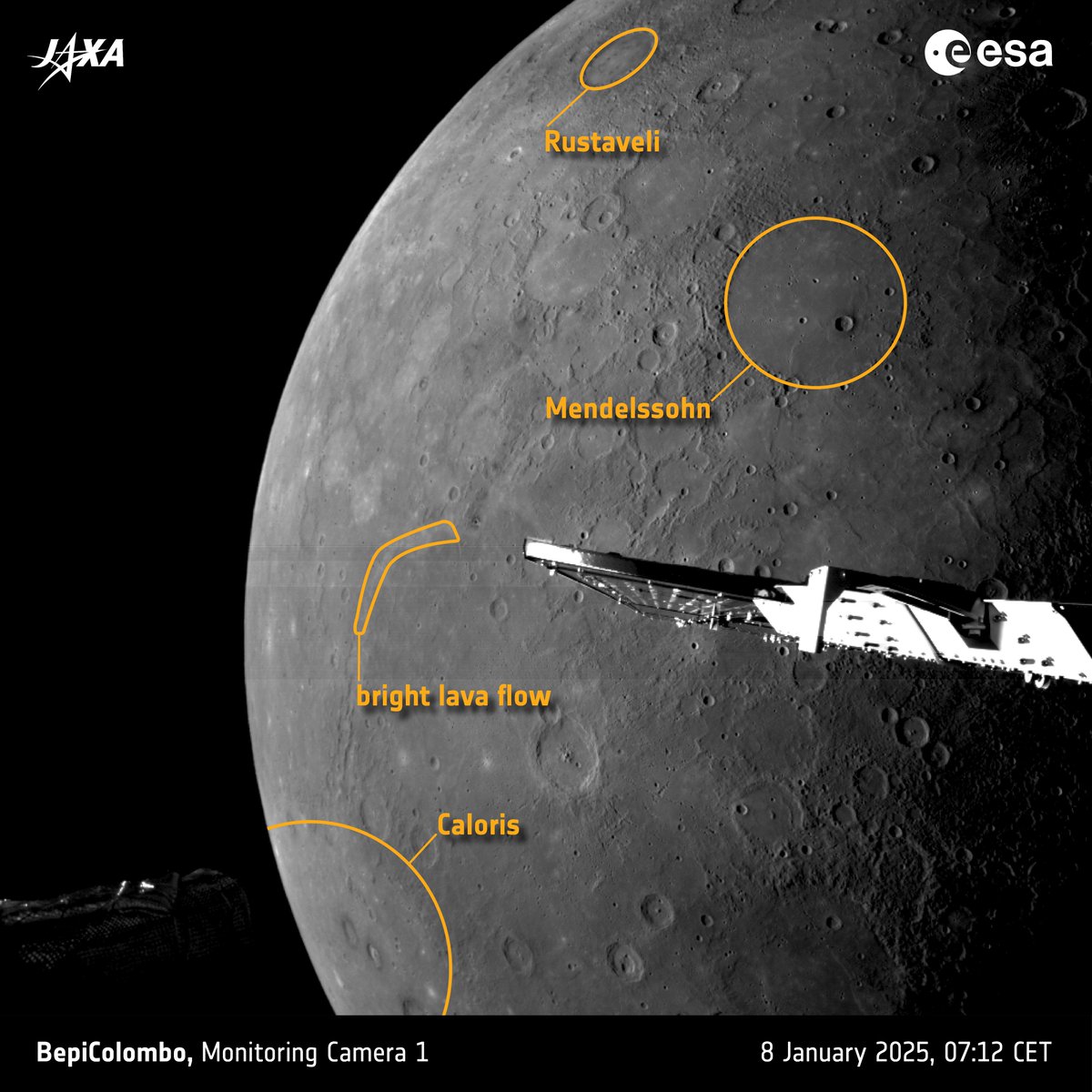
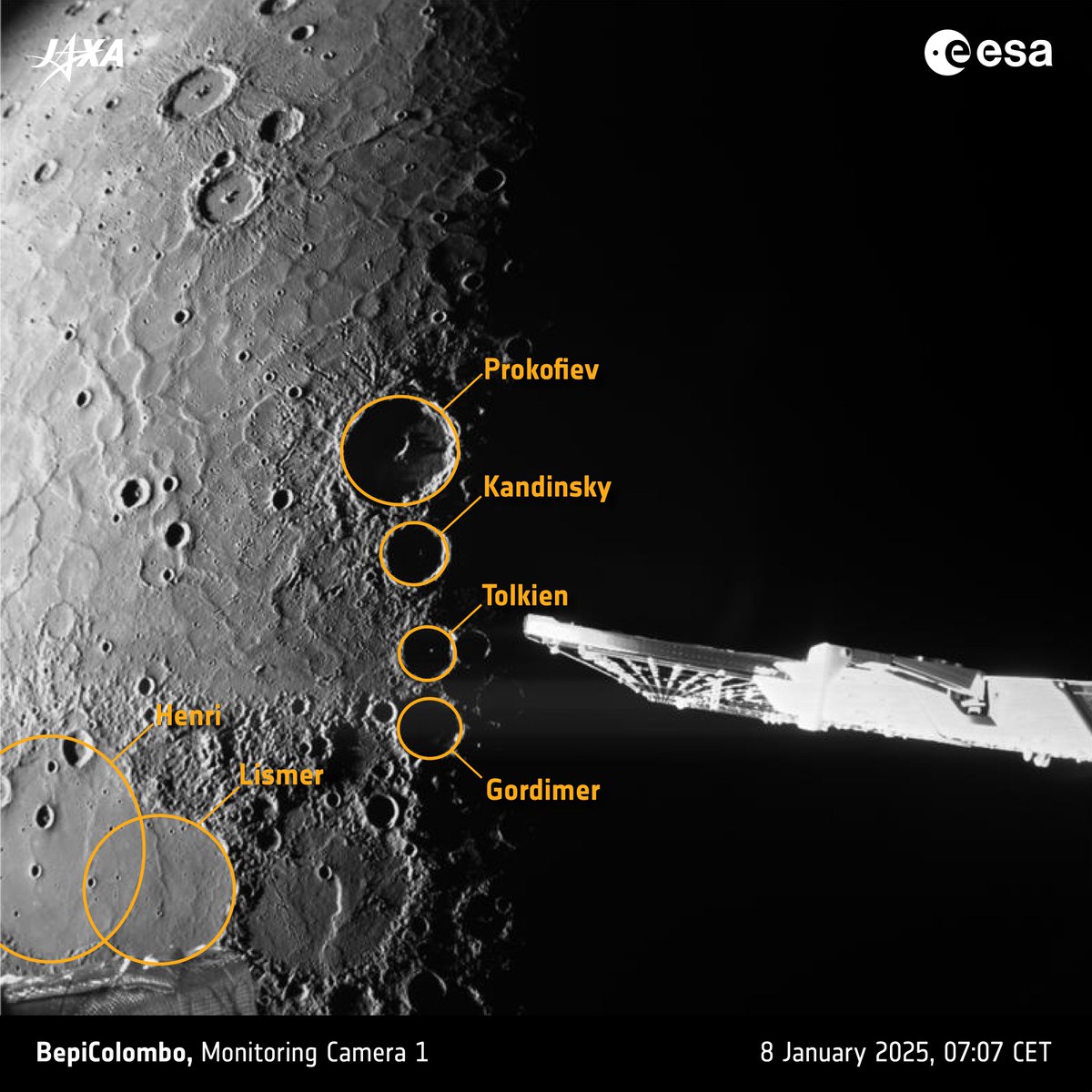
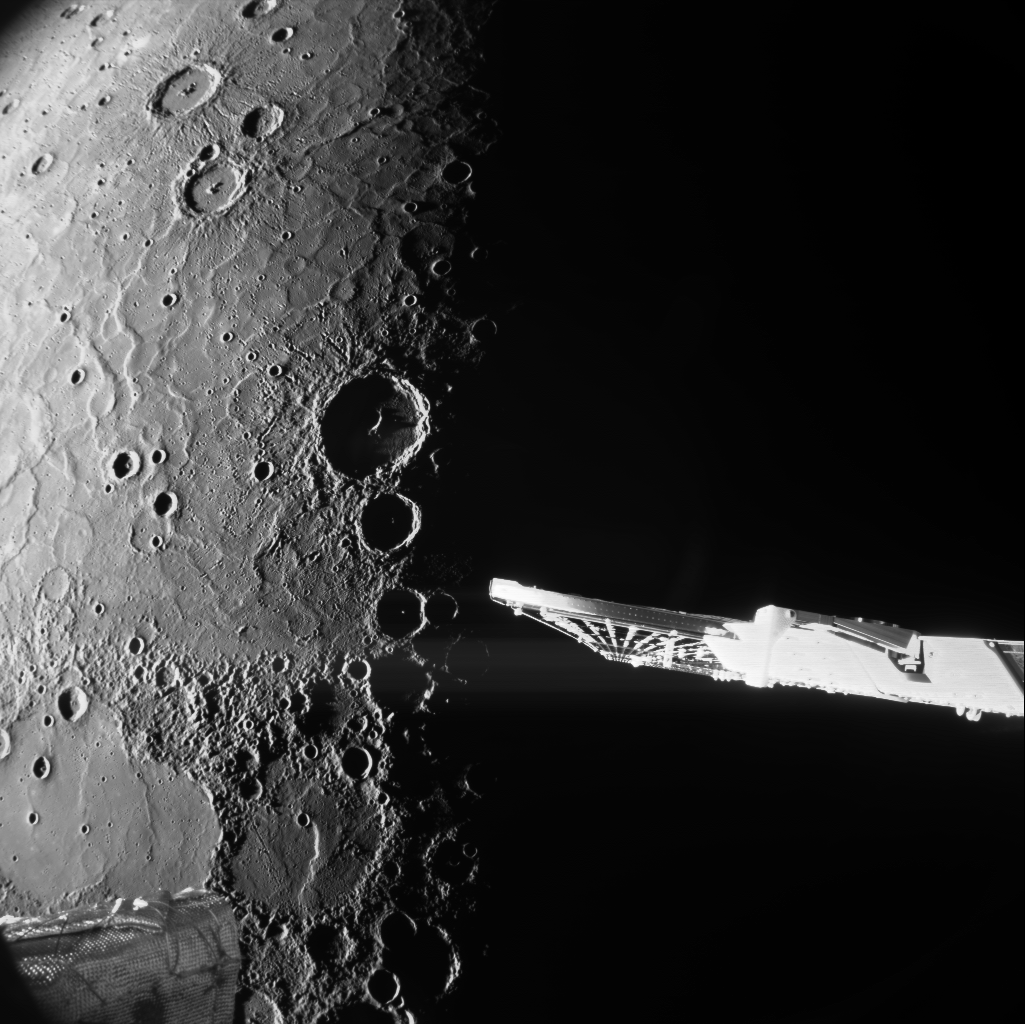


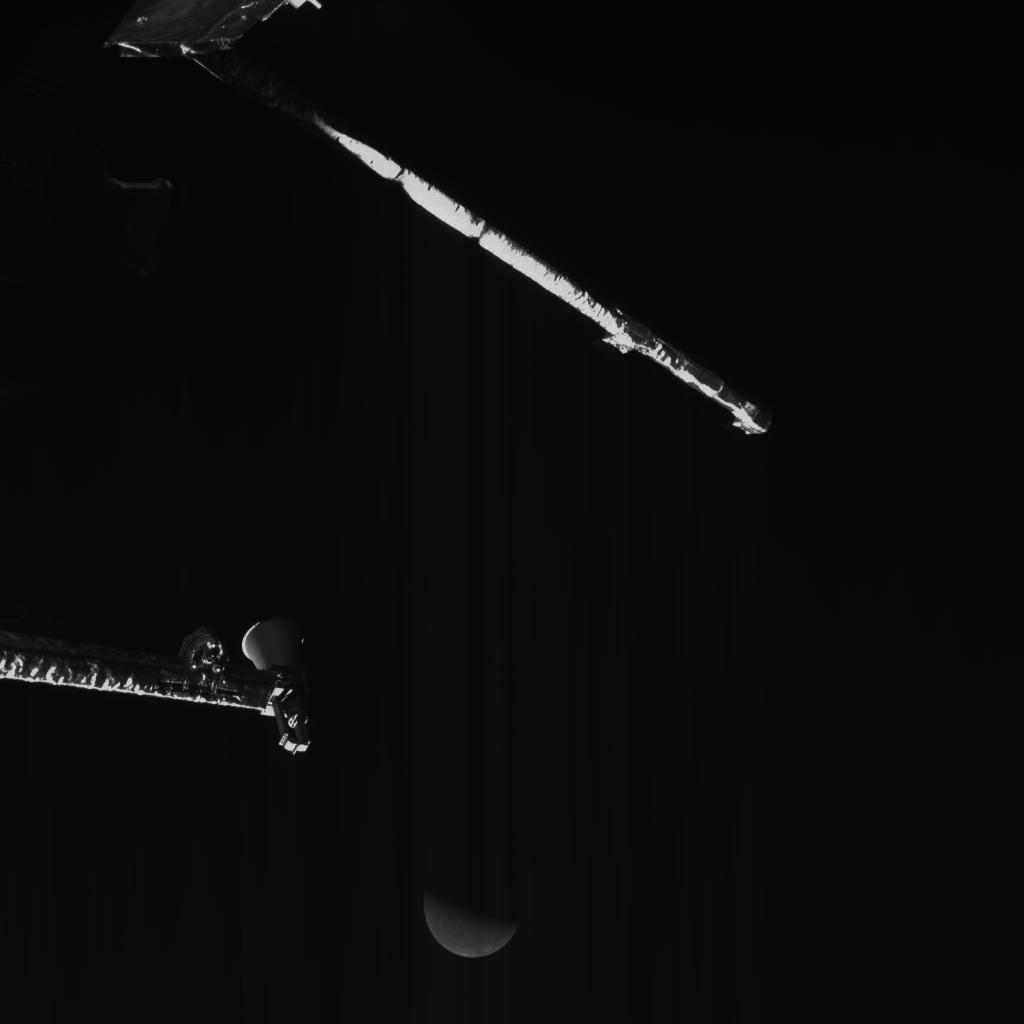
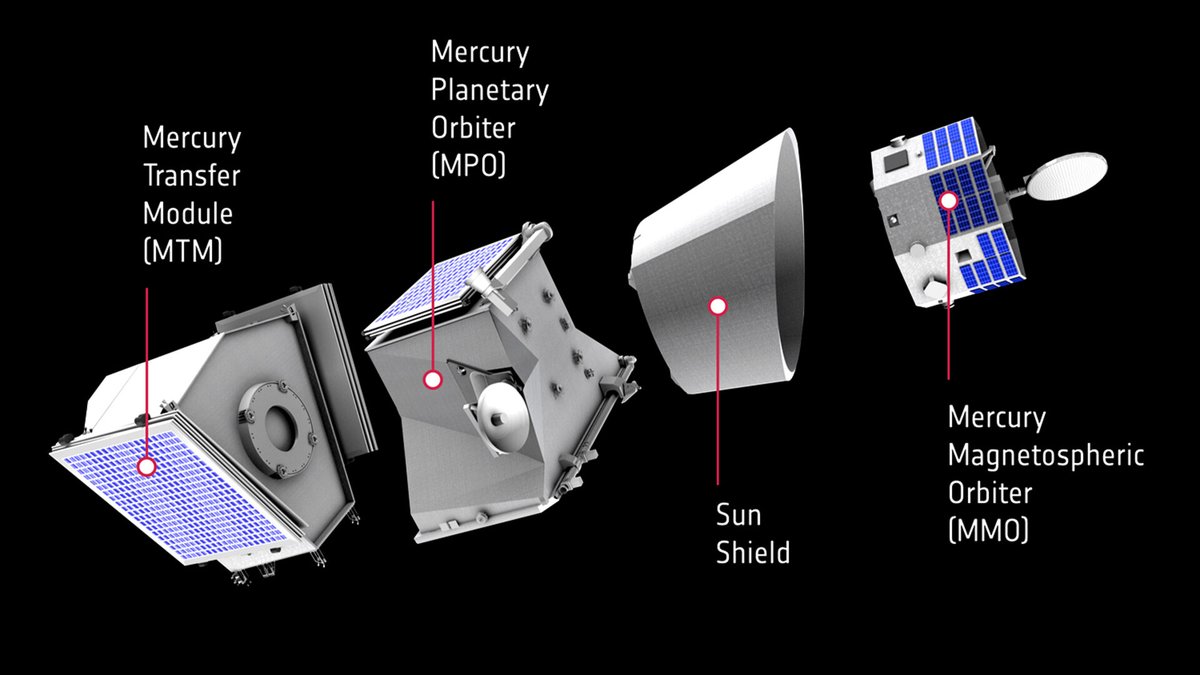
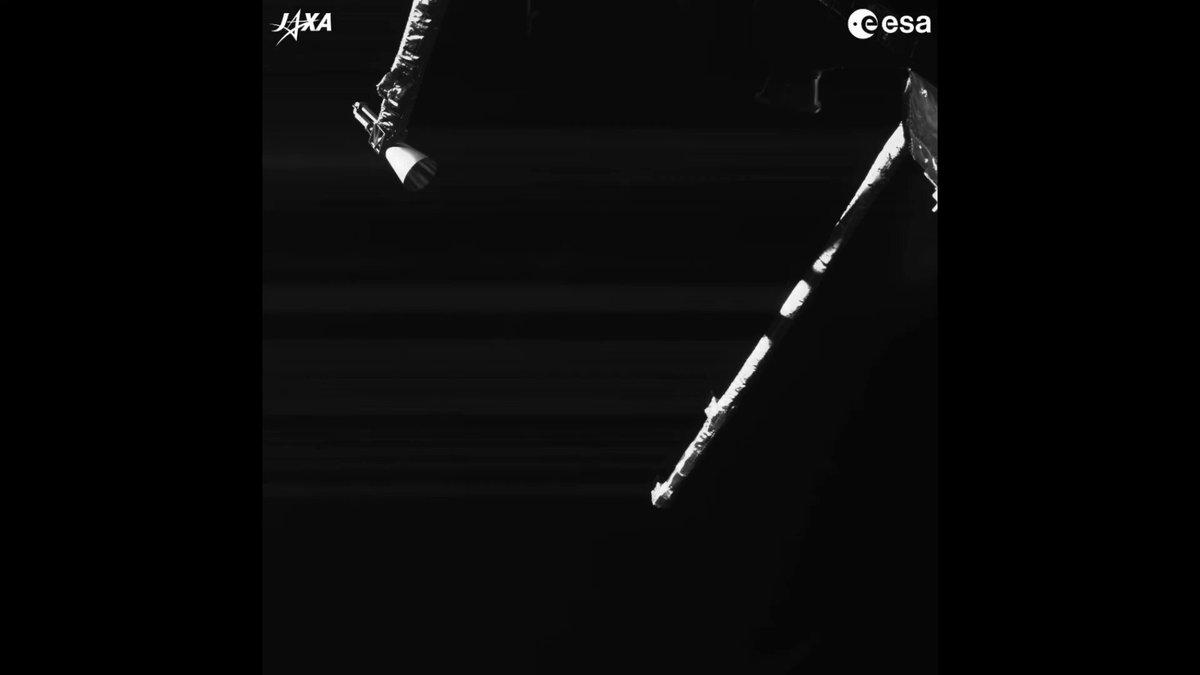
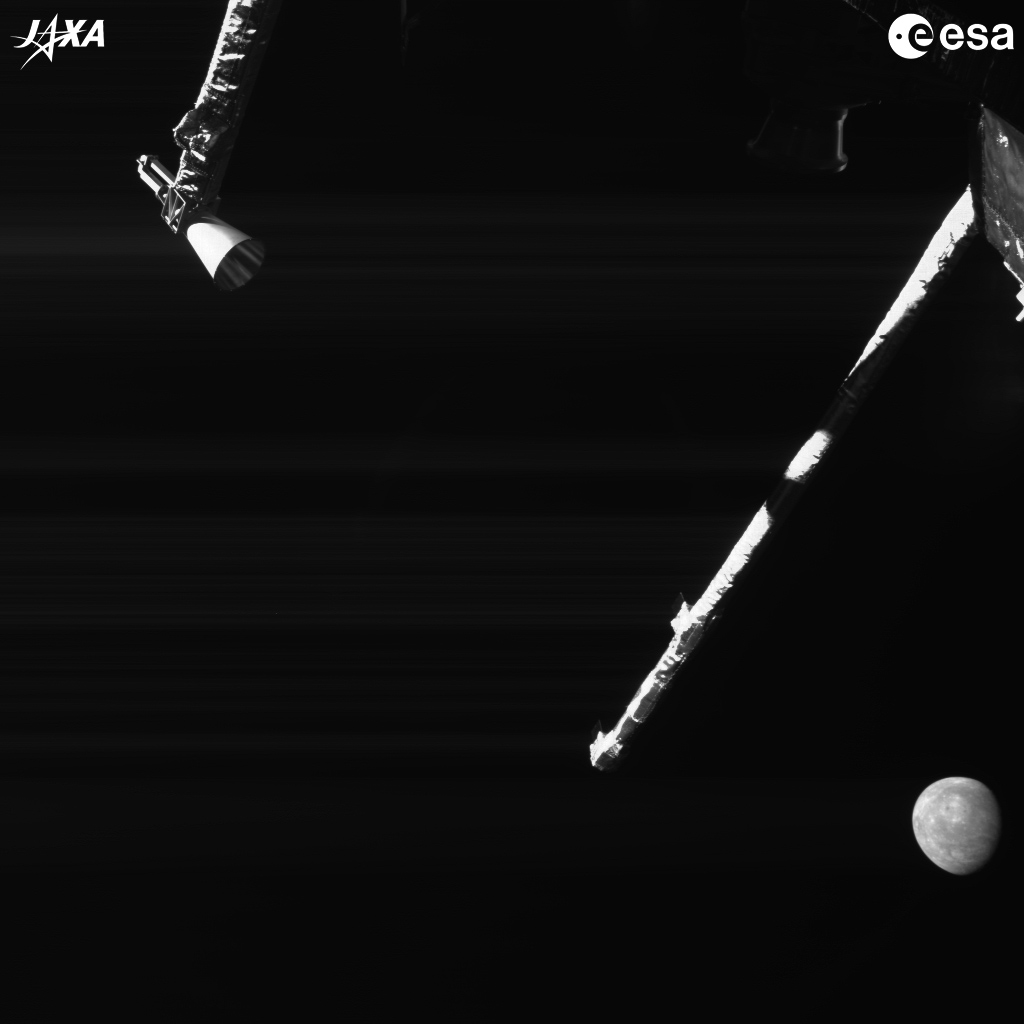
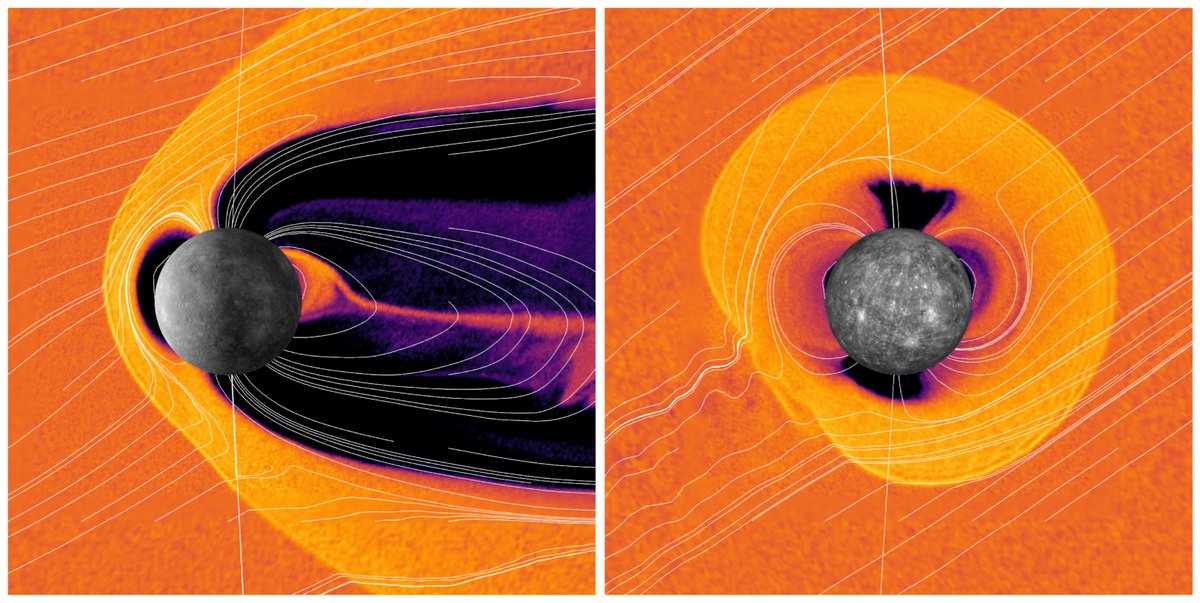
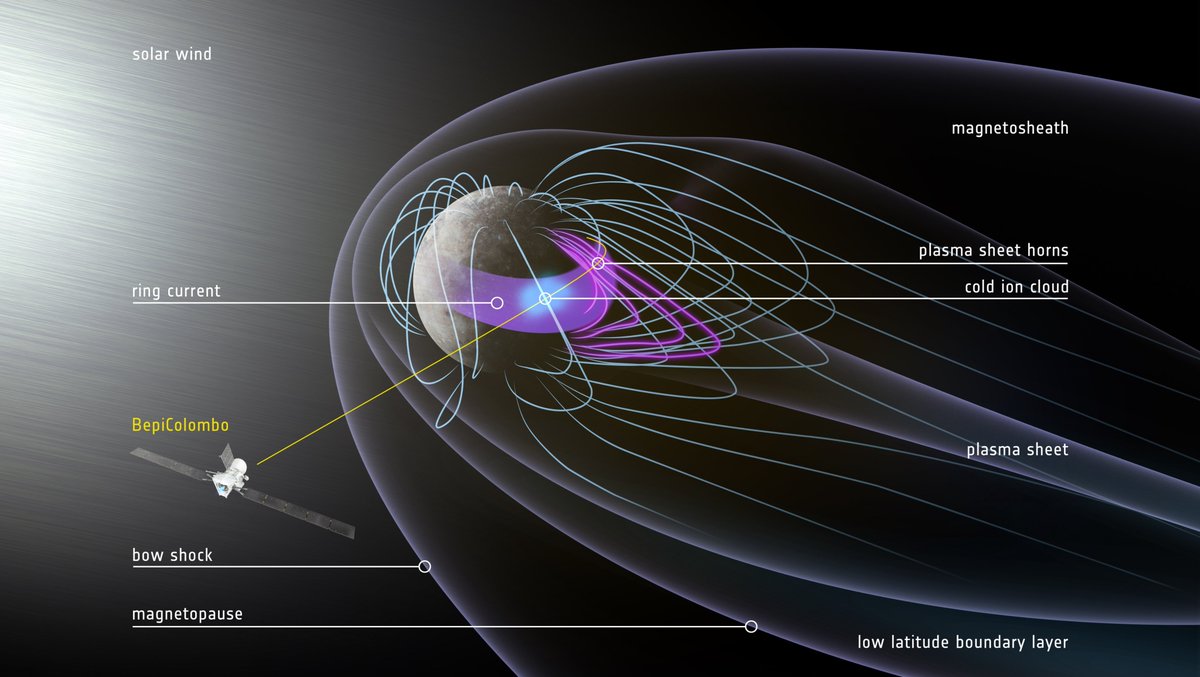
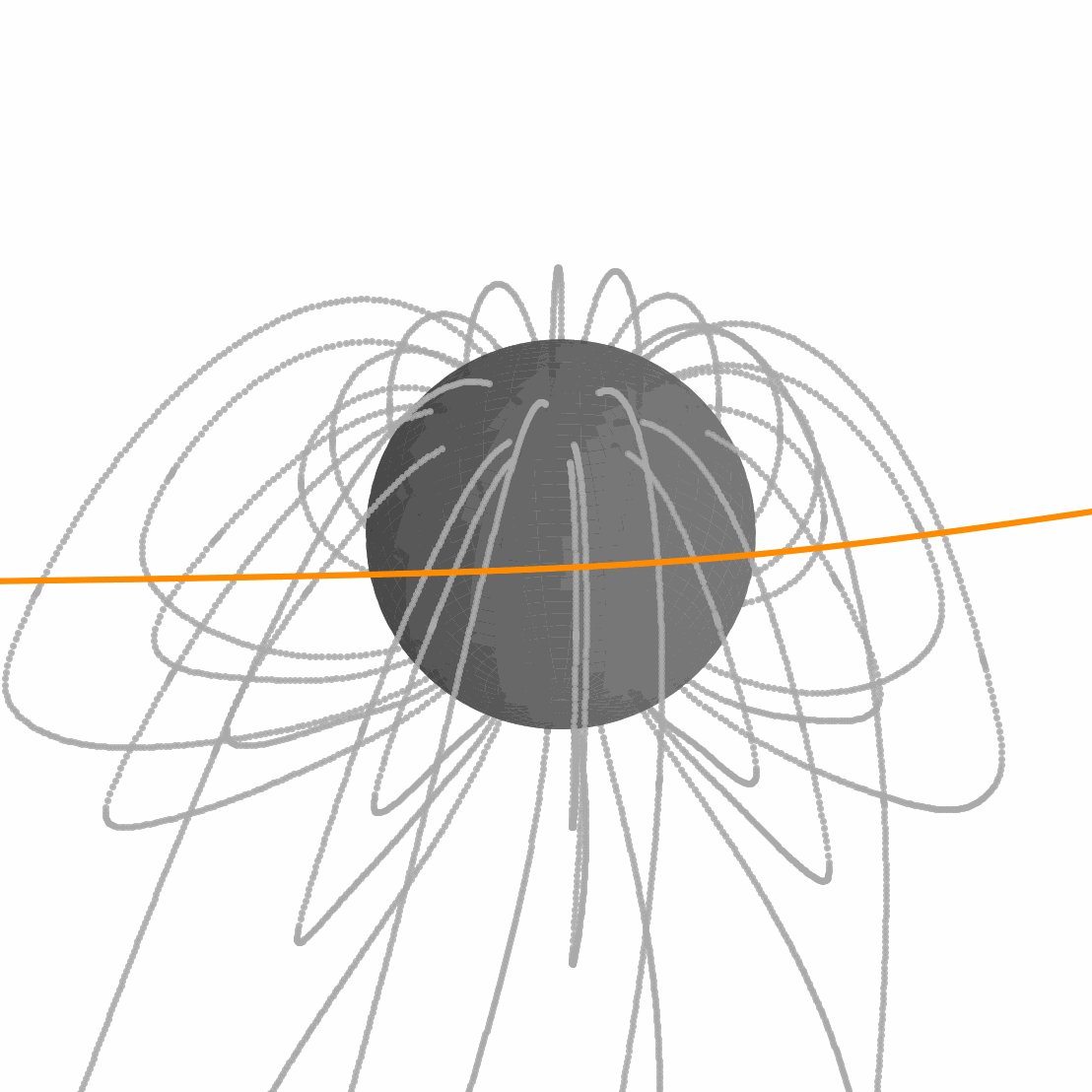


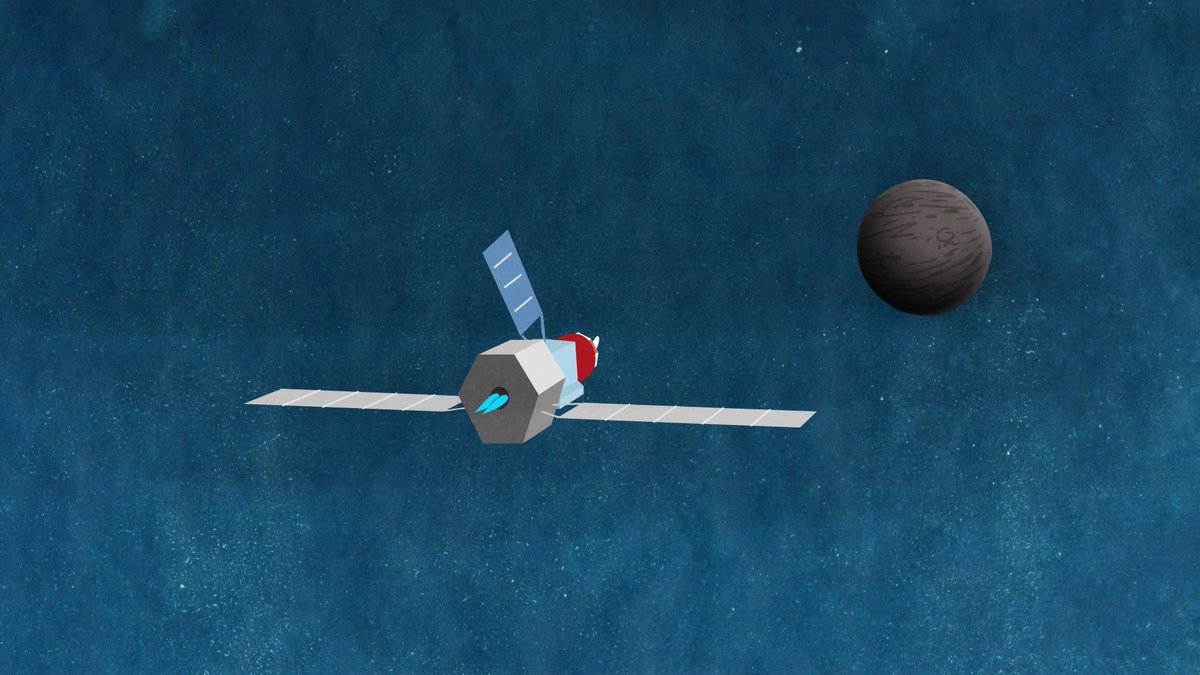
ALT Image taken by BepiColombo during its sixth Mercury flyby. Planet Mercury is visible in the background with its grey, cratered, pock-marked surface. In the foreground are some spacecraft parts.
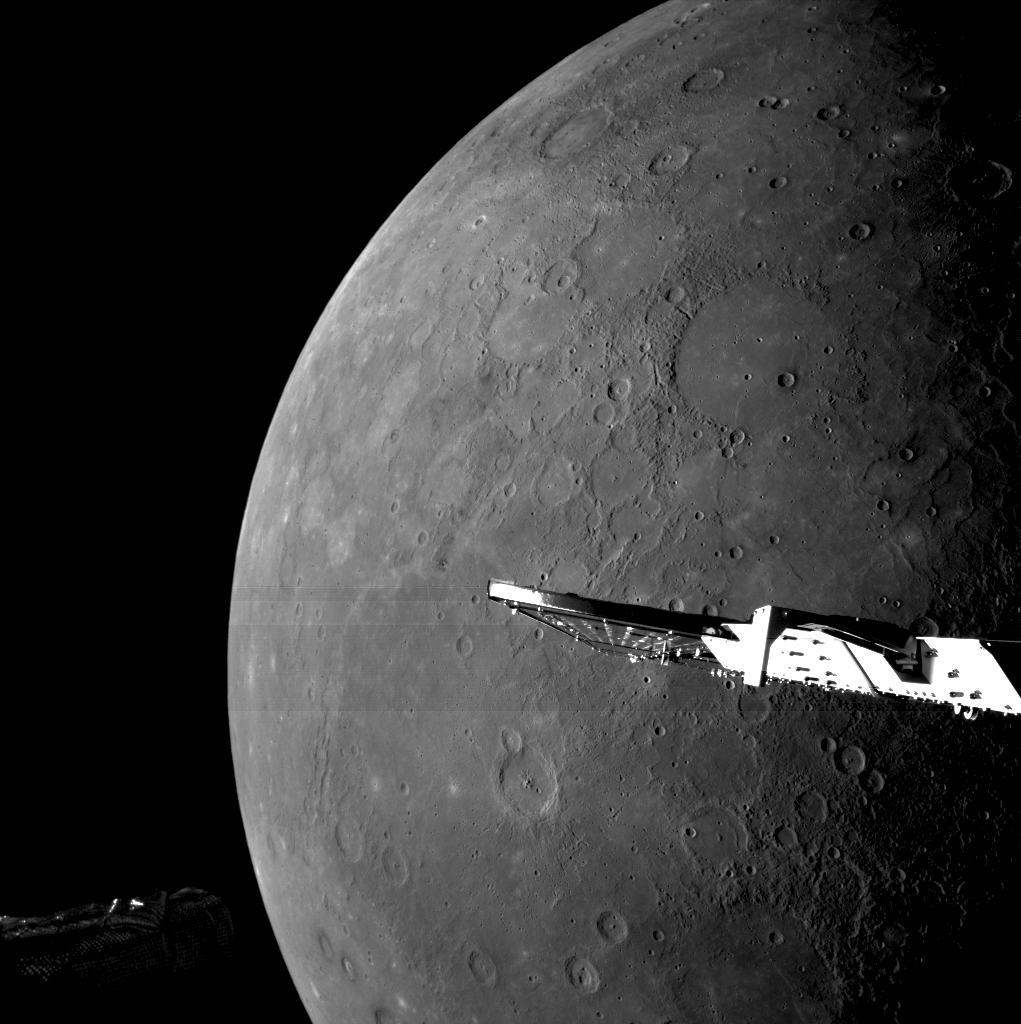
ALT Image taken by BepiColombo during its sixth Mercury flyby. Planet Mercury is visible in the background with its grey, cratered, pock-marked surface. In the foreground are some spacecraft parts.
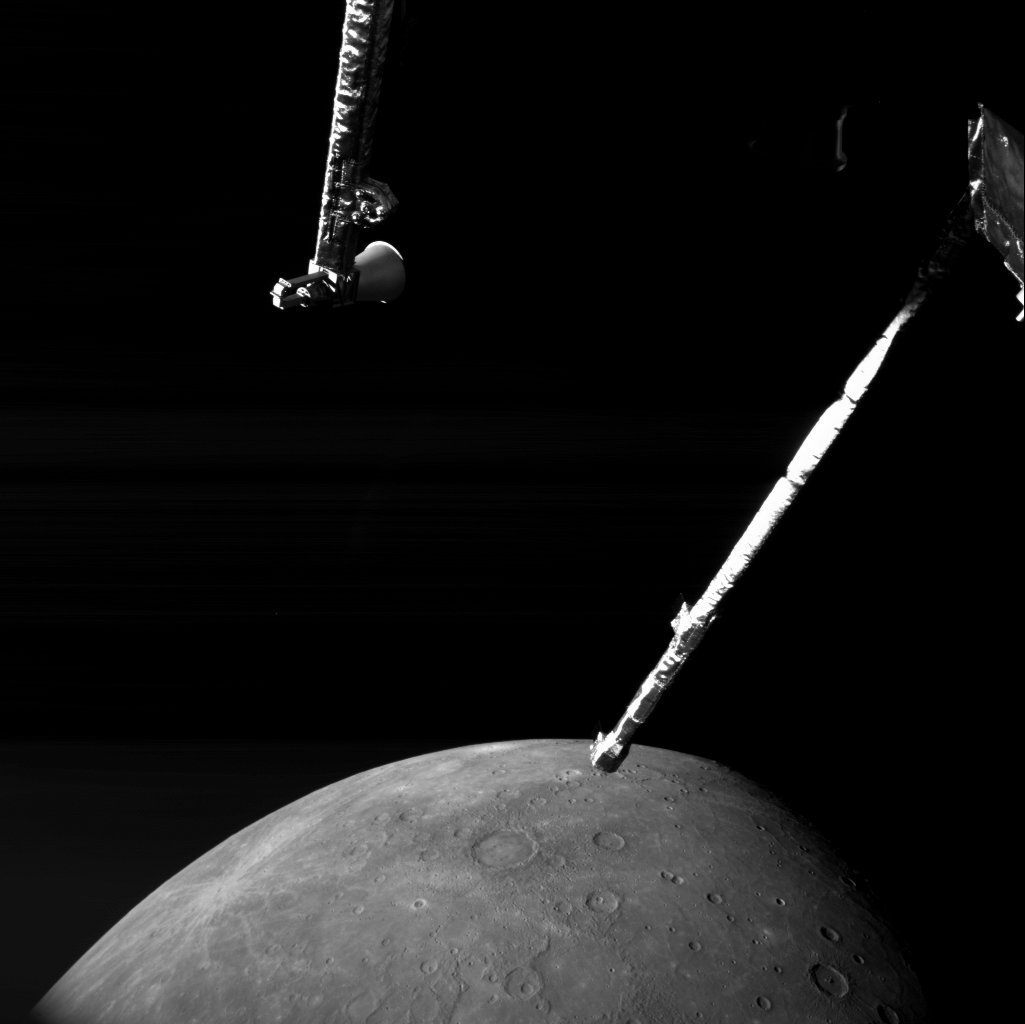
ALT Image taken by BepiColombo during its sixth Mercury flyby. Planet Mercury is visible in the background with its grey, cratered, pock-marked surface. In the foreground are some spacecraft parts.
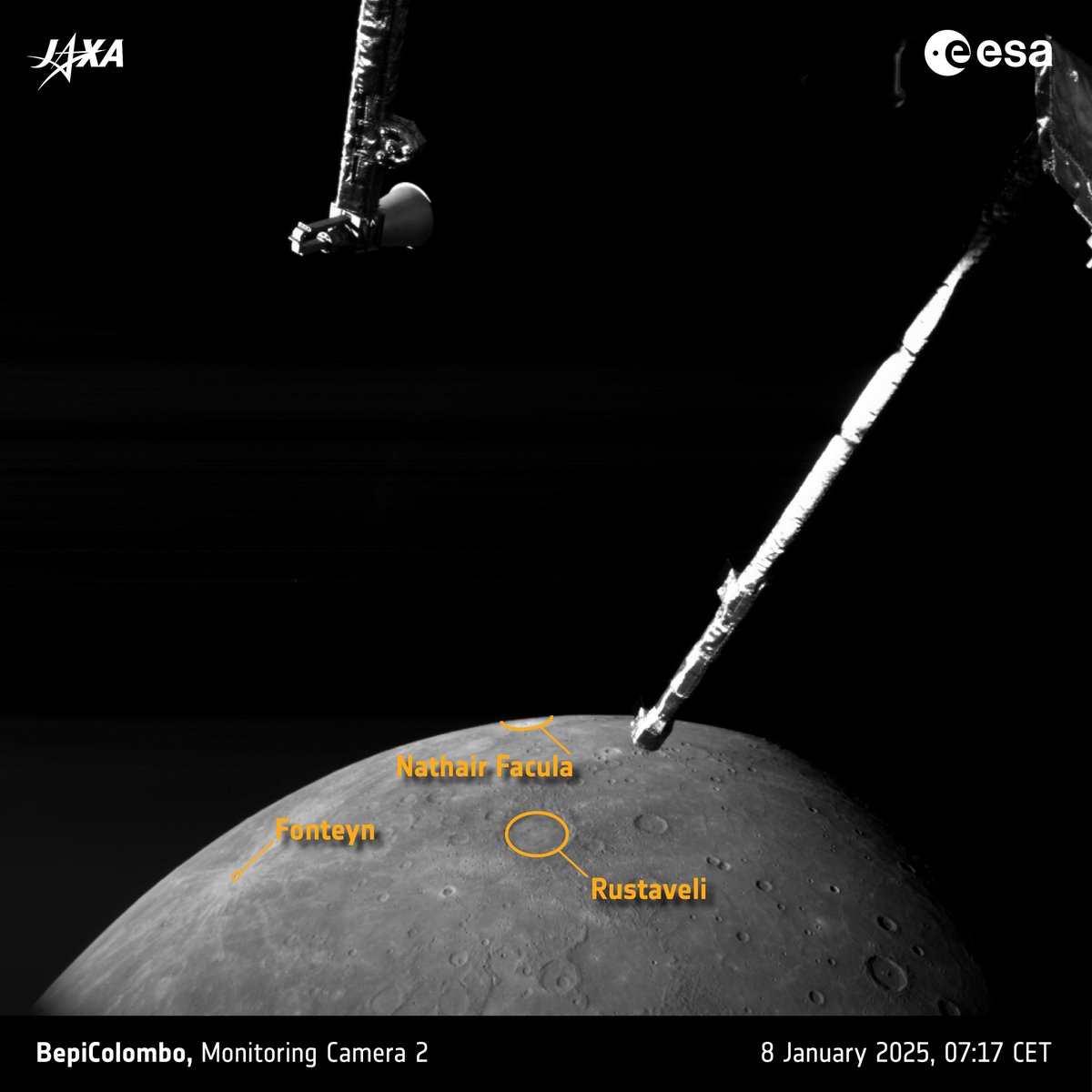
ALT Planet Mercury in the background with its grey, cratered, pock-marked surface. In the foreground are some spacecraft parts. Features are marked with yellow circles and text labels.
ALT Planet Mercury in the background with its grey, cratered, pock-marked surface. In the foreground are some spacecraft parts. Features are marked with yellow circles and text labels.

ALT Cartoon representation of the three elements of the BepiColombo mission: ESA’s Mercury Planetary Orbiter (shown in blue, middle), JAXA’s Mercury Magnetospheric Orbiter (red, top) and the ESA-built Mercury Transfer Module (grey, bottom), respectively. The Mercury Magnetospheric Orbiter holds a clipboard with all the six flyby dates marked as checked. Left unchecked is the arrival date on 21 November 2026. In the background, planet Mercury greets them with a yellow balloon shaped as number six.