
Joined November 2018
- Tweets 235
- Following 27
- Followers 20
- Likes 9
147 Photos and videos
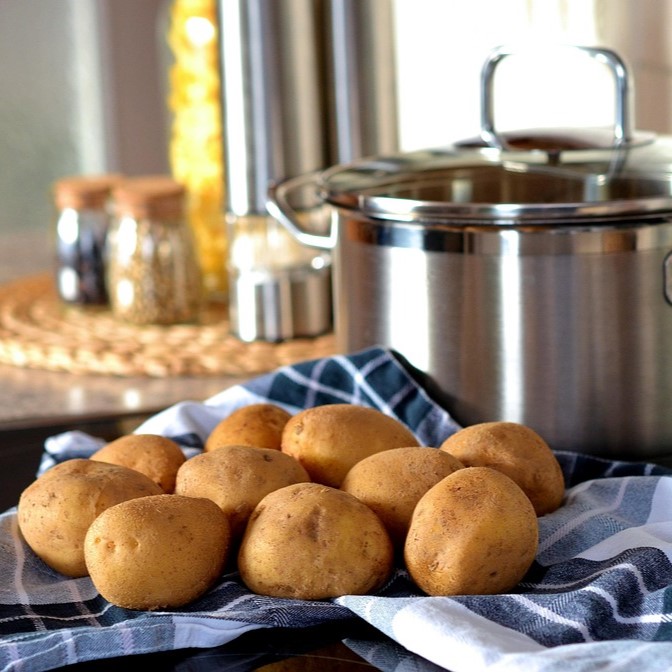
Want to know how I’m really doing? Just look at my kitchen.
Whenever I feel overwhelmed, my kitchen is usually the first place to show it—cluttered counters, unfinished things, and even making a simple meal starts to feel like a chore.
But when it’s clean, quiet, warm, and something good is cooking, I feel myself settle too.
For me, the kitchen isn’t just where I make food—it’s the little corner where I come back to myself.
#KitchenThoughts #HomeReflections #EverydayLife #MindfulLiving #CozyHome #SoftLife #LifeLately #HealingSpaces
3
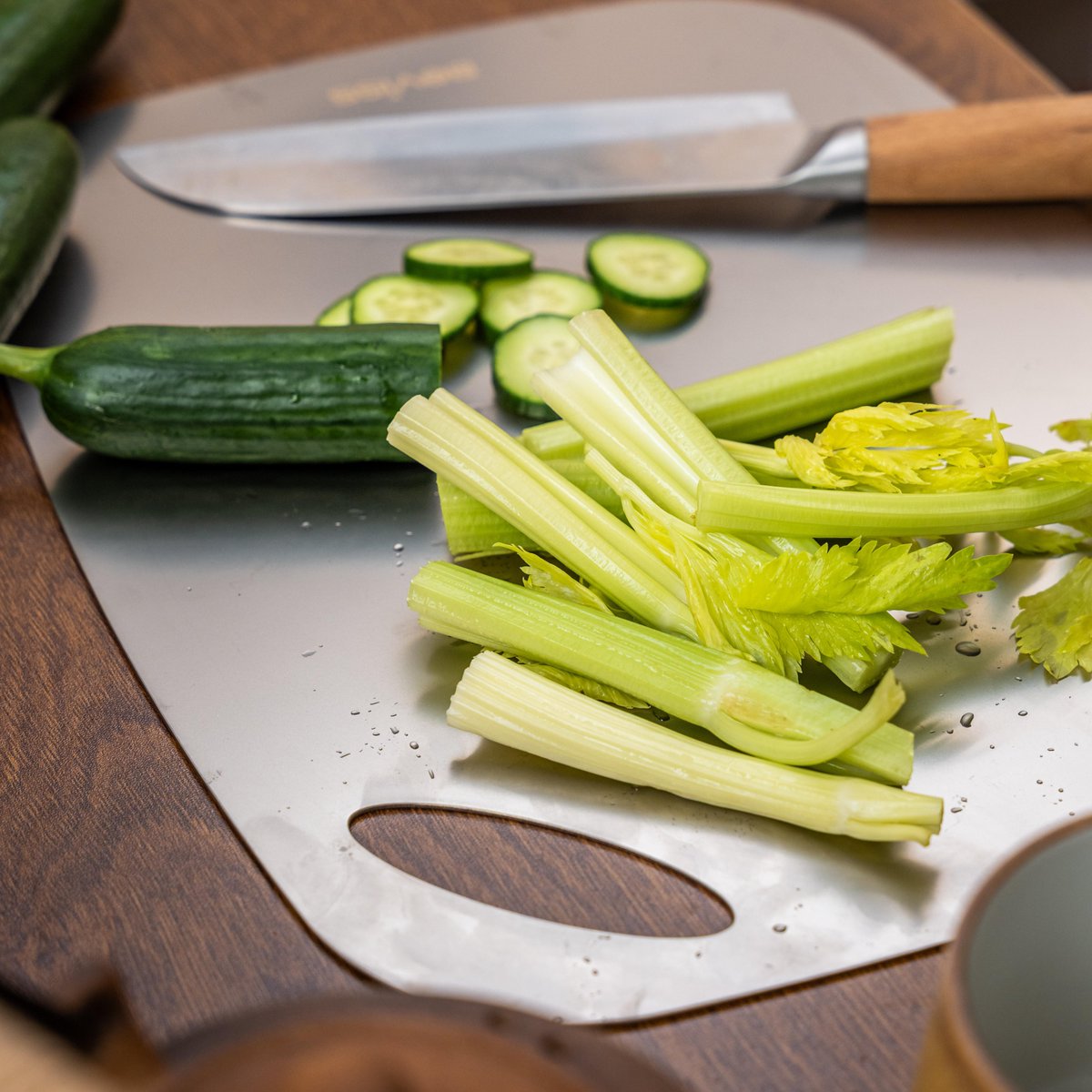
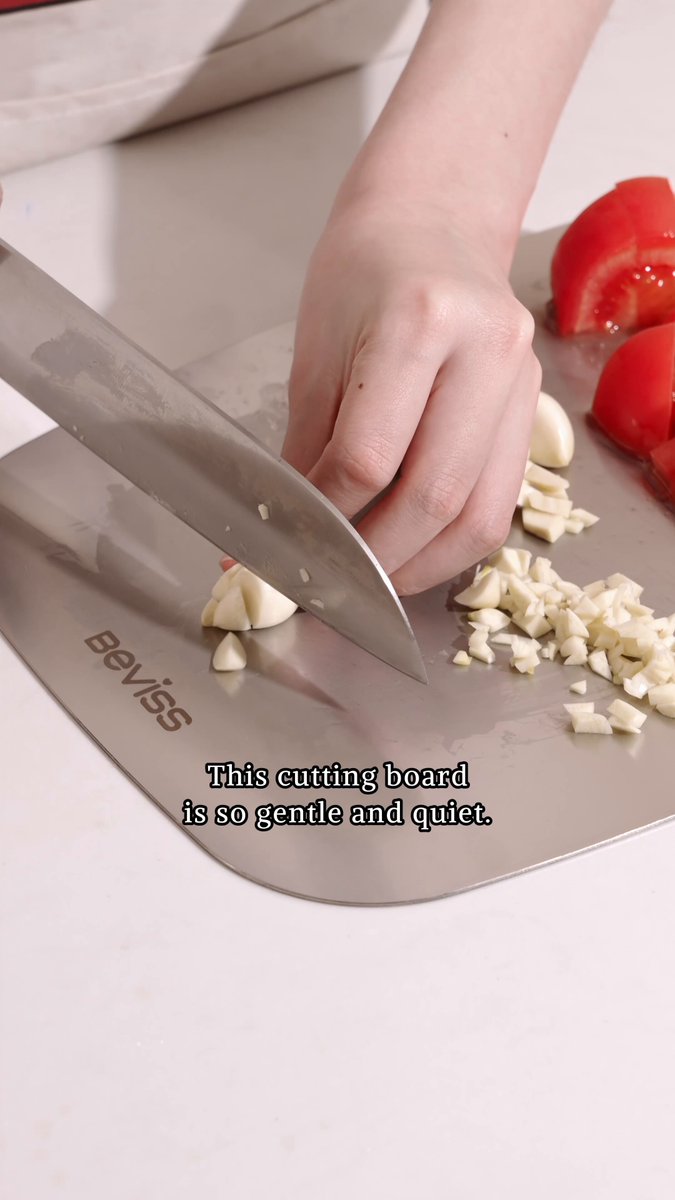
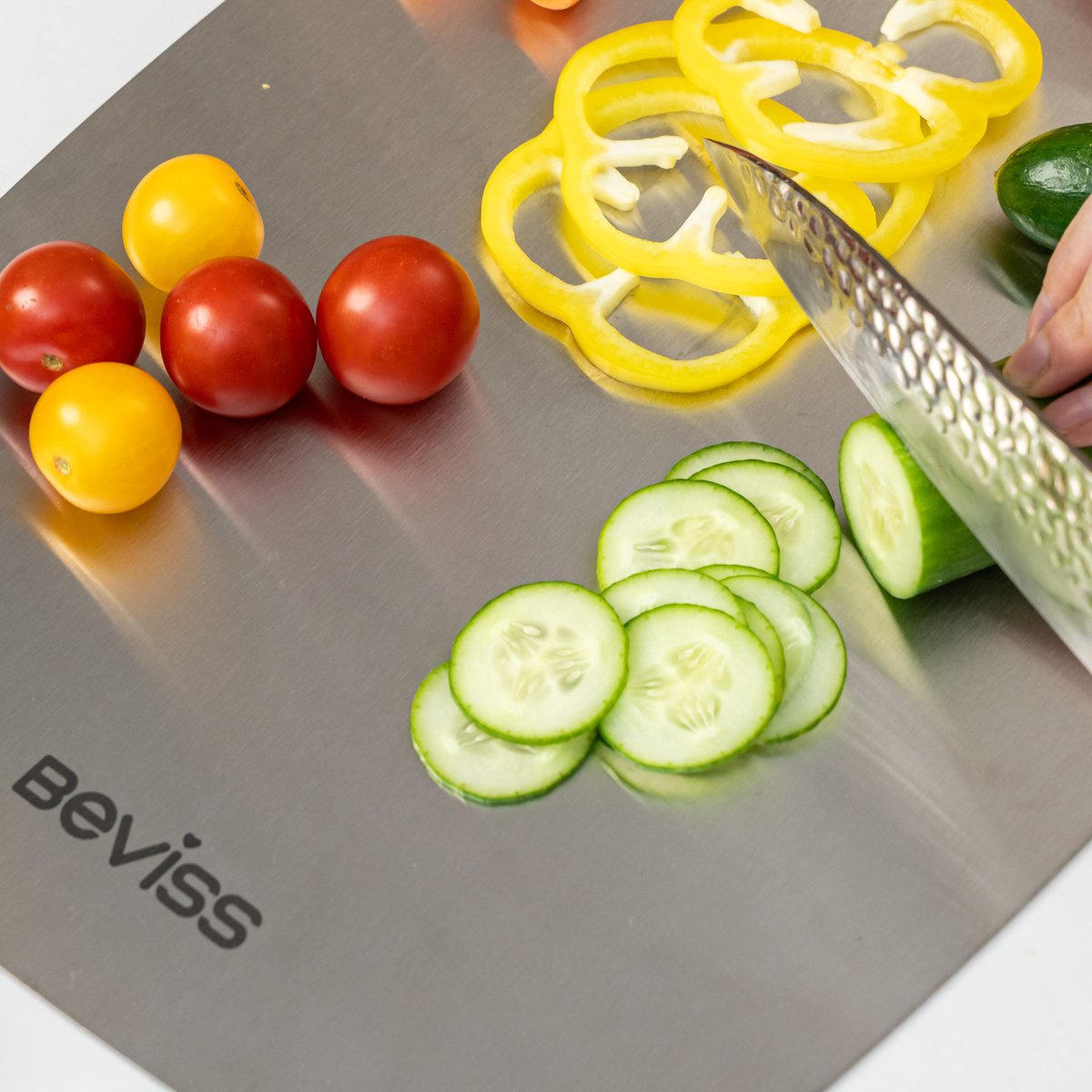
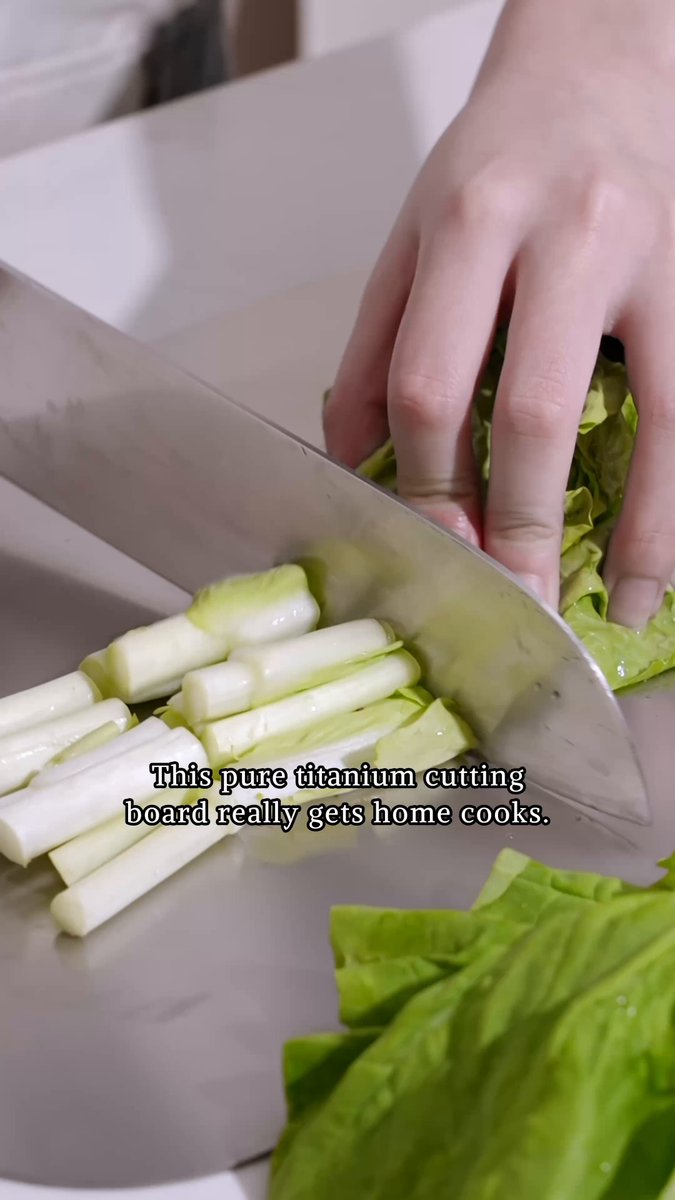
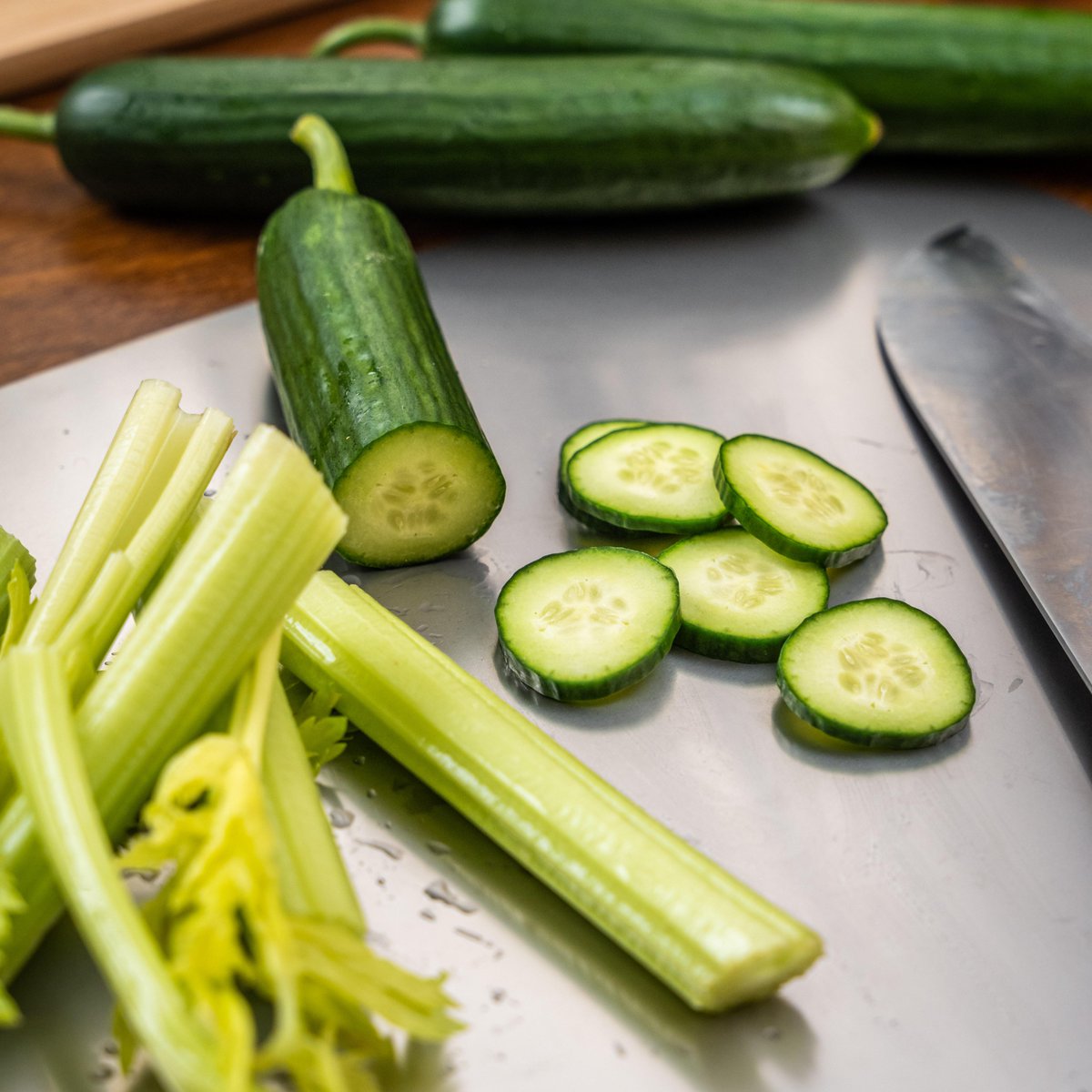
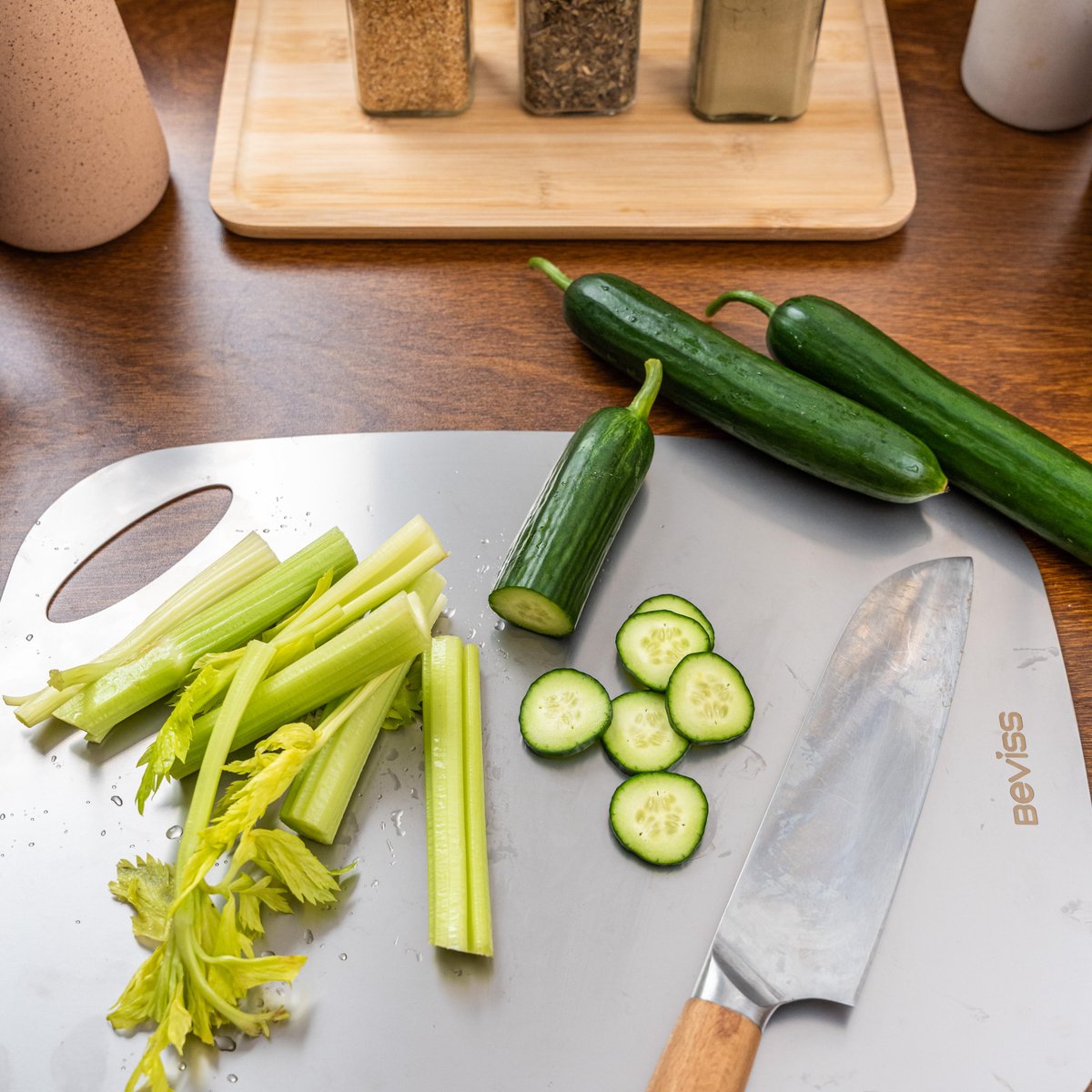
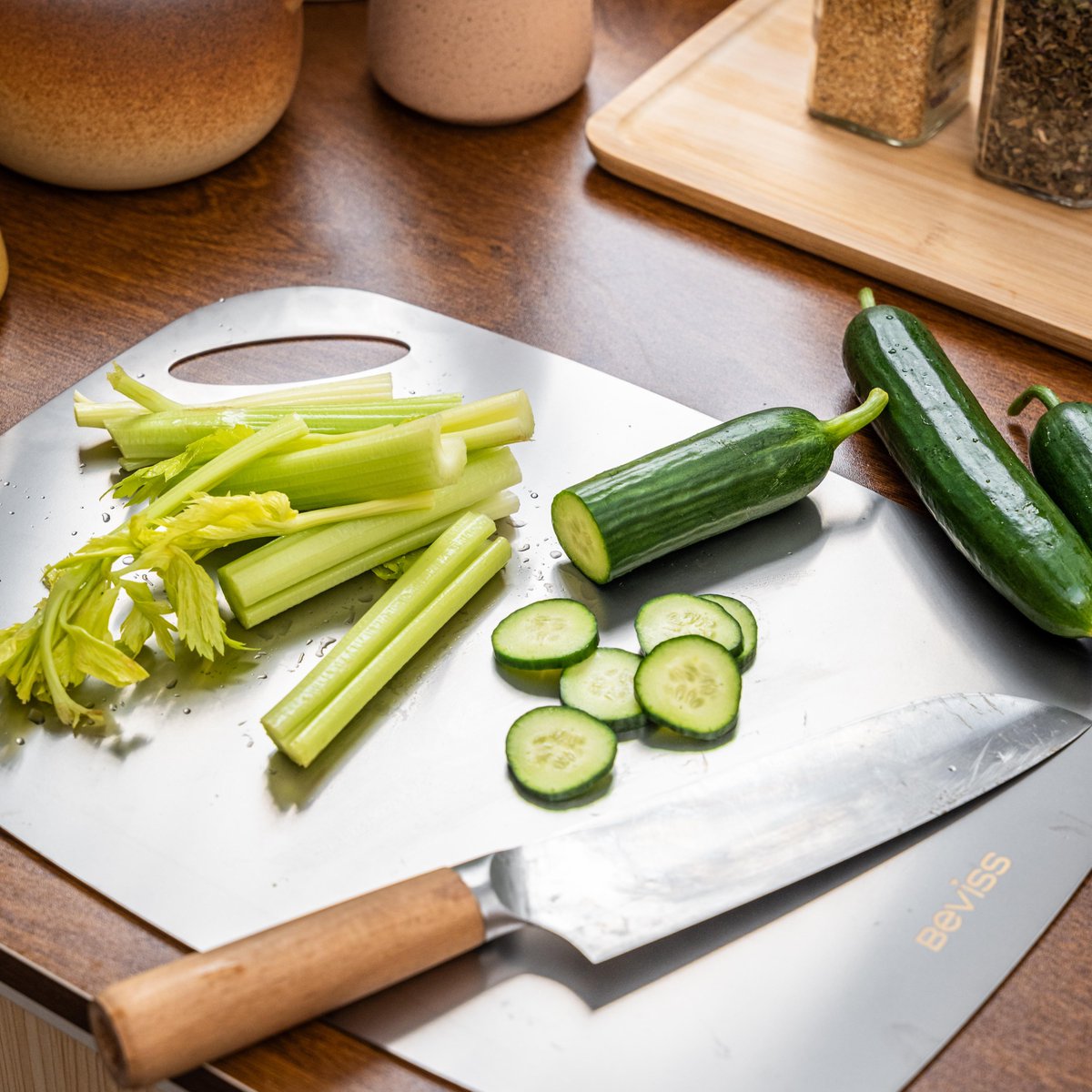
I really enjoy the whole meal prep process.
Washing, chopping, and just messing around with random stuff in my little kitchen 😄
It’s surprisingly relaxing and honestly pretty fun.
#MealPrep #HomeCooking #KitchenVibes #CookingTherapy #PrepWithMe #FoodieLife #CozyKitchen #CookingAtHome #KitchenMood #RelaxingMoments #CookingReels #SimpleCooking #FoodTok #DinnerPrep #HealthyCooking #KitchenLife #CookingTime #HomeChef #EverydayCooking #StressRelief
13

May 31
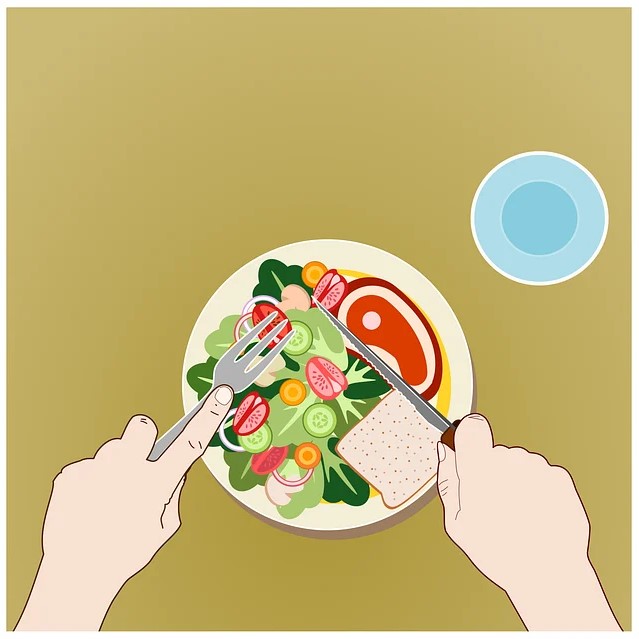
Want steadier blood sugar and less weight gain? Try these 4 simple eating habits:
1. Eat veggies first, then protein like meat, eggs, or beans, and save carbs for last.
This can help your blood sugar rise more slowly after a meal and help you feel full sooner.
2. Slow down and chew your food well.
When you eat too fast, your brain doesn’t have enough time to catch up and tell you you’re full, so it’s easy to overeat.
3. Focus on your meal and put your phone away.
Scrolling while eating often makes people eat more without noticing. When you pay attention, it’s easier to feel when you’ve had enough.
4. Try to eat dinner earlier, not too late at night.
Eating late can make it harder for your body to use that food well, and it may also affect your sleep and how you feel the next day.
#BloodSugar #HealthyEating #WeightControl #MindfulEating #NutritionTips #HealthyHabits #EatBetter #WellnessTips #GlucoseBalance #MetabolicHealth
21
May 28
My lazy-kitchen secret to keeping things clean 😆
I realized the easiest way to keep my kitchen clean
is choosing cookware and tools that actually fit my lifestyle.
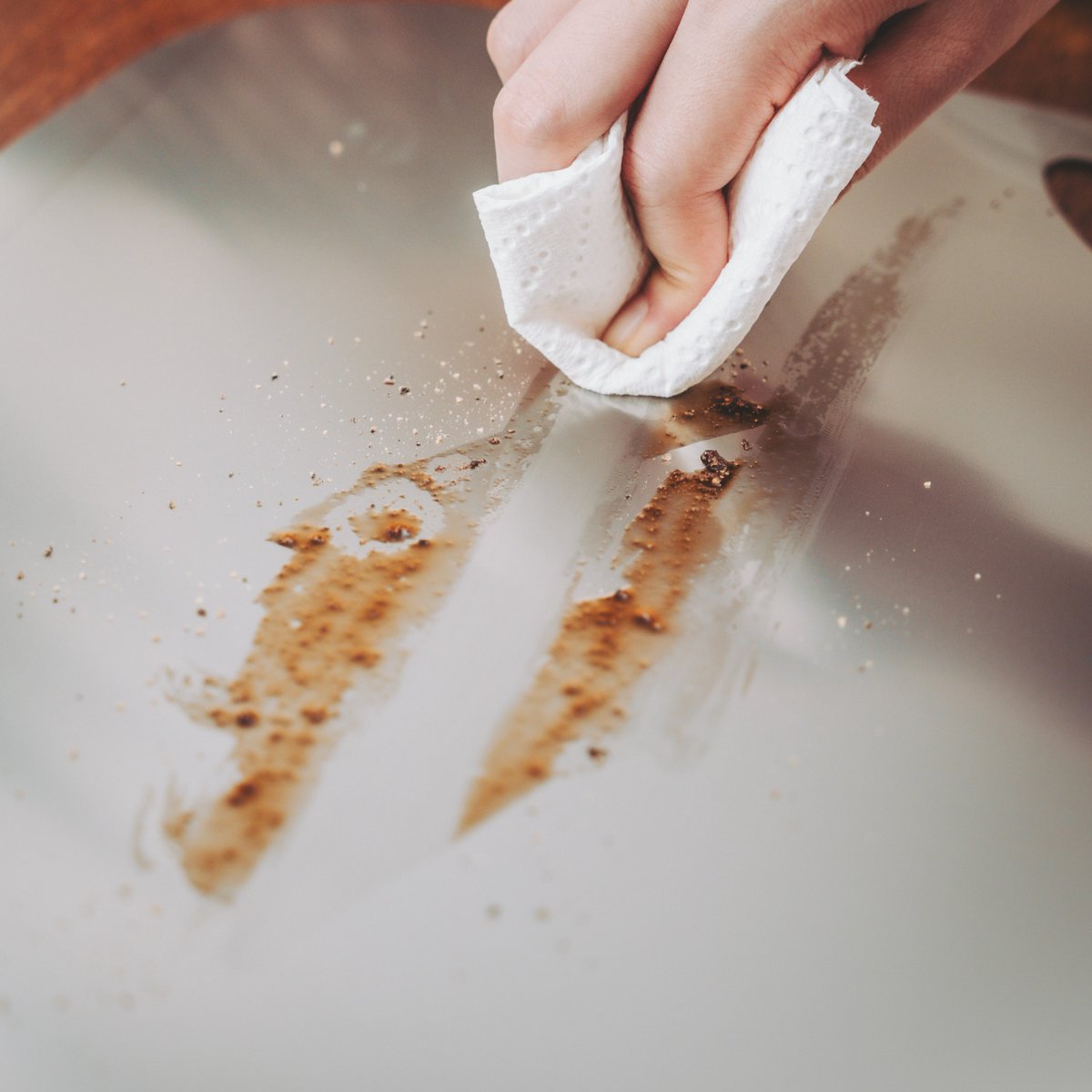
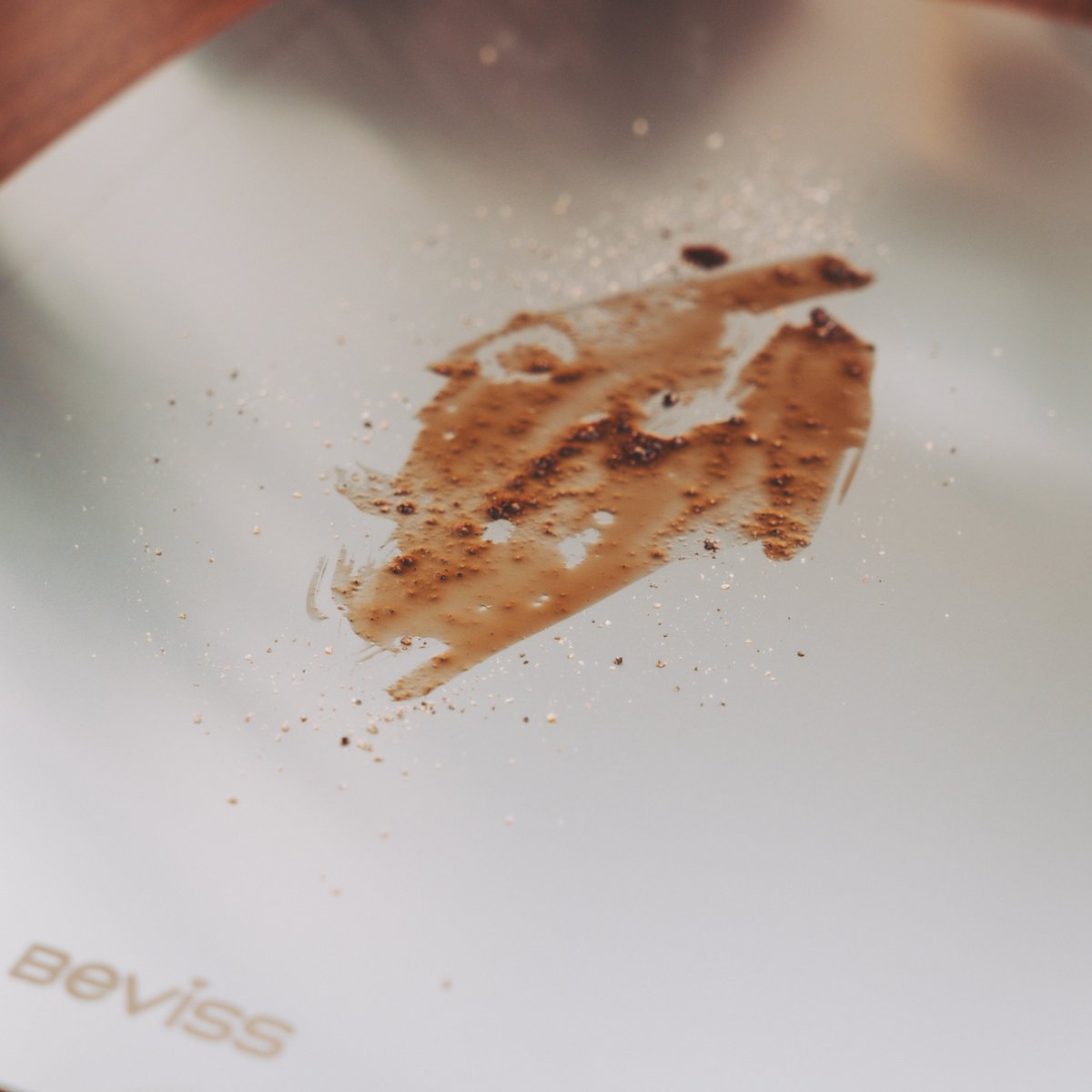
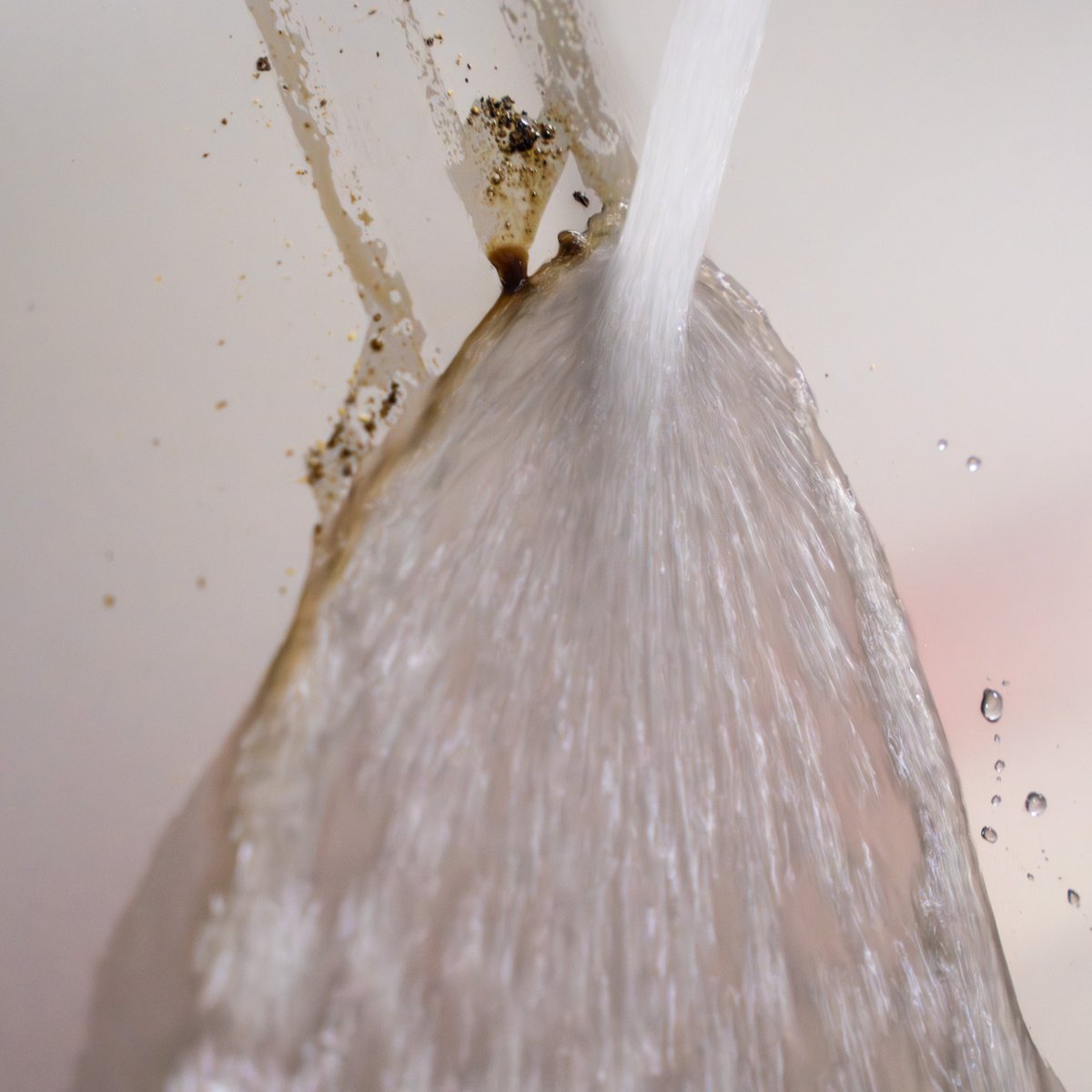
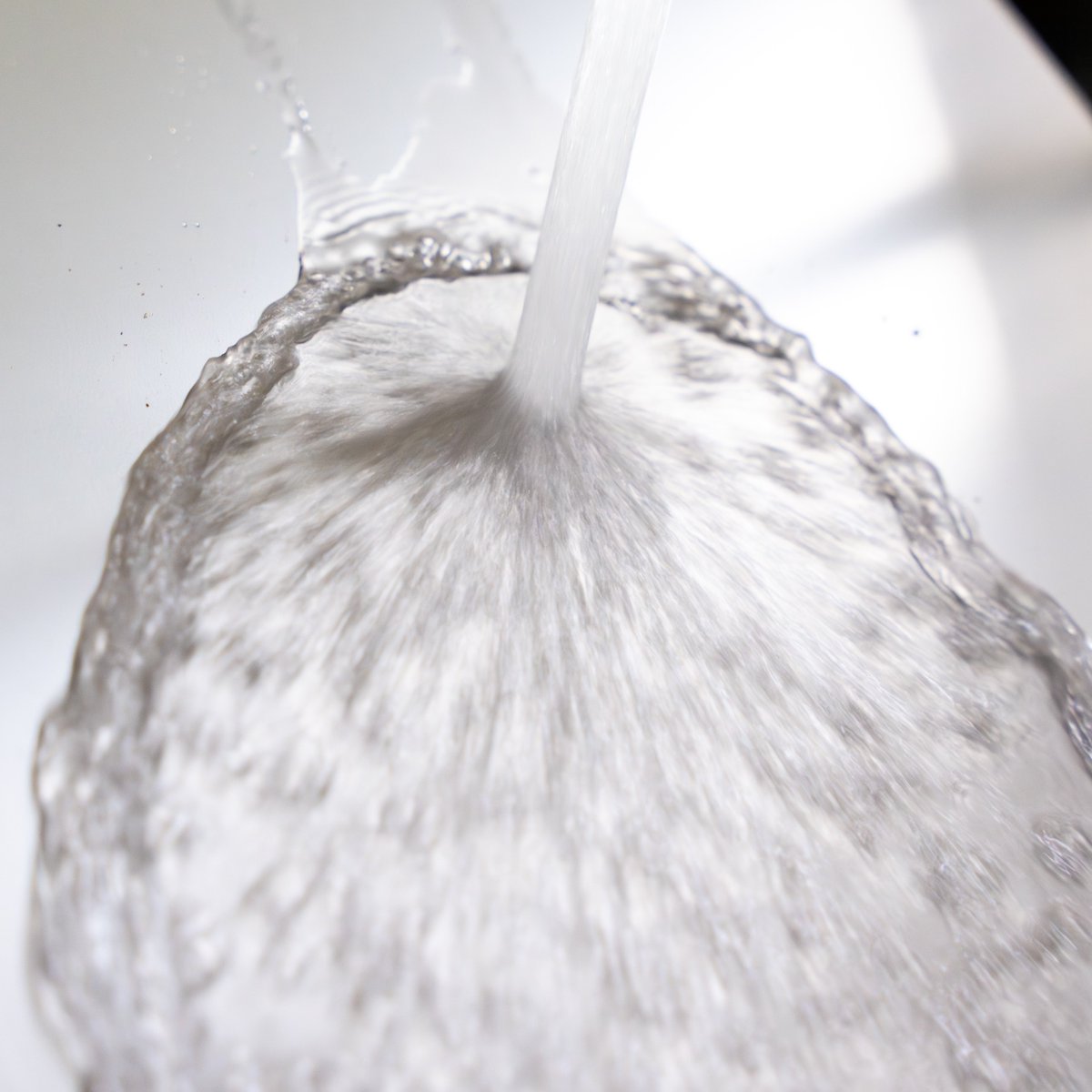
For example, I wanted a cutting board that’s super quick and easy to clean,
so a metal cutting board ended up being perfect for me.
Just rinse it off, wipe it down, and I’m basically done.
It also doesn’t trap bacteria or get moldy easily,
which is great for someone lazy like me 😂
What about you guys?
What kitchen tools feel the most “made for you”?
#KitchenHacks #LazyKitchen #KitchenCleaning #HomeCooking #KitchenTools #CookingTips #CleanKitchen #FoodPrep #KitchenEssentials #CuttingBoard #EasyCleaning #KitchenLife #CookingAtHome #KitchenUpgrade #MinimalKitchen #HomeChef #HealthyKitchen #FoodieLife #MealPrep #TikTokMadeMeBuyIt
20
May 28
The worst part about late-night cooking isn't cooking... it's the clang clang clang waking everyone up 😂
Switched to a titanium board with a softer feel and it's way nicer. Plus it's light enough to carry with one hand.
#LateNightCooking #KitchenFinds #TitaniumCuttingBoard #HomeCooking #KitchenEssentials
28
May 26
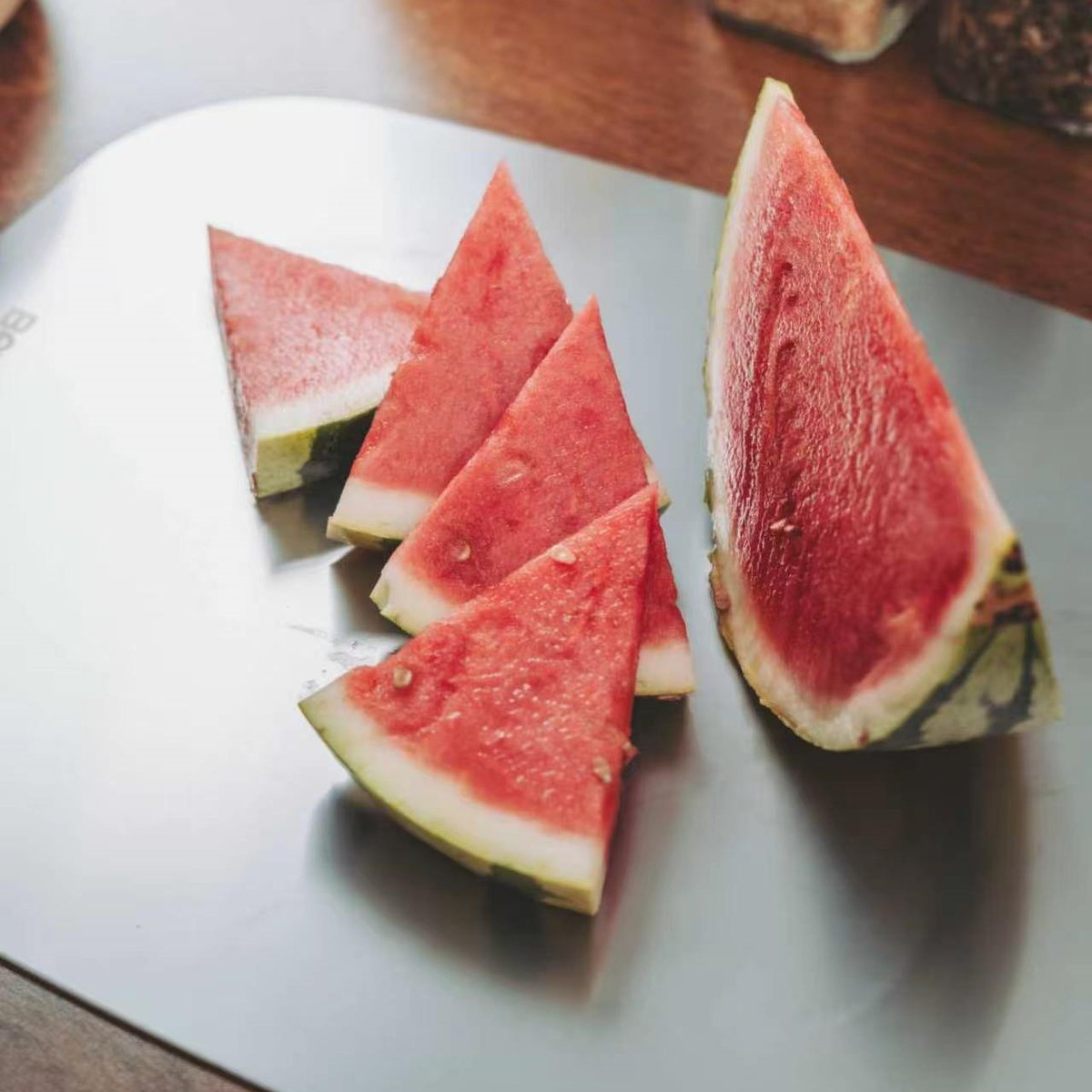
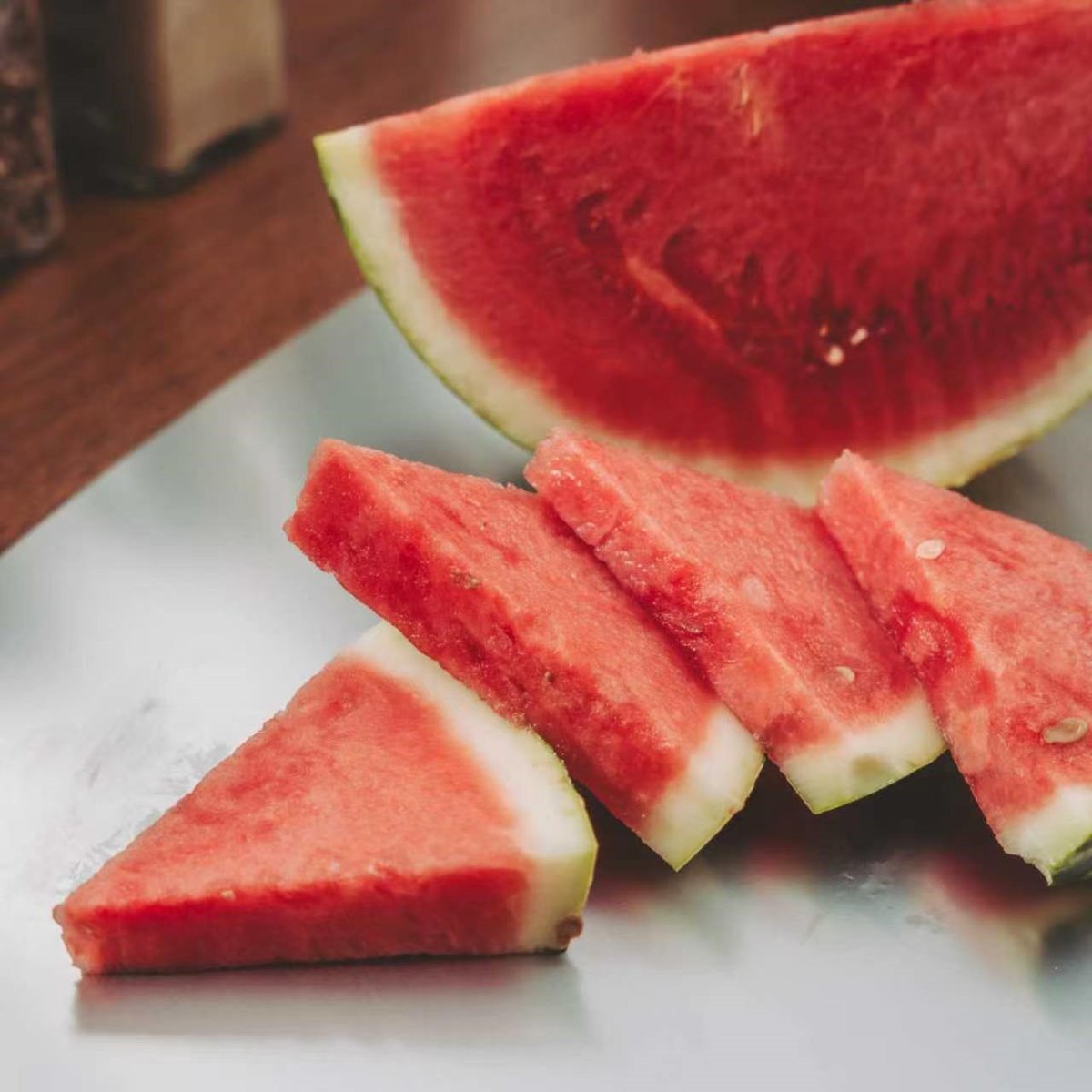
Summer vibes officially start the moment you cut open a watermelon 🍉
In our house, cold watermelon is basically the #1 summer fruit.
That crisp crack when you slice into it? So satisfying and weirdly therapeutic.
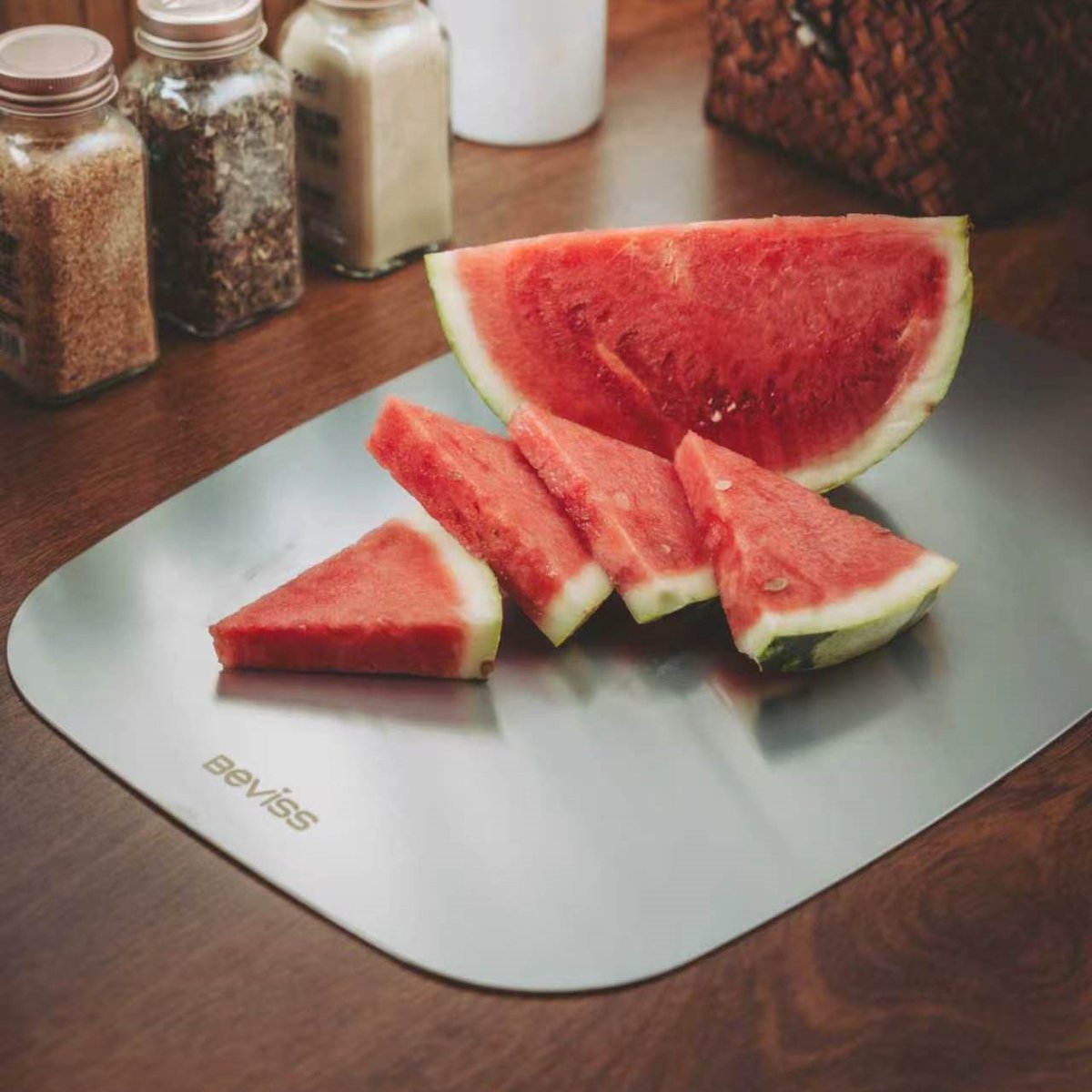
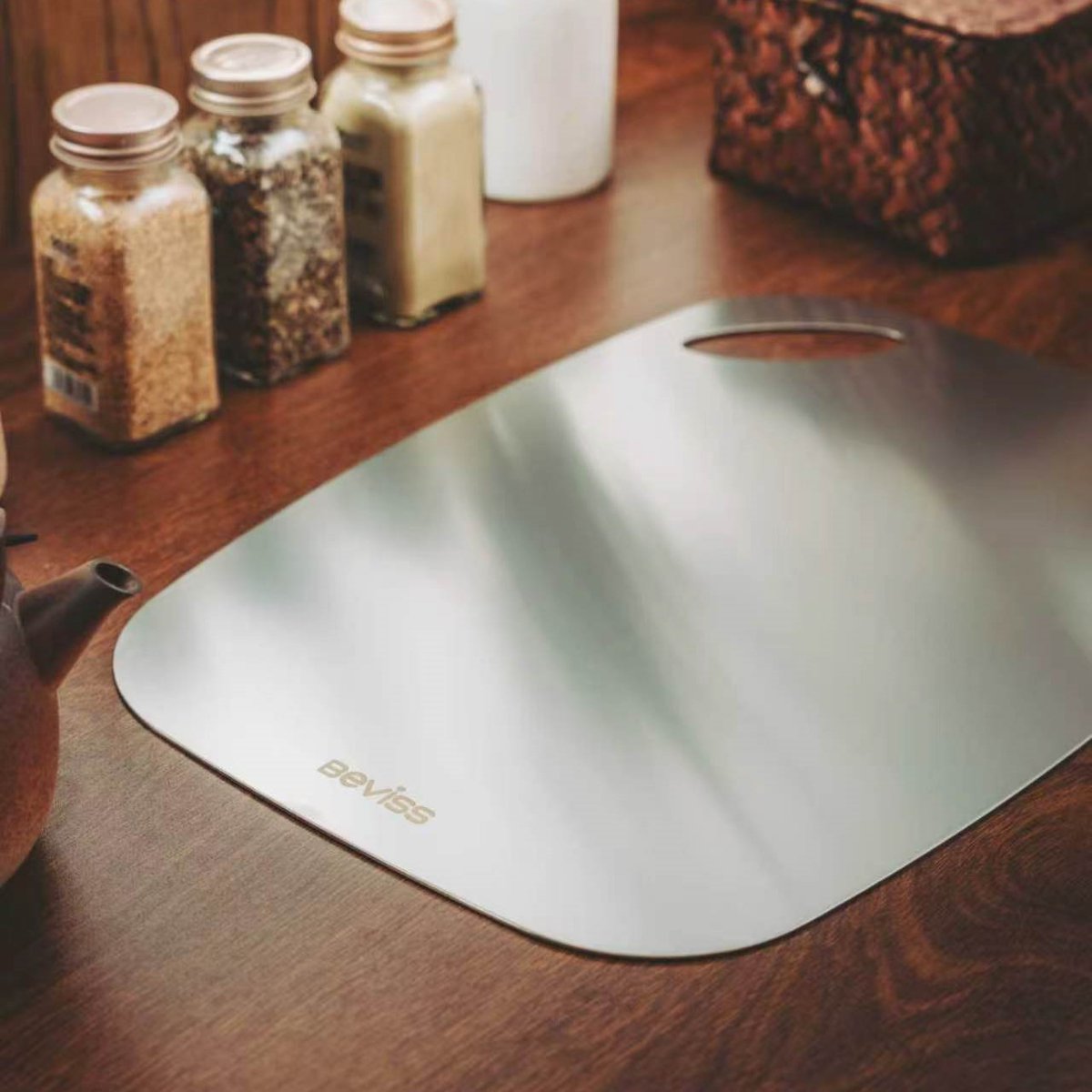
Lately I’ve been loving using this pure titanium cutting board for watermelon.
The clean metallic look with the bright red watermelon just feels so summery.
Honestly, it looks good even just sitting on the counter.
At this point, this cutting board has basically become my watermelon’s summer partner 😂
#SummerVibes #WatermelonSeason #KitchenAesthetic #SummerKitchen #WatermelonLover #CuttingBoard #TitaniumCuttingBoard #CleanKitchen #KitchenTok #FoodieFinds #HomeCooking #ASMRFood #SatisfyingVideos #CookWithMe #MinimalKitchen #HealthyKitchen #SummerMood #KitchenEssentials #FoodPrep #WatermelonASMR
1
30
May 24
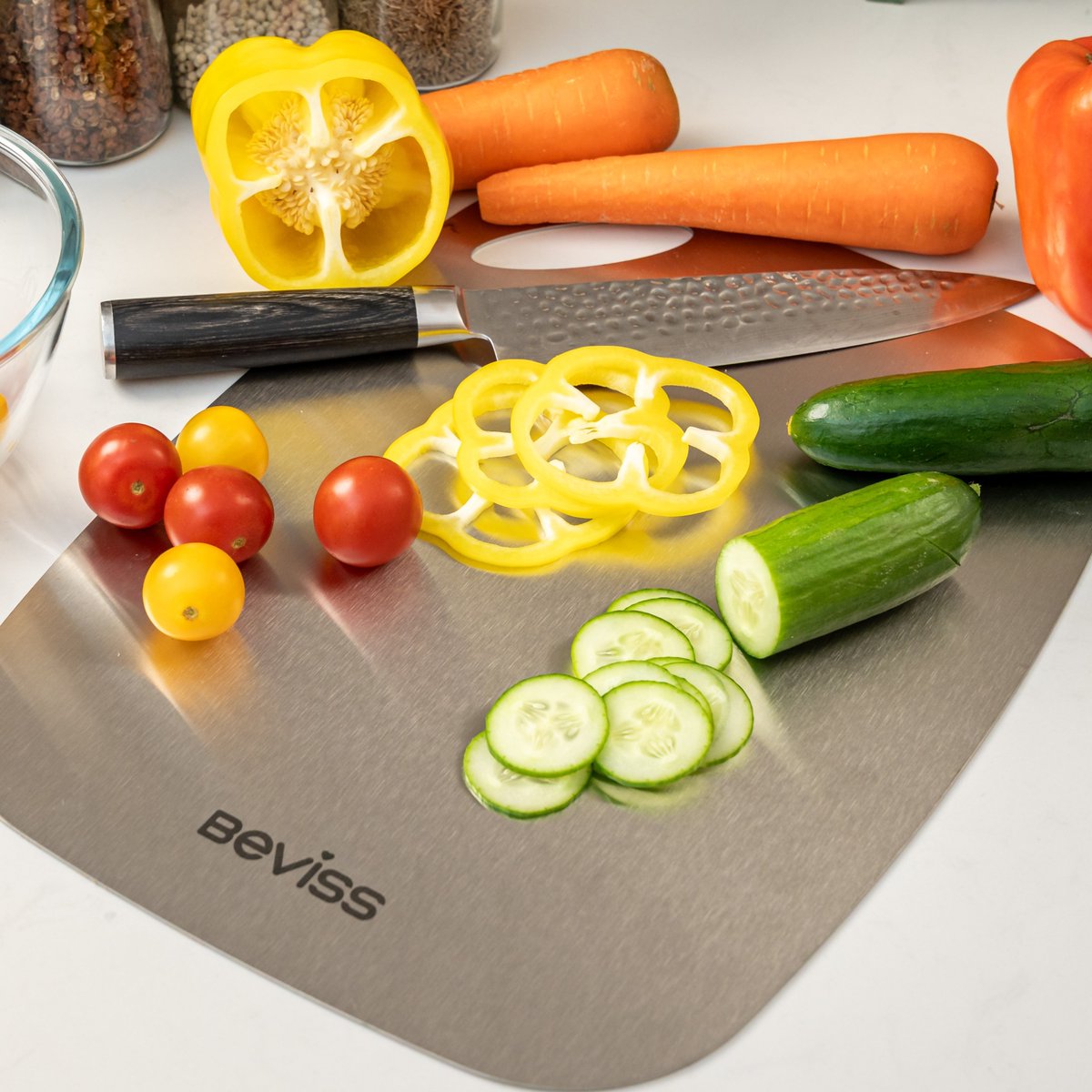
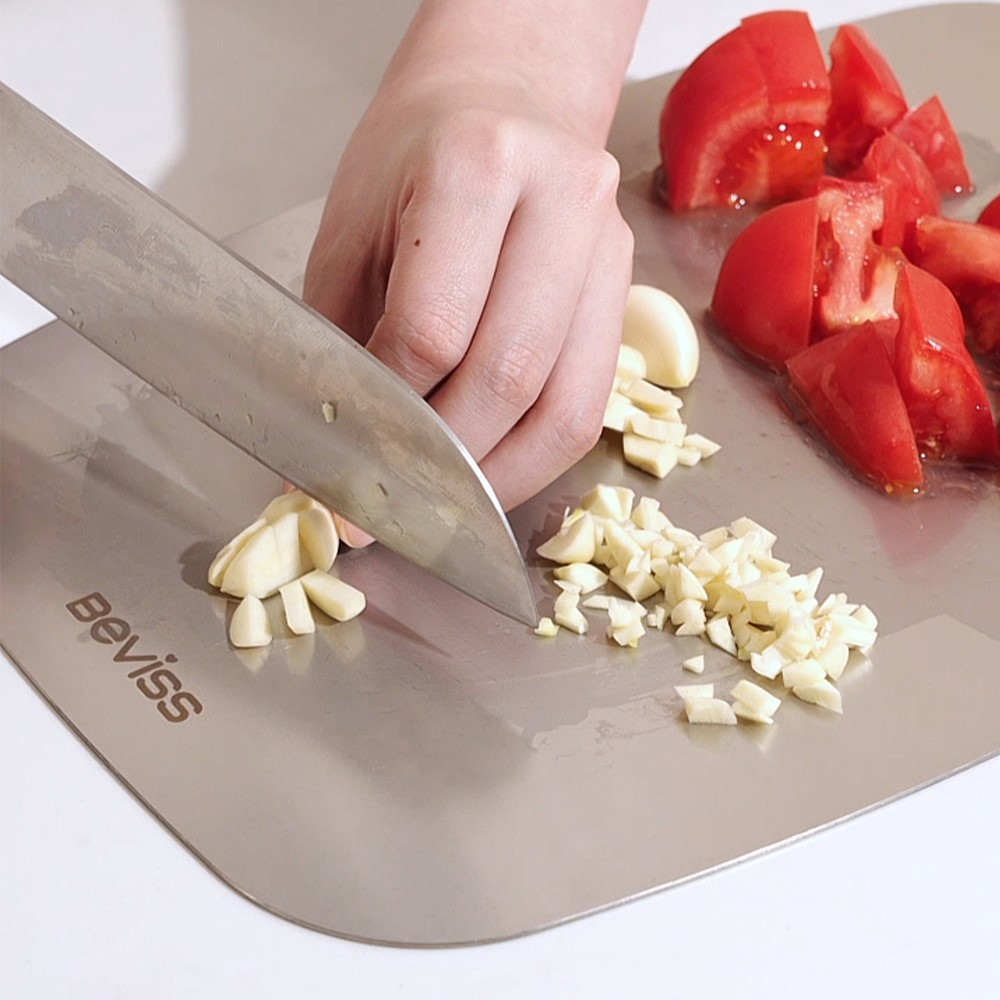
Been using a pure titanium cutting board for a while now, so here’s my honest take 👇
✅ The biggest thing for me?
It’s super clean, hygienic, and ridiculously easy to maintain.
I mainly use it for cooked food, fruits, and veggies.
Most of the time, I just rinse it off and I’m done. No worrying about mold, trapped bacteria, or weird smells sticking around.
Even after cutting garlic, a quick rinse and there’s basically no lingering odor mixing into other foods.
The board always looks clean and fresh, which honestly makes cooking feel nicer too.
🔪 About the “does it ruin knives?” thing
A lot of people online say metal boards destroy knives, but honestly… I haven’t really felt that.
Pure titanium actually has some flexibility to it, and it’s not extremely hard.
As long as you’re using real titanium and not fake coated stuff, cutting fruits, veggies, or cooked food feels completely fine to me.
🔊 About the sound
This surprised me the most.
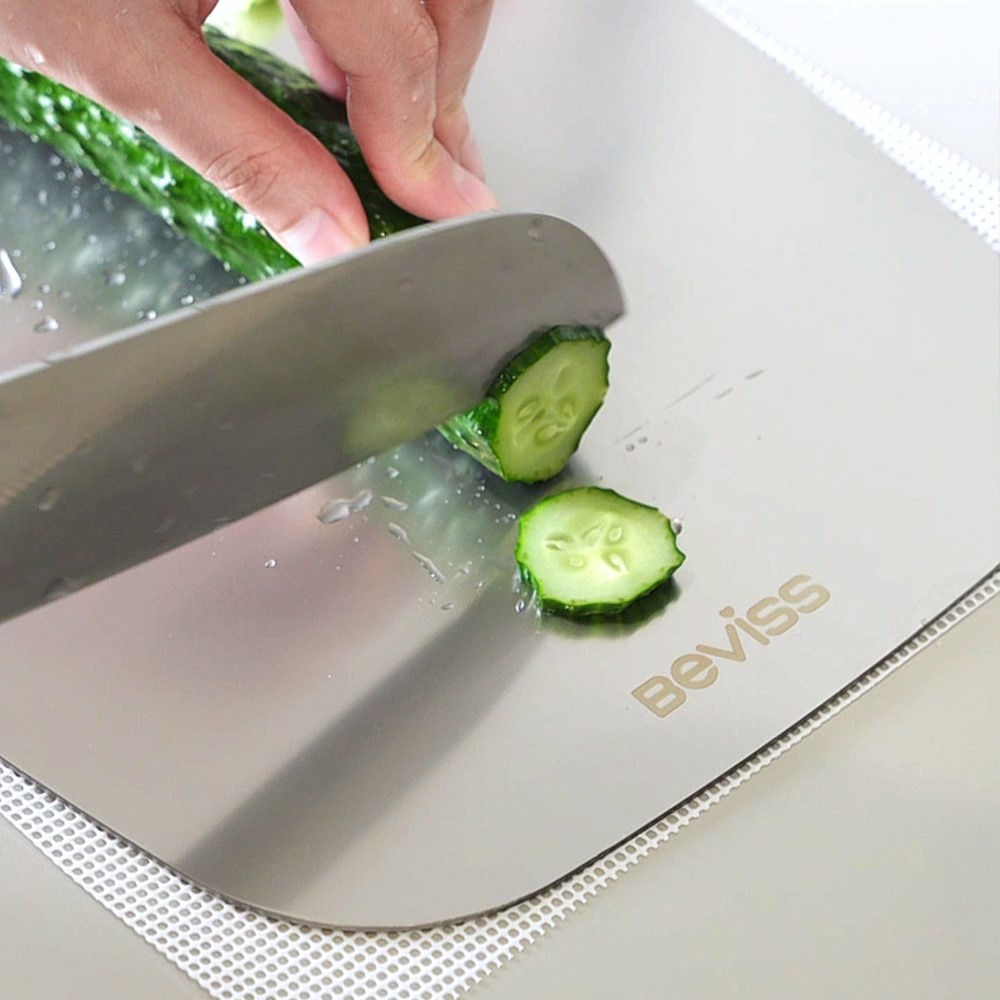
When cutting fruit, vegetables, or cooked food, it’s way quieter than I expected.
No weird harsh metallic sound or anything super annoying.
✨ Weight & grip
Titanium is actually pretty lightweight.
Mine feels lighter than most thick wooden boards I’ve used.
It also comes with anti-slip pads underneath, so it stays in place really well while cooking.
After using it for a while, I honestly think it works great as a dedicated board for cooked food and produce.
One of those things you appreciate more the longer you use it.
#KitchenTools #HomeCooking #CookingHacks #KitchenEssentials #Cookware #CookingTips #MealPrep #KitchenFinds #KitchenTok #FoodPrep #HonestReview #RealLifeReview #WorthItOrNot #ThingsILove #SmallThingsBigDifference #UnexpectedFavorite #KitchenReview #DailyUse
34
May 21
Dry-heating a nonstick pan isn’t “preheating” — it’s asking for trouble.
An empty nonstick pan heats up very fast because there’s no food, oil, or water to absorb the heat.
When it gets too hot, the nonstick coating can wear out faster and the pan may start smoking. That smoke can irritate the air in your kitchen and make you feel uncomfortable.
don’t preheat a nonstick pan empty for long, add oil or food first, keep the heat low to medium, and if it starts smoking, turn off the heat and open a window.
#KitchenSafety #HealthTips #HealthyCooking #NonstickPan #CookingTips #HomeCooking #Cookware #FoodSafety #Wellness #KitchenHacks
32
May 21
What kind of cutting board do you guys use for fruit at home? 🍎
Show me your fruit cutting boards 👀
I’ve been shopping for some kitchen stuff lately,
and honestly… the one thing I didn’t expect to overthink was a fruit cutting board 😂
Especially the material.
Wood? Plastic? Metal?
Wood looks nice and cozy.
Plastic is probably the most common.
But metal boards kinda got me curious lately.
So what does everyone use at home for cutting fruit?
#KitchenFinds #KitchenEssentials #KitchenTok #HomeCooking #CookingTools #KitchenHacks #KitchenUpgrade #CookingAtHome #CuttingBoard #CuttingBoardCheck #KitchenDebate #WoodVsPlastic #KitchenDiscussion #CookingGear #KitchenQuestions #TikTokMadeMeBuyIt #AmazonFinds #FoodPrep #CleanKitchen #KitchenSetup #HomeChefLife
27
May 20
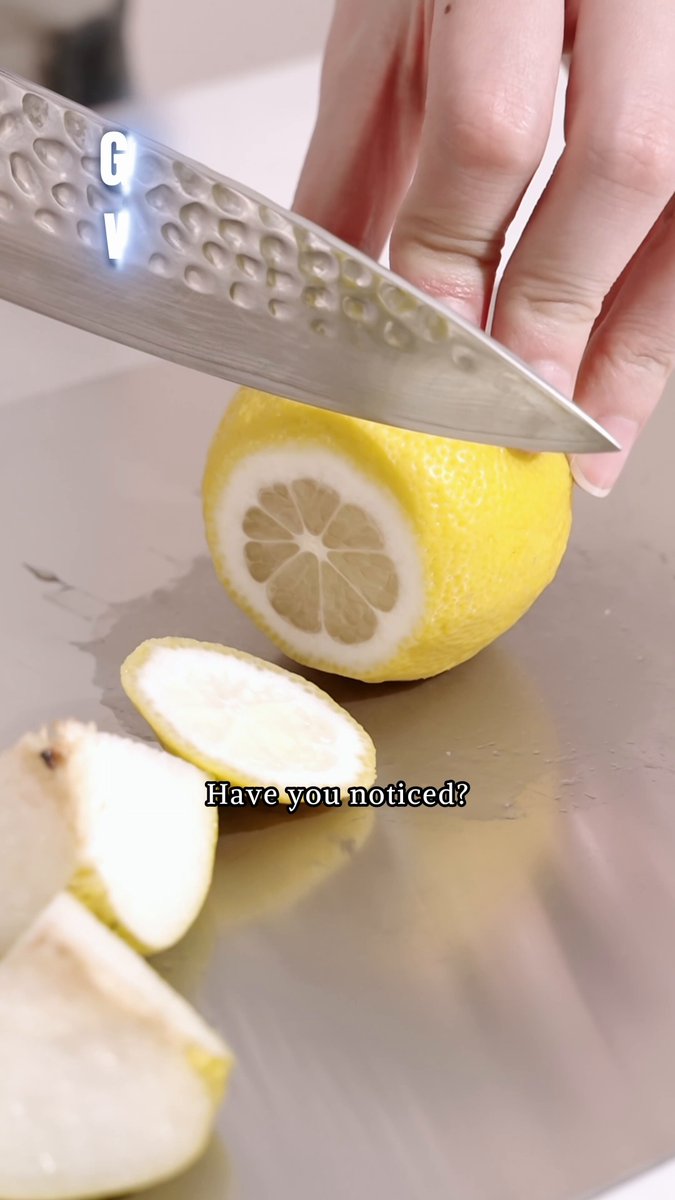
Ever notice some metal cutting boards leave a weird metallic taste after cutting lemons or tomatoes? 🍋
Pure titanium doesn’t do that.
Food just tastes… like food.
#TitaniumCuttingBoard #KitchenFinds #HomeCooking #FoodPrep #KitchenTok
13
May 18
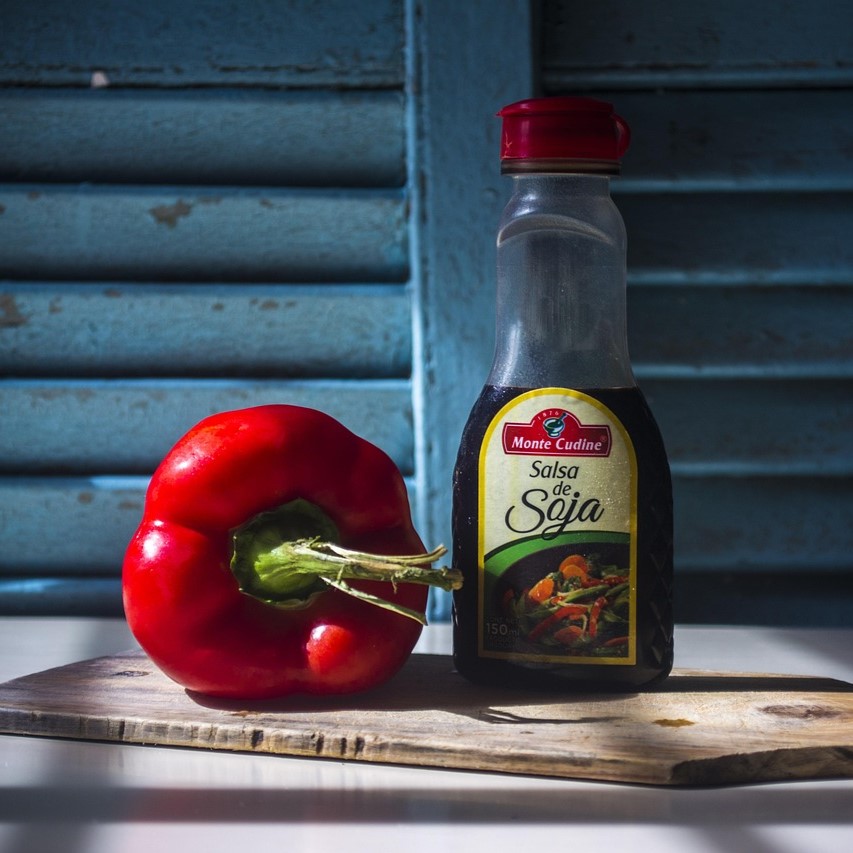
That sticky ring on your soy sauce or vinegar bottle may look harmless, but it can be one of the easiest hygiene blind spots in your kitchen.
Not wiping the bottle rim usually won’t make you sick overnight, but it can lead to grime, bad odors, and a better place for mold and germs to build up around the cap.
Soy sauce is very salty and vinegar is highly acidic, so the liquid inside is less friendly to many microbes. But the dried drips on the outside get exposed to air, moisture, fingers, and food bits — which makes that area much easier to contaminate.
The easy fix: wipe the rim after each use, wash the cap once in a while, and if you see mold, dark buildup, slime, or smell something off, clean it well or toss it.
#KitchenHygiene #FoodSafety #HealthyHabits #KitchenTips #HomeHygiene #CleanKitchen #FoodStorage #WellnessTips #HealthyHome #CookingTips
20
May 17
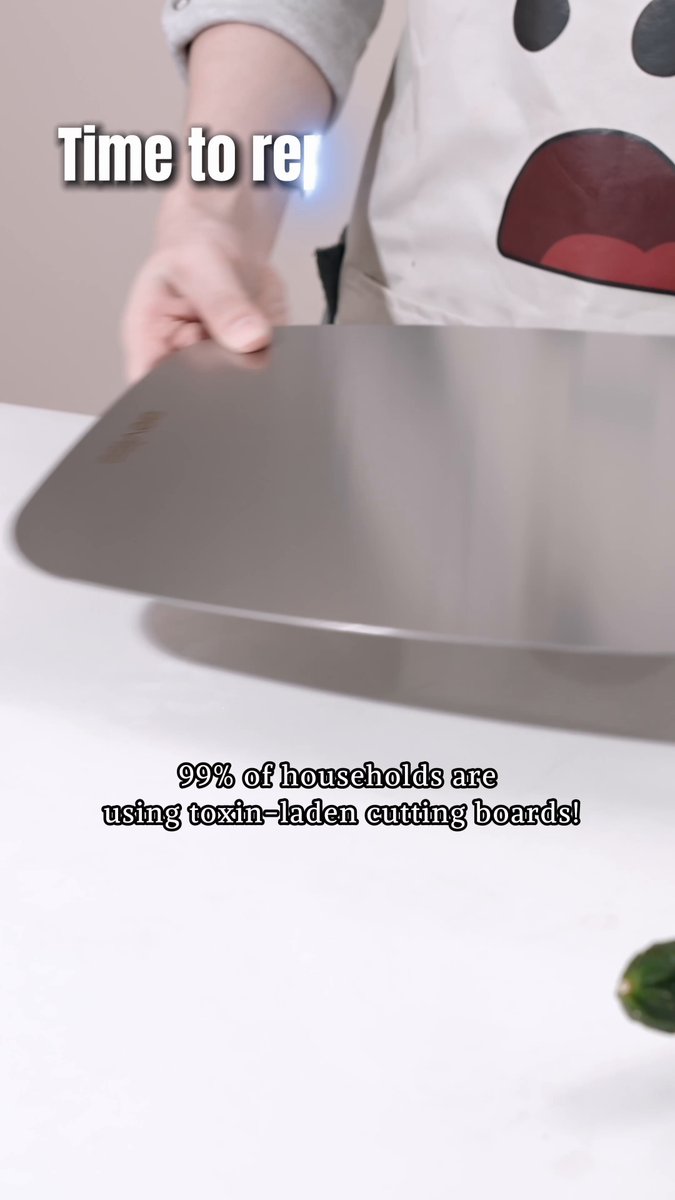
Your cutting board might be dirtier than you think… 😳
Wood and plastic boards trap tiny food particles so easily.
A solid titanium board? Rinse and clean. Simple.
#KitchenHacks #HealthyKitchen #TitaniumCuttingBoard #HomeCooking #KitchenEssentials #FoodSafety
21
May 17
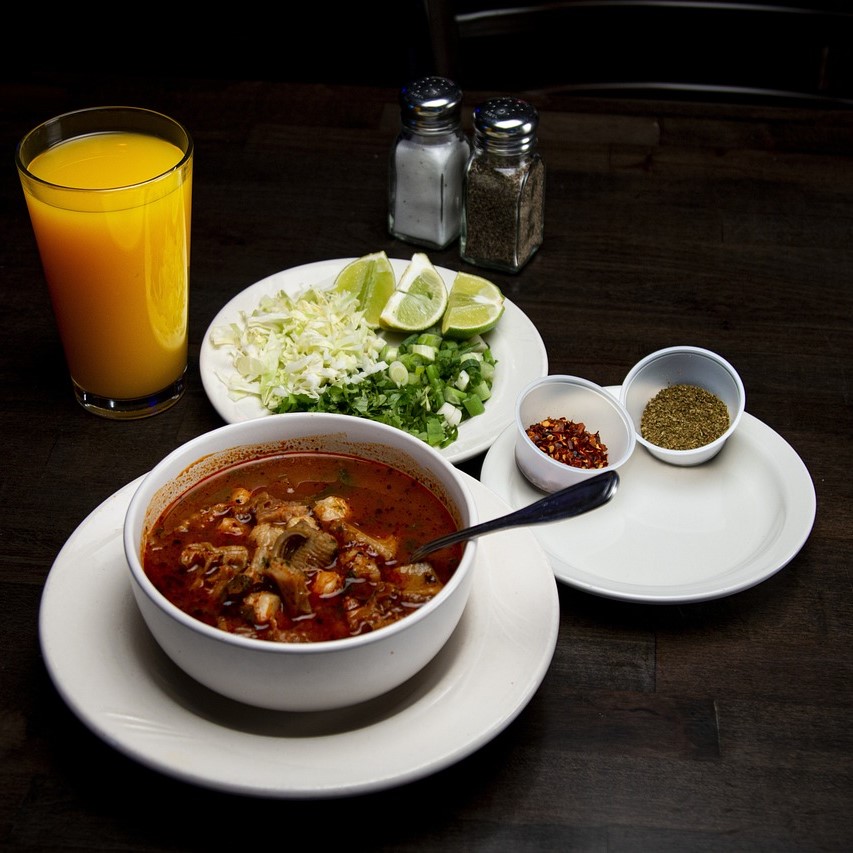
One thing I’m trying not to do when life gets busy is eat like I don’t matter.
The older I get, the more I realize what actually helps isn’t just pushing through and getting everything done—it’s giving myself one real meal.
Something warm, unhurried, and enough to remind me that even on busy days, I don’t want to treat myself like an afterthought.
#SelfCare #RealLife #BusyDays #SmallReminders #LifeLately #SlowMoments #HealthyHabits #PersonalThoughts #EverydayLife #TakeCareOfYourself
20
May 16
A cutting board that actually gets cooking.
No odor absorption, no weird stains, dishwasher safe.
Cut garlic and onions, then fruit right after — no leftover smell.
The little details really change the whole cooking experience. 🔪✨
#TitaniumCuttingBoard #KitchenEssentials #HomeCooking #KitchenFinds #CookingTok #HealthyKitchen
36
May 15
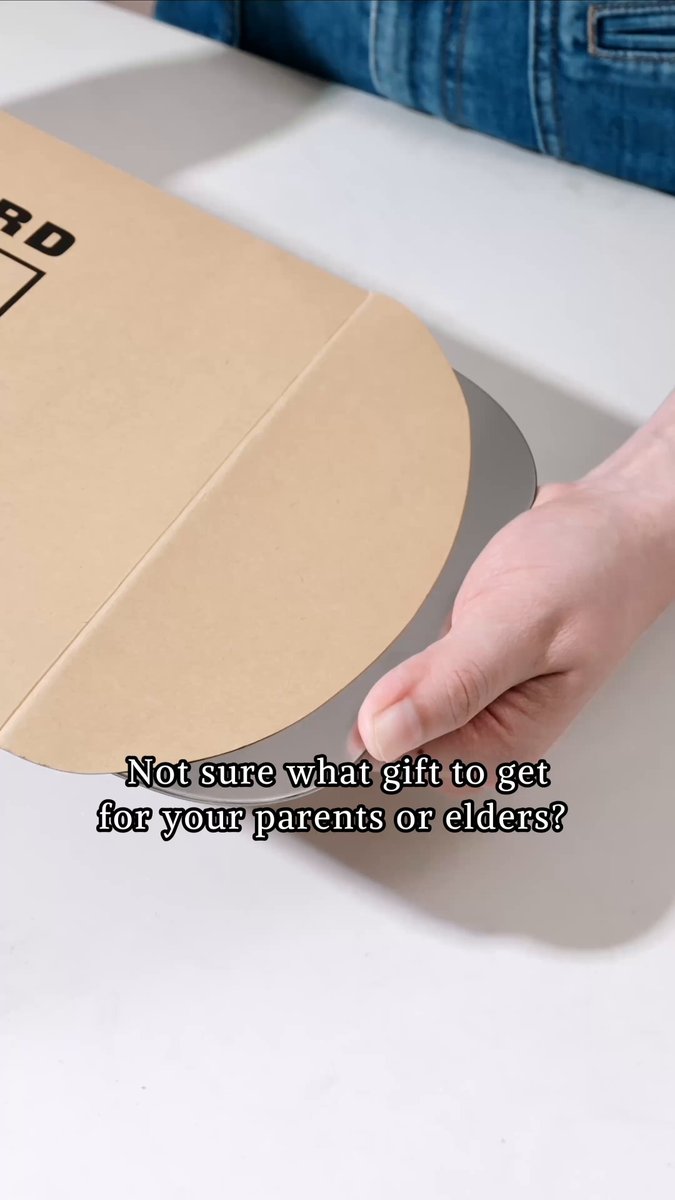
A gift for parents doesn’t need to be fancy.
It just needs to make daily life easier. 🩶
Lightweight pure titanium cutting board — clean, simple, easy to use.
#TitaniumCuttingBoard #KitchenEssentials #HealthyHome #GiftIdeas #HomeKitchen
29
May 13
Skipping carbs to lose weight? Not a good idea. Here's the real deal:
• You drop weight fast, but it's mostly water.
When you cut out carbs, your body burns through its stored glycogen. And glycogen holds onto a ton of water—so when it's gone, the water goes with it. The scale moves quick, but you're not really losing fat yet.
• You'll probably gain it all back.
No carbs long-term? Your metabolism slows down, and your cravings for bread, rice, pasta—all that stuff—just build up like crazy. The second you start eating normally again, your body goes into storage mode and packs the weight back on fast—sometimes even more than before.
• Your body will straight-up protest.
Your brain basically runs on carbs. Starve it of them, and you get moody, foggy, can't focus. Plus you might deal with bad breath, hair loss, constipation—and for women, it can even mess with your cycle.
Bottom line: Cut back, don't cut 'em out.
Swap white rice and refined stuff for whole grains or sweet potatoes. Keep it to about a fist-sized portion per meal. It'll keep you full without the carb crash, and way easier to stick with.
#WeightLoss #HealthyEating #NutritionTips #BalancedDiet #CarbsAreNotTheEnemy #FatLoss #HealthyLifestyle #Wellness #EatSmart #SustainableWeightLoss
29
May 11
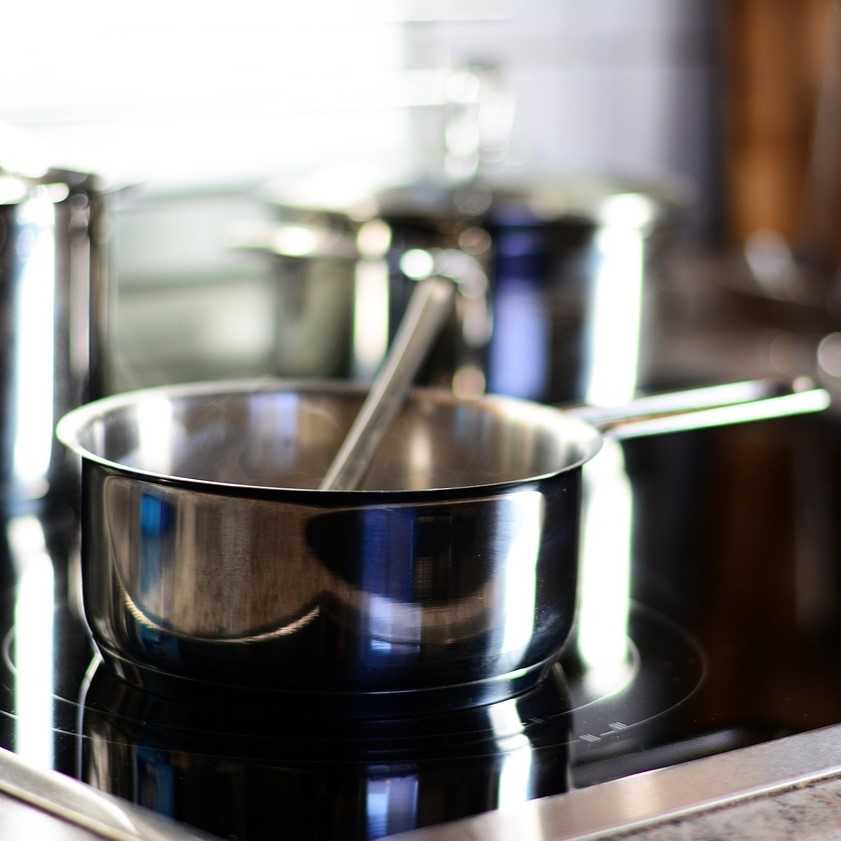
Cooking with salt—timing’s everything. Seriously, when you throw it in can totally make or break a dish, and it mostly comes down to osmosis—salt pulls moisture right out of your ingredients.
Rule of thumb: veggies go late, meat goes early, soups at the very end, root veggies somewhere in the middle.
🥬 Stir-fried leafy greens: salt ‘em right before you kill the heat
Salt too early, and your greens just weep water, turn limp and sad-looking. Wait till they’re just about done—keeps ‘em crisp and bright green.
🥩 Stir-fried meat / pan-seared steak: season ahead of time
For sliced meat or strips, a quick pre-season helps lock in flavor. For thick-cut steak or pork chops, go ahead and salt well in advance—gives the salt time to work its way in, tweak the protein structure, and hold onto those juices way better.
🍲 Soups and braises: season right before cutting the heat
Drop salt in too early? The proteins in the meat seize up too soon, leaving you with tough, dry chunks and way less depth of flavor. Way better to season at the end.
🥔 Root veggies and tofu: add salt midway through
These guys are dense, so toss in the salt when they’re about 70 to 80 percent done—they’ll drink up the seasoning evenly, but won’t turn into mush on you.
🍜 Noodles and dumplings: salt the water once it boils
Wait till the water’s at a roaring boil, then add a spoonful of salt. It firms up the dough, gives the noodles that nice chewy bite, and stops dumplings from ripping open or sticking together.
✨ Trying to cut back on salt? Sprinkle it on right before serving—the salt stays mostly on the surface, so you get way more salty pop with way less actual sodium.
#HealthyEating #LowSodium #CookingTips #KitchenTips #EatSmart #HomeCooking #HealthyLifestyle #FoodTips #WellnessTips #NutritionTips
34
May 11
Didn’t think a cutting board could make the kitchen look cleaner 😮💨✨
Love the minimalist titanium look.
Double-sided design for raw meat & fruits/veggies = way more practical.
And the smooth edges feel surprisingly nice.
#KitchenEssentials #TitaniumCuttingBoard #KitchenSetup #HomeCooking #MinimalKitchen #FoodPrep
33
May 11
Humidity destroys cutting boards 😵💫
Leave a regular cutting board near the sink for a few days… and it starts getting dark and smelly.
That’s why I like titanium.
No water absorption, easy to rinse, and stays clean even in humid kitchens ✨
#TitaniumCuttingBoard #KitchenEssentials #HealthyKitchen #HomeCooking #KitchenFinds
30
May 10
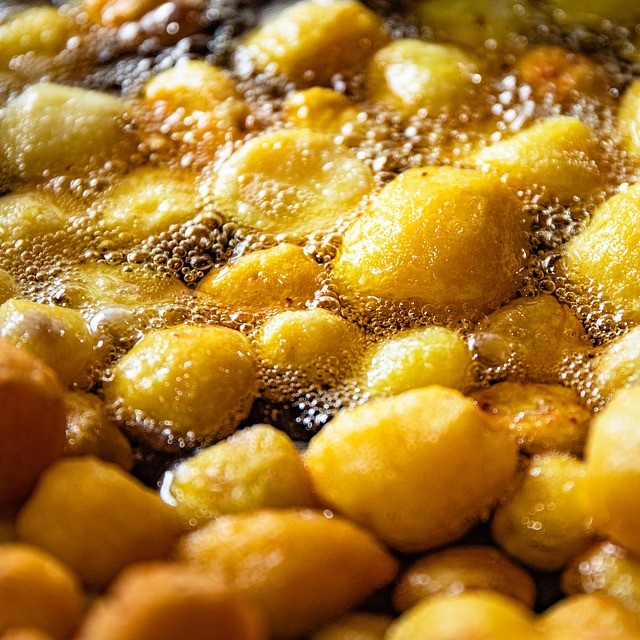
You may think you’re saving oil, but you could be adding extra stress to your body.
Oil that’s used for frying over and over breaks down each time it gets hot. It can get darker, smokier, and leave behind substances your body doesn’t need.
Oil used for fried meat or battered foods also holds more burnt bits and odors.
If the oil looks dark, smells sharp, feels sticky, or starts smoking too fast, it’s time to throw it out.
Saving a little oil isn’t worth the extra health risk.
#HealthyEating #FoodSafety #CookingTips #KitchenTips #EatSmart #HealthAwareness #HomeCooking #WellnessTips #NutritionTips #HealthyLifestyle
29