Archaeology of the Bible. Subscribe to Biblical Archaeology Review magazine & the free Bible History Daily enewsletter at BiblicalArchaeology.org.
Joined February 2009
- Tweets 26,162
- Following 665
- Followers 22,785
- Likes 1,833
1,680 Photos and videos
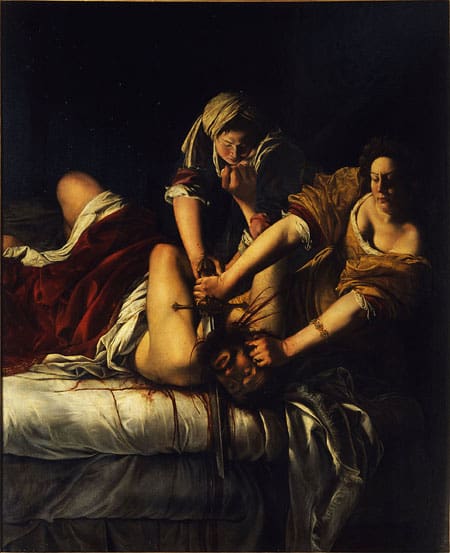
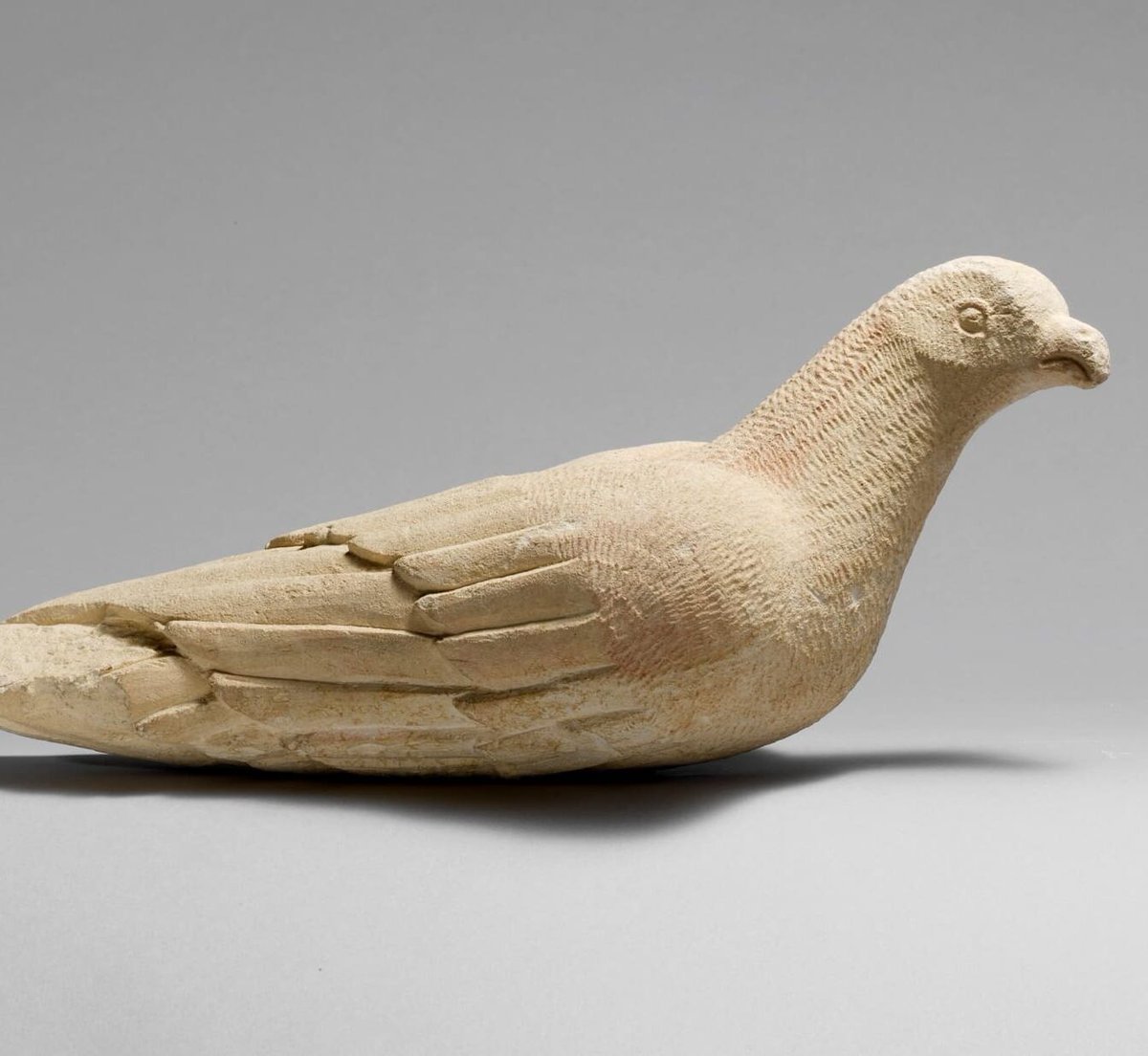
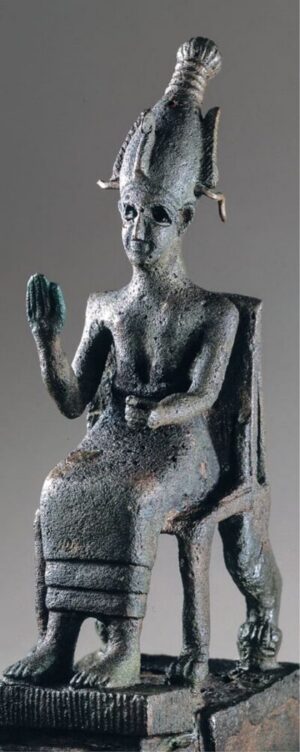
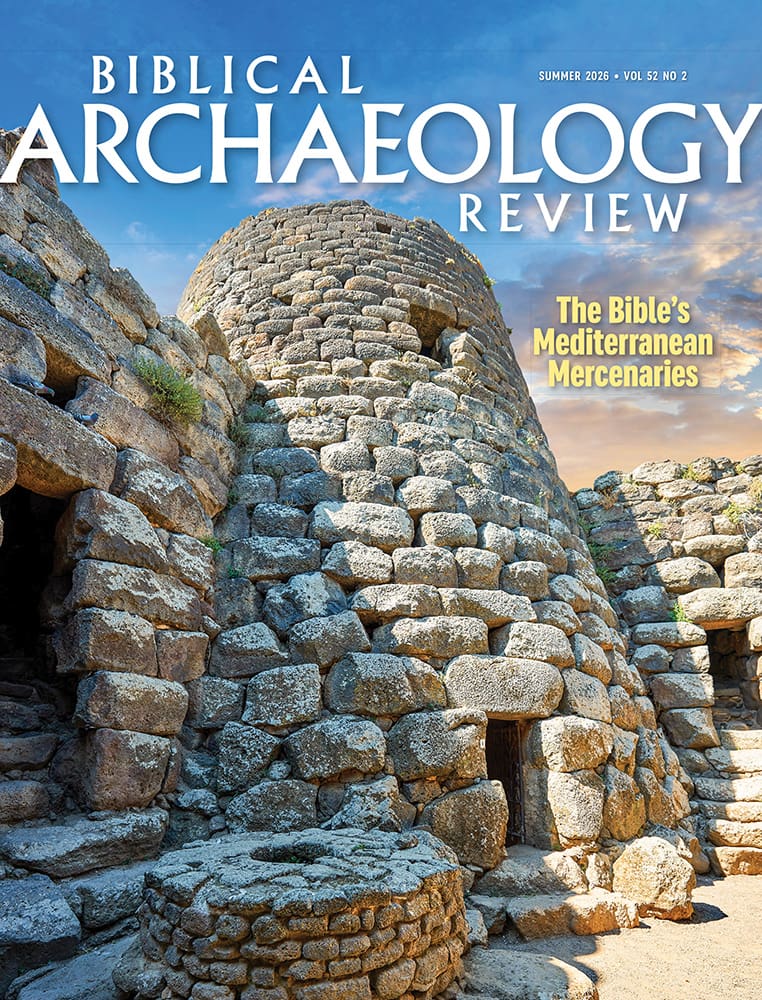
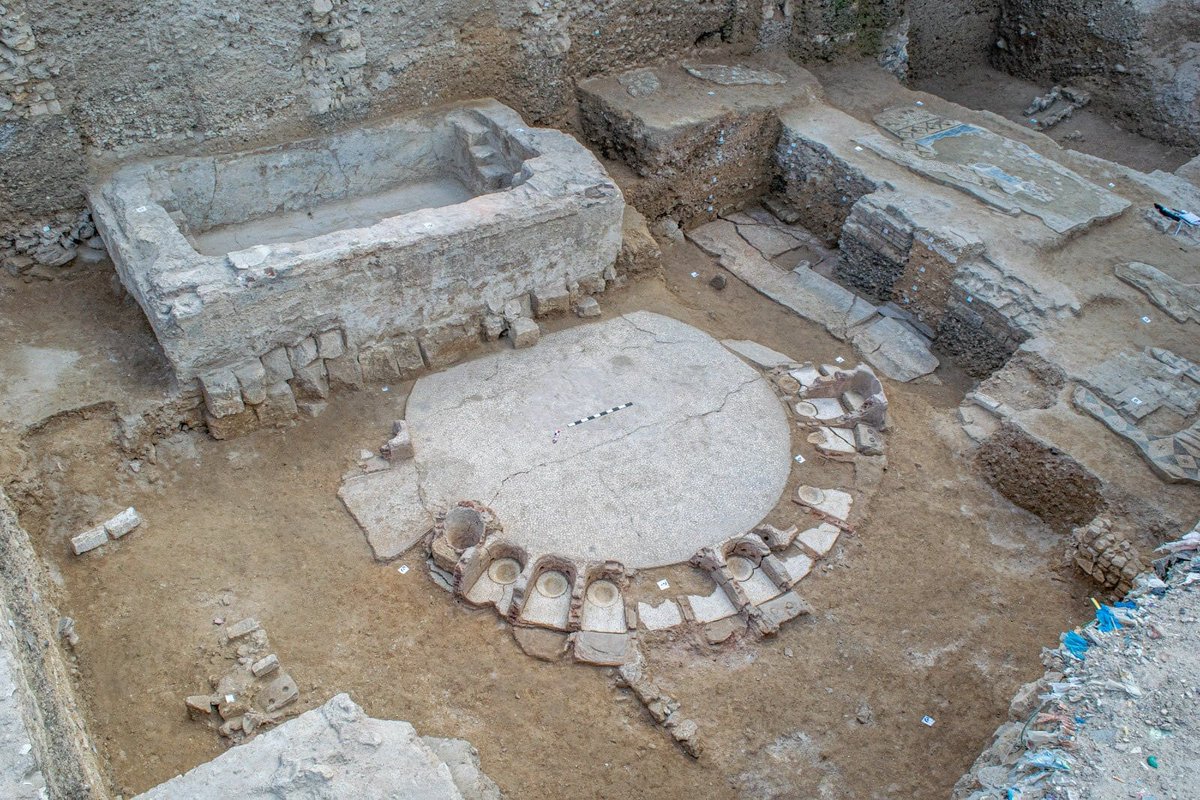



The Book of Judith presents a truly remarkable heroine. Judith is introduced as a devout, shapely, beautiful and wealthy widow who exhibits characteristics equal to those of Israel’s finest warriors.
biblicalarchaeology.org/dail…
4
235
The Siloam Pool has long been considered a sacred Christian site, even if the correct identification of the site itself was uncertain. According to the Gospel of John, it was at the Siloam Pool where Jesus healed the blind man.
biblicalarchaeology.org/dail…
2
10
426
The origins of Jewish dietary laws have long been the subject of scholarly research and debate. Regardless of their origins, however, these age-old laws continue to have a significant impact on the way many observant Jews go about their daily lives.
biblicalarchaeology.org/dail…
2
3
319
The Euphrates River was one of the great arteries of the ancient Near East. Flowing from modern-day Turkey through Syria and Iraq before joining the Tigris and emptying into the Persian Gulf, it supported some of the world’s earliest cities and empires.
biblicalarchaeology.org/dail…
2
4
318
Although often overshadowed by their male counterparts, prophetesses in the Bible play an important role. Yet, their role does not always match our common understandings of biblical prophets.
biblicalarchaeology.org/dail…
2
269
In the field of biblical archaeology, biblical texts and archaeological finds must be examined critically and independently, but ultimately, they must be interpreted together.
biblicalarchaeology.org/dail…
3
7
385
Between the 4th and 6th centuries, the Roman province of Syria saw an unprecedented boom in Christian worship. Early Christian communities thrived especially on the Aleppo Plateau, where agriculture and trade generated considerable wealth and prosperity.
biblicalarchaeology.org/dail…
1
2
3
312
This question is not as simple as it appears. There is plenty of evidence from archaeology and the Biblical texts, but the two sources of information are not compatible, which adds an element of mystery to this ancient kingdom
biblicalarchaeology.org/dail…
1
1
3
302
A recent article by archaeologist Erez Ben-Yosef has reignited debates about nomadic societies, the kingdom of Edom, and, by implication, how the Bible has been used to interpret the archaeological record.
biblicalarchaeology.org/dail…
1
2
363
Reading the Book of Amos in context
biblicalarchaeology.org/dail…
3
361
Banias is one of the more breathtaking natural archaeological sites in the Holy Land. Known in the New Testament as Caesarea Philippi, the site features a large spring-fed cavern surrounded by the ruins of Roman-era temples at the foot of Mt. Hermon.
biblicalarchaeology.org/dail…
1
2
10
409
The Bible records that the Phoenicians had a close relationship with the Israelites: Their royalty married each other; they traded with each other; and, significantly, they never went to war with each other.
biblicalarchaeology.org/dail…
1
4
382
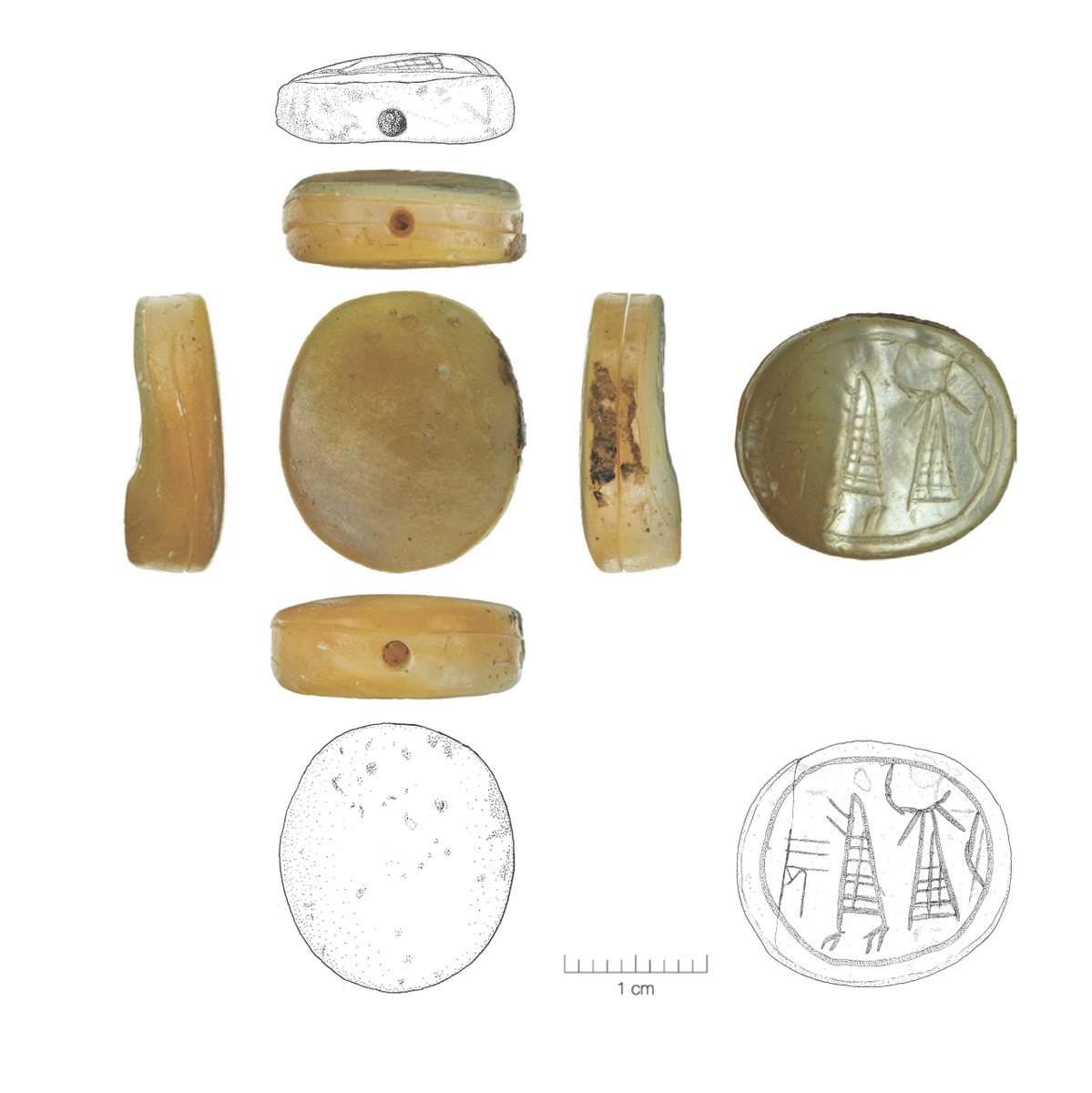
A rare shell seal has been discovered at Tel Hadid in central Israel with religious imagery involving a moon standard, a worshiper, and a possible altar.
biblicalarchaeology.org/dail…
ALT multiple angles of view on a shell seal from above, with drawings below. Credit: Ido Koch; photograph by Sasha Flit, drawing by Ulrike Zurkinden.
1
7
293
In 1 Corinthians 6:15–17, Paul admonishes the Corinthian Christians for their casual attitude toward sexual sin, specifically calling out those who solicit prostitutes.
biblicalarchaeology.org/dail…
258
Were Early Christians Class Conscious? biblicalarchaeology.org/dail…
1
2
3
367
Ancient Israel’s neighbors east of the Jordan biblicalarchaeology.org/dail…
3
556
A new study from the Pre-Pottery Neolithic B site of Moza, just west of Jerusalem, argues that the site’s prehistoric residents mastered a sophisticated plaster technology nearly 9,000 years ago. biblicalarchaeology.org/dail…
1
1
8
472
The biblical region that shaped two faiths
biblicalarchaeology.org/dail…
1
3
319
A short history of ancient Egyptian language
biblicalarchaeology.org/dail…
5
332
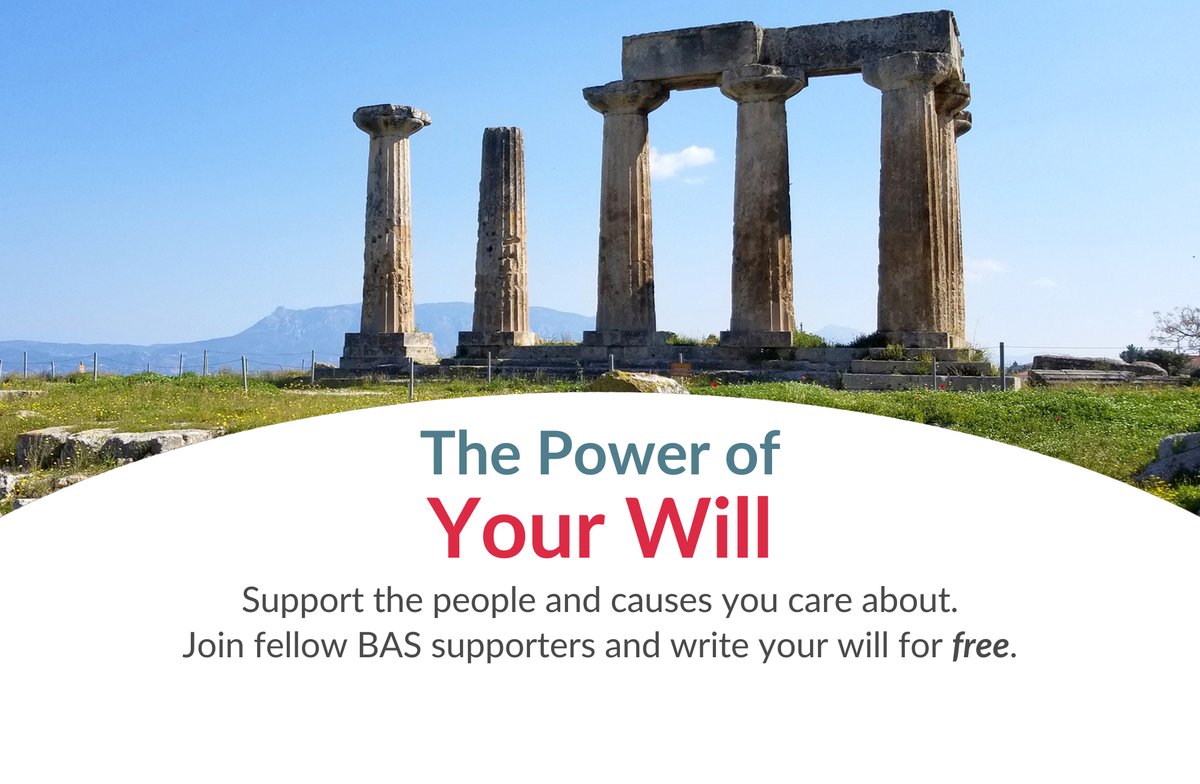
Creating or updating your will may be easier than you think. If you’d like, you can also include a gift to help sustain the study of biblical archaeology for future generation.
Start today at GivingDocs.com/bas
1
1
351