
We fight to make banking safer every day.
Joined June 2014
- Tweets 4,018
- Following 471
- Followers 1,516
- Likes 761
Photos and videos

We’ve reached a critical inflection point.
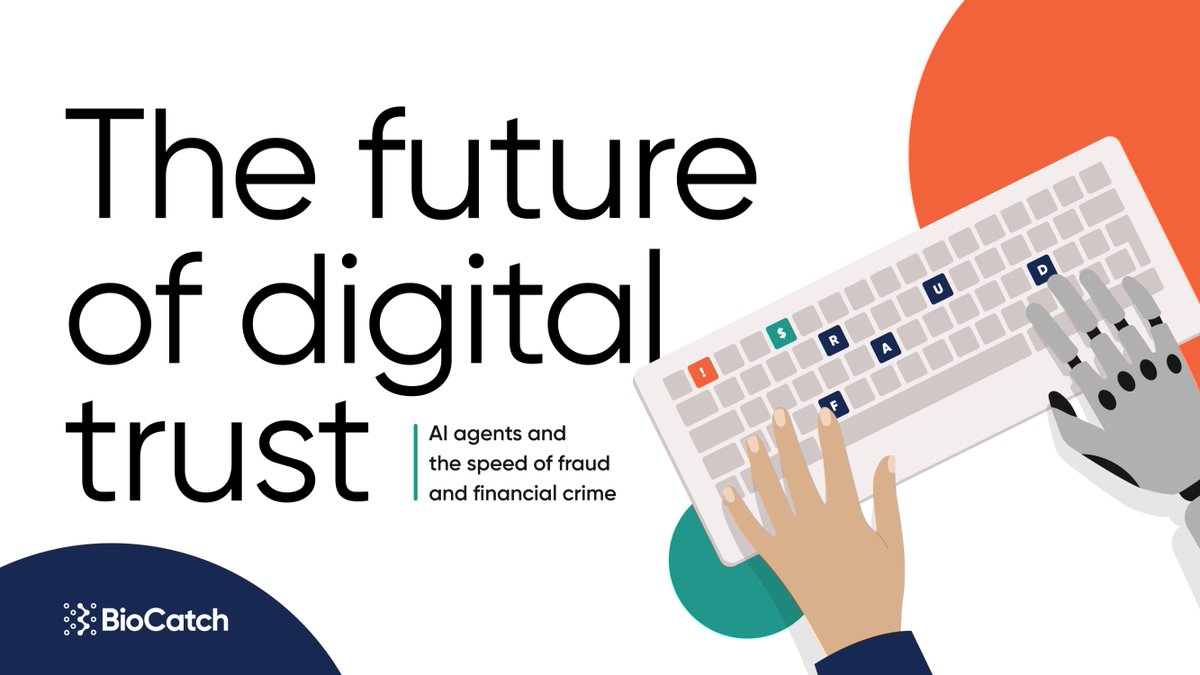
Fraud, scams, and financial crime have become a global crisis, and AI is accelerating the threat faster than institutions can respond.
Today, BioCatch is releasing “The future of digital trust”, our keystone global industry survey examining how financial institutions are preparing for what’s next.
To produce this year’s report, BioCatch surveyed 1,440 fraud, financial crime, risk and compliance leaders across 25 countries to understand the challenges, priorities, and strategies shaping the industry today.
View an interactive version of the report here: okt.to/h5c2iV
Download the static .pdf here: okt.to/3oIMhz
#FinancialCrime #FraudPrevention #BankingIndustry
1
19
How do leading banks approach the intersection of fraud management and digital growth?
Join us June 16 at 11 a.m. ET to hear from practitioners who've tackled this challenge:
• Kevin Purkiss, former VP of fraud management at RBC
• Ken Palla, former director of fraud strategy at Union Bank
• Mohamed Manji, former VP of fraud management group at TD Bank
• Suzanne Sando, lead analyst, fraud management at Javelin Strategy & Research
They'll share strategies for building onboarding experiences that balance acquisition, engagement, security, and customer trust.
Register now: okt.to/gXFEIq
#FinancialCrime #FraudPrevention #BankingIndustry

21
BioCatch has been named Data Collaboration award winner in the EMEA region at @Snowflake's 2026 Data Drivers Awards for enabling secure data sharing and ecosystem collaboration at scale.
Thank you to our team and customers for making this recognition possible.
Learn more about the award: okt.to/IK0EZv
#FinancialCrime #FraudPrevention #BankingIndustry

1
18
Financial institutions understand the direct costs of fraud. Reimbursements, write-offs, and fraud losses are line items that appear on reports and drive conversations in risk committees.
Mule accounts don’t work that way.
The cost of a mule account is spread across the entire institution that harbors it. Mules appear as operational drag, with AML teams overwhelmed by Suspicious Activity Reports, each taking more than 21 hours to complete. They result in inflated fraud case volumes, distorted digital onboarding metrics, and frustrated customers flagged and frozen. These costs accumulate across more than a dozen different teams, from onboarding to regulatory reporting, with no single owner of the problem.
In the latest in his precision pays series, Jonathan Frost examines the value of precision in disrupting mule networks: okt.to/pHUQkW
#FinancialCrime

25
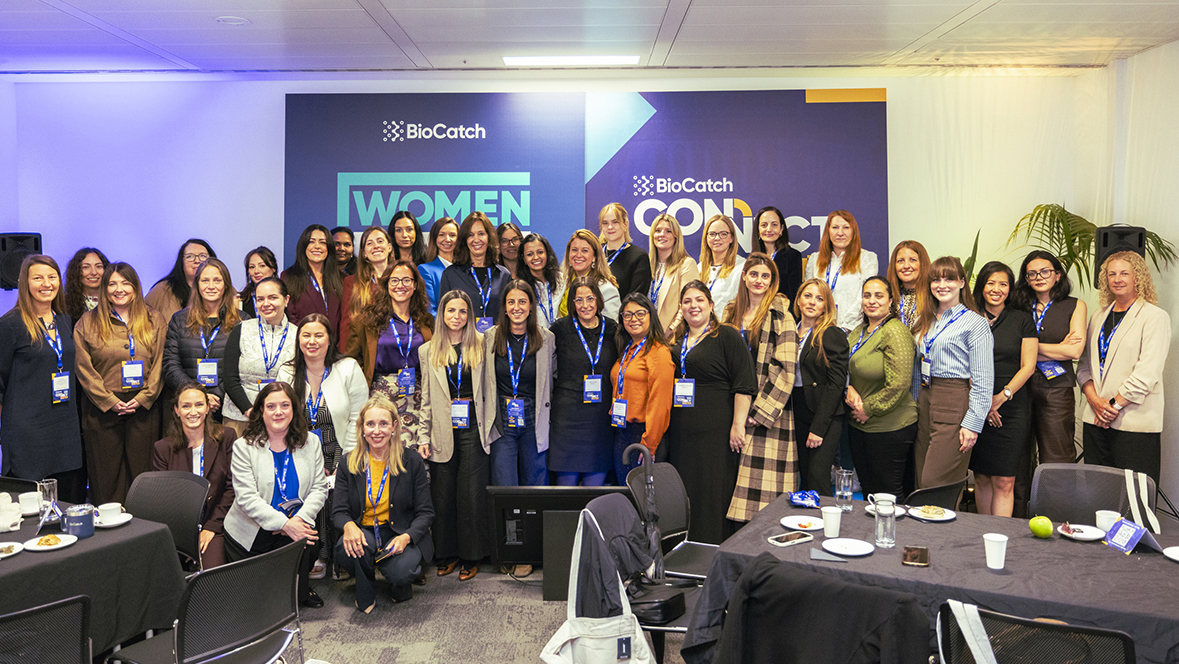
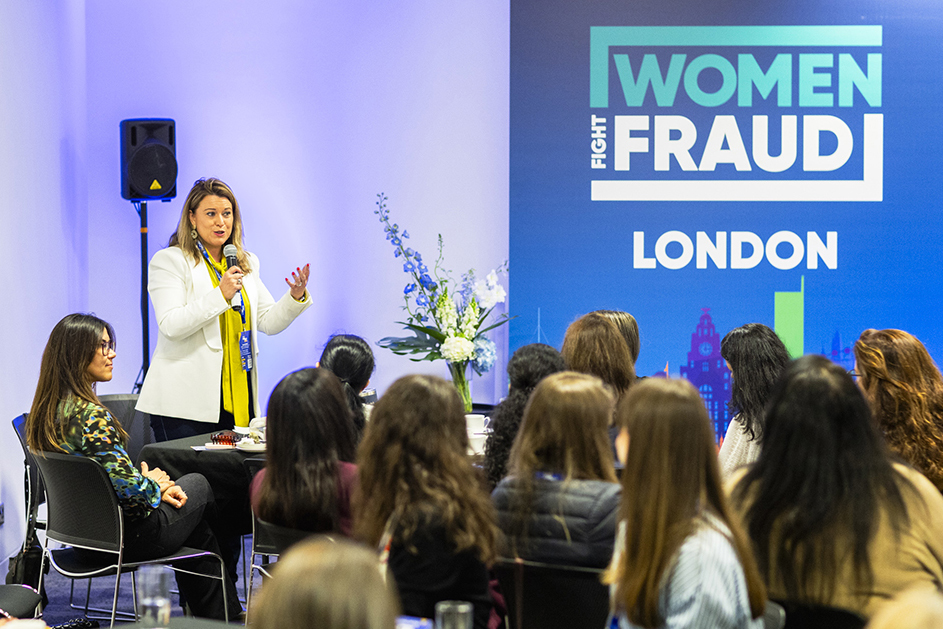
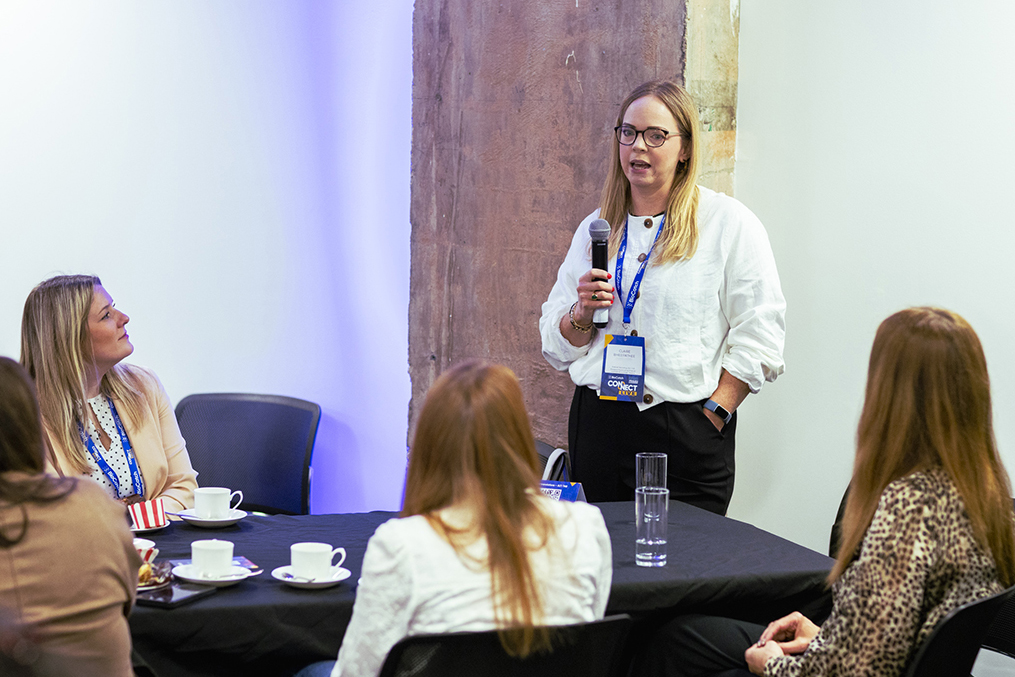
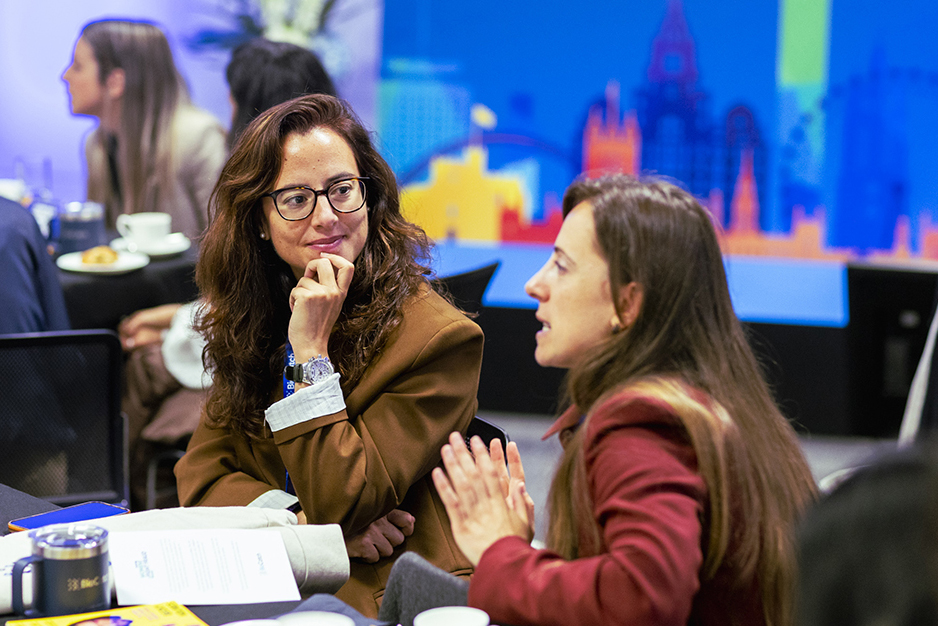
Fraud prevention is a team effort, and Women Fight Fraud London was a reminder of how strong this part of the team is.
Women from across banking, fraud, financial crime, cyber, and operations came together over breakfast. Not to talk shop, but to talk to each other.
Honest conversation, real connection, and the kind of community that reminds you you're not doing this work alone.
Thank you to our speakers Claire Bheepathee and Jessica Letterman and to everyone who showed up and shared.
Until next time.
1
1
34
As real-time payments and mobile-first banking accelerate across Asia, fraud is moving faster than ever.
Fraudsters are intercepting OTPs, hijacking banking sessions, and moving stolen funds in minutes, forcing banks to rethink how trust is established.
In our latest blog, Subhashish Bose explores how APK fraud, malware, and device compromise are reshaping fraud across APAC, and why banks increasingly need to understand the full context behind every interaction — the device, app environment, network, and customer behavior — to make smarter trust decisions in real time.
Read now: okt.to/MFYIV5
#FinancialCrime #FraudPrevention #BankingIndustry
23
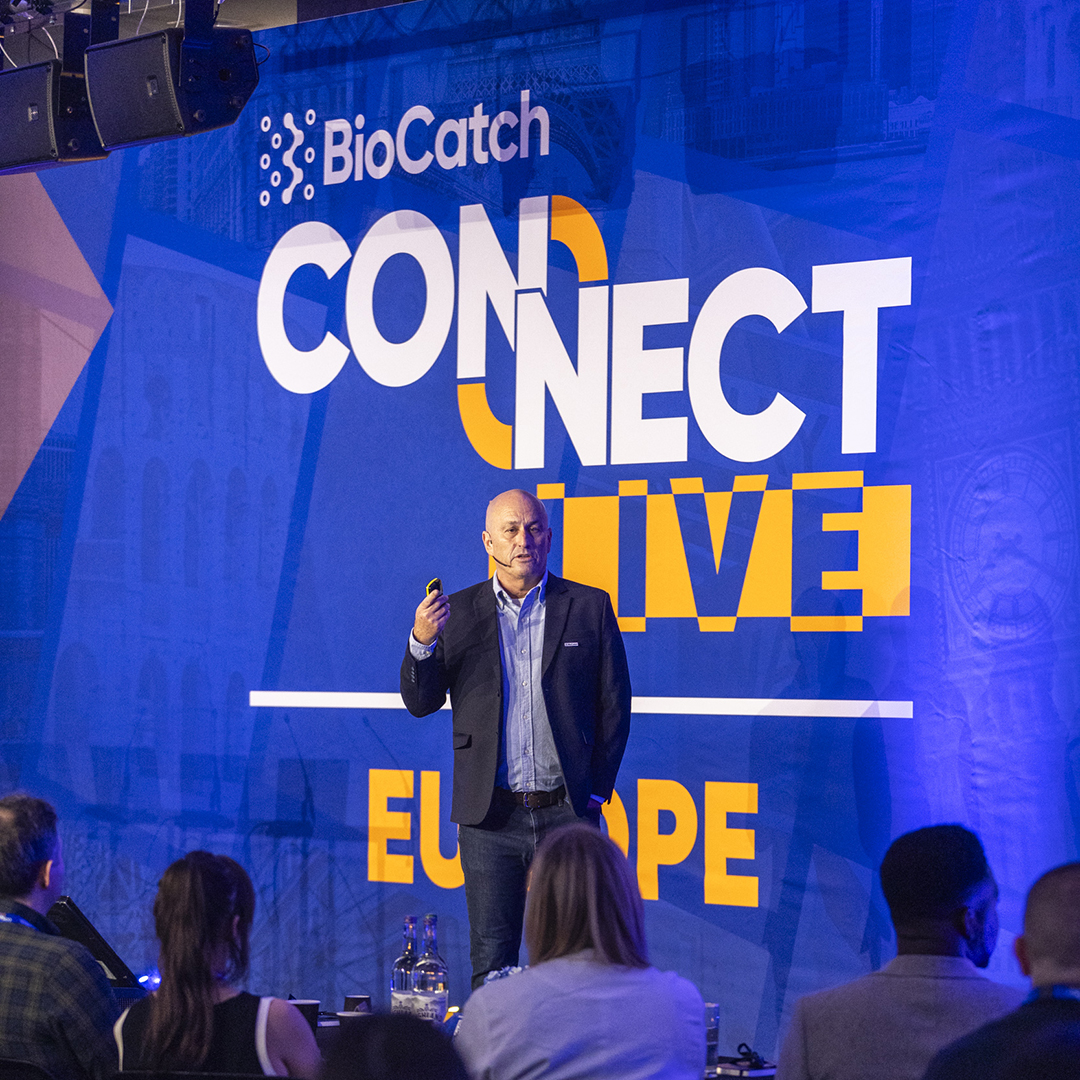
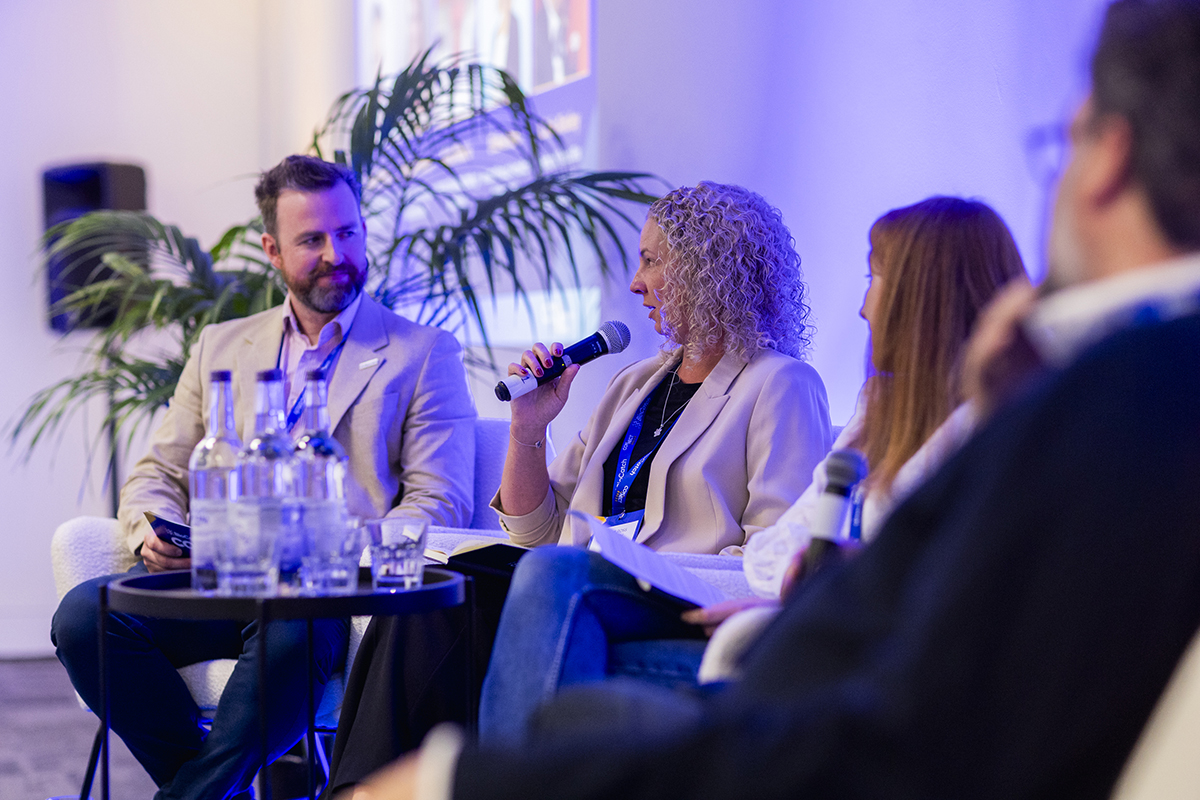
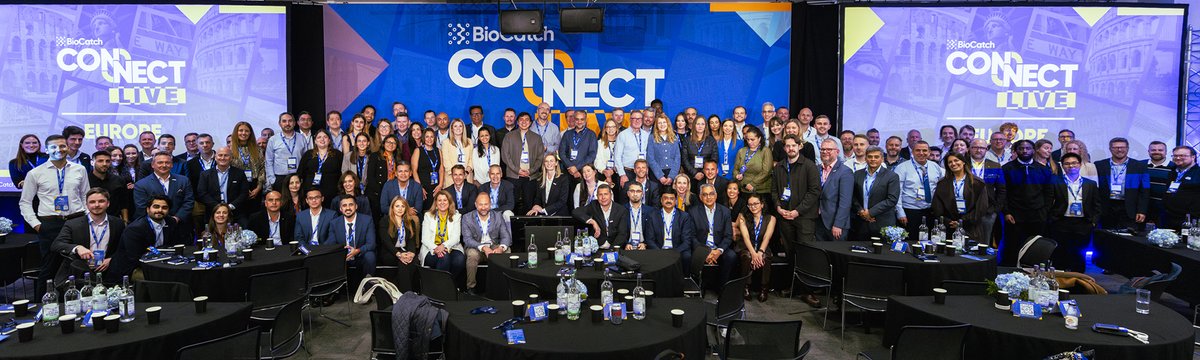
Fraud and financial crime leaders from across Europe gathered in London to share insights and discuss the future of fraud prevention.
Our keynote speaker, Nick Stapleton, journalist and documentary filmmaker known for his undercover investigations into scams, brought a powerful perspective on the real human cost of fraud.
From scams and mule accounts to agentic AI and digital banking risk, the conversations reflected how quickly, and how deeply, the fraud landscape is shifting.
Thank you to everyone who joined us for ConnectLIVE Europe.

16
For a long time, one of the most popular blogs on our site has been this post from 2022: What is behavioral biometrics?
Much has changed (at BioCatch, in banking, and in the world) over the last four years, so our Sharell Barshishat thought it was time for an update.
Read his latest blog: okt.to/W7G0vP
#FinancialCrime #FraudPrevention #BankingIndustry
1
51
BioCatch retweeted

May 15
[IN CONVERSATION] South Africa’s digital banking growth is increasing convenience for consumers, but it is also intensifying fraud risks as criminals exploit digital platforms, instant payments, and AI-driven scams, according to @BioCatch research. The study found that 75% of banking leaders reported a rise in fraud attempts, while 79% said losses are increasing, with many estimating losses above $5 million.
Jonathan Frost warns that criminals are shifting to social engineering tactics and calls for more coordinated, cross-sector fraud prevention measures, as CNBC Africa’s @Retha_Jae reports.
#CNBCAfrica #DigitalBanking #FraudRisk #SouthAfricaFinance
2
5
665
We recently surveyed 100 fraud and financial crime leaders at banks across South Africa on the biggest pressures they face, the threats they’re watching most closely, and their readiness for the regulatory and technological shifts ahead.
To access the full report, click here: okt.to/ZDQEzA
#FinancialCrime #FraudPrevention #BankingIndustry
1
17
A new episode of Nick Stapleton's Scam Clinic is out.
In Episode 4, Nick speaks with Manish Agrawal, vice president of credit intelligence and control at HDFC Bank in India, starting at around 12:20.
The topic: the voice of authority. Scammers go out of their way to seem important, unreachable, and in control. Manish explains how it all comes down to greed and fear.
Give it a listen:
• Spotify: okt.to/1zL5Jy
• Apple Podcasts: okt.to/wdLDq0
#FinancialCrime #FraudPrevention #BankingIndustry
37
The U.K. changed the rules of fraud liability. Will Europe follow suit?
In 2024, the U.K.’s APP reimbursement rules introduced shared liability between sending and receiving institutions, forcing a more coordinated, system-wide response to scams.
Now, attention is turning to Europe. With PSD3 on the horizon, liability is set to expand across the payment chain, from banks to PISPs and beyond. For fraud and risk leaders, this isn’t just another regulatory update. It’s a structural reset.
What does that mean in practice?
Our Heidi Bleau breaks it down in our latest blog and infographic.
Read more: okt.to/oWR9BN
#FinancialCrime #FraudPrevention #BankingIndustry
1
23
In scam prevention, false positives carry real costs: unnecessary investigations, added friction, damaged trust, and customer attrition.
In his latest piece in our "precision pays" series, Jonathan Frost explores why what effective scam controls don't flag matters as much as what they do.
Read his complete piece here: okt.to/46RI5d
#FinancialCrime #FraudPrevention #BankingIndustry
22
The Office of the United Nations High Commissioner for Human Rights (OHCHR) estimates 300,000 people trafficked 66 countries currently work in sprawling scam compounds against their will. Estimates for the combined annual proceeds of those camps exceed $60 billion.
“We’ve got half a million people in modern-day slavery in 2026,” said Erin West, founder and president of Operation Shamrock.
In our latest Dark Economy story, we hear from one of those victims, Small Q, a 23-year-old Ugandan national who shares what life was like inside one of these compounds and the dangerous path he took to escape.
“Everyone was holding guns and wearing uniforms,” Small Q said. “I was like, have these people mistaken me for someone else? But then they introduced me to my supervisor, who actually told me very openly: ‘You are here to scam. You are in Myanmar. Do what we tell you to do if you want to survive in this place.”
Read the full story here: okt.to/NVgFt4
#DarkEconomy

1
27
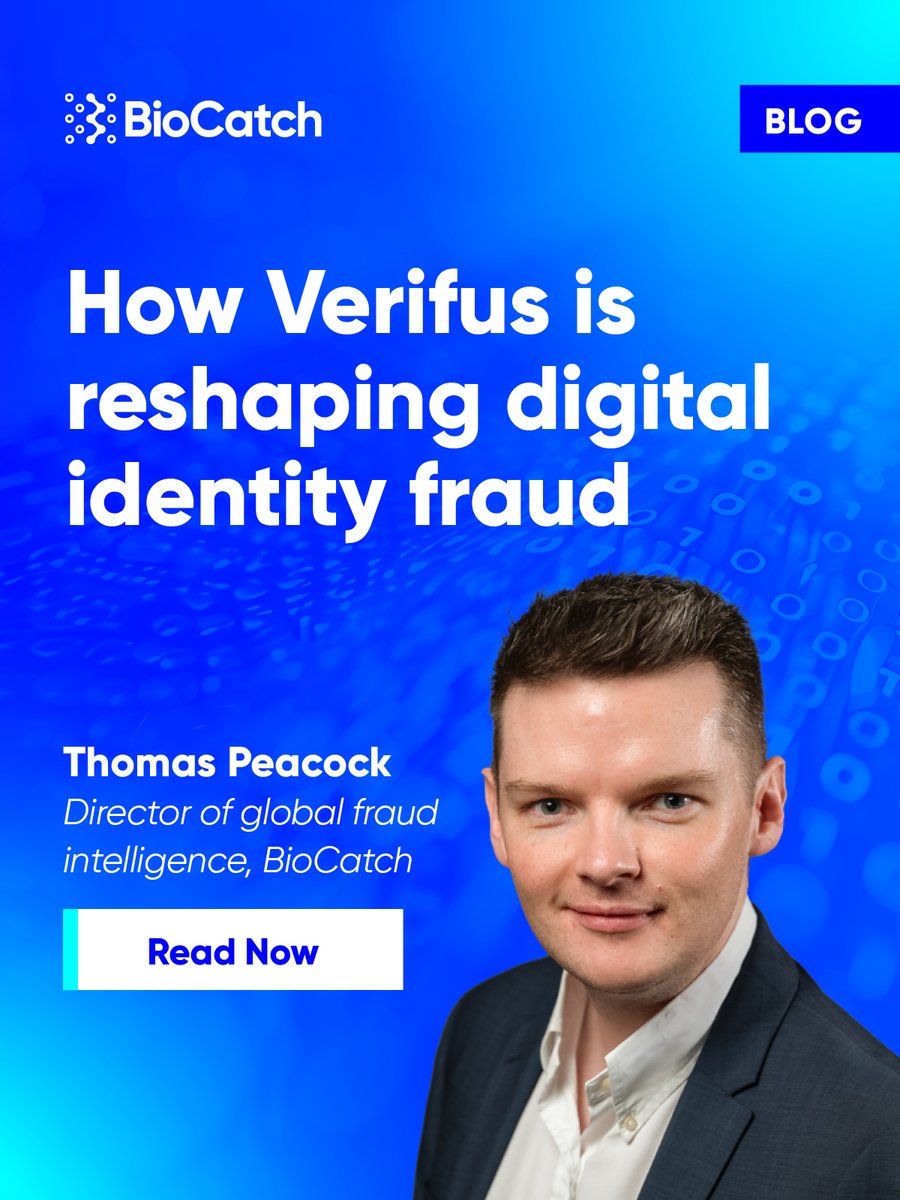
Digital identity verification is now central to how banks and fintechs onboard customers. Most systems rely on selfie videos and liveness checks to confirm a real person is present. The assumption is simple: If the camera is live, the user is physically there.
A growing selection of AI tools are now rendering this assumption incorrect. In a new blog, our Thomas Peacock looks at one of these tools used by criminals to create deepfakes for account opening, and how behavioral intelligence can recognize the use of these tools in real time.
Read his complete piece here: okt.to/aGet3J
#FinancialCrime #FraudPrevention #BankingIndustry
1
55
The latest episode of Nick Stapleton's Scam Clinic is out.
At around 20:10, Nick sits down with Shakira Brannan, assistant vice president of risk at Signal Financial Federal Credit Union.
They discuss the isolation tactic: the scammer habit of cutting victims off from friends, family, and anyone who might slow them down.
As Shakira puts it, scammers don't want you getting a second opinion.
Give it a listen:
Spotify: okt.to/qQzSot
Apple Podcasts: okt.to/0LZnBv
#FinancialCrime #FraudPrevention #BankingIndustry

34
In 2025, nearly 50 U.S.-based financial institutions on the @lumindigital platform utilized BioCatch solutions to prevent an estimated $46 million in fraud losses.
In a new blog, BioCatch threat analysts Hannah Jacobson and Justin Hochmuth unpack those numbers and look ahead to the deployment of BioCatch's Mobile SDK for Lumin Digital customers.
Read their piece here: okt.to/XS1Wqb
#FinancialCrime #FraudPrevention #BankingIndustry

1
38
PSD3 makes fraud, data, and liability a board-level issue, yet in many institutions, ownership is still fragmented across payments, compliance, and financial crime teams.
That disconnect creates real risk.
In our latest blog, Nicolas Strömbäck breaks down what’s changed, why it matters now, and what industry leaders need to do to take control.
Read now: okt.to/onQ16Y
#FinancialCrime #FraudPrevention #BankingIndustry
1
32
What does it take to tackle mule account risk at scale?
National Australia Bank (@NAB) recognized that mule profiles aren’t just marginal or low-value customers. They represent measurable financial crime risks.
Using BioCatch’s Mule Account Detection model, NAB identified 22,000 high-risk profiles, refined that list to 10,000, and achieved better than 99% accuracy in the process.
The result? A powerful example of how financial institutions can build an enterprise-wide approach to detect and act on mule activity with confidence.
Check out the full case study to see how NAB approached this challenge and what others can learn from their success: okt.to/8LJabZ
#FinancialCrime #FraudPrevention #BankingIndustry
39
Mule accounts don’t always create visible financial losses, but they do create real costs.
Across operations, compliance, and fraud teams, these accounts quietly drain resources while generating little long-term value.
Today, in partnership with The Knoble, we’re introducing a new mule account cost calculator to help institutions better quantify this hidden impact. Our Heidi Bleau shares what she learned in the process.
Read on: okt.to/rKoAke
#FinancialCrime #FraudPrevention #BankingIndustry
33