
There aren't enough ecology sims out there. I think I'm gonna try to make one.
Joined January 2017
- Tweets 580
- Following 306
- Followers 8,204
- Likes 1,048
218 Photos and videos
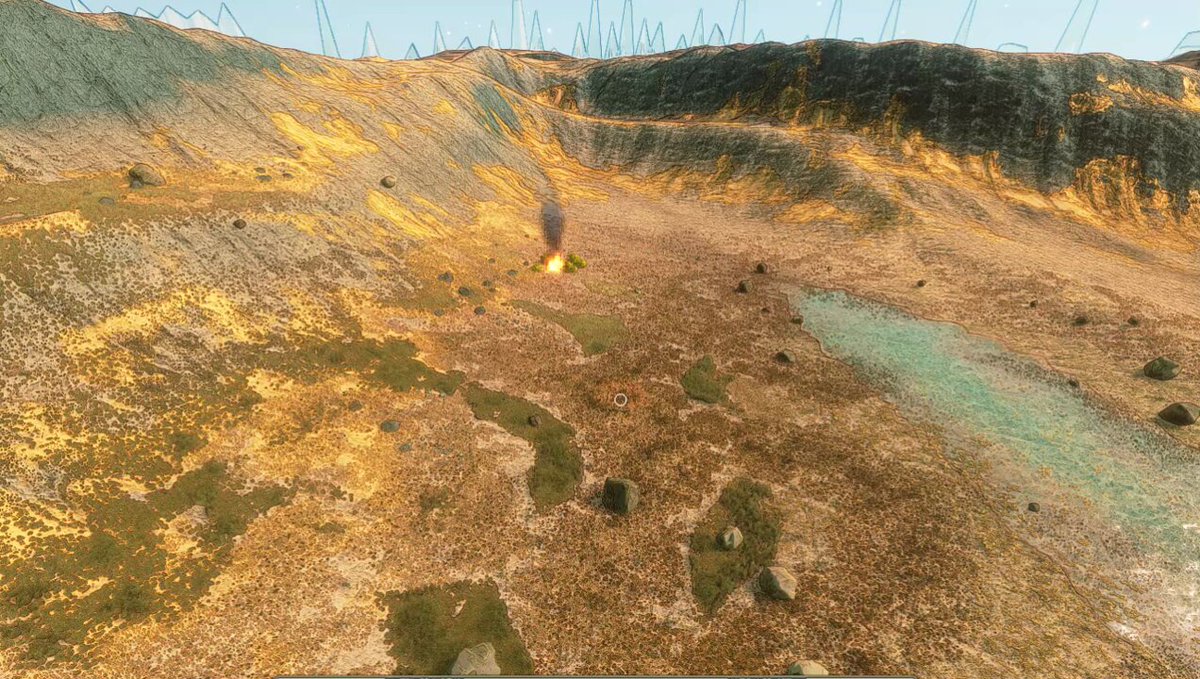
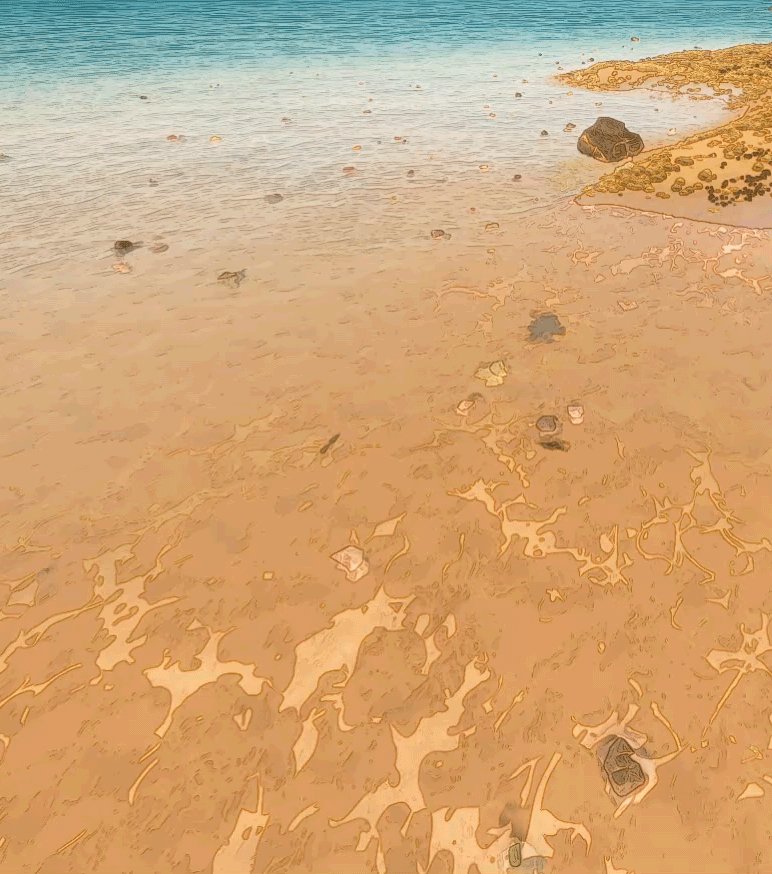
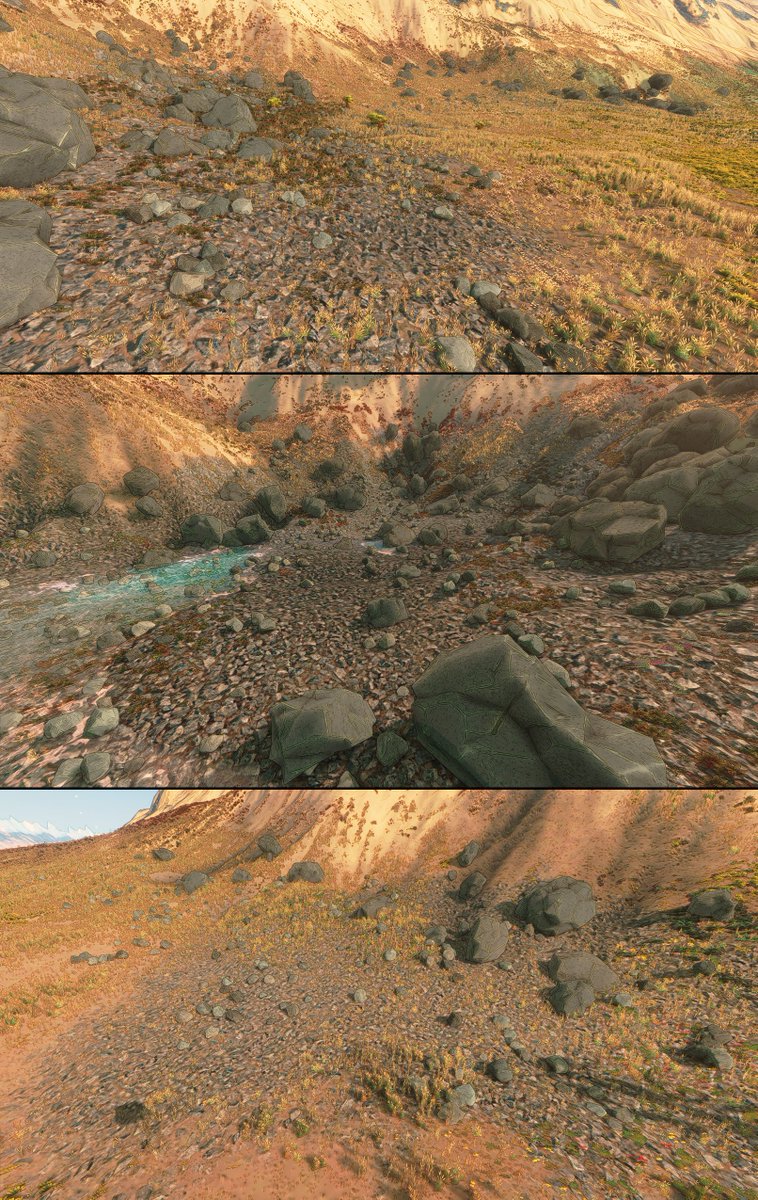
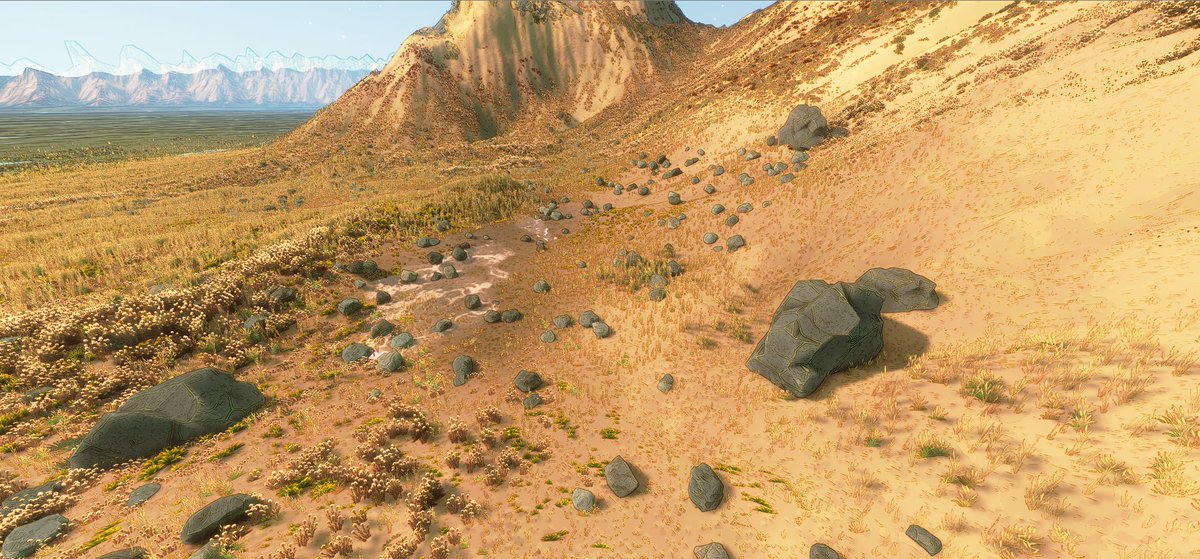
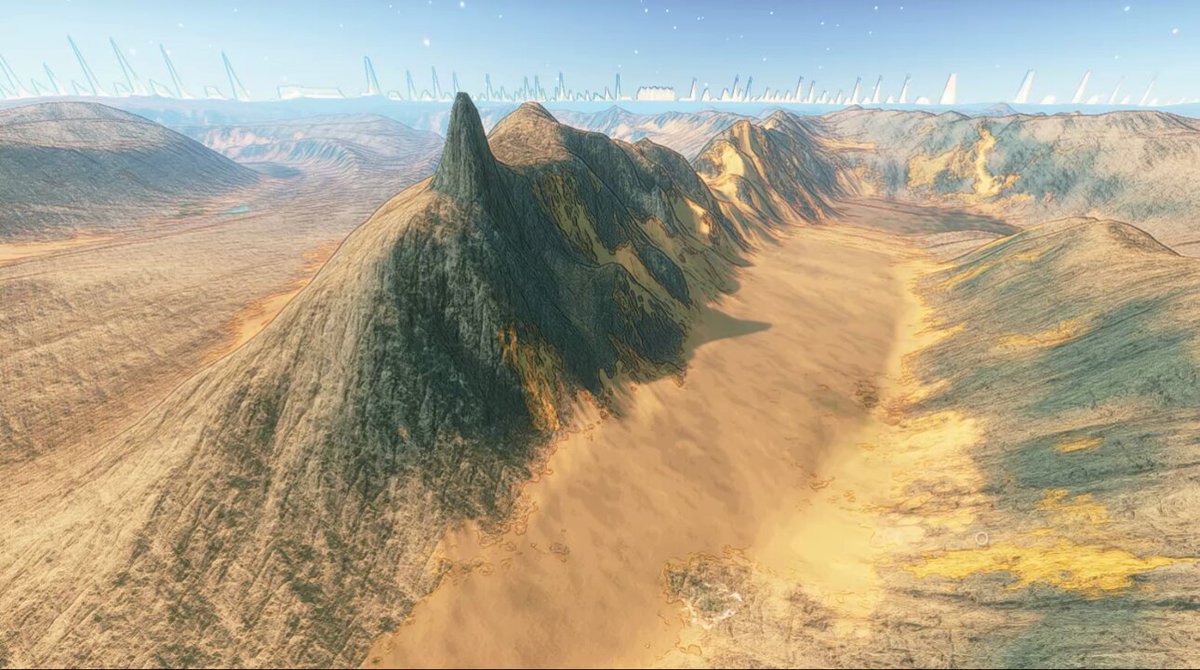
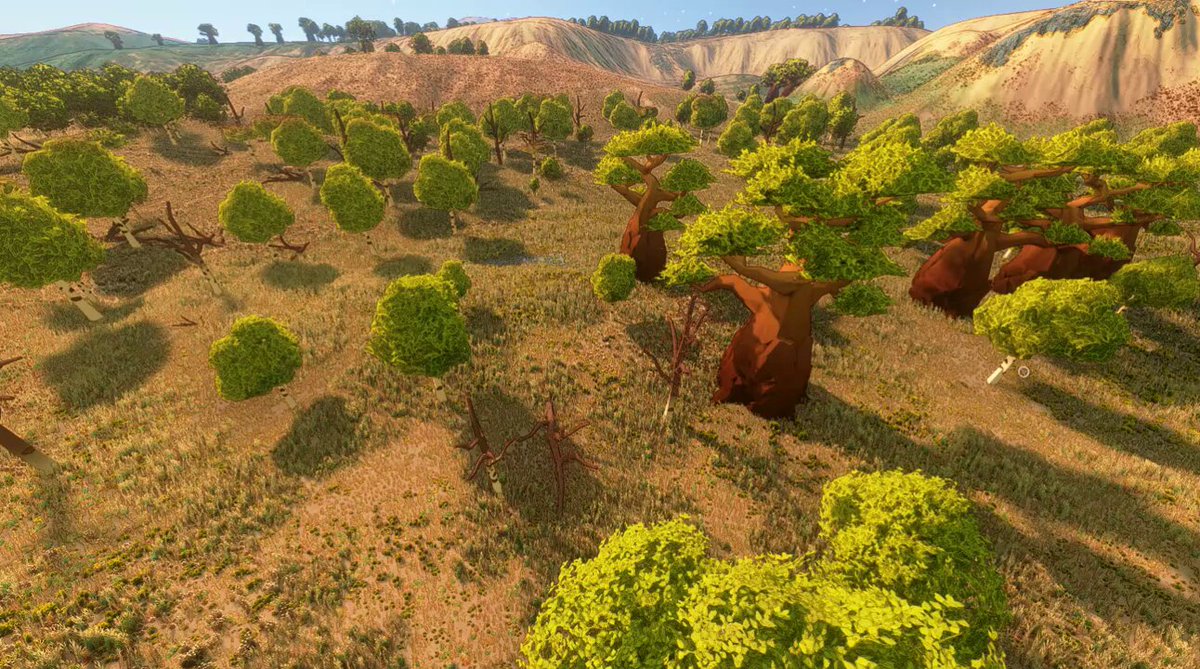
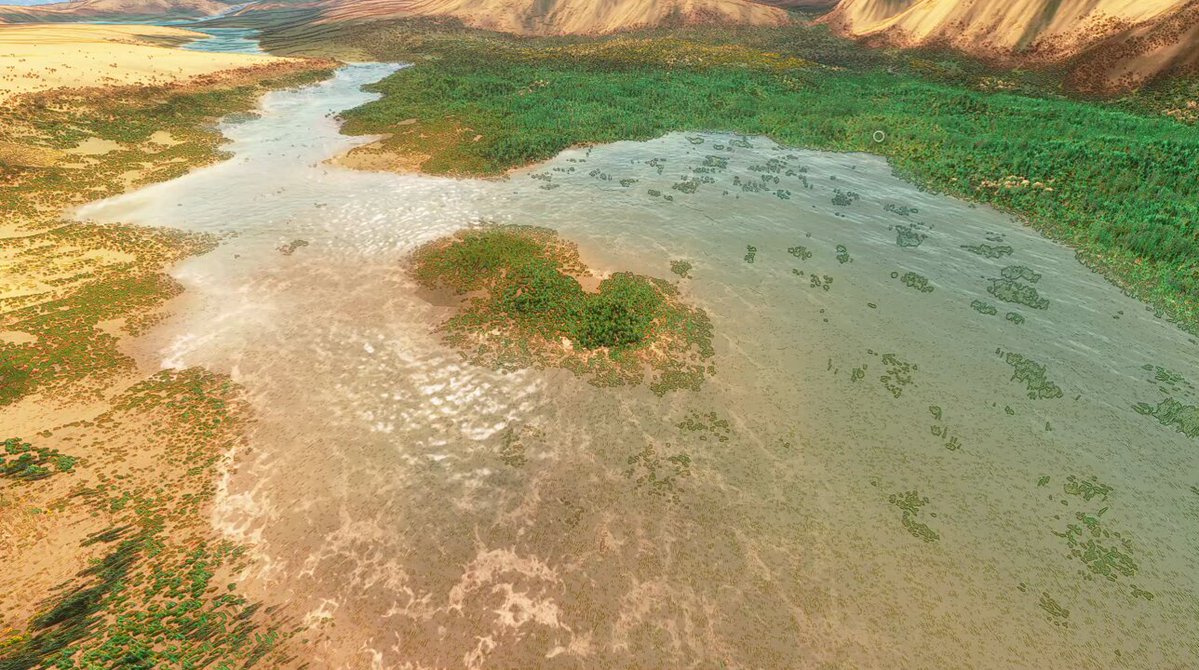
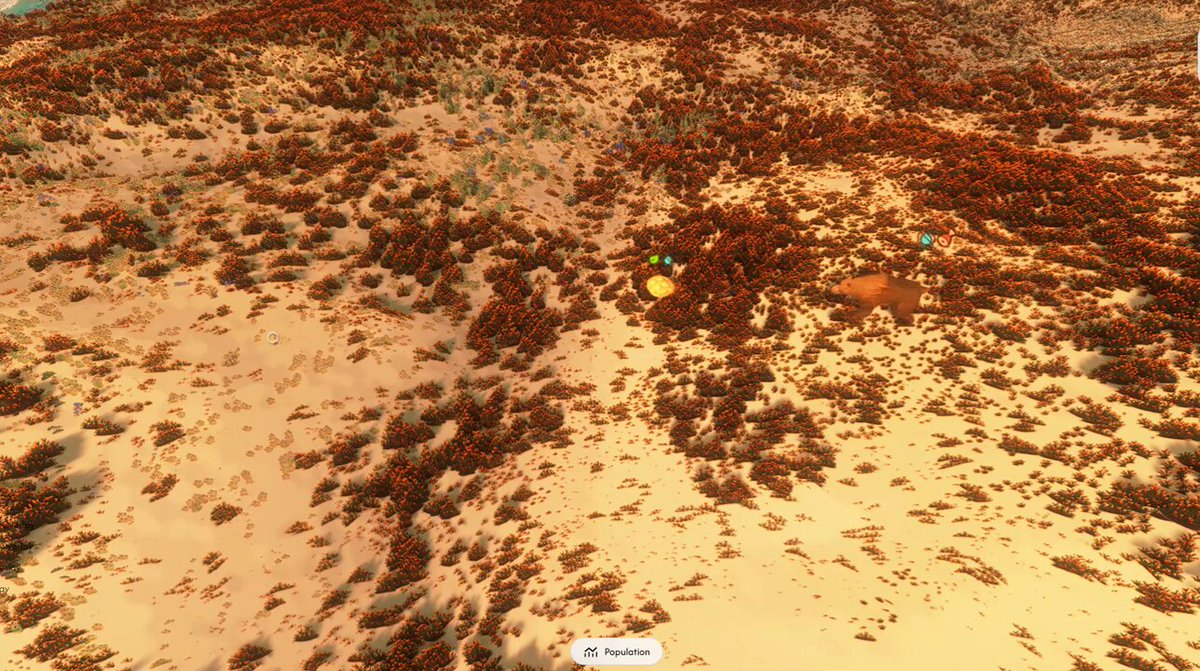

Jun 12
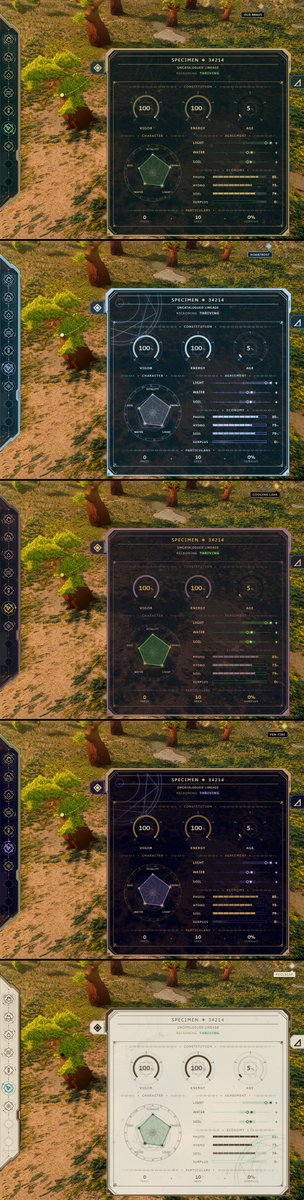
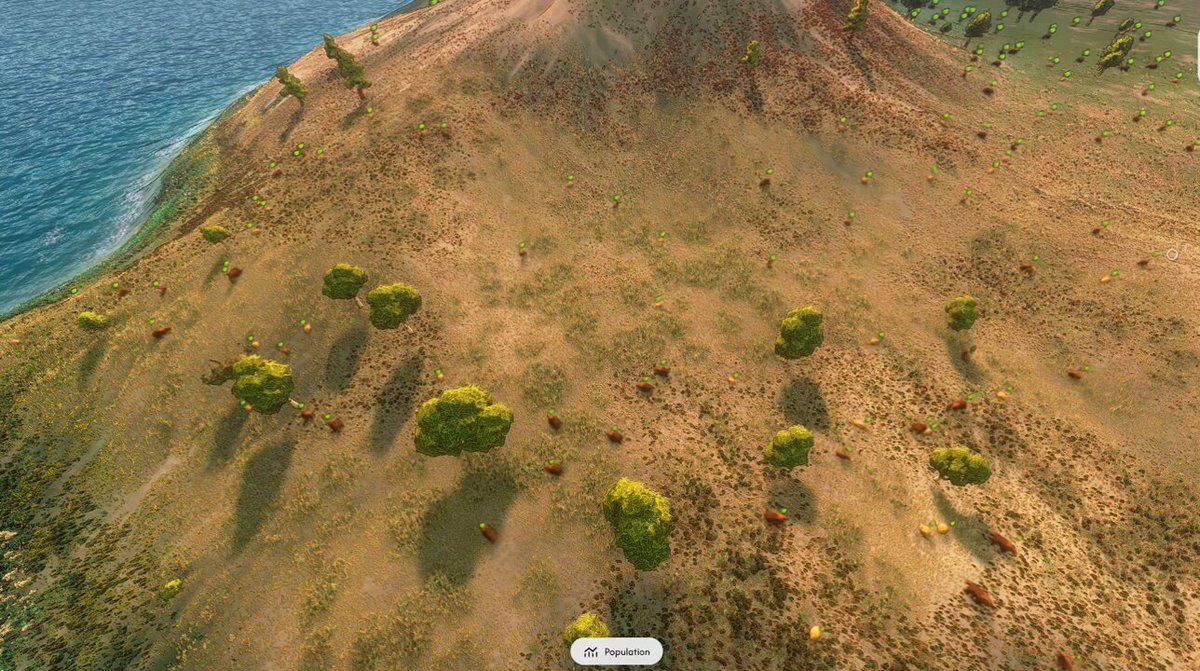
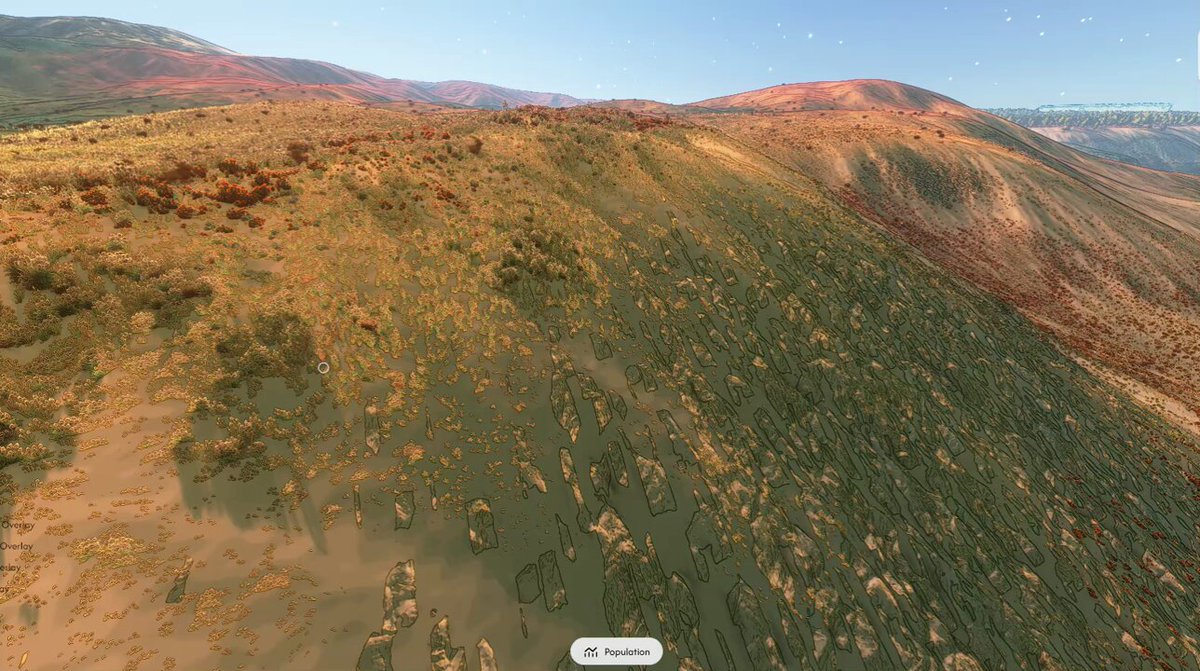
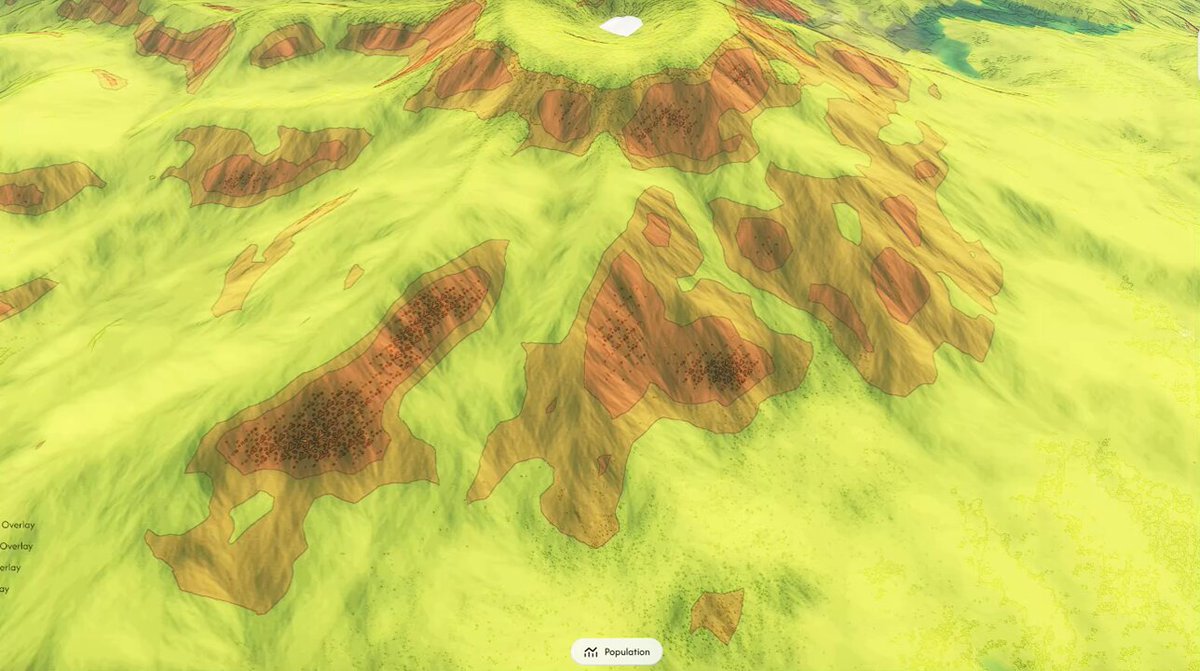
Some UI theme experiments. I've built it with CSS variables, so designing and switching them at runtime is pretty easy, everything depends on 10 or so color variables.
I always assumed it'd be a dark-themed UI, but light looks pretty cool too?
2
1
27
994
Jun 11
Making my game UI in Angular like some crazy person just to spite Unity
3
1
42
1,357
Jun 10
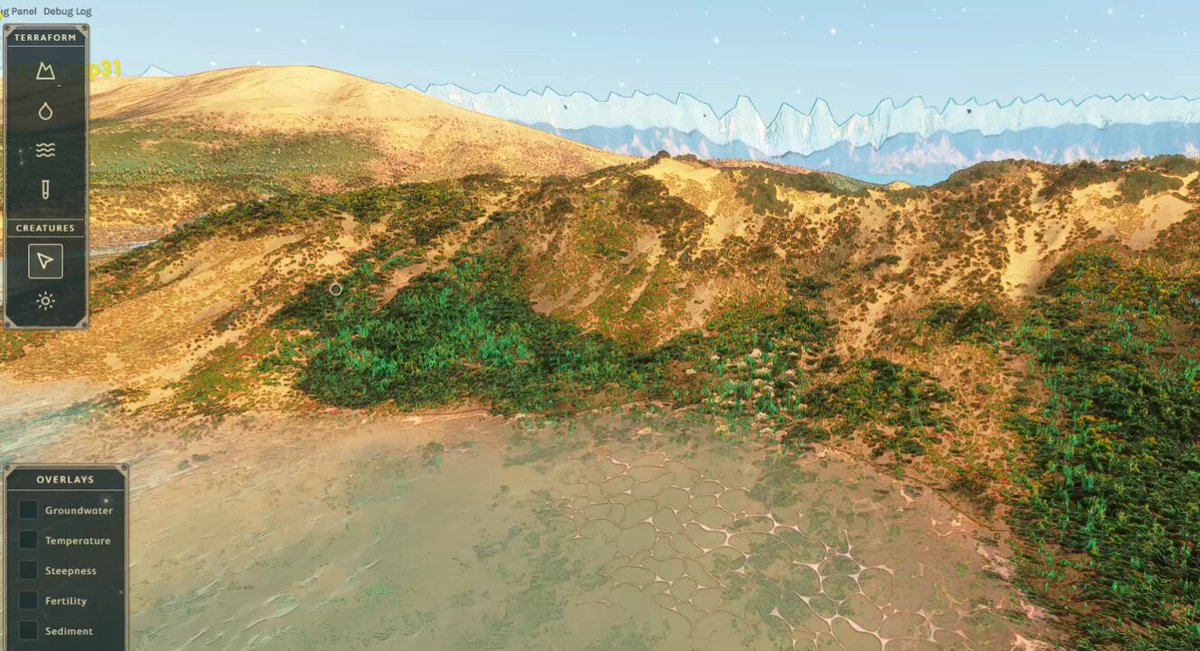
Doing some work on terraforming tools and god powers. Here's a fun one - a core sampler for checking what the terrain composition is like.
7
3
160
5,847
Jun 5
Timelapse of all the geological sim features working together on bare bedrock - avalanches, rock crumbling, sand and soil creation and so on.
Seems okay - I can let players start out with all sorts of weird terrains and trust that it'll become something plausible over time.
35
70
1,418
90,612
Jun 5
Big refactor for particles, it's now alpha-blended with depth-aware upscaling. The dust plumes on cliffs when I add sand there are something new - avalanches. Basically, when granular material slips from a slope, it makes everything nearby also likely to slip and that propagates.
5
3
89
4,294
Jun 1
Managed to solve an old issue with water compositing, now it can run the edge-detection pass properly like other objects. Hard to show on a gif, but it gets this interesting almost kuwahara filter look at midrange.
4
69
2,715
May 31
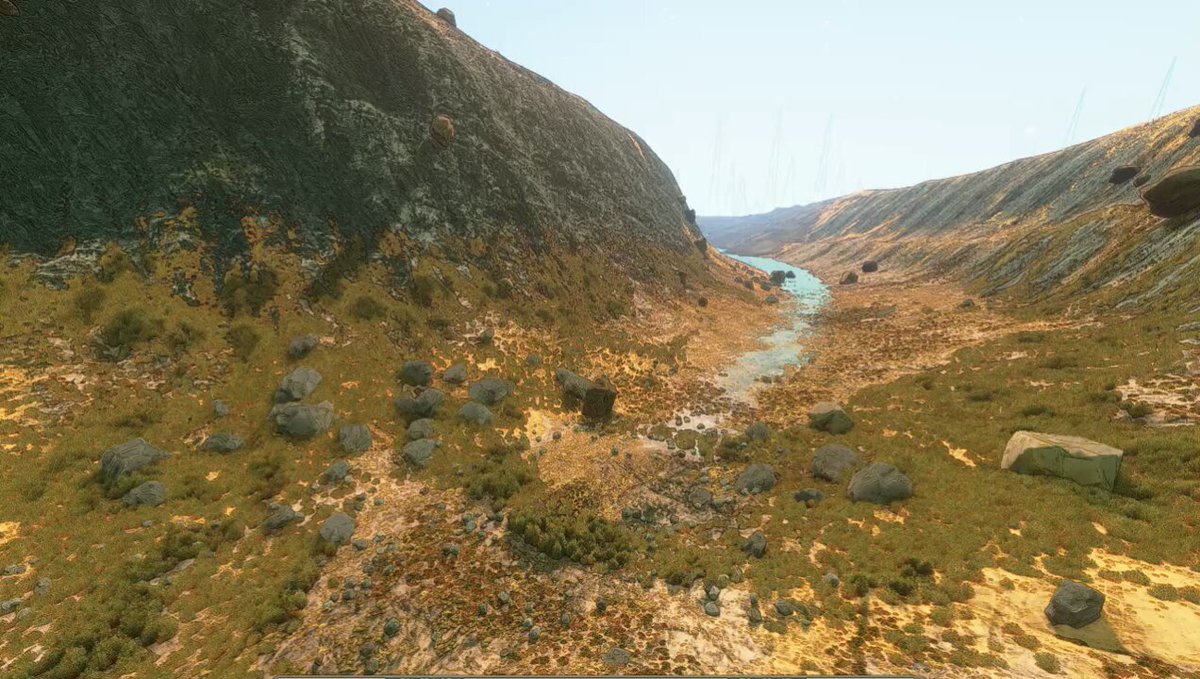
Rubble and gravel fields are done. These also inhibit fertility, giving these areas a half-barren look. I'm pretty happy with this feature, not only does it simulate proper scree at base of cliffs, but also shows at a glance where and how much erosion is happening.
4
2
87
2,659
May 25
Fallen boulders and rocks have meshes now. I needed a generic rule based prop spawner anyway, so this was a good reason to write one. Looks pretty good already, but I still need to work on gravel and better particle effects.
1
4
69
2,704
May 22
Trying out some stability mechanics for cliffs. Collapse creates boulders, which fall downhill and will then slowly crumble into rocks, gravel and finally sand. Those circles on the ground visualize this aggregate, but I'm gonna try to spawn some actual 3d rocks there.
2
3
95
6,846
May 20
Large, long-living trees vs. small ones.
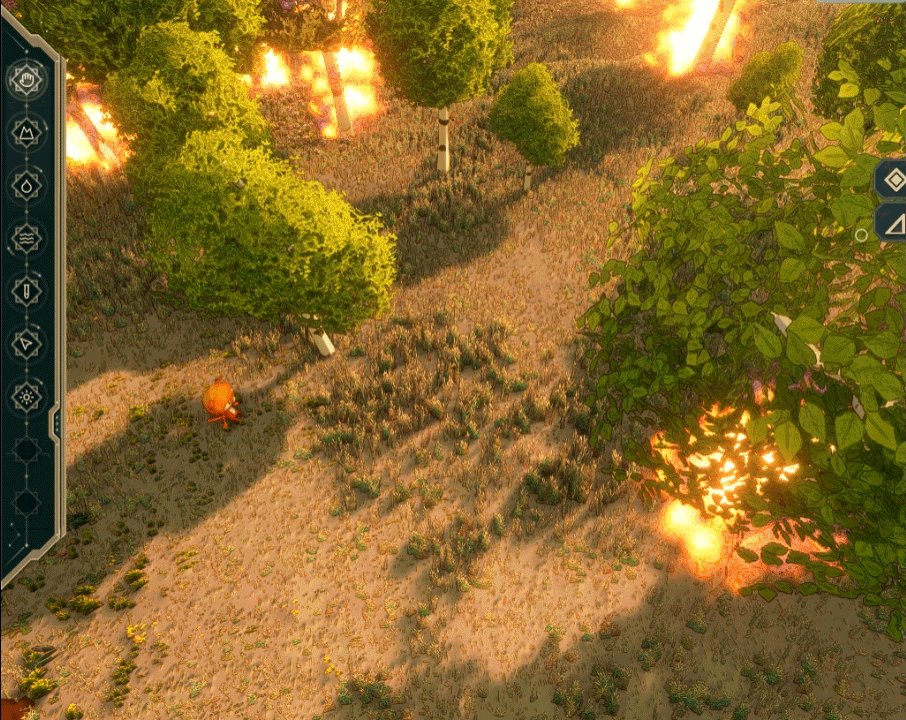
Big ones are having trouble spreading, since their seedlings don't get a chance to grow. And their generations are also slow, so they adapt to changing conditions a lot slower. Occasional forest fires would probably help them a lot.
3
6
88
4,506
May 13
Playing around with an accumulating wetness map on terrain. This has multiple uses - it emphasises small transient streams that don't have enough data resolution otherwise, and also suppresses vegetation growth in riverbeds over time.
17
52
972
69,675
20 Jun 2025
Following a really hungry bear around for a while.
Predators aren't all that good at hunting yet since everyone moves at the exact same speed.
6
3
100
5,514
14 Jun 2025
Added a harsh but necessary system to deal with occasional overconfident animals
6
6
270
21,859
12 Jun 2025
Improved animal pathing a bit - their main steering algorithm only has local knowledge of obstacles, and it doesn't deal well with complex terrain and distant goals. So I added an incremental A* solver so that stuck entities can "think" for a bit and get a smarter path.
2
7
123
4,770
11 Jun 2025
Today I upgraded from a Core 2 Duo (died of old age 🫡) to a mid-range Ryzen 5.
...It seems I might've overoptimized my codebase a bit.
8
4
89
3,635
11 Jun 2025
Oh wait, I actually started development on Core 2 Duo, but apparently I had replaced it with an i5-2400 some time ago. Well, whatever, it was still ancient, with only 4 threads.
2
31
1,737
11 Jun 2025
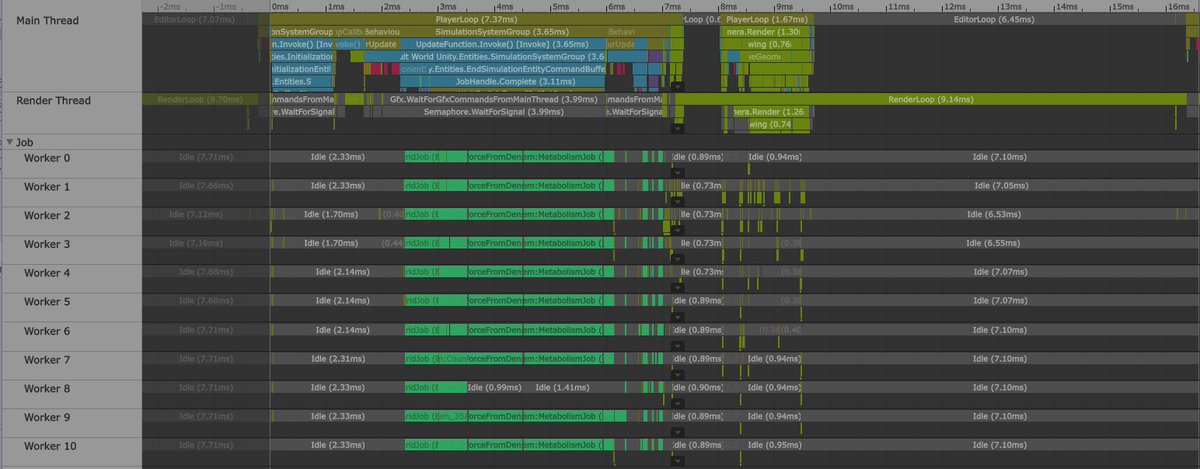
That's my stress test - 150k entities simulated at 64x real time. That used to barely keep a stable 60 FPS. And now that frame's just kinda...empty? Modern CPUs are ridiculous.
1
22
1,967
10 Jun 2025
Quick evolution test. I enabled a small drought tolerance mutation (shown by color) when these trees reproduce. They adapted to both arid and wet soil pretty quickly. This is how new species will form - at enough genetic distance, these populations would become separate species.
10
13
286
9,190
2 Jun 2025
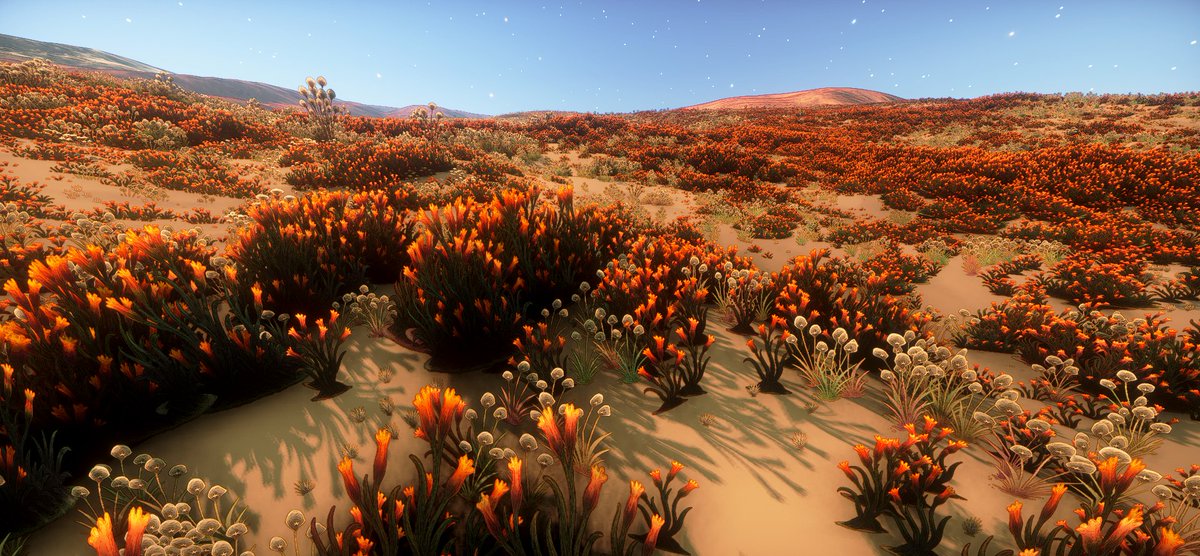
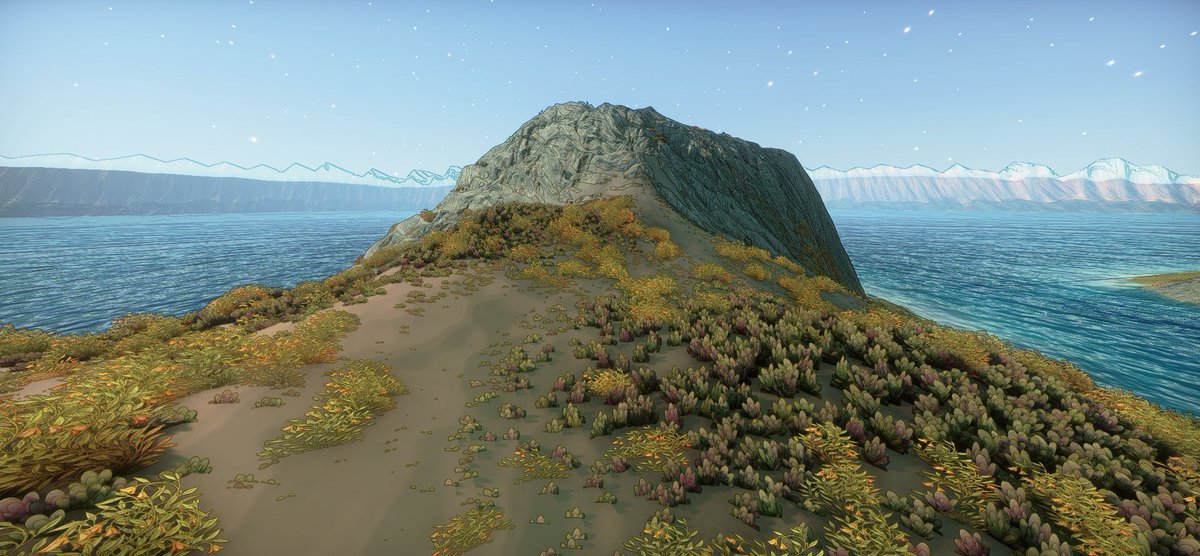
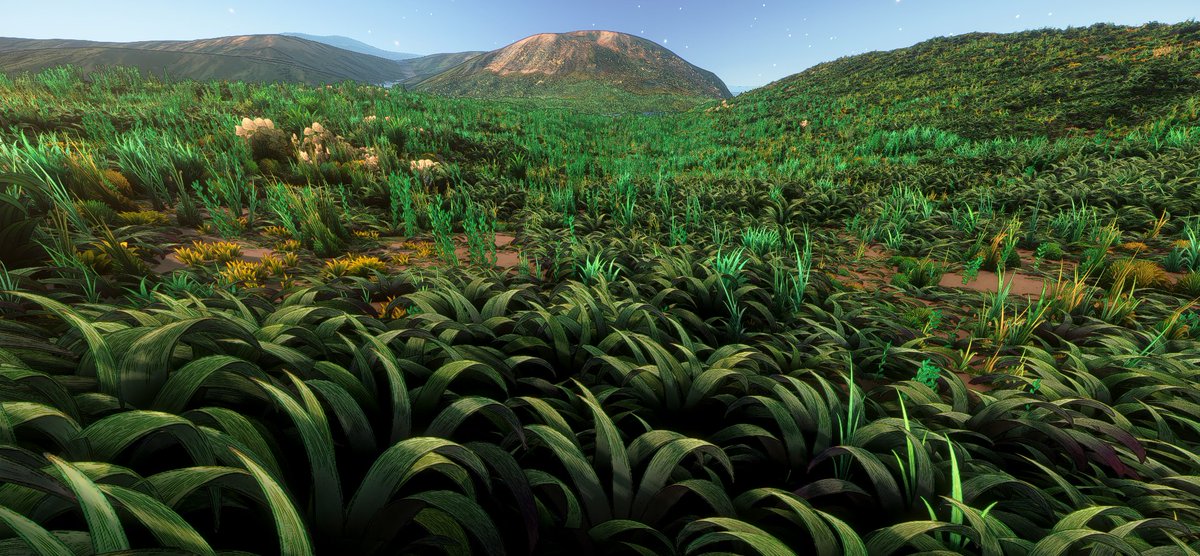
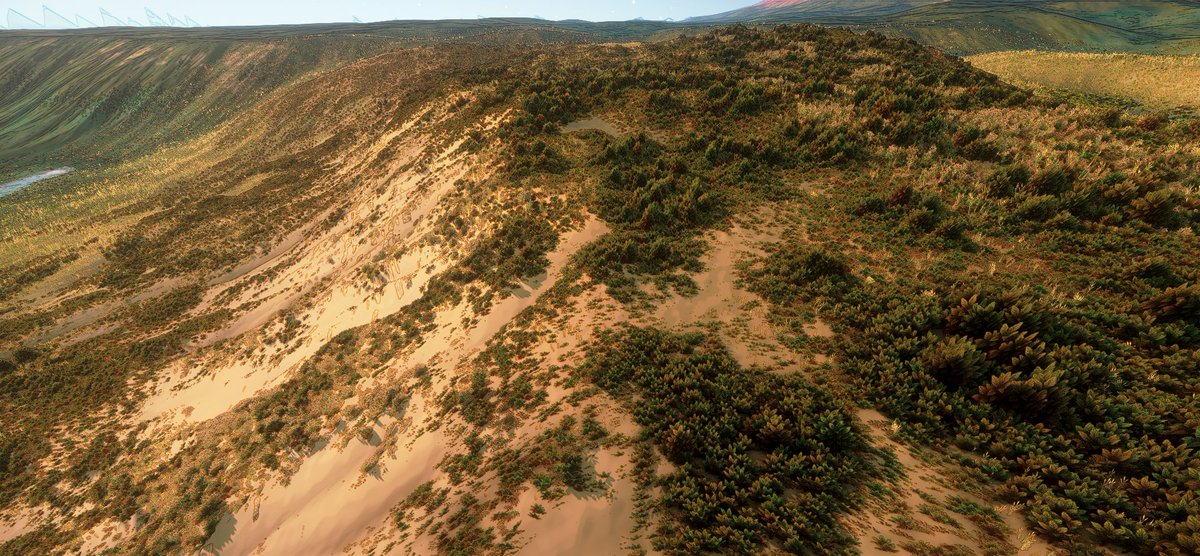
I've added some extremophile swampy and arid species and the biome chart is basically fully filled in now. There's 27 grass species now, most with growth stage variations, for a total of 52.
I don't wanna touch grass anymore for a while...
8
11
328
8,573