Dad. Natural Pro BBer. Nutritional Sci. PhD, 5x Powerlifting Nat Champ. 2x M1 World Champ. BS Crusher @carbondietcoach co-founder
Joined March 2009
- Tweets 63,510
- Following 335
- Followers 230,374
- Likes 23,884
2,761 Photos and videos

Jun 10
I would love to. @ShawnRyan762 see if you can get @thegarybrecka to agree since he keeps ducking me =)
Apr 9

Go on @ShawnRyan762 show and debate
1
3
22
6,335
Jun 3
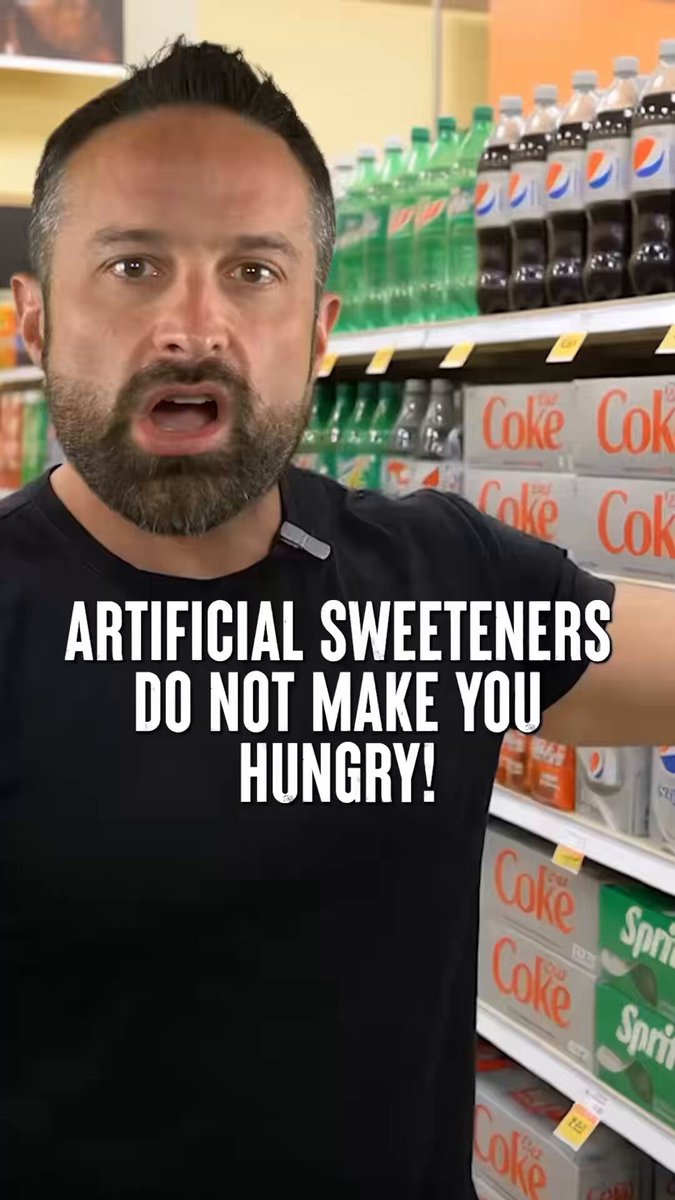
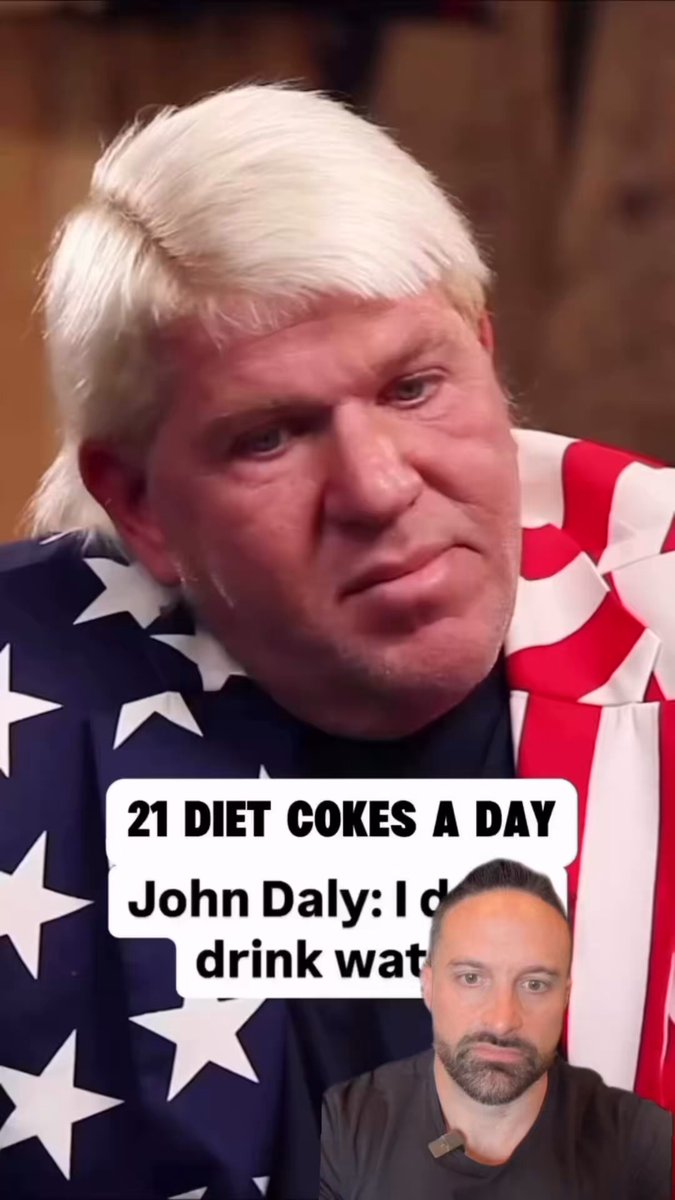
Unpopular FACT: Artifical sweetners do NOT make you hungry
You’ve probably heard some version of the following:
"Artificial sweeteners make you hungry."
"Sweet taste without calories confuses your brain."
"They make you crave more sweets."
You've probably heard some version of these claims before. The problem? The data keep refusing to cooperate. A new study, "Acute and prolonged effects of sweeteners and sweetness enhancers on postprandial appetite sensations, palatability, and ad libitum energy intake in humans," examined exactly this question
If artificial sweeteners really increased hunger, cravings, or caused people to eat more later, this study should have found it. It didn't. Researchers found that consuming sweeteners and sweetness enhancers did not increase subsequent energy intake, did not meaningfully increase appetite, and did not lead participants to compensate by eating more later. In other words, the common claim that "sweet taste without calories tricks your brain into overeating" continues to lack support from actual human data.
This is a great reminder that just because a mechanism sounds plausible doesn't mean it translates into real-world behavior. Humans aren't Petri dishes, and while people love inventing scary stories about artificial sweeteners, the totality of evidence continues to show that replacing sugar with low- or no-calorie sweeteners generally helps reduce calorie intake and can support fat loss.
Your body isn't sitting there thinking: "Wait a second... that was sweet but not enough calories. Better order a large pizza." It doesn't work that way. This study showed people actually ate slightly less calories when consuming artificial sweeteners. This is in alignment with other studies demonstrating that artificial sweeteners decrease energy intake and reduce body fat in tightly controlled human RCTs (PMIDs: 40913681 & 39606579)
As always, test hypotheses against data, not vibes.
23
13
102
11,137
Apr 8
I'm your huckleberry...
Of course you'll duck this debate just like you did the 2 other debates you agreed to with me, then backed out of
First off, you contradict yourself via your proposed mechanisms without even realizing it.
Coffee elevates cortisol acutely but does not affect long term cortisol levels. Acute changes in cortisol reflect fuel mobilization responses, not anything sinister
Then you contradict yourself by saying 'no movement' because exercise is well known to elevate cortisol acutely.
So if coffee only elevates cortisol acutely, but so does exercise, how is one bad but the other one good?
Answer: You have no clue because you only care about creating clickbait... not accurate information
Apr 8

Debate me:
Your “healthy” morning routine might be wrecking your hormones.
- Coffee on an empty stomach
- No sunlight
- No movement
That’s cortisol chaos.
60
17
478
130,102
Jun 2
Gary and I discussed debating.
I agreed to:
✓ A moderator
✓ Recording it
✓ Posting on both channels
The debate never happened.
I’m still happy to do it.
Gary and I will both be at Eudemonia conference in November.
If you’d like to see a respectful discussion on hormones, cortisol, fasting, seed oils, exercise, and health claims by Gary, tag him below
12
1
12
2,382
May 22
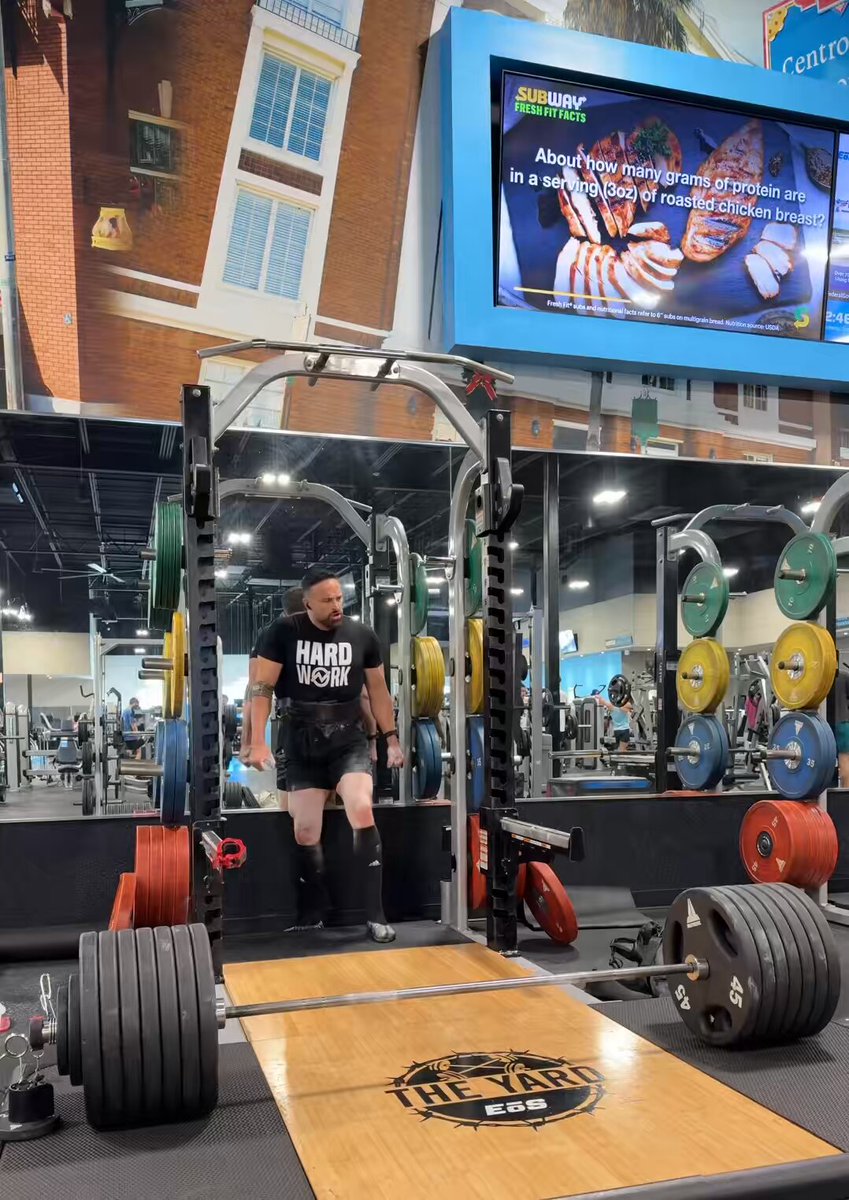
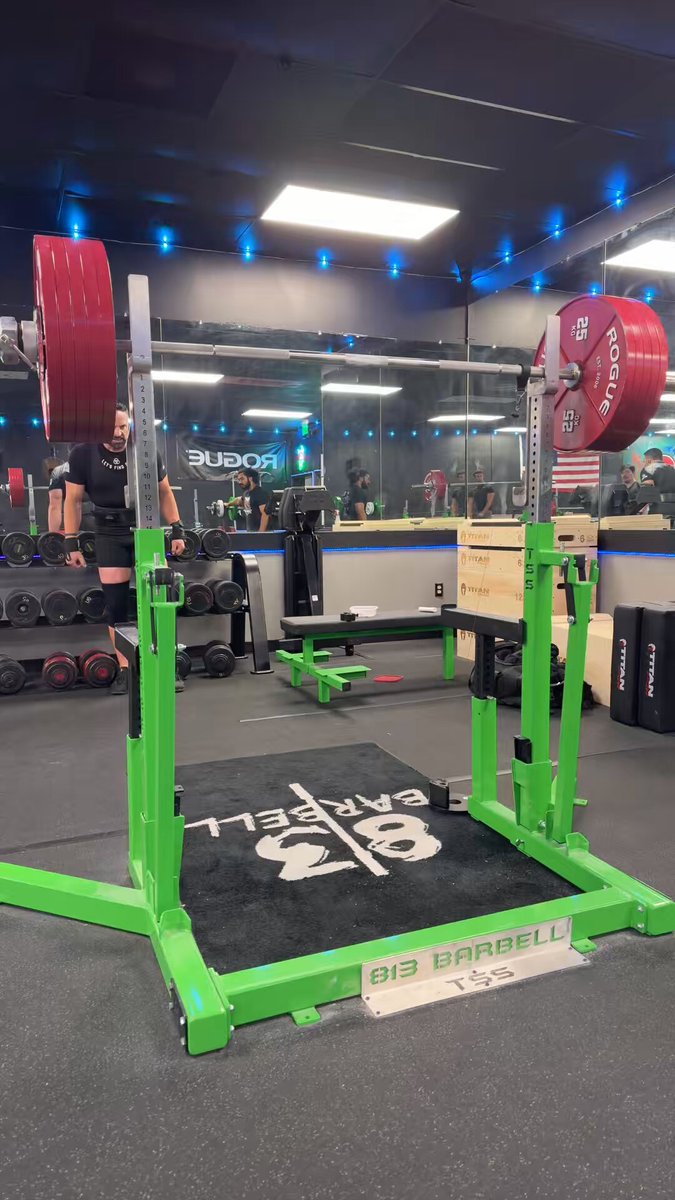
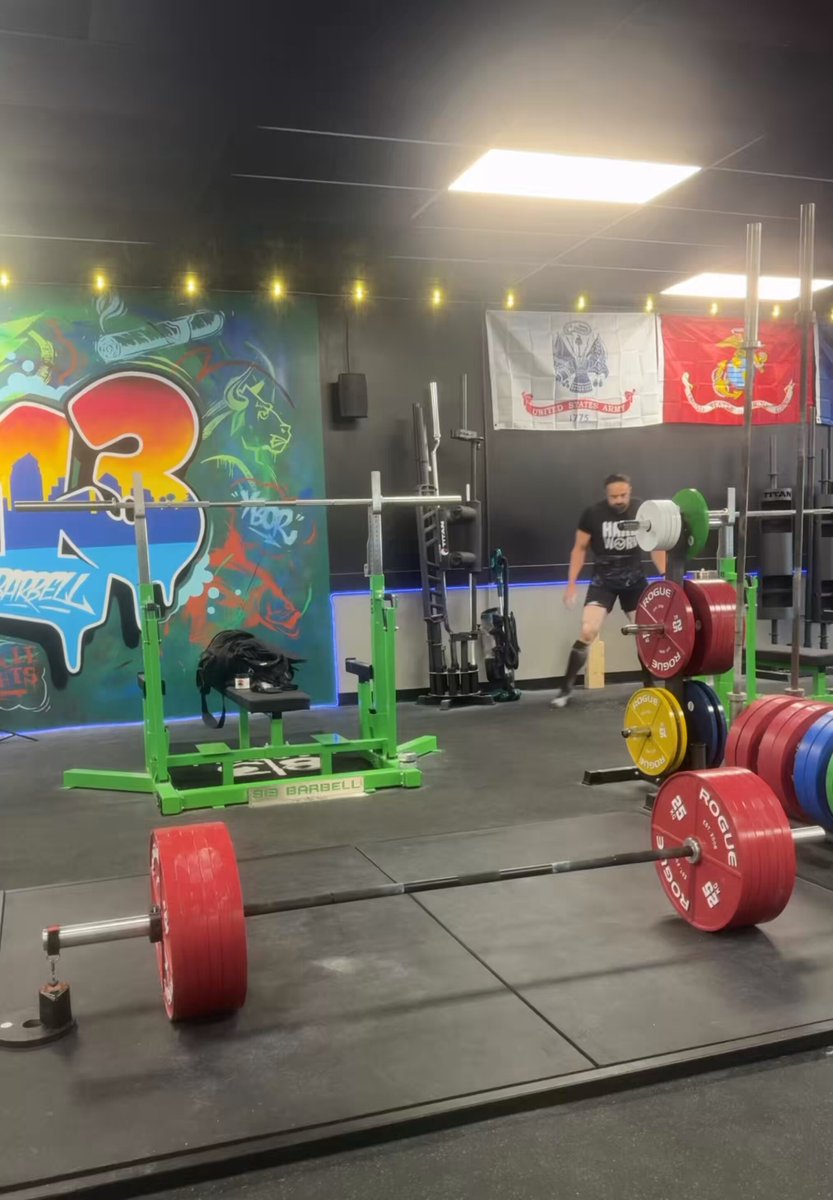
336kg / 741lb deadlift at age 44 lifetime drug free for an American Record and unofficial M1 World Record deadlift (so what if it was broken 1 minute later lol)
Powered by aspartame and seed oils 🤣
56
13
667
41,669
May 14
People like @bulletproofexec & @thegarybrecka want you to believe that biohacking must be complicated & expensive
This is the biggest scam in wellness
Biohacking is NOT:
hydrogen water
grounding mats
red light therapy
exotic supplements
analemmas (water wands)
overpriced tests
18
9
132
38,268
May 14
That’s why I created the Macros & Muscles Challenge.
No gimmicks.
No detoxes.
No fake shortcuts.
Just:
✅hard training with my Workout Builder
✅science-based nutrition with my nutrition app @carbondietcoach
✅accountability with my group coaching
✅consistency: I’ll be putting up tips and messages frequently
✅community support with our private group
All for just $99 for 12 weeks
Build muscle, lose fat, & get strong
biolayne.com/macros-and-musc…
1
7
4,510
May 14
These people profit when they convince you that you are helpless & the solutions are expensive & complicated
I'd rather show you that you are resilient, adaptable, & capable of doing HARD things that get you results
That is why I walk the walk. I'll be doing this challenge WITH you
Hit the link & let's me show you what REAL biohacking is
This is not a cookie cutter challenge where you get a PDF generic program. This is custom to you with REAL support
biolayne.com/macros-and-musc…
3
7
3,855
May 12
It's crazy what @ConsensusNLP is doing!
May 12

Launch Week Day 2: the Consensus Research Agent.
Consensus can now complete complex research tasks through multi-step tool calls.
One prompt in. A full research workflow out.
1
2
10
9,895
May 11
Not only have I been incredibly impressed with the product from @ConsensusNLP which is second to none, I have been unbelieveably impressed by their execution at all phases
I can't wait to see what they do next. Incredibly honored to be a scientific advisor for them
May 11
Today, we're announcing $30M in new funding to build the AI OS for Research.
2.5M researchers start their work with Consensus every month. Their work is the foundation that all progress is built upon.
We could tell you our story. We'd rather they did👇
2
2
15
6,841
May 7
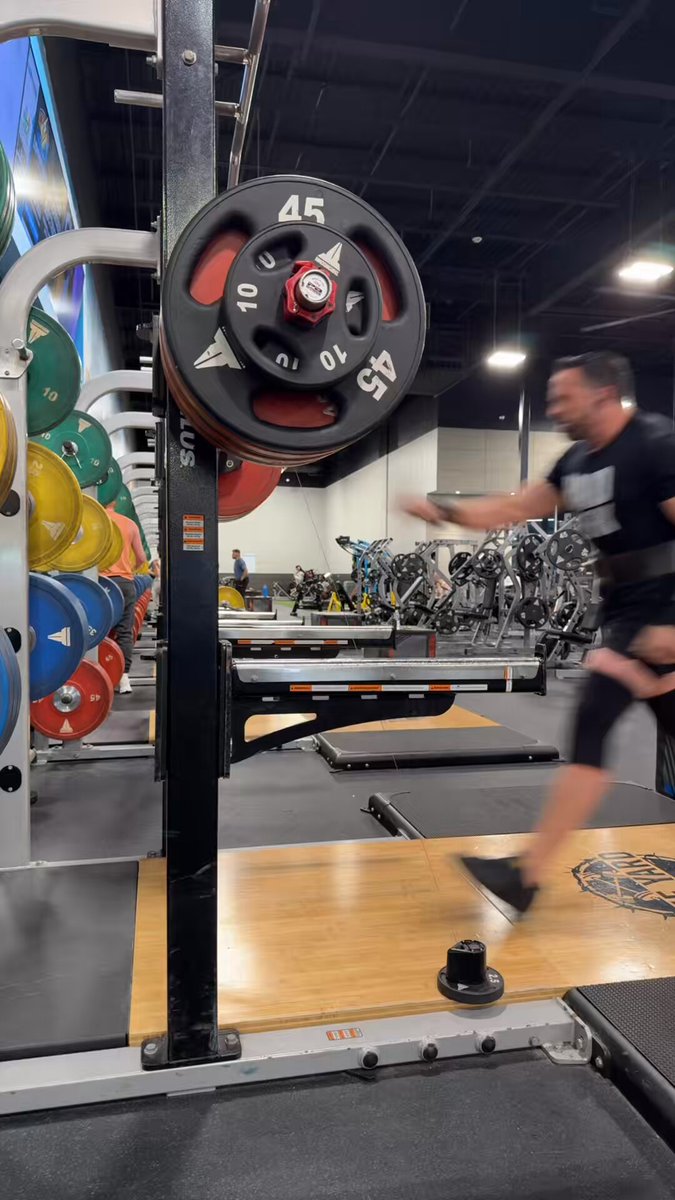
612 lb squat at 13 days out from Masters Nationals. A lot of fatigue at this point but that’s to be expected. Almost 2 years since I competed and I’m ready to get in a dogfight
44 years old… but not obsolete 😈
57
8
641
88,785
May 7
12 years ago, my mother was diagnosed with “incurable” multiple myeloma (MM).
At the time, median survival was roughly 4–6 years.
She listened to her oncologist.
She followed evidence-based treatment.
She is still here 12 years later.
Thriving.
21
22
613
41,032
May 7
The standard of care does NOT mean blind obedience
Ask questions.
Get a second opinion.
Understand risks and benefits.
Ask about side effects & alternatives
Ask what happens if you wait.
My mom did all these things. It was welcomed & encouraged by her doctors. It helped her & them
1
14
3,285
May 7
Influencer popularity, likes, and clicks does NOT make something a treatment plan
My mother is not alive because she ignored oncology.
She is alive because she followed the best evidence available.
That does not guarantee survival.
But it gives you the best odds.
And when the stakes are life and death, odds matter
18
2,974