
BioPACIFIC MIP is a User Facility dedicated to Materials Discovery through Laboratory Automation and Bio-derived Feedstocks. #NSFfunded @CNSI_UCSB @CNSIatUCLA
Joined July 2020
- Tweets 371
- Following 108
- Followers 362
- Likes 22
215 Photos and videos


Apr 14
AI is accelerating materials discovery.
New ACS Central Science outlook shows how ML, LLMs, and automation enable self-driving labs, faster reaction optimization, and data-driven experimental design.
doi.org/10.1021/acscentsci.5…
#AIforScience #MaterialsScience #MachineLearning
54
Congratulations to our Director Javier Read de Alaniz on being named a 2025 @aaas Fellow. Recognized for pioneering light-responsive organic materials that change shape, color, and function under visible light — enabling advances in smart materials. @ReadAlanizteam
34
Mar 30
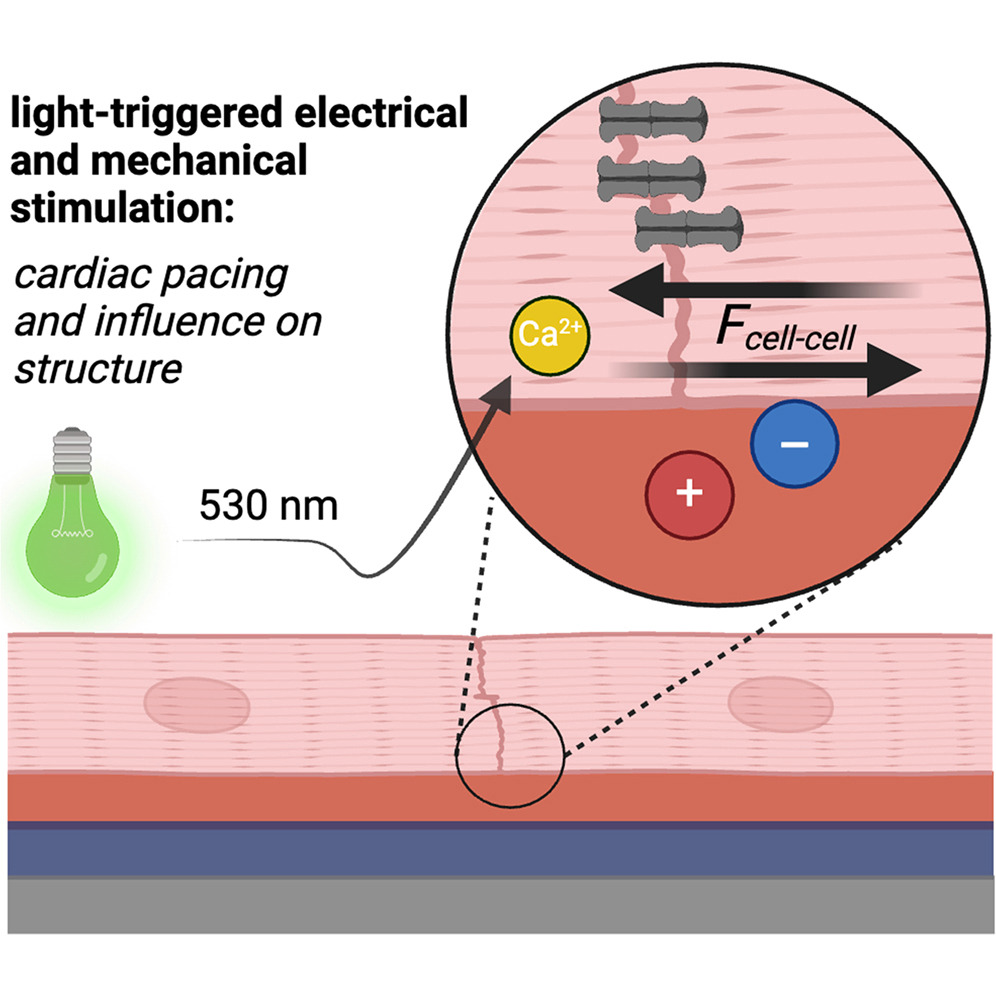
Light-controlled cardiac pacing using polymer bioelectronics ⚡💡
An optoelectronic biohybrid converts visible light into photocurrent, enabling gene modification–free control of cardiomyocyte contraction and structural remodeling.
Read more: doi.org/10.1016/j.celbio.202…
41
Mar 25
Final day at #ACSSpring2026 🎯
BioPACIFIC users are presenting:
• Injectable polymers for imaging
• Coacervate emulsions
• Peptide–polymer systems for cardiac applications
Materials → real-world impact.
#Biomaterials #Polymers #MaterialsScience
1
71
Mar 24
Day 3 = packed schedule 🔬
BioPACIFIC users are presenting on:
• High-throughput materials discovery
• Liquid crystal elastomers
• Automated polymer synthesis
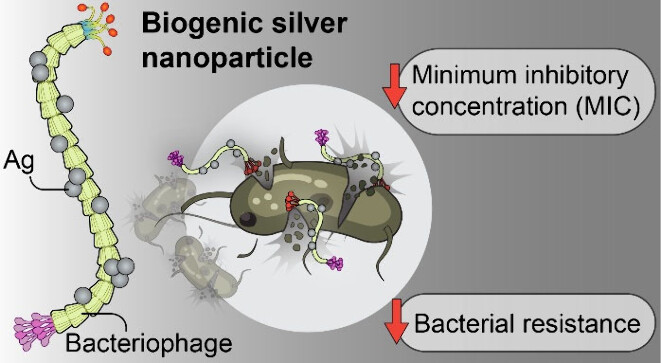
• Bio-derived nanoparticles
📍 #ACSSpringMeeting Atlanta
#MaterialsScience #SoftMatter
1
54
Mar 23
Day 2 at #ACSSpringMeeting:
Catch @HawkerNation and Parker Morris presenting advances in polymer synthesis next-gen materials design 🧪
From precision chemistry to scalable platforms—this is materials innovation in action.
📍 Atlanta
#Polymers #MaterialsScience
1
3
81
Mar 22
BioPACIFIC users are kicking off #ACSSpring2026 🔬
From plastic depolymerization → bioinspired polymers → RNA protocells, today’s talks highlight how advanced materials tools enable breakthroughs in sustainability soft matter.
📍 Atlanta | Come see our users in action
1
70
Mar 20
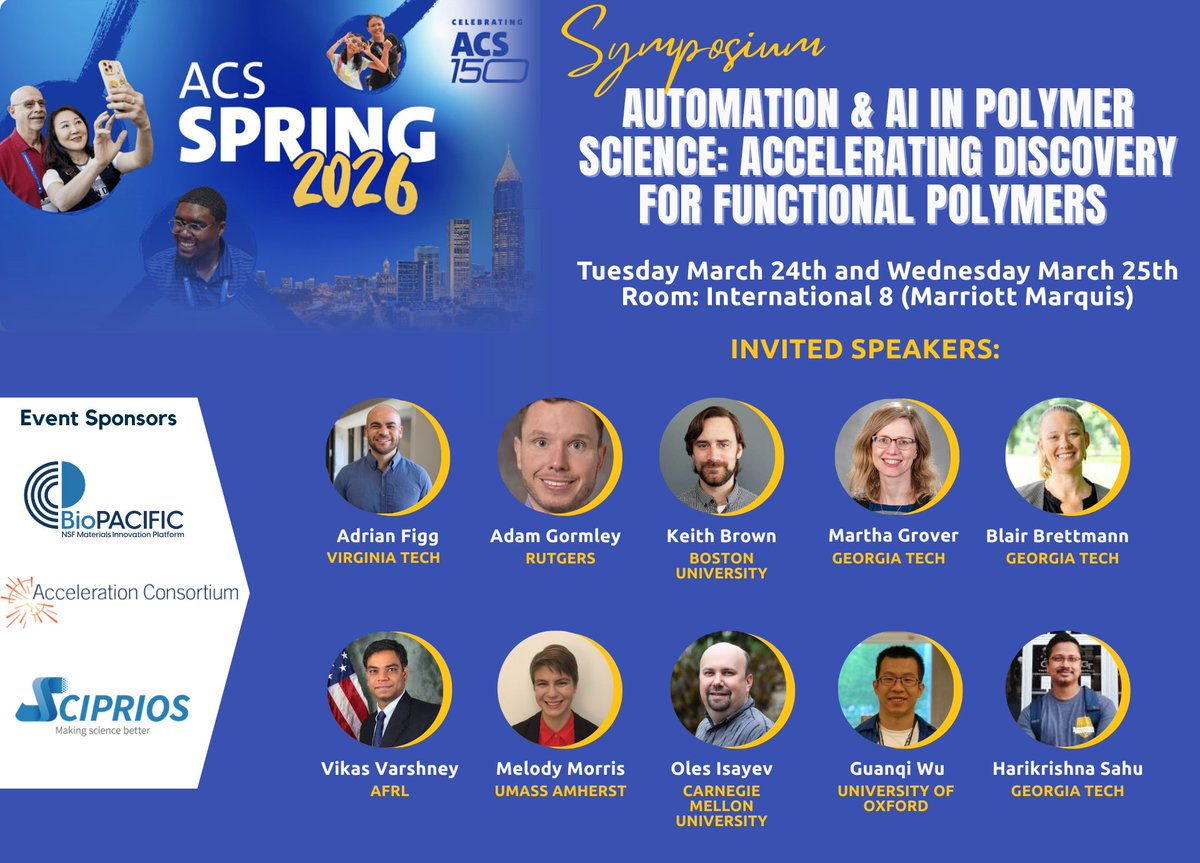
🚀 Heading to #ACSSpring2026?
Don’t miss:
Automation & AI in Polymer Science
📅 March 24–25
📍 Marriott Marquis
BioPACIFIC MIP is proud to sponsor this session featuring leaders in:
🤖 Autonomous labs
🧠 ML for materials
🧪 Functional polymers
#PolymerScience #AI
3
67
Mar 18
From 5 → 6 membered rings = breakthrough 🚀
Now possible: efficient copolymerization with non-activated monomers like vinyl acetate
→ scalable
→ degradable
→ tougher materials
@HawkerNation @ReadAlanizteam, Bates group
Read: doi.org/10.1021/jacs.5c20808
#MaterialsScience #Polymers
1
2
95
Mar 12
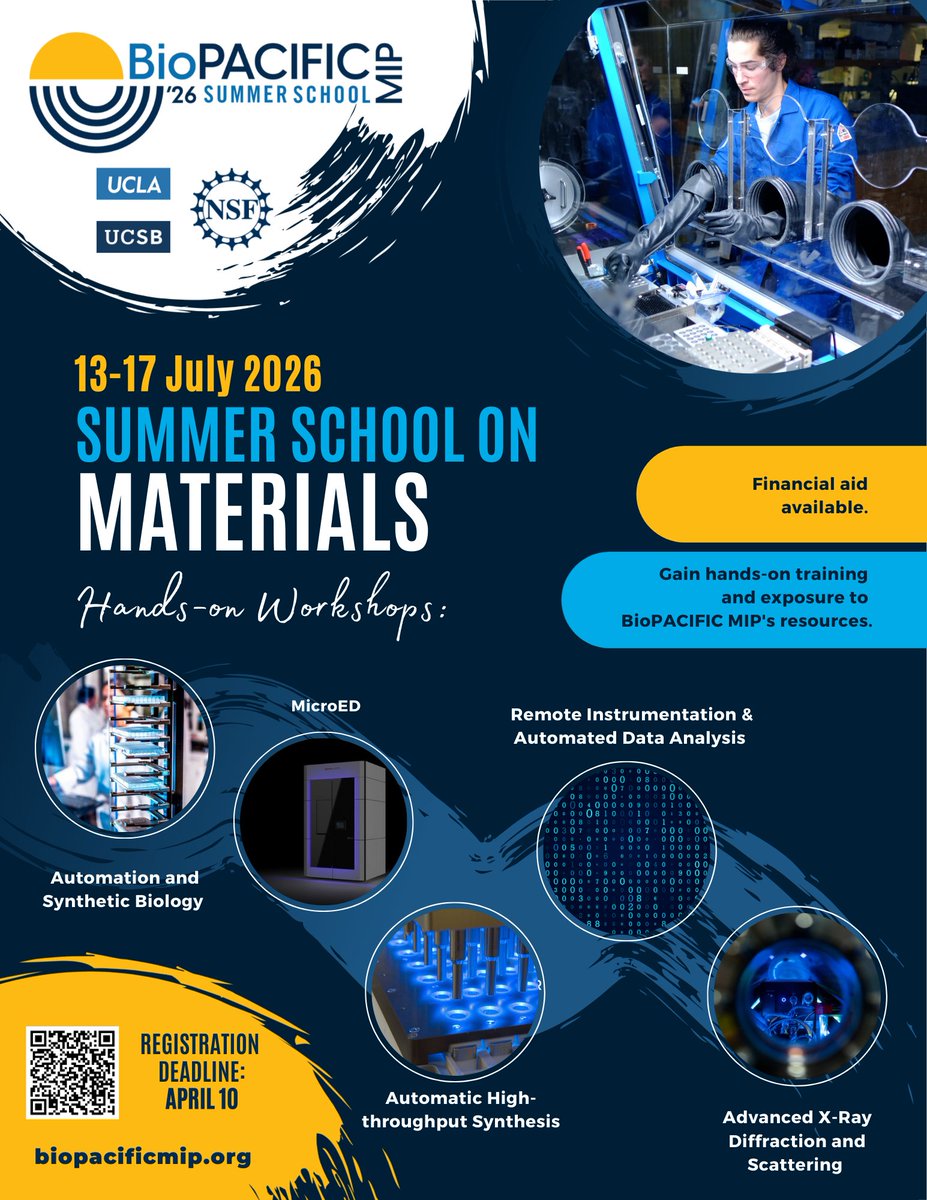
Applications are open for the BioPACIFIC MIP Summer School 2026!
Hands-on workshops in:
🔬 MicroED
⚡ X-ray diffraction & scattering
🤖 High-throughput synthesis
🧬 Automation & synthetic biology
📅 July 13–17 | Deadline: April 10
Apply: bit.ly/4s8m8JC
#MaterialsScience
1
256
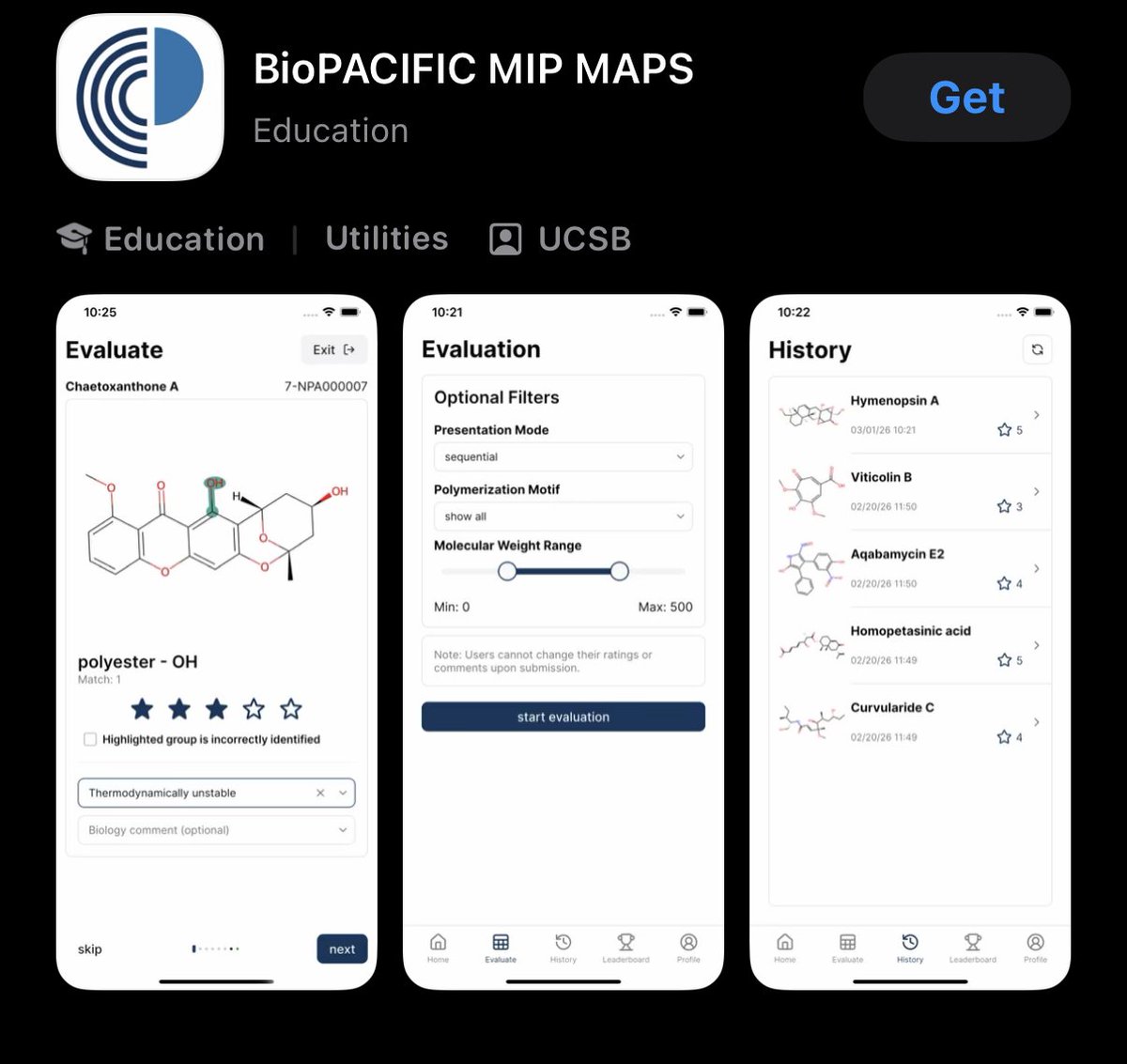
📢 Polymer scientists — help train AI for sustainable polymers.
Use the new MAPS mobile app to evaluate bio-derived molecules as potential polymer building blocks and contribute your expertise to a growing ML training dataset.
Download the app:
bit.ly/46GfT72
55
Cross-link location matters.
Center-placed cross-links in acrylic PSAs significantly improve peel shear strength vs. random networks — without changing composition or loading.
doi.org/10.1021/acs.macromol…
2
38
Feb 26
New research from @clemo_11 lab demonstrates cell-laden supramolecular hydrogels designed for high-shear delivery. Sprayable peptide nanofiber gels preserve cell viability & mechanical integrity. Peptides were synthesized at the @BioPACIFICMIP facility.
doi.org/10.1021/acs.chemmate…
1
3
185
Feb 24
New research reveals how microscale structure controls the mechanics of “pink berry” biofilms. Nanoindentation imaging show a soft EPS matrix surrounding stiffer bacterial microcolonies, shaping bulk viscoelastic behavior.
doi.org/10.1007/s11249-025-0…
1
43
Feb 18
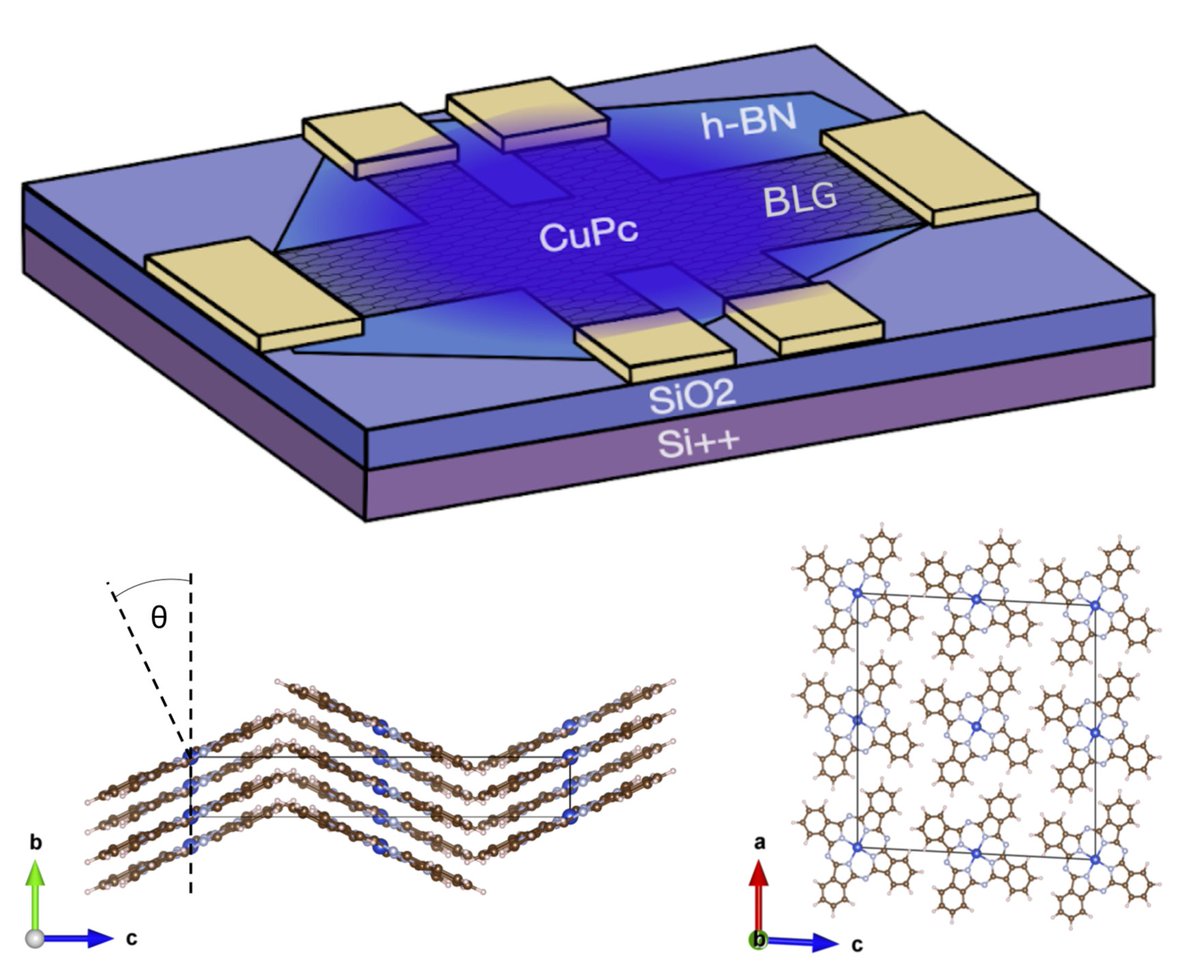
A molecular coating helps bilayer graphene regain its quantum electronic behavior while maintaining performance.
4D-STEM at BioPACIFIC MIP revealed how the thin film’s structure influences transport properties.
Read: doi.org/10.1088/2053-1583/ae…
#Graphene #QuantumMaterials
2
61
Feb 13
A multiscale workflow to build bottom-up coarse-grained models for sequence-specific polypeptoids. Validated against all-atom simulations and DEER experiments, this approach enables in silico screening across vast sequence spaces.
doi.org/10.1063/5.0299938
@JChemPhys
70
Feb 10
Synthetic scaffold mimics tendon structure & promotes regeneration! 🧬
📄 Hebner et al. create aligned, degradable PEG hydrogels supporting tenocyte remodeling.
🧪 WAXD done @BioPACIFICMIP confirms tunable anisotropy.
👉 doi.org/10.1021/acsabm.5c024…
#Hydrogels #TissueEngineering
1
44
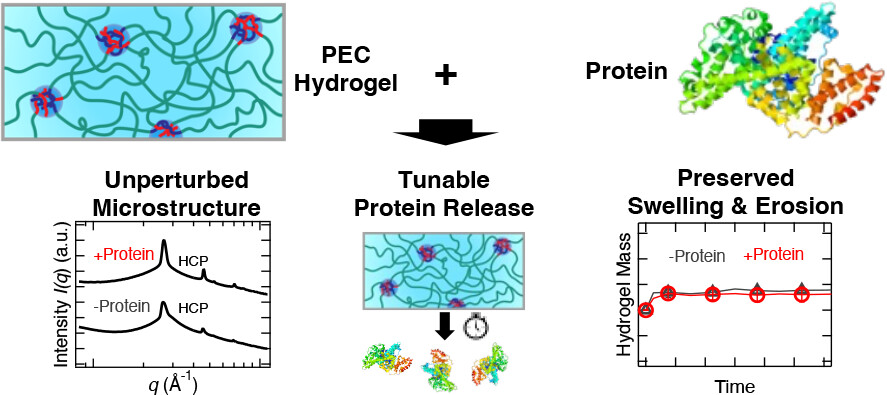
How do you tune protein release without UV, heat, or solvents?
Srivastava Group @UCLA introduces triblock PEC hydrogels with precisely adjustable swelling & release—validated by SAXS.
💡 A smart platform for bio-delivery @Biomac_ACS
🔗
doi.org/10.1021/acs.biomac.5…
323
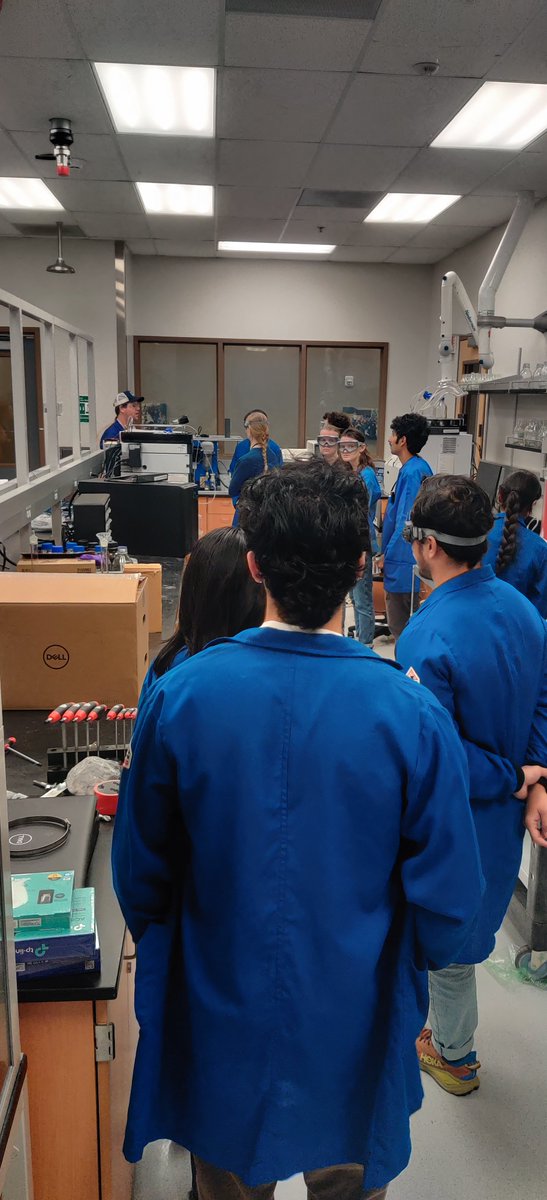
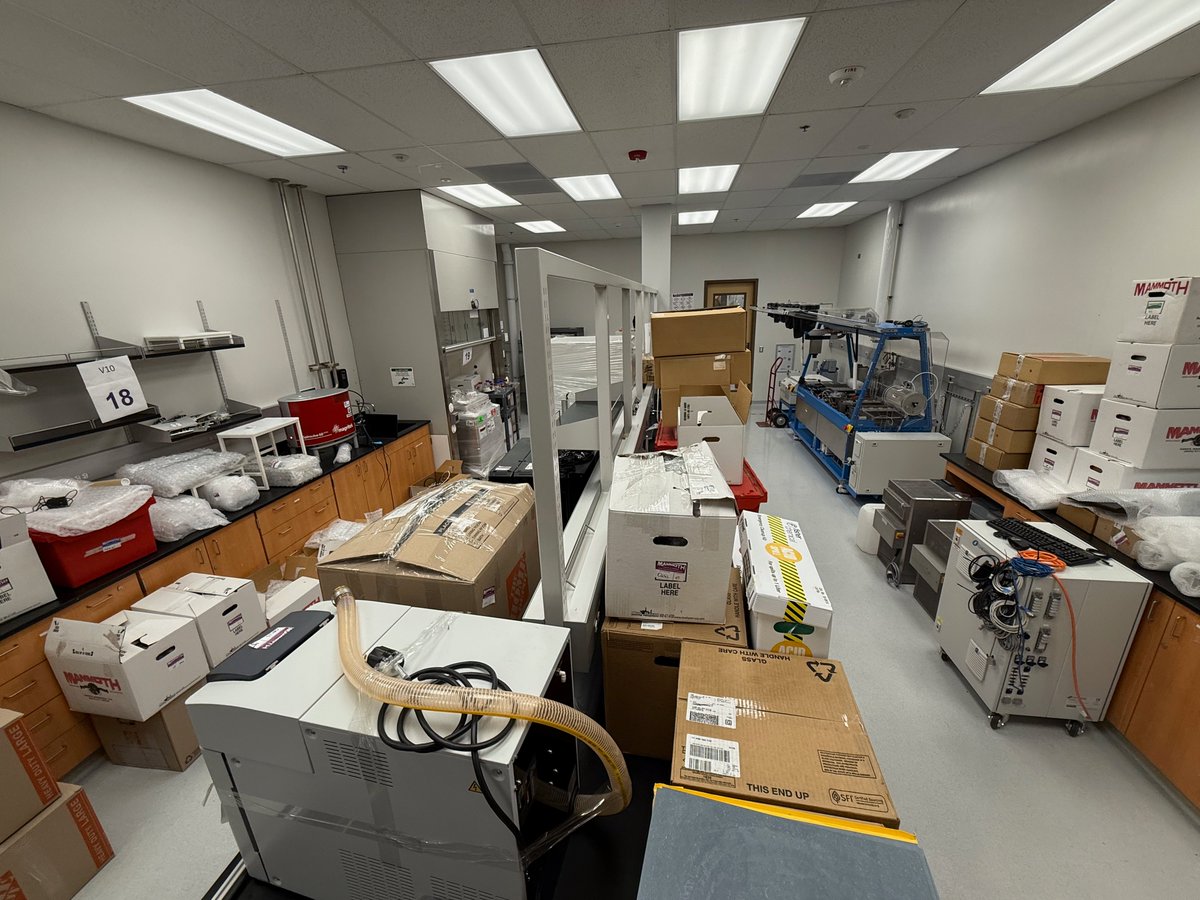
BioPACIFIC MIP @UCSB is live at OASIS! 🧪
✅ First safety walkthrough
✅ First users trained
✅ Instruments online—with more every day
Want to use the new space? Contact us to get trained!
(SAXS microrheology still in Elings)
#softmaterials #userfacilities #UCSB

292
Jan 19
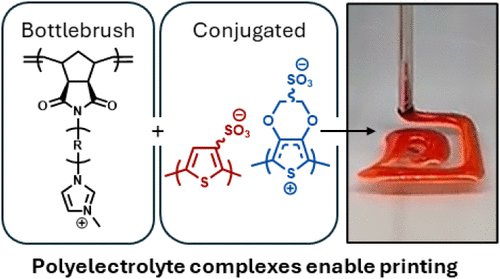
🖨️ New from @UCSB @ACS_AMI: A printable, stretchable, conductive ink made by electrostatic complexation of conjugated & bottlebrush polyelectrolytes!
Ideal for thick, patterned bioelectronic sensors & conductive adhesives.
🔗 pubs.acs.org/doi/10.1021/acs…
#PolymerScience
1
1
57