National Bioeconomy Educational and Policy Framework in Kenya (Bio-KE)

Joined August 2025
51 Photos and videos
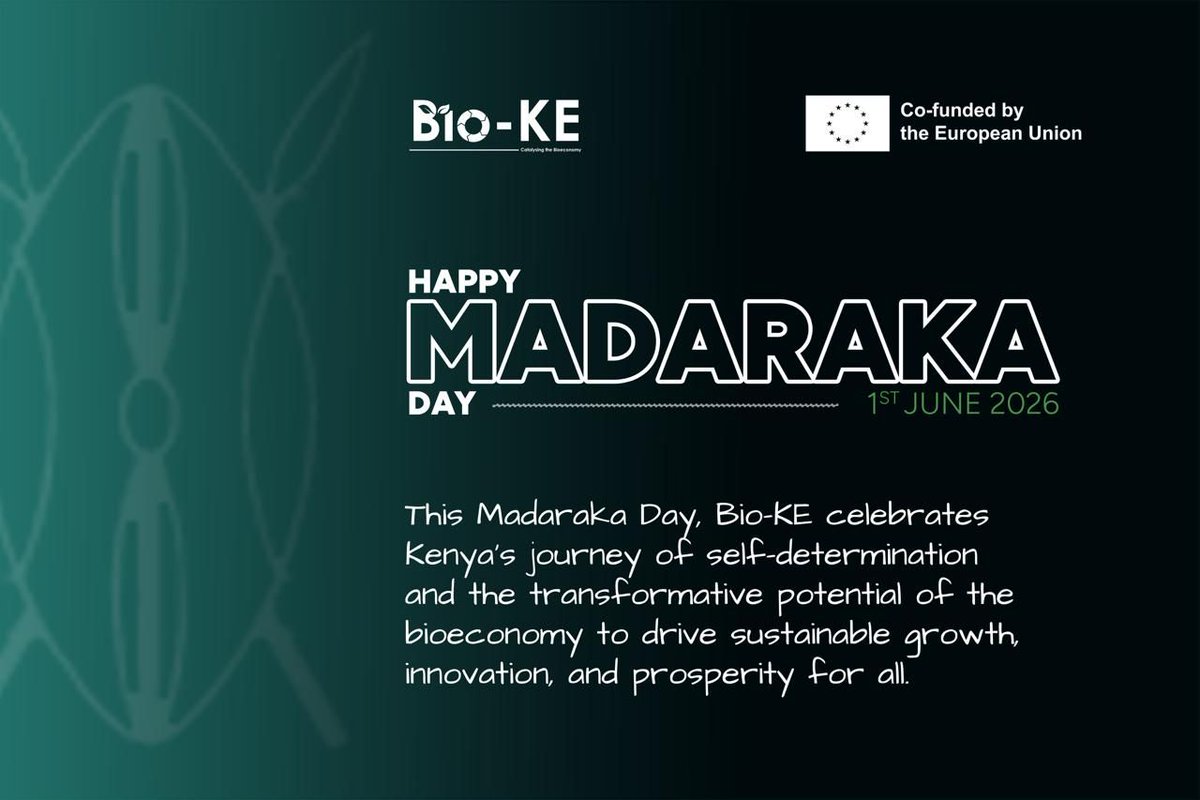
This Madaraka Day, Bio-Ke celebrates Kenya’s enduring spirit of self-determination and the immense potential of the bioeconomy to power sustainable growth, drive innovation, and create shared prosperity for present and future generations.
2
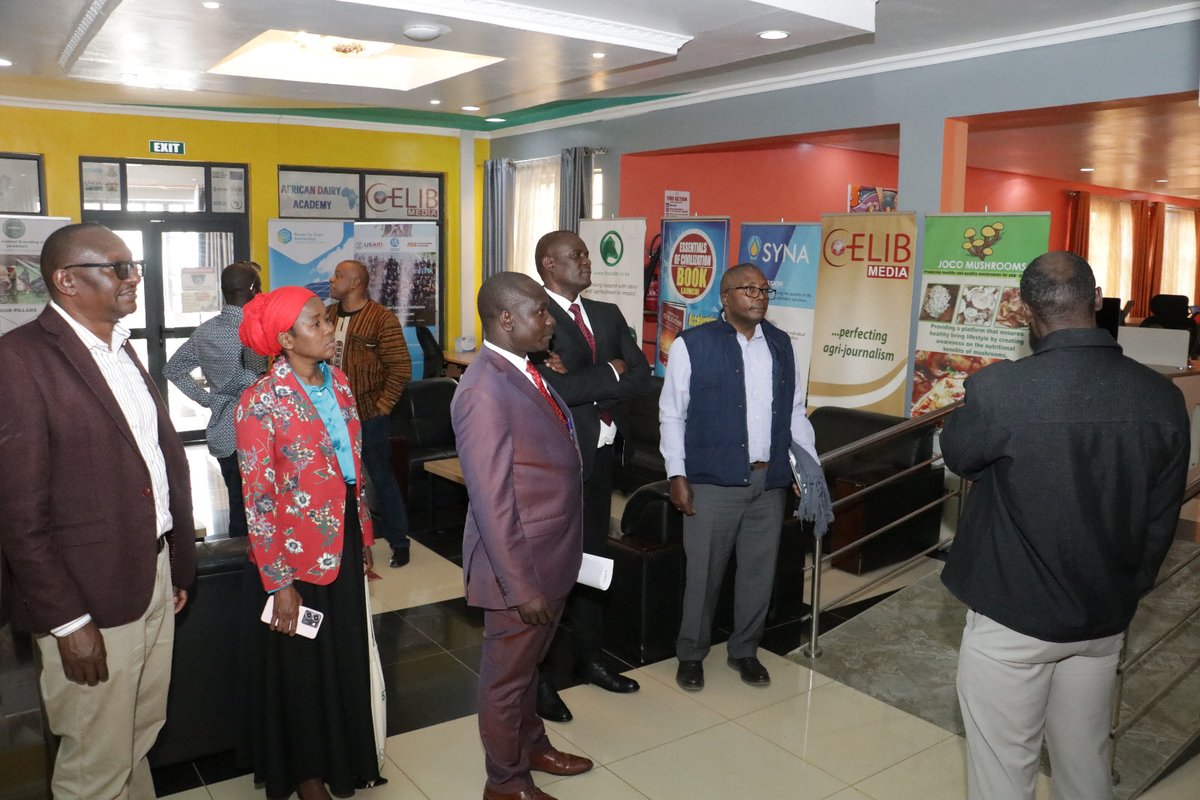
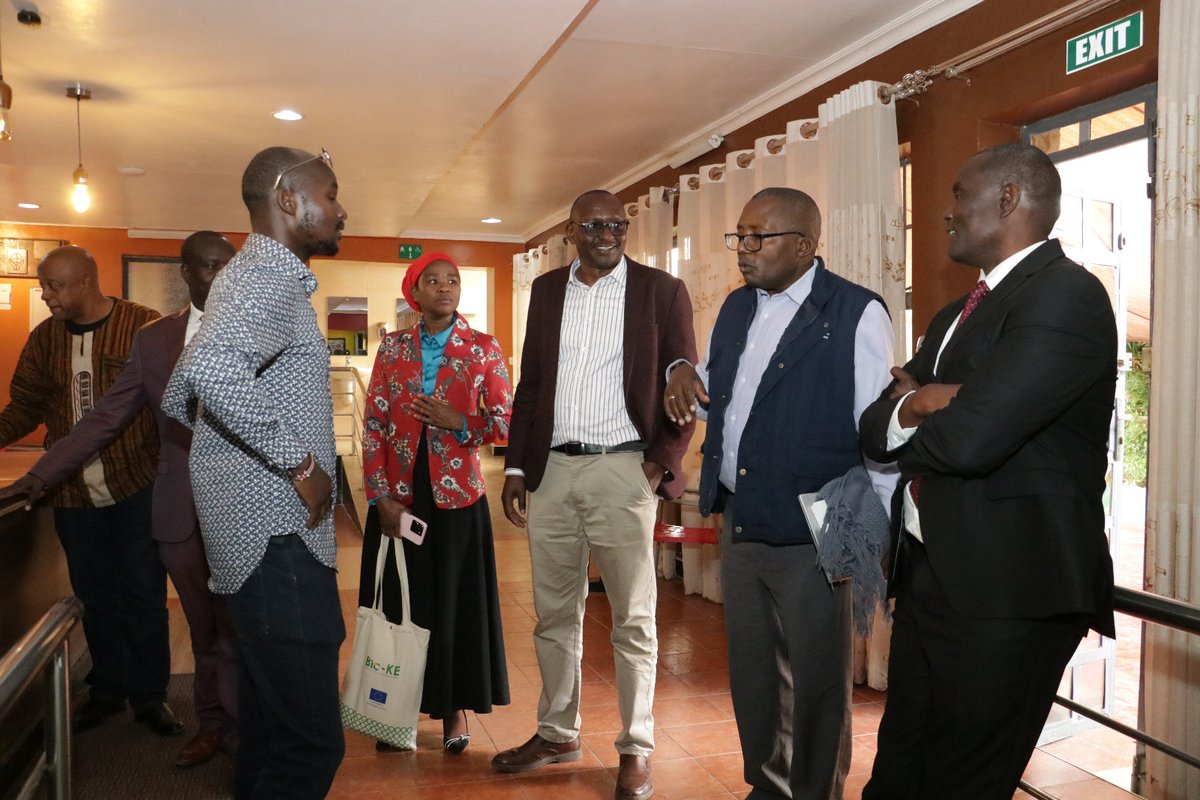
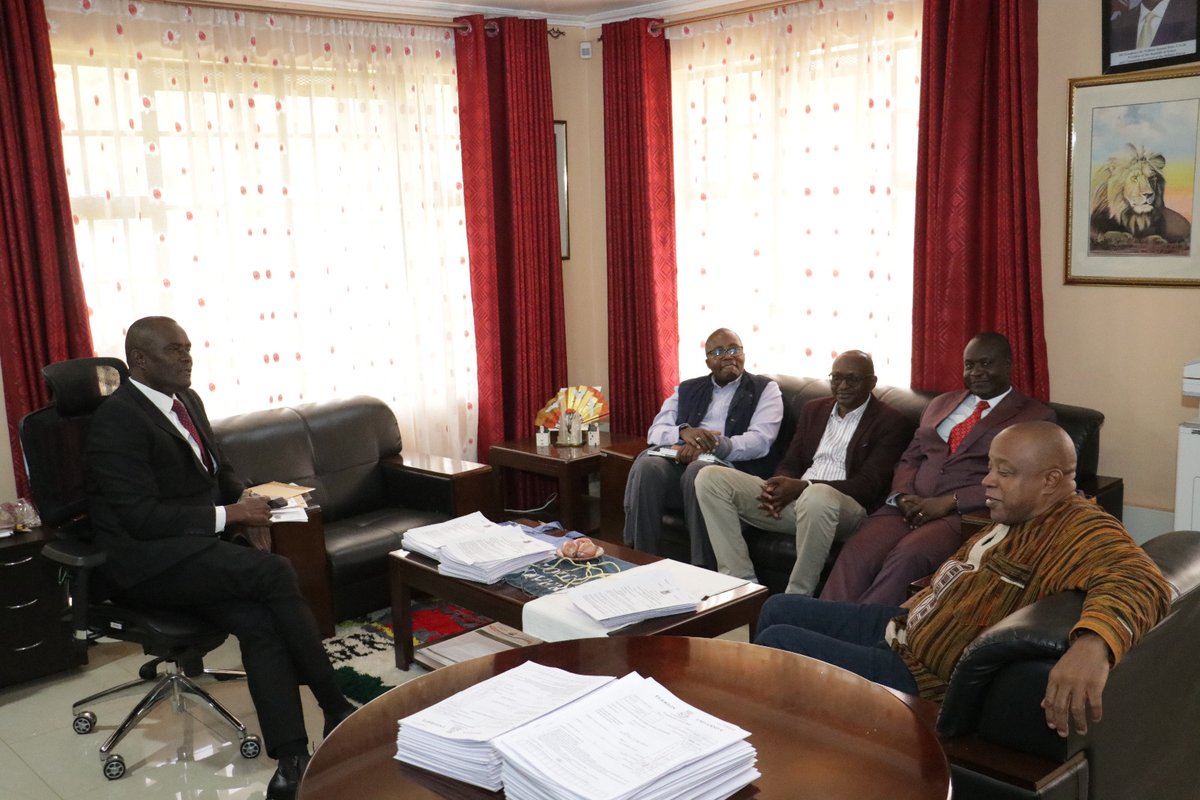
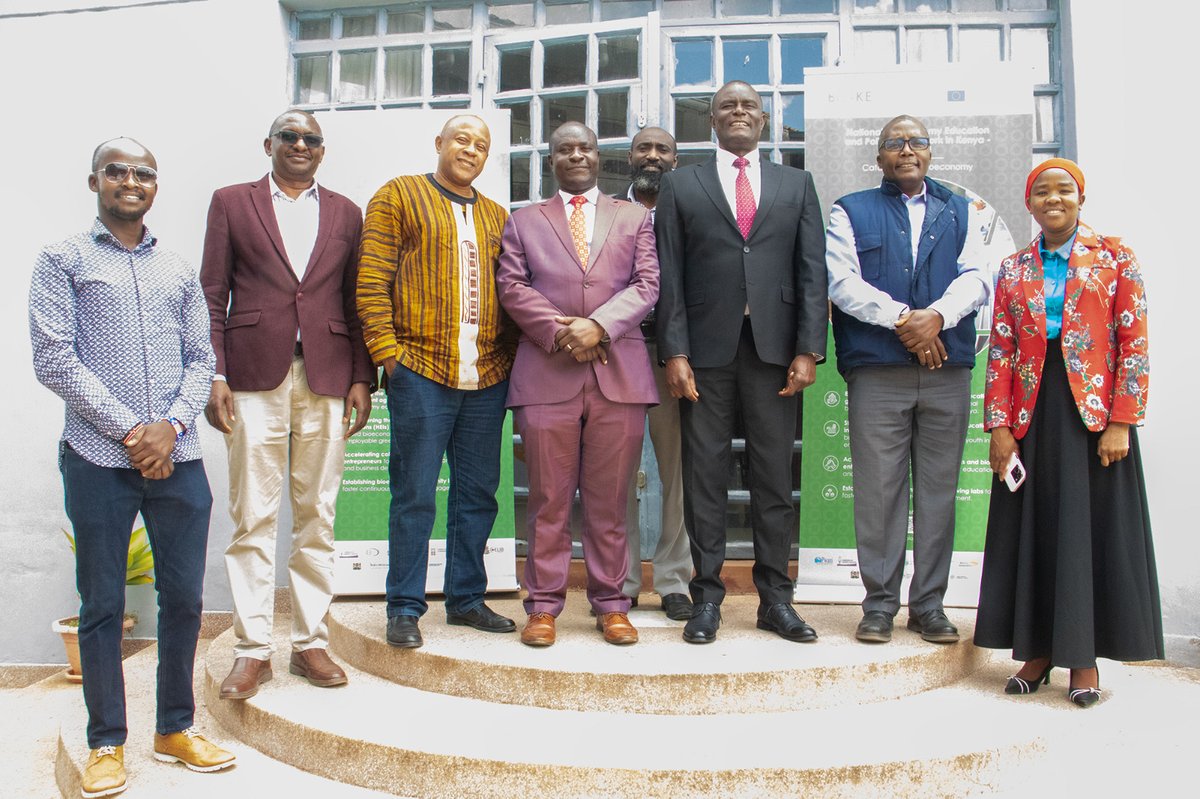
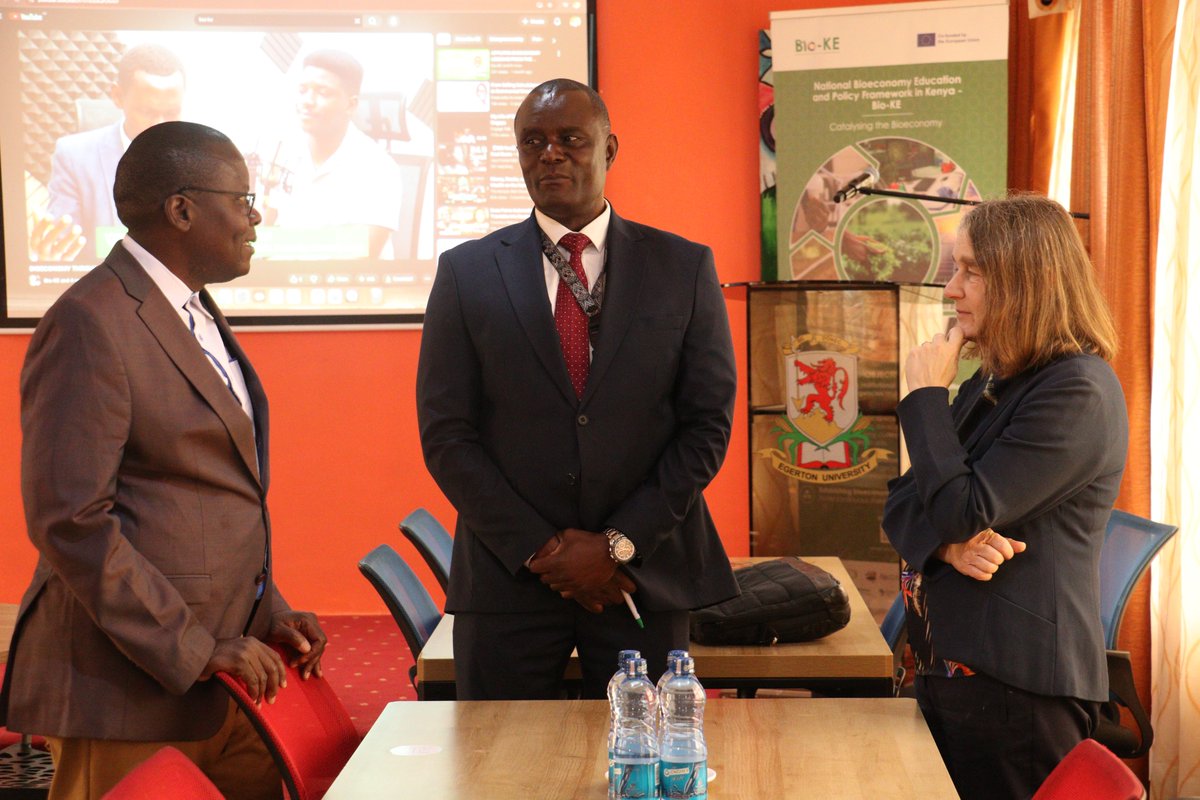
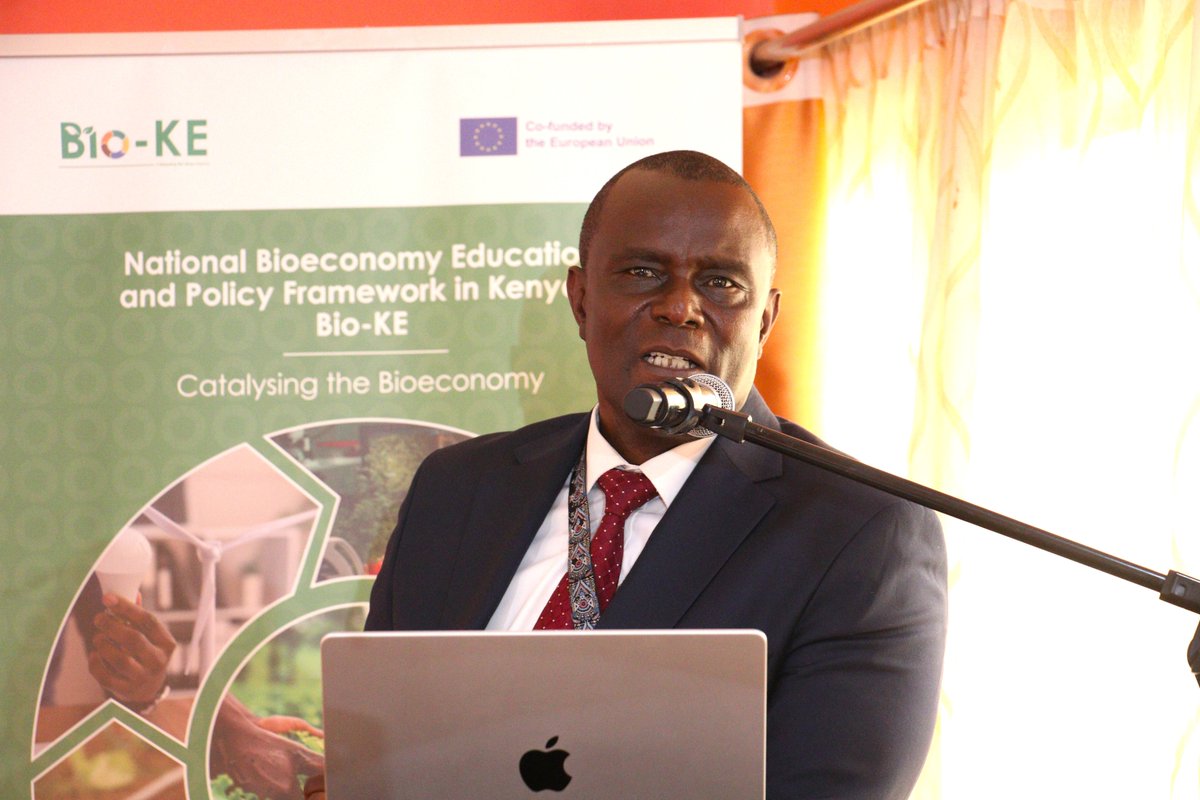
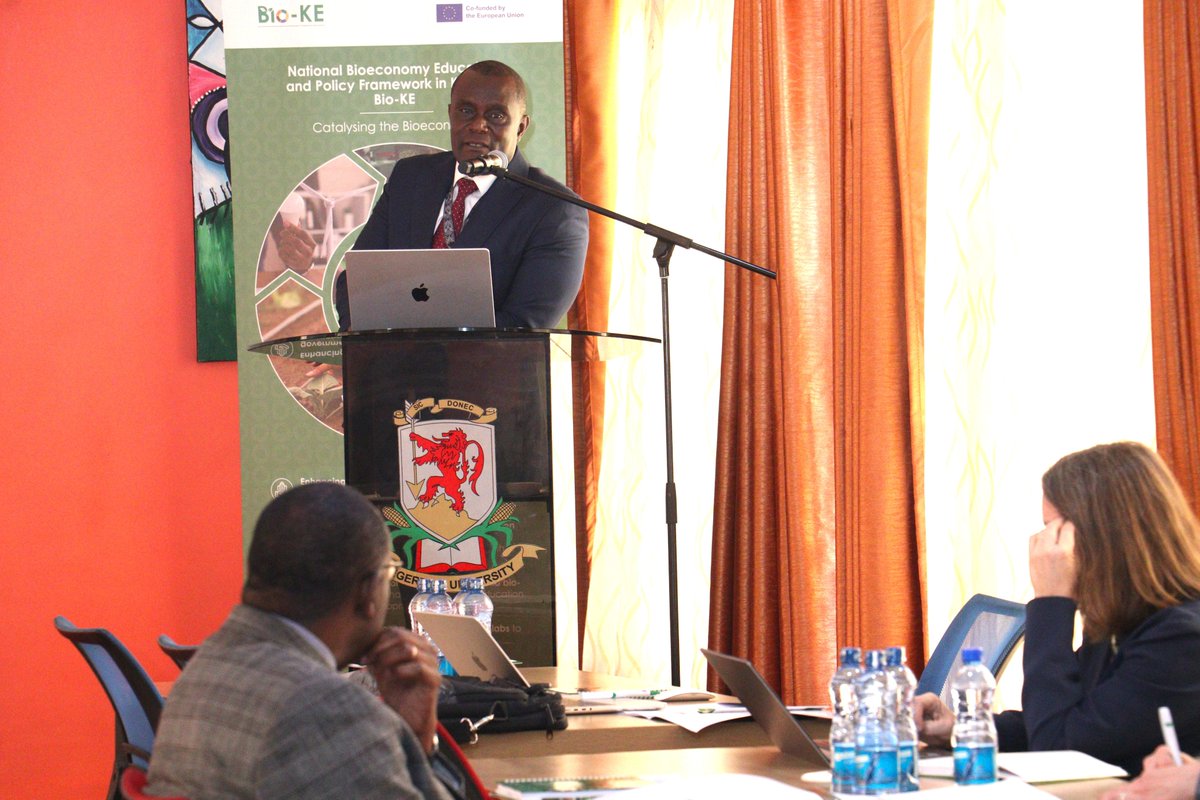
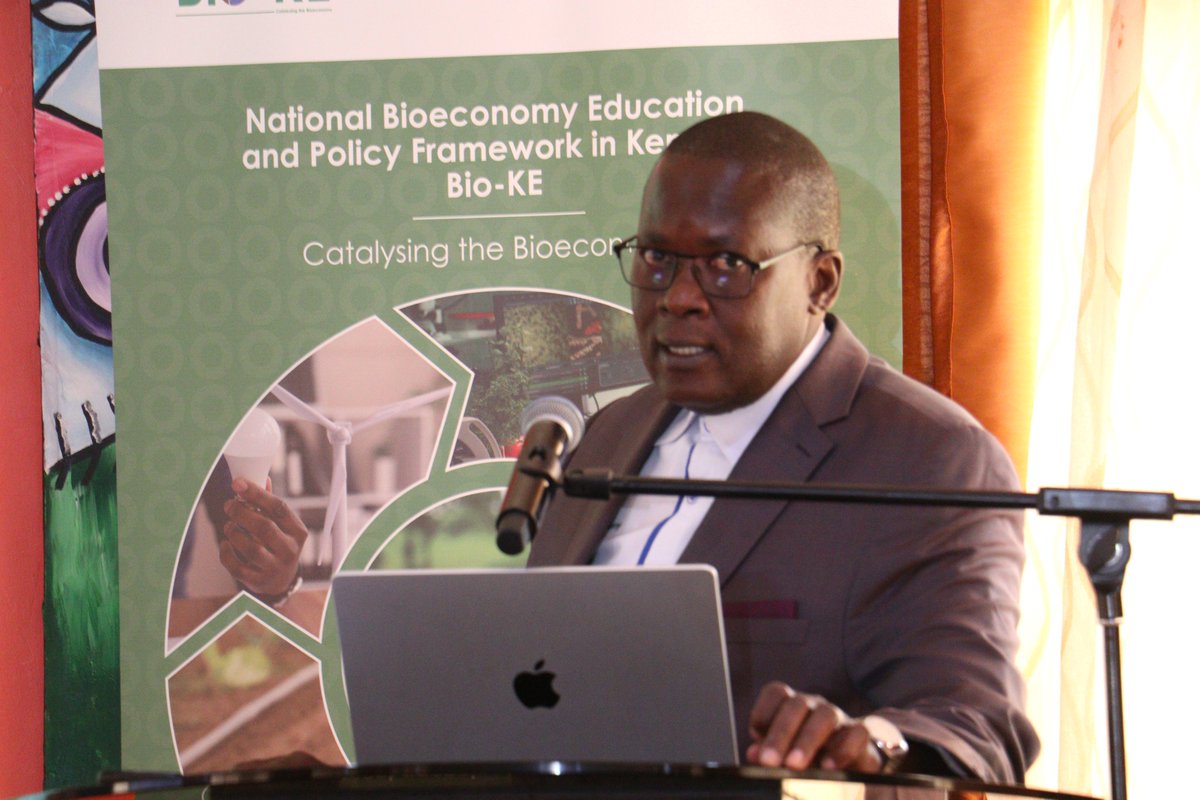
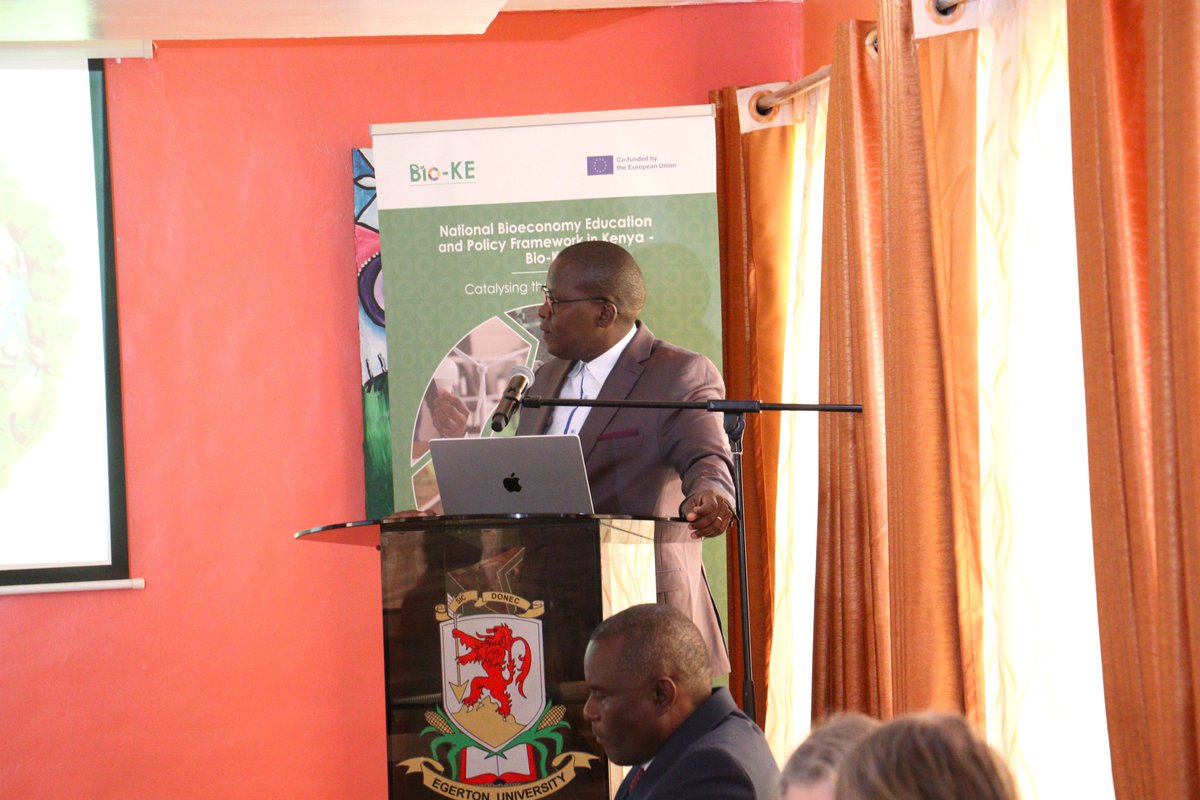
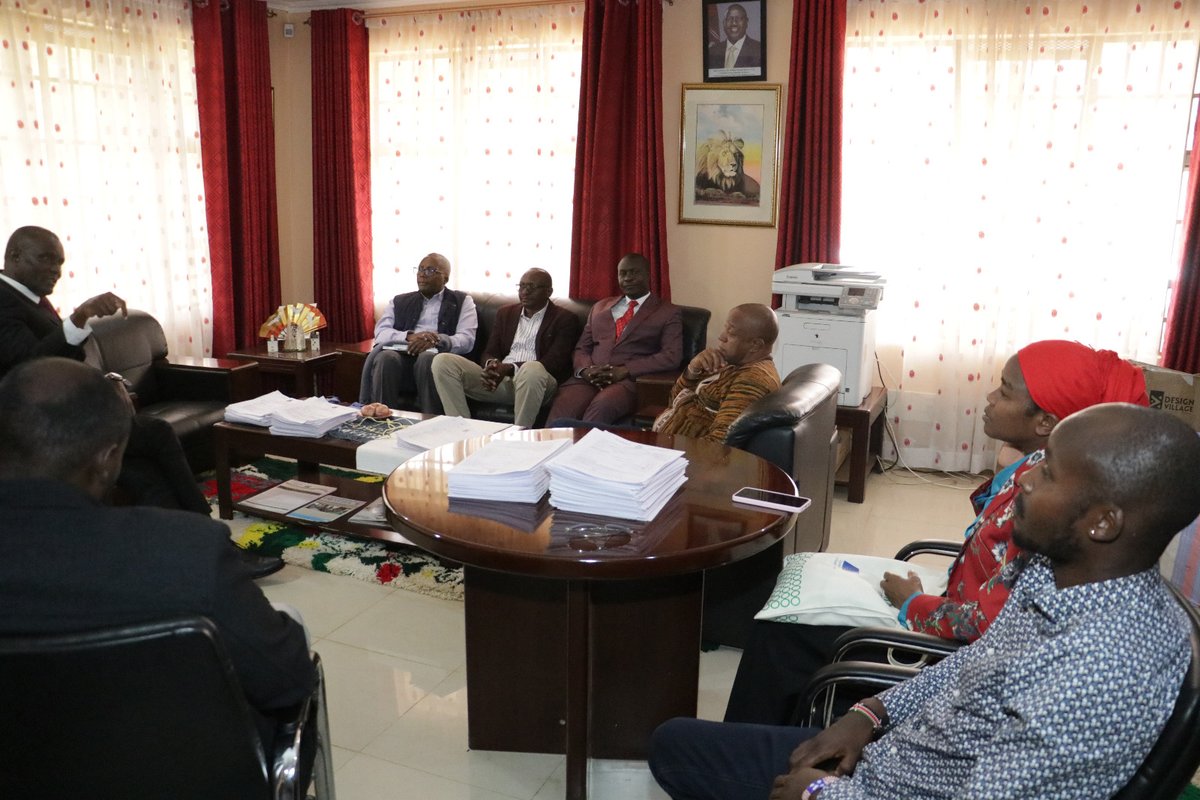
21 May 2026: Productive engagements during the Bio-KE Work Package 3 (WP3) meeting at Egerton University.
1
1
5
The visit to CoELIB further reinforced the importance of linking academic curriculum development with innovation ecosystems, research, and real-world application.
1
1
Such exchanges are essential to building responsive higher education systems that equip learners with the competencies needed to drive Kenya’s growing bioeconomy.
1
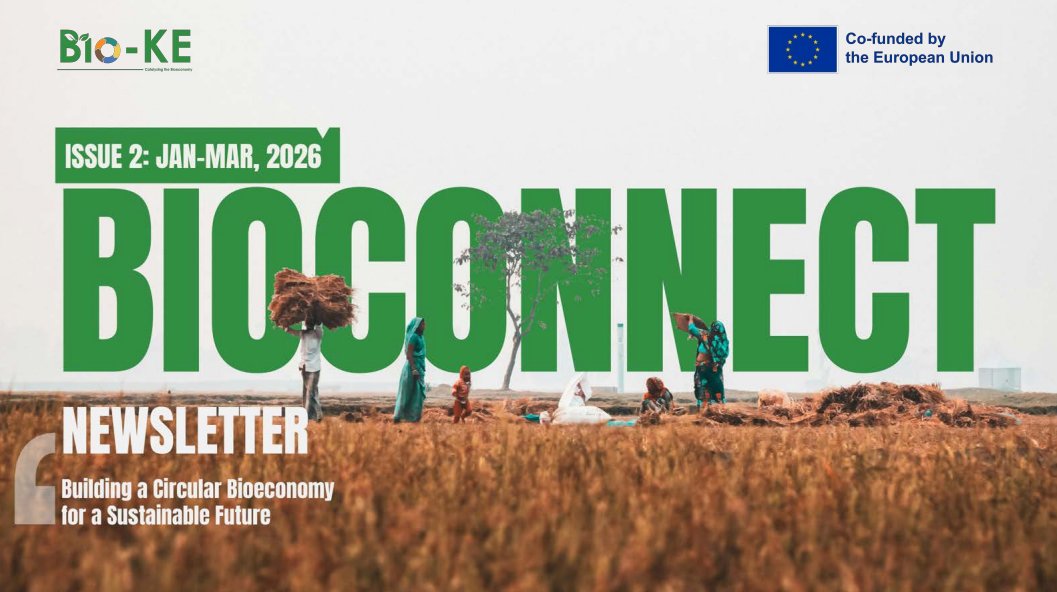
Issue Two of the BioConnect Newsletter is out. This edition looks at how Bio-KE is shaping Kenya’s bioeconomy through ideas already taking root, within universities, in communities, and through partnerships that are making a real difference.
1
1
You’ll also find insights from the Bioeconomy Curriculum Needs Assessment across three Kenyan universities, and a chance to reflect on where you might fit into this growing space. Explore: bio-ke.org/bio-ke-newsletter…
1
Easter inspires fresh beginnings and transformation. In the same spirit, BIO-KE is advancing the bioeconomy through innovation, turning natural resources into sustainable opportunities for growth and impact. Wishing you a season of renewal and progress. 🌱
1
Prof. Alexander Kahi (Department of Animal Science, Egerton University and Director-CoELIB) welcomed a delegation from the National Bioeconomy Education and Policy Framework in Kenya (Bio-KE) project for a session focused on
1
30
enhance agricultural productivity, and drive sustainable development.
1
9
As a Bio-KE partner, CoELIB - Egerton University remains strategically positioned to advance Kenya’s sustainable development agenda through evidence-based innovation, environmental stewardship, and multi-stakeholder capacity building aimed at long-term resilience.
19
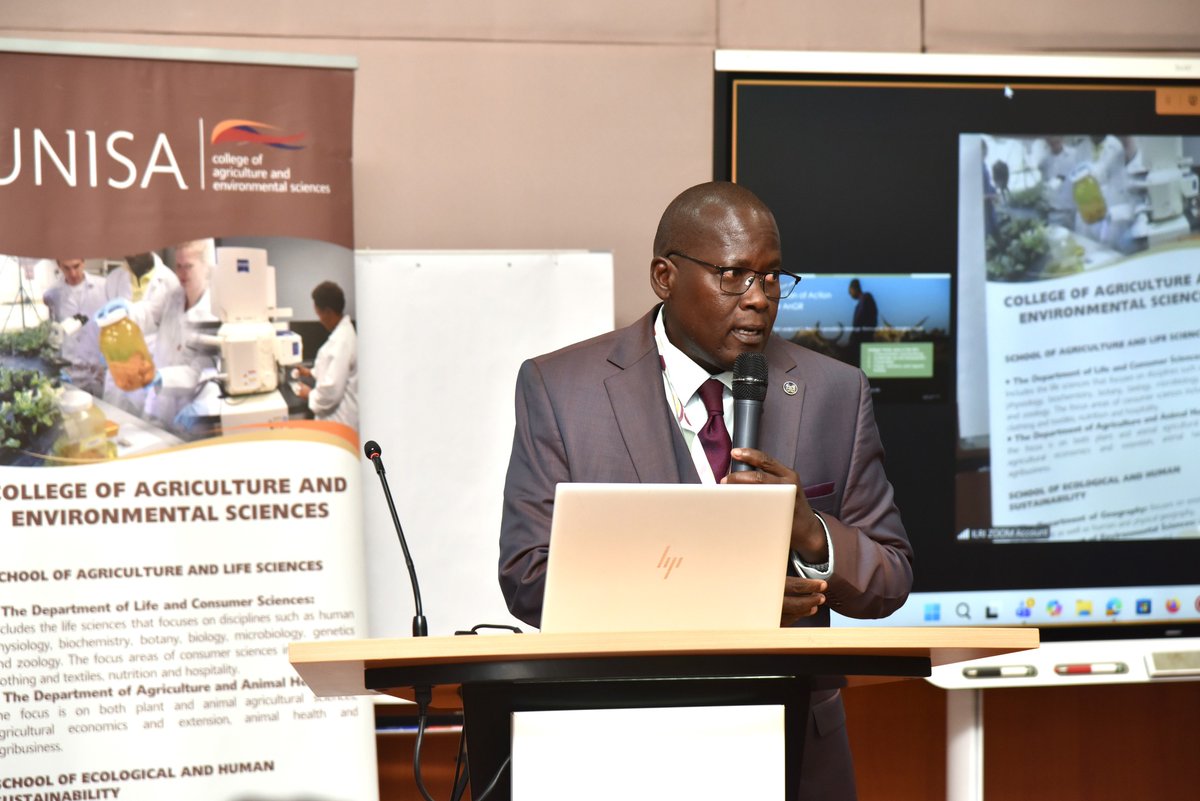
Prof. Thomas Rewe, Project Coordinator (Bio-KE), shares an overview of the project and its desired outcomes at the ongoing institutional capacity-building workshop on developing a bioeconomy education framework and strengthening higher education curriculum development capacity.
1
83
The two-day workshop hosted by CoELIB, Egerton University, is focused on mapping practical pathways for institutional capacity strengthening, empowering universities and government agencies to design and sustain impactful change.
1
14
“We are not just developing a framework; we are strengthening the capacity of our higher education institutions to lead in bioeconomy training, research, and policy support.”
8
We appreciate Citizen Digital for taking the time to highlight the work of the Bio-KE Project. Their recent story captures how, working closely with partners, Bio-KE is advancing the bioeconomy. citizen.digital/article/keny…
20
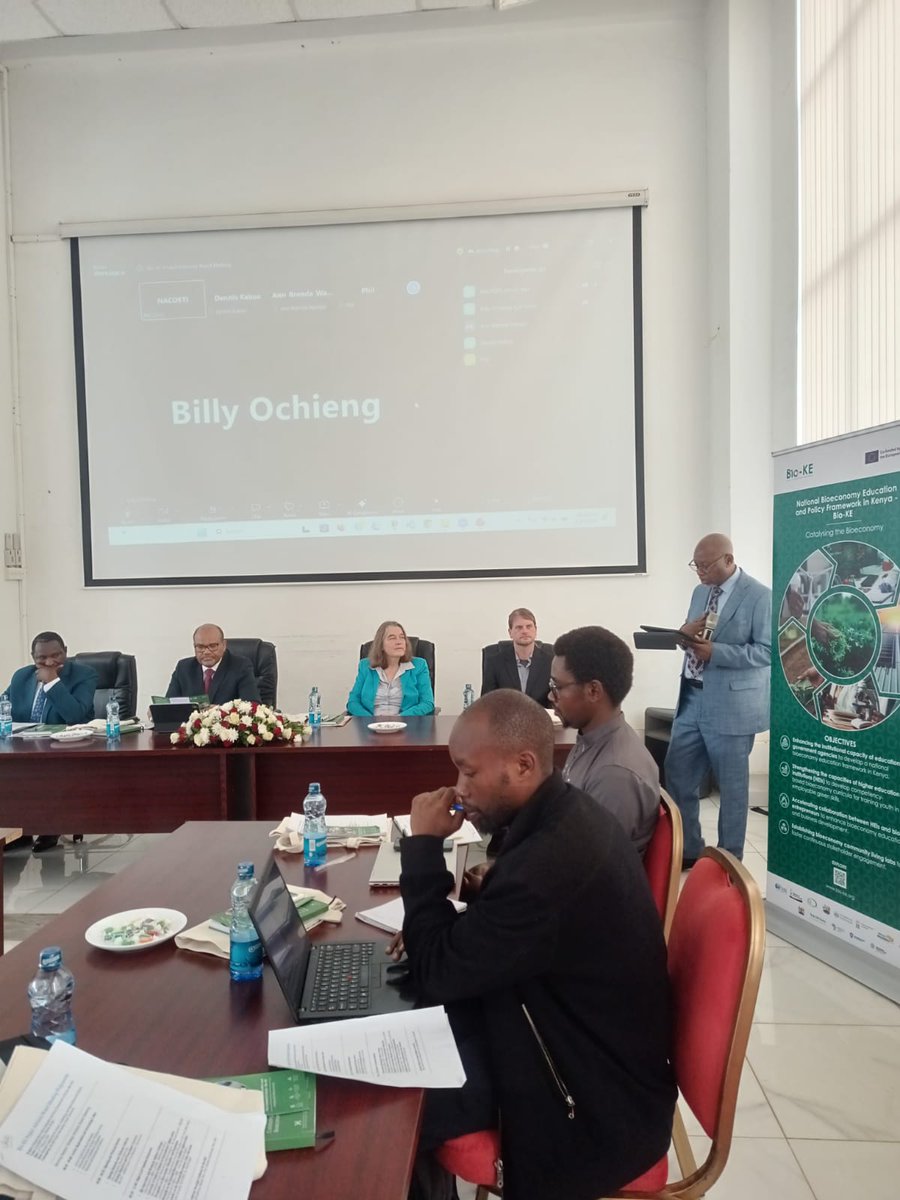
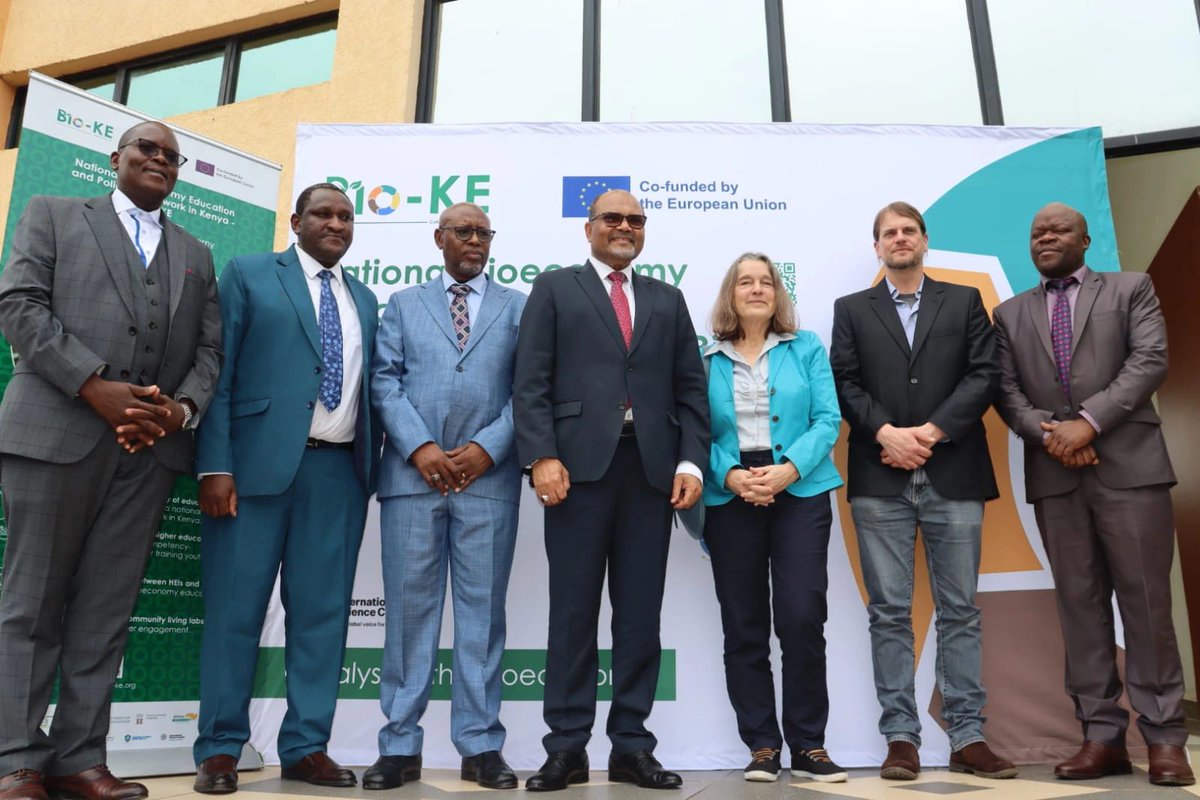
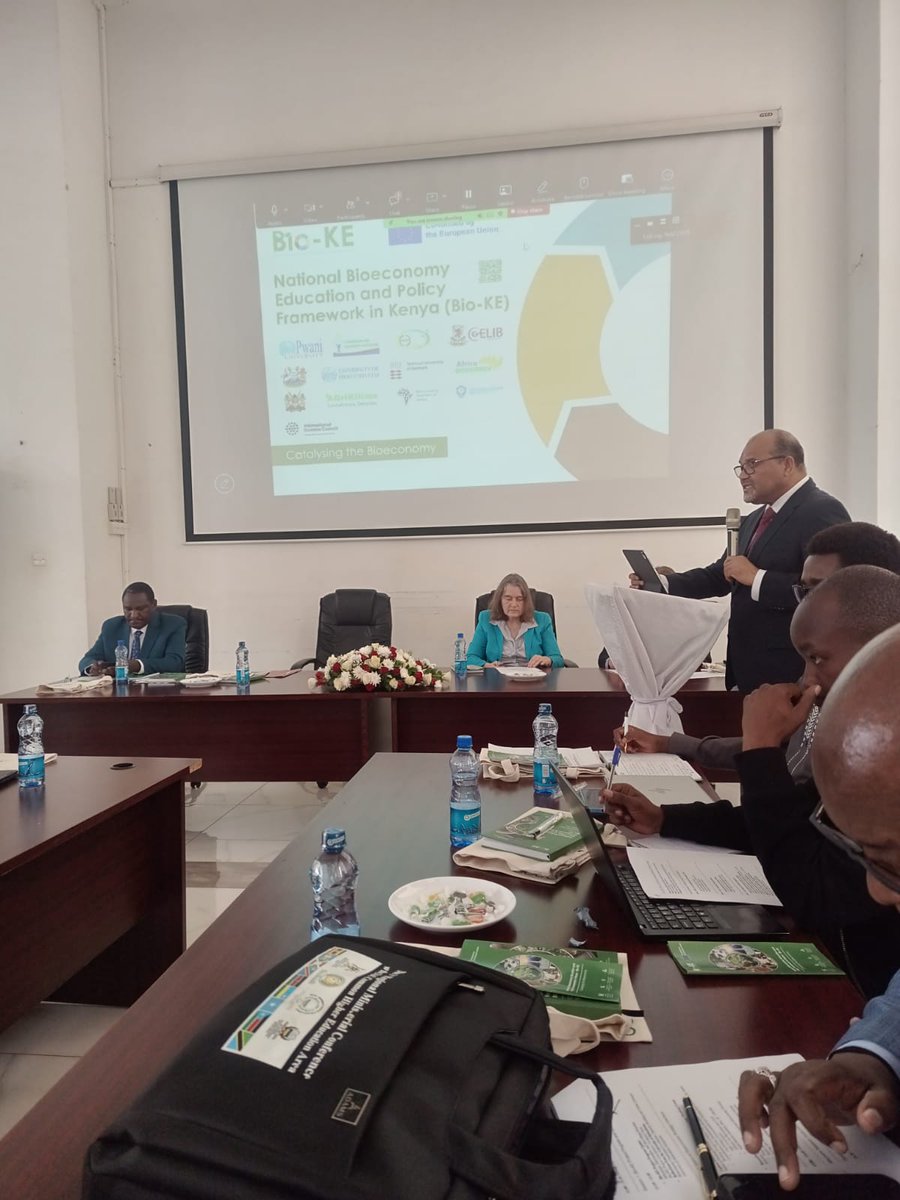
Underway (23rd February 2026): Prof. Shaukat Abdulrazak, Principal Secretary for the State Department of Science, Research and Innovation, delivering the keynote address at the Bio-KE Project Advisory Board Meeting at NACOSTI Plaza, Nairobi.
1
2
1
123
The meeting hosted by the National Commission for Science, Technology and Innovation (NACOSTI) and convened by the Bio-KE Project Secretariat seeks to strengthen strategic alignment and collaborative effort around bioeconomy higher education reform and policy coherence.
1
32
Discussions also focus on aligning Bio-KE with Kenya’s National Bioeconomy Strategy, promoting policy skills development and fostering living labs and bio-entrepreneurship ecosystems.
22