
Joined February 2023
- Tweets 3,082
- Following 368
- Followers 5,580
- Likes 5,739
306 Photos and videos





Bitcoin Policy UK retweeted

Jun 9
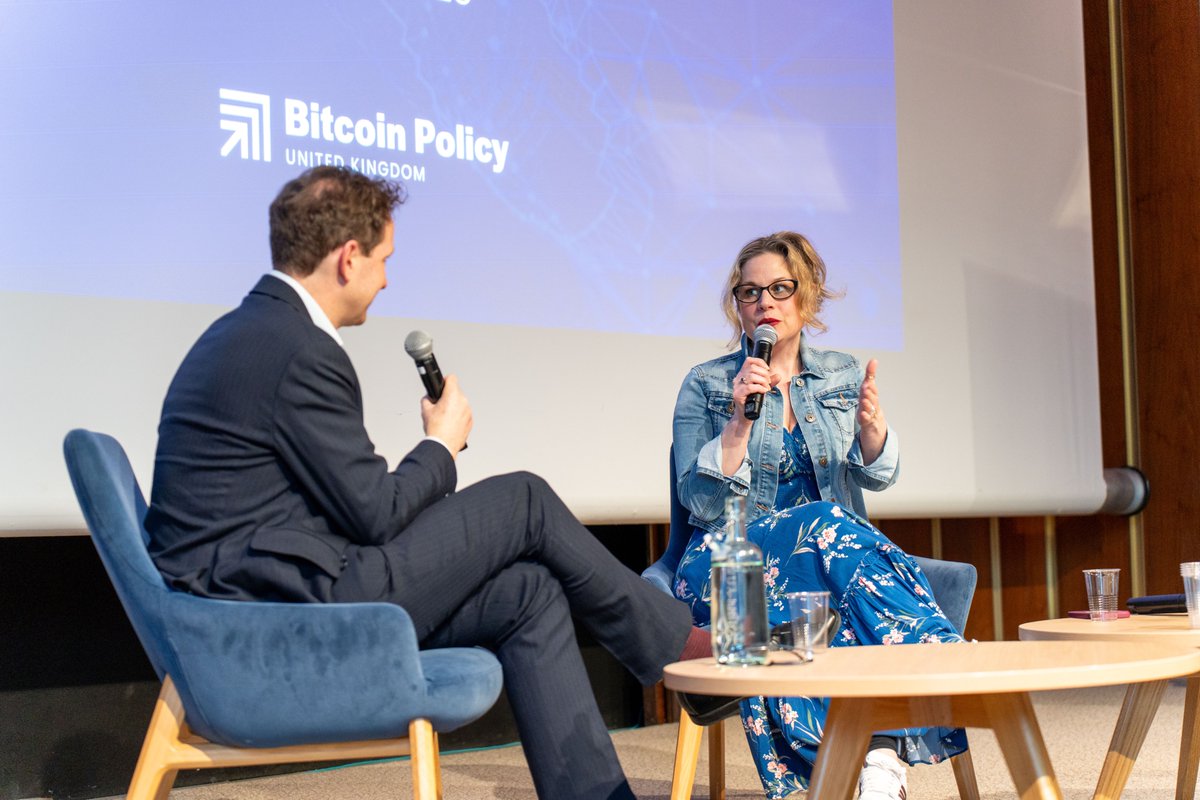
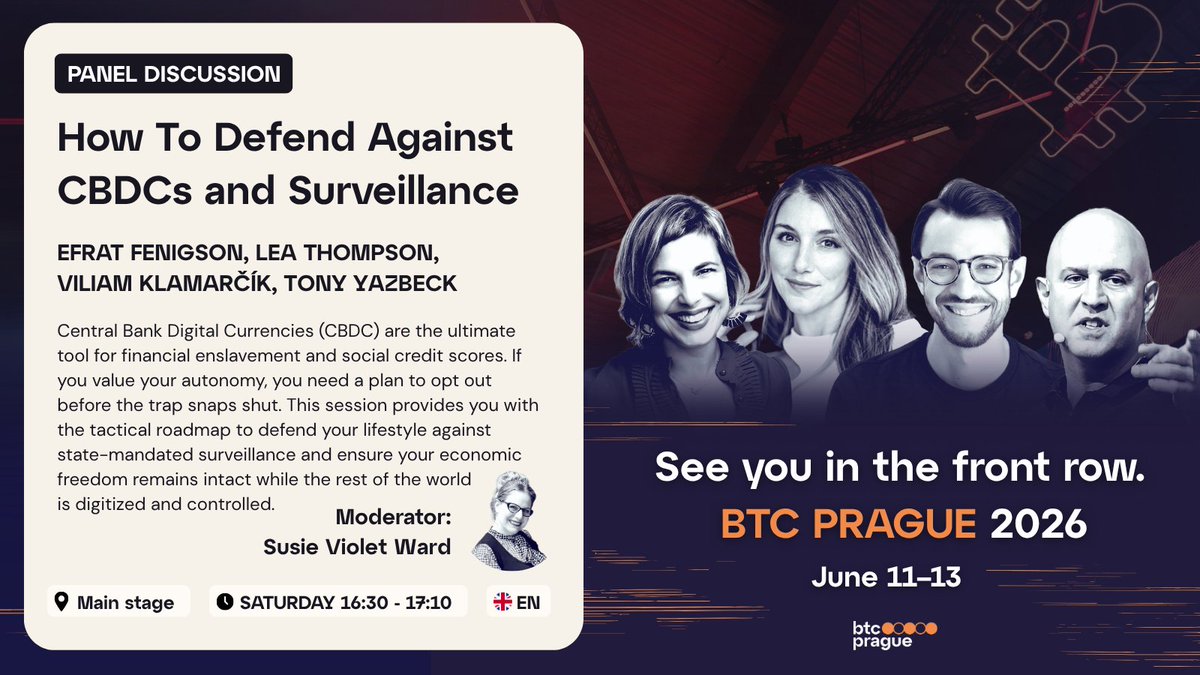
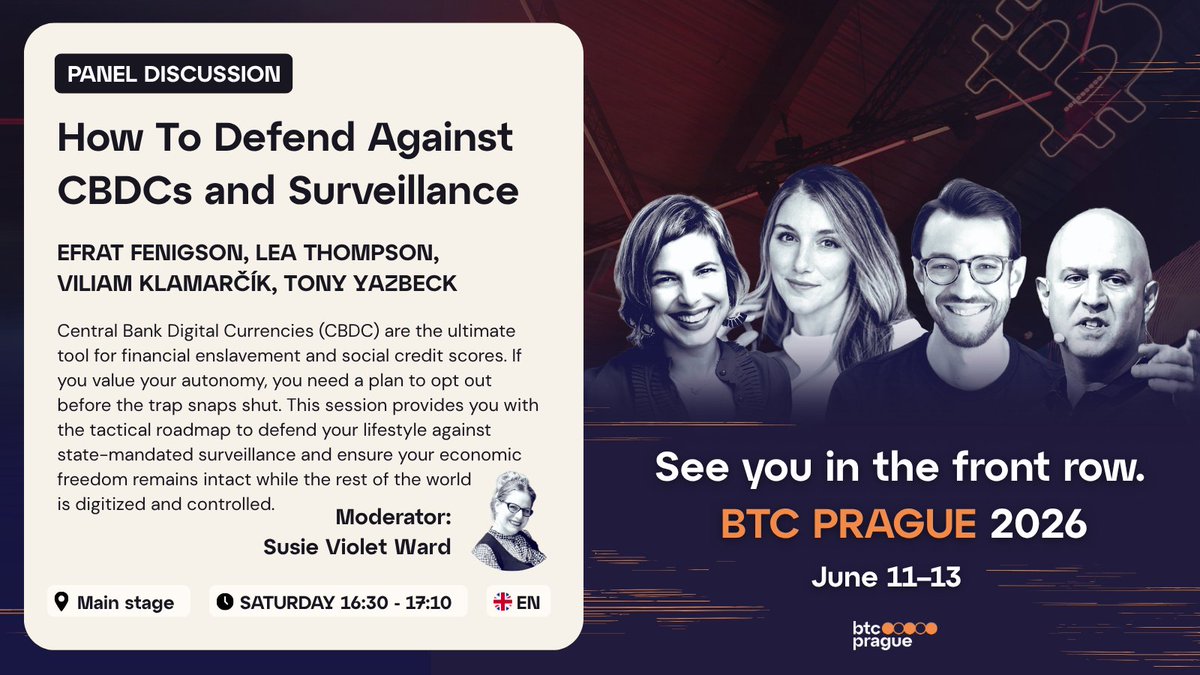
Looking forward to this panel at @BTCPrague with @efenigson, @girlgone_crypto and @V4BTC - CBDCs, surveillance and how to defend yourself. Moderated by one and only @DecentraSuze 😎
3
15
590
Bitcoin Policy UK retweeted

Jun 13
D is a genius.
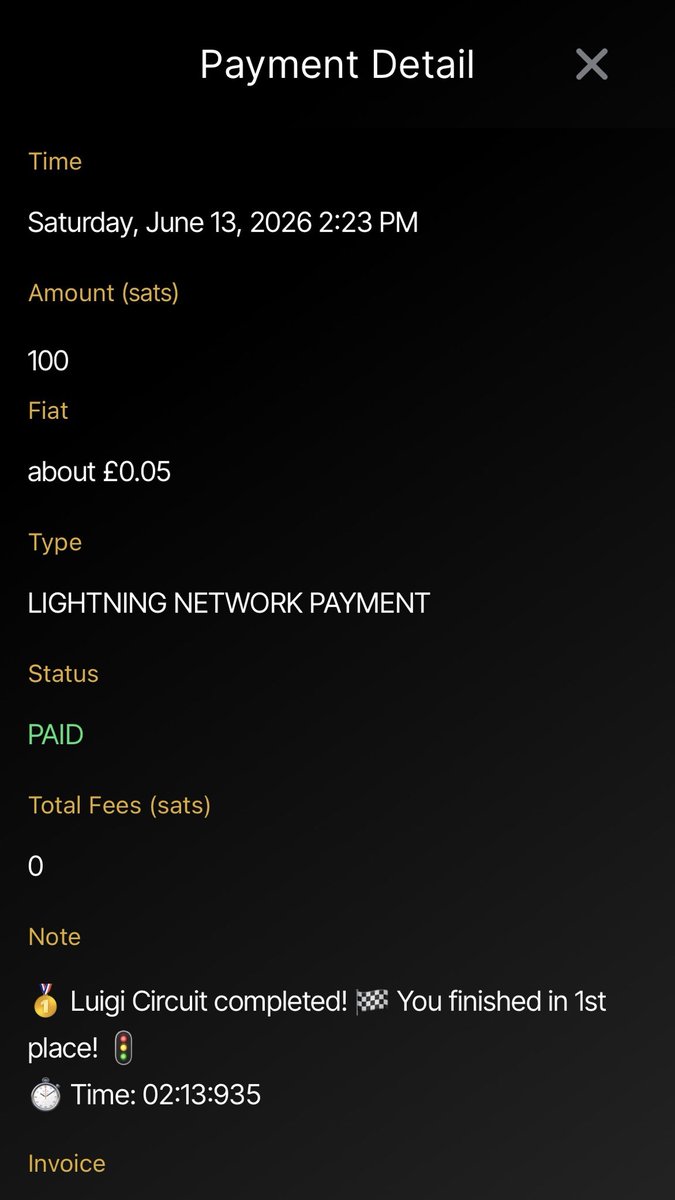
She reverse engineered (hacked) Mario Kart, read the game’s memory in real time, and connected gameplay directly to Lightning payments.
As you race, sats stream to your wallet. The leaderboard updates live. Payments happen automatically. Every lap, overtake and position change can be reflected through Lightning in real time.
What makes this so clever is that it transforms Bitcoin from something people are told about into something they experience.
For many people, especially in places where scams have damaged trust, learning about Bitcoin through a game is far more powerful than listening to a presentation or reading a guide.
Projects like this also help stress test wallets, uncover bugs, improve UX and show developers what’s possible when money becomes native to the internet.
The most important thing… it’s fun… and fun is one of the most underrated drivers of adoption.
This will inspire a new generation of builders to create games, educational tools and entirely new experiences powered by Lightning. ⚡️⚡️⚡️


16
39
195
7,464
Bitcoin Policy UK retweeted
Jun 12
In early 2023 on @GBNews I warned that central bank digital currencies could become programmable money.
Money that can be limited, directed, monitored or linked to policy goals.
At the time, many people thought this sounded extreme.
The Bank of England’s Digital Pound Lab is now trialling use cases involving programmable payments and smart contracts.
Across the EU, the Digital Euro is moving forward, while member states are required to provide EU Digital Identity Wallets by the end of 2026.
In the UK, digital ID, age verification and the Online Safety Act are all expanding the infrastructure for digital authoritarianism.
Financial freedom depends on preserving the ability to transact without permission.
Bitcoin is a peaceful way to opt out.
Thank you @BeverleyTurner, you were ahead of your time.
Speaking about this on stage at @BTCPrague. Details below.
Jun 9

CBDCs are financial surveillance with better branding. They are being be sold as innovation, convenient and inclusive.
Once money becomes programmable, freedom becomes conditional.
- Who decides what you can buy?
- Who decides where you can spend?
- Who decides when your access ends?
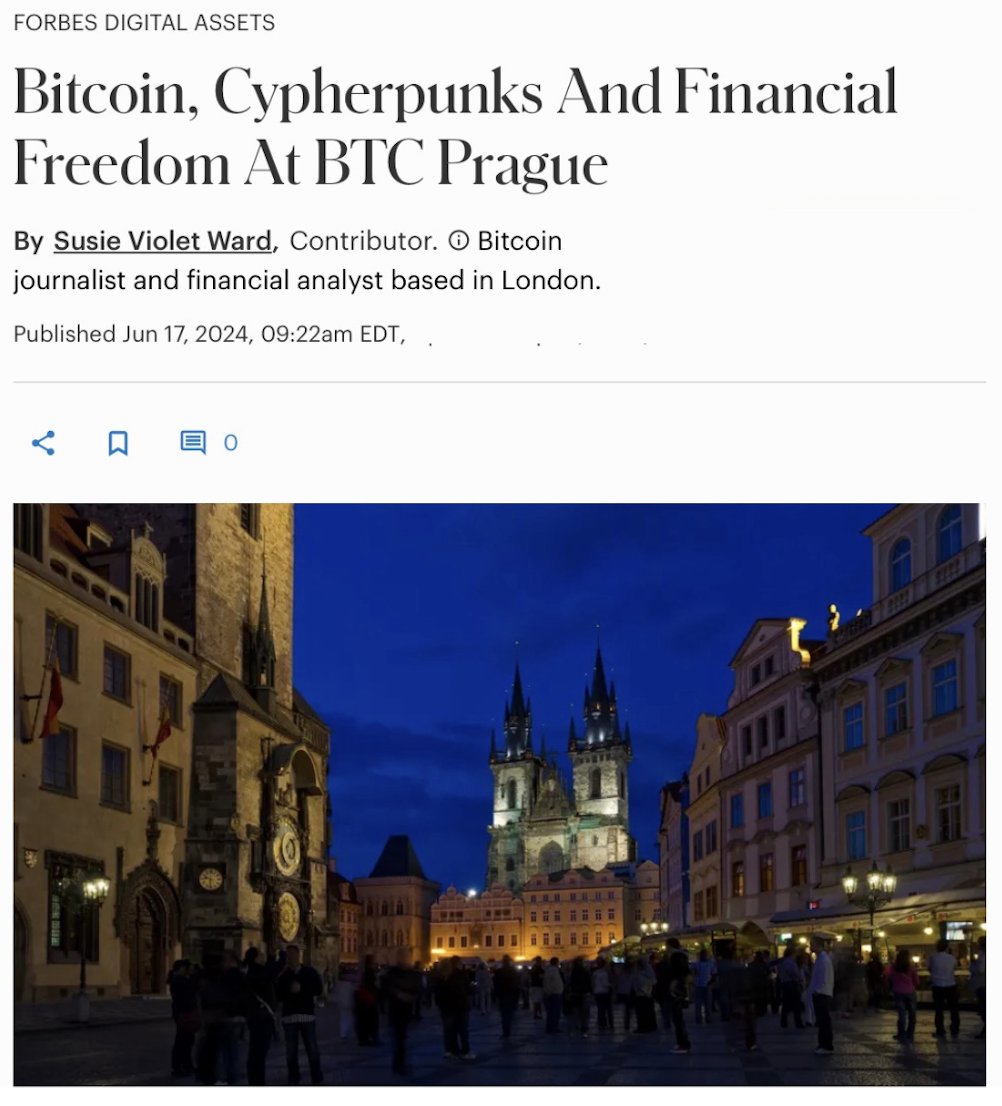
The Czech Republic knows what centralised power looks like and Prague has always felt like the right place to talk about bitcoin, cypherpunks and financial freedom.
I’ll be moderating a panel on how to defend against CBDCs and surveillance with Efrat Fenigson, Lea Thompson, Viliam Klamarčík and Tony Yazbeck.
Read article here:
forbes.com/sites/digital-ass…
See you in Prague.
#BTCPrague #Bitcoin #CBDC #FinancialFreedom

1
7
34
1,160
Bitcoin Policy UK retweeted
Jun 9
CBDCs are financial surveillance with better branding. They are being be sold as innovation, convenient and inclusive.
Once money becomes programmable, freedom becomes conditional.
- Who decides what you can buy?
- Who decides where you can spend?
- Who decides when your access ends?
The Czech Republic knows what centralised power looks like and Prague has always felt like the right place to talk about bitcoin, cypherpunks and financial freedom.
I’ll be moderating a panel on how to defend against CBDCs and surveillance with Efrat Fenigson, Lea Thompson, Viliam Klamarčík and Tony Yazbeck.
Read article here:
forbes.com/sites/digital-ass…
See you in Prague.
#BTCPrague #Bitcoin #CBDC #FinancialFreedom
1
11
39
5,161
Bitcoin Policy UK retweeted

Jun 8
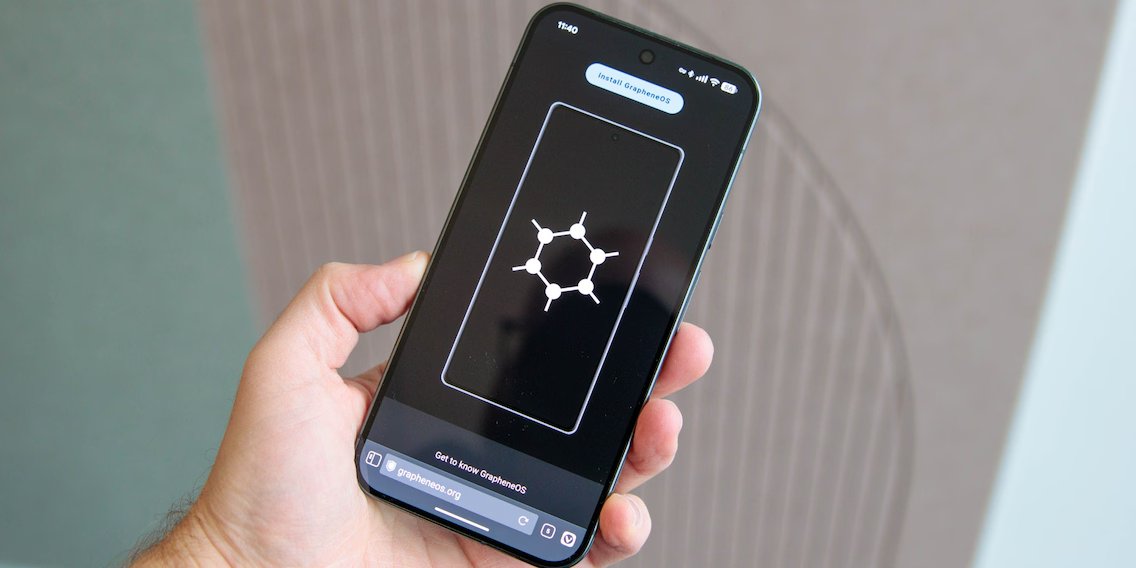
Get a Pixel phone.
Install @GrapheneOS on it right now.

Keir Starmer set to impose internet restrictions on millions of Britons within days
gbnews.com/politics/social-m…
49
229
1,788
86,058
Bitcoin Policy UK retweeted
Jun 8
Hal Finney understood early that Bitcoin could serve two worlds. It could become ‘a reserve currency for banks’ while still remaining permissionless money anyone can hold and use without intermediaries.
As @EricBalchunas said, Bitcoin has two major advantages. It is censorship resistant and a debasement hedge because of its scarcity.
The important thing is preserving access to both uses, so it can integrate without surrender and scale without ceasing to be freedom money.
This is the most elegant monetary achievement in history.
@HankatRoxomTV
3
12
45
2,857
Bitcoin Policy UK retweeted

The new Meetup Breakdown is out now - Issue 98! 🗞️
🔸 8 Bitcoin meetups
🔸 1 upcoming event
🇬🇧 Your weekly update on the UK Bitcoin scene.
Subscribe for free and don't miss a thing.
themeetupbreakdown.com/p/the…
6
13
511

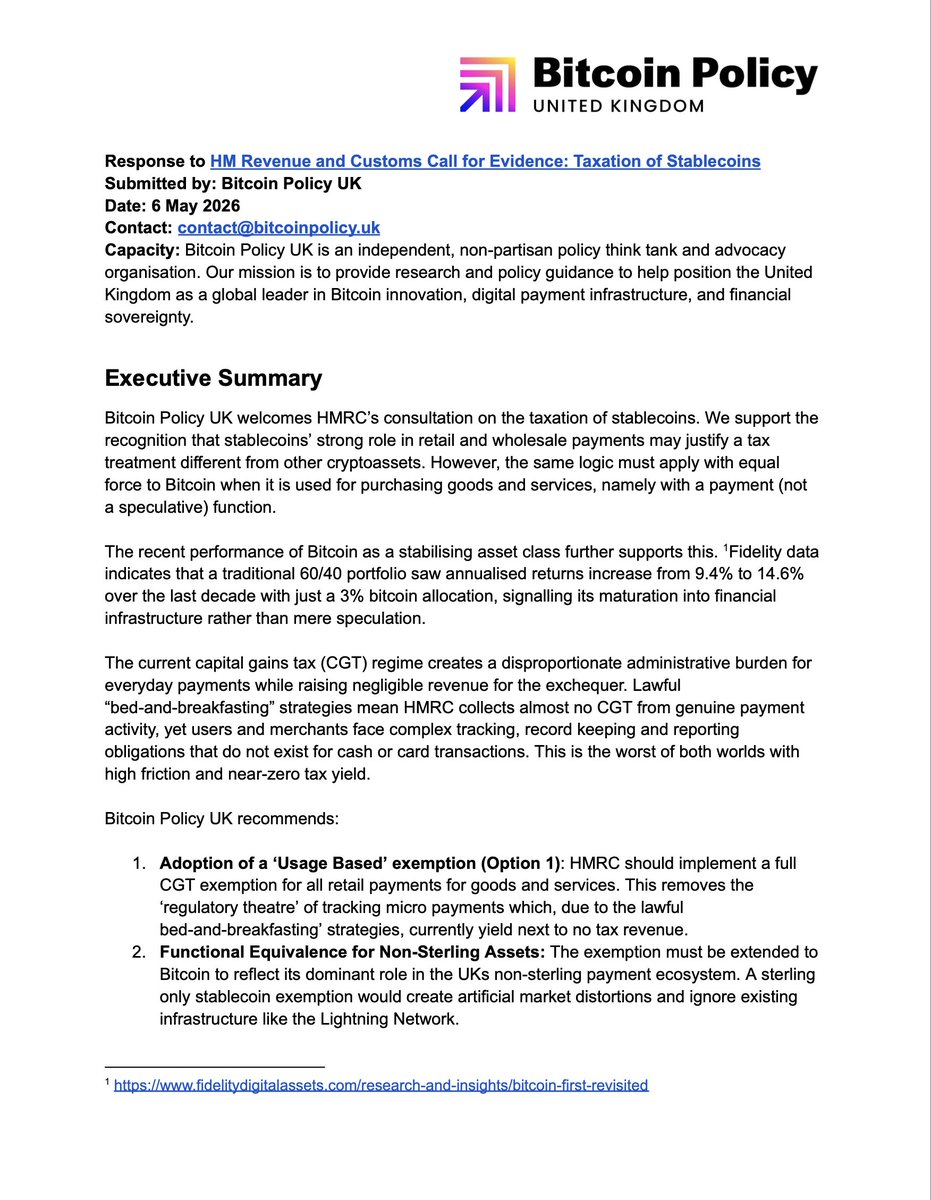
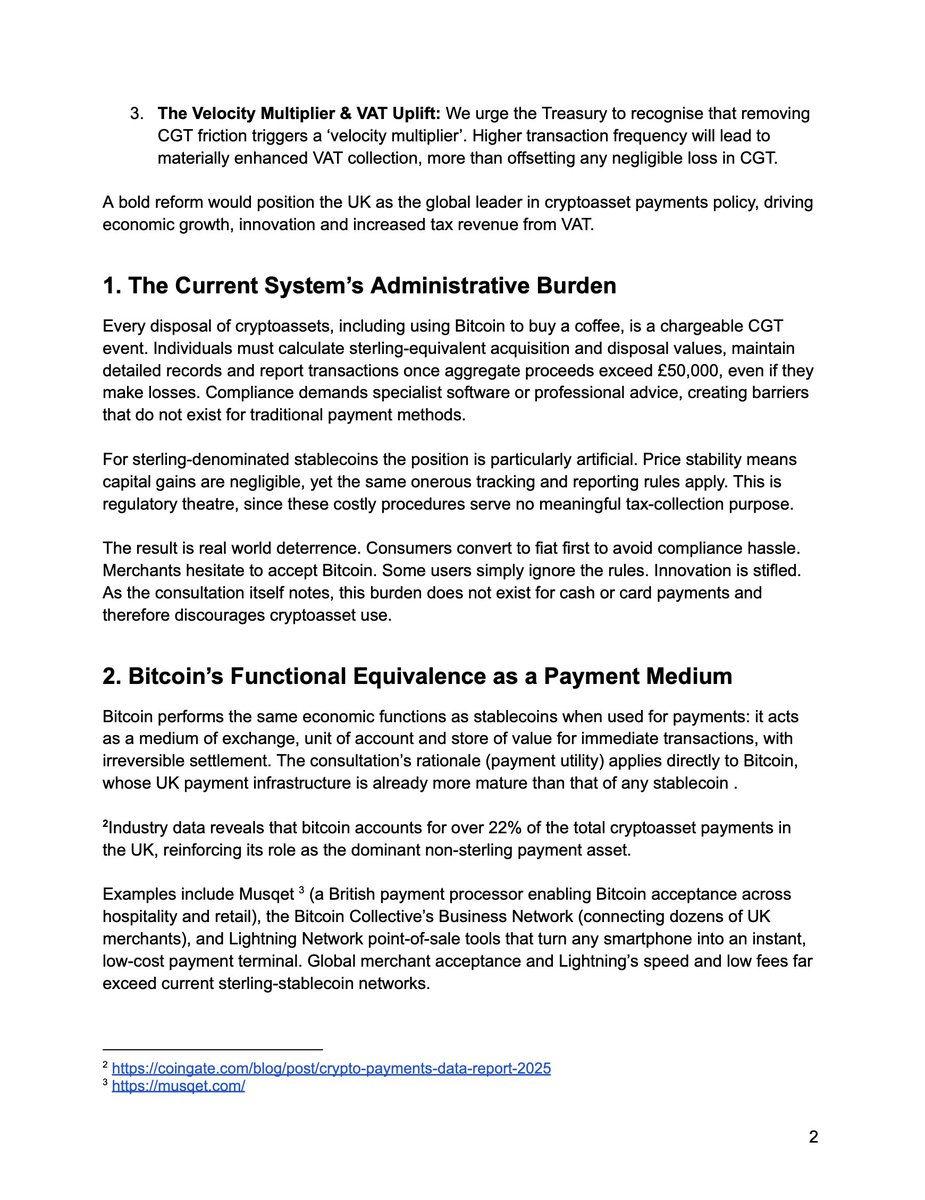
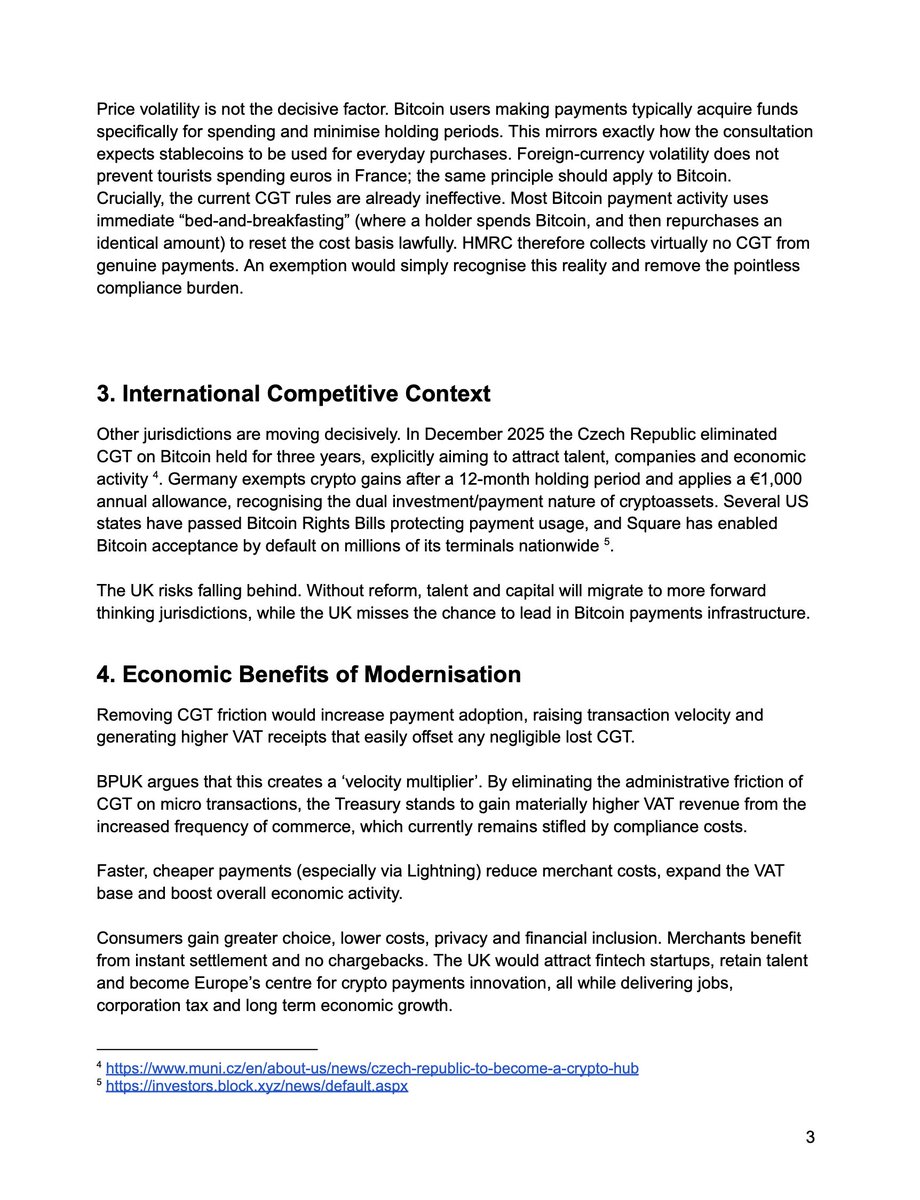
The UK says it wants innovation in digital payments, but current tax rules still treat everyday Bitcoin spending as a capital gains event.
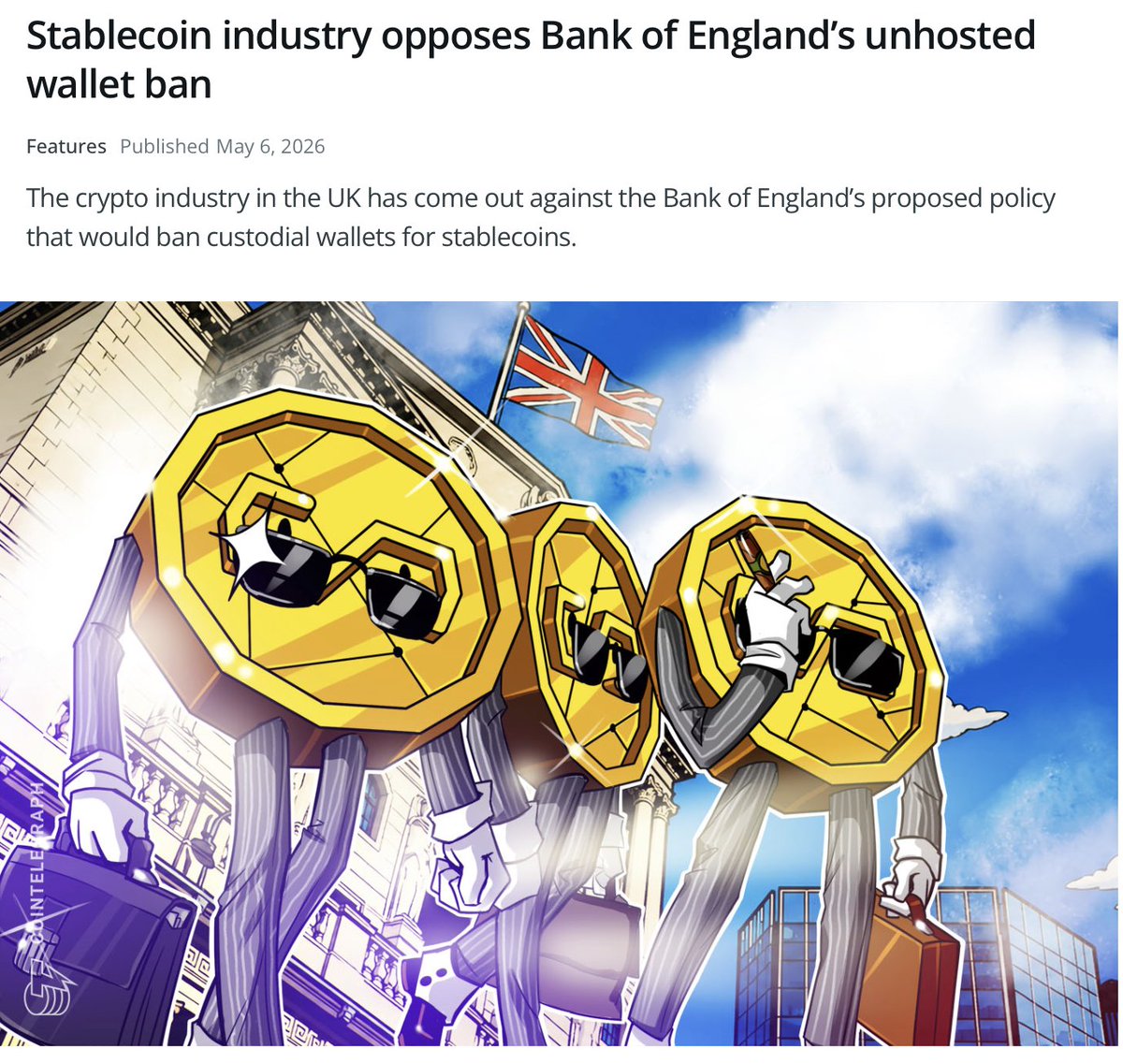
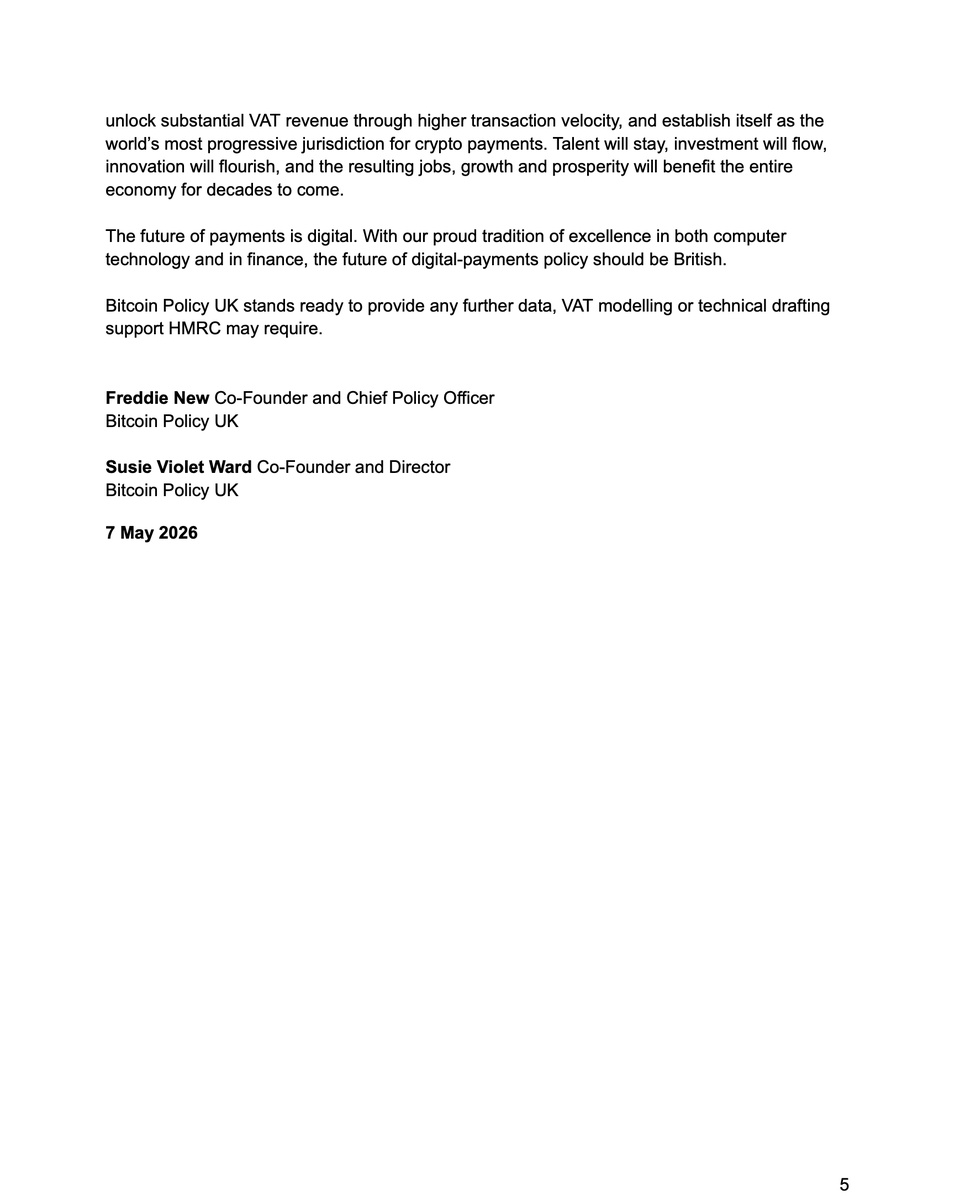
Our response to HMRC argues that if stablecoins deserve lighter treatment as payment instruments, Bitcoin should not be excluded from the same logic.
The audio version is now live.
fountain.fm/episode/3JBYV0xd…
@FreddieNew @DecentraSuze
4
11
36
1,472
The full response can be read here:
img1.wsimg.com/blobby/go/aea…
If the UK wants usable digital money, it cannot keep taxing everyday payments as investment disposals.
2
7
355

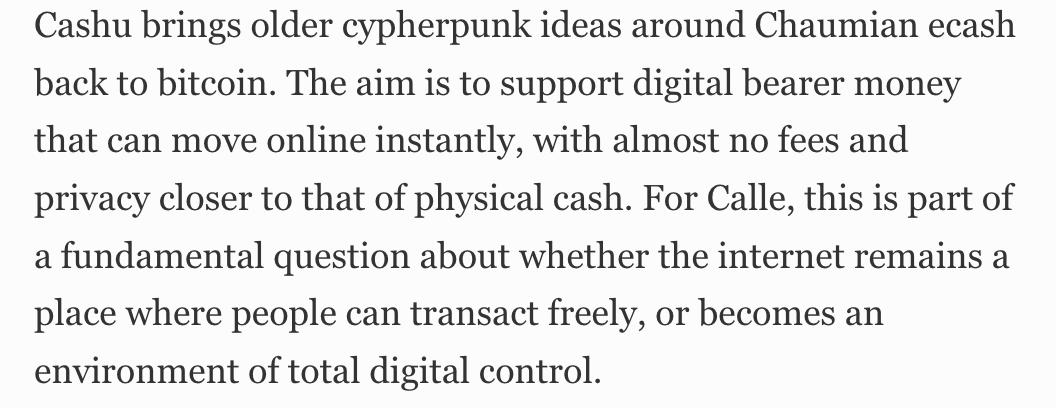
Cashu is freedom tech.
Jun 4
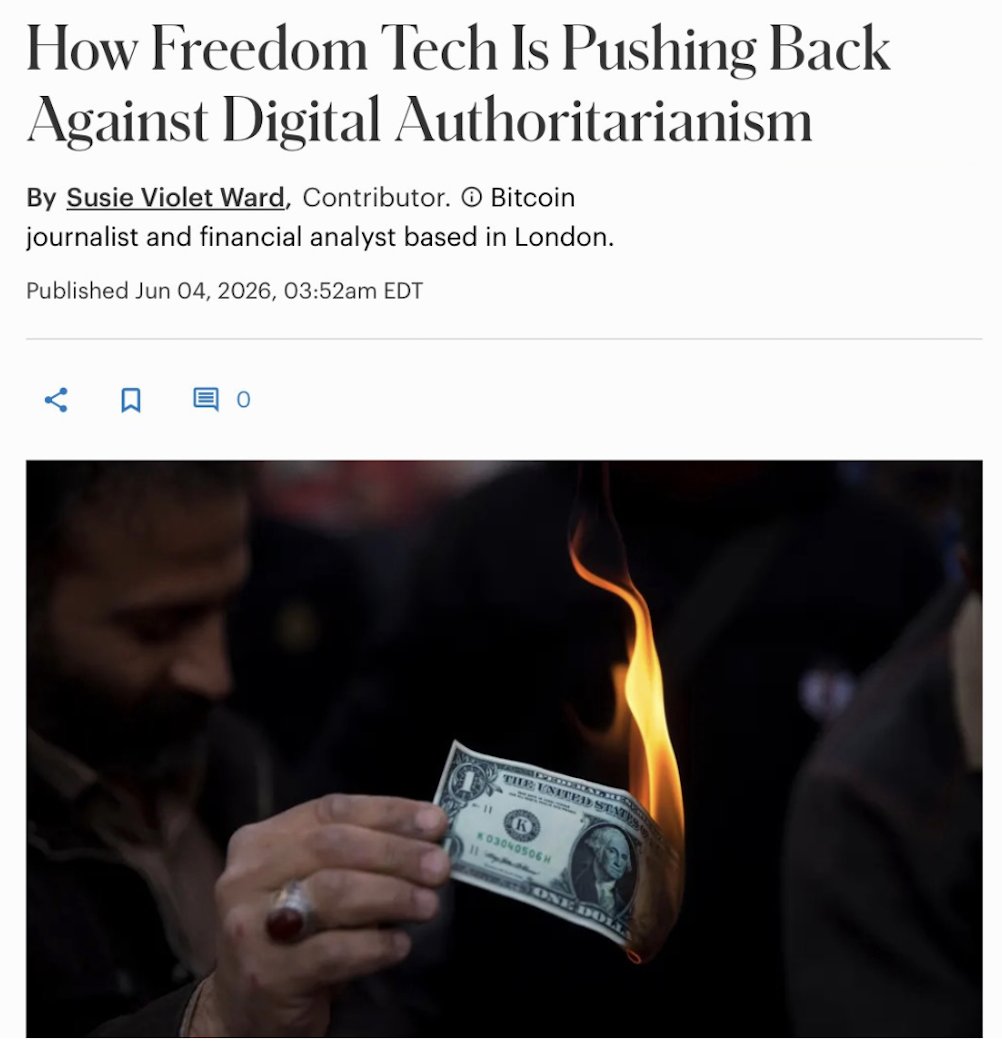
Digital control is expanding through surveillance, debanking, KYC databases, internet shutdowns and financial repression.
Builders and activists are creating an emerging freedom tech stack of private payments, resilient communication, spyware research, peer to peer funding and practical education.
My latest piece in @Forbes features @CashuBTC, @citizenlab, @hodlhodl, @HRF, @OsloFF, Bitchat, Agora, Nostr and Bitcoin.
With insights from @Farida_N @jsrailton @callebtc @leopoldolopez and @AnyaChekhovich.
Read the full article:
forbes.com/sites/digital-ass…
2
9
22
2,511
Bitcoin Policy UK retweeted
Jun 5
Bitcoin is for everyone.
We are moving through the institutionalisation phase of Bitcoin’s journey, and that is part of its inevitable path. This phase will really test its antifragility.
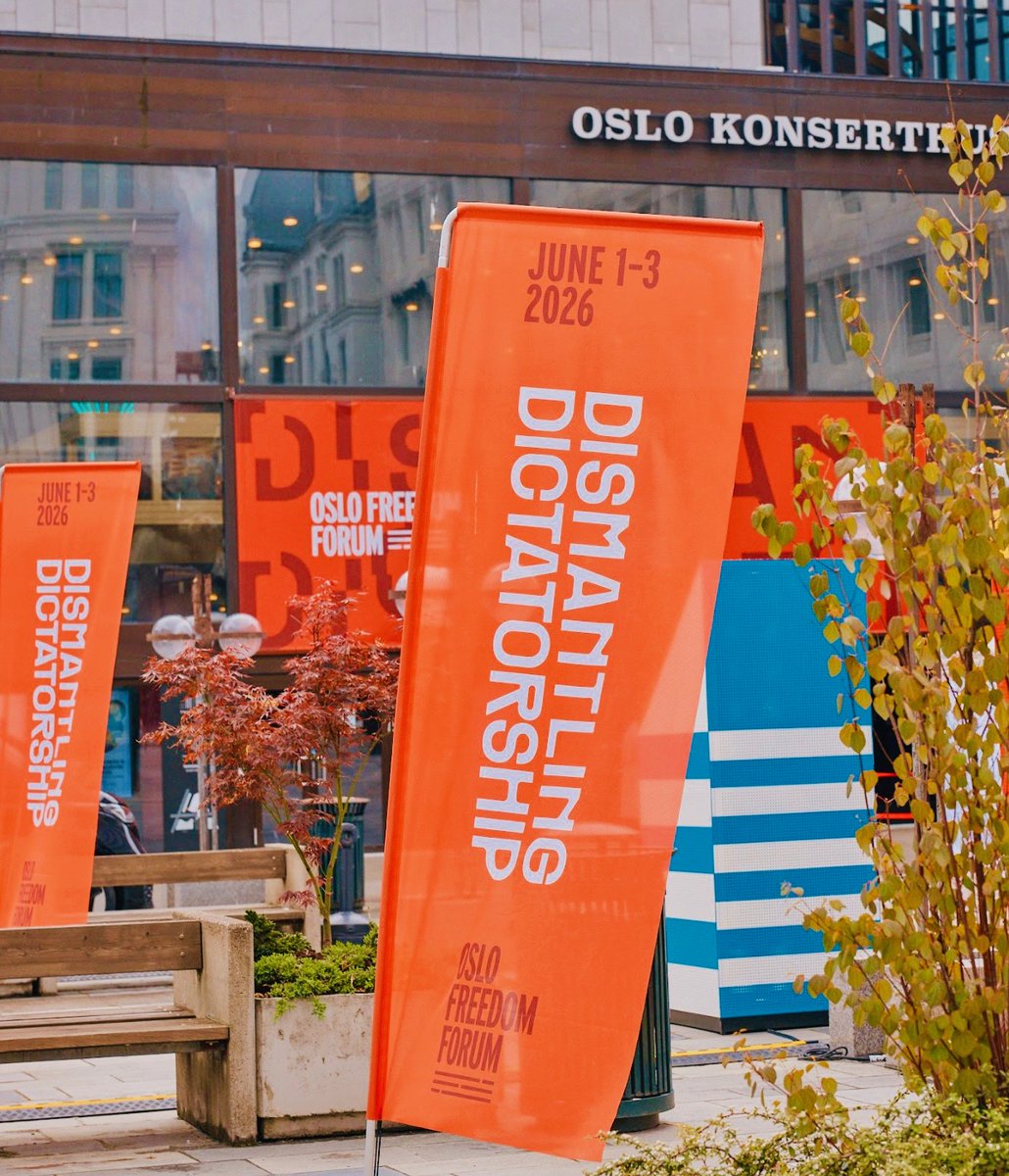
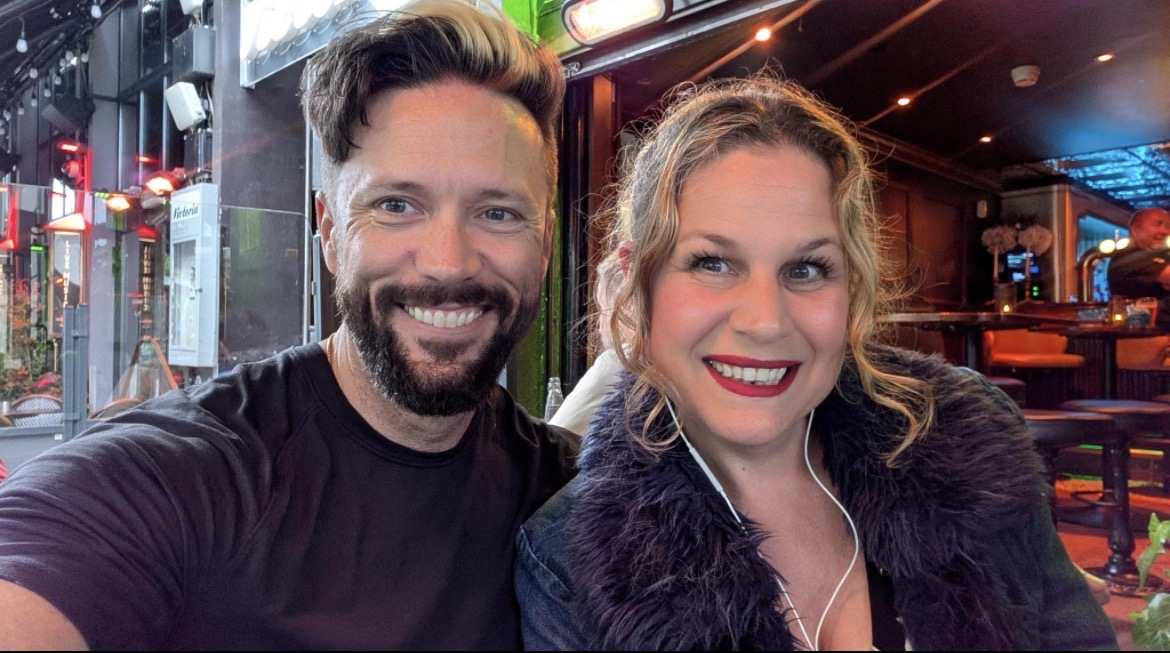
I recently attended the Freedom Tech track at the Oslo Freedom Forum. It was intense and at times uncomfortable, but I left with a renewed feeling of hope. Dedicated builders and activists are now developing tools to push back against digital authoritarianism.
More than 6.2 billion people currently live under authoritarian rule, facing censorship, surveillance, bank freezes and restricted freedoms. For those people, freedom tech is about survival.
Bitcoin as freedom money gives us one of the strongest levers we have to separate money from the state, reduce dependence on permissioned systems and enable individuals to become sovereign.
It is easy to focus on the many problems we face and there are plenty, but there is also tremendous good being created by a growing force of builders and activists who have felt the pain and are determined to fight for freedom.
They are developing private payments, resilient communication networks, peer to peer funding, spyware research and education tools that governments may not like.
As @Snowden said: “Acting in secret is not freedom, it’s not the goal. We should not have to contort ourselves to fit through the keyholes of tyranny.”


Jun 4
Digital control is expanding through surveillance, debanking, KYC databases, internet shutdowns and financial repression.
Builders and activists are creating an emerging freedom tech stack of private payments, resilient communication, spyware research, peer to peer funding and practical education.
My latest piece in @Forbes features @CashuBTC, @citizenlab, @hodlhodl, @HRF, @OsloFF, Bitchat, Agora, Nostr and Bitcoin.
With insights from @Farida_N @jsrailton @callebtc @leopoldolopez and @AnyaChekhovich.
Read the full article:
forbes.com/sites/digital-ass…
2
14
60
6,975
Bitcoin Policy UK retweeted
Jun 4
Week by week, I'm working through the Privacy Toolkit published by @bitcoinpolicyuk. With the incoming head of @Ofcom on record describing VPNs as a "problem", and having deliberately avoided speaking to any tech companies before forming policy, the direction of travel is obvious. It's up to each of us to opt out.
Last week we covered browsers and search engines. This week: email and password hygiene, which are two areas where most people are most exposed, and where a few simple changes make an enormous difference.
(Last week's post in the thread below)
Email
Gmail reads your emails. This is far from a conspiracy theory, and actually part of their business model. You can take steps to reduce the impact of this practice, by toggling ‘OFF’ the ‘Smart Features and Personalisation', but there are many other options available to you.
The simplest fix is to switch to @ProtonMail (proton.me/mail). It's Swiss-based, end-to-end encrypted, and the free plan is genuinely generous, with email, calendar, and cloud storage. Setting up an account takes two minutes, no real name required, no KYC.
If you want a fully open-source alternative, @TutaPrivacy (tuta.com) offers a very similar service and publishes all its code publicly for anyone to audit.
Look for the beginner guide: "How to set up a free Proton Mail account" — link in thread.
One habit that makes a huge difference: use a different email address for every service.
This isn't as painful as it sounds. @DuckDuckGo Email Protection (duck.com addresses, which are free) strips trackers from incoming emails and forwards them to your real inbox. You can spin up unique addresses for every website you sign up to. When one leaks, you know exactly where the breach came from and you can just delete or mothball that address.
@SimpleLogin does the same thing with more control. Excellent for throwaway or alias addresses.
Passwords
If you reuse passwords, a single breach exposes everything. A password manager should help you fix this vulnerability.
@ProtonMail also makes Proton Pass (proton.me/pass), a free password manager with identity protection built in. Set it up once and you never have to remember a password again.
Going further
For those who want even more control: run your own home server using @umbrel or @start9labs. For example, with @stalwartlabs you can get private email, calendar, storage, and, as I'll cover in a later post, your own Nostr relay, so no third party can ever delete your posts or censor what you say.
Next week: VPNs and device security.
May 11

Privacy, and our basic freedoms, are under attack from all sides.
Incredibly, the so-called 'liberal democracies' are now leading these attacks; arresting their own citizens for posting online, rolling out facial recognition cameras, and moving to ban VPNs.
"What can men do against such reckless hate?" And are we losing this battle?
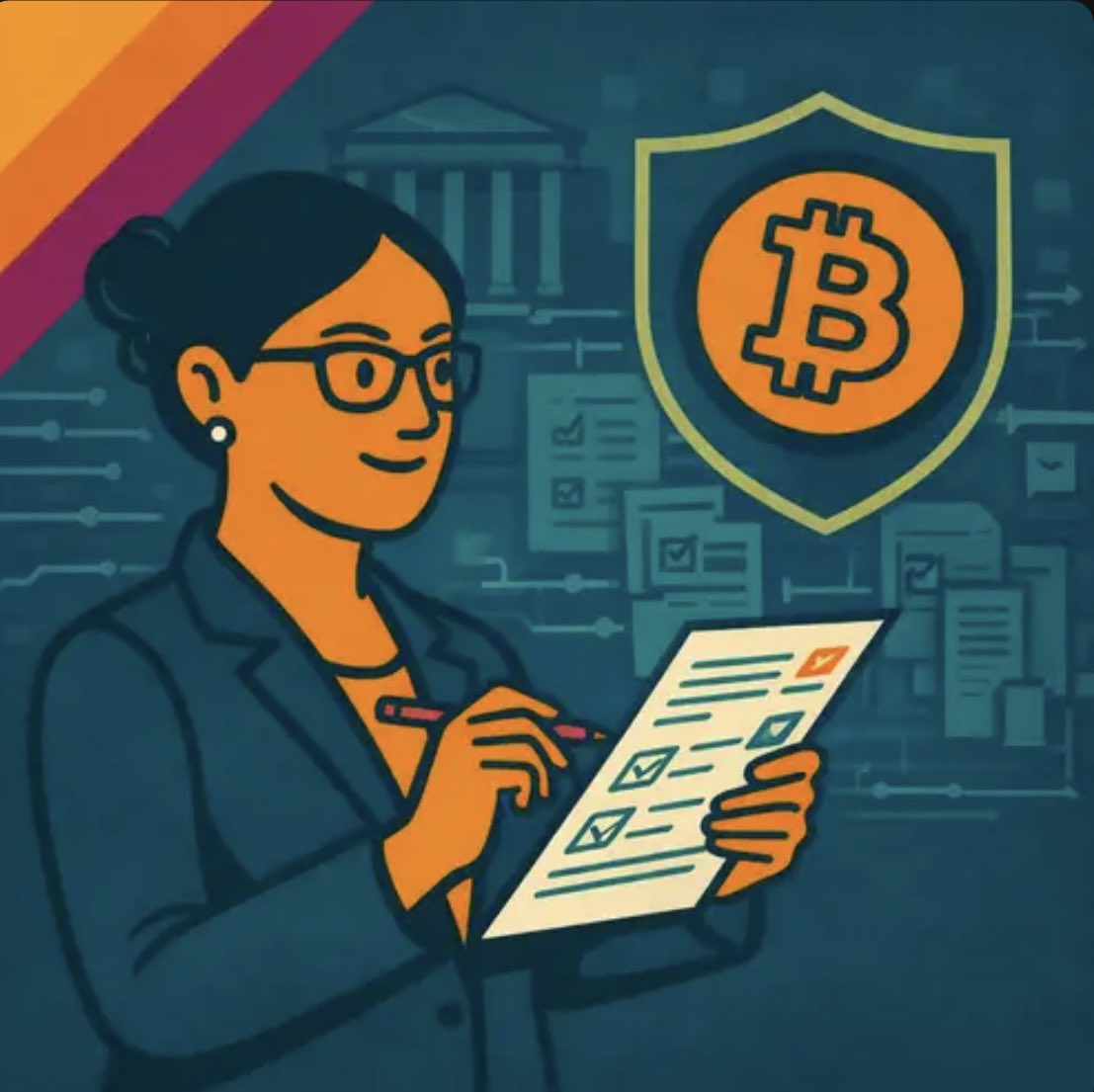
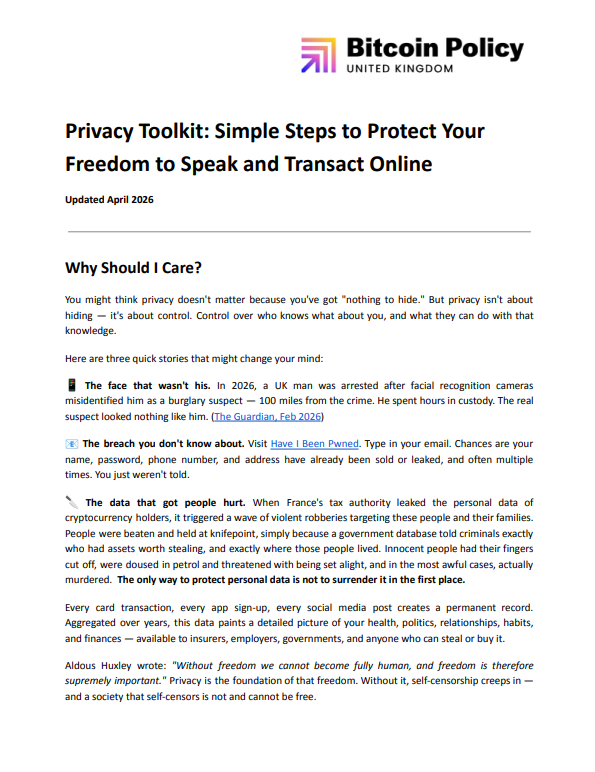
Absolutely not. There's still time to fight back, and we have much in our arsenal. We at @bitcoinpolicyuk have put together a 'Privacy Toolkit', that should let anyone, whatever their skill level, take a few small steps towards improving their privacy and their freedom, and making themselves just a little bit harder for governments to track and to oppress.
This isn't comprehensive, and we'll continue to update it as time goes by. We hope it's useful to everyone and serves as a handy guide to help us all push back against government overreach, wherever we find it.
Link in the thread and comments welcome! 👇
3
8
31
3,864
Bitcoin Policy UK retweeted
Jun 4
Digital control is expanding through surveillance, debanking, KYC databases, internet shutdowns and financial repression.
Builders and activists are creating an emerging freedom tech stack of private payments, resilient communication, spyware research, peer to peer funding and practical education.
My latest piece in @Forbes features @CashuBTC, @citizenlab, @hodlhodl, @HRF, @OsloFF, Bitchat, Agora, Nostr and Bitcoin.
With insights from @Farida_N @jsrailton @callebtc @leopoldolopez and @AnyaChekhovich.
Read the full article:
forbes.com/sites/digital-ass…
2
22
69
13,216
Bury St Edmunds is fast becoming the UK Bitcoin hub!
Local businesses in Bury accepted Bitcoin payments, and the historic Guildhall hosted debates plus a pop up sats market.
Great to see grassroots adoption actively sponsored by @bitcoinhodlco. Their CEO @FreddieNew shared his thoughts on his first visit to the town with Suffolk News.
“The BSEBTC event itself ran like clockwork and struck a lovely balance between celebrating the town and discussing wider issues around saving and spending with Bitcoin.”
Bitcoin Policy UK Director Susie Violet Ward shared her perspective on the social impact:
“People can feel that the world is changing economically, politically and socially, and that’s why interest in Bitcoin and freedom technology is growing. Events like this matter because education, community and open discussion are going to be incredibly important in the years ahead.”
Thank you to the @BSEBTC for delivering a fabulous event.
Full coverage from @SuffolkNewsWire:
suffolknews.co.uk/bury-st-ed…
9
24
846
Bitcoin Policy UK retweeted
May 28
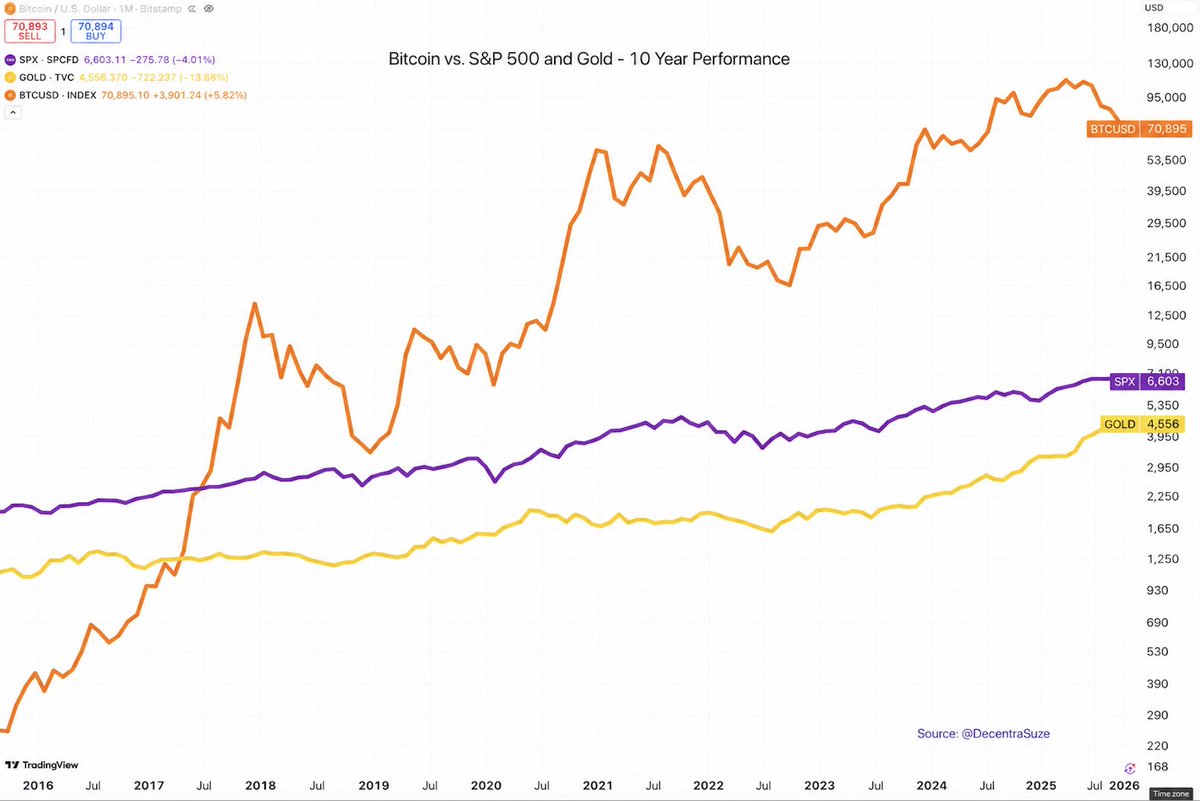
Bitcoin is often called the best performing asset of the decade.
So I created this 10 year chart to show how big the gap really is.
Orange = Bitcoin
Purple = S&P 500
Yellow = Gold
16
38
144
12,760
Bitcoin Policy UK retweeted
May 28
Last week, we looked at some quick easy wins to improve your privacy in just a few minutes (post linked in the thread). This week, browsers, searching and cleaning up your digital footprint.
I’m spending a few weeks stepping through the Privacy Toolkit from @bitcoinpolicyuk. This has been thrown into even sharper relief this week by the comments of the incoming head of @Ofcom (the UK’s censorship quango), who sees VPNs as a ‘problem’ and deliberately hasn’t met with any tech companies before formulating policy for a sector he clearly doesn’t understand.
What is also clear is that they want to know absolutely everything about you, at all times, whether you want them to or not. So it’s up to us all to tell them, “No, actually”.
The Chrome browser sends to Google far more information about you, and about your search history, than you might like. The simplest fix is to switch to software and search engines that collect less information; such as @brave.
For those in censorship-heavy countries (like the UK) the @opera browser is another option; it has a built-in VPN that you can toggle on and off, and you can greatly restrict the amount of data that is gathered about you. Using @DuckDuckGo as either your browser, or your default search engine in your browser of choice, is another simple fix.
For maximum privacy, use @torproject’s Tor Browser. It’s slower, but much more private and secure. And you can easily circumvent any restrictions that the censorship junkies want to put in your way.
Finally, in order to scrub some of your personal information that might already have been stolen or sold, check out services such as DeleteMe (@joindeleteme) or Incogni (links to both in the thread). These will remove as much information on you from data brokers as they can.
Next week - email and password habits to improve….
May 11
Privacy, and our basic freedoms, are under attack from all sides.
Incredibly, the so-called 'liberal democracies' are now leading these attacks; arresting their own citizens for posting online, rolling out facial recognition cameras, and moving to ban VPNs.
"What can men do against such reckless hate?" And are we losing this battle?
Absolutely not. There's still time to fight back, and we have much in our arsenal. We at @bitcoinpolicyuk have put together a 'Privacy Toolkit', that should let anyone, whatever their skill level, take a few small steps towards improving their privacy and their freedom, and making themselves just a little bit harder for governments to track and to oppress.
This isn't comprehensive, and we'll continue to update it as time goes by. We hope it's useful to everyone and serves as a handy guide to help us all push back against government overreach, wherever we find it.
Link in the thread and comments welcome! 👇
2
20
56
4,827
Bitcoin Policy UK retweeted
May 26
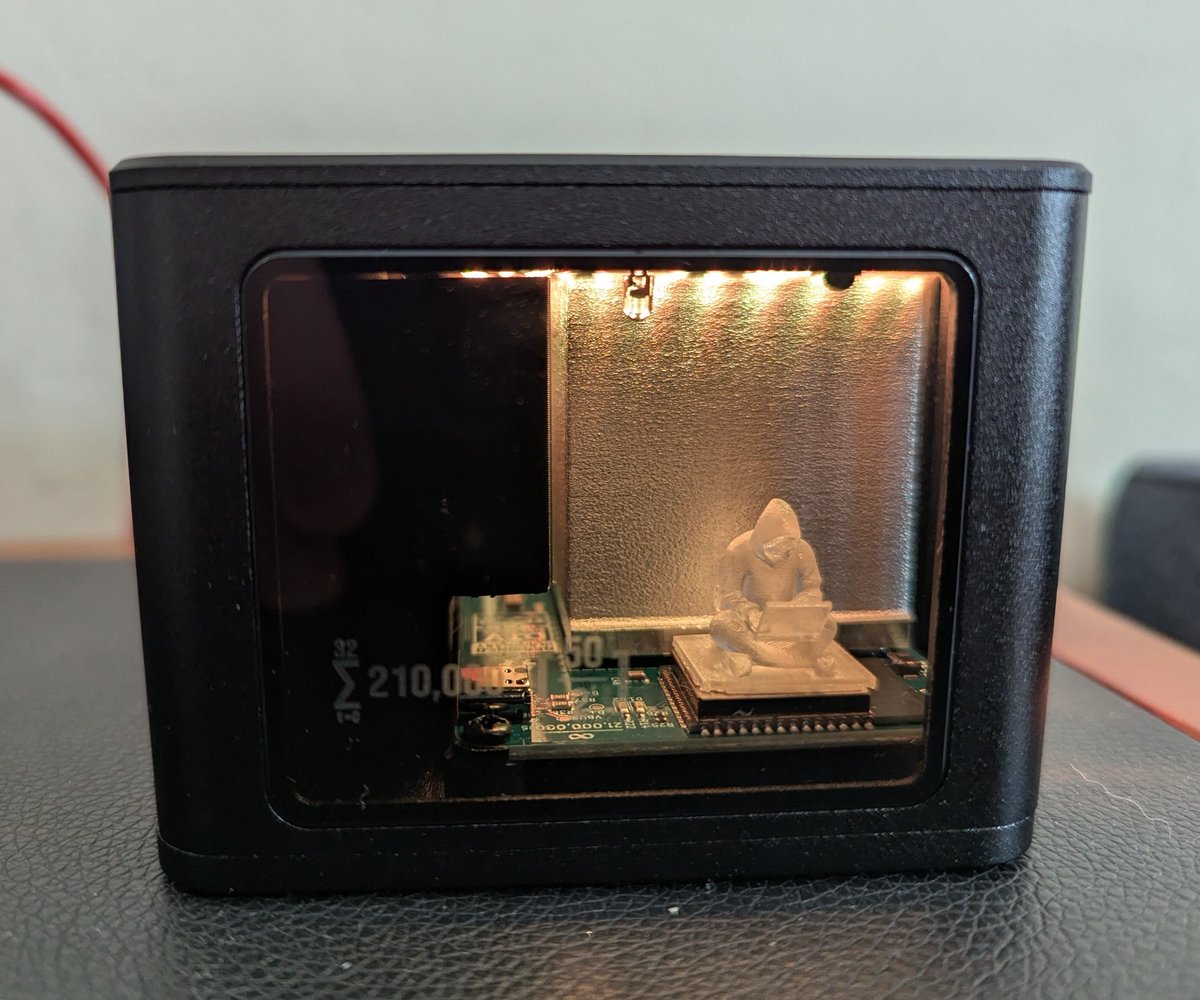
Bitcoin mining is going mainstream. ⚡️
The BitForge Nano Ghost Edition won Silver at the 2026 London Design Awards in both Product Design and Unexpected Design.
This is the coolest piece of nerd kit I’ve ever seen.
It’s a fantastic educational tool. A dedicated chip inside does trillions of cryptographic guesses every second to help secure the Bitcoin network through Proof of Work.
A real lesson in decentralization, connecting money to energy and the power of open source hardware.
It’s cool and educational. What’s not to love?
Thanks Duncan & @TheSoloMiningCo team! I’m solo mining, wish me luck!!
Who else is running a home miner?
@wantclue @kliA90_ @dtvelectronics

I am proud to say that the Bitforge Nano Ghost Edition was awarded Silver in the 2026 London Design Awards in both "Product Design - Digital & Electronic Devices" and "Unexpected Design" categories. Unexpected and honoured to say the least!
Superb work to all those involved - @wantclue @kliA90_ @dtvelectronics
thesolomining.co/shop/bitfor…



7
22
80
7,292
Bitcoin Policy UK retweeted
May 25
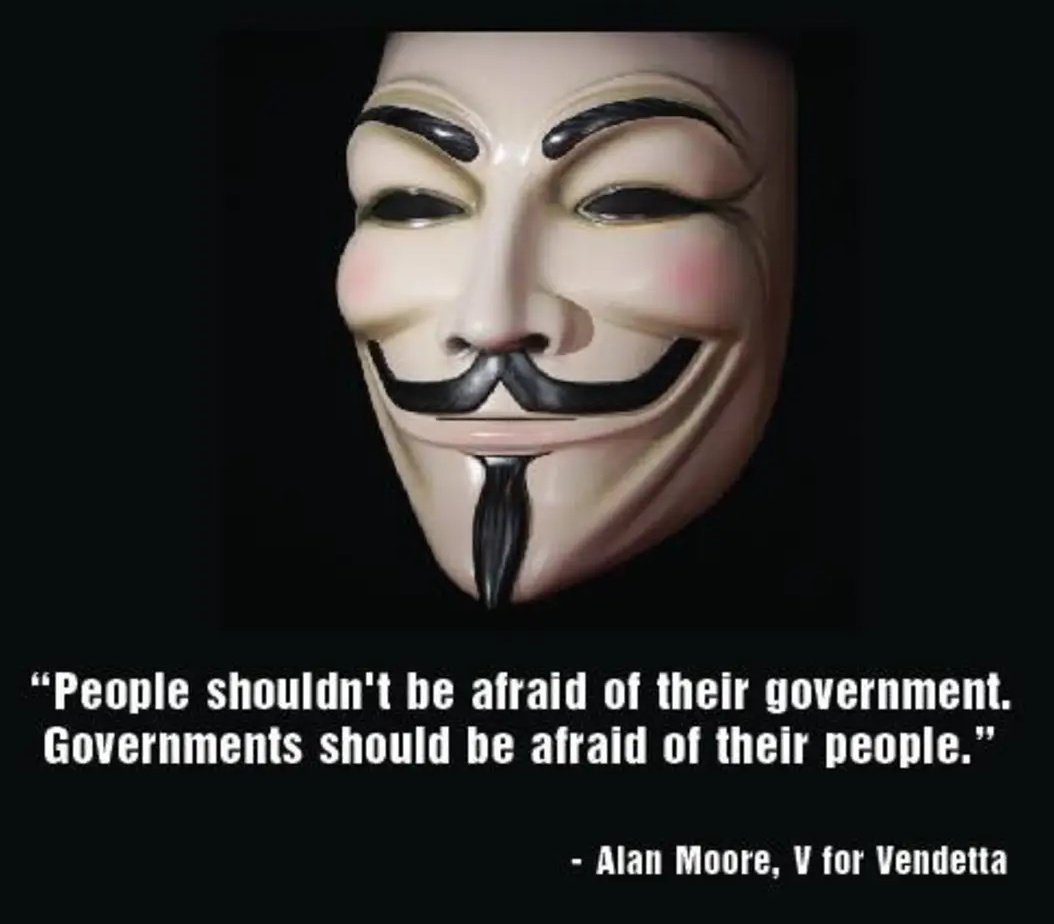
Here in the UK we've traditionally been law abiding. We queue. We don't like fly tipping or littering. But we've also forgotten that it's also the duty of all good citizens to keep our governments in check.
They are not infallible. And unjust laws must be fought.
If you want to be part of this fight, if you want to go on peacefully accessing a free and open internet, if you want to tear down the new Great Firewalls that our governments are building to control our speech and our thought, read the @bitcoinpolicyuk Privacy Toolkit below, and join the fightback.
May 24

This is so dumb it’s insane. Totally hysterical policy making. Worse, they’re phrasing it as a “ban”. It is not, it is supply side regulation on the platforms.
No one gets in trouble for consuming the “banned” product by circumventing the rule. But, by labelling it as one they will make the entire youth of the U.K. think they are breaking the law by using a VPN.
The vast majority will do it anyway. Well done you just made every kid feel like a criminal and now they’re more comfortable wilfully breaking laws. Let’s see how that plays out.
6
38
192
5,559
Bitcoin Policy UK retweeted
May 24
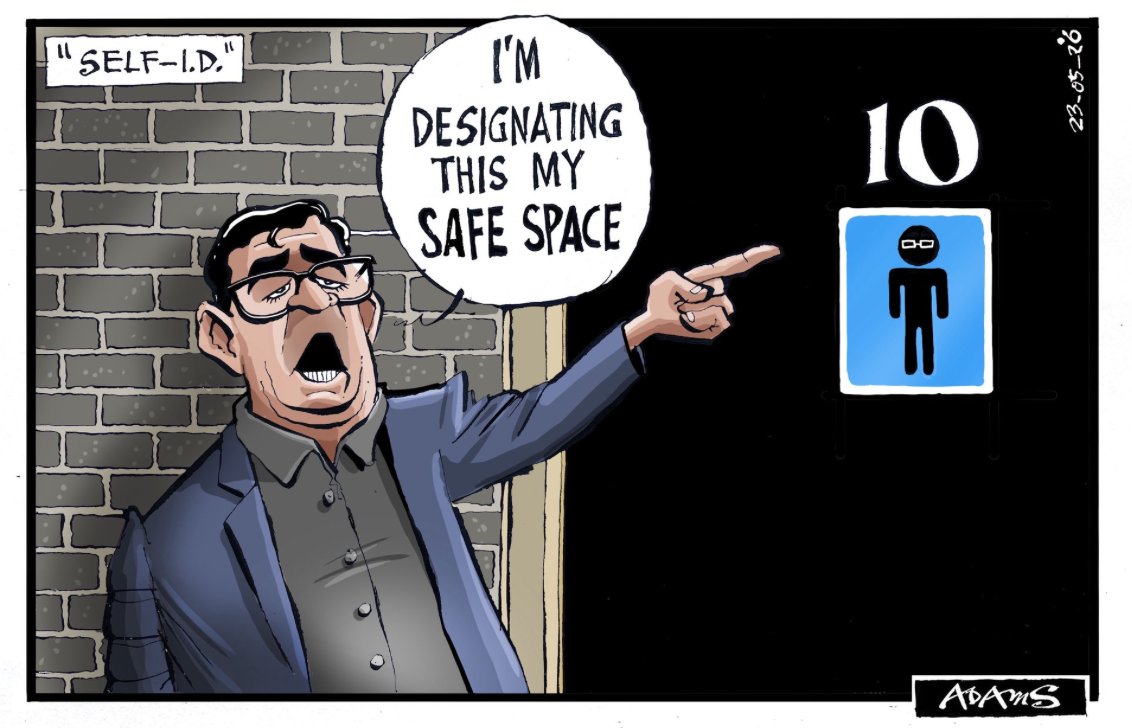
The hypocrisy of modern digital policy captured in one image.
This @Telegraph cartoon by @Adamstoon1 brilliantly lampoons the political class’s obsession with self declaration and the creation of personal 'safe spaces' to avoid uncomfortable realities.
When it comes to life online the exact opposite principle applies.
While subjective self identification is treated as unquestionable in certain social and political contexts, ordinary citizens face growing demands for rigid algorithmic verification, profiling, and surveillance.
In South Carolina a new law now requires platforms to algorithmically estimate users’ ages with high confidence and re-verify them every 100 hours of activity or face significant penalties.
This creates an obvious contradiction. High trust in self-declared identity where it suits the political agenda but near zero trust in individuals when it comes to the internet.
It makes a mockery of coherent policy by celebrating fluidity in one domain while building expansive surveillance infrastructure in the other.
Zero trust should rely on mathematics, encryption, and local data minimisation rather than handing centralised biometric databases to the state and Big Tech.
Bureaucratic governments are fundamentally incapable of effectively legislating for technologies that move at exponential speeds. The result is heavy handed laws that quickly become obsolete yet remain permanently intrusive.
If we want safety and privacy online we cannot rely on the state or Big Tech to provide it.
Real digital freedom must be built through decentralised tools, privacy tech, and with personal sovereignty in mind.

Insane. Age verification is a Trojan horse for total control over everything you do on the internet.
2
10
28
1,815
Bitcoin Policy UK retweeted
May 23
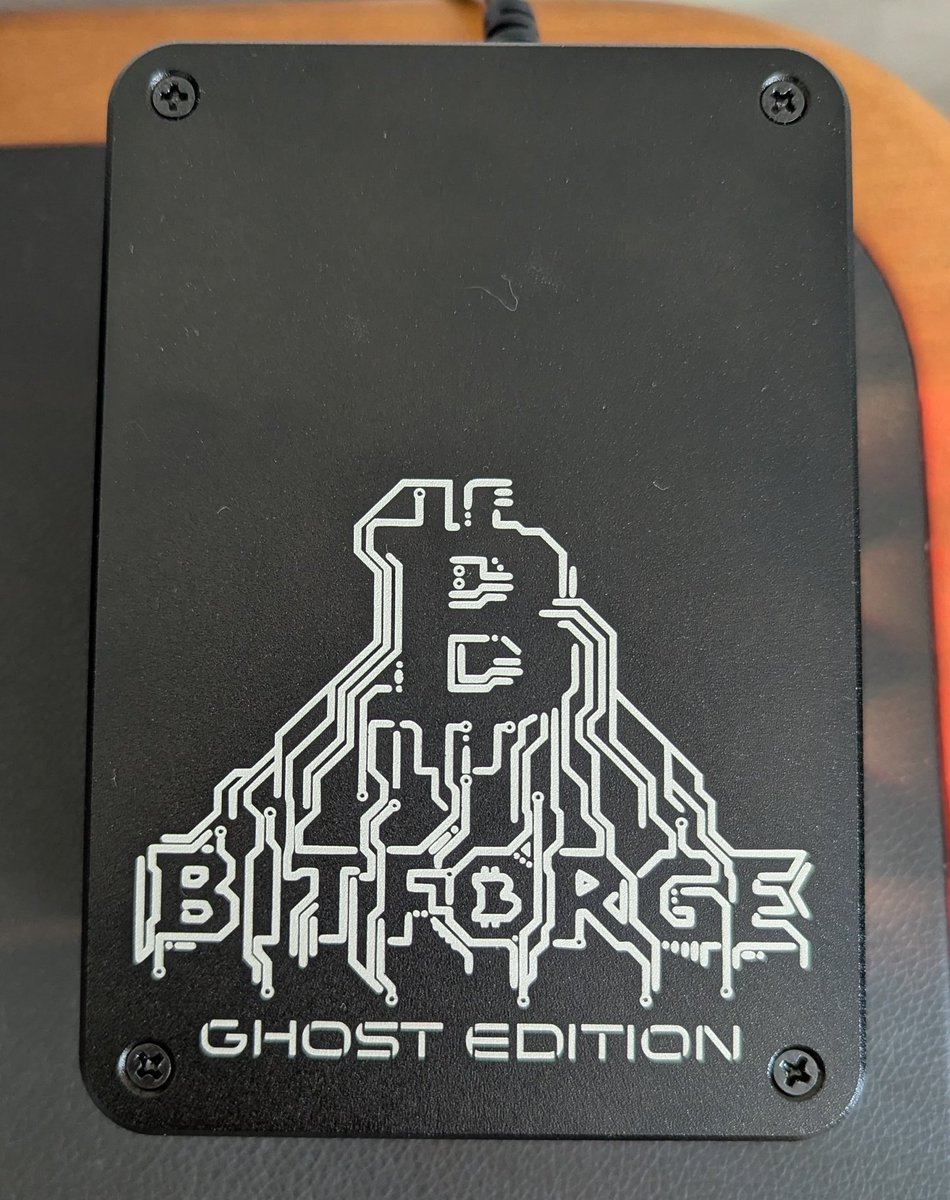
Massive thanks to @TheSoloMiningCo for this truly gorgeous Bitforge Ghost Edition. Recovering from @BSEBTC and treated myself by setting up this beauty.
Now solo mining at 2.15 TH/s 🫡
REALLY looking forward to this tomorrow!
Bury St. Edmunds, UK. Get there if you can!
5
7
66
3,802