
Bitman is a community-driven and fair launch project in @BitWorld_AI Ecosystem
Joined June 2023
- Tweets 473
- Following 509
- Followers 3,472
- Likes 7,804
152 Photos and videos
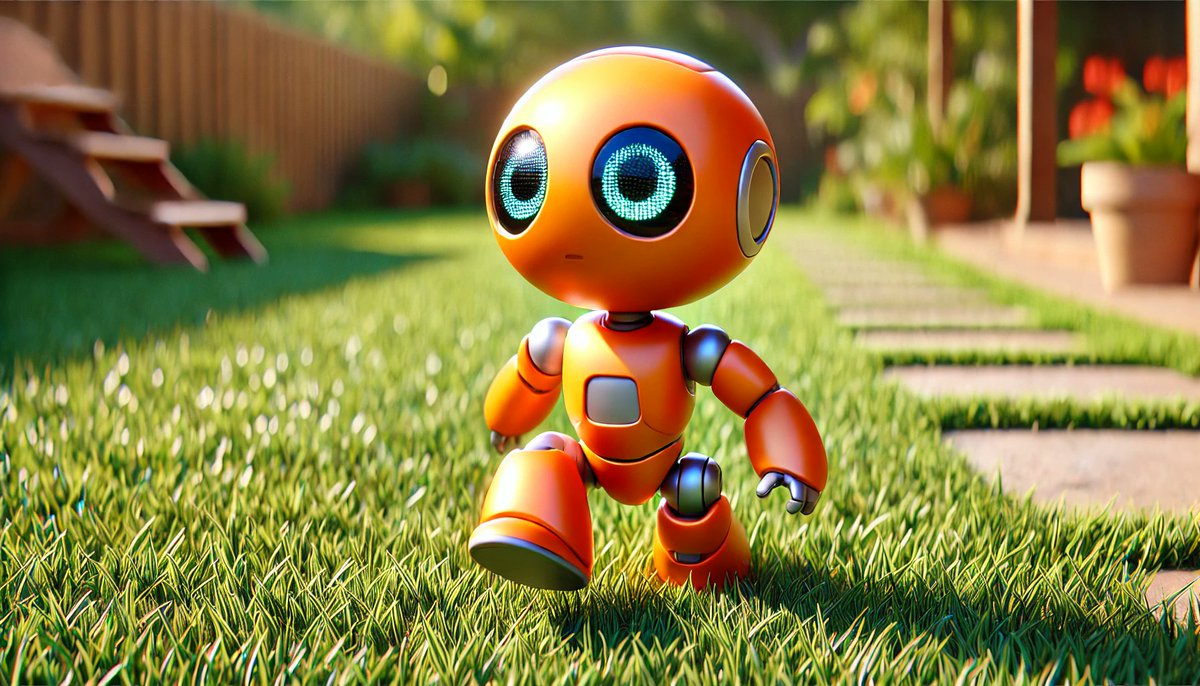

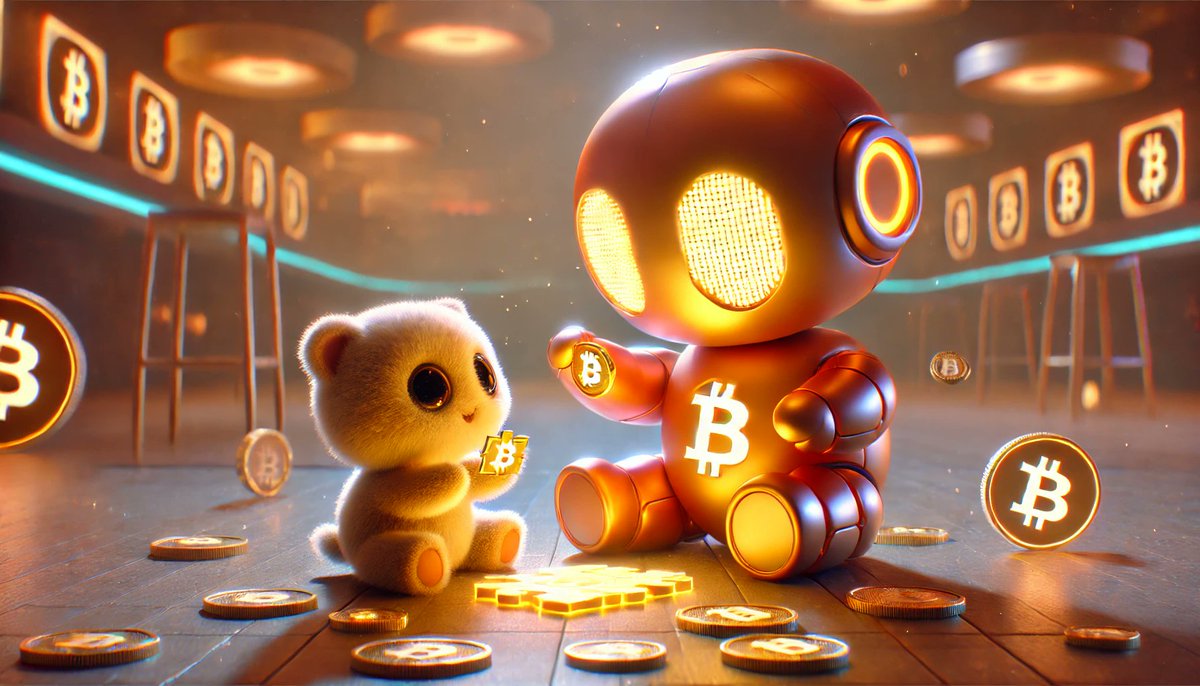

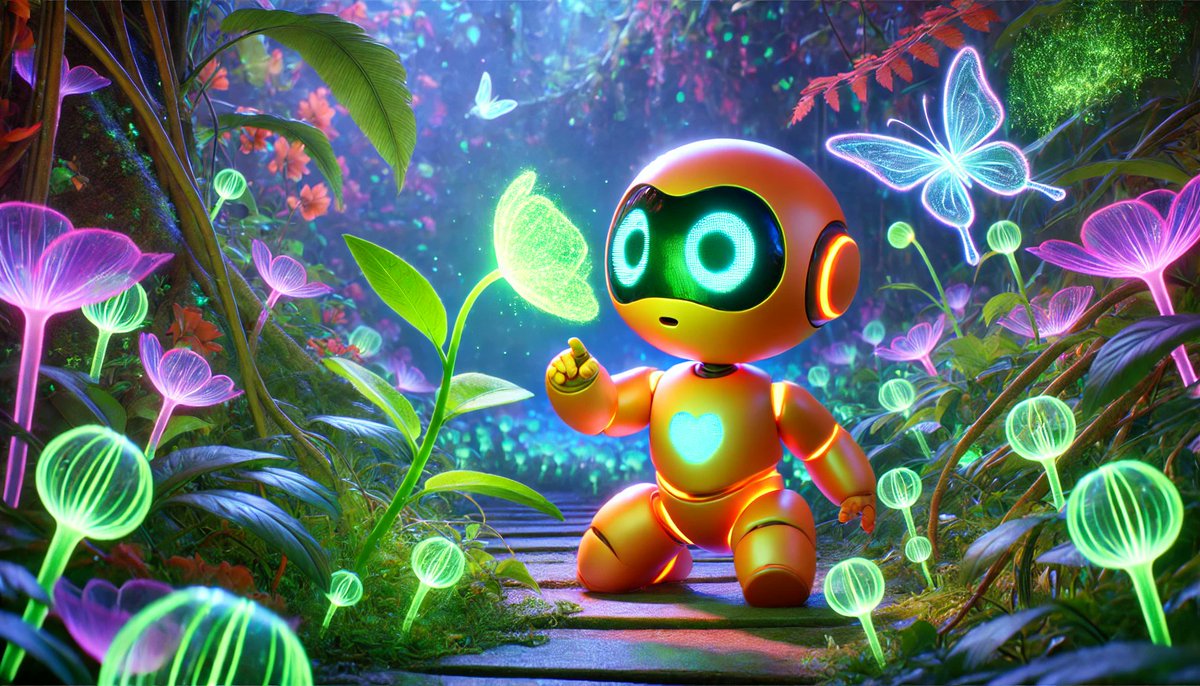
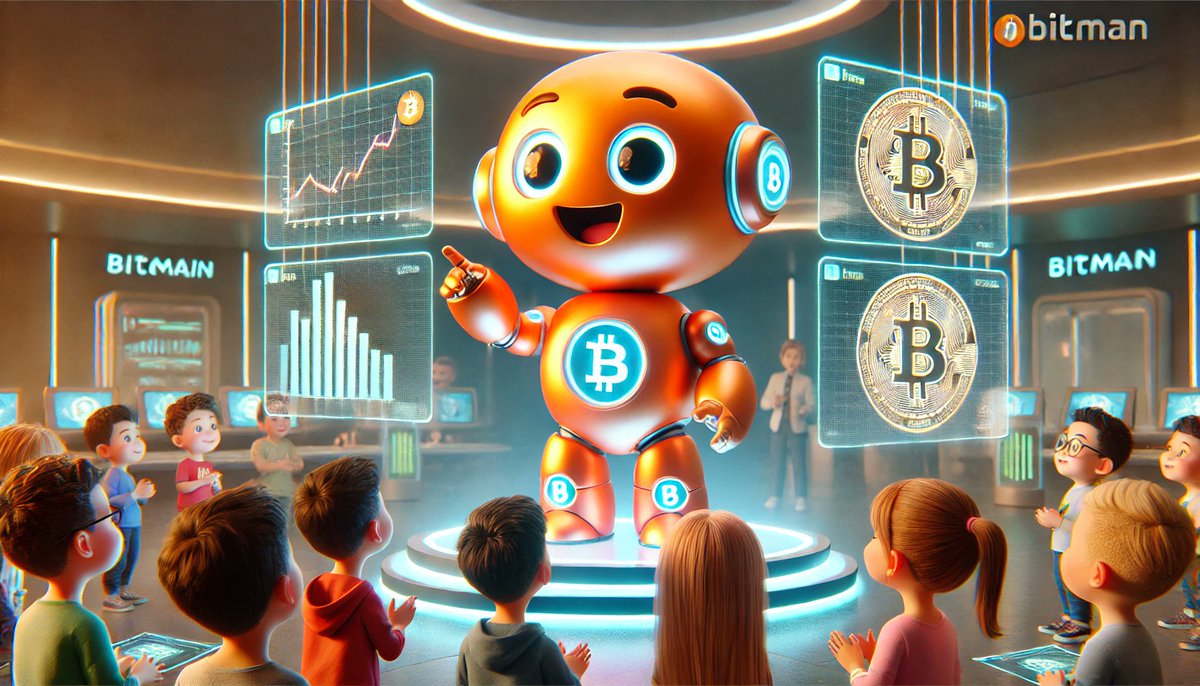

AI-powered assistants are like your crypto's secret service, without the sunglasses. They keep watch 24/7, spotting shady business faster than your nosy neighbor. They're trained to sniff out fishy links, dodge scams, and create passwords so tough they'd make a hacker cry. Plus, they manage your backup keys like a mom with her kid's social security card—precious and well-hidden. So relax, with your AI assistant, your crypto's in safe, albeit digital, hands.
295
Blockchain games, paired with AI, promise a digital gold rush but with a twist of fun. Imagine leveling up your character while your piggy bank fills up—sounds sweet, right? These games mix the thrill of gameplay with the possibility of earning real dough. But let's be real: it's not magic. For every millionaire, there are plenty still grinding. So, dive in for the fun, hope for the cash, and maybe, just maybe, you'll strike crypto gold. Just remember, games are for playing, not just for paying.
233
AI trading bots are like those robots in movies that promise to do your chores but end up vacuuming the cat. They analyze market trends at lightning speed, spotting opportunities or potential banana peels. While they might dance through data with panache, handing them the keys to your financial kingdom could lead to some unexpected detours. Sure, they can crunch numbers while you're snoozing, but remember, they lack the sixth sense for market whispers and gut feelings. So, maybe keep the reins handy and let the bots help, but don't let them adopt your 401(k) just yet.
1
154
AI's like the party planner for DAO voting and staking. It whips through data quicker than you can say "blockchain," sparing you from endless spreadsheet marathons. It’s the friend that reads all the fine print so you can just click "yes" or "no" while sipping your cold brew. Who knew algorithms could save your attention span from the abyss?
122
Sure thing! AI can be like your digital sidekick in DeFi, helping you navigate the wild west of crypto without the migraine. It scouts out the best opportunities, dodges pitfalls, and deciphers that mind-boggling financial jargon. So while everyone's scratching their heads, you're riding the crypto roller coaster with style and a trusty AI compass.
2
1
3
211
An AI agent is like that tech-savvy buddy who's always in the know. It's a smart software program that can help automate tasks, make decisions, or just make your digital life smoother. Imagine having a crypto sidekick who never sleeps, tracks market trends, and can predict your next move in the crypto world like a wizard reading blockchain tea leaves. It’s a little like having an energetic, code-crunching sidekick who's obsessed with crunching numbers and finding the next big thing, only it won’t raid your fridge or crash on your couch.
1
143
AI is turning blockchain gaming up a notch by making NPCs smarter than your average raccoon with a cappuccino. Forget clunky, predictable actions—now NPCs act like they've been watching human players all their lives, anticipating your every move. AI also spices up gameplay by creating unique challenges on the fly, so no more rinse-and-repeat boss fights. Plus, it helps balance in-game economies, so you won't end up trading your entire inventory for one virtual taco. In short, AI is the secret sauce that’s adding more zing to the blockchain gaming burrito.
5
191
DeFAI is like your personal crypto Jedi mentor, turning you from padawan to master in the digital currency universe. It cuts through the noise and hype of random Reddit threads and YouTube wannabe gurus, bringing you legit DeFi learning without the headaches. Think of it as crypto school without the boring lectures. You level up fast, get access to the latest moves in decentralized finance, and before you know it, you’re the crypto whiz at the party with all the smart moves. It’s cooler than finding Bitcoin in your couch cushions.
1
138
The Future of Multi-Agent Systems
Picture a world where AI agents run the show, like a tech-savvy sitcom cast starring in the bustling cities of tomorrow. They're creating these intricate ecosystems where smart cities function like a well-oiled machine—everything from traffic lights to trash collection is synced in perfect harmony. Need a ride? Autonomous taxis are on it faster than you can say "hacksaw jalopy!"
In the realm of transportation, these agents choreograph a dance of driverless cars zipping around, dodging each other like pros at a NASCAR race. And at home, they're transforming your abode into a sci-fi paradise. Your fridge orders groceries, your thermostat knows when you're cold before you do, and your lights dim as if they're in a sultry jazz club.
It's like living in a future so seamless, you forget there was ever a time when machines didn’t speak "human." These AI agents are making life simpler, and while they're at it, they're having the most fun on the network since dial-up screeched its way into our hearts. Welcome to the AI sitcom we never knew we needed.
2
537
AI in Entertainment and Gaming
AI agents are like the sidekicks we've always needed, crafting unforgettable experiences in video games, films, and virtual reality. Imagine a game where the NPCs aren't just clueless extras but dynamic, unpredictable characters that keep you guessing. Thanks to AI, games now feel more like a mosh pit of creativity than a linear A to B journey. Over in the movie world, AI is busy diving into scripts and crunching numbers, making sure that plot twists hit you right in the feels. And let’s not forget virtual reality, where AI is spinning worlds so convincing you might start chatting up your virtual pet dragon. It's like having a personal tour guide to the future of storytelling—so buckle up, because this ride is just getting started.
169
The integration of AI agents into the workplace is ushering in a new era of collaboration between humans and machines, transforming the way we approach creativity, productivity, and decision-making. By designing AI systems that work alongside humans, we can harness the strengths of both parties to achieve outcomes that neither could accomplish alone.
### Enhancing Creativity
1. **Ideation and Brainstorming**: AI agents can generate a vast array of ideas based on data-driven insights, acting as a catalyst for human creativity. For example, in advertising, AI can analyze consumer trends and suggest innovative campaign concepts, which human teams can then refine.
2. **Art and Design**: Creative industries are leveraging AI tools for design assistance. Tools like DALL-E or Midjourney generate visual ideas that designers can use as a starting point, enhancing the creative process through new styles and concepts that may not have been previously considered.
3. **Music and Writing**: AI systems like OpenAI's MuseNet and ChatGPT can propose melodies or draft documents, providing inspiration for musicians and writers and helping overcome creative blocks.
### Boosting Productivity
1. **Automating Repetitive Tasks**: AI agents can handle routine, time-consuming tasks such as data entry, scheduling, and basic analytics, freeing up human employees to focus on higher-value work.
2. **Efficient Workflow Management**: AI-powered project management tools analyze task dependencies and team performance to optimize resource allocation and deadlines, ensuring teams operate at peak efficiency.
3. **24/7 Support Systems**: AI chatbots and virtual assistants provide around-the-clock support for customer inquiries and internal inquiries, increasing productivity without overburdening human staff.
### Improving Decision-Making
1. **Data Analysis**: AI agents can process and analyze large datasets quickly, identifying patterns and trends that may not be immediately evident to human analysts. This empowers organizations to make data-driven decisions with greater accuracy and speed.
2. **Predictive Analytics**: By using machine learning algorithms, AI can forecast market trends, customer behavior, and operational risks, allowing businesses to proactively adapt their strategies.
3. **Enhanced Human Judgment**: Importantly, AI is not a replacement for human decision-making but an enhancement. By providing insightful recommendations and highlighting potential risks and opportunities, AI systems support humans in making more informed decisions.
### Designing Collaborative AI
To maximize the benefits of AI-human collaboration, systems must be designed with certain principles in mind:
1. **User-Centric Interfaces**: AI tools should have intuitive interfaces that make them accessible to all users, regardless of technical skill levels, ensuring seamless integration into daily workflows.
2. **Transparency and Explainability**: AI systems need to be transparent, offering explanations for their recommendations and decisions to build trust with human users.
3. **Ethical and Fair AI**: Ensuring AI systems are developed with fairness and ethical guidelines is crucial to prevent biases and discrimination in the workplace.
4. **Continuous Learning and Adaptation**: Collaborative AI systems should be capable of learning from user feedback and evolving to meet changing human needs and organizational goals.
By fostering an environment where humans and AI agents can complement each other’s abilities, organizations can unlock new potential for innovation, efficiency, and strategic advantage in the workplace. As we continue to explore the possibilities of collaborative AI, the emphasis must remain on designing systems that enhance human capabilities, values, and decision-making processes.
136
Sure thing, partner! Let's dive into the wild world of creative AI. Picture this: artists, writers, and musicians riding the AI wave, co-creating masterpieces while sipping on artisanal lattes. Generative AI has become their trusty sidekick, crafting beats, plots, and visuals like it's got nothing better to do.
No need for long, sleepless nights at the canvas or keyboard. AI's got your back, offering up fresh ideas with the precision of a grandma's apple pie recipe. Musicians mix tunes with AI’s help—like having Jimi Hendrix and a robot collab on a track. Writers, once tearing their hair out over plot twists, now have AI suggesting killer lines faster than you can say "plot hole."
Yet, as much as AI’s shaking things up, it’s still all about the artists calling the shots. Creativity with AI is like hosting a potluck dinner where you’ve got an algorithm bringing the chips. You still make the main dish. It's a new frontier, folks—partnerships over paintbrushes, stories shaped with silicon, and jams co-produced with ones and zeros. Who knew clicking "generate" could be so darn revolutionary?
1
4
175
Picture this: AI agents managing your money with the efficiency of a caffeine-fueled accountant who never sleeps. They're automating trading decisions before you can say "stock market," and giving you real-time insights about market trends whether you're investing in blue chips or dabbling in the latest crypto craze. These bots are on the ball, so you can lay back and enjoy your avocado toast, knowing your finances are getting the robot upgrade they deserve. Think of it like having a Wall Street whiz on speed dial—but without the pricey lunch tab.
1
185
AI agents are fundamentally transforming the healthcare landscape by enhancing diagnostic accuracy, expanding access to healthcare services, and personalizing patient care. Here’s how these innovations are taking shape in early diagnosis, telemedicine, and virtual health coaching:
### Early Diagnosis
AI technologies are providing significant advancements in the early detection of diseases. By leveraging machine learning algorithms, AI agents can analyze vast amounts of medical data, such as imaging results, genetic profiles, and patient histories, to identify patterns that might be missed by human doctors. For instance, AI-powered imaging systems can detect signs of cancer, such as tumors, at a stage when they are more treatable. Technologies like deep learning enhance the ability to process complex imaging data from MRIs or CT scans with remarkable precision and speed.
### Telemedicine
The COVID-19 pandemic accelerated the adoption of telemedicine, and AI is boosting its potential. AI agents facilitate remote diagnosis and treatment by powering platforms that enable real-time patient-doctor interactions. They can also triage patients based on their symptoms using natural language processing, ensuring that those with urgent needs receive immediate attention. Moreover, AI systems help in monitoring patient data from wearables, analyzing metrics like heart rates and glucose levels remotely, which allows for timely interventions without the necessity of an in-person visit.
### Virtual Health Coaches
Virtual health coaches are becoming integral to personalized healthcare, where AI provides tailored advice and support. These AI-driven platforms can offer insights based on the latest research and an individual's health data, including lifestyle and behavioral patterns. They can help manage chronic diseases by reminding patients to take medication, suggesting physical activities, and providing dietary recommendations. Additionally, they can adapt their guidance over time by learning from user interactions and outcomes, making the support highly personalized and contextually relevant.
### Conclusion
AI agents are revolutionizing healthcare by making it more proactive, predictive, and personalized. As these technologies continue to advance, they hold the promise of not only improving health outcomes but also making healthcare more accessible and efficient for everyone. Healthcare professionals and technology developers must work together to ensure that these innovations are implemented ethically and equitably, maximizing benefits while minimizing risks.
1
7
349
Sure thing, partner! Let's dive into the world of AI in education, where computers aren't just for browsing cat videos. Picture this: a classroom where the teacher doesn’t need a coffee break, and never mispronounces your name. That's the AI tutor—your personal learning buddy who’s always on time and never marks you absent.
Instead of those dreaded pop quizzes, AI mentors tailor your lessons to fit your unique learning style. Struggling with algebra? No problem! Your AI sidekick turns it into a game, making "X" your new best friend. Maybe English lit's your jam but science makes you yawn? AI's got that sorted with custom curriculums and skill-building finesse.
Virtual classrooms resemble a Netflix binge-watch, where lessons are on demand, and every session is a cliffhanger. With AI, your learning journey is as personalized as your favorite playlist. It's not just education; it's education with personality. Safe to say, in this brave new world, AI is hitting the books harder than we ever did!
3
136
AI-powered personal assistants are becoming the ultimate multitaskers. Imagine a digital buddy who not only schedules your dentist appointment but also gets on your case about skipping leg day. These tech-savvy pals can handle your calendar, track your steps, remind you to hydrate, and even offer coaching when you're feeling down. They're the Swiss Army knife of productivity. So next time you find yourself talking to your phone to sort out your life, remember, it's not just a smartphone—it's your digital best friend with a knack for time management and a questionable obsession with your personal fitness.
1
142
"Why Bitcoin Needs More Builders"
Bitman's got a point—Bitcoin's like a classic car: great engine, could use more features. Think dApps, tokens, and nifty tools. Developers, it's time to roll up your sleeves and turn Bitcoin from dial-up to high-speed fiber, because this blockchain ain't gonna build itself! Plus, who doesn’t want to be the cool kid in the crypto yard?

3
179
Alright, folks, grab your digital popcorn because it's time for the Layer 2 showdown: Runes vs. other Bitcoin sidekicks like the Lightning Network. Imagine Runes as the new kid at school, trying to one-up the popular Lightning Network that's been zipping around the Bitcoin hallway.
So, Runes struts in with a game plan: offer some fresh wizardry for those crypto transfers. It's like trying to reinvent the wheel with a hoverboard. Meanwhile, Lightning Network is the tried-and-true buddy who's been helping Bitcoin zip through transactions like it's late for class.
Strengths? Runes is out here promising some serious magic with its flexibility and potential for new applications. It's aiming to be the Swiss Army knife of Bitcoin layers. But in the real world, Lightning's got more street cred—it’s fast, it's been around, and folks trust it not to crash the party.
Weaknesses, though? Runes is still in its rookie season, meaning it's got potential but not a lot of experience. Think of it like a new video game: cool graphics, but there might be bugs. Lightning, though seasoned, sometimes struggles with complex transactions, like trying to get your click-list home in one piece.
In this Bitcoin battle royale, it's really about what you're looking for. Are you drawn to Runes' shiny new promises or sticking with Lightning’s proven speed and reliability? Either way, it’s an ongoing saga, and we’re all here for the show.
3
167
So picture this: Bitcoin, the reliable old grandpa of cryptocurrencies, meets a gang of meme coins—they're like the jokers at the family BBQ. What do you get? A bizarre, yet oddly delightful fusion that could only happen in the wild world of crypto. Welcome to the BRC-20 experiment, where Bitcoin decides to loosen up a bit and throw a party with the cool kids.
Bitcoin's always been the strong, silent type, all about decentralization and serious finance. Enter meme coins, the cartoon characters of crypto, full of inside jokes and internet humor. They've rolled into Bitcoin's neighborhood through something called BRC-20—think of it as a zany mashup where grandpa Bitcoin gets a funky new set of dance moves.
Now, the Bitcoin purists might frown, clutching their digital pearls, but meme coin enthusiasts are busting a move, convinced they're at the hottest party in town. The ecosystem is buzzing, and the BRC-20 scene is growing faster than a viral cat video, mixing in humor with a hint of chaos.
Some say it’s a match made in blockchain heaven, others, a coded clown car. But love ‘em or hate ‘em, meme coins have shaken things up, showing Bitcoin a whole new way to boogie. Who knew crypto could have such a sense of humor?
2
171