
History & geopolitics through a #Bitcoin lense.
Joined November 2022
- Tweets 6,391
- Following 386
- Followers 691
- Likes 1,016
966 Photos and videos














19 Jan 2025
Why Bitcoin is the Answer
Bitcoin, as sound money with a fixed supply, resists inflation and preserves purchasing power.
It enables individuals and institutions to save effectively, making retirement planning feasible and predictable.
Bitcoin also fosters long-term thinking. With a low time preference, people save more and prioritize their health, ensuring they can enjoy future benefits.
At a societal level, increased savings drive investments in productivity-enhancing technologies and industries, creating a virtuous cycle of innovation and growth.
Bitcoin’s hard monetary principles reduce government overreach by preventing inflationary funding of inefficient projects. This enables markets to allocate resources, including healthcare funding, more effectively.
By replacing unsound money’s vicious cycles with virtuous cycles of savings and investment, Bitcoin offers a sustainable path forward. It encourages long-term thinking, healthier populations, and the innovation needed to address demographic challenges.
2
155
19 Jan 2025
Bitcoin isn’t just sound money—it’s a long-term solution to demographic challenges.
140
19 Jan 2025
With Bitcoin, societies can replace the vicious cycles of unsound money with virtuous cycles of savings and investment.
This leads to healthier, happier populations.
1
117
19 Jan 2025
Unlike fiat money, Bitcoin’s hard monetary principles push back government overreach.
By preventing money printing, Bitcoin ensures resources are allocated where they add the most value.
63
18 Jan 2025
The Investment Problem: Unsound Money and Productivity
Unsound money discourages savings by steadily eroding stored wealth, creating a high time-preference society focused on immediate consumption.
However, long-term investments are essential for productivity and innovation—essential in mitigating the challenges of shrinking workforces.
Without adequate savings, investments stagnate and productivity and innovation fall flat.
Unsound money also encourages short-term productivity fixes, like mass immigration, which often destabilize societies over time.
By undermining investments, unsound money weakens societies’ ability to adapt to demographic pressures, threatening long-term economic stability.
62
18 Jan 2025
Bitcoin doesn’t just help individuals—it strengthens economies.
Increased savings drive investments in productivity and innovation, creating a virtuous cycle of growth and innovation.
49
18 Jan 2025
By fostering a low time-preference culture, Bitcoin encourages long-term thinking.
People save more and prioritise their health, ensuring they can enjoy the future.
46
18 Jan 2025
Bitcoin offers a way out of demographic challenges.
As sound money with a fixed supply, Bitcoin resists inflation and preserves purchasing power, enabling individuals and institutions to save effectively for the future.
1
51
17 Jan 2025
Healthcare Costs and Unsound Money
Aging populations increase healthcare demand.
Unsound money worsens this by forcing unhealthy food systems on the public, as beautifully explained by @Matthewlysiak in his book Fiat Food.
The inefficiencies and resource misallocations, caused by unrestricted money printing, erode the quality of healthcare by diverting resources to governments low-value pet projects.
Inflation also drives up the costs of medical supplies, wages, and services, compounding the burden. As with pensions, governments inflate their way out of rising costs, perpetuating a destructive cycle.
Ultimately, this leaves healthcare systems unable to meet population needs. Resources are wasted, access declines, and quality erodes.
25
17 Jan 2025
Unsound money encourages quick fixes, like mass immigration, to offset productivity gaps.
27
17 Jan 2025
Investments come from savings and are essential for productivity and innovation.
Without them, economies stagnate—especially as shrinking workforces struggle to sustain retirees.
26
17 Jan 2025
Unsound money discourages savings.
When saving feels pointless, people prioritize immediate consumption over long-term investments.
1
27
15 Jan 2025
Inflation raises the cost of medical supplies, wages, and services.
Governments print even more money to cover these costs, but the vicious money printing cycle only further erodes the quality of healthcare.
36
15 Jan 2025
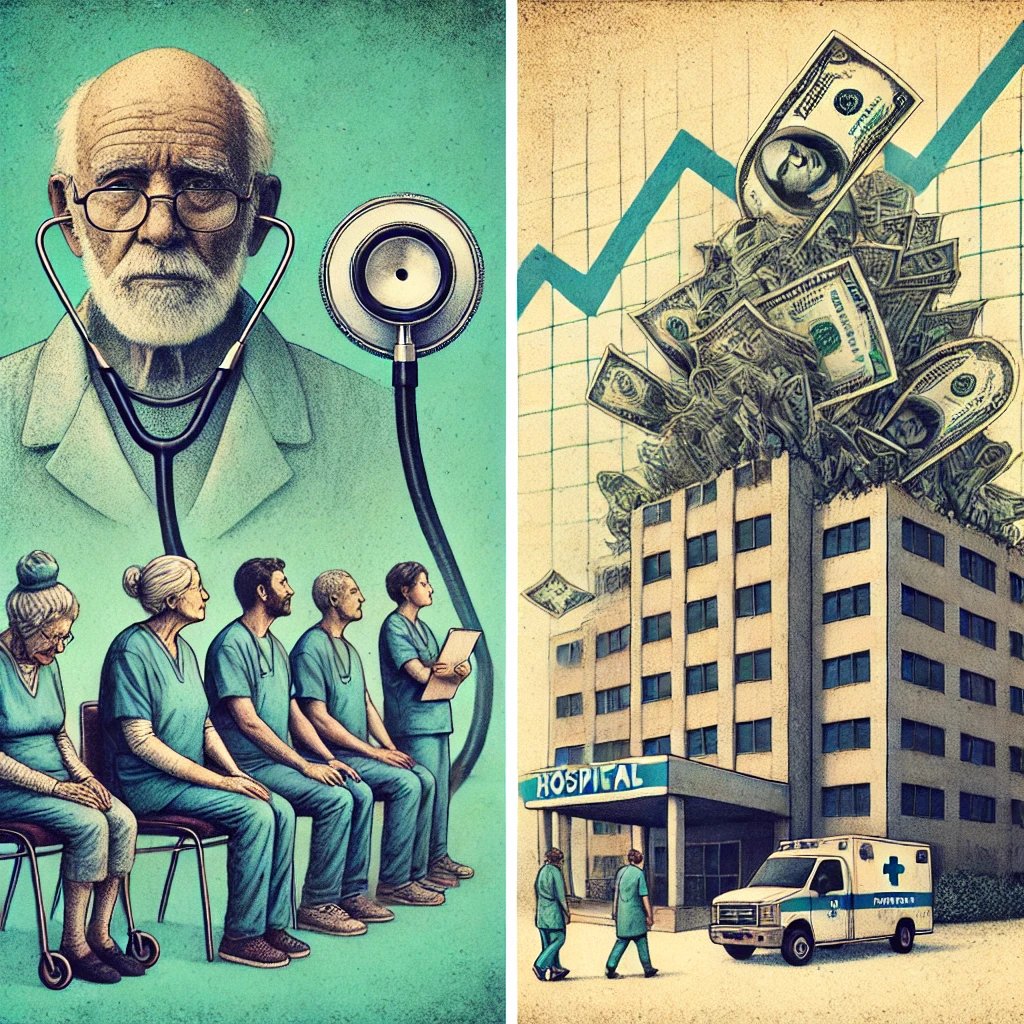
Unrestricted money printing leads to inefficiencies, rising costs, and reduced quality of healthcare, compounding the challenges of an aging population.
19
15 Jan 2025
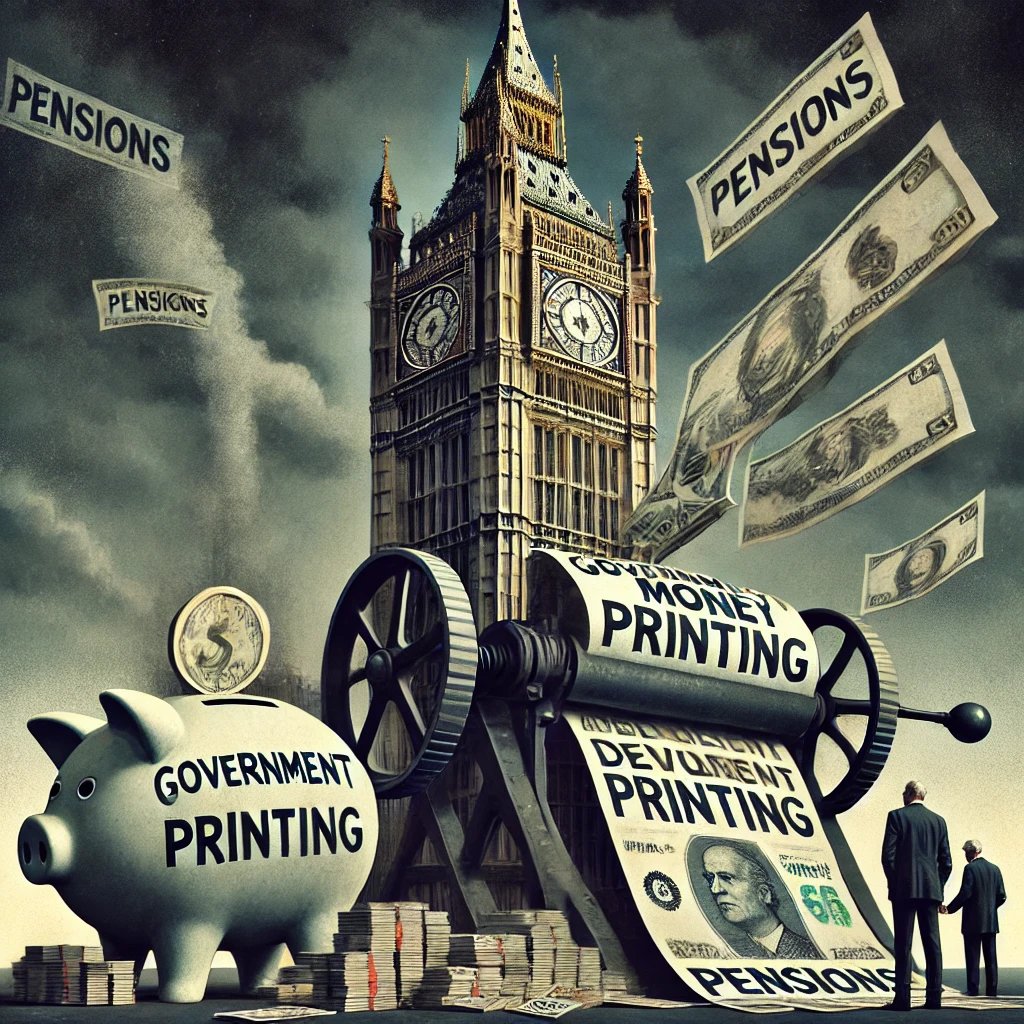
Governments inflate the money supply to fund pensions and meet obligations, but this only deepens the pension crisis.
The cycle of money printing feeds itself, leaving future generations worse off.
1
2
31
14 Jan 2025
The Vicious Cycle of Pensions and Inflation
As retirees outnumber active workers, pension systems face immense pressure.
Designed to rely on long-term savings and investments, pension systems falter under monetary inflation, which erodes the value of money and leaves retirees vulnerable.
Governments and private pension providers also struggle.
Inflation undermines the accumulation of sufficient reserves, while living costs continue to climb unpredictably.
Governments respond by further inflating the money supply, intensifying the pension crisis and driving inflation even higher.
This cycle undermines future generations’ economic security, leaving them reliant on increasingly fragile systems.
1
34
14 Jan 2025
Pension systems rely on long-term savings, but monetary inflation erodes the value of savings.
Retirees pay for this with financial insecurity.
25
14 Jan 2025
Unsound money strains pensions and healthcare—creating a vicious cycle of money printing.
1
1
23
14 Jan 2025
Healthcare systems will be overwhelmed by aging populations.
Resource misallocation and rising costs, driven by money printing, make it harder and harder to deliver quality care.
1
1
27
13 Jan 2025
Unsound Money and Population Crises: Why Bitcoin is the Answer
Unsound money stealthily disrupts economic stability.
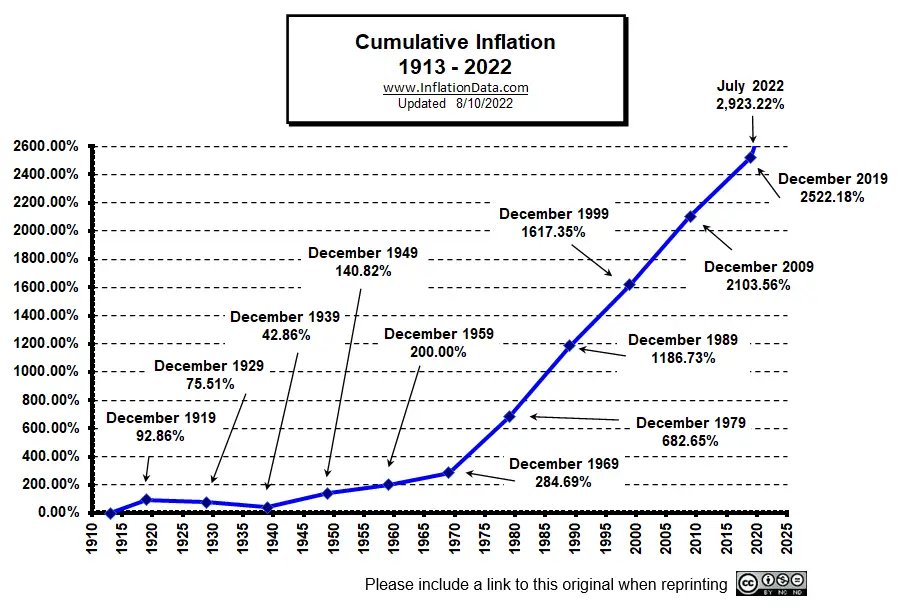
Money printing erodes savings, destroys purchasing power, and acts as a hidden tax on the public. Over time, it devastates financial security and destabilizes economies.
The world also faces serious demographic challenges.
Aging populations, declining birth rates, and shrinking workforces create significant economic pressures. Rising pension obligations, surging healthcare costs, and reduced productivity strain both public and private resources.
Inflation compounds these crises.
It undermines the purchasing power of savings, leaving retirees vulnerable and inflates the cost of living, making future financial planning nearly impossible.
Healthcare systems, already stretched by aging populations, suffer from resource misallocation and rising costs driven by inflation.
These factors form a vicious cycle where unsound money intensifies the demographic challenges that demand a shift to sound money.
35