Bitwise aims to be a partner to investors, financial advisors, family offices, and institutions looking to understand and access crypto.
Joined January 2021
- Tweets 2,557
- Following 475
- Followers 5,094
- Likes 2,529
921 Photos and videos





Pinned Tweet
We're pleased to announce that the Bitwise Hyperliquid Staking ETP is now trading on Deutsche Börse Xetra.
BHYP is the seventh product in Bitwise's European Staking ETP suite, joining our existing range of exchange-traded products referencing BTC, ETH, SOL, NEAR and other digital assets.
@BradleyDuke_, Managing Director and Head of Europe at Bitwise, said: “The Bitwise Hyperliquid Staking ETP is a timely addition to our growing suite of European staking ETPs. Hyperliquid has emerged as a notable on-chain trading venue, particularly in derivatives, combining high performance with transparency. Its fully on-chain order book and execution model shows clear innovation when compared to both tradfi exchanges and crypto platforms. We are pleased to add HYPE to our suite of ETPs.”
1
8
25
22,394

Jun 12
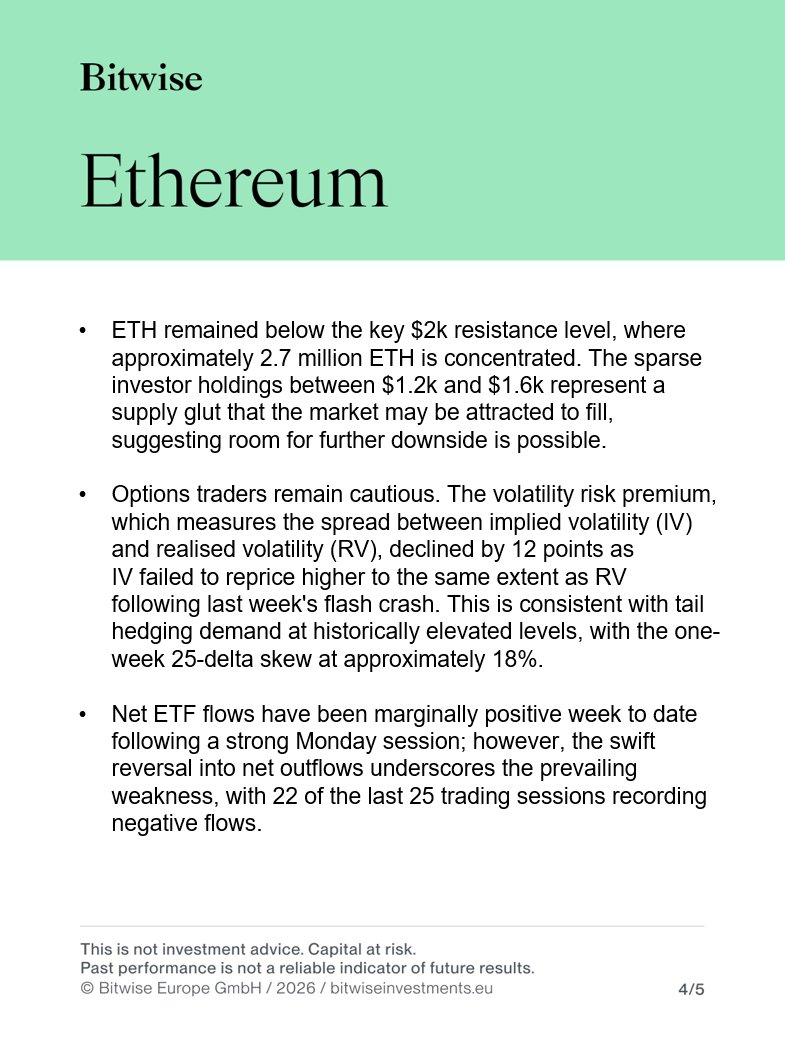
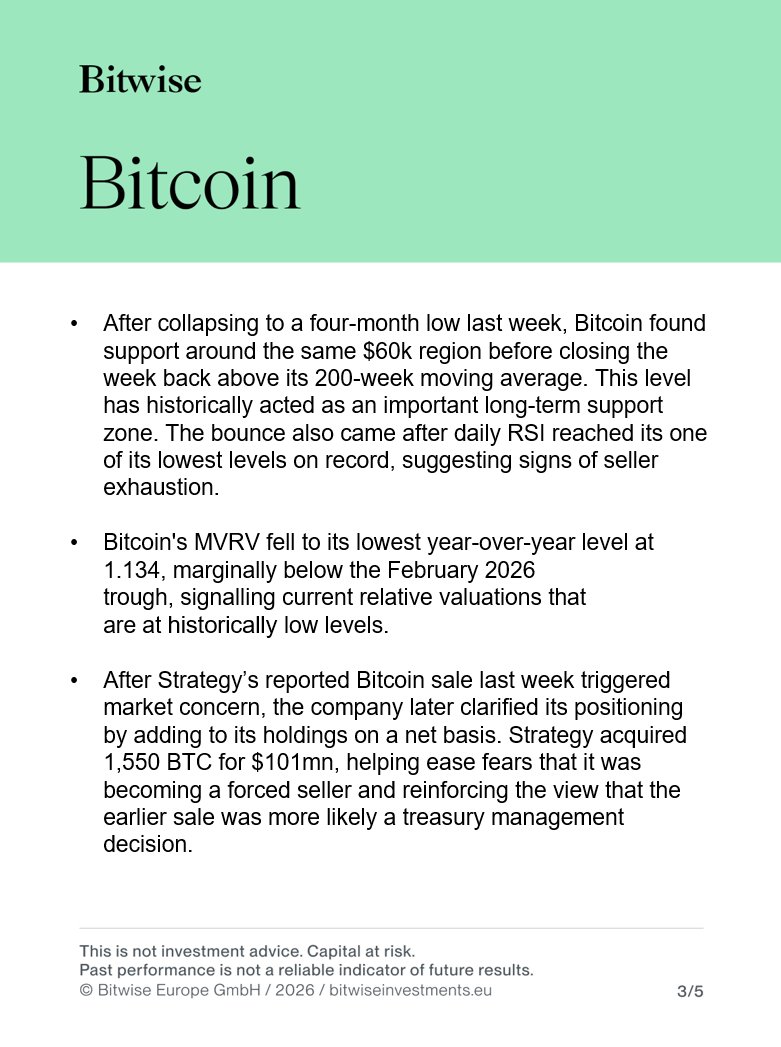
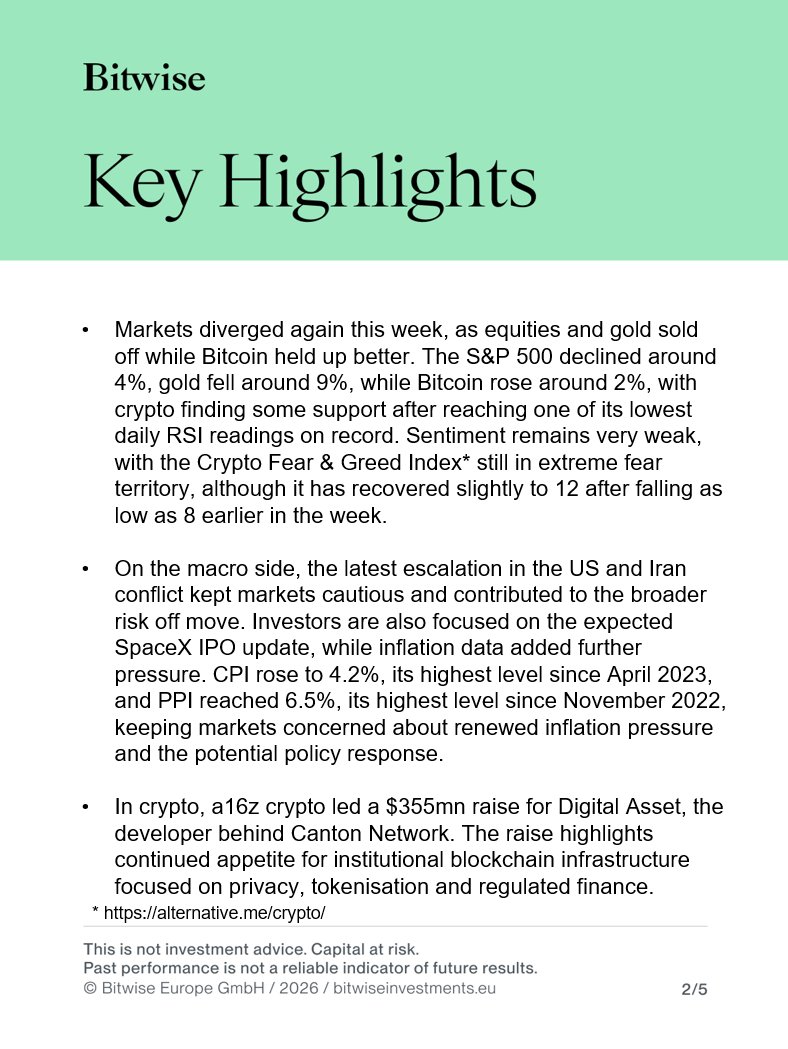
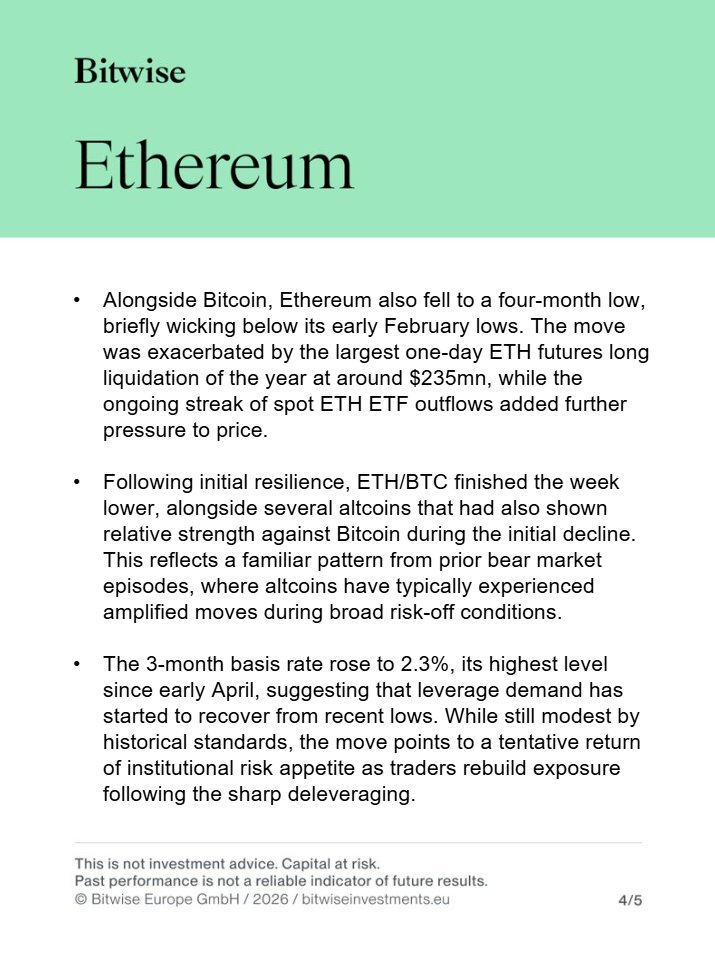
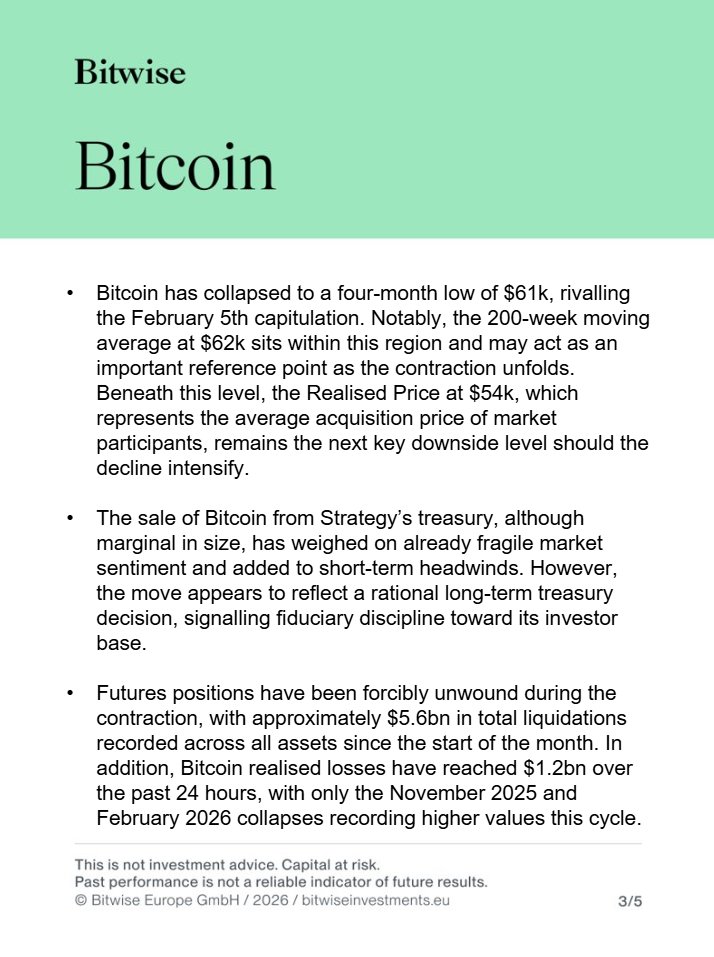
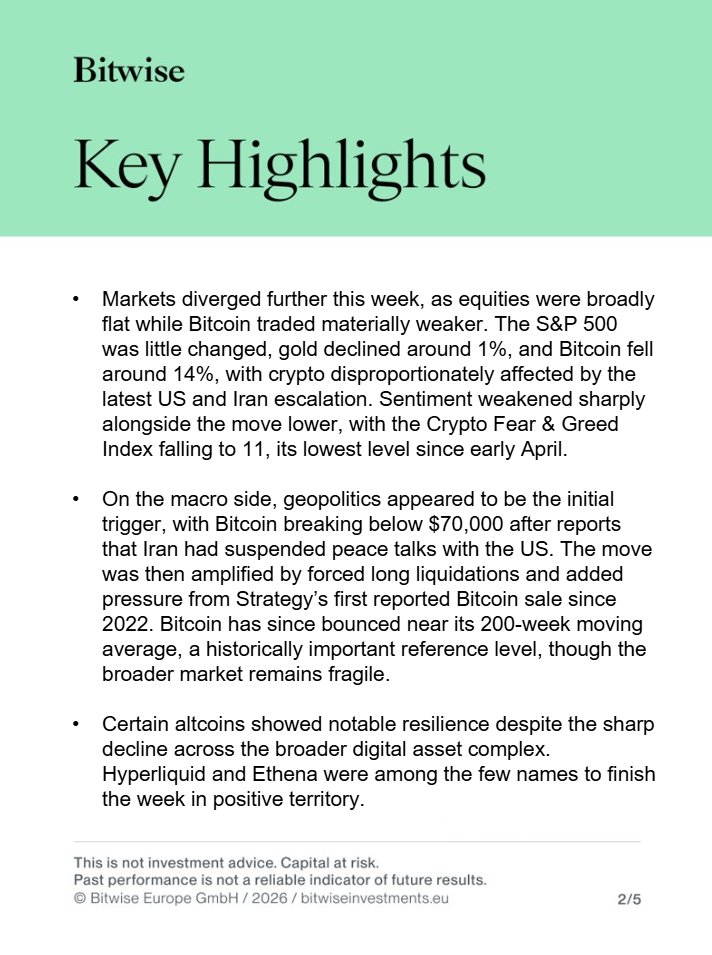
Catch up on what happened in Bitcoin & Crypto this week with our latest Crypto Market Roundup.
Happy Friday!
#BitwiseInEurope #CryptoMarketRoundup
1
3
7
557
Canton Network was purpose-built for a problem that most public blockchains have never seriously tried to solve: how do regulated financial institutions transact on shared infrastructure without exposing confidential data to counterparties who have no business seeing it?
Privacy is fast becoming one of the defining battlegrounds in institutional blockchain adoption, and Canton’s approach is architecturally distinct. Rather than relying on cryptographic techniques such as zero-knowledge proofs or fully homomorphic encryption to hide data from validators who were never meant to see it, Canton embeds privacy at the protocol level, sharing transaction data only with the parties entitled to see it. This mirrors how confidentiality already works in traditional financial markets and keeps institutions on the right side of data protection frameworks like GDPR.
What makes this particularly compelling is that privacy does not come at the cost of interoperability. Canton is a federated blockchain. Each institutional application can define the privacy, controls, governance and infrastructure it requires, while maintaining network wide interoperability and atomic settlement through a shared coordination layer. Like the Swiss cantonal system it takes its name from, independent jurisdictions operate under their own rules while participating in a shared economic framework. For financial institutions that need both control and connectivity, this is a fundamentally different proposition from anything else in the market today.
To explore this in more detail, we have published a full investment study on Canton Network. The report examines Canton’s privacy architecture, institutional adoption, network activity and valuation framework, and assesses how its design could shape the next phase of regulated on-chain finance.
Key takeaways from the Investment Study:
- Why Canton’s privacy model is structurally different from other public blockchains and private networks, and why that distinction matters for regulated institutions operating under frameworks like GDPR and Basel.
- How the federated architecture works in practice, including what it means for an institution to run a sovereign app or subnet, how the Global Synchronizer enables atomic settlement across them, and why this eliminates the bridge risk that affects most cross-chain interoperability solutions.
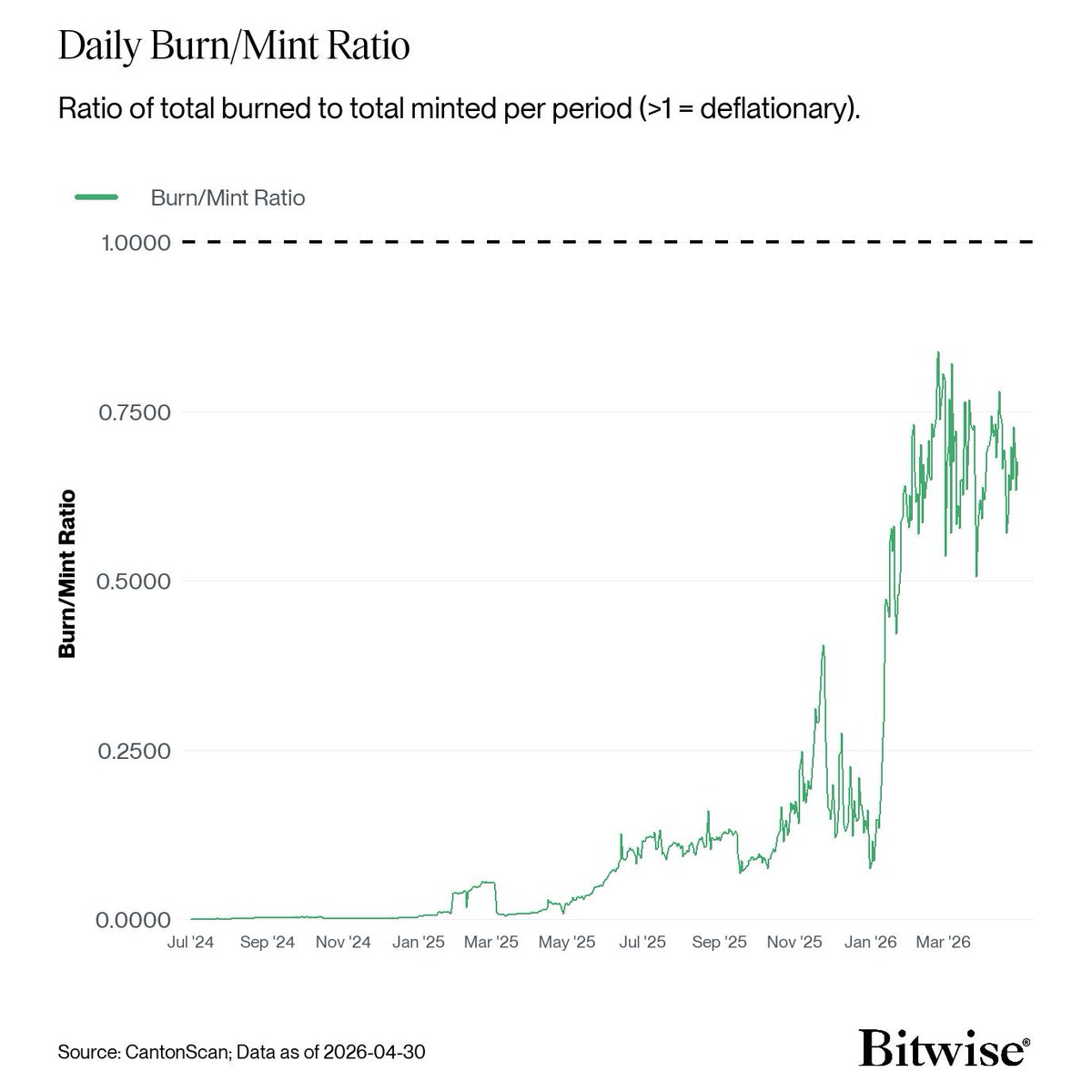
- Where the network actually stands today, including a detailed look at on-chain metrics such as transaction volumes, validator growth, participant counts, and application-layer diversification since the 2024 mainnet launch.
- A valuation framework for Canton Coin anchored in the burn-mint equilibrium model, with penetration scenarios across five layers of financial market infrastructure: settlement, collateral, payments, issuance, and compliance. The section also examines what equilibrium token prices look like under each scenario.
3
7
11
1,239
Read the full report:
bitwiseinvestments.eu/blog/s…
3
5
20
2,823
Important information
This publication is a summary of the special report “Canton Network: Privacy, Settlement and Infrastructure for Regulated Finance” which is intended solely for professional investors with relevant knowledge and experience of cryptoasset markets. The special report is not suitable for retail customers distribution and reliance.This publication is for informational purposes only and does not constitute investment advice, a recommendation, or a solicitation to buy or sell any financial instrument or cryptoasset.Capital at risk. Cryptoassets are high-risk investments. The value of cryptoassets may fall as well as rise and investors may lose some or all of their invested capital.This publication and the special report are not intended for distribution to, access or reliance by, retail investors and the public located in the United Kingdom.
372
Bitwise in Europe retweeted
3
7
589
Bitwise in Europe retweeted
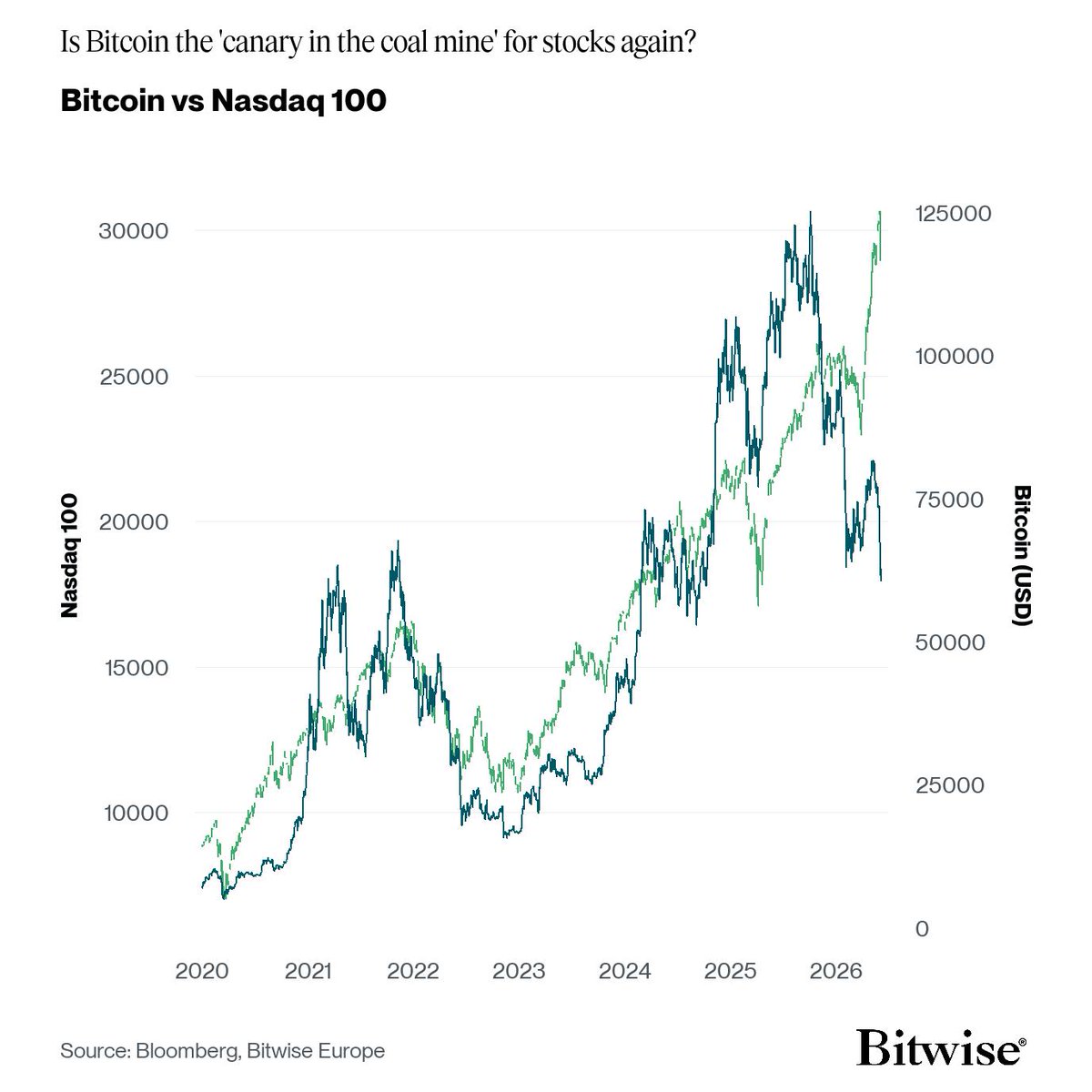
The Canary in the Macro Coal Mine: Bitcoin and the Latest Risk-Off in Stocks
Bitcoin's cycle low, $ 1.8bn ETP outflows, bearish sentiment, and Bitcoin's role as a leading macro risk indicator.
Find out more in our latest report below 👇
1
8
16
1,069
The Canary in the Macro Coal Mine: Bitcoin and the Latest Risk-Off in Stocks
Bitcoin's cycle low, $ 1.8bn ETP outflows, bearish sentiment, and Bitcoin's role as a leading macro risk indicator.
Find out more in our latest report below 👇
1
8
16
1,069
3
7
589
Catch up with what happened in Bitcoin & Crypto this week in our latest Crypto Market Roundup.
Happy Friday!
#BitwiseInEurope #CryptoMarketRoundup
1
5
7
862
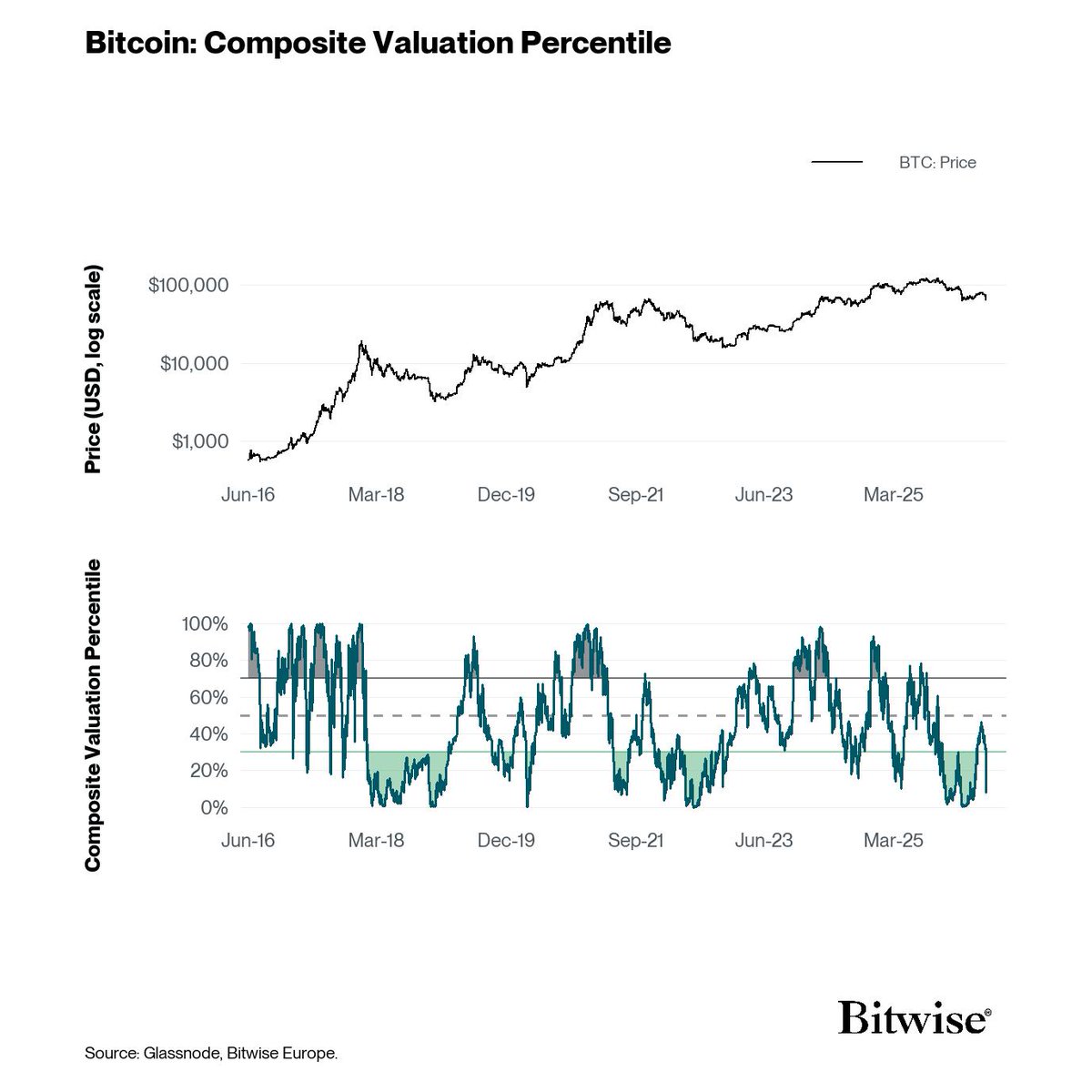
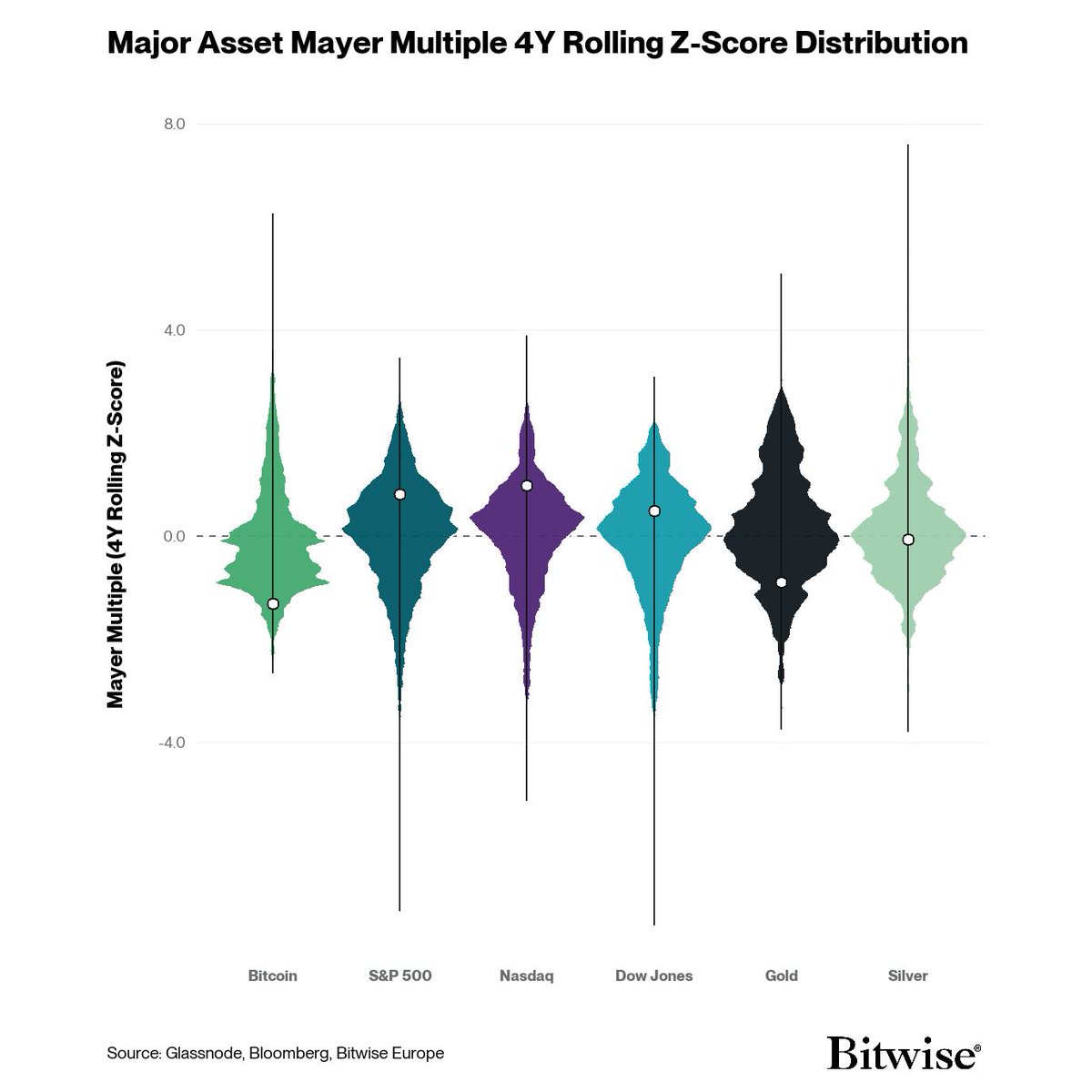
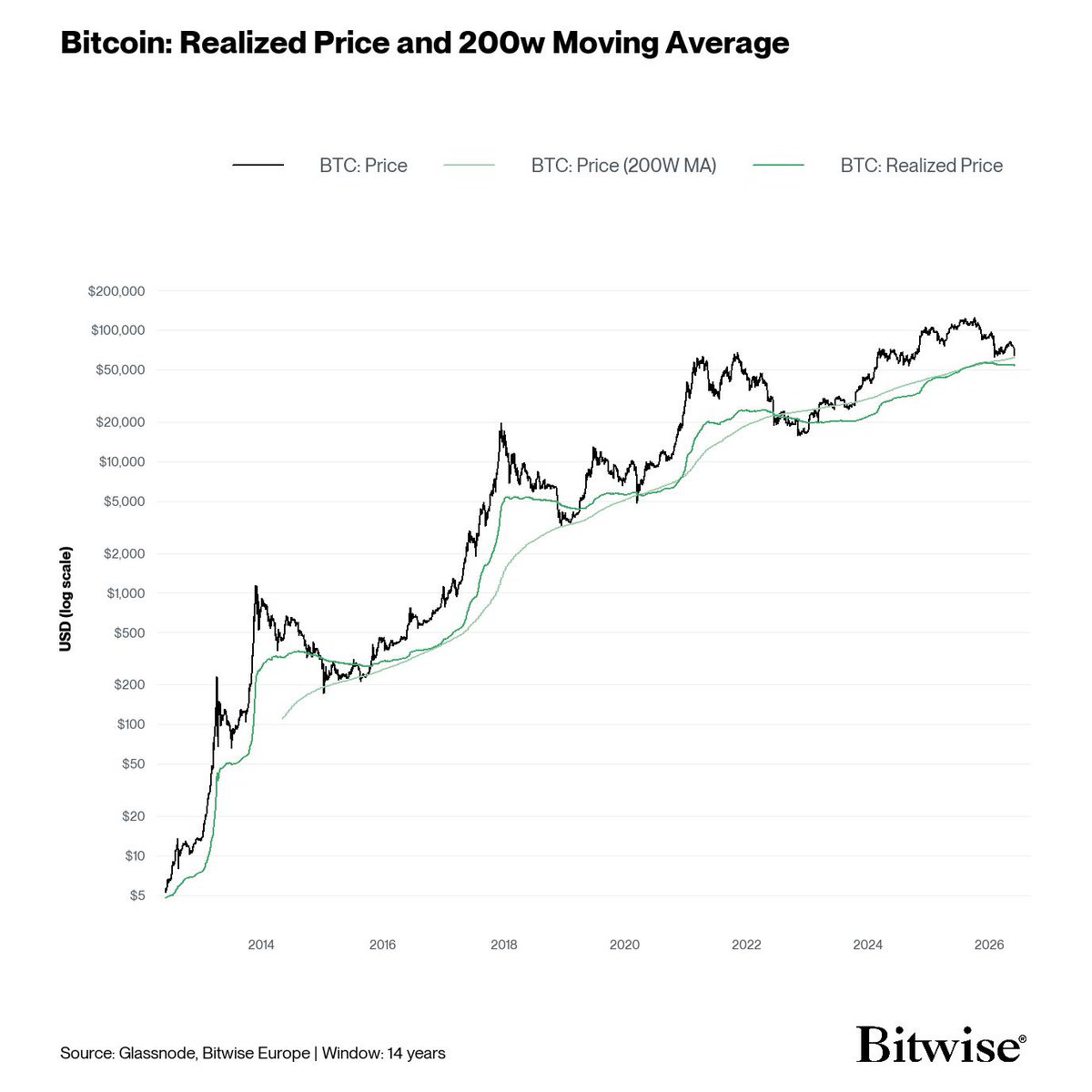
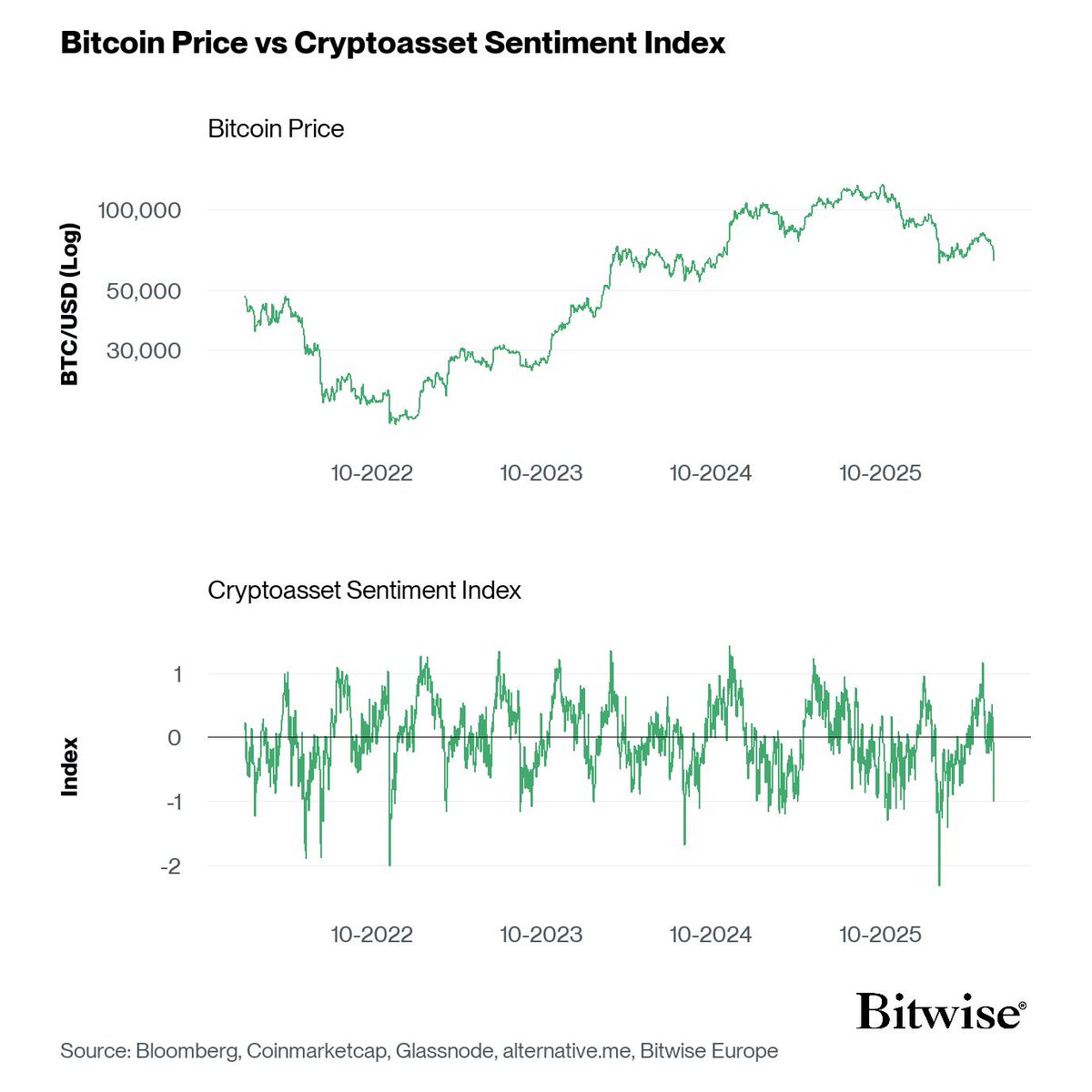
Bitcoin has fallen to a fresh four-month low of $61k. In this update note, we assess current valuation conditions across multiple models and outline key pricing paths to contextualise the road ahead.
Read the full report below.
1
3
11
564
2
6
440
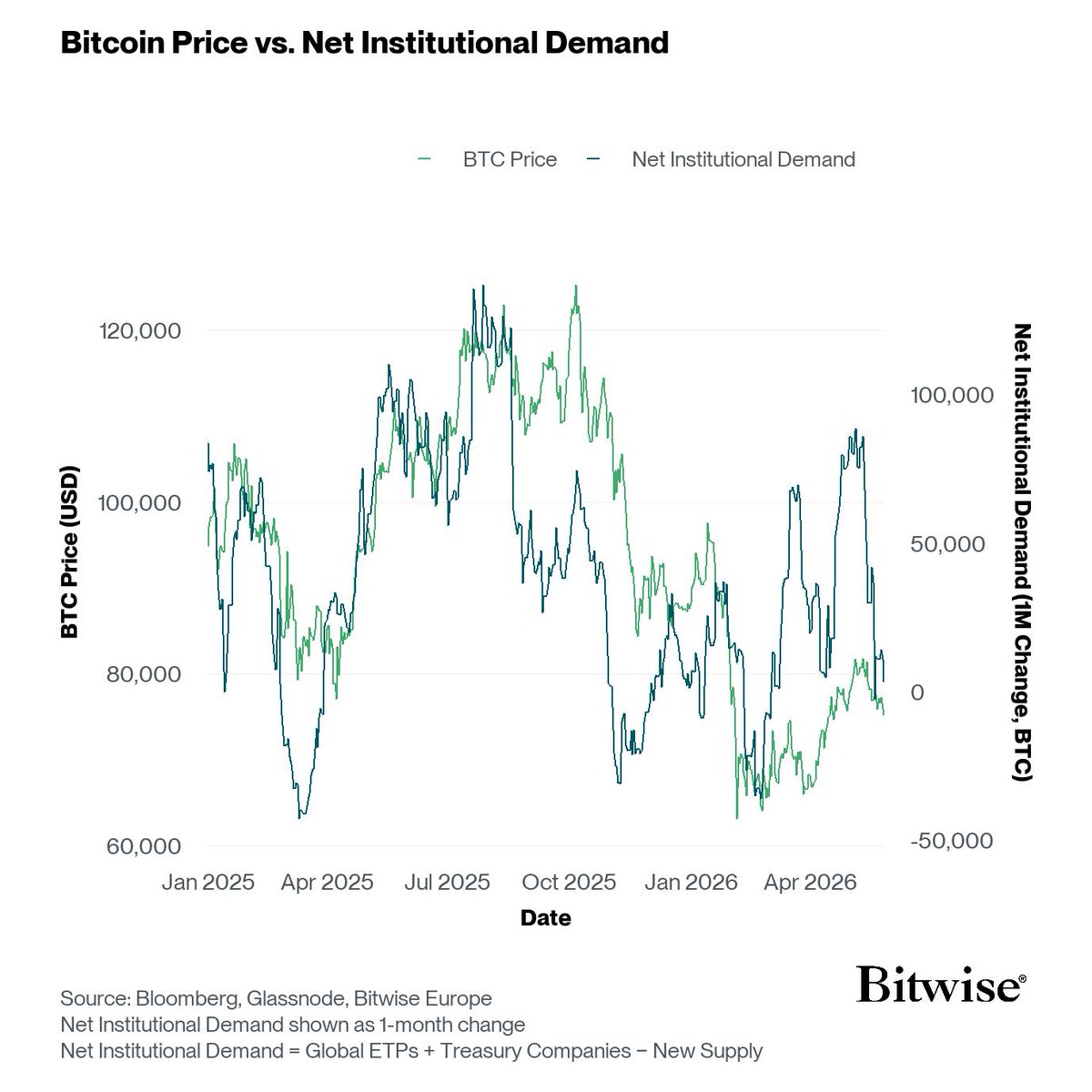
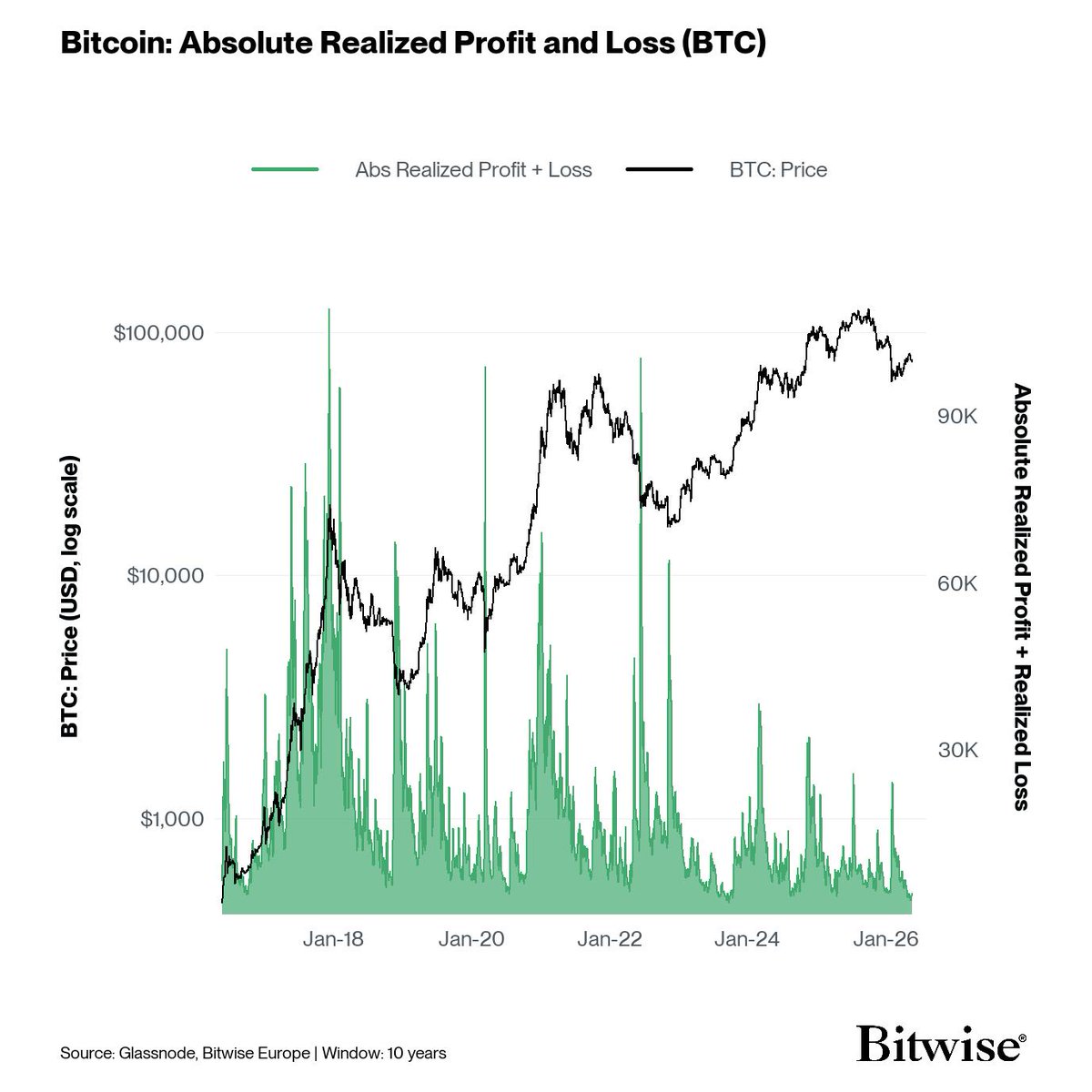
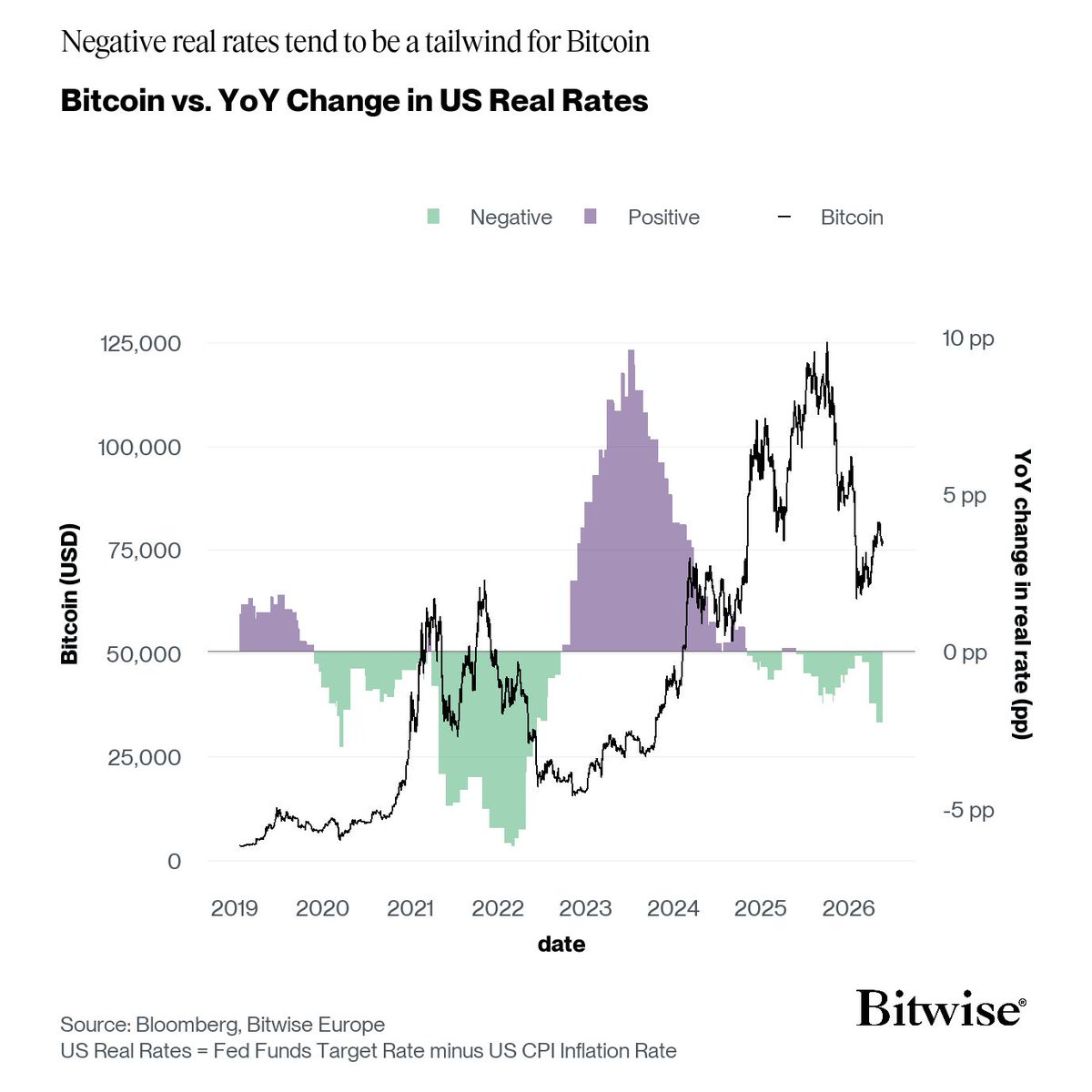
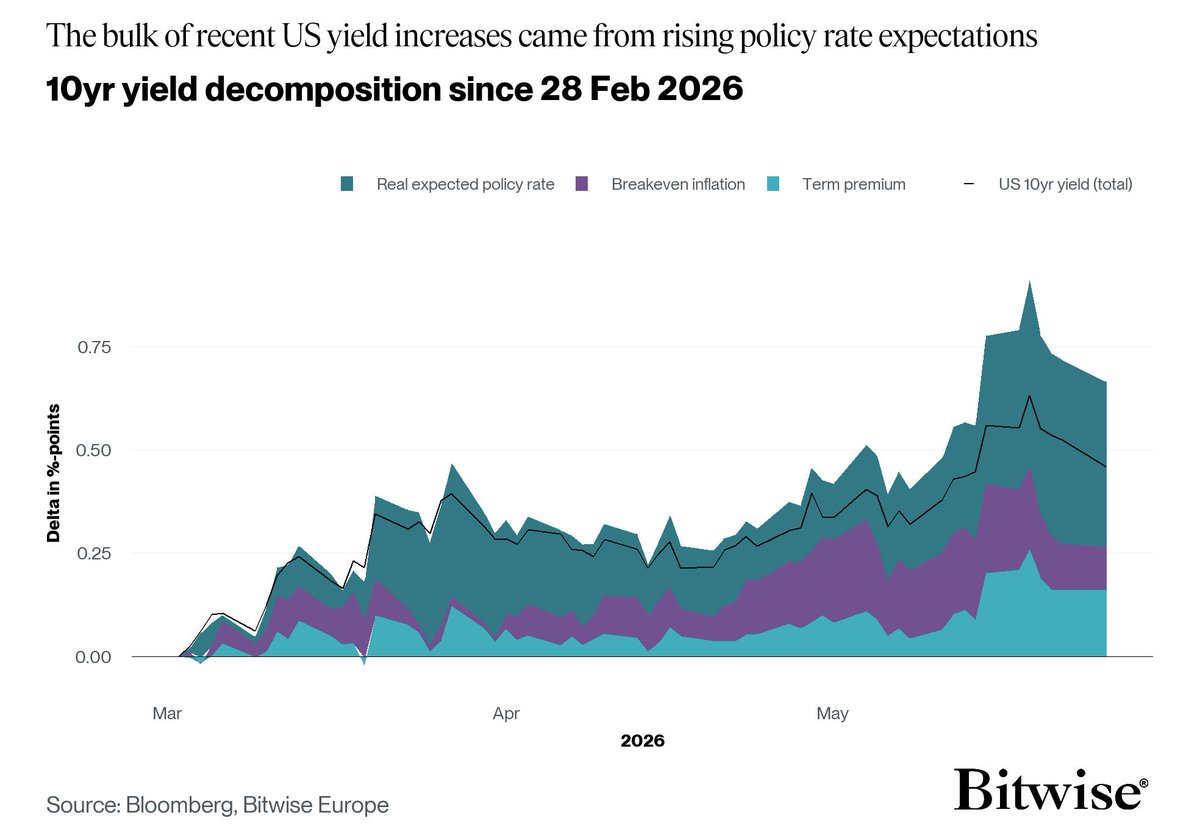
Bitcoin recovered above $80k in May 2026 before stalling at the $80k–$85k bull-bear threshold and subsequently falling to $72k. ETP outflows, sovereign bond stress, and record hodling defined the month.
Read the full edition of our latest Bitcoin Macro Investor below.
1
4
9
669
1
4
441