
Faith-based activist ✝️ Spreading Christ’s calm—Independent Voice on issues that truly matter Venmo:bbohne68
Joined October 2015
- Tweets 9,582
- Following 263
- Followers 1,266
- Likes 440
407 Photos and videos




Pinned Tweet

May 27
What God did in the desert with the Hebrews for 40 years WAS NOT for their benefit but for those who would choose God.
He knew they’d reject Him.
He knew they’d break His covenant with Him.
He taught us with clear evidence that He is a faithful, loving, devoted God.
But He also taught us how to live according to His plan, by showing us to take only what we need. To not be selfish or greedy.
He also taught us to ALWAYS remember and prepare for Sabbath.
For 40 years, roughly 14,600 days and approximately 2080 Sabbaths every day He provided them food as mana except on Sabbath. The day before, they were to collect double so they had enough to eat on Sabbath. They were not to gather more than they needed as the surplus would spoil.
I’m the desert they had no choice but to rely upon Yahweh to sustain them. If you’ve ever seen or lived in a desert, you know survival is very unlikely without food or water. And they all survived because of the faithfulness of God.
He also dwelled among His people as a pillar of fire at night and a cloud of smoke during the day, leading and guiding them. This is the depth of His love.
How much greater does He love those who not because they have no other choice but because they receive and return His love? Just as He showed He will sustain and provide for a people who He knew would reject Him, He offers this same love, faithfulness and abundance to all who turn to Him in love and rely upon Him.
If the world would only live as He taught us, there would be no need, no hunger, no poverty. All would have all that they need abundantly.
5
178
Jun 5
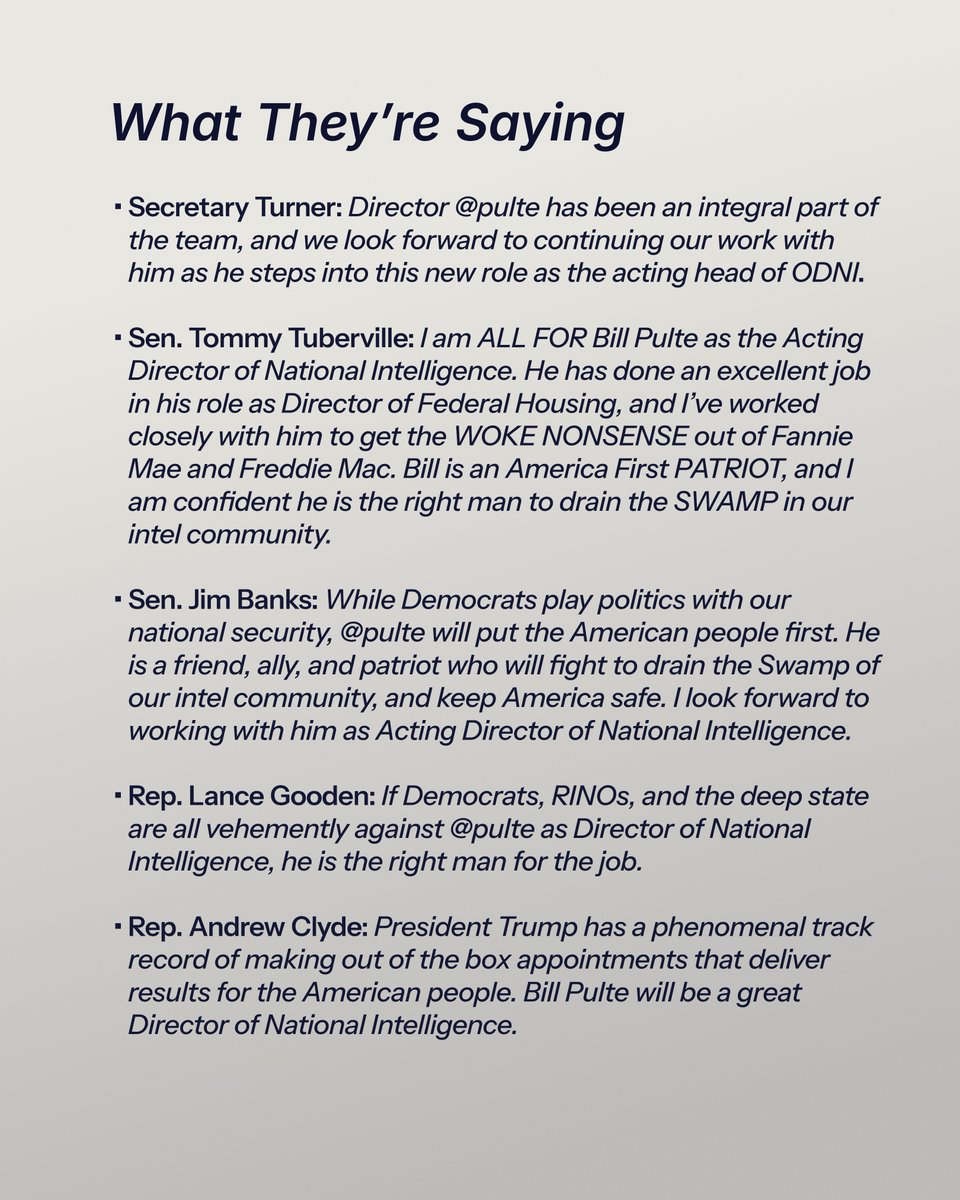
Everything Trump does goes against the Constitution as he just bulldozes law & order to suit his fancy. He is an absolute disgrace. We are no longer a country ruled with law & order but rather a regime whose only goal is to make his empire rich while draining citizens of every dime he can.

1
62
Jun 2
That’s exactly what Epstein’s clients all said and Trump certainly made that work out splendid for the elite.
Not so much for children, but hey. Can’t expect Trump to actually care about anyone can you?
Jun 1
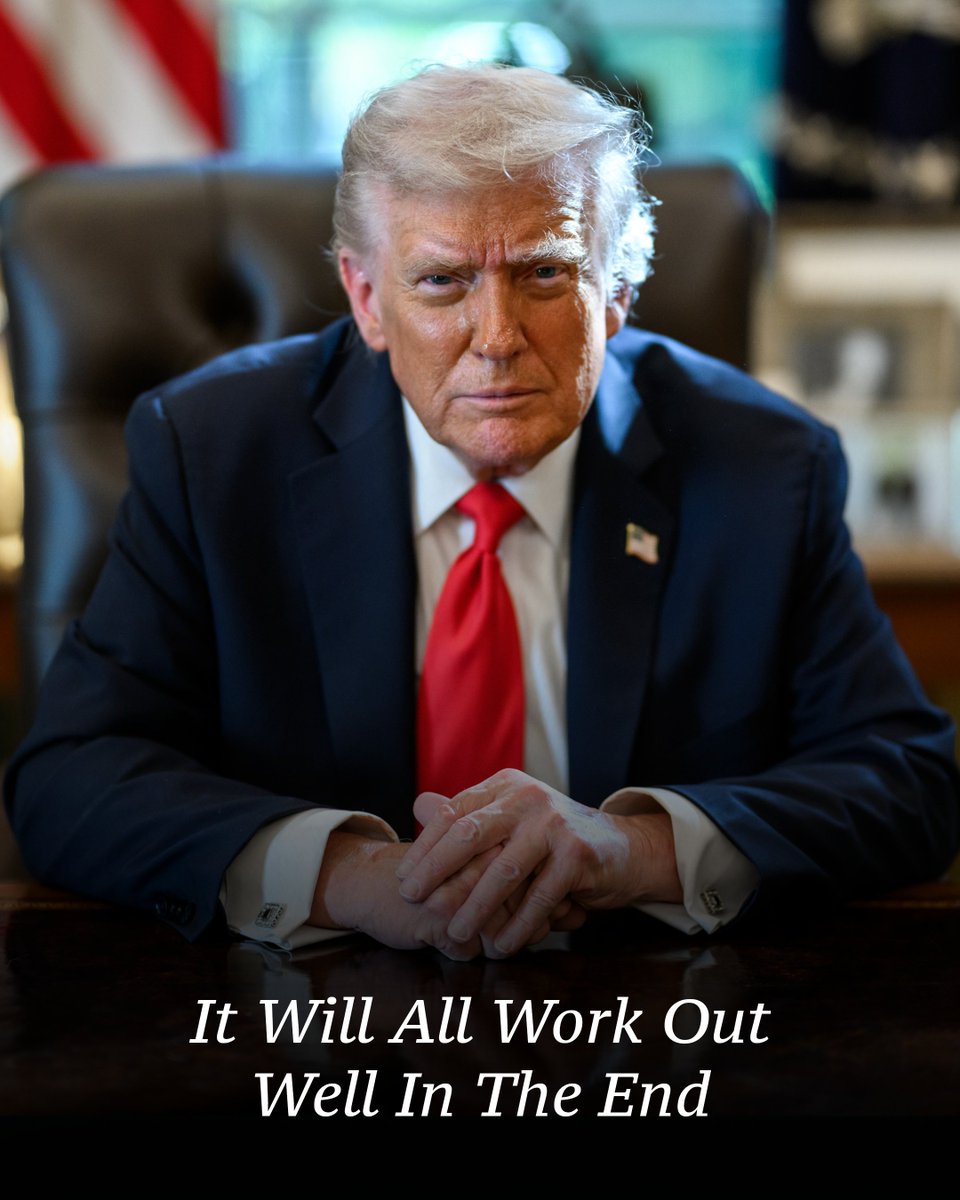
TRUST IN TRUMP.
"Just sit back and relax, it will all work out well in the end - It always does!" - President Donald J. Trump. 🇺🇸
1
34
Jun 1
More BS from the habitual liar.

𝗗𝗼𝗻𝗮𝗹𝗱 𝗝. 𝗧𝗿𝘂𝗺𝗽 𝗧𝗿𝘂𝘁𝗵 𝗦𝗼𝗰𝗶𝗮𝗹 𝟱.𝟯𝟭.𝟮𝟲 𝟬𝟰:𝟭𝟴 𝗣𝗠 𝗘𝗦𝗧
President Trump drops a savage post on the "failing New York Times"
"The New York Times wrote a story today entitled, “Trump Administration Sees Striking Exodus of Legal Talent,” as though that’s a bad thing, when actually, it’s very good. The people that are leaving are Radical Left Deep State Lunatics, who are destroying our Country, and Weaponizing Government. Many of them didn’t leave, but were fired! The Failing New York Times writes this, but makes it sound like it’s a terrible thing when actually, it’s just the opposite. We want people that will, MAKE AMERICA GREAT AGAIN, not people that are trying to destroy our Country, that were put in by Obama and Biden and, in many cases, they shouldn’t have been representing the U.S.A. in the first place. Let them go on to “bigger, better, and brighter” things in the future — I fully support that, and wish them all well! President DONALD J. TRUMP"
30
May 31
Biggest lie yet from the habitual liar.
He will go down in history as the man who single-handedly destroyed America and bled it dry of all wealth.
We will become the next 3rd world ungodly country.

3
1
32
May 31
Does not surprise me in the least. Trump serves the evil one. Money and power is all he cares about.
But this certainly explains why he supports Israel’s intent to commit genocide.
May 29

In January, at the World Economic Forum, Jared Kushner presented a “Master Plan” for the future of Gaza. Kushner’s slideshow featured glossy images of coastal skyscrapers, a new tourism district with 180 towers, an airport, a seaport, and industrial complex zones. A phased reconstruction timeline promised to transform “New Rafah” and “New Gaza” into modern metropolises. The Master Plan was shared as part of the establishment of President Donald Trump’s so-called Board of Peace.
“Tellingly, the Davos slideshow just briefly mentioned basic services like water, electricity, and sewage for Palestinians in war-decimated Gaza,” writes Mohammed R. Mhawish. “Kushner’s presentation mentions Palestinians in the context of ‘demilitarization principles,’ claiming this process will be ‘led by Palestinians, internationally verified.’ The Palestinian public were not involved, not even consulted, in the drafting of these visions. Almost every decision about where they will live, how they will move, and what kind of life they may rebuild was made without them.”
From the perspective of Nour Alsaqqa, a media and communications officer in Gaza, it’s obvious that the Board of Peace’s proposals aren’t meant to restore life in Gaza. Rather, they serve interests that are mostly American, Israeli, and Gulf in character.
Over the past several months, Mhawish spoke with U.S. officials, legal scholars, and political analysts to understand the hierarchy of power within the Board of Peace and how its decisions are being made. Read his full report on what the proposals really mean for the future of Palestine: nymag.visitlink.me/koQzna

21
May 31
I have to say she’s got a far more accurate picture of the fiasco going on in our country except the actual homeless mainly caused by reckless/ suppressive government is closer to 2-3 million and that’s not including roughly 3-5 million transients.
Most Americans are absolutely clueless they’ve long since checked out of reality.
May 31

🇺🇸🧐“AND YOU STILL DARE TO OPEN YOUR MOUTH…”
Sasha Legerman: This is too accurate not to share.
This Australian’s response to Trump’s rant that “NATO does nothing for America” is absolutely devastating:
“Mate. You run a country where 600,000 homeless people will sleep on the streets tonight.
A country where 40% of adults can’t cover a $400 emergency without borrowing money.
A country where insulin costs more than a car payment, and people ration it just to stay alive.
A country where medical debt is the number one cause of bankruptcy.
A country where women die in hospital parking lots because doctors are too afraid of abortion laws to treat miscarriages.
You imprison more of your own citizens than any country on Earth.
More than China. More than Russia. More than North Korea.
In the land of the free, 2 million people sit in cages, and a quarter of them haven’t even been convicted of anything.
They’re simply too poor to afford bail.
Your life expectancy is declining. You’re the only developed nation where that’s happening.
Your infant mortality rate is worse than Cuba’s.
Your children practice active shooter drills between math and English classes while you sell defense stocks to your friends.
Your minimum wage hasn’t changed in 15 years.
Your teachers work two jobs, your veterans sleep under bridges, and you just spent a trillion dollars flattening a country that never attacked you.
And now a convicted criminal — found liable for sexual abuse, defending a pedophile, sleeping with a porn star, and running the biggest dumpster-fire campaign since the Taliban — is thanking you for yet another disaster.
And you call Greenland badly governed?
Greenland has universal healthcare. Free education. One of the lowest incarceration rates in the world.
Nobody there goes bankrupt because they got sick. Nobody dies in a waiting room because insurance refused treatment.
‘NATO wasn’t there when we needed them.’
When exactly was that, champ?
September 11?
Because NATO invoked Article 5 for the first and only time in history FOR YOU.
Soldiers from dozens of countries deployed, fought, bled, and died in Afghanistan FOR YOU.
Australia wasn’t even in NATO, and we still showed up. For twenty years.
And then you left at 2 a.m. without telling anyone and left everybody else to clean up the mess.
You don’t care that a great nation is being terrorized by your friend, and you haven’t shown it a single ounce of sympathy.
So maybe before calling other countries badly governed, take a look at your own backyard, you aluminum siding salesman with a spray tan.
The only thing badly managed in this picture is your damn mouth.
And you still dare to lecture the rest of the world?”
10
May 31
The divide between God and this government has grown too wide to ignore. You can’t serve both.
Backing their hunger for power, their lawlessness, their endless overreach puts you against God Himself.
Obeying Christ in many places now risks arrest.
Loving Jesus means you can’t stay silent in the face of such an ungodly, unconstitutional system.
14
May 31
Yet is there even a crime or commandment this evil ungodly beast hasn’t committed?

2
14
May 31
He’s not lost a dime. He’s suing the IRS & Treasury for $10 billion. He’s got his pet AG to prevent IRS from auditing him & his family. He’s at least tripled his net worth as he continues to gouge American citizens.
He’s not just working towards making himself and his elite pedo buddies richer but making sure NOBODY will ever see the money trail so we all find out just how he made his fortune.
Being that scared to cover it up only proves how little of his massive fortune is legally made.
May 31

🚨 TRUMP’S MESSAGE IS CLEAR:
“Whether I lost $2 billion or $5 billion, it doesn’t matter.”
According to Trump, money isn’t the priority. America is.
His argument? Money can be replaced. A country cannot.🇺🇸🔥
W.H.G
1
23
May 31
Before we hold any of these people in esteem, just remember one thing,
NOT ONE OF THEM has released even one name of an elite being protected by their leader, Trump.
Walking away is an act of cowardice. Anyone who truly professes a faith and obedience to Jesus Christ would do what is, right before God, and release all their names.
May 30

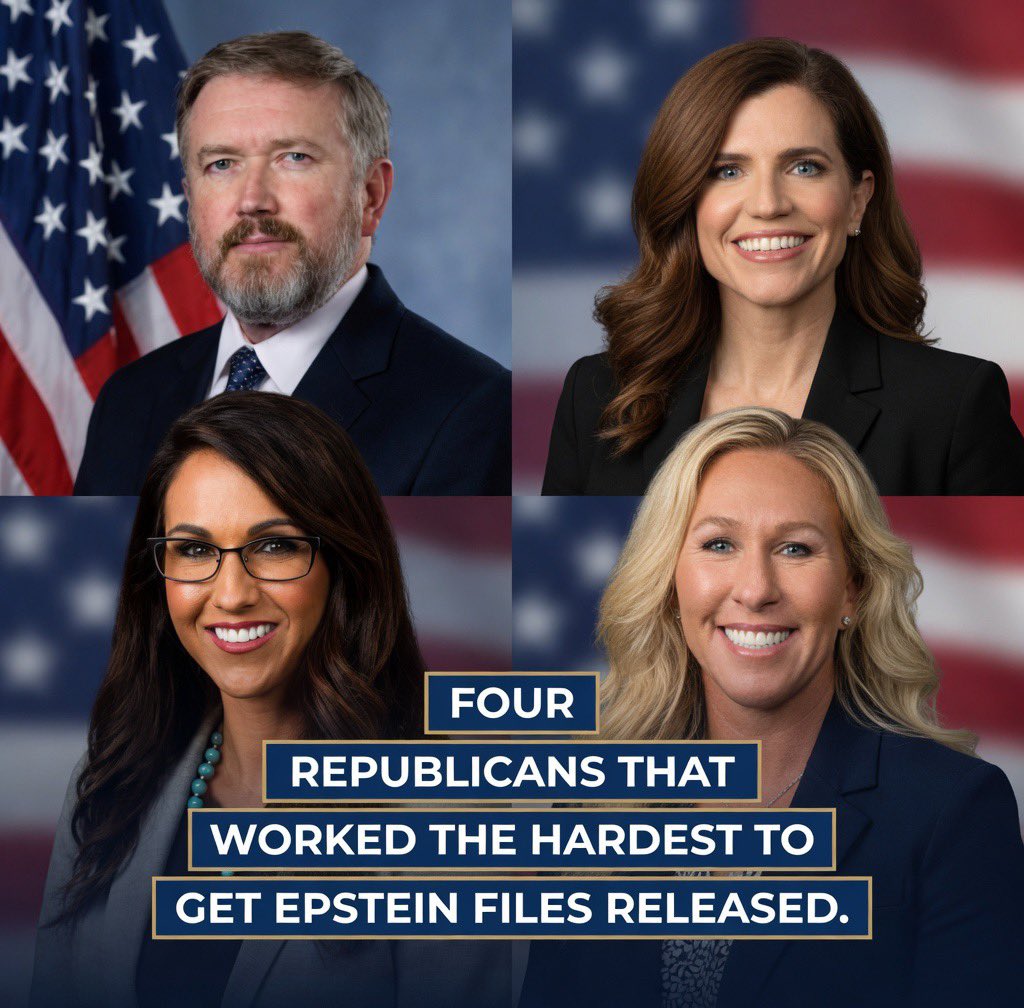
Fact: Trump is a shield for child rapists.
He went after the only four House Republicans who signed the discharge petition to release the Epstein files: Massie, Boebert, MTG, and Mace.
All four have been punished for demanding transparency.
Ask yourself why.
2
21
May 31
This is what martial law looks like.
In Trump’s empire, citizens are NOT free. The Constitution is a thing of the past and cops are just thugs with badges to attack & abuse citizens.
We’ve only just started seeing the death counts. Just imagine how many more are murdered when there are no cameras around.
They’ve already been using concentration camps for over a year now.
It’s only going to continue to get worse and more dangerous for the American people as Trump has zero regard for human life.
May 31

Reminder to all rioters: Obstructing and assaulting law enforcement is a crime and a felony. Anyone who assaults our officers will be arrested and prosecuted to the FULLEST extent of the law.
1
21
May 31
Given our money is worthless, why not put the image of the most worthless President this country has ever had?
At the rate he’s ripping off this country, the only ones who will even still have money are him and his elite buddies he’s protecting.
May 31

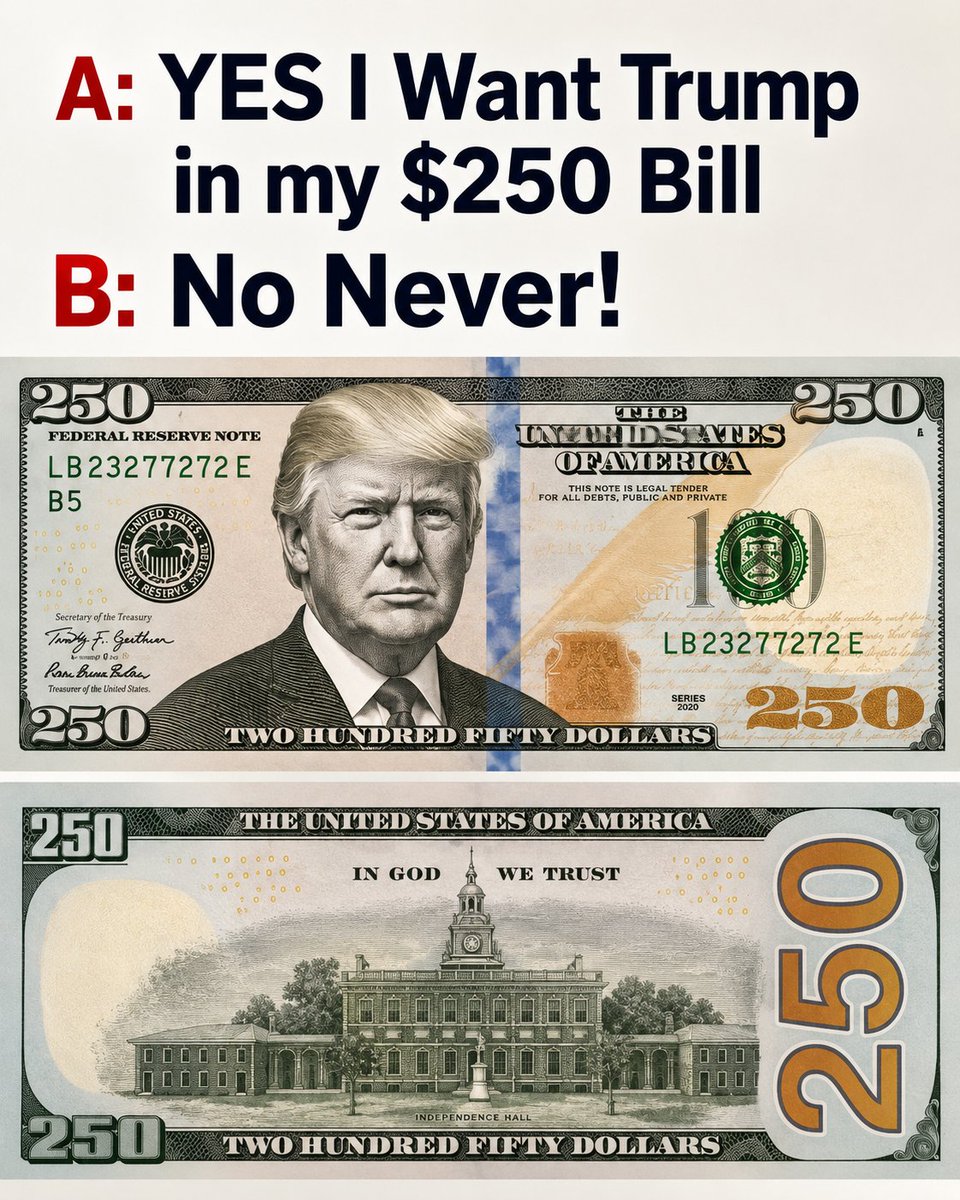
🇺🇸 If a new $250 bill were ever created, should Donald Trump be the face on it?
Supporters say Trump reshaped American politics, strengthened the economy, and left a lasting impact on the country. Critics argue that U.S. currency should remain reserved for historical figures whose legacies have stood the test of time.
What do you think?
👍 Yes — Put Trump on the $250 bill
👎 No — Keep currency reserved for other historical figures
💬 Other: If not Trump, who would YOU choose to appear on a $250 bill and why?
2
20
May 30
Trump will just fire the judge and appoint a judge who will ignore his fraud.
2
18
May 29
Under this clown there is no law & order.
I’m even skeptical if the Constitution even still exists.
He’s got only one agenda and it’s to make himself the richest man on earth. He don’t care how he does it, who he protects or how poor he makes the American people.
He’s a self serving, greedy, selfish gutless ungodly man.
May 28
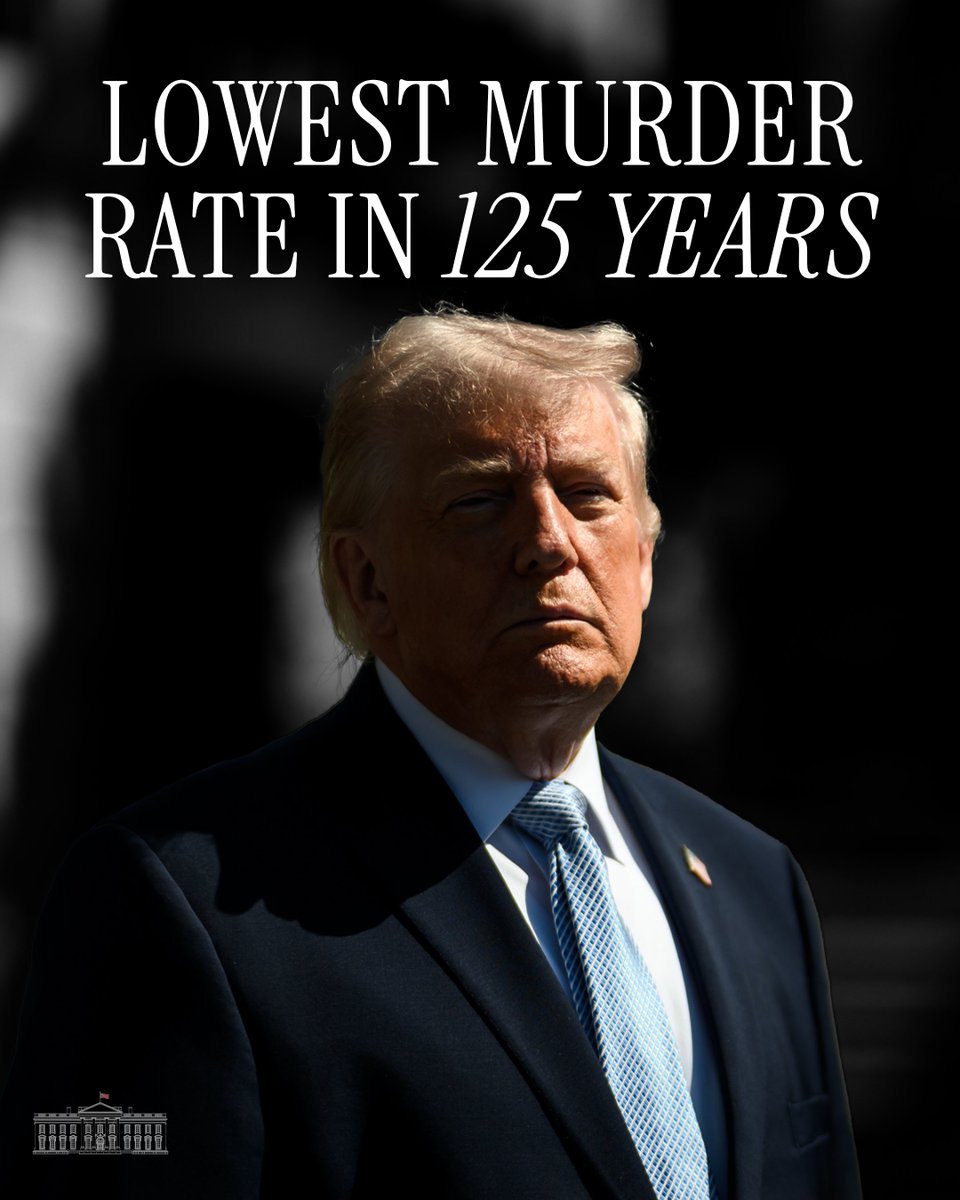
When law and order is restored, safety follows.
ALL WE NEEDED WAS A NEW PRESIDENT.
2
17
May 28
Only the Trump cult believe this nonsense.
NOTHING is lower.
RECORD highs.
Deficit increased more than 2 trillion.
Oh but Trump cashing in big! Bet he will be richer than Elon at the rate he’s going ripping off this country.
Zero done for American citizens.
May 27
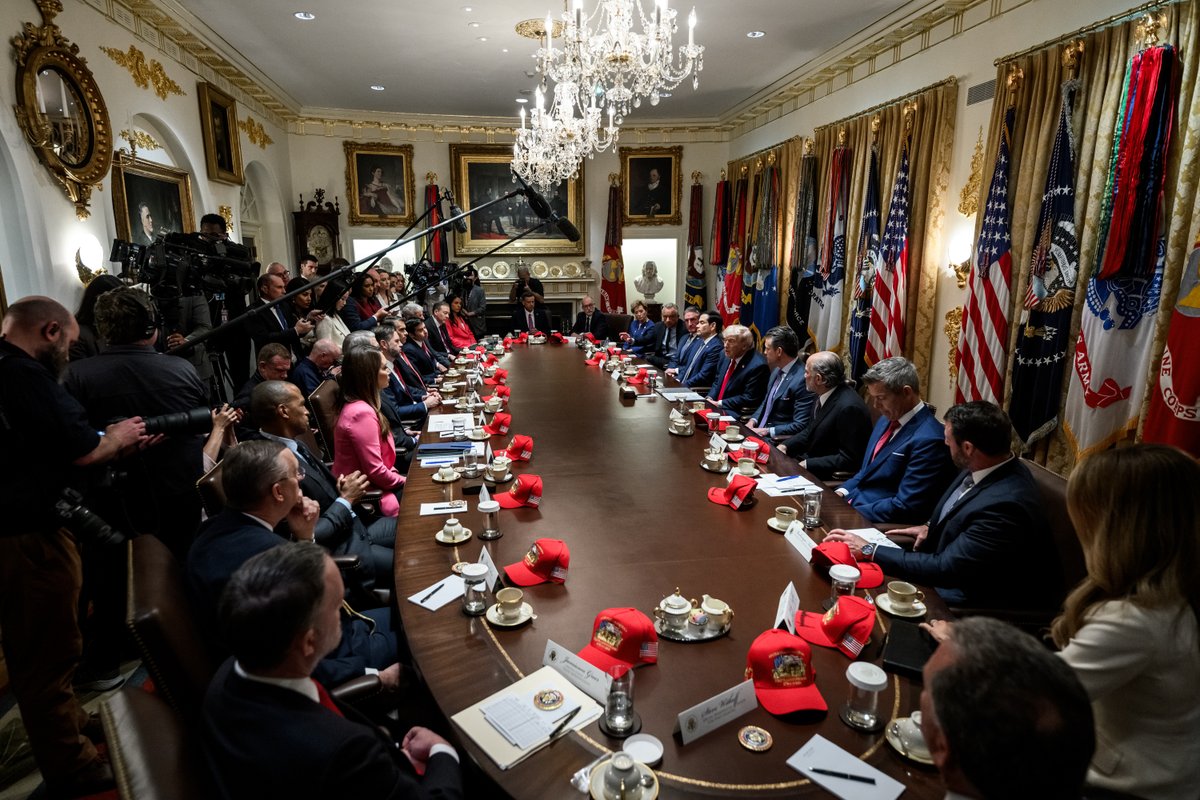
Achieving more than most administrations do in 8 years. 🇺🇸 12th Cabinet Meeting highlights:
💊Prescription drug prices plummeting
🏠Rents falling
📈Business investment 10.4% in Q1
🌍Strength on world stage
🔍Tens of billions in fraud exposed
RESULTS. With more on the way.🔥
2
34
May 27
Hands down, greatest threat is Donald Trump and his cult.
I’m even skeptical if the Constitution even exists anymore.
What is the greatest threat to liberty in America?
3
68
May 27
Which do you think is more likely to ever happen in your lifetime?
1) Government actually doing anything that benefits average American citizens?
2) Government decides to finally hold themselves accountable to the people and release ALL the names of Epstein’s clients, every elite charged and locked up?
2
13
Reformer retweeted

May 21
Ossoff: I am running in Georgia against two Trump lackeys who, you can rest assured as they race for the President's approval, would be voting for this crooked ballroom and this insurrectionist slush fund.
And in fact, every national political reporter in the country should be putting that question to these two candidates tonight. They want to be candidates for the U.S. Senate? Let's see them prove to the people of Georgia… because they're pro-war, they're pro-tariff, they're pro-cutting health care. Let's find out where they stand on the crooked ballroom and the insurrectionist slush fund.
650
1,267
4,937
107,202
May 25
It is a false narrative caused to incite fear just as they used Covid to scare citizens, that “all Muslims solely want to kill all Christians.”
It is this hate planted by the Trump regime that led to the shooting in San Diego which Trump barely spoke upon or against.
Hate only leads to violence. It has never led towards peace.
Iranian leaders — from Khamenei to Rouhani — have publicly stated for 20 years that nuclear weapons are against their religion and they do not want them. Claims they’re secretly hell-bent on building one rely on assumptions, not their actual words. That’s a weak basis for war.
May 24

This is a HUGE win for America. We need to ignore the people who won't be happy until there is a ground invasion of Iran. My father promised to stop Iran from getting a nuclear weapon and that's exactly what he is achieving!!!
2
87