
The ultimate personal and project growth bot using cutting edge AI | t.me/Block_AIBot
Joined March 2022
- Tweets 3,256
- Following 1,581
- Followers 18,860
- Likes 1,769
2,118 Photos and videos









Pinned Tweet

We just tracked 6,127 follows on X using GeniusX!
Here is what we found:
▪️3.0% follow-back rate on strategically targeted follows
▪️89.5% of follow-backs happened within 24 hours
▪️Mid-sized accounts (10k-100k) follow back at 10.9% - 6x higher than small accounts
▪️Keyword targeting outperforms audience cloning every time
The median response time was 2.8 hours.
Nearly 1 in 3 followed back within the 1st hour.
This is real operational data from Genius & CloneX - not estimates we found on the internet, not educated guesses.
Because Block AI does the research.
2
4
10
369
𝗧𝗼𝗸𝗲𝗻𝗶𝘀𝗲𝗱 𝗦𝘁𝗼𝗰𝗸𝘀 𝗛𝗮𝘃𝗲 𝗮 𝗦𝘂𝗽𝗽𝗹𝘆 𝗣𝗿𝗼𝗯𝗹𝗲𝗺
Crypto platforms raced to tokenise SpaceX shares before the IPO. The tech worked fine. The problem: they couldn't actually source the underlying stock.
This is the dirty secret of tokenised equities. You can wrap anything in an ERC-20 or SPL token in minutes. But if the wrapper has no reliable claim on the real asset, you've just built a synthetic with counterparty risk dressed up as innovation.
We've seen this pattern with 300 token launches. The hard part is never the smart contract. It's the liquidity backing, the redemption mechanism, the market making that keeps the peg tight when demand spikes. SpaceX exposed that most "tokenised stock" platforms skipped the boring infrastructure and went straight to the marketing.
If the backing asset can't be acquired, settled, and redeemed on demand, is it a tokenised stock or just a prediction market with extra steps?
1
102
𝗬𝗼𝘂𝗿 𝗧𝗿𝗲𝗮𝘀𝘂𝗿𝘆 𝗜𝘀 𝗦𝗶𝘁𝘁𝗶𝗻𝗴 𝗜𝗱𝗹𝗲
Most project treasuries lose value every single day they sit untouched. Holding isn't a strategy when your token is live and markets move 24/7.
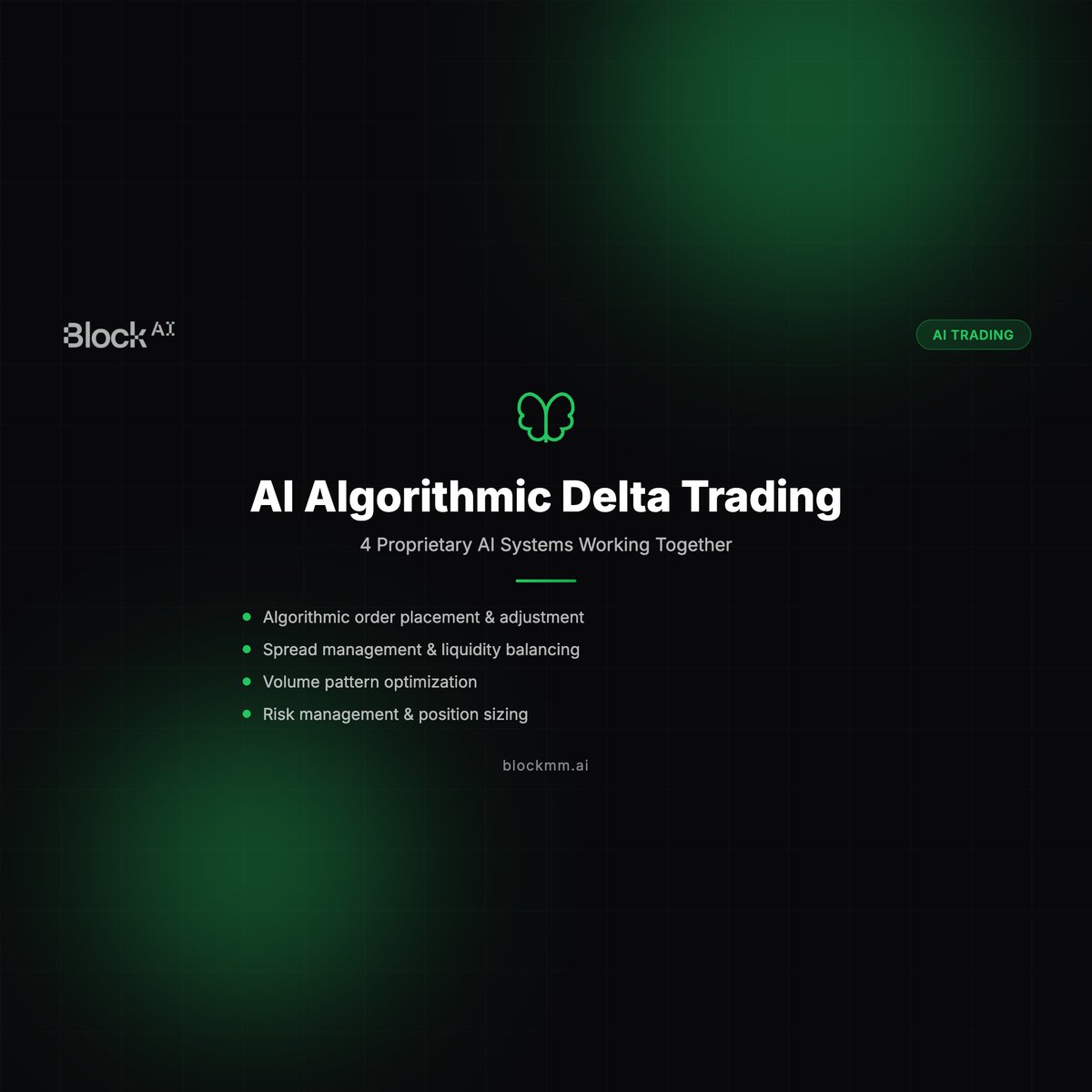
Block AI runs delta trading on top of your existing market making — not a replacement, an additional layer. Four proprietary AI systems handle it:
▪️ Order placement
▪️ Spread management
▪️ Volume optimisation
▪️ Risk management
The model is no-profit-no-fee. If the algorithms don't build your treasury, you pay nothing. We've run this across 120 exchanges for 300 clients since 2018.
Your treasury either compounds or it decays. There's no neutral.
Available through @Block_AIBot — DM for a walkthrough.
Would you actually let an algo trade your treasury if the downside risk was fully on the provider's side, or does "no-profit-no-fee" sound too clean to trust?
1
2
188
𝗥𝗶𝗽𝗽𝗹𝗲'𝘀 𝗔𝗜 𝗣𝗮𝘆𝗺𝗲𝗻𝘁𝘀 𝗣𝗹𝗮𝘆 𝗛𝗮𝘀 𝗮 𝗟𝗶𝗾𝘂𝗶𝗱𝗶𝘁𝘆 𝗣𝗿𝗼𝗯𝗹𝗲𝗺
Ripple just launched an AI agent payments toolkit for XRPL. Meanwhile, nearly all x402 activity is on Base and Solana where the liquidity already lives.
Speed and low fees don't win agent payment rails. Liquidity depth does. An AI agent settling a micropayment doesn't care if finality is 3 seconds or 4. It cares whether there's enough order book depth to execute without slippage at 3am on a Tuesday. That's a market making problem, not a chain architecture problem.
We've been providing liquidity across 120 exchanges since 2018. The pattern is always the same: protocols ship the tech and assume volume follows. It doesn't. You need active market makers seeding tight spreads on every pair the agent might touch, or the agent routes elsewhere.
RLUSD competing with USDC for agent settlement is a tall order when Circle already has deep pairs on every chain that matters. Does XRPL actually have a path to the liquidity density AI agents need, or is this a press release without an order book behind it?
123
You're about to pay a KOL.
Do you actually know if it's worth it?!
Most projects just guess based on follower count & word of mouth.
That's how you waste $5,000 on someone with 200k dead followers.
Free tool: enter the KOL fee, audience size, engagement rate & estimated conversions.
Get back:
▪️ Cost per holder
▪️ Projected ROI
▪️ Whether the deal actually makes sense
Know before you wire the money.
👉 blockmm.ai/free-tools/kol-ro…
3
3
130
𝗣𝗲𝗿𝗽𝘀 𝗔𝗿𝗲 𝗖𝗿𝘆𝗽𝘁𝗼'𝘀 𝗥𝗲𝗮𝗹 𝗜𝗻𝘀𝘁𝗶𝘁𝘂𝘁𝗶𝗼𝗻𝗮𝗹 𝗧𝗲𝘀𝘁
Perpetual futures just got U.S. approval and Kraken's John Palmer is calling it the next ETF moment. He's half right.
ETFs let institutions buy exposure. Perps let them trade it. That's a fundamentally different liquidity demand. Funding rates, basis spreads, and liquidation cascades all require market makers who can quote 24/7 across 120 venues with sub-second execution. Spot ETF market making is babysitting compared to what perps require.
The real question nobody's asking: who's providing the other side of these trades when a $50M institutional position needs to unwind at 3am on a Sunday? Without deep, always-on liquidity infrastructure, regulated perps become a thinner, more dangerous version of what offshore exchanges already offer.
We've been running hybrid AI live trader systems across perpetual books since 2021. The tech exists. The gap is that most regulated venues haven't built the connectivity layer for market makers to operate at the speed perps demand.
Will regulated perps actually pull volume from offshore, or will thin books just give institutions a worse fill than Binance?
126
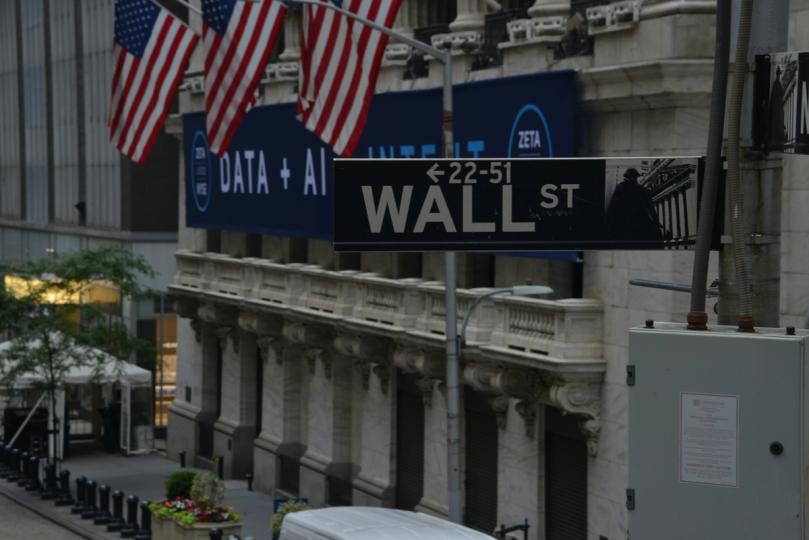
𝗪𝗮𝗹𝗹 𝗦𝘁𝗿𝗲𝗲𝘁'𝘀 𝗘𝘁𝗵𝗲𝗿𝗲𝘂𝗺 𝗣𝗿𝗼𝗯𝗹𝗲𝗺
Etherealize's Vivek Raman says Wall Street is past the "pilot" phase on Ethereum. He's half right. The infrastructure is there, but institutional desks won't commit real size without reliable liquidity on both sides of the book.
We've been making markets across 120 exchanges since 2018. Every cycle, the same pattern: institutions build the rails, then sit idle because nobody's quoting tight spreads at depth. The bridge from "we deployed on Ethereum" to "we're trading $50M a day on Ethereum" is a market making problem, not a smart contract problem.
If TradFi capital is genuinely moving on-chain, who's providing the liquidity layer they actually need — or are we about to watch another cycle where the infrastructure exists but the order books stay thin?
2
201
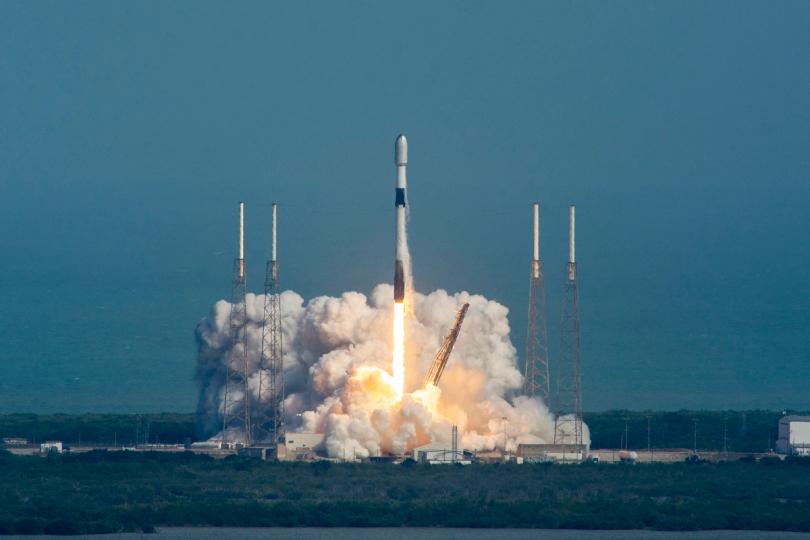
𝗦𝗽𝗮𝗰𝗲𝗫 𝗝𝘂𝘀𝘁 𝗠𝗮𝗱𝗲 𝗕𝗶𝘁𝗰𝗼𝗶𝗻 𝗧𝗿𝗲𝗮𝘀𝘂𝗿𝘆 𝗨𝗻𝗶𝗴𝗻𝗼𝗿𝗮𝗯𝗹𝗲
$1.3B in bitcoin on the balance sheet of what's about to be the largest company on public markets. This isn't MicroStrategy's playbook. SpaceX holds BTC as idle treasury, not as the business model itself.
That distinction matters. When earnings calls start, analysts will price SpaceX's BTC the way they price cash reserves, not the way they price MSTR's leveraged bet. If SpaceX weathers a bear cycle without touching the stack, it validates corporate bitcoin treasury as boring, conservative finance. That's the real inflection point.
The harder question nobody's asking: what happens to the liquidity profile of BTC spot markets when a $350B public company needs to mark-to-market every quarter? The order book depth on major pairs will matter more than ever. Thin books and a single large rebalance could move price 2-3% in seconds.
We've run market making across 120 exchanges since 2018. The structural problem with corporate bitcoin holdings has never been conviction. It's always been execution infrastructure and real-time liquidity on the venues where these positions actually clear.
If SpaceX dumps 5% of its stack during a drawdown, does any single exchange have enough depth to absorb it without cascading liquidations?
2
164
𝗧𝗵𝗲 𝗔𝗜 𝗖𝗿𝗮𝗰𝗸𝗱𝗼𝘄𝗻 𝗖𝗿𝘆𝗽𝘁𝗼 𝗦𝗵𝗼𝘂𝗹𝗱 𝗕𝗲 𝗪𝗮𝘁𝗰𝗵𝗶𝗻𝗴
The US government just forced Anthropic to pull two AI models over a "vulnerability" that Anthropic says exists in every major model already. This isn't about safety. It's a precedent-setting moment for who controls AI infrastructure.
If you build in crypto, pay attention. The same playbook applies: regulators target one provider to establish jurisdiction, then expand. We saw it with Tornado Cash, with staking services, with exchange custody rules. The pattern is identical.
Decentralised AI compute and on-chain model hosting aren't fringe ideas anymore. They're becoming a necessity for anyone who doesn't want a single government order to shut down their stack overnight.
Should AI model access be permissionless infrastructure, or is government kill-switch authority actually reasonable here?
1
1
1
211
𝗦𝗮𝘆𝗹𝗼𝗿'𝘀 𝗗𝗶𝗹𝘂𝘁𝗶𝗼𝗻 𝗠𝗮𝘁𝗵 𝗗𝗼𝗲𝘀𝗻'𝘁 𝗔𝗱𝗱 𝗨𝗽
Saylor's argument that issuing equity for cash "strengthens" shareholders only works if you assume BTC goes up forever at a rate that outpaces dilution. That's not a treasury strategy, that's a leveraged directional bet with someone else's equity.
Jack Mallers is asking the right question: if mNAV is the metric, what happens when BTC trades sideways for 18 months and the share count has already expanded? We've seen this pattern before. The premium compresses, retail holds the bag, and the "BTC per share" number quietly stops appearing in the slide decks.
From an infrastructure perspective, the real issue is that none of these BTC treasury vehicles have proper on-chain transparency for their NAV calculations. The data exists. Nobody's surfacing it in real time.
Is mNAV a legitimate valuation framework, or just a narrative tool that only works in a bull market?
2
116
𝗦𝗽𝗮𝗰𝗲𝗫 𝗼𝗻 𝗦𝗼𝗹𝗮𝗻𝗮 𝗜𝘀𝗻'𝘁 𝘁𝗵𝗲 𝗦𝘁𝗼𝗿𝘆
SpaceX listing on Nasdaq and Solana simultaneously sounds like a headline win for crypto. The real story is the redemption mechanism: eligible shares convert back into tokens and vice versa.
That two-way bridge between brokerage accounts and on-chain markets is where liquidity actually forms. Without it, tokenised equities are just receipts nobody can exit. We've seen this pattern with dozens of RWA projects — the token launches, volume spikes for 48 hours, then the order book thins out because there's no arbitrage loop keeping price tight against the underlying.
The projects that survive need market makers running both sides of that bridge simultaneously, quoting on-chain and off-chain, keeping spreads honest across venues. That's not a feature you bolt on later. It's day-one infrastructure.
Here's the question worth asking: if the on-chain venue has no native market maker with direct exchange access and the spread drifts 2-3% from Nasdaq mid, does the token trade at a premium or a discount — and who gets stuck holding the difference?
3
175
𝗕𝗮𝗻𝗸𝘀 𝗪𝗮𝗻𝘁 𝘁𝗼 𝗥𝗲𝗴𝘂𝗹𝗮𝘁𝗲 𝗬𝗼𝘂𝗿 𝗦𝘁𝗮𝗯𝗹𝗲𝗰𝗼𝗶𝗻 𝗘𝘅𝗶𝘁𝘀
Banks aren't asking for stablecoin oversight because they care about AML. They want regulatory hooks into secondary markets because that's where stablecoins actually compete with them.
The ABA and BPI are lobbying for rules that would force KYC on peer-to-peer stablecoin transfers and DEX trading pairs. Right now stablecoins settle $27B daily with near-zero friction. Banks see that volume bypassing their rails and they're framing compliance as the way back in.
The tell is in where they want the rules applied. Not at issuance, where Tether and Circle already comply. At the secondary layer, where market makers, OTC desks, and DeFi protocols move the real size. That's the infrastructure layer banks have zero presence in.
If these rules pass as proposed, every stablecoin liquidity provider on a DEX could need a money transmitter licence. That doesn't kill stablecoins. It kills permissionless stablecoin liquidity and hands the market back to incumbents.
Should stablecoin secondary market liquidity require the same licensing as a bank wire, or is that just regulatory capture wearing a compliance hat?
2
118
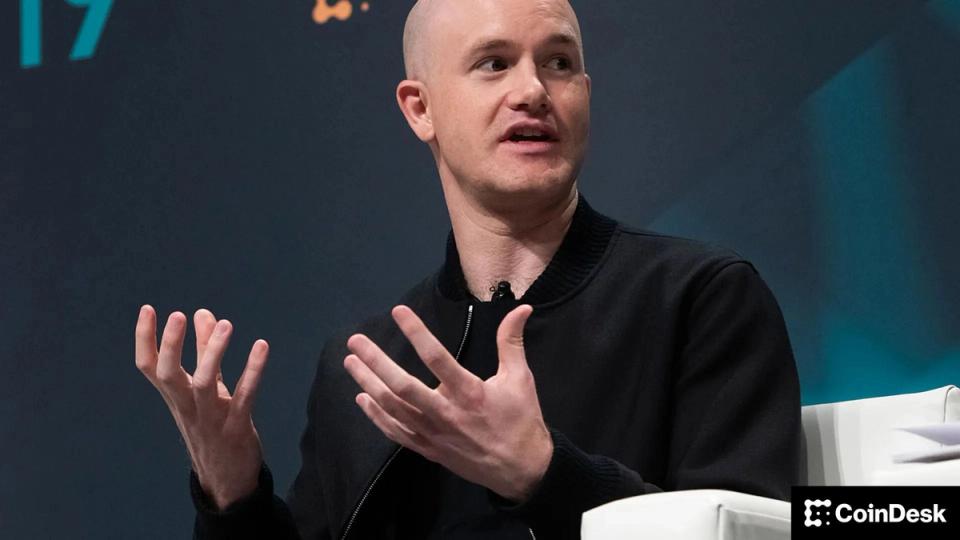
𝗖𝗼𝗶𝗻𝗯𝗮𝘀𝗲 𝗝𝘂𝘀𝘁 𝗛𝗮𝗻𝗱𝗲𝗱 𝗔𝗜 𝗬𝗼𝘂𝗿 𝗪𝗮𝗹𝗹𝗲𝘁
Coinbase is letting ChatGPT and Claude trade your portfolio autonomously. Most people see convenience. I see the biggest order flow shift since algorithmic trading hit CEXs.
When AI agents start executing thousands of micro-trades per second across retail accounts, the liquidity profile of every mid-cap token changes overnight. Spreads tighten on popular pairs, but thin books on long-tail assets get absolutely wrecked by correlated agent behaviour. We've seen this pattern before with trading bots — now multiply it by every ChatGPT user with a Coinbase account.
The real question nobody's asking: who's making the market on the other side of these agent trades? Because if the answer is "other AI agents," you get feedback loops that amplify volatility instead of dampening it. Proper market making infrastructure needs to account for agent-driven flow as a distinct order type, not just lump it in with retail.
Would you give an AI full trading access to your account today, or does this need at least 12 months of guardrails first?
2
141
𝗖𝗼𝗶𝗻𝗯𝗮𝘀𝗲 𝗝𝘂𝘀𝘁 𝗛𝗮𝗻𝗱𝗲𝗱 𝗔𝗜 𝗬𝗼𝘂𝗿 𝗪𝗮𝗹𝗹𝗲𝘁 𝗞𝗲𝘆𝘀
Coinbase letting AI agents execute trades and payments sounds like progress until you realise most tokens on most exchanges have order books thin enough for a single bot to move price 3-5% in one sweep.
An AI agent placing market orders without real-time depth analysis is just an automated bag holder. The execution layer matters more than the interface. Without proper market making on the other side of those trades, you're giving an algorithm permission to get filled at the worst possible price.
We've built 70 custom algorithms specifically to handle execution across 120 venues. The hard part was never "can an AI place an order." It's "can it read the book fast enough to avoid being the exit liquidity."
If AI agents become the dominant retail execution layer, who benefits more: the users or the market makers sitting on the other side of every thin book?
1
2
142
𝗕𝗶𝘁𝗰𝗼𝗶𝗻'𝘀 𝗤𝘂𝗮𝗻𝘁𝘂𝗺 𝗣𝗿𝗼𝗯𝗹𝗲𝗺 𝗜𝘀𝗻'𝘁 𝗖𝗿𝘆𝗽𝘁𝗼𝗴𝗿𝗮𝗽𝗵𝘆
Coinbase's quantum council is warning about post-quantum migration, but the real issue nobody wants to touch is the 3.5M BTC sitting in addresses using exposed public keys. You can't force a migration on lost coins, dead wallets, and Satoshi's stash.
This isn't a cryptography problem. It's a governance problem. Who decides what happens to vulnerable coins when ECDSA eventually breaks? A soft fork to freeze them? A timeline to move-or-lose? Every option splits the community.
From an infrastructure standpoint, the chains that survive quantum won't be the ones with the best algorithms. They'll be the ones that can coordinate a migration across their entire active supply without fragmenting liquidity in the process.
Should Bitcoin freeze unmigrated coins after a deadline, or is that a violation of everything it was built on?
117
𝗗𝗲𝗲𝗽𝗦𝗲𝗲𝗸 𝗔𝗹𝗿𝗲𝗮𝗱𝘆 𝗪𝗼𝗻 𝗧𝗵𝗶𝘀 𝗪𝗮𝗿
Sam Altman is considering slashing OpenAI's token prices to undercut Anthropic. But DeepSeek shipped comparable reasoning models at near-zero cost months ago. The price war OpenAI wants to start already ended before they showed up.
This matters for crypto infrastructure more than people realise. Every AI-powered trading algorithm, every on-chain analytics engine, every bot running sentiment analysis — the cost of the underlying model is a direct line item. When we run 70 custom AI algorithms for real-time chart analysis, the difference between $15/M tokens and $0.55/M tokens isn't marginal. It changes what's economically viable to build.
OpenAI competing on price validates what open-source proved: intelligence is commoditising fast. The moat isn't the model anymore. It's the proprietary data you feed it and the infrastructure that acts on its output.
If inference costs hit near-zero within 18 months, does that make centralised AI providers irrelevant, or does distribution become the only thing that matters?
119
Free Tools by Block AI
Most crypto accounts have no idea if their engagement rate is actually good.
They see likes & replies & assume things are working.
They're usually wrong.
X Engagement Rate Calculator: paste your X metrics & find out where you actually stand.
▪️ Get your exact engagement rate
▪️ Benchmark it against crypto account averages
▪️ Get tips on what to fix
Takes 30 seconds.
No sign-ups. No payments.
2
3
4
319
1
197
𝗦𝘁𝗮𝗯𝗹𝗲𝗰𝗼𝗶𝗻𝘀 𝗔𝘀 𝗖𝗼𝗹𝗹𝗮𝘁𝗲𝗿𝗮𝗹 𝗖𝗵𝗮𝗻𝗴𝗲𝘀 𝗘𝘃𝗲𝗿𝘆𝘁𝗵𝗶𝗻𝗴
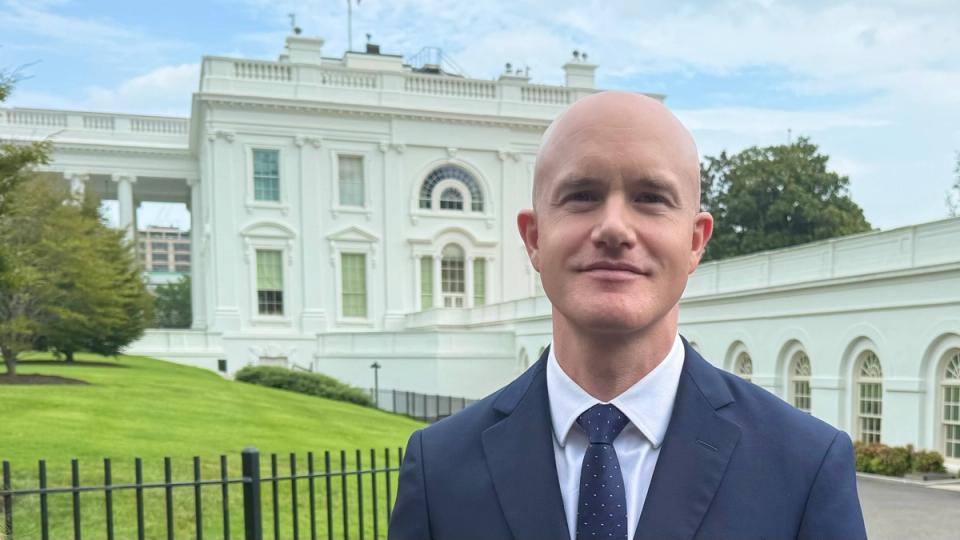
Coinbase just built a credit card for people banks won't touch. The collateral? USDC sitting in your account. This isn't a crypto debit card that sells your holdings at the point of sale. It's a credit line backed by stablecoins, which means your assets stay yield-bearing while you spend against them.
The real story here is what this does to on-chain liquidity. Every dollar locked as credit card collateral is a dollar removed from DeFi pools, market making reserves, and trading capital. If this scales to even 1% of Coinbase's user base, that's billions in USDC effectively frozen.
We've been building cross-chain infrastructure since 2018 and the one constant is this: every new use case for stablecoins creates a new liquidity bottleneck somewhere else. Someone has to fill the gap.
Does collateralised stablecoin credit pull too much liquidity from DeFi, or does mainstream adoption generate enough new inflows to offset it?
1
2
180
𝗠𝗼𝘀𝘁 𝗥𝗲𝗳𝗲𝗿𝗿𝗮𝗹 𝗣𝗿𝗼𝗴𝗿𝗮𝗺𝗺𝗲𝘀 𝗔𝗿𝗲 𝗔 𝗝𝗼𝗸𝗲
The standard crypto referral tier gives you 3-5% and nothing else. We tracked what actually keeps ambassadors engaged across 300 client relationships since 2018.
The answer wasn't higher commissions alone. It was stacked incentives.
Block AI's Ambassador Programme:
▪️ 10% commission on direct referrals
▪️ 5% second-tier commission on referrals your referrals bring in
▪️ 5% fee discount on your own orders
▪️ Exclusive perks that scale with performance
Two revenue streams plus reduced costs on your own activity. Most programmes give you one lever. This gives you three.
Applications are open through @Block_AIBot.
Honest question for anyone running referrals right now: does your current programme pay on the second tier, or does all that downstream value just go back to the platform?

1
1
4
142
𝗨𝗦𝗗𝗧 𝗗𝗼𝗺𝗶𝗻𝗮𝗻𝗰𝗲 𝗚𝗼𝗹𝗱𝗲𝗻 𝗖𝗿𝗼𝘀𝘀 𝗜𝘀𝗻'𝘁 𝗪𝗵𝗮𝘁 𝗬𝗼𝘂 𝗧𝗵𝗶𝗻𝗸
Every cycle, people treat USDT dominance like a fear gauge. Rising dominance means capital fleeing risk assets into stables, right? The golden cross on USDT.D confirms the trend.
But here's what the dominance chart doesn't show you: where the stablecoins actually sit. We run order books across 120 exchanges. Right now, USDT isn't parking idle in cold wallets. It's stacking in exchange-side order books, sitting as dry powder at bid levels 3-7% below spot on majors. That's not fear. That's positioning.
The real signal is spread compression. When market makers see USDT dominance climb but bid-side depth thickening simultaneously, it usually means smart money is loading limit orders while retail reads the golden cross as bearish and sells market.
The last time USDT.D flashed this pattern was September 2023. BTC was at $26K. Within 90 days it was above $40K.
Is the bid-side depth you're seeing on your exchange real liquidity, or is it spoofed to bait sellers into filling those orders?

1
122