
Rust Infrastructure Engineer | Trust | coordination & Reliability Systems for Fintech, Trading & Blockchain
Joined February 2025
- Tweets 439
- Following 435
- Followers 55
- Likes 142
86 Photos and videos
Pinned Tweet

6 Aug 2025
🎥 I’m back on YouTube — picked up where I left off!
BlockForge Labs is live again with fresh content on Rust, Web3, and smart contract dev.
Let’s keep building 👇
youtube.com/@BlockForge-labs
#RustLang #Web3 #CryptoDev #BuildInPublic
4
548
A timeout does not always mean failure.
A crash does not always mean nothing happened.
A provider delay does not mean the action is safe to retry blindly.
For money-moving systems, the backend must track execution truth beyond the API response.
That is where reliability starts.
15
Treating the API endpoint as the whole execution system.
An endpoint can accept a request.
But for refunds, transfers, stablecoin matching, and AI-triggered actions, you need durable commands, attempts, receipts, and reconciliation.
Request accepted ≠ outcome proven.
9
Building Twins — stablecoin payment infrastructure for businesses.
Stablecoins move money fast.
Twins explains what happened.
Now tracking:
Business payment requests
On-chain USDC confirmations
Next: automatic payment matching.
Follow the journey:
linkedin.com/in/obinna-victo…
1
26
6
In money-moving systems, treating reliability as an afterthought is dangerous because failure is not just downtime. It can become duplicate execution, lost state, silent reconciliation gaps, ambiguous settlement, or irreversible financial side effects.
20
In distributed systems, timeout is normal. In execution systems, timeout is expensive.
check out my linkedin posts to learn more:linkedin.com/in/obinna-victo…
1
27
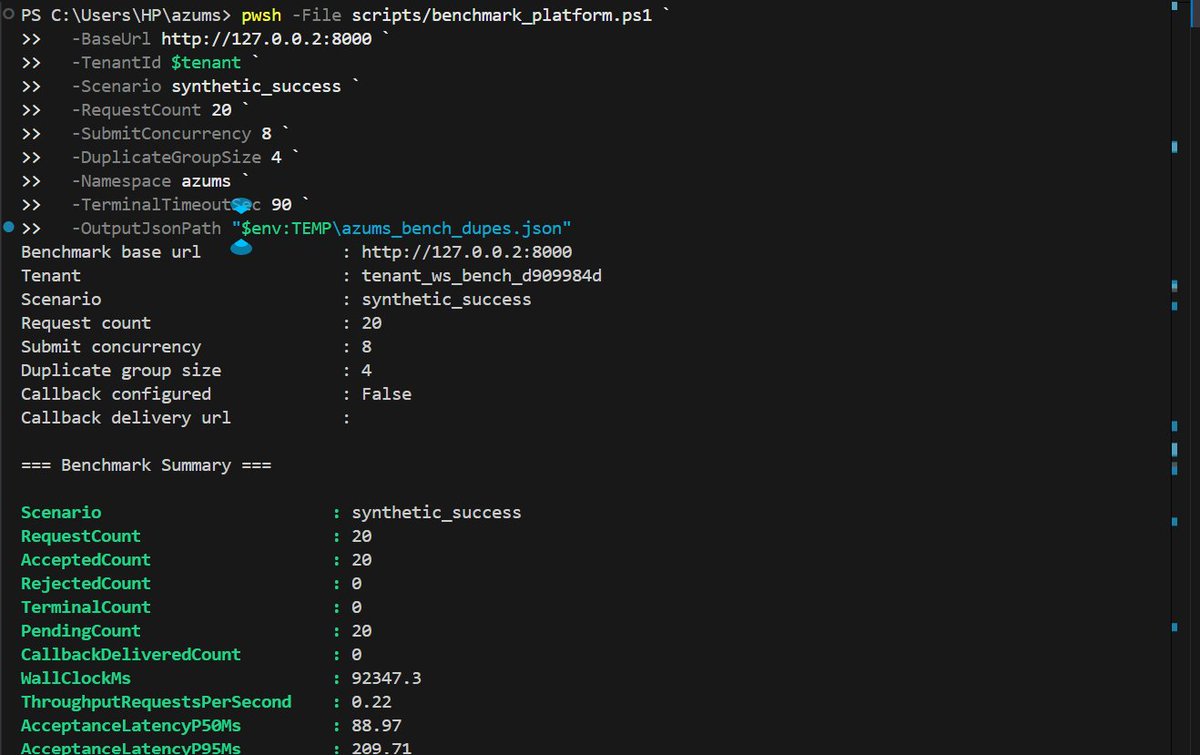
Good news: Azums is telling the truth early.
Benchmark result:
success path works
timeout path classifies cleanly
duplicate handling is still wrong
That means it’s a strong internal alpha, not a real v1 yet.
Better to learn this now than from users later.
2
33
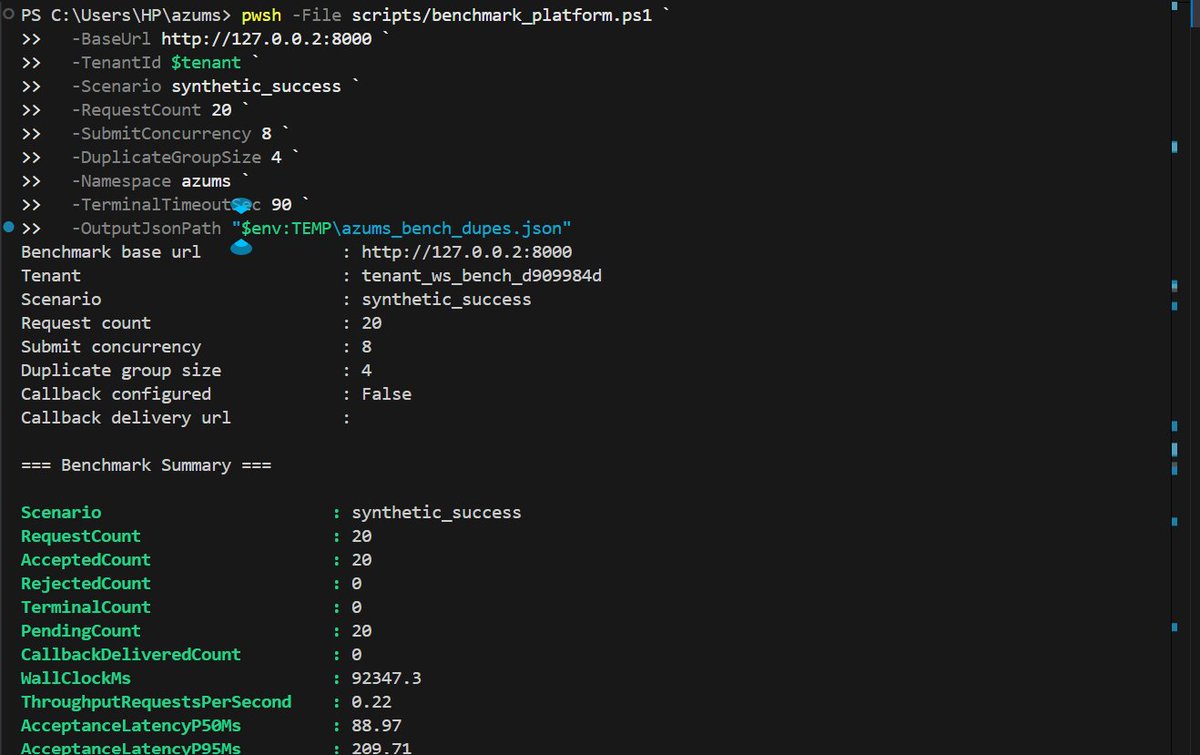
I’m building Azums for critical workflows across web2 and web3.
Latest benchmark says:
not launch-ready yet.
The blocker is not basic request intake.
It’s duplicate/idempotent behavior under pressure.
That’s the difference between a demoable system and a trustworthy one.
2
31
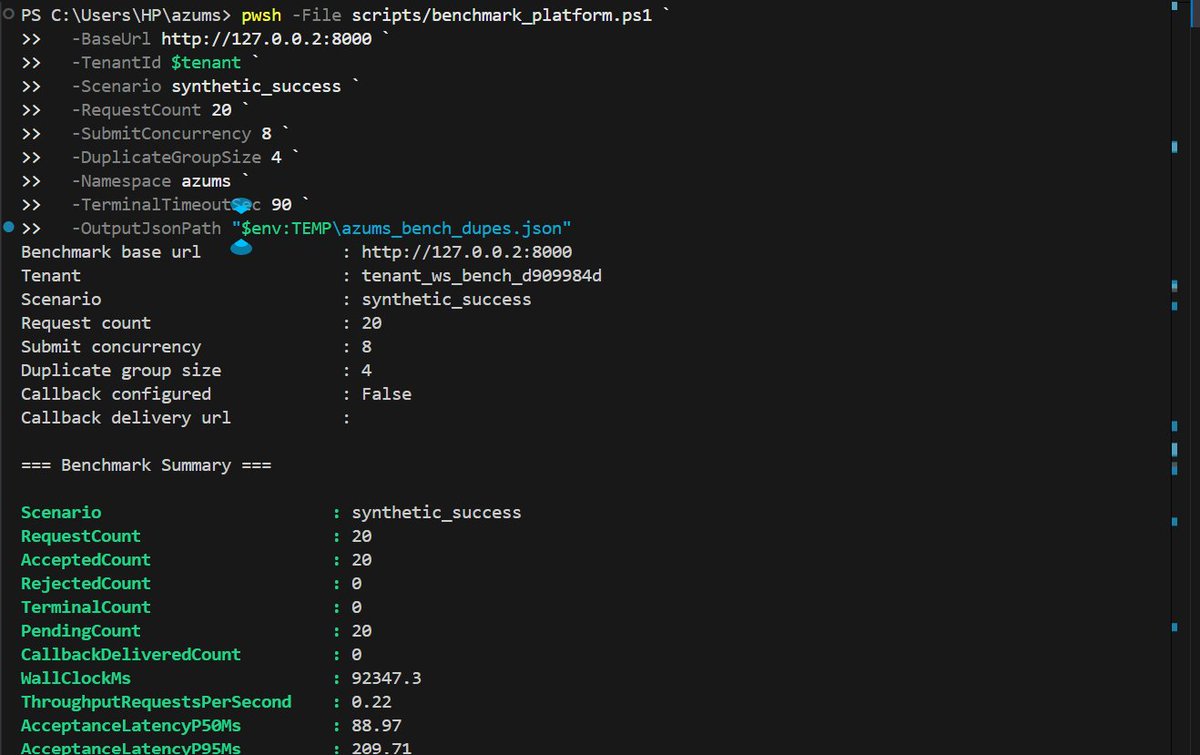
Benchmarks are useful when they hurt.
Azums proved:
durable acceptance
terminal states
queryable receipts/failure classes
Azums did not prove:
bounded completion time
safe idempotency under load
safe operating range
So: strong alpha, not v1.
12
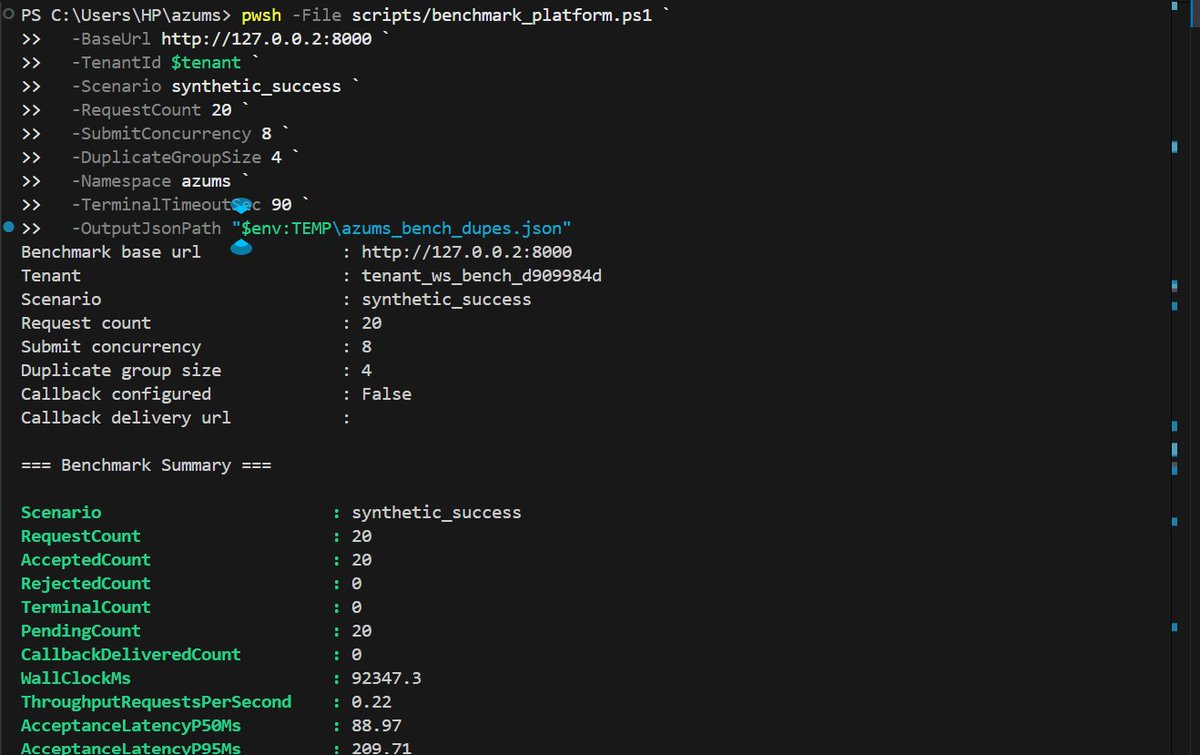
A durable system is not proven by clean demos.
Azums benchmark result:
synthetic success: 6/6
rpc timeout: 4/4 dead_lettered
duplicates: 20/20 accepted, but terminal outcomes were wrong
Ingress works.
Terminalization works.
Duplicate correctness still fails.
32
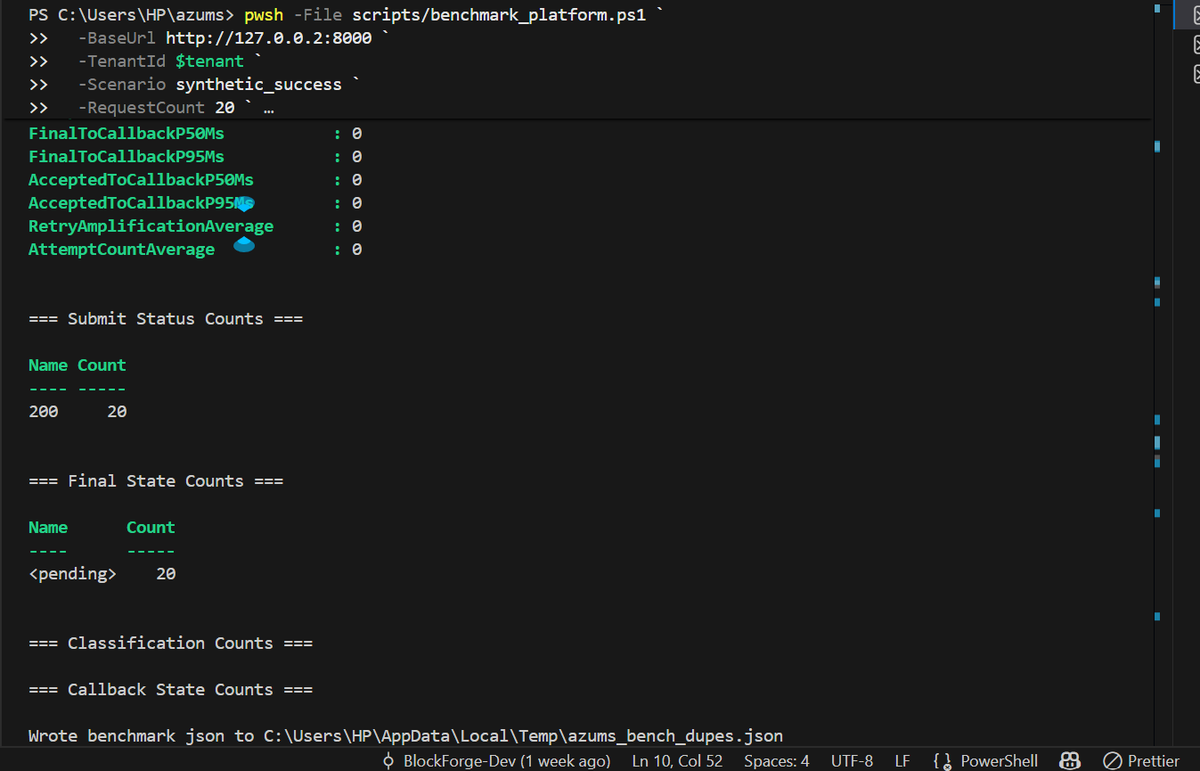
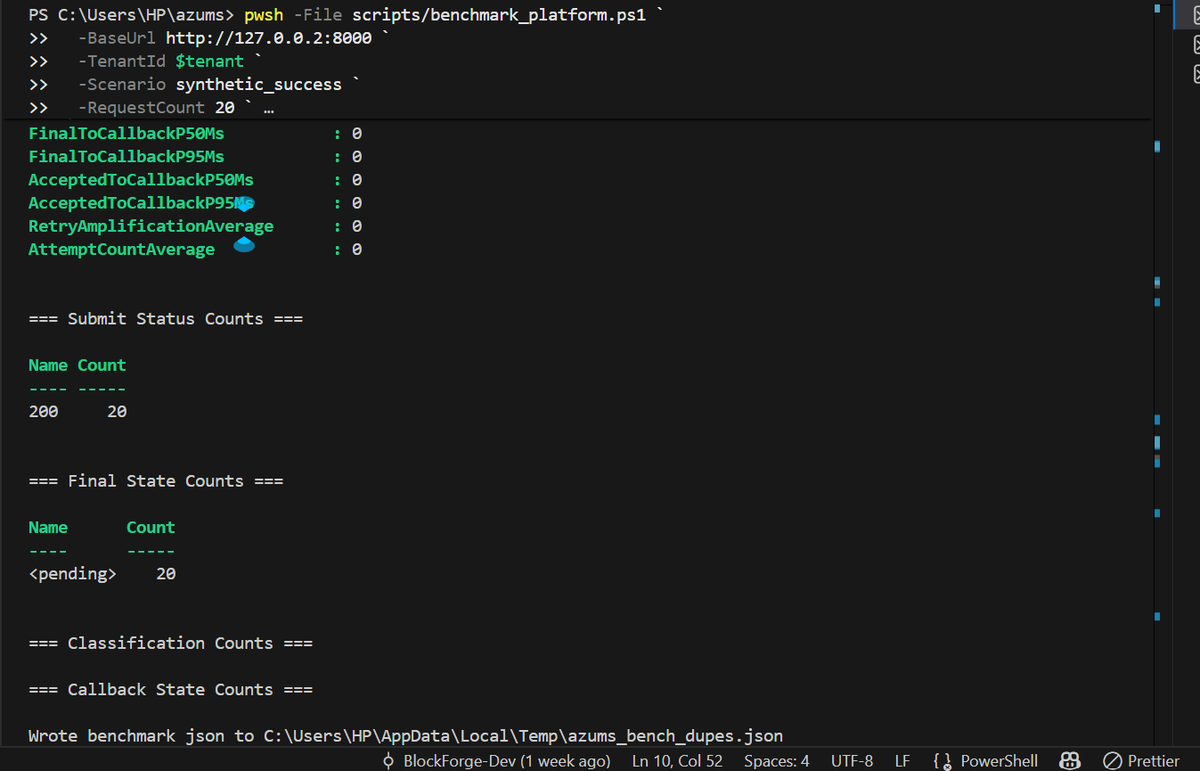
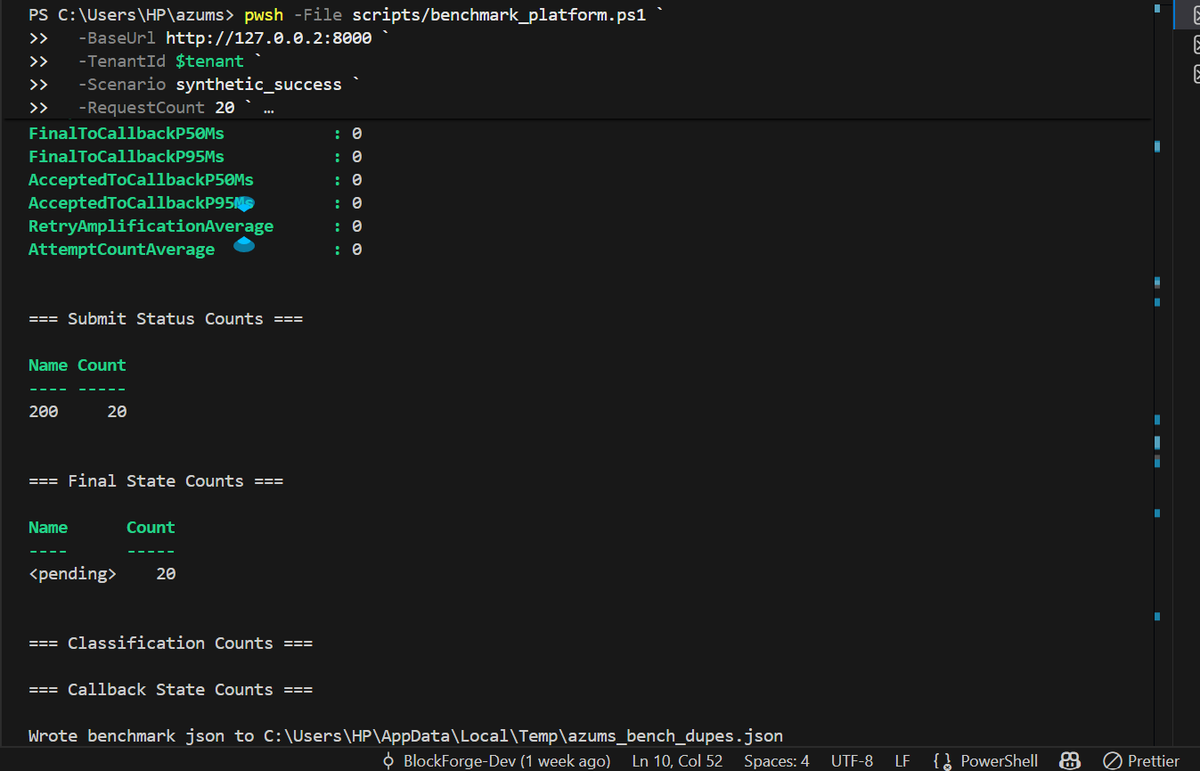
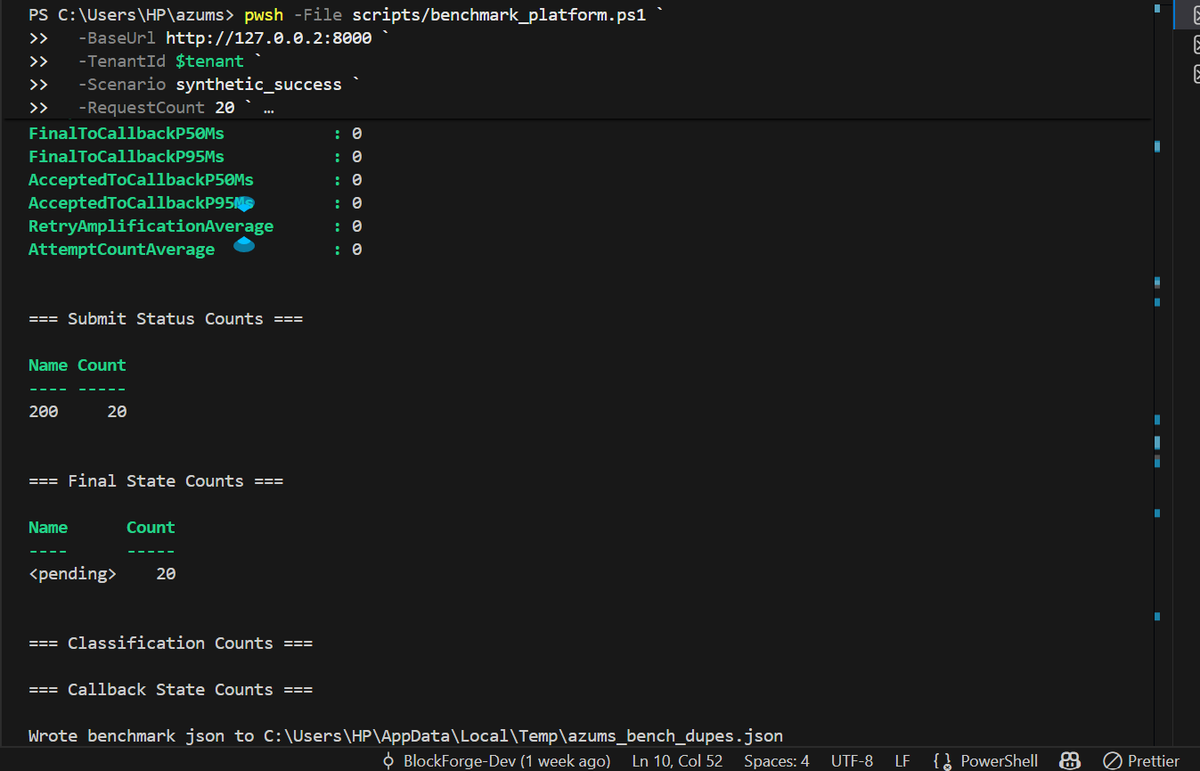
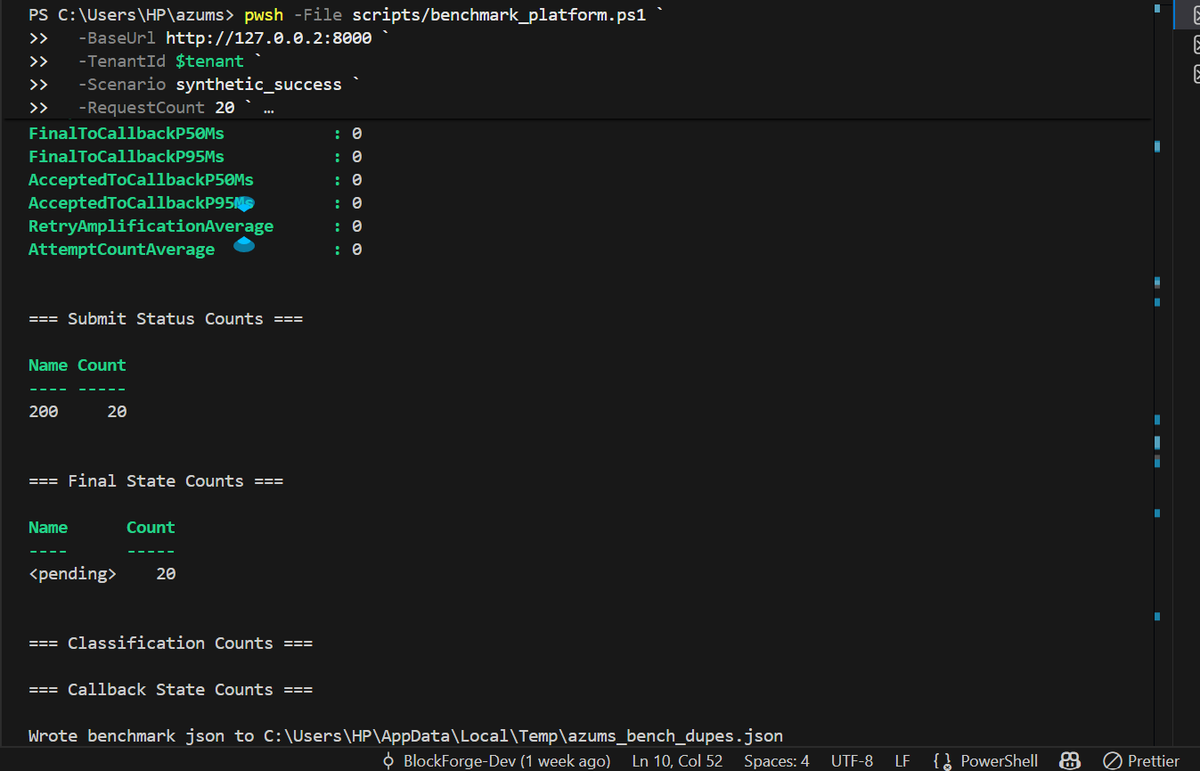
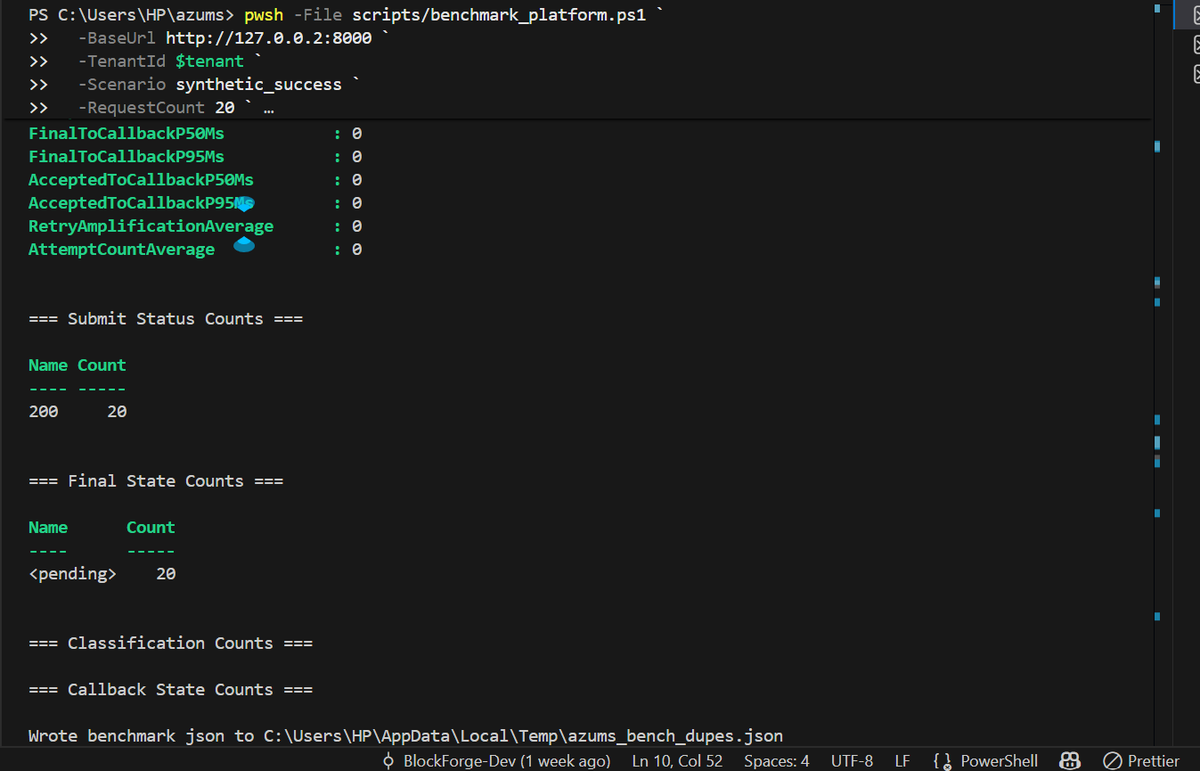
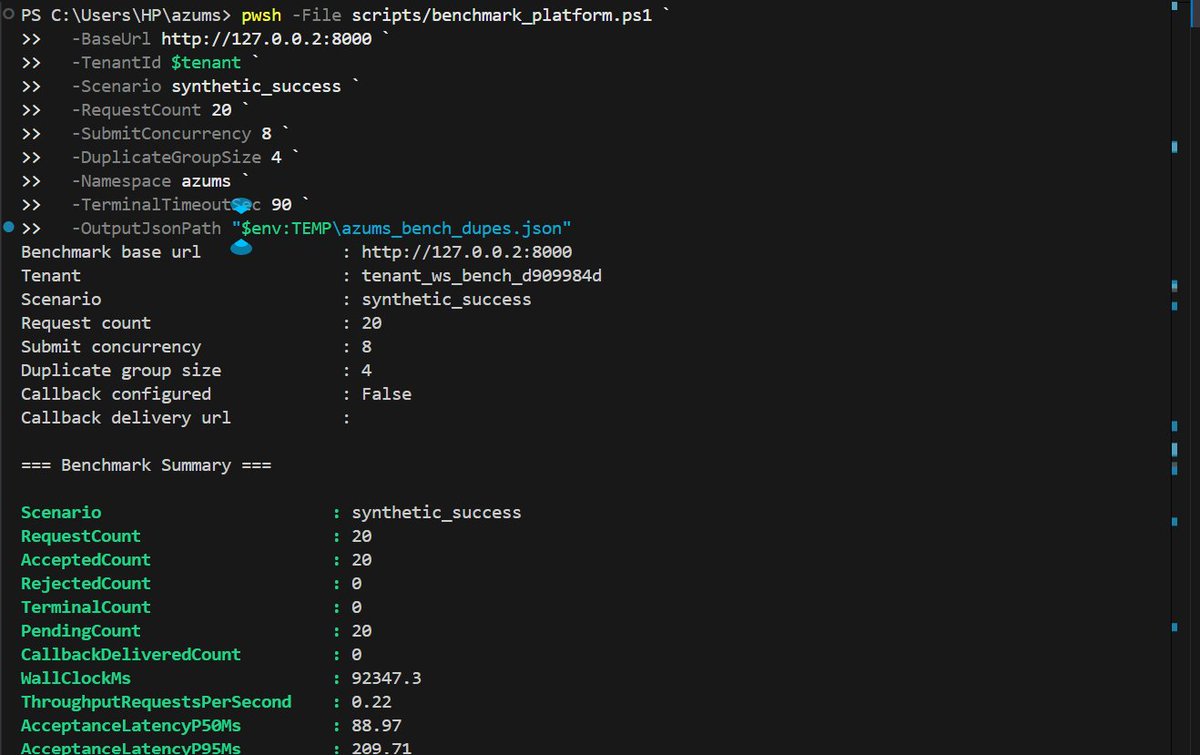
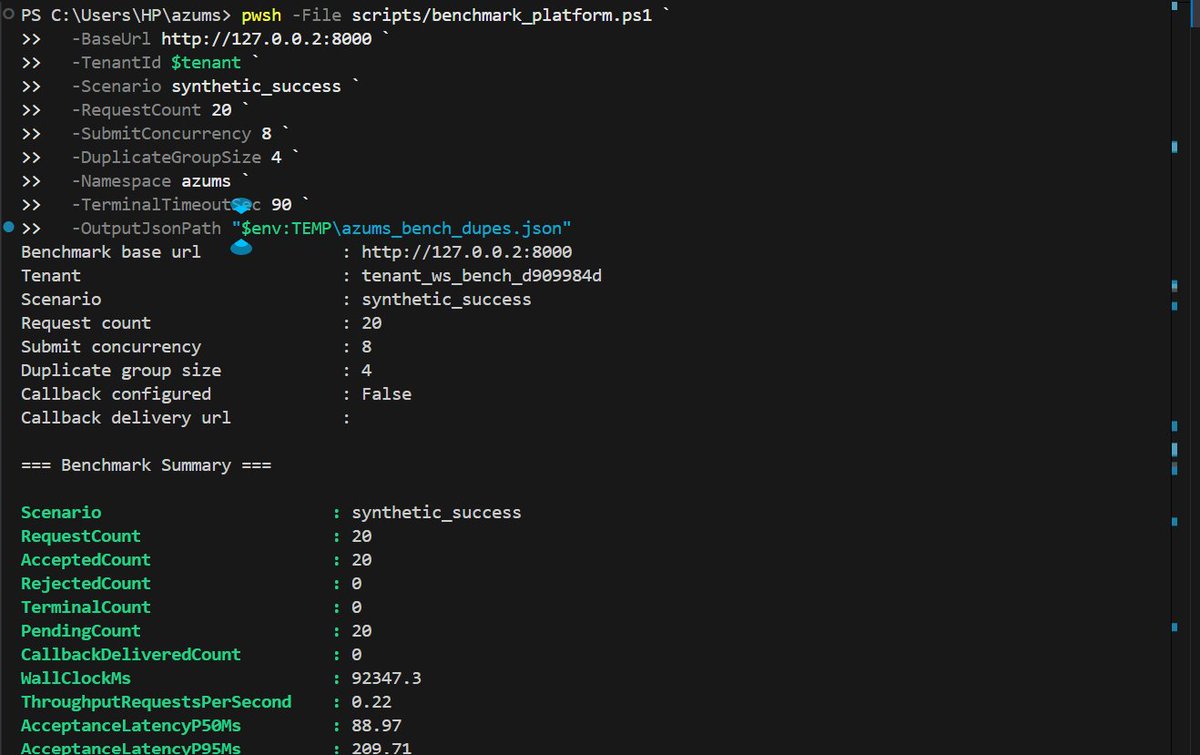
Ran a new benchmark on Azums, my Rust-based durable execution system for critical web2/web3 workflows.
Synthetic success: 6/6 succeeded
RPC timeout: 4/4 dead_lettered
Duplicates: 20/20 accepted, but outcomes broke badly
Not v1-ready yet. Back to idempotency.
2
496
Most systems look good on the happy path. Azums just got benchmarked on the paths that decide whether it deserves trust.
Result: not v1-ready yet.
Durable acceptance works.
Idempotency under duplicate pressure does not.
That’s the work.
1
46
Azums — durable execution built on Rust backend.
UI in TypeScript felt like relearning design. Strict rule: frontend only consumes the backend.
Clean flow with receipts & replay
github.com/BlockForge-Dev/az…
#Rust #Web3Infra
1
1
43
Azums — durable execution built on Rust backend.
UI in TypeScript felt like relearning design. Strict rule: frontend only consumes the backend.
Clean flow with receipts & replay.
github.com/BlockForge-Dev/az…
#Rust #Web3Infra
1
128
For Solana DeFi & bots: Azums brings durable execution.
Receipts, safe retry/replay, callbacks.
UI in TypeScript felt like starting design again. Strict: only consumes Rust backend.
Clean flow.
github.com/BlockForge-Dev/az…
#Solana #DeFi
1
30
Building Azums: durable execution platform with receipts, safe replay, callbacks & full visibility.
Solana first adapter. More Web2/Web3 coming.
UI in TypeScript felt like learning design again. Strict: only consumes Rust backend.
Clean flow now.
github.com/BlockForge-Dev/az…
#Web3
1
31
Building Azums: durable execution platform with receipts, safe replay, callbacks & full visibility.
Solana first adapter. More Web2/Web3 coming.
UI in TypeScript felt like learning design again. Strict: only consumes Rust backend.
Clean flow now.
github.com/BlockForge-Dev/az…
#web3
2
71
Solana txs are fast & cheap but:
- Retries = duplicate risk
- No durable receipt
Official docs have a whole “Retrying Transactions” guide because it’s that painful.
Built Azums: durable core with full receipts, safe retry/replay, zero silent failures. Solana = first adapter
👇
1
1
235
1
9
AI agents on Solana keep dying:
- Retries = duplicate risk
- No durable receipt
Solana has an official “Retrying Transactions” guide.
Azums = durable execution core with full receipts, safe retry/replay, zero silent failures. Solana = first adapter.
👇👇👇
2
1
36
9