Crypto-native collective running validators, RPCs, and infra, paired with a media house telling the stories of top projects we support.
Joined April 2020
- Tweets 21,898
- Following 1,134
- Followers 9,320
- Likes 27,672
2,425 Photos and videos







Pinned Tweet

May 26
WEEKLY CRYPTO RECAP
The CLARITY Compliance Framework by @spaceandtime dropped.
@iota ADAPT selects Kenya, Nigeria and Morocco.
@MANTRA_Chain tokenizes wheat on a $20T market.
@xrplkorea, and @axelar have completed a joint Proof-of-Concept.
@Somnia_Network had a full week.
9
5
16
2,999
Jun 13
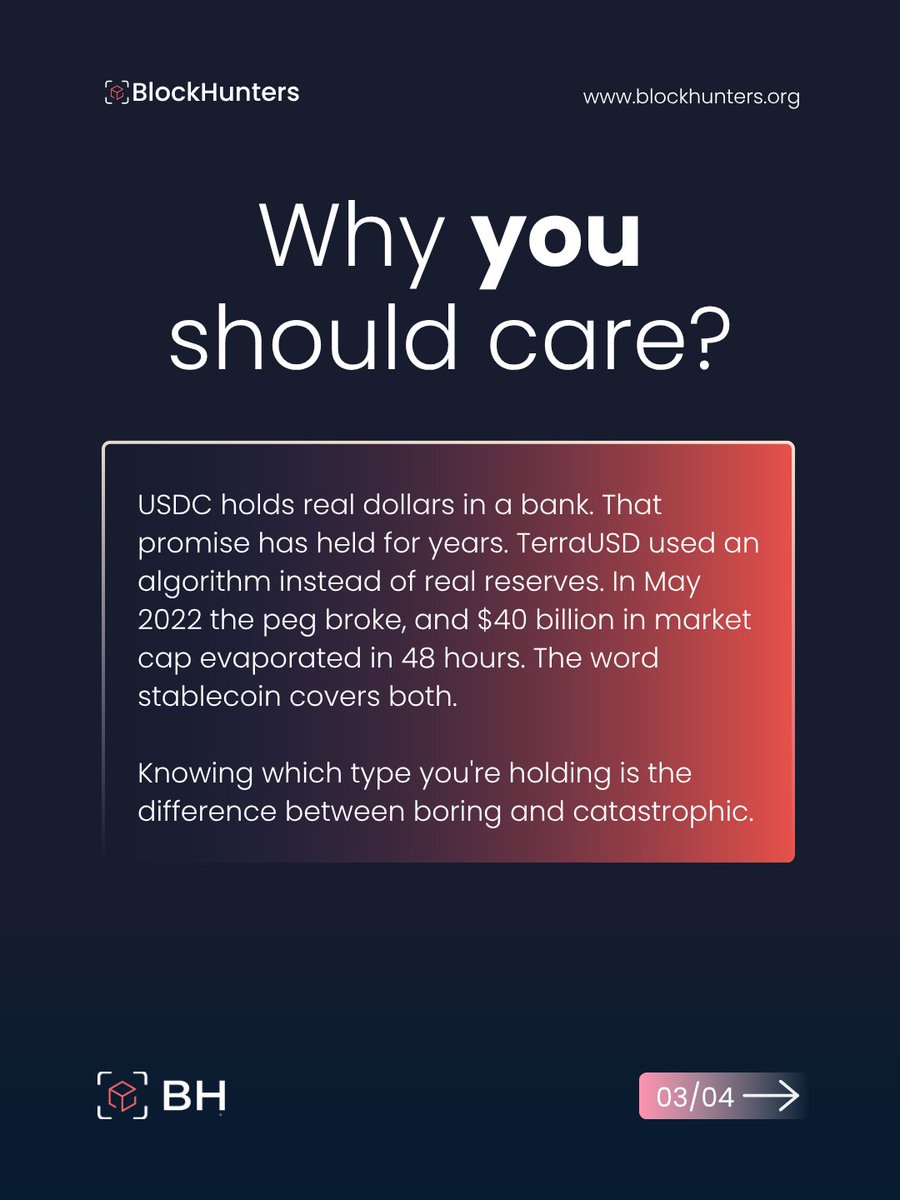
One word covers both a reliable dollar substitute and a $40 billion collapse. Know which one you're holding.
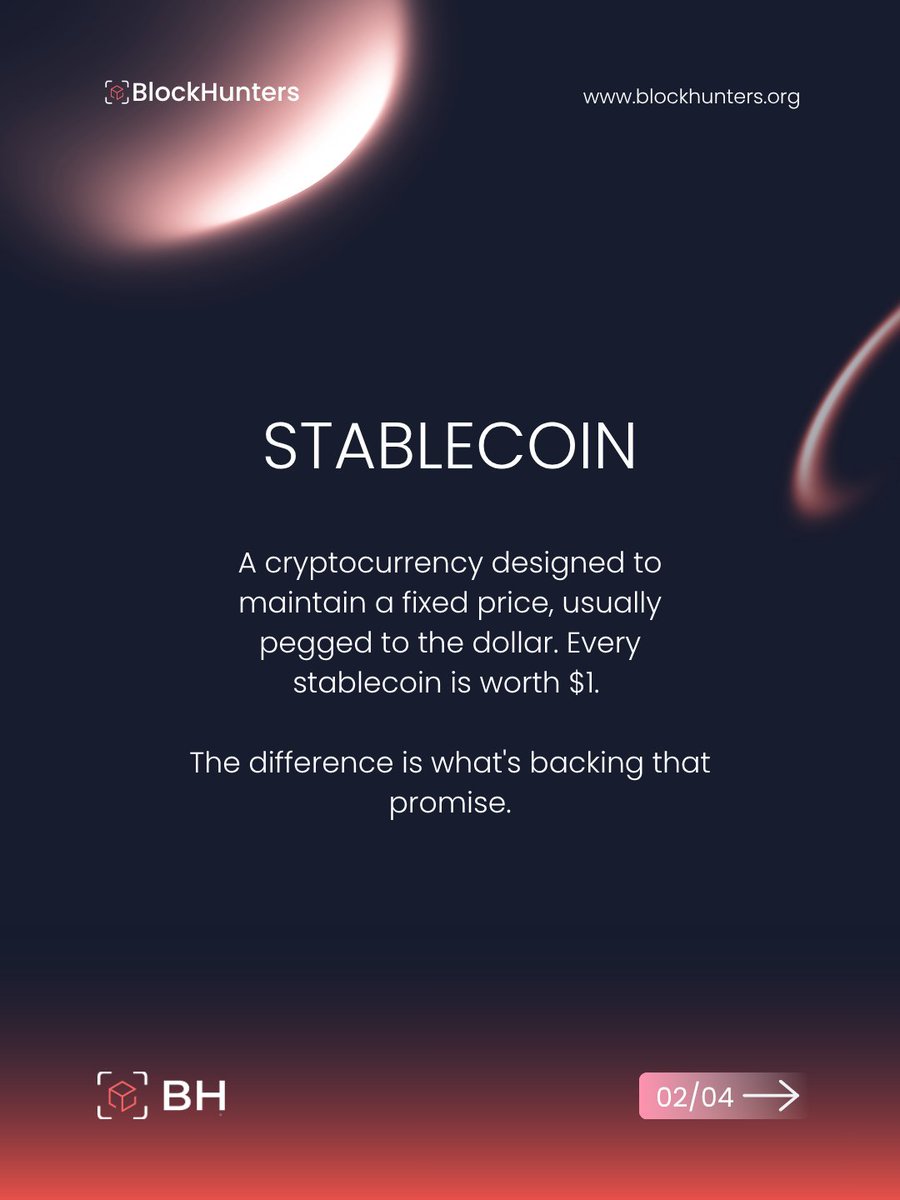
A stablecoin is a cryptocurrency designed to maintain a fixed price, usually pegged to the dollar. What backs that peg determines everything.
It matters because USDC holds real dollars in a bank. TerraUSD used an algorithm. In May 2022 the algorithm failed and $40 billion evaporated in 48 hours. Not all stablecoins are stable. The details are the difference.
Are you holding any stablecoins right now? Which ones?
1
1
1
76
Jun 12
connecting stablecoin liquidity to sovereign payment rails like KRW is where interoperability stops being theoretical and starts being financial infrastructure
Jun 11

A new article explores how Axelar's interoperability layer can support the connection between stablecoin liquidity and Korea's KRW payment rails.
31
Jun 11
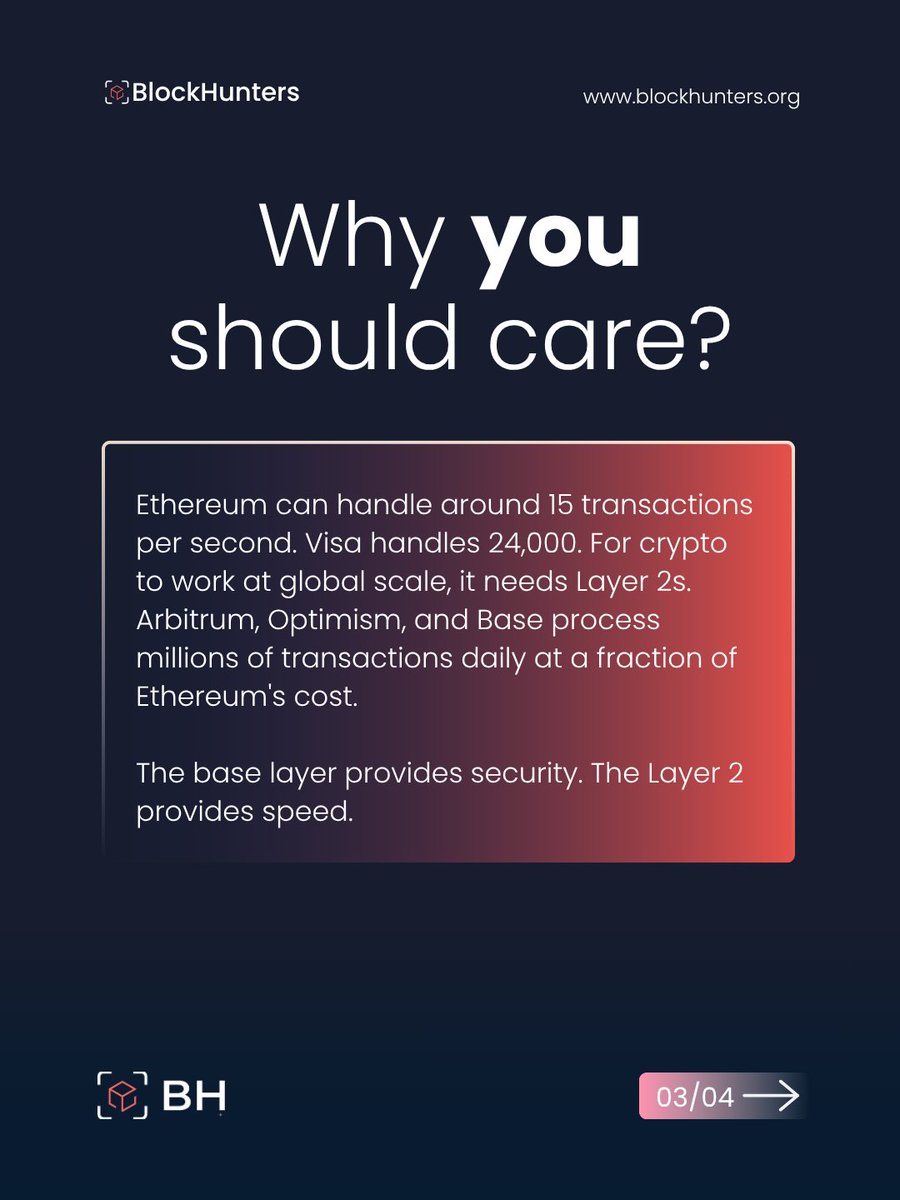
Ethereum handles 15 transactions per second. Visa handles 24,000. That gap is why Layer 2s exist.
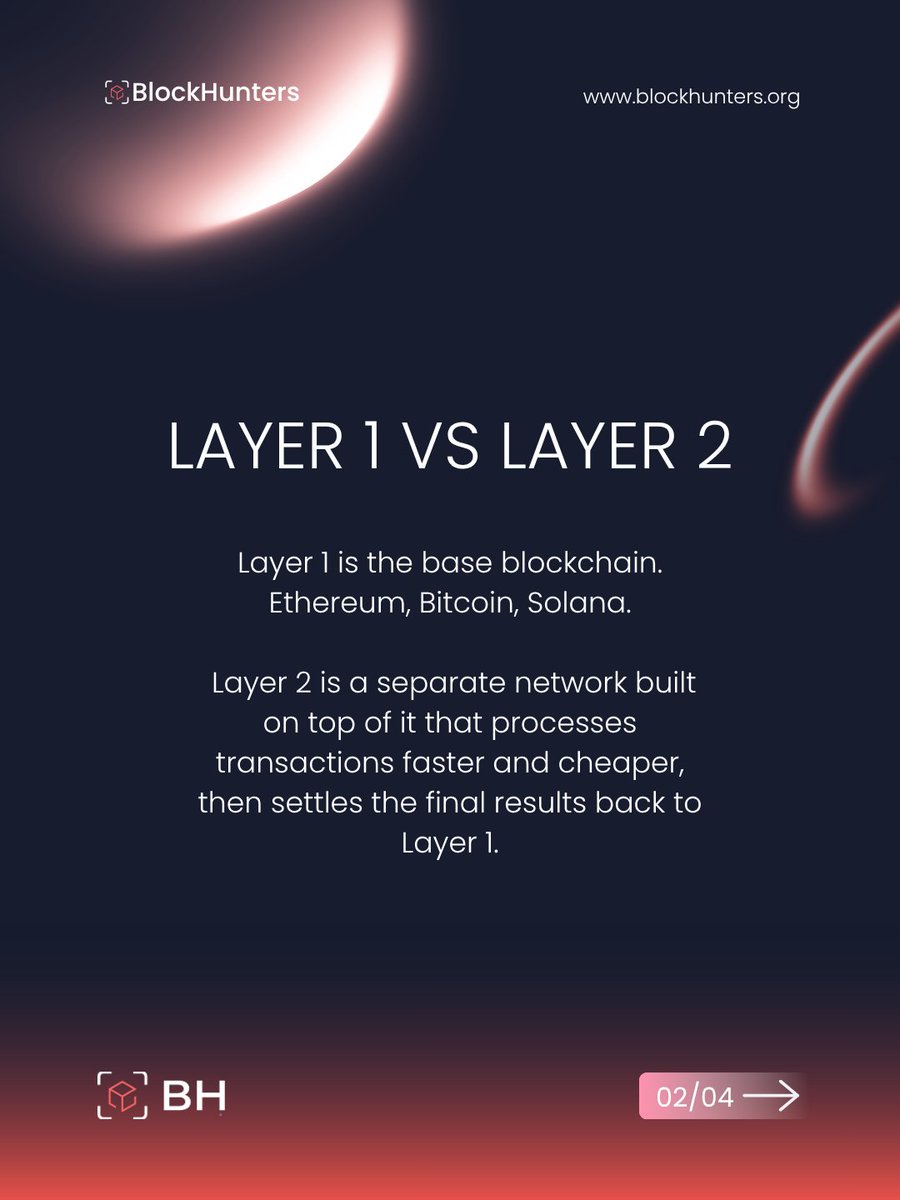
Layer 1 is the base blockchain. Layer 2 is a network built on top that processes transactions faster and cheaper, then settles back to Layer 1 for security.
It matters because crypto can't work at global scale on Layer 1 alone. Arbitrum, Optimism, and Base already process millions of transactions daily at a fraction of Ethereum's cost. Scaling isn't a future problem. It's being solved right now.
Which L2 are you actually using?
1
89
Jun 9
20% APY sounds great. Until you realize what's actually paying for it.
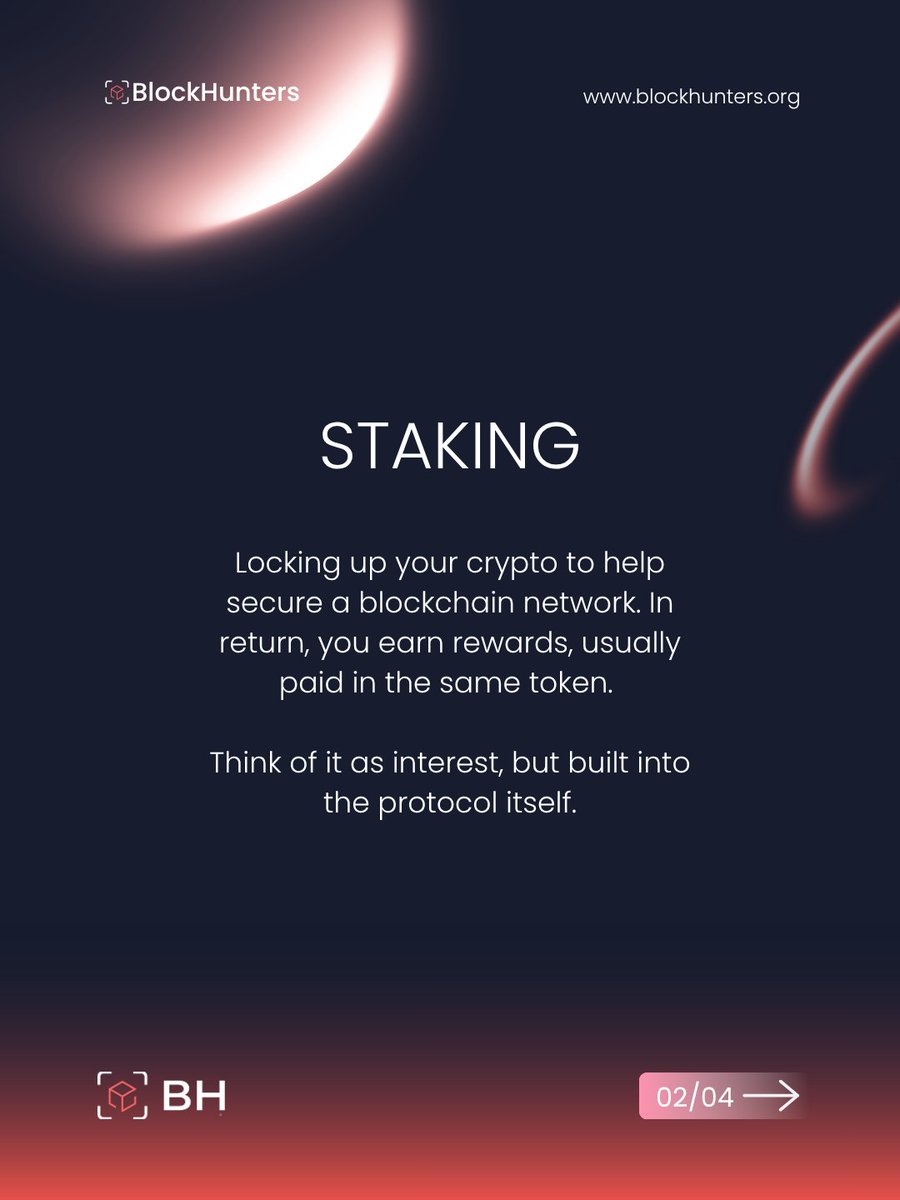
Staking is locking up your crypto to help secure a blockchain network. In return, you earn rewards paid in the same token.
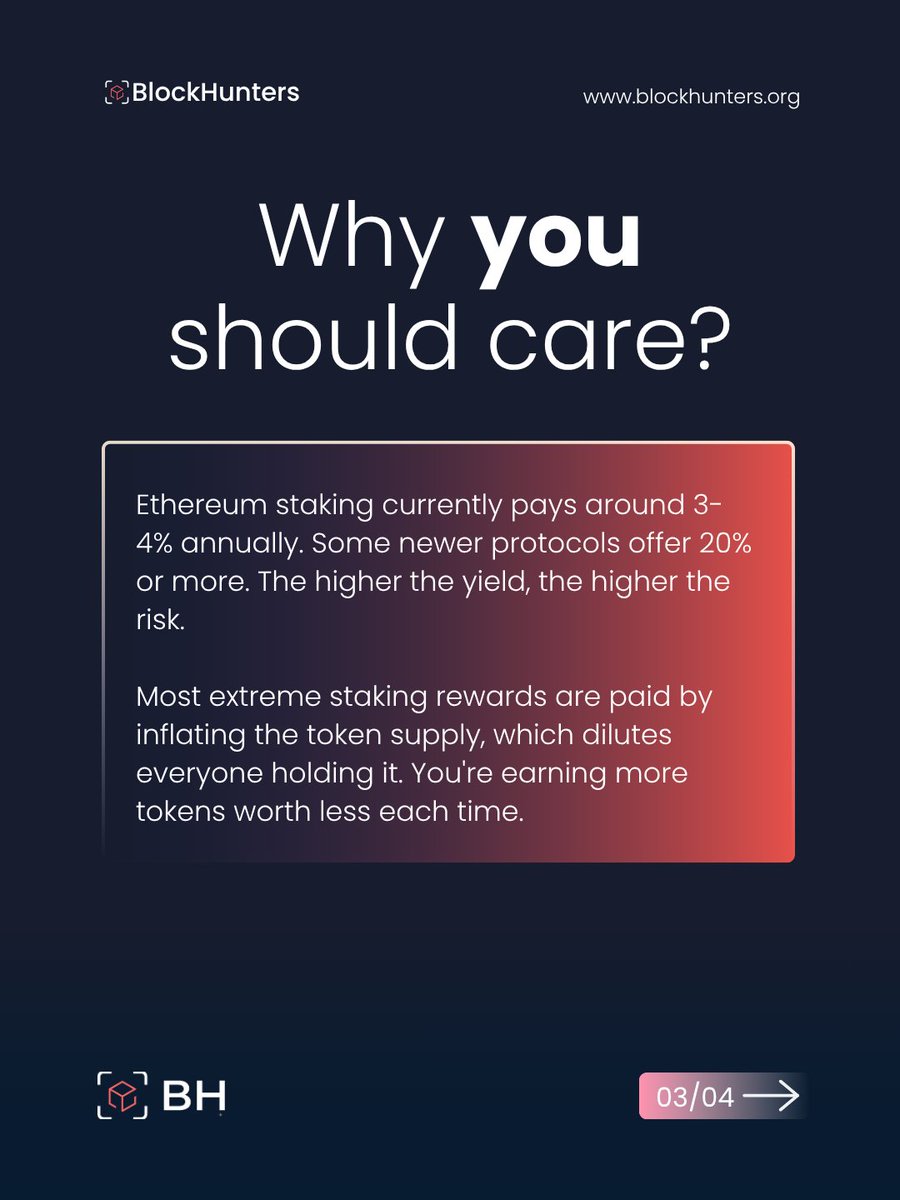
It matters because most extreme staking yields are funded by inflating the token supply. You earn more tokens that are worth less every time. Ethereum staking pays around 3-4% annually backed by real network demand. That's very different from 200% APY on a protocol nobody's heard of.
Are you staking anything right now? What's the APY?
2
1
58
BlockHunters retweeted

Jun 6
Important Notice 🔒
Somnia’s social media accounts on X and LinkedIn were briefly compromised, and unauthorized posts containing unofficial links were shared.
All affected accounts have now been secured, and the content has been removed. We urge everyone to remain cautious of accounts impersonating Somnia and sharing unofficial links.
For any questions or to reach the team directly, join our Discord:
discord.gg/somnia
80
22
158
16,140
Jun 7
A token can show a $50 million market cap with $50,000 in actual liquidity. You buy fine. Selling is a different story.
Liquidity is how easily an asset can be bought or sold without moving its price. High liquidity means smooth trades. Low liquidity means the price collapses the moment you try to exit.
It matters because low liquidity is one of the most common traps in crypto. Projects manipulate it intentionally. Always check the liquidity pool before you enter a position.
Have you ever been stuck in a position you couldn't exit? Drop it below.
1
1
149

Jun 5
A $0.001 coin isn't cheap. The math will show you why.
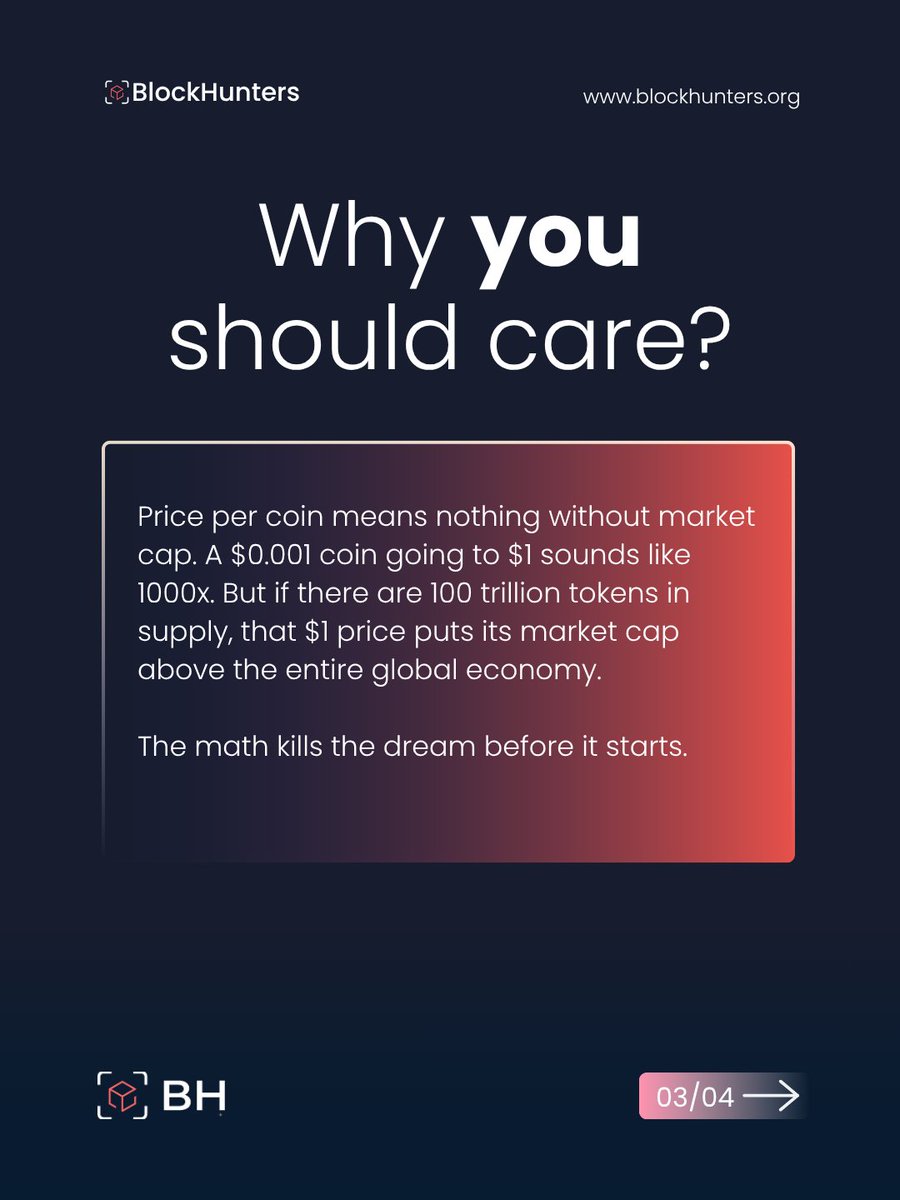
Market cap is price multiplied by circulating supply. It's the total value of a cryptocurrency, not just its price per coin.
It matters because a coin going from $0.001 to $1 sounds like 1000x. But at 100 trillion tokens in supply, that price puts its market cap above the entire global economy. Price per coin means nothing without this number.
Save this before you buy your next low-price coin.
1
67