
Blueprint Biosecurity is a nonprofit dedicated to strengthening society’s ability to prepare for and respond to pandemics.
Joined November 2023
- Tweets 120
- Following 160
- Followers 279
- Likes 22
32 Photos and videos


Pinned Tweet

17 Jun 2025
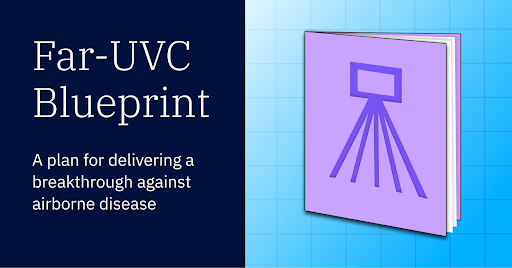
🚨 We’re launching the final version of our Far-UVC Blueprint!
What started as a 3–6 month project turned into a two-year deep dive into one of the most promising tools for airborne infection control.
5
20
67
13,595
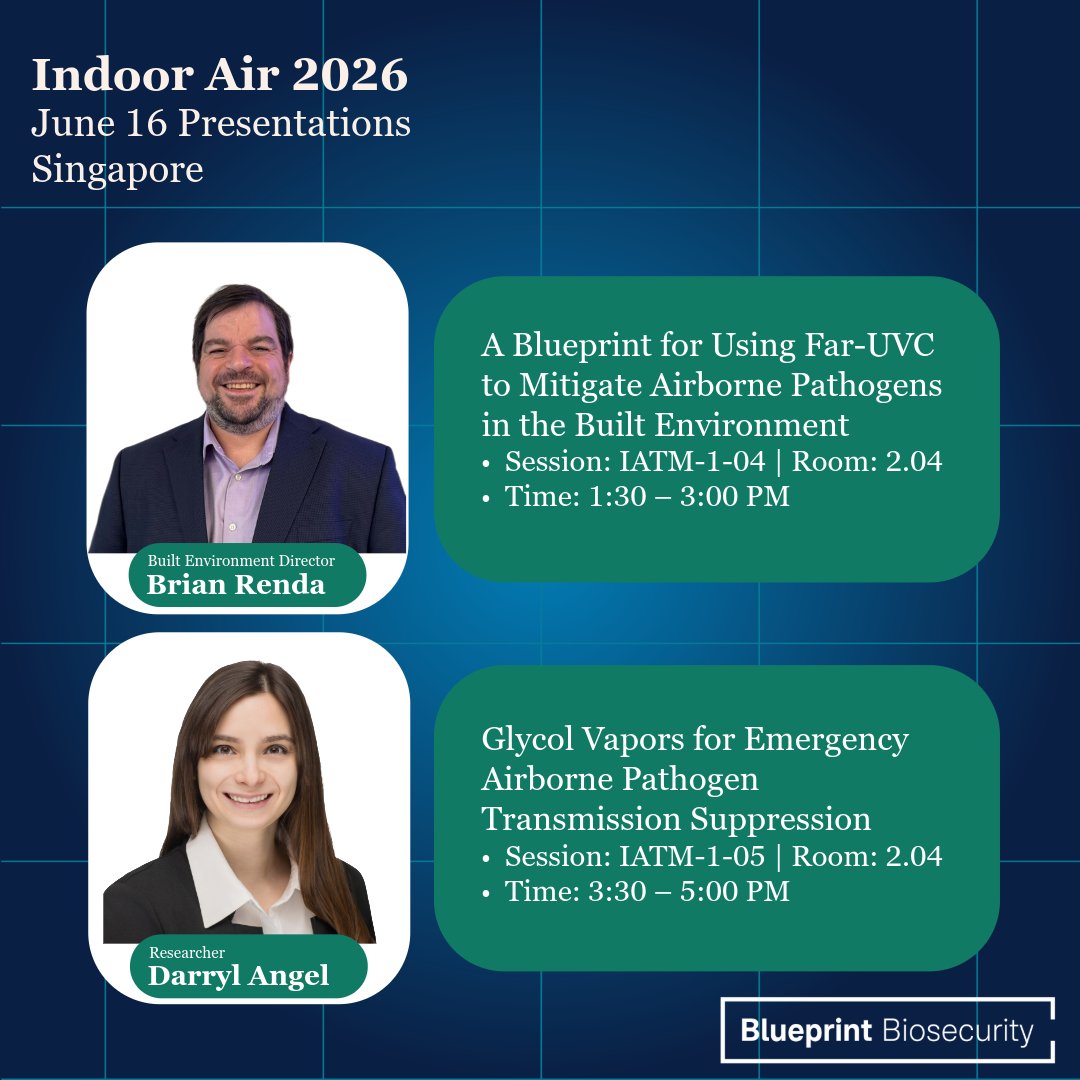
This week, our team is at Indoor Air 2026 in Singapore, presenting on far-UVC and glycol vapors as technologies that could improve indoor air quality and mitigate airborne pathogen risks.
Attending? Check out the session details below and join us on June 16.
#IndoorAir2026
36
New look. Same mission. Check out our updated website: bit.ly/4oshW6q
1
1
56
.@ASPRgov 's Strategic National Stockpile plays a pivotal role in ensuring the nation remains prepared ahead of another public health emergency. The latest FY27 House LHHS appropriations bill would bring the funding level up to $1.06 billion, a necessary increase for our country's preparedness.
Learn more: docs.house.gov/meetings/AP/A…
1
26
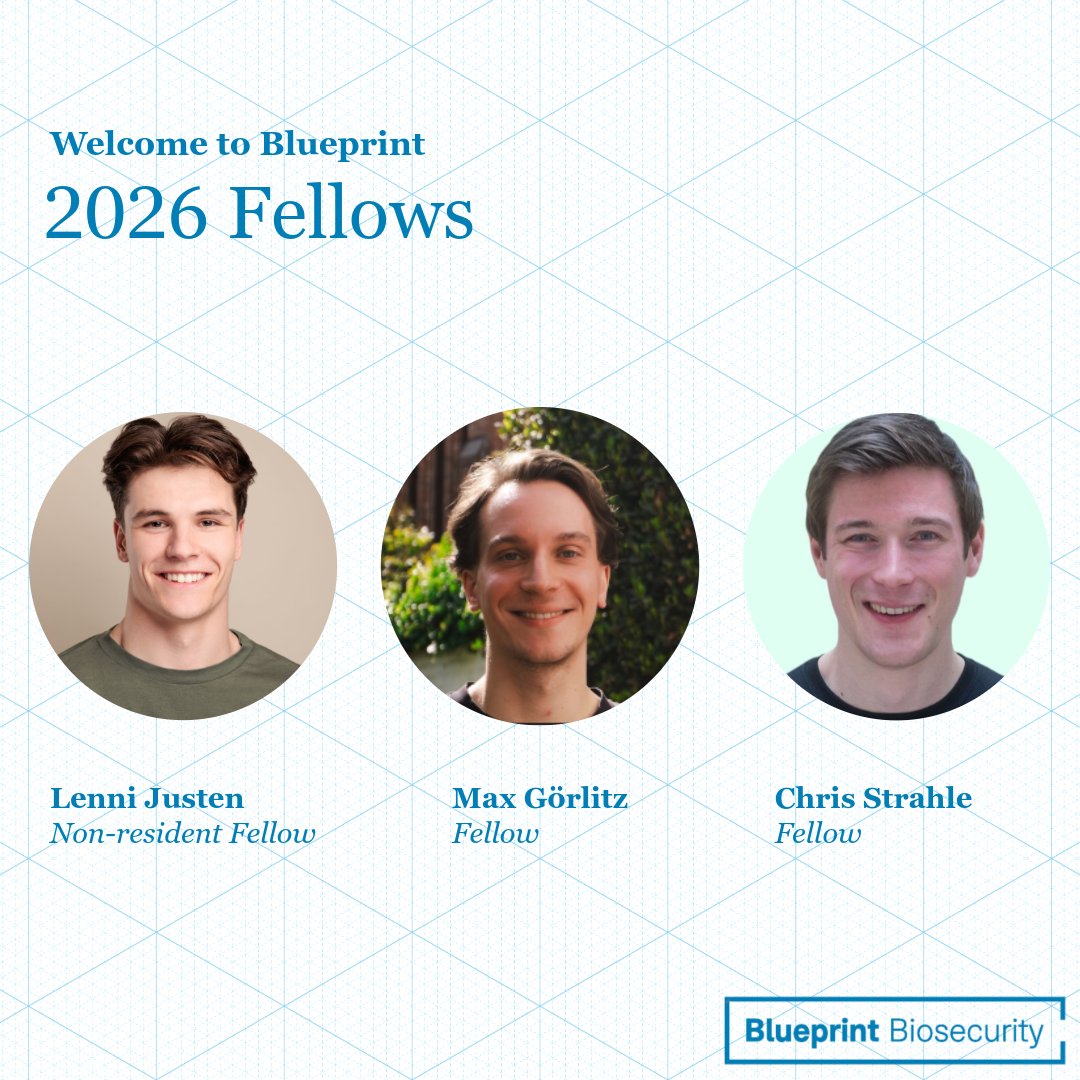
We’re excited to welcome Lenni, Max, and Chris to Blueprint as our 2026 fellows!
Over the coming months, they’ll explore emerging areas of interest that may help inform future work in our space. We look forward to sharing more as their work develops.
1
4
471
This week, our team is on the ground at the 2nd Aerosols and Microbiology Meeting in Leeds, UK.
If you’re attending, stop by and connect with our team to learn about our work in the pandemic preparedness space.
#Aerosols2026
1
40
In case you missed it: our Executive Director, @JacobSwett, and several GlycolISER grantees were featured in Vox about their efforts to evaluate glycols as a potential pandemic countermeasure.
Learn more about this exciting work⬇️: vox.com/future-perfect/48806…
1
2
107
What does “N95” actually mean?
The designation comes from standards set by NIOSH. “95” refers to the respirator’s ability to filter at least 95% of certain airborne particles under test conditions.
These standards help ensure consistent performance, but real-world protection still depends on factors like fit and use.
Learn more: cdc.gov/niosh/ppe/respirator…?
47
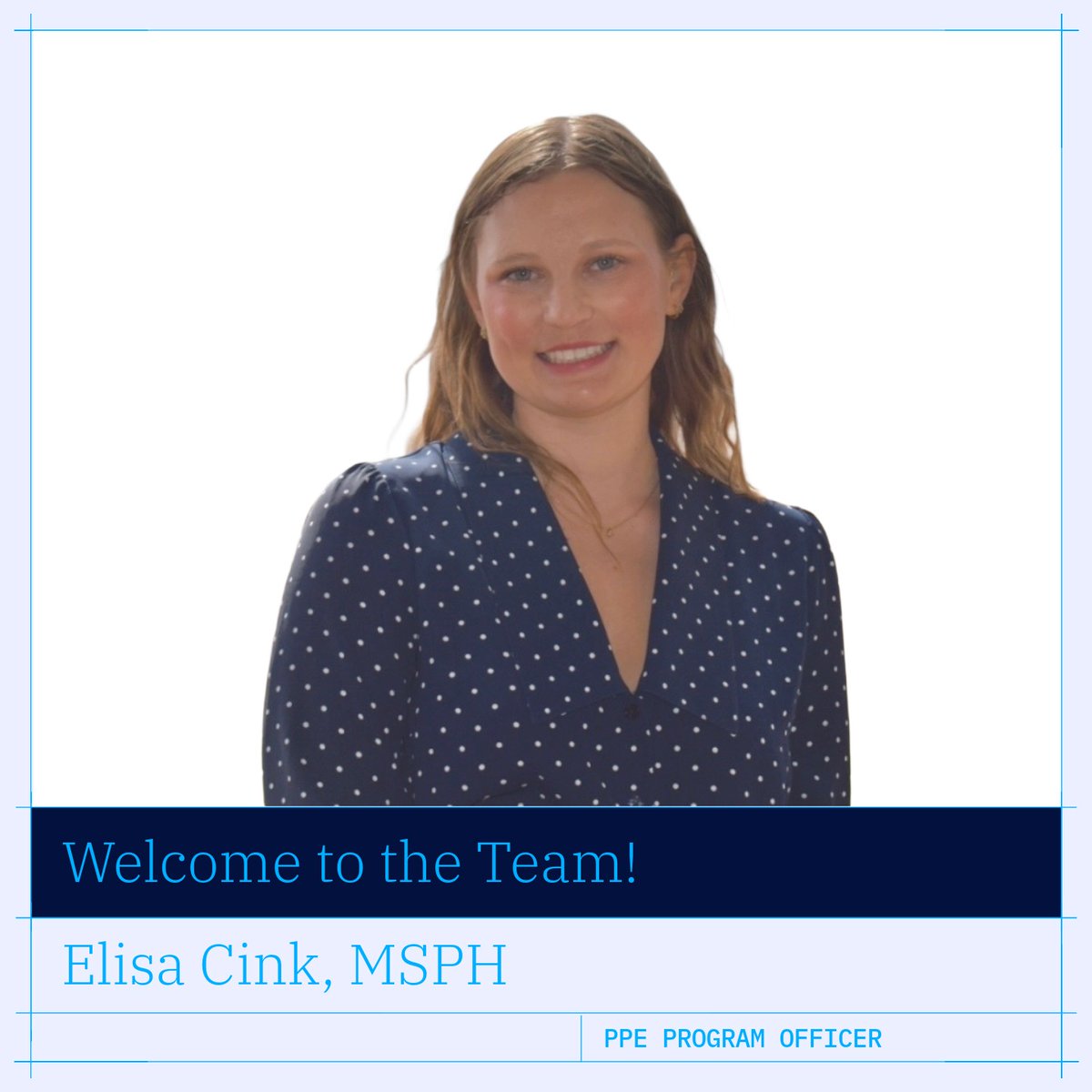
Please join us in welcoming Elisa Cink, MSPH to the Blueprint team as our new PPE Program Officer.
Elisa brings a background in public health, with hands-on experience spanning infectious disease epidemiology and public health preparedness research. Her background in epidemiology gives her a grounded, real-world lens on why reliable protective equipment matters.
1
58
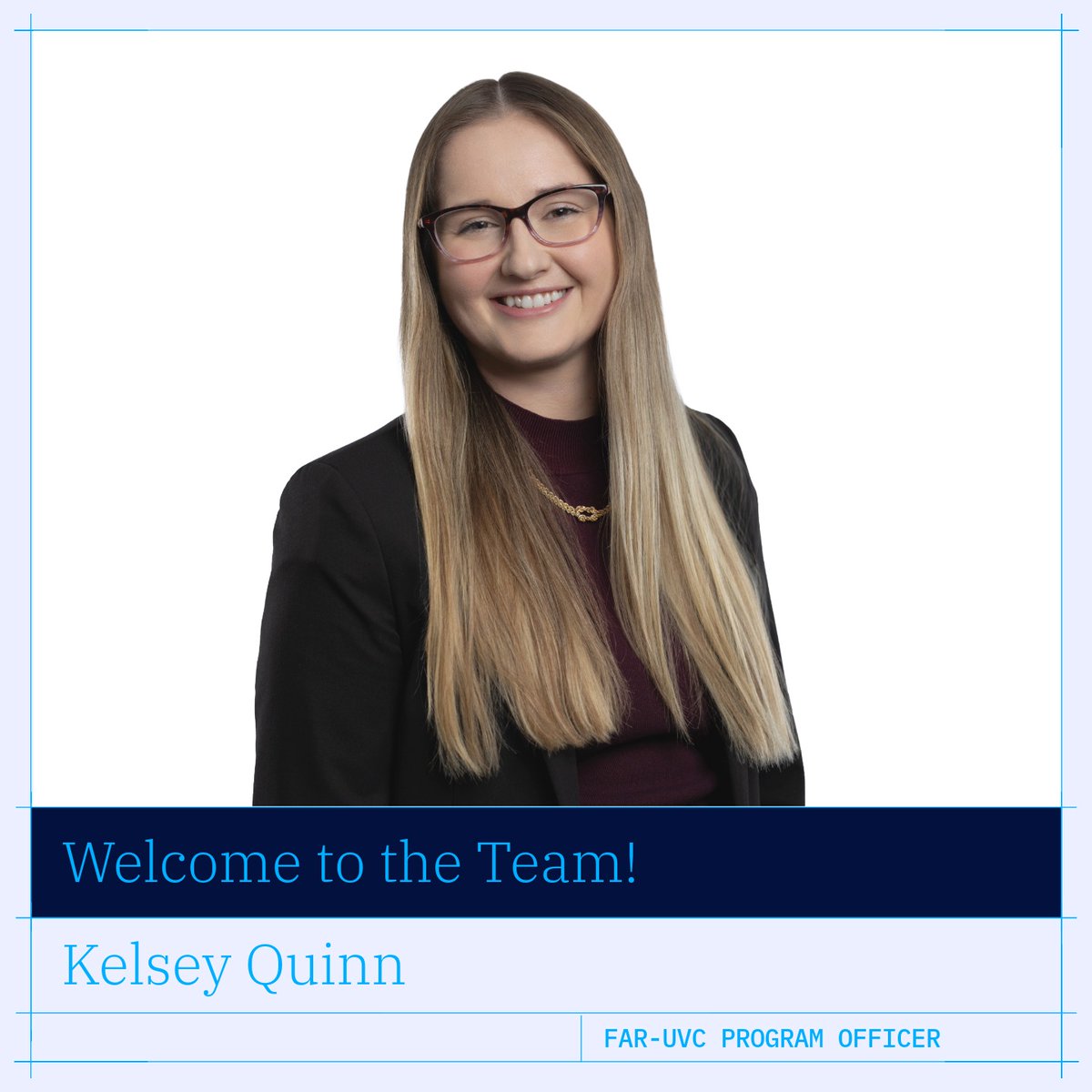
Please join us in welcoming Kelsey Quinn to the Blueprint team as our new Far-UVC Program Officer!
Kelsey brings three years of hands-on experience in technology policy nonprofits, complemented by previous teaching and research roles that reflect a genuine commitment to the field.
1
51
The air we breathe indoors should be as clean as the water we drink. That's why we've launched dedicated programs evaluating how promising technologies can help make that a reality.
Learn more about the projects we're funding and how you can support our work: blueprintbiosecurity.org/pro…
3
109
For respirators, fit testing is essential to maximizing their impact. It helps confirm a proper seal, which is critical for limiting exposure to airborne particles.
Learn more about fit testing: cdc.gov/niosh/ppe/respirator…
1
38
The sanitary revolution brought clean water. Why hasn’t clean air seen the same urgency?
Learn why prioritizing clean air technologies matters for mitigating the next pandemic: blueprintbiosecurity.org/why…
1
49
This month, we hosted a workshop with grantees and experts exploring the potential of glycol vapors as a pandemic countermeasure.
Together, we discussed ongoing work in this space, explored key barriers, and identified the most pressing knowledge gaps to address in the near term.
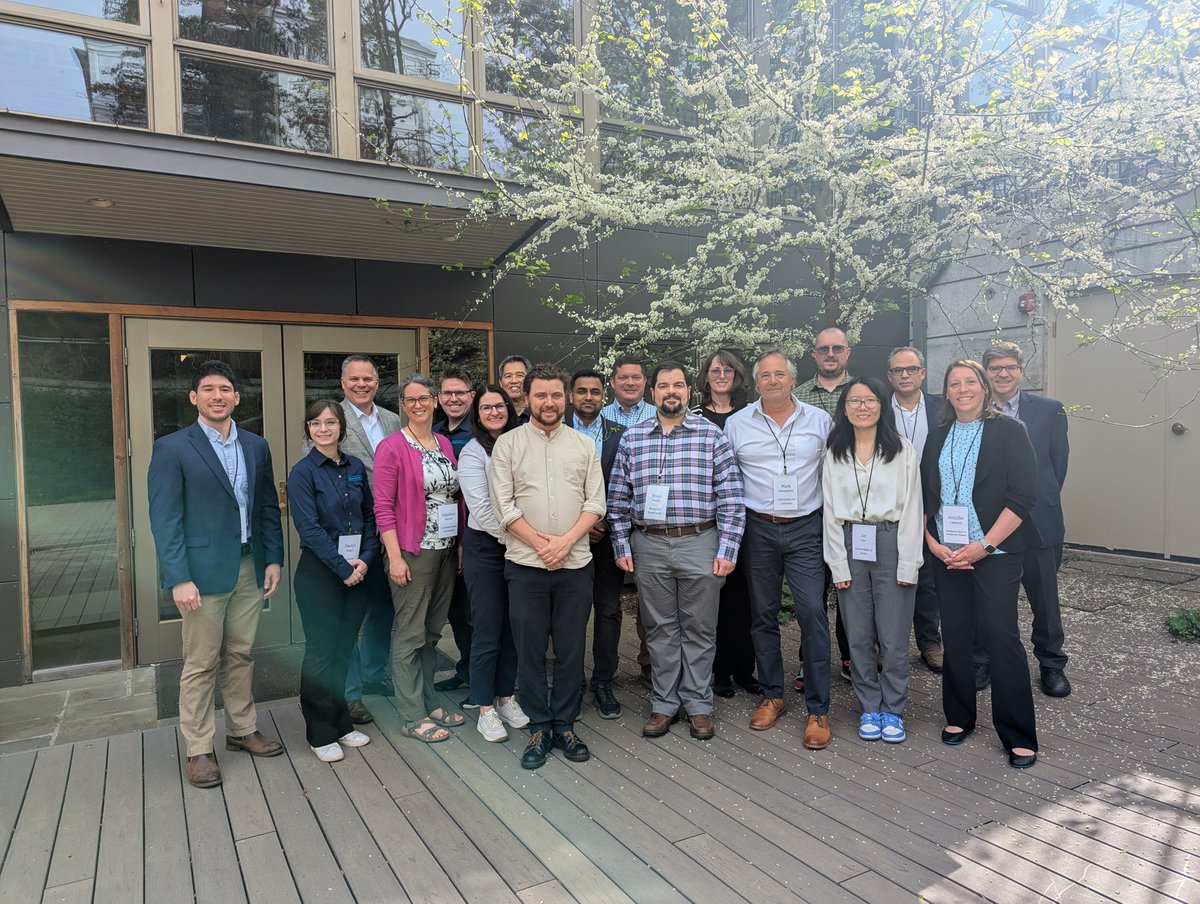
Thanks to everyone who joined us. We’re grateful for your partnership and interest in advancing this work.
3
53
Ventilation is often overlooked, yet it plays a key role in reducing airborne pathogens and lowering infection risk.
Improving ventilation can be a first step in strengthening the built environment and keeping people safe, healthy, and resilient.
Learn more: cdc.gov/niosh/ventilation/ab…
1
52
Ventilation is often overlooked, yet it plays a key role in reducing airborne pathogens and lowering infection risk.
Improving ventilation can be a first step in strengthening the built environment and keeping people safe, healthy, and resilient.
Learn more: cdc.gov/niosh/ventilation/ab…
1
35
Did you know the idea behind respirators dates back to before the 1800s? Early thinkers explored covering the face to avoid harmful exposures. Modern respirators didn’t emerge until the 1800s and 1900s, but that same idea still shapes our work today.
We focus on advancing respirator access so critical workers have the protection they need, when they need it most.
Learn more about the history or respirators below: cdc.gov/niosh/media/images/2…
1
33
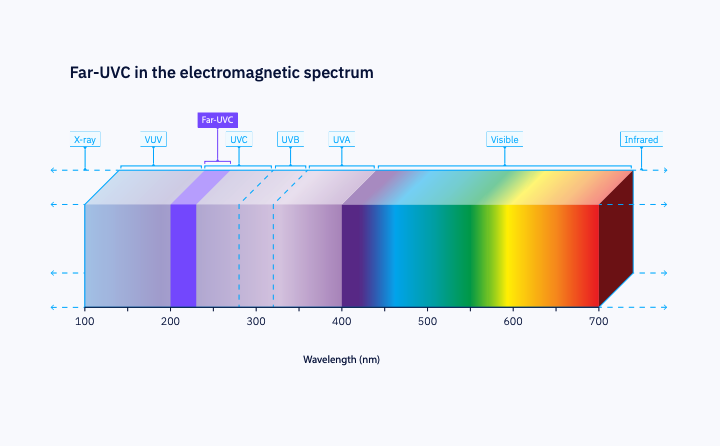
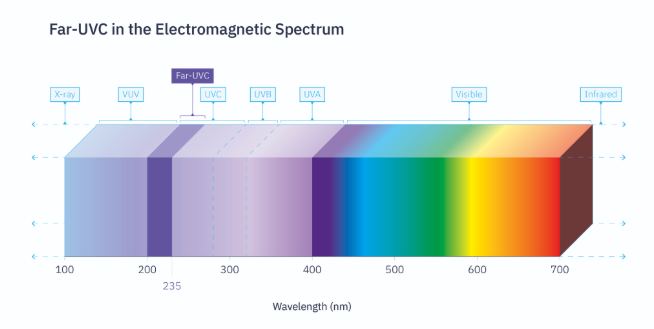
Did you know far-UVC is a newer form of germicidal UV with the potential to safely inactivate airborne pathogens in occupied indoor spaces?
Our work supports research to evaluate real-world performance, close key evidence gaps, and identify practical use cases.
Learn more in our Blueprint for Far-UVC: blueprintbiosecurity.org/wor…
3
153
Germicidal UV has been around for 100 years, yet it remains underutilized.
Learn more about how GUV is a tool for stopping the spread of infections indoors: energy.gov/cmei/ssl/germicid…
1
42
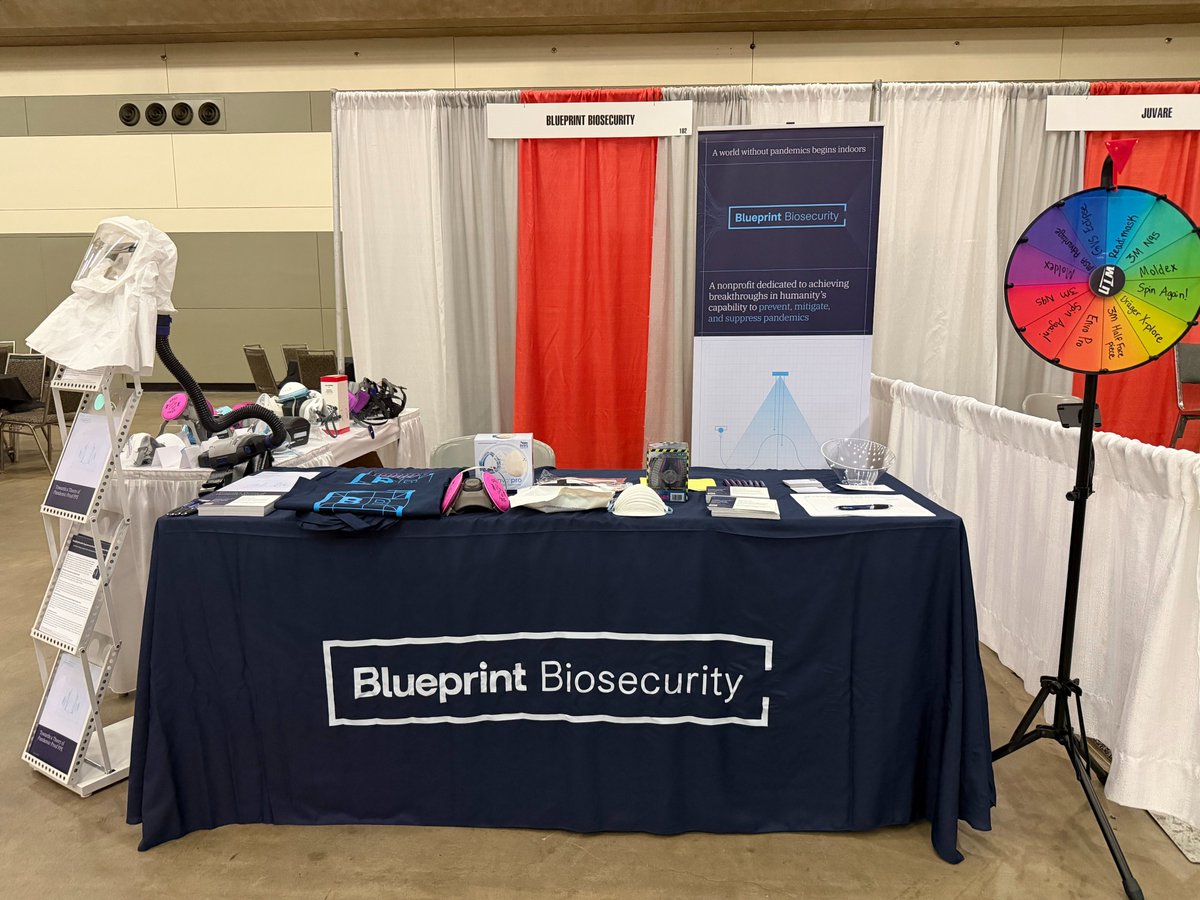
We’re at the NACCHO (@NACCHOalerts) Preparedness Summit this week. Stop by booth #102 to to learn more about the different types of reusable respirators and discuss the role stockpiling plays in ensuring preparedness ahead of and during an outbreak.
#PrepSummit26
1
53
Airborne pathogens remain one of the biggest global health threats. From seasonal influenza to other respiratory diseases, we have seen how quickly they can move through populations. There is still an opportunity to better understand airborne transmission and reduce risk.
Preparation is not just about response. It requires continued investment in education, communication, and technologies that can reduce pathogen concentrations.
This is a key part of how we approach preparedness at Blueprint. Learn more: blueprintbiosecurity.org/pro…
1
35