Interested in all things biosecurity, public health, nanotechnology, metascience, space, and more! Trying to prevent pandemics @blueprintbio
Joined March 2012
- Tweets 311
- Following 1,621
- Followers 743
- Likes 4,271
51 Photos and videos




Jacob Swett retweeted

Jun 4
It’s great to see AI leaders like Sam Altman, Dario Amodei, and Demis Hassabis calling for mandatory DNA synthesis screening, which is a no-brainer policy for preventing (AI-enabled) bioterrorism.
But fewer than 50 people in the world currently work on DNA security full-time.
We need a comprehensive plan and at least 5x as many people to secure the DNA supply chain before AI and biotech outpace us.
@jtmonrad and I spent the past two years developing a field strategy for how to do it.
Successfully defending against this risk (while still capturing innovation benefits) requires four things:
1. Coverage: More than 80% of synthetic DNA providers screen both orders and customers
2. Strategic ambiguity: a bad actor can’t easily tell which providers will screen their order
3. Access: legitimate customers can still order DNA cheaply and easily
4. Effectiveness: 90% of providers reliably catch dangerous sequences when red-teamed
We’re already seeing real momentum. Many DNA providers screen voluntarily, and governments in several countries are moving toward mandates. But that doesn’t mean the problem will be solved in time by default.
Our guide lays out exactly which projects we need to launch. We’re looking for founders, operators, and technical experts to own pieces of the solution. We’re also hiring a Senior Program Officer at Sentinel to drive this work. Get in touch if you or someone you know would be a strong fit! (links for EOI form and JD below)
Read our full field strategy in @IFP's Launch Sequence: ifp.org/how-to-secure-the-dn…
Jun 4

No one should be able to order a bioweapon through the mail.
@IFP & @JoinFAI are proud to co-lead an open letter calling for mandatory DNA synthesis screening & recordkeeping.
Signatories include:
- Sam Altman, CEO & Co-Founder, OpenAI
- Dario Amodei, CEO & Co-Founder, Anthropic
- David Baker, Director, Institute for Protein Design; 2024 Nobel Prize in Chemistry recipient
- Patrick Collison, CEO & Co-Founder, Stripe
- Paul Graham, Founder, Y Combinator
- Demis Hassabis, CEO, Google DeepMind; 2024 Nobel Prize in Chemistry recipient
- Emily Leproust, CEO & Co-Founder, Twist Bioscience
- Lawrence Lessig, Roy L. Furman Professor of Law and Leadership, Harvard Law School
- Gerald W. Parker, former Special Assistant to the President for Biosecurity and Pandemic Response
- Mustafa Suleyman, CEO, Microsoft AI
- Alex Tabarrok, Professor of Economics, George Mason University
- Alexandr Wang, Chief AI Officer, Meta; Founder, Scale AI
- Christine E. Wormuth, President & CEO, Nuclear Threat Initiative; 25th Secretary of the Army
Read the letter and see the full list of signatories: screendna.org
Many DNA synthesis companies voluntarily screen orders to mitigate biosecurity risks, but no law requires them to do so.
Leaders in AI, biotech, life sciences, national security, and the nucleic acid synthesis industry agree that Congress should act to strengthen safeguards against biological threats.
@deanwball put it well in the WSJ:
“If you’re synthesizing the stuff that yields biological life and viruses, we’re asking you to screen to see whether it is dangerous in some way. That seems like a reasonable thing for society to insist upon.”
11
20
85
37,343
Jacob Swett retweeted

Jun 4
No one should be able to order a bioweapon through the mail.
@IFP & @JoinFAI are proud to co-lead an open letter calling for mandatory DNA synthesis screening & recordkeeping.
Signatories include:
- Sam Altman, CEO & Co-Founder, OpenAI
- Dario Amodei, CEO & Co-Founder, Anthropic
- David Baker, Director, Institute for Protein Design; 2024 Nobel Prize in Chemistry recipient
- Patrick Collison, CEO & Co-Founder, Stripe
- Paul Graham, Founder, Y Combinator
- Demis Hassabis, CEO, Google DeepMind; 2024 Nobel Prize in Chemistry recipient
- Emily Leproust, CEO & Co-Founder, Twist Bioscience
- Lawrence Lessig, Roy L. Furman Professor of Law and Leadership, Harvard Law School
- Gerald W. Parker, former Special Assistant to the President for Biosecurity and Pandemic Response
- Mustafa Suleyman, CEO, Microsoft AI
- Alex Tabarrok, Professor of Economics, George Mason University
- Alexandr Wang, Chief AI Officer, Meta; Founder, Scale AI
- Christine E. Wormuth, President & CEO, Nuclear Threat Initiative; 25th Secretary of the Army
Read the letter and see the full list of signatories: screendna.org
Many DNA synthesis companies voluntarily screen orders to mitigate biosecurity risks, but no law requires them to do so.
Leaders in AI, biotech, life sciences, national security, and the nucleic acid synthesis industry agree that Congress should act to strengthen safeguards against biological threats.
@deanwball put it well in the WSJ:
“If you’re synthesizing the stuff that yields biological life and viruses, we’re asking you to screen to see whether it is dangerous in some way. That seems like a reasonable thing for society to insist upon.”
66
146
442
1,591,942
Jacob Swett retweeted

In case you missed it: our Executive Director, @JacobSwett, and several GlycolISER grantees were featured in Vox about their efforts to evaluate glycols as a potential pandemic countermeasure.
Learn more about this exciting work⬇️: vox.com/future-perfect/48806…
1
2
106
Jacob Swett retweeted

Jun 2
At @IFP, we’ve spent the past 3 years thinking about all the different ways the US government & philanthropy fund R&D.
Until now, R&D funders haven’t had a systematic way to match the innovation problem to the right funding tool.
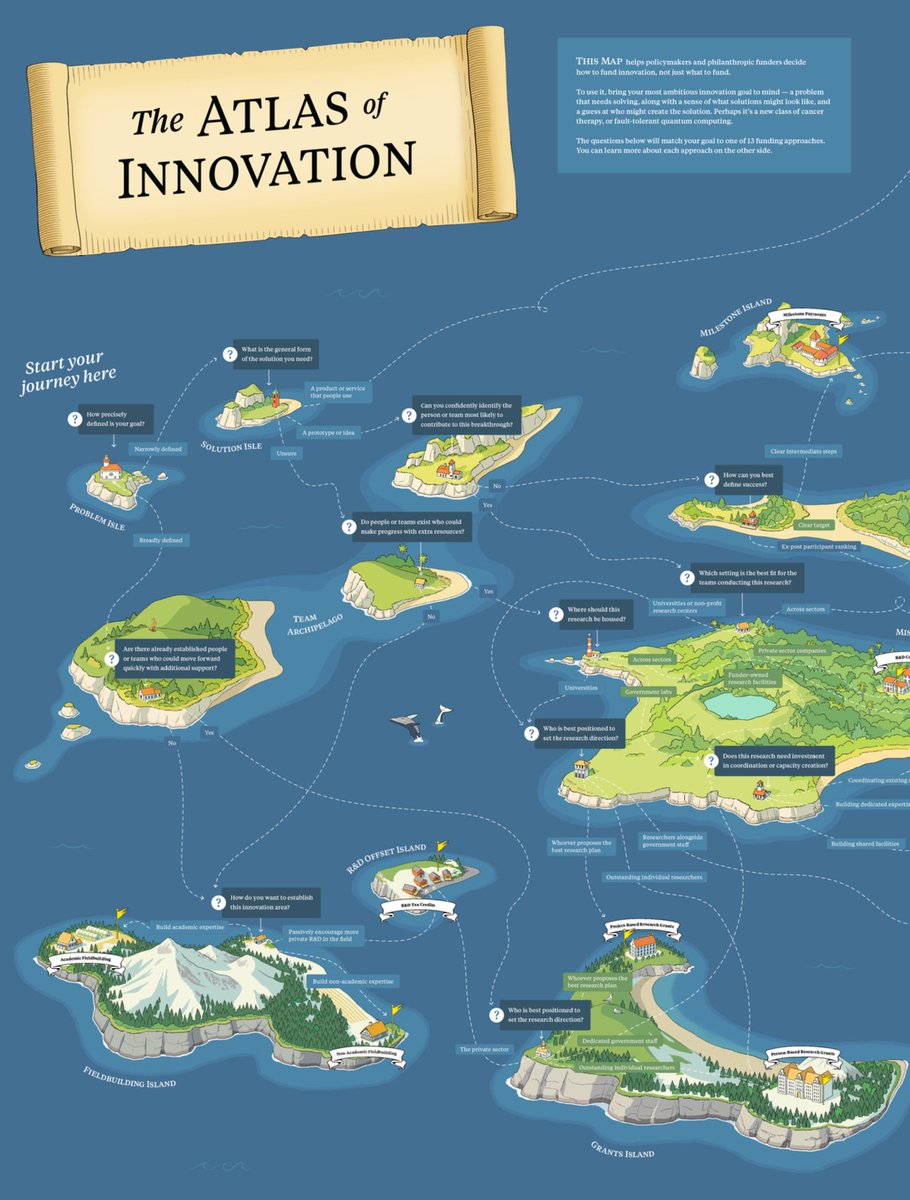
We built THE ATLAS OF INNOVATION to fill that gap.
atlasofinnovation.org
Alongside @UChi_MSA, we’ve boiled down thousands of hours of research into a handful of questions covering how much the R&D funder knows about:
- the problem they want to solve
- the solution it should have
- the team that should build the solution
Why the Atlas matters:
The US government spends close to $200 billion every year on R&D. And after the Anthropic and OpenAI IPOs, there will be hundreds of billions of dollars in new philanthropic giving.
Choosing the correct funding approach to the social problems they’re trying to solve will mean the difference between success and failure.
For example, NSF research grants have helped seed breakthroughs from MRI machines to search engines, but grants aren’t built to deliver the kind of industrial speed and scale that a project like Operation Warp Speed required.
Picking the wrong funding approach can leave programs behind schedule, over budget, or without anything to show for all the money they spent.
How we built the Atlas:
1. We began by creating a matrix of dozens of considerations that a thoughtful policymaker or funder would ideally weigh before deciding how to fund a project.
2. We looked at every major funding approach, from grants to R&D tax credits to advance market commitments, analyzing when they work well and when they fail to meet the mission.
3. We spent months deep in the weeds of contract theory and incentive design, looking at historical examples and the state-of-the-art research in innovation economics.
4. We then worked to turn that research into a tool that time-strapped policymakers and philanthropic funders could rely on at the start of an innovation funding cycle.
5. Three years later, we are launching just that: a new (and visually stunning) website to help funders decide how to best incentivize innovation. And all they have to know… is what they currently know about their innovation goal! The Atlas takes care of the rest.
How to navigate the Atlas:
Answer questions about your goal to find the funding approach aligned with the information you have.
Each funding mechanism has its purpose for particular technologies and specific moments in development.
There shouldn’t be an ARPA for every field, just like we don’t need a prize or AMC for every innovation. The Atlas helps you navigate those tradeoffs.
13
74
237
108,052

May 25
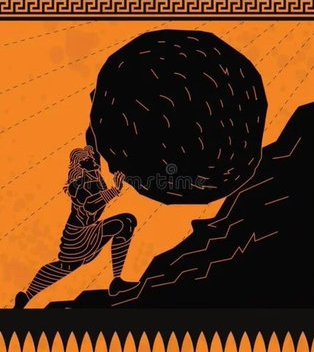
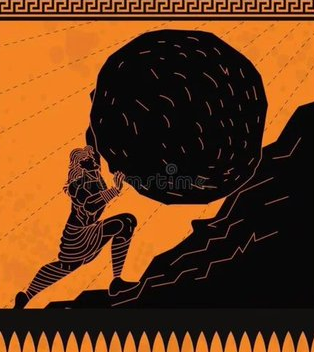
Thanks to Camus, the boulder & the absurd get all the attention.
I prefer Stephen Fry's take: just as Sisyphus believed he could escape death (and did!), he believes he'll complete this and be free.
It's a story of cleverness & tenacity of humanity against the 'natural order'.

5
196
Jacob Swett retweeted

May 18
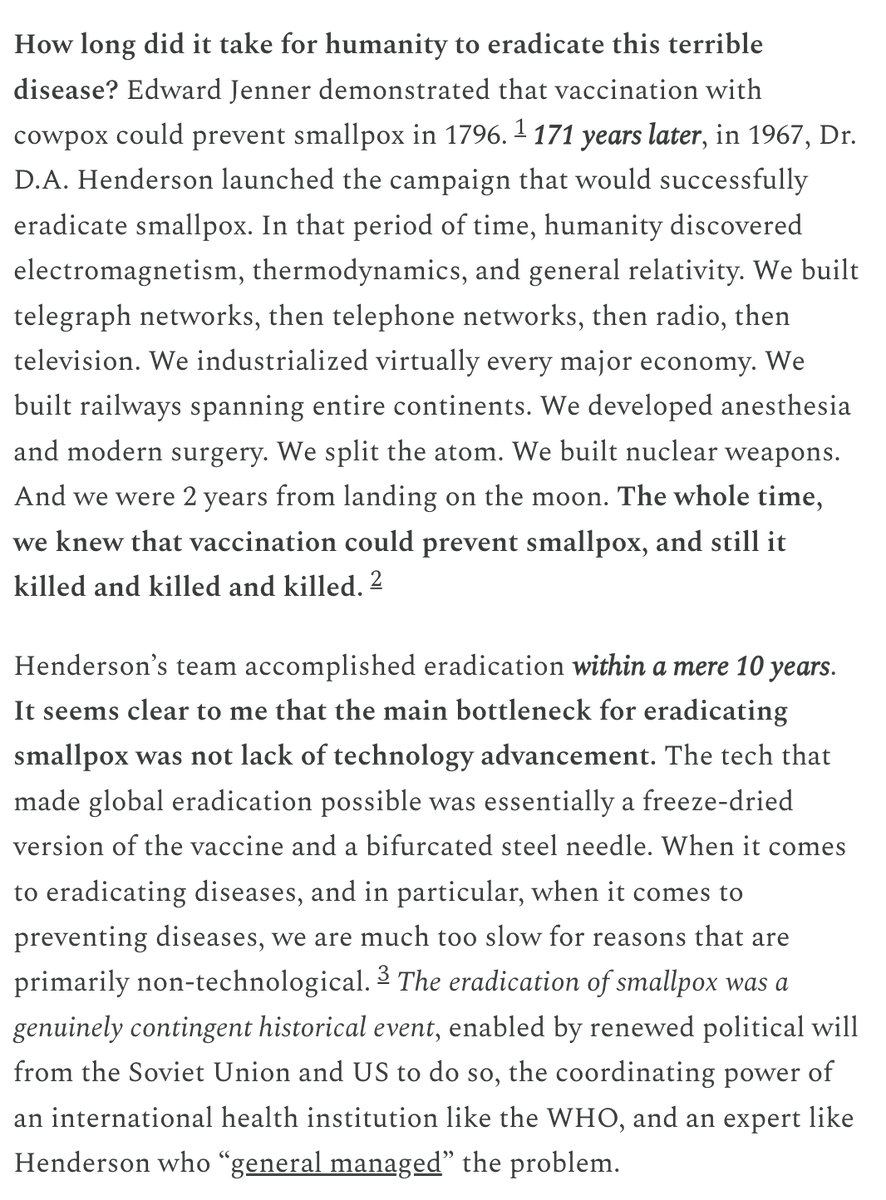
We live in a post-smallpox world, and it's an incredible thing that we do not appreciate nearly enough.
jassipannu.substack.com/p/pa…
2
10
25
1,478
Jacob Swett retweeted

May 18
Three disease outbreaks. Three countries. Three epidemics prevented.
Last year El Salvador, Gabon and Thailand contained outbreaks of malaria, mpox and cholera before they spiraled into epidemics. In a new video, we hear from the health care workers involved about how they acted quickly to stop diseases from spreading using the 7-1-7 target for outbreak detection and response and saved lives.
You can read the full stories in our new Epidemics That Didn’t Happen report, launched today at #WHA79: etdh.resolvetosavelives.org/…
1
5
468
Jacob Swett retweeted

May 14
I'm still not super worried about a hantavirus pandemic, but there's also no technical reason this shouldn't be the standard timeline for new threats:
~Hours: definitive confirmation via sequencing
~Days: candidate mRNA vaccine designs
~Weeks: millions of vaccine doses
4
8
38
2,727
May 4
With @nanransohoff's GM piece, @AGamick's solving piece, and @emiyazono's field strategist piece, there's basically a new playbook on solving the world's hardest problems: scope it, own it, fund it to the finish (links below).
Recommend you read them all!
3
15
39
4,083
May 3
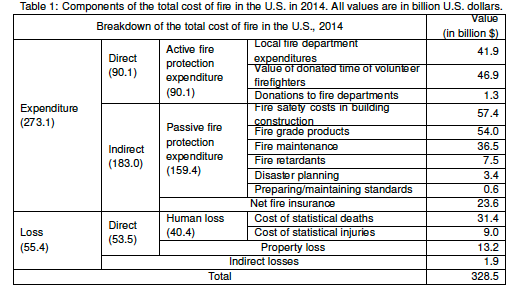
This tweet is making a separate point, but the analogy to fire is apt (its also a general purpose technology) and I think few people appreciate that the cost of fire (much of which is the cost of preventing it) has often been >2% of GDP, with some estimate having it higher.

caveman 1: fire will burn the earth. we cannot control it. deaths from the freezing cold are part of the natural order.
caveman 2: no, fire will be incredible, and nothing bad will ever come from it. we must build a giant, eternal fire!
(fog dissipates) wise elder caveman 3: we must weigh the risks and opportunities of fire. it is like berries: some poison us, others nourish us. wisdom lies in learning the difference, and cultivating what is good.
*wild, thunderous applause from onlookers*
5
419
Apr 9
This was a great post! It gives helpful data on navigating the current inevitability of infections.
I hope that one day though we look back on strategies like this the way we now look back on variolation and smallpox exposure timing: necessary, but now obsolete!
Apr 9

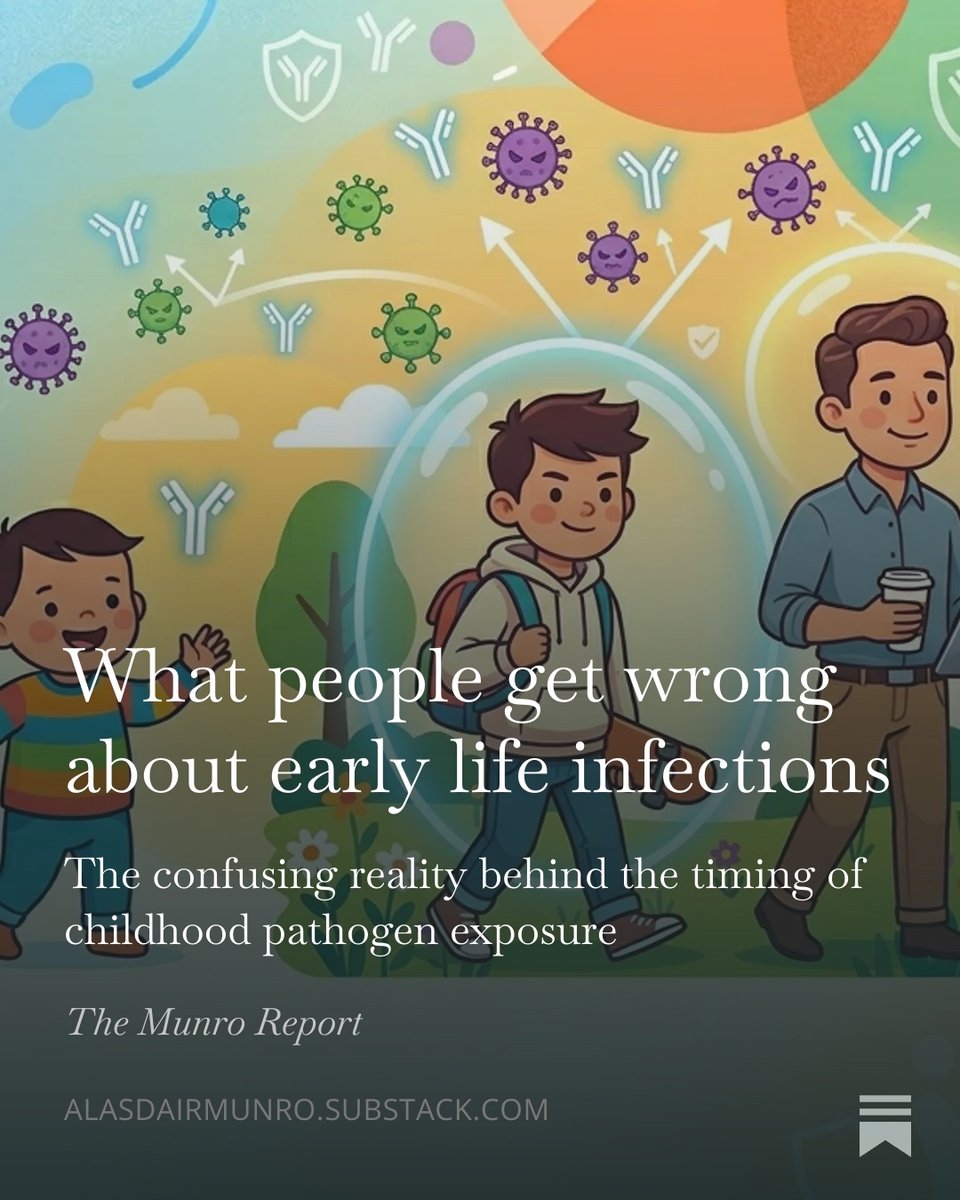
Avoiding infections is good 👍
But some simply cannot be avoided - multiple exposures over the life course is inevitable
In which case, when is the best time to get infected for the first time? 🤔
open.substack.com/pub/alasda…
150

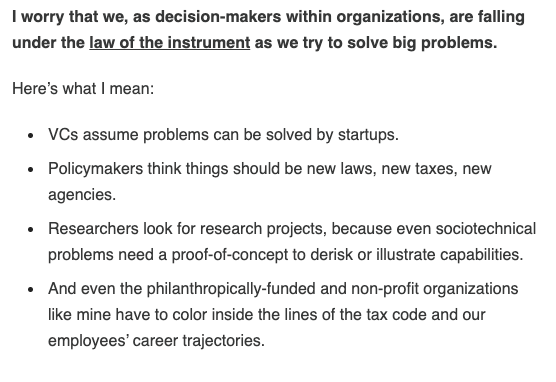
I’m a disbeliever in accidental discoveries (at least, in biology). Whenever I’ve looked into one, the story turns out to be false.
The most famous is penicillin – supposedly, the fungi wafted in through a window, fell into a petri dish of cultured staphylococci, and suppressed the bacteria’s growth.
But in a recent article (asimov.press/p/penicillin-my…), @kevinsblake explains that doesn’t really work (grown staphylococci aren’t affected by penicillin; it only works if introduced before the bacteria begin growing); plus, Fleming’s notes on the discovery provide very little detail and the specific results he described couldn’t be replicated by other scientists (even though penicillin does work against staphylococci when introduced correctly.)
There are more: Pasteur’s supposedly accidental discovery of a chicken cholera vaccine was more likely the result of systematic work by his then-assistant, Émile Roux. (jstor.org/stable/23328363?se…)
And, as @NikoMcCarty writes, the discovery of GFP, nanopore sequencing, and optogenetics are also often described as accidents, but none of them happened that way either. nikomc.com/2026/04/01/optoge…
People love serendipity, so why am I bursting their bubble?
I don’t think this is limited to accidental discoveries; I think many historical science anecdotes are highly embellished:
- Edward Jenner didn’t deliberately expose a young boy with full-blown smallpox to test his vaccine (he used variolation); and he wasn’t the first to try using cowpox bsky.app/profile/scientificd…
- Cobra catching bounties in British India didn’t lead to a rise in the number of snakebites, and there was only hearsay evidence that cobras were bred in response at all twitter-thread.com/t/1696500…
- Barry Marshall didn’t develop stomach ulcers from drinking a concoction of H. pylori (he did develop gastritis though…) cdn.centerforinquiry.org/wp-…
- No one knows who actually found the highly-productive strain of penicillin on a cantaloupe, but it probably wasn’t 'Moldy Mary' scientificdiscoveries.ars.us…
But in this case it irks me for an additional reason – it gives the impression that innovation happens sporadically, by chance, when there are actually ways that we can systematically speed it up – such as better funding, institutions and incentives.
So: are there any true accidental discoveries that hold up to scrutiny?
83
329
1,550
128,753
Jacob Swett retweeted

Mar 31
We need 10x more people doing biosecurity
18
16
128
31,467
Jacob Swett retweeted

Mar 17
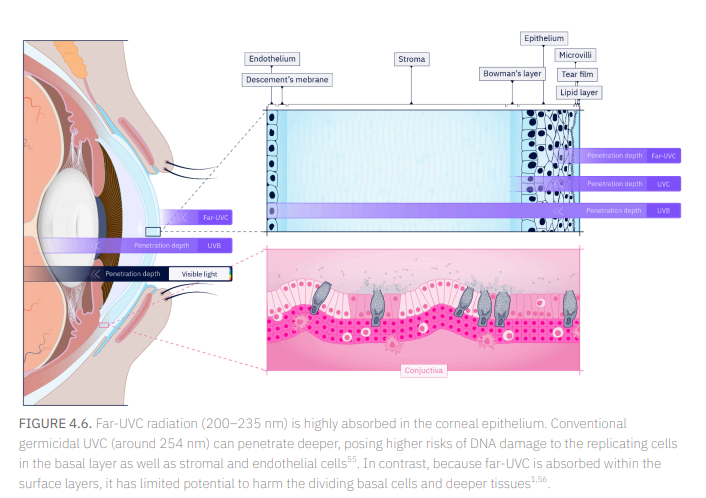
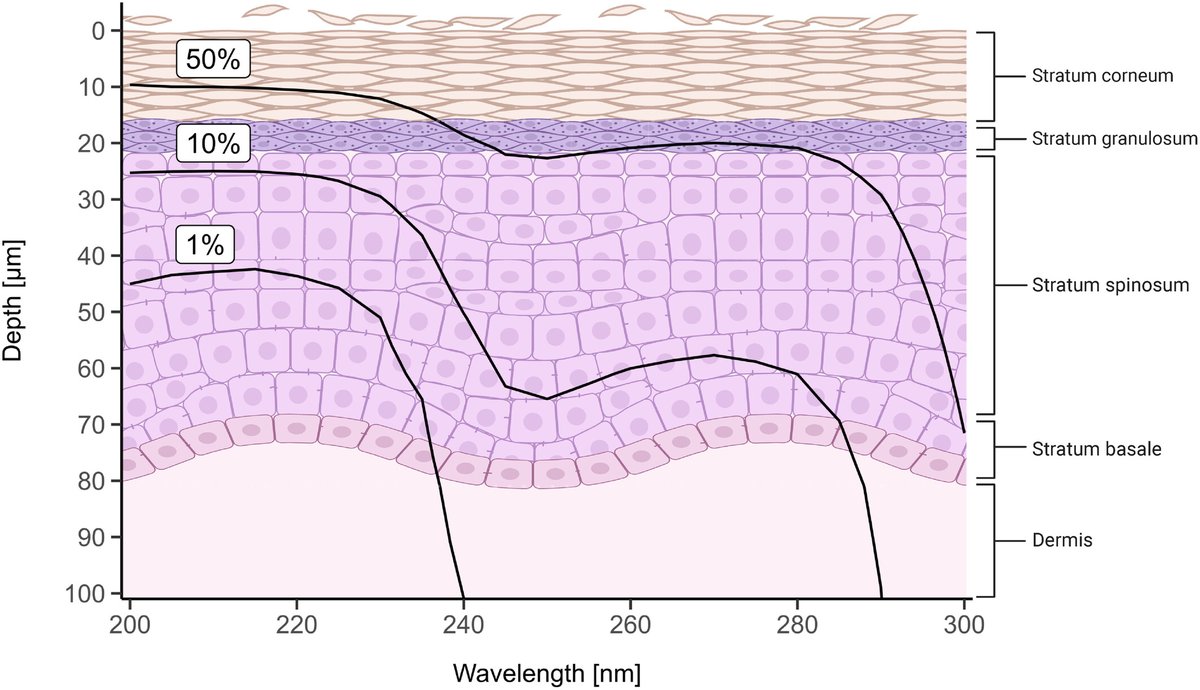
jacob works at @blueprintbio and dramatically undersells how consequential they have been in pushing pathogen-agnostic defenses closer to the overton window. e.g.: if you're curious about far-UVC, they have published a 146 page report over it here: blueprintbiosecurity.org/u/2…
Mar 17

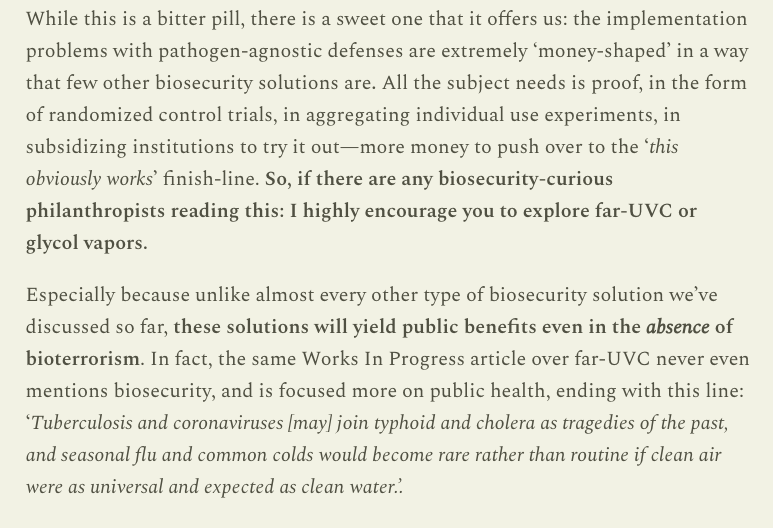
This nails something important: the main barriers to pathogen-agnostic defenses like far-UVC and glycol vapors are largely funding and execution shaped.
If you're excited about making these technologies happen, we'd love to have you join us!
2
10
77
9,792
Mar 17
This nails something important: the main barriers to pathogen-agnostic defenses like far-UVC and glycol vapors are largely funding and execution shaped.
If you're excited about making these technologies happen, we'd love to have you join us!
Mar 16

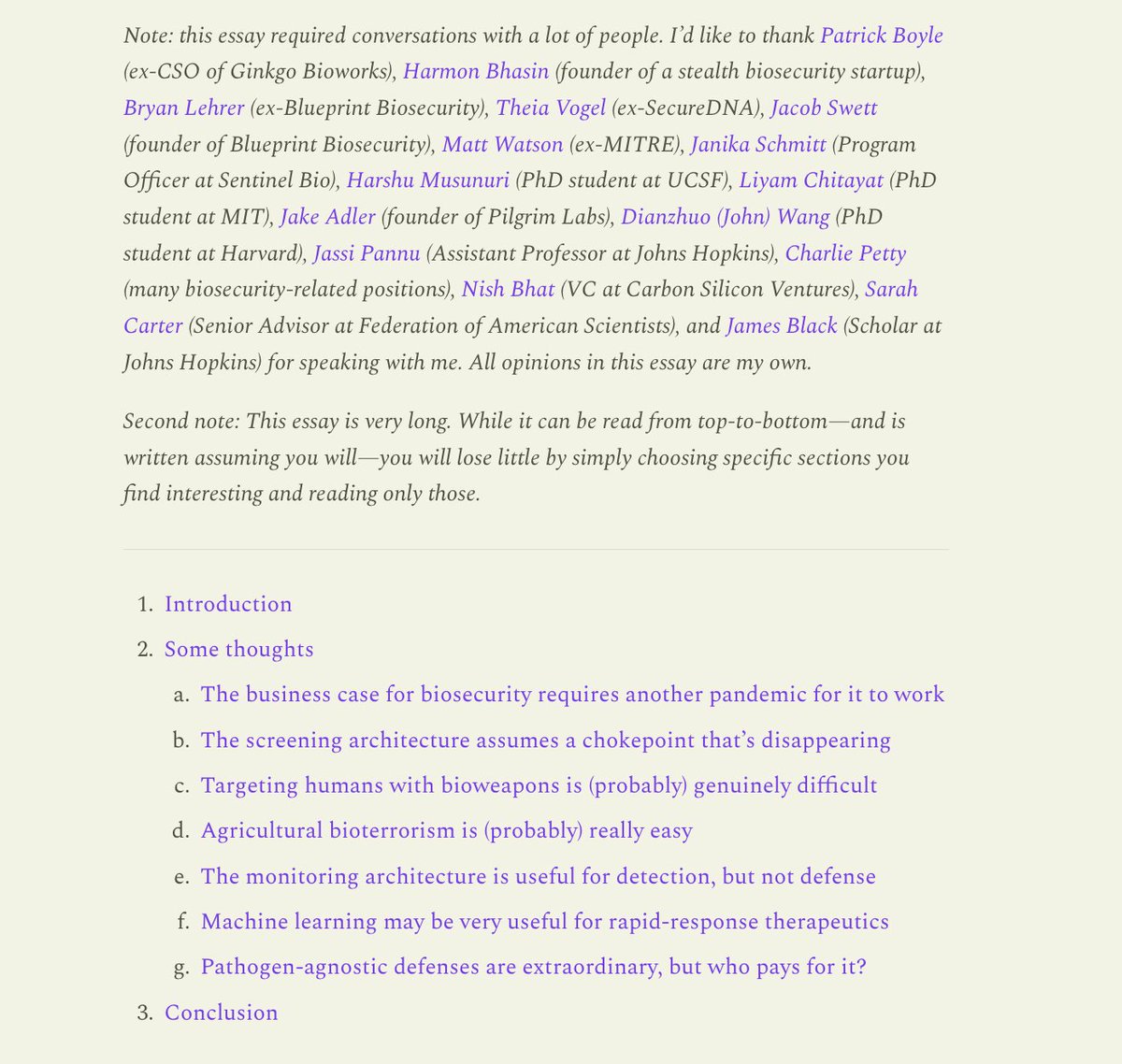
Reasons to be pessimistic (and optimistic) on the future of biosecurity
owlposting.com/p/reasons-to-…
"It was such a fun read (if you can say that about an article on weapons)!"
—a glowing review from an early reader
this is (once again) the longest article I have ever published at 13,000 words. it involves interviews with 16 researchers/VC's/policy folks in this field, and discusses basically every single facet of biosecurity that i could find. topics include: how machine-learning in rapid response therapeutic design may work, the financial status of the customer base of biosecurity startups, why agroterrorism feels extremely likely to me, and a lot more
i admittedly started the essay pessimistic that this subject matters at all, and i end it surprised that it doesn't keep more people awake at night. im not a doomer about it all, but i can see how people become one. very grateful to the people who decide to spend their career (or some fraction of it) working here, and especially grateful to the ones who helped teach me about the subject
4
6
36
11,115
Jacob Swett retweeted

🆕Important new publication on Far-UVC, researchers at CHS, along with colleagues at @JohnsHopkins, published a commentary in the Health Security Journal describing targeted recs for both epi and long-term implementation scenarios of Far-UVC.
5
1
6
2,015
Jan 26
Loved this piece!
Several years ago, I got obsessed with understanding how humanity conquered one of its oldest foes.
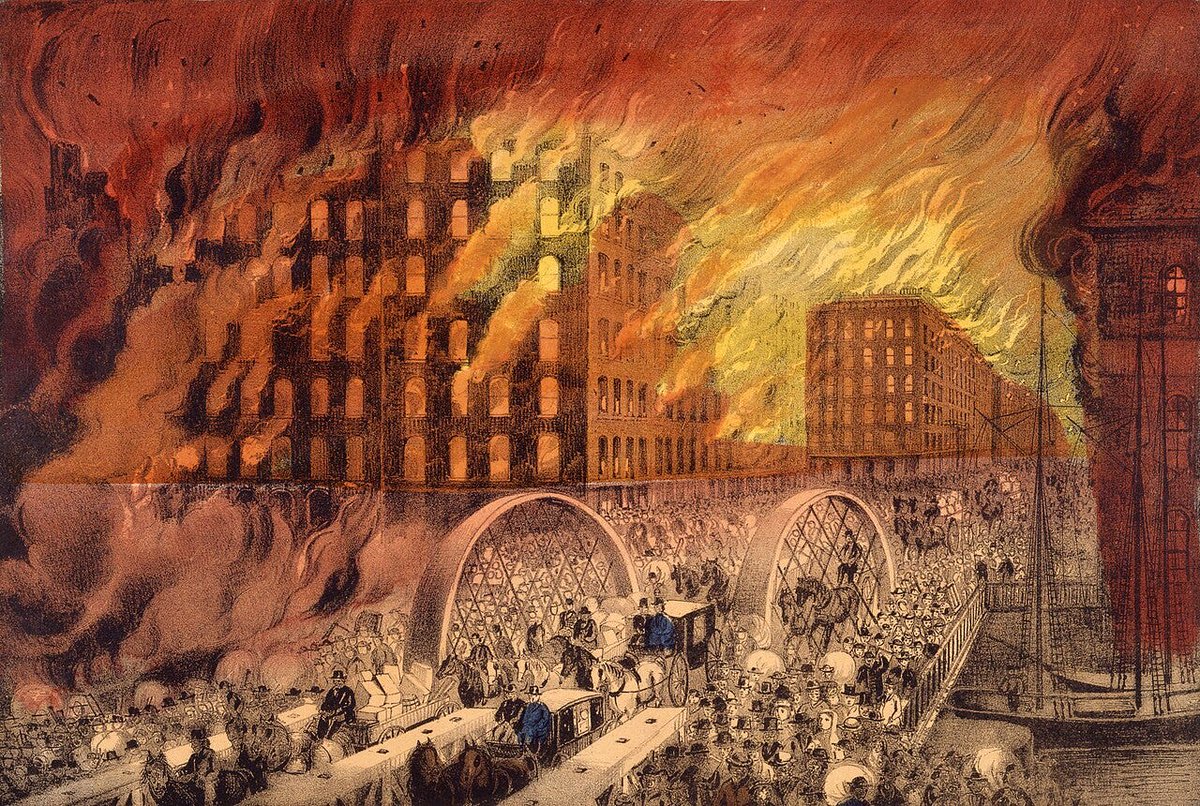
What I think many don't appreciate is just how much it costs to prevent fire. Excluding losses, in the US it was $273.1B in 2014, which is ~1.5% of GDP!
Jan 26

There is no silver bullet for risk. Safety is achieved through defense in depth, and through the orchestration of a wide variety of solutions.
Last month, in a private talk, I gave an example: fire safety. It resonated strongly, so I wrote it up.
(Thread here, blog link at end)
1
2
14
1,753

REQUEST FOR PROPOSALS
What do we need to build to prepare the world for advanced AI?
>$25 billion is about to flow into AI resilience and AI-for-science from the OpenAI Foundation, the Chan Zuckerberg Initiative, and other major funders.
But there's no shovel-ready list of the essential projects to build, and no critical mass of builders ready to execute.
We're trying to fix that with The Launch Sequence, a collection of concrete projects to accelerate science, strengthen security, and adapt institutions to future advanced AI.
We're opening up The Launch Sequence for new pitches. We'll help you develop your idea, connect you with funders, and get it built. $10,000 honorarium for published proposals.
🔗 Read the RFP and submit a short pitch (200–400 words): ifp.org/rfp-launch
We’re looking for short pitches in three areas:
1. Accelerating science: What do researchers need to make breakthroughs with AI that markets and conventional grants won’t fund fast enough?
2. Strengthening security: What tools, technologies, or orgs can help ensure rapid AI advances don't undermine national security and public safety?
3. Adapting institutions: How do our institutions need to evolve to help society adapt to AI-driven change while preserving human agency?
Our advisory panel:
– @woj_zaremba, OpenAI co-founder
– @tkalil2050, CEO of Renaissance Philanthropy
– @matthewclifford, Co-founder & Chair of Entrepreneurs First, founding Chair of ARIA
On top of the $10,000 honorarium, we offer a $1,000 bounty for pitching an idea we hadn’t heard before (if we publish it), and for every successful referral.
Submissions are rolling, but we'll prioritize early pitches (within the next few weeks) and start reviewing immediately.
35
135
582
290,180