
VOTED "BEST GOVERNMENT OFFICIAL-HIGHLANDS RANCH". Retired Marine; G'Town/Cornell Law. All tweets own-no DoD endorsement. Campaign account - not official.
Joined April 2022
- Tweets 1,954
- Following 102
- Followers 1,285
- Likes 371
388 Photos and videos
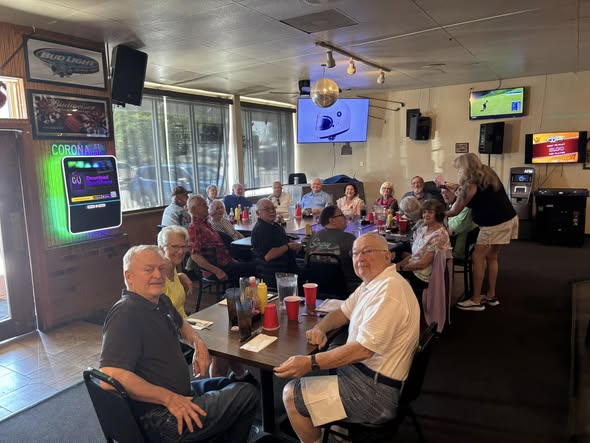

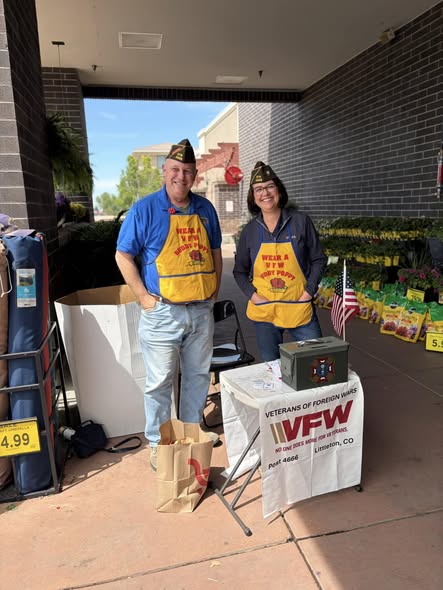
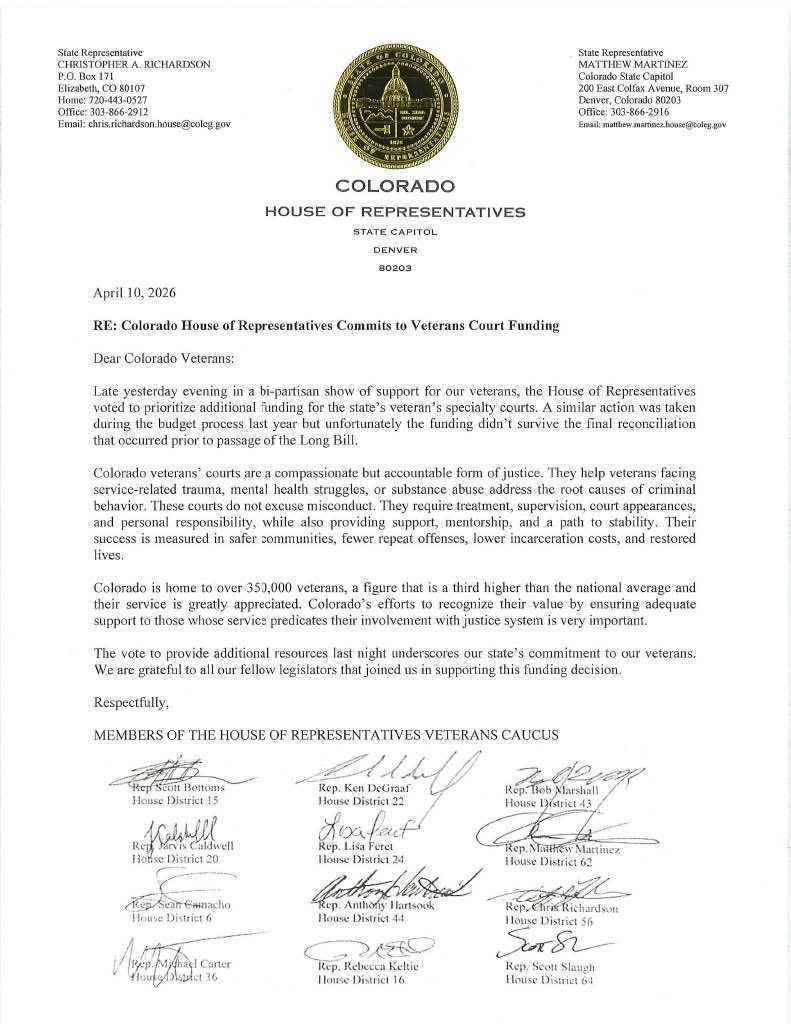
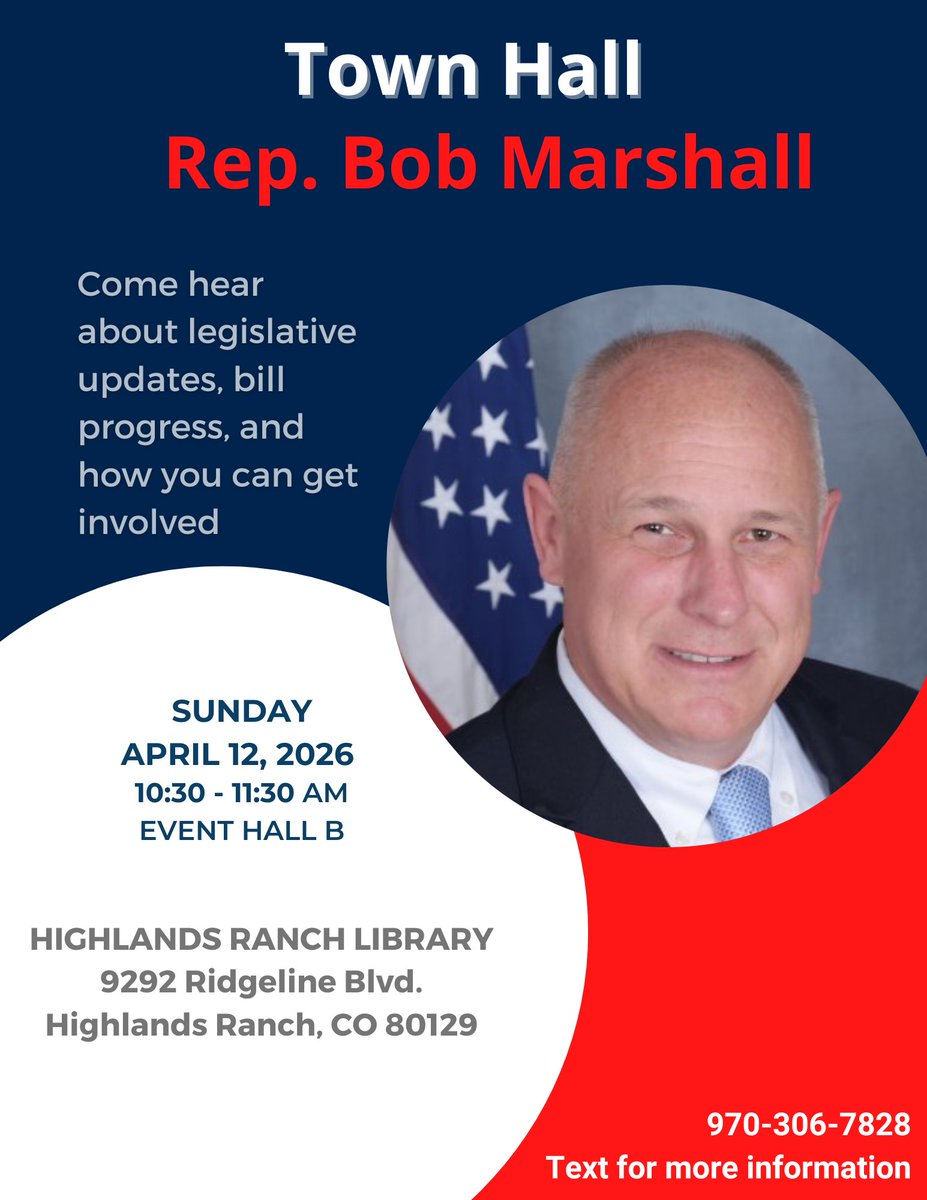
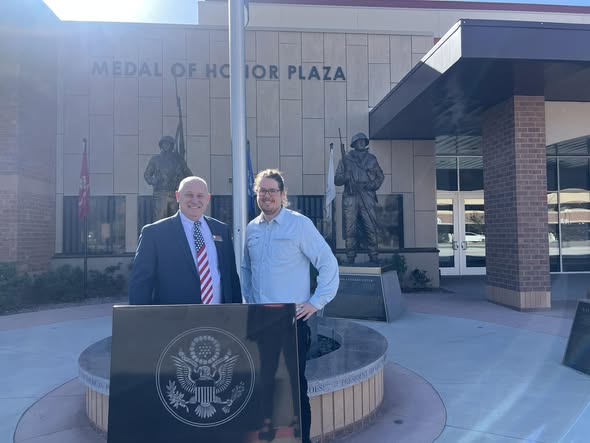

Busy Saturday (part 2). Had to take a lunch break from the auto show for Poppies appreciation lunch with my VFW. Alibis in Littleton provides a free meal for all of us who work the poppies donations at King Soopers for Memorial Day. Our VFW consistently raises the most in the state (and among the top in the nation, one time THE most in the nation) despite having around only 100 members while other posts have 300-400. So we certainly punch above our weight. A little down from prior years, but we did raise about $17,500 for Veterans Causes, most of which we donate to the Veterans Homes in Colorado.
60
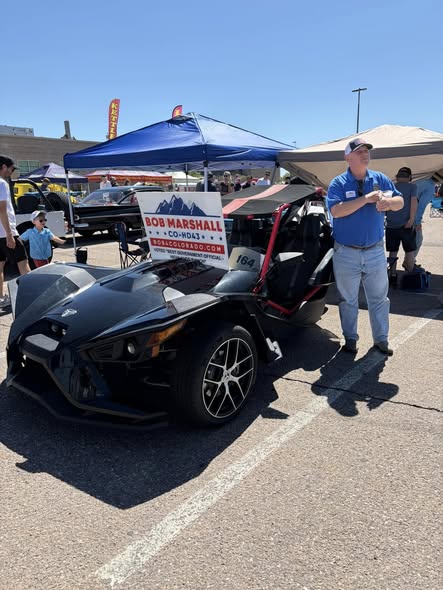
BUSY Saturday w/Auto show. Past 3 years took my WW2 Jeep with the decom M2 & 2/3 won People's Choice Award. This year at a High School and some asked: "You aren't taking the machine gun to the HS?!?!?" So decided against it but put the Slingshot in. Not as much of a draw, but did have several kids get a kick sitting in it. Had one couple come up with a pre-teen boy and tell me he was a huge fan. So started taking to him about the Slingshot. The mom then said: "No. He's a huge fan of you. He saw your jeep during the last election, came home and went to your website and read your biography and positions and is now very interested in politics." We obviously raise some smart kids with great judgment & discernment in Highlands Ranch . . . ; )
1
2
298
Greatest Generation: even Andy Rooney. Wading ashore Utah on D 4.

D-Day was one of the most monumental days in the history of mankind.
Don’t take my word for it, watch this video from Andy Rooney, who saw it with his own eyes.
Share it with everyone you know, especially your kids.
2
76
When people ask me why I am a Democrat:
This was a bill that all the state house Republicans voted against. Every. Single. One.
safetyandhealthmagazine.com/…
1
2
78
Douglas County Commissioners spending $700/hr for an attorney to appeal a unanmious UNPUBLISHED court of appeals decision to the Colorado Supreme Court. (And the court refused their request both to publish it and to reconsider). Practicing litigators, what do you think are the odds? And would a rational economic actor continuing acting this way if they were spending their own money rather than someone else's (namely the taxpaying citizens of DougCo).
cbsnews.com/colorado/news/do…
1
198
And the Trump administration Pentagon tried to erase his memory... kjzz.org/fronteras-desk/2025…

Ira Hayes drank himself unconscious after watching America turn his dead friends into a photograph.
By 1945, millions recognized the image instantly.
Six Marines raising an American flag on Iwo Jima.
The photograph became one of the most famous wartime images ever taken. Newspapers printed it. Statues were modeled after it. War bonds were sold across the country.
To America, it looked like victory.
To Ira Hayes, it looked like a graveyard.
Three of the men in the photograph were already dead by the time the country celebrated it.
And Hayes could not stop thinking about them.
When the flag went up on Mount Suribachi on February 23, 1945, the battle for Iwo Jima was far from over.
Marines were still being torn apart by artillery, mortars, hidden machine gun nests, and Japanese soldiers in tunnels.
The black volcanic sand smelled like sulfur and blood.
Bodies covered the beaches so densely that some Marines later admitted they stopped looking down while walking.
Ira Hayes was only 22 years old.
A Pima Native American from Arizona, he had already survived some of the worst fighting in the Pacific by the time he climbed Suribachi carrying the replacement flag.
The famous photograph happened almost accidentally. Associated Press photographer Joe Rosenthal captured the moment in seconds.
Then the image exploded across America.
Suddenly, Hayes was no longer just a Marine.
He became a national symbol.
The government immediately pulled Hayes and two surviving flag-raisers from combat and sent them across the country for the Seventh War Loan Drive.
Cities packed with cheering crowds welcomed them like celebrities. Politicians shook their hands. Reporters followed constantly.
But something felt deeply wrong to Hayes.
The country celebrated the photograph while the men inside it were disappearing.
During speeches, people asked about heroism, courage, and glory.
Hayes kept thinking about the Marines who never came home. Especially Harlon Block.
He became obsessed with correcting misidentifications in the photograph. Military officials initially got one flag-raiser wrong. Hayes privately carried enormous guilt because Block’s mother was grieving without proper recognition.
Most people around him wanted silence. Hayes would not let it go.
At one point, he reportedly hitchhiked over 1,300 miles from Arizona to Texas to tell Harlon Block’s parents the truth. Not for publicity. Not for money. Because dead Marines deserved honesty more than America deserved mythology.
By then, Hayes was already struggling. Crowds overwhelmed him. Friends said alcohol became the only way to numb the memories.
The memories never stopped. Not the gunfire. Not the bodies. Not the faces. Especially the faces.
Most Americans saw six heroes raising a flag. Ira Hayes saw the three men who never made it off the island alive.
By the early 1950s, his life collapsed under alcoholism, arrests, and emotional isolation.
Then, on January 24, 1955, Ira Hayes was found dead in the desert near his home in Arizona. He was 32.
The official cause involved exposure and alcohol. Marines believed part of him had never really left Iwo Jima.
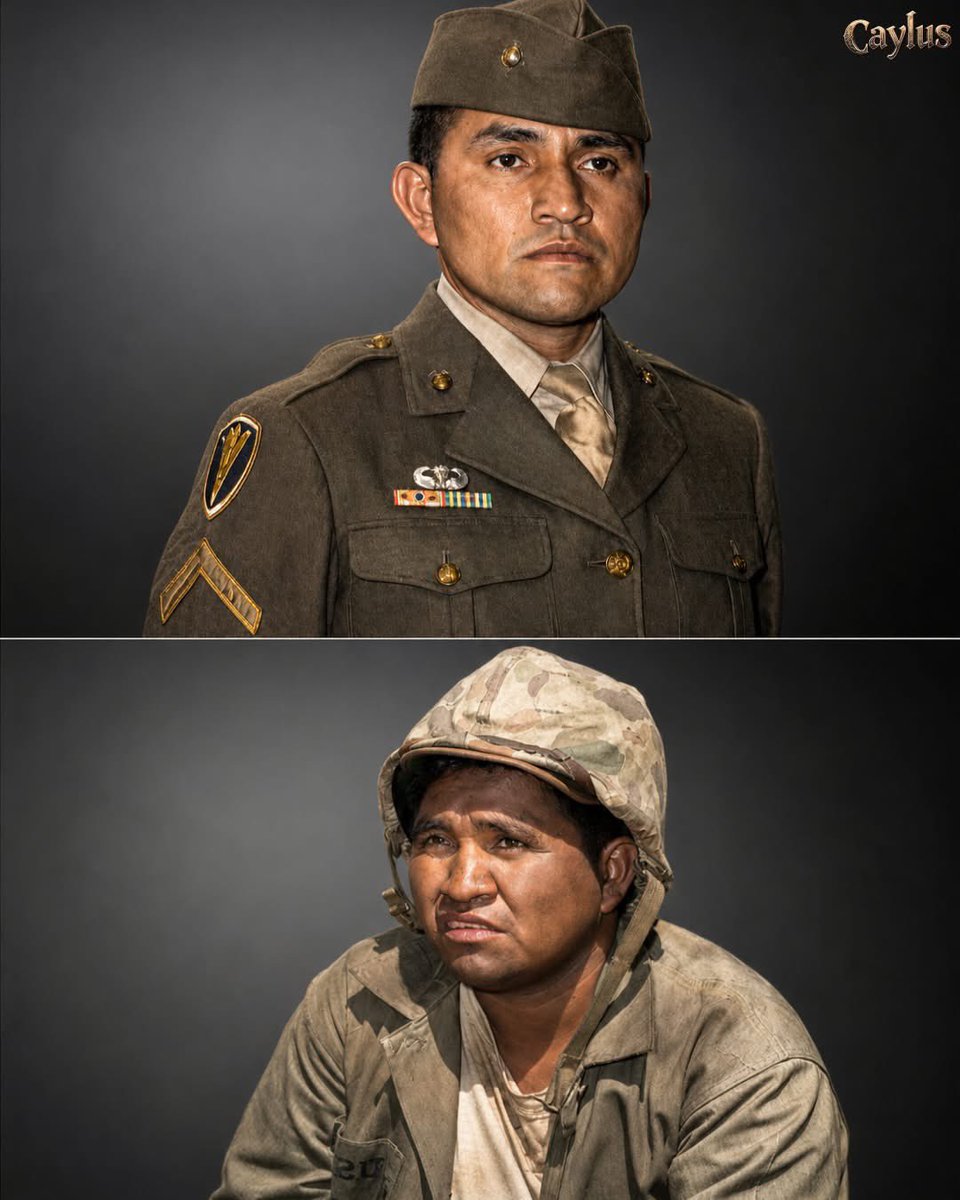
Years earlier, a little girl asked him what it felt like to become famous after raising the flag. He answered quietly:
“How can I feel like a hero when 250 of my buddies hit the island with me… and only 27 walked off alive?”
107
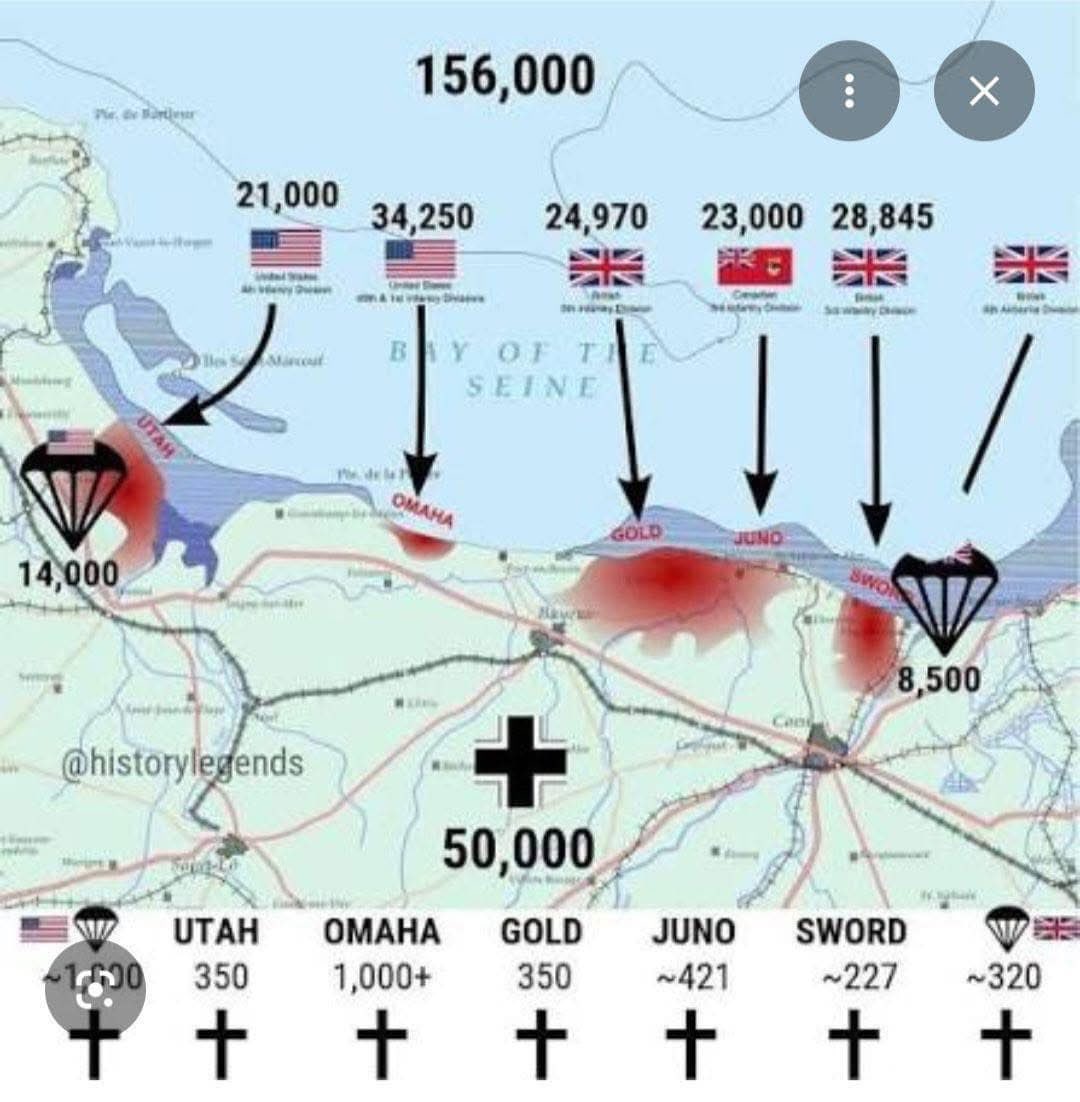
June 6, 1944. Many Stars of David on those beaches too . . .
3
101
Page 5, June Highlands Ranch Herald
1
5
177
Gee. Problems with a state tax credit that led to "free" ebikes. If only someone on the Finance Committee had warned people.
Oh wait . . . seem to remember someone did . . .
9news.com/article/money/cons…
2
129
Robert C. "Bob" Marshall (HD43 Rep/Candidate) retweeted

Jun 2
New Post: Great News! Colorado HB26-1026: Expanding Plan Options for PERA is Signed Into Law
fischfinancial.org/2026/06/0…
cc @Bob4Colorado
1
1
142
Nice comment from someone I do business with from a conservative part of Colorado:
"Of note, I am not a politically oriented Guy, but I hear from others that are, that your decisions in office reflect a grounded individual who looks at the issues with a common sense approach, especially in our current divisive environment, so your efforts are appreciated by many."
1
255
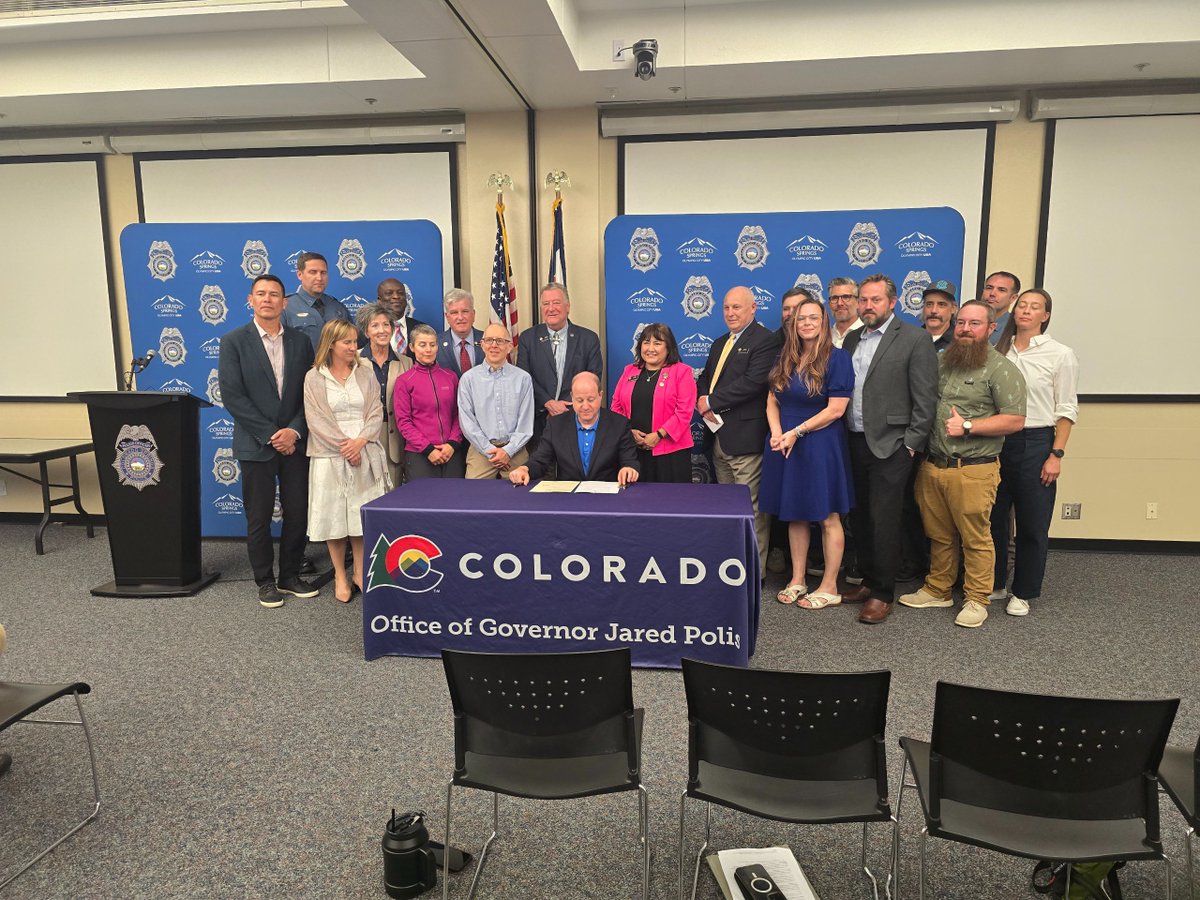
BILL SIGNING! SB26-072 (Increase Penalty for Vehicular Homicide). Made it clear that if a person engages in criminal negligence while driving, they can be charged for criminally negligent homicide (a felony). Also mandated revocation of a drivers' license under certain circumstances. Strong bipartisan support, especially for a criminal law reform bill. 61-4 in the House; 31-0 in the Senate. Bill primarily catlyzed by the mother of Alex Mackiewicz, a 13 year old who died after being hit by a careless driver in Highlands Ranch.
leg.colorado.gov/bills/SB26-…
3
423
Thankfully many Republicans are starting to wake up in Douglas County and realize their GOP commissioners do not reflect any known principles of good governance, transparency or fiscal responsibility, but are simply good ole fashion corrupt local government officials protecting themselves and their cronies.
coloradopolitics.com/2026/05…
1
7
210
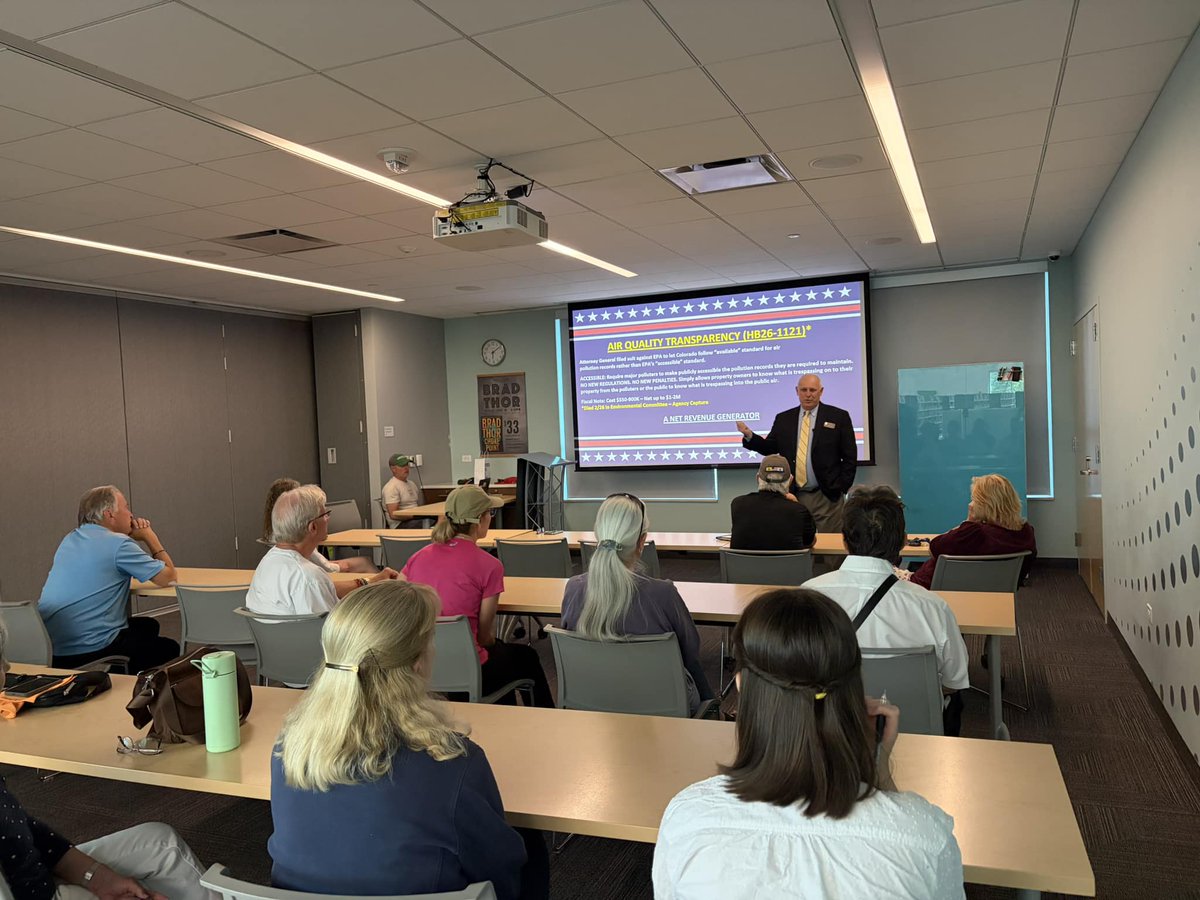
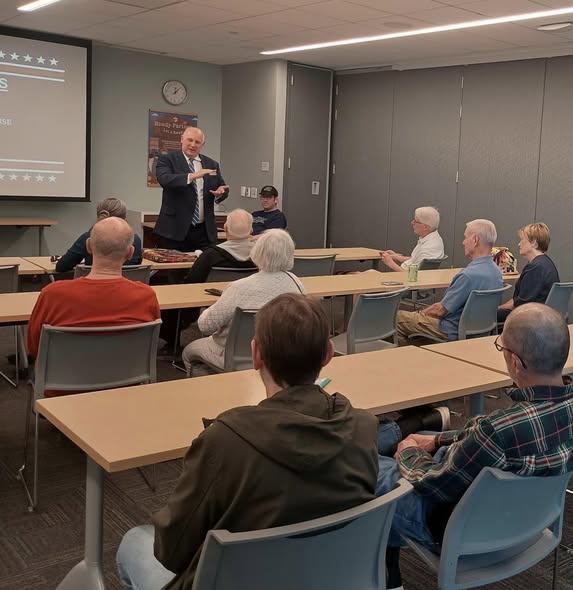
TOWN HALL! Mid-level attendance of about 12-14. But good group. Gave overview of most of the session and had several questions/comments regarding the budget on the Intellectual Developmentally Delayed (IDD) community, which was a huge sore point for me this session.
1
74
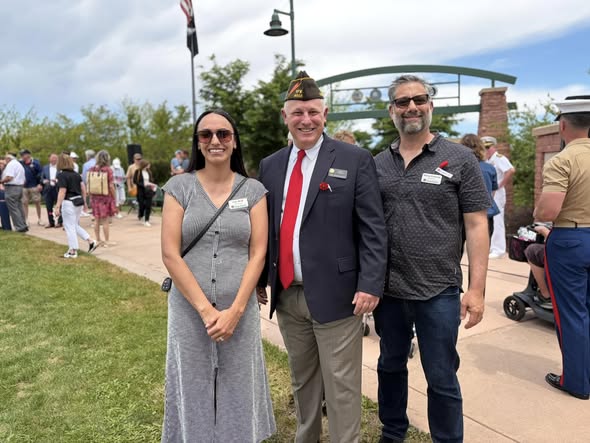
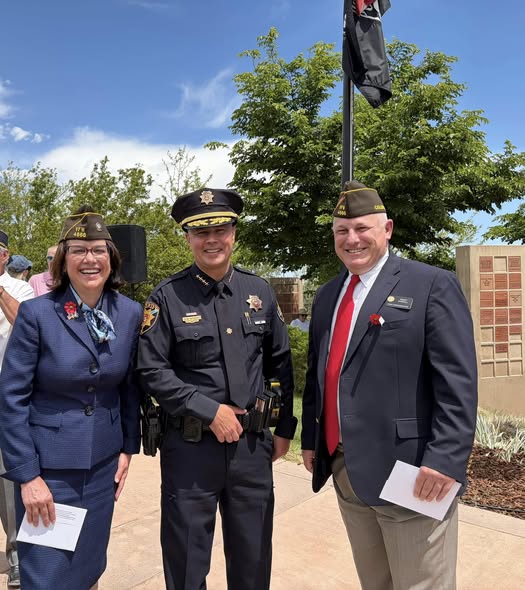
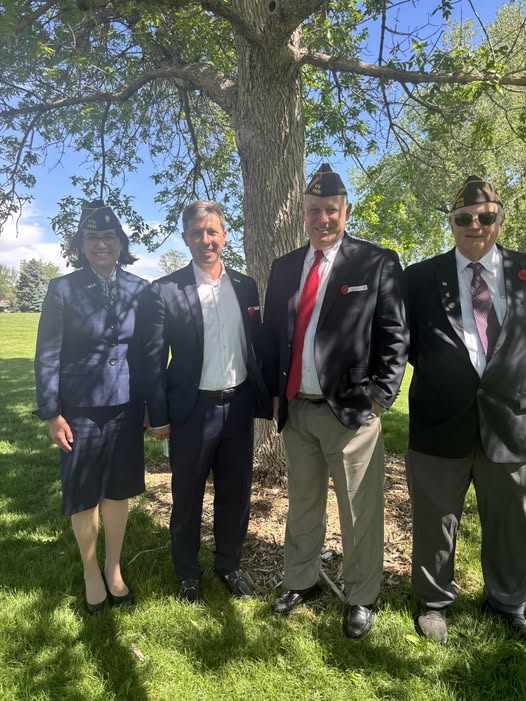
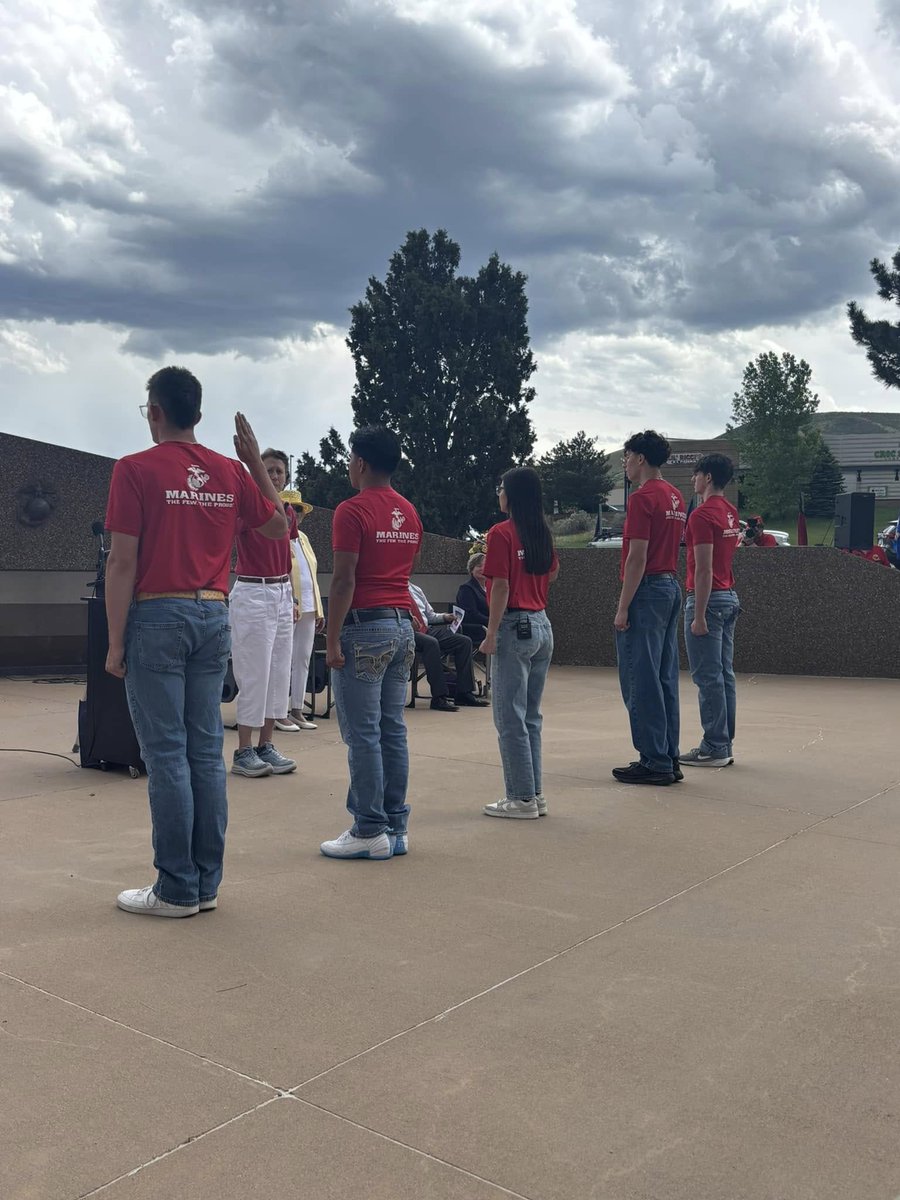
MEMORIAL DAY! Attended four events. Two that are orchestrated by my VFW. One at the Littleton Cemetary (0800) and one at the WW2 Memorial (1000). Third in Highlands Ranch that HRMD does with the American Legion (1145). And went to a fourth in Golden at the Marine Corp Memorial (1400). Each unique. But I'm horrible at pics. The 4th event they swore in 5 "poolees" at the start of the ceremony as new USMC recruits.
3
137
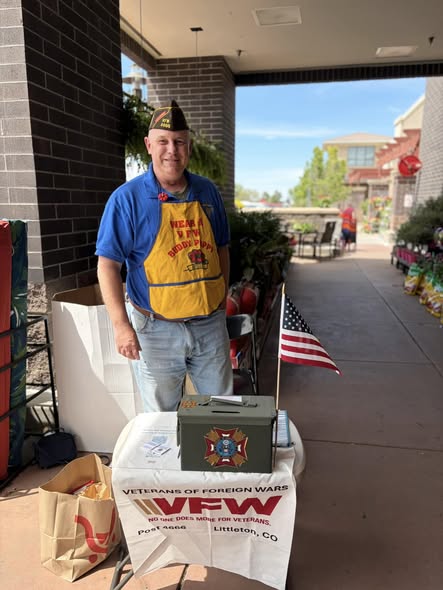
Poppies! Collecting money with the VFW for Memorial Day. None of the money goes to the post (multiple veterans homes and other veterans causes) and our post (4666) usually raises among the most in the nation. Always great to remind the younger generation about the meaning of the poppy and "In Flanders Field". poets.org/poem/flanders-fiel…
3
93
Our own state is not helping. Slashing IDD caregivers 25% on July 1. Only needed $286K to delay it one year (with federal matching funds). But no . . . we couldn't touch the film subsidies or EV subsidies.... nbcnews.com/news/us-news/tru…
1
120
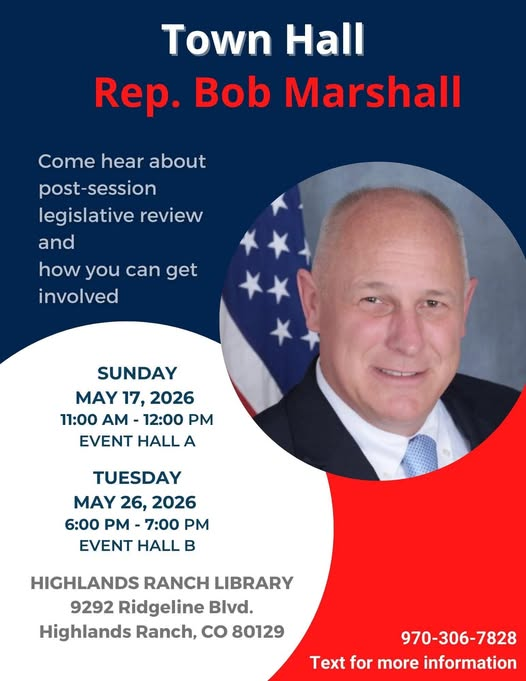
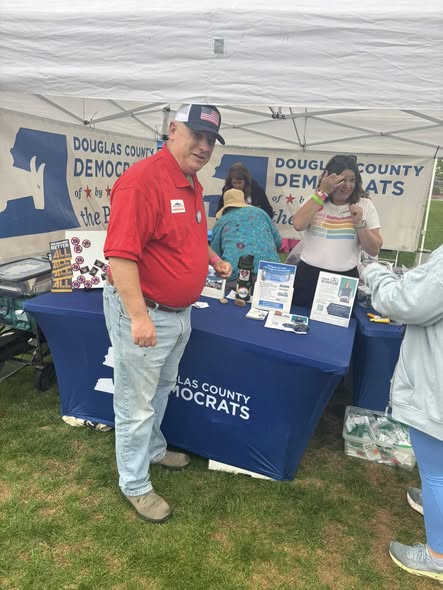
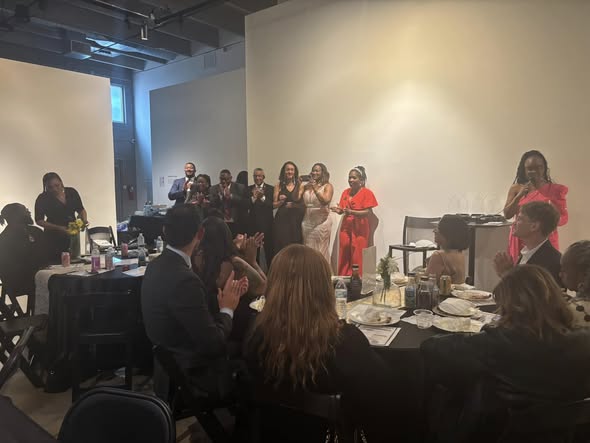
Busy Sunday. Town Hall (10-12 people so medium-low turnout); NAACP monthly membership call; DougCo Pridefest (rained out after 3 PM) and Black Legislative Caucus Black Excellence Gala. (So people who asked if I've gotten rest since session ended...)
1
150
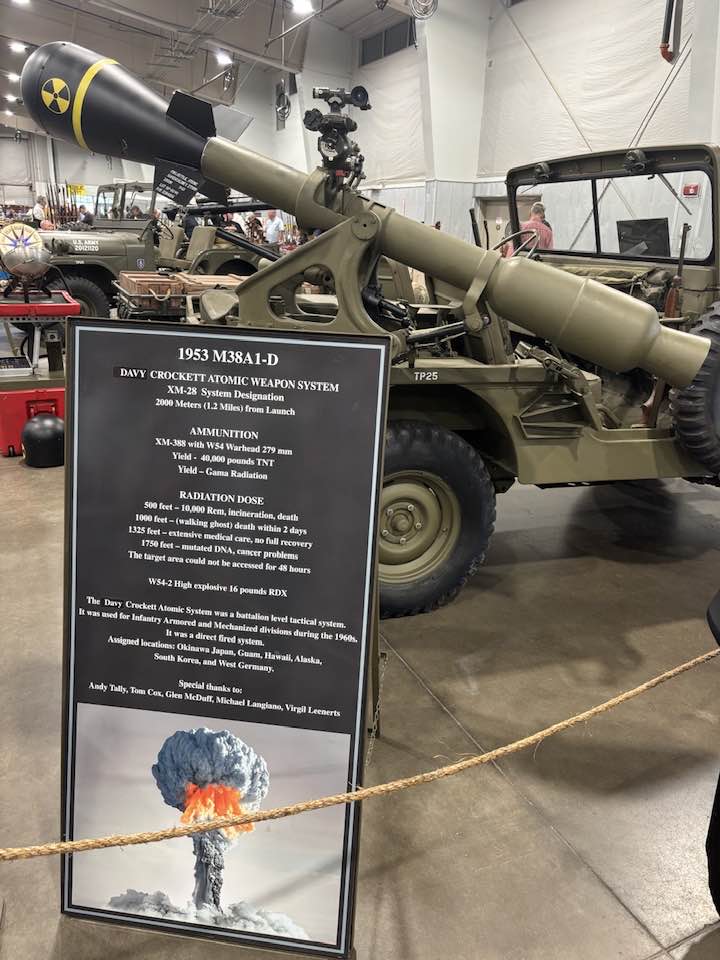
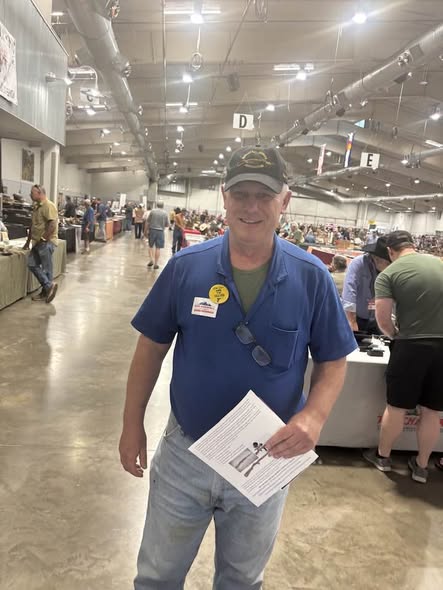
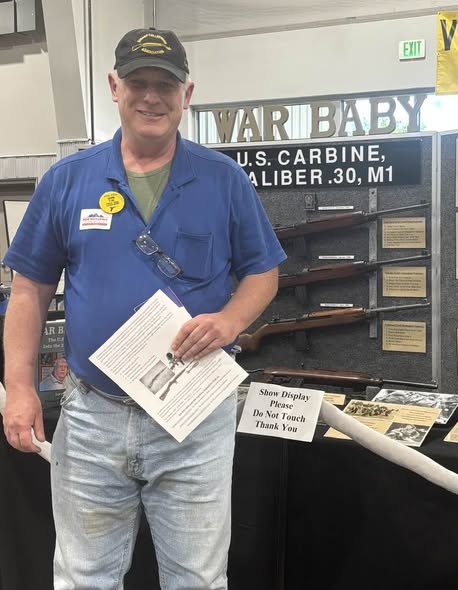
Constituent invited me to the Colorado Gun Collector show in Greeley after calling me and the Democrats anti-gun. Reminded him I have a Class 3 FFL (and was on two USMC shooting teams). Went to the show and learned a lot of history. Also saw this Davy Crockett tactical nuke system which I heard about but had never seen. Pretty creepy to think a noncom and couple E3s could roll out in a jeep and fire off an atomic weapon like it was just a big arty shell.
1
2
229