
40s, Psychotherapist, Husband, Father, Families, Free Speech, Protecting Minors As Adults.
Joined December 2022
- Tweets 6,120
- Following 55
- Followers 244
- Likes 74
1,664 Photos and videos



Pinned Tweet

Apr 17
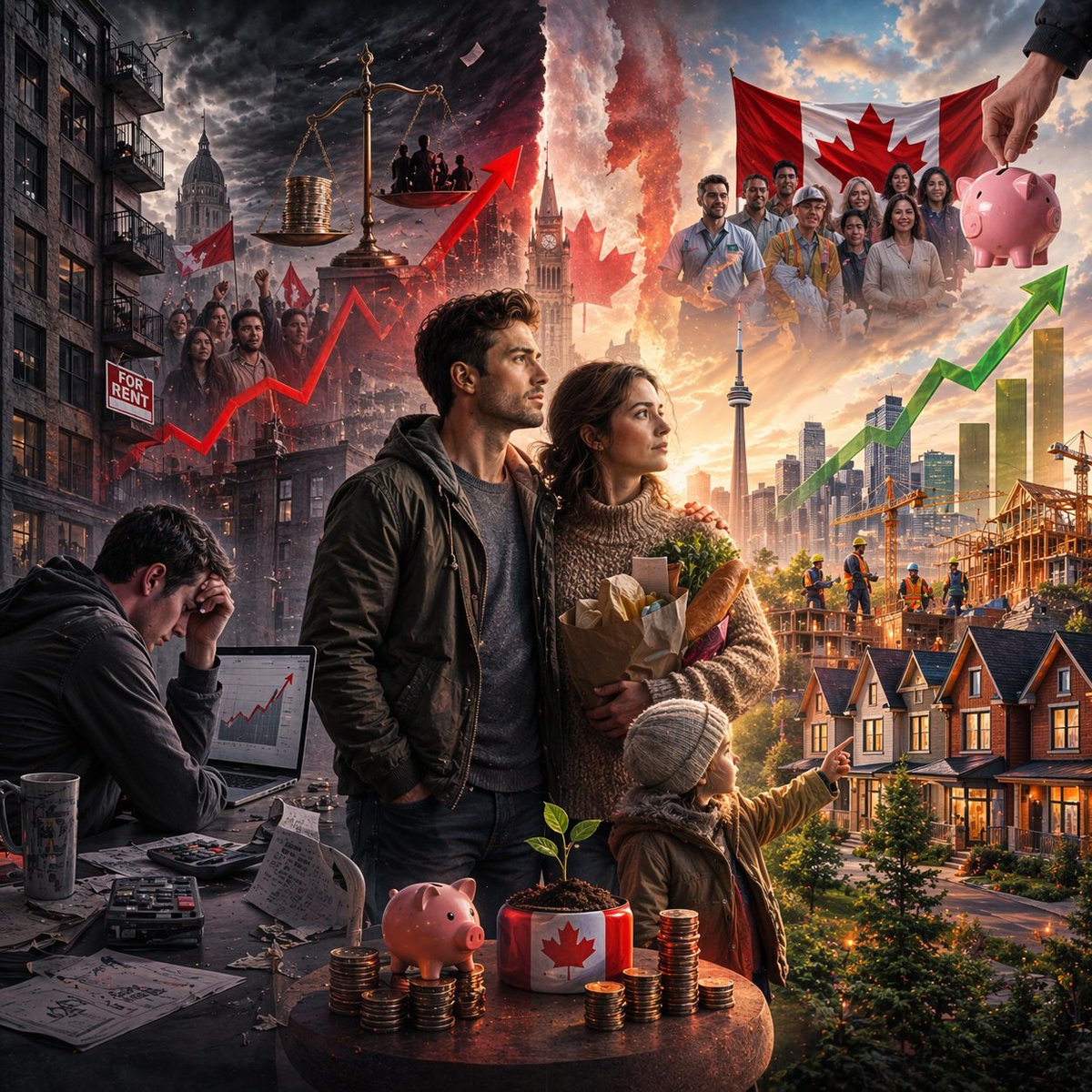
Picture this. You’re 28, grinding a decent paycheck in Toronto. Half your money vanishes into rent before you even see it. Groceries feel like a luxury tax. Your friends who scraped together a down payment five years ago are now sitting on paper gains they can’t touch because the market is frozen solid. This isn’t theory. This is the daily reality for millions of young Canadians in 2026.
And the pattern? Left populism wrapped in compassion. It sells emotion first, data second, and it always ends the same way: bigger government, broken promises, and the very people it claims to help left holding the bag.
Look at the numbers right now. Immigration was dialed back after the pre-2024 surge. Result? National rental vacancy rates climbed to 3.1% in 2025, up from 2.2% the year before. Rents are still rising, sure, but the pace has slowed. More units are actually hitting the market. That’s supply and demand finally catching up. Not magic. Basic economics. Yet the same voices who cheered endless inflows now call any restraint heartless.
Federal deficits sit at 2.5% of GDP this year. Debt-to-GDP hovers around the low end of G7 levels. Growth is limping along at just over 1% in the official projections for 2025-26. These numbers come straight from the government’s own books. If spending stays driven by feel-good slogans instead of hard trade-offs, the squeeze on young families only gets tighter.
The current Canadian left playbook is textbook. Wealth taxes, housing justice, green mandates, corporate crackdowns all sold as national interest. The NDP propped up the Liberals until that deal collapsed in 2024, blocking any real conservative alternative. Tactical math or power preservation? You decide. Now, even with fewer seats, they’re still pushing public grocery stores, rent caps, anti-fossil-fuel leaps. The Liberals under their new leader talk stimulus with occasional restraint, but the instinct remains: expand the state, promise relief, deliver compromises.
This isn’t classic class struggle anymore. It’s post-Marxist discourse 101. The people versus the elites. Perfect for winning seats, terrible for building real worker power. Principles get traded for parliamentary survival. You see pharmacare and dental wins celebrated while deficits balloon and courts keep slapping down overreach like the old Emergencies Act. Handouts and rhetoric, but no deep infrastructure for long-term agency.
Here’s the citizen-first principle that cuts through the noise: prioritizing affordability for the people already here isn’t cruelty. It’s the bare minimum of responsible governance. Endless inflows without matching housing and services were never sustainable. Moderated immigration did ease rental pressure. Data confirms it. But so did record supply coming online. Projections suggest the housing market could stabilize by 2028-29 if we keep building and don’t flood the system again.
Left populism leans toward short-term liberal pacts over genuine revolution. Emotional appeals expand the tent. Then power arrives and deals get cut. The base gets disappointed. Not every single time in human history, but often enough that the pattern is hard to ignore. Venezuela and Argentina aren’t identical to Canada, but the warning lights flash the same: when ledgers lose to feelings, ordinary people pay. The flip side? Tough resets can work when reality finally bites.
The fix isn’t rage or isolation. It’s cold data over demagoguery. Cut the waste. Build homes like we mean it. Prioritize citizens already inside the system without pretending every restraint is bigotry. Liberal democracy survives when politicians serve the people inside the system, not by gaslighting them with short-term cheers.
The young family watching rent devour their paycheck while politicians promise public options? That betrayal is real. It fuels the anger you’re seeing. But channeling it into workable realism beats pure emotional socialism every time.
Because here’s the uncomfortable truth young people need to hear: governments don’t print prosperity. They either enable it through sound rules or choke it with feel-good overreach. We’ve got the data. We’ve got the history, messy as it is. The choice is ours.
Prioritize citizens. Build supply. Live within our means. Everything else is just another round of the same old con.
1
3
316
Jun 8
What’s really happening in Canada right now, the stuff the mainstream news won’t touch. Inflation’s under control? Give me a break. Grocery prices, rent, and gas have skyrocketed since 2019. For regular working families, it’s like 24 percent of our income just vanished into thin air. The government talks big about middle-class tax cuts and hands out a bit more GST credit or throws cash at low-income folks. But what about actual middle-class families like us raising kids? We’re paying more in taxes, getting zero benefits, and getting crushed by bracket creep, slowly sliding down into lower-income territory.
Per-person GDP has been stuck in neutral for a decade. Productivity is embarrassing compared to the U.S. They pump up total GDP with massive immigration, but regular Canadians watch the dream of owning a home slip further away, and our kids’ futures get thinner by the year. Federal debt is over 2.4 trillion dollars, the interest payments are a bomb waiting to go off, and the government’s out there blaming everyone else while preaching about investment and a strong Canada.
Is this real welfare? Nah, it’s a trap that breeds dependency. Work harder? They take a bigger bite. Slow down even a little? Hello, benefits. That’s the setup.
Regular families are staring at the grocery receipt every month, sighing deeply, juggling rent, taxes, and kids’ activities, and just muttering gotta keep grinding. This system’s slowly crushing us. Something’s badly broken here, folks. Wake up. Do we really want to hand our kids this kind of country?
1
46
Jun 7
This track from Korean rapper BewhY called “STIGMATA” is straight up bleeding truth in a world drowning in bullshit. Here’s the lyrics and what they really mean for anyone tired of government overreach.
I follow they spit hate. Can’t blame or make excuses anymore. Bride riding next to the groom. Enemies provoke violence.
Purple cup slow sip I don’t rush. Toast to the night drank when I must. Three times more money stuffed in my pockets. Tongues telling me to stay humble shut your mouth.
A circle in the palm of His hand. To Marx and Kim Jong Un. This is opium or ecstasy? Stigmata bliss. Tongue go skidama rink.
So many problems so many answers. I drop low for the hole with the feet. If everything I believed was staged from the start I’d spit blood from a forehead crowned with thorns. After I die I almost became fuel for hellfire. Only one can judge me. The blood from His ribs clear as spring water.
I follow they spit hate. Can’t blame or make excuses anymore. Bride riding next to the groom. Enemies provoke violence.
STIGMATA.
Passive income my account blow. Hard work my account glow. Day and night AM and PM. White noise tryna put my baby to sleep. Out collecting money like a tax collector. Count how much it is she stays up all night. Add and subtract add and subtract. My daughter wakes before dawn.
Seek the one who was sent find the sender. My introduction changed a lot. A B Y Ω. My beginning and my end stand beside the Beginning and the End.
West side by day east side by night. They call me the star of the western coast town. Now I left the neighborhood livin’ by the riverside. If they see me pull out an invitation it’s been a while.
IX reigns above my head watching over me higher than CCTV. Beside a wife beside a child for them I stack more income.
Why should my wealth be divided by force? Fuck communism.
I follow they spit hate. Can’t blame or make excuses anymore. Bride riding next to the groom. Enemies provoke violence.
STIGMATA. STIGMATA.
That’s the song. Now the real talk.
Stigmata means the wounds of Christ the suffering you carry when you stand for truth. BewhY is done making excuses. He’s walking with his faith and family while the haters spit venom. He calls out the fake bliss of Marxism and dictatorship straight to Marx and Kim Jong Un’s faces. The blood the thorns the judgment it’s all Christian fire mixed with zero tolerance for forced wealth redistribution.
The killer line hits every working parent in the gut. “Why should my wealth be divided by force?” This is exactly what’s happening in Canada right now. The Liberals NDP and their endless taxes carbon scams housing regs and “equity” handouts treat your earned money like it’s theirs to split. That’s not compassionate democracy. That’s soft socialism that eventually hardens into the real deal government owning your life.
This ain’t about hating help for those who need it. It’s about the line where “sharing” becomes theft by force. Real freedom means you keep what you build provide for your own family without the state bleeding you dry and answer to God not some bureaucrat or activist with their hand in your pocket.
Canadians are waking up to long healthcare waits skyrocketing costs and policies that punish success while rewarding dependency. BewhY’s not mincing words and neither should we. If you’re grinding for your wife and kids while the system spits in your face this track is your anthem.
Fuck the forced division. Real freedom over fake equality.
youtu.be/cO2LQvgMA_k?is=3Zre…
1
530
Jun 6
It’s been a while since I last posted here. I wanted to share a quick update from Korea.
I’ve been here for over a month now. I came back to support freedom and democracy and to help with the recent election efforts. While I was here, three of my Canadian friends decided they couldn’t fully trust the medical system back home, so they came for thorough health checkups. These were comprehensive exams covering standard screenings, brain, heart, lungs, digestive system, major cancers, and more, including full CT and MRI scans. All results came back in just three days.
One friend found out about prostate issues, another was diagnosed with stage 1 kidney cancer, and the third had numerous polyps removed. It really struck me hard. If they had stayed in Canada, they probably would have been told they’re still young, under 50, so just wait it out and toughen up. That kind of response is heartbreaking.
This year reminded me personally how serious these things can be. At 44, I’m dealing with shingles for the second time in my life. The pain is intense. Even the brush of clothing feels unbearable, like something is slipping in my back. It is honestly worse than words can describe. When I mentioned it to a younger pharmacist, she basically said, “You’re still young, you can handle it.” That one really hurt. I pushed back gently and asked if she had ever experienced childbirth or understood that pain from a virus like shingles doesn’t care about age. Pain is pain.
I’m sharing this not to complain, but because these experiences have made me even more grateful for timely and respectful care. My friends here have helped translate all the medical reports into English so they can bring them back to their family doctors in Canada.
I’ve also been busy supporting election activities with some doctor friends here. I was planning to head back to Canada soon, but there are still concerns about the election process that I want to see through. Once things settle, I will return and continue speaking up for the values I believe in: individual freedom, personal responsibility, and standing against policies that move us toward more government control.
Wishing everyone good health and strength during these challenging times. Let’s keep looking out for one another. 🇨🇦🇰🇷
63
Apr 23
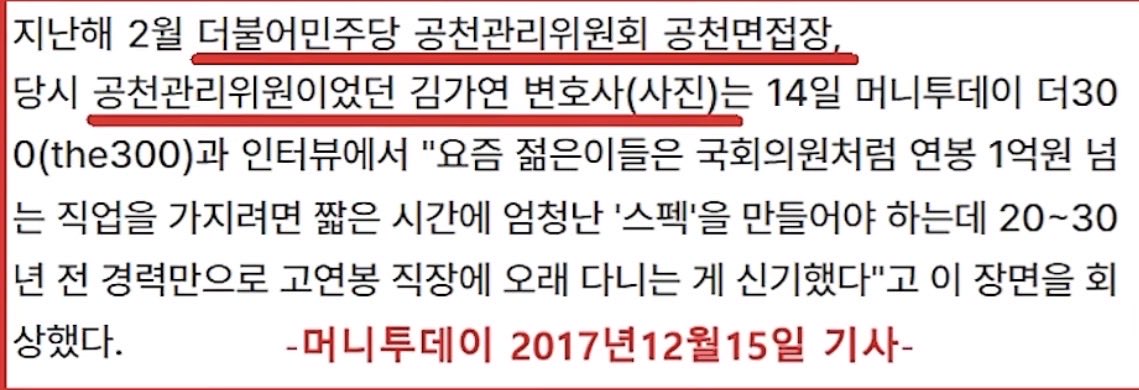
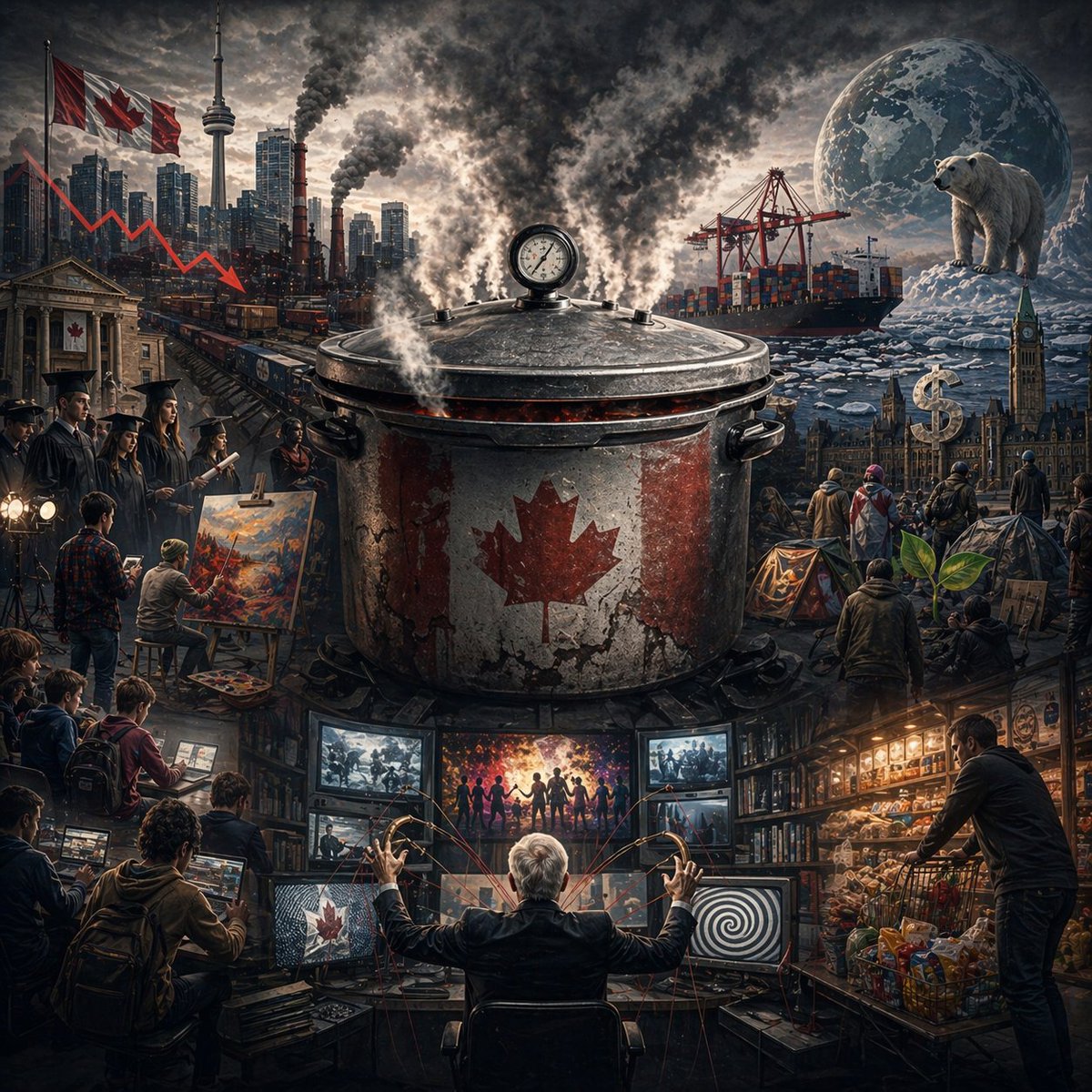
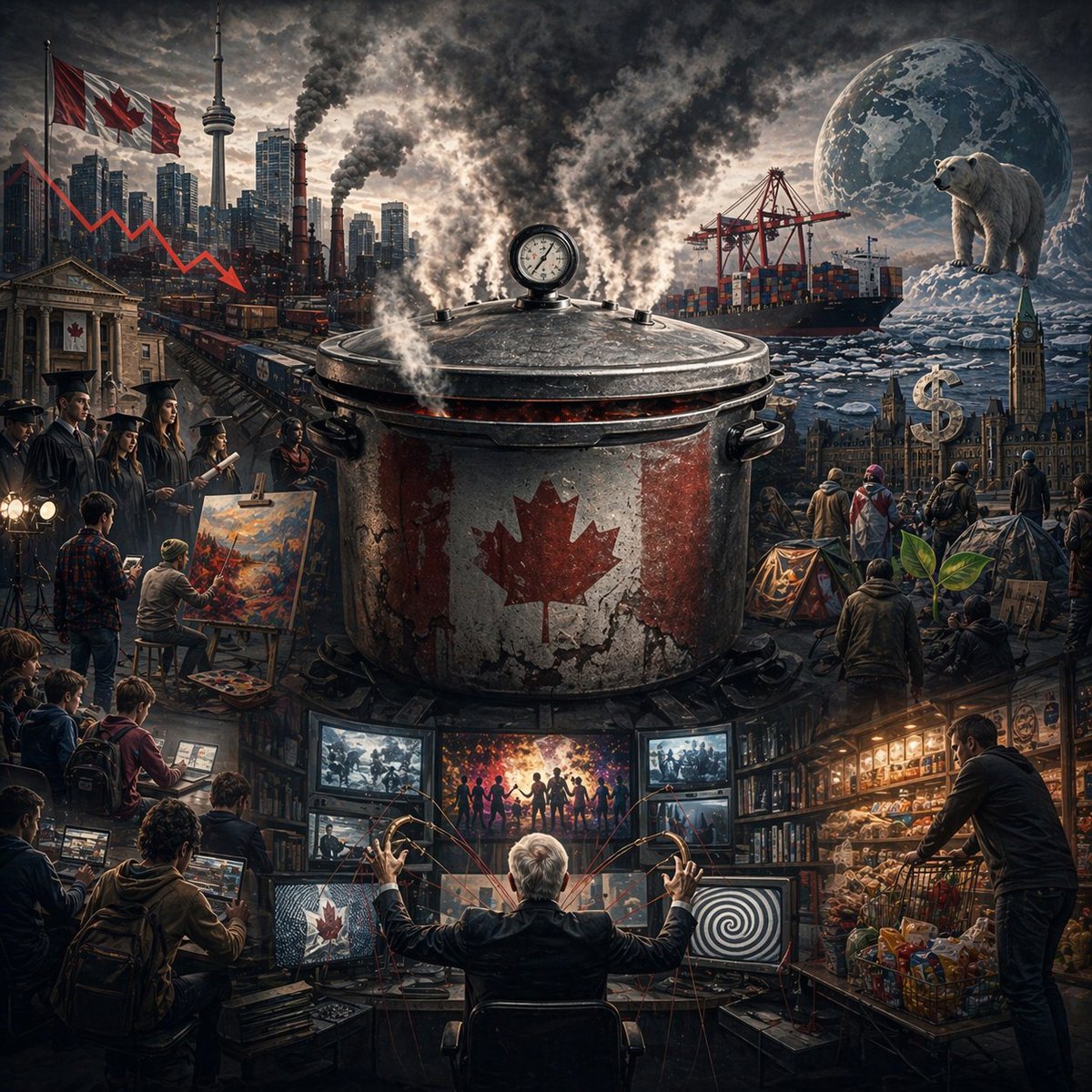
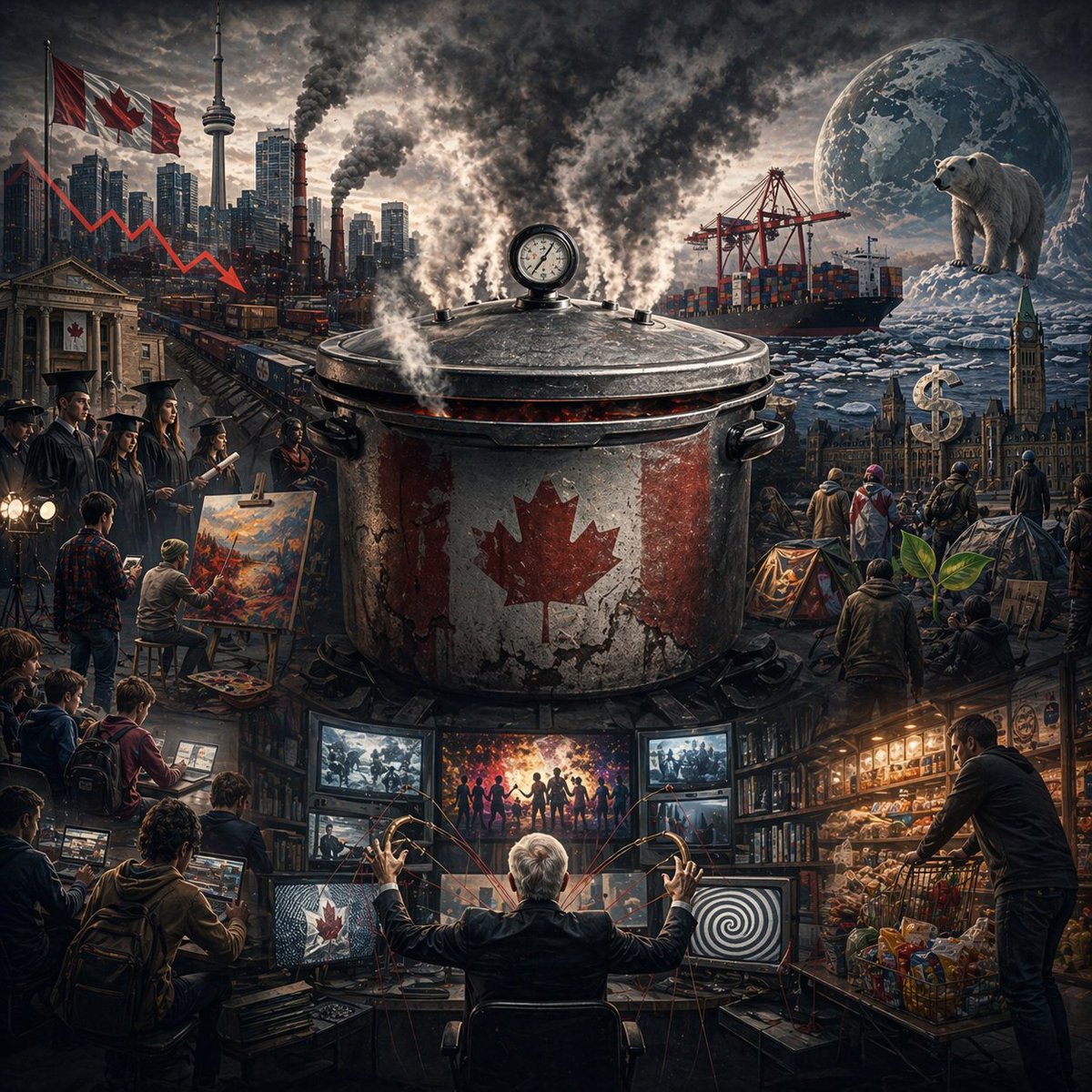
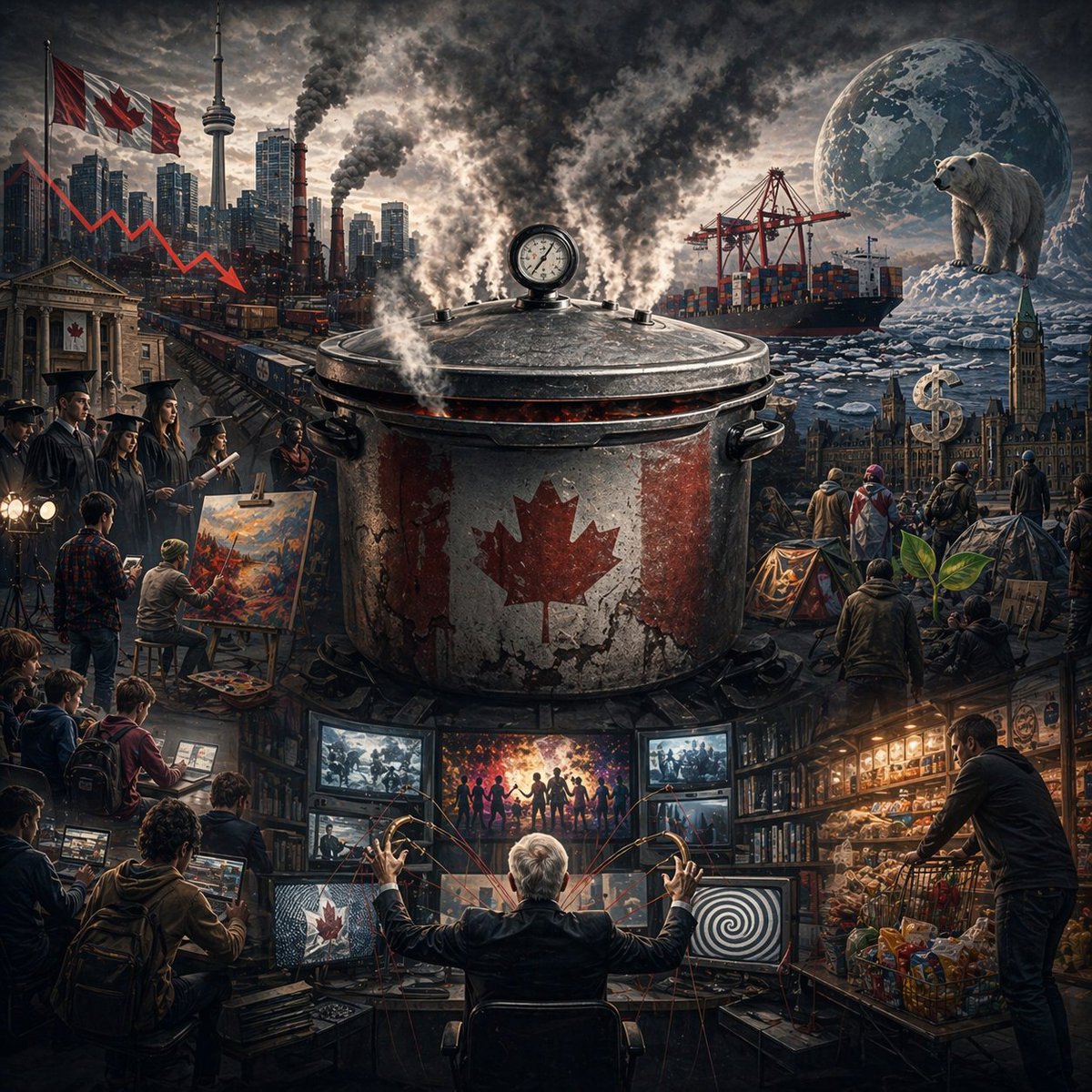
Canada right now feels like a pressure cooker nobody saw coming. Damn, the lid is rattling hard.
Trump tariffs slammed the border early 2025: 25 percent on key goods, energy lighter at 10 percent. Some got negotiated down to around 15 percent. Auto plants cut shifts. Grocery prices climbed. Rent still eats half your paycheck in your 20s or 30s. Meanwhile, seniors rallied around Mark Carney’s Liberals for national survival. Weirdest cross-generational team-up in decades. The US is still our biggest trading partner and right now our biggest headache. China is circling Arctic minerals. This is not abstract geopolitics. This is your job, your rent, your future staring you down.
At the center of it sits Antonio Gramsci, that old Italian communist thinker who rotted in Mussolini’s prison back in the 1920s and 30s after his revolution dreams collapsed. He figured out you can’t storm the factories in the West anymore. Real power lives in schools, TV, movies, universities, and those taxpayer-funded arts grants. Control the stories people tell themselves every day and you own common sense without firing a single shot. That’s cultural hegemony. Soft totalitarianism wrapped in progressive paper. Gramsci called it the war of position: seize the cultural outposts first, then the political takeover feels inevitable and natural.
Fast-forward to Canada, April 2026. Mark Carney’s Liberals started as a minority in the 2025 election but now hold a solid majority thanks to by-elections and floor-crossings. They funnel over a billion dollars a year into the public broadcaster CBC/Radio-Canada, plus hundreds of millions more into arts councils and equity-focused grants. The official line is Canadian content and diversity. Fair enough on paper. But those dollars shape which stories get told, who gets the platform, and which ideas slide into normal. Young creators figure it out fast: align with the vibe or the funding dries up. It is not a cartoon conspiracy. It is economics 101. Incentives matter.
They axed the consumer carbon tax in April 2025. Gas prices eased a bit, political win. Industrial carbon pricing still rolls on, extended past 2030 with planned hikes. Online Harms legislation died before the election, but fresh versions could return in 2026. Every time they wave the flag to protect the kids or fight hate, the worry lingers: whose narrative actually gets shielded?
Here is the three-step machine humming right now. Step one: build the beachheads. Schools, universities, arts grants, and taxpayer-funded media quietly push climate urgency, DEI checklists, reconciliation frames, and gender ideology as the non-negotiable baseline. Step two: surround and erode. Old rules get tagged unfair, colonial, or harmful. Housing crisis? Blame greedy developers instead of zoning laws plus record immigration that added hundreds of thousands net last year while we built far fewer homes. Cost of living? Late-stage capitalism. Step three: win consent. After enough repetition, enough people internalize the new common sense: this government cares more about fairness.
Some safety nets make sense in a rich country. But when your tax dollars systematically prop up one ideological machine while the other side scrapes for oxygen, that is not pure democracy anymore. It is soft capture. Carney’s Liberals frame it as Canada strong against Trump. Fair on the tariffs. Yet the same government that killed the consumer tax kept the cultural subsidy spigot wide open. That is not pragmatism. That is continuity of the long game.
The trap is subtle as hell. Once every institution shaping young minds lines up, questioning it makes you the villain. Young people see the housing math, feel the squeeze, yet the dominant story still paints critics as heartless or conspiracy nuts.
History does not wait for you to feel ready. Tariffs, Arctic tensions, and a federal debt load pushing total liabilities past two trillion mean the next crash could hit harder than 2008. Clinging to safe Canada nostalgia will not pay the mortgage.
The fix is not swapping one elite cartel for another. Demand raw transparency on every public dollar: who gets it, why, and what narrative it actually pushes. Restore merit over checkboxes. Let markets and families breathe. Defend actual free speech, not the regulated, approved version.
Personal freedom is not a slogan. It is the only firewall against any flavor of totalitarianism, soft or hard. Left-wing subsidy dependency or right-wing cronyism, it does not matter. The second any side locks down the stories, the schools, and the grants, the rest of us become background characters in their script.
Wake up.
1
2
96
Apr 23
現在的加拿大,有點像一個逐漸升溫的壓力鍋,許多人開始感受到壓力。
2025年初,美國對部分商品加徵關稅,最高達到25%,能源約10%,部分後來調整至約15%。這帶來的影響很直接:汽車工廠減產、食品價格上升,而年輕人仍需將大量收入用於房租。同時,許多年長選民開始支持馬克·卡尼領導的自由黨,認為這有助於維持國家穩定,這種跨世代的支持並不常見。
美國仍是加拿大最重要的貿易夥伴,同時也是壓力來源之一;中國則關注北極資源。這些都不是遙遠議題,而是與日常生活密切相關。
從思想層面來看,義大利思想家葛蘭西曾指出,現代社會的影響力很大一部分來自文化領域,例如教育、媒體與公共論述。當某些觀點長期被重複,它們會逐漸成為社會的「常識」。
回到2026年,自由黨原本是少數政府,但現在已透過補選與議員轉變取得多數。他們持續投入公共資金支持媒體與文化產業,目標是促進本地內容與多元發展。這些政策本身有其合理性,但也會影響哪些聲音更容易被放大。
政府在2025年取消了消費者碳稅,短期內緩解部分壓力,但工業碳定價仍持續推進。關於網路監管的立法可能在未來重新提出,這些措施也引發對言論空間的討論。
目前的變化可以理解為三個過程:
第一,透過教育與媒體逐步形成共識;
第二,既有制度受到重新評估;
第三,新觀念逐漸被接受。
社會保障在發達國家是必要的,但若資源分配長期偏向單一觀點,也可能影響公共討論的多樣性。
住房與生活成本問題仍是核心壓力來源,而不同政策解讀同時存在。
面對未來的不確定性,提高透明度、平衡政策效果,以及維持開放討論空間,都是關鍵。
自由不是口號,而是制度穩定的重要基礎。
1
1
39
Apr 23
आज का कनाडा कई लोगों को एक दबाव भरे माहौल जैसा लग रहा है, जहाँ तनाव धीरे-धीरे बढ़ रहा है।
2025 की शुरुआत में अमेरिका ने कुछ सामानों पर ऊँचे टैरिफ लगाए—कुछ पर 25% तक, ऊर्जा पर कम। बाद में कुछ दरें घटाई गईं। इसका असर साफ दिखा: कार फैक्ट्रियों ने उत्पादन घटाया, खाने-पीने की चीज़ें महंगी हुईं, और युवा अब भी अपनी आय का बड़ा हिस्सा किराए में खर्च कर रहे हैं। दूसरी ओर, कई बुज़ुर्ग मतदाता स्थिरता के नाम पर सरकार का समर्थन कर रहे हैं। यह एक असामान्य सामाजिक स्थिति है।
अमेरिका कनाडा का सबसे बड़ा व्यापारिक साझेदार है, लेकिन अभी वही सबसे बड़ा दबाव भी है। चीन भी आर्कटिक संसाधनों पर ध्यान दे रहा है। यह सब केवल अंतरराष्ट्रीय राजनीति नहीं है, बल्कि आम लोगों के जीवन को सीधे प्रभावित करता है।
इतालवी विचारक एंटोनियो ग्राम्शी ने कहा था कि आधुनिक समाज में शक्ति केवल राजनीति या अर्थव्यवस्था से नहीं आती, बल्कि संस्कृति—जैसे शिक्षा, मीडिया और विचार—से भी आती है। जब कोई विचार बार-बार दोहराया जाता है, तो वह धीरे-धीरे “सामान्य” लगने लगता है।
2026 में कनाडा की स्थिति देखें तो सरकार अब मजबूत बहुमत में है और मीडिया व सांस्कृतिक कार्यक्रमों पर सार्वजनिक धन खर्च कर रही है। इसका उद्देश्य विविधता और स्थानीय सामग्री को बढ़ावा देना है, लेकिन इससे यह भी तय होता है कि कौन सी आवाज़ें अधिक सुनी जाएँगी।
कुछ नीतियाँ, जैसे उपभोक्ता कार्बन टैक्स हटाना, लोगों को राहत देती हैं। वहीं अन्य नीतियाँ जारी रहती हैं, जिससे बहस बनी रहती है।
समाज में बदलाव अक्सर तीन चरणों में आता है:
पहला, नए विचारों का धीरे-धीरे फैलना;
दूसरा, पुराने ढाँचों पर सवाल उठना;
तीसरा, नए विचारों का सामान्य बन जाना।
कल्याणकारी योजनाएँ ज़रूरी हैं, लेकिन अगर संसाधनों का संतुलन बिगड़ता है, तो बहस का संतुलन भी प्रभावित हो सकता है।
आज की बड़ी चुनौतियाँ—जैसे महँगा आवास और जीवनयापन—वास्तविक हैं। लोगों की अलग-अलग राय होना भी स्वाभाविक है।
आगे बढ़ने का रास्ता है—पारदर्शिता, संतुलित नीति, और खुली चर्चा।
व्यक्तिगत स्वतंत्रता केवल एक नारा नहीं, बल्कि एक स्वस्थ समाज की बुनियाद है।
19
Apr 22
China just got its breathing tube squeezed hard, but forget the victory-lap fantasies. Let’s talk cold 2026 reality.
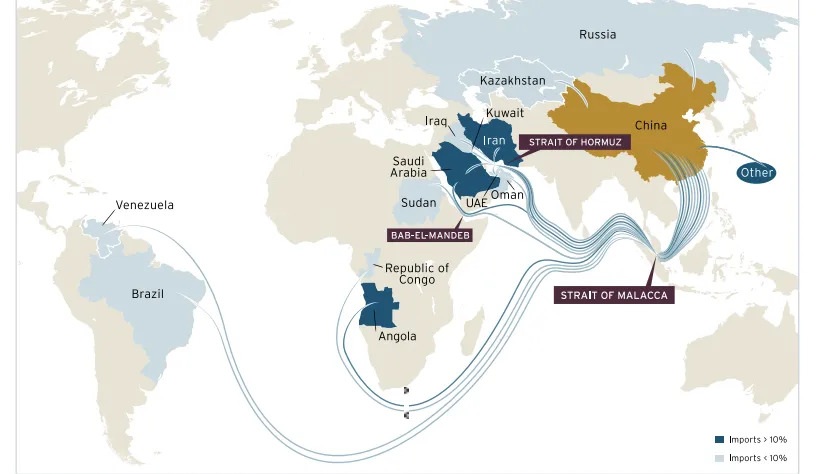
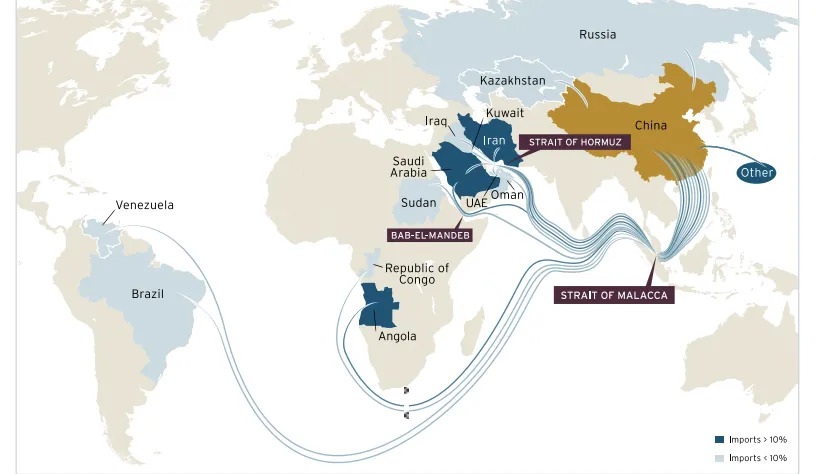
On April 13 Washington and Jakarta signed the Major Defense Cooperation Partnership. Nothing flashy, no shiny new “highest-tier alliance.” It’s practical as hell: unmanned underwater vehicles, better maritime surveillance, real joint training. Indonesia, the giant literally sitting on the Malacca Strait, now has sharper eyes on its own backyard.
Same day, President Prabowo was in Moscow shaking hands with Putin. Classic Indonesian hedging. Non-aligned on paper, playing every side in practice. That doesn’t kill the deal. It just proves nobody in Southeast Asia is anybody’s puppet.
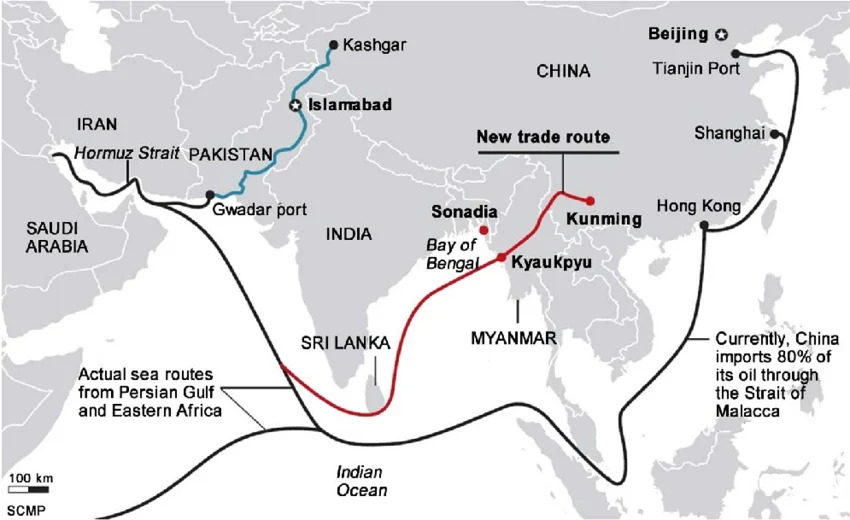
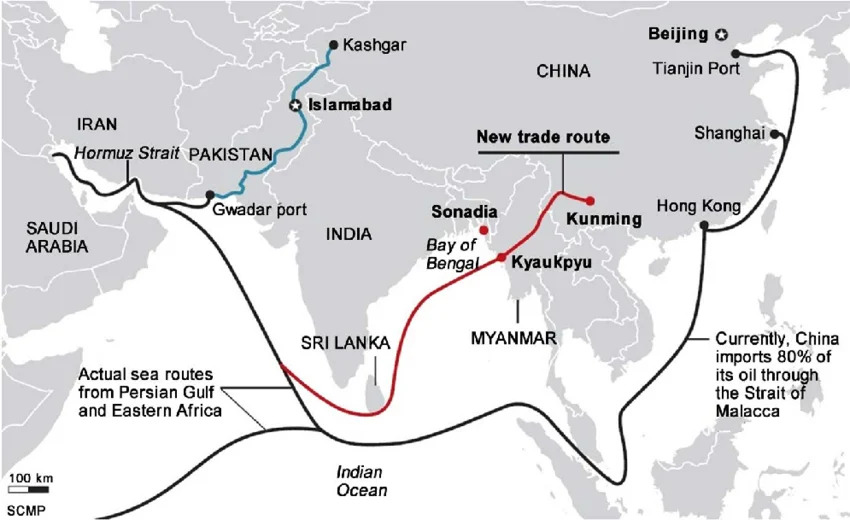
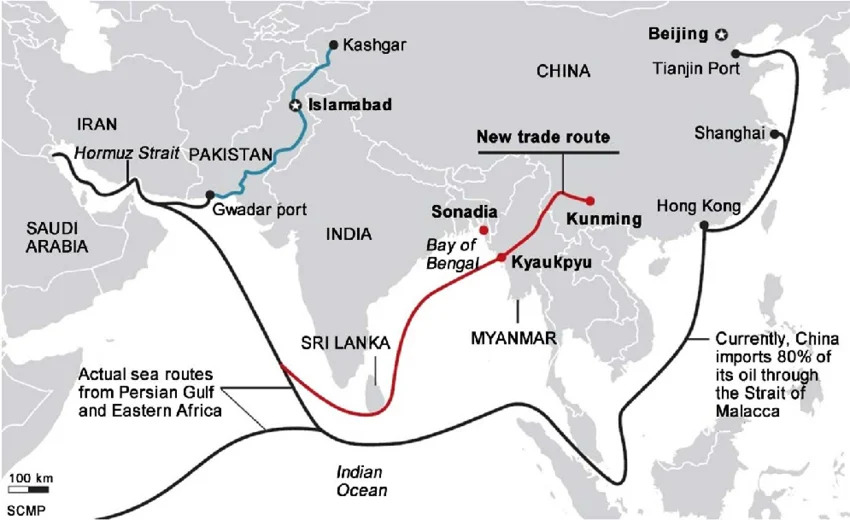
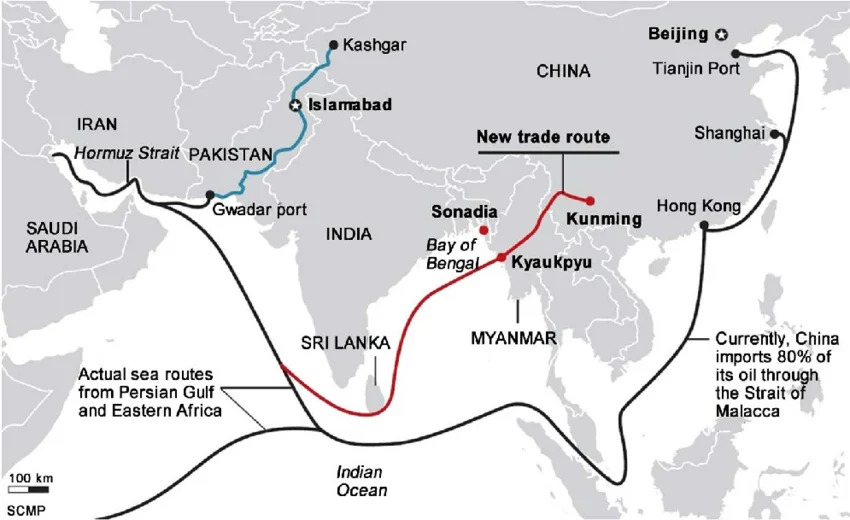
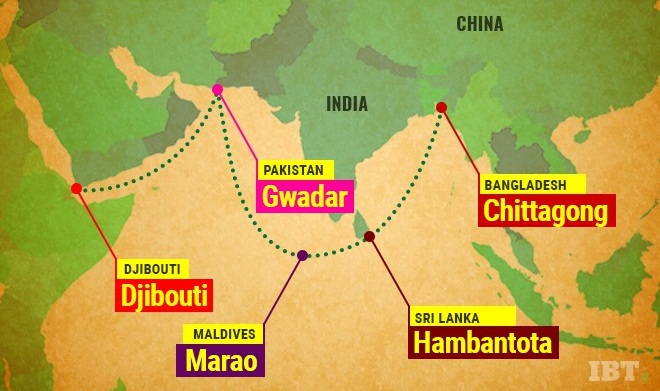
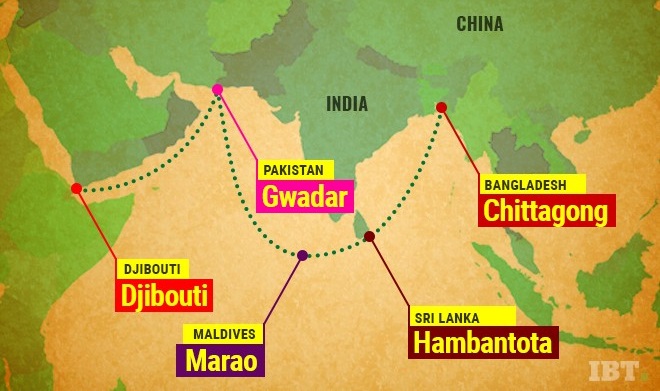
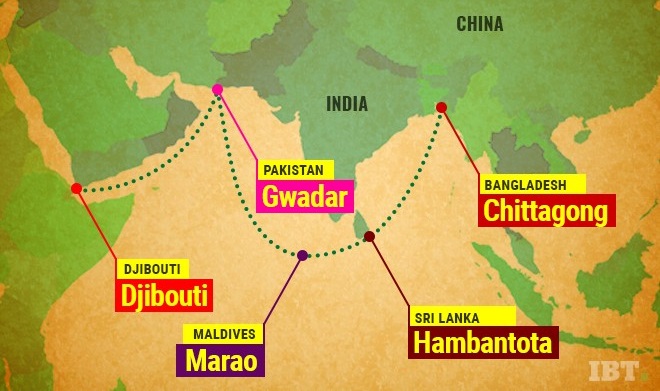
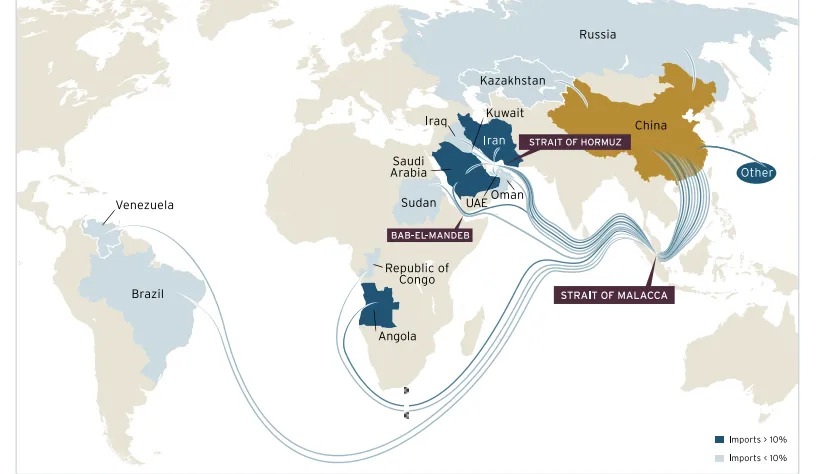
Why does it matter? Because roughly 80 percent of China’s crude oil still has to squeeze through that 2.8-kilometer-wide choke point. Hu Jintao called it the “Malacca Dilemma” twenty years ago. Beijing poured trillions into Belt and Road pipelines, ports, and “pearl” harbors to fix it. Results? Mixed at best. Gwadar is still a security nightmare. Myanmar routes stay messy. Russian pipelines help but can’t replace the sheer volume of the sea lane.
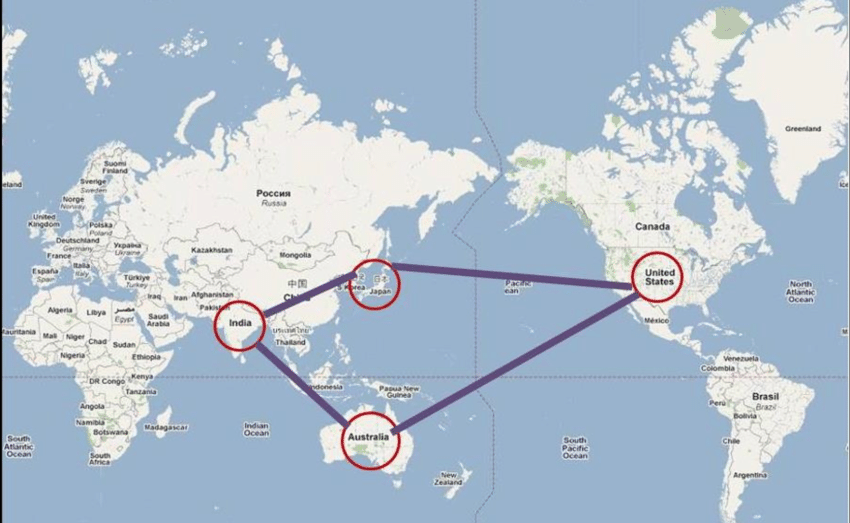
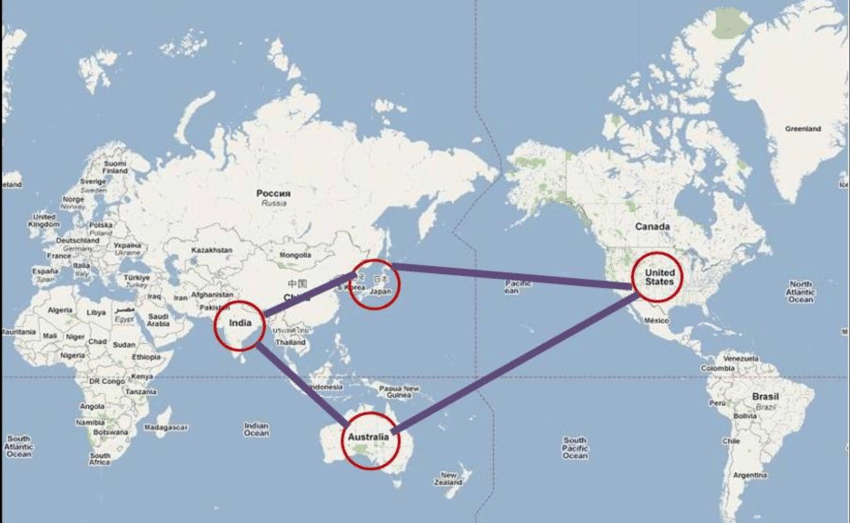
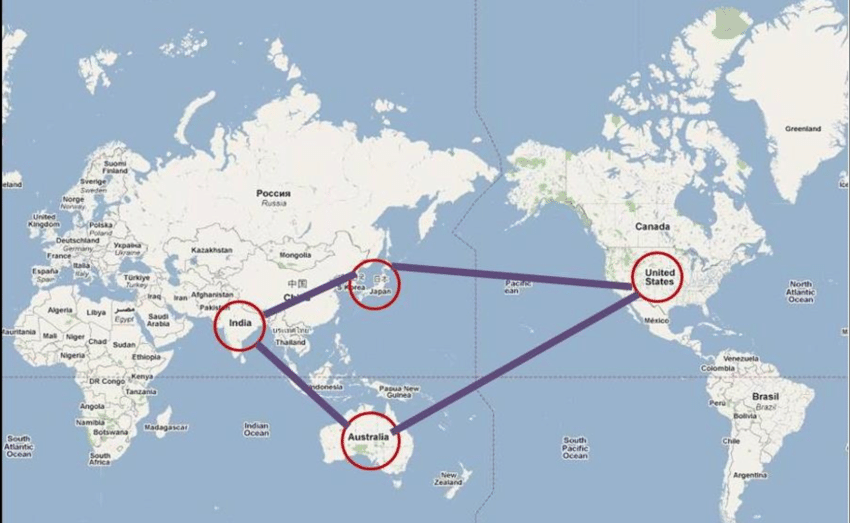
Stockpiles buy time, not forever. Meanwhile the map is quietly shifting. Singapore hosts U.S. forces and P-8 patrol planes. Malaysia is warming to joint patrols. The Quad and India’s own diamond necklace keep adding layers. Everyone’s hedging. That’s not ideology, that’s 2026 statecraft.
Authoritarian systems move fast but create single-point failures. Open, messy networks look chaotic yet spread risk and multiply options. Indonesia’s economy is humming at 5 percent exactly because it refuses to bet everything on one patron.
China isn’t collapsing. It’ll adapt, Arctic routes, deeper Russia ties, bigger reserves. Fair enough. But the structural exposure at Malacca hasn’t disappeared. It just got more visible, more contestable, and way more expensive to defend.
No grand conspiracy. Just the slow grind of pressure points in a contested ocean. Breathe easy if you’re not betting the farm on one fragile artery. For Beijing’s planners, the air just got a little thinner.
1
78
Apr 22
中國現在確實面臨更大的壓力,但先別急著下結論說誰贏了。我們來看看2026年的現實狀況。
4月13日,美國與印尼簽署了一項重要的防務合作協議。沒有誇張的「最高級盟友」稱號,但內容非常實際:水下無人設備、海上監控能力提升,以及更深入的聯合訓練。印尼位於馬六甲海峽附近,這代表它對周邊海域的掌控能力正在提升。
同一天,印尼總統普拉博沃在莫斯科與普京會面。這正是印尼的典型策略:保持中立,同時與各方合作。這並不削弱合作,反而顯示東南亞國家都有自己的判斷與利益考量。
為什麼重要?因為中國大約80%的石油仍需通過僅約2.8公里寬的馬六甲海峽。早在二十年前,胡錦濤就提出「馬六甲困境」。中國投入大量資源在「一帶一路」、管道與港口建設上,但效果並不完全理想。例如瓜達爾港安全問題仍存在,緬甸路線不穩定,俄羅斯管道也無法完全取代海運。
儲備可以暫時緩解壓力,但不是長久之計。同時區域格局正在改變:新加坡有美軍與巡邏機,馬來西亞加強聯合巡邏,「四方安全對話」與印度的布局也在增加。各國都在分散風險,這是現實考量,而非意識形態。
集中式體制行動快速,但容易出現關鍵弱點;開放體系雖然複雜,卻更具韌性。印尼經濟穩定在約5%的成長,正因為它沒有把未來押在單一國家。
中國不會因此崩潰,它會調整,例如北極航線、加強與俄羅斯合作、增加儲備。但馬六甲這個結構性弱點仍然存在,而且更明顯、更難應對。
這不是陰謀,而是現實中的力量變化。如果過度依賴單一路線,風險自然會增加。對決策者而言,現在的局勢確實更加緊張。
1
1
1
64
Apr 22
चीन पर दबाव बढ़ा है, लेकिन इसे किसी की सीधी जीत मान लेना जल्दबाज़ी होगी। आइए 2026 की वास्तविक स्थिति को शांत दिमाग से देखें।
13 अप्रैल को अमेरिका और इंडोनेशिया ने एक बड़ा रक्षा सहयोग समझौता किया। यह कोई दिखावटी “सबसे बड़ा गठबंधन” नहीं है, बल्कि व्यावहारिक कदम है—जैसे पानी के नीचे चलने वाले ड्रोन, समुद्री निगरानी को मजबूत करना, और संयुक्त सैन्य प्रशिक्षण। इंडोनेशिया मलक्का जलडमरूमध्य के पास स्थित है, इसलिए उसकी निगरानी क्षमता बढ़ना एक बड़ी बात है।
उसी दिन इंडोनेशिया के राष्ट्रपति प्रबोवो रूस में पुतिन से भी मिले। यह इंडोनेशिया की पुरानी नीति है—किसी एक पक्ष में पूरी तरह नहीं जाना, बल्कि संतुलन बनाना। इसका मतलब यह नहीं कि वह किसी का “पक्ष” है, बल्कि वह अपने हित देख रहा है।
यह क्यों महत्वपूर्ण है? क्योंकि चीन का लगभग 80% तेल इसी संकरे मलक्का जलडमरूमध्य (लगभग 2.8 किमी चौड़ा) से गुजरता है। इसे “मलक्का दुविधा” कहा गया था। चीन ने इस जोखिम को कम करने के लिए पाइपलाइन, बंदरगाह और बेल्ट एंड रोड जैसी परियोजनाओं में निवेश किया, लेकिन पूरी तरह समाधान नहीं हुआ।
भंडार (स्टॉकपाइल) कुछ समय के लिए मदद करते हैं, लेकिन स्थायी समाधान नहीं हैं। इसी बीच, क्षेत्रीय स्थिति बदल रही है—सिंगापुर में अमेरिकी मौजूदगी, मलेशिया की बढ़ती साझेदारी, और भारत व क्वाड की गतिविधियाँ। हर देश अपने जोखिम को बांट रहा है। यह विचारधारा नहीं, बल्कि व्यवहारिक नीति है।
सख्त केंद्रीकृत सिस्टम तेजी से फैसले लेते हैं, लेकिन उनमें एक बड़ी कमजोरी होती है। खुले और विविध सिस्टम थोड़ा अव्यवस्थित लगते हैं, लेकिन वे अधिक टिकाऊ होते हैं। इंडोनेशिया की अर्थव्यवस्था लगभग 5% की दर से बढ़ रही है, क्योंकि उसने खुद को किसी एक शक्ति पर निर्भर नहीं किया।
चीन कमजोर नहीं पड़ रहा है—वह नए रास्ते खोजेगा, जैसे आर्कटिक मार्ग, रूस के साथ सहयोग, और अधिक भंडारण। लेकिन मलक्का पर निर्भरता अभी भी एक संरचनात्मक जोखिम है।
यह कोई साज़िश नहीं है, बल्कि बदलते संतुलन की वास्तविकता है। जब कोई देश एक ही रास्ते पर ज्यादा निर्भर होता है, तो जोखिम बढ़ता है। और अभी, यह दबाव पहले से ज्यादा स्पष्ट हो गया है।
31
Apr 21
我們直接講重點。
霍爾木茲海峽的混亂,已經影響到日常生活。像膠帶、塑膠這些基本用品,庫存正在快速下降,很多工廠可能只剩兩週就會停工。油價上漲讓商店成本增加、商品變少,這些都是普通人每天感受到的壓力。
回到4月17日,法國和英國聯合51個國家召開會議,包括加拿大、日本、北約成員和中東國家。這不是進攻,而是防禦,例如掃雷、護送油輪、確保航道恢復安全。
媒體說法是「美國被邊緣化,歐洲站出來」。但如果仔細看,其實和美國長期的策略方向高度一致。
整個局勢的起點在2026年2月28日,美國與以色列對伊朗發動攻擊,伊朗隨後宣布封鎖海峽。現在的緊張,是那次行動的延續。
美國的策略很明確:軍事壓力由美國承擔,而日常維持航道安全的工作交由依賴石油的國家。這樣歐洲可以展現領導力,美國則避免長期負擔。
兩個底線沒有改變:
不允許伊朗收取航運費用,
不允許中國以調解名義介入並獲取低價能源。
目前局勢處於僵持。美國控制外圍與進出口,限制與伊朗相關的石油流動。伊朗則透過威脅與干擾回應,導致航運停滯。
51國會議提出開放航道、國際支持與防禦聯盟,但前提是停火後才執行,實際上尚未落地。
亞洲承受最大壓力,大部分石油流向東亞國家。這些國家行動謹慎,是因為風險直接影響自身。
歐洲的行動也與安全與政治壓力有關。中國則因能源供應受到限制而處於不利位置。
總體來看,各國都在為自身利益行動。真正承受代價的是普通民眾。
關鍵在於誰能控制航道並持續行動。與其看說法,不如看實際操作。
1
147
Apr 21
चलो इसे सीधे और साफ़ तरीके से समझते हैं।
हॉर्मुज़ जलडमरूमध्य में चल रहा तनाव अब आम लोगों की ज़िंदगी पर असर डाल रहा है। रोज़मर्रा की चीज़ें जैसे टेप, प्लास्टिक—इनकी सप्लाई कम हो रही है। कई फैक्ट्रियों के पास शायद सिर्फ दो हफ्ते का समय बचा है। तेल की कीमतें बढ़ने से दुकानों में सामान महंगा हो रहा है और शेल्फ खाली हो रहे हैं। ये सिर्फ राजनीति नहीं, लोगों की असली ज़िंदगी की समस्या है।
17 अप्रैल को फ्रांस और ब्रिटेन ने 51 देशों के साथ एक बैठक की। इसमें कनाडा, जापान, नाटो देश और मध्य पूर्व के देश शामिल थे। इसका मकसद हमला नहीं था, बल्कि सुरक्षा—जैसे समुद्र में बम हटाना, तेल जहाजों की सुरक्षा करना और रास्तों को सुरक्षित रखना।
मीडिया ने कहा कि अमेरिका पीछे हट गया और यूरोप आगे आया। लेकिन अगर ध्यान से देखें, तो यह वही दिशा है जो अमेरिका पहले से चाहता था।
असल शुरुआत 28 फरवरी 2026 को हुई, जब अमेरिका और इज़राइल ने ईरान पर हमला किया। उसके बाद ईरान ने समुद्री रास्ता बंद कर दिया। अभी जो स्थिति है, वो उसी का नतीजा है।
अमेरिका ने साफ कहा—जरूरत पड़ी तो वो सैन्य दबाव बनाए रखेगा। लेकिन रोज़मर्रा की सुरक्षा का काम उन देशों को करना होगा जो इस तेल पर निर्भर हैं। इससे यूरोप को नेतृत्व दिखाने का मौका मिलता है, और अमेरिका पूरा बोझ नहीं उठाता।
दो बातें साफ हैं:
ईरान को दुनिया से जबरन पैसे लेने नहीं दिया जाएगा,
और चीन को “शांति दूत” बनकर सस्ता तेल लेने का मौका नहीं दिया जाएगा।
अभी स्थिति रुकी हुई है। अमेरिका बाहर से रास्तों को नियंत्रित कर रहा है, जबकि ईरान धमकियों और दबाव से जवाब दे रहा है। जहाजों की आवाजाही प्रभावित है।
51 देशों की योजना तभी लागू होगी जब असली शांति हो। अभी यह सिर्फ योजना है, ज़मीन पर बदलाव नहीं।
एशिया पर सबसे ज्यादा असर है क्योंकि ज़्यादातर तेल वहीं जाता है। इसलिए ये देश बहुत सावधानी से कदम उठा रहे हैं।
यूरोप की सक्रियता के पीछे सुरक्षा और घरेलू राजनीति दोनों कारण हैं। चीन भी मुश्किल में है क्योंकि उसकी तेल सप्लाई प्रभावित हो रही है।
अंत में, कोई भी पूरी तरह निष्पक्ष नहीं है। हर देश अपने हित देख रहा है। असली कीमत आम लोग चुका रहे हैं।
सबसे महत्वपूर्ण सवाल है—कौन इस स्थिति को नियंत्रित करता है और आगे क्या करता है। बातें कम, काम ज्यादा मायने रखता है।
34
Apr 21
让我们把事情讲清楚。
霍尔木兹海峡的混乱,其实已经在现实生活中产生影响。像胶带、塑料这些日常用品,库存正在快速减少,很多工厂可能只剩两周左右就会被迫停工。油价上涨带来的冲击已经传到普通商店,货架变空,价格上涨。这不是抽象的地缘政治,而是普通家庭每天都能感受到的压力。
回到4月17日。法国和英国领导人联合了51个国家,包括加拿大、日本、北约成员以及中东国家,举行了一场关于霍尔木兹海峡的线上会议。重点不是进攻,而是防御,比如扫雷、护航油轮、在局势缓和后恢复航道安全。
媒体的说法是“美国被边缘化,欧洲站出来领导”。听起来很合理,但如果仔细看,这其实和美国之前推动的方向高度一致。
事情的起点在2026年2月28日。当时美国和以色列对伊朗发动打击,随后伊朗宣布封锁海峡。这才是整个局势的导火索。现在的紧张局面,本质上是那次行动的连锁反应。
美国从一开始就很明确:如果需要,他们会承担主要军事压力来确保航道重新开放。而像扫雷、护航这些长期工作,则由依赖石油的国家来承担。这样一来,欧洲可以表现为“独立的协调者”,减少国内政治压力,而美国则避免长期承担全部成本。
美国的底线也很清楚:
不允许伊朗向全球收取“过路费”,
也不允许中国以“和平调解者”的身份介入,同时低价获取石油。
目前局势处于一种僵持状态。美国海军并没有驻守在最狭窄的海峡位置,而是在外围和海湾内控制关键通道,对与伊朗相关的油轮进行限制,削弱其经济收入。伊朗则通过警告、广播和收费威胁进行回应,导致航运停滞。
51国会议提出三点:立即开放航道、获得国际海事组织支持、建立多国防御力量。但关键条件是——只有在真正停火后才会执行。换句话说,目前还没有实际行动。
亚洲受到的影响最大。80%到90%的石油流向韩国、日本、中国和台湾。欧洲只占大约10%。因此亚洲国家在行动上更加谨慎,这不仅涉及法律和政治限制,也因为任何冲突升级都会直接影响本国经济和社会稳定。
欧洲的积极行动也有现实原因。伊朗曾向印度洋地区发射导弹,射程足以覆盖欧洲主要城市。同时,欧洲领导人国内支持率下降,他们也需要通过国际行动来缓解压力。
中国的处境也变得更加困难。过去,中国大量购买伊朗石油,但现在面临更严格的限制和金融风险。这使其能源供应变得更加不稳定。
整体来看,没有一方是完全出于善意。各国都在维护自身利益。普通人承担的,是油价上涨、供应紧张和生活成本增加的现实压力。
局势的关键在于谁能真正控制关键航道,并持续执行自己的策略。当前的趋势显示,主动设定规则的一方更具优势。
在局势真正稳定之前,影响仍会持续。与其看表面的言辞,不如关注实际行动。真正决定结果的,是谁在推动局面发展。
1
224
Apr 21
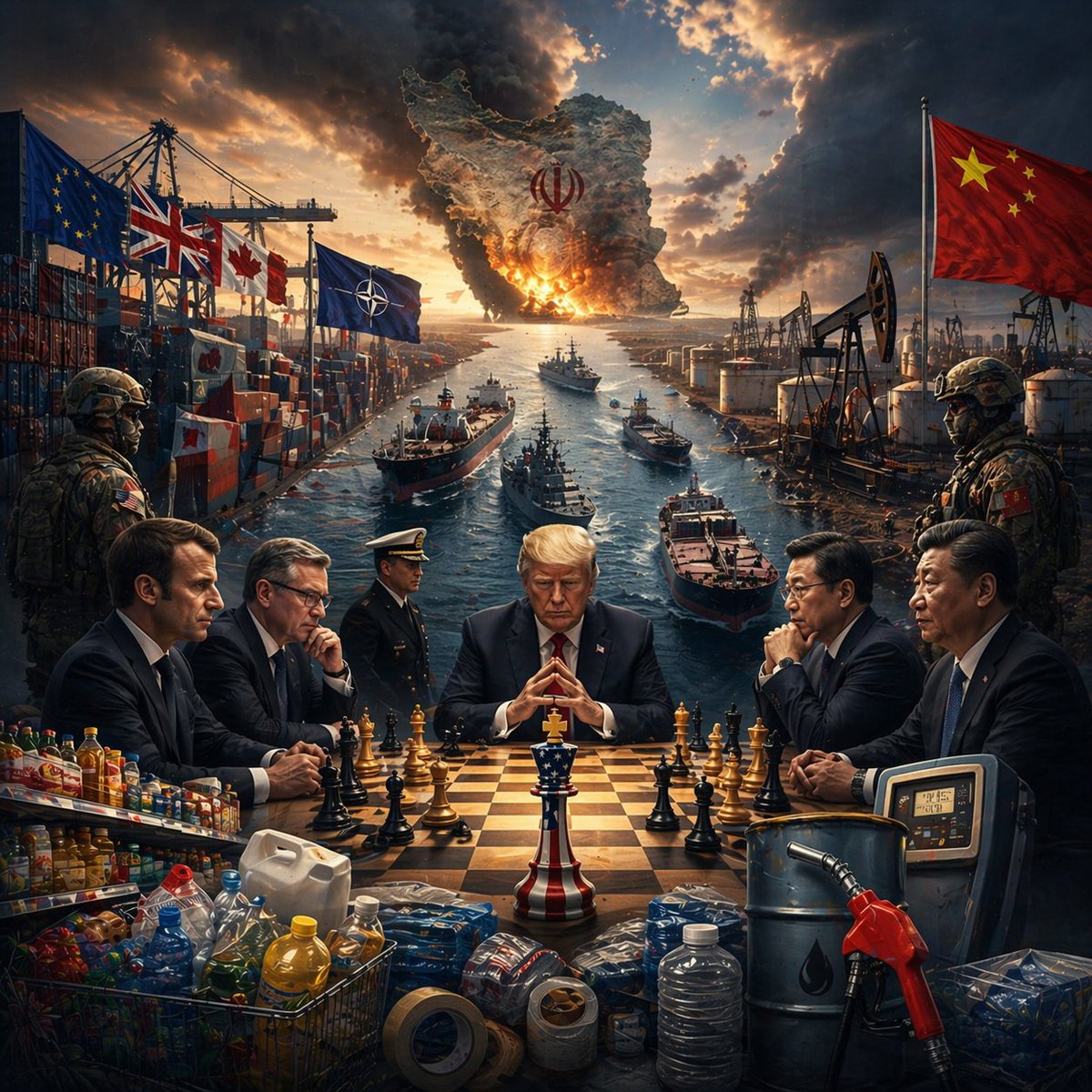
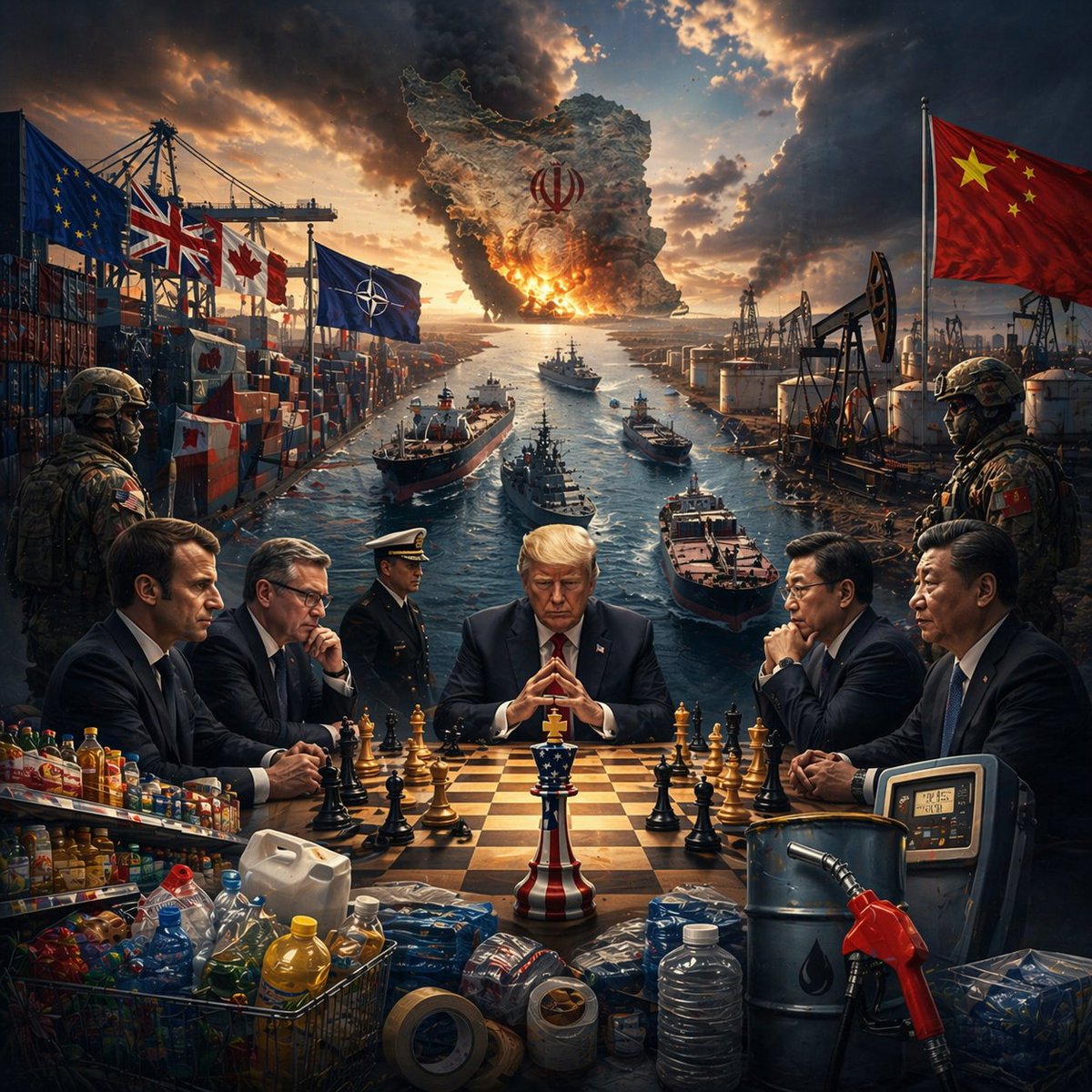
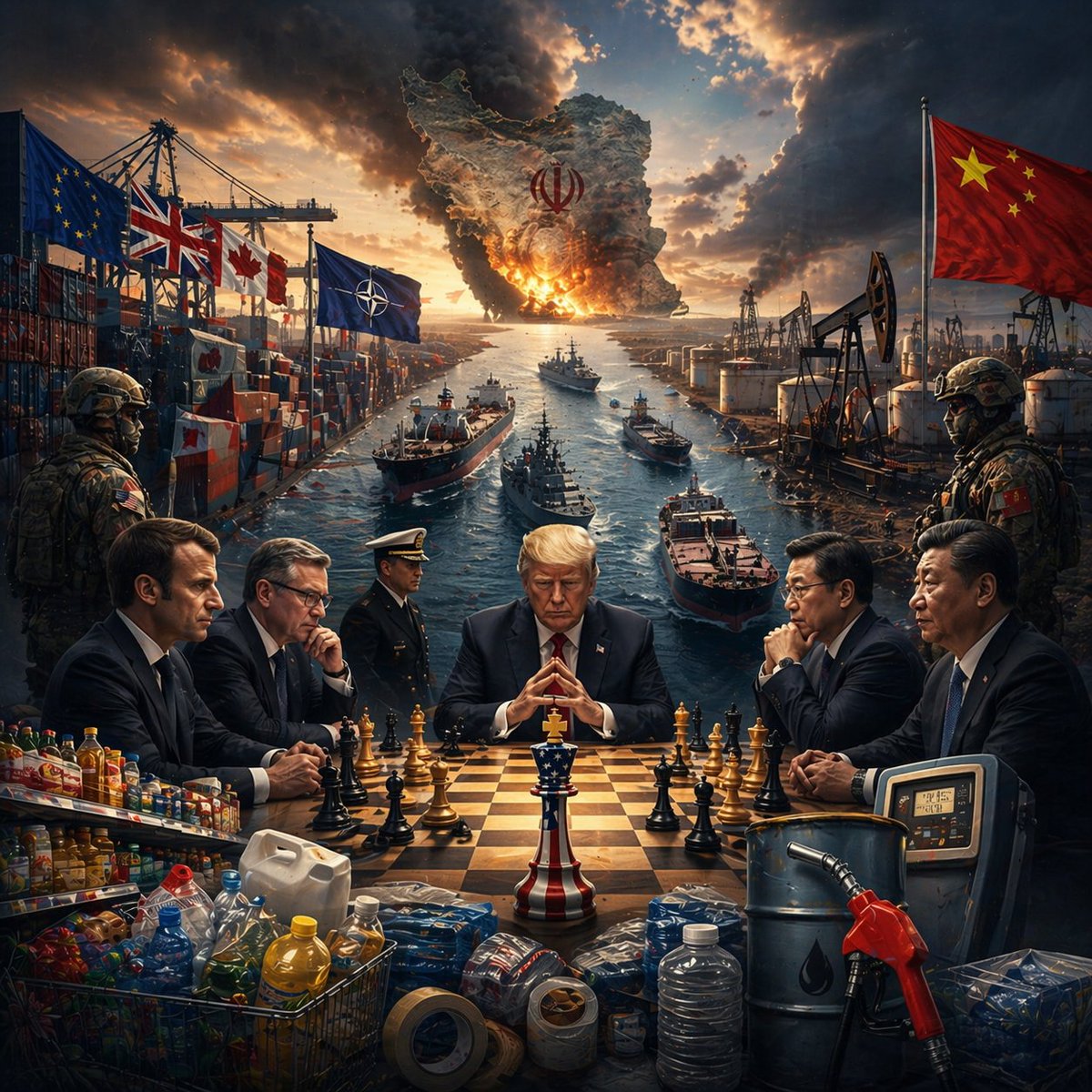
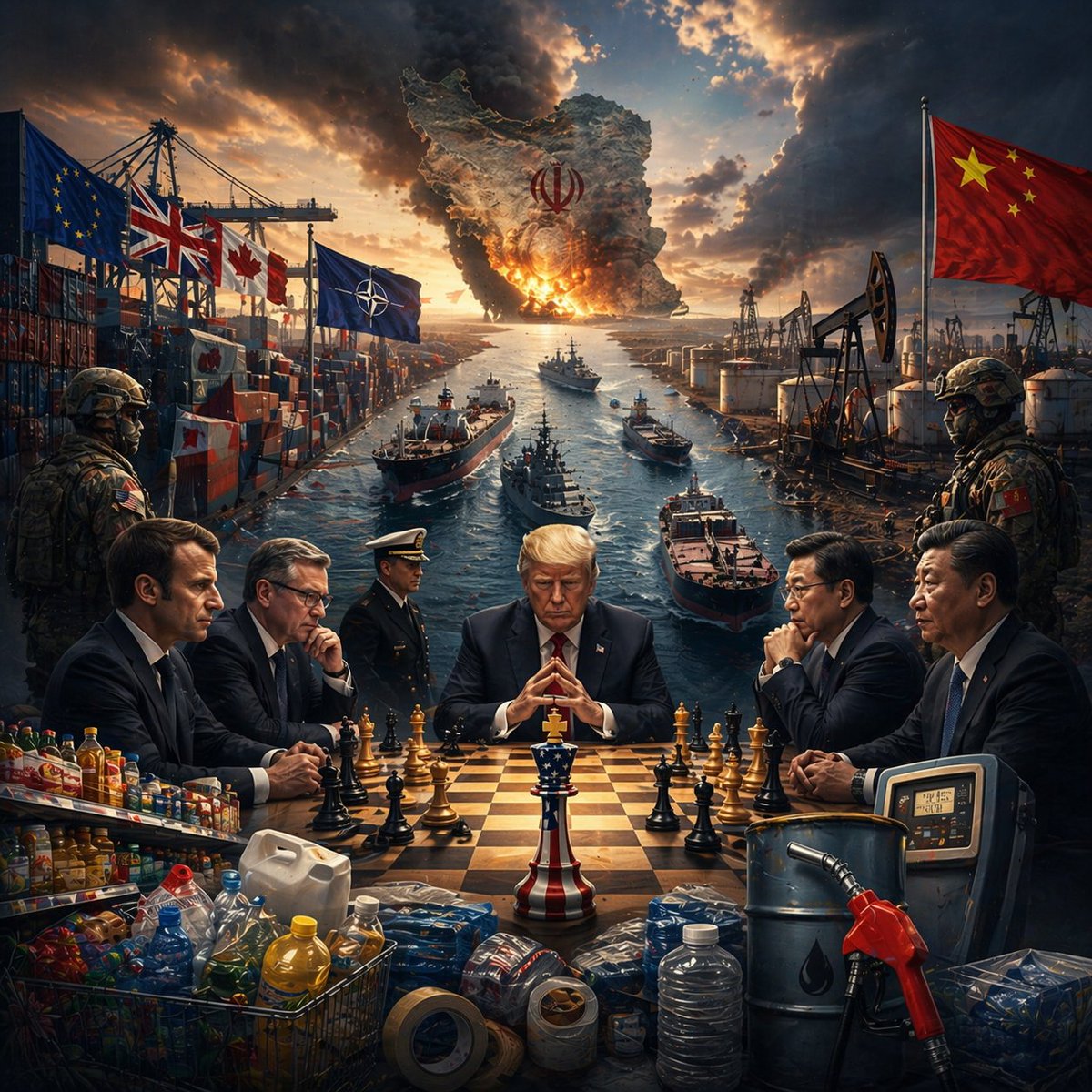
Trump's quiet win in the Hormuz chaos is playing out right in front of us.
Packaging tape, plastics, all that everyday stuff is already scraping bottom, maybe two weeks tops before factory lines grind to a halt. Oil spikes from this mess are slamming real shops, emptying shelves, and jacking up costs everywhere. That's the raw gut punch people feel before any map-pinning geopolitics talk even starts. Families in Houston, Tokyo, wherever, they're living it in their bones right now.
Flash back to April 17. Macron and Starmer actually pulled 51 countries together, Canada, Japan, NATO crew, Middle East voices, for that video summit on the Strait of Hormuz. Not some invasion fleet. Pure defensive playbook: mine sweeping, tanker escorts, keeping lanes open once things cool off. Media spun it as "America sidelined, Europe steps up." Sounds clean on the surface. But step back and it lines up almost perfectly with what Washington had been pushing for months.
Full transparency, because anything less is just spin: this didn't explode out of nowhere. February 28, 2026, US and Israeli strikes hammered Iran. Iran's Revolutionary Guard declared the blockade right after. That's the spark. The squeeze we're watching is straight fallout from that. Yet the way pieces shifted afterward? It still reads like someone else is holding the stronger hand without needing to show it.
America laid it out blunt from day one: we'll carry the heavy military pressure on Iran if that's what it takes to open the strait for good. The boring follow-up chores, mines, escorts, day-to-day security, those fall on the countries that actually burn the oil. Europe gets to look like the mature "independent" coalition leader. Saves them headaches with voters who already hate tag-along duty. Everybody grabs their own narrative win. US skips the photo op, Europe claims moral high ground, and the strait eventually gets policed without America footing the whole bill or playing eternal global cop.
Trump's two non-negotiables never budged: no solo side deals letting Iran slap tolls or leverage the world, and no letting China slip in as fake peace broker while quietly slurping discounted crude. Anything else and the pressure campaign evaporates.
Right now the strait's stuck in this tense limbo, double squeeze. US Navy isn't camped in the narrowest choke point, that would mean endless babysitting Iran's coast. Instead they're positioned at the entrances and inside the Gulf, choking tankers linked to Iranian ports and exports. Starve the regime's cash. Iran spots the gap and plays tough: warning shots, fake control broadcasts, toll demands. Ships freeze. Classic stalemate that rewards whoever has the bigger stick and the patience.
The 51-country summit hit three big notes: immediate unconditional reopening, full IMO backing, and a new multinational defensive unit. Solid on paper. Fine print? It only activates after a real, lasting truce. No ships sailing into live fire tomorrow. No instant fleet. "Once it's safe." Translation: talk is cheap until the shooting actually stops. Even with April 17 reopening talk floating around, real change on the water is still zero in practice.
East Asia is eating the worst of it. 80-90 percent of that crude heads to Korea, Japan, China, Taiwan. Europe? Barely 10 percent. Korea and Japan are dragging feet for real reasons, parliamentary votes, constitutional limits, long ties with Iran they don't want to nuke, and the very legit fear that one stray incident sparks retaliation and domestic backlash. Can't blame them. Their factories and families take the direct hit.
Europe's sudden burst of energy isn't pure charity either. First, Iran's March 20 launch toward Diego Garcia, actual attack attempt, two ballistic missiles, one broke up in flight, the other intercepted. That 4,000 km range puts Paris, Rome, Berlin squarely in the psychological danger zone. Survival math, not virtue signaling. Second, these leaders are polling in the basement: Macron scraping low 20s to teens, Starmer's Labour sliding, personal approvals at historic lows. Inflation, migration, economic migraines everywhere. A flashy "we rallied the world for peace" moment buys breathing room. Third, quiet leverage from across the Atlantic on Ukraine and NATO doesn't hurt.
China is the one truly cornered, and it shows. They were buying up to 80-90 percent of Iran's seaborne exports even during peak tensions. US warnings just slammed that door shut. Banks caught laundering? Swift-cutoff threats. No more easy cheap oil while the rest of the world pays premium. Beijing had been quietly topping off reserves on the discount. Not exactly team-player stuff. Now their supply lines look exposed on multiple fronts. Malacca Strait whispers are back in the strategy rooms.
Iran walking away from talks handed everyone else an accidental masterstroke. Tehran's revenue severed. China cut off. Europe and Asia volunteering for the mop-up duty. Is this flawless grand strategy or lucky opportunism riding the wave of chaos that the February strikes helped ignite?
Oil prices are spiking for American consumers too. Pumps in Texas aren't immune. Europe has a long habit of announcing grand coalitions that dissolve into press releases once domestic politics bite. China has shadow fleets and sanctions workarounds; they don't fold easy. If the "defensive" mission stays theoretical or new smuggling routes open, the squeeze leaks.
Still, the transparency cuts through the usual spin. No one here is purely altruistic. Factories idle, families feel the pump pain, leaders chase image points. Power moves happen in plain sight if you refuse the headlines. The side that controls the choke points and the follow-through usually writes the next chapter. Right now the math leans toward the player who forced everyone else to show up and do the homework, even if the first domino was struck by someone else.
It's supply chains snapping, jobs on the line, and everyday people paying the tab for decisions made in distant rooms. The faster the strait stabilizes under real, enforceable guarantees, the sooner the pain eases. Until then, watch the moves, not the soundbites. The board is set. Who's actually moving the pieces matters more than who claims the chair.
1
681
Apr 20
Why Canadian Home Prices Keep Climbing, Even When Governments Swear They're Fixing It
You're busting your ass in Toronto or Vancouver, fresh out of school or scraping by on a starter paycheck, watching rent swallow every dollar like some sick joke. Headlines scream about the latest 'tough crackdown' on investors, empty homes, foreign buyers, and rent gouging. The promise is always the same: prices will finally crash. But it's 2026, and homes in these cities are still a total joke for most folks under 35. The numbers don't lie, and they don't match the hype.
Basic econ still rules: too many people chasing too few homes means prices skyrocket. Flood the market with supply, and they ease. Canada's biggest cities have been trapped in shortage mode for years. Population boomed faster than construction for ages. Recent immigration cuts cooled demand a little, but the backlog is still brutal. New builds can't catch up, and old homes aren't turning over. Prices stay stupid high no matter how many 'anti-speculator' rules they slap on.
The supply choke points are real and hit harder than politicians admit.
First, building anything new is a bureaucratic nightmare. Zoning rules, insane development fees, and permitting delays that drag 18 to 24 months jack up costs 20-30 percent and scare builders off. Toronto had the lowest per-capita housing starts among major Canadian cities in 2025, the worst since 1996, mostly because condo starts plunged 60 percent. National numbers rose a bit overall, but forecasts for 2026-2028 show more weakness in the hot markets. Vancouver's pre-sale pipeline dried up too. Red tape and extra costs equal fewer shovels in the ground, chronic shortages, and bidding wars over whatever's left.
Second, the taxes meant to punish investors and multi-home owners are actually locking inventory in place. British Columbia just hiked its Speculation and Vacancy Tax in 2026: 1 percent for Canadian citizens and permanent residents, 3 percent for foreigners. Vancouver and Toronto's empty-home taxes pile on. The message to anyone with a legit second property (maybe for aging parents, a job move, or kids' school zone) is clear: sell and get crushed. So they hold, wait for better times, or hand it to family. Normal people get lumped in with speculators. Inventory shrinks. The market freezes. Prices stay glued high because nothing moves.
Third, rent controls and tenant rules make landlords think twice about renting at all. Ontario's 2026 guideline is just 2.1 percent, the lowest in years. Caps help current tenants stay put, but they shrink overall rental supply, kill mobility, and drive rents higher on new or vacant units. Landlords see rentals as a trap instead of flexible housing. New builds after 2018 are exempt, which helps a bit, but the broader chill still scares off investors.
On the demand side, every new rule announcement spooks the market: "Buy now before it gets worse." Fear buying kicks in. Rental squeezes from controls make owning feel like the only escape. Past immigration surges lit the fire. The 2025-2026 cuts and outflows finally eased some pressure, with flat population growth in spots. But regulatory panic keeps demand jumpy.
Don't sleep on the everyday bureaucratic BS either. Local councils debate if your family "needs" that extra bedroom, drag out rezoning for years, or demand endless "community benefits" that inflate costs. You want to use your own money to get more space or chase a better job across town? Bureaucrats get veto power. That clashes hard with basic freedom to live where you want. Housing stops being a market and becomes a permission slip.
The cruel twist? These policies were sold as helping young people and regular families. Instead they widen the gap. That federal GST/HST rebate up to $50,000 on new homes sounds good, but it skips the resale market where most buyers actually shop. Strict rules apply, and in million-dollar starter markets, $50k is pocket change against the real shortage. Provinces tweak it differently, but it's still a tiny nudge, not the flood of supply we need.
Average households in the hottest spots now dump over half their income into housing. Young Canadians delay families, crash with parents longer, or straight-up leave the country. Families with legit reasons for two homes get painted as villains. Winners? People who already own. Losers? Everyone still trying to break in.
Nobody serious wants housing to be a pure casino. But the track record is brutal. Rules that squeeze supply, lock up turnover, and keep demand twitchy mean prices refuse to drop, even with cooling immigration and swinging rates. Recent population slowdowns finally gave demand some breathing room, yet the same old regulatory playbook keeps delivering the same painful result.
The fix isn't more punishment or empty slogans. Slash the red tape blocking new builds. Rethink taxes that punish normal turnover. Let willing buyers meet willing sellers. More homes. Freer movement. Population planning that actually matches supply reality. That's what works.
If you're in your twenties, or thirties staring at this mess, you're not crazy. The system really is stacked against first-timers right now, and the policies sold as "protecting" you are often yanking the ladder away. Demand real accountability: more supply, fewer barriers, honest data over spin. The numbers don't lie.
What actually needs to change in your city?

1
331
Apr 20
為什麼加拿大房價持續上漲,即使政府一再表示會改善?
想像一下,你剛畢業,在多倫多或溫哥華努力工作。每個月薪水一到手,很大一部分就用在房租上,連日常開銷都開始感到壓力。新聞不斷提到打擊炒房、空置房與外國買家, обещают房價會下降。但到了2026年,多數35歲以下的人仍然難以負擔購房。
原因其實很直接:
當需求大於供給時,價格自然上升;只有供給增加,價格才可能回落。
加拿大的大城市長期面臨房源不足的問題。人口成長速度遠高於建房速度。雖然近期移民減少讓需求稍微緩和,但過去累積的缺口仍然存在。新房供應不足,二手房流動性低,導致房價持續高位。
主要問題集中在供給端:
第一,建房流程繁瑣且耗時。分區限制、開發費用及審批延遲,使成本上升,也降低建商的積極性。2025年多倫多的新建住房數量降至多年低點,公寓開工明顯下降。溫哥華的預售市場同樣轉弱。
第二,針對投資者的稅收政策,某種程度上減少了市場供給。許多擁有第二套房的人選擇持有資產,而不是出售,導致市場流動性下降。
第三,租金管制保護了部分租客,但也讓房東更謹慎,減少出租供應,進一步加劇市場緊張。
此外,每當新政策公布,市場預期變動,部分買家會提前入市,推高需求。
地方政府的審批流程與各種附加條件,也讓建房變得更困難,住房逐漸變成需要「許可」的資源。
令人意外的是,這些政策原本旨在幫助一般家庭,卻可能擴大差距。例如新房最高5萬加元的稅收優惠,在高房價下影響有限,且多數人購買的是二手房。
目前的結果是:
已有房產者受益,而首次購房者壓力增加。
許多年輕人延後人生規劃,甚至考慮離開。
解決方向其實很清楚:
增加供給、簡化制度、提升市場流動性,並讓人口政策與住房能力相匹配。
如果你覺得制度對年輕人不公平,這樣的感受並不奇怪。
1
160
Apr 20
कनाडा में घरों की कीमतें लगातार क्यों बढ़ रही हैं, जबकि सरकार कहती है कि वह इसे ठीक कर रही है?
सोचिए, आप पढ़ाई पूरी करके टोरंटो या वैंकूवर में काम शुरू करते हैं। आपकी सैलरी का बड़ा हिस्सा किराए में चला जाता है, और रोज़मर्रा का खर्च भी भारी लगने लगता है। खबरों में बार-बार कहा जाता है कि निवेशकों, खाली घरों और बाहरी खरीदारों पर सख्ती की जा रही है। उम्मीद दी जाती है कि कीमतें गिरेंगी। लेकिन 2026 में भी ज्यादातर युवाओं के लिए घर खरीदना मुश्किल बना हुआ है।
असल कारण सरल है:
जब मांग ज्यादा और घर कम होते हैं, तो कीमतें बढ़ती हैं। जब आपूर्ति बढ़ती है, तब कीमतें स्थिर या कम होती हैं।
कनाडा के बड़े शहर लंबे समय से घरों की कमी झेल रहे हैं। आबादी तेजी से बढ़ी, लेकिन निर्माण उतनी तेजी से नहीं हुआ। हाल में आप्रवासन कम हुआ है, जिससे थोड़ी राहत मिली है, लेकिन पिछली कमी अभी भी बनी हुई है।
मुख्य समस्या “सप्लाई” यानी उपलब्ध घरों की कमी है:
पहला, नए घर बनाना कठिन और धीमा है। नियम, फीस और लंबी मंजूरी प्रक्रिया से लागत बढ़ती है और बिल्डरों की रुचि कम होती है।
दूसरा, निवेशकों पर लगाए गए टैक्स का असर उल्टा भी हो सकता है। कई लोग अपनी अतिरिक्त संपत्ति बेचने के बजाय उसे रोककर रखते हैं, जिससे बाजार में घरों की कमी बनी रहती है।
तीसरा, किराया नियंत्रण से वर्तमान किरायेदारों को राहत मिलती है, लेकिन नए किराए के घरों की संख्या कम हो जाती है।
हर नई नीति से बाजार में अनिश्चितता बढ़ती है, जिससे लोग जल्दी खरीदने की कोशिश करते हैं और मांग बढ़ जाती है।
इसके अलावा, स्थानीय स्तर पर मंजूरी में देरी और जटिल प्रक्रियाएं निर्माण को और धीमा करती हैं।
विडंबना यह है कि ये नीतियां आम लोगों की मदद के लिए बनाई गई थीं, लेकिन कई बार इसका असर उल्टा पड़ता है।
आज स्थिति यह है:
जिनके पास पहले से घर है, वे लाभ में हैं।
जो पहली बार घर खरीदना चाहते हैं, उनके लिए चुनौती बढ़ती जा रही है।
कई युवा अपने जीवन के फैसले टाल रहे हैं या दूसरे विकल्प तलाश रहे हैं।
समाधान क्या है?
अधिक घर बनाना, प्रक्रियाएं आसान करना, और मांग व आपूर्ति के बीच संतुलन बनाना।
अगर आपको लगता है कि व्यवस्था आपके खिलाफ काम कर रही है, तो यह भावना समझ में आती है।
अब ज़रूरत है ठोस समाधान और वास्तविक बदलाव की।
15
Apr 19
It's about why pure crowd rule quietly wrecks lives, while a system built on unbreakable rules and split power keeps freedom breathing.
Picture Canada right now, April 2026. Officially a constitutional monarchy with parliamentary democracy. Sounds solid on paper. But zoom in: it runs on laws that are supposed to bind everyone equally, with power fractured on purpose so no single group or fleeting majority can rewrite reality overnight. That matters when housing is collapsing, infrastructure is strained, and border talks with the US heat up.
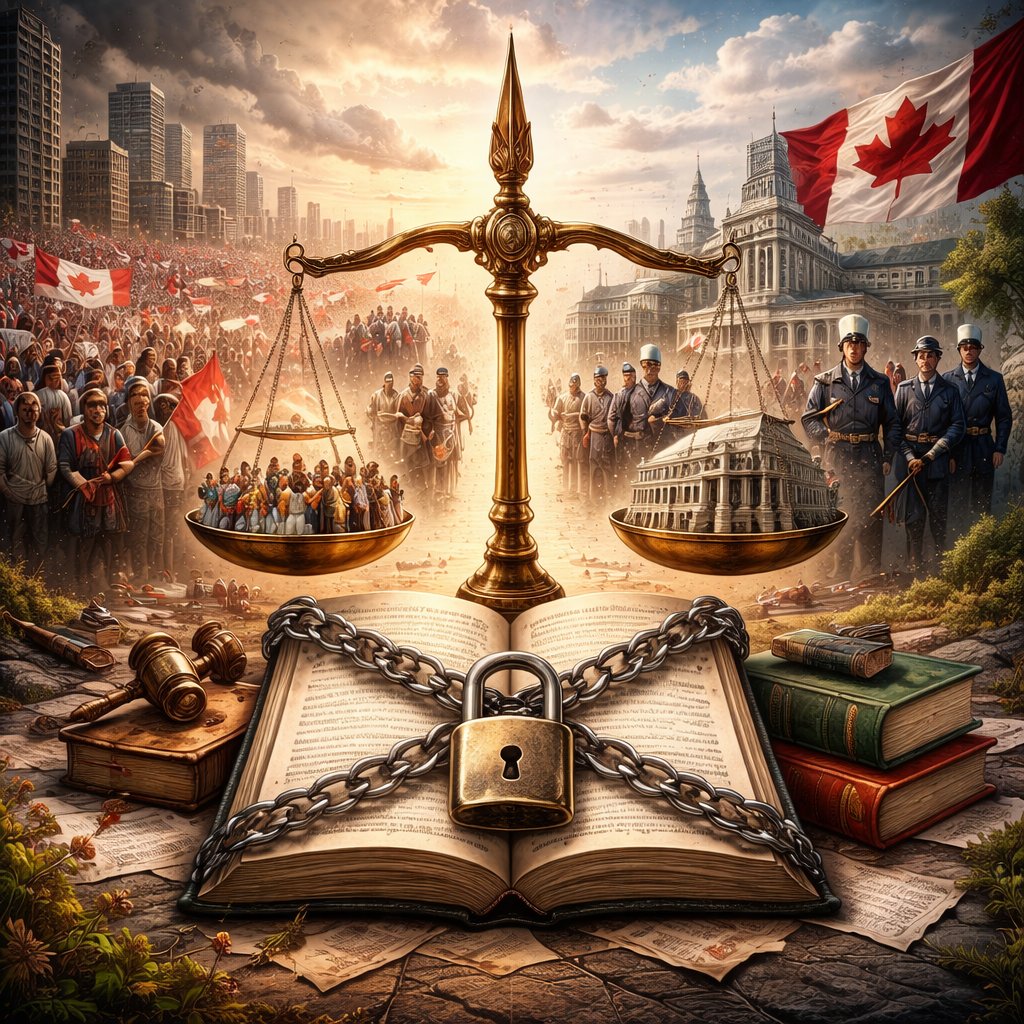
Most folks blur democracy and republicanism because the words get tossed around like slogans. Democracy, straight from the Greeks: the people hold the whip. Majority decides. Equality sounds fair. But raw history shows majorities get greedy, scared, or sold a shiny dream and suddenly demand policies that break basic math.
Republicanism, from the Latin: the state as a public affair, not the loudest group's personal toy. It focuses on how you govern, not just who wins the next vote. Laws, procedures, and deliberately split power mean even a huge majority can't bulldoze the basics. It feels colder because raw feelings take a backseat to the framework. That framework is what stops the slide.
America's founders studied every failed republic and mob rule in history. They hated kings and street mobs alike. Their Constitution never once says "democracy." It guarantees each state a republican form of government. Electoral College so big-city crowds don't steamroll smaller states. Lifetime Supreme Court justices who don't chase polls or donors. Engineered friction, on purpose. Because humans are flawed and emotions lie.
Compare that to France's Revolution: they chased outcome equality with everything they had and gave the state massive tools to level society. Result? The Terror, heads rolling, then Napoleon as the new boss. America chased individual liberty and split power so government stays too weak to crush you. Cold realism versus feel-good idealism. History already picked the winner: look at which institutions survived.
That same tension is hitting Canada hard today. After 2015, rapid population growth got sold as pure kindness and economic rocket fuel. Permanent resident targets shot up. Temporary residents (students and workers) exploded. Housing starts couldn't keep up. Prices in major markets doubled or worse in spots. Young workers got priced out, families delayed kids, services strained, and wages stagnated for locals in some sectors.
Even now in 2026, the government has stabilized permanent residents at around 380,000 a year and slashed new temporary arrivals to about 385,000. That's a real correction. But the damage from those earlier majority-backed decisions lingers. Low rates, zoning rules, and investor cash played roles too. No serious person says immigration was the only driver. Government studies peg recent inflows at roughly 11% of median house price and rent hikes nationally (higher in big cities).
The point isn't "immigration bad." The point is: when you turbocharge demand without matching supply because the crowd cheers "compassionate progress," regular people foot the bill. That's the mob trap. Policies that feel good today crush tomorrow.
Worse, the mechanisms that let this happen are sneaky. Capture enough seats in the legislature, pass laws that hand over more control, then lean on courts to rubber-stamp it. Provinces have leaned on the notwithstanding clause more often since 2018, Quebec, Ontario, Saskatchewan, and others, on everything from labor fights to social hot buttons. It's legal. It's constitutional. But each use raises the question: how many times can you override Charter protections before the guardrails feel optional?
Canada's federalism and Charter have softened some blows. But when parliament and the executive line up too smoothly, accountability fades.
America forces the fight. The three boxes: speech, the ballot, and yes, the cartridge box as the last philosophical backstop if the first two get captured. That's why the Second Amendment isn't just about hunting. It's insurance against government forgetting it's the servant, not the master. Canada leans on courts and public pressure instead. It works until it doesn't.
No system is pure. Humans screw up. A republic bets on institutions over angels in office. It accepts we're all capable of rationalizing our own greed. That's why the American setup mixes monarchy's stability with democracy's input but chains both to law.
Canada has grit. It survived wars and recessions since Confederation. But the last decade showed how fast majority sentiment plus elite framing can outrun cold feasibility.
Your first apartment hunt, that student debt, the job market that feels stacked, the sense that the future got more expensive while the slogans stayed cheap, those aren't abstract. They're symptoms. Policies sold as helping the little guy sometimes just concentrate power and dump costs on the next generation.
Real compassion builds systems that deliver without breaking the bank or the rules.
Republics endure because they fear both the crown and the crowd. They force power to argue with itself. When that breaks down, whether through loud populism or quiet institutional capture, freedom shrinks.
Canada is navigating real pressures right now, from south of the border and its own internal math. Understanding the philosophy helps you see why some fights feel eternal and why the boring checks matter more than the exciting headlines.
We all want societies that lift people without pretending humans are perfect. Pressure-test every assumption. Demand feasibility, not just feelings. The ideas that survive that fire are the only ones worth betting your future on.
1
316
Apr 19
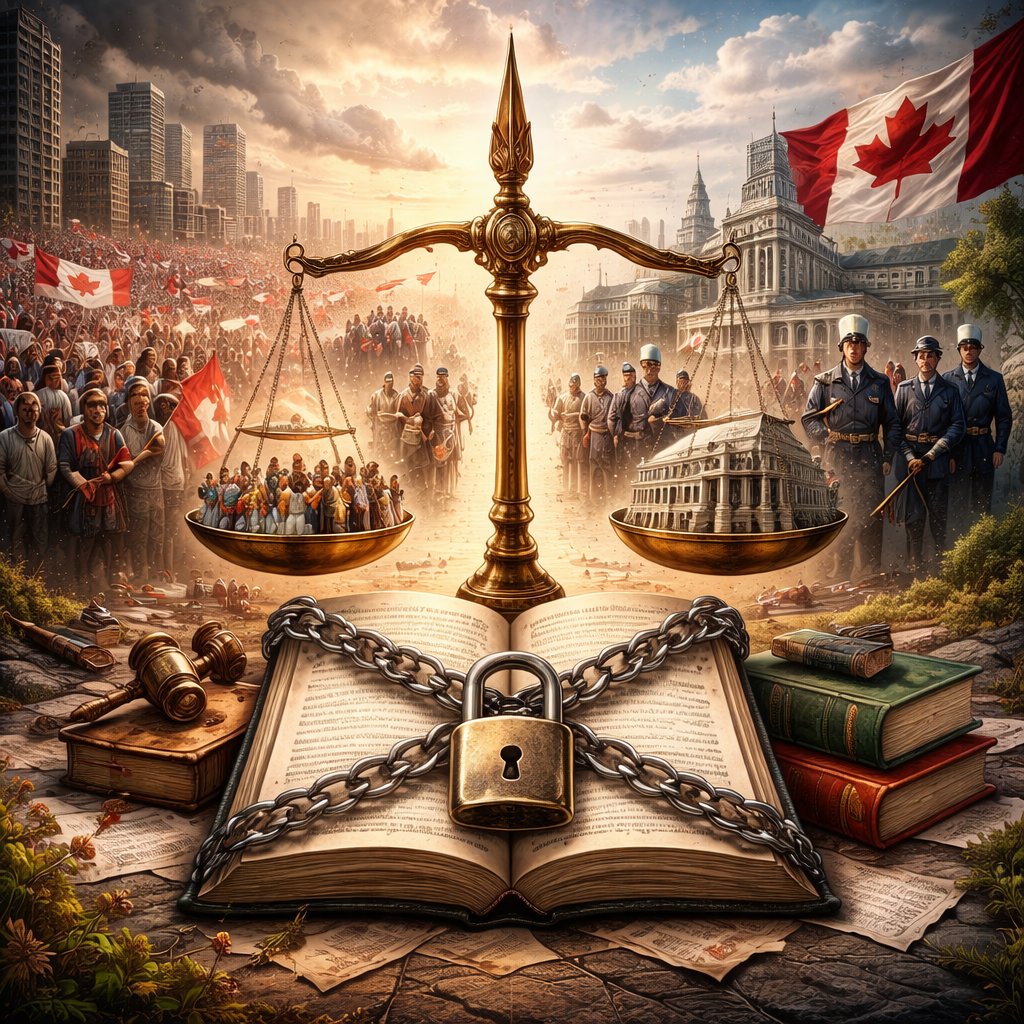
這段內容的核心在於探討:為什麼單純依賴多數決,有時可能帶來風險,而建立在制度與權力分立上的體系,更有助於維持長期穩定與自由。
以2026年的加拿大為例。制度上屬於君主立憲與議會民主,但實際運作的關鍵,在於法律是否對所有人公平適用,以及權力是否被有效分散,避免短期多數迅速改變基本制度。
許多人常將「民主」與「共和」混為一談。民主強調多數決,看似公平,但歷史顯示,多數有時會因情緒或短期利益,支持難以長期維持的政策。
共和制度則更重視規則與程序,以及權力分散。它關注的是治理方式,而不只是選舉結果。即使多數支持,也不能輕易改變核心制度。這種設計雖然較為理性,但能提供穩定性。
不同國家的歷史經驗顯示,制度選擇會影響長期發展。有些強調平等結果,有些重視個人自由與權力制衡。
在加拿大,近年來也出現一些挑戰。例如人口快速成長,住房供應一度不足,導致房價與租金上升,年輕人負擔加重,公共資源壓力增加。
政府近年已開始調整政策,包括控制移民規模與增加住房供應,但過去累積的影響仍需要時間消化。
需要指出的是,住房問題涉及多種因素,例如利率、城市規劃與投資,而非單一原因。
這段討論的重點在於提醒:當需求增加過快而供應未同步提升時,普通民眾往往承擔成本。
制度層面上,也存在一些值得關注的問題。例如當立法與行政權力過於一致時,監督與制衡可能減弱。
不同國家透過不同方式維持平衡,有些依賴制度設計,有些依賴司法與社會壓力。
整體而言,沒有完美的制度。所有制度都需要面對人性的限制,因此強調規則與制衡,有助於降低風險。
對一般人來說,生活成本上升、就業壓力與未來不確定性,都是實際感受到的問題。
因此,關鍵在於找到平衡:既滿足當前需求,也確保長期穩定發展。
1
42
Apr 19
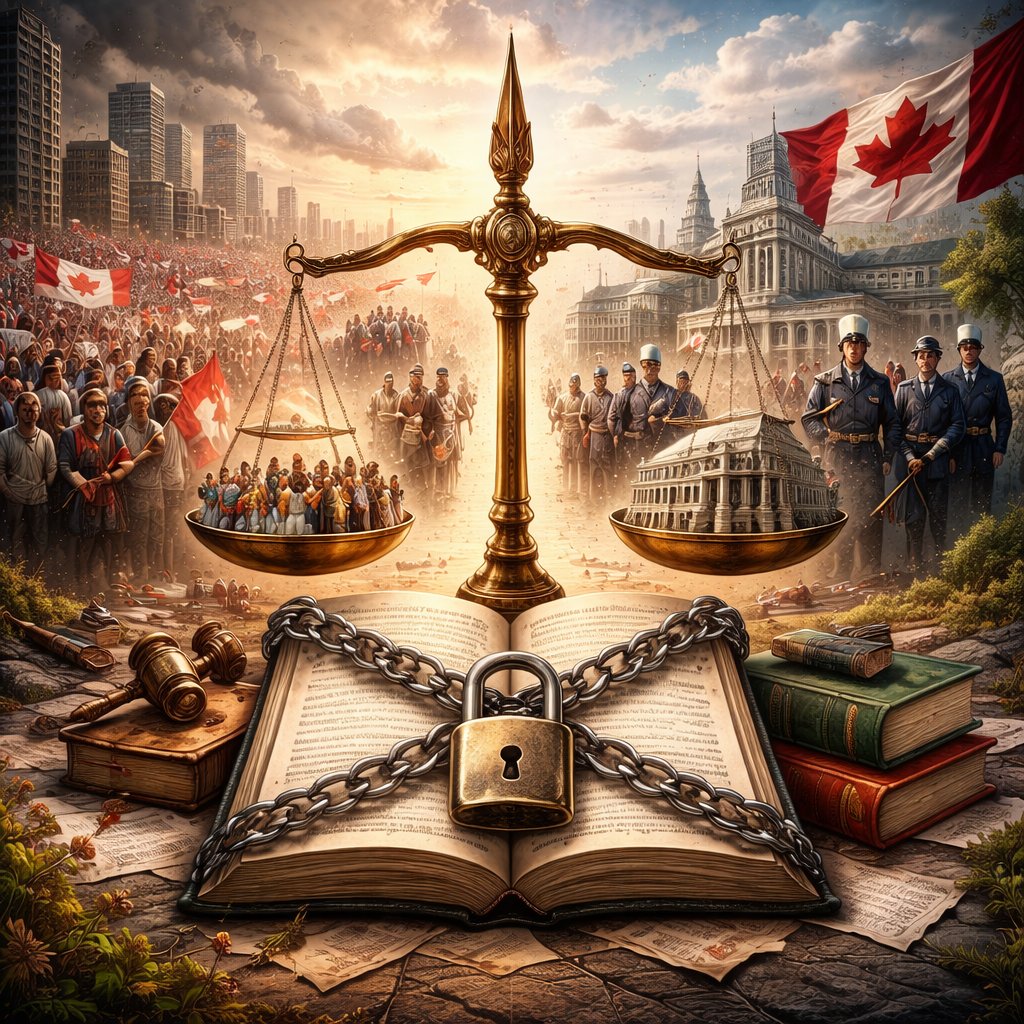
इस लेख का मुख्य विचार यह है कि केवल बहुमत के आधार पर चलने वाली व्यवस्था कभी-कभी समस्याएँ पैदा कर सकती है, जबकि मजबूत नियमों और सत्ता के संतुलन पर आधारित प्रणाली लंबे समय में स्थिरता और स्वतंत्रता बनाए रखने में मदद करती है।
2026 के कनाडा को उदाहरण के रूप में देखें। यह एक संवैधानिक राजतंत्र और संसदीय लोकतंत्र है। लेकिन असली सवाल यह है कि क्या कानून सब पर समान रूप से लागू होते हैं और क्या सत्ता का संतुलन बना हुआ है, ताकि कोई भी समूह या अस्थायी बहुमत पूरे सिस्टम को जल्दी बदल न सके।
अक्सर लोग “लोकतंत्र” और “गणतंत्र” को एक जैसा मान लेते हैं। लोकतंत्र में बहुमत का फैसला चलता है, जो सुनने में उचित लगता है। लेकिन इतिहास दिखाता है कि कभी-कभी बहुमत भावनाओं या डर के आधार पर ऐसे फैसले ले सकता है जो लंबे समय में टिकाऊ नहीं होते।
गणतंत्र व्यवस्था नियमों, प्रक्रियाओं और सत्ता के विभाजन पर ज़ोर देती है। यह केवल चुनाव जीतने पर नहीं, बल्कि शासन के तरीके पर ध्यान देती है। यहाँ तक कि बड़ी बहुमत भी बुनियादी नियमों को आसानी से नहीं बदल सकती।
कनाडा में हाल के वर्षों में कुछ वास्तविक चुनौतियाँ सामने आई हैं। जनसंख्या तेजी से बढ़ी, लेकिन आवास की आपूर्ति उतनी तेजी से नहीं बढ़ी। इससे घरों की कीमतें और किराए बढ़े, युवाओं पर दबाव बढ़ा, और सार्वजनिक सेवाओं पर असर पड़ा।
सरकार ने हाल में कुछ सुधार किए हैं, जैसे आप्रवासन को नियंत्रित करना और आवास बढ़ाना। लेकिन पहले के फैसलों का असर अभी भी बना हुआ है।
यह भी महत्वपूर्ण है कि आवास संकट केवल एक कारण से नहीं हुआ। इसमें ब्याज दरें, शहरी नीतियाँ और निवेश जैसे कई कारक शामिल हैं।
मुख्य बात यह है कि अगर मांग बहुत तेजी से बढ़े और आपूर्ति पीछे रह जाए, तो इसका बोझ आम लोगों पर पड़ता है।
संस्थागत स्तर पर भी संतुलन जरूरी है। अगर सरकार की अलग-अलग शाखाओं के बीच पर्याप्त नियंत्रण और संतुलन नहीं होता, तो जवाबदेही कम हो सकती है।
कोई भी प्रणाली पूरी तरह सही नहीं होती। हर व्यवस्था को मानव स्वभाव की सीमाओं के साथ काम करना पड़ता है। इसलिए मजबूत नियम और संतुलन जरूरी होते हैं।
आम लोगों के लिए यह सब सीधा असर डालता है—महंगाई, नौकरी का दबाव, और भविष्य की अनिश्चितता।
अंत में, सबसे महत्वपूर्ण बात यह है कि नीतियों में संतुलन होना चाहिए—तुरंत जरूरतों को पूरा करना और लंबे समय की स्थिरता दोनों को ध्यान में रखते हुए।
11