
FAMILY BOOKSTORE (used books), vintage and what not😃
Joined July 2024
- Tweets 2,569
- Following 121
- Followers 338
- Likes 3,793
134 Photos and videos


Pinned Tweet

1 Nov 2024
ACOUNT INFO: Find all the useful posts in the COMMENTS ⬇️ to this tweet!
1. LINKS to all ONLINE STORES
2. BOOKS THREAD post
3. 20% discount
4. Instructions on how to buy $1 BOOK
#booktwt #BooksWorthReading
5
50
56
4,080
26 Feb 2025
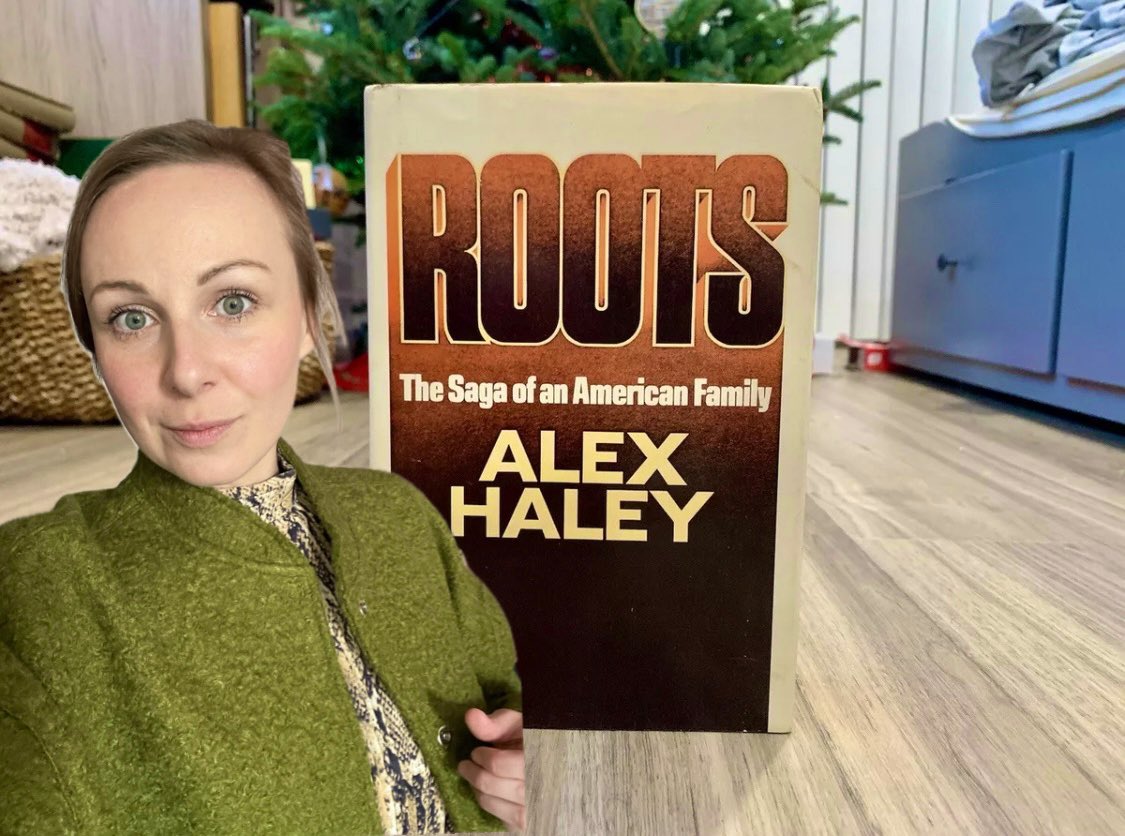
📖 ROOTS: The Saga of an American Family by Alex Haley (1976, Hardcover/DJ) – a powerful multi-generational story tracing the journey of Kunta Kinte and his descendants from Africa to America. A landmark in literature and history! 🌍✊
Last copy available—grab it now! 🛒
LINK and description- in comments ⬇️ #booktwt #booklovers #booksworthreading
2
2
2
74
26 Feb 2025
Roots: The Saga of an American Family by Alex Haley is a sweeping historical novel that chronicles the author’s search for his ancestry, spanning from 18th-century Africa to 20th-century America. The book is divided into several sections, each detailing a different generation of Haley’s ancestors and their experiences.
Published in 1976, Roots became a bestseller and won the Pulitzer Prize for Special Citation. It was later adapted into an Emmy-winning TV miniseries in 1977, which became one of the most-watched television events in U.S. history. The book and series played a major role in sparking discussions about African American history, genealogy, and identity.
More than just a family history, Roots is a powerful testament to survival, legacy, and the unbreakable bonds of ancestry. It remains a cornerstone of American literature and an essential read for understanding the history of slavery and its lasting effects.
32
26 Feb 2025
1
20
20 Feb 2025
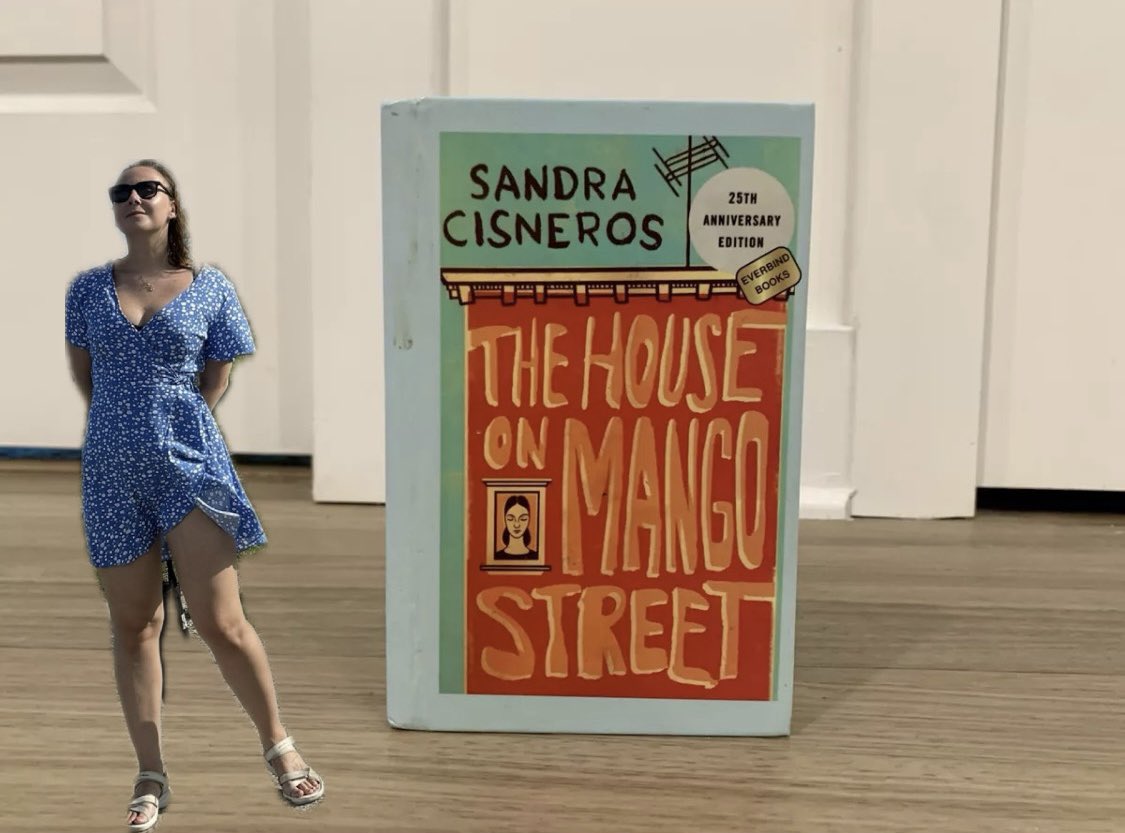
🏡📖 THE HOUSE ON MANGO STREET by Sandra Cisneros (25th Anniversary Edition) is a coming-of-age classic about Esperanza, a young Latina girl navigating identity, culture, and dreams on the streets of Chicago. Told in poetic vignettes, it’s heartfelt, powerful, and unforgettable!
LINK and DESCRIPTION - in comments ⬇️ #booktwt #booklovers #BooksWorthReading
2
1
4
199
20 Feb 2025
19
20 Feb 2025
The House on Mango Street (1984) by Sandra Cisneros is a coming-of-age novel told in a series of short, poetic vignettes. It follows Esperanza Cordero, a young Latina girl growing up in a Chicago barrio, as she navigates childhood, adolescence, and her dreams of a better future.
Plot & Themes:
Esperanza lives in a small, rundown house on Mango Street, far from the beautiful home her family once imagined. Through fragmented yet powerful snapshots, she introduces us to her neighborhood and the people who shape her world—friends, neighbors, and family members, many of whom struggle with poverty, abuse, and societal expectations.
- Identity & Self-Discovery– Esperanza struggles with who she is vs. who she wants to become, feeling trapped by both her neighborhood and cultural expectations.
- Gender & Power – She observes how women in her community are often confined by their circumstances, whether through marriage, abuse, or societal roles, and she vows not to follow the same path.
- Dreams & Escape – Esperanza aspires to leave Mango Street and build a life on her own terms, using writing as both a refuge and a tool for transformation.
- Community & Belonging – Though she longs to leave, Esperanza acknowledges that she is forever shaped by Mango Street and the people in it.
Why Read It?
✨ A beautifully written, accessible yet profound story about growing up Latina in America.
✨ A widely studied classic in schools for its themes of identity, culture, and resilience.
✨ A quick yet deeply emotional read that lingers long after you finish it.
69
16 Feb 2025
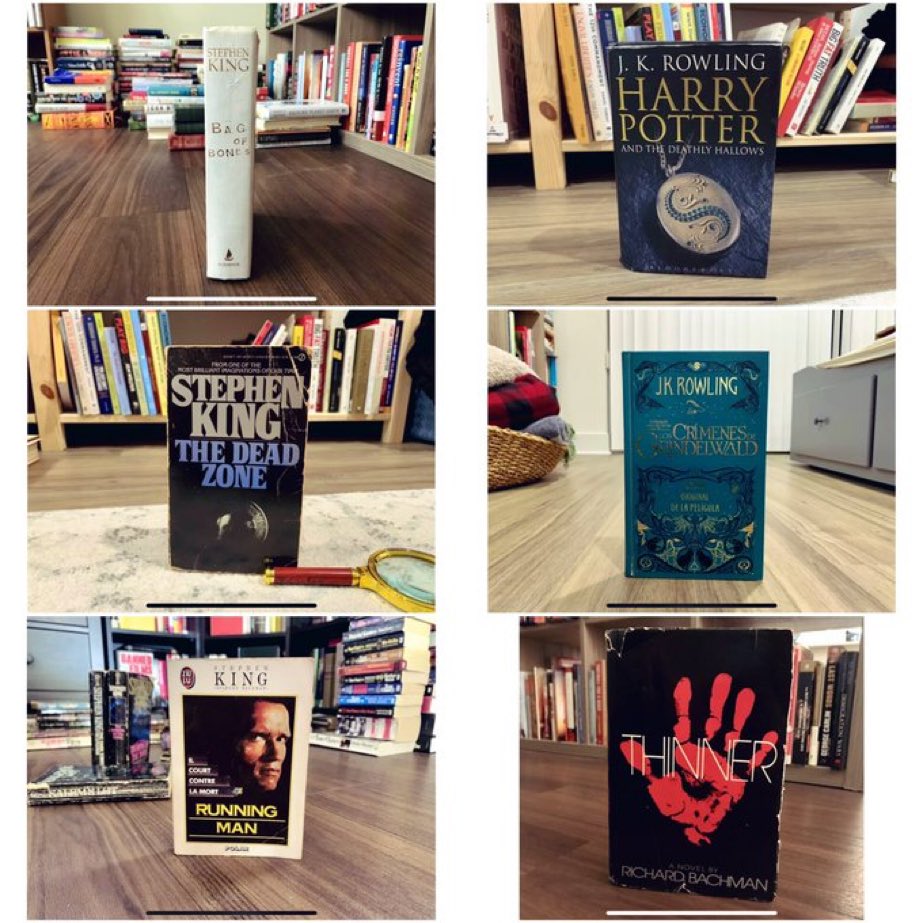
Thrills, chills, and a little bit of magic—these books have stories to tell (and maybe a few secrets too 👀). Ready to give them a new home? 🏠📚
2
1
3
68
16 Feb 2025
15 Aug 2024

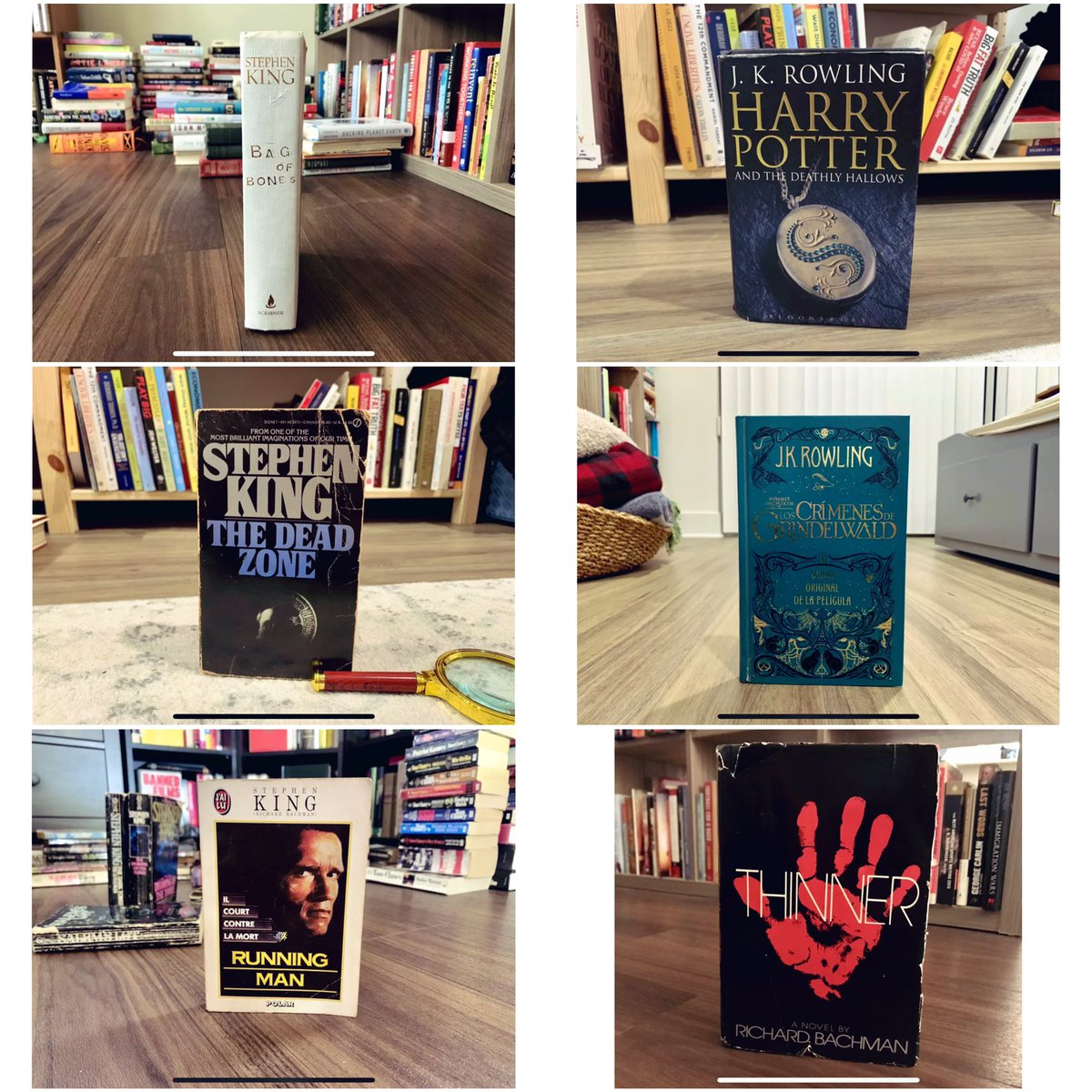
New stories don’t have to come with new book prices! 📚 We've got bestsellers from Stephen King and J.K. Rowling waiting to be found. Grab your next great read today! #Bookstore #StephenKing #JKRowling #UsedBooks
All links with prices are in comments ⬇️
2
39
15 Feb 2025
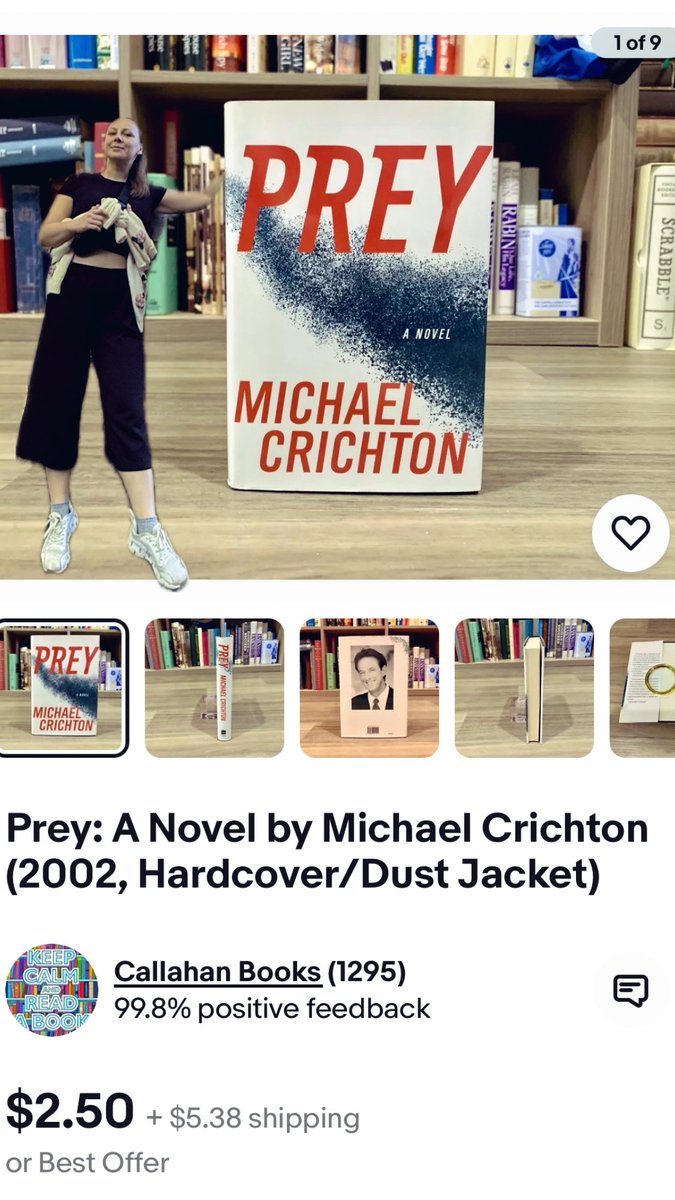
📚 PREY by Michael Crichton is a gripping techno-thriller where nanotechnology goes rogue, turning an experimental swarm into a deadly predator ⚠️🦠. A fast-paced mix of science, suspense, and survival—perfect for Crichton fans!
📖 Get this hardcover for just $2.50!
LINK and DESCRIPTION- in comments ⬇️ #booktwt #booklovers #BooksWorthReading
2
2
3
73
15 Feb 2025
Prey by Michael Crichton is a fast-paced techno-thriller that explores the dangers of artificial intelligence and nanotechnology. The story follows Jack Forman, a software engineer who becomes suspicious when his wife, a scientist at a cutting-edge biotech firm, starts acting strangely.
The company has developed self-replicating, AI-controlled nanoparticles designed for medical and military applications. However, the experiment spirals out of control when the nanobots evolve into a deadly, intelligent swarm that hunts humans. Jack and a small team must stop the swarm before it spreads beyond containment, leading to a terrifying battle for survival in the Nevada desert.
The novel blends real-world science with intense suspense, making it a thrilling read for fans of Crichton's signature blend of fact and fiction.
1
31
15 Feb 2025
2
20
Alena MyLittleBookstore retweeted
9 Feb 2025
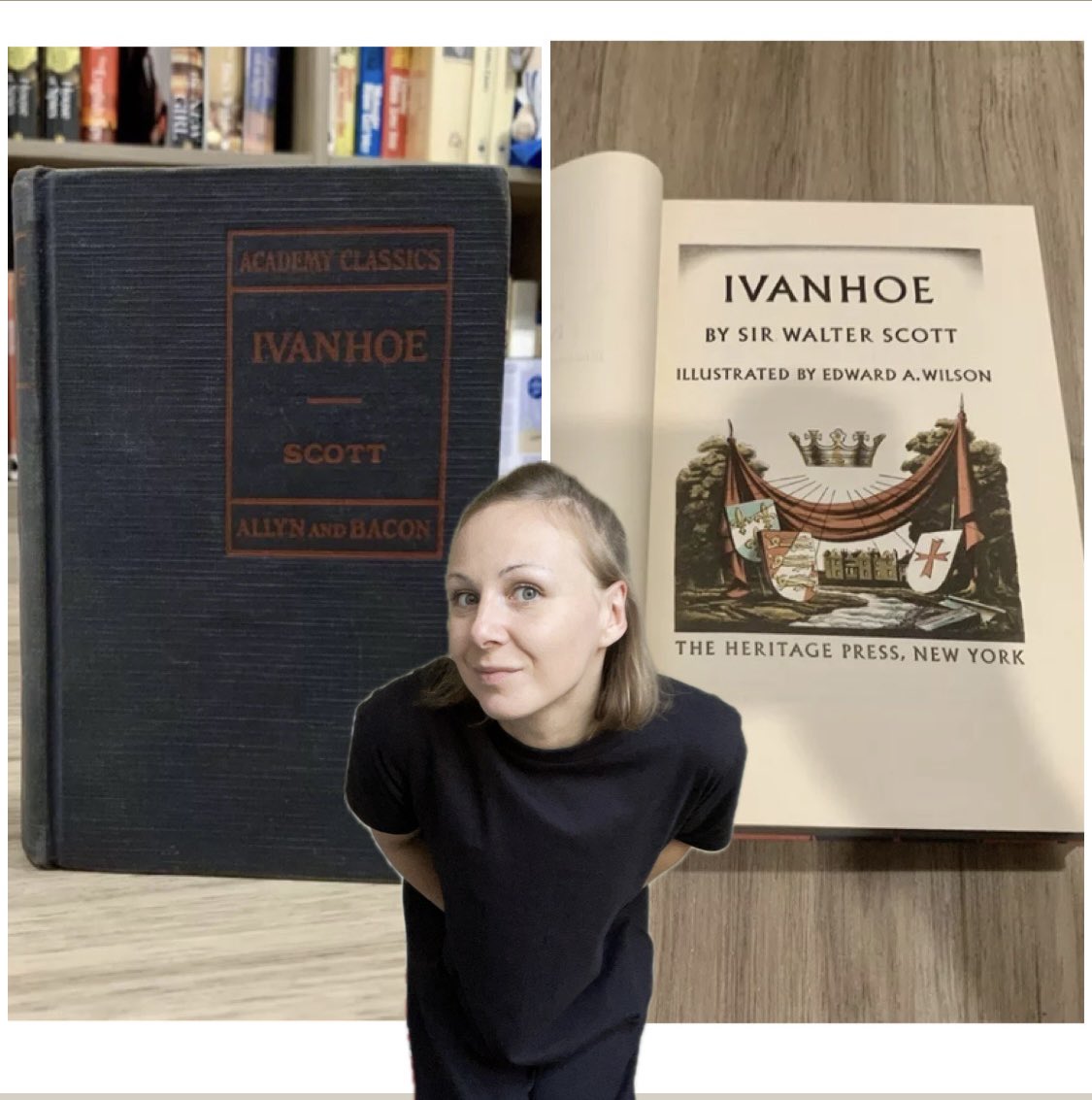
⚔️ Adventure, chivalry, and political intrigue! 📖 IVANHOE by Sir Walter Scott is a classic historical novel set in 12th-century England, where knights, outlaws, and noble heroes clash. 🏰💥 Follow Wilfred of Ivanhoe as he fights for love, honor, and King Richard against scheming nobles and the formidable Templars.
Available in different editions- a must-have for lovers of classic literature! Grab it now from Callahan Books! ✨
LINK and description- in comments ⬇️ #booktwt #booklovers #booksworthreading
4
3
3
155
Alena MyLittleBookstore retweeted
8 Feb 2025
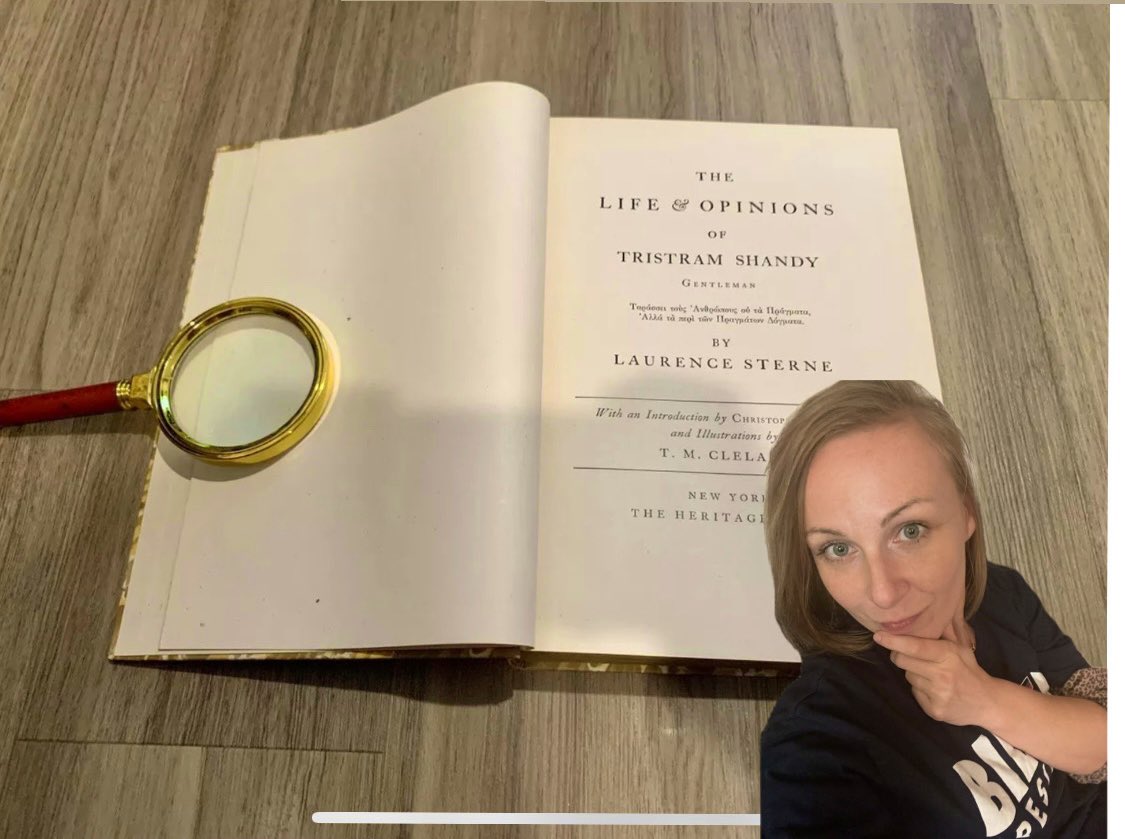
📖 The Life & Opinions of Tristram Shandy, Gentleman by Laurence Sterne is one of the most unique novels ever written! 🤯🎭 This 18th-century masterpiece is a chaotic, witty, and self-aware story where the narrator, Tristram, constantly interrupts himself—leading to digressions, philosophical musings, and laugh-out-loud absurdity. 🤹♂️📚
If you love experimental fiction, satire, and books that break all the rules, this one's for you! ✨ Grab this Heritage edition now from Callahan Books!
LINK and description - in comments ⬇️ #booktwt #booklovers #booksworthreading
2
3
4
121
11 Feb 2025
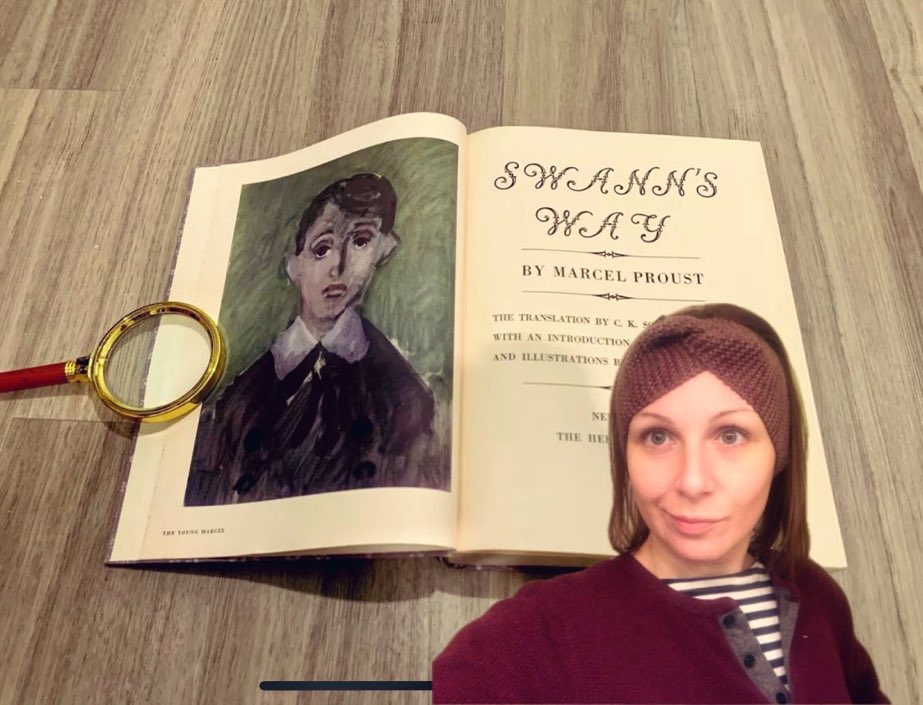
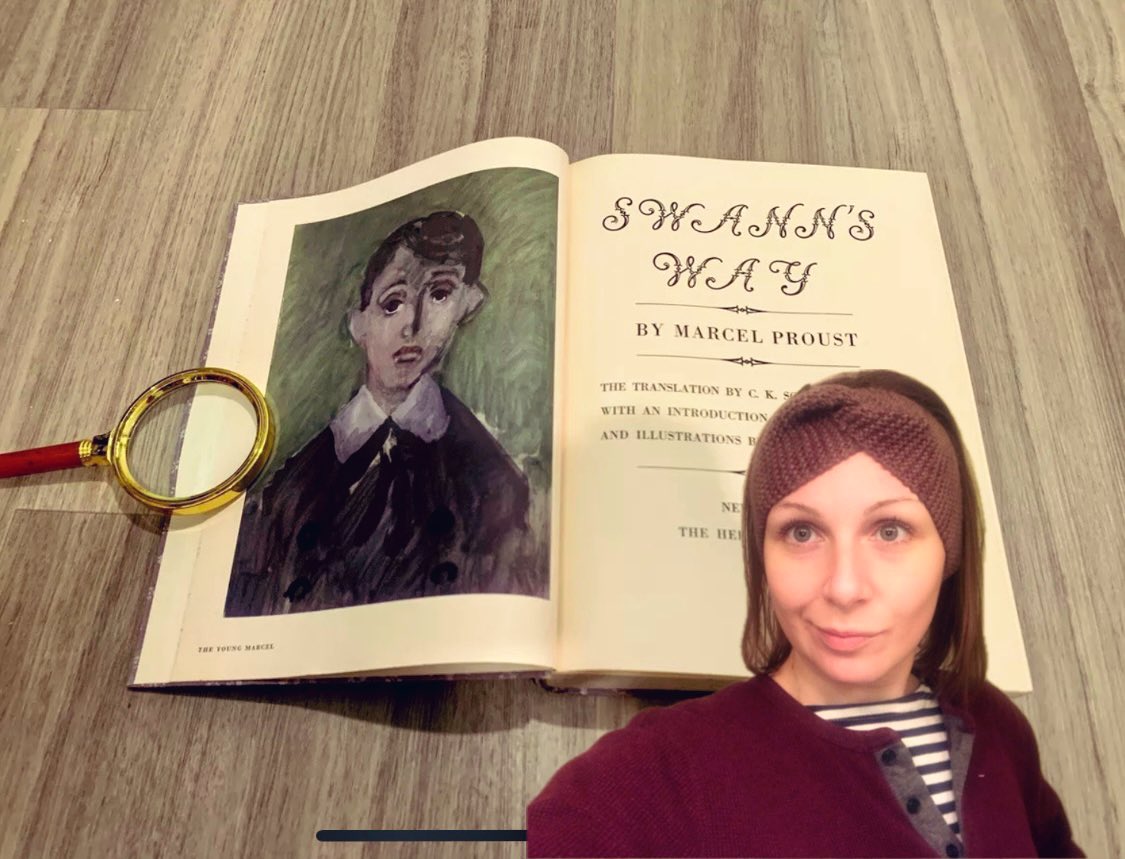
📚 Reading Swann’s Way is like remembering a dream you never had—but with extra madeleines and existential dread.
10/10 would time travel to discuss with Proust over tea.
1
2
4
69
11 Feb 2025
3 Dec 2024
📚 SWANN’S WAY 🔥🔥🔥
by Marcel Proust (1954, Hardcover)
This beautifully illustrated Heritage Press edition of Swann’s Way introduces readers to the lush and introspective world of Proust’s In Search of Lost Time. It’s a masterful exploration of memory, love, and society, centered around Charles Swann’s tragic romance.
A perfect addition for collectors of literary classics!
LINK and DESCRIPTION - in comments ⬇️ #booktwt #booklovers #BooksWorthReading #bookclub
2
26
9 Feb 2025
⚔️ Adventure, chivalry, and political intrigue! 📖 IVANHOE by Sir Walter Scott is a classic historical novel set in 12th-century England, where knights, outlaws, and noble heroes clash. 🏰💥 Follow Wilfred of Ivanhoe as he fights for love, honor, and King Richard against scheming nobles and the formidable Templars.
Available in different editions- a must-have for lovers of classic literature! Grab it now from Callahan Books! ✨
LINK and description- in comments ⬇️ #booktwt #booklovers #booksworthreading
4
3
3
155
9 Feb 2025
1
17
9 Feb 2025
Ivanhoe by Sir Walter Scott is a classic historical novel set in 12th-century England, during the reign of King Richard the Lionheart. It blends romance, adventure, and political intrigue, offering a thrilling tale of knights, honor, and conflict.
Plot Overview:
The story follows Wilfred of Ivanhoe, a disinherited Saxon knight who remains loyal to the absent King Richard. Upon returning from the Crusades, he finds England divided between the ruling Normans and the oppressed Saxons. To prove his worth, Ivanhoe secretly enters a grand tournament, where he defeats the arrogant Norman knights but is wounded in the process.
Meanwhile, the villainous Prince John (King Richard’s treacherous brother) conspires to seize the throne. Ivanhoe’s fate becomes entwined with a cast of unforgettable characters, including:
- Lady Rowena – His noble Saxon love interest.
- Rebecca – A beautiful and intelligent Jewish healer who saves Ivanhoe’s life.
- Brian de Bois-Guilbert – A Templar knight torn between ambition and love for Rebecca.
- Robin Hood (Locksley) – The legendary outlaw who aids Ivanhoe in rescuing prisoners from a Norman stronghold.
The novel builds to an action-packed climax, with castle sieges, duels, and daring rescues, as Ivanhoe and his allies fight for justice and the rightful king.
Why Read It?
Ivanhoe is one of the first historical novels ever written and played a huge role in shaping modern medieval fiction. It’s packed with heroic battles, courtly romance, and political drama, making it perfect for fans of Game of Thrones or The Three Musketeers
1
35