I like tea, books and films. Also history, cake, chocolate, and very occasionally coffee.
Joined April 2012
- Tweets 739,230
- Following 4,494
- Followers 4,889
- Likes 870,751
3,769 Photos and videos

Pinned Tweet

22 Oct 2023
Now with added display name - Dr Naomi, the same as here!
22 Oct 2023

I am drnaomitea over at the alternative - I am not sure how everything will work out but we'll see how it goes
29
125
564
84,656
Dr Naomi retweeted

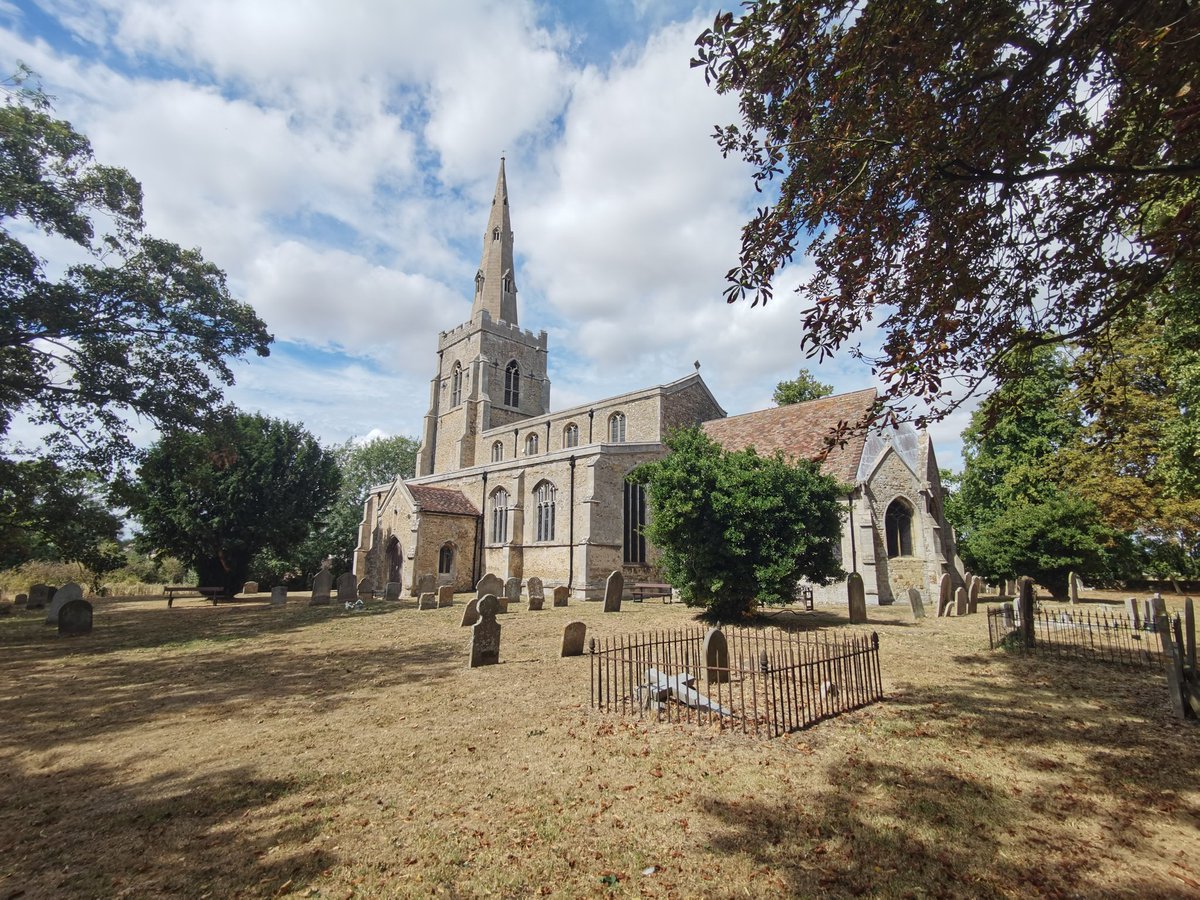
The writer Dorothy L Sayers was born #OTD 13 June 1893. She grew up in Bluntisham, Cambridgeshire where her bell-ringing enthusiast father was rector. The fen landscape of 'The Nine Tailors' is that of the parish, and some character names were taken from Bluntisham churchyard, though the church itself was not the model for Fenchurch St Paul. 1/3
#SteepleSaturday
1
16
89
1,372
Dr Naomi retweeted

Kun seinän ei tarvitse olla pelkkä seinä.
***
13.06.26

1
11
75
289
Dr Naomi retweeted

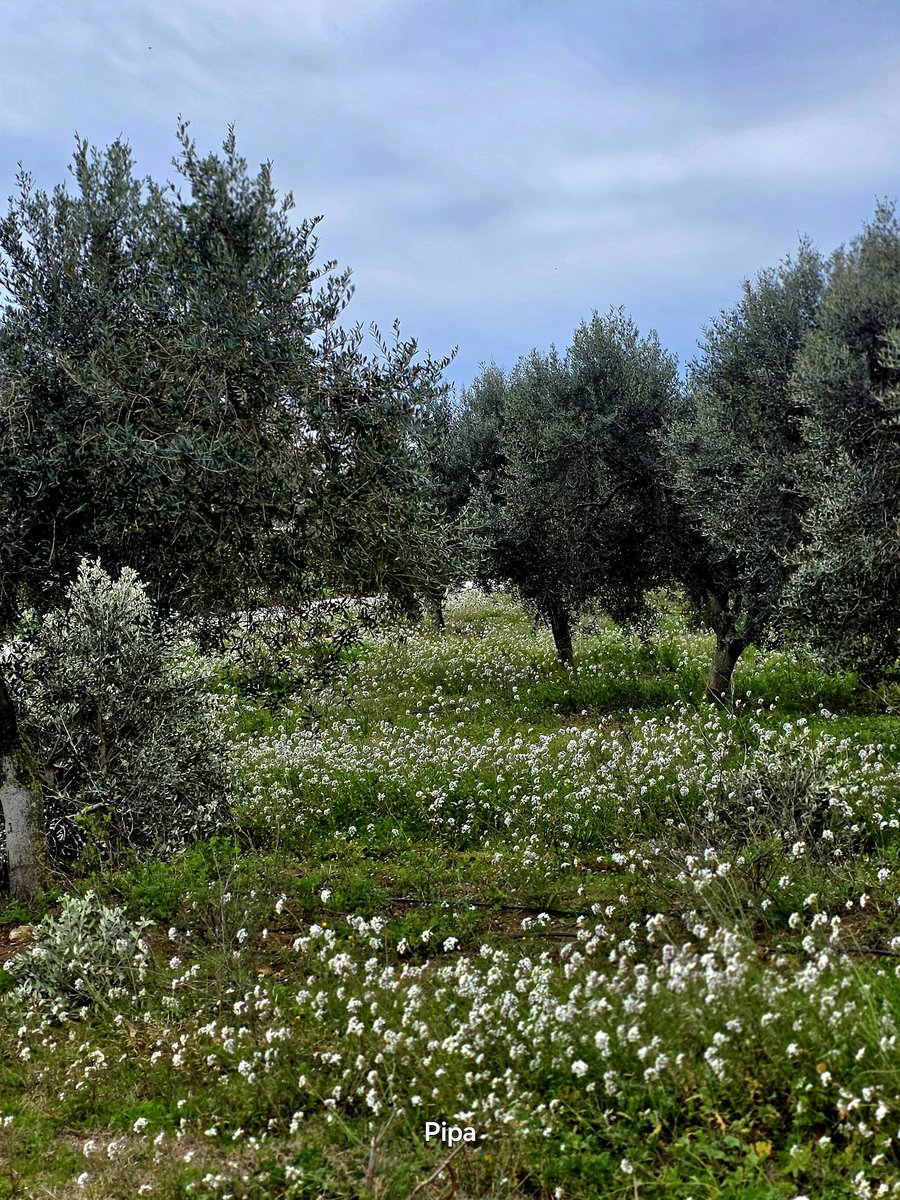
How beautiful the field and the trees are.🌳🌿
4
20
109
474
Dr Naomi retweeted

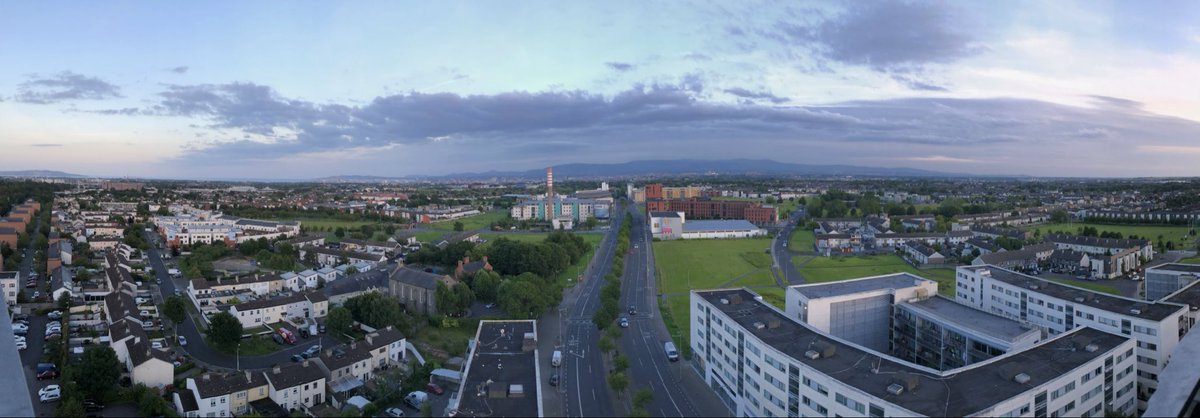
Dear Friends
My short trip to Ireland is coming to an end, but I have a super view over Dublin for the last night 😍
2
1
29
181
Dr Naomi retweeted

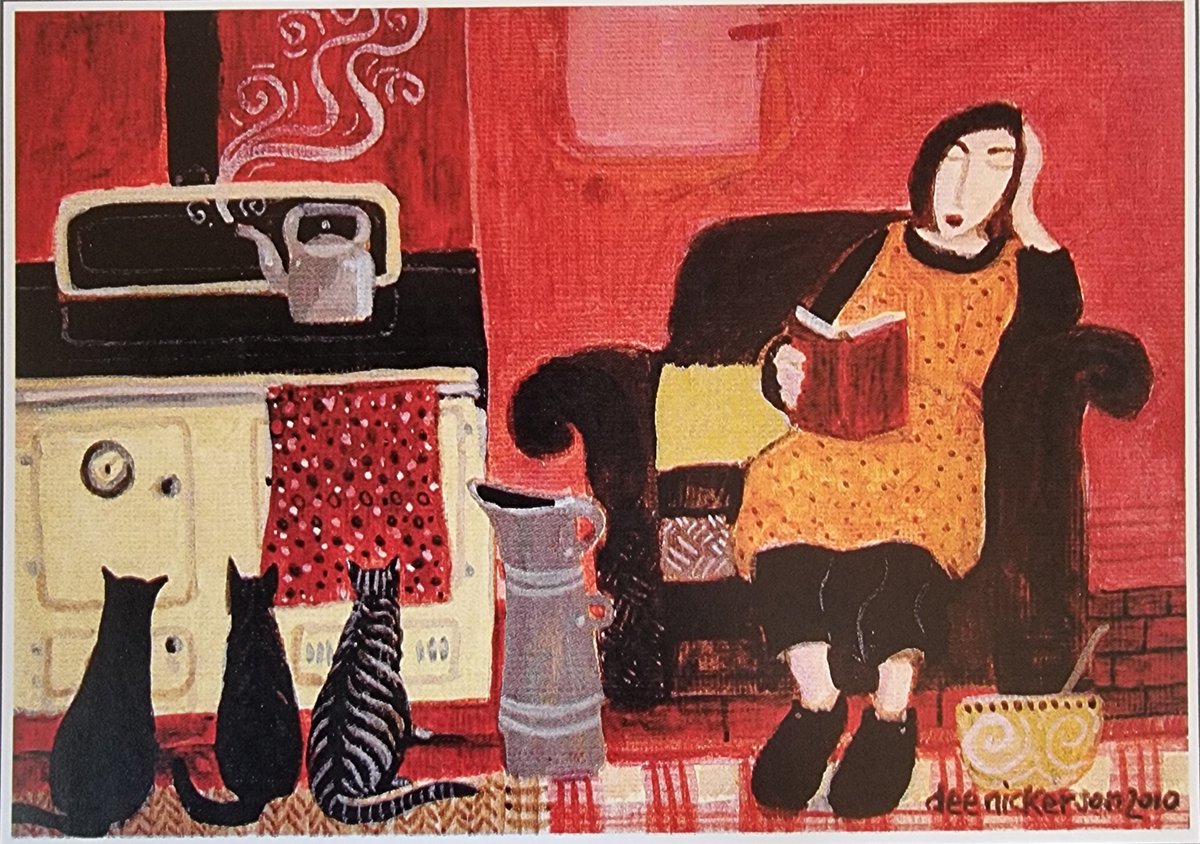
Painted in 2010 when I was painting a series of childhood memories. My mum loved reading more than house work and cats always gathered round the raeburn. Distracted acrylic on paper.
38
212
2,024
18,731
Dr Naomi retweeted

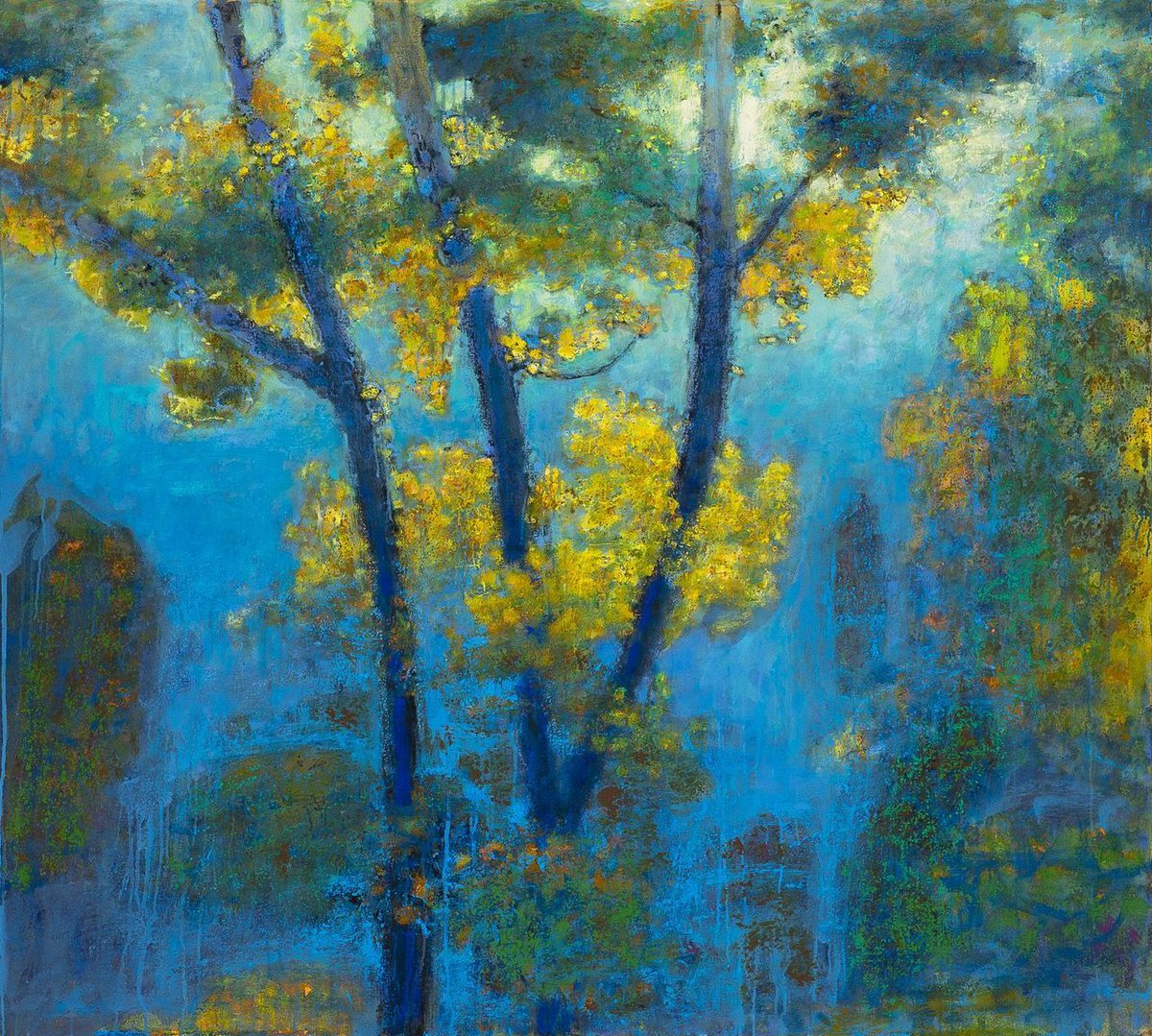
Rick Stevens
Enveloped in Blue
2
47
230
2,734



Dr Naomi retweeted

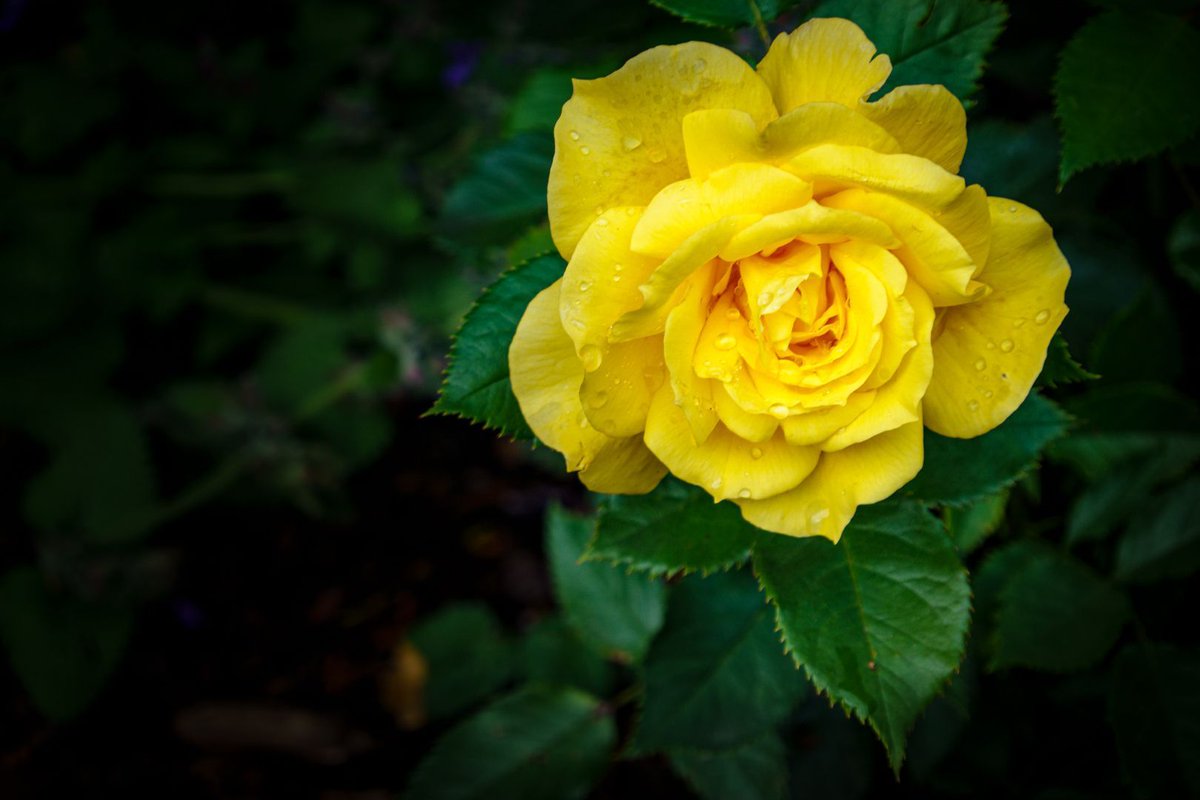
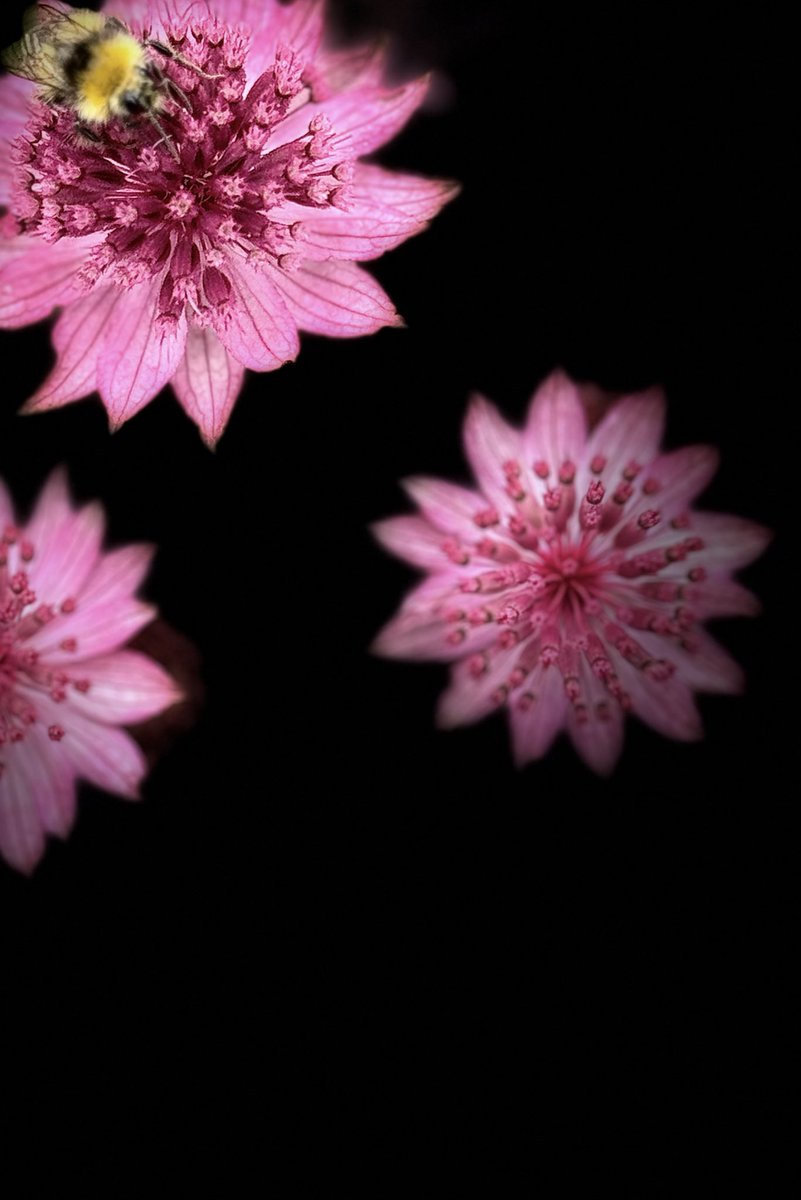
Hello, lovely people 😊
I’ve been out of action for a couple of days (I think I ate something that decided to fight back), so apologies if I’ve missed your posts and photos …..please assume I like them!
Normal service is now resumed, so here’s #FlowersOnFriday (bonus bee)
29
2
84
1,027
Dr Naomi retweeted

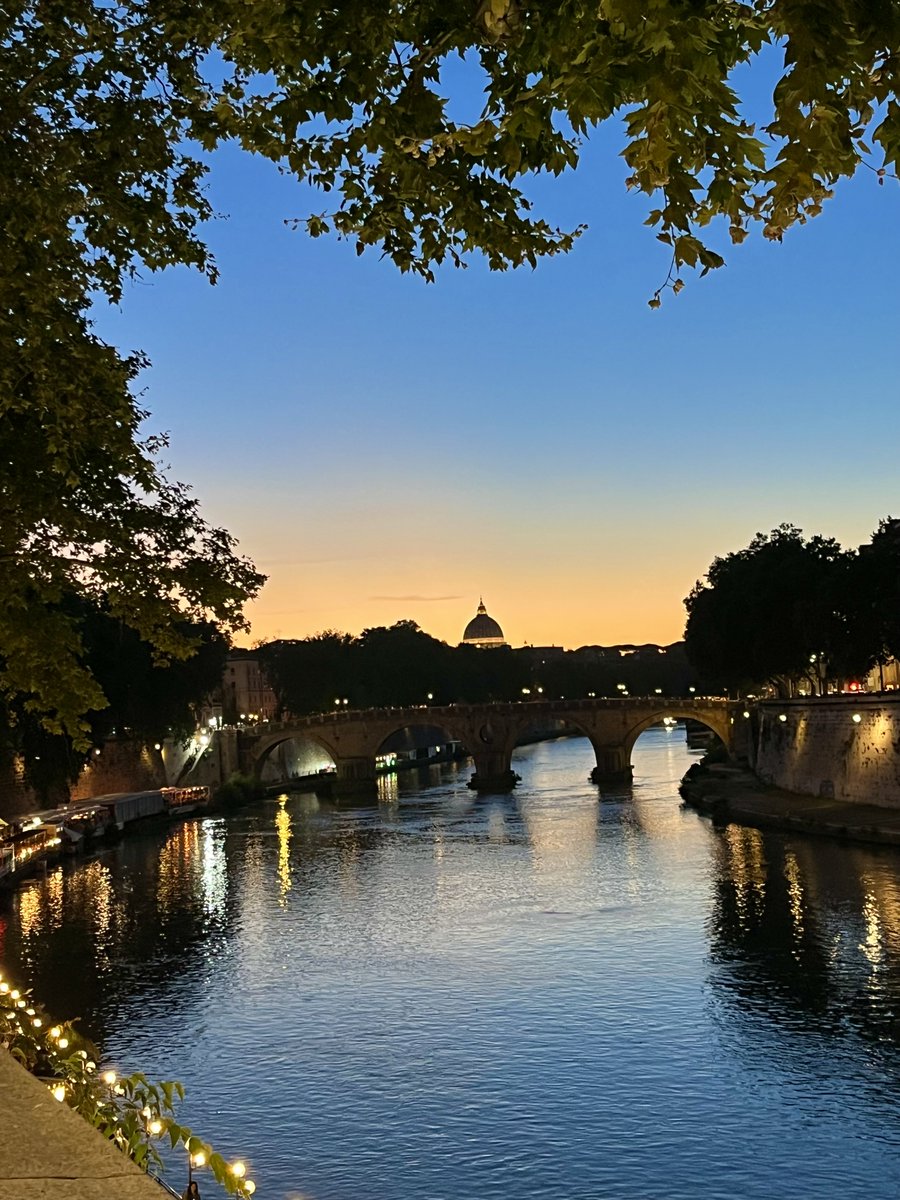
La luce dorata del tramonto persiste persino nell'ora blu.💙
#Roma 🤍
6
19
146
1,012

Dr Naomi retweeted

Jun 12
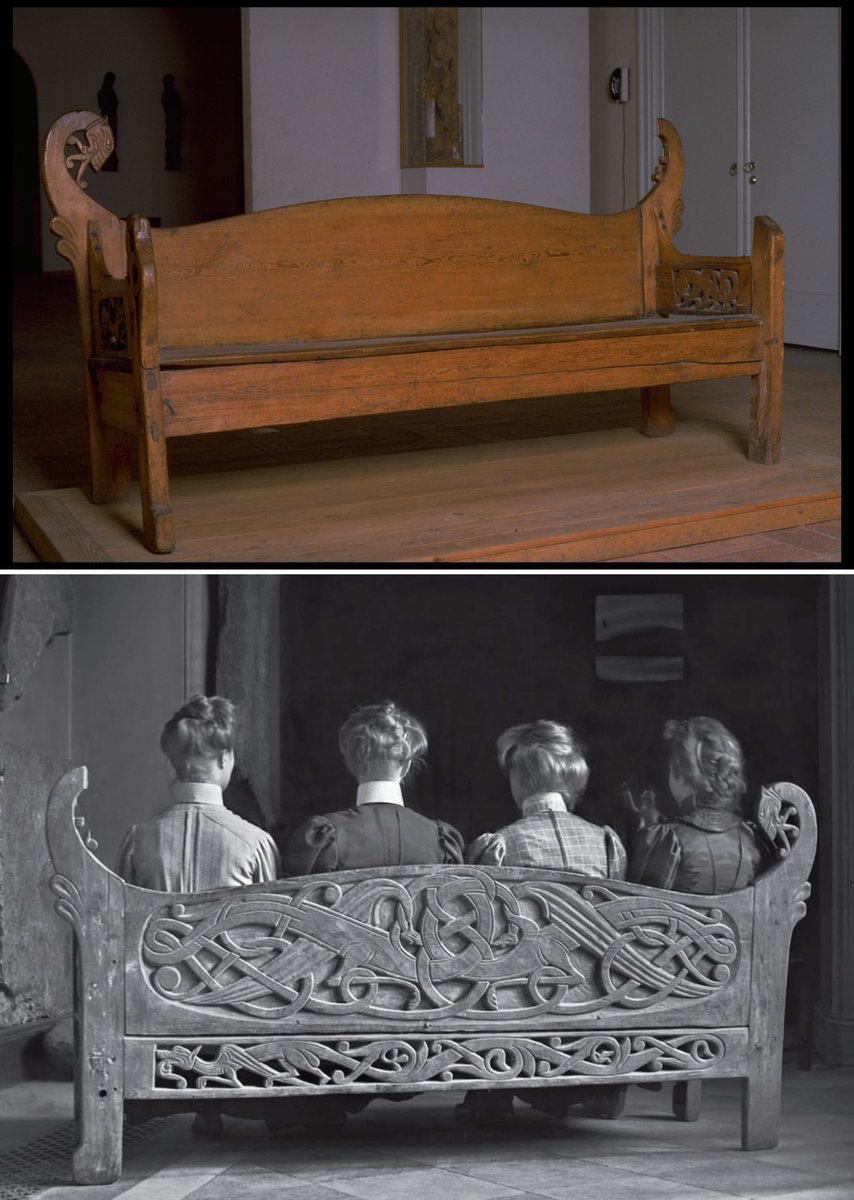
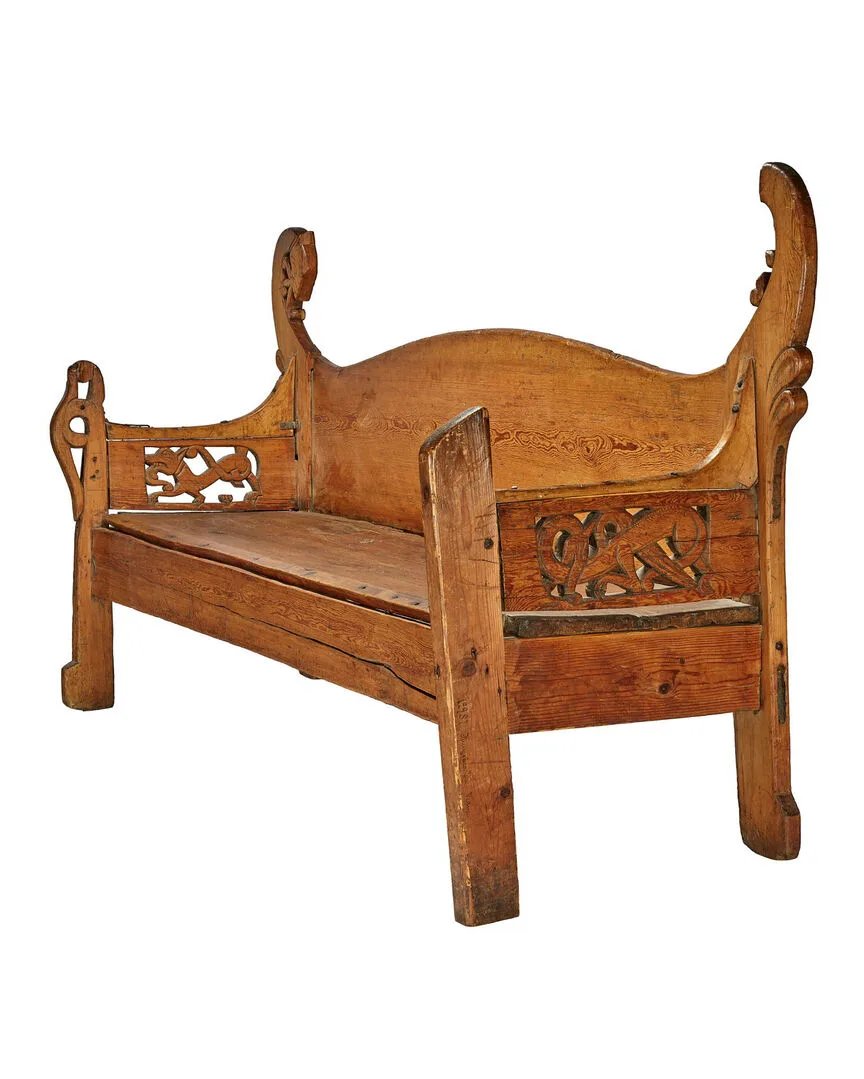
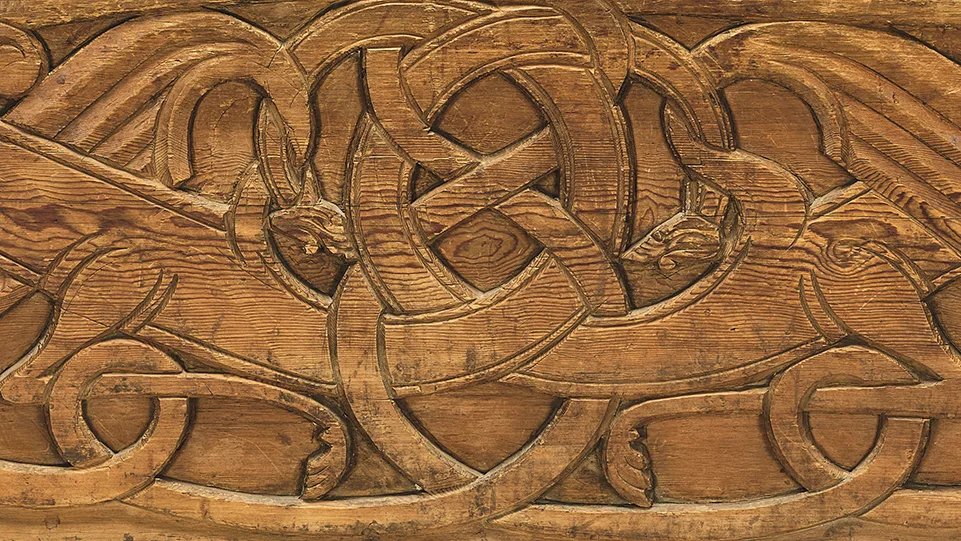
Wooden bench, Kungsåra Church, Sweden, C11-C12. 1908 photograph reflects size, Swedish History Museum. reddit.com/r/ArtefactPorn/co…
historiska.se/en/explore-his…
x.com/archaeologyart/status/…
Feb 19

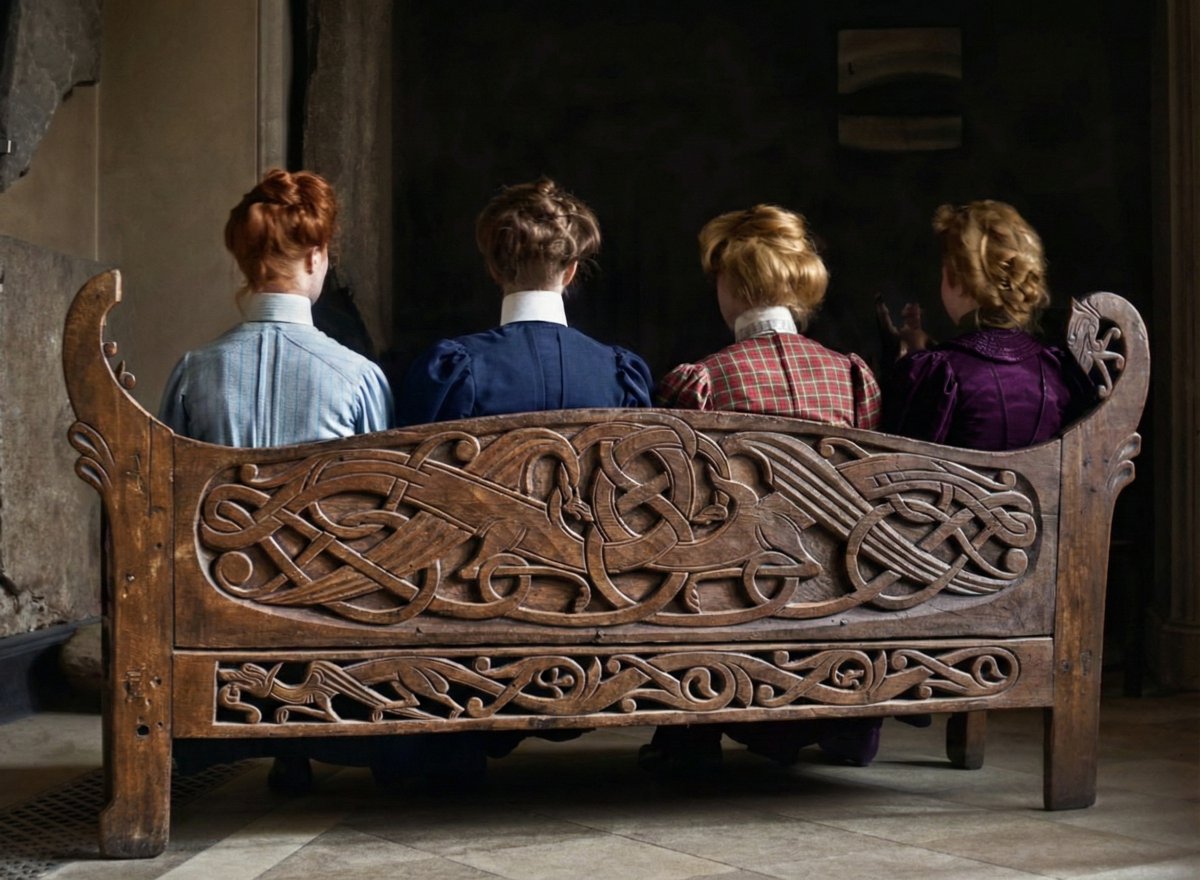
Assistants (**Archaeologists) at the Swedish History Museum, sitting on the 12th-century bench from Kungsåra Church. Stockholm, 1908. (colorized photograph)
Likely originally crafted for a person of high status, this artifact spent years forgotten in the organ loft of Kungsåra Church, painted over in gray. It was rediscovered purely by chance in 1906. Following a lecture in Västerås by archaeologist Oscar Montelius -- who would later become the riksantikvarie (National Antiquarian) -- an audience member happened to mention this old object in the church. Shortly after, museum officials purchased the bench and added it to their collection.
Let's take a closer look at the photo. Today, even touching a thousand-year-old wooden artifact with bare hands would push the limits of modern conservation rules. But in the early 20th century, museum standards were much more flexible. Employees back then didn't see an issue with sitting directly on a historical artifact and casually posing for a photo.
The people sitting on the bench are Sigrid Leijonhufvud, Rosa Norström, Märta Leijonhufvud, and Fanny von Haartman. These women made up one of the first generations of female professionals in the early days of Swedish archaeology. But their official title was simply "assistant."
**It wasn't illegal for women to attend university in Sweden at the time. However, because of Article 28 of the 1809 Swedish Constitution, only Swedish men could be appointed to higher civil service and academic positions. Since the Swedish History Museum was a state institution, these women couldn't be granted the title of archaeologist or curator (antikvarie), no matter how much they deserved it. Within the institutional hierarchy, they were forced to work in the lower-level civil service role of amanuens (assistant). This rigid legal barrier wasn't lifted until 1923 with the enactment of the Competence Act (Behörighetslagen), which finally granted women the right to hold civil service positions.
1
3
21
648


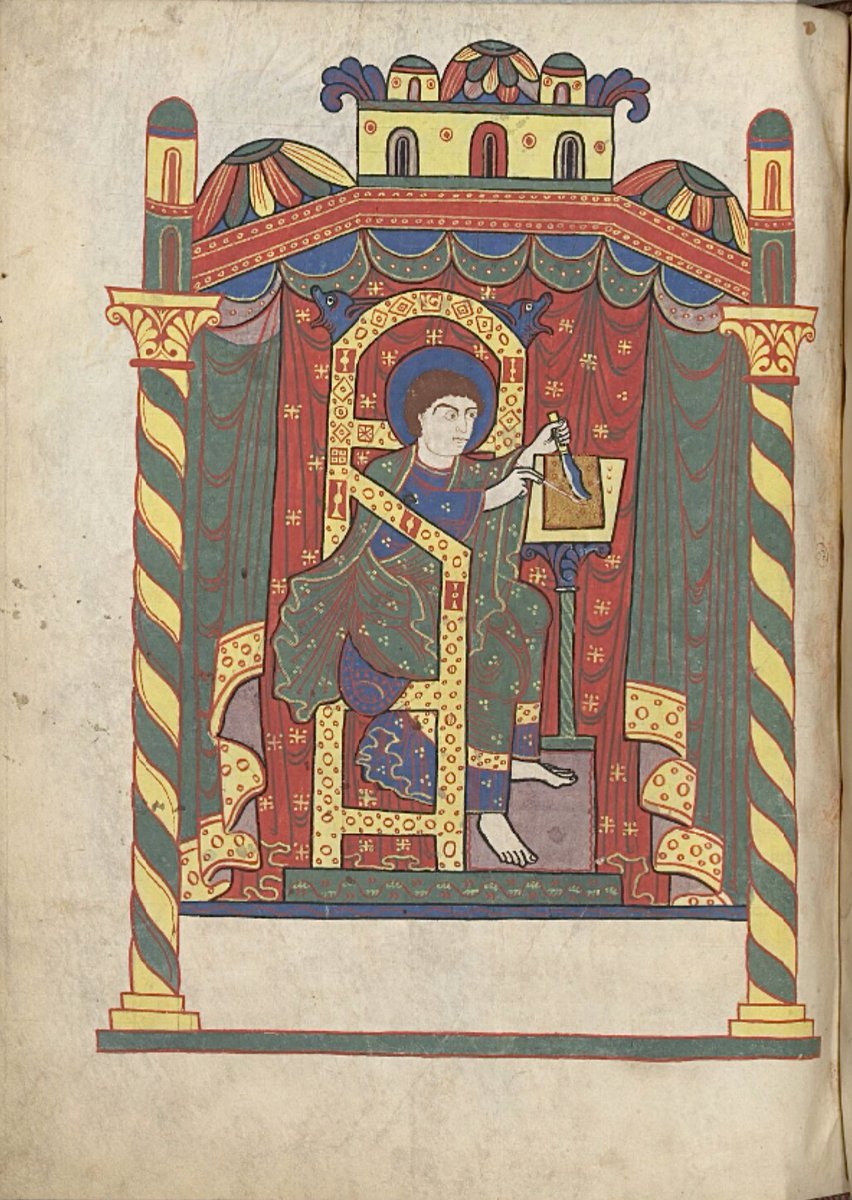
Time to write
BnF MS Latin 8878: Beatus a Liebana, Commentarius in Apocalypsin; S. Hieronymus, Commentarius in Danielem; S. Ildefonsus Toletanus, De beatae Mariae perpetua virginitate; 11th century (before 1072); France SW (Saint-Sever); f.217v @GallicaBnF
13
39
515
Dr Naomi retweeted

#PMJWeeklyChallenge
#ImperfectOrder
@pmj_photos
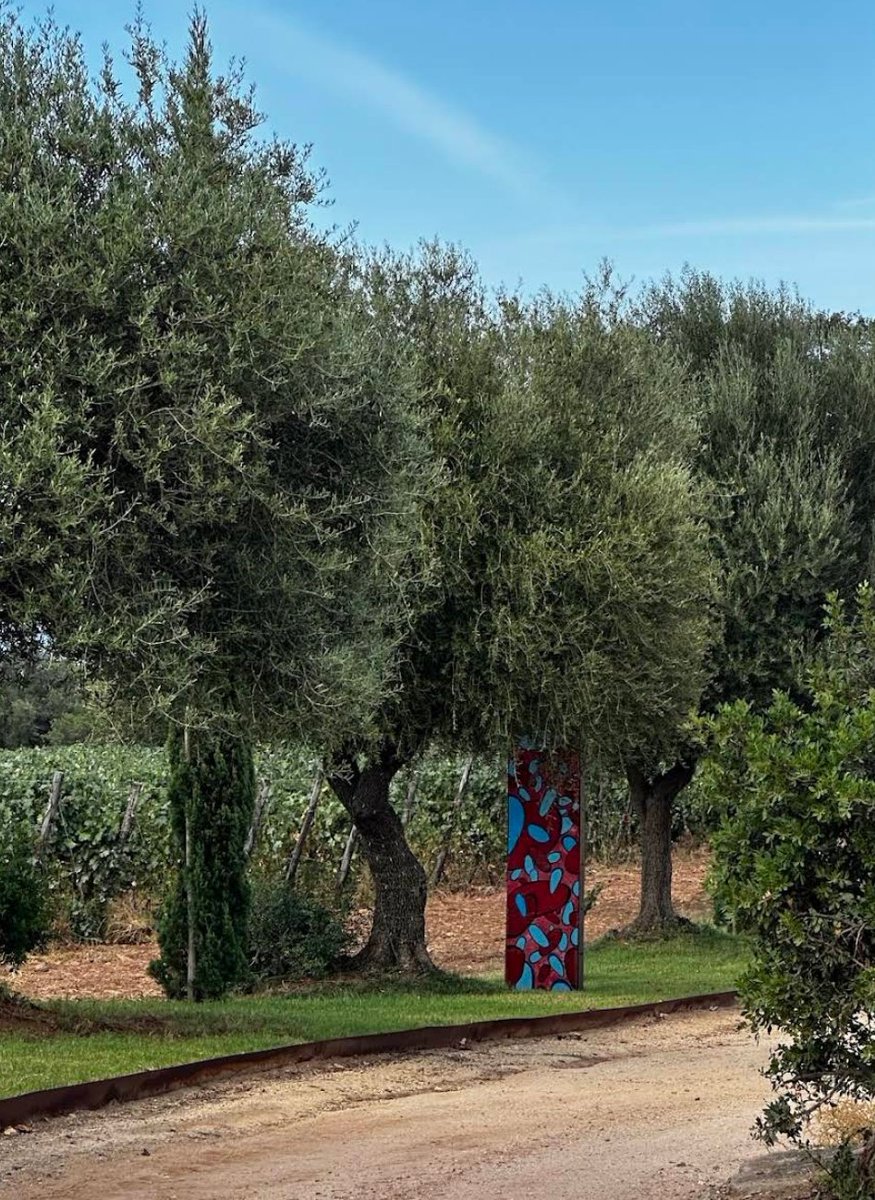
With an attentive eye:
Different tree trunks... and insertion "street Art".
Capoterra-Sardinia.
A few years ago.
1
1
35
139