
- Tweets 407
- Following 0
- Followers 335,573
- Likes 131
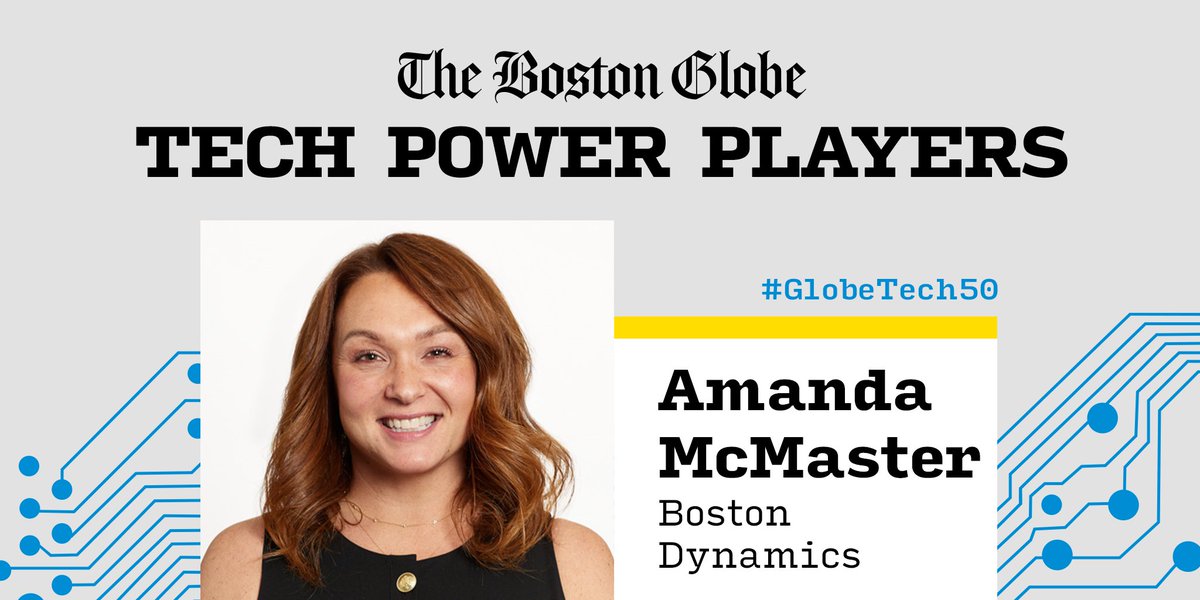


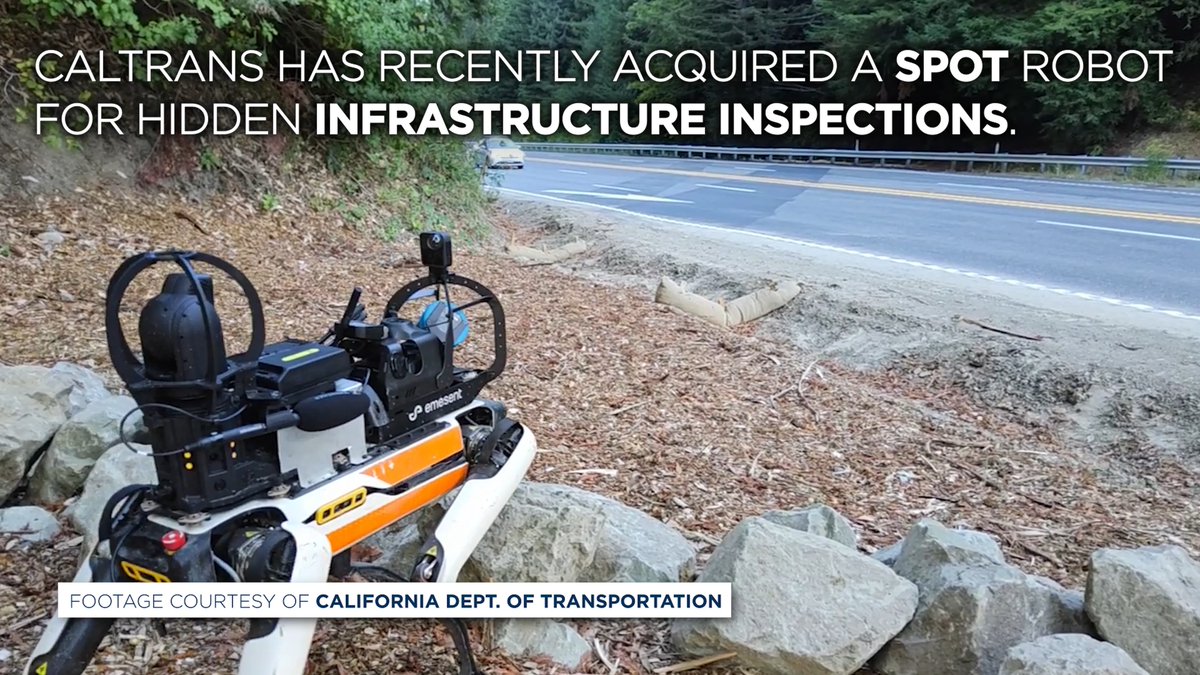
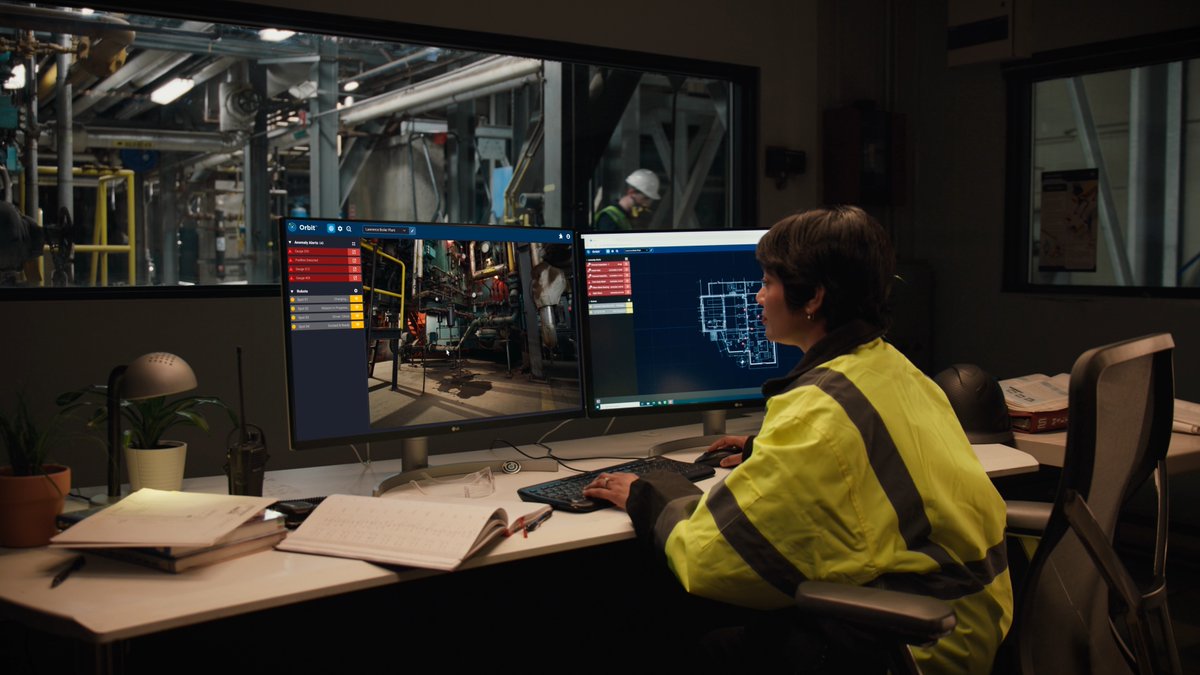
ALT The Boston Globe 'Tech Power Players' featuring Amanda McMaster from Boston Dynamics


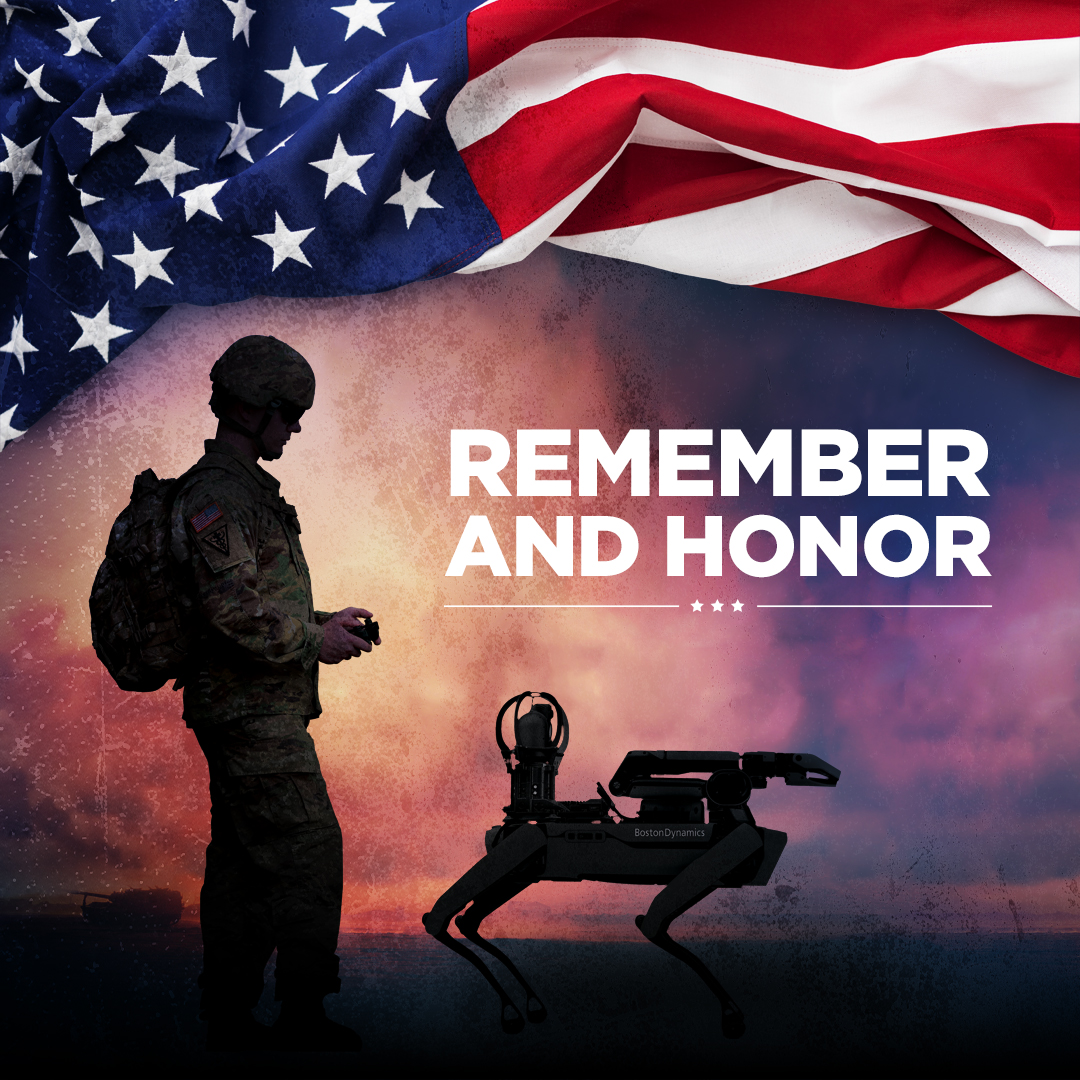
ALT A silhouetted figure in uniform stands beside Spot robot, set against a sunset background. An American flag waves at the top, and the words "Remember and Honor" are prominently displayed.
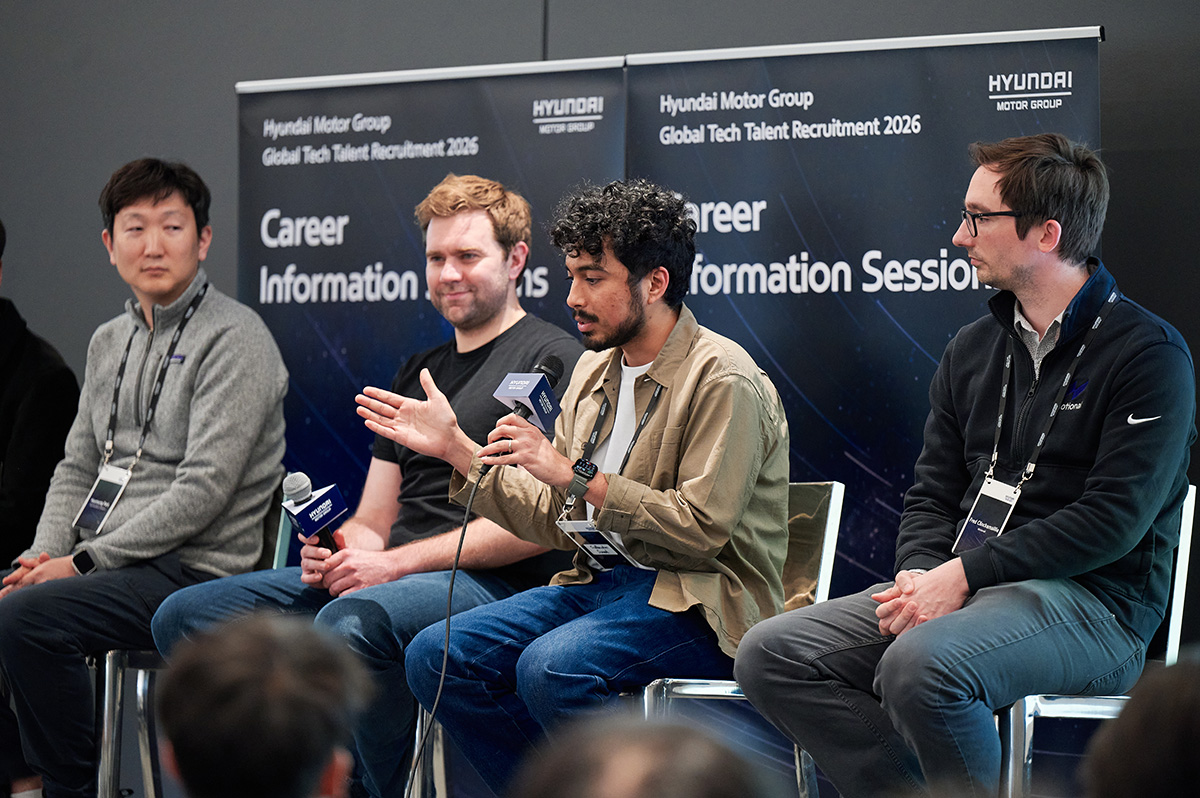
ALT Four individuals are seated on a panel in front of a backdrop displaying "Hyundai Motor Group Global Tech Talent Recruitment 2026" and "Career Information Session." Each person holds a microphone, engaged in discussion. The setting appears professional, suggesting a technology or business-related event.
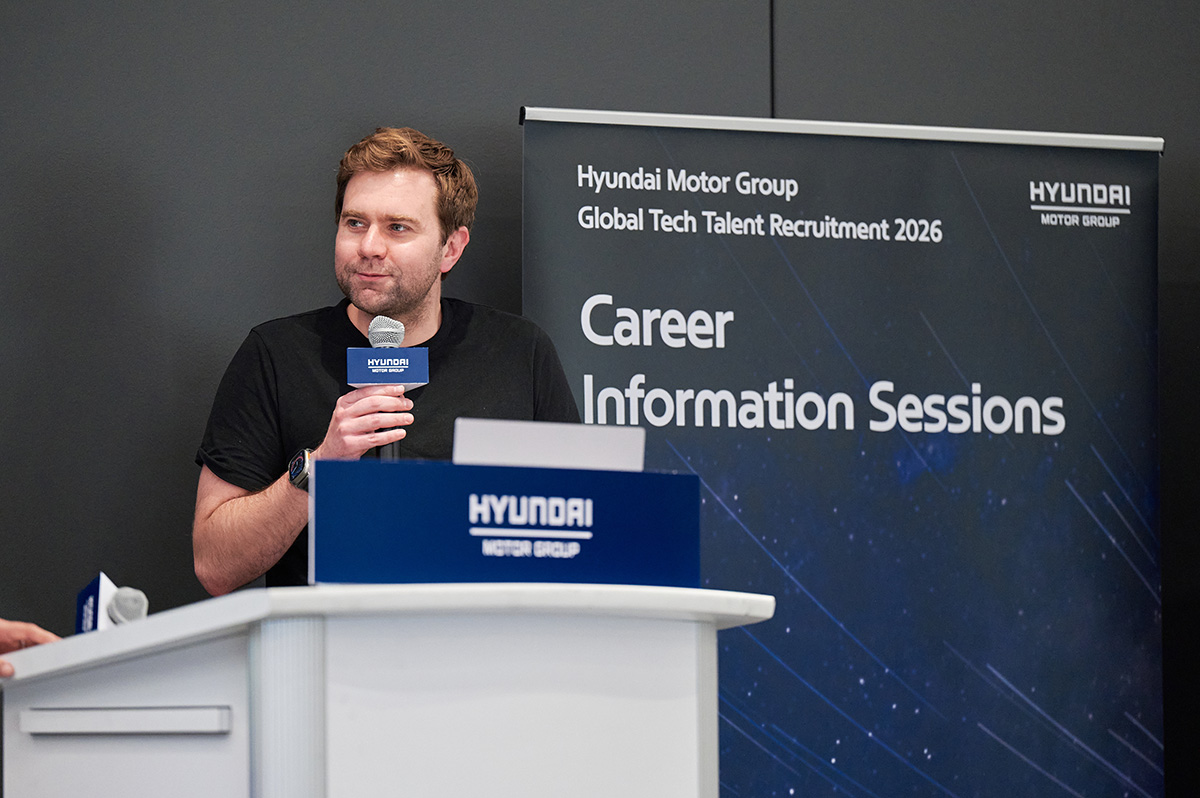
ALT A person stands at a podium holding a microphone, with a banner behind that reads, "Hyundai Motor Group Global Tech Talent Recruitment 2026: Career Information Sessions." The Hyundai Motor Group logo is visible on both the podium and banner.
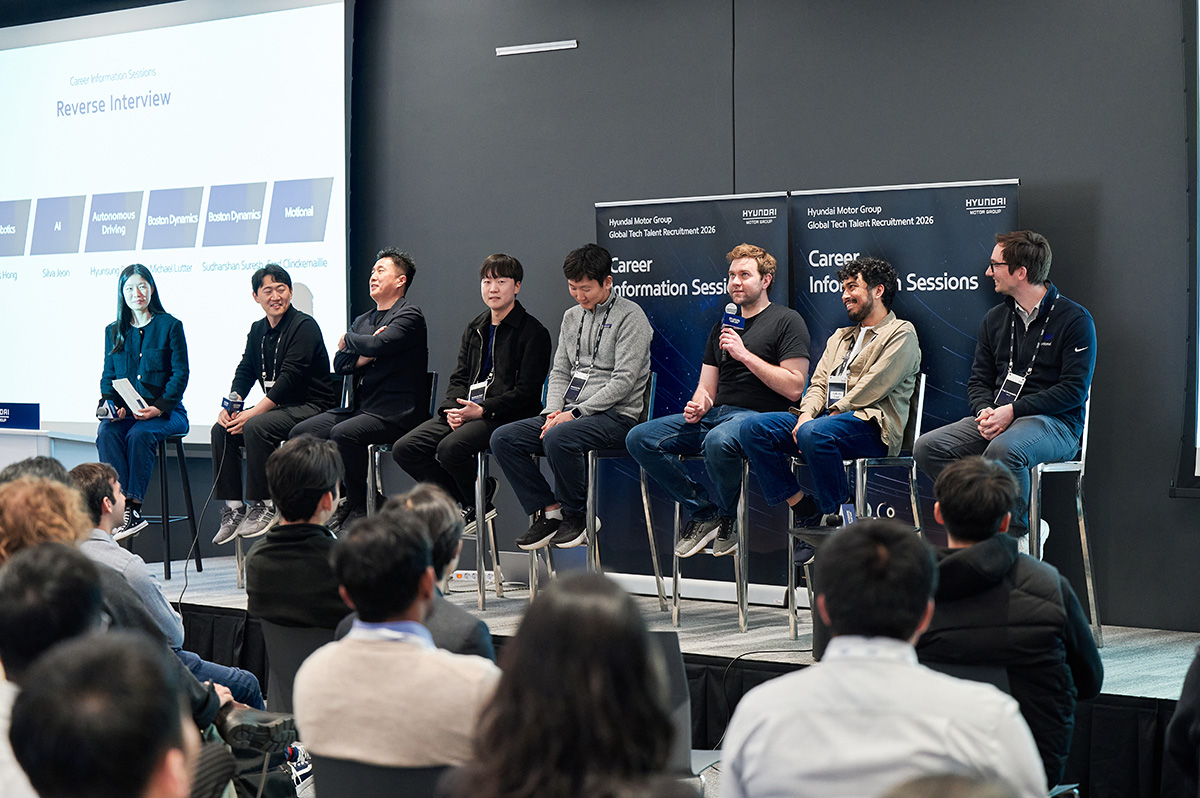
ALT A group of individuals are seated on a stage, participating in a panel discussion. They hold microphones and appear engaged with an audience in front of them. Behind them, two screens display the words "Career Information Sessions" and "Reverse Interview," along with the logo for Hyundai Motor Group. Audience members are sitting and listening attentively.
