
Boston Fed serves the First Federal Reserve District: CT (excluding Fairfield County), MA, ME, NH, RI, and VT.
Joined February 2009
- Tweets 8,715
- Following 839
- Followers 67,630
- Likes 1,755
3,922 Photos and videos




Jun 9
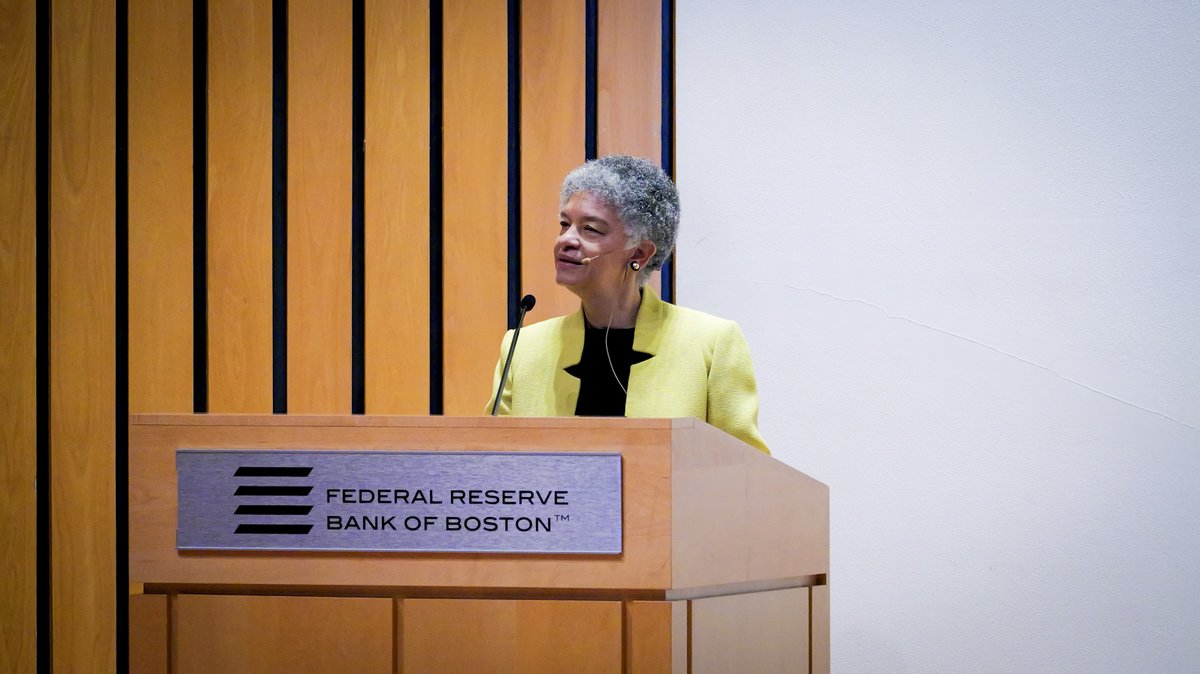
Call for papers: Researchers are invited to submit academic research papers to be considered for presentation at the 2026 Federal Reserve Stress Testing Research Conference on Nov. 5 – 6. The deadline for submission is June 15: bostonfed.org/news-and-event…
587
Jun 5
The U.S. enacted new tariffs during both of President Donald Trump's terms in office. But the 2018 and 2025 tariff policies hit businesses very differently. How? Find out on our latest podcast episode: bostonfed.org/publications/s…
1
525
Jun 5
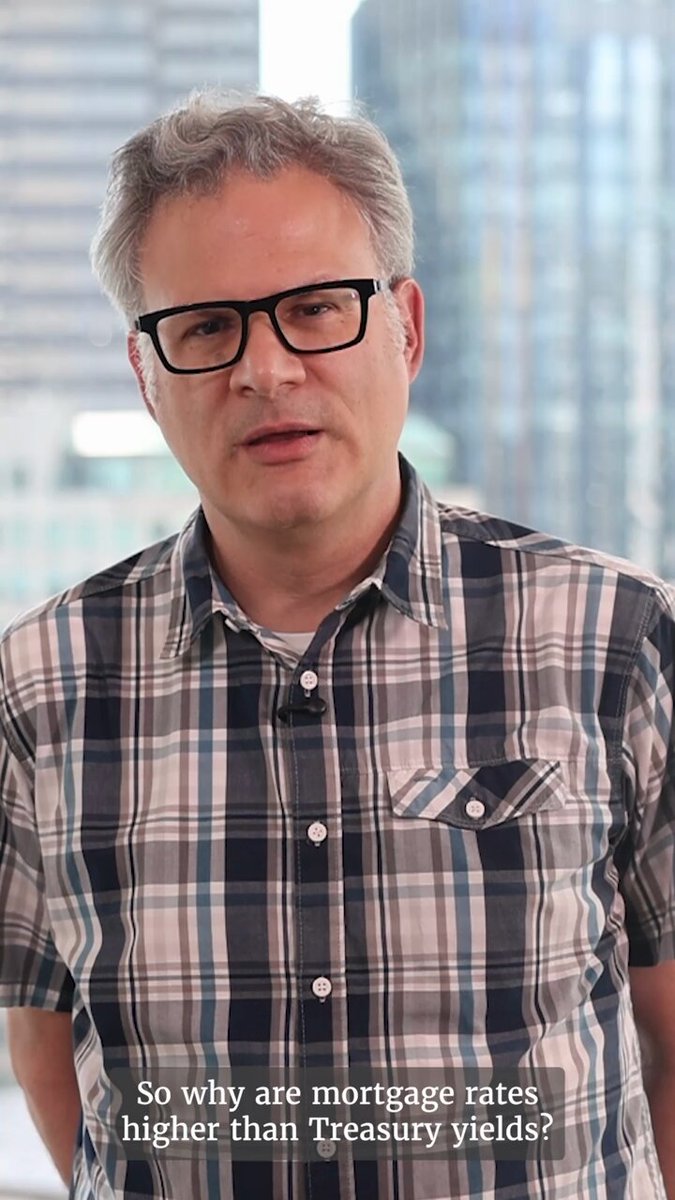
Since 2000, the gap between the 30-year fixed mortgage rate and the yield on a 10-year U.S. Treasury note has ranged from 100 – 300 basis points. Beyond the well-known factors, what's really driving this gap? A Boston Fed study explains: bostonfed.org/publications/c…
2
2
689
Jun 4
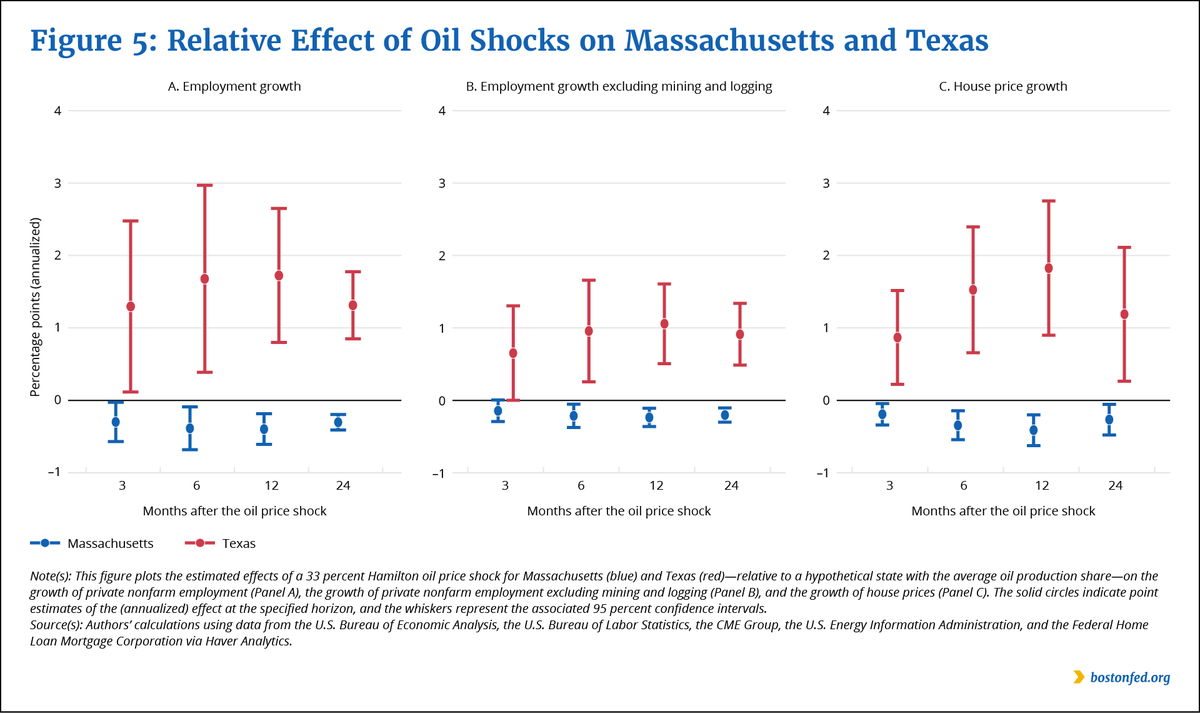
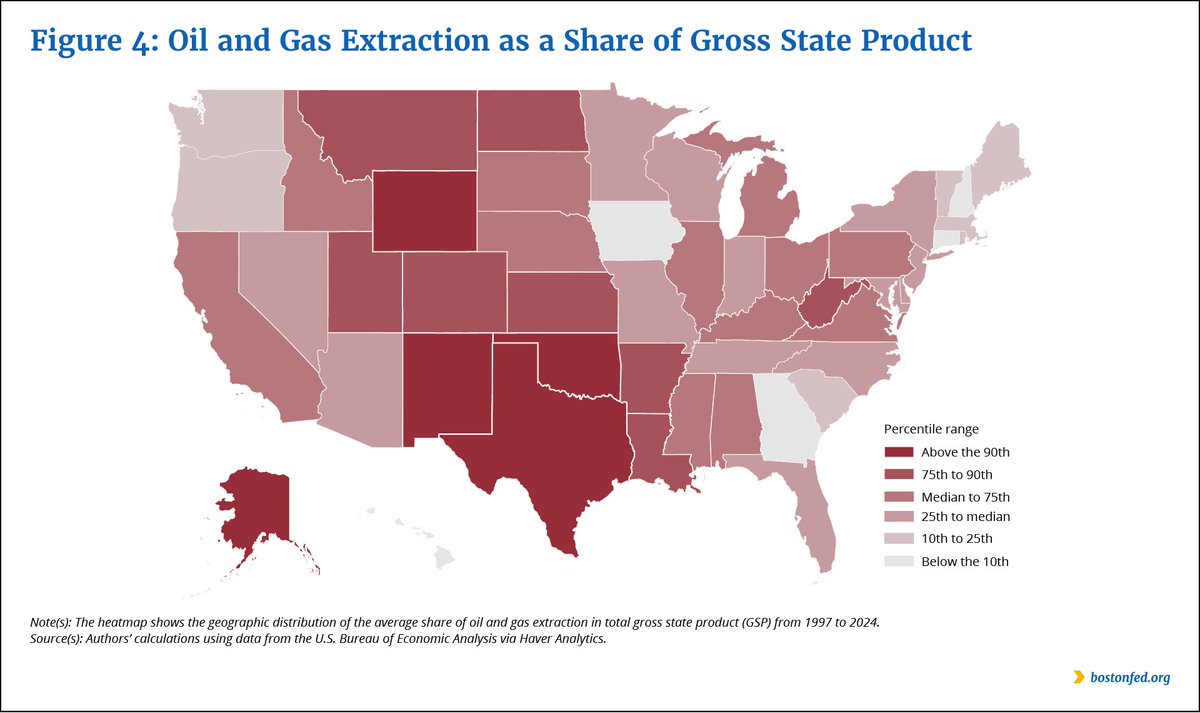
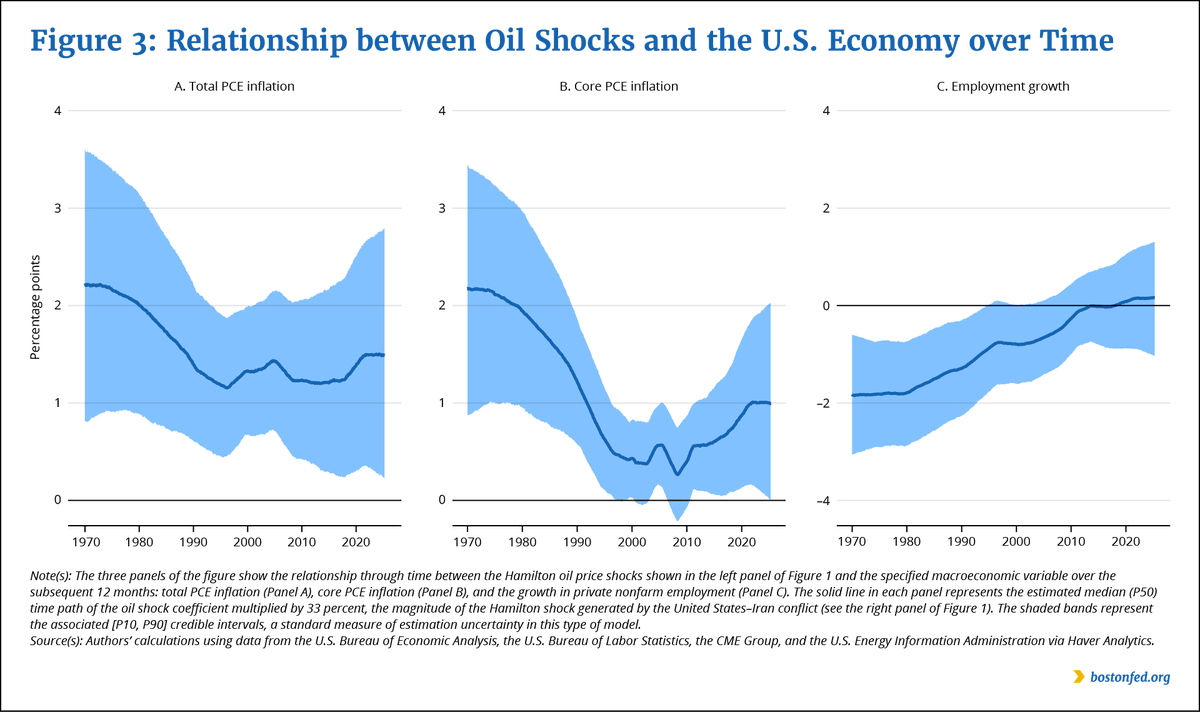
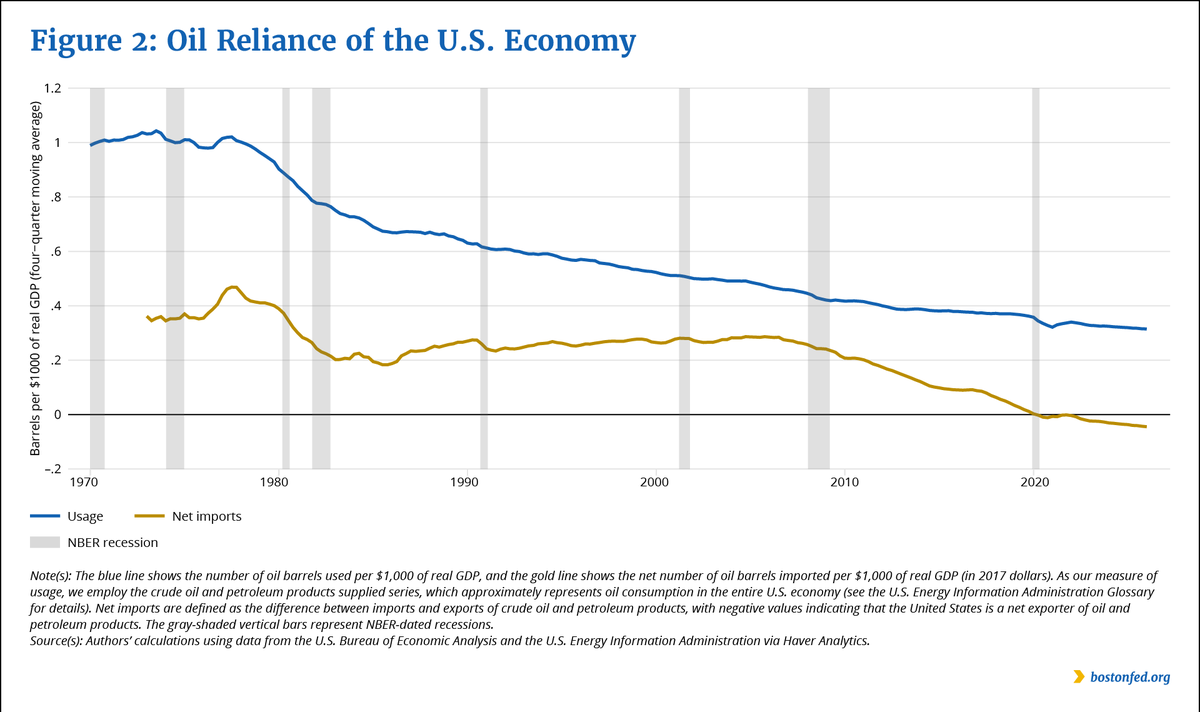
🧵: What’s the size of the oil price shock from the U.S.-Iran conflict, and what risks does it pose to inflation and national employment?
A new Boston Fed study explores these questions: bostonfed.org/publications/c…
Here are the key findings:
1
2
5
1,147
Jun 4
It’s worth noting that these differential effects are persistent, remaining economically and statistically significant for two years after the shock.
1
1
403
Jun 4
The bottom line: The U.S. economy’s vulnerability to oil shocks has not been eliminated, but rather reconfigured. Oil shocks may now pose less of a challenge for monetary policy, allowing policymakers to focus more on the greater risk to inflation. bostonfed.org/publications/c…
1
396
Jun 3
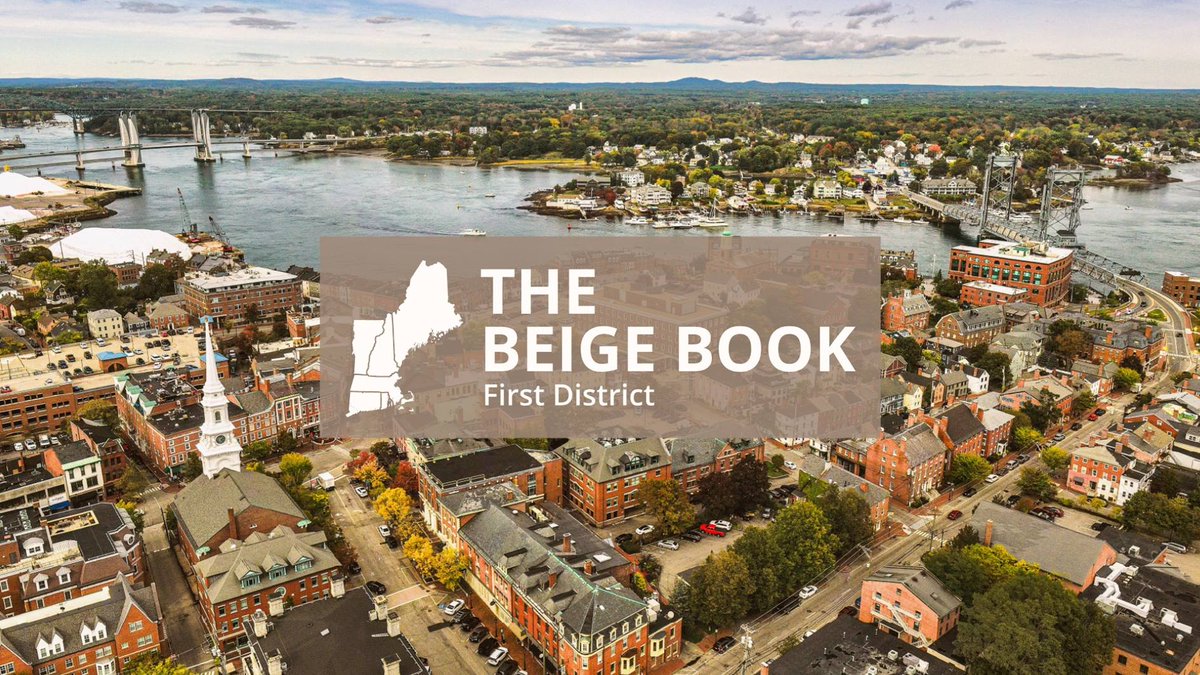
The latest Beige Book indicates economic activity has grown slightly, but outlooks remain mixed as gas prices strain household budgets. Read more: bostonfed.org/news-and-event…
1
1
539
Jun 2
How does geopolitical risk affect U.S. bank valuations, and which kinds of institutions are most vulnerable? A new study examines how geopolitical risk is priced into bank stock valuations, depending on a variety of factors: bostonfed.org/publications/c…
1
858
Jun 1
Could stablecoins and tokenized products reshape the U.S. financial system? This question and more were explored at the Third Conference on Stablecoins and Tokenization, organized by the Boston Fed and @NewYorkFed. Read more: bostonfed.org/news-and-event…
1
1
937
May 28
When countries practice geoeconomics, they use their economic might to win concessions from other nations. But this type of coercion could also have critical impacts on global trade. Learn more on our latest podcast episode: bostonfed.org/publications/s…
1
815