
All opinions are my own and don't represent that of my employer. Any documents posted or re-posted were obtained through publicly available information
Joined December 2008
- Tweets 30,949
- Following 2,315
- Followers 1,834
- Likes 79,224
4,909 Photos and videos







Boston Tom retweeted

Jun 13
Flashback to Trial 1.
During Colin Albert’s cross-examination, Alan Jackson walks through Colin and Allie’s text timeline. According to the screenshot, their texts appear to stop right after Colin left 34 Fairview and then nothing for about a month.
Colin’s explanation?
Maybe they switched to Snapchat.
Now fast forward.
We are being told Michael Proctor’s Snapchat messages are important enough that his lawyer is fighting to keep them from being publicly released, while suggesting the contents could be orally disclosed to the attorneys instead.
So here is my question
If the federal investigation had access to Proctor’s digital communications, and Snapchat is now part of that fight, what are the chances they also looked at Colin’s Snapchat activity?
Because Colin himself raised Snapchat as the possible explanation for why the text trail suddenly goes cold.
That is not a conspiracy theory.
That is a timeline question.
22
32
436
19,563
Boston Tom retweeted

Jun 13
youtu.be/vSSXPXfpgXk?is=Fyf2…
At the 1:50 mark “His family said the Feds checked 5 years worth of personal emails and texts messages and found no problems”
16
9
69
19,282

Jun 13
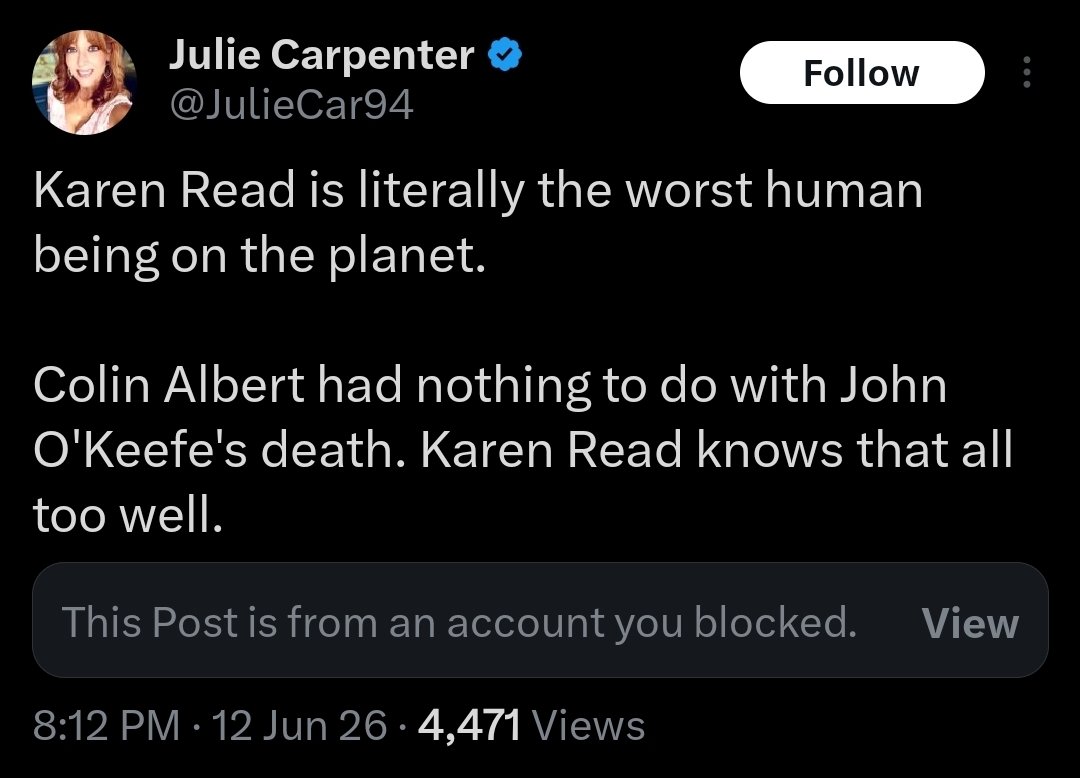
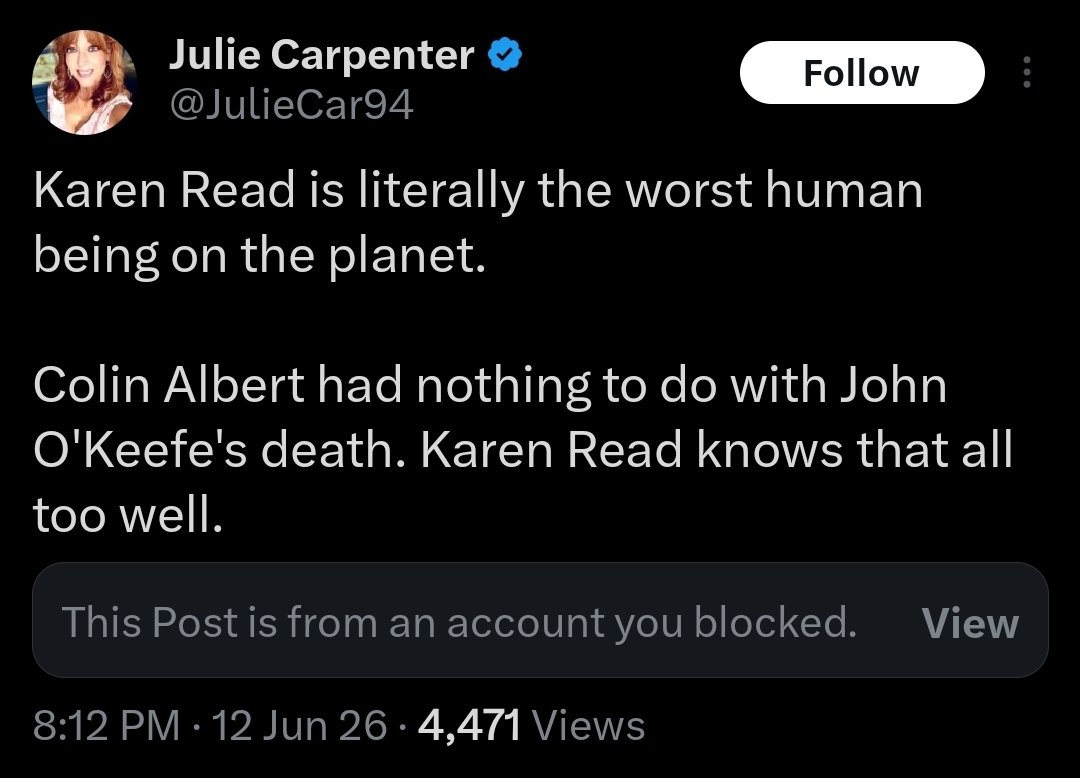
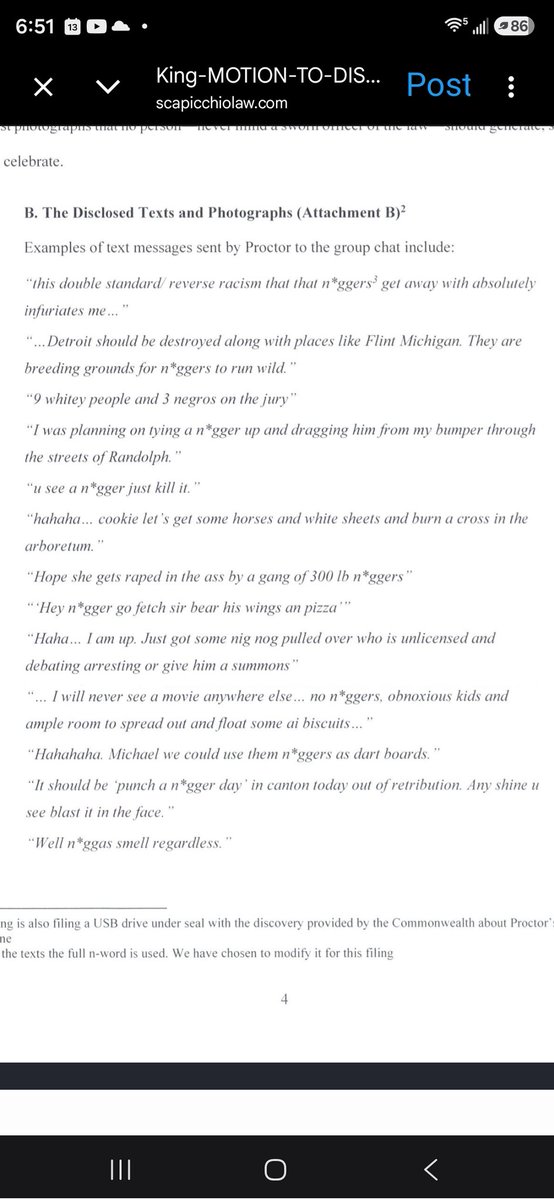
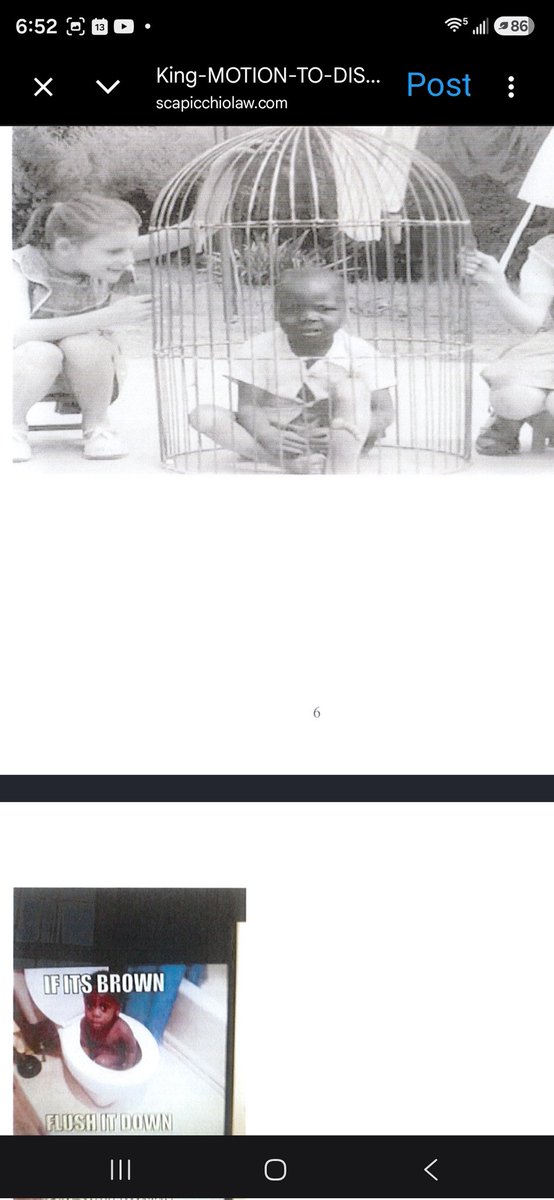
Someone might want to tell @JulieCar94 to sit this one out. Could she possibly be any more tone deaf

1
39
Boston Tom retweeted

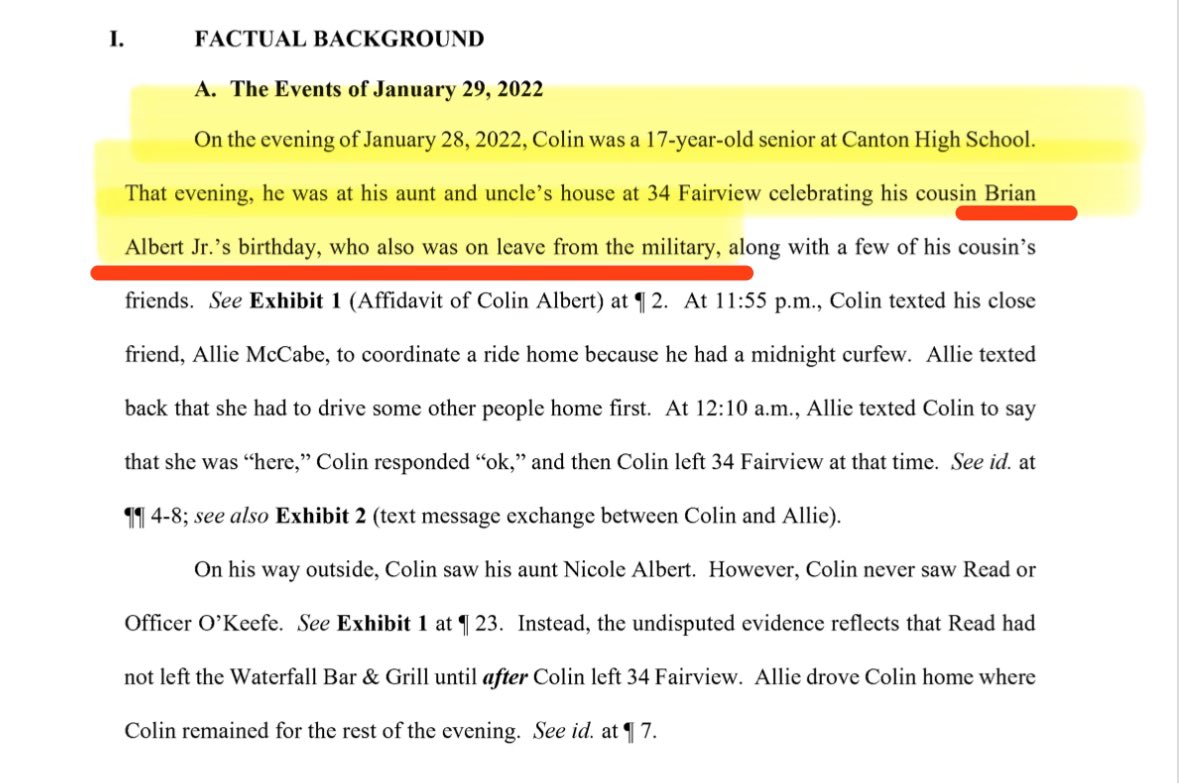
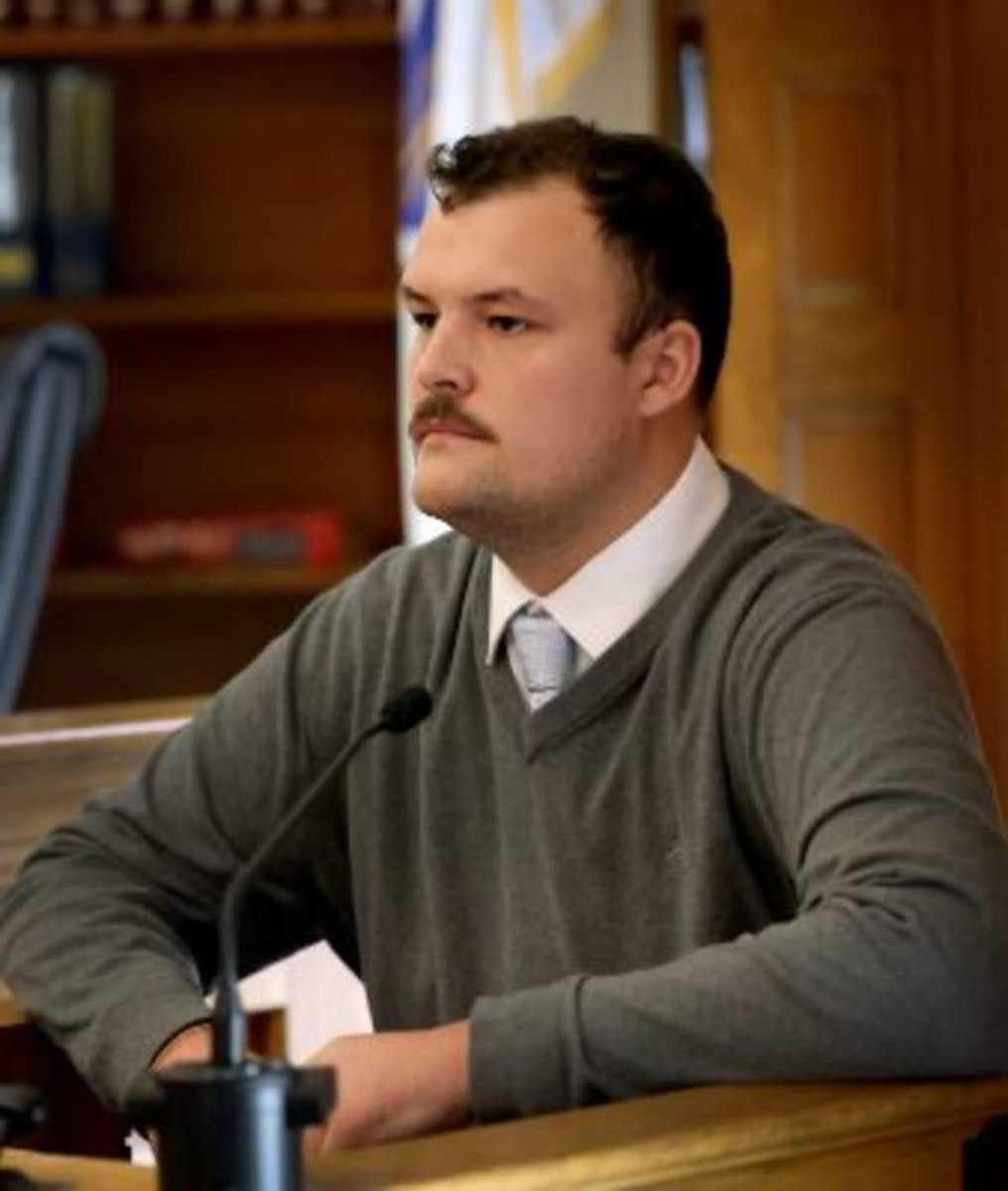
Another lie from the McAlbert’s lawyer:
Brian Albert Jr was NOT in the military on January 29, 2022 and probably still isn’t.
Brian Albert Jr has anxiety and had to hide upstairs in his bedroom allegedly because he saw police cars and EMTs outside of his house, despite his father being a well known boston police officer at the time.
He also testified that he worked/works in the IT industry.
For people who claim to be innocent, they sure do lie a lot.
@DamonE73270 @Bederowlaw @Nickyhaircuts @DoctorTurtleboy
23
24
219
27,117
Boston Tom retweeted
Jun 12
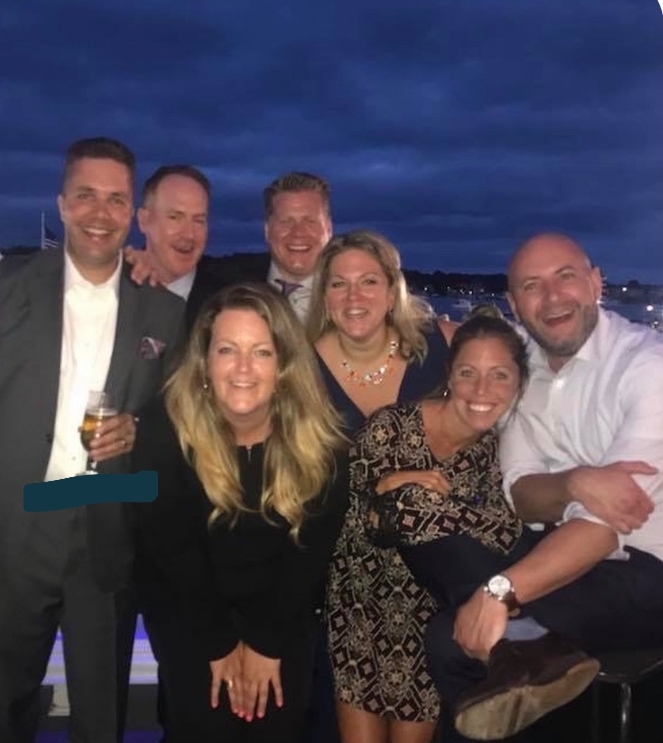
One thing I want to be clear about, I do not know yet whether the “Foley” referenced in the messages is Kevin Foley, who is brothers with the Matt foley pictured here.
But what this photo does show, based on the people identified, is how close and overlapping this Canton social circle was. Sean Goode, Courtney Proctor, Kati Brown, Jillian Daniels, Kenner Johnson, and Matt Foley all appear within the same friend orbit.
That matters because this case has never just been about one person knowing one person. It is about overlapping friendships, family ties, police connections, and whether conflicts were treated seriously enough from the beginning.
So no, I’m not claiming the “Foley” in the messages is Kevin Foley unless that is confirmed.
I’m saying the overlap itself deserves attention.
28
42
370
24,294
Boston Tom retweeted
Jun 12
This is why the Sean Goode and Michael Proctor texts matter. It is not just that the messages were vile. They were.
It is not just that they showed racism, misogyny, and a complete lack of professionalism. They did.
It is that these messages came out of a friend circle that overlaps with the very Canton social network at the center of the Karen Read case.
The “Kenner” in the chats is Kenner Johnson, son of a former New England Patriots player. This tight knit circle included people like Kati Brown, who has a child with Keith Albert, along with Jillian Daniels, Courtney Proctor, and others connected to the Canton group.
That matters.
Courtney Proctor is Michael Proctor’s sister.
Keith Albert is Brian Albert’s brother.
Brian Albert owned 34 Fairview Road.
John O’Keefe was found on that property.
Michael Proctor became the lead investigator.
Sean Goode was working dispatch when the 911 calls came in, responded to the scene, interacted with the Alberts, and later turned out to be part of this same ugly text-message world.
So please spare us the idea that people are “reaching” when they talk about conflicts of interest.
This was not six degrees of separation.
This was one degree, two degrees, and in some places basically sitting at the same table.
When an investigation involves a house owned by one connected family, a lead investigator whose family is close to that circle, and a Canton officer tied into the same network, the public has every right to ask
Was this an investigation?
Or was this a protection plan?
21
95
635
17,102
Boston Tom retweeted
Jun 12
While everyone tracks down Kevin Foley, let’s look closer at the "Larry Kennedy" exposed in the unsealed Karen Read civil lawsuit text leaks. Local sources indicate "Larry" is actually Mike Kennedy, a lifelong Canton resident who has gone by that nickname since high school. Why this matters, He is the husband of Meg Kennedy, who is famously one of the best friends of Jen McCabe (a core witness in the John O'Keefe case). If true, this places someone sending explicitly racist messages directly within the tight social circle of the prosecution's star witnesses and former Trooper Michael Proctor.
The insular Canton network continues to unravel.
23
87
701
42,524
Boston Tom retweeted

Jun 12
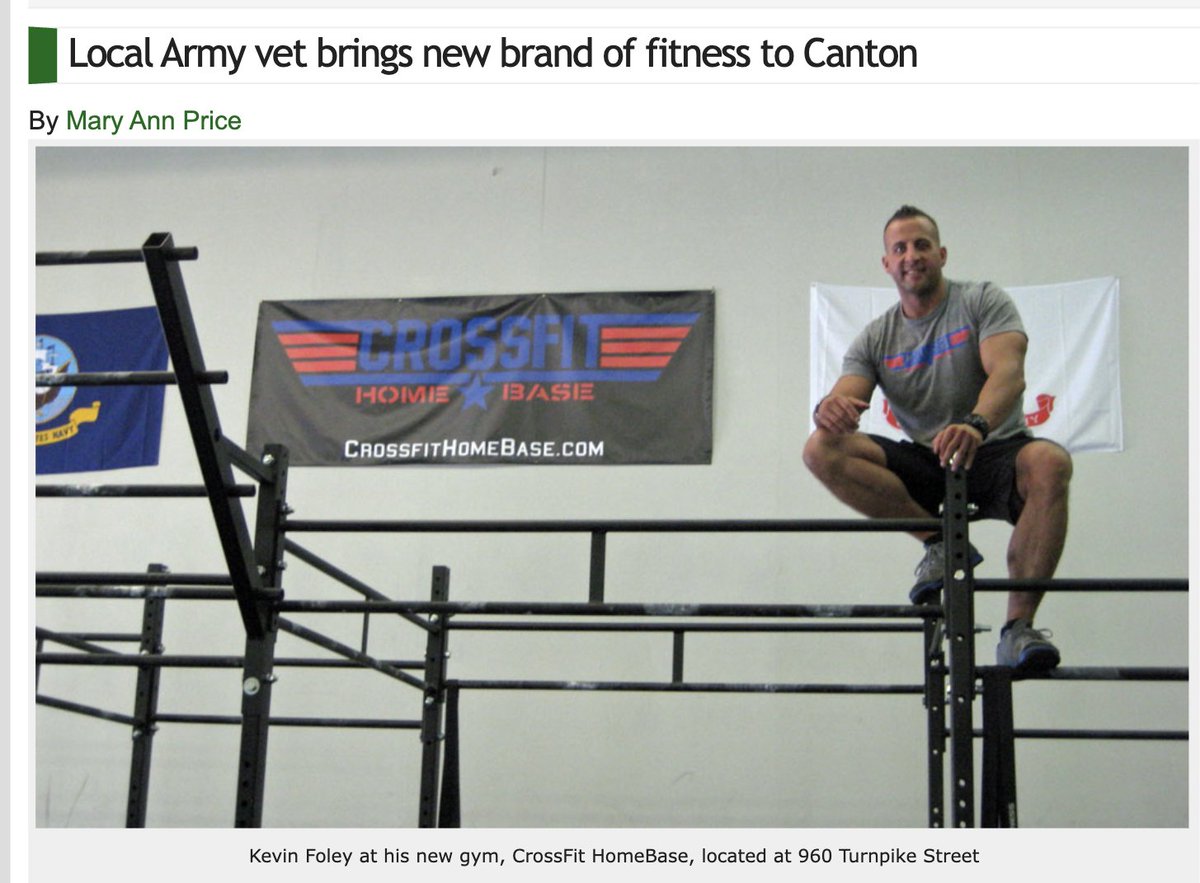
📌Let me introduce you to Kevin Foley, friend of Michael Proctor and Kevin Albert. Owner of CrossFit HomeBase gym in Canton. Member of group text message chain. Racist.
Interesting piece from 2012 on CrossFit Homebase.
Another reminder that many of the people at the center of the Karen Read controversy didn't just know each other professionally, they shared friendships and social circles that go back years.
The owner of CrossFit Homebase was reportedly friends with both Kevin Albert and former MSP Trooper Michael Proctor.
But when investigators, witnesses, family members, and longtime friends are all intertwined, asking questions isn't a conspiracy, it's common sense.
Transparency shouldn't be feared. It should be welcomed.
#KarenRead #FreeKarenRead #JusticeForJohnOKeefe #CantonCoverUp
thecantoncitizen.com/2012/07…
14
47
228
11,093
Jun 11
1
70
Boston Tom retweeted

Jun 10
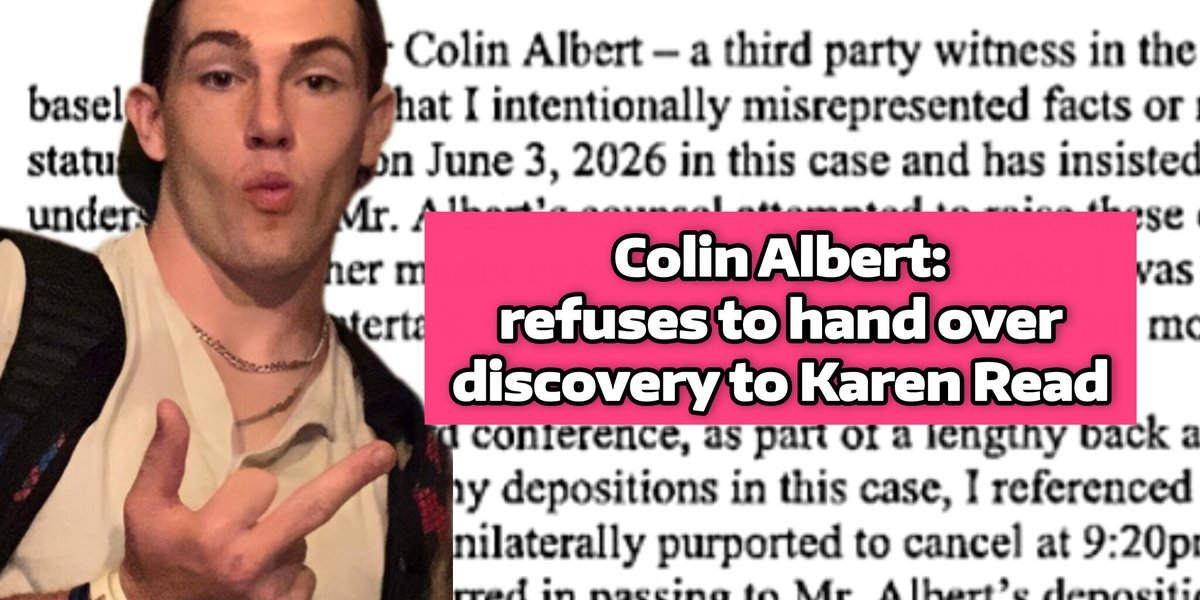
Last week, the public was been told that Karen Read's attorneys simply failed to show up for Colin Albert's deposition. That claim was repeated by commentators, amplified across social media, and reinforced by Attorney Diller proceeding with his own deposition of Colin Albert. The clear implication was that Read's team was playing games, stalling, or avoiding testimony.
What was largely left out of that narrative was the discovery dispute sitting underneath it.
According to a filing by Read attorney Aaron Rosenberg, Colin Albert had not produced subpoenaed documents that Read's team had requested before the deposition. Rosenberg alleges that Colin's counsel refused to produce documents, delayed discussions regarding the scope of the subpoena, failed to provide additional dates after the deposition was postponed, and ultimately informed Read's team that Colin would only be available for a limited period before becoming unavailable indefinitely.
This is not a minor procedural disagreement because discovery exists so attorneys can review evidence before questioning a witness under oath. The purpose of a deposition is not simply to get a witness talking. The purpose is to confront a witness with documents, communications, records, and other evidence that may confirm, contradict, or clarify testimony.
An example of this could be cell phone documentation. For Colin specifically, they could ask for communications with Allie McCabe for a 1/28/22 - 1/31/22 time frame as she was his alibi for the evening of John O'Keefe's murder.
If an attorney believes relevant documents are being withheld, proceeding with a deposition means questioning a witness without knowing what evidence may still be sitting behind the curtain. That is why the missing discovery matters.
The question that should have been asked from the beginning is not why Read's team did not proceed with the deposition on the scheduled date. The question is why Colin Albert had not turned over the documents that were being demanded through subpoena in the first place.
What makes the situation even more noteworthy is that while this dispute was ongoing, Attorney Diller served his own subpoena and moved forward with Colin Albert's deposition anyway. As Rosenberg now lays out, Read's position is that the deposition issue cannot be separated from the discovery issue because the two are directly connected.
Viewed through that lens, the public narrative starts to look very different. What was portrayed as a simple "no-show" may actually have been a fight over obtaining evidence before conducting testimony.
Whether one agrees with Read's team or not, the filings show there was far more happening behind the scenes than the public was led to believe. The fact that the discovery dispute was rarely mentioned while the "they didn't show up" narrative was repeated over and over again should raise some serious questions about how accurately this issue was being presented to the public.
33
106
785
23,664
Boston Tom retweeted

This is bullshit. I have never represented Albert in my life and NCDA’s office knows it.
127
136
1,422
163,177
Boston Tom retweeted

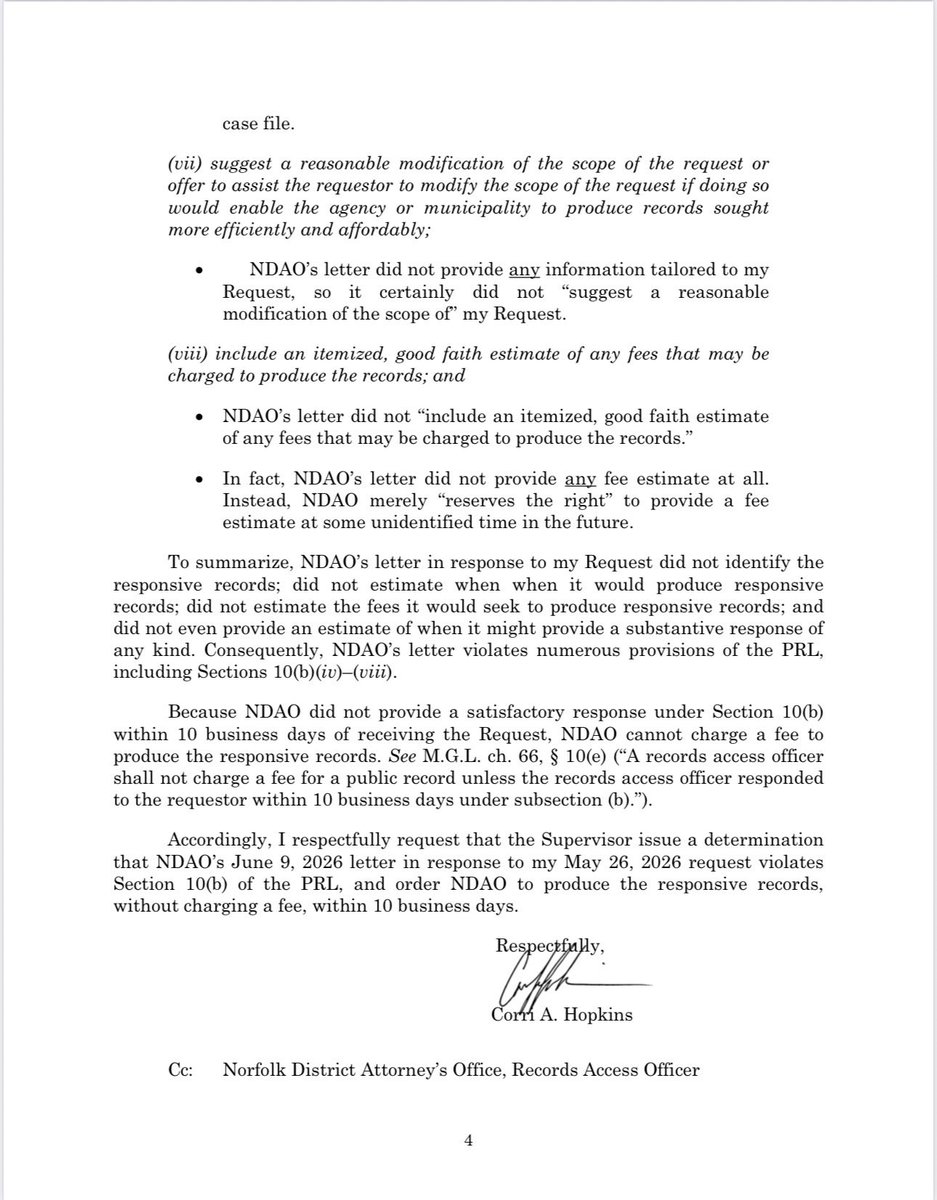
Some MA agencies have really taken “nothing worth having comes easy” to heart.
Gotta be relentless.


46
54
572
17,639
Boston Tom retweeted

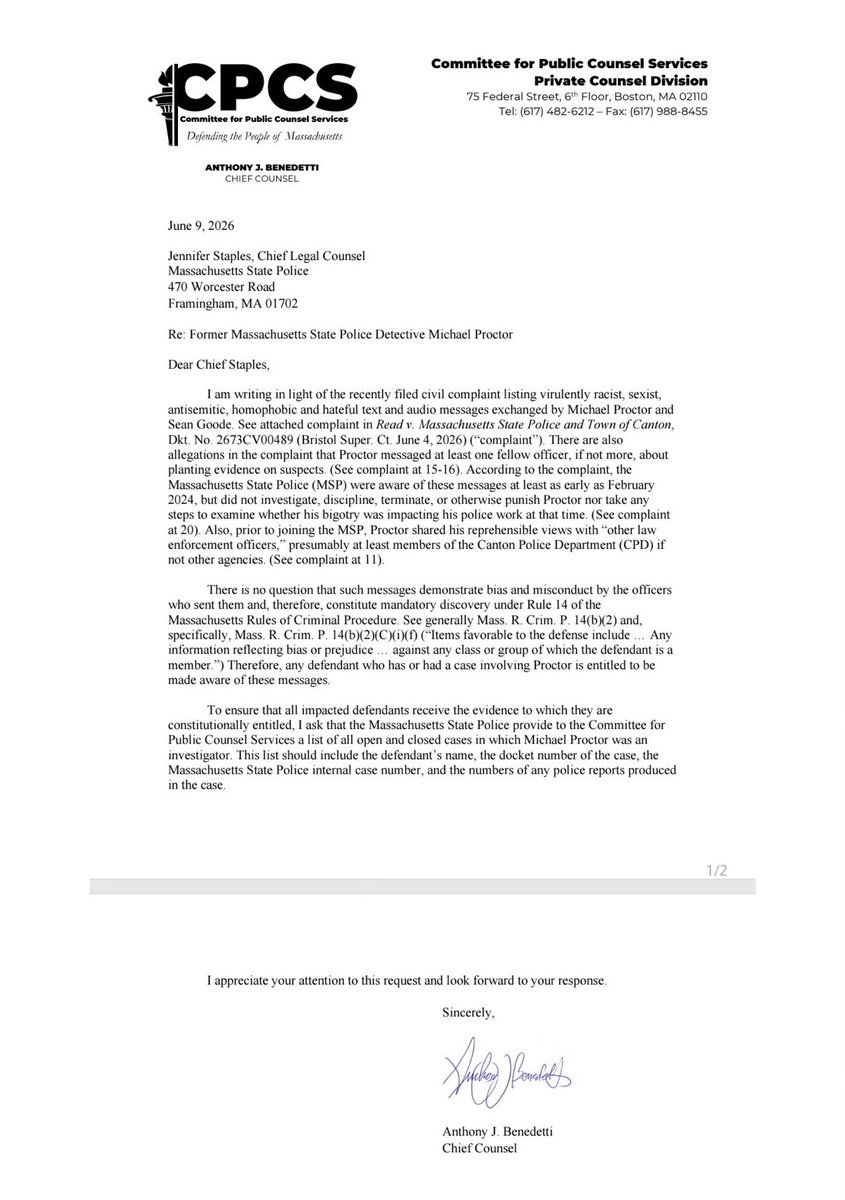
👇⚖️ The new lawsuit we filed last week against MSP and Canton PD is already having a wider impact.
144
221
1,885
119,938
Boston Tom retweeted
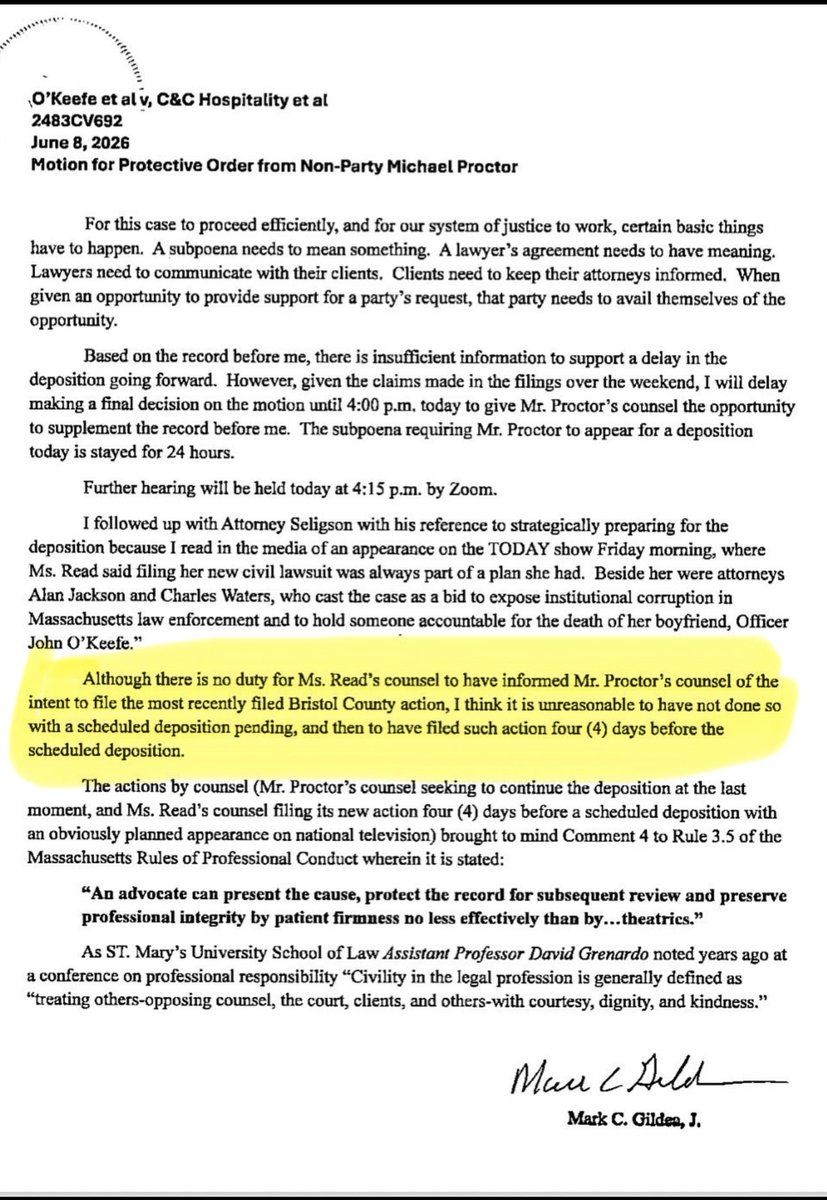
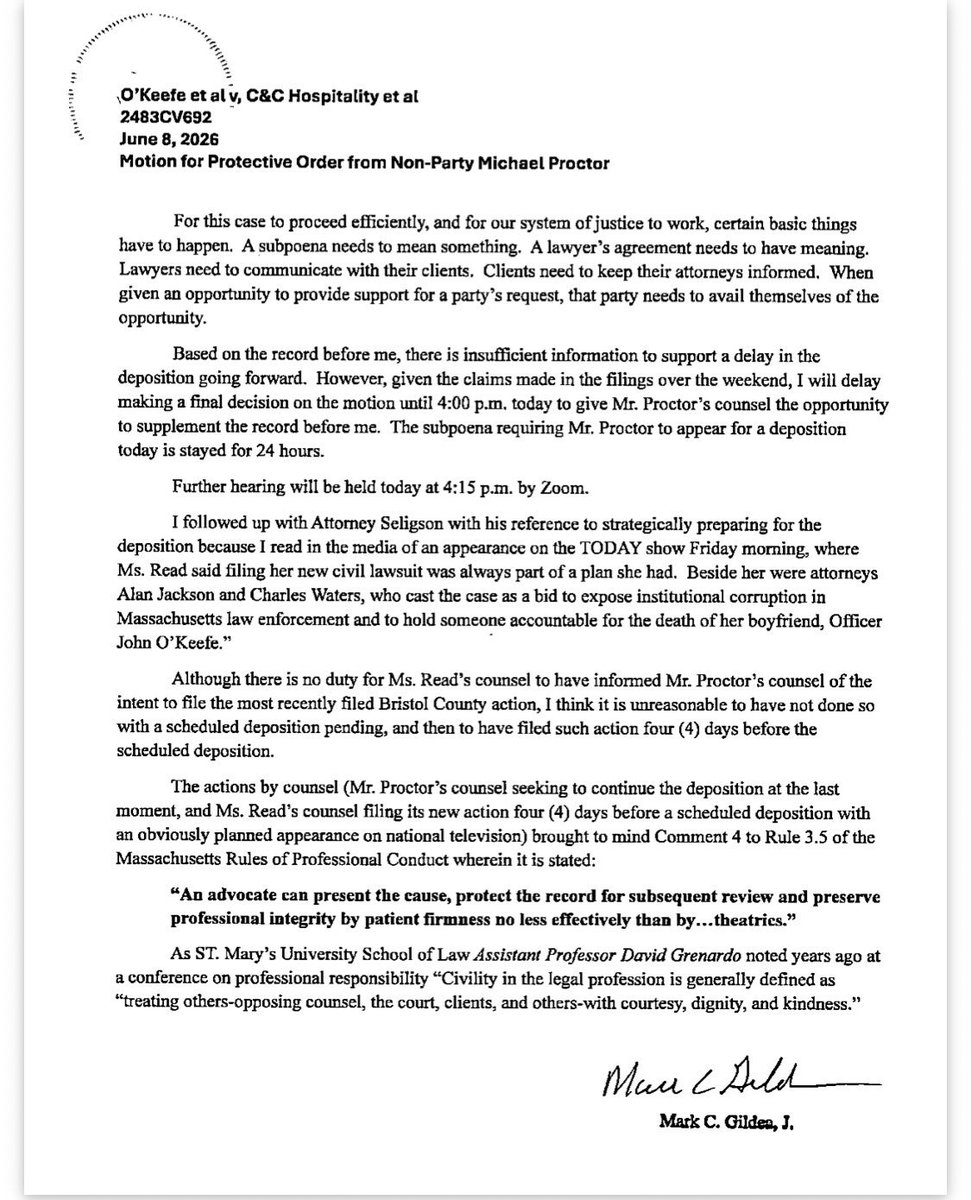
Does Citizen Proctor need a gold-embossed invitation to be quoted in a court filing?
Apparently announcing Karen’s impending MSP/CPD suit (to which Proctor is NOT a party) in open court on 4/23/26, while standing 2 feet away from Proctor’s attorney, was not enough. 🤨 K.

24
78
663
41,299
Jun 8
Just a reminder for anyone believing that #Michaelproctor, The Town of Canton, or the MSP were just made aware that they were being named in a lawsuit by #KarenRead
x.com/i/status/2062899138828…
Jun 5

@MarburyvVeryMad Corri is absolutely correct and the Town of Canton is lying. MGL 258, Section 4 requires that anyone suing the Commonwealth or any municipality therin must first file a formal Notice of Presentment with the Attorney General
mass.gov/info-details/claims…
malegislature.gov/Laws/Gener…
The state/town has six months to either settle, deny or fail to respond to the claim and then just as #KarenRead did, one can proceed with a suit in Superior Court.
@CantonMAPolice didn't "learn in the media" nor did @TownofCantonMA
2
23
2,359
Boston Tom retweeted

Jun 6
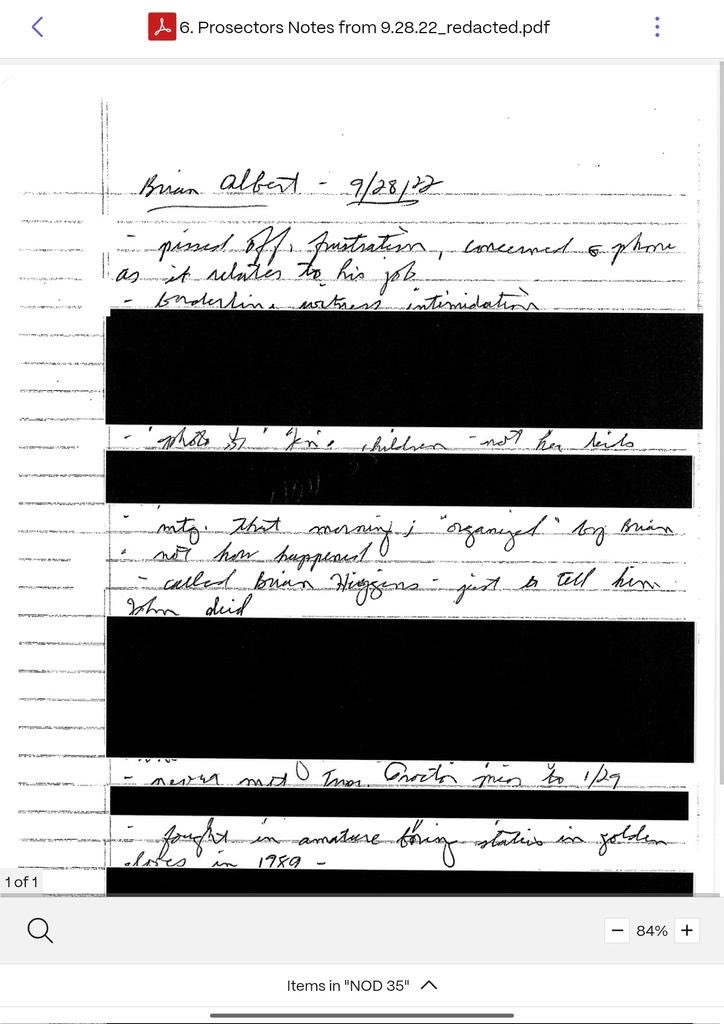
Do we have documents showing Brian Albert perjured himself, or that MSP knew he destroyed evidence?
Sept 22 - Preservation order discussed in open court and so ordered (we know Brian watched)
Brian later testified this was the day he got rid of his phone on the Sept 22
Sept 28 - Proctor talked with Brian Albert who said he was pissed odd, frustrated, concerned about his phone (bc it contained work info… which apparently didn’t matter enough to not destroy it)
13
35
196
17,036

Boston Tom retweeted
Jun 4
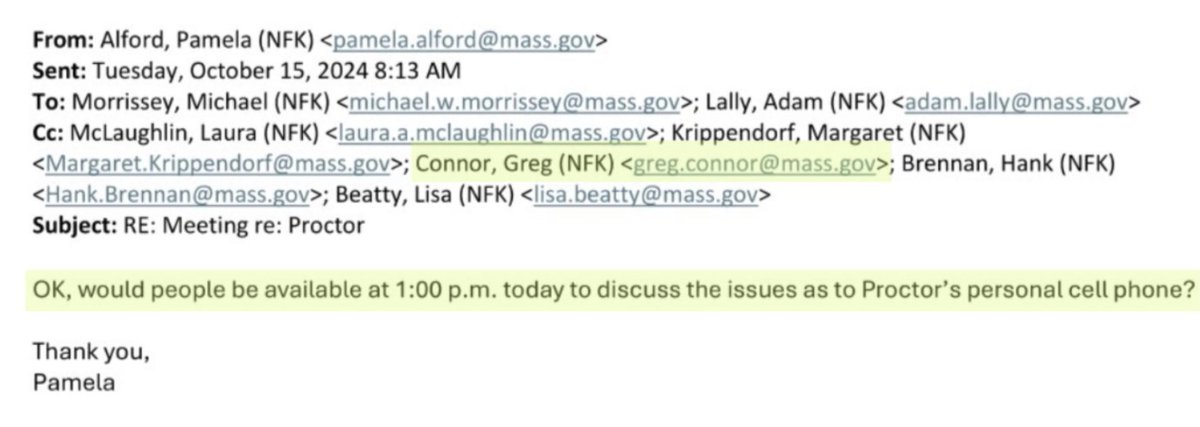
📌Greg Connor has known about all of these messages since at least October 2024.
Yet on May 21, 2026, Greg Connor claimed:
"Did I have any indication that he was misogynist? No. Had he ever used those words in front of me? No. I saw him as a trooper that would investigate cases... he seemed like a guy who loved his wife and kids. So, that's what I knew about him."
HE KNEW LONG BEFORE! This NOT who you want as your next DA Norfolk, Vote @adamdeitch
11
55
321
15,151
