
BIASC supports survivors and their families in SC that experience brain injury. To keep up with us, make sure to follow our other social media accounts.
- Tweets 869
- Following 253
- Followers 3,089
- Likes 137

ALT A white background with a blue speech bubble that says in white text, "Help us improve the lives of people with disabilities in South Carolina! Take our survey"; followed by the SC Statewide Independent Living Council logo.
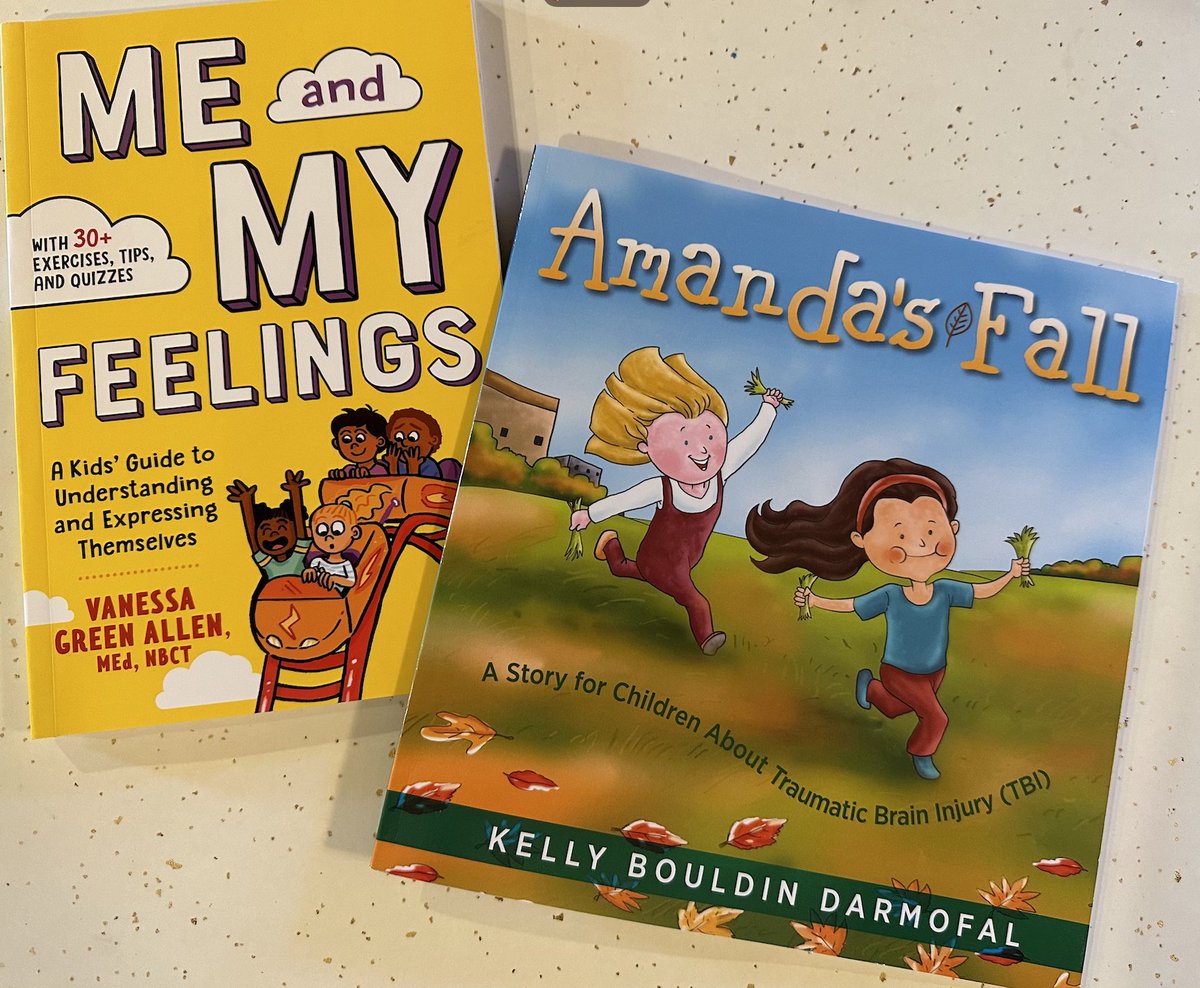
ALT Image of two books set next to one another. From left to right they are: Me and My Feelings: A Kids' Guide to Understanding and Expressing Themselves, and Amanda's Fall.
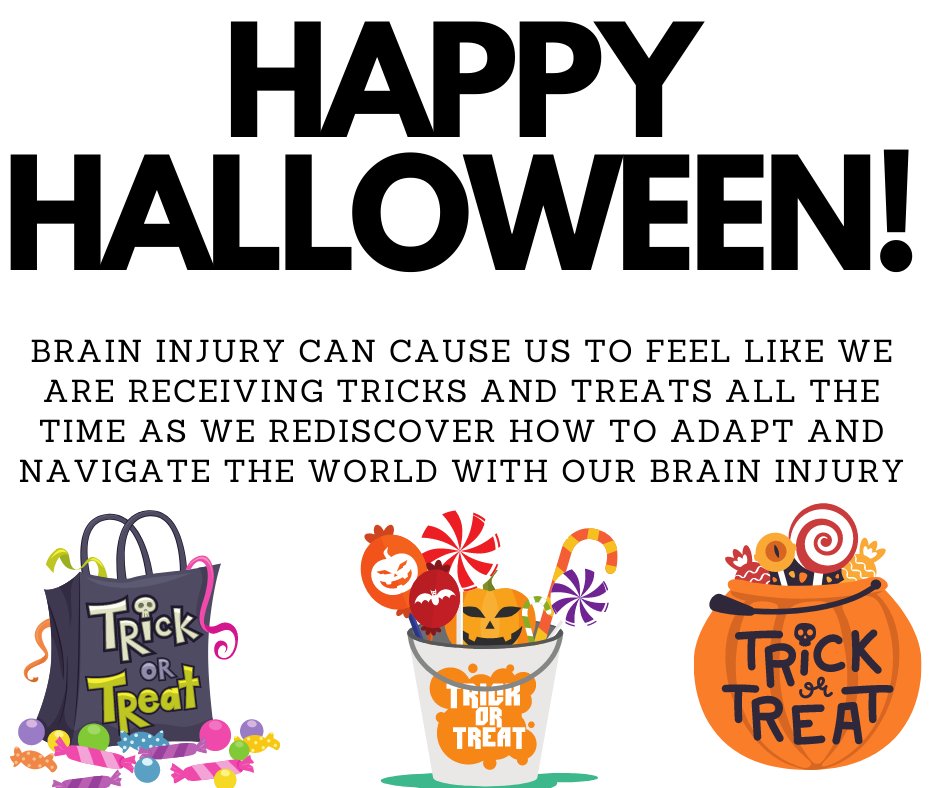
ALT White background. Text says Happy Halloween. We know that Brain Injuries can cause us to feel like we are receiving tricks and treats all the time as we rediscover how to adapt and navigate the world with a brain injury. Three illustrations of different types of candy baskets that say "trick or treat" on them are at the bottom of the page.
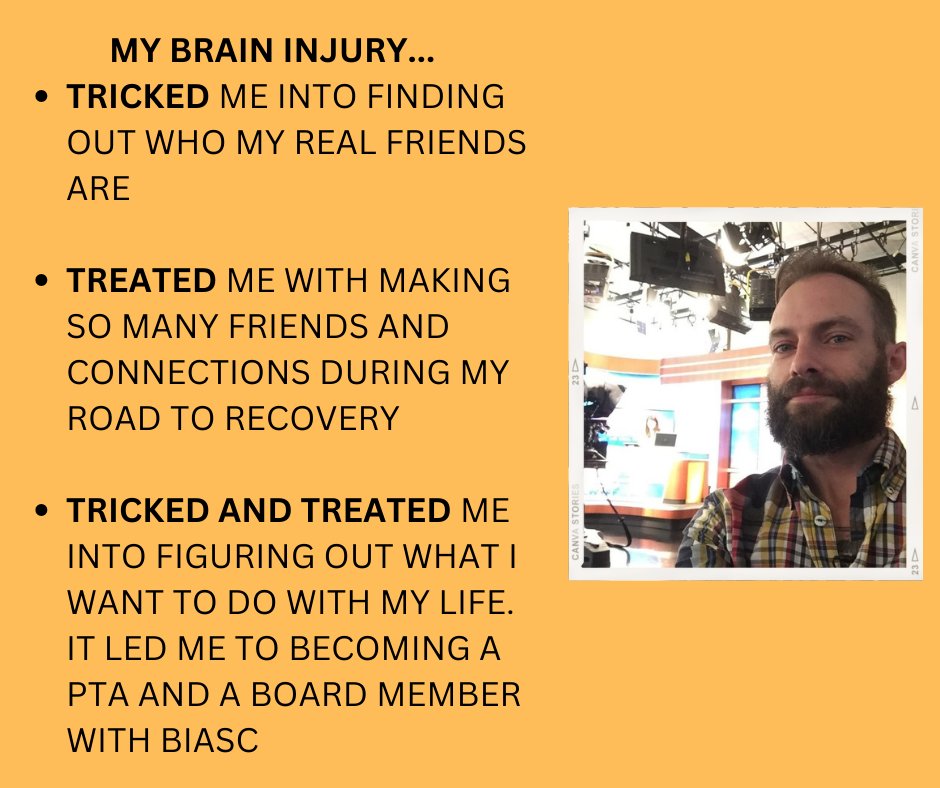
ALT Light orange background. Image of Lucky Jollye is on the right-side. Lucky is a white man with dark hair and dark facial hair. Text to the left of this photo says: My brain injury...tricked me into finding out who my real friends are. Treated me with making so many friends and connections during my road to recover. Tricked and treated me into figuring out what I want to do with my life. It led me to becoming a PTA and a Board Member with BIASC.
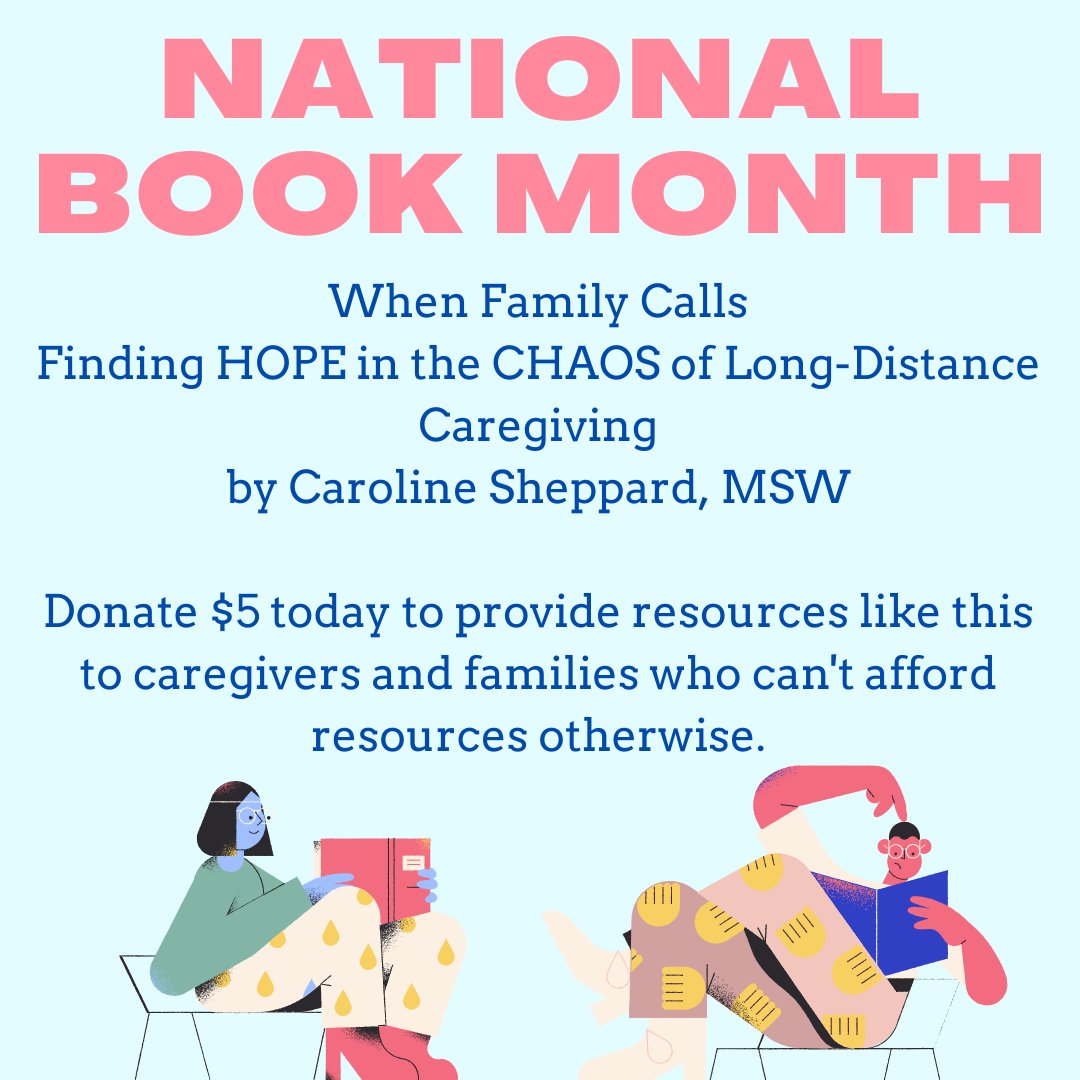
ALT Light blue background with pink and dark blue writing. Illustrations of two individuals reading books are below the text. Text says: National Book Month. When Family Calls. Finding Hope in the CHAOS of Long Distance Caregiving by Caroline Sheppard. MSW. Donate $5 to provide resources like this to caregivers and families who can't afford resources otherwise.
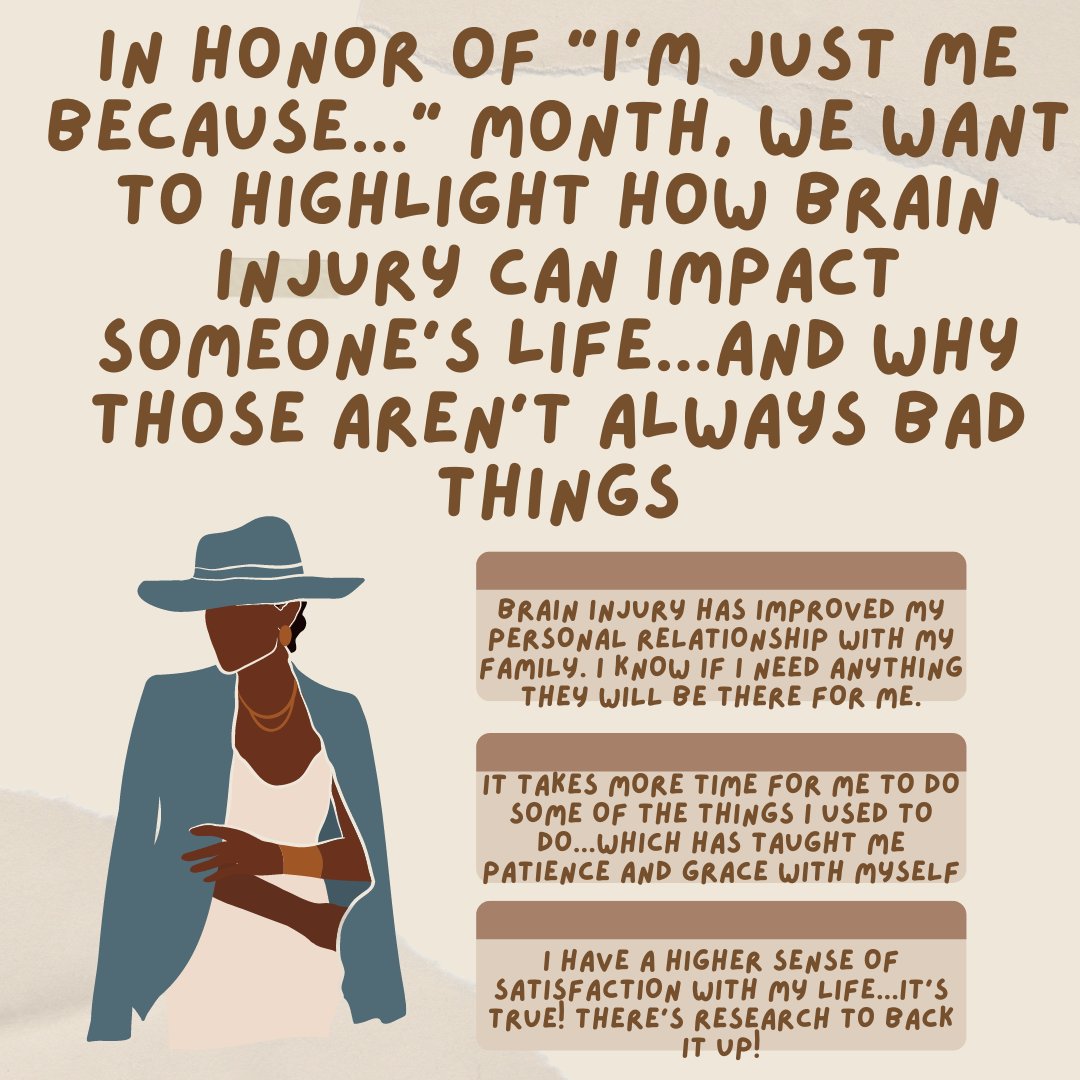
ALT Tan color scheme with an illustration of a Black woman who seems content and confident. Text on the page says: In honor of "i'm just me because..." month, we want to highlight how brain injury can impact someone's life...and why those aren't always bad things. brain injury has improved my personal relationship with my family. i know if i need anything they will be there for me. it takes more time for me to do some of the things I used to do...which has taught me patience and grace with myself. I have a higher sense of satisfaction with my life...it's true! There's research to back it up!
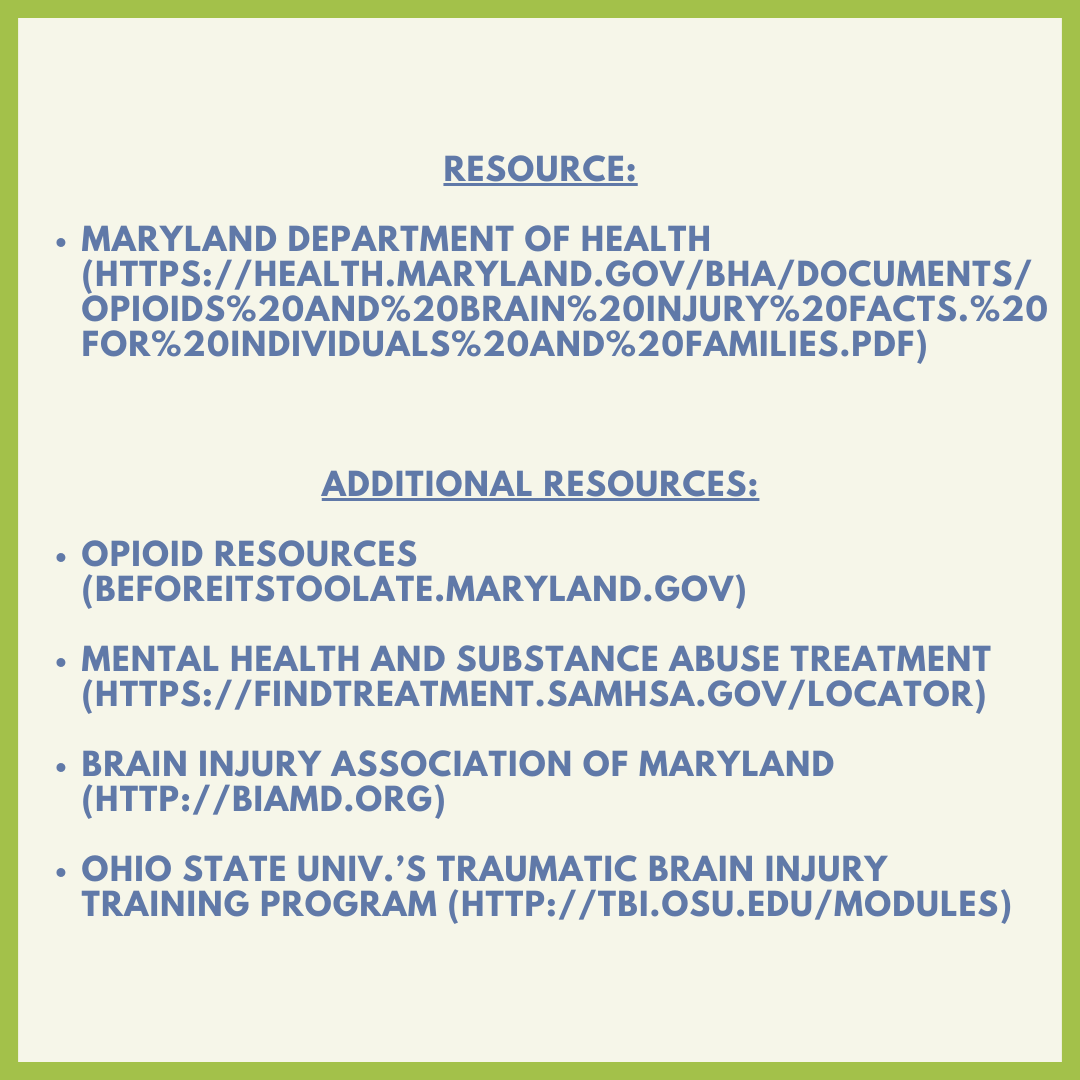
ALT Slide 3 Content: resource: Maryland department of health (https://health.maryland.gov/bha/Documents/Opioids and Brain Injury Facts. for individuals and families.pdf). Additional resources: Opioid Resources (BeforeItsTooLate.Maryland.gov). Mental Health and Substance Abuse Treatment (https://findtreatment.samhsa.gov/locator). Brain Injury Association of Maryland (http://biamd.org). Ohio State Univ.’s Traumatic Brain Injury training program (http://tbi.osu.edu/modules).
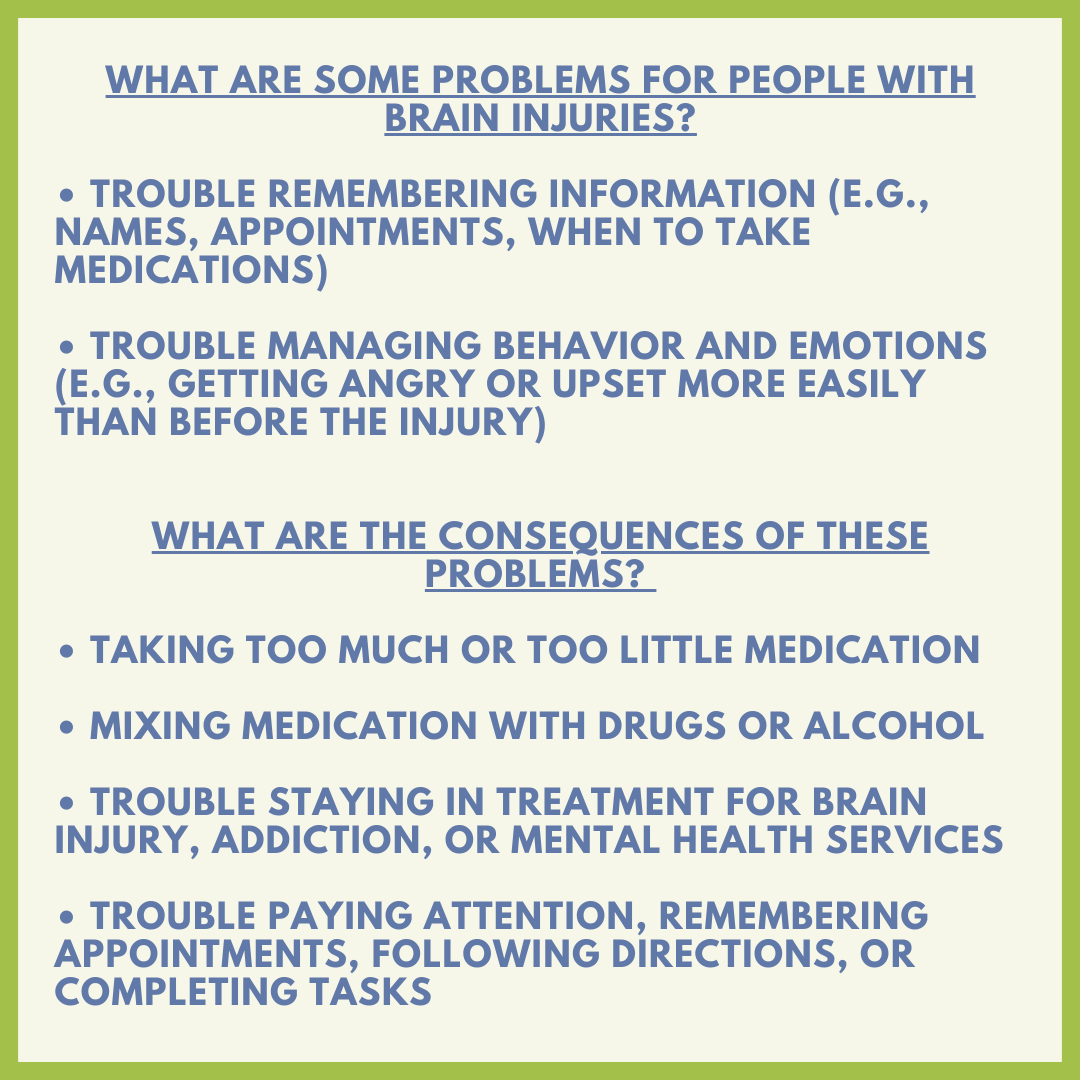
ALT Slide 2 content: What are some problems for people with brain injuries?. Trouble remembering information (e.g., names, appointments, when to take medications). Trouble managing behavior and emotions (e.g., getting angry or upset more easily than before the injury). What are the consequences of these problems Taking too much or too little medication. Mixing medication with drugs or alcohol. Trouble staying in treatment for brain injury, addiction, or mental health services. Trouble paying attention, remembering appointments, following directions, or completing tasks.
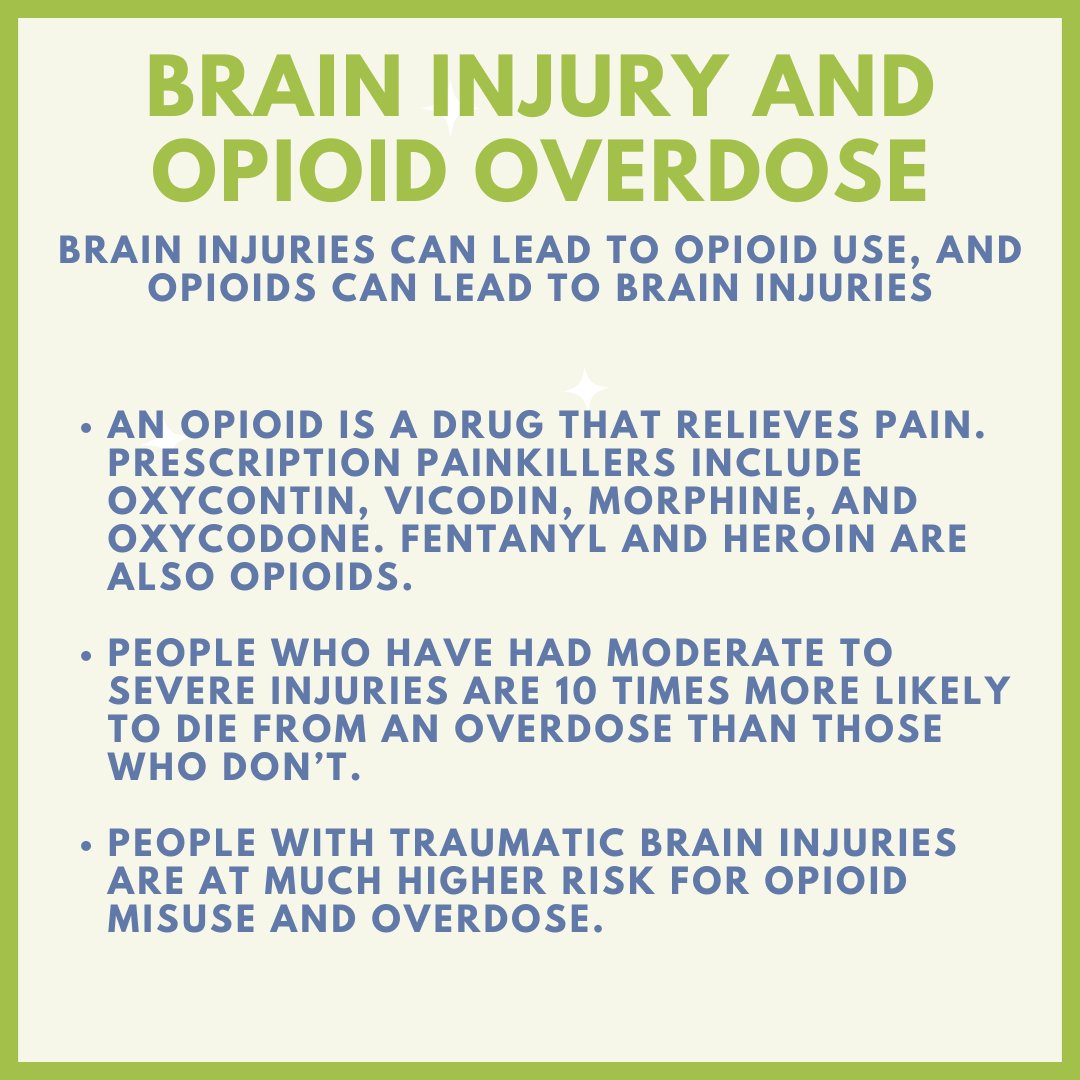
ALT Slide 1 content: Brain Injury and Opioid Overdose. Brain Injuries can lead to opioid use and use of opioids can lead to brain injuries. An opioid is a drug that relieves pain. Prescription painkillers include oxycontin, Vicodin, morphine, and oxycodone. Fentanyl and heroin are also opioids. People who have had moderate to severe injuries are 10 times more likely to die from an overdose than those who don’t.